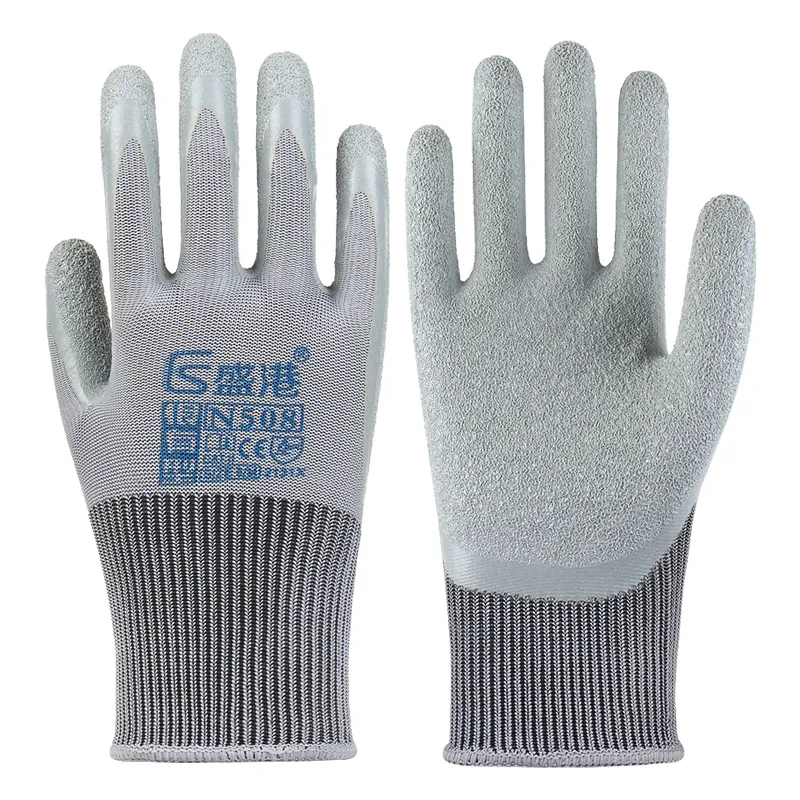
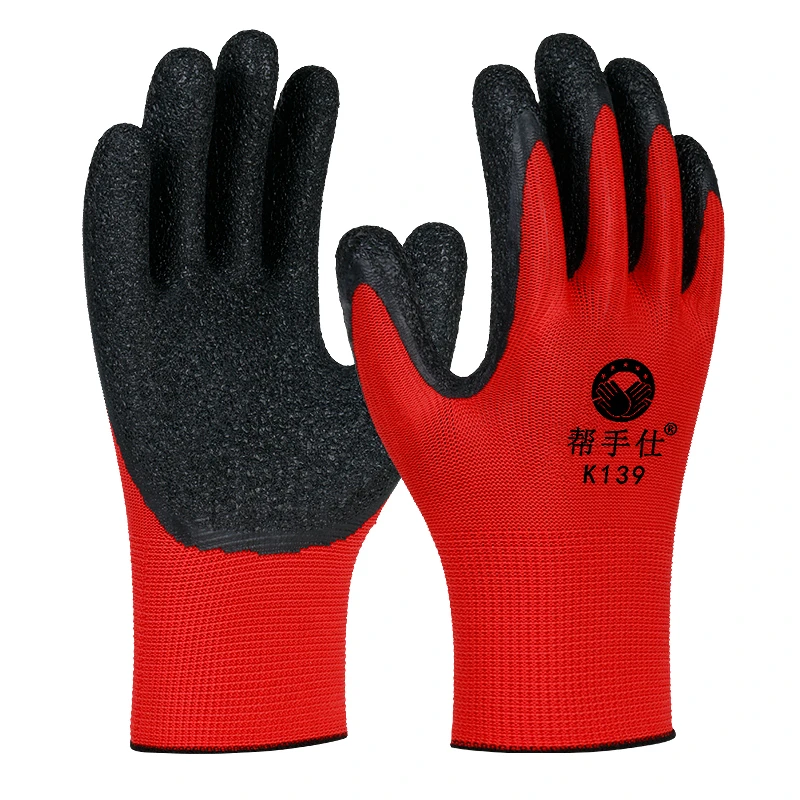
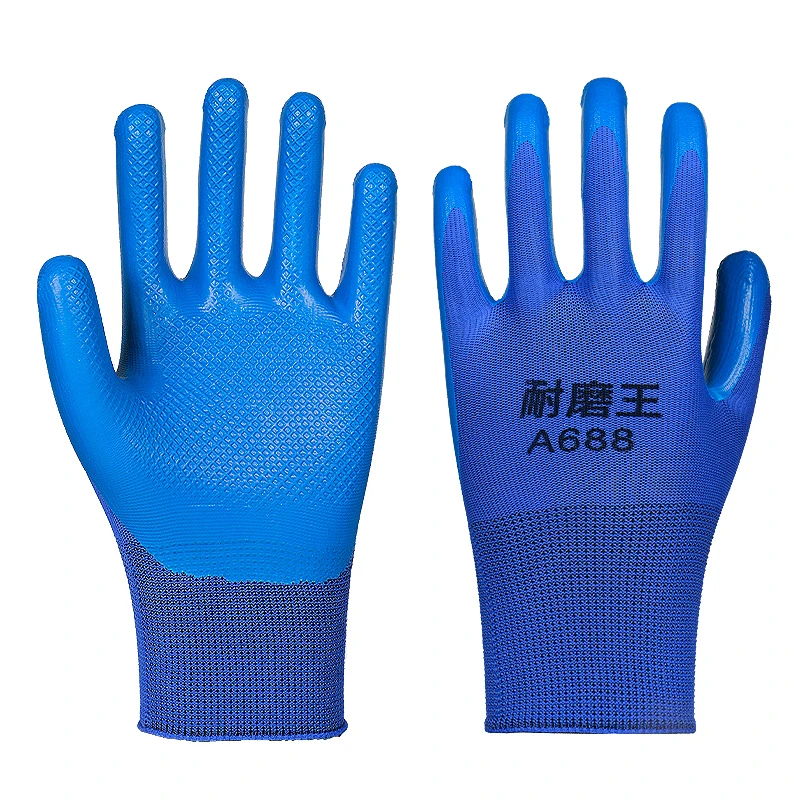
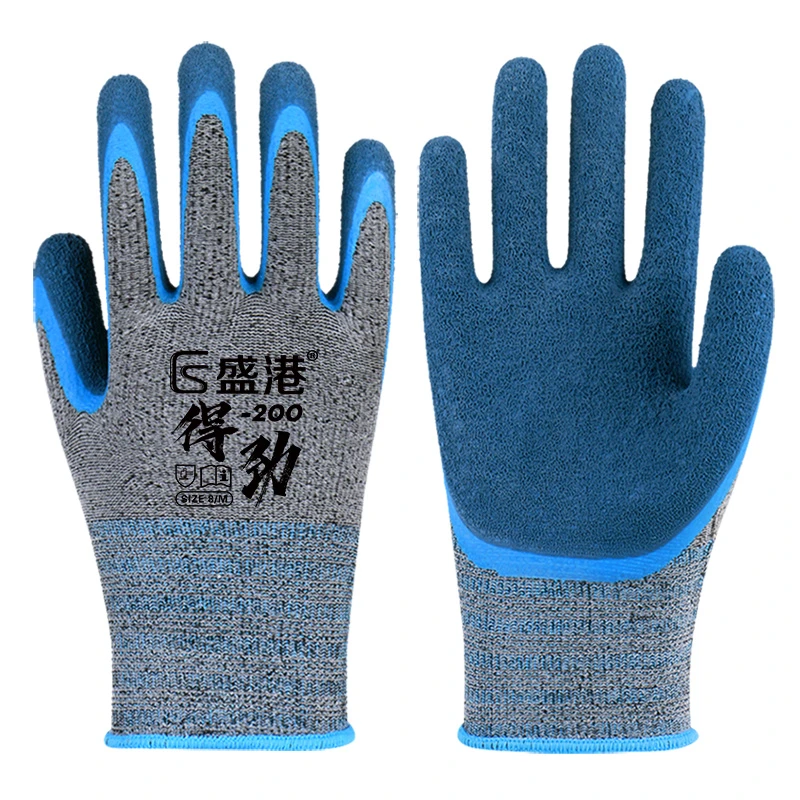
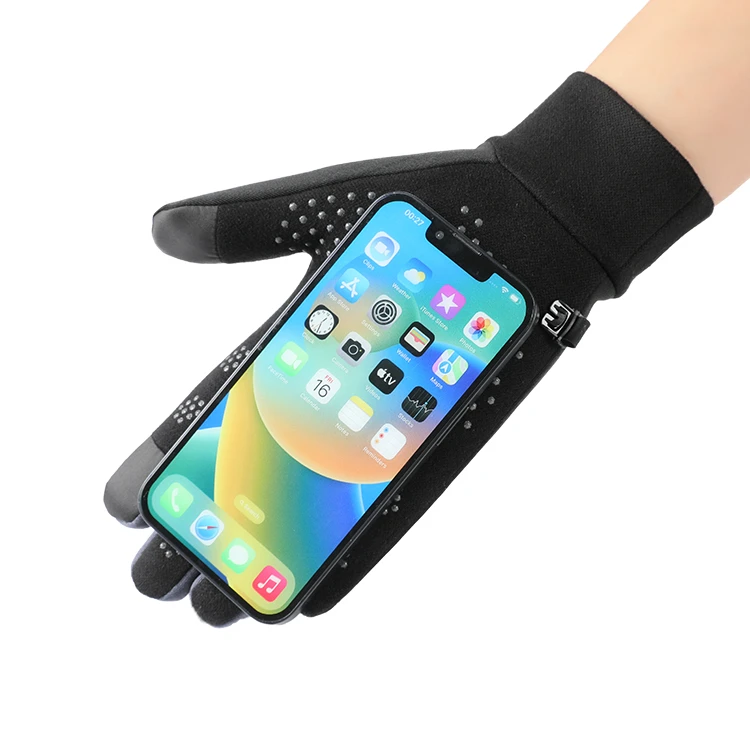
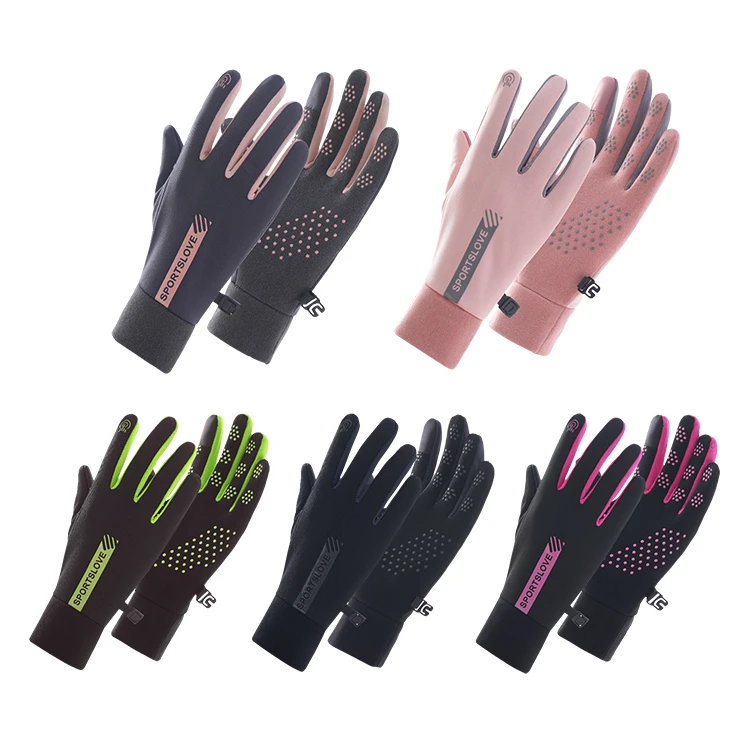
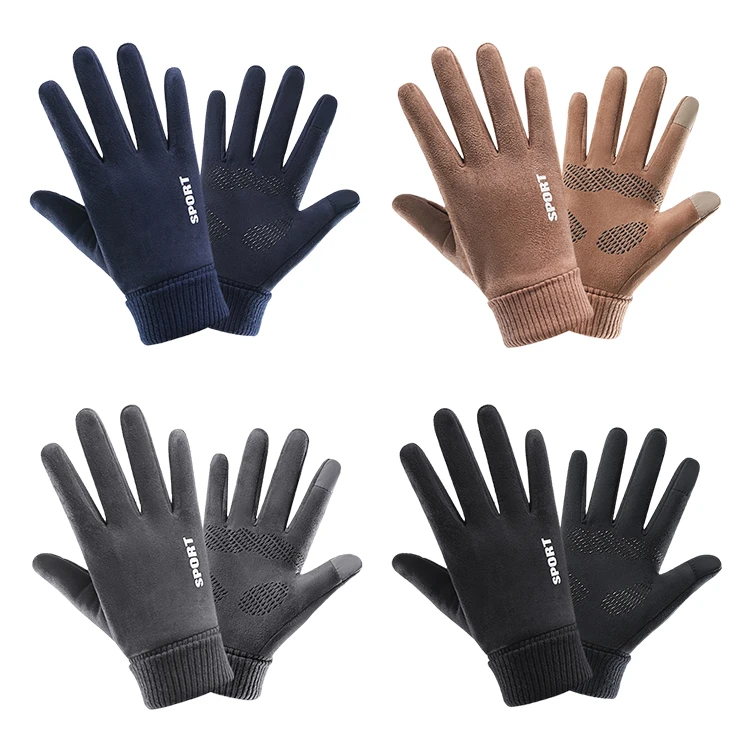
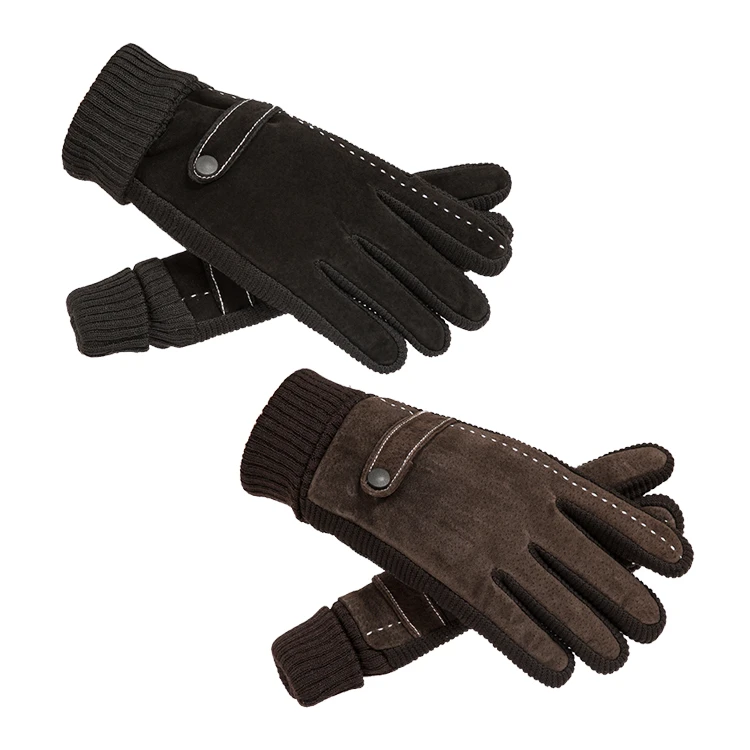
Waterproof Industrial Protective Gloves | Rubber & Leather Work
Introduction to Advanced Industrial Hand Protection
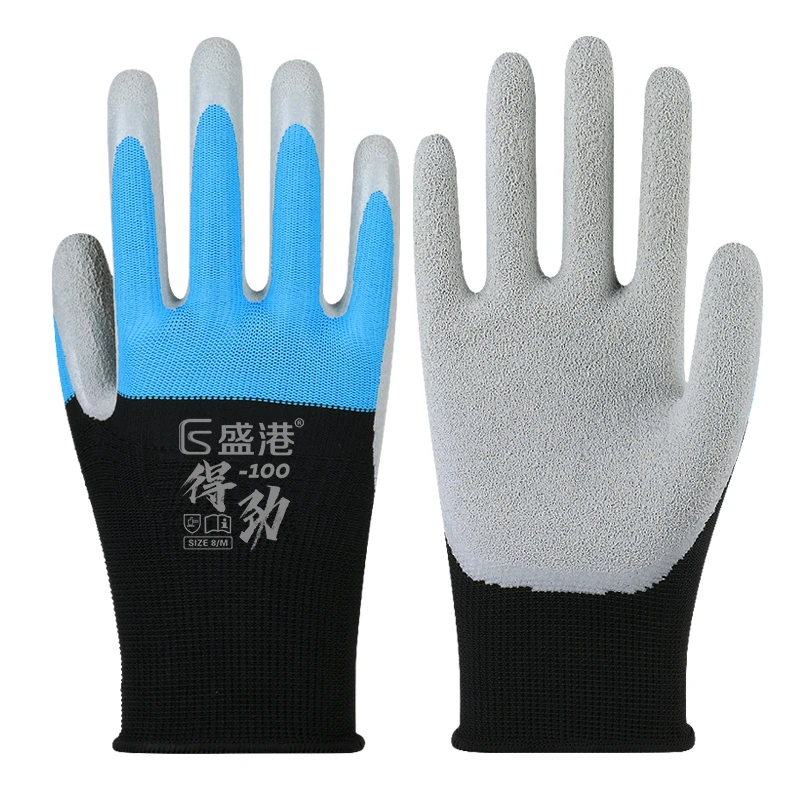
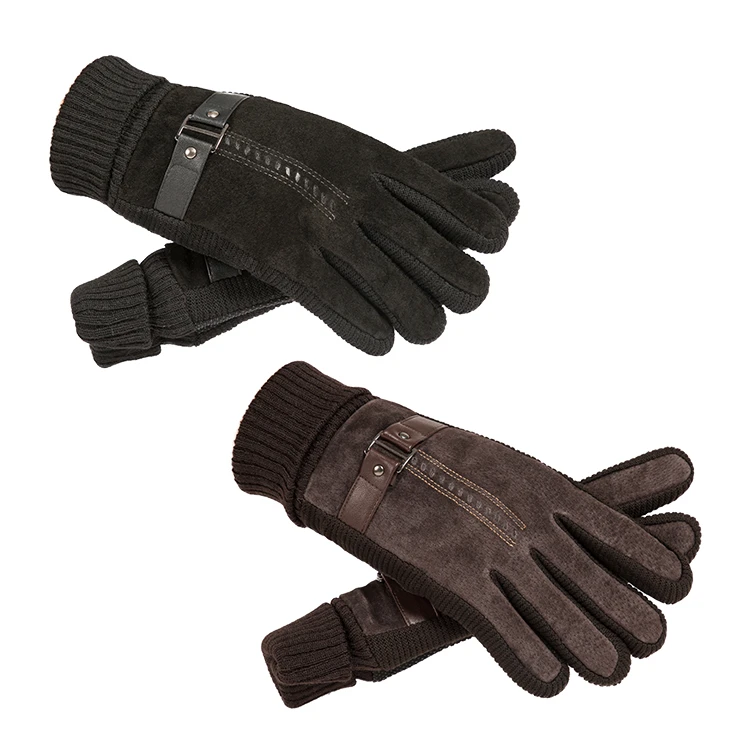
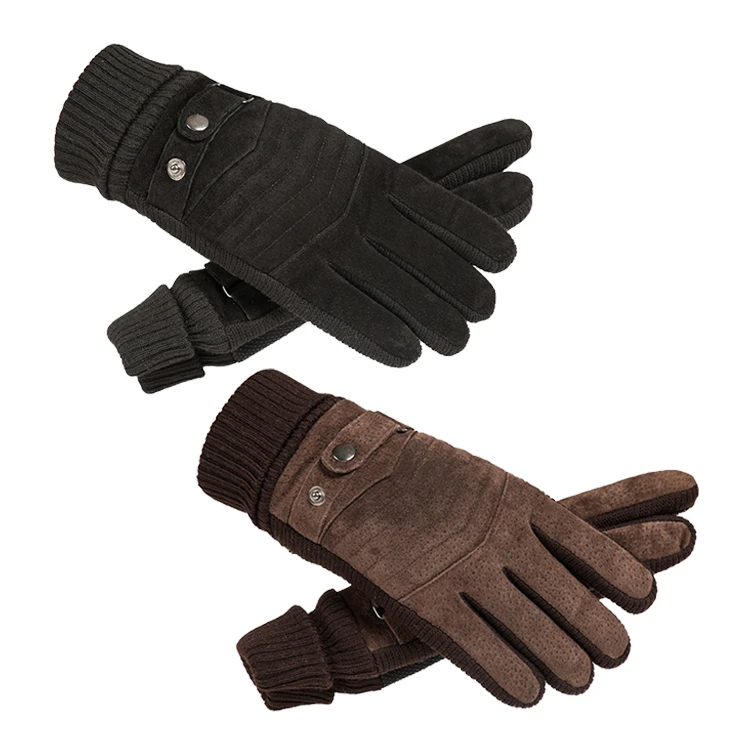
In high-stakes industrial environments, uncompromising hand protection is not merely a compliance requirement but a fundamental pillar of operational safety and efficiency. The integration of diverse materials into a single protective solution addresses multifaceted hazards, offering workers unparalleled security. This article delves into the technical and practical aspects of Protective Gloves Wear Rubber Leather Industrial Gloves For Work Waterproof. These specialized gloves combine the rugged durability and tactile sensitivity of leather with the superior chemical resistance, grip, and waterproofing capabilities of rubber, engineered to meet the rigorous demands of various heavy industries. We will explore their manufacturing intricacies, technical specifications, diverse application scenarios, and the strategic advantages they offer in fostering safer and more productive workplaces.
Industry Trends in Industrial Hand Protection
The industrial hand protection market is undergoing significant evolution, driven by stricter safety regulations, advancements in material science, and a growing emphasis on worker comfort and dexterity. Key trends include:
- Hybrid Material Innovations: The demand for gloves combining the benefits of multiple materials, such as leather and various polymers (nitrile, PVC, natural rubber), is surging. This fusion approach, exemplified by the Protective Gloves Wear Rubber Leather Industrial Gloves For Work Waterproof, aims to provide comprehensive protection against a wider spectrum of hazards, from mechanical risks to chemical exposure and liquid penetration.
- Smart PPE Integration: Emerging technologies are leading to "smart gloves" embedded with sensors for tracking usage, detecting impacts, or monitoring vital signs. While still nascent for heavy industrial gloves, this trend signifies a move towards data-driven safety management.
- Sustainability and Eco-Friendly Materials: Growing environmental consciousness is pushing manufacturers to explore sustainable sourcing, recycled materials, and more environmentally benign manufacturing processes. This includes reducing waste and optimizing material longevity to decrease consumption.
- Ergonomics and Dexterity Enhancement: Beyond protection, manufacturers are focusing on improving glove fit, flexibility, and tactile sensitivity to reduce hand fatigue and improve worker productivity, particularly for tasks requiring fine motor skills.
- Specialized Coatings and Treatments: Developments in specialized coatings offer enhanced grip in oily or wet conditions, improved cut resistance without excessive bulk, and antimicrobial properties for hygiene.
- Adherence to Evolving Safety Standards: Global safety standards (e.g., EN 388, ANSI/ISEA 105) are continuously updated to reflect new risks and improve testing methodologies, compelling manufacturers to innovate and certify their products to the highest levels.
These trends collectively underscore an industry-wide commitment to not just meeting, but exceeding, baseline safety requirements, thereby ensuring optimal worker protection and operational continuity.
Manufacturing Process Flow of Hybrid Protective Gloves
The creation of high-performance Protective Gloves Wear Rubber Leather Industrial Gloves For Work Waterproof involves a sophisticated multi-stage manufacturing process, meticulously designed to integrate distinct material properties into a cohesive, durable, and protective unit. Key phases include:
Process Step 1: Material Sourcing & Preparation
Leather: Typically high-grade cowhide, goatskin, or pigskin is sourced for its superior abrasion, puncture, and tear resistance. It undergoes tanning, dyeing, and softening processes to achieve desired flexibility and durability.
Rubber: Natural rubber, nitrile, or PVC compounds are prepared. This involves mixing raw polymer with vulcanizing agents, accelerators, fillers, and pigments to achieve specific properties like chemical resistance, flexibility, and grip.
Process Step 2: Leather Component Shaping
Precision cutting machinery (e.g., CNC leather cutting systems) shapes the leather into various glove components like palms, backs, fingers (fourchettes), and cuffs according to ergonomic patterns. Edges are often skived to reduce bulk at seams.
Process Step 3: Rubber Coating/Lining Application
For gloves with a rubberized palm or full lining, pre-cut fabric liners (often cotton or polyester) are dipped into liquid rubber latex or nitrile compounds. This process, known as dipping or casting, creates a uniform, waterproof, and chemically resistant layer. Multiple dips may be performed to achieve desired thickness and layering.
Process Step 4: Assembly & Stitching
The leather components are meticulously stitched together. For hybrid gloves, the rubberized liner or specific rubber patches are integrated with the leather shell. This stage requires specialized industrial sewing machines capable of handling robust materials and threads (e.g., Kevlar, nylon) to ensure seam integrity and durability. Critical areas are often double-stitched.
Process Step 5: Curing & Finishing (Vulcanization)
Rubber components undergo vulcanization – a chemical process involving heat and sulfur (or other agents) – which significantly improves the rubber's elasticity, tensile strength, and resistance to chemical and thermal degradation. Leather parts may receive additional treatments for water repellency or flame resistance. Gloves are then shaped, trimmed, and cleaned.
Process Step 6: Quality Control & Testing
Each batch of gloves undergoes rigorous quality assurance. This includes visual inspection for defects, dimensional checks, and performance testing against international standards such as:
- EN 388: Mechanical risks (abrasion, cut, tear, puncture).
- EN 374: Chemical risks and microorganism permeation.
- EN 511: Protection against cold.
- ANSI/ISEA 105: North American standard for hand protection classification.
- ISO 9001: Quality management system certification for the manufacturing facility.
Waterproof integrity is tested through hydrostatic pressure tests or submersion tests. This meticulous adherence to standards ensures reliable service life and superior protective qualities in demanding conditions, such as those found in petrochemical or metallurgy industries where energy saving through reduced downtime and corrosion resistance of components are paramount.
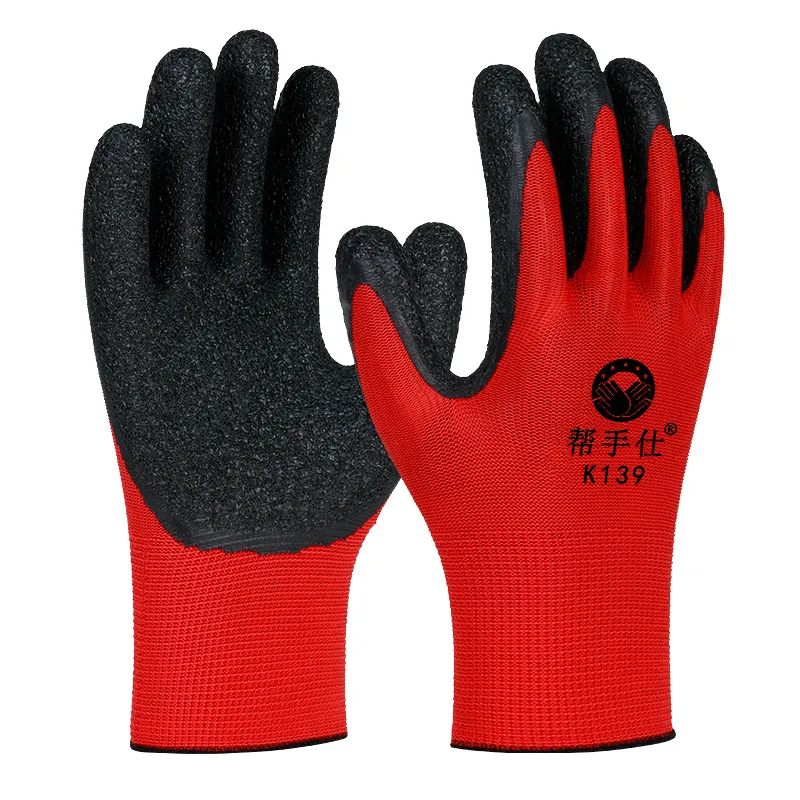
Technical Specifications & Performance Parameters
The performance of Protective Gloves Wear Rubber Leather Industrial Gloves For Work Waterproof is defined by a comprehensive set of technical specifications and validated against stringent industry standards. These parameters are crucial for B2B decision-makers assessing suitability for specific operational hazards.
Key Product Specifications
| Parameter | Specification/Value | Technical Explanation |
|---|---|---|
| Primary Materials | Genuine Cowhide Leather (palm/back), Nitrile Rubber (coating/lining) | Leather provides robust mechanical protection; Nitrile offers chemical resistance and enhanced grip. |
| Coating Type & Coverage | Full palm and finger Nitrile coating, fully dipped or partial back. | Ensures comprehensive waterproofing and barrier protection against oils, chemicals, and abrasions. |
| Grip Pattern | Sandy Nitrile finish or Textured Palm | Optimized for secure handling in wet, oily, or dry conditions, enhancing operational safety and reducing slippage. |
| Overall Thickness | 1.2 mm - 1.5 mm (approx., varying by design area) | Balanced for protection against mechanical hazards while maintaining reasonable dexterity. |
| Cuff Style | Gauntlet or Safety Cuff | Provides extended wrist and forearm protection, easy donning/doffing. |
| Certifications | CE Category II/III, EN 388:2016 (e.g., 4132X), EN 374 (chemical resistance, specific types) | Indicates compliance with European safety standards for mechanical and chemical protection, ensuring product reliability. |
| Water Resistance | Fully Waterproof (rubberized areas) | Prevents liquid penetration, critical for wet environments and chemical handling, protecting skin integrity. |
| Chemical Resistance | Type A (specific chemicals), Type B or Type C (general splash) as per EN 374-1:2016+A1:2018 | Protection against a range of industrial chemicals, specified by breakthrough times and degradation levels. |
Understanding these specifications is paramount for procurement teams and safety managers. For instance, an EN 388 rating of "4132X" signifies high abrasion resistance (4), good cut resistance (1), moderate tear resistance (3), and good puncture resistance (2), with "X" indicating no impact protection test was performed or reported. This detailed breakdown ensures the selection of gloves precisely matched to workplace hazards.
Application Scenarios & Target Industries
The robust design and hybrid material composition of Protective Gloves Wear Rubber Leather Industrial Gloves For Work Waterproof render them indispensable across a multitude of heavy industrial sectors where dual protection against mechanical injury and liquid exposure is critical.
- Petrochemical Industry: Workers in refineries, oil and gas extraction, and chemical processing facilities face hazards from abrasive surfaces, sharp edges, and corrosive liquids (e.g., crude oil, solvents, acids). These gloves provide vital mechanical protection while the rubber coating ensures a formidable barrier against chemical permeation and excellent grip on oily surfaces, contributing to safer handling and reduced material waste.
- Metallurgy and Metal Fabrication: Operations involving metal stamping, welding, grinding, and handling of hot or sharp metal components demand high abrasion, cut, and puncture resistance. The leather provides this, while the rubber elements offer an additional layer of protection against sparks, minor splashes, and an improved grip on often slick metal surfaces, preventing accidents and enhancing operational control.
- Water Supply & Drainage Systems: Technicians and engineers working on pipelines, sewage treatment plants, and pumping stations are frequently exposed to wet, muddy, and often contaminated environments. The full waterproof capability of these gloves, combined with the leather's durability, ensures hands remain dry, protected from bacteria, and resistant to abrasion from pipes or tools. This scenario directly benefits from the 'waterproof' characteristic of the Protective Gloves Wear Rubber Leather Industrial Gloves For Work Waterproof.
- Construction and Heavy Equipment Operation: On construction sites, workers handle rough materials like concrete, rebar, and timber, and operate heavy machinery. The gloves offer superior abrasion and impact protection, while the enhanced grip provided by the rubber coating is crucial for maintaining control over tools and machinery, especially in adverse weather conditions.
- Waste Management and Recycling: Personnel in these sectors encounter a wide range of unknown and potentially hazardous materials, including sharp objects, chemicals, and biological contaminants. The dual-material construction offers robust defense against punctures and cuts, alongside a waterproof and chemical-resistant barrier.
In each of these demanding scenarios, the integrated design of these gloves not only shields against immediate dangers but also contributes to long-term operational benefits, such as reducing workplace injuries, minimizing downtime, and extending the service life of PPE, thereby indirectly leading to significant cost savings.
Technical Advantages and Performance Benefits
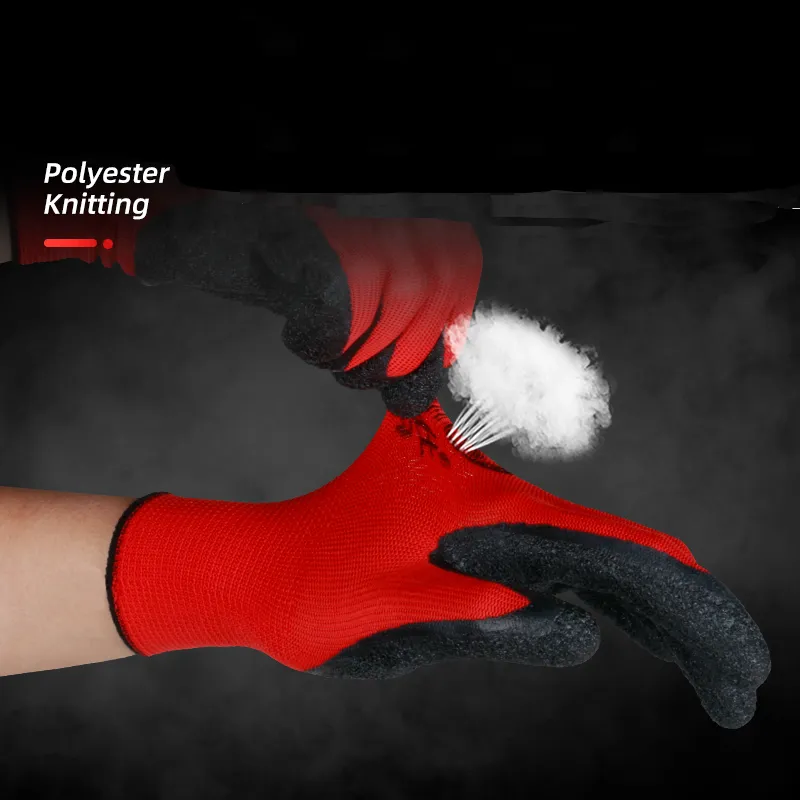
The unique combination of rubber and leather in industrial protective gloves offers a synergistic array of technical advantages, positioning them as a superior choice for complex industrial challenges.
- Comprehensive Mechanical Protection: Leather, particularly on the palm and high-impact areas, provides exceptional resistance to abrasion, cuts, and punctures. This inherent strength of natural hide safeguards against jagged edges, splinters, and impacts common in heavy industrial work, fulfilling critical aspects of EN 388 requirements.
- Superior Chemical and Liquid Barrier: The integrated rubber (nitrile, PVC, or natural rubber) coating delivers robust impermeability against a broad spectrum of industrial chemicals, oils, greases, and water. This waterproof barrier is crucial for preventing skin irritation, chemical burns, and bacterial infections, significantly enhancing worker safety in wet or chemically exposed environments. It also aids in corrosion resistance of the underlying equipment and materials by preventing chemical contact.
- Enhanced Grip Performance: Rubber coatings, especially those with textured or sandy finishes, dramatically improve grip in both wet and oily conditions. This is a critical factor for precision handling, reducing the risk of dropping tools or materials, which can lead to injuries or damage, indirectly contributing to energy saving by avoiding rework.
- Extended Service Life and Durability: By combining the wear resistance of leather with the chemical and abrasion resistance of rubber, these gloves exhibit a longer lifespan than single-material alternatives. This durability translates into lower procurement costs over time and consistent protection for the workforce.
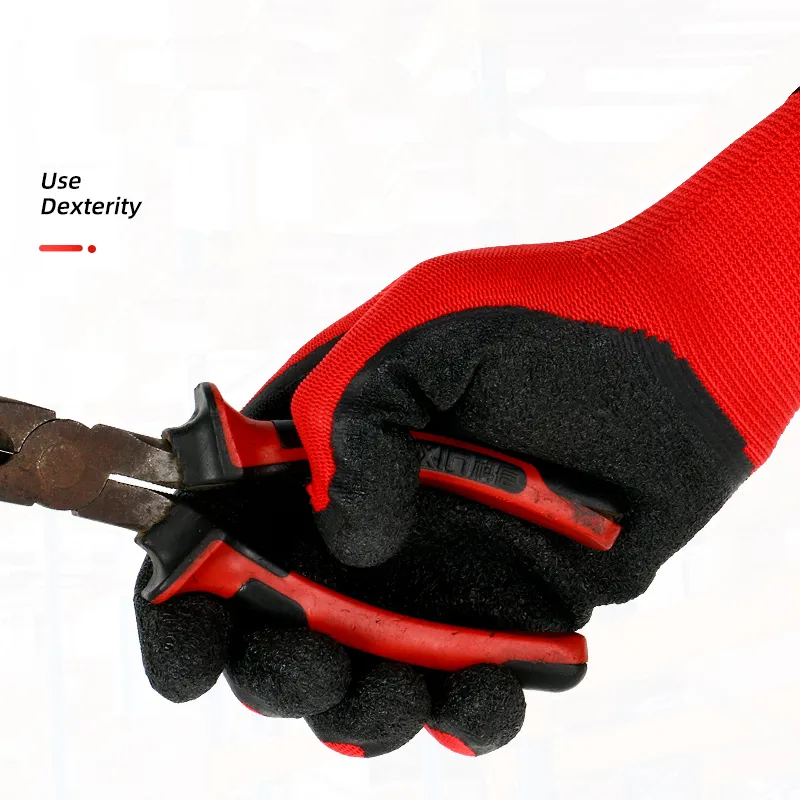
- Optimized Comfort and Dexterity: While offering heavy-duty protection, modern designs strive to maintain ergonomic fit and flexibility. The natural pliability of leather, coupled with flexible rubber formulations, allows for a balance between robust protection and sufficient dexterity for operating machinery or handling intricate components.
- Thermal Regulation (select models): Certain leather types, combined with specific glove liners, can offer moderate thermal insulation, protecting against minor heat or cold, enhancing utility in varied temperature environments.
These technical advantages collectively ensure that Protective Gloves Wear Rubber Leather Industrial Gloves For Work Waterproof are not just a piece of PPE, but a strategic investment in worker safety, operational efficiency, and long-term cost-effectiveness for industries facing diverse and complex hazards.
Vendor Comparison and Selection Criteria
Selecting the right supplier for industrial protective gloves is a critical decision impacting worker safety, operational costs, and regulatory compliance. Beyond initial pricing, B2B buyers must evaluate several key factors to ensure optimal value and performance.
Key Vendor Evaluation Criteria
- Product Quality & Certifications: Verify adherence to international standards (EN 388, EN 374, ANSI/ISEA 105, ISO 9001 for manufacturing). Request test reports and declarations of conformity.
- Material Expertise & Innovation: Assess the vendor's understanding of material science (leather grades, rubber polymers like nitrile, PVC, latex) and their capability to integrate new technologies.
- Customization Capabilities: Can the vendor provide tailored solutions (e.g., specific sizes, unique coating patterns, branding, specialized protective features)?
- Supply Chain Reliability: Evaluate lead times, order fulfillment rates, and global distribution capabilities. Consistent supply is paramount for continuous operations.
- Technical Support & After-Sales Service: Availability of product specialists, training programs, and responsive customer support for troubleshooting and returns.
- Cost-Effectiveness (Total Cost of Ownership): Beyond unit price, consider glove durability, replacement frequency, and the impact on safety and productivity.
- Reputation & Client Testimonials: Review industry standing, client references, and historical performance.
Comparative Analysis: Standard vs. Advanced Hybrid Gloves
| Feature | Standard Leather Glove | Standard Rubber Glove | Protective Gloves Wear Rubber Leather Industrial Gloves For Work Waterproof (Hybrid) |
|---|---|---|---|
| Primary Hazard Focus | Abrasion, Cut, Puncture (mechanical) | Chemical, Liquid, Biological | Comprehensive mechanical, chemical, liquid, and oil/wet grip |
| Waterproof Capability | Limited / Poor | Excellent | Excellent (fully waterproof in critical areas) |
| Chemical Resistance | Minimal | Good to Excellent (depending on polymer) | Good to Excellent (via rubber coating) |
| Grip in Wet/Oily Conditions | Poor | Good (can be textured) | Excellent (textured rubber surface) |
| Durability / Service Life | Good (mechanical) | Varies (chemical degradation) | Superior (combined strengths, extended life) |
| Dexterity | Good (thinner leather) | Varies (can be stiff) | Balanced (optimized design for flexibility) |
This comparison highlights the inherent advantages of hybrid gloves in environments demanding multifaceted protection, ultimately justifying their selection for enhanced worker safety and operational efficiency.
Customized Solutions
Recognizing that no two industrial environments are identical, leading manufacturers of Protective Gloves Wear Rubber Leather Industrial Gloves For Work Waterproof offer tailored customization options. These solutions ensure optimal fit, protection, and performance for specific operational demands and unique hazard profiles.
- Material Blends and Thicknesses: Customization allows for specific leather types (cowhide for durability, goatskin for dexterity) and rubber formulations (nitrile for oil/chemical, natural rubber for flexibility) to be combined. Thickness can be adjusted for increased cut protection or enhanced tactile sensitivity.
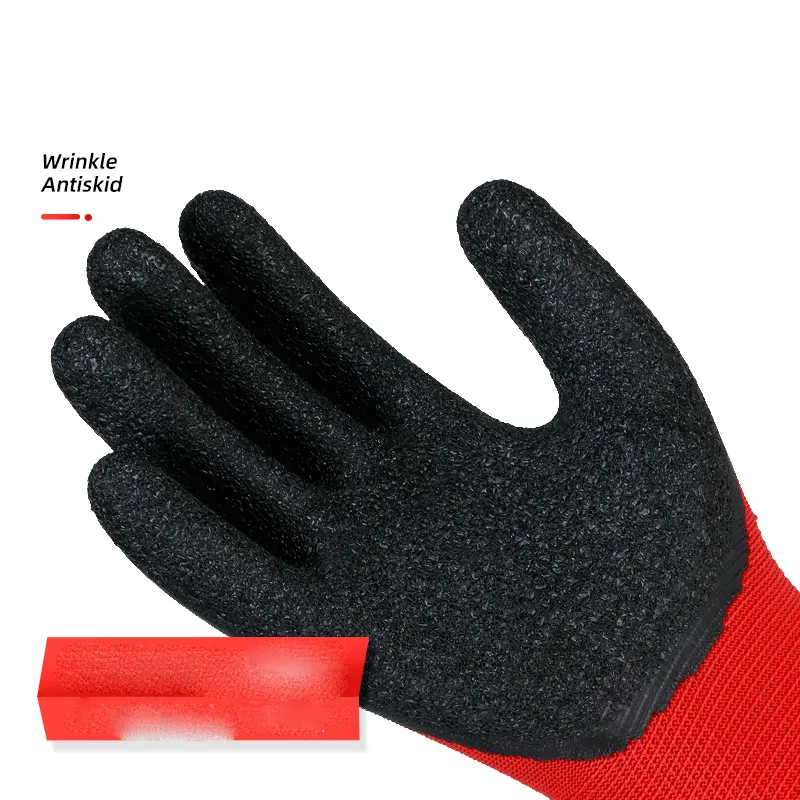
- Coating Extent and Finish: The rubber coating can be applied to the palm, fingertips, or fully dipped, depending on the level of liquid/chemical exposure required. Specialized finishes, such as sandy, smooth, or crinkle, can be specified for optimized grip in particular conditions (e.g., oily components vs. wet pipework).
- Ergonomic Design & Sizing: Beyond standard sizing, custom patterns can be developed to improve fit for diverse hand shapes, reducing fatigue and enhancing dexterity. Features like pre-curved fingers or reinforced thumb crotches can be incorporated.
- Added Protective Features: This may include incorporating high-visibility elements, impact protection (TPR-Thermoplastic Rubber patches), thermal liners for cold protection (e.g., in refrigerated warehouses or outdoor winter construction), or anti-vibration padding for tool operation.
- Branding and Identification: Corporate logos, department identification, or individual serial numbers can be integrated for inventory management and brand consistency.
- Specific Hazard Certifications: For highly specialized applications, gloves can be engineered and tested to meet additional or more stringent certifications beyond standard EN 388/EN 374, such as arc flash protection or specialized chemical permeation levels.
Partnering with a manufacturer capable of delivering these customized solutions ensures that the chosen hand protection is not a generic compromise but a precision-engineered tool that directly addresses the unique challenges and safety protocols of the client's operations, leading to superior worker compliance and safety outcomes.
Application Case Studies
Case Study 1: Petrochemical Plant Maintenance
Client: Major Gulf Region Petrochemical Complex
Challenge: Maintenance teams frequently encountered sharp metal edges, hot surfaces (up to 70°C intermittently), and exposure to various hydrocarbons and corrosive cleaning agents during routine pipe fitting and valve overhaul. Existing gloves offered either chemical resistance or mechanical protection, but not both comprehensively, leading to frequent glove changes and occasional minor injuries.
Solution: The client implemented a customized version of Protective Gloves Wear Rubber Leather Industrial Gloves For Work Waterproof featuring a premium cowhide palm for enhanced mechanical resistance and a full nitrile-dipped back and fingers for superior chemical and oil resistance. The gloves were also tested to provide moderate contact heat protection (EN 407).
Results: Over a 12-month period, the plant reported a 45% reduction in hand-related incidents, a 30% increase in glove service life (reducing procurement costs), and positive feedback from workers regarding improved grip on oily components and overall comfort. The consolidated protection streamlined workflows and enhanced safety compliance significantly.
Case Study 2: Municipal Water Treatment Facility
Client: Large Metropolitan Water & Wastewater Authority
Challenge: Operators performing routine inspections, equipment repairs, and sludge handling in treatment tanks and pumping stations required gloves that were absolutely waterproof, highly abrasion-resistant against concrete and metal, and provided robust grip in constantly wet and slimy conditions. Punctures from debris were also a concern.
Solution: The authority adopted Protective Gloves Wear Rubber Leather Industrial Gloves For Work Waterproof with an extended gauntlet cuff, fully waterproofed natural rubber palm and fingers, and a heavy-duty split leather back. The rubber coating featured a unique textured finish for maximum wet grip.
Results: Hand dryness improved by nearly 100%, eliminating discomfort and skin issues. The robust construction minimized punctures, leading to a 60% reduction in hand injuries in wet environments. Worker efficiency improved as they no longer struggled with slippery tools, demonstrating direct benefits in corrosion resistance by preventing exposure to sensitive equipment.
Case Study 3: Automotive Assembly Line (Heavy Sub-assembly)
Client: Global Automotive Manufacturer
Challenge: Workers on a sub-assembly line for heavy vehicle components (e.g., chassis parts, engine blocks) needed protection against sharp metal edges, abrasion from rough castings, and occasional exposure to cutting fluids and lubricants. Dexterity for manipulating fasteners and power tools was also crucial.
Solution: A specialized version of the Protective Gloves Wear Rubber Leather Industrial Gloves For Work Waterproof was introduced, featuring a thinner, high-dexterity goatskin leather back for flexibility, paired with a full textured nitrile palm for cut resistance and superior grip on oily metal components. Reinforced stitching at stress points ensured durability.
Results: The combination offered an ideal balance of protection and dexterity. The cut injury rate dropped by 35%, and the enhanced grip led to fewer drops and rework, contributing to indirect energy saving on the assembly line. Operators reported high satisfaction with the gloves' comfort and tactile feel, supporting sustained productivity.
Trustworthiness & Support
Establishing trust with B2B clients goes beyond product quality; it encompasses clear communication, reliable logistics, and comprehensive after-sales support. This section outlines our commitment to these critical aspects for Protective Gloves Wear Rubber Leather Industrial Gloves For Work Waterproof.
Frequently Asked Questions (FAQ)
Q: How do these gloves achieve waterproofing while using leather?
A: Our hybrid gloves feature specific rubberized coatings (e.g., nitrile) on critical areas like the palm and fingers, creating a seamless, impermeable barrier against liquids. The leather, while naturally water-resistant, is also often treated for enhanced repellency, with the primary waterproof function derived from the rubber layer.
Q: What is the typical service life of these gloves in heavy industrial use?
A: Service life varies significantly based on application severity, frequency of use, and proper maintenance. However, due to the synergistic combination of durable leather and robust rubber coatings, these gloves typically exhibit 30-50% longer service life compared to single-material gloves in demanding environments, leading to considerable energy saving through reduced material consumption.
Q: Are these gloves suitable for chemical handling?
A: Yes, specific models incorporating high-performance nitrile or PVC coatings are designed and certified (EN 374) for protection against a range of industrial chemicals. It is crucial to select the appropriate glove type based on the specific chemicals and exposure levels present in your workplace.
Q: How do you ensure product quality and compliance?
A: Our manufacturing processes adhere to ISO 9001 quality management standards. All Protective Gloves Wear Rubber Leather Industrial Gloves For Work Waterproof are rigorously tested against international safety standards such as EN 388, EN 374, and ANSI/ISEA 105, with independent third-party certifications readily available for verification.
Lead Time & Fulfillment
We maintain robust inventory levels for standard configurations of our industrial gloves. Typical lead times for standard orders range from 2-4 weeks. For custom solutions or large-volume orders, lead times will be confirmed upon project specification and may range from 6-12 weeks, depending on complexity and material sourcing. We operate a streamlined logistics network to ensure efficient and timely delivery globally.
Warranty Commitments
All our Protective Gloves Wear Rubber Leather Industrial Gloves For Work Waterproof come with a standard 12-month warranty against manufacturing defects from the date of purchase. This warranty covers material and workmanship flaws under normal intended use. Please refer to our detailed warranty policy for specific terms and conditions.
Customer Support
Our dedicated B2B customer support team is available to assist with product selection, technical inquiries, order tracking, and after-sales service. We offer multi-channel support via phone, email, and a dedicated online portal. Our technical specialists can provide detailed product data, usage recommendations, and assist in developing customized glove solutions to meet your specific operational requirements.
Conclusion
The demand for robust, versatile, and highly protective handwear in industrial settings has never been greater. Protective Gloves Wear Rubber Leather Industrial Gloves For Work Waterproof represent the pinnacle of modern PPE innovation, strategically blending the mechanical resilience of leather with the chemical resistance, waterproofing, and enhanced grip of rubber. This hybrid approach ensures comprehensive protection across diverse and hazardous environments, from petrochemical plants to municipal water systems. By understanding their advanced manufacturing processes, adherence to stringent international standards, and diverse application capabilities, B2B decision-makers can make informed choices that not only safeguard their workforce but also contribute to operational efficiency, reduced downtime, and long-term cost savings through extended glove life and minimized injury rates. Investing in such advanced protective solutions is investing in a safer, more productive future for industrial operations.
Authoritative Citations
- International Organization for Standardization (ISO). (2015). ISO 9001:2015 - Quality management systems — Requirements.
- European Committee for Standardization (CEN). (2016). EN 388:2016+A1:2018 - Protective gloves against mechanical risks.
- European Committee for Standardization (CEN). (2016). EN 374-1:2016+A1:2018 - Protective gloves against dangerous chemicals and micro-organisms.
- American National Standards Institute (ANSI) and International Safety Equipment Association (ISEA). (2016). ANSI/ISEA 105-2016 - American National Standard for Hand Protection Classification.
- Occupational Safety and Health Administration (OSHA). (2023). Personal Protective Equipment. U.S. Department of Labor.