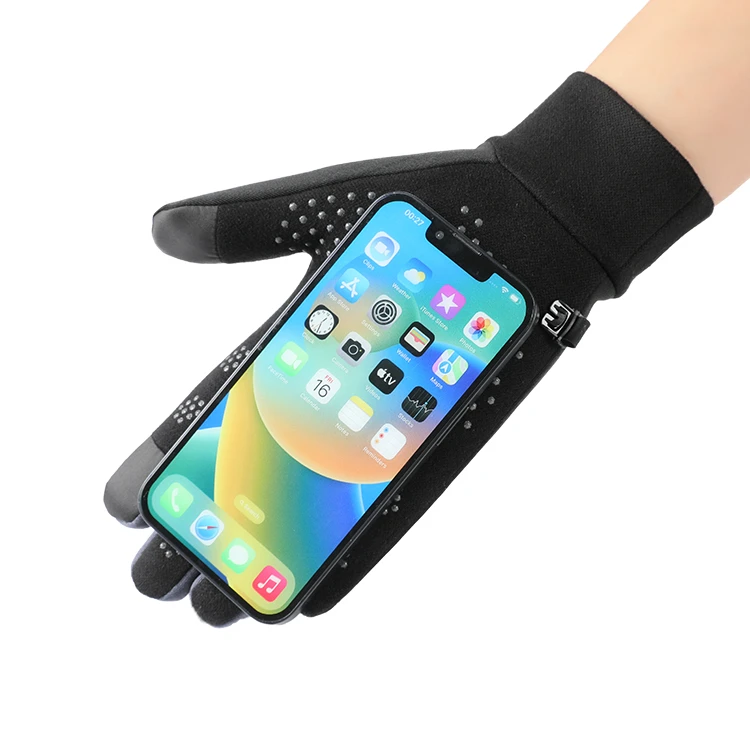
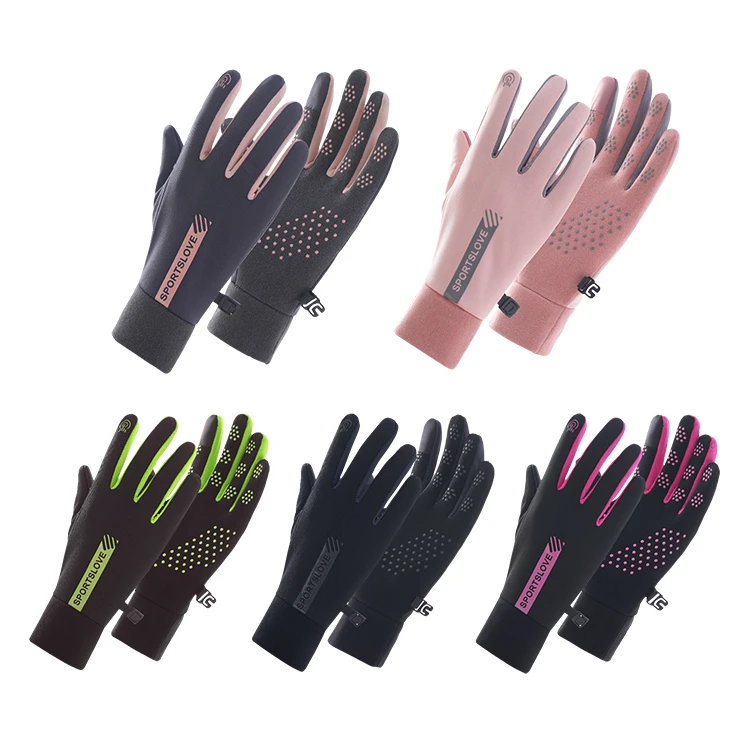
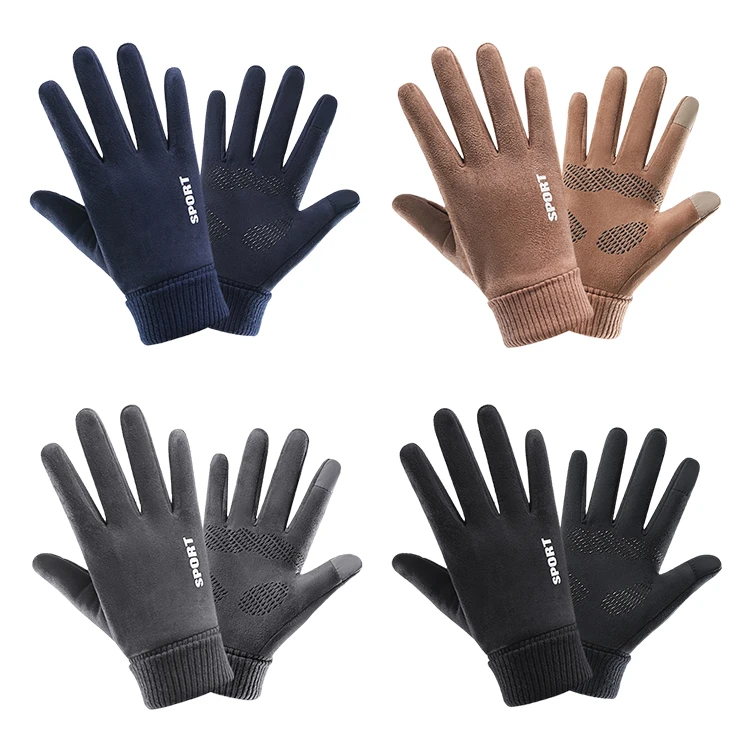
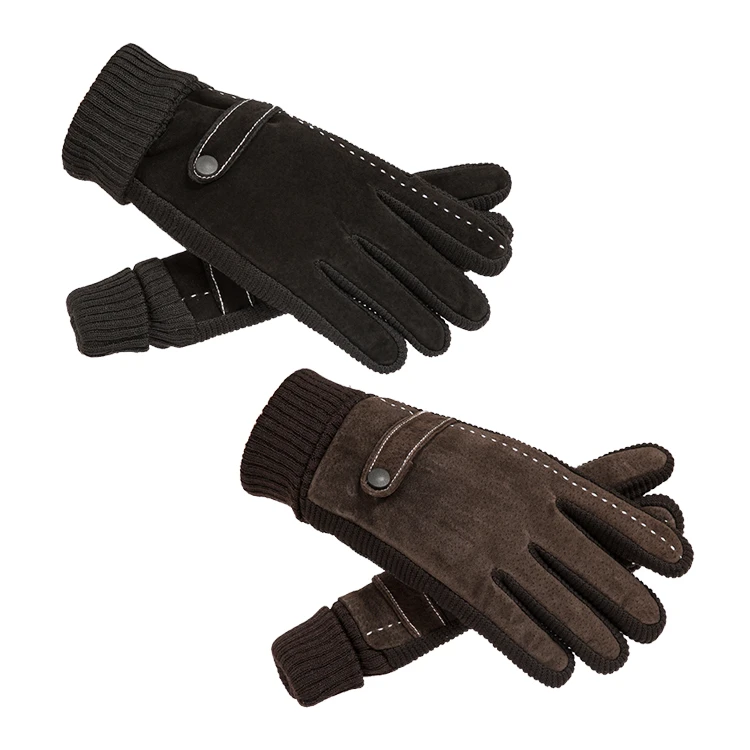
Waterproof Rubber & Leather Protective Industrial Gloves?
Field Notes: Waterproof industrial gloves workers actually keep on
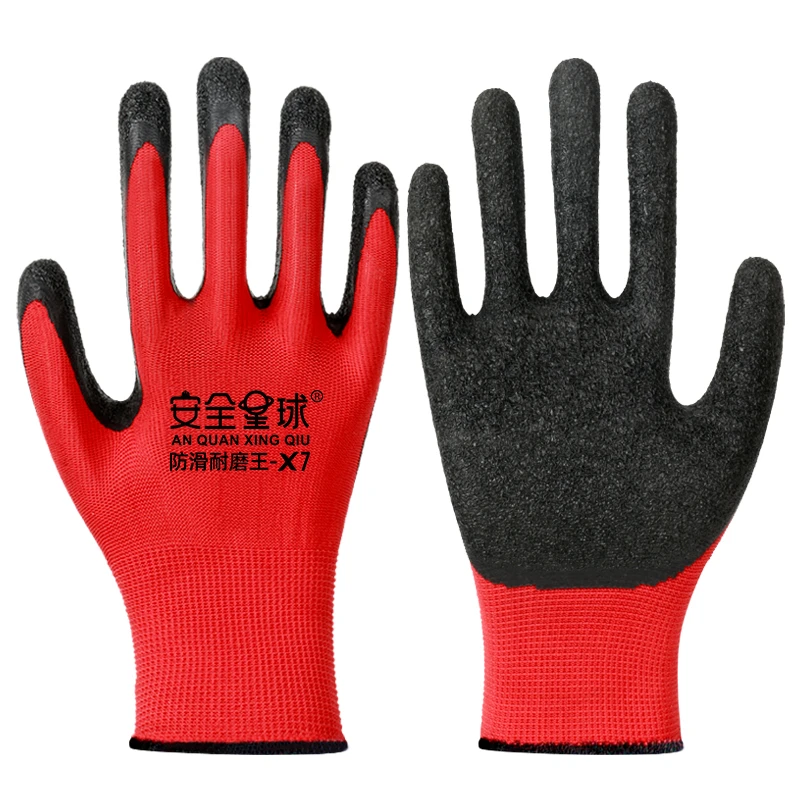
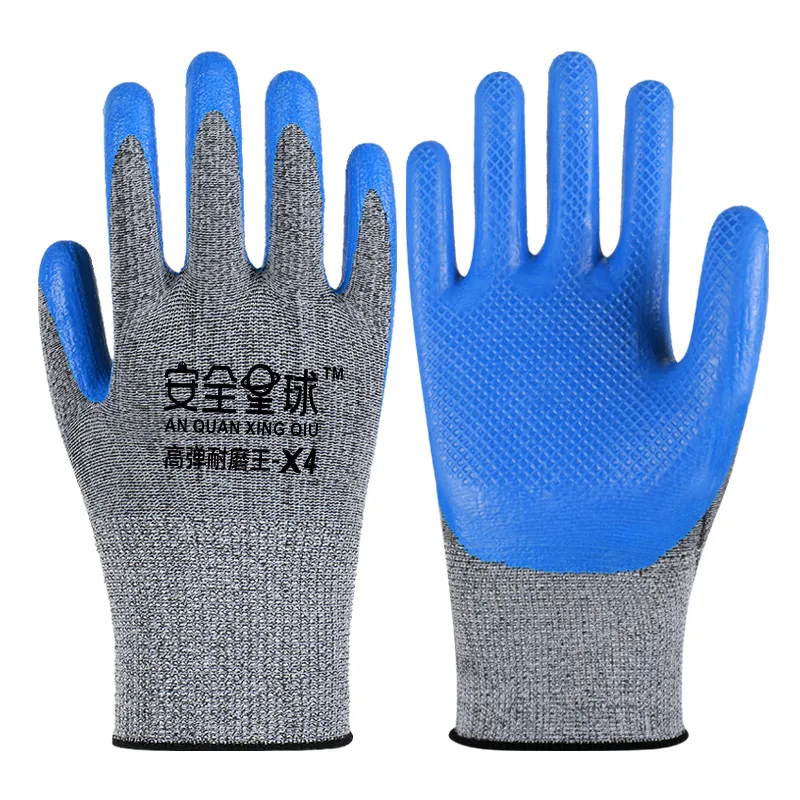
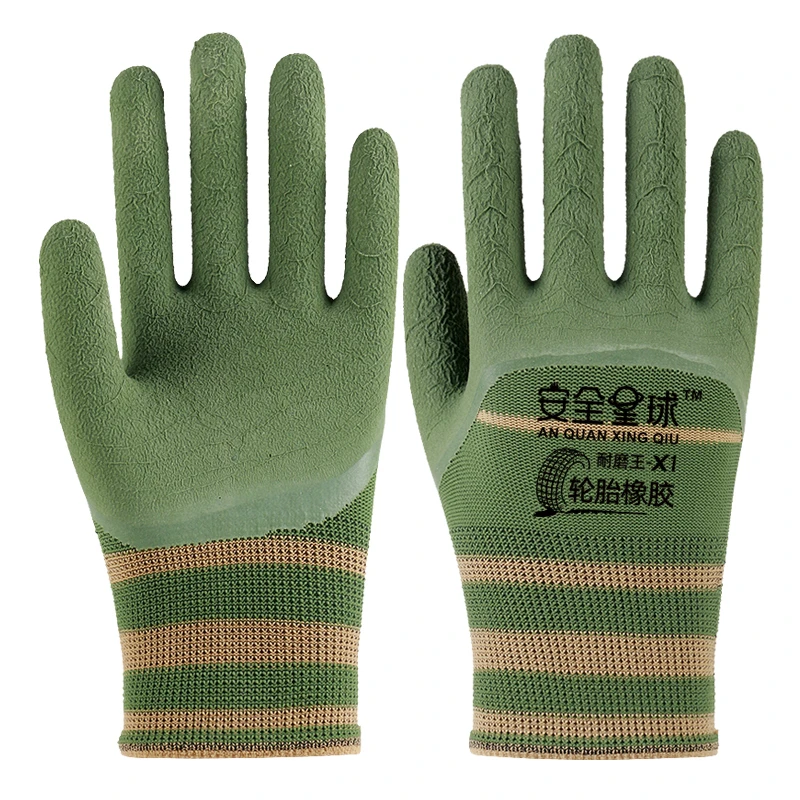
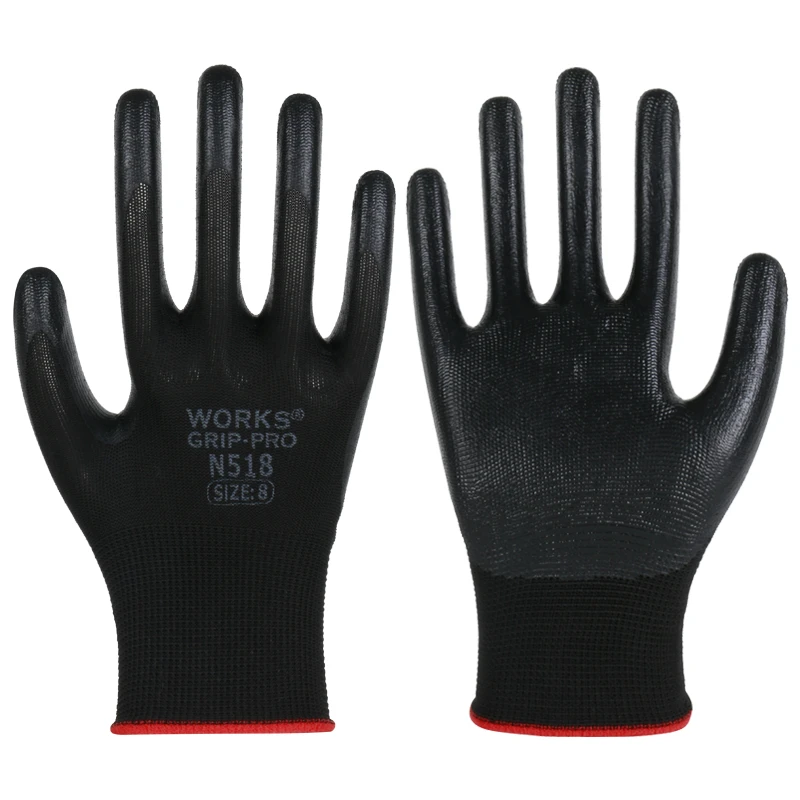
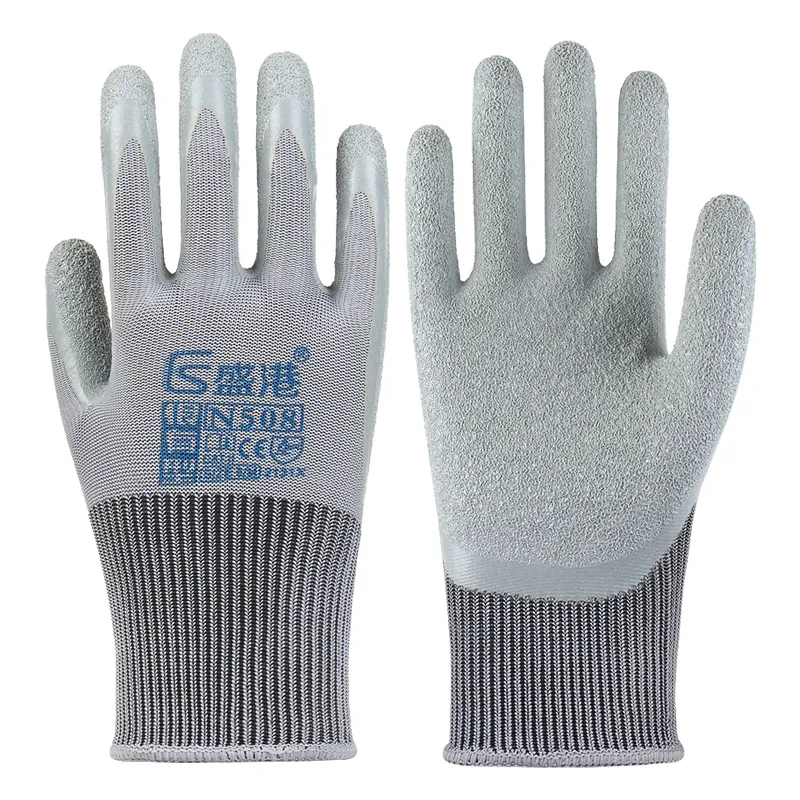
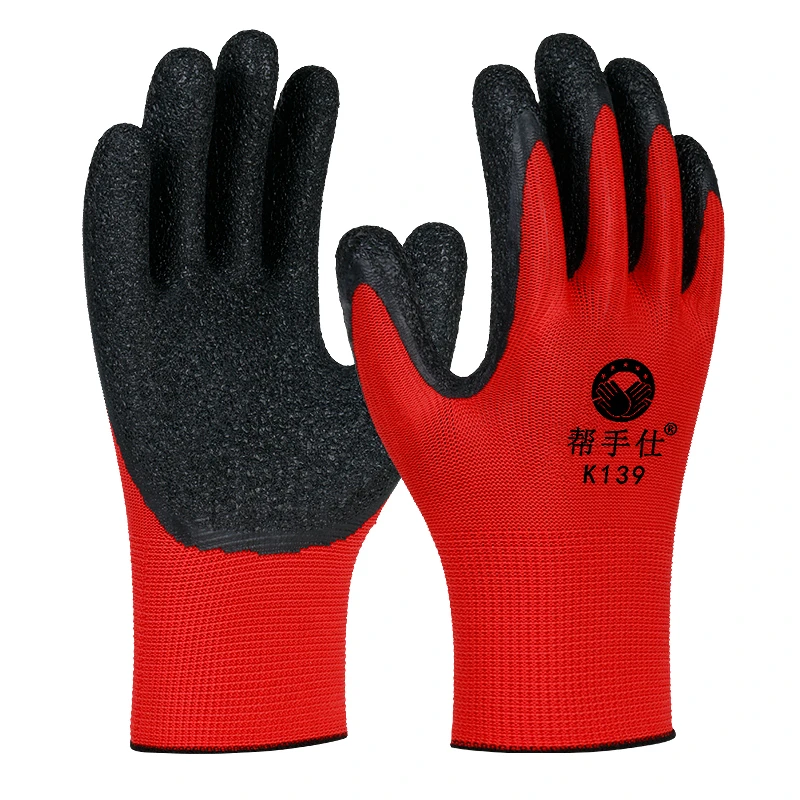
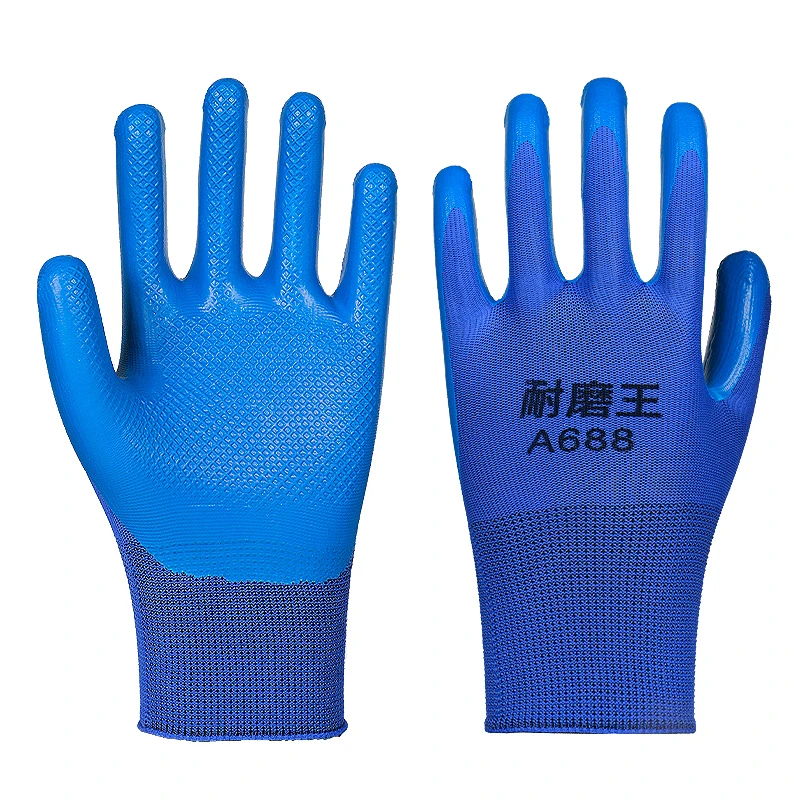
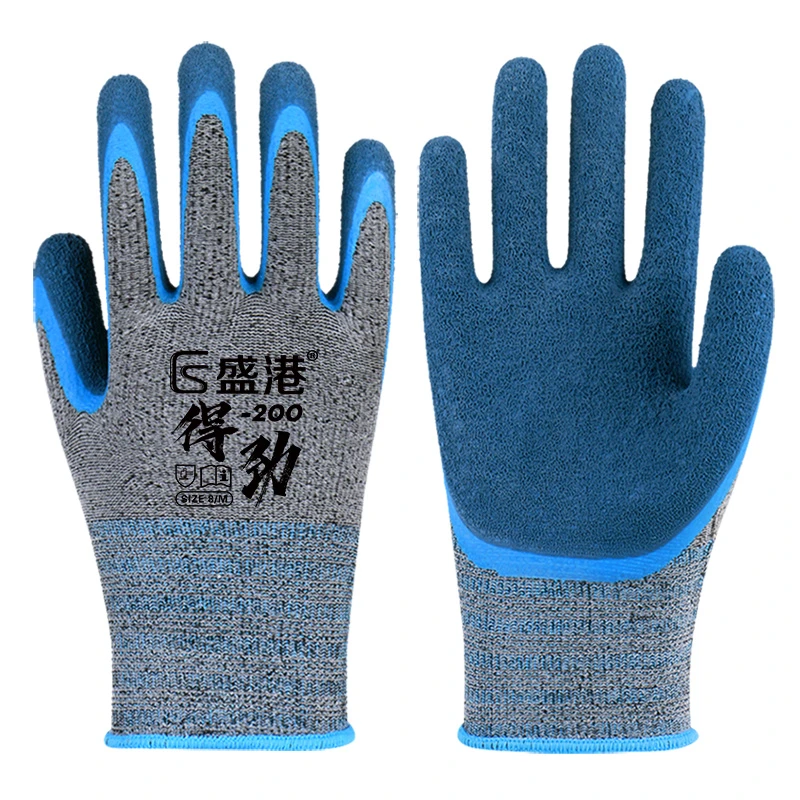
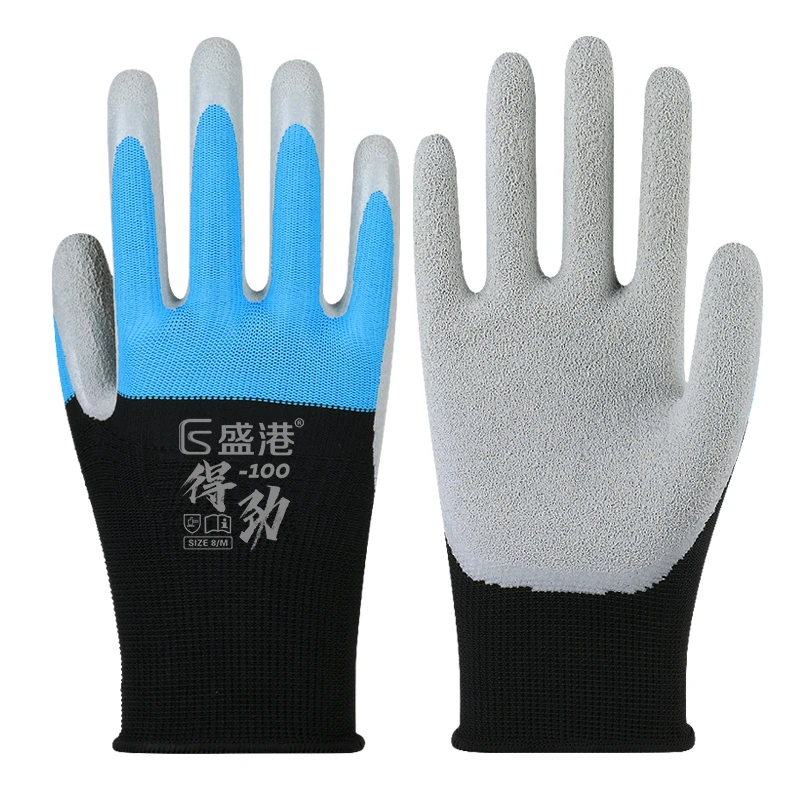
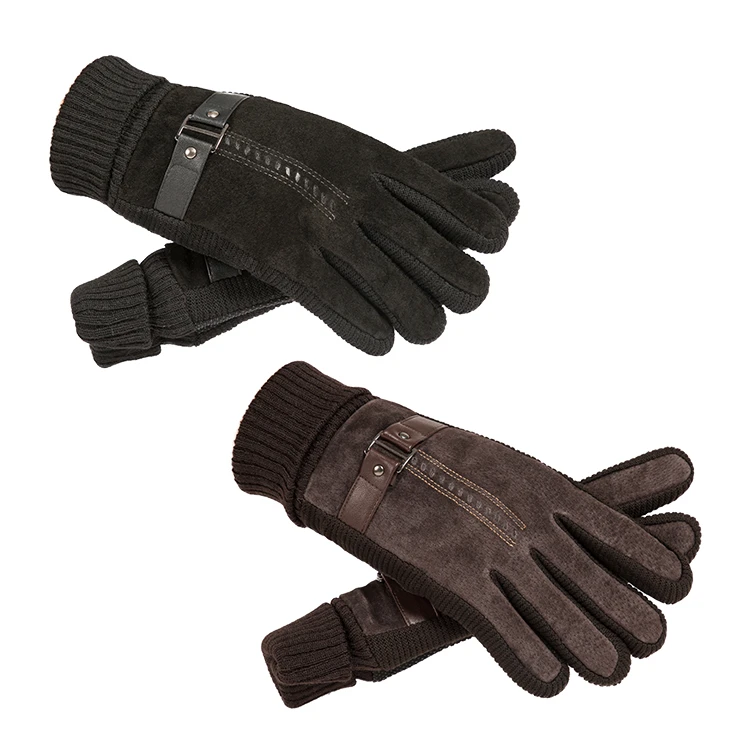
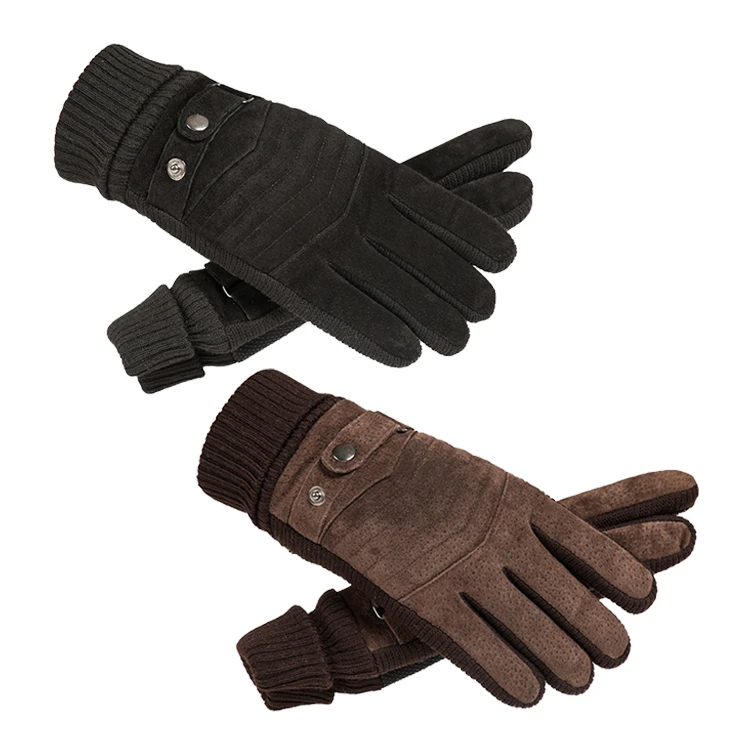
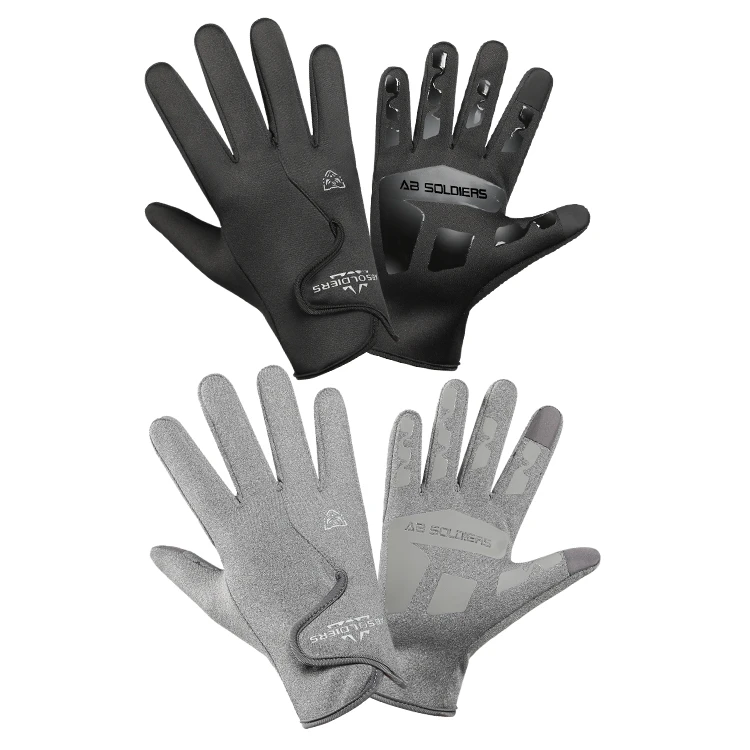
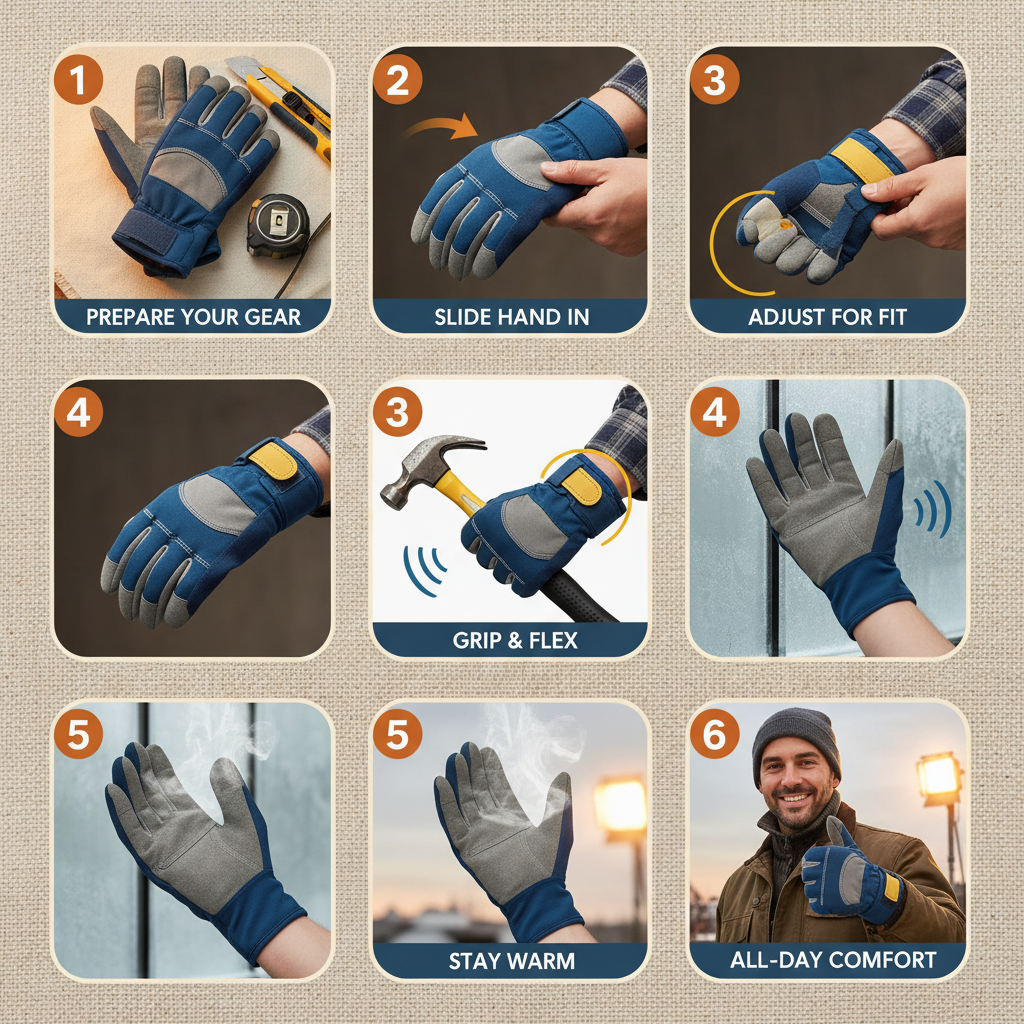
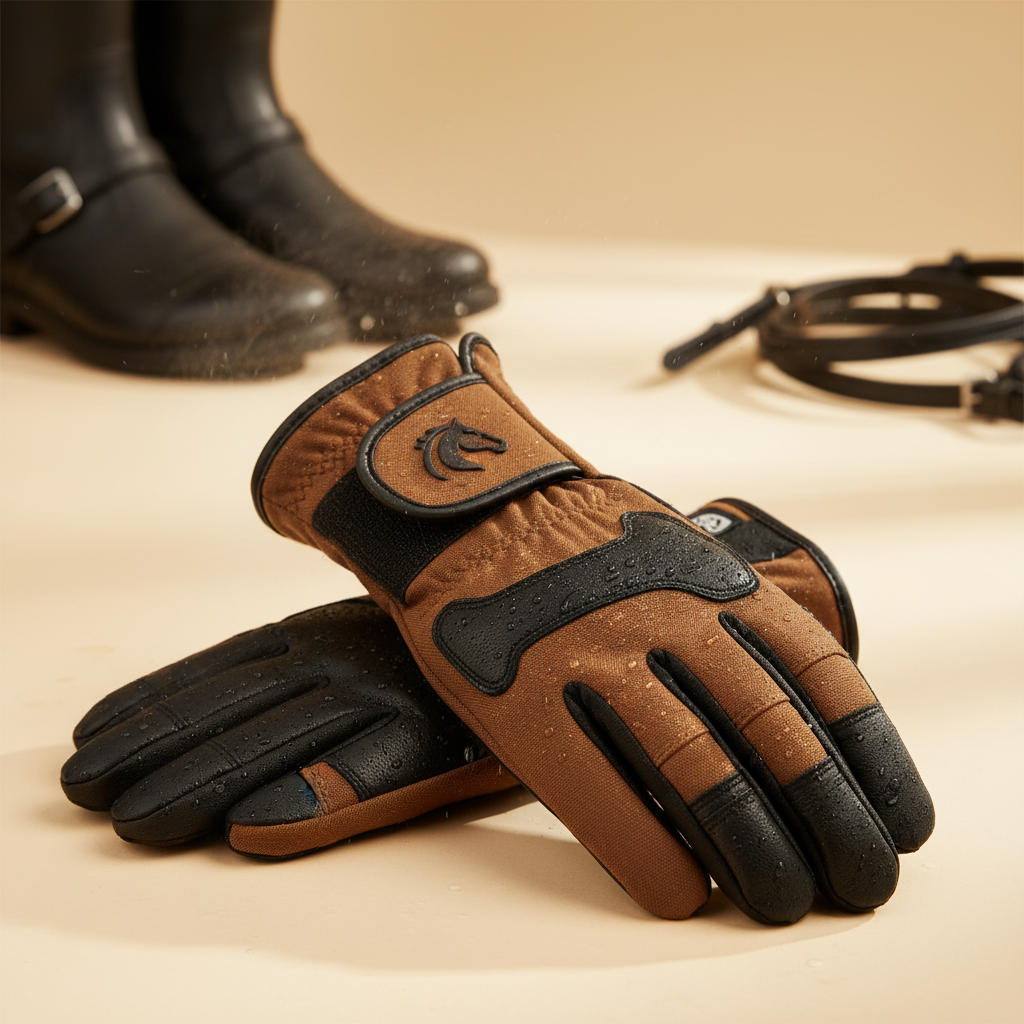
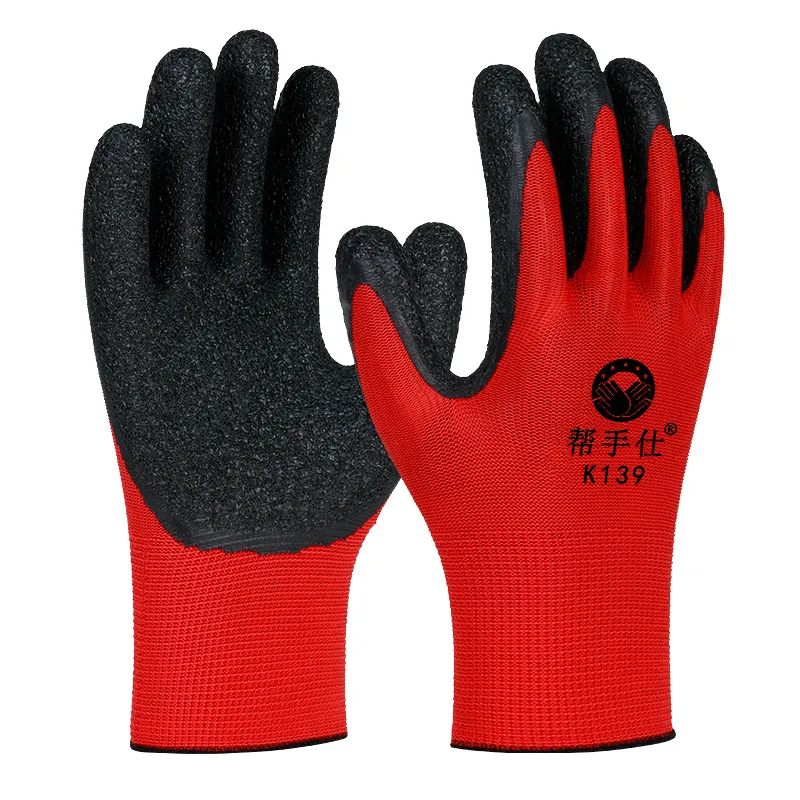
When you spend time on job sites, you learn quickly that comfort and reliability beat hype every single shift. That’s why I took a closer look at the Protective Gloves Wear Rubber Leather Industrial Gloves For Work Waterproof—made in Xinji, the leather capital of Hebei, China. The short version: they feel built for real crews, not just brochures.
What’s trending in hand protection
Two big shifts: blended materials and waterproofing that doesn’t kill dexterity. Many customers say they’re moving from bare leather to leather-plus-rubber coatings for better grip in wet, oily conditions. Also, certification literacy is up—buyers ask about EN 388 and ANSI cut levels more than ever.
Spec snapshot (real-world focused)
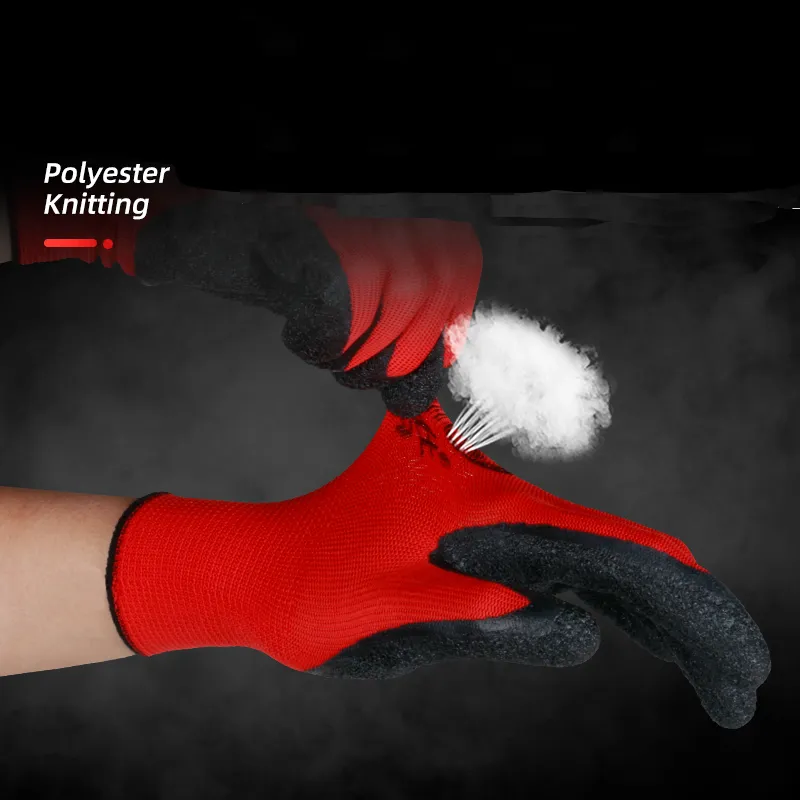
| Palm/Body | Split or grain leather with rubberized waterproof coating; polyester/cotton liner |
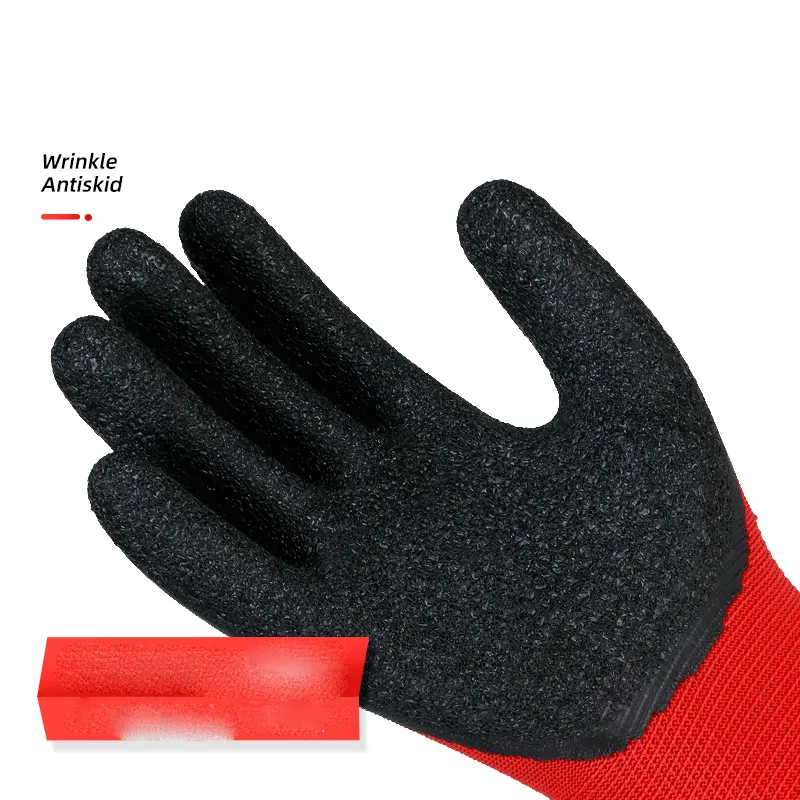
| Grip/Finish | Textured rubber surface for wet/oily grip |
| Cert intent | Designed to meet EN 388:2016 mechanical risks; typical internal tests ≈ 4X43C (abrasion 4, cut C, tear 4, puncture 3; cut method TDM). Real-world use may vary. |
| Waterproofing | Full-hand coating to resist water ingress; splash chemical resistance only unless specified to EN ISO 374 |
| Sizes | S–XXL (≈7–11); color-coded cuffs optional |
| Service life | Around 3–6 months in mixed-use construction; harsher abrasion may shorten |
Where they earn their keep
- Construction: rebar tying, concrete work, scaffolding (wet grip is the star here).
- Manufacturing and automotive: parts handling, body shop tasks, general maintenance.
- Logistics/warehousing: loading in rain, dock operations.
- Oil & gas/service yards: oily fittings, valves, hoses.
- Municipal/utilities: meter swaps, trench work, pump stations.
Feedback from crews? “Surprisingly dry,” one maintenance lead told me, “and not stiff like rain gloves.” I guess that’s the leather-rubber combo doing its thing.
How they’re made (process flow)
- Materials: selected leather (often cow) + rubber compound coating; polyester/cotton liner; robust stitching (Kevlar thread available on request).
- Methods: pattern cutting → lining → palm reinforcement → rubber coating/dip → curing → wrist/cuff finish → quality check.
- Testing: abrasion, cut (TDM), tear, puncture per EN 388; waterproof ingress checks; grip testing on wet steel.
- Traceability: origin from East side of the northern section of Education Road, Xinji Town, Xinji City, Hebei Province, China.
Vendor comparison (quick take)
| Criteria | ProGuard (this model) | Generic nitrile-dipped | All-leather driver |
|---|---|---|---|
| Wet grip | High (textured rubber) | Medium–High | Low–Medium |
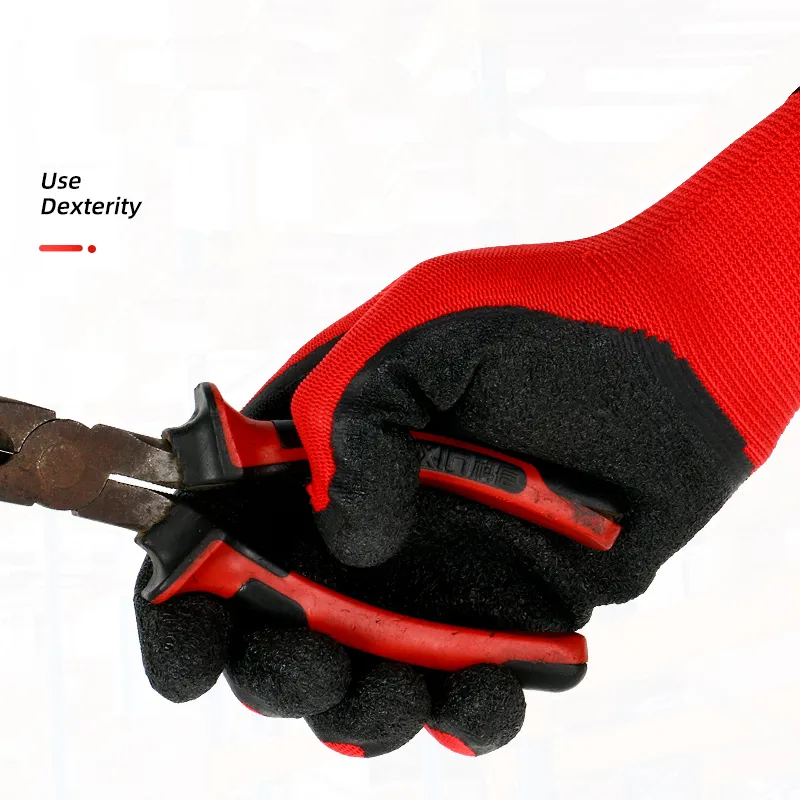
| Dexterity | Good for coated leather | Good | Medium |
| Waterproofing | Full-hand barrier | Partial (varies) | Minimal |
| Durability on abrasion | High (≈ EN 388 abrasion 4) | Medium–High | Medium |
Customization and compliance
Private label, logo print, cuff styles (safety cuff, knit), size runs, and palm reinforcements are available. For compliance needs, ask for third-party test reports to EN 388 and ANSI/ISEA 105. Chemical tasks? Verify EN ISO 374 permeation data first—don’t assume.
Mini case studies
- Concrete contractor (rainy region): reduced glove changes by ≈30% during pours; crews cited “less hand chill from wet.”
- Automotive line: improved grip on oily housings; fewer drops recorded over a month (informal tracking).
Bottom line: if you’re chasing that sweet spot of waterproofing, grip, and not-too-stiff ergonomics, these deserve a try. Order the Protective Gloves Wear Rubber Leather Industrial Gloves For Work Waterproof and spec them alongside your standard leather and nitrile-dipped models for a clean A/B in the field.
References
- EN 388:2016+A1:2018 Protective gloves against mechanical risks (CEN).
- ANSI/ISEA 105-2016 Hand Protection Classification (ISEA).
- EN ISO 374-1:2016 Protective gloves against dangerous chemicals and micro-organisms.
- OSHA 29 CFR 1910.138 Hand Protection.