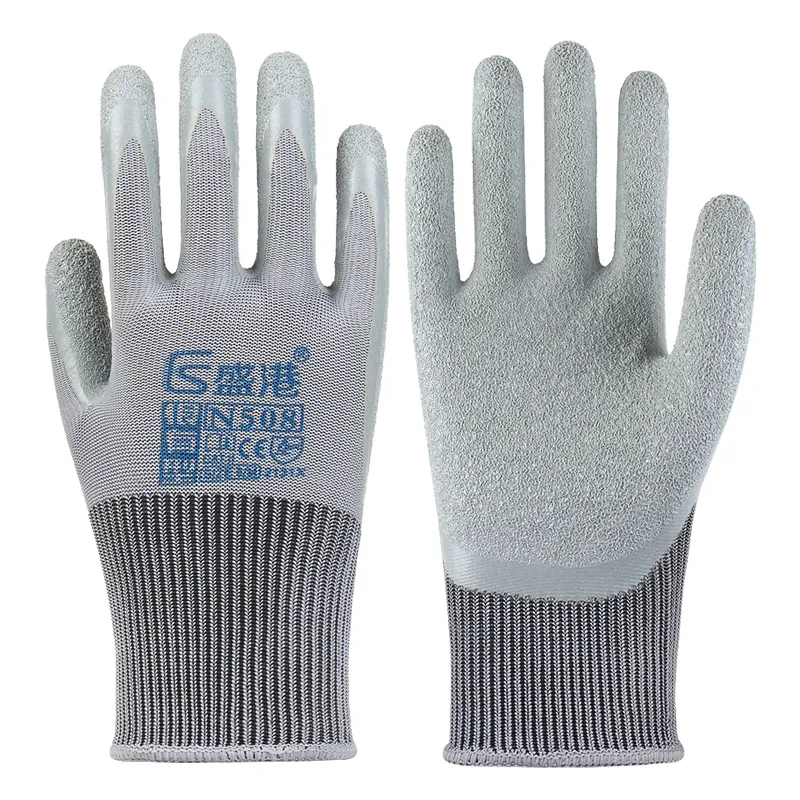
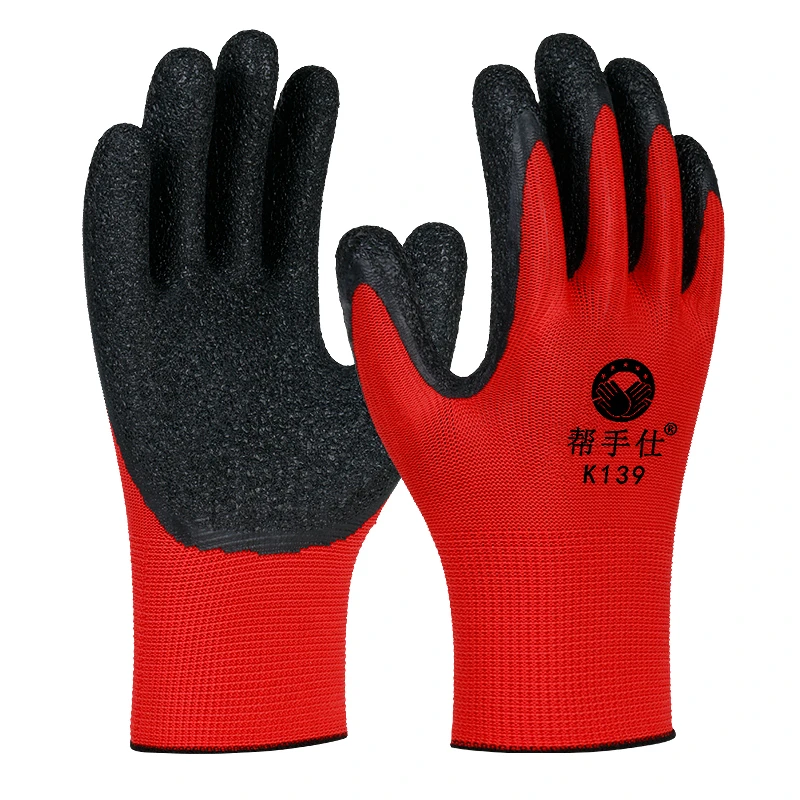
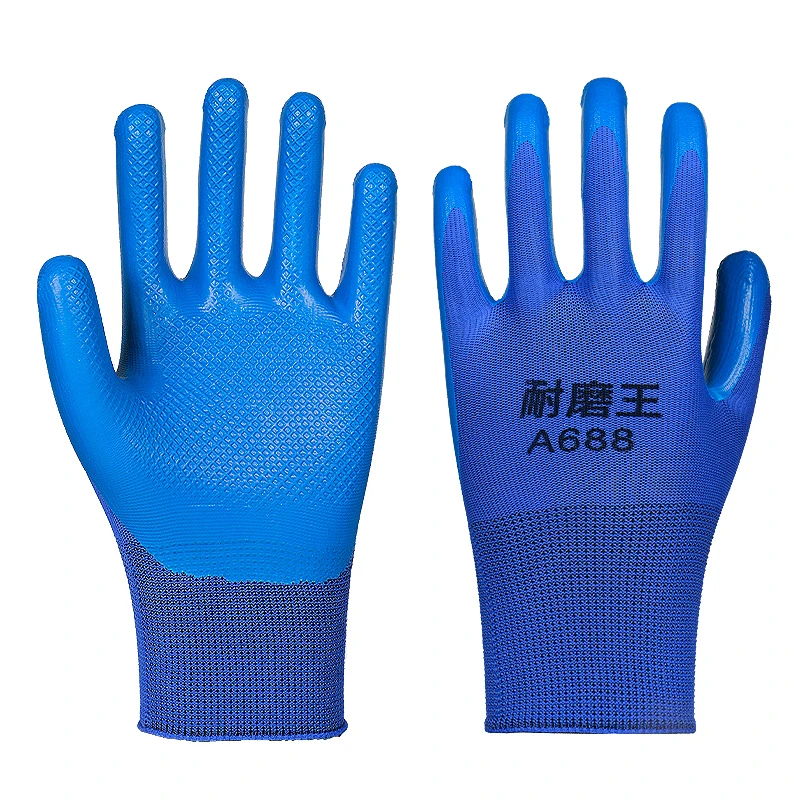
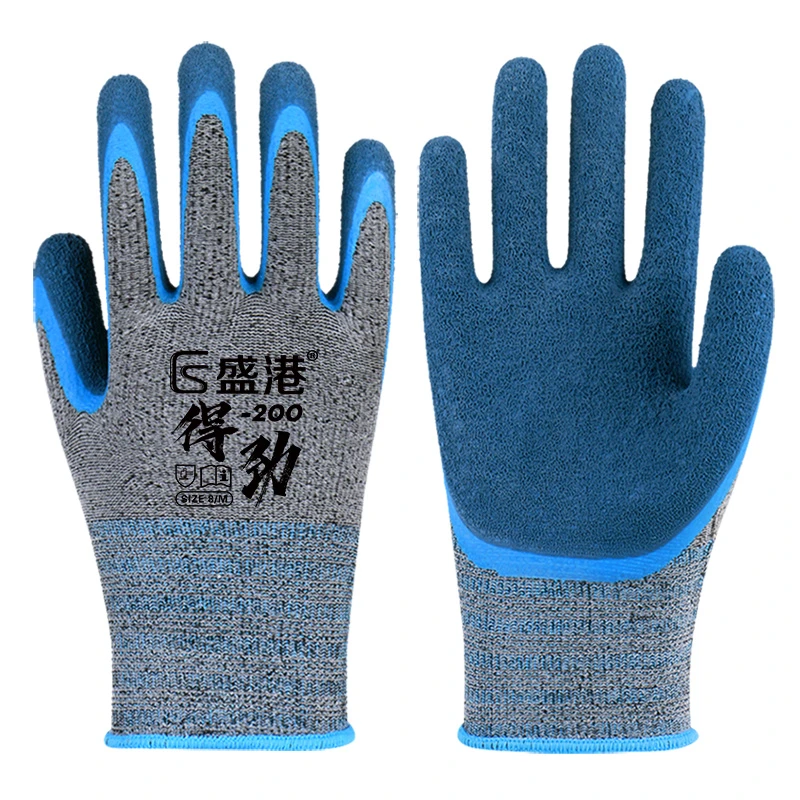
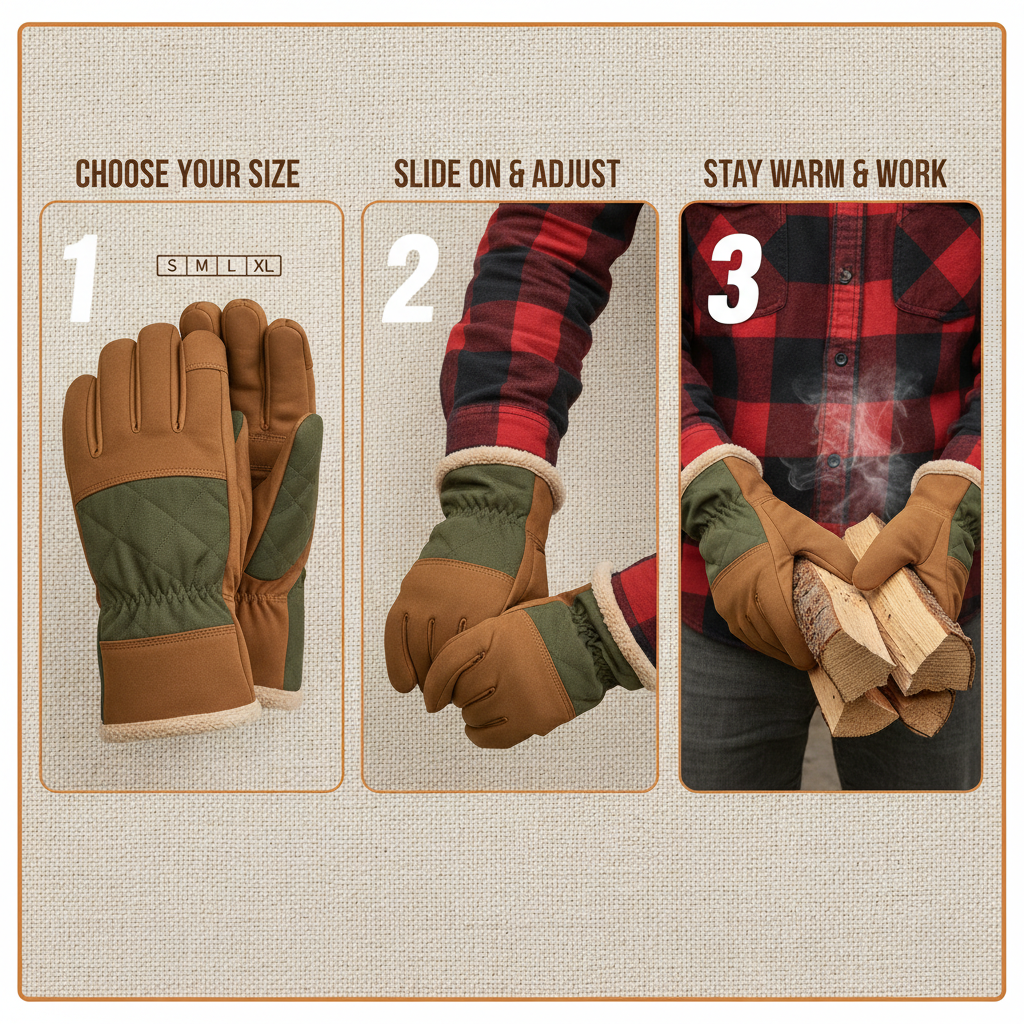
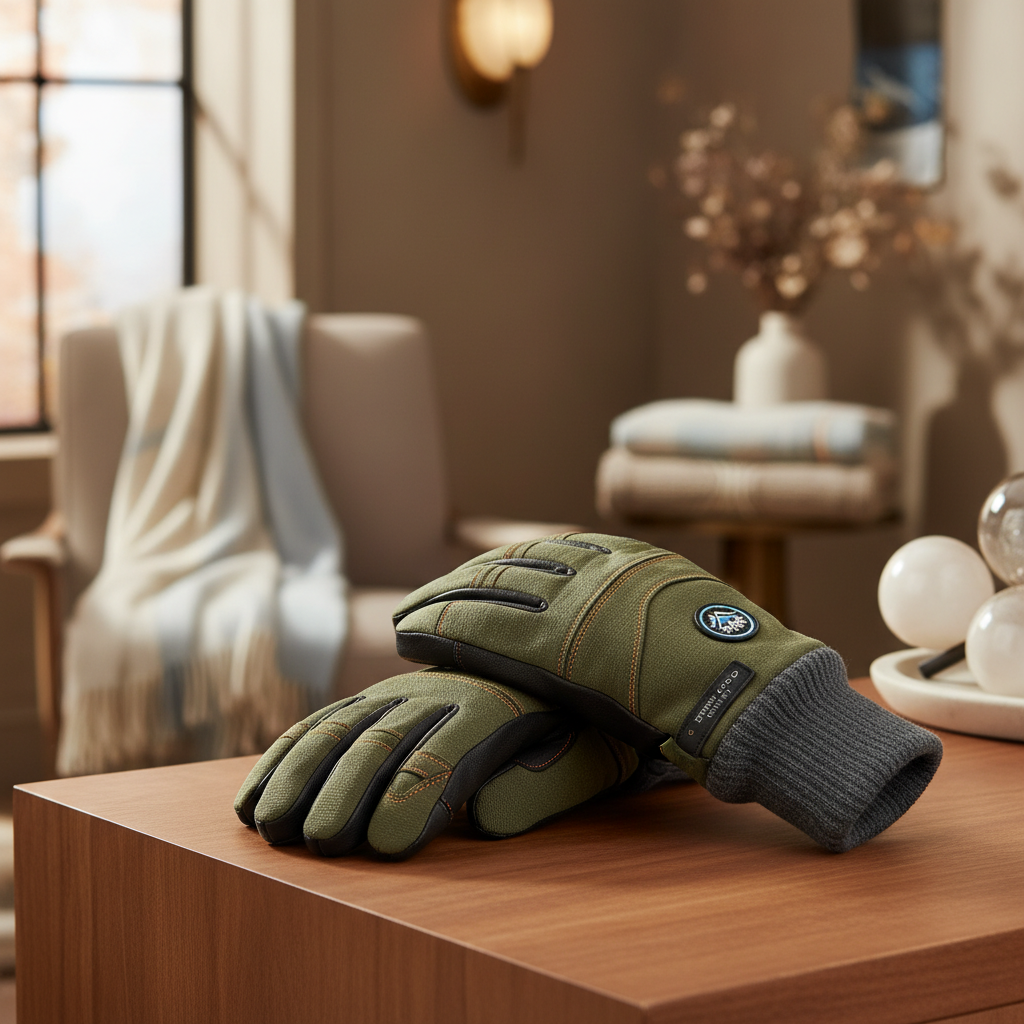
Waterproof Thermal Gloves: Stay Warm & Dry for Winter Work
Introduction to Advanced Thermal and Waterproof Hand Protection
In demanding industrial and outdoor environments, the integrity of personal protective equipment (PPE) is paramount. Hand protection, specifically, plays a critical role in preventing injuries, maintaining productivity, and ensuring worker comfort in adverse conditions. This article delves into the sophisticated engineering and applications of waterproof gloves thermal, offering an in-depth perspective for B2B decision-makers and technical professionals.
Modern industrial operations often expose workers to a confluence of hazards, including extreme cold, moisture, and mechanical risks. Traditional gloves often fall short, either sacrificing thermal insulation for waterproofing or vice versa. The innovation in water resistant thermal gloves addresses this gap by integrating multi-layered material science and advanced manufacturing techniques. These gloves are not merely an accessory but a critical component of occupational safety strategy, designed to withstand rigorous use across various sectors.
Our focus will encompass the entire lifecycle of these specialized gloves, from their intricate manufacturing processes and rigorous testing standards to their diverse application scenarios and the tangible benefits they deliver. We aim to provide a comprehensive resource that underscores the value proposition of investing in high-quality thermal and waterproof hand protection solutions.
Manufacturing Process: Engineering Durable Protection
The production of high-performance winter gloves thermal involves a meticulous, multi-stage process that combines material science with precision engineering. Unlike standard gloves, the integration of thermal insulation and a waterproof barrier requires specialized techniques to ensure optimal performance without compromising dexterity or comfort. Below is a detailed breakdown of the typical manufacturing workflow:
- Material Sourcing & Preparation: This initial phase involves selecting premium raw materials. Key components include an abrasion-resistant outer shell (e.g., nylon, polyester blends with specific denier counts for durability), a high-performance waterproof and breathable membrane (e.g., PTFE, PU laminates with hydrostatic head ratings exceeding 10,000mm), and advanced thermal insulation materials (e.g., Thinsulate, PrimaLoft, fleece linings with specific CLO values for warmth). Backing materials, cuffs, and grip-enhancing coatings are also prepared.
- Precision Cutting: Utilizing advanced CAD software and automated CNC cutting machines, each layer—outer shell, waterproof membrane, insulation, and inner lining—is precisely cut according to ergonomic patterns. This ensures a consistent fit and minimizes material waste. Accuracy in this stage is crucial for seamless assembly.
- Lamination & Bonding: The waterproof membrane is carefully bonded to the outer shell fabric or the inner lining. This often involves specialized lamination processes, such as hot-melt adhesive lamination or solvent-free lamination, which create a durable, integrated barrier without compromising the membrane's breathability. This step is critical for the long-term integrity of the waterproof gloves thermal.
- Layer Assembly & Stitching: The cut layers are then meticulously assembled. This involves specialized stitching techniques, often using multi-needle machines and durable, water-resistant threads. For applications requiring extreme waterproofness, critical seams are often taped or sealed chemically post-stitching. The inner thermal liner is carefully integrated to prevent bunching and ensure consistent insulation.
- Seam Sealing & Waterproofing: To achieve absolute waterproof integrity, all exposed seams are sealed. This is commonly done through heat-taping, where a thermoplastic tape is applied over the stitched seams under heat and pressure, or by applying liquid seam sealants. This step prevents water penetration through needle holes, which is a common failure point for less robust gloves.
- Dipping/Coating (Optional): For gloves requiring enhanced grip, abrasion resistance, or chemical splash protection, the palm and fingers may undergo a dipping or coating process. Materials like nitrile, latex, or polyurethane are applied, often in multiple layers, to provide superior tactile control and extended durability.
- Quality Control & Testing: Each batch of gloves undergoes rigorous testing to ensure compliance with international standards such as ISO 20345 (for PPE in general), EN 511 (protection against cold), EN 388 (mechanical risks), and EN ISO 374 (chemical risks). Tests include hydrostatic head tests for waterproofing, thermal insulation performance, abrasion resistance, cut resistance, tear resistance, and puncture resistance. AQL (Acceptable Quality Limit) inspections are performed before packaging. The typical service life of such gloves, depending on the intensity of use and specific materials, can range from 6 months to 2 years in demanding industrial environments.
This intricate process ensures that each pair of warm waterproof gloves for work meets the highest standards of safety, comfort, and durability required by professionals in challenging fields.
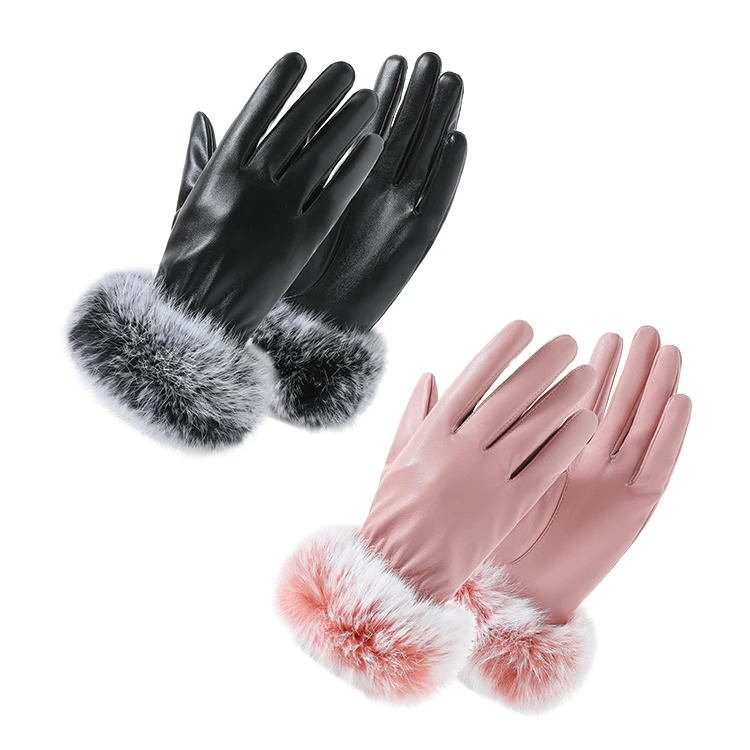
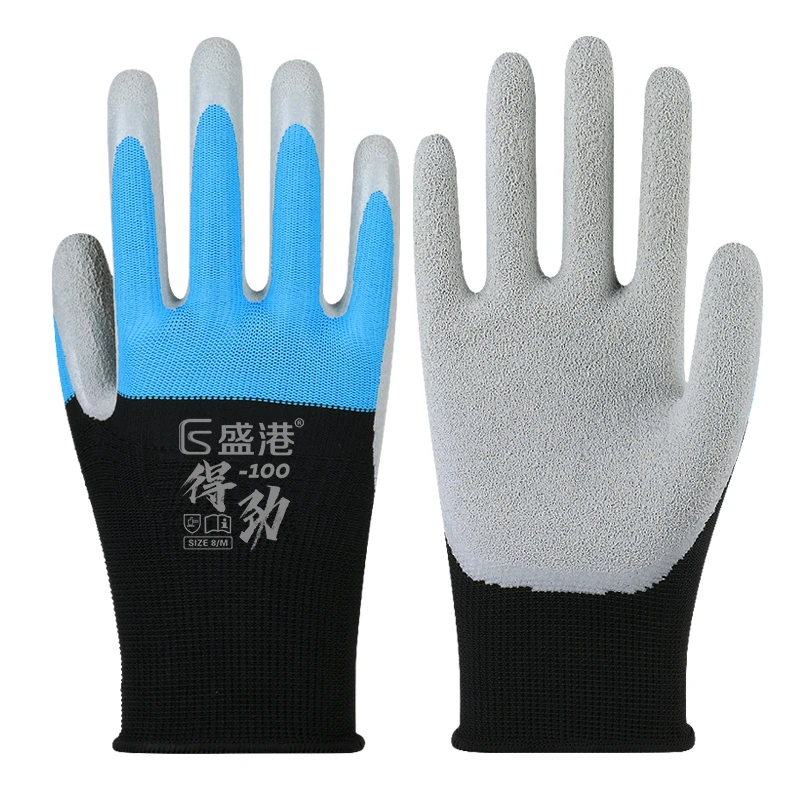
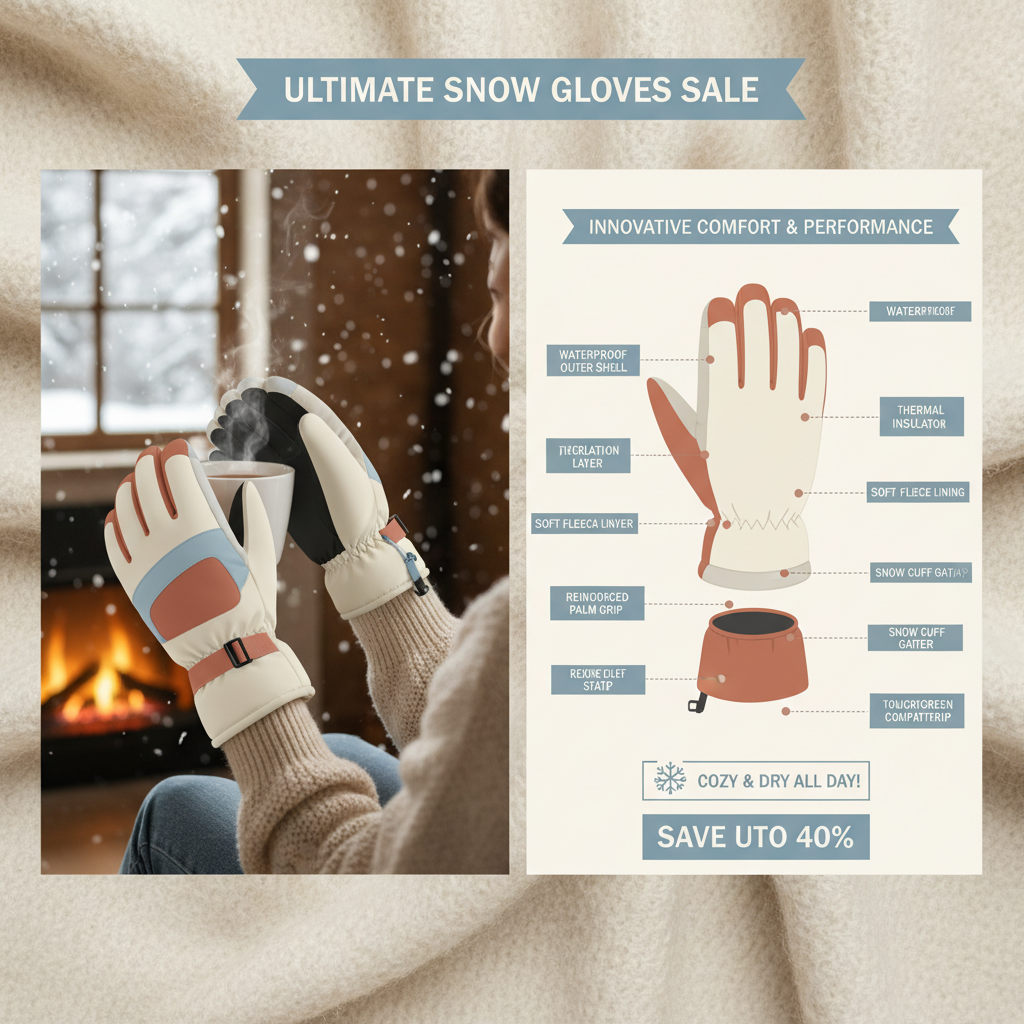
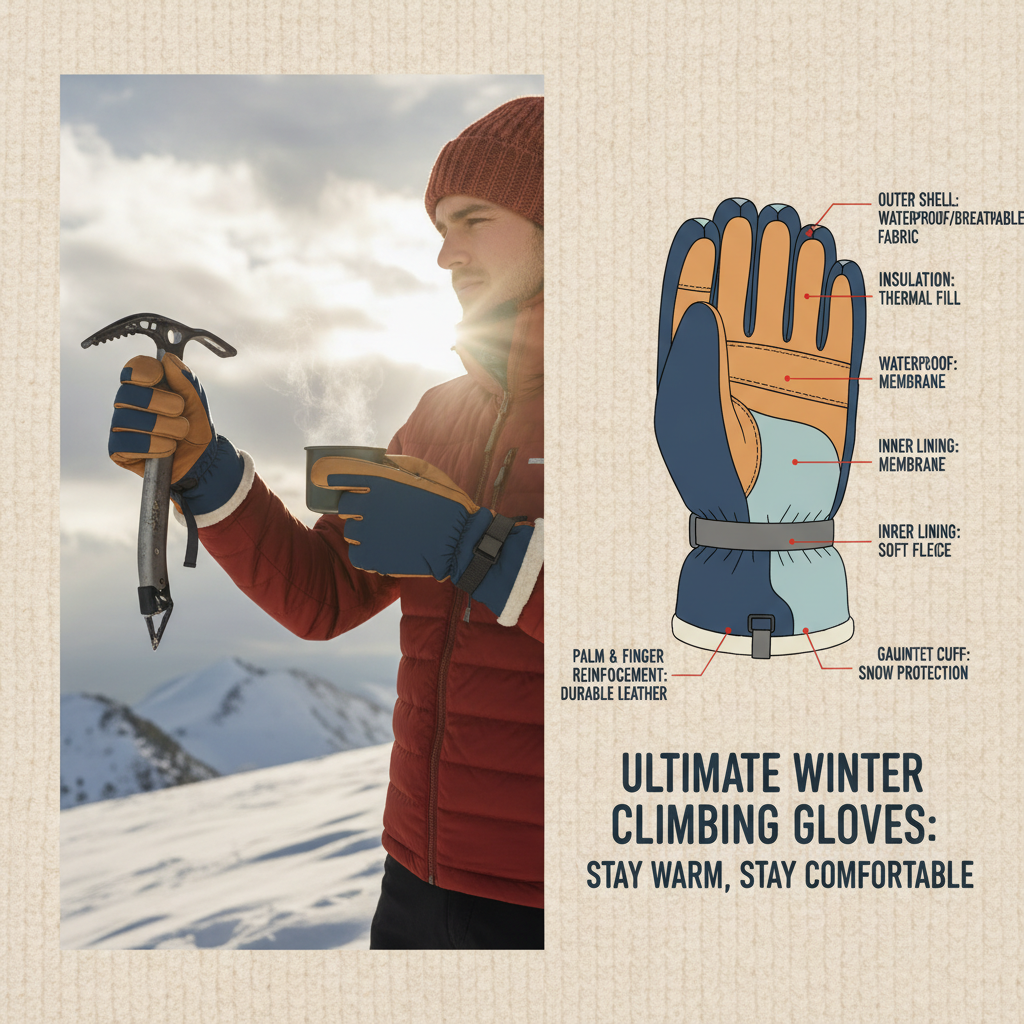
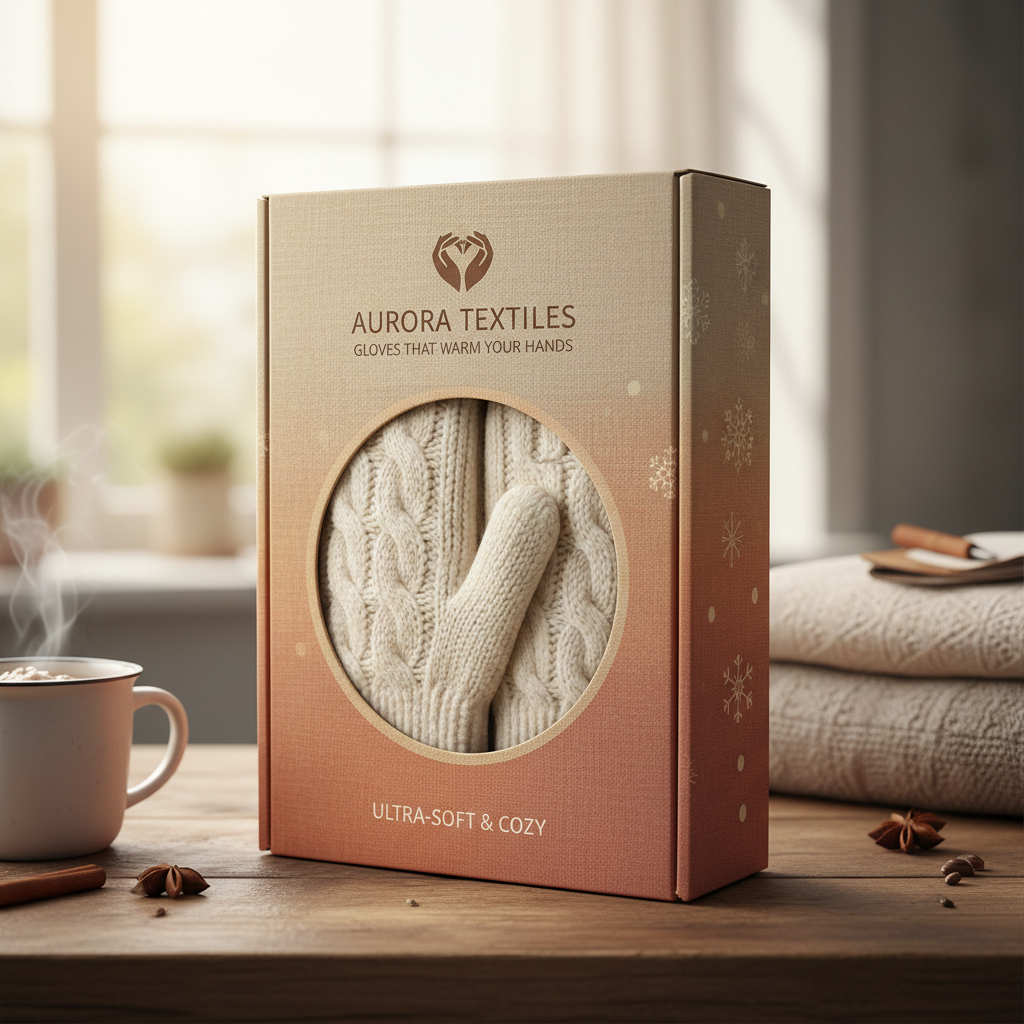
Figure 1: Illustration of multi-layer construction in waterproof gloves thermal.
Industry Trends and Technical Parameters
The market for industrial hand protection, particularly for specialized solutions like thermal workwear gloves, is continuously evolving. Current trends emphasize enhanced multi-functionality, improved ergonomics, sustainability, and the integration of smart features. End-users increasingly demand gloves that not only offer superior protection but also promote worker comfort, reduce fatigue, and contribute to overall operational efficiency.
Key Industry Trends:
- Material Innovation: Ongoing research into lighter, more durable, and more effective insulation materials, alongside advanced waterproof membranes that offer superior breathability without compromising protection. This includes eco-friendly material alternatives.
- Ergonomics and Dexterity: A growing focus on designing gloves that conform naturally to the hand, offering excellent tactile sensitivity and reducing hand fatigue, even with multiple protective layers. Pre-curved finger designs and articulated knuckles are becoming standard.
- Smart PPE Integration: While still nascent for gloves, there is interest in integrating sensors for temperature monitoring, impact detection, or even haptic feedback, particularly in high-risk environments.
- Application-Specific Customization: Manufacturers are moving towards highly specialized glove designs tailored for specific tasks and environments, recognizing that a one-size-fits-all approach is insufficient for complex industrial needs.
Critical Technical Parameters for Waterproof Gloves Thermal:
Selecting the appropriate waterproof gloves thermal requires a thorough understanding of their technical specifications. These parameters, often verified through standardized testing, directly correlate with performance and suitability for specific applications.
| Parameter | Description | Typical Range/Value | Relevant Standard |
|---|---|---|---|
| Hydrostatic Head (Waterproofness) | Measures the resistance of fabric to water penetration under pressure. Higher value indicates better waterproofing. | >10,000 mm H2O | ISO 811 |
| Thermal Resistance (CLO value) | Indicates insulating power. 1 CLO is equivalent to the insulation required to keep a resting person comfortable in 21°C. | 0.5 - 2.0 CLO | ASTM F1291 / EN 511 |
| Breathability (MVTR) | Moisture Vapor Transmission Rate. How much water vapor passes through the fabric in 24 hours. Higher is better for comfort. | >5,000 g/m²/24h | ASTM E96 / JIS L1099 |
| Abrasion Resistance | Measures the glove's resistance to surface wear caused by rubbing. Graded 1-4. | Level 3 or 4 | EN 388 |
| Cut Resistance | Ability to resist cutting by a sharp edge. Graded A-F (for ISO 13997) or 1-5 (for EN 388 Coup test). | Level B or higher | EN 388 / ISO 13997 |
| Contact Cold Resistance | Resistance to convective cold. Graded 1-4. | Level 2 or 3 | EN 511 |
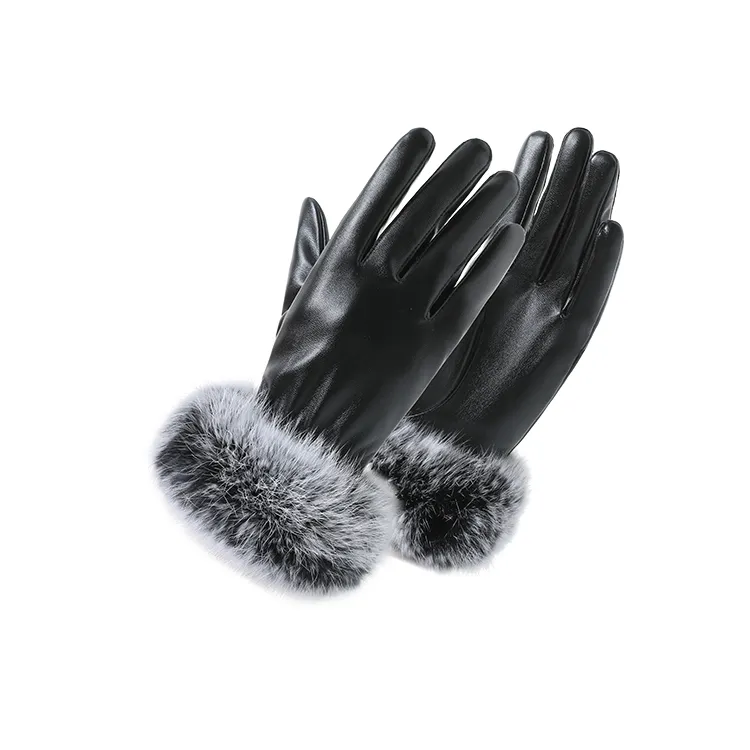
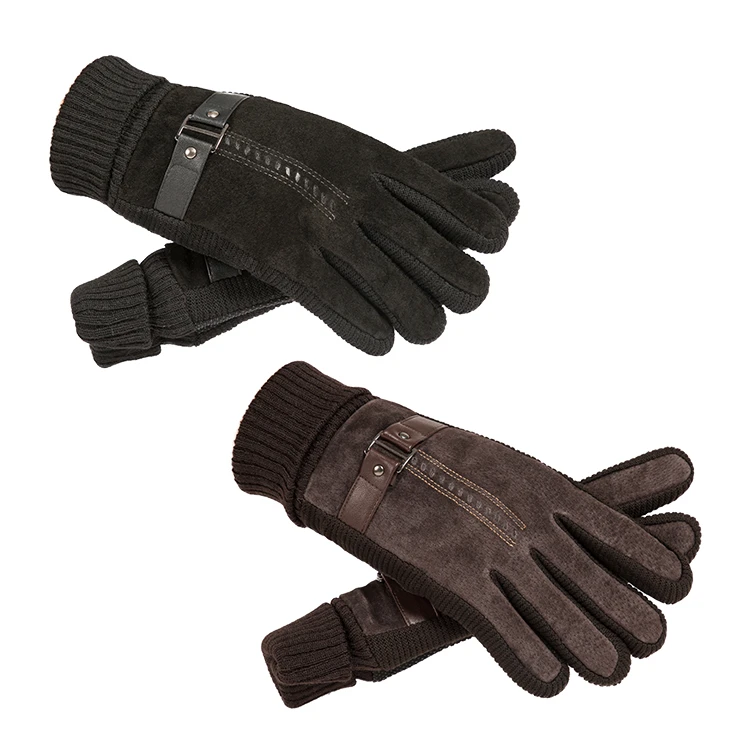
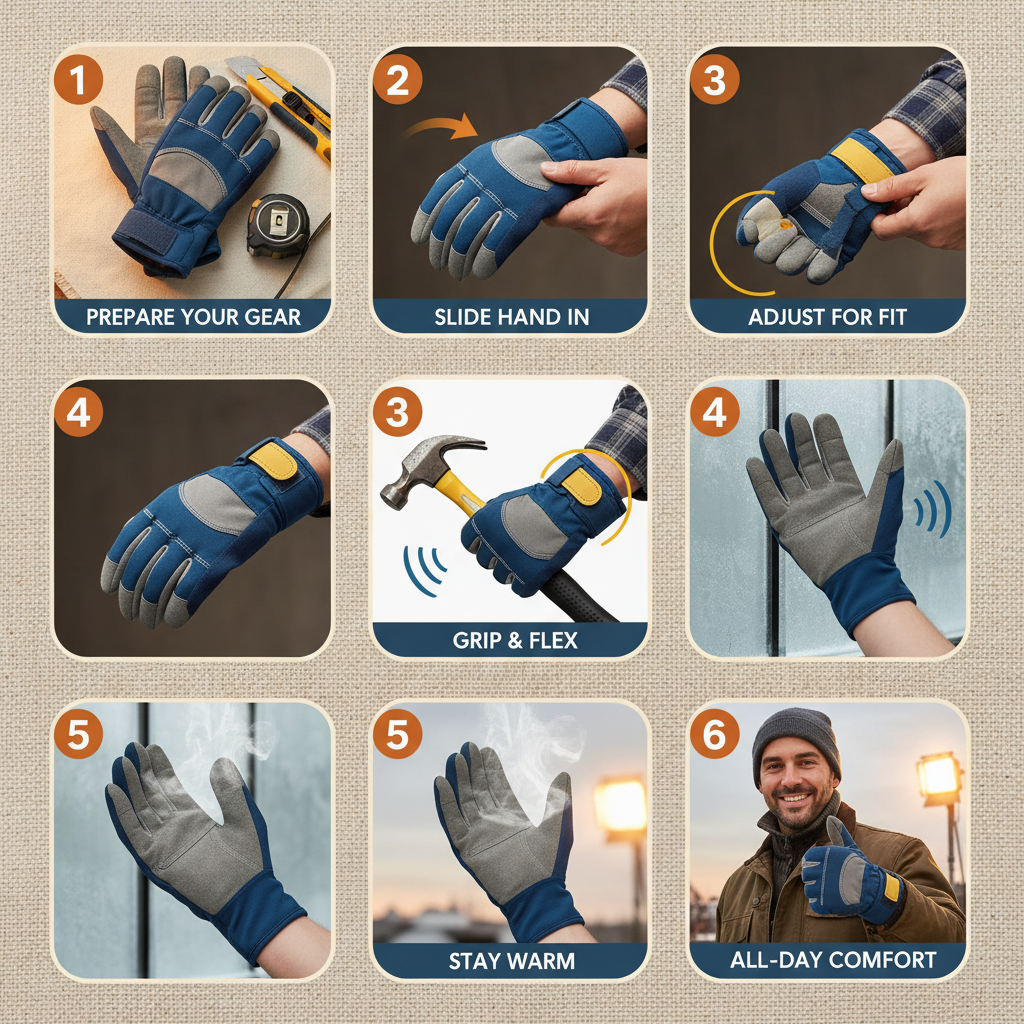
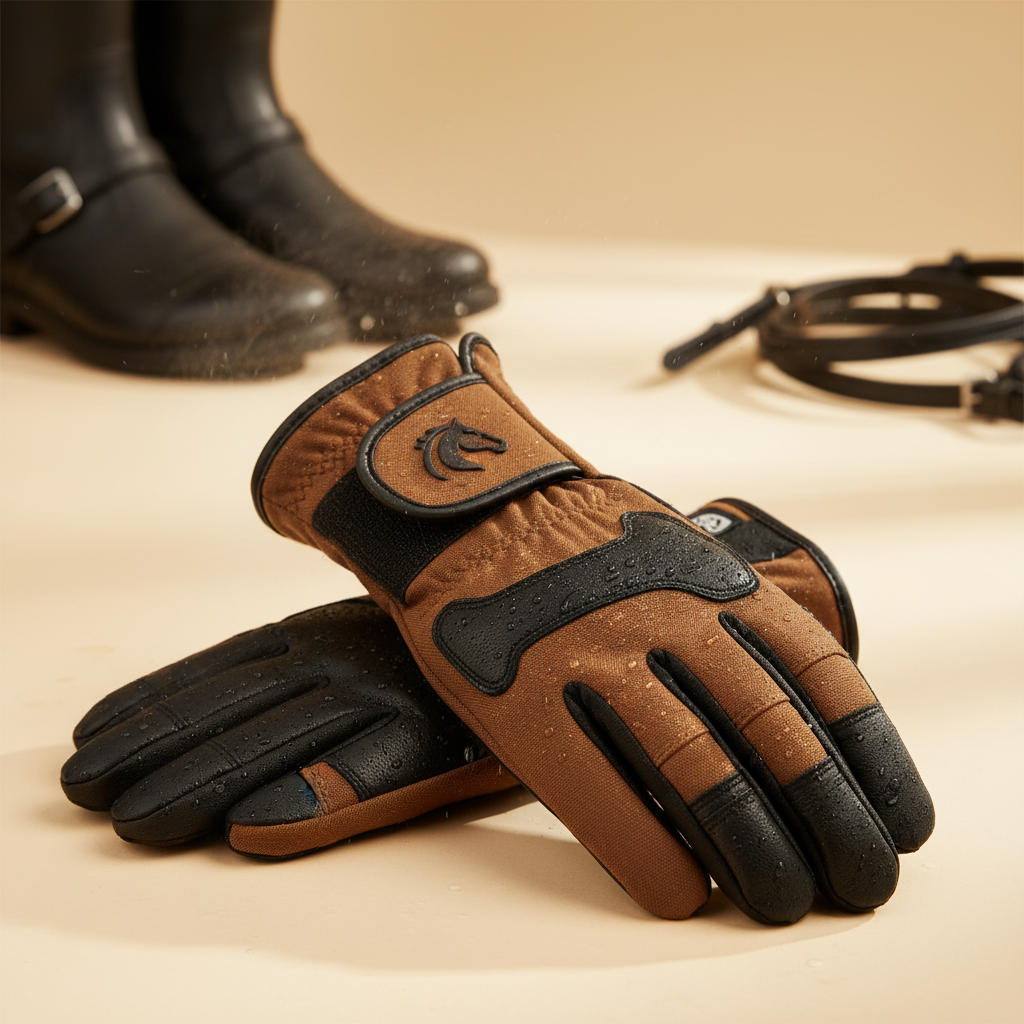
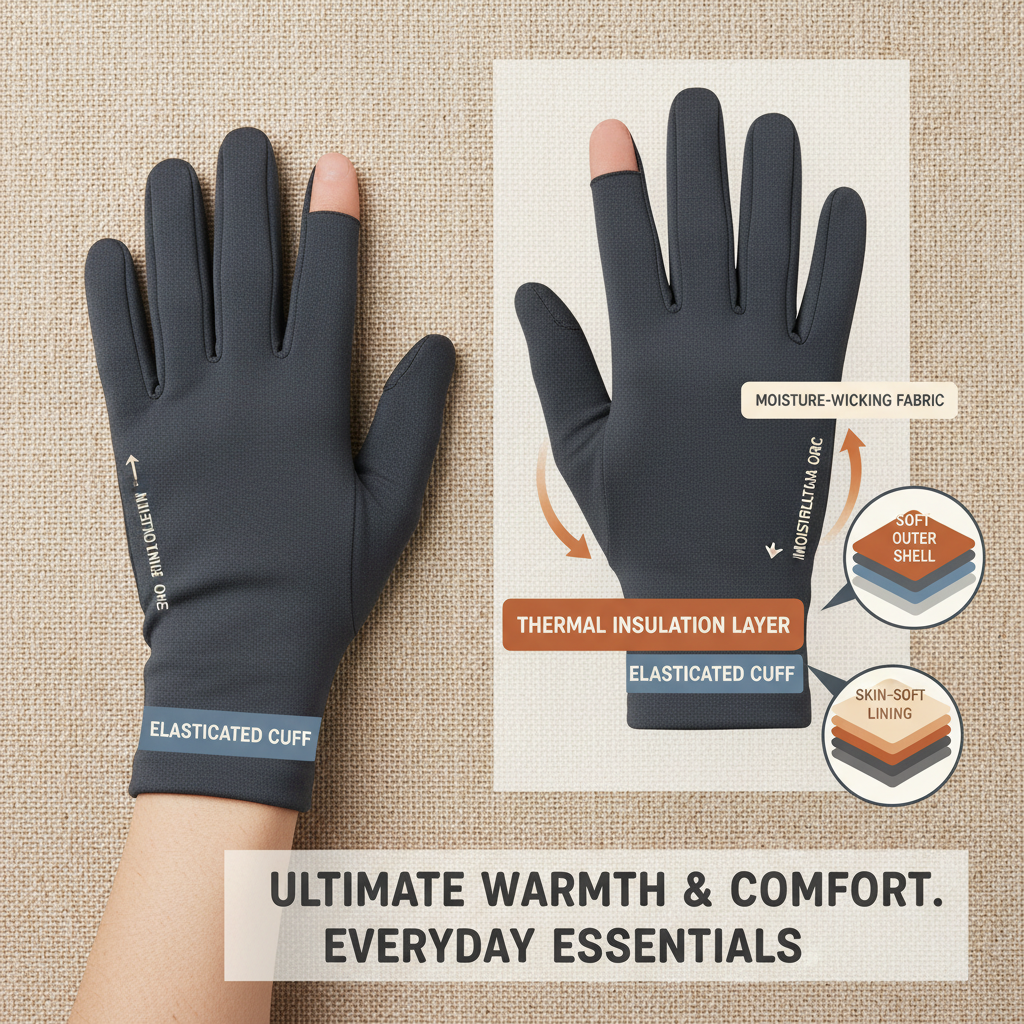
Figure 2: Advanced features of modern water resistant thermal gloves.
Application Scenarios and Technical Advantages
The versatility of waterproof gloves thermal makes them indispensable across a wide array of demanding industries. Their specialized construction is engineered to perform exceptionally in environments characterized by cold temperatures, moisture, and potential mechanical hazards, offering significant technical advantages over conventional hand protection.
Typical Application Scenarios:
- Petrochemical Industry: Workers in oil and gas exploration, refineries, and chemical plants often operate in cold climates, handling liquids. These gloves provide critical protection against cold exposure, chemical splash (depending on coating), and maintaining grip on wet or oily surfaces.
- Metallurgy and Foundries: While direct heat resistance is not their primary function, in specific cold storage areas or outdoor processing, the thermal and waterproof properties are crucial. They protect against cold metal surfaces and incidental water exposure.
- Water Supply & Drainage Systems: Maintenance crews working on municipal water infrastructure, often in cold, wet, and muddy conditions, rely heavily on these gloves for warmth, dryness, and protection from abrasions and cuts.
- Cold Storage and Logistics: Employees working in refrigerated warehouses or outdoor freight handling require consistent thermal protection to prevent cold stress and maintain dexterity for tasks like sorting and scanning.
- Construction and Outdoor Utilities: In winter months, construction workers, utility linemen, and road maintenance crews face extreme cold, rain, and snow. These gloves offer crucial protection, enhancing safety and productivity.
- Fisheries and Aquaculture: Workers in these sectors are constantly exposed to cold water and wet environments. Waterproof and thermal gloves prevent hypothermia and provide necessary grip for handling fish and equipment.
Technical Advantages:
- Superior Thermal Insulation: Advanced synthetic insulation materials, often with multi-hollow fiber structures, trap air efficiently to provide exceptional warmth relative to their bulk. This prevents cold-related injuries like frostbite and hypothermia.
- Impenetrable Waterproof Barrier: Utilizing high-performance membranes and fully sealed seams, these gloves ensure hands remain dry even in torrential rain, slush, or prolonged immersion. This directly mitigates the risk of cold injuries associated with wet skin.
- Enhanced Durability and Service Life: Constructed with robust outer materials and reinforced stress points, these gloves are designed for longevity in harsh industrial use. This reduces the frequency of glove replacement, leading to cost savings.
- Optimized Grip and Dexterity: Despite their protective layers, many models incorporate specialized palm coatings (e.g., sandy nitrile, crinkle latex) that offer exceptional grip in wet, icy, or oily conditions, maintaining tactile feedback crucial for intricate tasks.
- Corrosion Resistance (for coated variants): Certain coated variants provide a barrier against mild acids, bases, and hydrocarbons, extending protection in chemical splash scenarios (note: not for full chemical immersion unless specifically certified).
- Energy Saving (Indirect): By improving worker comfort and preventing cold-related ailments, these gloves contribute to higher productivity and fewer work stoppages due to discomfort, indirectly saving operational energy and time.
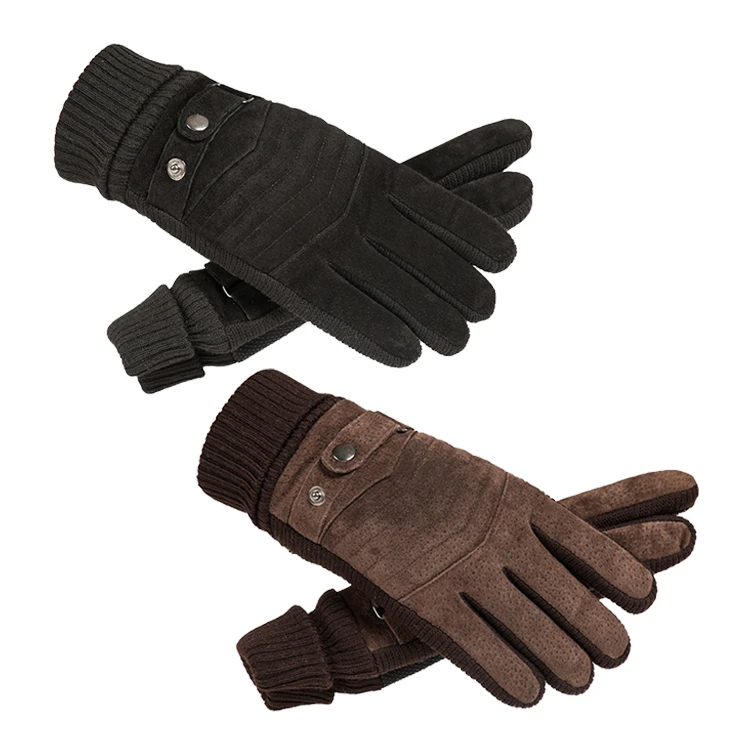
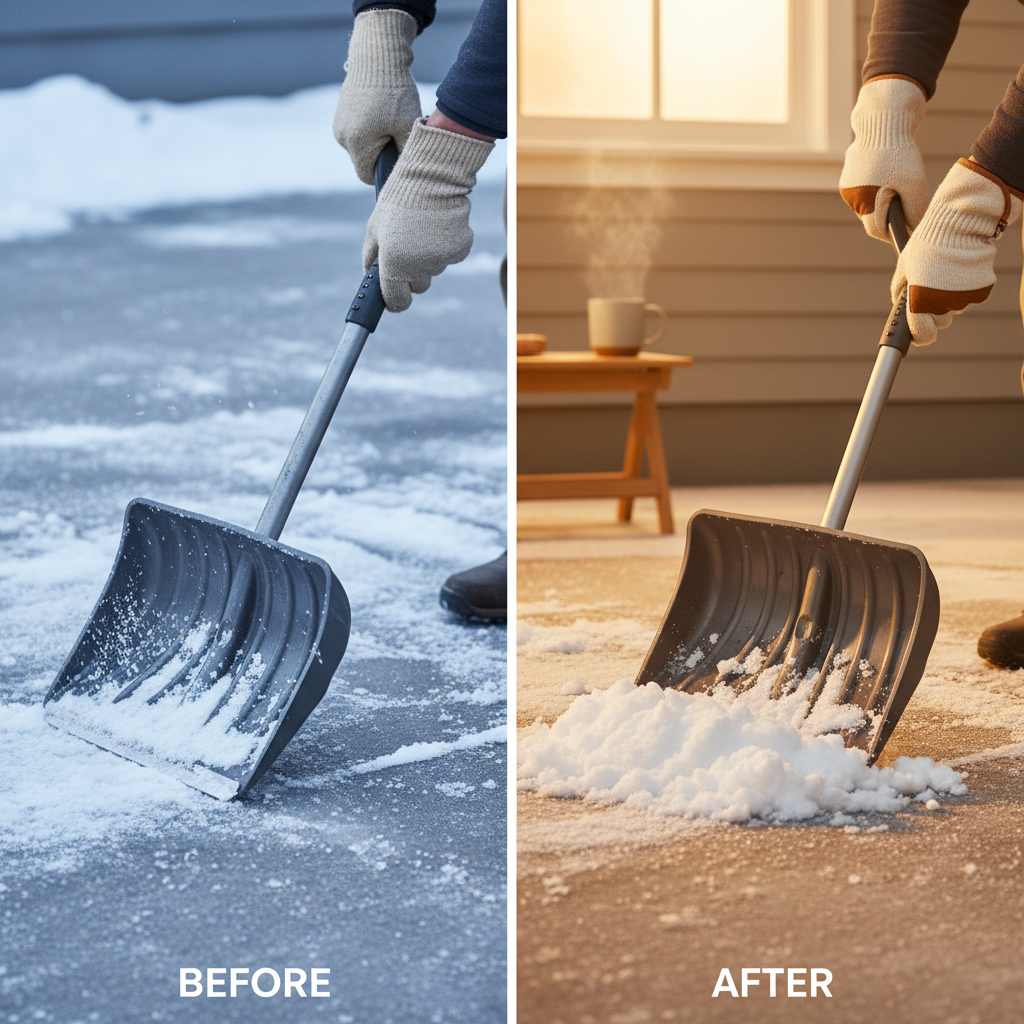
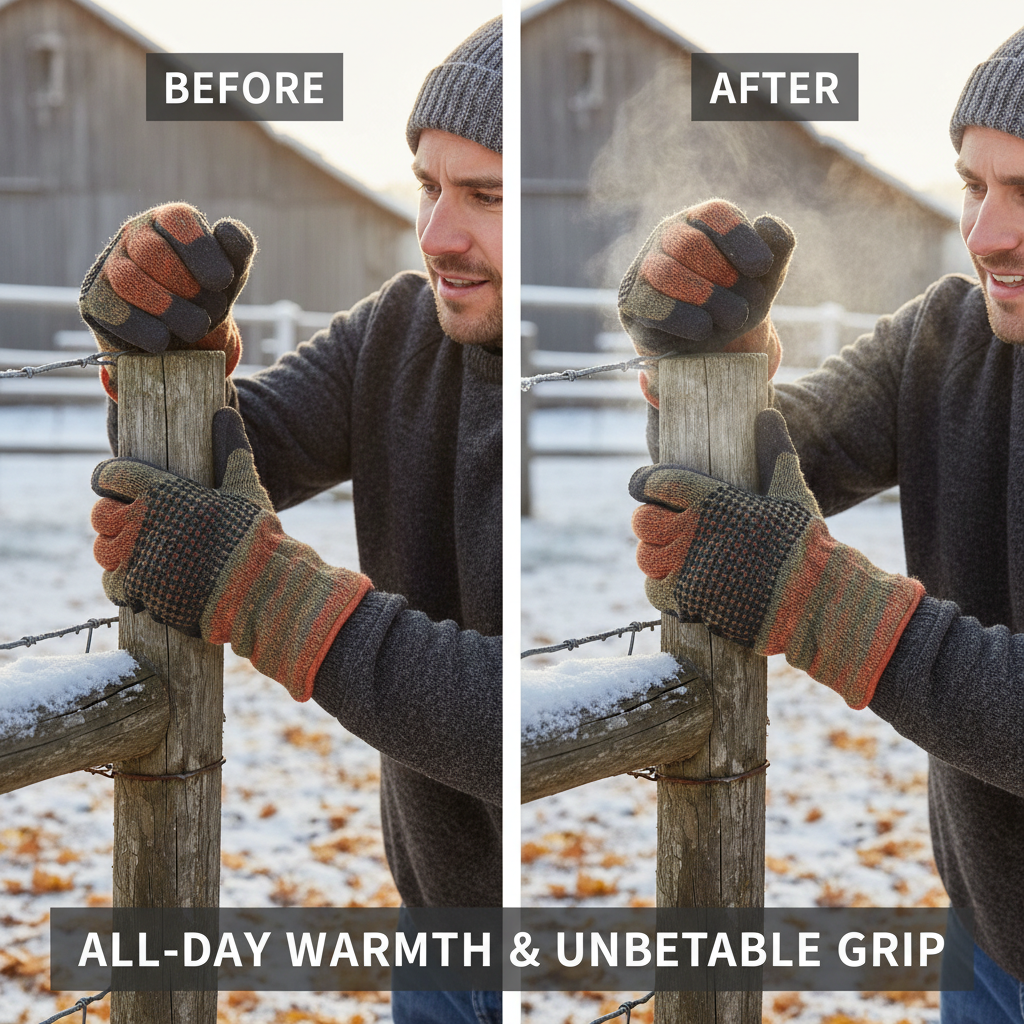
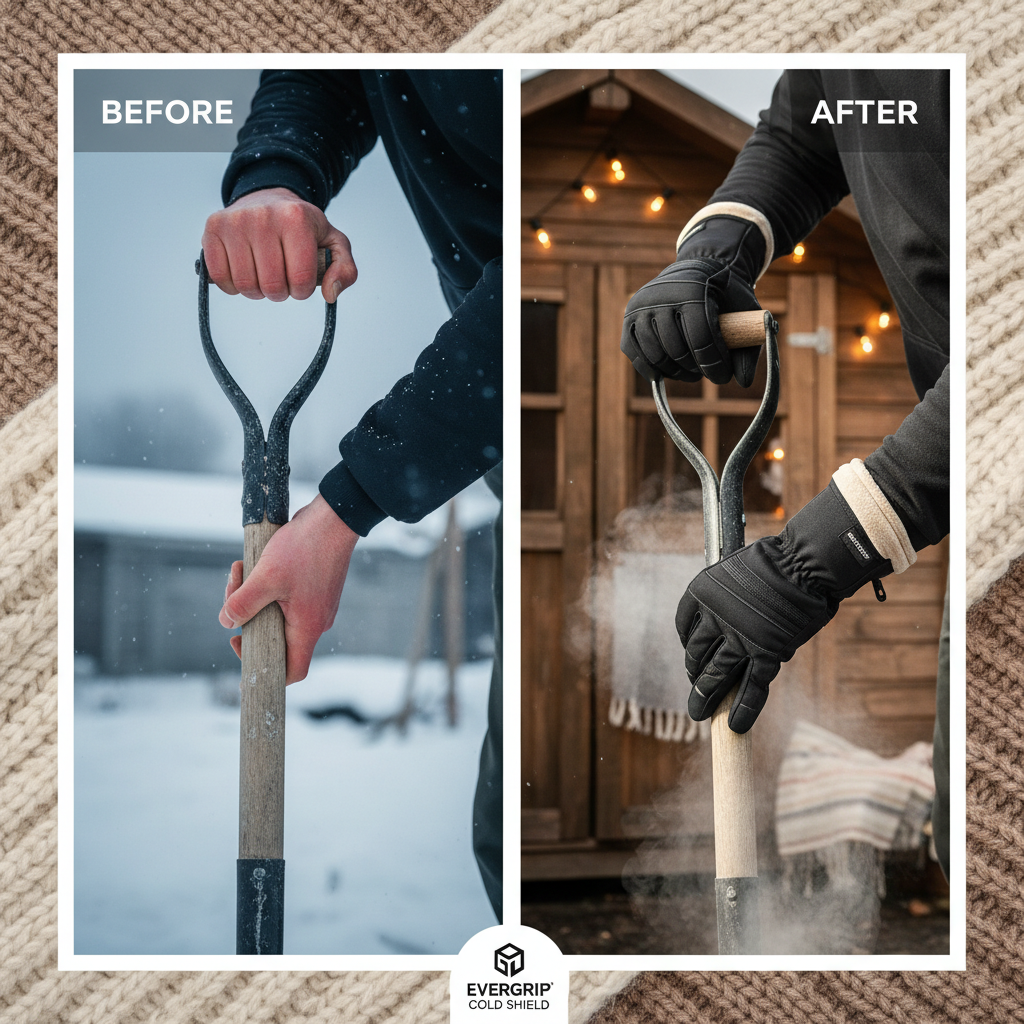
Figure 3: Waterproof gloves thermal providing protection in a challenging outdoor environment.
Vendor Comparison and Customized Solutions
Choosing the right supplier for waterproof gloves thermal is a strategic decision that impacts worker safety, operational efficiency, and long-term cost. While many vendors offer similar products, key differentiators lie in their material science expertise, manufacturing quality, customization capabilities, and post-sale support. Evaluating these factors is crucial for B2B procurement professionals.
Vendor Comparison Factors:
| Feature/Criterion | Vendor A (Premium) | Vendor B (Mid-Tier) | Vendor C (Economy) |
|---|---|---|---|
| Certifications | EN 511 Level 321, EN 388 Level 4X43F, CE, ISO 9001 | EN 511 Level 221, EN 388 Level 3X32D, CE | EN 511 Level 111, EN 388 Level 2X22B |
| Waterproof Membrane | Proprietary PTFE/PU, >20,000mm HH, MVTR >15,000 g/m² | Standard PU, >10,000mm HH, MVTR >8,000 g/m² | Basic PU coating, >5,000mm HH, MVTR >3,000 g/m² |
| Thermal Insulation | 150-200g Thinsulate/PrimaLoft, 1.5-2.0 CLO | 80-120g proprietary fiber, 0.8-1.2 CLO | Fleece lining, 0.5-0.7 CLO |
| Outer Shell Material | Reinforced Nylon/Cordura, 500D+ | Polyester/Nylon blend, 300-400D | Standard Polyester, 200D |
| Grip Coating | Sandy Nitrile/Silicone for wet/oily grip | Crinkle Latex/Smooth Nitrile | Smooth Latex/PU |
| Customization Options | Full OEM/ODM, material blends, branding, specific sizing, feature integration | Branding, color options, limited material tweaks | Basic branding (logo) |
| Price Point | High | Medium | Low |
Customized Solutions: Tailoring for Specific Needs
Recognizing that no single glove design fits all industrial challenges, leading manufacturers offer extensive customization options for waterproof gloves thermal. This capability allows businesses to procure hand protection perfectly aligned with their unique operational requirements and safety protocols.
- Material Configuration: Custom blends of outer shell fabrics for specific abrasion, cut, or chemical resistance. Choice of waterproof membranes based on desired breathability and hydrostatic head ratings. Selection of insulation types and weights for varying temperature ranges (e.g., extreme arctic vs. mild winter).
- Ergonomic Design & Sizing: Development of specific ergonomic patterns to enhance dexterity for particular tasks (e.g., fine motor skills vs. heavy lifting). Custom sizing programs to ensure optimal fit across a diverse workforce, reducing glove-related injuries and improving comfort.
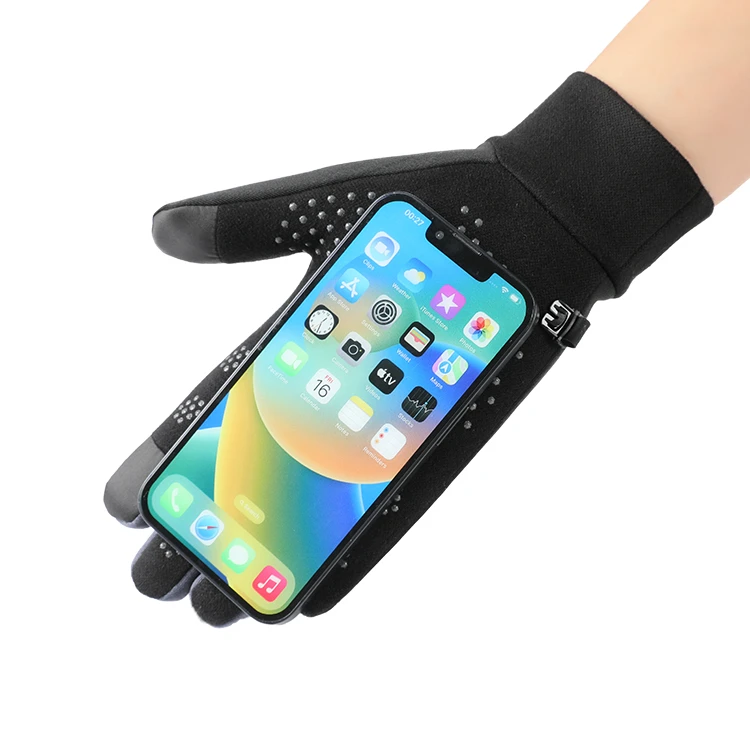
- Feature Integration: Addition of specialized features such as touchscreen compatibility, extended gauntlet cuffs for arm protection, reinforced knuckle guards, reflective elements for visibility, or attachment loops for karabiners.
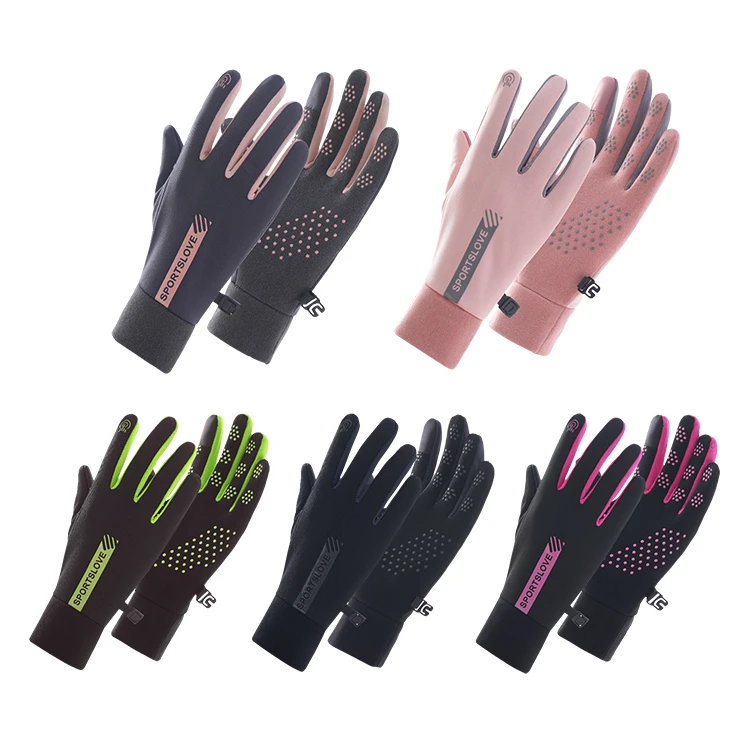
- Branding and Identification: Incorporation of company logos, department identifiers, or color-coding for different roles or hazard levels. This aids in asset management and compliance.
Engaging with a manufacturer capable of such bespoke solutions ensures that your investment in waterproof gloves thermal yields maximum safety, performance, and return on investment.

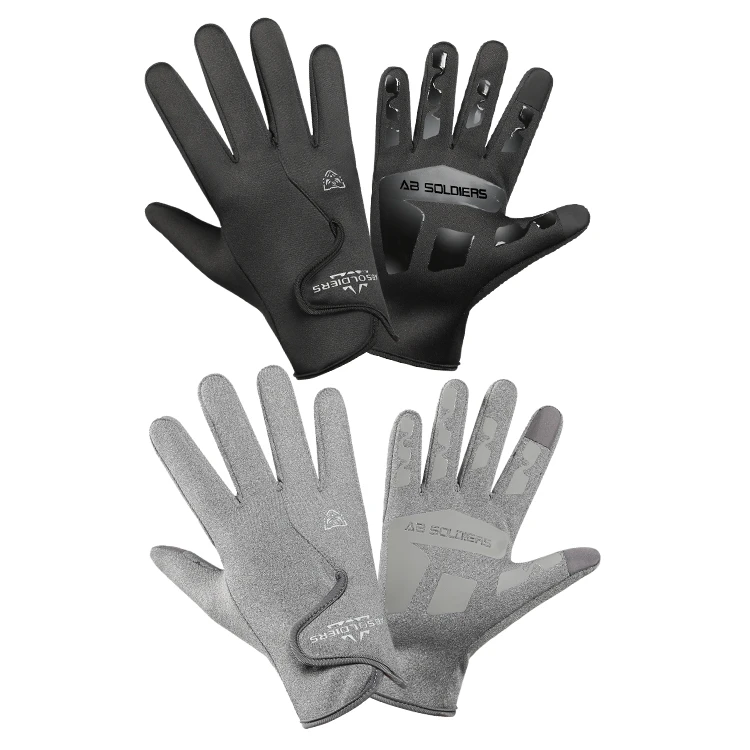
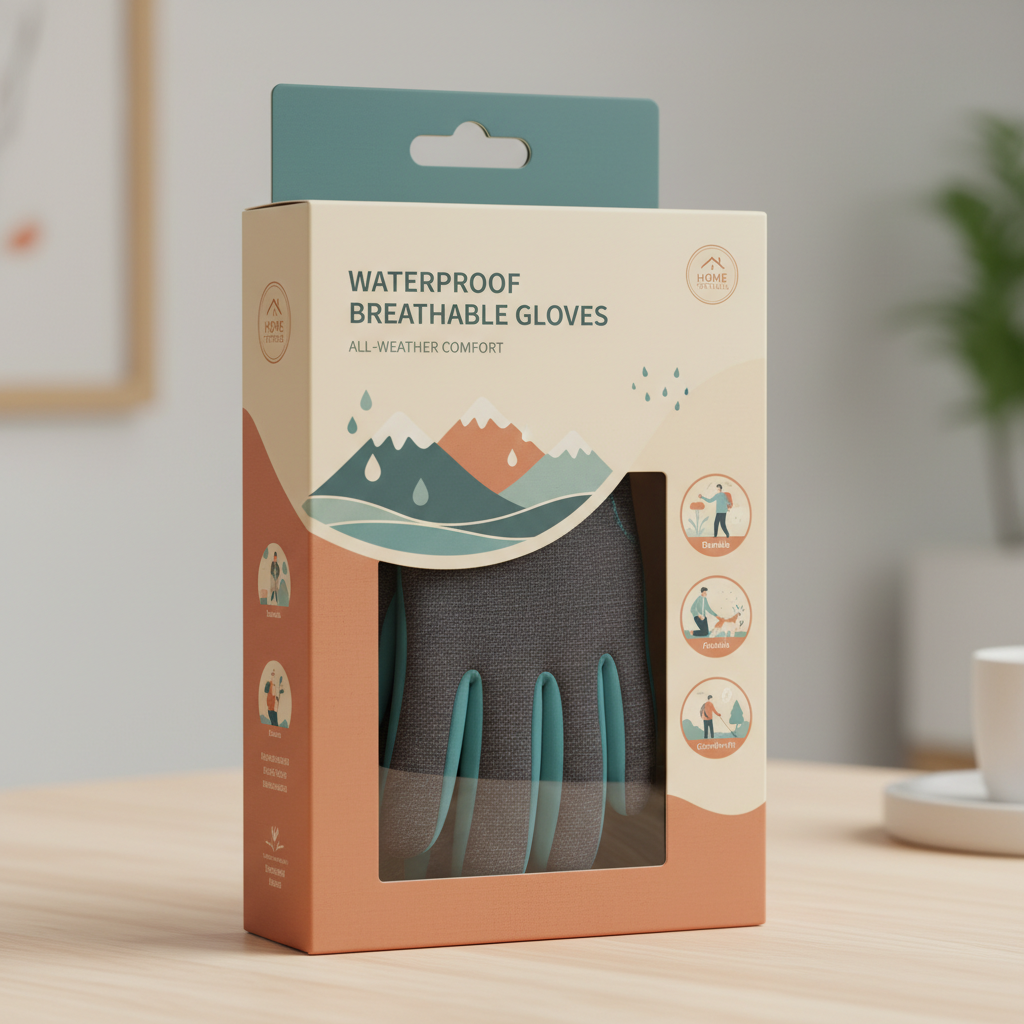
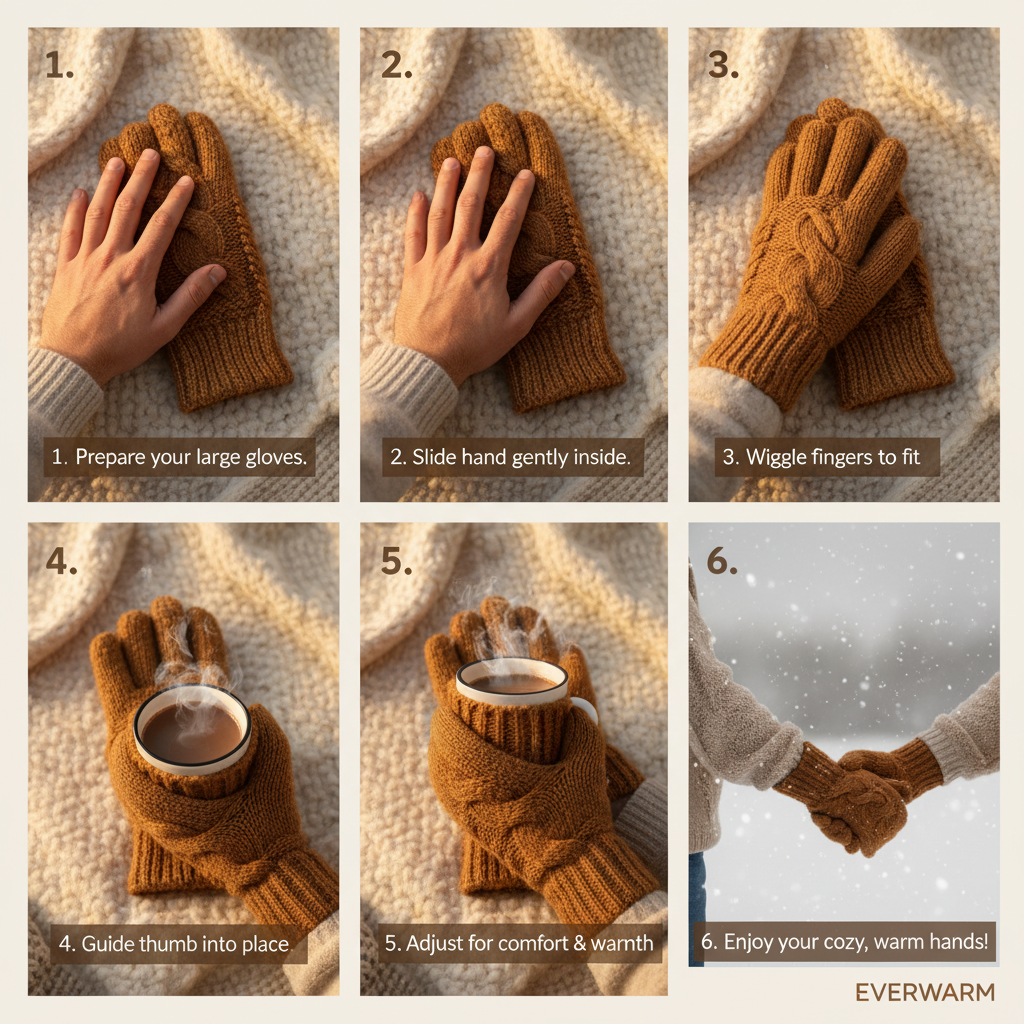
Figure 4: Illustration of customized features for waterproof gloves thermal.
Application Case Studies & Client Successes
Real-world application demonstrates the transformative impact of high-quality water resistant thermal gloves on operational efficiency and worker safety. Our clients, spanning various heavy industries, have experienced tangible benefits through the deployment of our advanced hand protection solutions.
Case Study 1: Arctic Logistics Hub
A major logistics company operating a distribution center in a sub-arctic region faced significant challenges with conventional gloves. Workers handling freight outdoors and in unheated storage areas experienced frequent cold-related hand injuries, reduced dexterity, and rapid glove degradation due to continuous exposure to ice, snow, and cold metal surfaces. After implementing our customized waterproof gloves thermal, which featured a robust Cordura outer shell, a high-performance PTFE membrane, and 200g Thinsulate insulation, the client reported:
- A 65% reduction in cold-related hand injuries over one winter season.
- An estimated 15% increase in worker productivity due to improved comfort and dexterity.
- A 30% extension in glove service life compared to previous solutions, leading to significant cost savings in PPE procurement.
Case Study 2: Offshore Wind Farm Maintenance
An engineering firm specializing in offshore wind turbine maintenance required hand protection that could withstand constant exposure to saltwater, high winds, and freezing temperatures. Their previous gloves failed quickly, leading to water ingress and compromised thermal protection. We provided a solution with a durable, anti-corrosive outer layer, a highly breathable and waterproof membrane, and a specialized grip coating for handling slick components. The results were conclusive:
- Elimination of water penetration issues, even during prolonged exposure to sea spray.
- Enhanced grip stability on wet and icy turbine components, significantly improving safety during precision tasks.
- Positive feedback from technicians citing superior comfort and warmth, leading to improved morale and reduced downtime.
Figure 5: Professionals relying on waterproof gloves thermal in extreme cold.
Trustworthiness: FAQ, Lead Time, Warranty & Support
Frequently Asked Questions (FAQ):
- Q: How do I select the correct size for my waterproof gloves thermal?
- A: We provide detailed sizing charts based on hand circumference and length measurements. It's crucial to measure accurately to ensure optimal fit, which impacts both dexterity and thermal performance. Custom sizing options are available for large orders.
- Q: What is the typical lifespan of these gloves?
- A: The lifespan varies based on the intensity of use, specific application, and maintenance. Under normal industrial conditions, our high-quality waterproof gloves thermal are designed to last between 6 months to 2 years, significantly outperforming standard gloves.
- Q: Are these gloves suitable for chemical handling?
- A: While certain models offer resistance to chemical splashes due to their specialized coatings, they are not designed for prolonged immersion in hazardous chemicals unless explicitly certified under standards like EN ISO 374. Please consult product specifications or contact our technical team for specific chemical compatibility.
- Q: Can these gloves be laundered?
- A: Most of our waterproof gloves thermal can be machine washed at specific low temperatures (e.g., 30°C) with mild detergent and air-dried away from direct heat. Refer to the care label on each product for precise instructions to maintain waterproof and thermal integrity.
Lead Time & Fulfillment:
We understand the critical nature of timely supply for B2B operations. Our standard lead time for in-stock orders of waterproof gloves thermal is typically 2-4 business days for processing and shipment, with an additional 5-10 business days for standard freight delivery within most regions. For customized or bulk orders, lead times will be provided upon order confirmation and may range from 4-8 weeks, depending on complexity and material availability. We maintain strategic inventory levels to support urgent requirements and offer expedited shipping options.
Warranty Commitments:
Our waterproof gloves thermal are backed by a comprehensive 12-month manufacturer's warranty from the date of purchase, covering defects in materials and workmanship under normal use conditions. This warranty reflects our confidence in the quality and durability of our products. Please note that the warranty does not cover wear and tear from misuse, improper care, or modifications.
Customer Support:
Our dedicated B2B customer support team is available Monday to Friday, 9:00 AM to 5:00 PM (local time), to assist with product selection, technical inquiries, order tracking, and warranty claims. You can reach us via our customer portal, email at support@personalcarescn.com, or by phone at +86-XXX-XXXX-XXXX. We are committed to providing prompt and expert assistance to ensure your complete satisfaction and uninterrupted operations.
Conclusion
The strategic investment in high-performance waterproof gloves thermal is more than just a procurement decision; it is an commitment to occupational safety, worker well-being, and operational resilience. By understanding the intricate manufacturing processes, adhering to stringent technical standards, and leveraging customizable solutions, industries can ensure their workforce is equipped with hand protection that truly performs in the most challenging conditions. These gloves are indispensable tools that safeguard against cold-related injuries, enhance productivity, and contribute to a safer, more efficient work environment.
References
- International Organization for Standardization (ISO). ISO 811:2018 Textiles — Determination of resistance to water penetration — Hydrostatic pressure test. Available at: www.iso.org
- European Committee for Standardization (CEN). EN 388:2016+A1:2018 Protective gloves against mechanical risks. Available at: www.cen.eu
- European Committee for Standardization (CEN). EN 511:2006 Protective gloves against cold. Available at: www.cen.eu
- ASTM International. ASTM E96/E96M-16: Standard Test Methods for Water Vapor Transmission of Materials. Available at: www.astm.org
- Textile Exchange. 2023 Material Change Insights Report. Available at: www.textileexchange.org