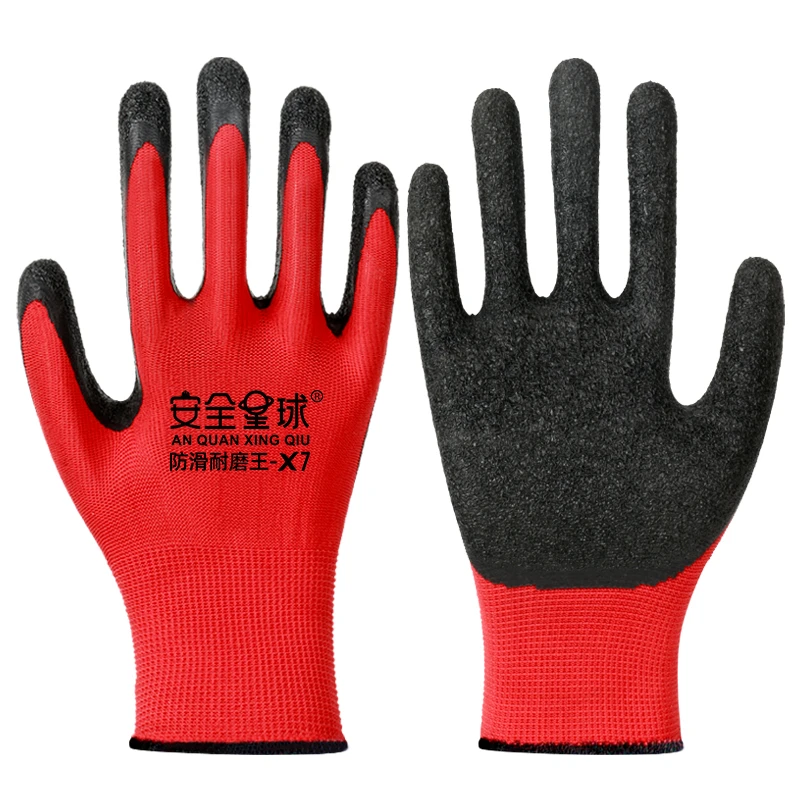
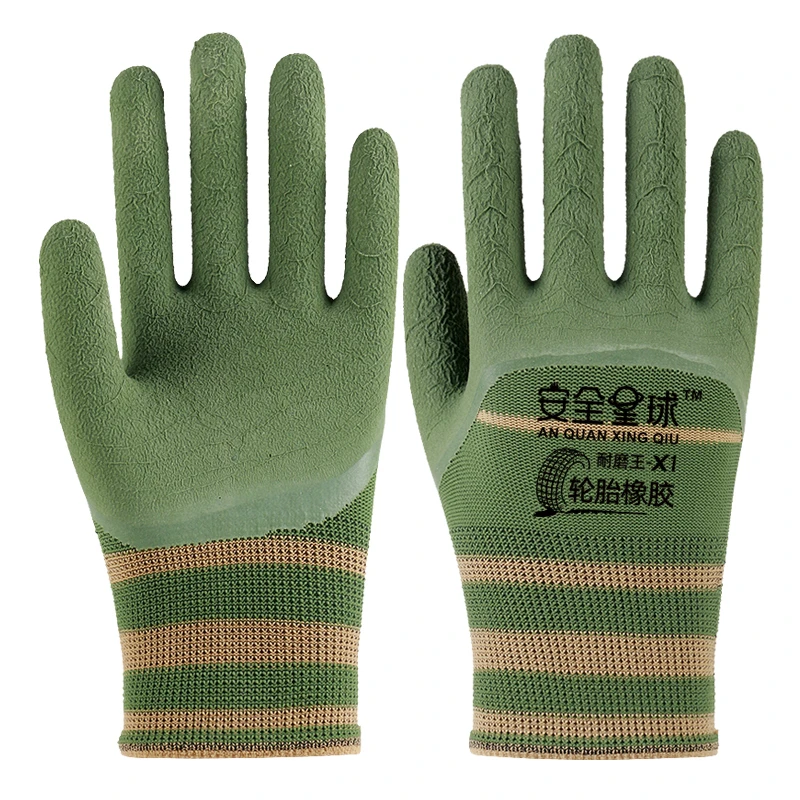
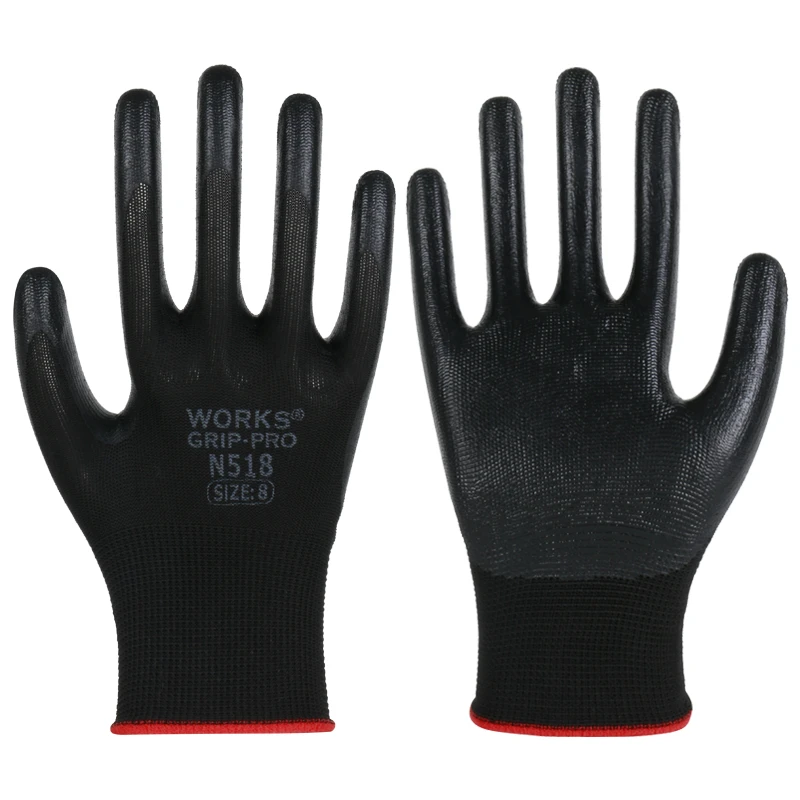
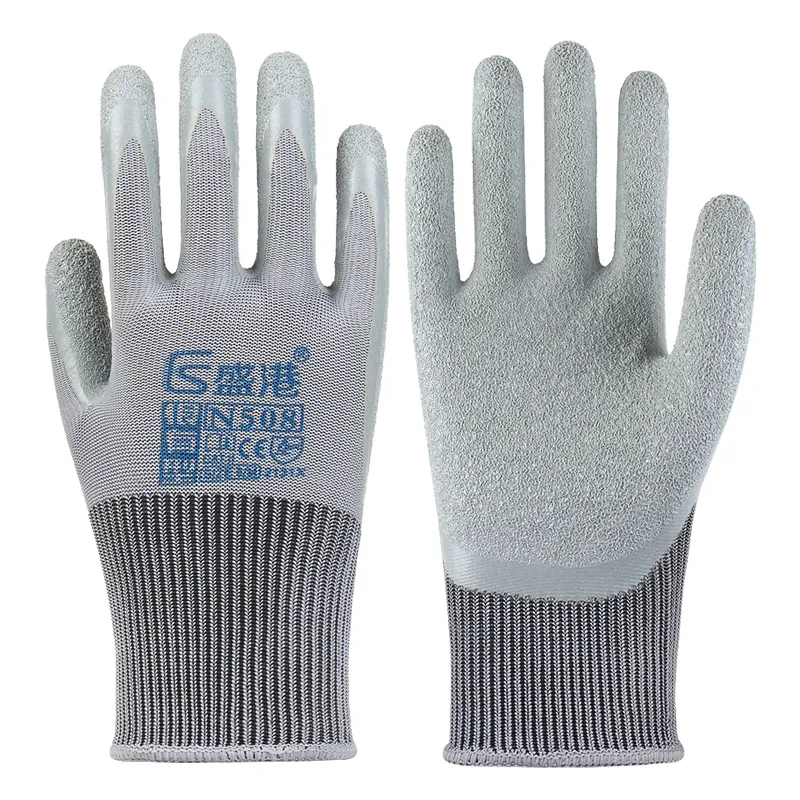
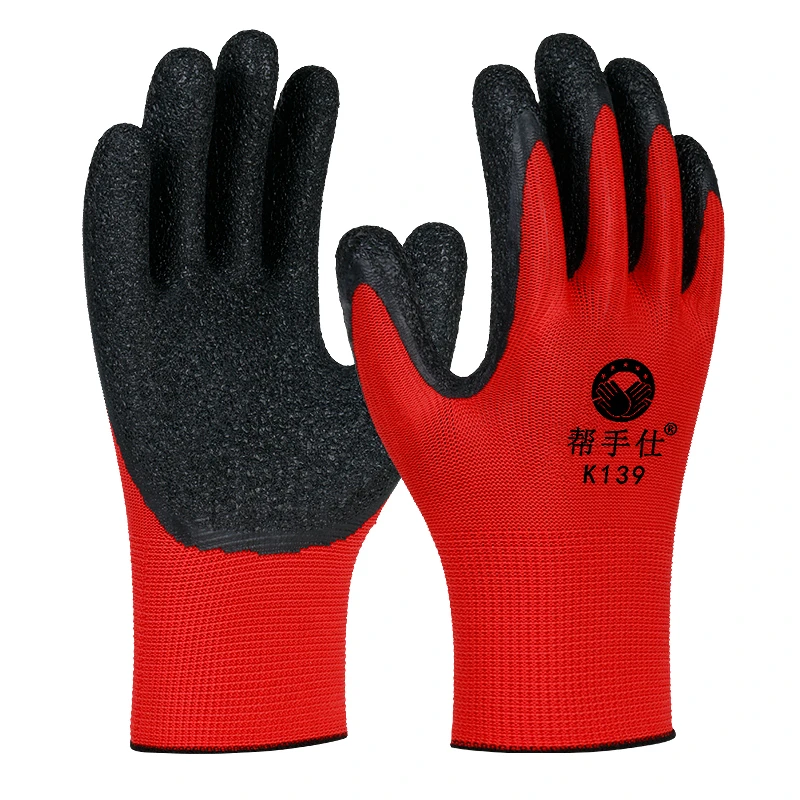
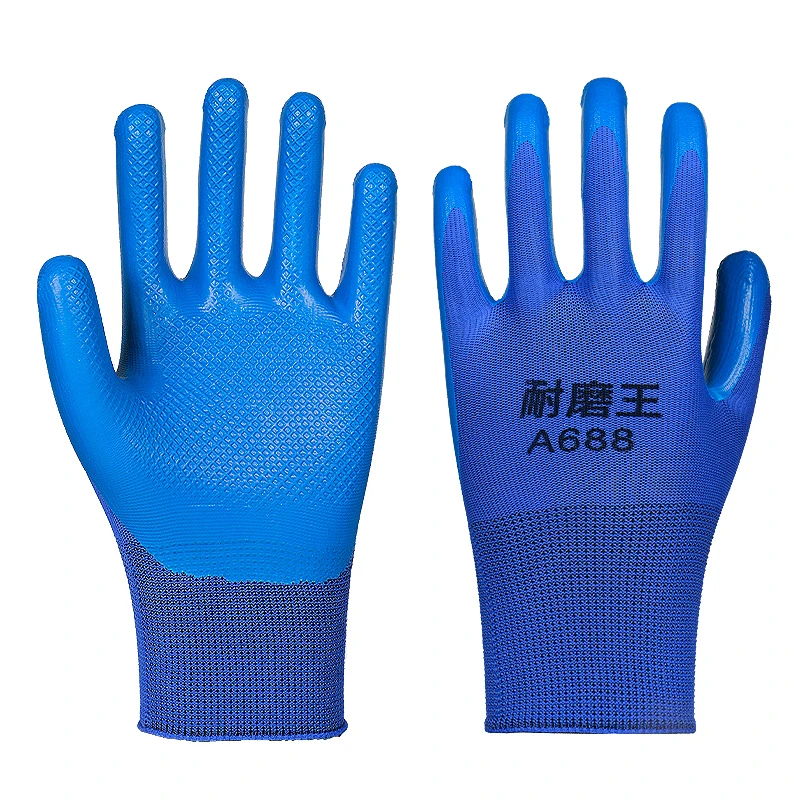
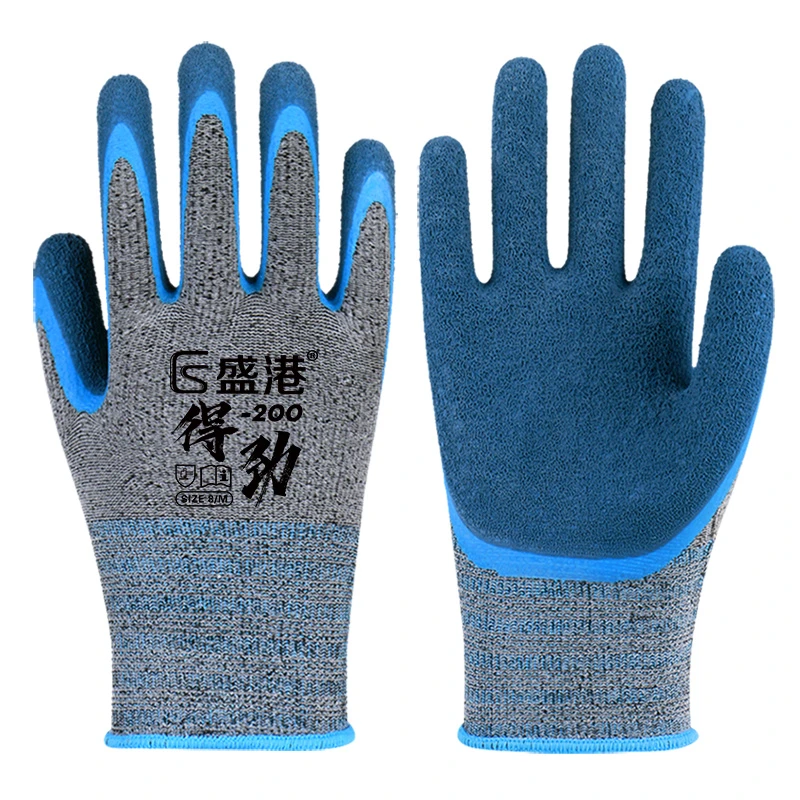
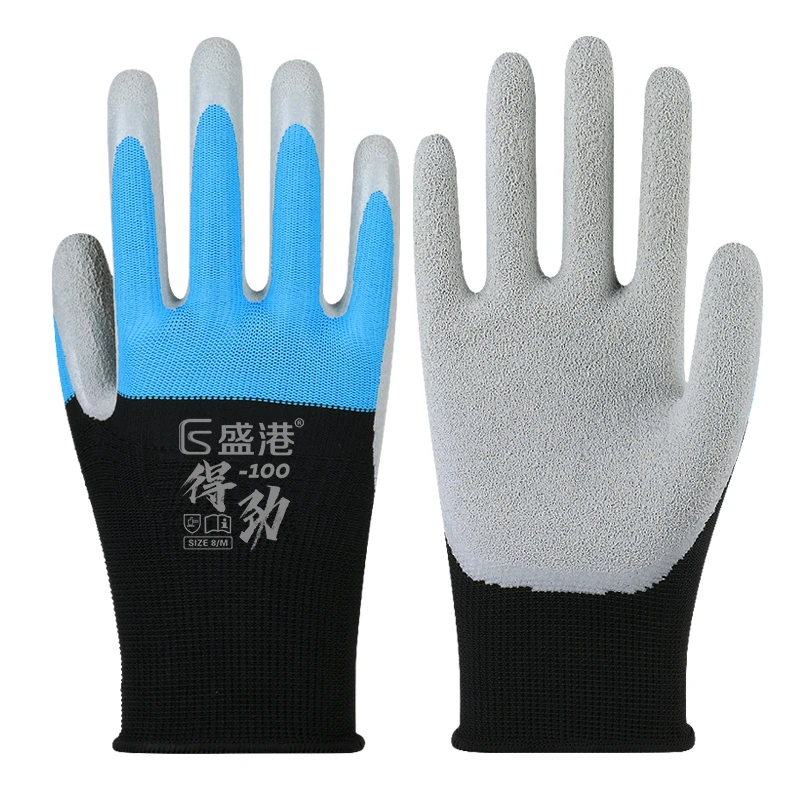
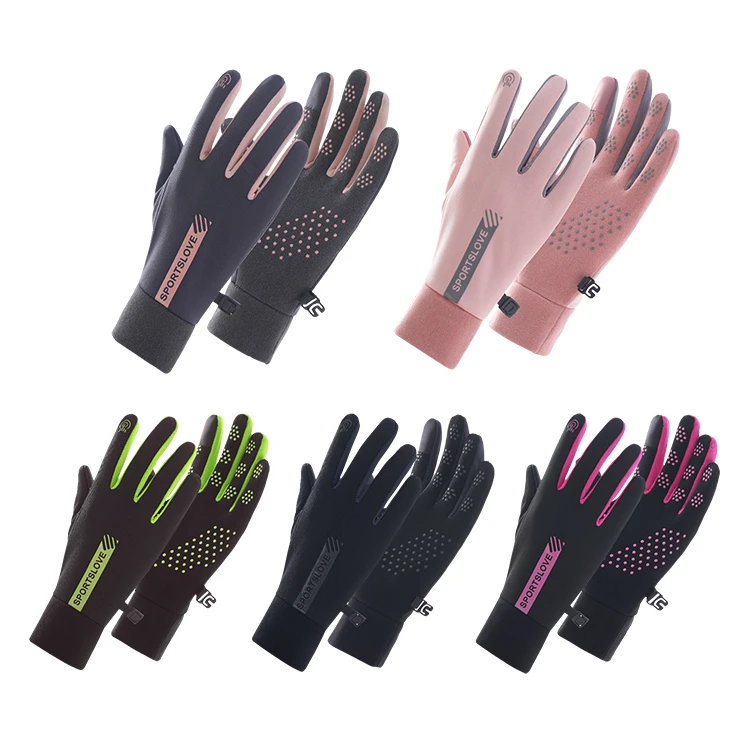
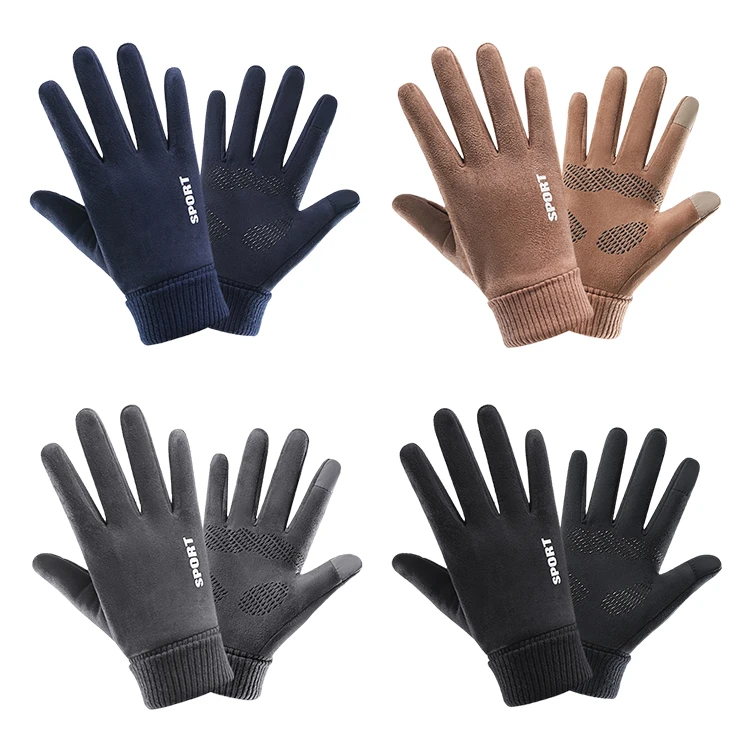
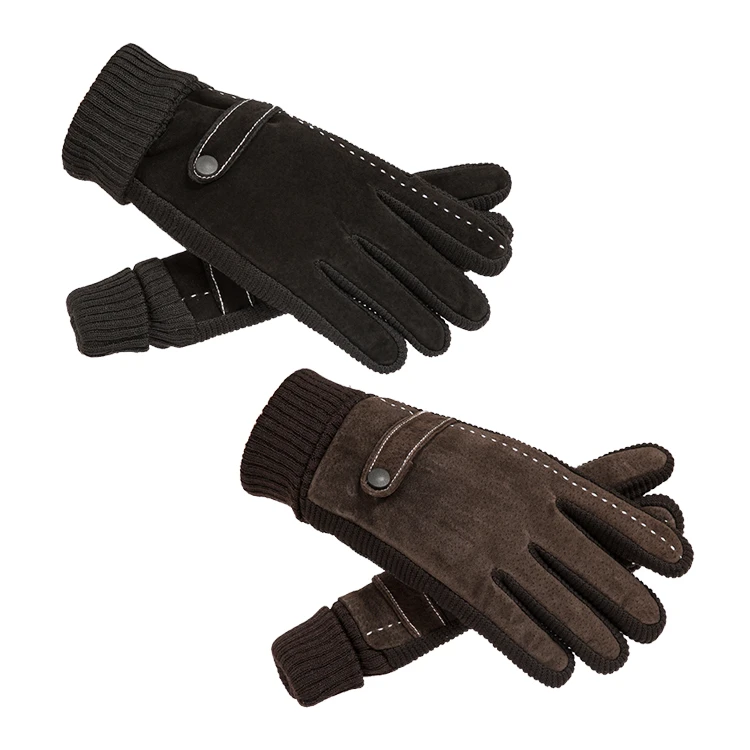
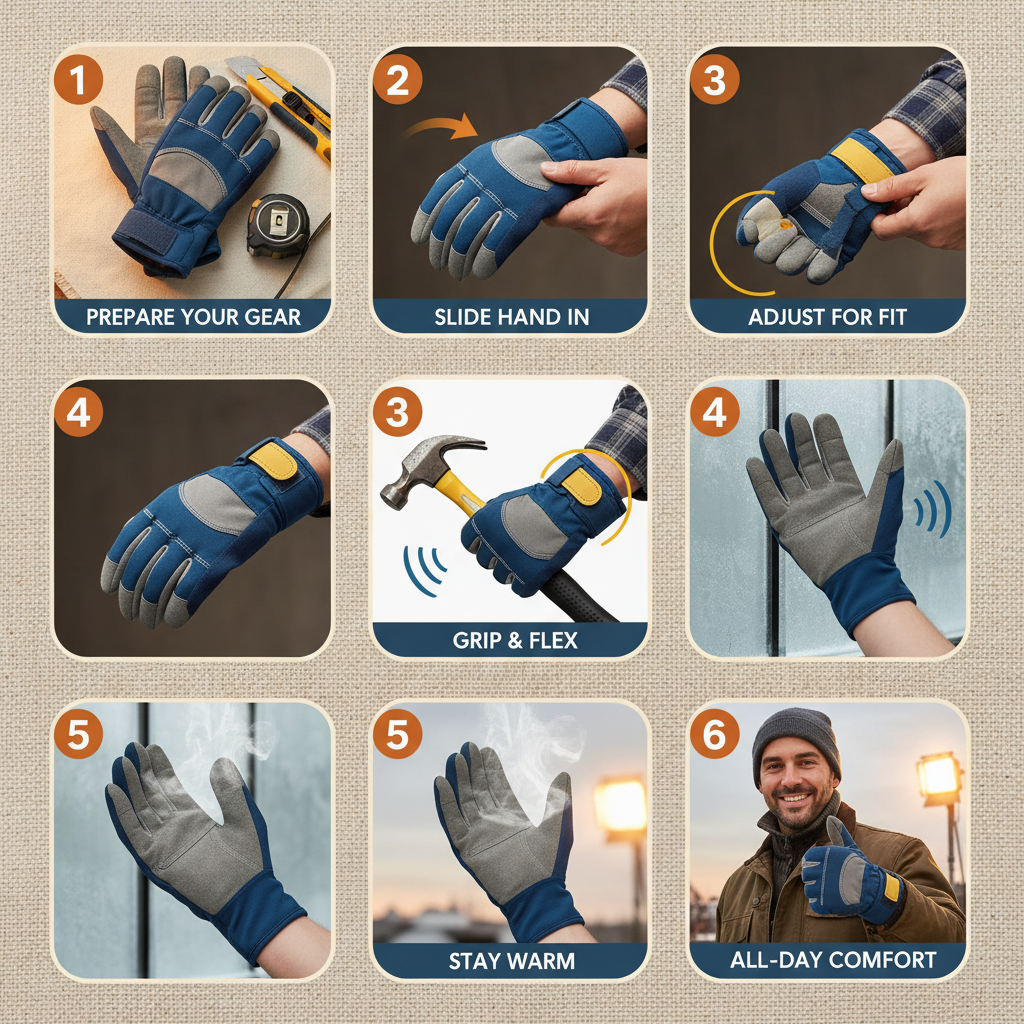
Wear Resistant Latex Waterproof Grip Work Gloves for Men
Field Notes: Wear Resistant Latex Waterproof Work Gloves Men's Worksite Industrial Construction Gloves
If you’ve ever shoveled wet aggregate in the drizzle or tied rebar with your fingers going numb, you already know why a good waterproof glove matters. These aren’t vanity PPE; they’re the difference between finishing a shift strong and nursing blisters. I’ve been poking around job sites and small factories this quarter, and—surprisingly—latex-dipped waterproof gloves are having a moment again, thanks to better liners and grippier sandy finishes.
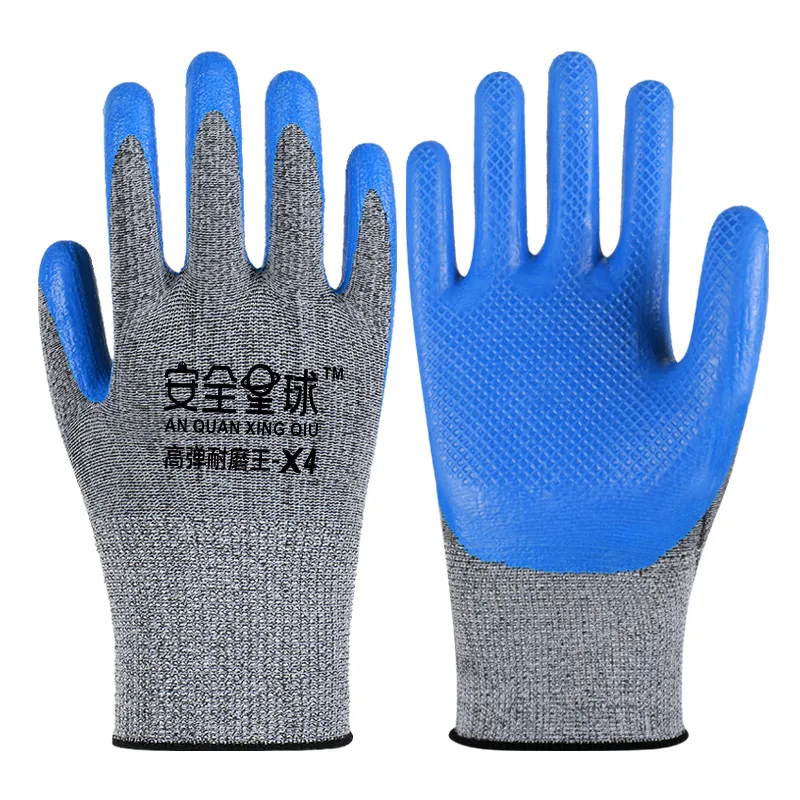
What’s driving the trend
- Water exposure is up: concrete washdowns, marine maintenance, and rainy-season schedules don’t stop for weather. - Workforce feedback favors dexterity: heavy gauntlets are out; 13-gauge liners with full-dip waterproofing are in. - Compliance pressure: more buyers ask for EN 388 and ISO 21420 documentation during audits—no paperwork, no deal, to be honest.
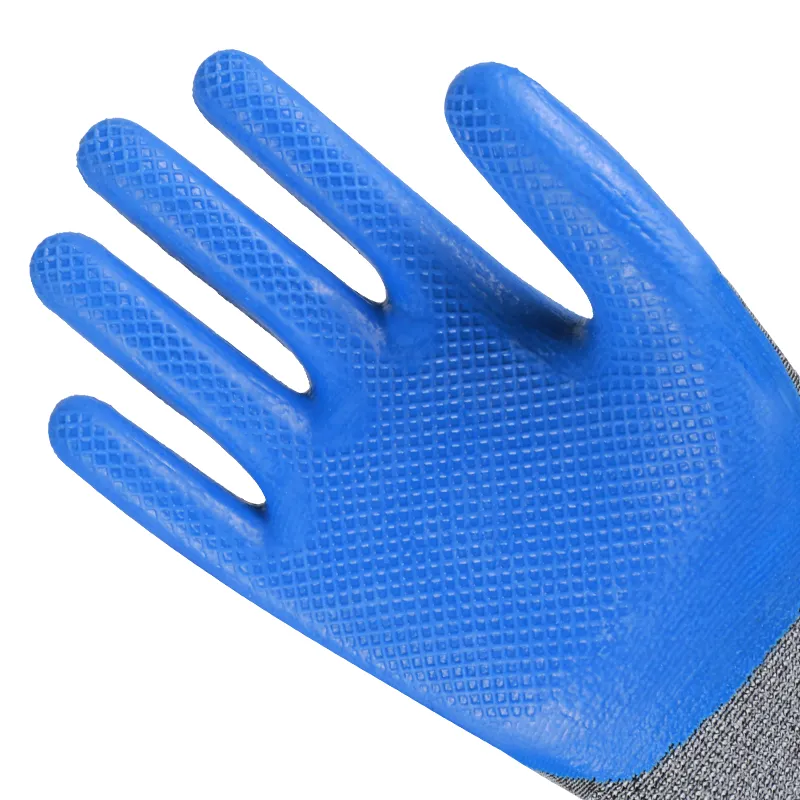
Technical snapshot
| Model | Wear Resistant Latex Waterproof Work Gloves Men's Worksite Industrial Construction Gloves |
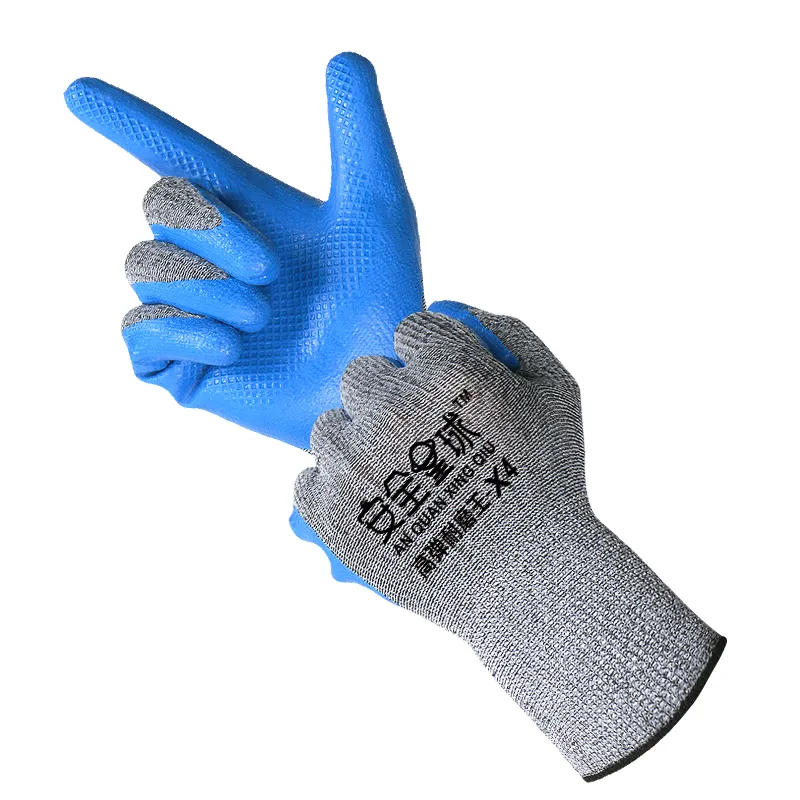
| Coating | Natural latex, double-dipped (full waterproof undercoat + sandy palm finish) |
| Liner | 13-gauge polyester/nylon blend, breathable back-of-hand |
| Grip | Sandy texture for wet/oily handling |
| Sizes | S–XXL (color trim optional) |
| Standards | EN 388:2016, ISO 21420; typical in-house benchmarking vs ANSI/ISEA 105 (real-world use may vary) |
| Typical test data | Abrasion ≈ Level 4; Cut ≈ A2/Level B; Tear ≈ Level 3; Puncture ≈ Level 2 (indicative, not a certification claim) |
| Service life | ≈120–240 working hours, contingent on tasks and chemicals |
| Operating temp | Around -10°C to 50°C (dexterity best near ambient) |
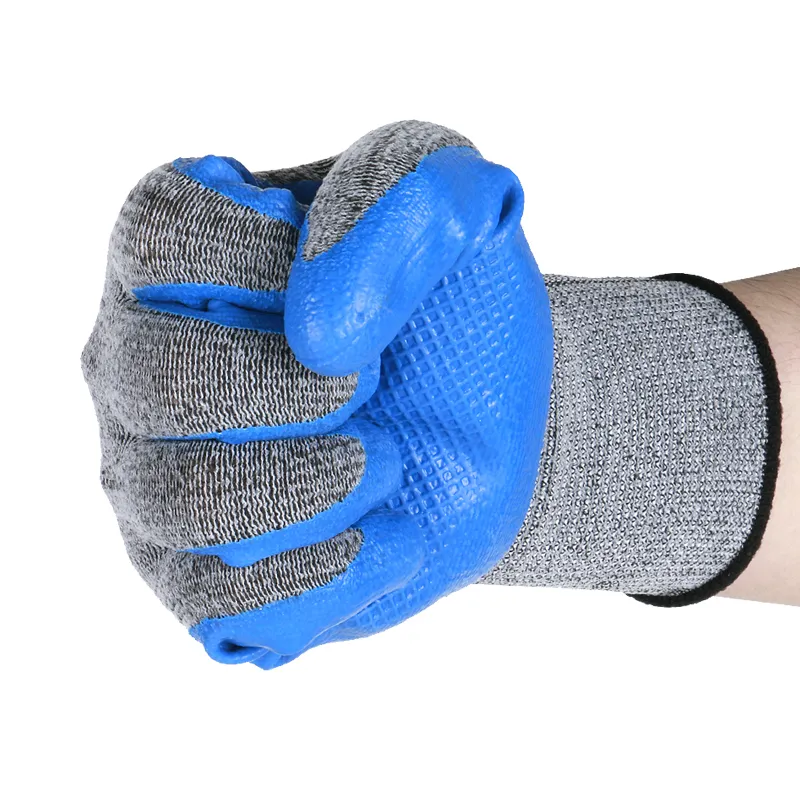
How they’re made (quick process flow)
- Liner knitting: 13-gauge seamless knit for tactile control.
- First dip: latex waterproof undercoat for full barrier.
- Second dip: sandy/granular palm for wet-grip friction.
- Curing & post-wash: remove residues; improve hand feel.
- Quality checks: sizing, visual defects, water ingress test, abrasion cycles (Martindale) to EN 388 references.
- Packing: pair banding, label with lot traceability.
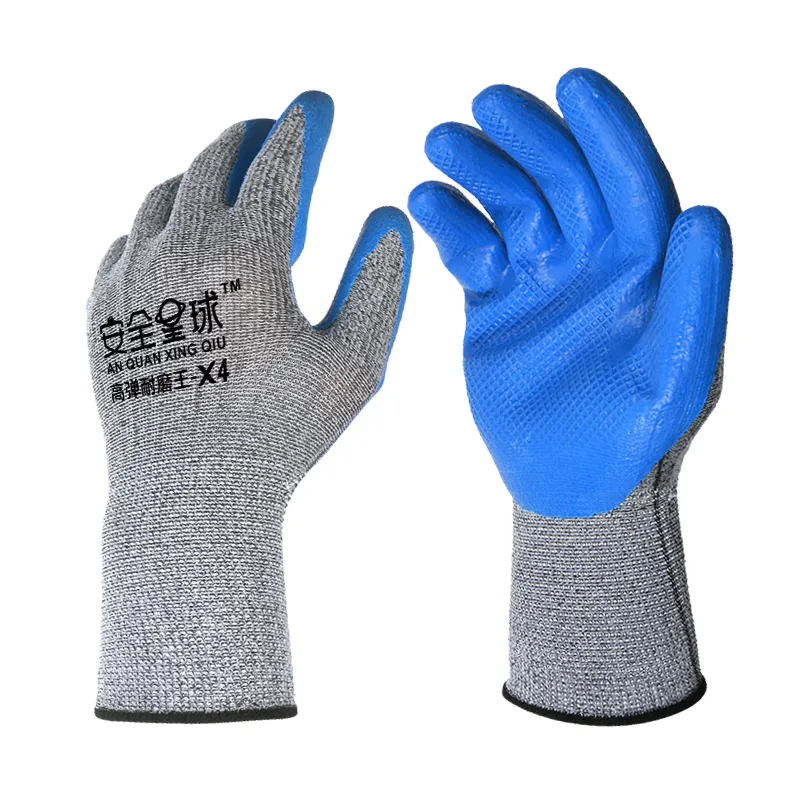
Where they shine
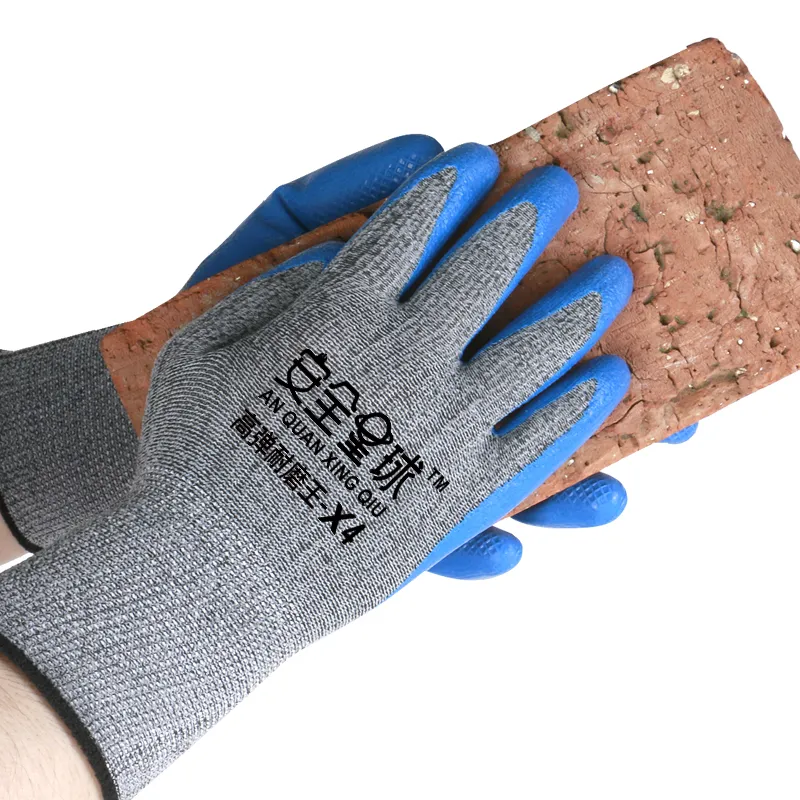
Construction, formwork and rebar tying; manufacturing and machine maintenance; logistics and cold, damp loading bays; landscaping and municipal works. Many customers say the sandy palm cuts slip on wet steel and PVC, and—actually—that’s what I felt too, especially lifting damp plywood.
Vendor comparison (buyers keep asking for this)
| Item | Wear Resistant Latex Waterproof Work Gloves Men's Worksite Industrial Construction Gloves | Factory A (generic) | Factory B (generic) |
|---|---|---|---|
| MOQ | ≈ 1,000 pairs | 2,500 pairs | 1,200 pairs |
| Lead time | 15–25 days typical | 25–35 days | 20–30 days |
| Cert docs | EN 388/ISO 21420 test reports on request | Basic CoC only | EN 388 summary sheet |
| Customization | Logo, color trim, gauge, retail pack | Limited | Moderate |
Real-world notes and customization
- Feedback: crews report less hand fatigue vs. thicker PVC gloves; the sandy latex grabs wet rebar nicely.
- Options: liner gauge tweaks (10–15G), extended cuffs, thermal brushed lining for cold yards, color-coded sizes.
- Chemical caveat: latex is not a substitute for specialized chemical gloves—check your SDS first, I guess that’s obvious but worth saying.
Quick case snippets
- Coastal site, formwork team: switch to Wear Resistant Latex Waterproof Work Gloves Men's Worksite Industrial Construction Gloves reduced board slippage incidents; estimated 12% faster panel moves in drizzle (foreman’s log).
- Bottling plant: maintenance techs reported better grip on wet stainless, with ≈20% fewer glove changes week-to-week.
- Municipal landscaping: crews liked the waterproofing during early-morning irrigation checks—dry hands, better morale, simple as that.
Manufactured in Xinji City, Hebei Province, China (East side of the northern section of Education Road, Xinji Town). The supply chain there is mature for latex-dipped PPE, which—frankly—keeps costs sane without skimping on QA.
Testing and compliance checklist
- General requirements: ISO 21420 hand protection.
- Mechanical risks: EN 388:2016 (abrasion, cut, tear, puncture).
- US alignment: ANSI/ISEA 105 guidance for cut/abrasion classifications.
- Documentation: lot traceability and test reports available on request.
Citations
- ISO 21420:2020 – General requirements for protective gloves.
- EN 388:2016+A1:2018 – Protective gloves against mechanical risks (CEN).
- ANSI/ISEA 105-2016 – Hand protection classification (ISEA).