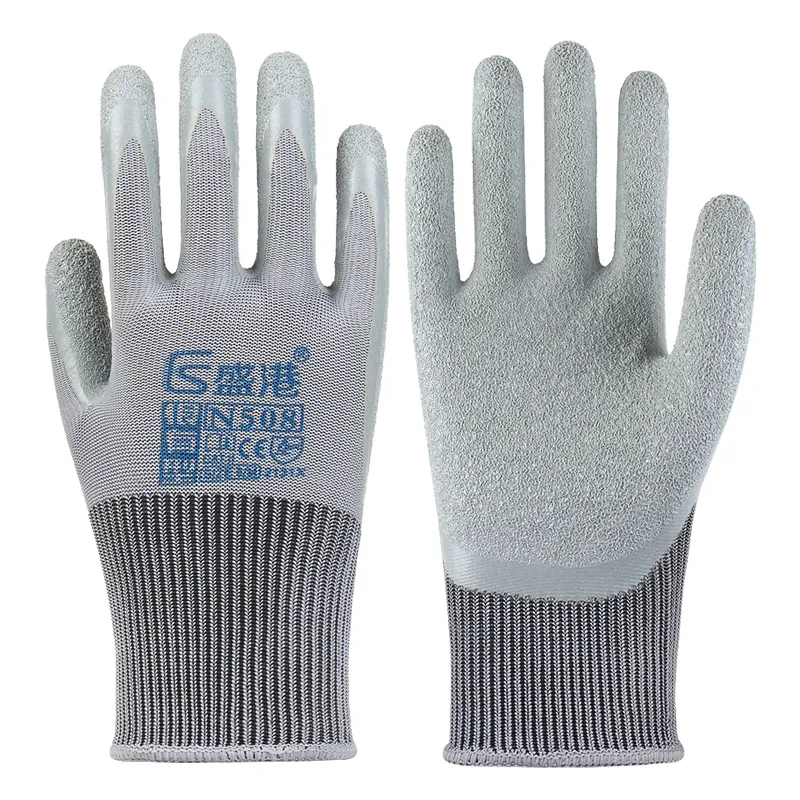
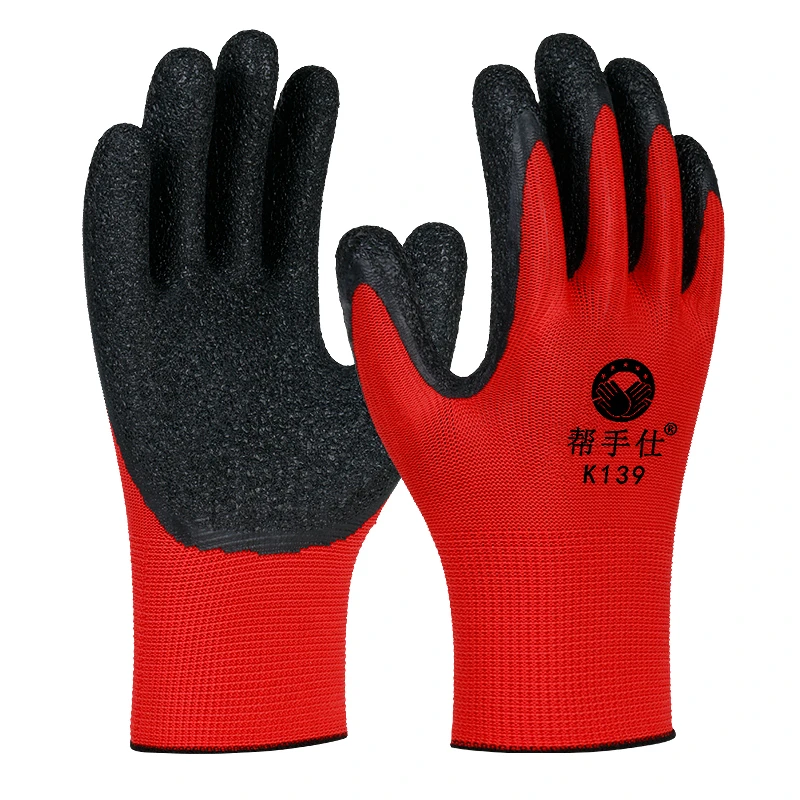
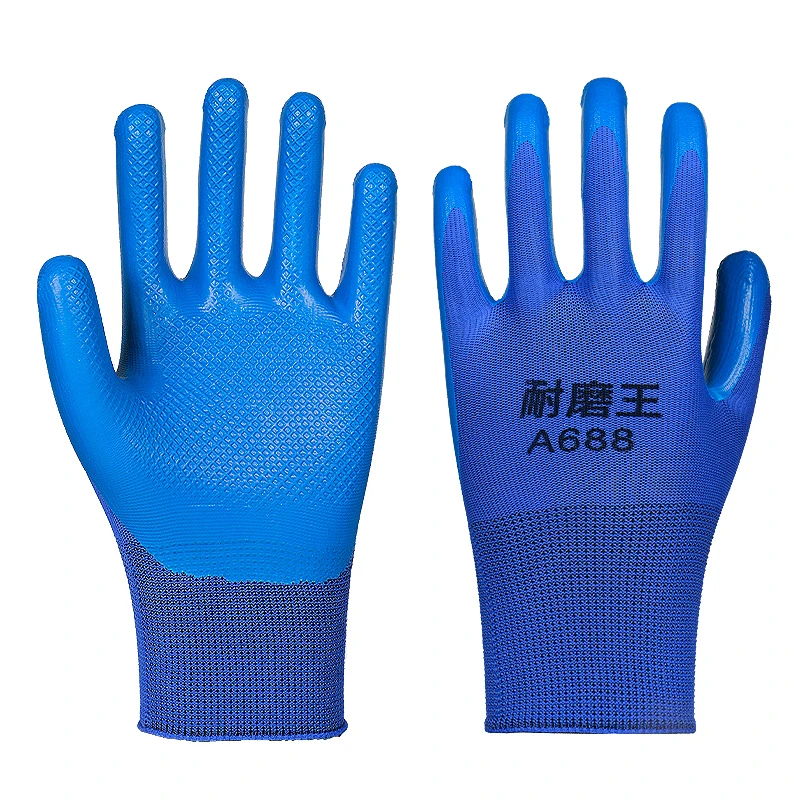
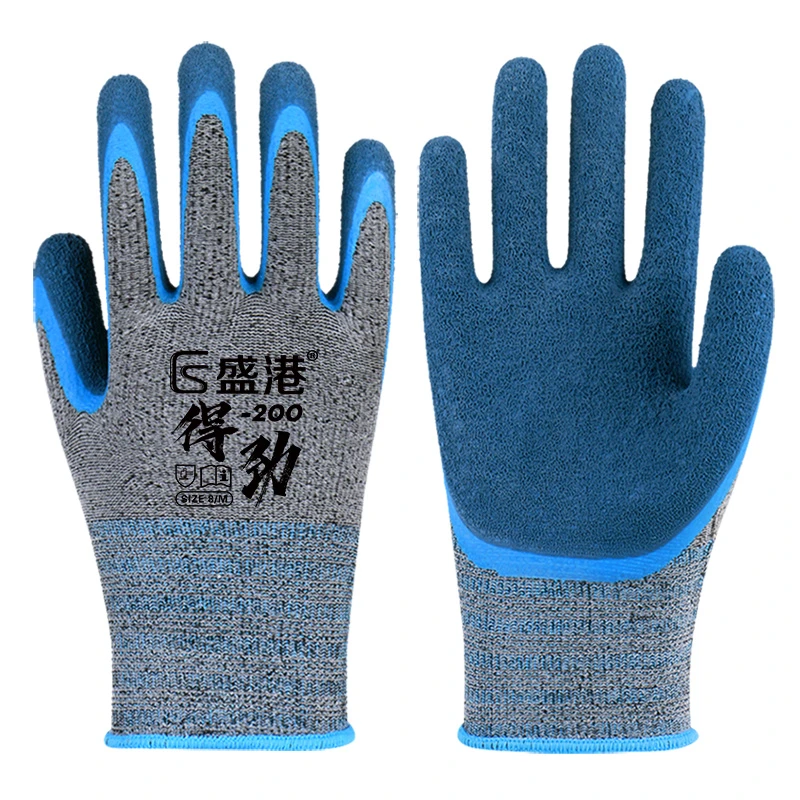
Wholesale Impact-Resistant Non-Slip Latex-Coated Work Gloves
Field Notes: Why These Industrial Gloves Are Everywhere Right Now
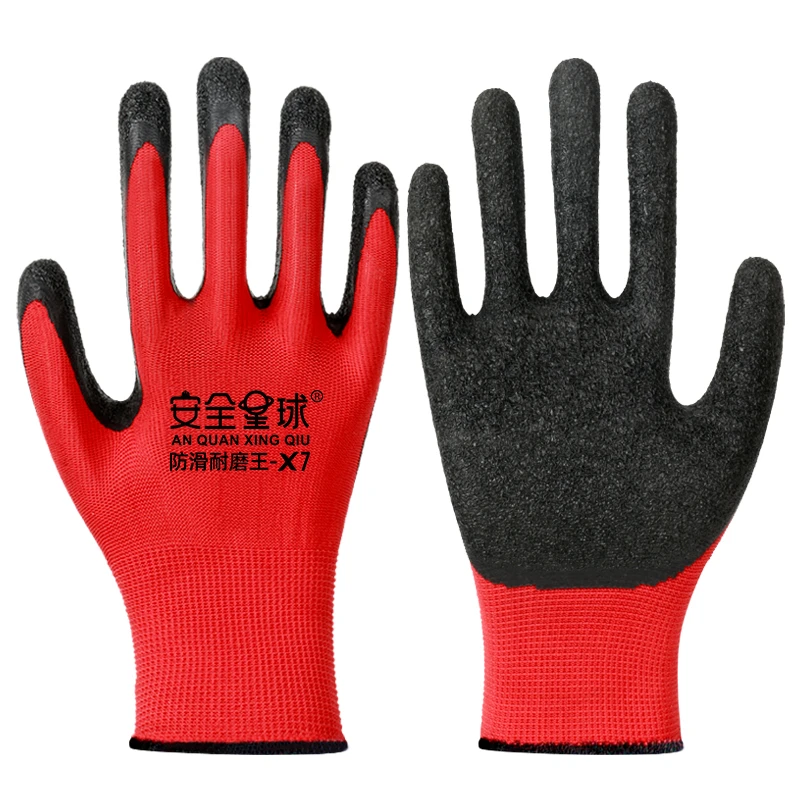
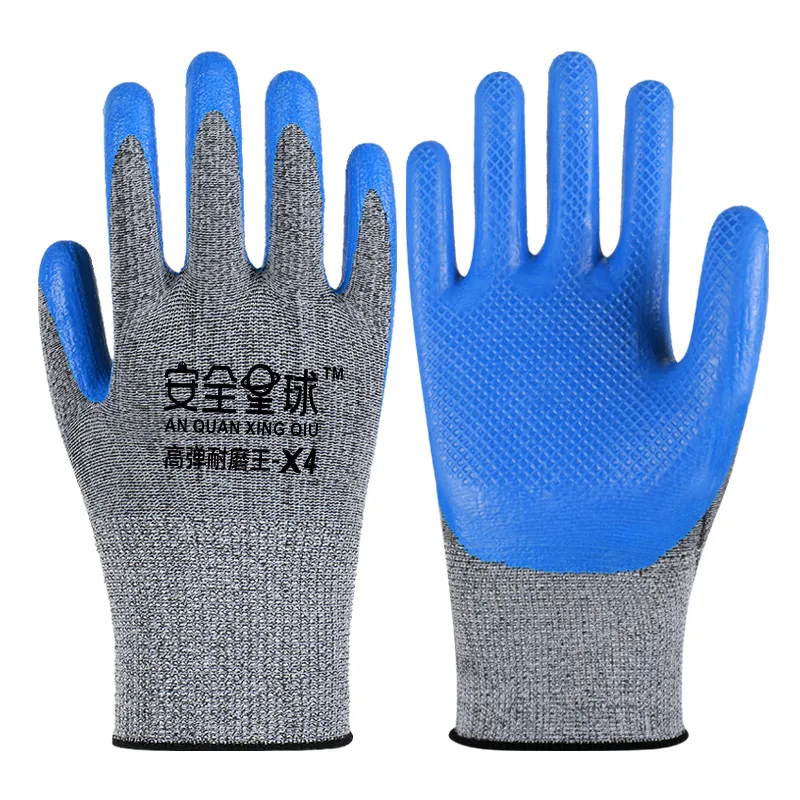
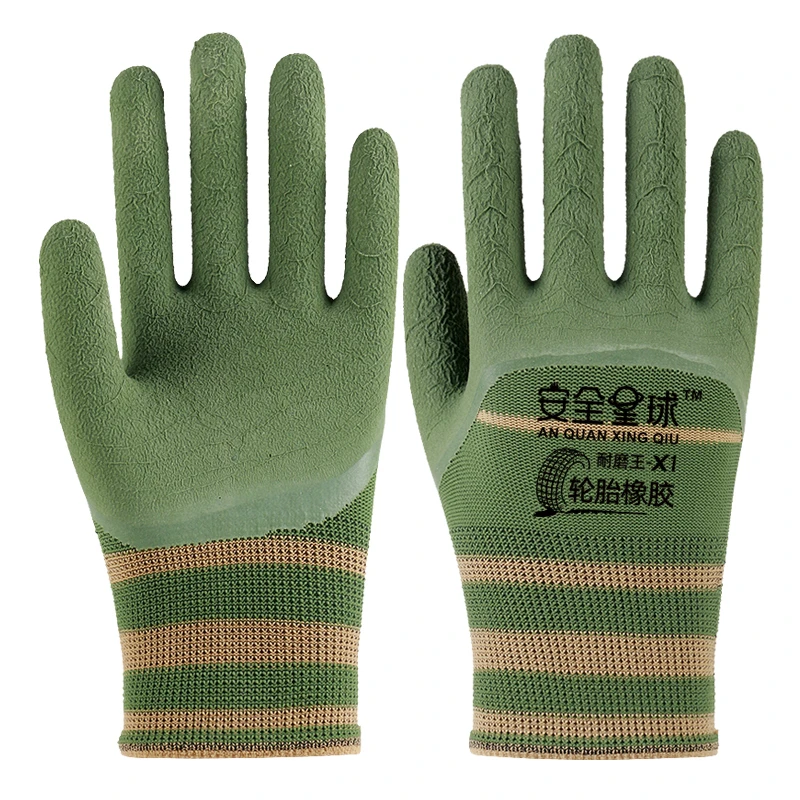
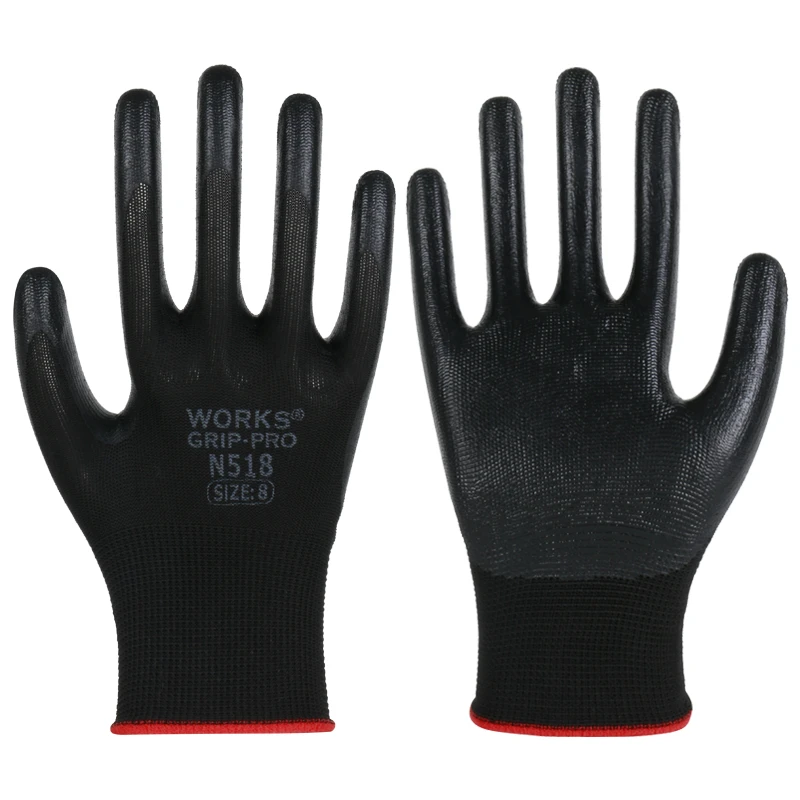
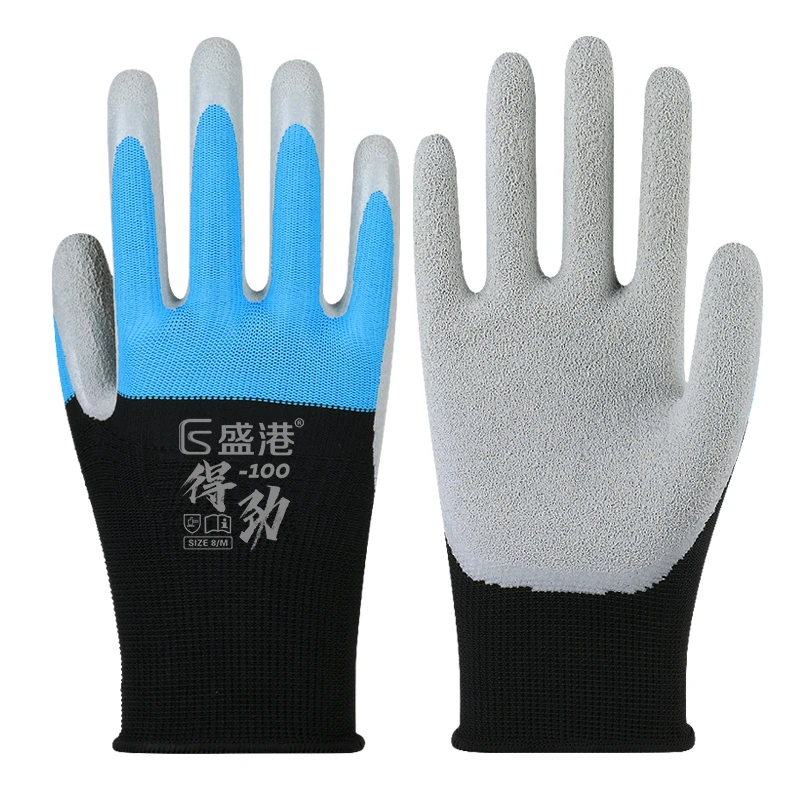
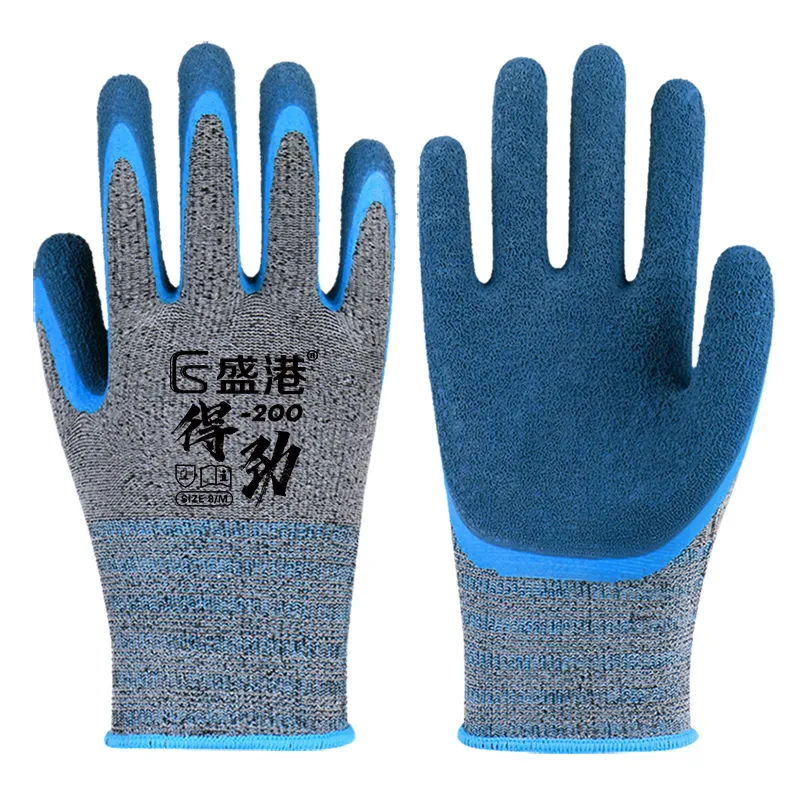
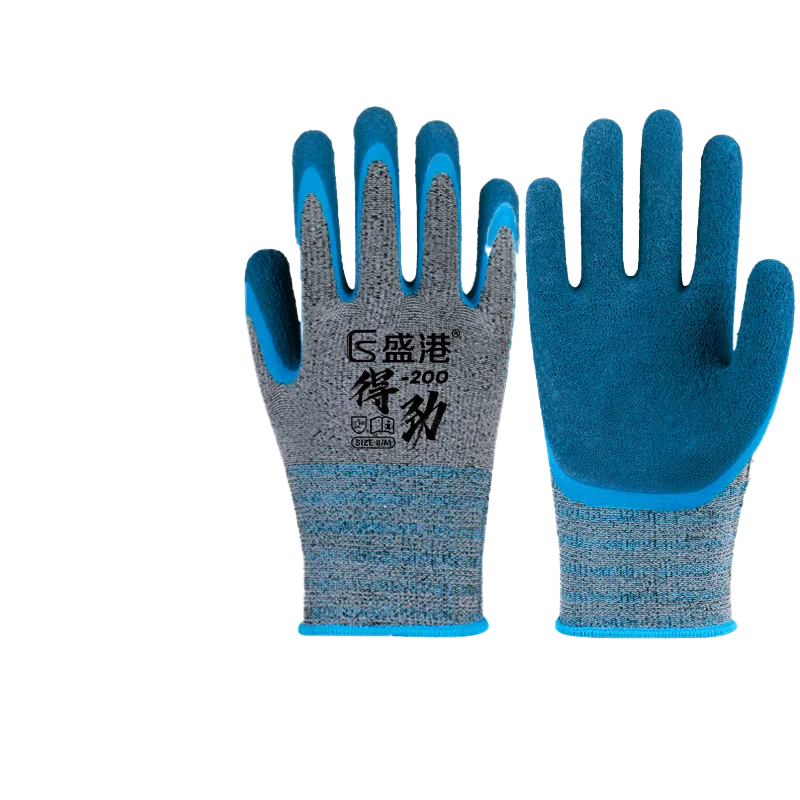
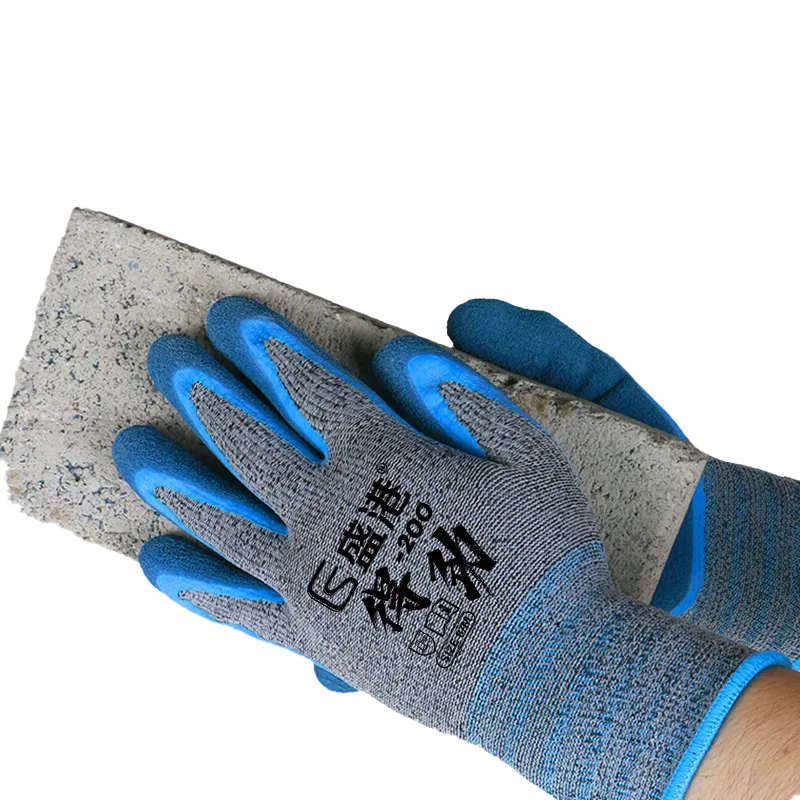
I’ve spent the last year bouncing between construction sites and logistics hubs, and one item I keep seeing—tucked into tool belts, stacked in receiving bays, even clipped on forklifts—is Hot Selling Wholesale Impact Resistant Non-Slip Safety Work Gloves Latex Coated Industrial Gloves. To be honest, the name is a mouthful. But there’s a reason they’re hot sellers: they blend impact protection with that grippy, sandy-latex feel workers actually trust in wet-and-dirty conditions.
What’s driving the trend?
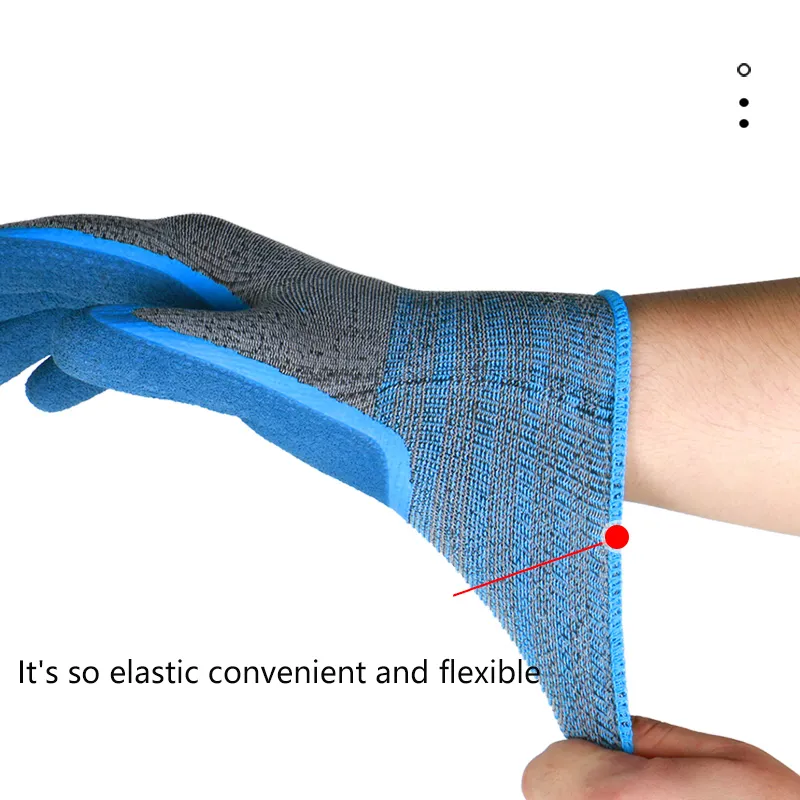
In the safety world, impact-rated gloves used to mean stiff and sweaty. Not anymore. The shift is toward breathable knit liners with targeted TPR (thermoplastic rubber) on the back and latex palm coatings for a sure hold on rebar, pallet wrap, and wet metal. Many customers say they’re getting fewer “slip plus pinch” injuries, which—if you’ve ever handled slick bricks in the rain—you’ll understand instantly.
Technical snapshot (in plain English)
| Liner | 13–15 gauge polyester/HPPE blend (≈ breathable, cut-resistant base) |
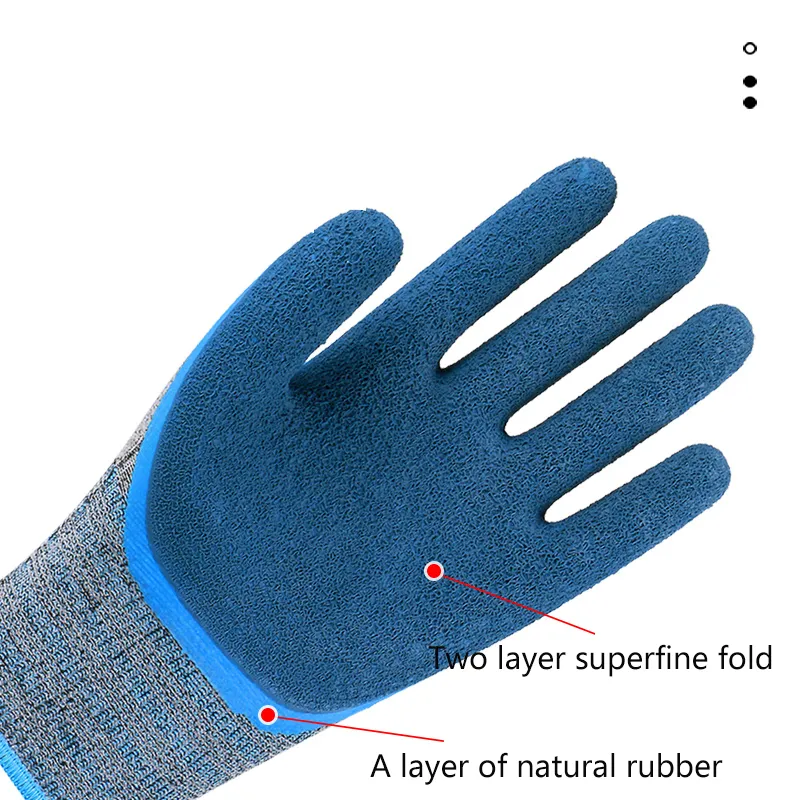
| Palm Coating | Crinkle/sandy latex for wet/dry non-slip grip; abrasion-friendly |
| Back-of-Hand | Impact-absorbing TPR segments (flex-zones around knuckles) |
| Indicative Ratings | EN 388:2016 ≈ 4 2 3 3 B (internal testing; real-world use may vary); ANSI/ISEA 138 impact Level 1–2 (typ.) |
| Certs & Compliance | CE, EN ISO 21420, REACH-conforming materials; ISO 9001 factory |
| Service Life | Around 3–6 months under normal construction/logistics use; check cuffs and coating wear weekly |
How they’re made (quick process flow)
Yarn prep → seamless knitting (liner gauge set per spec) → TPR placement and bonding → latex dipping (crinkle/sandy texture) → oven curing → washing/deaeration → sizing and QC → EN/ANSI testing (abrasion, cut, tear, puncture, impact) → packing. Origin: East side of the northern section of Education Road, Xinji Town, Xinji City, Hebei Province, China.
Where they shine
- Construction and concrete—wet rebar, blocks, scaffold clamps.
- Manufacturing—press ops, parts handling, light metal fabrication.
- Logistics—loading docks, parcel hubs, mezzanines (slip risk is real).
- Utilities/municipal—valves, pipes, maintenance in damp conditions.
Caveat: heavy oils/solvents can swell latex over time. For oil-saturated tasks, I’d still consider nitrile variants. For mixed conditions though, these are a smart compromise.
Advantages workers actually notice
- Grip confidence—less squeeze fatigue on wet steel.
- Impact pads that don’t feel like armor, surprisingly.
- Breathability; fewer “sweaty palm” complaints on hot shifts.
Vendor comparison (wholesale reality check)
| Vendor | MOQ | Lead Time | Customization | Certs |
|---|---|---|---|---|
| Manufacturer (Xinji) | 3,000–6,000 pairs | 15–25 days | Logo, TPR color, liner gauge, coating texture | CE, ISO 9001, EN test reports |
| Regional Distributor | 500–1,000 pairs | Ready stock / 3–7 days | Limited (logo only) | Varies |
| Trading Company | 5,000+ pairs | 25–40 days | Moderate | Depends on OEM |
Customization options
You can tweak TPR thickness for higher ANSI/ISEA 138 levels, choose crinkle vs. sandy latex, set liner gauge (13g for durability, 15g for dexterity), pick high-vis colors, add heat-transfer logos, even switch cuff lengths. Simple but effective.
Two quick case notes
1) A mid-size concrete contractor reported a 28% drop in hand-impact incidents over 90 days after swapping to Hot Selling Wholesale Impact Resistant Non-Slip Safety Work Gloves Latex Coated Industrial Gloves; supervisors mentioned “better wet grip on forms.” 2) A parcel hub moved to these for rainy-season inbound shifts and, anecdotally, saw fewer carton drops and fewer torn cuffs—small wins that matter on peak.
Testing and standards (the boring—but crucial—part)
Look for EN 388:2016+A1:2018 scores, EN ISO 21420 ergonomics compliance, and ANSI/ISEA 138 impact levels. For U.S. sites, align with OSHA 1910.138 hand protection rules. If you’re auditing chemicals, confirm REACH and skin-contact safety. Data snapshots above are typical; always verify current certificates.
References:
1. CEN EN 388:2016+A1:2018 Mechanical Risks [https://standards.cen.eu]
2. ANSI/ISEA 138-2019 Impact-Resistant Hand Protection [https://safetyequipment.org]
3. EN ISO 21420:2020 Protective Gloves—General Requirements [https://www.iso.org]
4. OSHA 29 CFR 1910.138 Hand Protection [https://www.osha.gov]
5. ECHA REACH Guidance [https://echa.europa.eu]