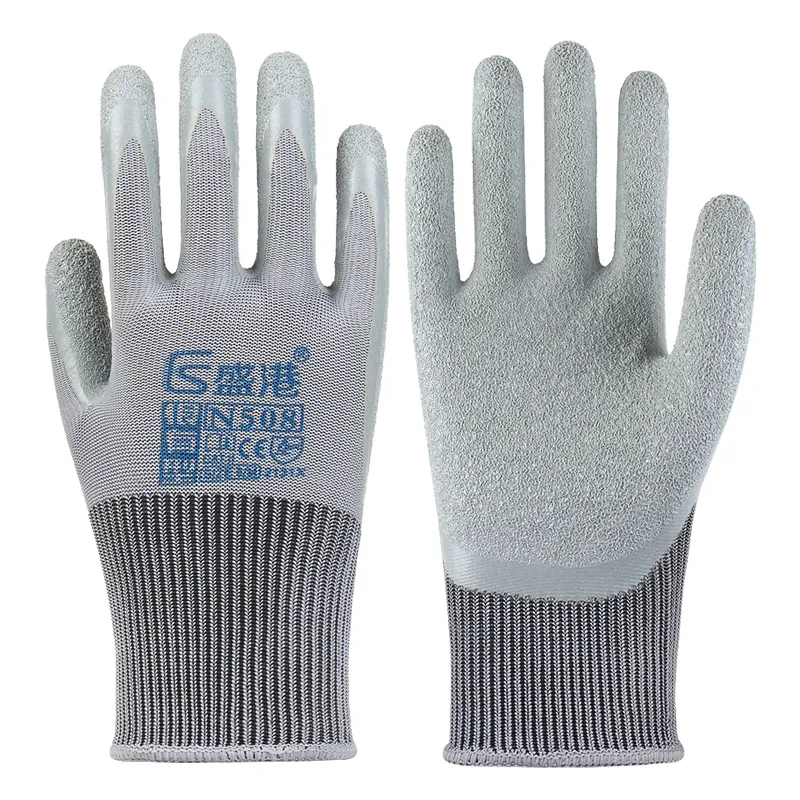
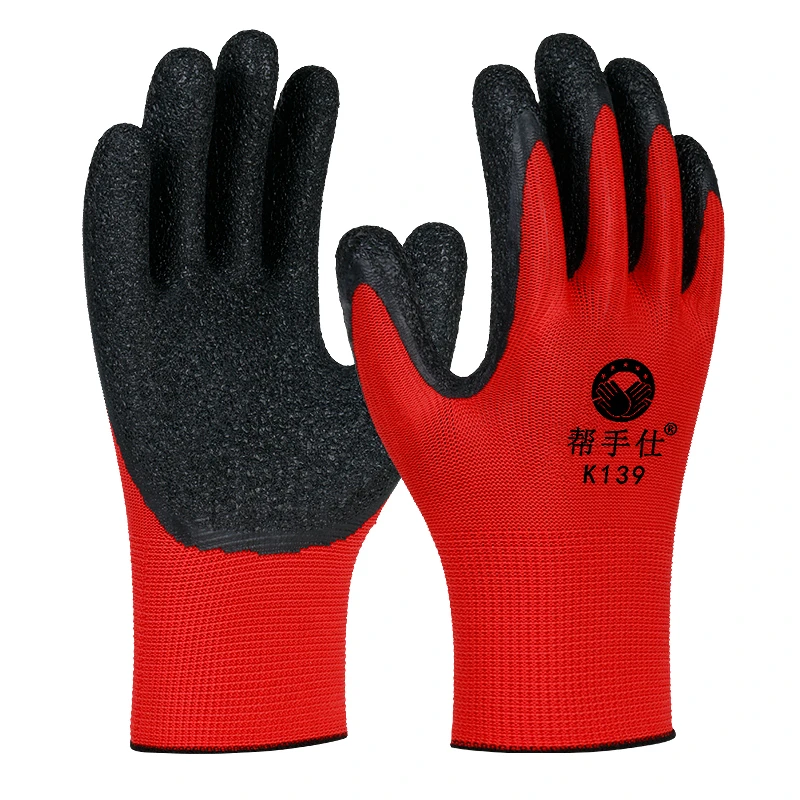
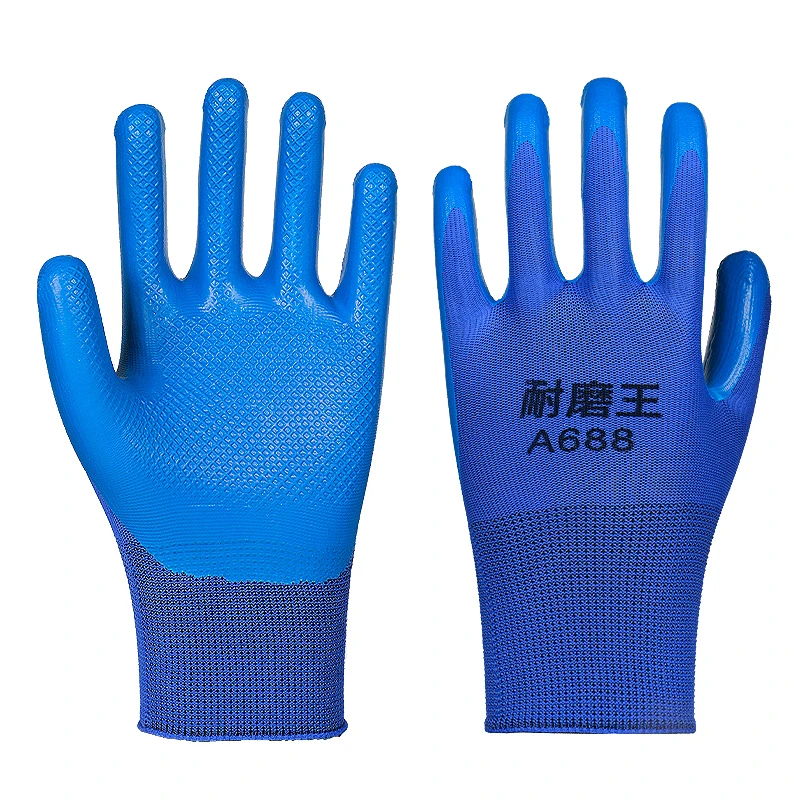
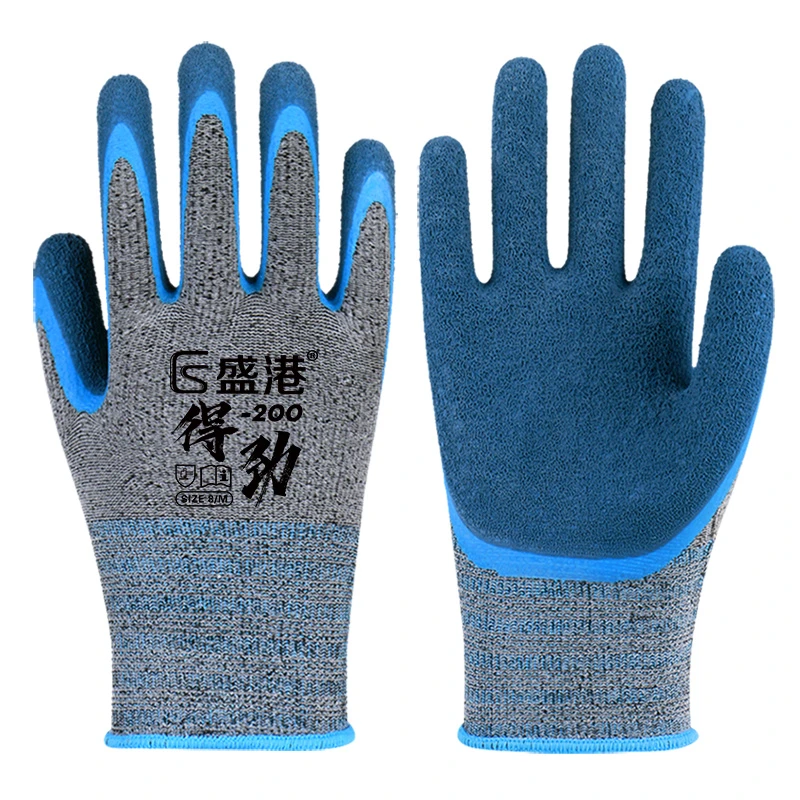
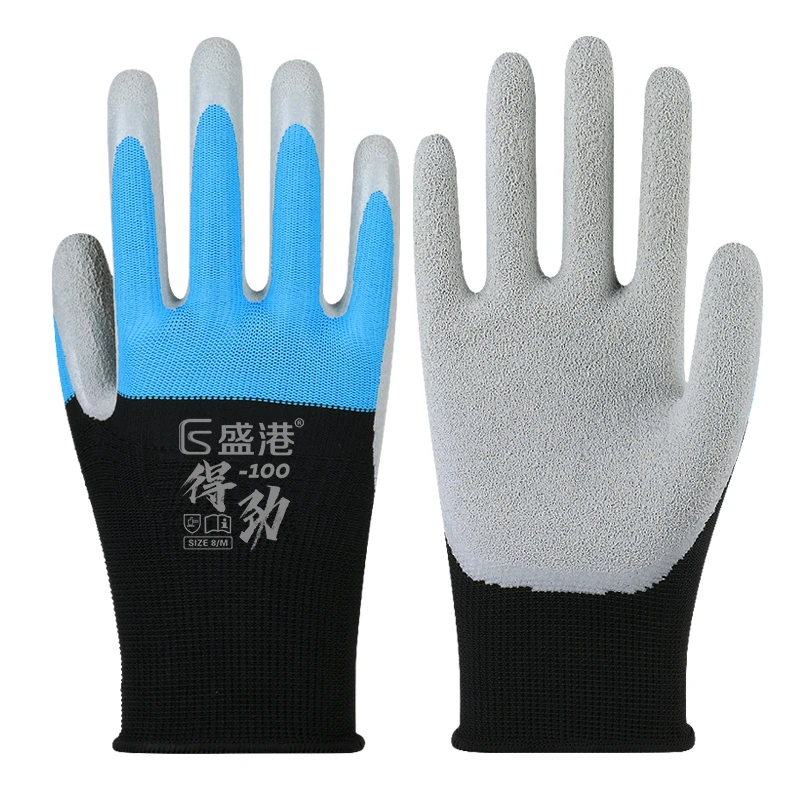
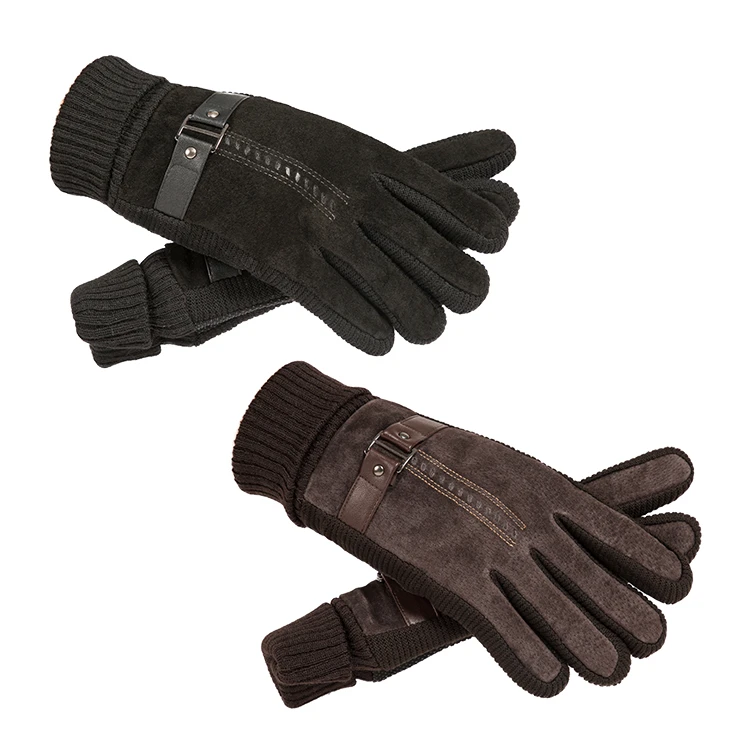
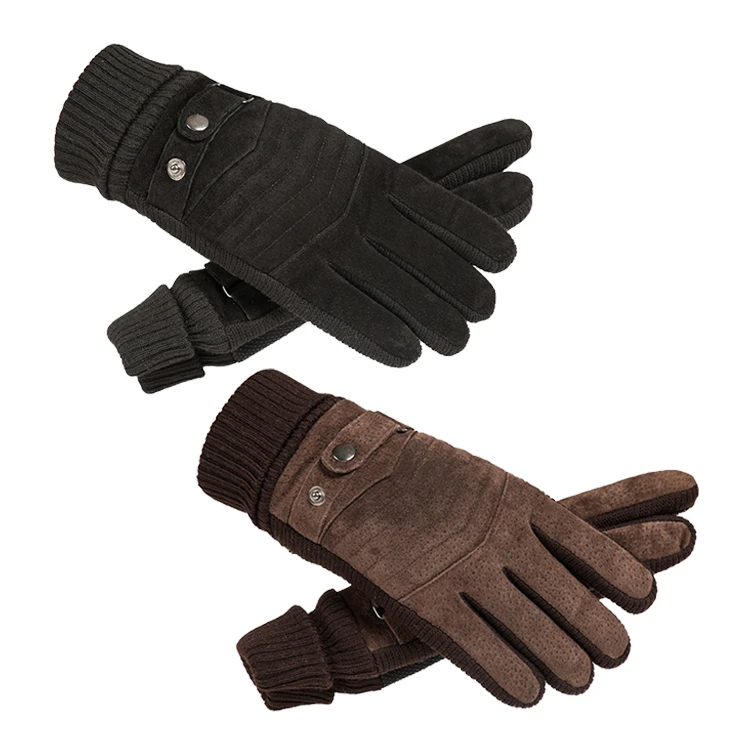
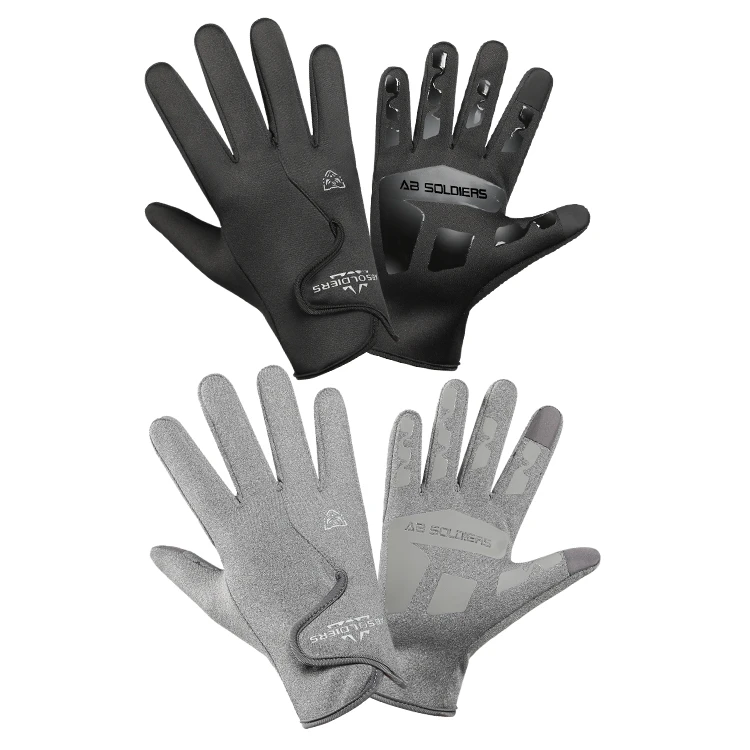
Wholesale Impact-Resistant Nonslip Latex-Coated Work Gloves?
Field Notes on a Quiet Bestseller: Impact-Resistant Latex-Coated Work Gloves
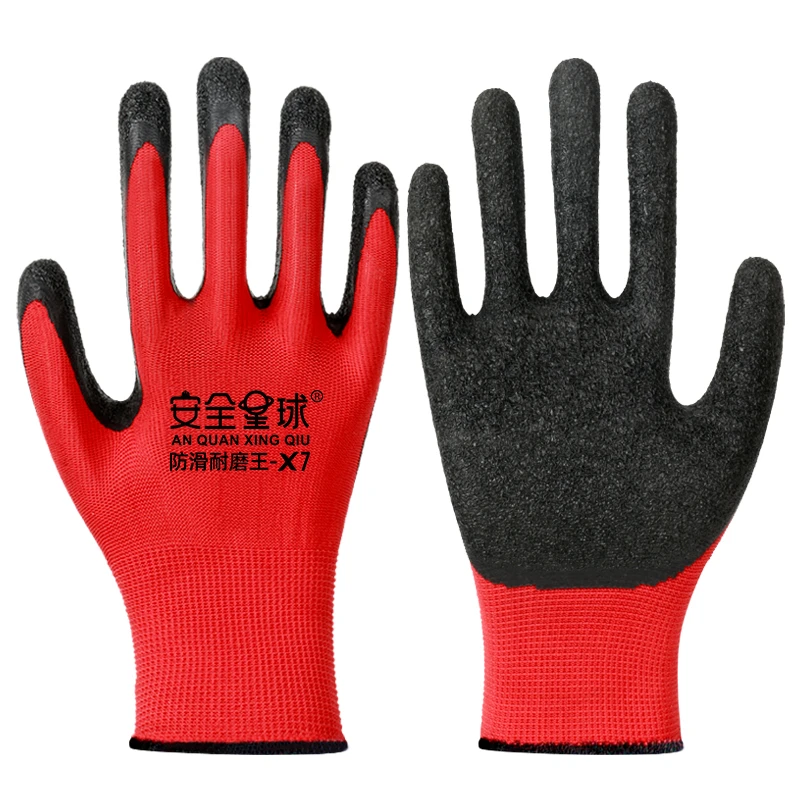
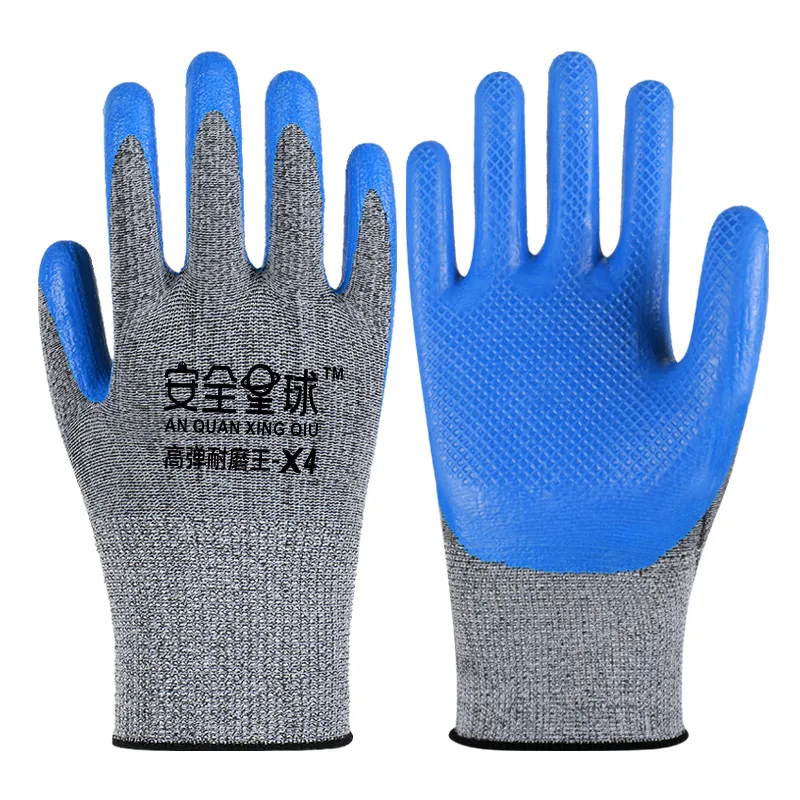
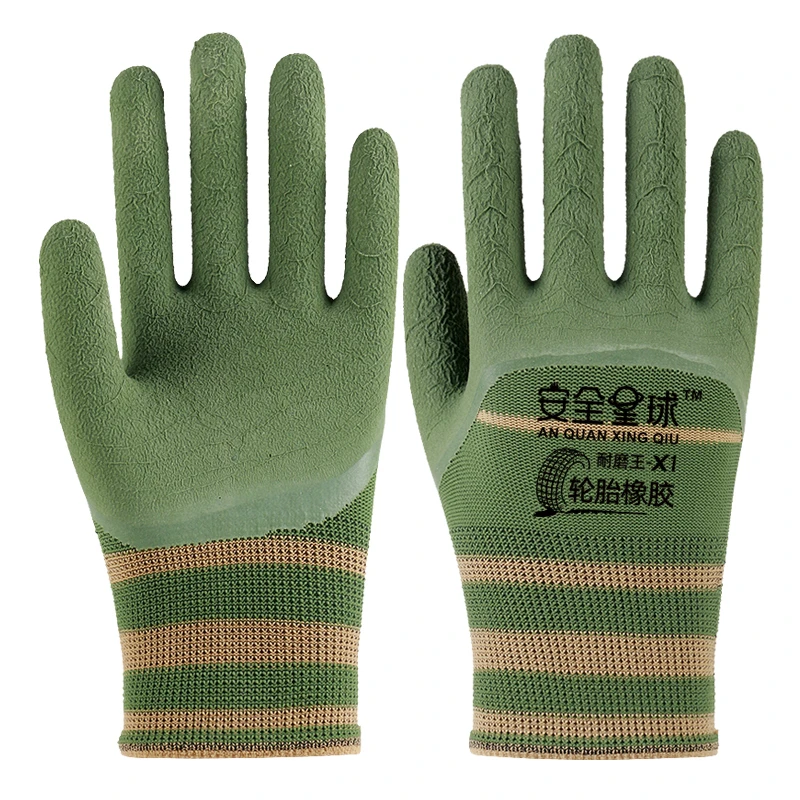
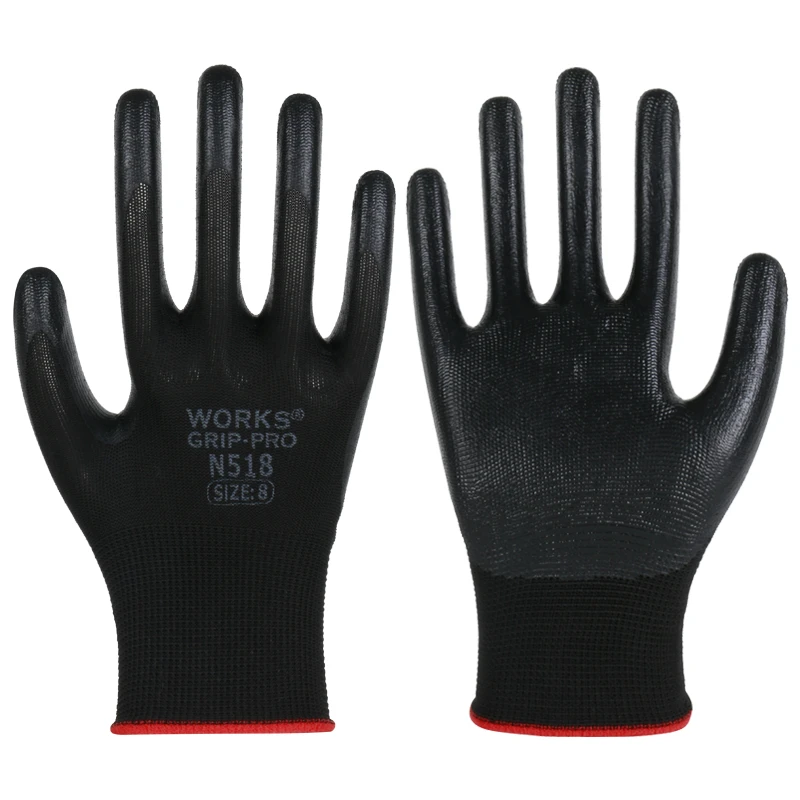
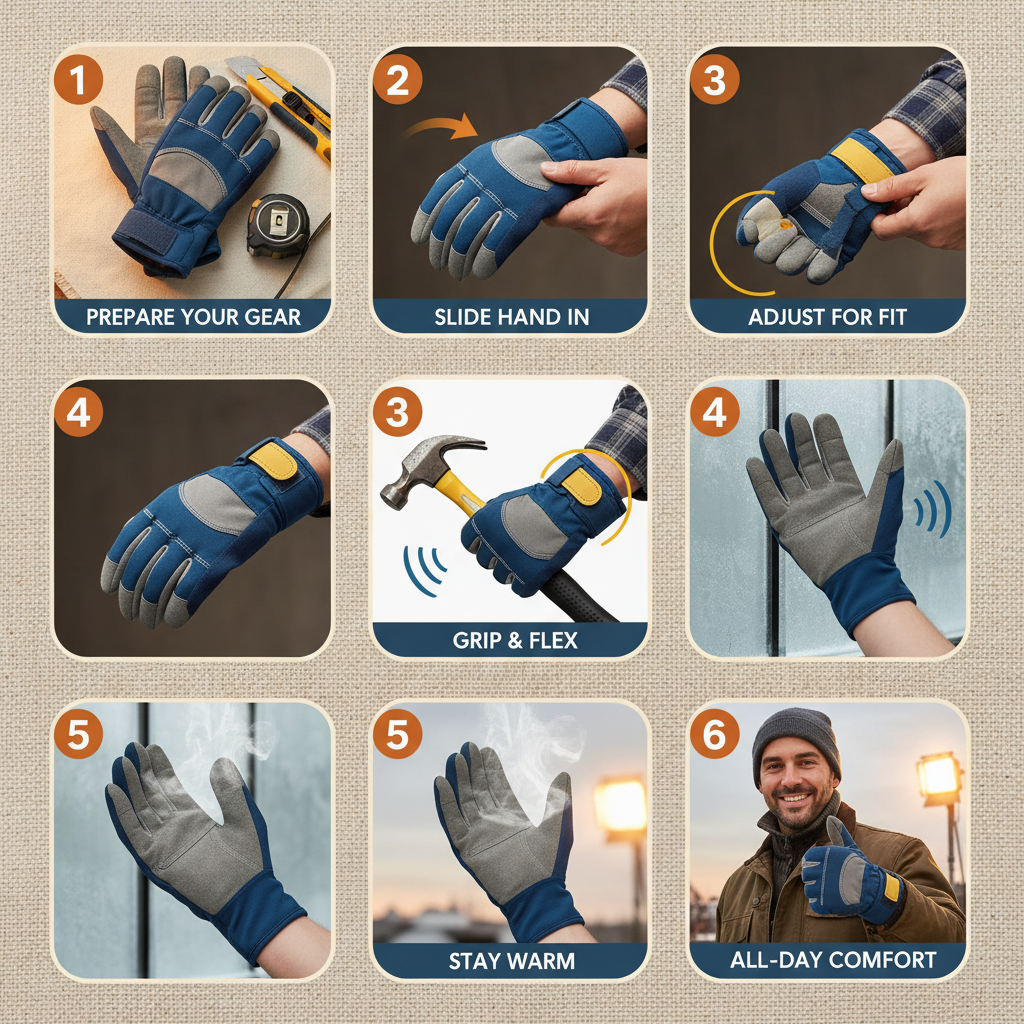
Every year I tour workshops and yards from Hebei to Houston, and the kit that actually gets used tells its own story. Case in point: Hot Selling Wholesale Impact Resistant Non-Slip Safety Work Gloves Latex Coated Industrial Gloves. It’s a mouthful, yes, but in practice these are the grab-and-go gloves crews reach for when the job turns loud, wet, or unpredictable.
Why these gloves are trending
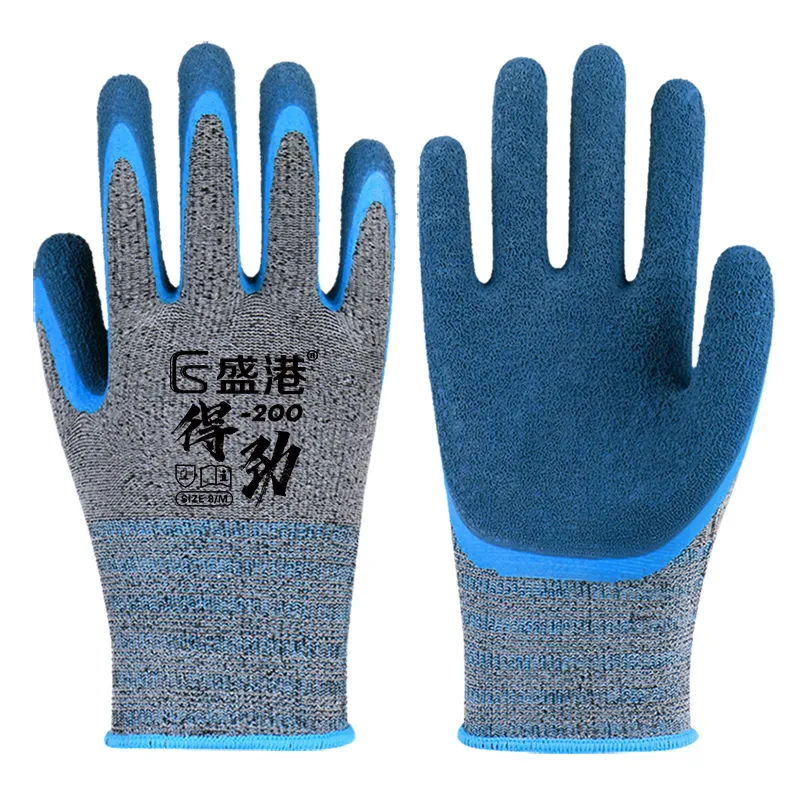
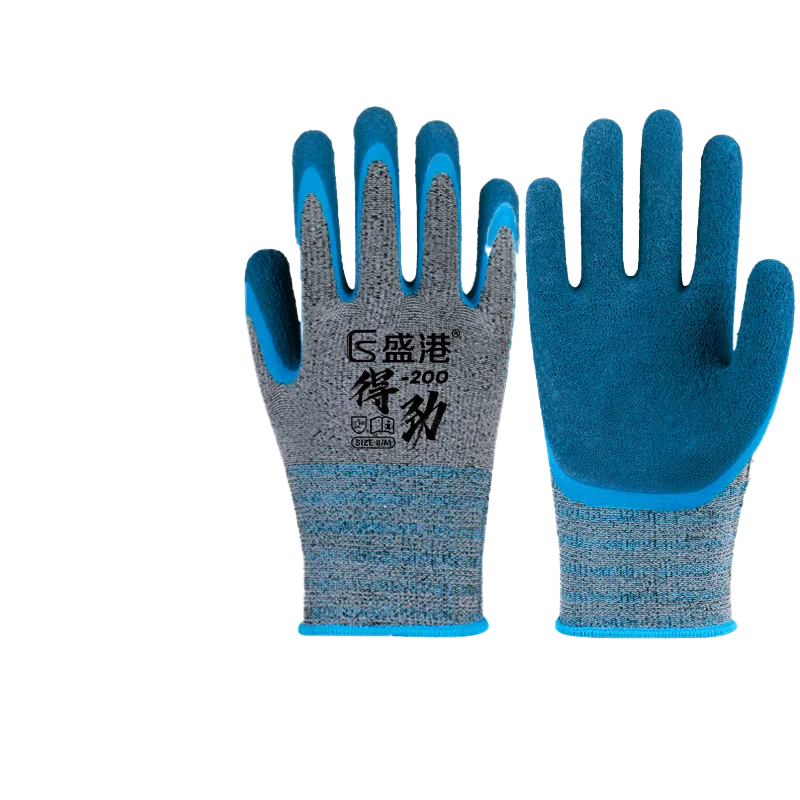
There’s a clear shift: buyers want impact protection plus real grip—without the “diving glove” bulk. Construction, prefab manufacturing, and last-mile logistics are all asking for the same thing. These latex-coated, TPR-back gloves hit the sweet spot: rugged knuckle protection, crinkle/sandy latex for traction, breathable liner. Many customers say they feel “secure yet nimble,” which is exactly the balance teams keep requesting.
At-a-glance specifications
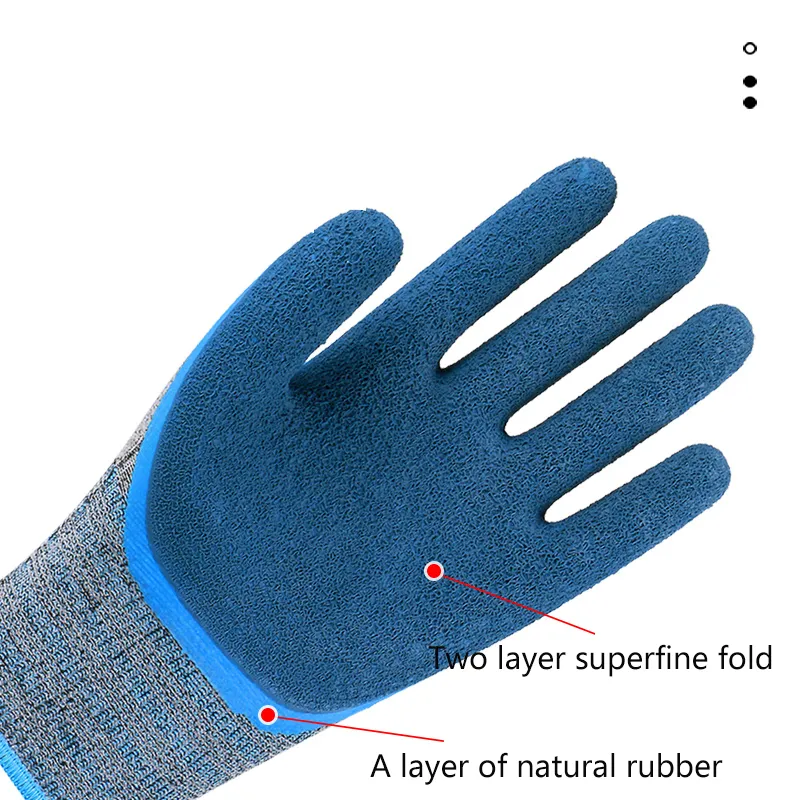
| Coating | Natural latex (crinkle/sandy palm) for wet/dry grip |
| Back-of-hand | TPR impact pads across knuckles and fingers |
| Liner & gauge | Seamless polyester/nylon blend, ≈13-gauge (real-world may vary) |
| Standards (typical) | Designed for EN 388:2016 mechanical risks; ANSI/ISEA 105 guidance |
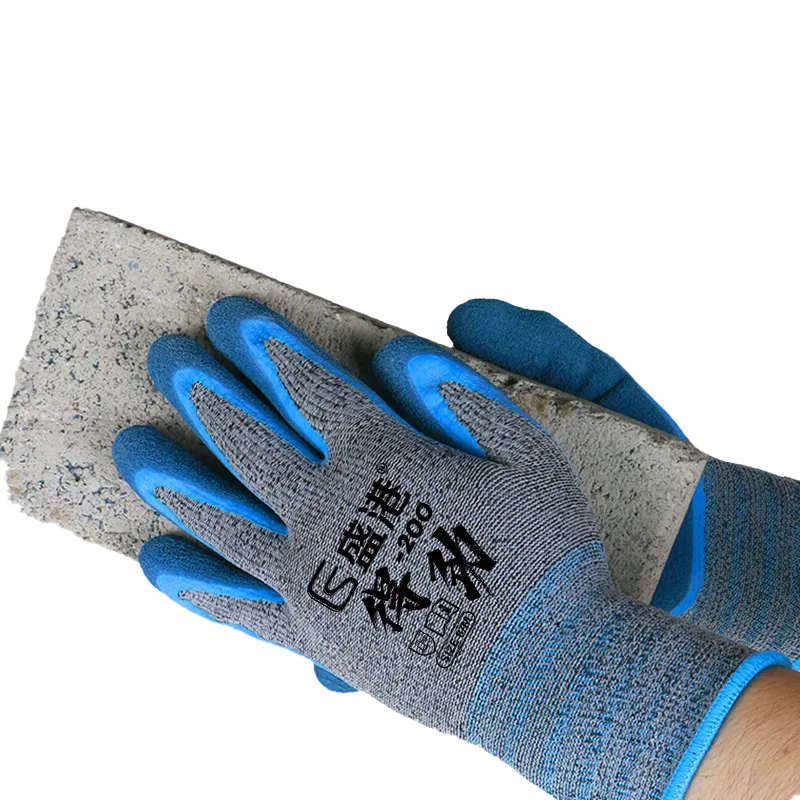
| Grip performance | High on wet lumber, rebar, crates; non-slip texture |
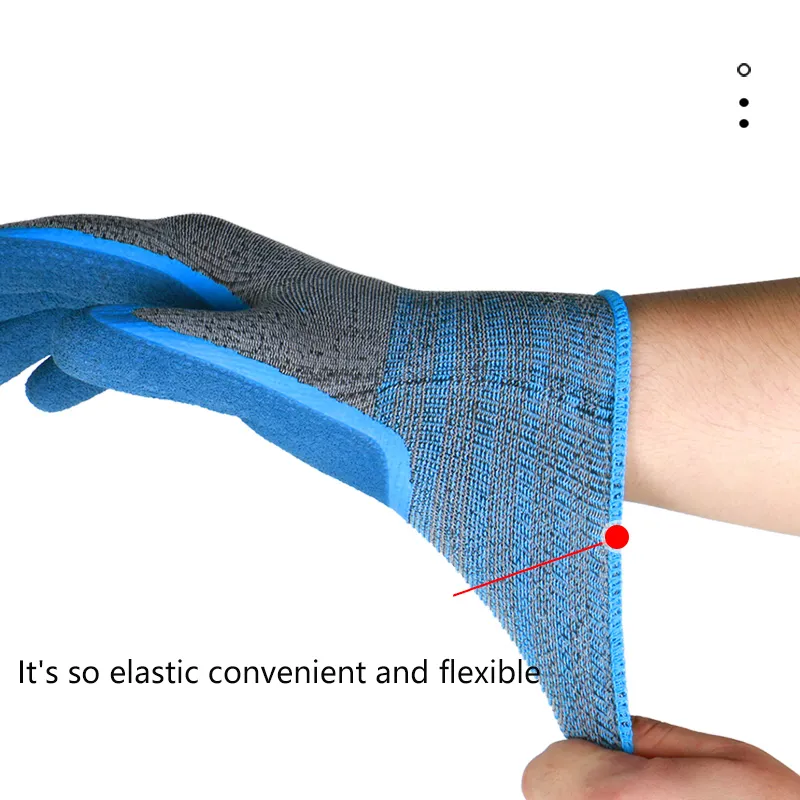
| Cuff | Elastic knit wrist, prevents debris ingress |
| Sizes | S–XXL (custom logos/packing available) |
| Origin | East side of the northern section of Education Road, Xinji Town, Xinji City, Hebei, China |
Process, testing, and service life
Materials: knit liner is machine-knit; palm is latex-dipped (single or double dip depending on order); TPR bonded by heat/pressure. Methods: QC checkpoints at yarn tensioning, dip viscosity, curing temperature, and adhesion.
Testing: EN 388:2016 mechanical risk testing (abrasion, cut, tear, puncture; optional impact); ISO 13997 TDM cut as needed; samples screen for restricted substances under EU REACH. Representative lab data from recent batches: abrasion 3–4; cut 2–3 (C by ISO 13997 optional); tear 3–4; puncture 2–3; impact P-rated where TPR is specified. Actual results may vary by size and lot.
Service life: around 4–12 weeks in heavy construction; longer in light assembly. Washable at low temp; air-dry only.
Where they shine
- Construction and rebar tying—impact knocks reduced, wet grip stays.
- Manufacturing/assembly—good dexterity with palm traction.
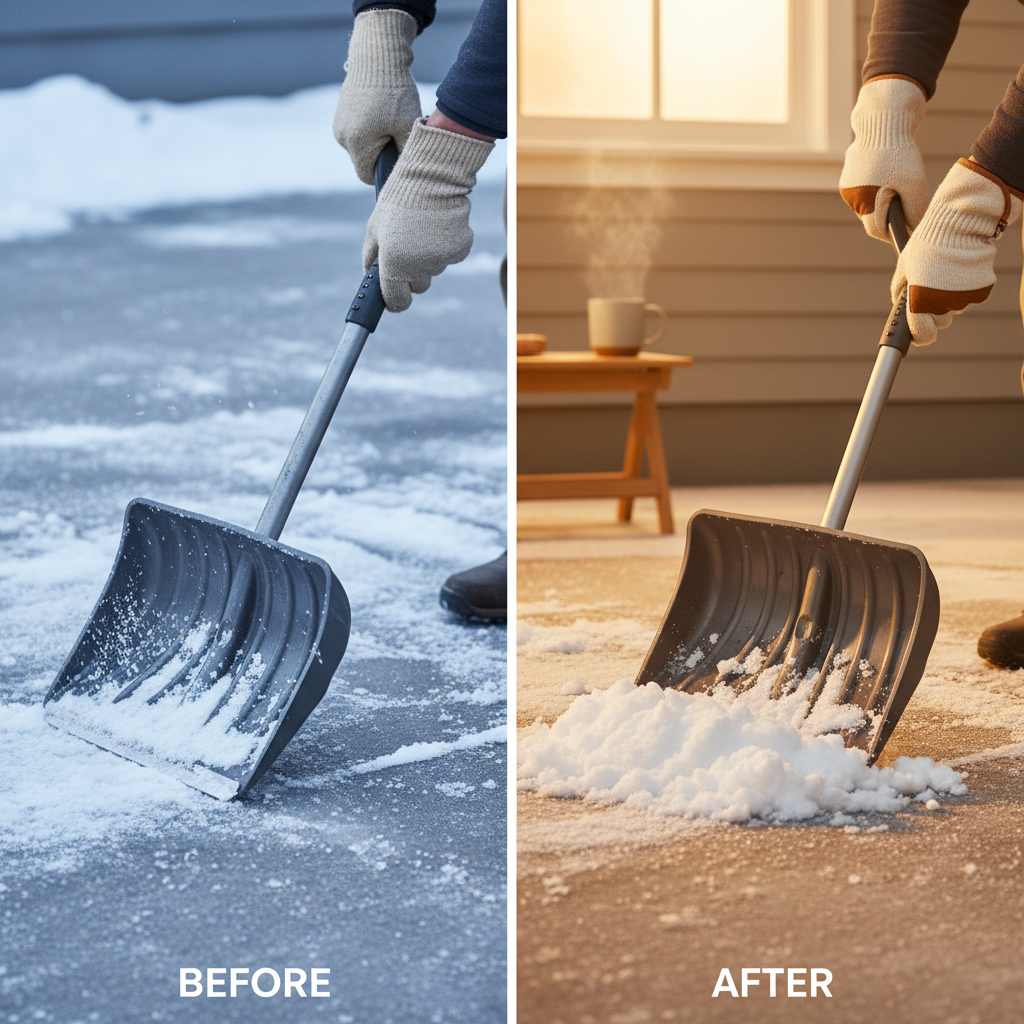
- Warehousing and logistics—non-slip on cartons and pallets in drizzle.
- Municipal works and landscaping—muddy, abrasive tasks.
Feedback I’ve heard: “less hand fatigue,” “better hold on wet pipe,” and “TPR saved a knuckle last week.” Not scientific, but it tracks.
Vendor comparison (quick take)
| Feature | Our latex impact glove | Nitrile sandy glove (no TPR) | PU coated glove (light) |
|---|---|---|---|
| Wet grip | High | Medium–High | Low–Medium |
| Impact protection | TPR, impact P (where specified) | None | None |
| Dexterity | Good | Good | Very good |
| Oil resistance | Moderate | High | Low |
Customization and packaging
Logo printing, cuff color coding, double-dip palms, and retail or bulk polybagging are all doable. Lead times are reasonable from Xinji City, with stable freight lanes—ask for the nearest consolidation point if you’re mixing SKUs.
Mini case study
A regional prefab yard switched 120 workers to Hot Selling Wholesale Impact Resistant Non-Slip Safety Work Gloves Latex Coated Industrial Gloves. Over 90 days, they logged a ≈34% reduction in minor hand knocks and a drop in carton slips during rainy shifts. Gloves lasted 6–9 weeks on average (heavy weekend overtime trimmed that). ROI penciled out in month two—mostly from fewer stoppages.
Certifications and compliance
Built to meet EN 388:2016 for mechanical risks and optional impact P; ANSI/ISEA 105 classifications available upon request. Materials screened per REACH; ISO 13997 cut data supplied on spec lots. To be honest, always verify certificates against your purchase lot—good habit.
Authoritative references
- EN 388:2016+A1:2018 Protective gloves against mechanical risks.
- ANSI/ISEA 105-2016 Hand Protection Classification.
- REACH Regulation (EC) No 1907/2006 on chemicals and safety.
- ISO 13997:1999 Protective clothing—Mechanical properties—Cut resistance (TDM).