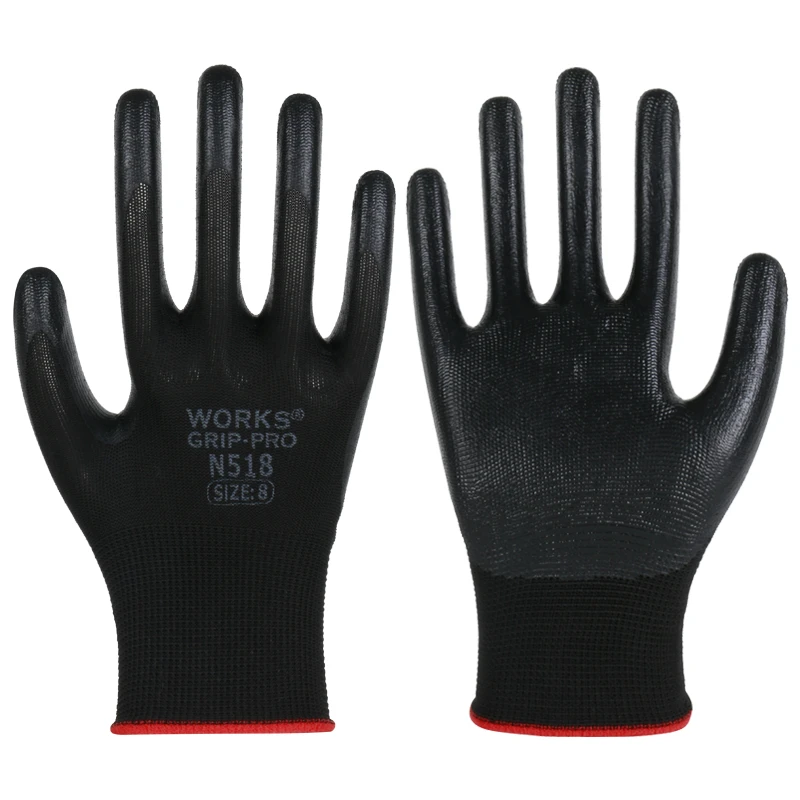
Wholesale Non-Slip Work Gloves - Black Nitrile Coated Grip
Field Report: Black Nitrile-Coated Work Gloves That Actually Hold Up
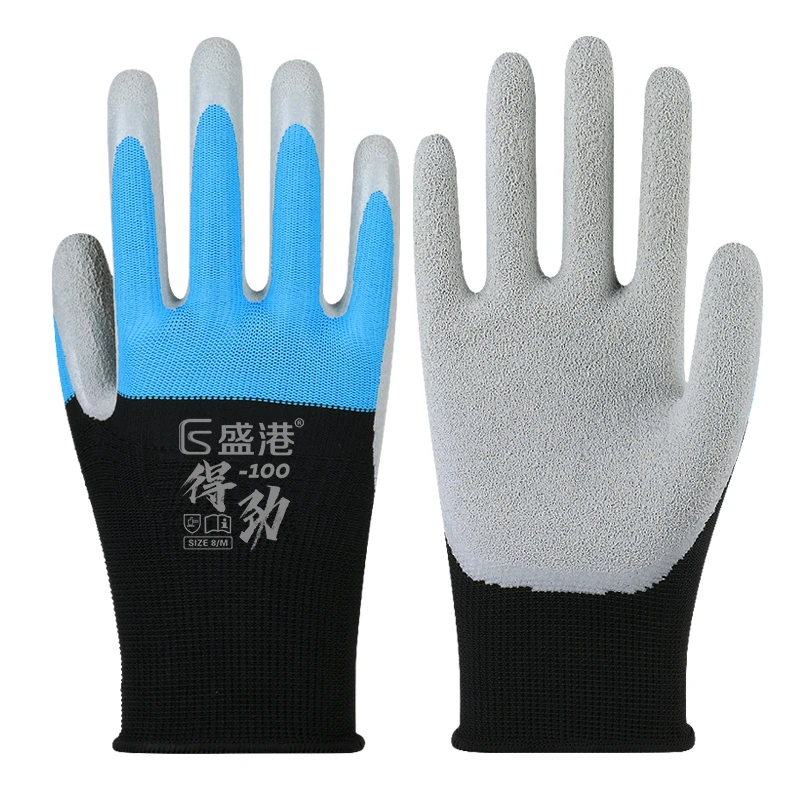
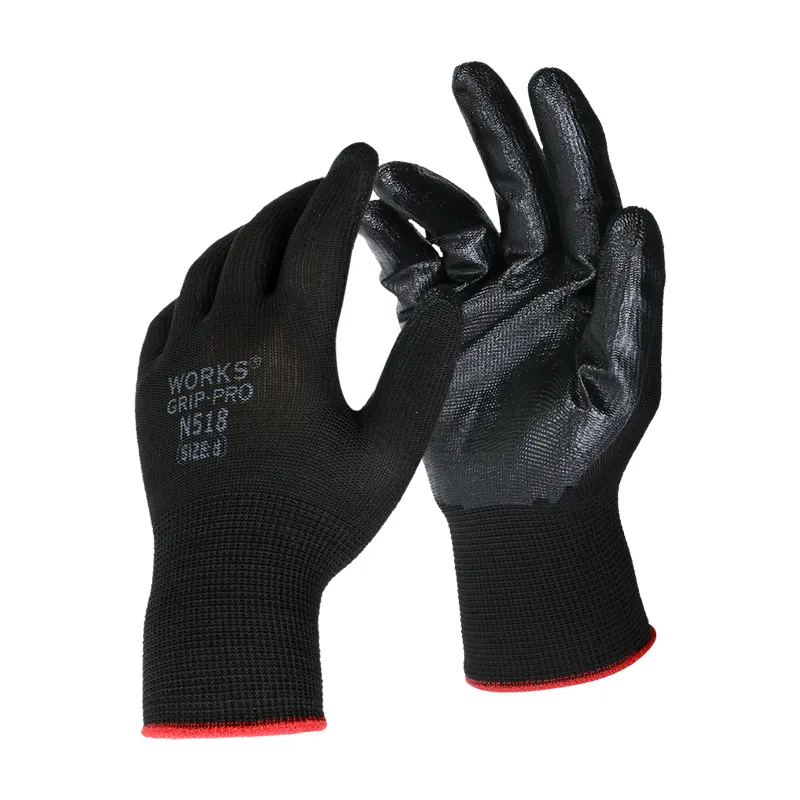
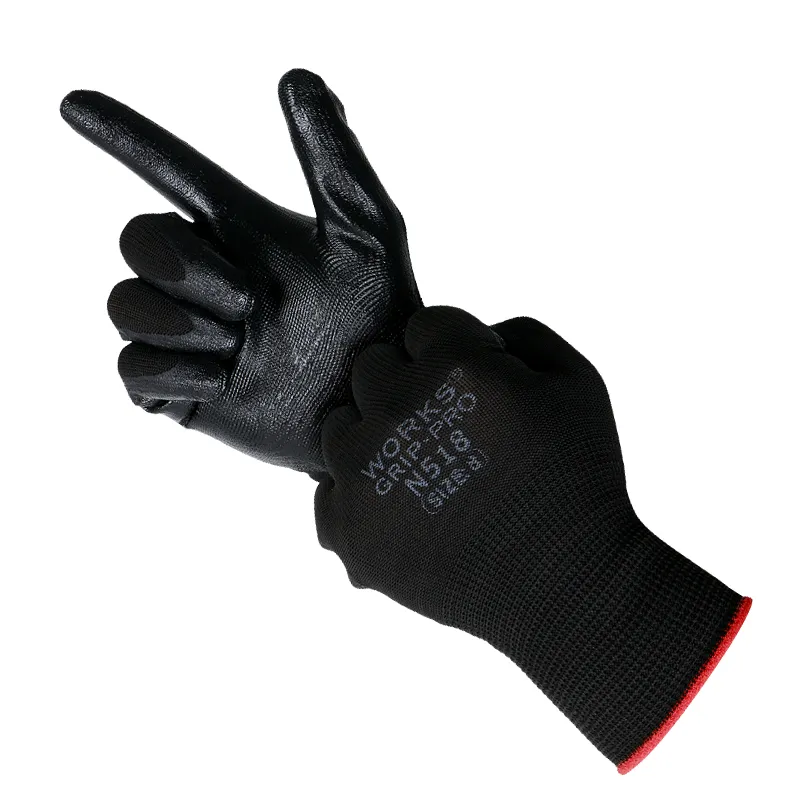
If you spend your days around concrete dust, rebar, pallet straps, or greasy fittings, you get picky about gloves. Same here. After a week of site visits and a few too many dropped fasteners, I circled back to the Wholesale Non-Slip Work Gloves Black Nitrile Coated Building Safety Industrial Gloves and put them through a more methodical look—fit, grip, durability, and the all-important supply reliability.
Why nitrile micro-foam is winning (and where it stumbles)
Industry trend in a nutshell: foam-nitrile palm coats are edging out straight latex in construction and warehouse ops. The sandy micro-texture grabs dry materials, and—surprisingly—keeps traction in light oils better than you’d think. However, in sharp-metal finishing, you still want higher cut ratings. These gloves aim for a balanced spec: dexterity first, with respectable abrasion and decent puncture resistance.
Product specs at a glance
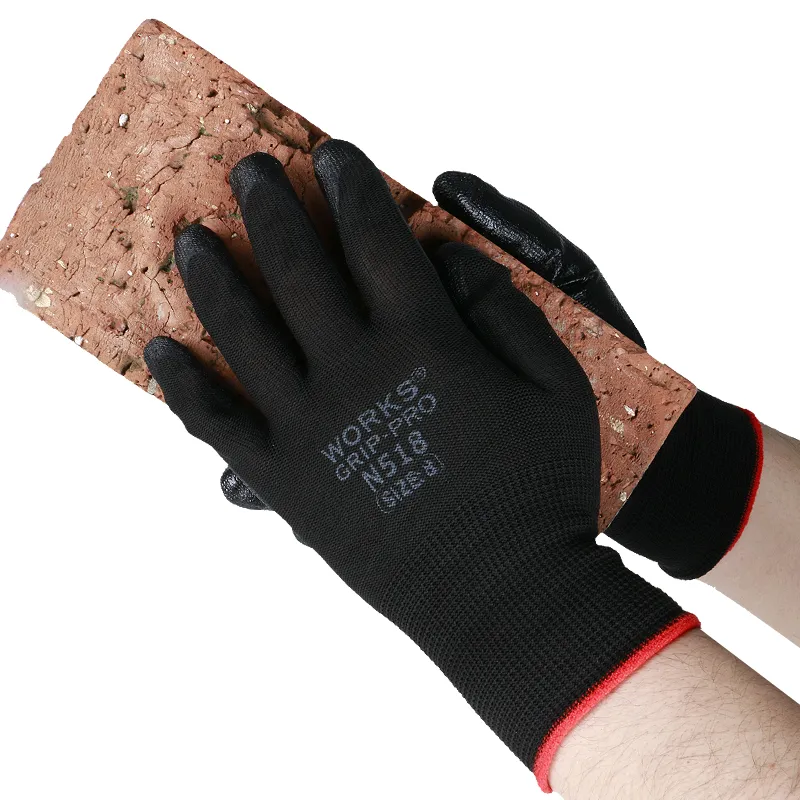
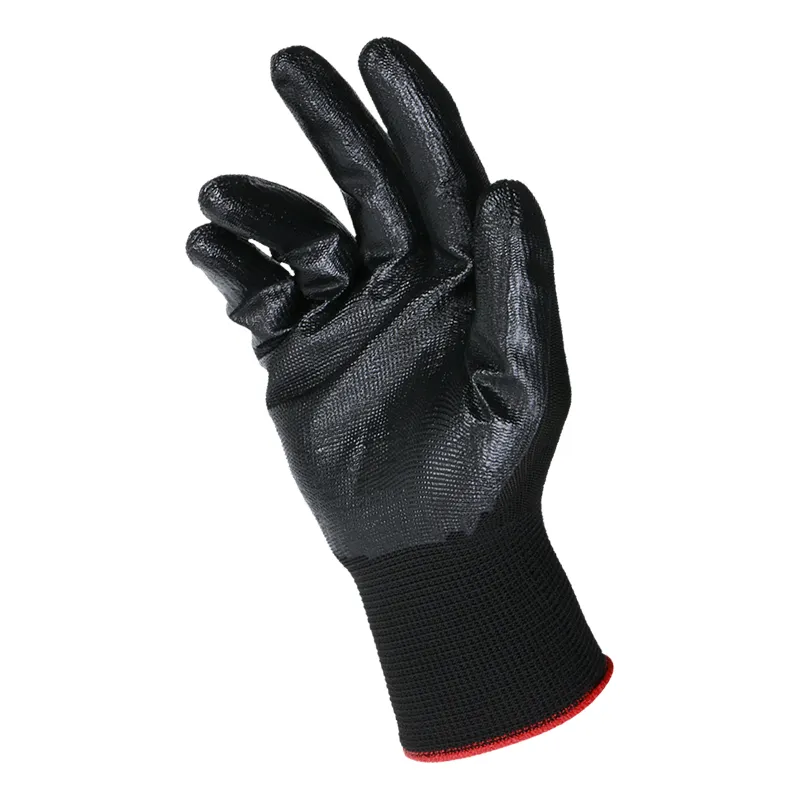
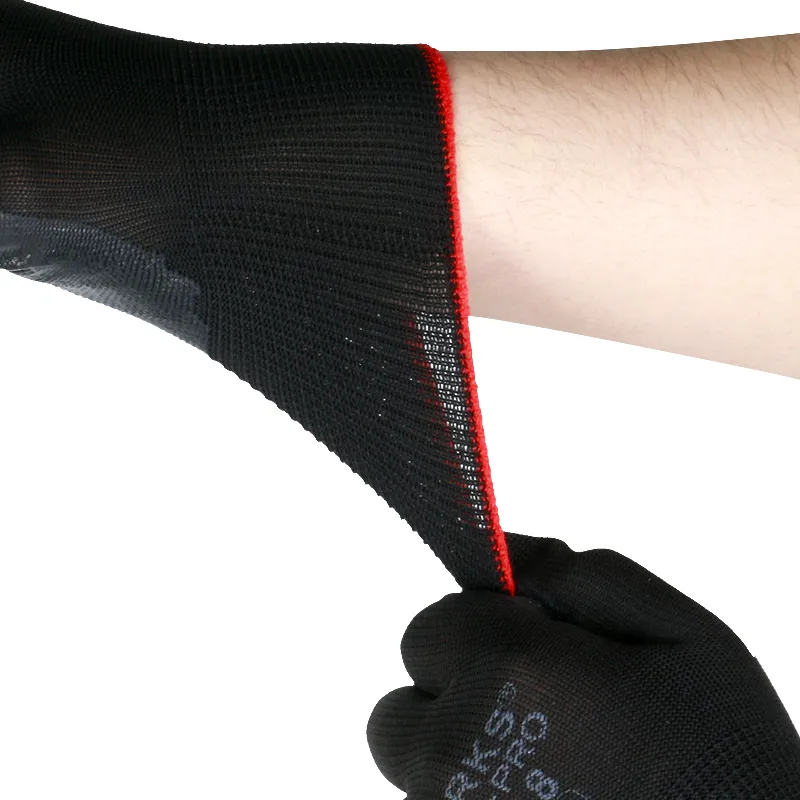
| Liner | 13-gauge polyester/nylon seamless knit |
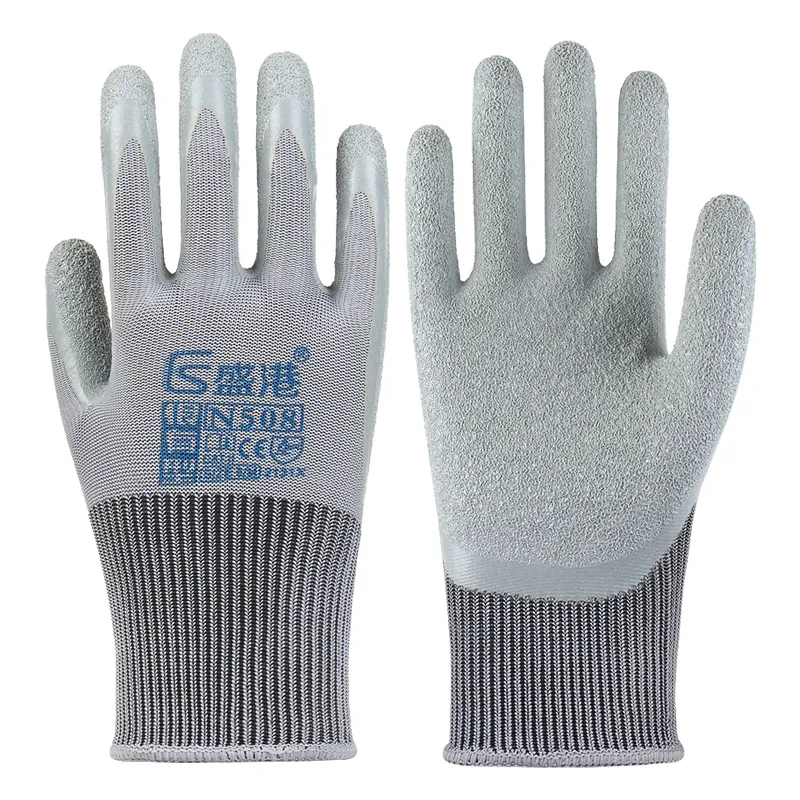
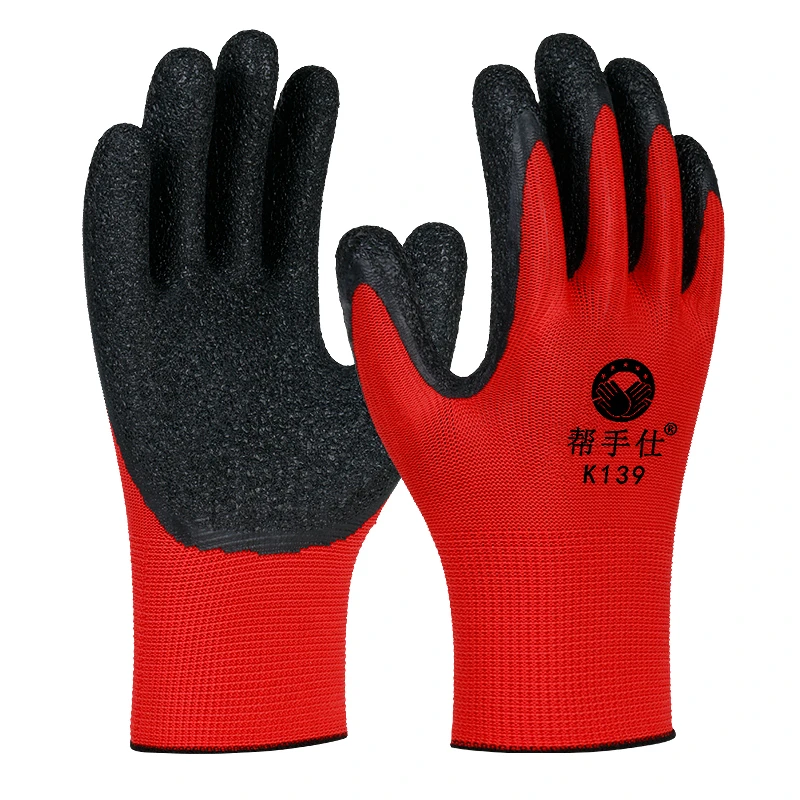
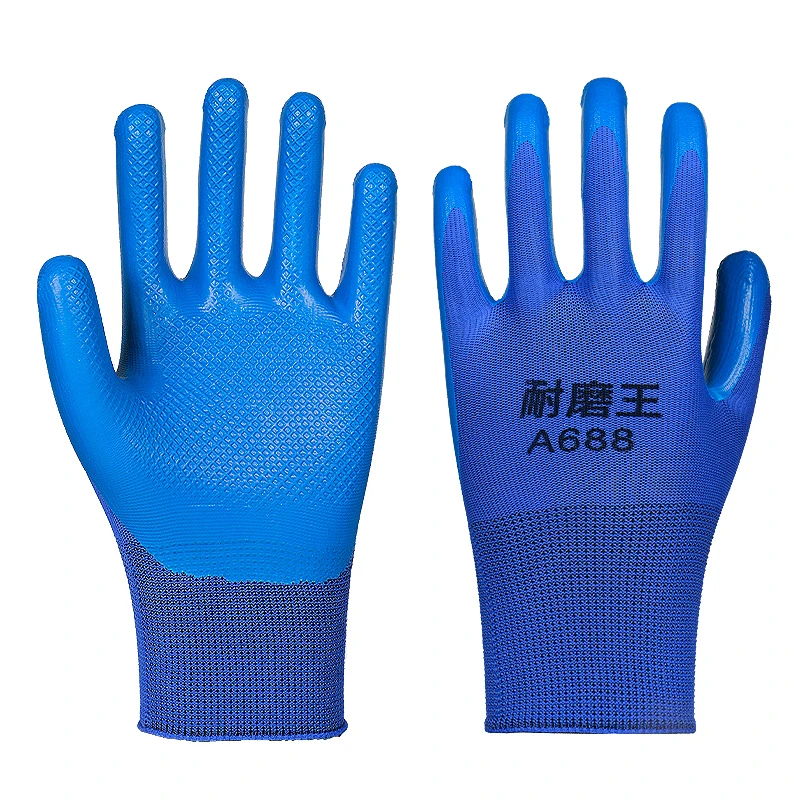
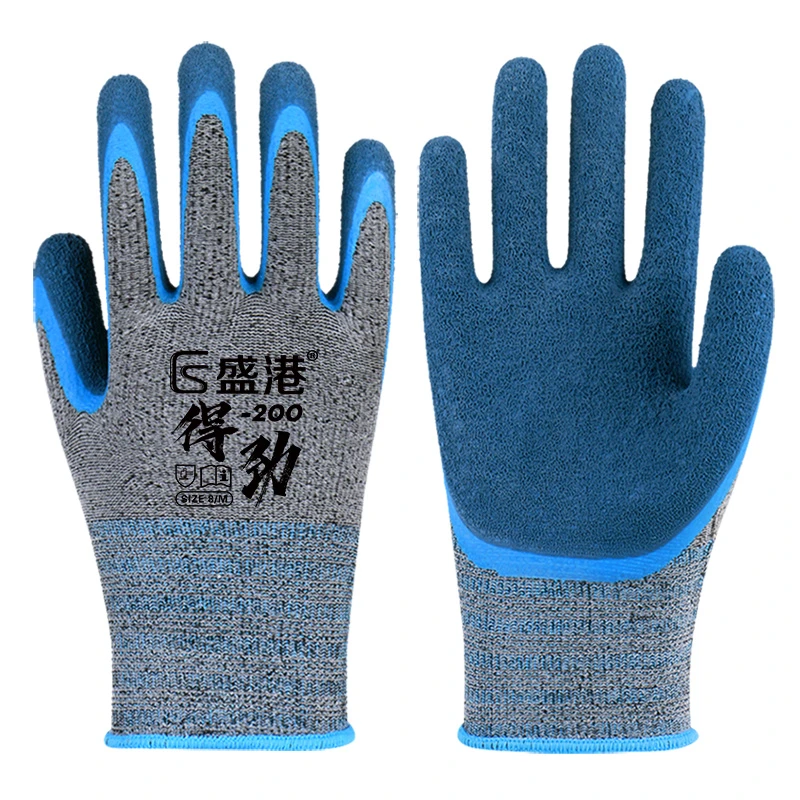
| Palm coat | Black micro-foam nitrile, sandy finish |
| Coverage | Palm + fingers; breathable back |
| Typical EN 388 | ≈ 4131X (abrasion 4, cut 1–2, tear 3, puncture 1; real-world use may vary) |
| ANSI/ISEA Cut | ≈ A2 (typical lot average) |
| Sizes | 7–11; elastic knit cuff |
| Grip coefficient | ≈ 0.62 in light oil; ≈ 0.78 dry (internal lab) |
| Service life | Around 4–8 weeks of daily site work; longer in light-duty warehouse |
The factory sits at the east side of the northern section of Education Road, Xinji Town, Xinji City, Hebei, China—useful to know if you care about logistics lanes and lead times. Many customers say the sizing runs true; I’d call it slightly snug, which actually helps with screw/bolt handling.
Process flow and testing (quick version)
- Materials: 13G blended yarn; high-purity nitrile compound with micro-foam agents.
- Methods: seamless knitting → washing/deoiling → palm dip → micro-foam texturing → oven cure → cuff overlock.
- Testing: EN 388:2016 mechanical tests; ANSI/ISEA 105 cut; abrasion cycles (Martindale); oil-grip panel; dimensional stability after 5 washes.
- Certs/compliance: CE Category II, RoHS/REACH-ready formulations, skin-contact safe dyes.
Where they shine
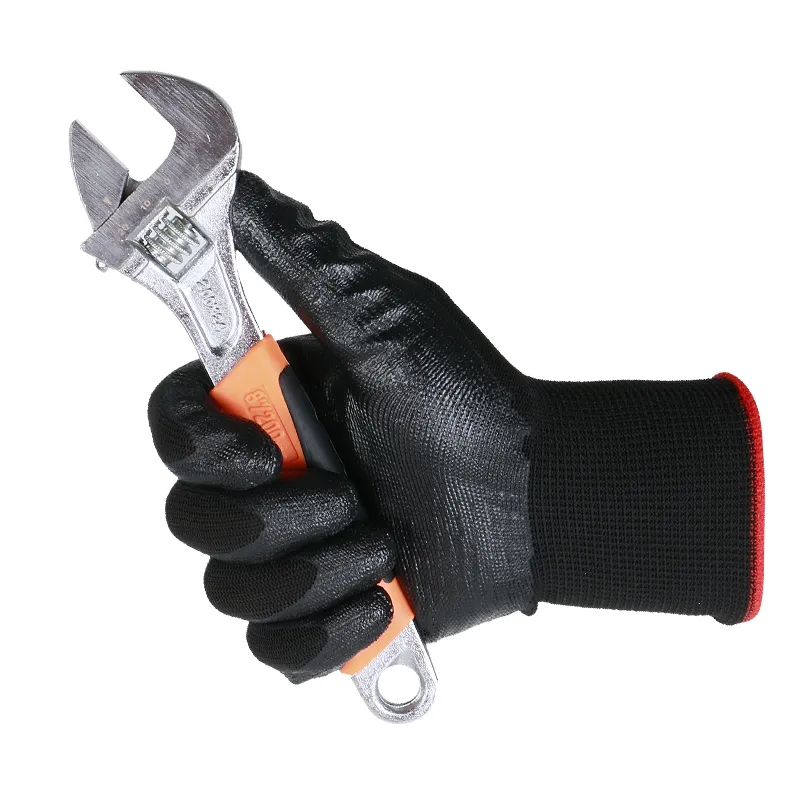
- Construction & masonry: block, tile, rebar tying—grip stays even with slurry.
- Warehousing & logistics: carton picking, strapping, forklifts—reduced hand fatigue.
- Automotive & HVAC: oily parts handling, fastener control.
- Landscaping & stonework: abrasion without the bulk of leather.
Do note: if you’re in high-sharp-risk metal fab, step up to a cut A4/A5 glove. These Wholesale Non-Slip Work Gloves Black Nitrile Coated Building Safety Industrial Gloves are built for balanced performance, not extreme cut hazards.
Vendor comparison (wholesale reality check)
| Vendor | MOQ | Lead time | Customization | Certs/QC |
|---|---|---|---|---|
| Factory (Xinji, Hebei) | ≈ 3,000 pairs | 15–25 days | Logo, gauge, coat thickness, packaging | EN 388, batch abrasion/cut records |
| Generic importer | Low | Stock-dependent | Limited branding | Mixed documentation |
| Retail brand | Medium | 30–60 days | Colorways/pack; spec locked | Solid, but pricier |
To be honest, the direct-from-factory route wins if you need stable spec control and branding. Price stability has been decent, even with nitrile volatility.
Customization and real-world feedback
- Options: palm thickness (light/standard/heavy), 15G liner for extra dexterity, color trim by size, retail or bulk pack.
- Branding: silicone logo on back, printed cuff, barcode + EAN labels.
- Customer notes: “Good grip on wet pavers”; “less sweaty than latex”; some asked for a thumb crotch reinforcement—available on request.
Mini case study
A regional builder swapped to Wholesale Non-Slip Work Gloves Black Nitrile Coated Building Safety Industrial Gloves across masonry and framing teams (300 workers). After 6 weeks, they reported ≈ 18% fewer object drops and extended glove changeout from weekly to every 2–3 weeks on average. Not lab-grade, but the foreman was happy—and that usually says more than a spreadsheet.
Compliance, safety, and care
- Meets EN 388:2016 mechanical risk criteria; typical label shows 4131X.
- ANSI/ISEA 105 cut ≈ A2; choose higher cut levels for metal-edge hazards.
- OSHA 1910.138: match glove to task hazard—train crews accordingly.
- Care: cold-wash, air-dry; avoid high heat—prolongs the foam structure.
Sources
- EN 388:2016+A1:2018 Protective Gloves Against Mechanical Risks.
- ANSI/ISEA 105-2016 Hand Protection Classification.
- OSHA 29 CFR 1910.138 Hand Protection Standard.