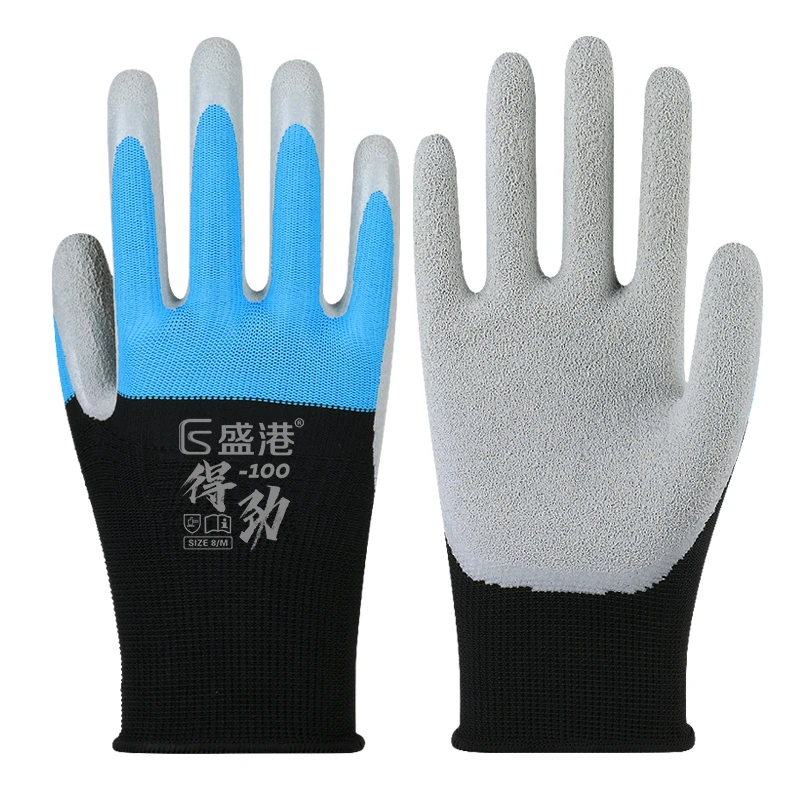
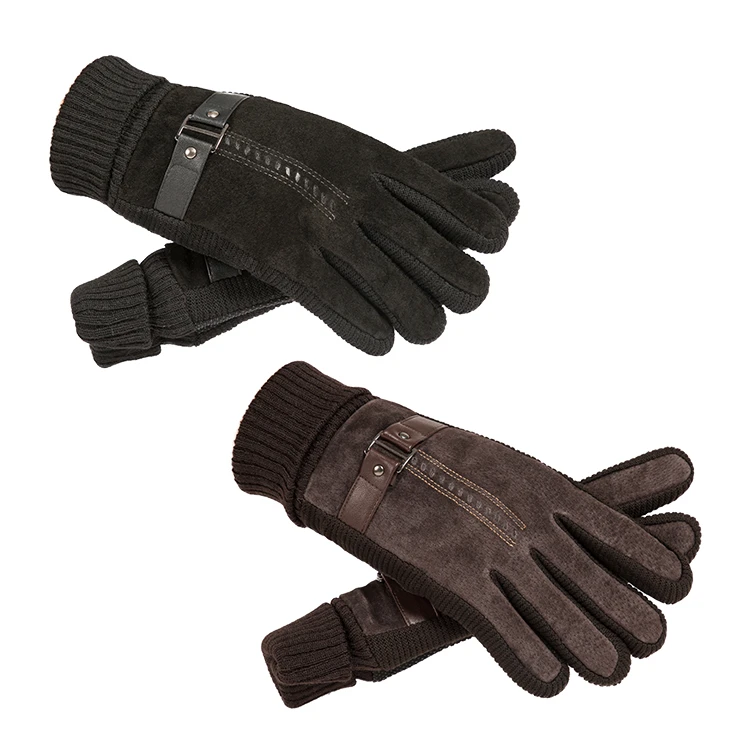
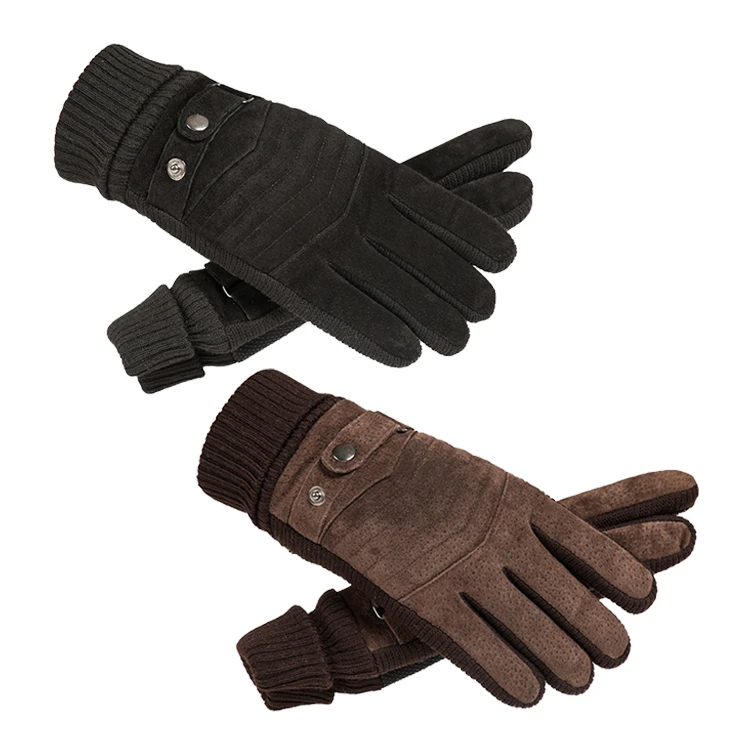
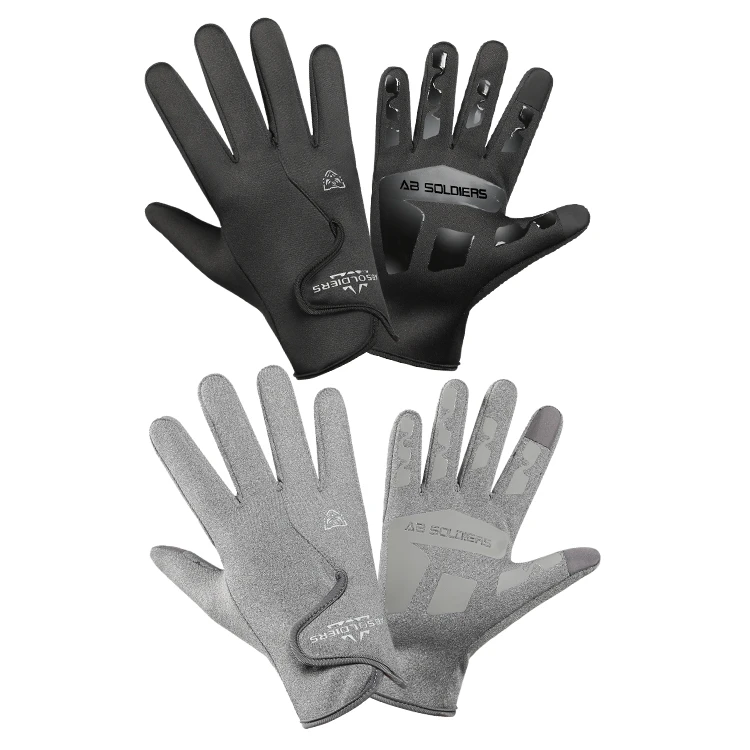
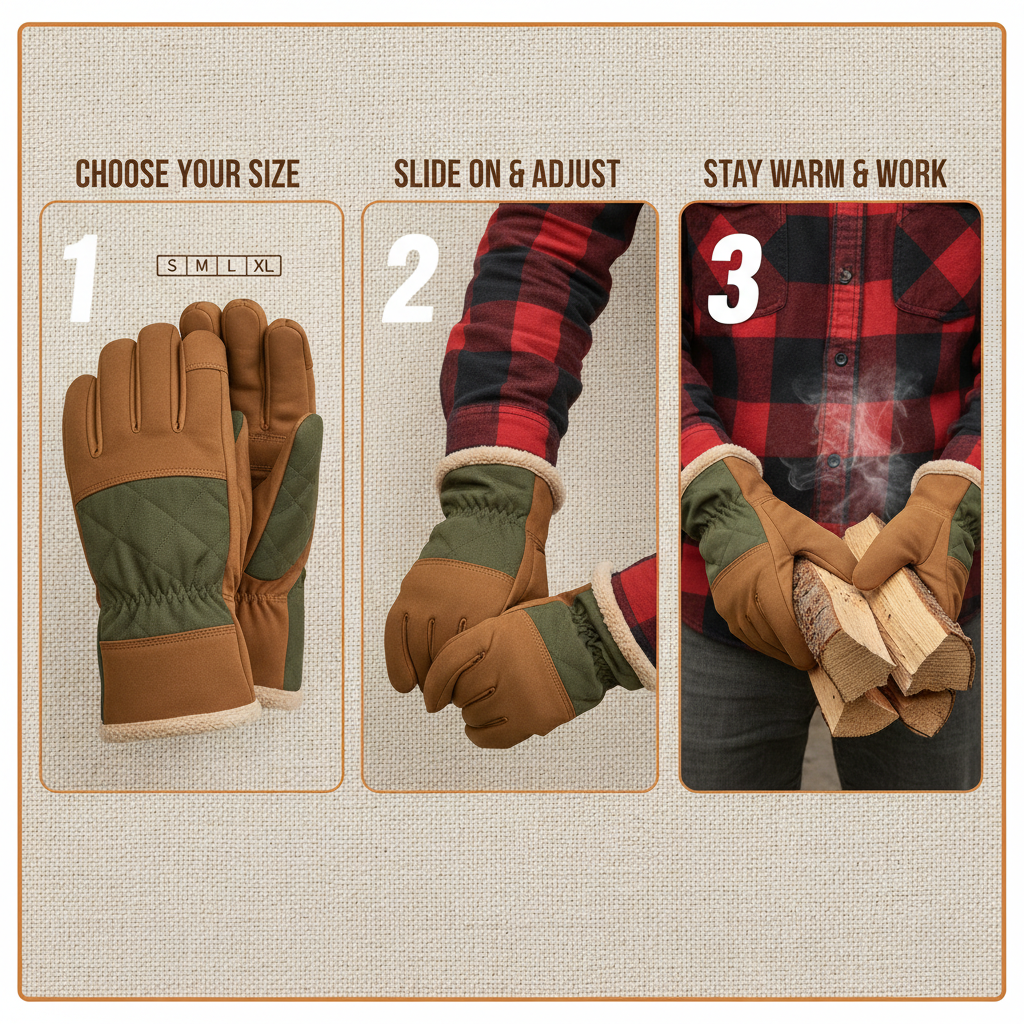
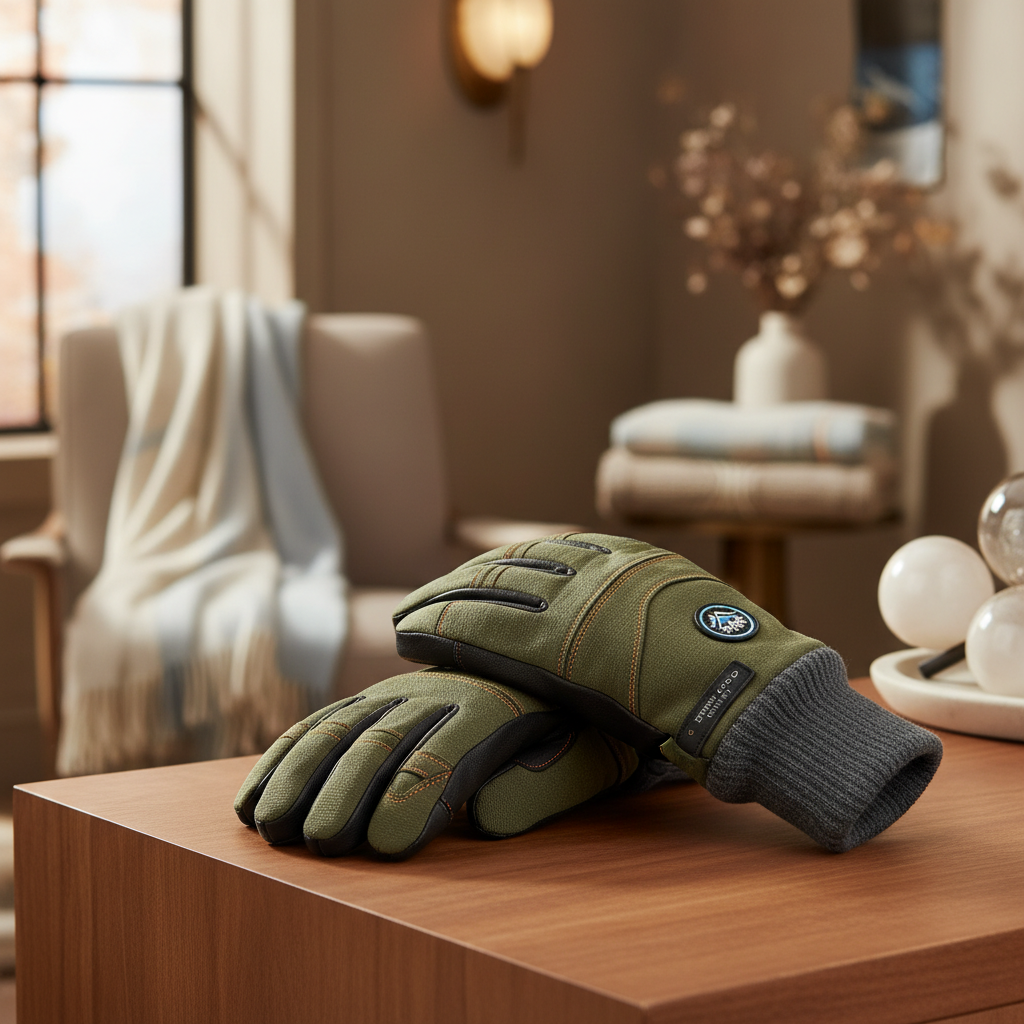
Womens Thermal Ski Gloves: Warmth Meets Performance on the Slopes
Why Quality Womens Thermal Ski Gloves Are a Game-Changer for Winter Adventures
Having spent a good chunk of my career around industrial equipment, I’ve come to appreciate the subtle art of durable design. It’s fascinating how those same principles ripple into something as seemingly simple as womens thermal ski gloves. On the surface, a glove’s just a glove, right? But talk to any mountain guide or serious skier, and they’ll tell you the gloves on their hands can make or break a day on the slopes.
Ski gloves have evolved far from the bulky, waterlogged mittens of old. Advanced materials, better insulation, and ergonomic design have transformed them into a vital piece of tech that protects against brutal cold, wet conditions, and constant abrasion. Honestly, the last time I saw a glove failing, it wasn’t from snow but sheer wear from a grab onto icy rails or rough ski poles.
Oddly enough, womens thermal ski gloves often have to balance warmth and dexterity better than men's. Women’s gloves tend to be slimmer, sometimes smaller, and outfitted with adaptive insulation that doesn’t overcook your hands mid-run yet holds the cold back when you're pausing for a photo or waiting in a lift line. It’s a science—and an art—of layering and breathability.
Key Features That Define Effective Thermal Ski Gloves
After sorting through countless product lines over the years, I’ve noticed some features that come up again and again as must-haves in great gloves:
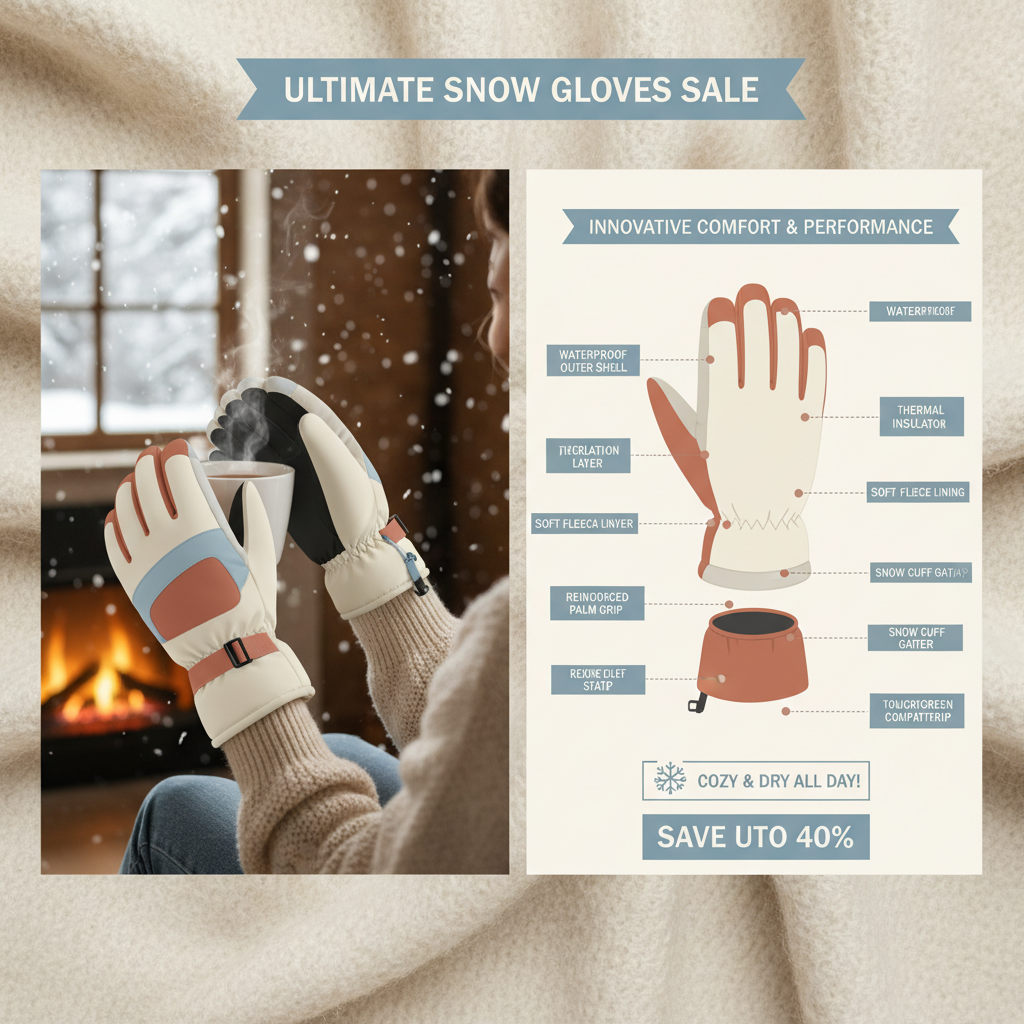
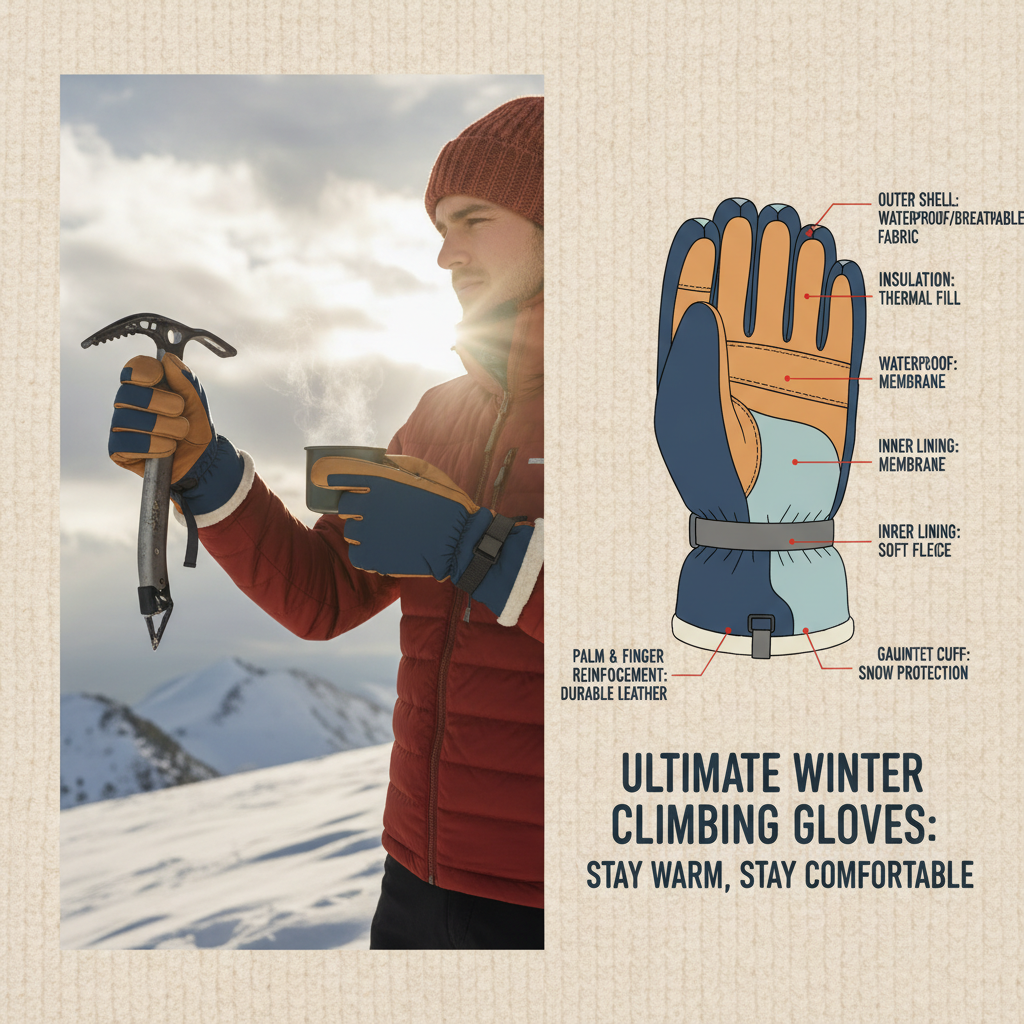
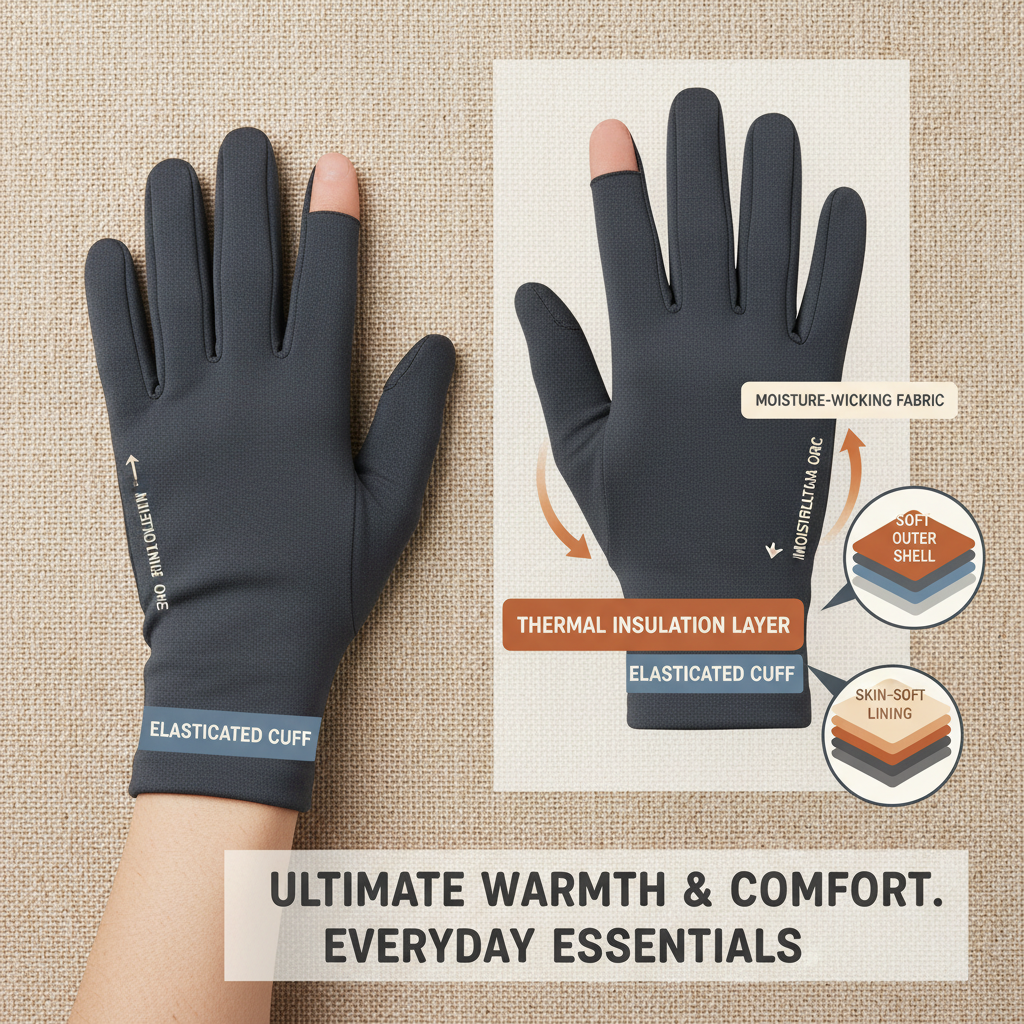
- Insulation: Materials like Thinsulate or PrimaLoft are go-to choices. They pack warmth without bulk.
- Waterproofing: A waterproof membrane or coating keeps slush and sleet out without suffocating your skin.
- Breathability: No one wants sweaty hands turning clammy mid-run.
- Durability: Reinforced palms and fingertips for gripping ski poles and resisting wear.
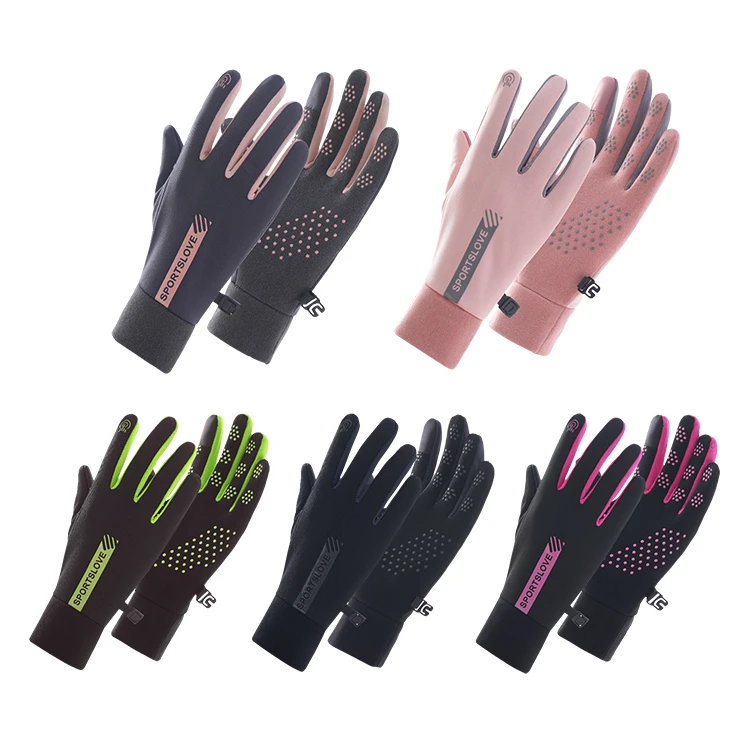
- Comfort & Fit: Adjustable wrist straps, pre-curved finger design, and soft inner liners.
Here’s a quick breakdown of typical specs you might see in a solid pair:
| Specification | Typical Range |
|---|---|
| Insulation Material | Thinsulate or PrimaLoft, 100–200 grams |
| Outer Fabric | Nylon or polyester with waterproof membrane |
| Waterproof Rating | 5,000–15,000 mm (mm of water column) |
| Breathability Rating | 5,000–20,000 g/m²/24h |
| Weight | 150–300 grams per pair |
| Palm Reinforcement | Leather or synthetic leather |
| Adjustability | Velcro wrist strap or elastic cuffs |
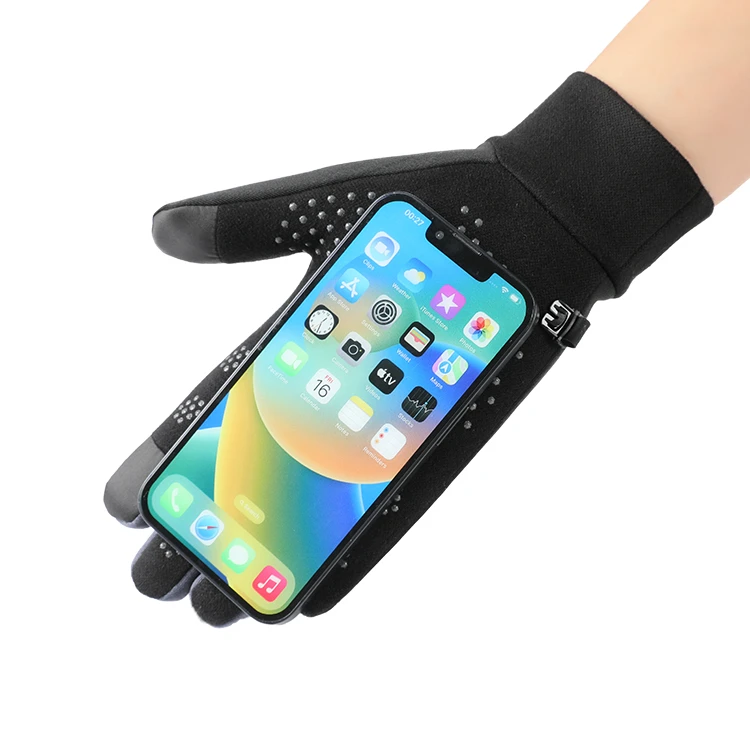
Years ago, I remember a client insisting on a glove that was not only warm but also compatible with touchscreens—quite the demand before that was common! It’s the little things like that—functionality paired with real-world practicality—that elevate a decent glove to a great one.
Comparing Vendors: Brand Strengths and Specialties
From personal experience and chatting with operators in the field, it’s clear that not all brands are created equal. Some emphasize cutting-edge insulation tech, others nail waterproofing, and a few prioritize style and fit above all. I put together a quick vendor comparison based on industry reputation and typical offerings:
| Vendor | Key Strength | Typical Price Range | Best Use Case |
|---|---|---|---|
| GlovTech | Superior waterproofing & durability | $60–$90 | Everyday ski & snowboard |
| SnowGuard | Lightweight thermal insulation | $70–$110 | High-intensity winter sports |
| FrostFlex | Ergonomic fit & touchscreen compatibility | $50–$85 | Casual outdoor enthusiasts |
| AlpinePro | Advanced breathability with good warmth | $80–$120 | Professional ski mountaineering |
Picking the right glove really depends on where—and how—you're skiing or snowboarding. I’ve met folks who swear by their mid-range options for everyday comfort, while others won’t settle for less than pro-grade insulation and weather sealing. Sometimes, the glove is the only thing between you and an unpleasant day.
On a personal note, there was this one winter when I borrowed a friend’s set of high-end thermal gloves for an off-piste trip. The warmth and grip level literally saved me from calling an early end to the adventure. Hands numb and useless? No thanks.
At the end of the day, investing in proper womens thermal ski gloves is about more than just comfort. It’s about performance, safety, and the little confidence boost you get knowing your gear won’t quit on you halfway down the mountain.
If you need more information or want to browse the current options, take a look at womens thermal ski gloves available through trusted suppliers. Sometimes it’s the small things—like the right glove—that make a world of difference.
— From someone who’s been around the block and knows a thing or two about industrial gear, layered protection, and winter wear.
References & Additional Thoughts
- Industry reports on thermal insulation materials, 2023.
- Field interviews with ski professionals and mountain guides.
- Personal experience testing various glove brands in sub-zero temps.