Choosing the Right Thermal Under Gloves for Hand Protection and Comfort
Choosing the Right Thermal Under Gloves for Optimal Hand Protection
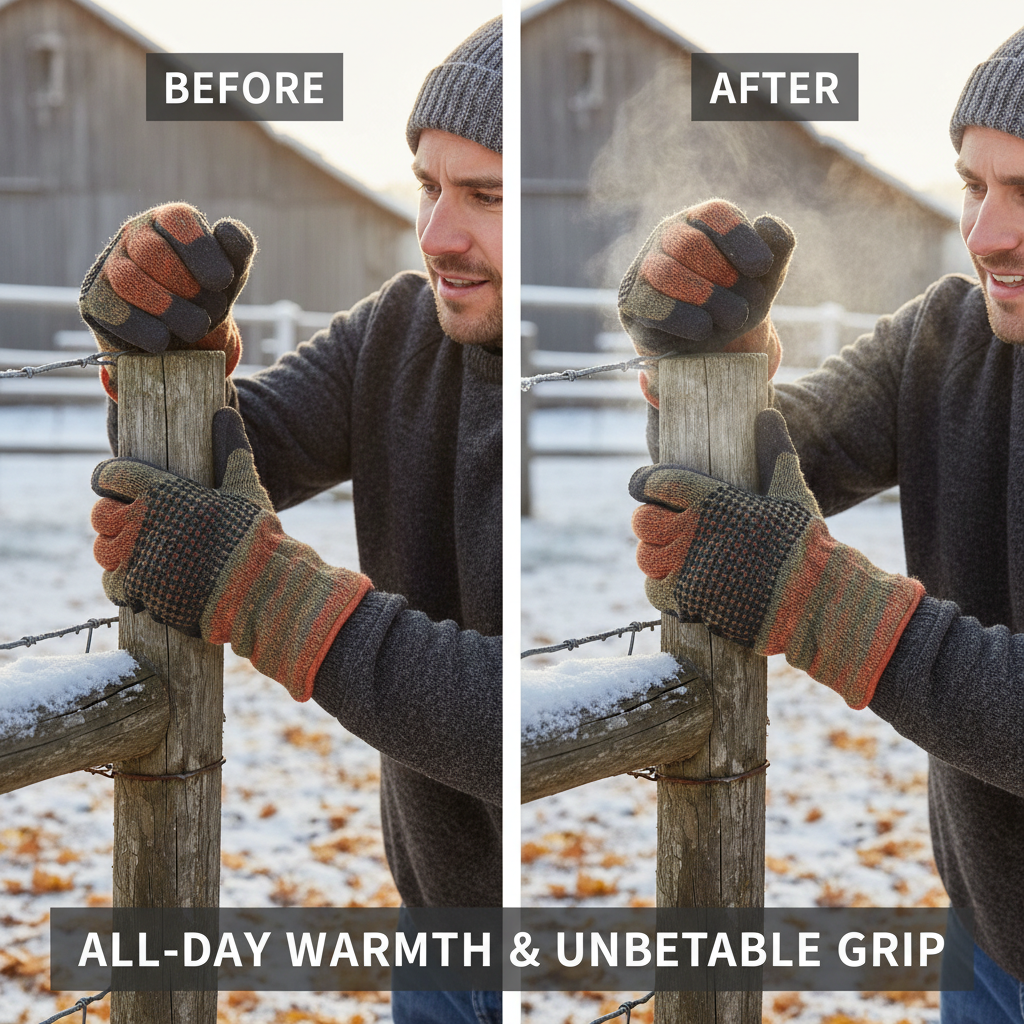
When working in cold environments, maintaining dexterity and warmth in your hands is crucial. Thermal under gloves provide an essential layer of protection, enhancing the performance of your outer gloves and keeping your hands comfortable and safe. This article will explore the benefits of thermal under gloves, different materials, key features to look for, and how to choose the right pair for your needs. Investing in quality thermal under gloves can significantly improve productivity and reduce the risk of cold-related injuries.
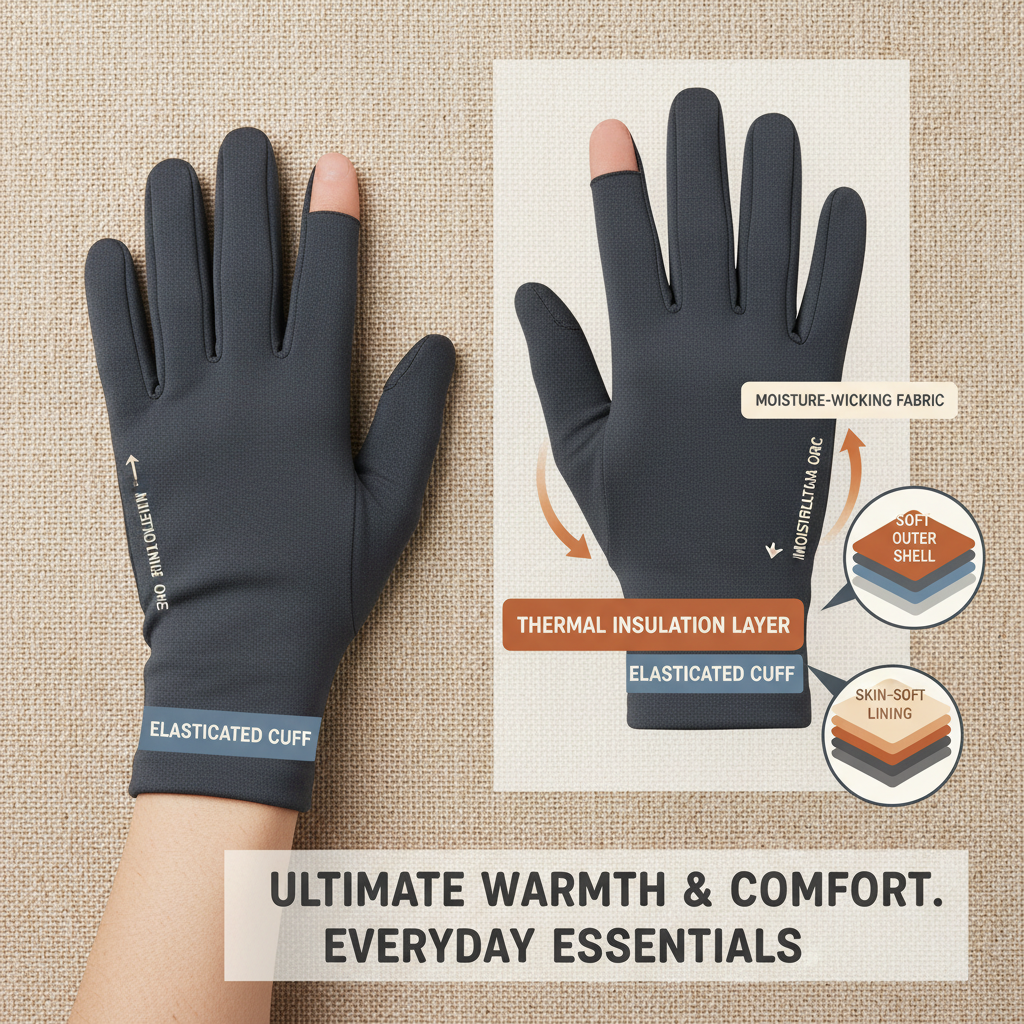
Understanding the Benefits of Thermal Under Gloves
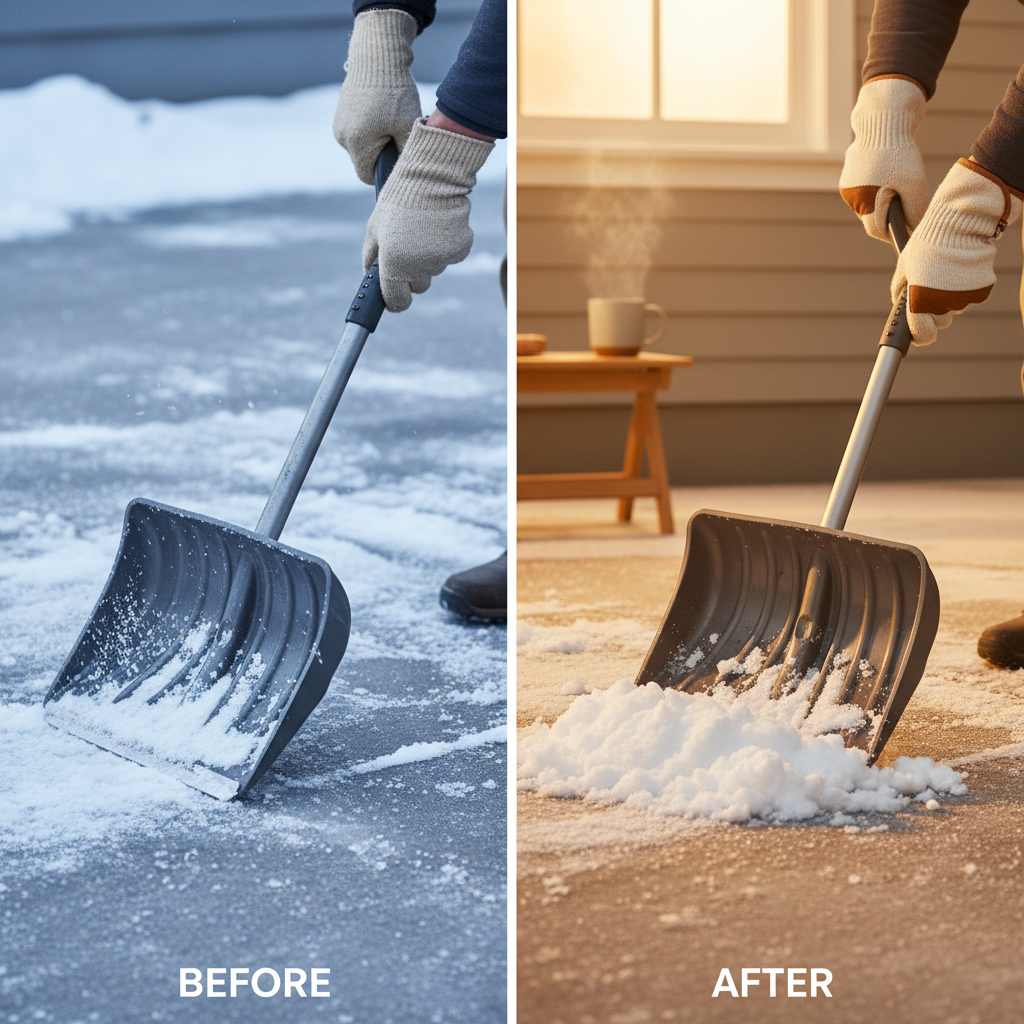
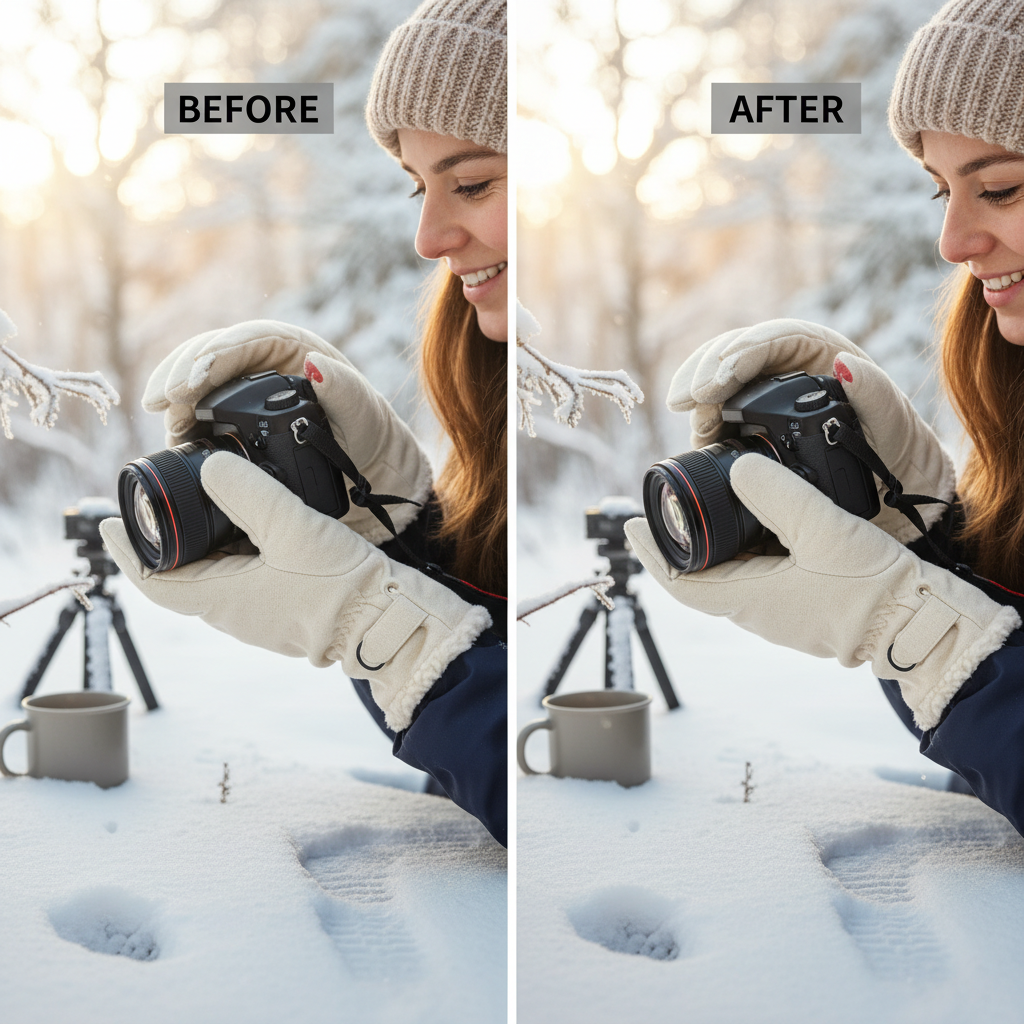
Thermal under gloves act as a base layer, trapping heat close to your skin and wicking away moisture. This is particularly important because wet hands lose heat much faster than dry ones. They improve the insulation of your outer gloves, allowing you to work comfortably in colder temperatures for longer periods. Furthermore, they add a layer of comfort, preventing chafing and irritation from your outer gloves. Whether you're engaged in outdoor work, winter sports, or simply need extra warmth, thermal under gloves are a valuable addition to your cold-weather gear.
Key Benefits: Enhance insulation, wick away moisture, improve comfort, prevent chafing, and extend the usability of outer gloves.
Materials Matter: Comparing Thermal Under Glove Fabrics
The material of your thermal under gloves significantly impacts their performance. Common materials include merino wool, synthetic fibers like polypropylene, and blended fabrics. Merino wool is renowned for its excellent warmth, breathability, and natural odor resistance. Synthetic fibers offer good moisture-wicking properties and are often more affordable. Blended fabrics aim to combine the benefits of both, providing a balance of warmth, comfort, and performance. The best choice depends on your specific needs and activity level.
Material Comparison:
• Merino Wool: Excellent warmth, breathability, odor resistance, but can be more expensive.
• Polypropylene: Good moisture-wicking, affordable, but may not be as warm as wool.
• Blended Fabrics: Combine benefits of wool and synthetics, offering a good balance of performance and price.
Key Features to Look for in Thermal Under Gloves
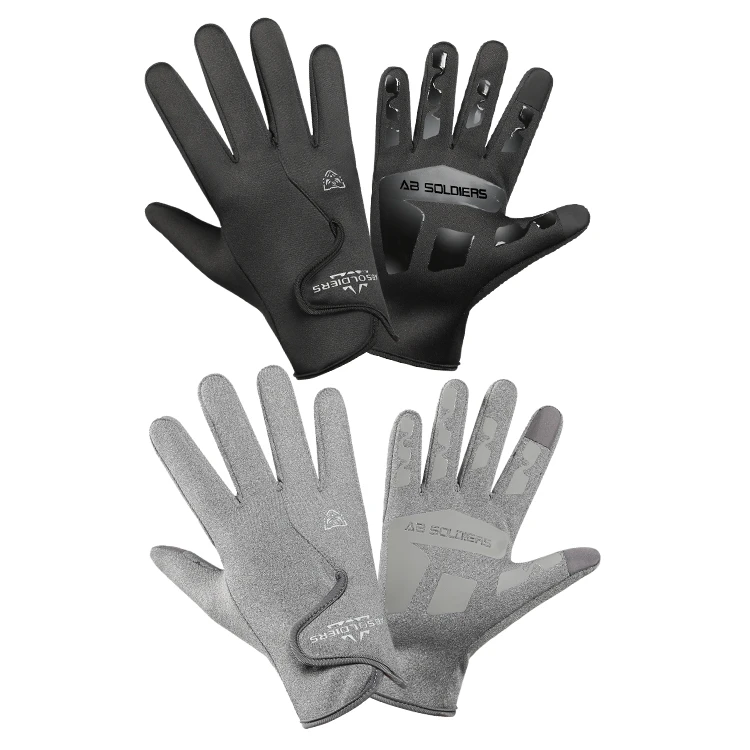
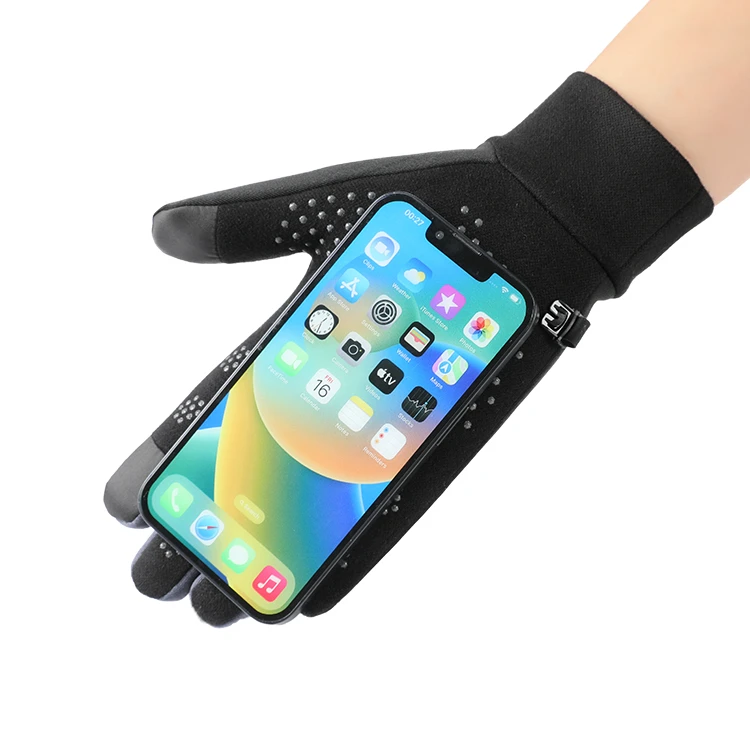
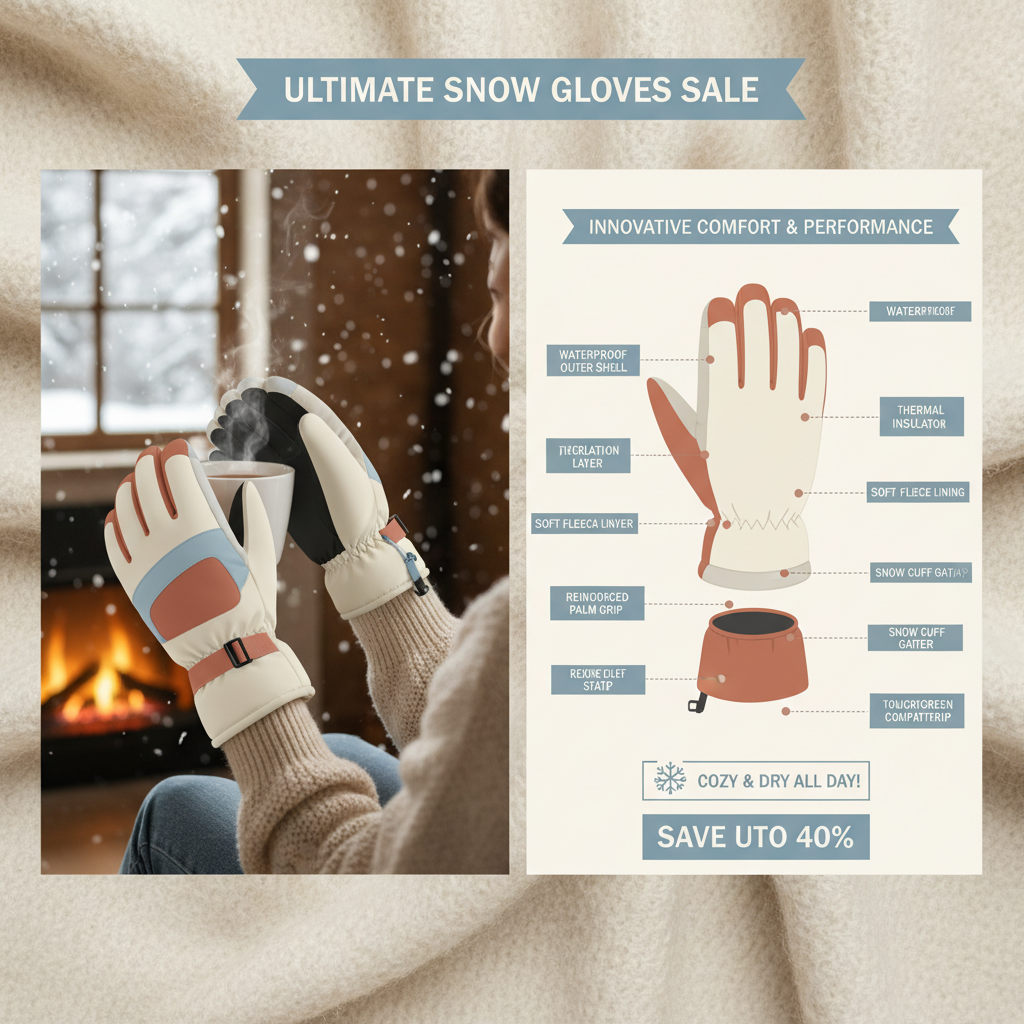
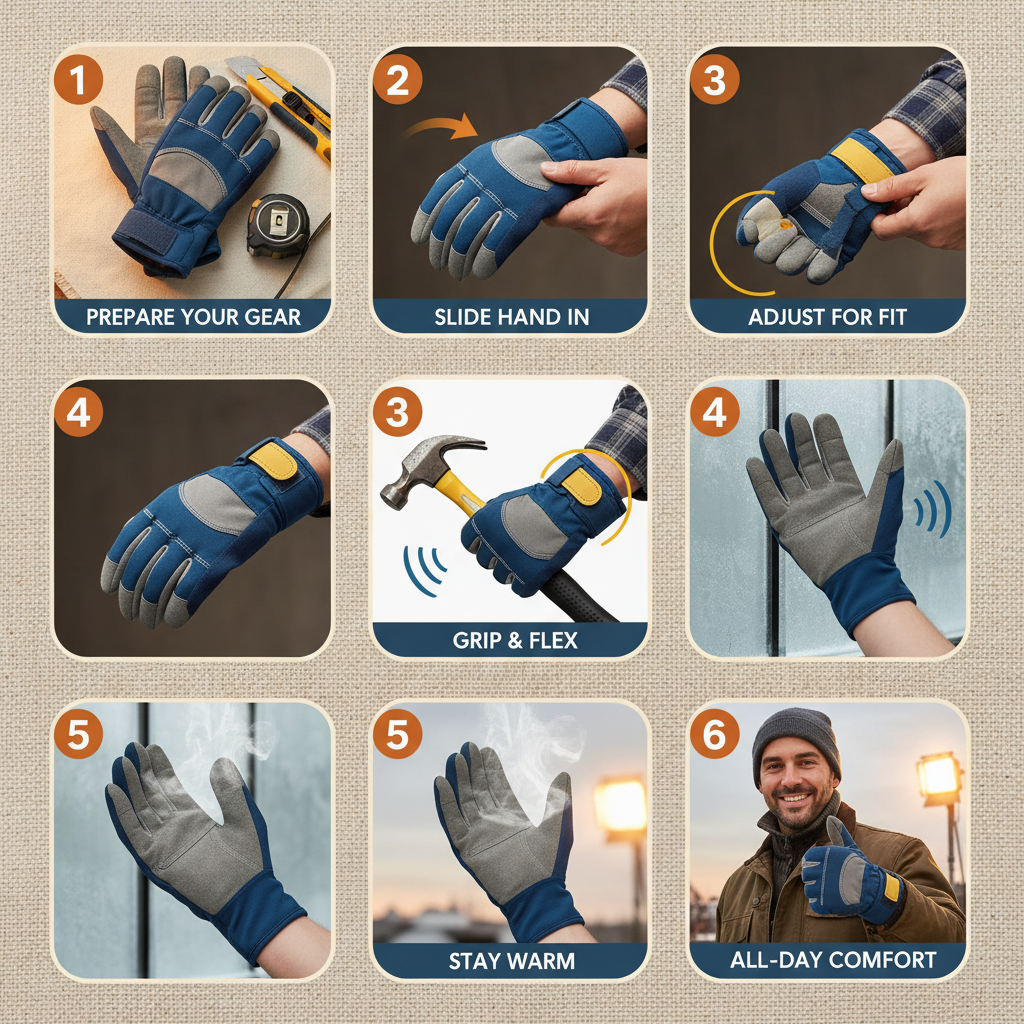
When selecting thermal under gloves, consider features like fit, dexterity, and moisture management. A snug but not restrictive fit is crucial for optimal warmth and performance. Look for gloves with touchscreen compatibility if you need to use your phone or other devices without removing them. Seamless construction minimizes chafing and enhances comfort. Reinforced palms provide added durability, especially for tasks that require gripping. Finally, ensure the gloves are breathable to prevent sweat buildup and maintain a comfortable temperature. Thermal under gloves from Personal Care SCN are designed with these features in mind.
Thermal Under Gloves for Specific Applications
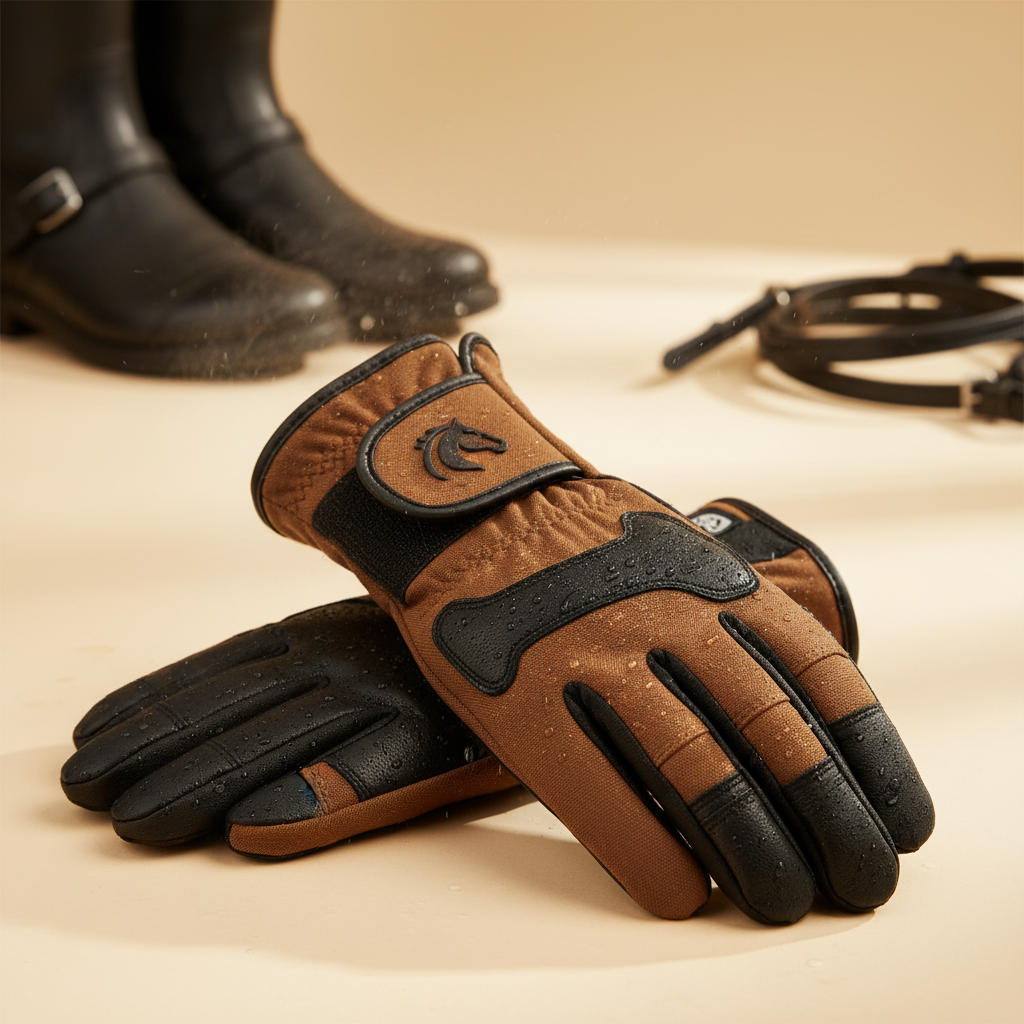
The ideal thermal under gloves depend on the task at hand. For high-intensity activities like skiing or snowboarding, prioritize moisture-wicking and breathability. For static work in extremely cold temperatures, focus on maximum warmth and insulation. Construction workers might benefit from durable gloves with reinforced palms. Consider the specific demands of your job when making your selection. Personal Care SCN offers a variety of thermal under gloves to suit different applications.
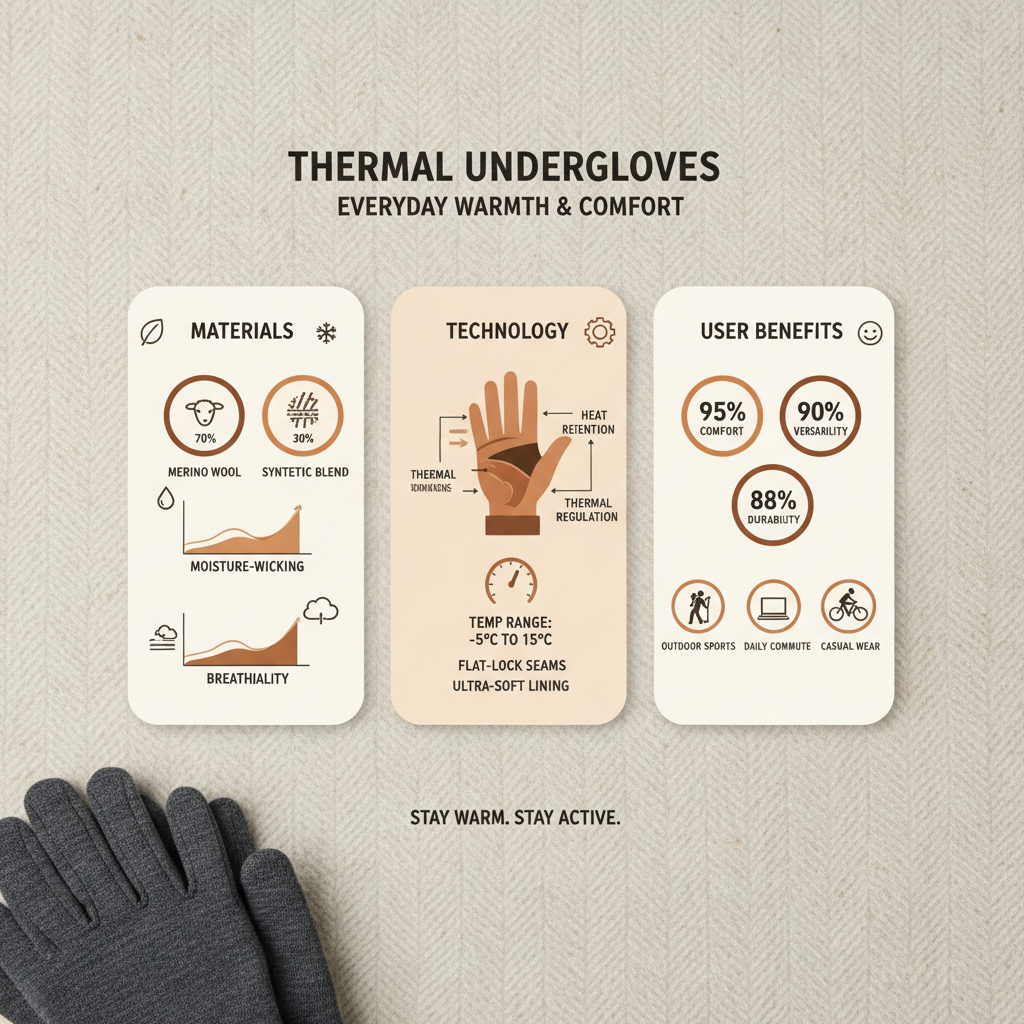
Product Spotlight: Personal Care SCN Thermal Under Gloves
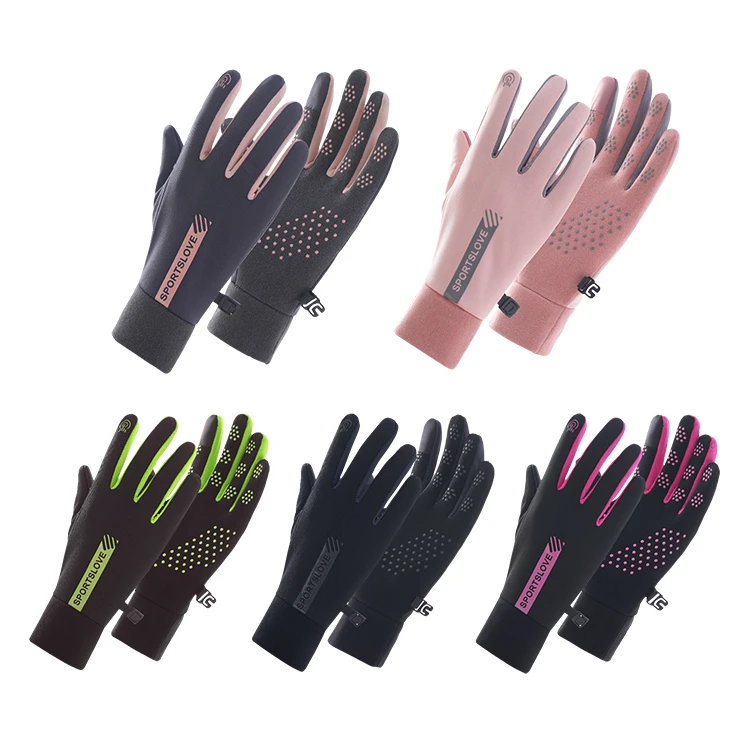
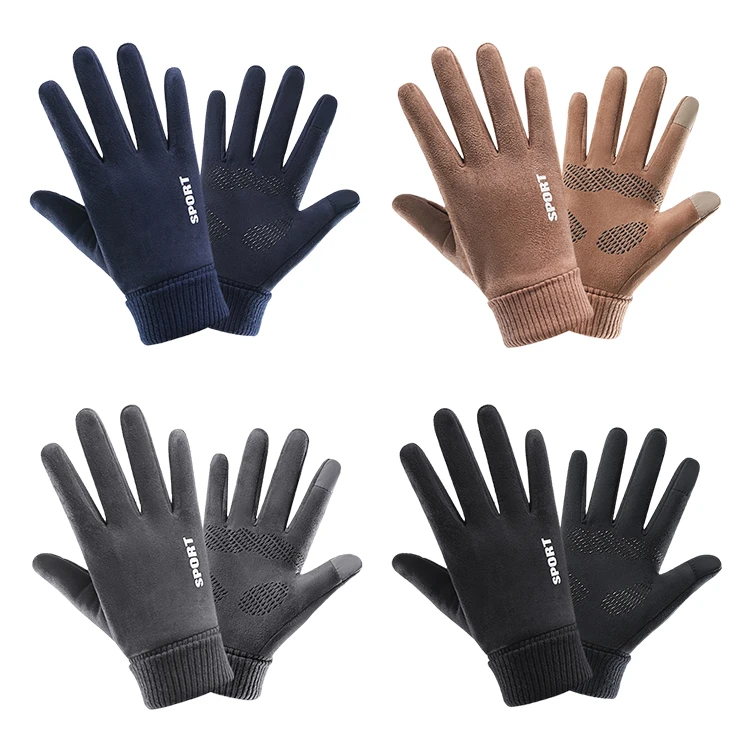
At Personal Care SCN, we offer high-quality thermal under gloves designed for optimal warmth, comfort, and performance. Our gloves feature premium merino wool blends, seamless construction, and touchscreen compatibility. We provide a range of sizes and styles to fit your individual needs. Here’s a quick overview of our key product specifications:
Conclusion: Stay Warm and Protected with the Right Thermal Under Gloves
Investing in quality thermal under gloves is an essential step in protecting your hands from the cold. By understanding the different materials, features, and applications, you can choose the perfect pair for your needs. Visit Personal Care SCN today to explore our wide selection of thermal under gloves and ensure your hands stay warm and comfortable all winter long.
Frequently Asked Questions (FAQs)
How do I care for my thermal under gloves?
Proper care will extend the lifespan of your thermal under gloves. Most gloves can be machine washed on a gentle cycle with cold water. Avoid using bleach or fabric softener, as these can damage the fibers. Hang your gloves to dry, as heat from a dryer can cause them to shrink or lose their shape. For merino wool gloves, consider using a wool-specific detergent to maintain their natural properties. Regular washing ensures hygiene and maintains the gloves’ performance.
Can I wear thermal under gloves if I have allergies?
If you have allergies, particularly to wool, carefully check the material composition of the gloves before purchasing. Synthetic options like polypropylene are hypoallergenic and a suitable alternative. Merino wool is generally considered less allergenic than traditional wool, but it’s still best to test a small area of skin before prolonged use if you have sensitive skin. At Personal Care SCN, we provide detailed material information for all our products to help you make an informed decision.
How do thermal under gloves differ from liner gloves?
While both thermal under gloves and liner gloves provide an extra layer of warmth, thermal under gloves are specifically designed for colder temperatures and typically made from materials with superior insulation properties like merino wool. Liner gloves are often thinner and made from materials like silk or nylon, providing minimal insulation but added comfort and moisture management. Thermal under gloves are ideal for outdoor work or activities in very cold conditions, while liner gloves are better suited for mild temperatures or as an additional comfort layer.
What is the best way to determine my glove size?
To determine your glove size, measure the circumference of your hand just below your knuckles. Refer to the manufacturer's size chart, which is typically available on their website or product packaging. It's best to measure both hands, as they may differ slightly in size. If you're between sizes, it's generally recommended to choose the larger size for a more comfortable fit. A snug but not overly tight fit is essential for optimal warmth and dexterity.