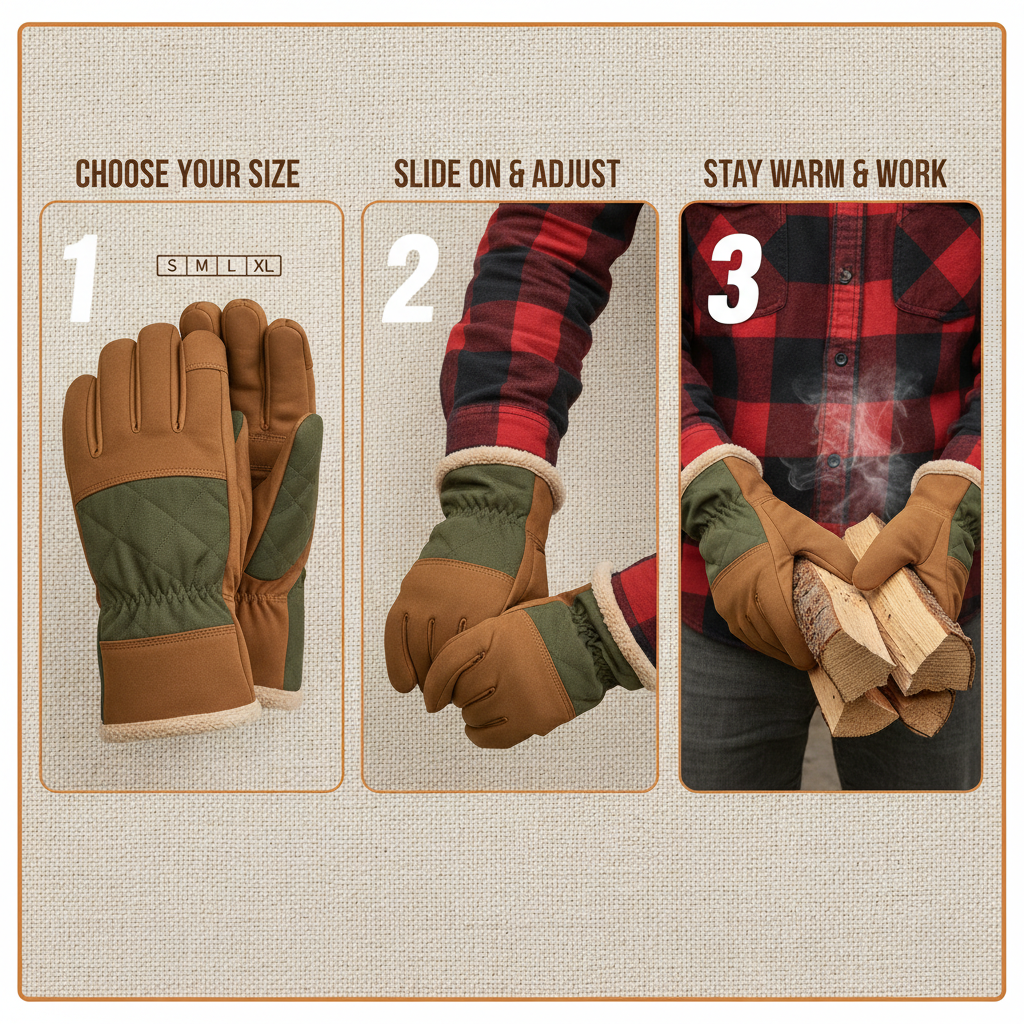
Essential Guide to Choosing Extreme Cold Weather Gloves with Dexterity
Choosing the Right Extreme Cold Weather Gloves with Dexterity
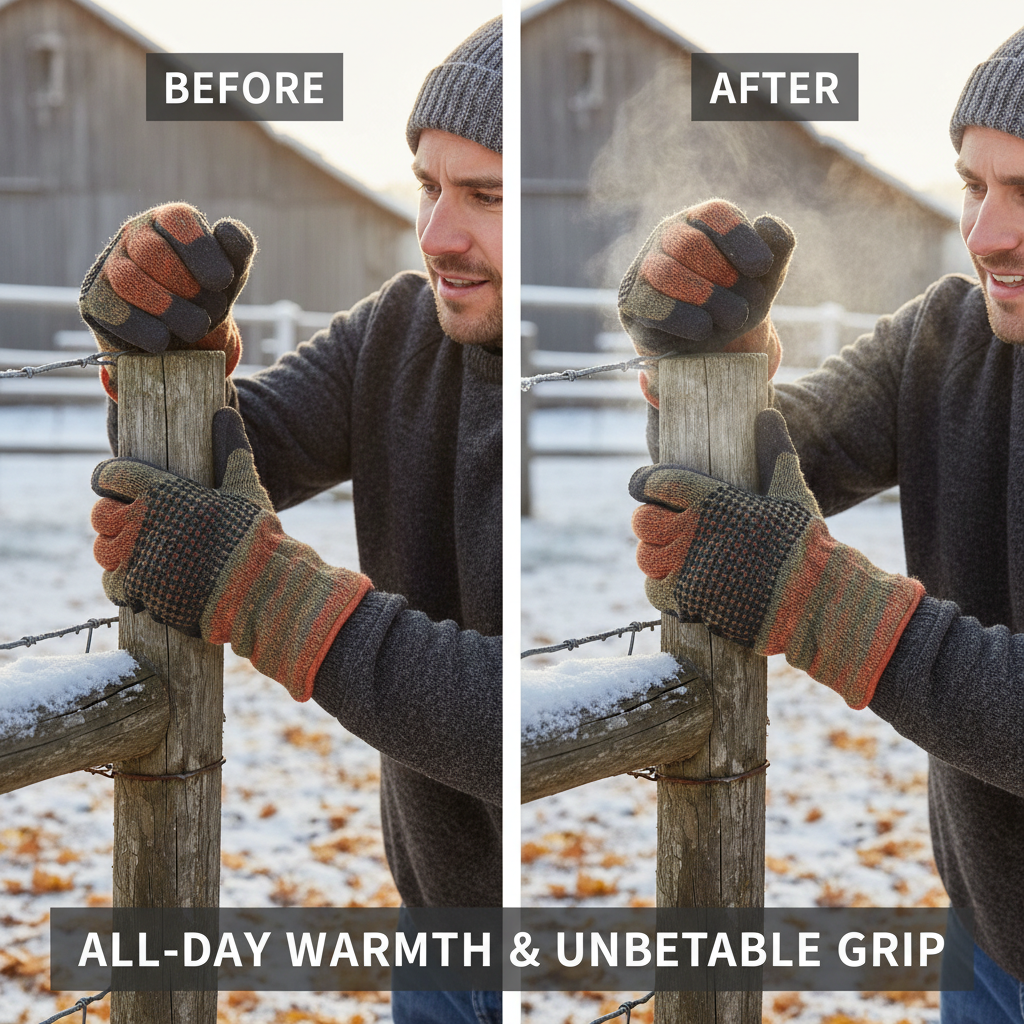
When facing harsh winter conditions, maintaining both warmth and the ability to perform tasks requiring fine motor skills is crucial. Extreme cold weather gloves with dexterity are specifically engineered to provide this balance. These gloves aren't just about keeping your hands warm; they're about ensuring you can continue working effectively and safely in freezing temperatures. This article will explore the key features, materials, applications, and considerations when selecting the best gloves for your needs. Understanding the nuances of these specialized gloves is vital for professionals and outdoor enthusiasts alike. Personal Care SCN offers a comprehensive range of solutions for all your protective gear needs.
Key Features of Extreme Cold Weather Gloves
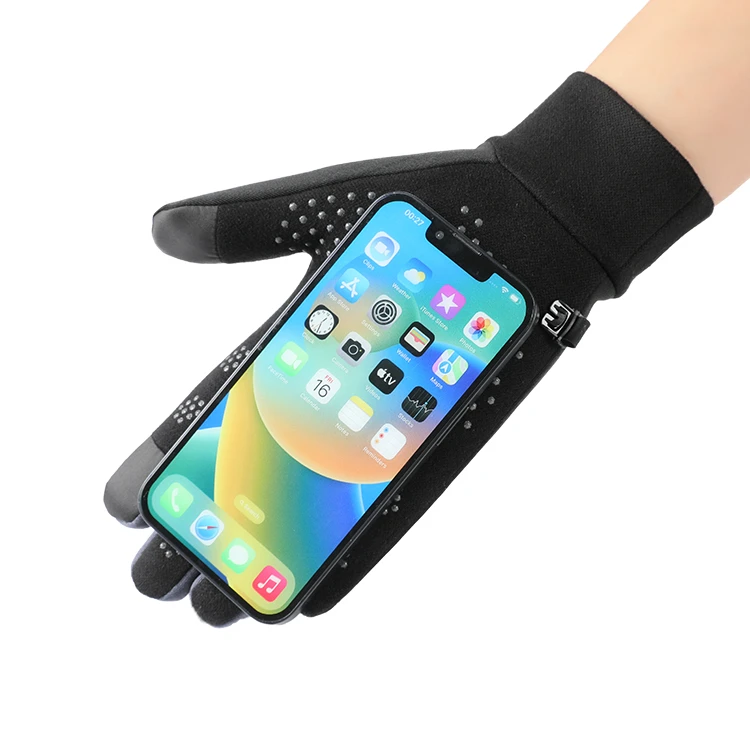
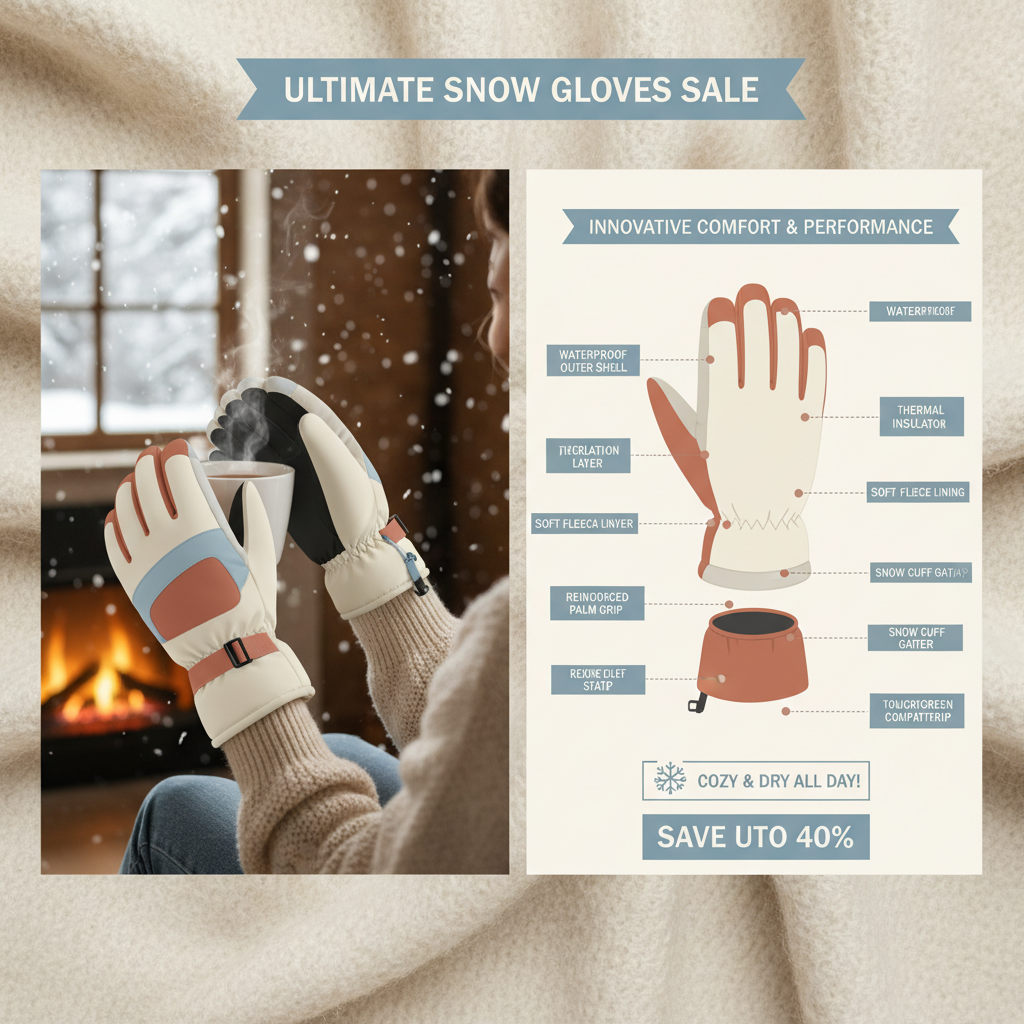
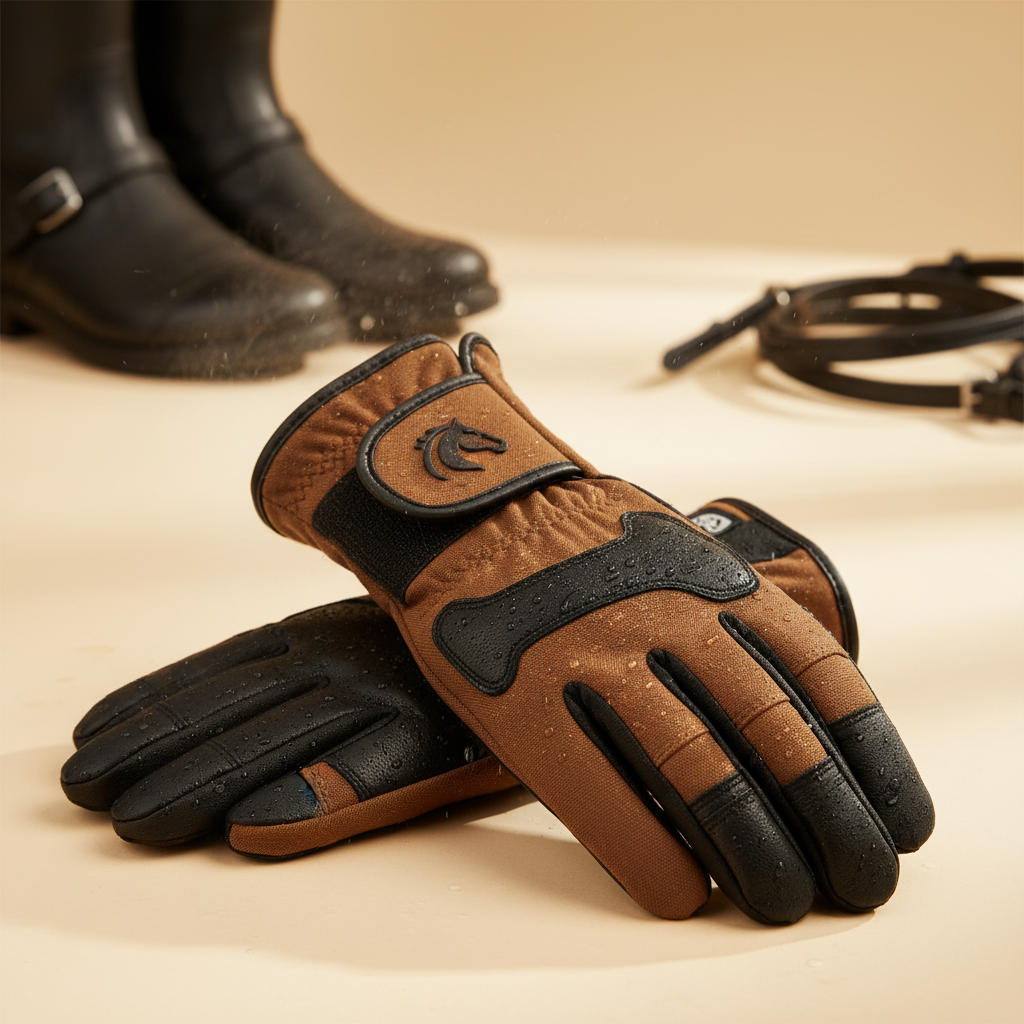
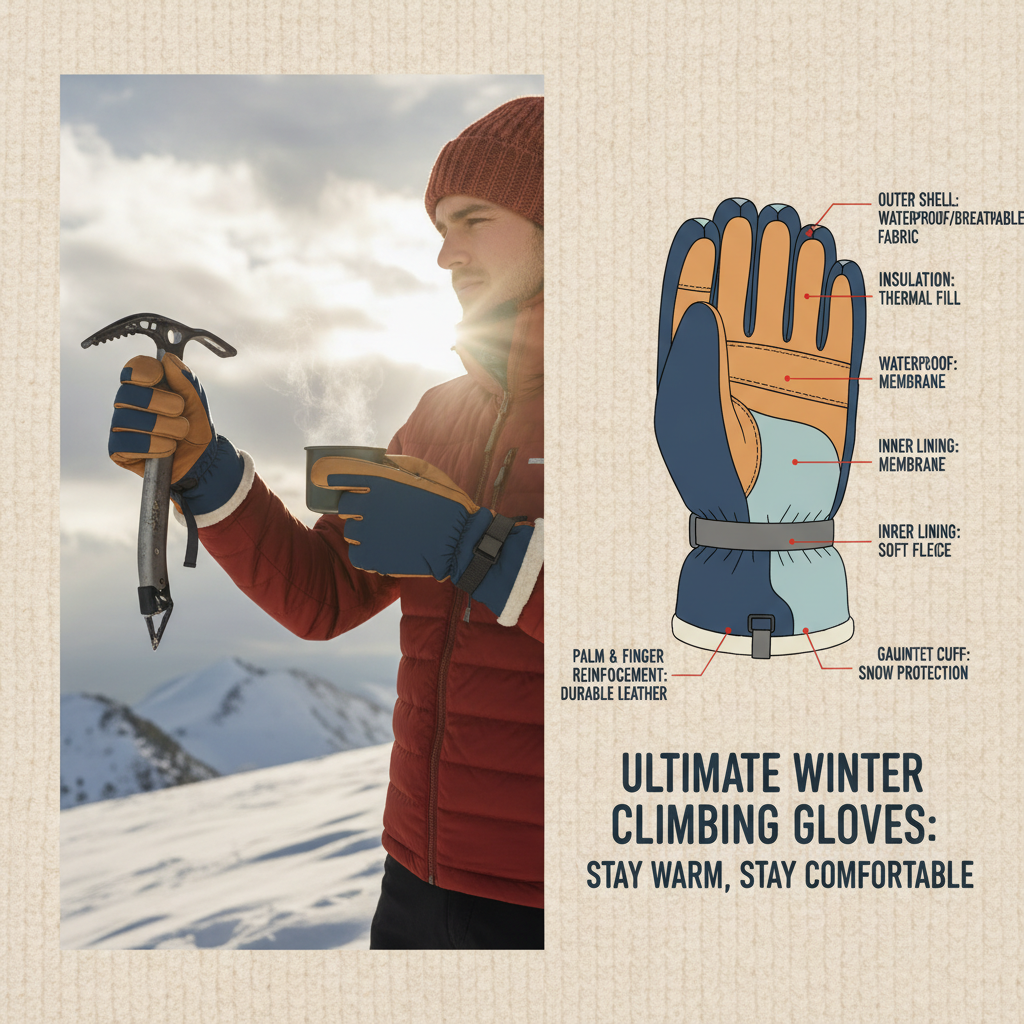
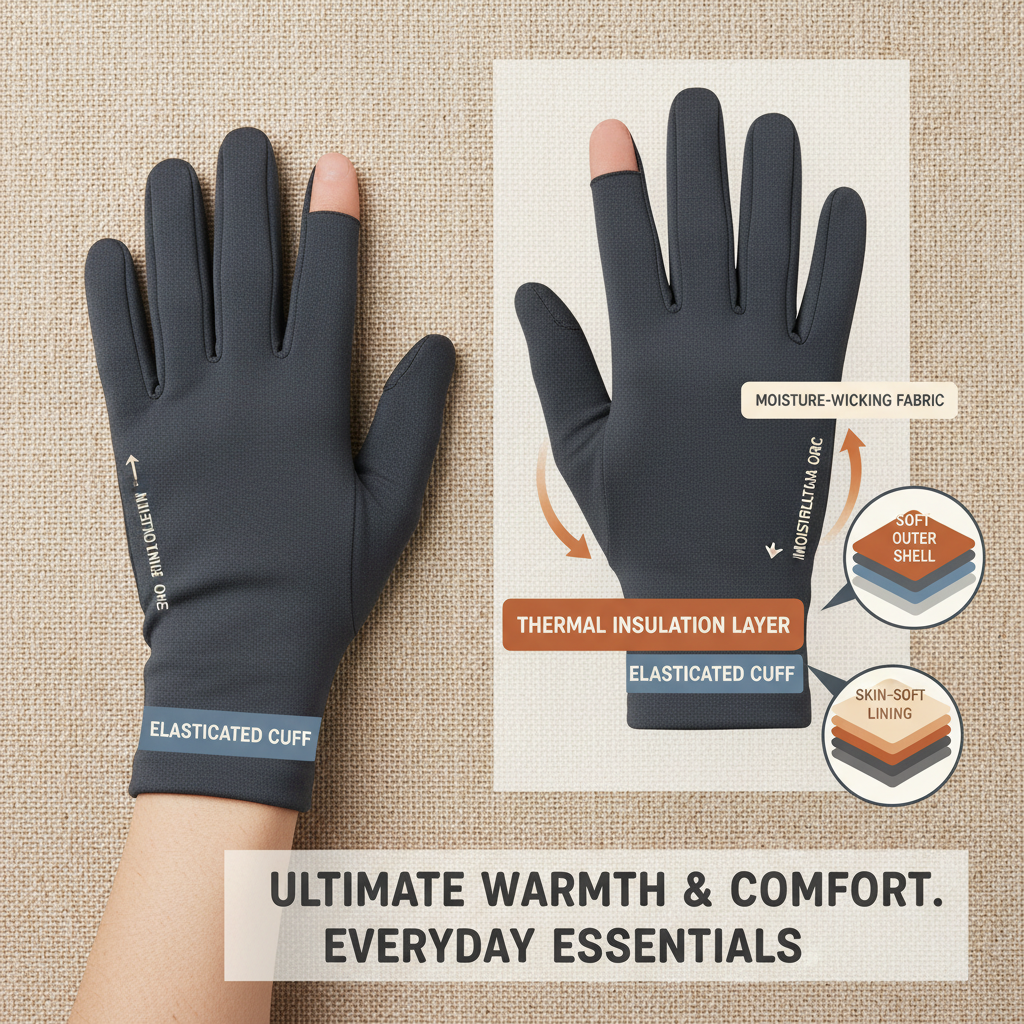
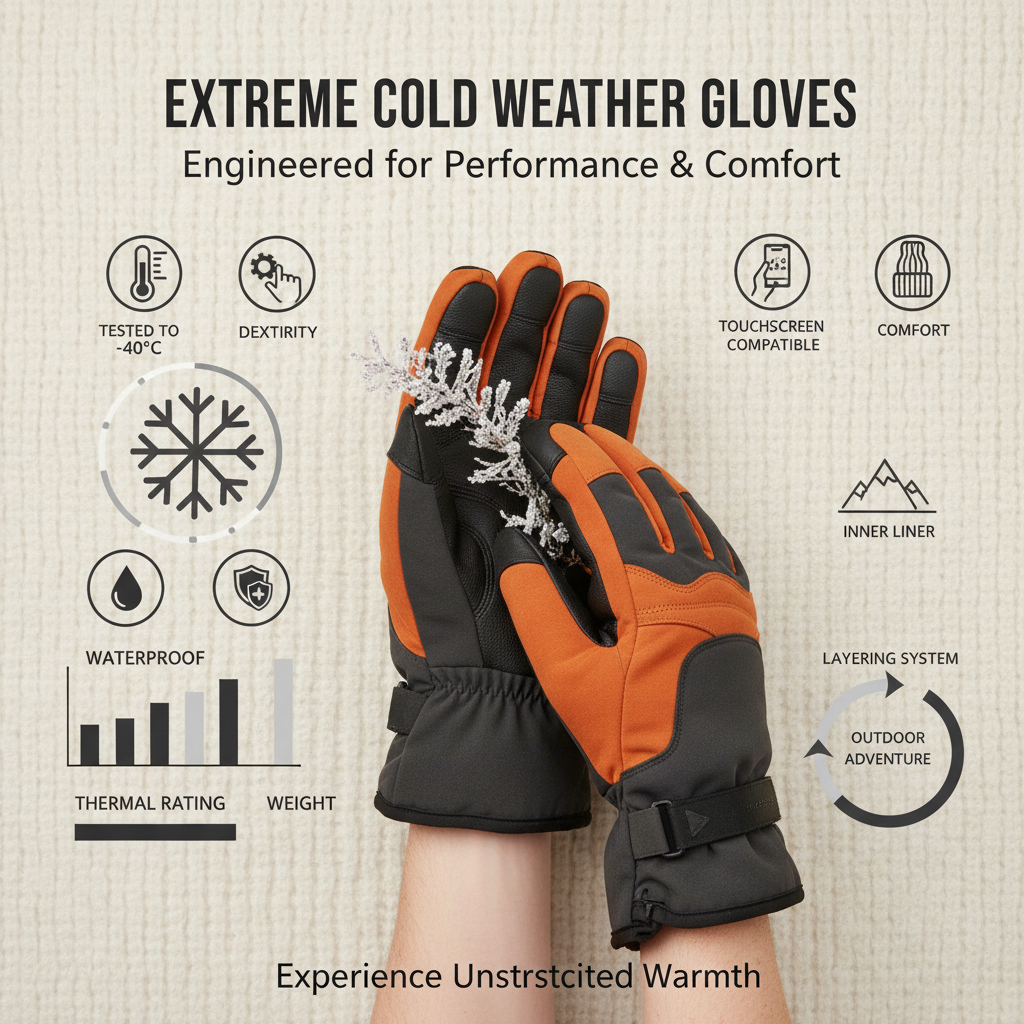
The core function of extreme cold weather gloves is, naturally, insulation. However, the best gloves go beyond basic warmth. They incorporate features like multi-layered construction, waterproof/breathable membranes, and reinforced palms for durability. Dexterity is achieved through carefully selected materials and ergonomic designs that allow for a full range of motion without compromising warmth. Look for gloves with touchscreen compatibility, allowing you to operate devices without removing them. Properly designed cuffs are also important, preventing snow and cold air from entering the gloves. Personal Care SCN understands the importance of these details, ensuring our gloves meet the highest standards.
Key Highlights: Multi-layered construction, waterproof/breathable membranes, reinforced palms, ergonomic design for dexterity, and touchscreen compatibility.
Materials Matter: Understanding Insulation and Outer Layers
The materials used in extreme cold weather gloves directly impact their performance. Common insulation materials include Thinsulate™, PrimaLoft®, and down. Thinsulate™ and PrimaLoft® are synthetic options that maintain warmth even when wet, while down offers exceptional warmth-to-weight ratio but loses insulation when damp. Outer layers are typically made from materials like nylon, polyester, or leather, often treated with a Durable Water Repellent (DWR) finish. Waterproof/breathable membranes like Gore-Tex® are often incorporated to keep hands dry and comfortable. Choosing the right materials depends on the specific conditions and intended use. Explore our material options at Personal Care SCN.
Material Benefits:
• Thinsulate™ & PrimaLoft®: Warm even when wet.
• Down: Excellent warmth-to-weight ratio.
• Gore-Tex®: Waterproof and breathable.
• Nylon/Polyester: Durable and water-resistant outer layers.
Comparing Different Types of Extreme Cold Weather Gloves with Dexterity
There's a wide range of extreme cold weather gloves with dexterity available, each suited for different tasks. Mittens generally offer more warmth than gloves due to their ability to keep fingers together, but sacrifice dexterity. Gloves with individual fingers offer better dexterity but may be less warm. Liner gloves worn under heavier gloves provide an extra layer of insulation and can improve dexterity. Consider the balance between warmth and dexterity based on your specific needs. For tasks requiring fine manipulation, choose gloves specifically designed for dexterity. For purely static, warmth-focused situations, mittens might suffice.
Applications for Extreme Cold Weather Gloves with Dexterity
These gloves are essential for a wide range of applications. Construction workers, outdoor researchers, utility workers, and anyone who spends extended periods in freezing conditions will benefit from their protection. Specific tasks like ice climbing, skiing, snowmobiling, and operating machinery in cold environments demand gloves that provide both warmth and dexterity. Personal Care SCN caters to numerous industries, offering specialized gloves for every need.
Choosing the Right Fit and Maintaining Your Gloves
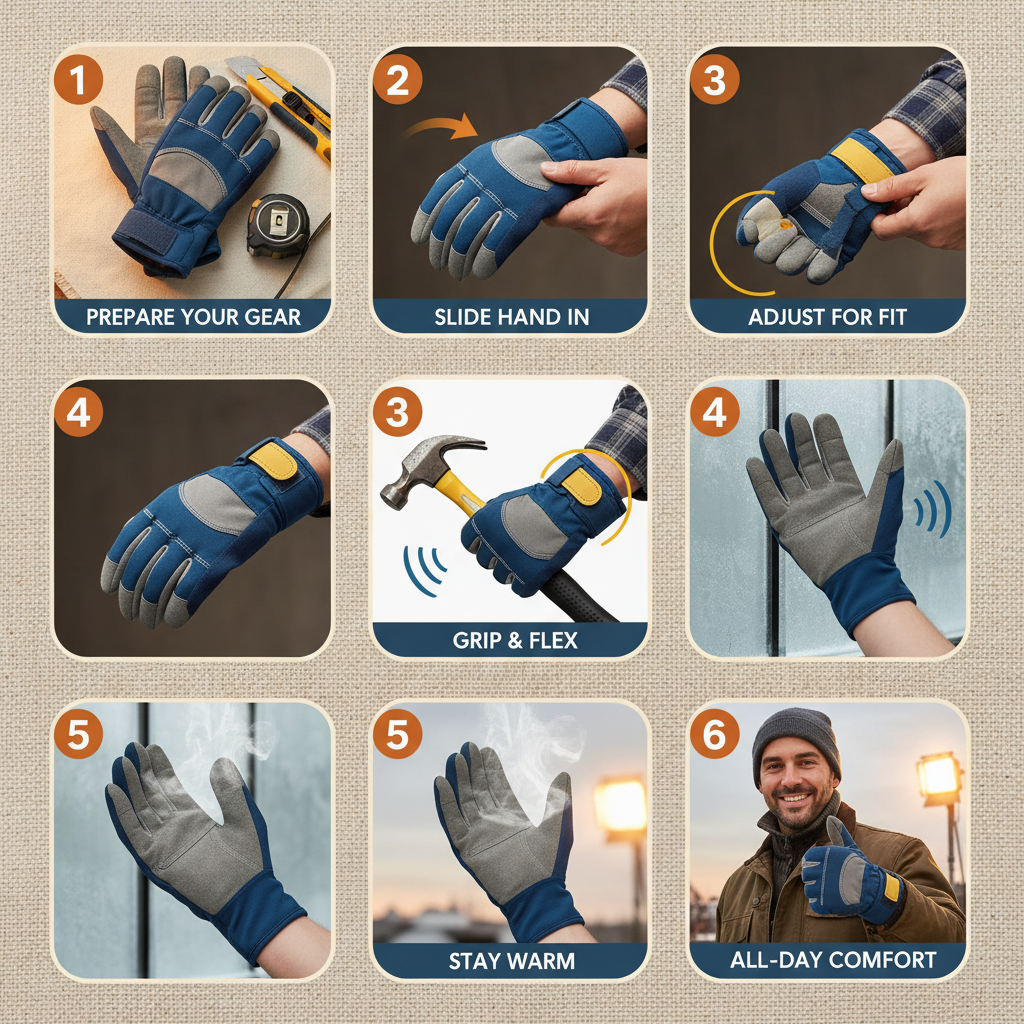
Proper fit is crucial for both comfort and performance. Gloves that are too tight can restrict circulation, while gloves that are too loose won't provide adequate insulation. Always check sizing charts and consider wearing liner gloves when determining the right size. To maintain your gloves, avoid exposing them to extreme heat or harsh chemicals. Store them in a dry, well-ventilated place. Regular cleaning, following the manufacturer's instructions, will help prolong their lifespan. View our glove care guide for more detailed instructions.
Conclusion: Investing in Warmth and Dexterity
Investing in high-quality extreme cold weather gloves with dexterity is an investment in your safety and productivity. Choosing the right gloves ensures you can work comfortably and effectively, even in the harshest conditions. Personal Care SCN is committed to providing durable, reliable, and comfortable gloves for all your cold-weather needs.
Frequently Asked Questions (FAQs)
What temperature rating should I look for in cold weather gloves?
Temperature ratings are helpful guidelines, but individual sensitivity to cold varies. Generally, gloves rated for -40°F to 0°F are suitable for extremely cold conditions, while gloves rated for 0°F to 32°F are better for moderate cold. It's also essential to consider activity level – more active individuals may need less insulation. Always err on the side of caution and choose gloves rated for colder temperatures than you anticipate. Layering with liner gloves can also significantly increase warmth.
Are waterproof gloves also breathable?
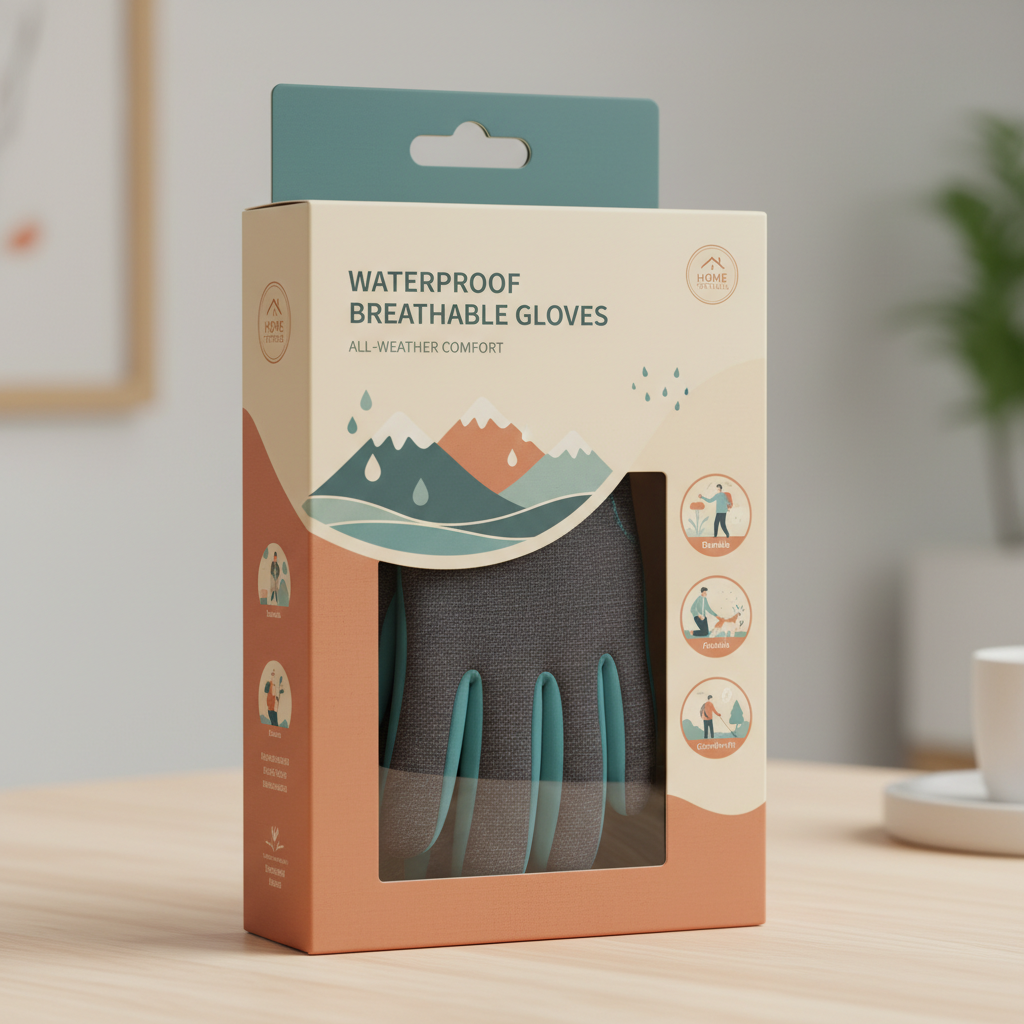
Not all waterproof gloves are breathable. Breathability is crucial to prevent sweat buildup, which can lead to cold hands. Look for gloves with waterproof/breathable membranes like Gore-Tex® or similar technologies. These membranes allow moisture vapor to escape while keeping water out. Gloves that are only waterproof without breathability can create a clammy, uncomfortable environment.
How important is the cuff length on cold weather gloves?
Cuff length is very important. Longer cuffs provide better protection against snow and cold air entering the gloves, especially when reaching or bending. Gauntlet-style cuffs that extend over the jacket sleeve are ideal for severe conditions. Shorter cuffs are more convenient for some tasks but may allow cold air to penetrate more easily. Consider your typical activities and the level of protection you need when choosing cuff length.
What features indicate a glove is designed for dexterity?
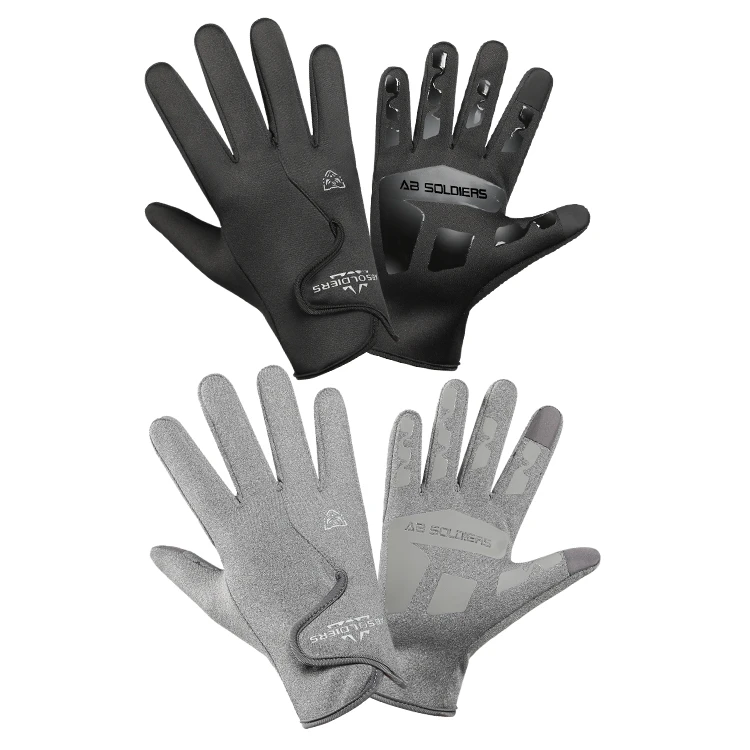
Gloves designed for dexterity typically feature a pre-curved palm, articulated fingers, and minimal bulky insulation in key areas. Leather palms provide excellent grip and tactile sensitivity. Touchscreen compatibility is also a key indicator. A snug but not constricting fit is essential for maintaining dexterity. Look for gloves specifically marketed as “dexterity gloves” or “tactical gloves” if fine motor skills are a priority.