Comprehensive Guide to Selecting the Best Gloves for Shoveling Snow
Choosing the Right Gloves for Shoveling Snow: A Comprehensive Guide
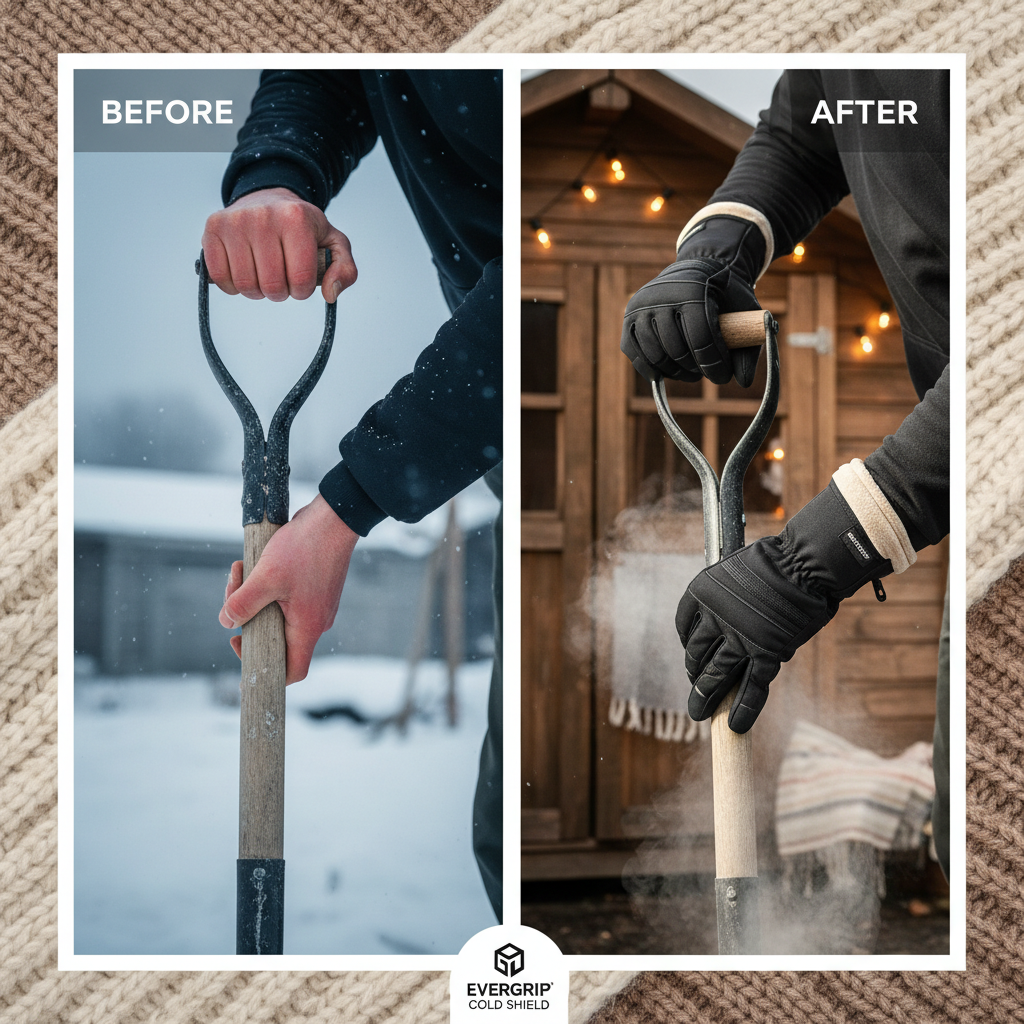
Shoveling snow is a strenuous activity that can expose your hands to freezing temperatures and increase the risk of injury. Selecting the right gloves for shoveling snow is crucial for maintaining warmth, comfort, and safety. This article provides a detailed overview of the features to look for, different types of gloves available, and how to choose the best pair for your needs. Protecting your hands ensures you can tackle winter weather without discomfort or risk of injury. We'll explore everything from insulation types to wrist closures, helping you find the perfect fit.
Key Features to Look For in Snow Shoveling Gloves
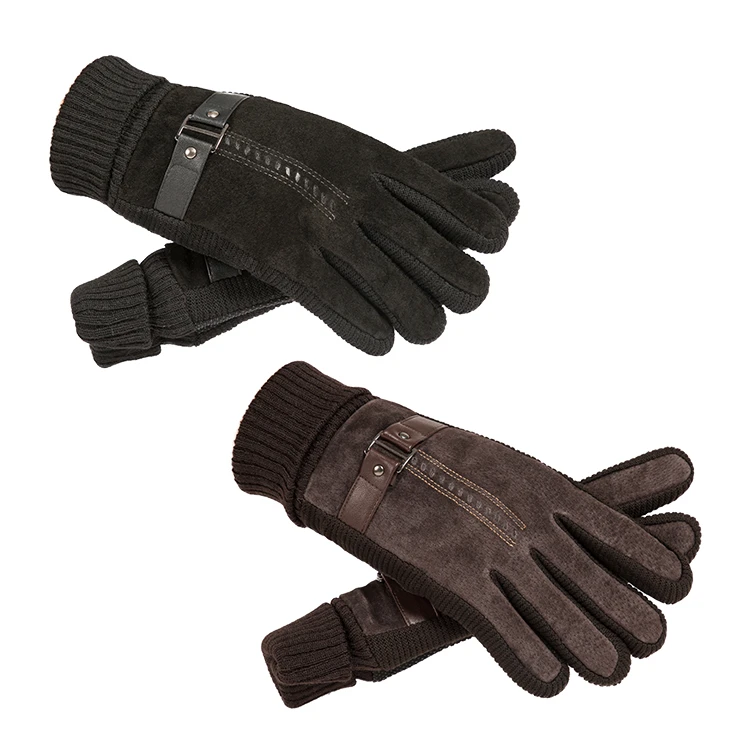
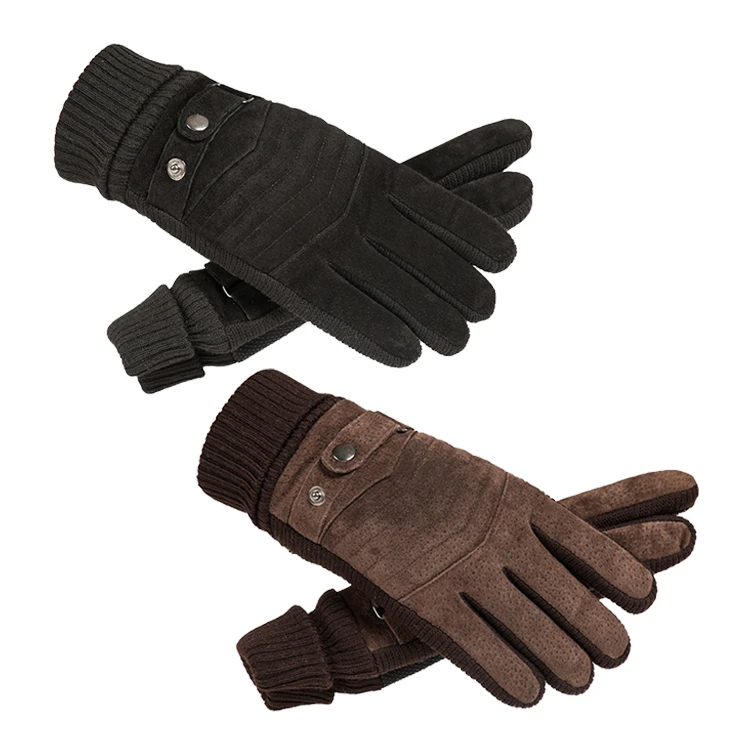
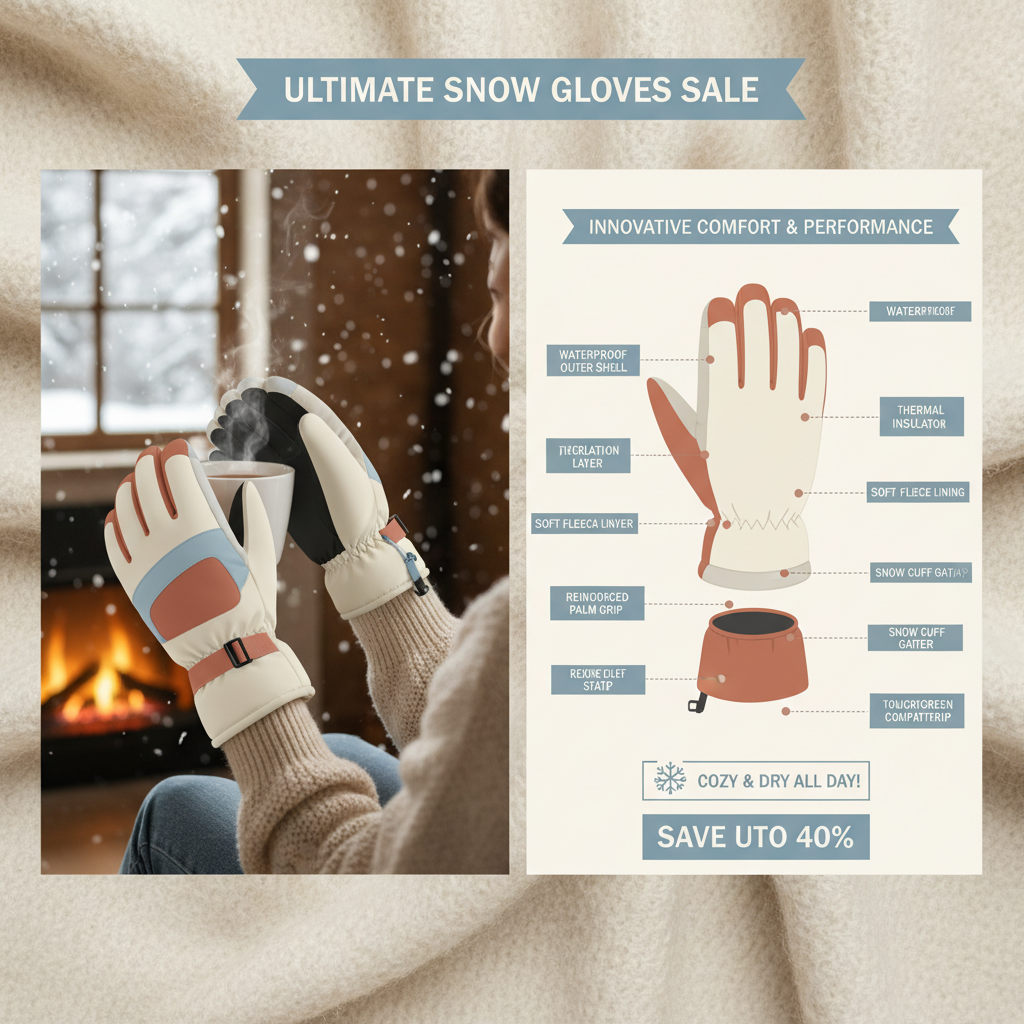
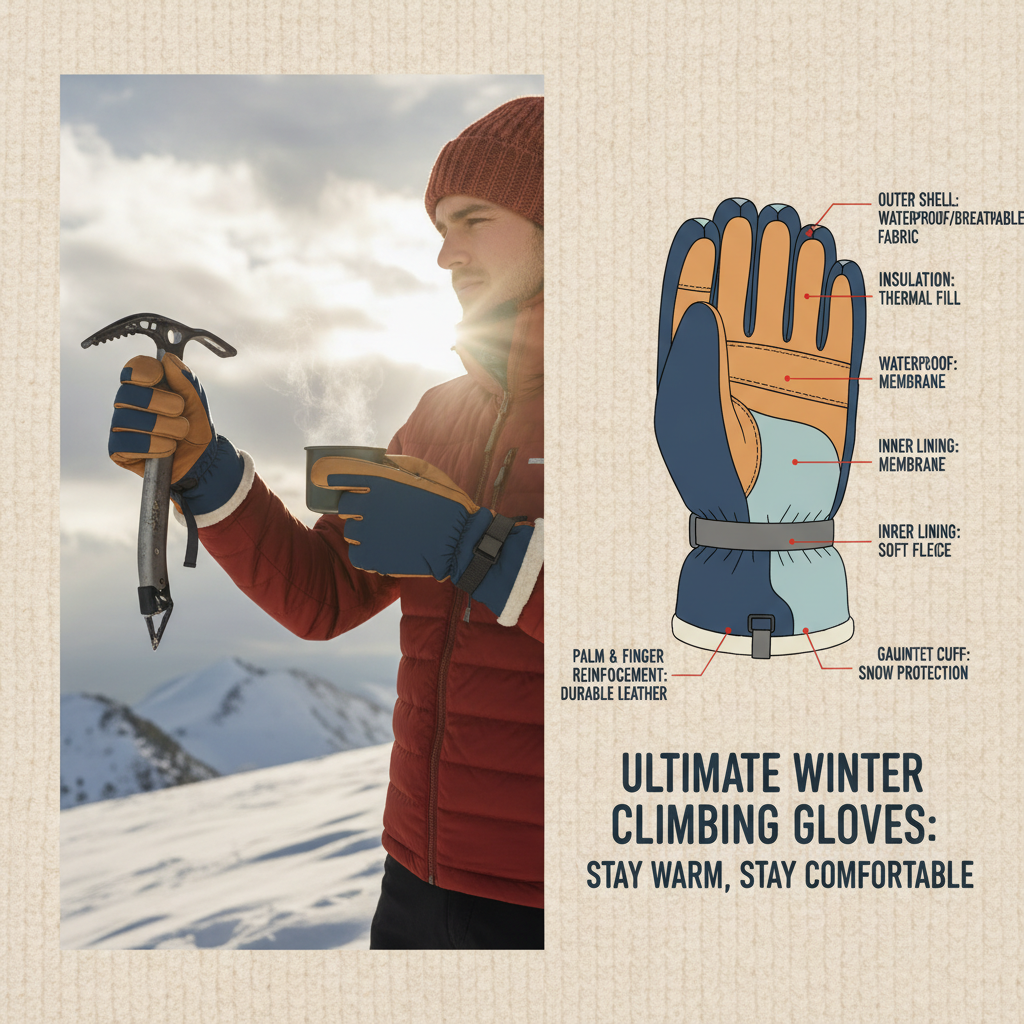
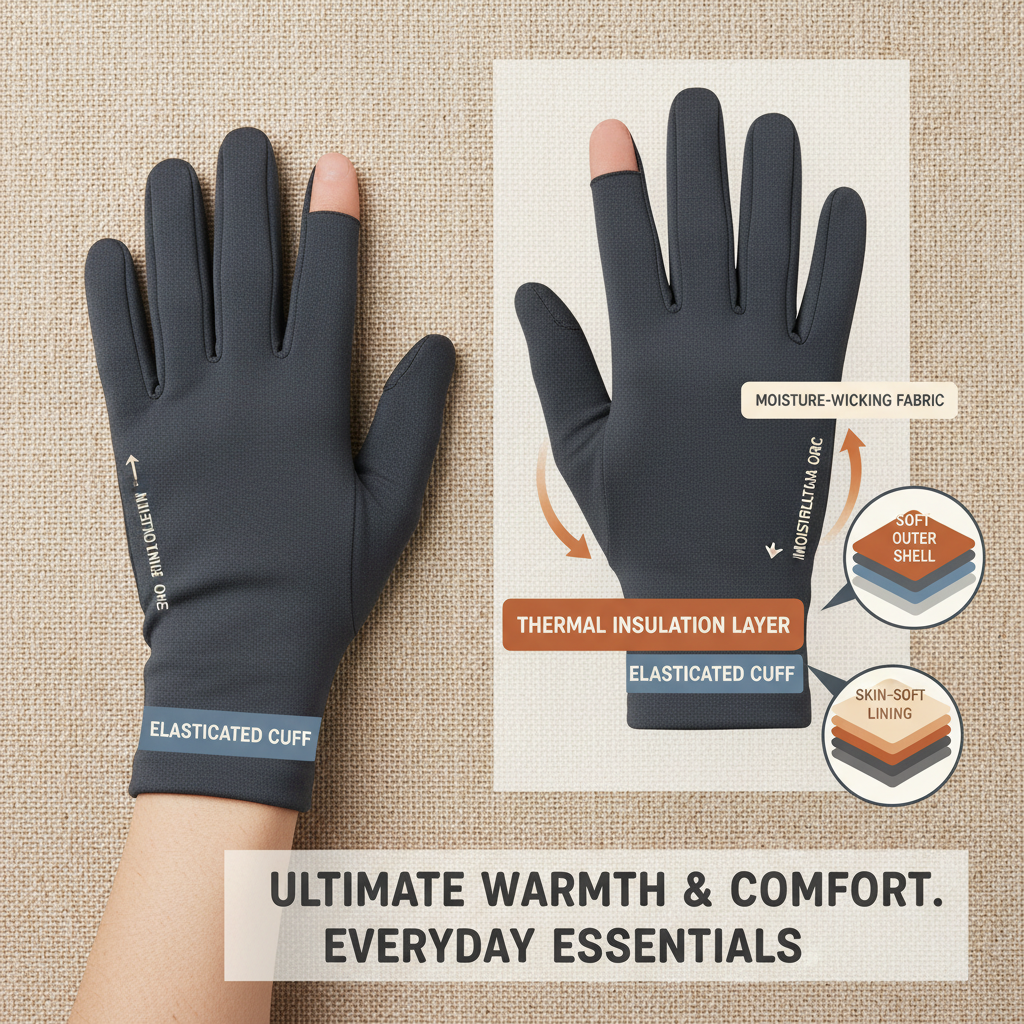
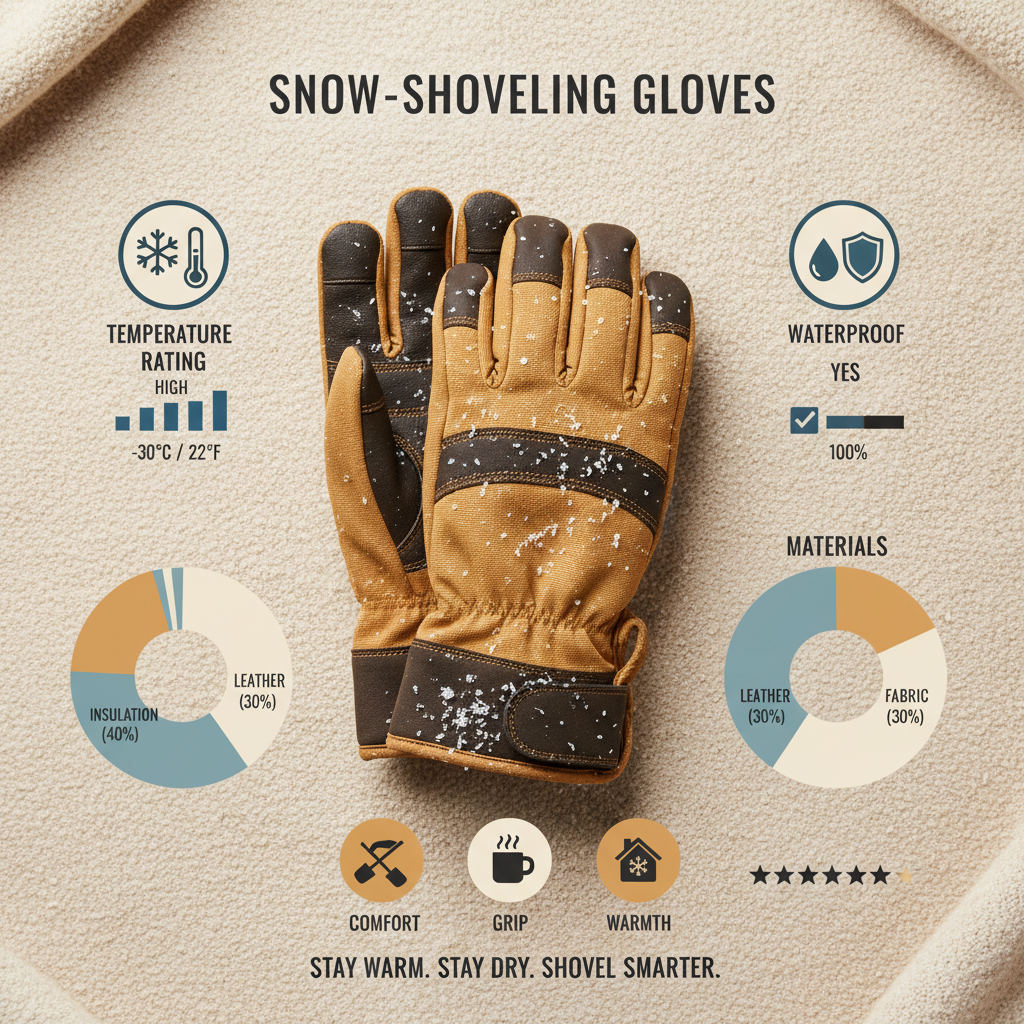
When choosing gloves for shoveling snow, several key features should be prioritized. Waterproof or water-resistant materials are essential to prevent your hands from getting wet and cold. Insulation is crucial for maintaining warmth, with options ranging from fleece to synthetic materials like Thinsulate™. A snug fit is important for dexterity and control, while a secure wrist closure helps to keep snow and cold air out. Durability is also vital, as shoveling snow can be tough on gloves. Look for reinforced palms and robust stitching. Consider features like textured palms for improved grip and extended cuffs for added protection.
Key Highlights: Waterproofing, insulation, snug fit, durable construction, and a secure wrist closure are all crucial features for effective snow shoveling gloves.
Understanding Insulation Types for Maximum Warmth
The level of insulation in your gloves for shoveling snow directly impacts their ability to keep your hands warm. Fleece provides moderate warmth and is a cost-effective option. Synthetic insulation, like Thinsulate™, offers excellent warmth-to-weight ratio and maintains its insulating properties even when wet. Down insulation is exceptionally warm but loses its effectiveness when damp. Consider the typical temperatures you'll be shoveling in and choose an insulation level accordingly. For mild temperatures, fleece may suffice, while colder conditions require synthetic or down insulation.
Insulation Type Benefits:
• Fleece: Moderate warmth, cost-effective
• Thinsulate™: Excellent warmth-to-weight, maintains warmth when wet
• Down: Exceptional warmth, but loses effectiveness when damp
Gloves for Shoveling Snow: A Comparison of Different Types
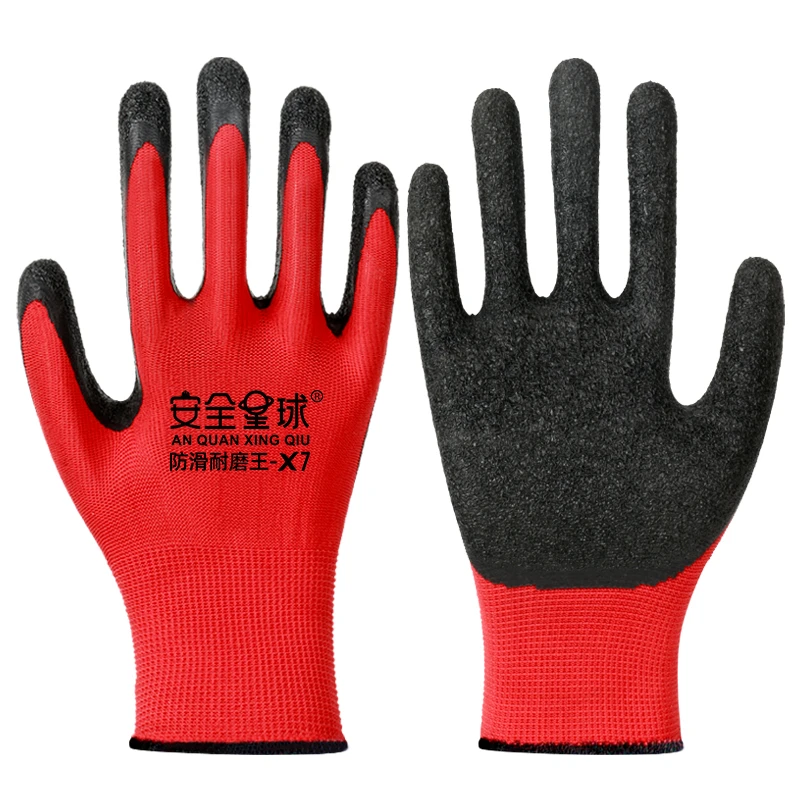
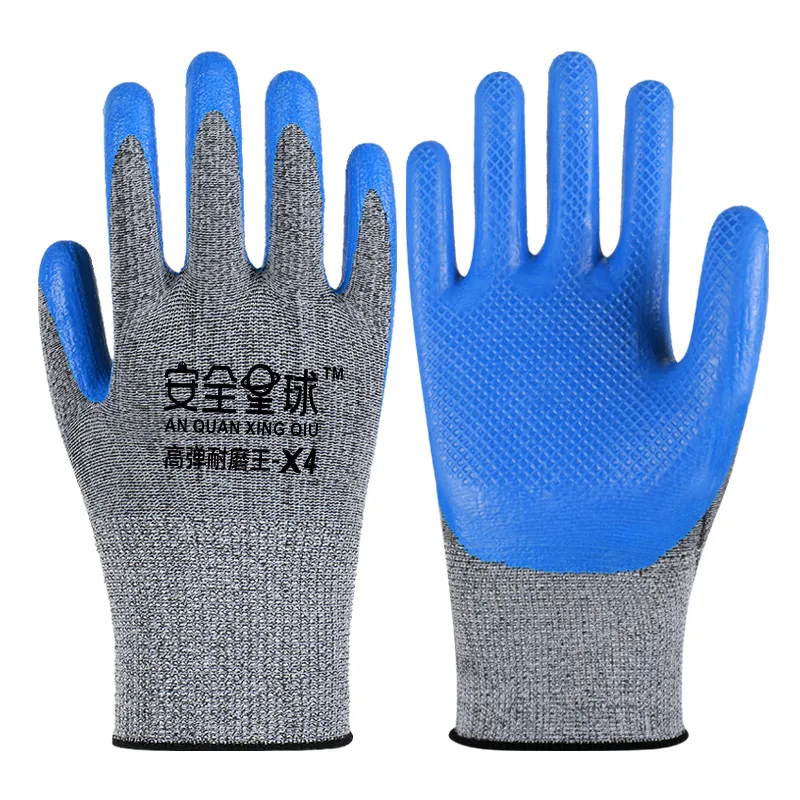
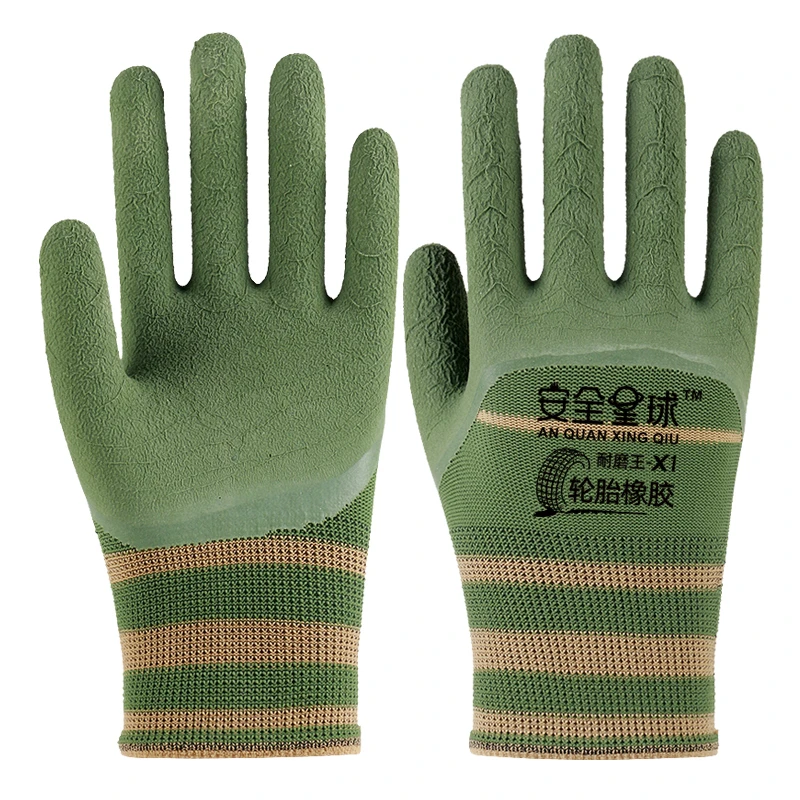
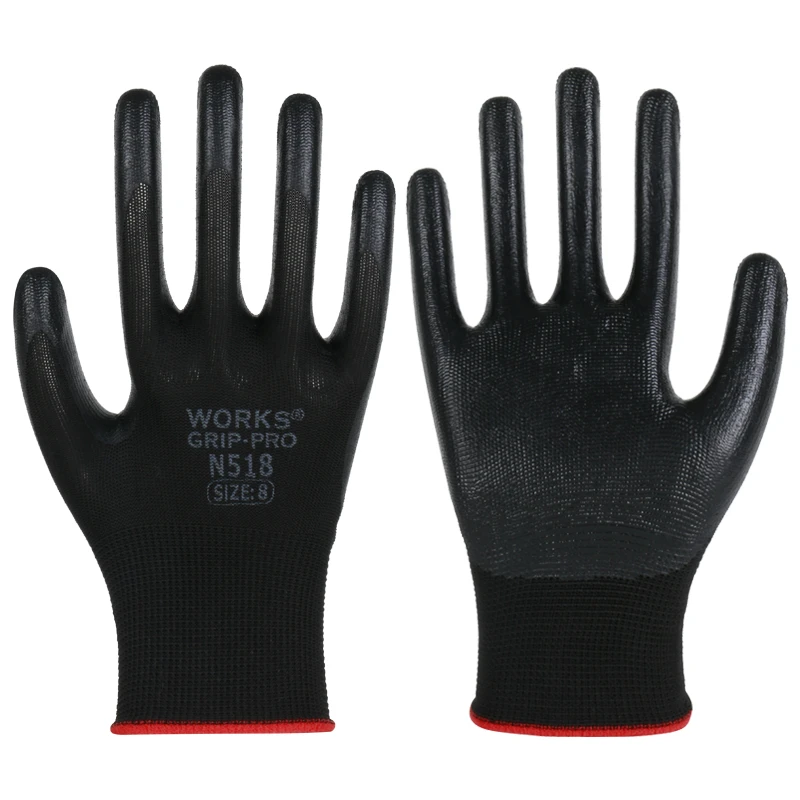
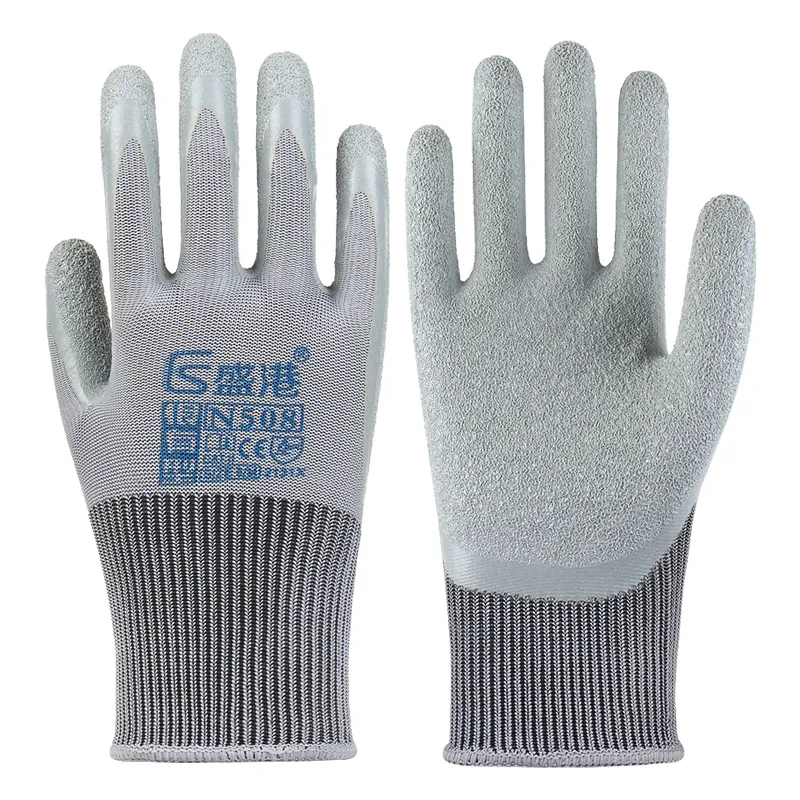
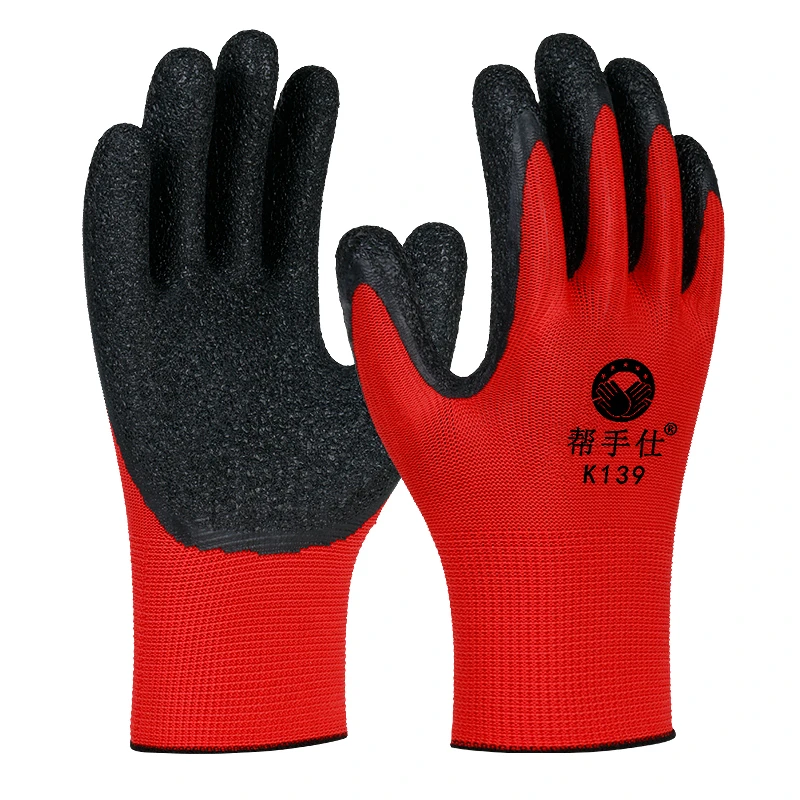
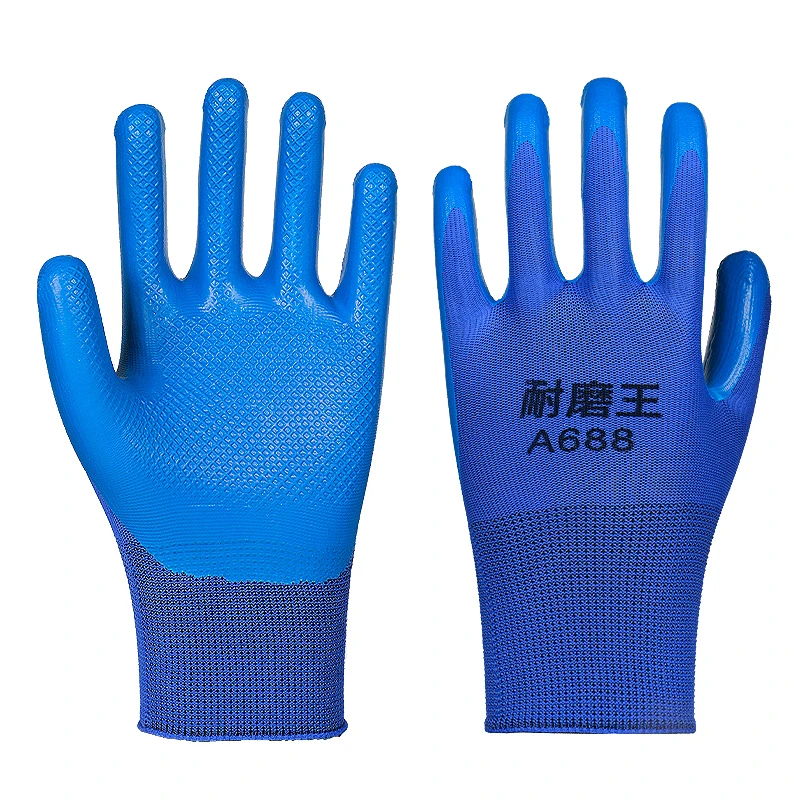
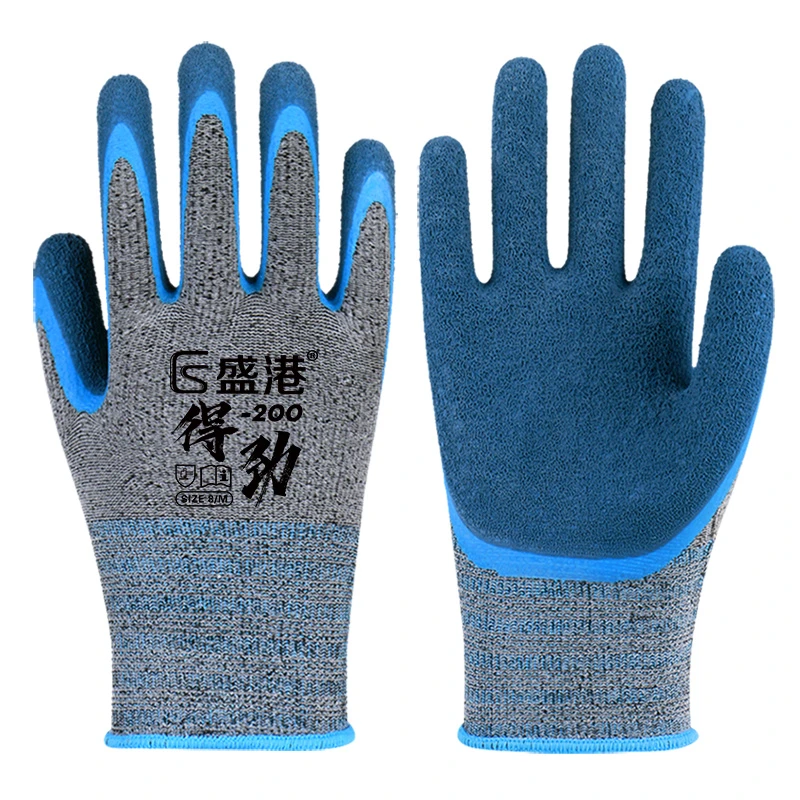
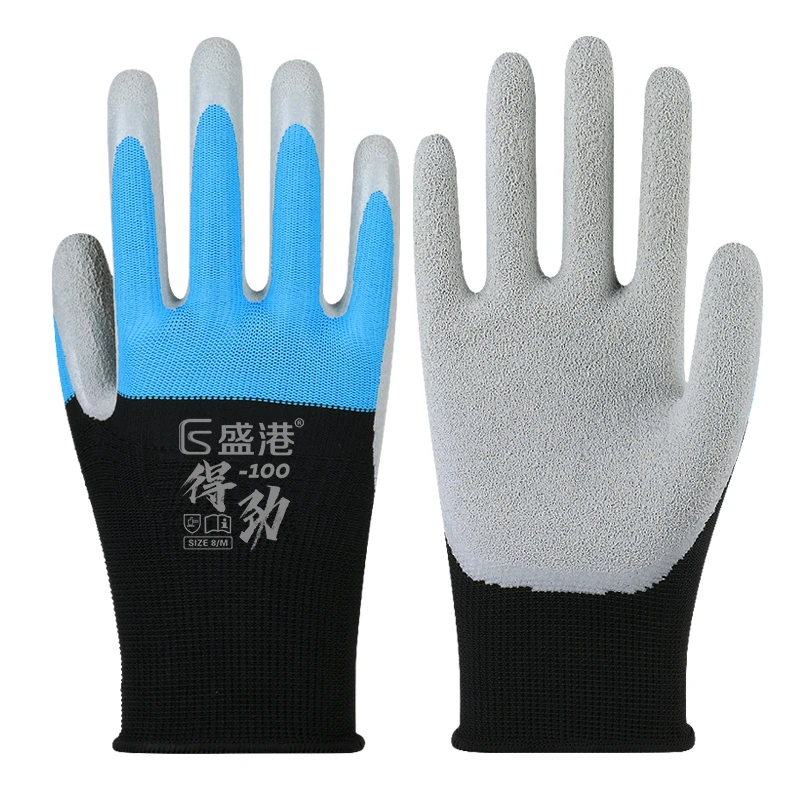
Several types of gloves for shoveling snow are available, each with its own advantages and disadvantages. Work gloves offer durability and grip but may lack sufficient insulation. Waterproof winter gloves provide excellent protection from the elements but can be bulky. Mittens are warmer than gloves but reduce dexterity. Hybrid gloves combine the warmth of mittens with the dexterity of gloves. Consider your priorities and choose the type that best suits your needs.
Choosing the Right Size and Fit for Optimal Performance
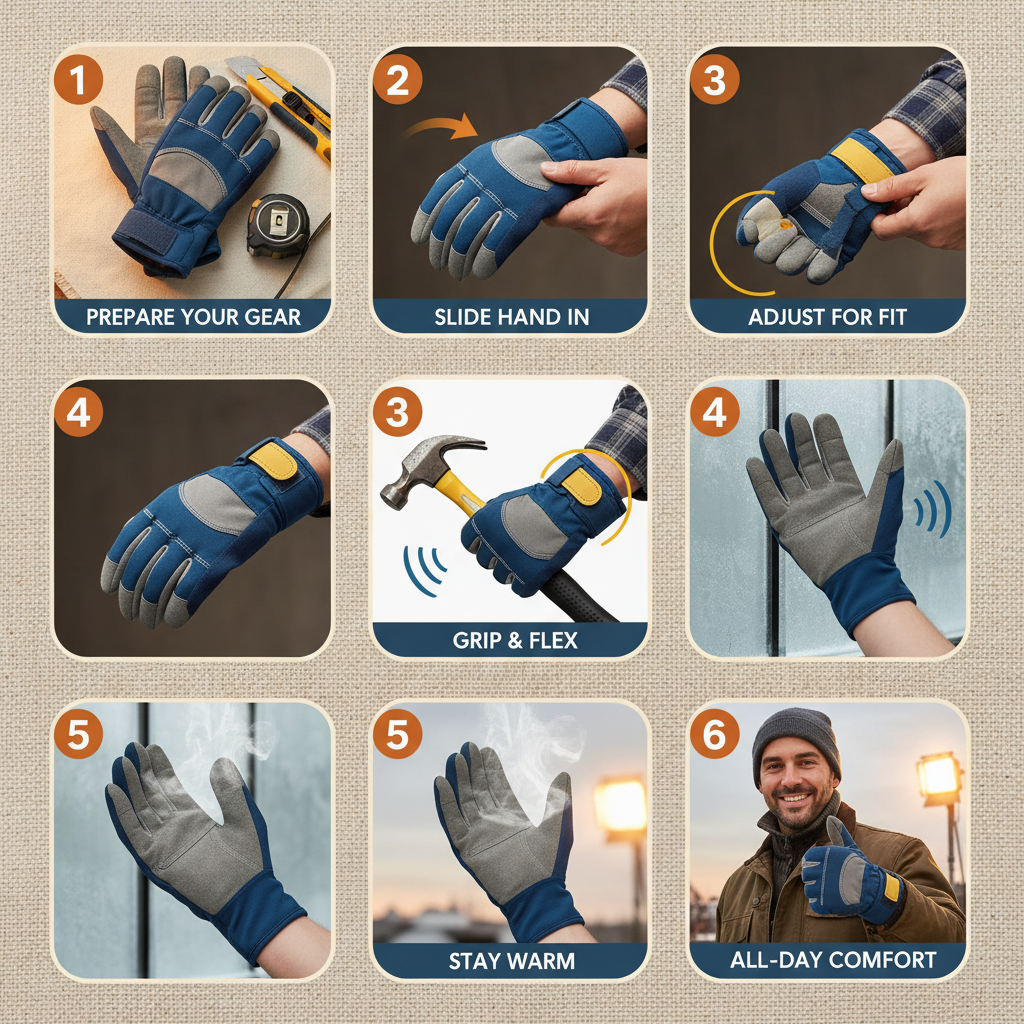
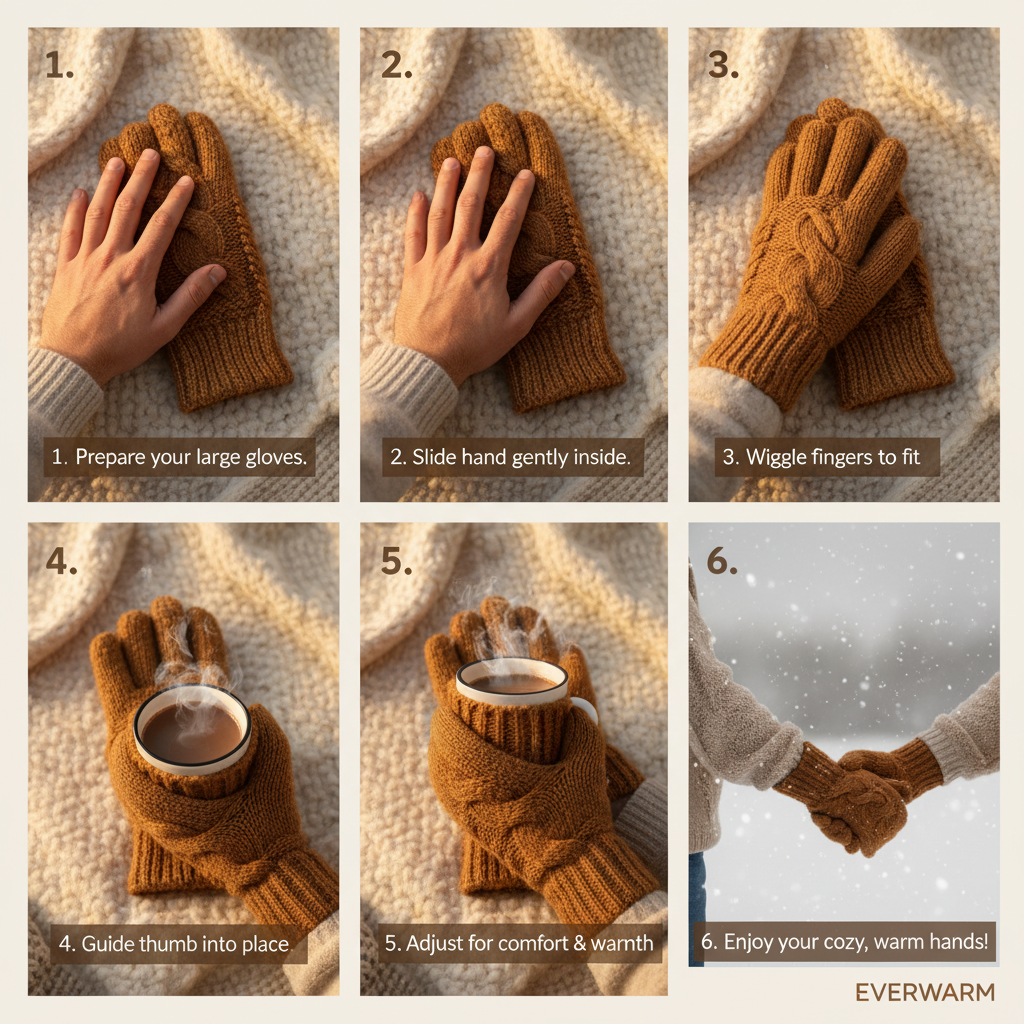
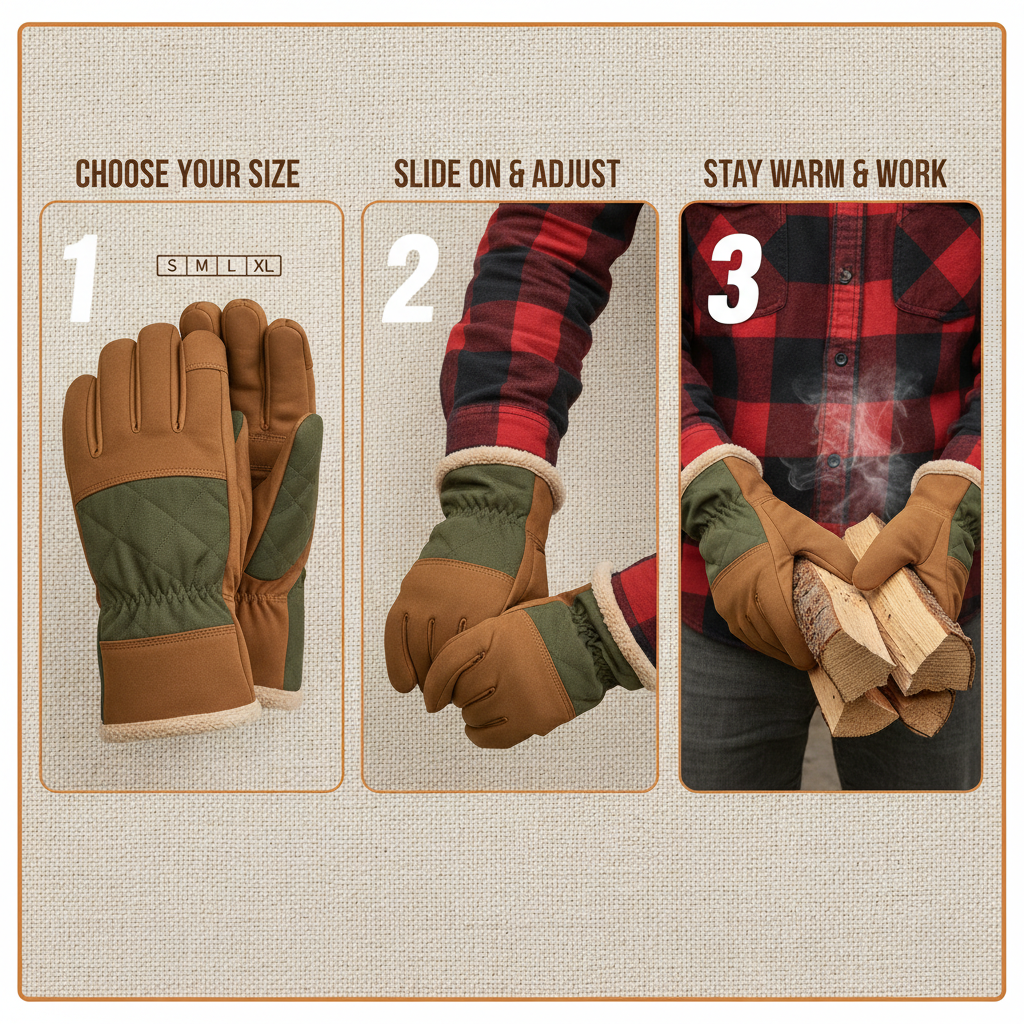
A proper fit is essential for maximizing the effectiveness of your gloves for shoveling snow. Gloves that are too large will offer less dexterity and allow cold air to enter. Gloves that are too small will restrict movement and cause discomfort. Measure your hand circumference and length to determine the correct size. Look for gloves with adjustable wrist closures to ensure a snug and secure fit. Try on gloves with the type of socks you'll be wearing while shoveling to ensure a comfortable fit.
Caring for Your Snow Shoveling Gloves
To prolong the life of your gloves for shoveling snow, proper care is essential. After each use, allow the gloves to air dry completely. Avoid placing them near direct heat sources, as this can damage the insulation. Store the gloves in a dry and well-ventilated area. Regularly inspect the gloves for any signs of wear and tear, such as rips or tears. Repair any damage promptly to prevent it from worsening.
Conclusion: Stay Warm and Safe This Winter
Choosing the right gloves for shoveling snow is a crucial investment in your comfort and safety. By considering factors like insulation, waterproofing, fit, and durability, you can find the perfect pair to tackle winter weather with confidence. Don't let cold hands ruin your snow-clearing experience – prioritize protection and choose wisely!
Frequently Asked Questions (FAQs)
What is the best material for waterproof snow shoveling gloves?
Nylon and polyester are excellent choices for waterproof snow shoveling gloves. These synthetic materials are inherently water-resistant and often treated with a Durable Water Repellent (DWR) finish to enhance their waterproofing capabilities. Leather can also be waterproofed, but requires regular maintenance. The key is to look for gloves with a waterproof membrane, such as Gore-Tex, for the best protection against wet conditions.
How do I determine the correct glove size?
To determine your glove size, measure the circumference of your hand just below your knuckles. Compare this measurement to the manufacturer's size chart, which is usually available on their website or packaging. If your measurement falls between sizes, it’s generally recommended to choose the larger size for a more comfortable fit, especially if you'll be wearing thick socks.
Can I wear gloves with touchscreen compatibility while shoveling snow?
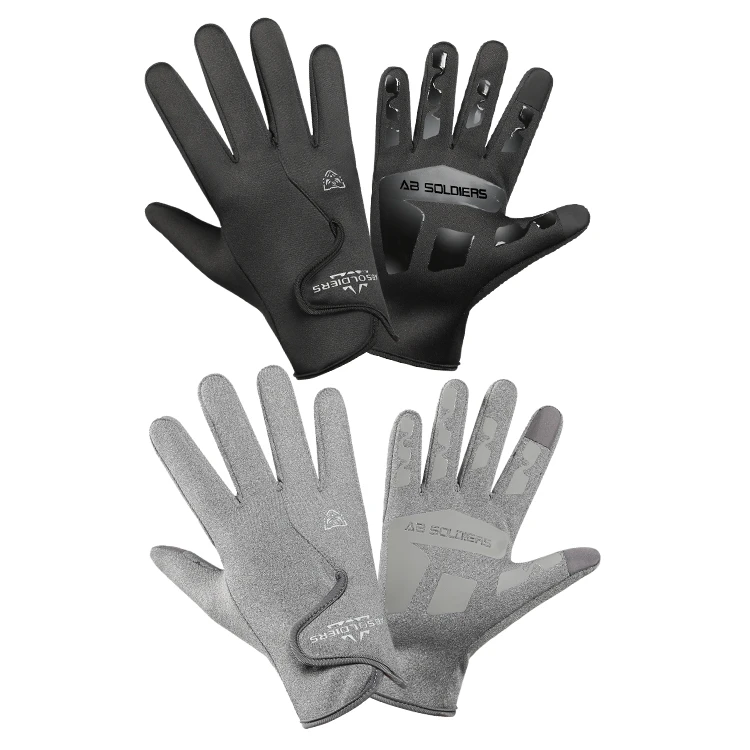
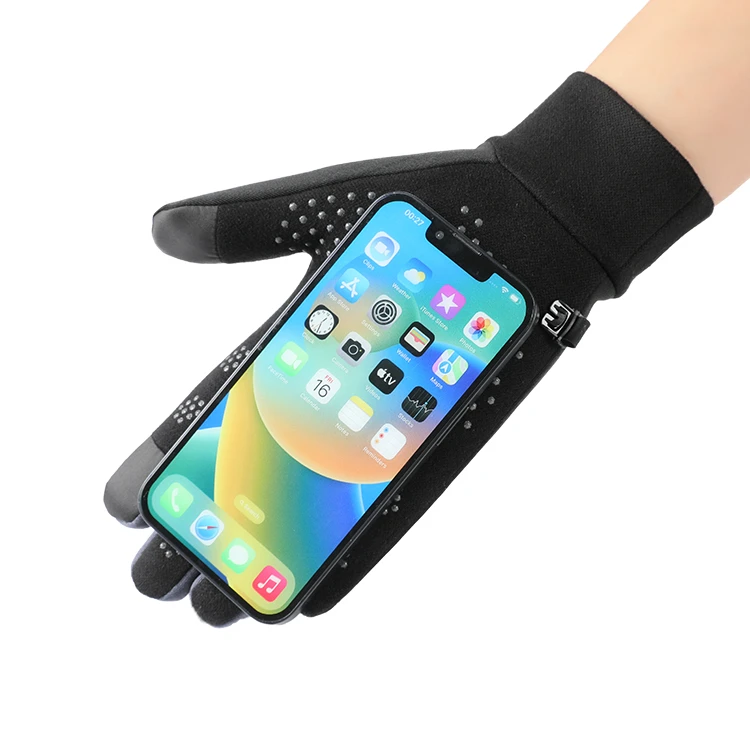
While gloves with touchscreen compatibility are convenient, they may not provide the same level of warmth and protection as dedicated snow shoveling gloves. The conductive material used for touchscreen compatibility can sometimes reduce insulation. If you need to use your phone while shoveling, consider wearing a thinner pair of touchscreen-compatible gloves underneath your insulated snow shoveling gloves.
How often should I replace my snow shoveling gloves?
The frequency of replacement depends on usage and the quality of the gloves. Generally, you should replace your snow shoveling gloves every 1-2 years, or sooner if they show signs of wear and tear, such as holes, tears, or loss of insulation. Regular use and exposure to the elements will eventually degrade the materials, reducing their effectiveness.