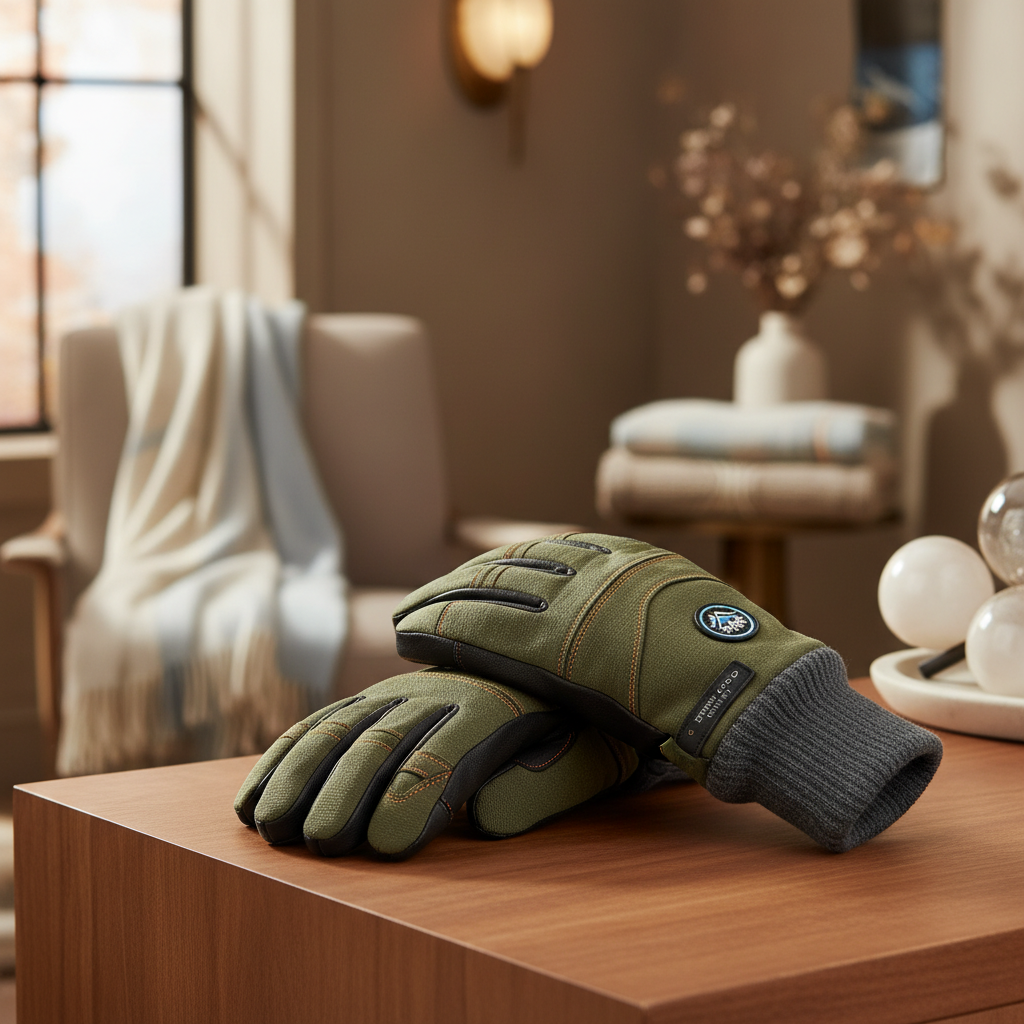
Essential Guide to Waterproof Breathable Gloves for Work and Outdoor Adventures
Choosing the Right Protection: A Guide to Waterproof Breathable Gloves
When facing challenging environments, having the right hand protection is crucial. Waterproof breathable gloves offer a superior solution for maintaining dexterity, comfort, and protection in wet and demanding conditions. This article will explore the benefits, features, and applications of these essential gloves, helping you make an informed decision for your specific needs. From industrial work to outdoor adventures, understanding the technology behind these gloves is key to staying safe and productive.
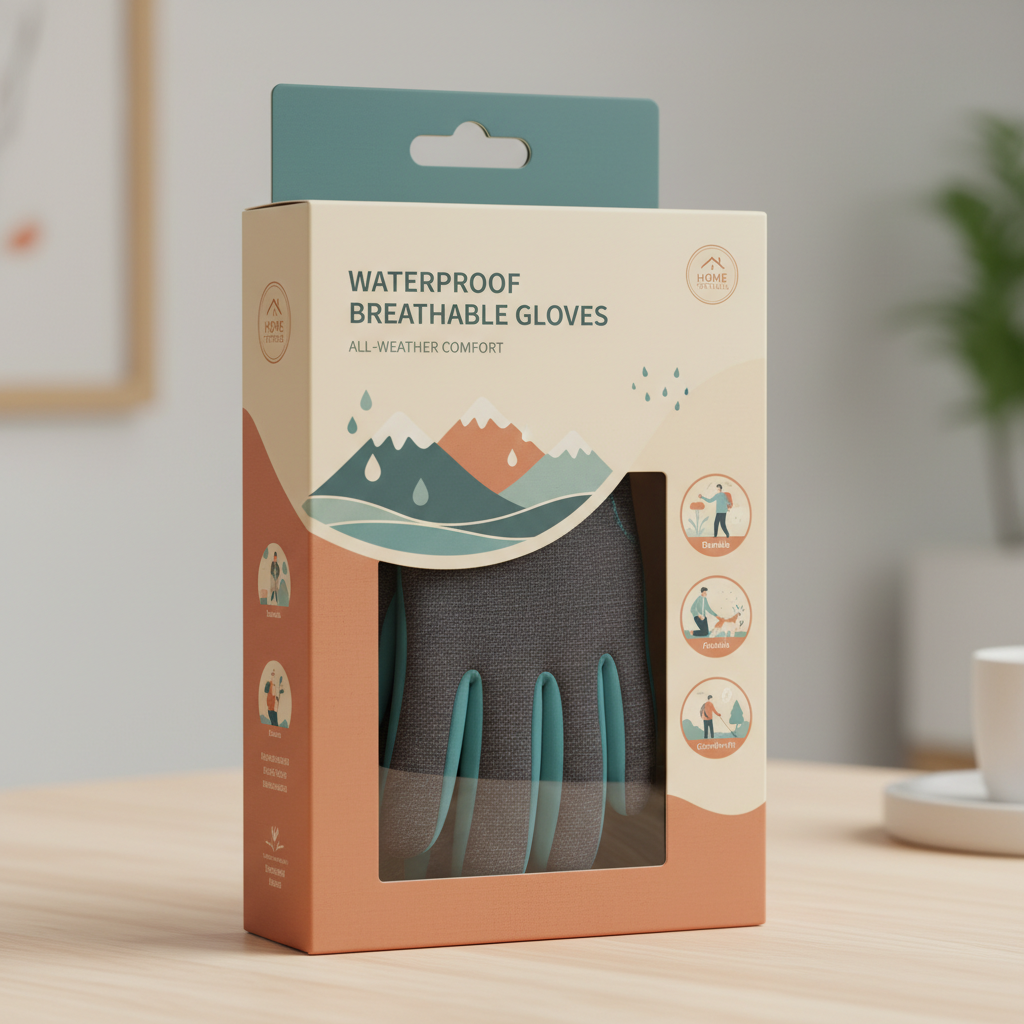
Understanding Waterproof Breathable Technology
The core of a quality waterproof breathable glove lies in its membrane technology. These gloves typically utilize a membrane, such as Gore-Tex or similar materials, with billions of microscopic pores. These pores are small enough to block water droplets from entering the glove, yet large enough to allow water vapor (sweat) to escape. This prevents your hands from becoming clammy and cold, maintaining comfort even during strenuous activity. The outer layer of the glove is often treated with a Durable Water Repellent (DWR) finish, which causes water to bead up and roll off, further enhancing waterproofing.
Key Benefits: Maintaining a dry and comfortable hand environment, preventing heat loss, and enhancing dexterity during wet conditions.
Applications: Where Waterproof Breathable Gloves Excel
The versatility of waterproof breathable gloves makes them ideal for a wide range of applications. They are essential for industries like construction, oil and gas, fishing, and agriculture, where workers frequently encounter wet conditions. Outdoor enthusiasts, such as hikers, skiers, and motorcyclists, also benefit greatly from the protection and comfort these gloves provide. Emergency responders, law enforcement, and military personnel rely on them for reliable hand protection in challenging operational environments.
Ideal for:
• Construction and Building Trades
• Oil and Gas Industry
• Marine and Fishing Applications
• Outdoor Recreation (Hiking, Skiing, Motorcycle Riding)
Comparing Glove Materials and Features
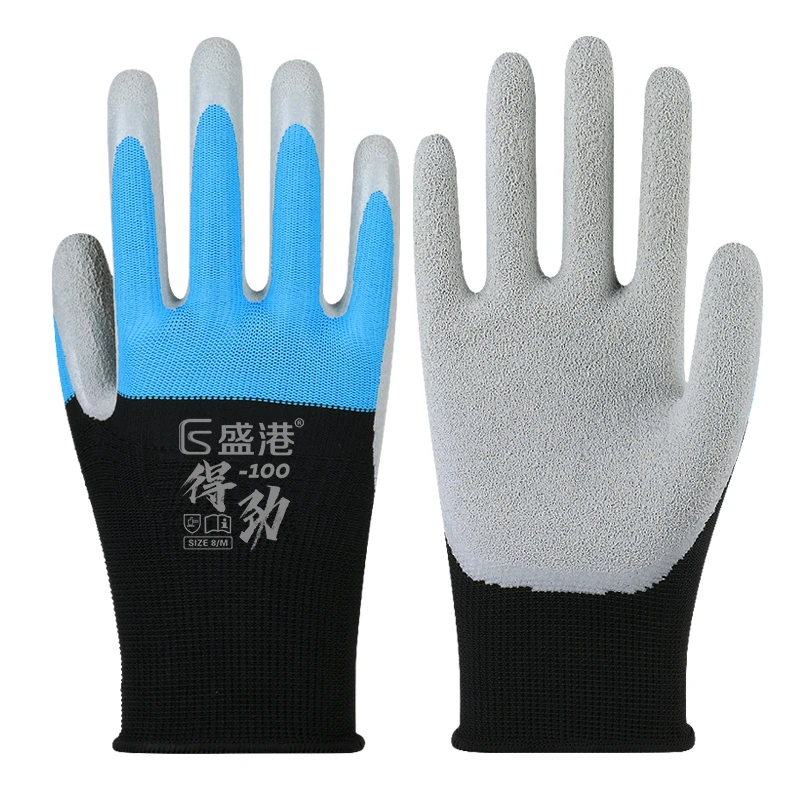
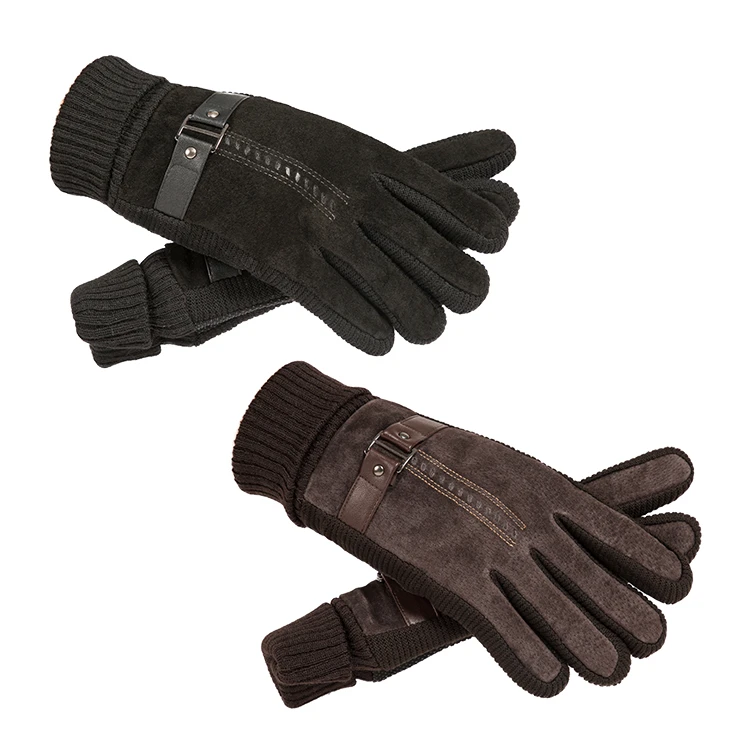
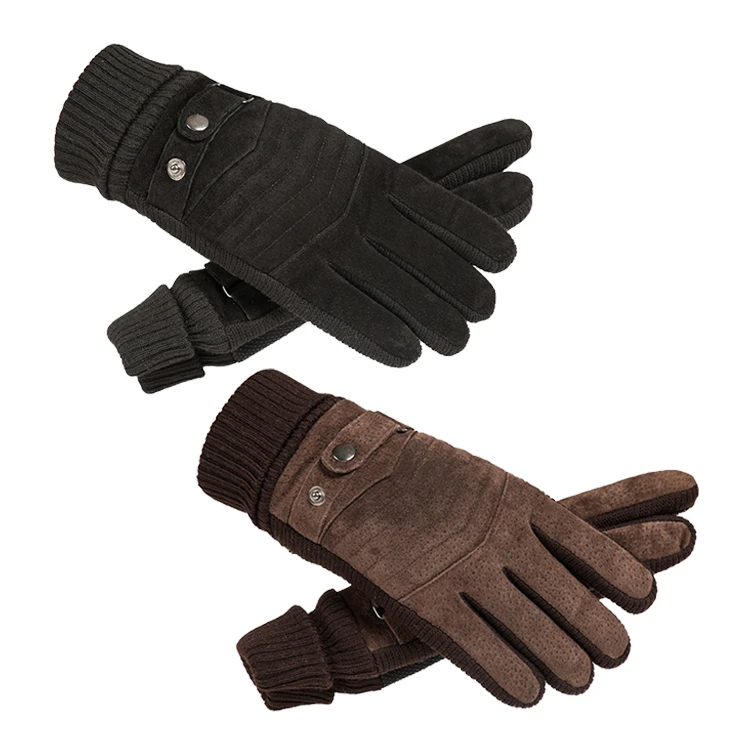
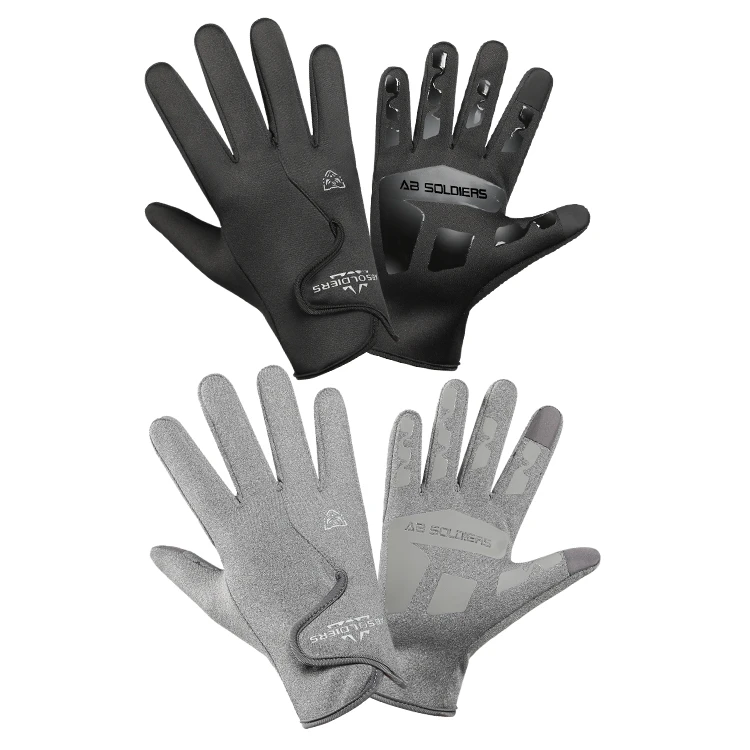
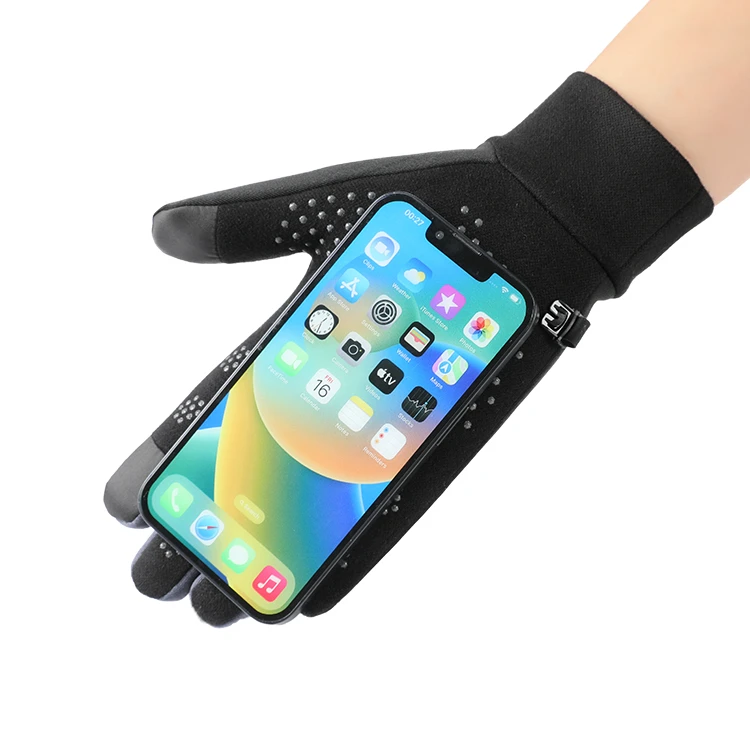
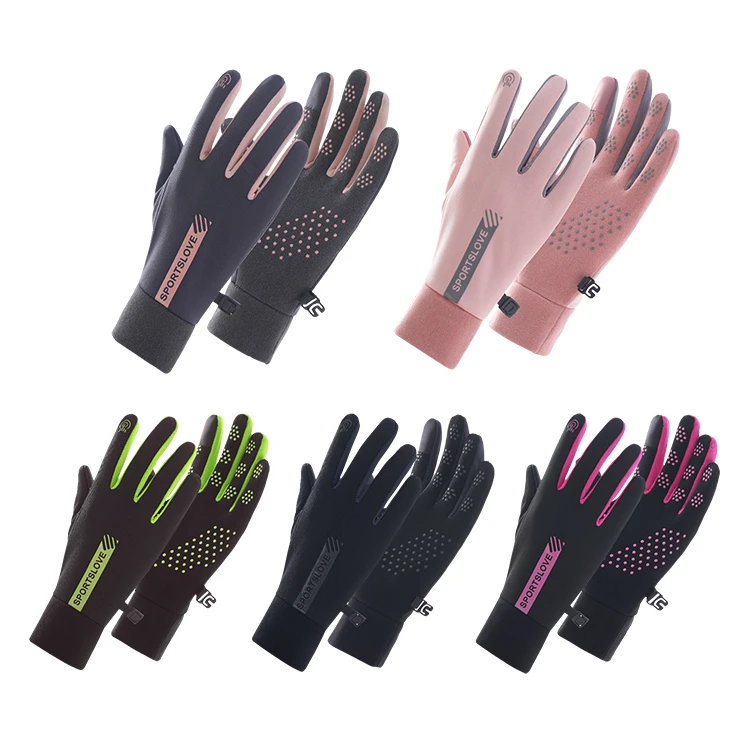
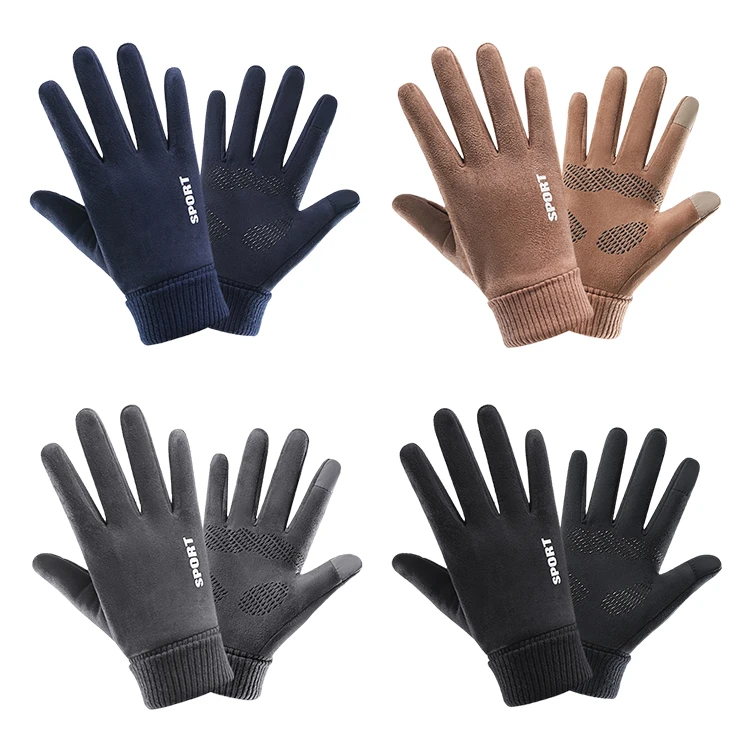
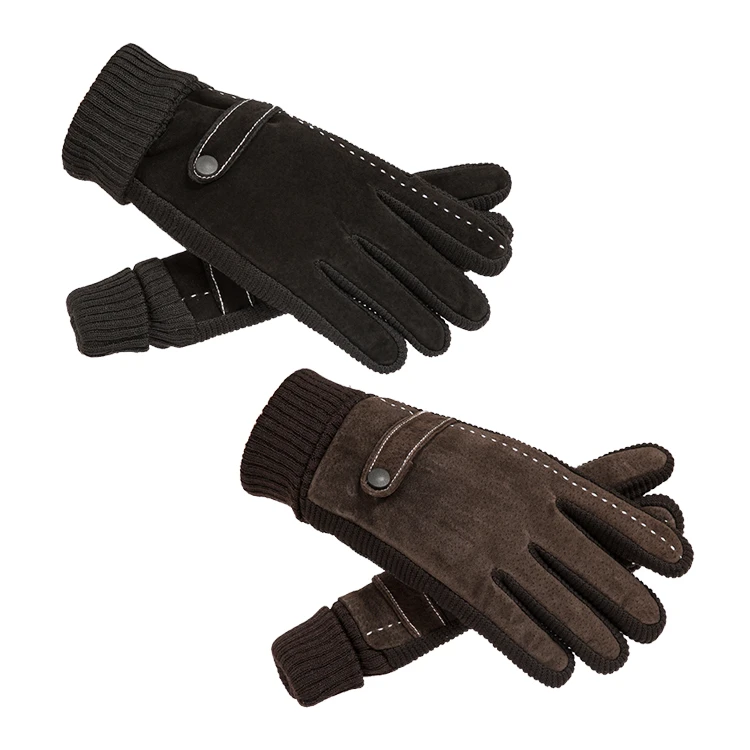
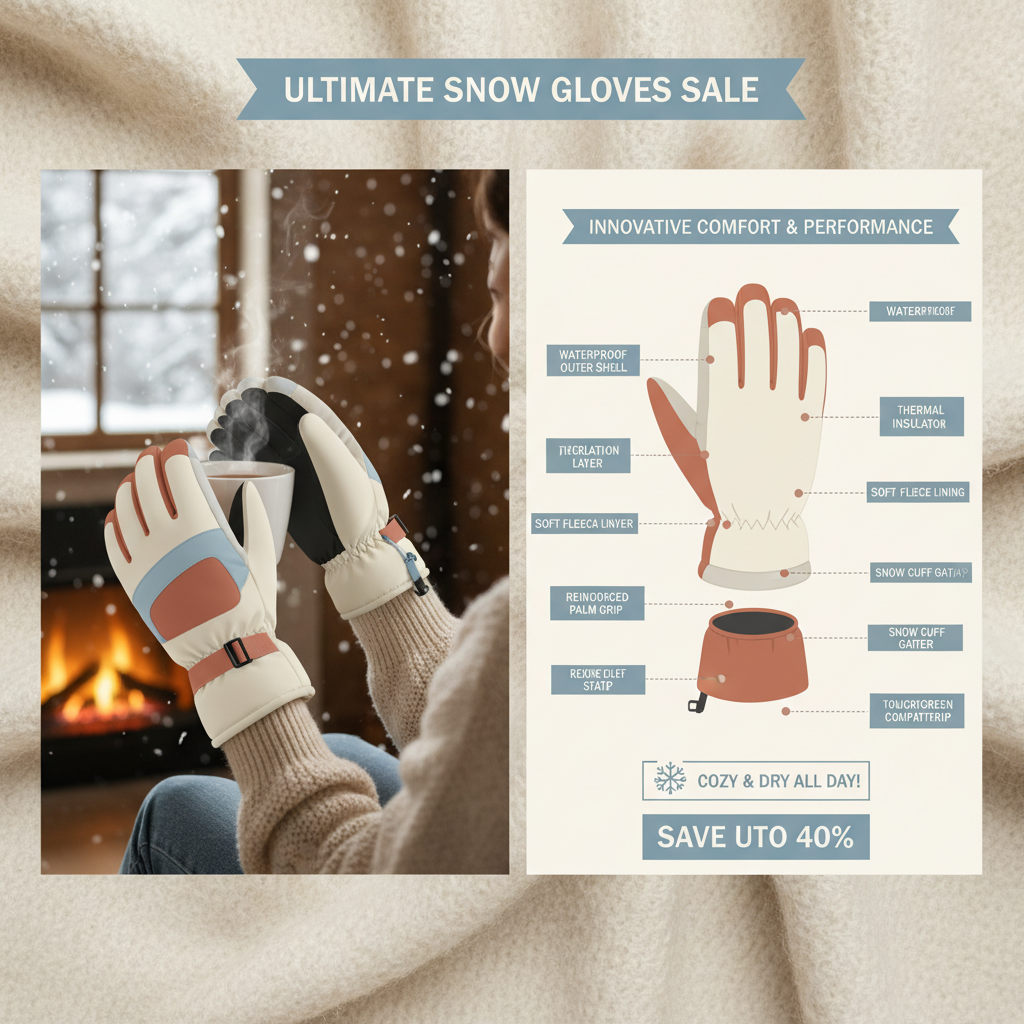
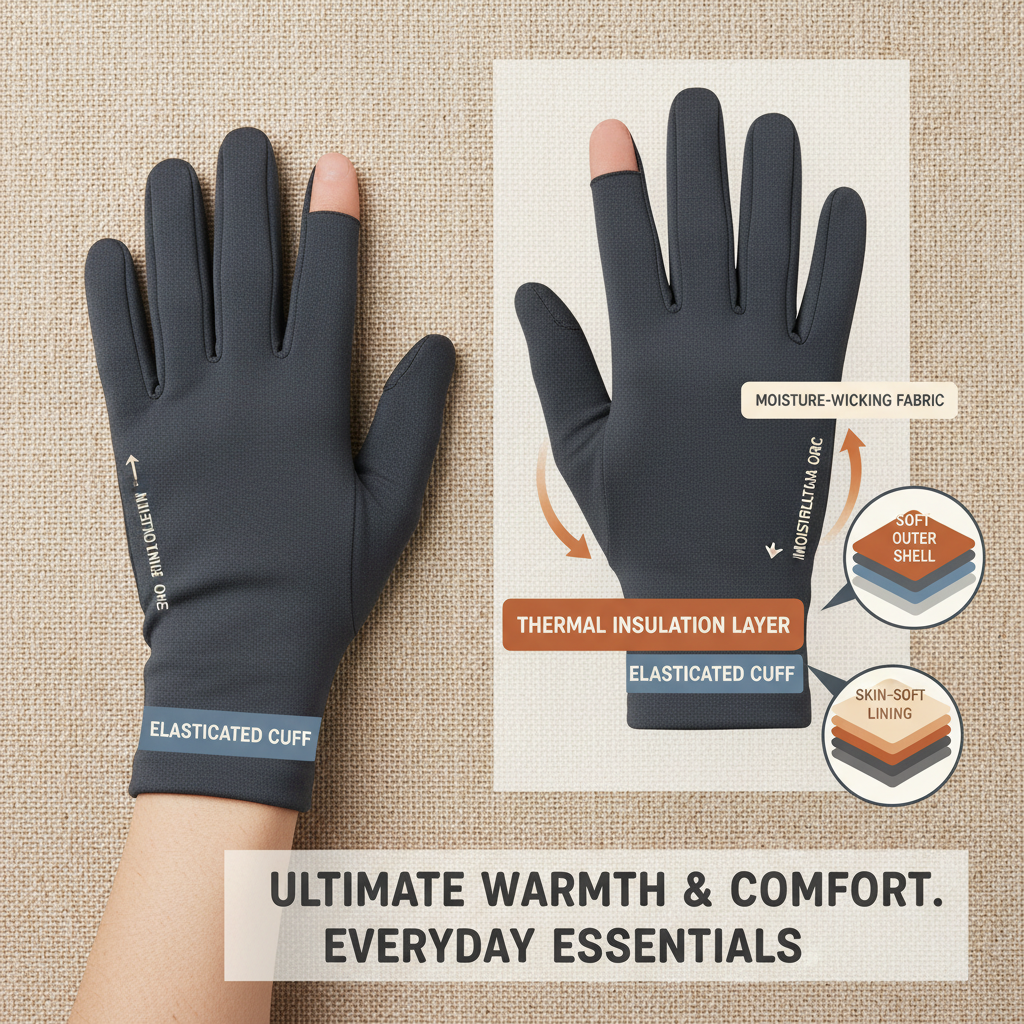
When selecting waterproof breathable gloves, consider the materials used for the outer shell, membrane, and lining. Common outer materials include nylon, polyester, and leather, each offering varying degrees of durability and abrasion resistance. The membrane, as previously mentioned, is crucial for waterproof breathability. The lining material, often fleece or synthetic fabrics, provides insulation and comfort. Additional features to consider include reinforced palms for added grip, touchscreen compatibility, and adjustable cuffs for a secure fit.
Proper Care and Maintenance for Longevity
To ensure your waterproof breathable gloves last as long as possible, proper care and maintenance are essential. After each use, inspect the gloves for any damage, such as tears or punctures. Clean them regularly with mild soap and water, avoiding harsh detergents or solvents. Allow the gloves to air dry completely, away from direct heat or sunlight. Periodically re-apply a DWR treatment to the outer shell to maintain its water repellency. Following these simple steps will significantly extend the life and performance of your gloves.
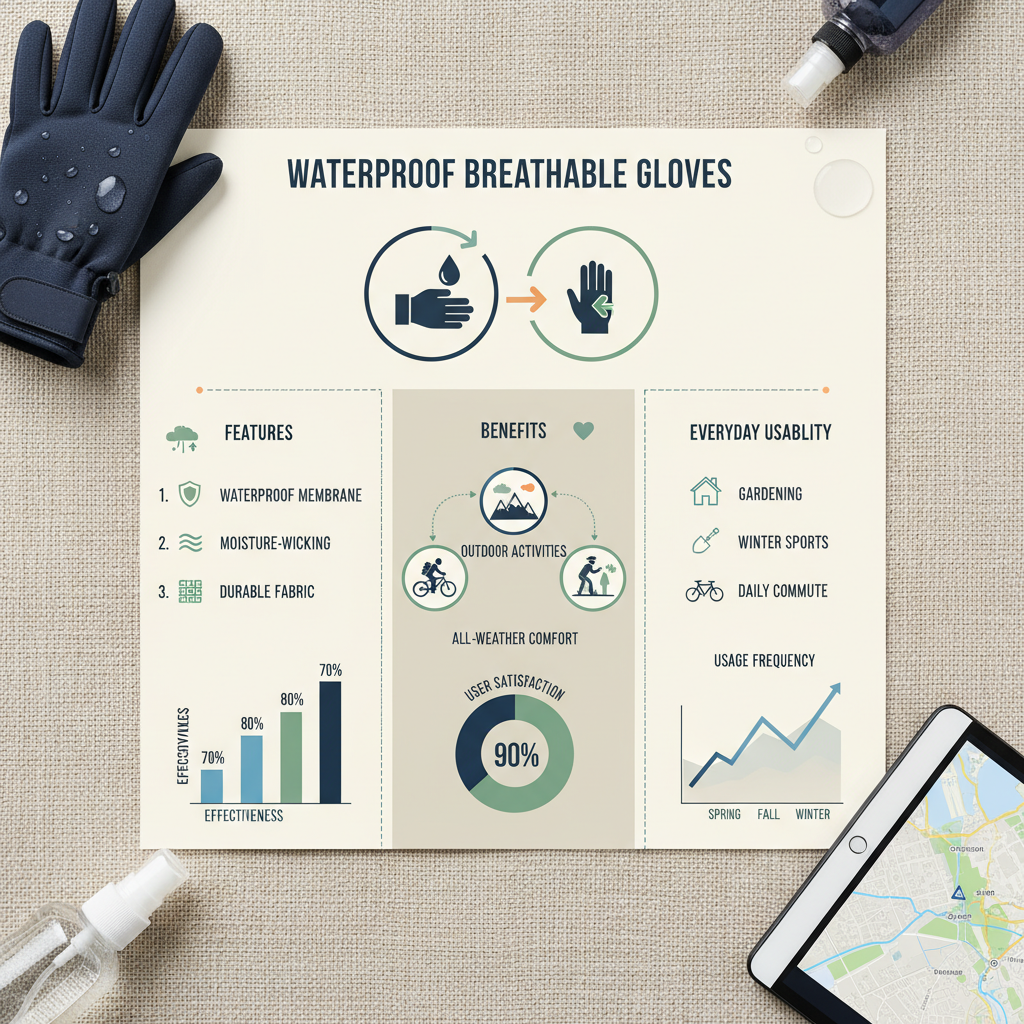
Choosing the Right Gloves from Personal Care SCN
At Personal Care SCN, we offer a comprehensive selection of high-quality waterproof breathable gloves designed to meet the needs of various industries and applications. Our gloves are constructed with premium materials and advanced membrane technology, ensuring exceptional performance and durability. We are committed to providing our customers with the best possible hand protection solutions. Contact us today to discuss your specific requirements and find the perfect gloves for your needs.
Conclusion: Invest in Hand Protection
Investing in quality waterproof breathable gloves is a smart decision that prioritizes safety, comfort, and productivity. With the right gloves, you can confidently tackle any task, knowing that your hands are protected from the elements and potential hazards. Choose Personal Care SCN for reliable, high-performance hand protection solutions.
Frequently Asked Questions (FAQs)
What is the difference between waterproof and water-resistant gloves?
While both terms indicate protection against water, there's a significant difference. Waterproof gloves are designed to completely prevent water from entering, even under pressure or prolonged submersion. Water-resistant gloves offer protection against light rain or splashes, but may eventually allow water to penetrate with extended exposure. Gloves with a waterproof membrane, like Gore-Tex, offer the highest level of protection. Choosing between the two depends on the intensity and duration of water exposure you anticipate.
How important is breathability in waterproof gloves?
Breathability is crucial! Without it, sweat builds up inside the gloves, making your hands cold and clammy. Waterproof membranes with high breathability ratings allow water vapor (sweat) to escape, maintaining a comfortable internal environment. This prevents overheating and reduces the risk of blisters and discomfort. Look for gloves with a high Moisture Vapor Transmission Rate (MVTR) for optimal breathability.
What should I look for in the lining of waterproof gloves?
The lining material affects both comfort and warmth. Fleece linings provide excellent insulation and a soft feel, making them suitable for cold conditions. Synthetic linings, like polyester, offer good moisture-wicking properties and are quick-drying. Consider the climate and your activity level when choosing a lining. A removable lining can also be beneficial for easy cleaning and drying.
How do I determine the right size for waterproof gloves?
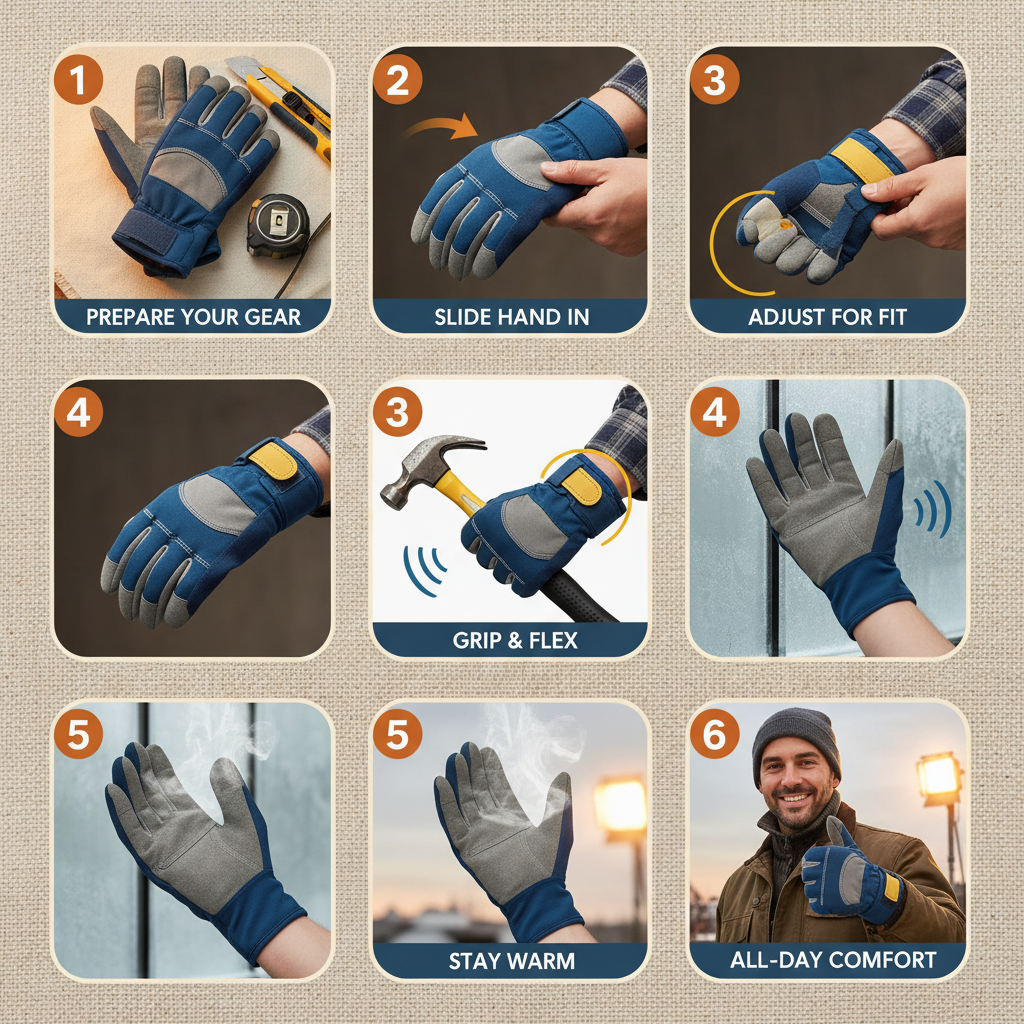
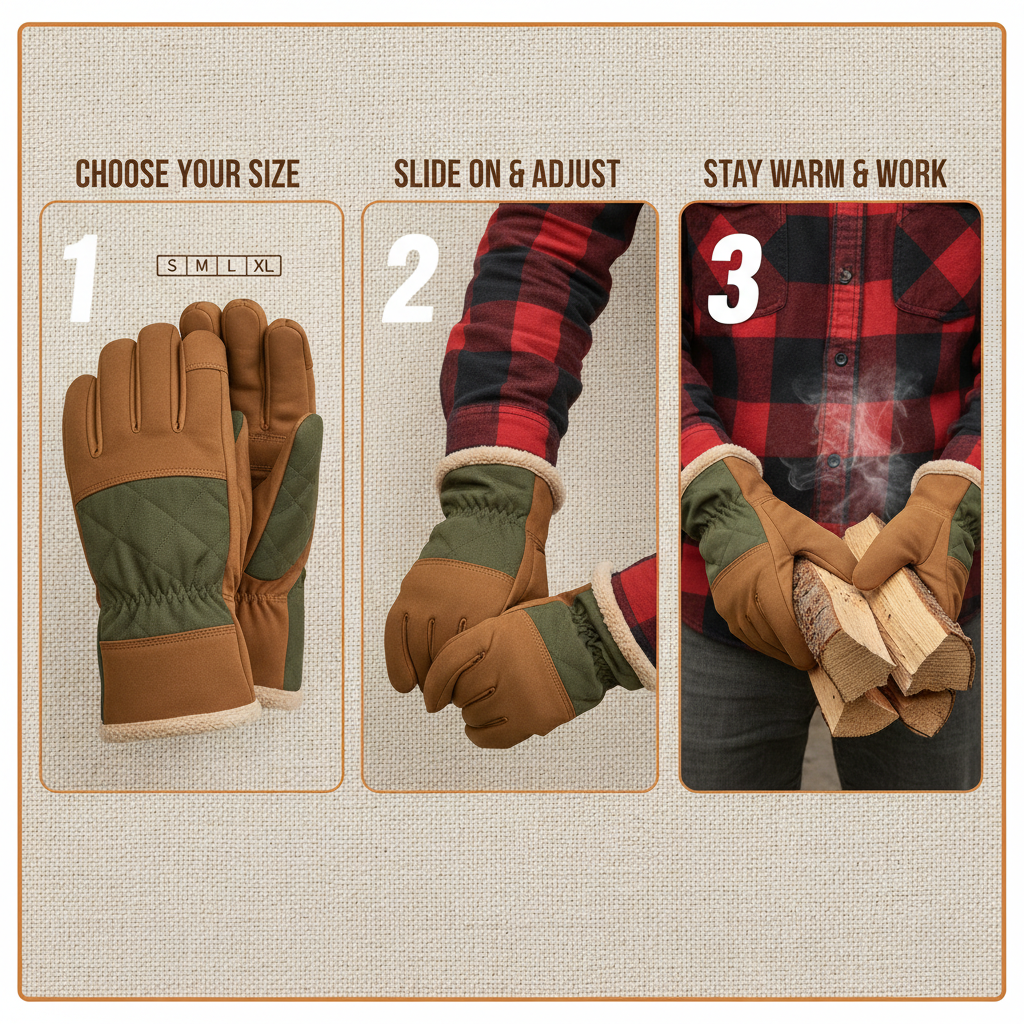
Proper fit is essential for both comfort and performance. Measure your hand circumference and length, then consult the manufacturer's sizing chart. Gloves should fit snugly but not too tightly, allowing for full range of motion. Pay attention to the length of the fingers and the width of the palm. If you're between sizes, it's generally better to choose the larger size.