Comprehensive Guide to Site Thermal Gloves: Features, Benefits & Industry Insights
Understanding Site Thermal Gloves: Essential Gear for Cold-Weather Safety
Site thermal gloves might not be headline news, but they matter—quite a bit actually—in many corners of the world where hands must stay warm, flexible, and protected during harsh working conditions. Whether you're constructing bridges in Siberia, doing rescue missions in the Arctic, or working on chilly offshore oil rigs, these gloves literally keep the job on track.
Frankly, understanding what makes site thermal gloves effective is an underrated part of safeguarding hands and productivity across industries. Today, let’s peel back the layers on this glove category, its global significance, and why it’s becoming more crucial in both industrial and humanitarian contexts.
Introduction: A Global Outlook on Site Thermal Gloves
You might wonder how many workers worldwide struggle with sub-zero temperatures — according to the International Labour Organization (ILO), nearly 23% of the global labor force is exposed to cold environments at some point in their work. That’s a substantial group vulnerable to frostbite or loss of dexterity. In construction and energy sectors alone, inefficiency related to cold-induced injuries causes billions in lost workdays annually.
Site thermal gloves answer this challenge head-on. They combine insulation with ruggedness, offering workers a tool to maintain warmth and mobility. Given global shifts — like colder winters in temperate zones and expanding work in extreme climates — these gloves are gaining critical attention.
What Exactly Are Site Thermal Gloves?
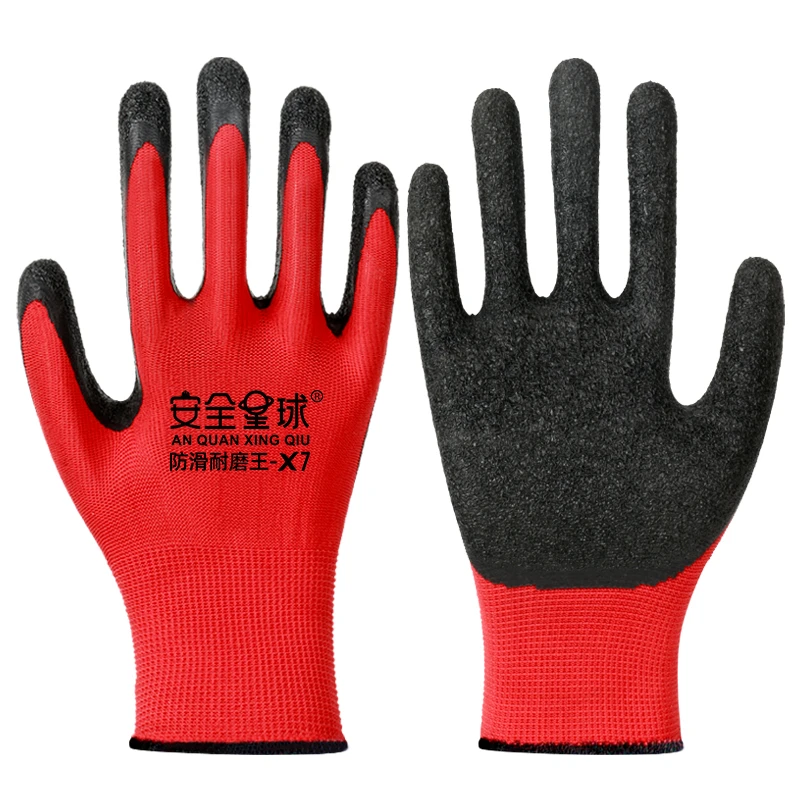
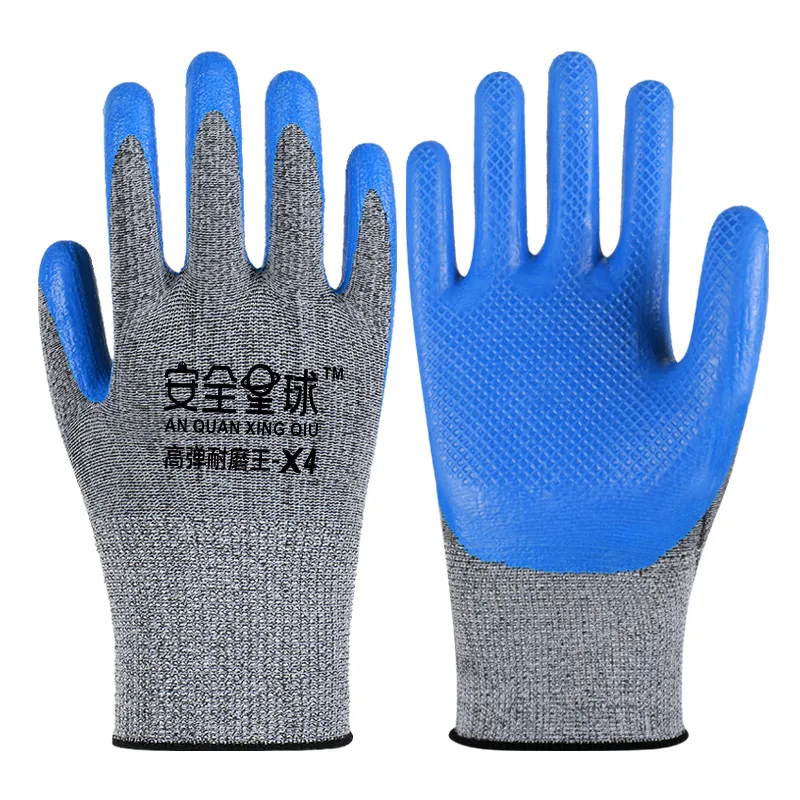
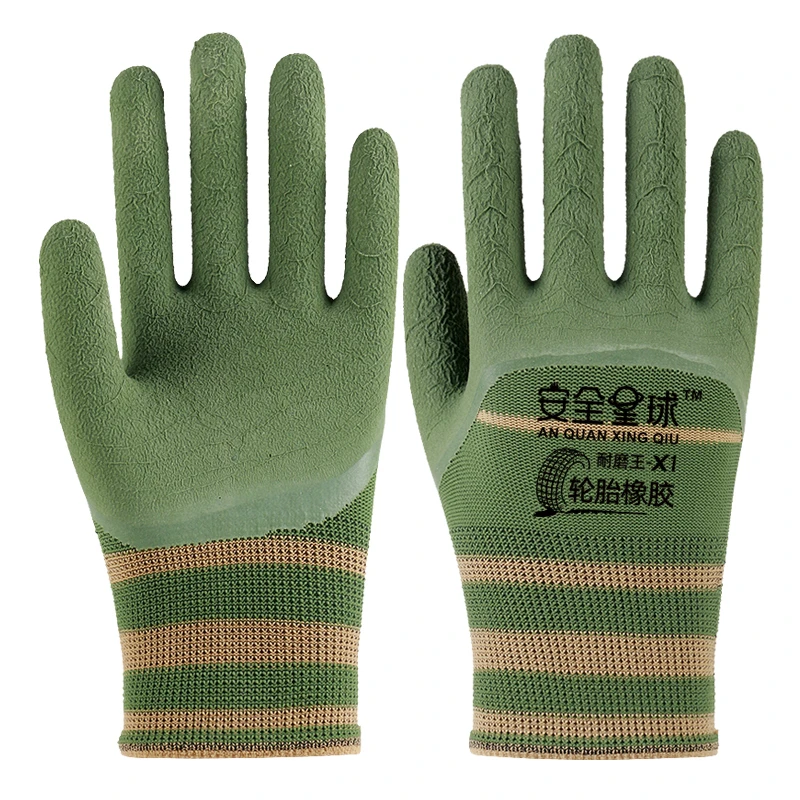
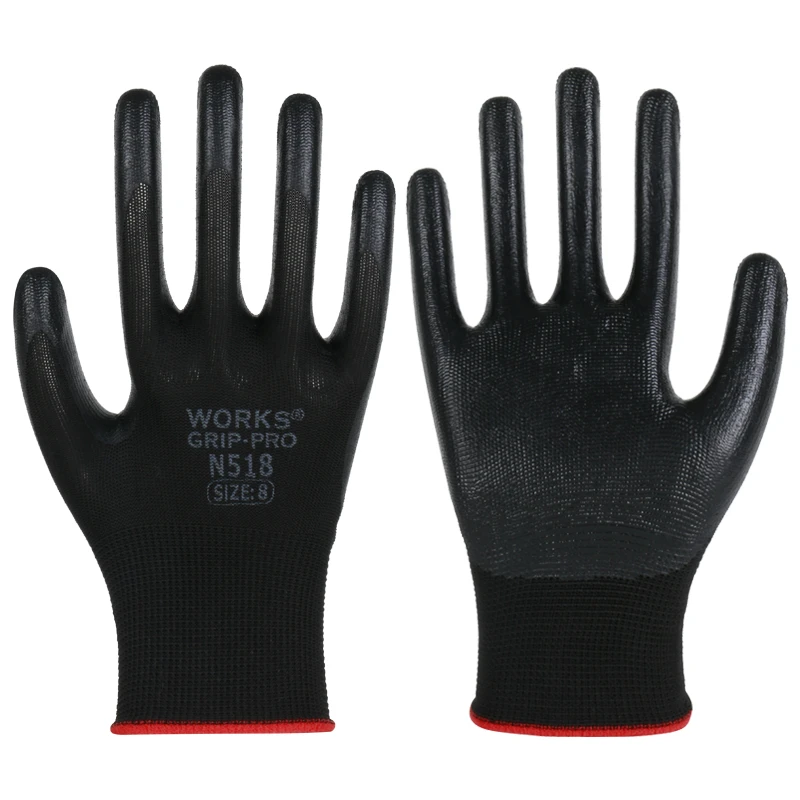
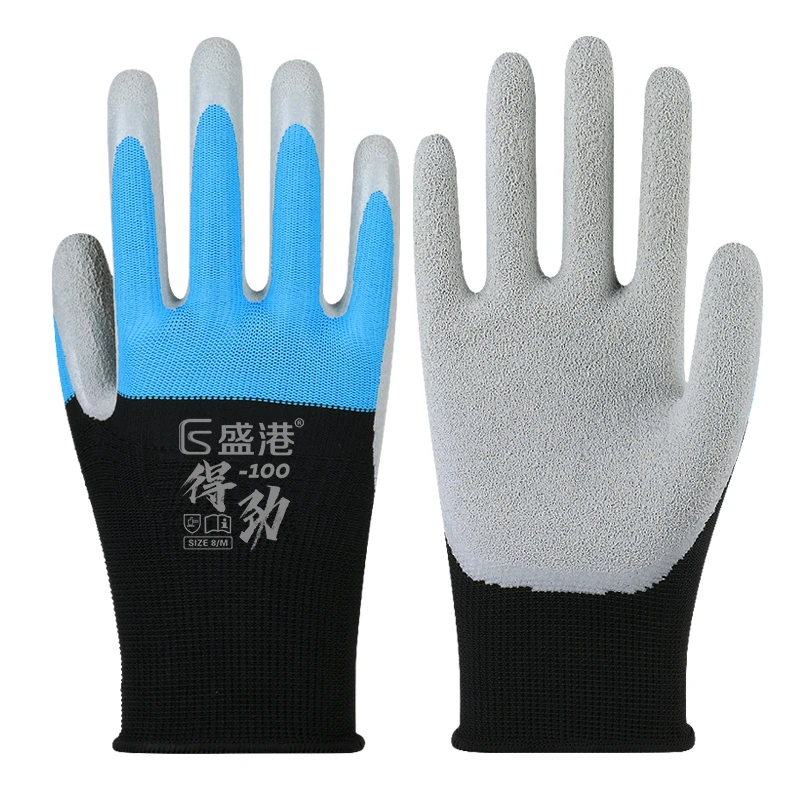
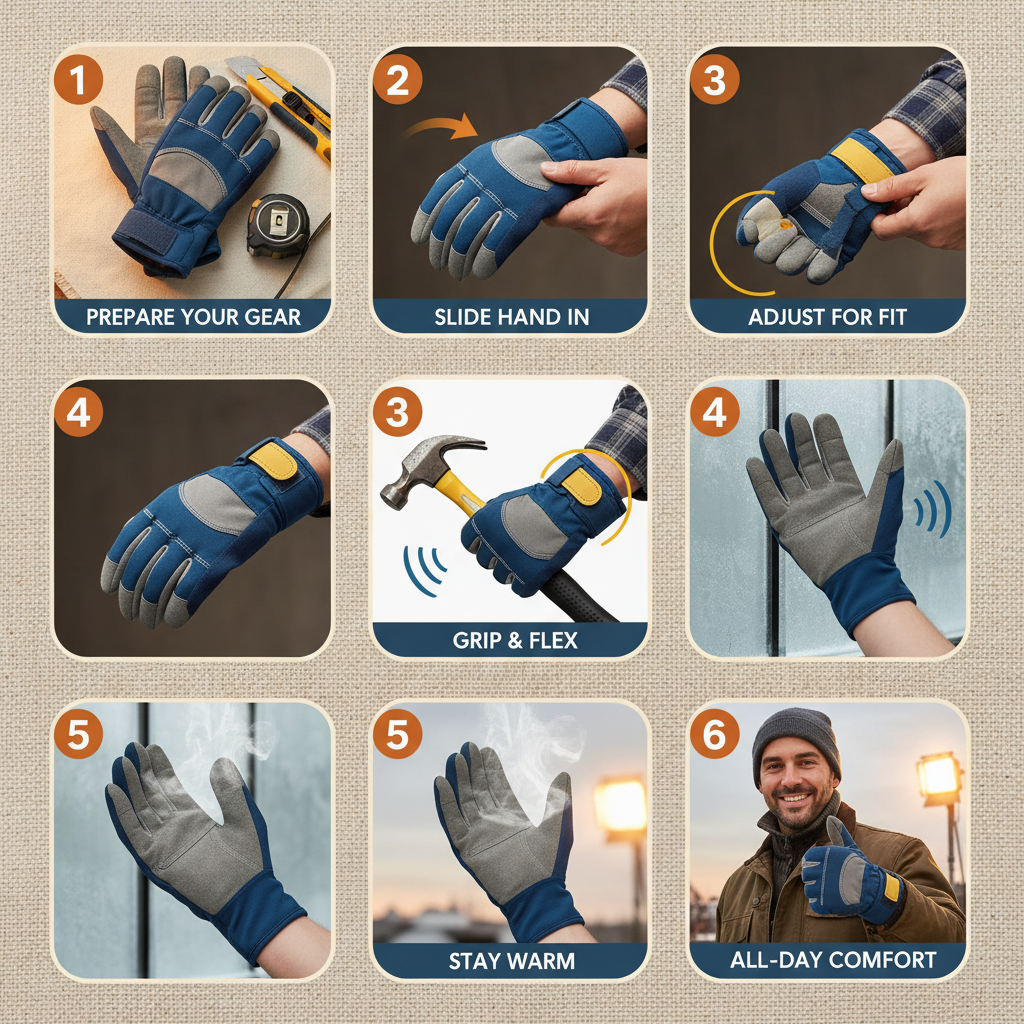
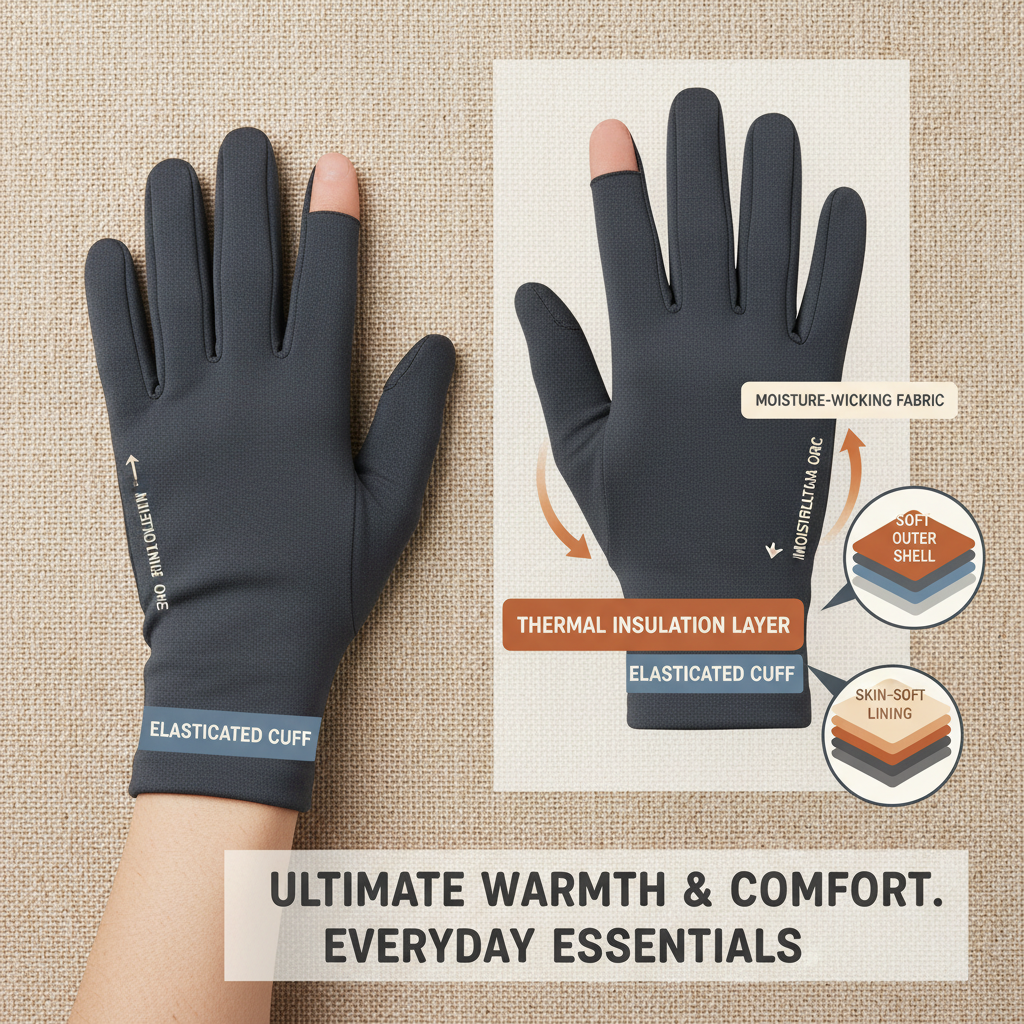
Put simply, site thermal gloves are specialized gloves designed to keep hands warm on outdoor or poorly heated worksites, all while preserving grip and tactile sensitivity. Unlike regular gloves, they are made with layered insulation materials — think Thinsulate, fleece linings, or aerogel inserts — that trap heat but also wick moisture.
This kind of glove is essential in various industries such as construction, logistics, and emergency response, where hand protection must balance warmth, dexterity, and durability. It’s not just about comfort; it’s safety, productivity, and sometimes, survival. In disaster zones or remote industrial sites, these gloves become armor against the elements.
Key Components and Features of Site Thermal Gloves
1. Insulation and Warmth
Thermal gloves employ materials like Thinsulate or PrimaLoft that retain heat without adding bulk. This is crucial because too thick a glove can reduce hand movement and precision.
2. Durability and Protection
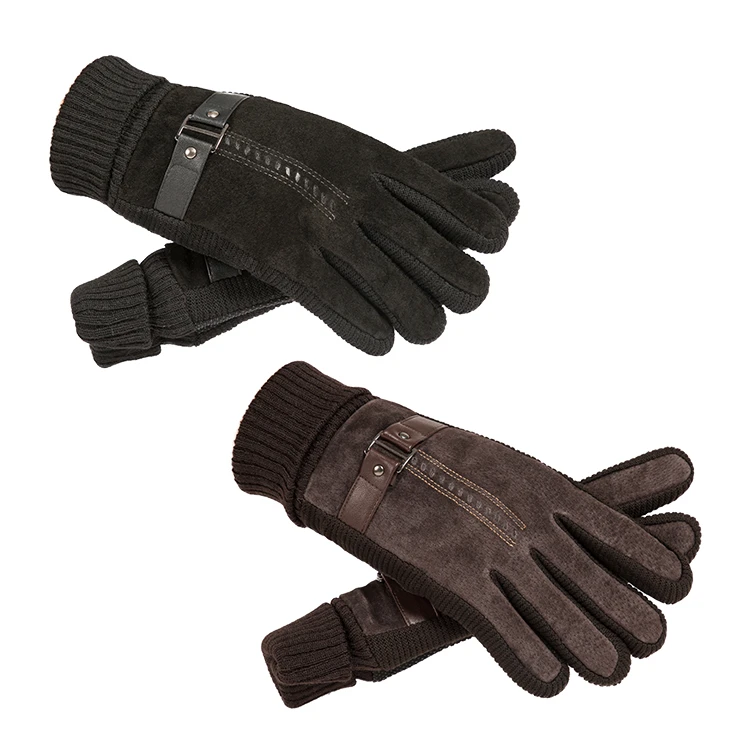
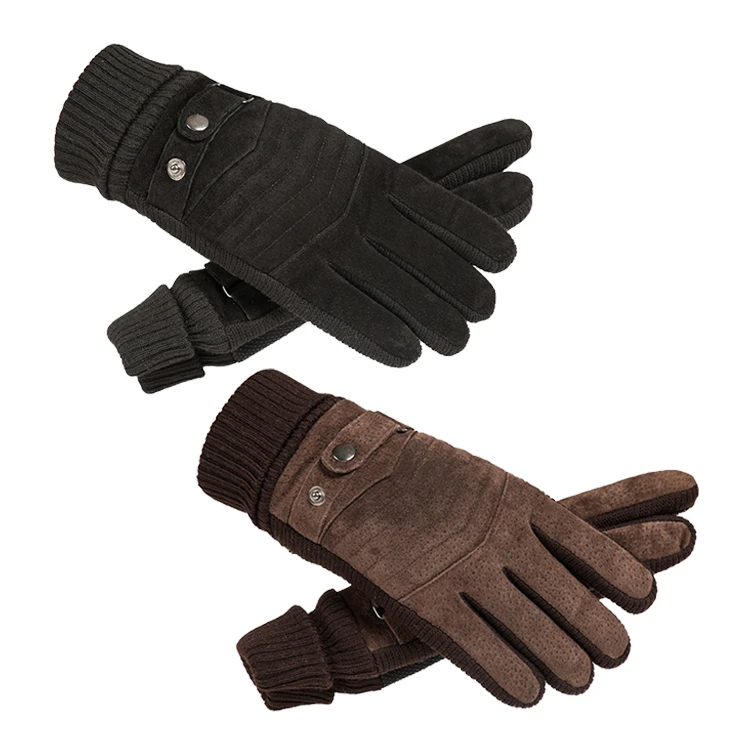
The outer shell typically uses tough fabrics like reinforced leather or synthetic composites resistant to abrasion and chemicals — especially important on construction sites and industrial facilities.
3. Water Resistance
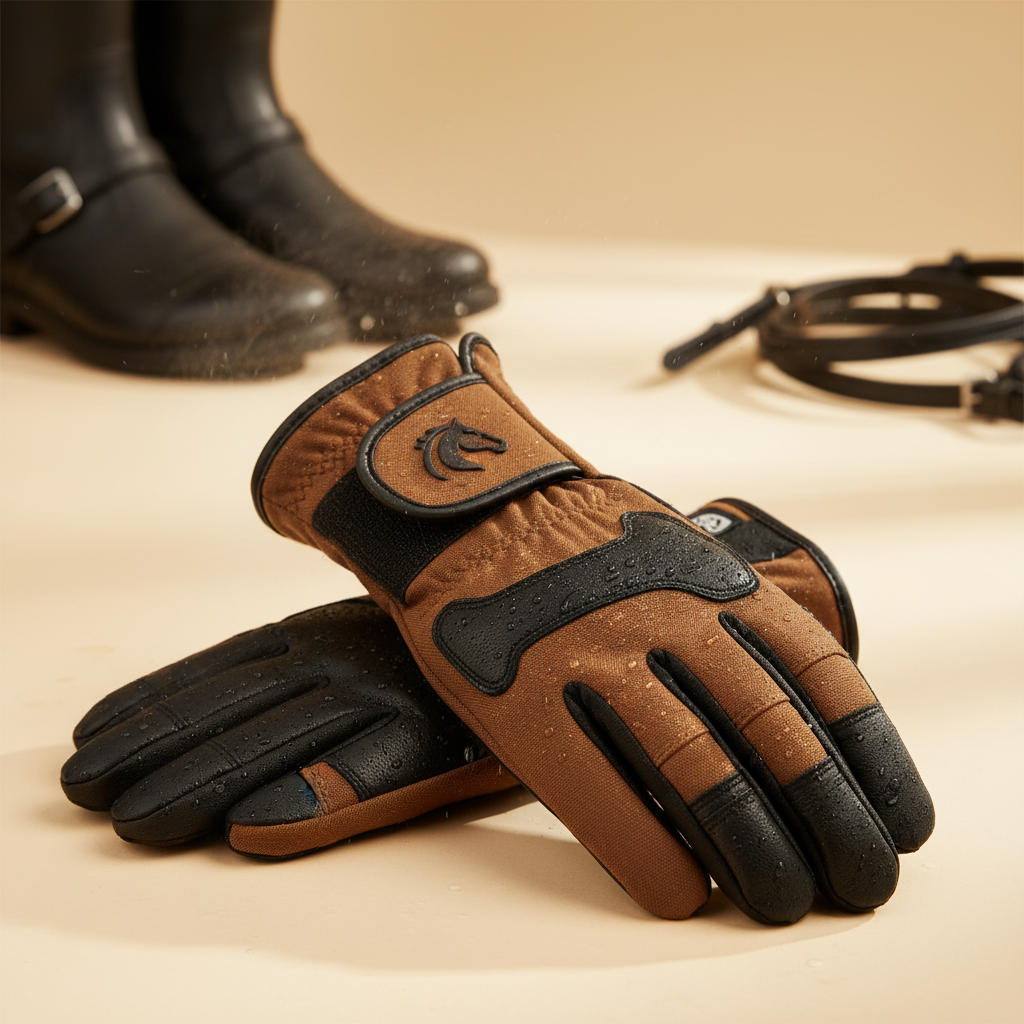
Moisture kills warmth fast. Site thermal gloves often come with water-repellent coatings or membranes (like Gore-Tex) to keep hands dry.
4. Grip and Dexterity
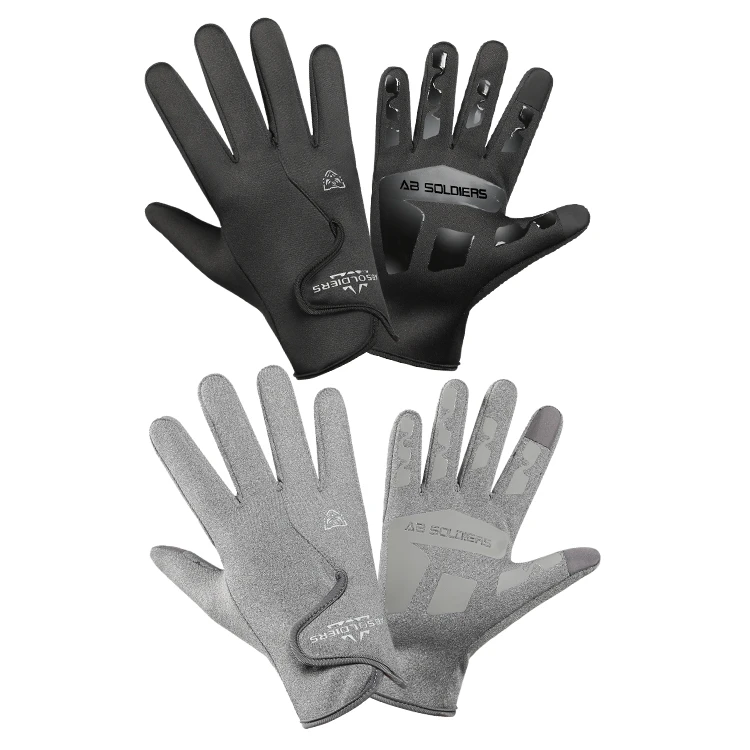
Surface textures or silicone print patterns ensure workers can handle tools or equipment securely, preventing accidents.
5. Breathability
Though they trap heat, high-quality gloves also allow sweat vapor to escape, minimizing clamminess and discomfort during prolonged wear.
6. Ease of Use and Fit
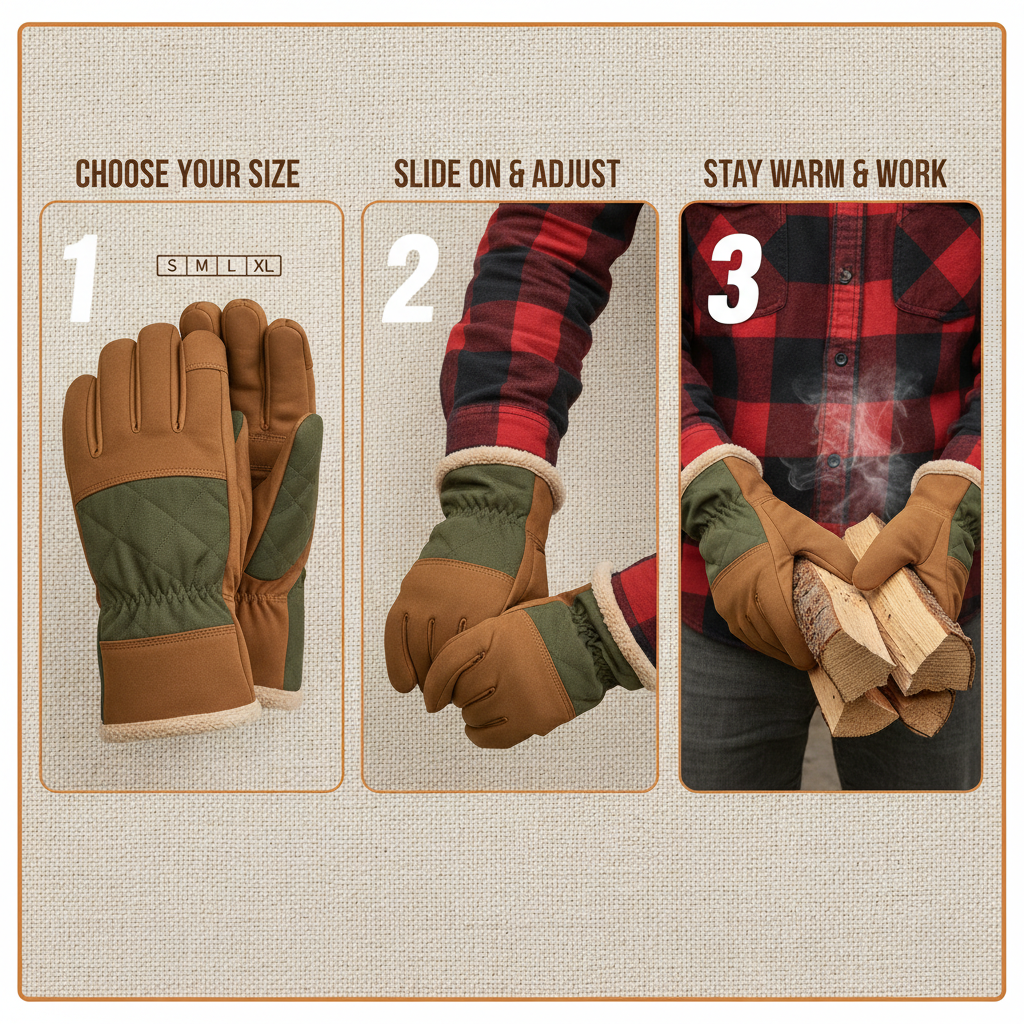
Adjustable closures (Velcro, elastic cuffs) and ergonomic designs matter — because gloves constantly slipping or too tight will get tossed aside.
| Feature | Materials / Specs | Benefit |
|---|---|---|
| Insulation | Thinsulate 40g / PrimaLoft 60g | Optimal warmth with low bulk |
| Outer Shell | Reinforced leather & nylon | Abrasion & cut resistance |
| Water Resistance | Gore-Tex membrane & DWR finish | Keeps hands dry in wet conditions |
| Grip Pattern | Silicone coated palm | Secure handling of tools |
| Breathability | Breathable membranes | Prevents sweaty discomfort |
Mini takeaway: The best site thermal gloves walk a fine line — warm enough to shield cold, durable for tough tasks, but flexible so hands don’t lose sensitivity.
Global Applications and Who Benefits
The practical uses of site thermal gloves stretch from frozen construction sites in northern Canada to emergency disaster relief zones in the Himalayas. In colder European countries, outdoor utility crews rely on these gloves to manage safety-critical repairs without risking frostbite.
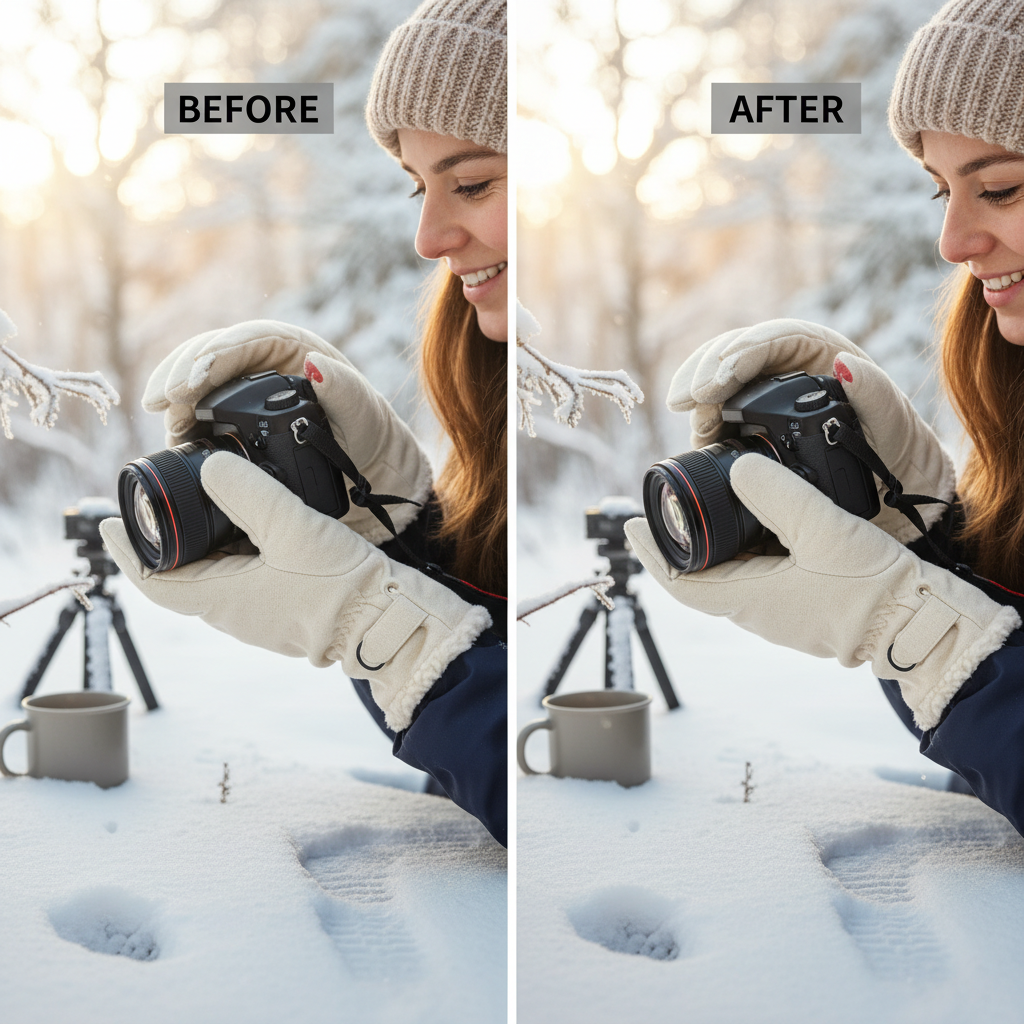
Oddly enough, humanitarian organizations find these gloves crucial too. Post-disaster relief, where cold nights follow calamities, requires gloves that combine protection with quick-dry capabilities since wetness is common.
Even in offshore oil fields and wind turbine maintenance, gloves adapted for thermal protection and durability improve worker safety, thereby reducing downtime. In short, these gloves show up where warmth and ruggedness must coexist.
Vendor Comparison: Top Site Thermal Gloves Providers
| Brand | Price Range | Key Features | Best Use Case |
|---|---|---|---|
| ColdGuard Pro | $40 - $60 | Enhanced insulation, Gore-Tex shell, reinforced grip | Construction & Utilities |
| FrostFlex Elite | $50 - $75 | PrimaLoft insulation, water resistant, touchscreen compatible | Emergency Services |
| ArcticShield XT | $65 - $90 | Heavy-duty leather, thick insulation, slip-resistant palm | Oil & Gas / Offshore |
Advantages and Long-Term Value of Site Thermal Gloves
- Cost-Effective Protection: Investing in high-quality thermal gloves reduces injury-related costs and work interruptions.
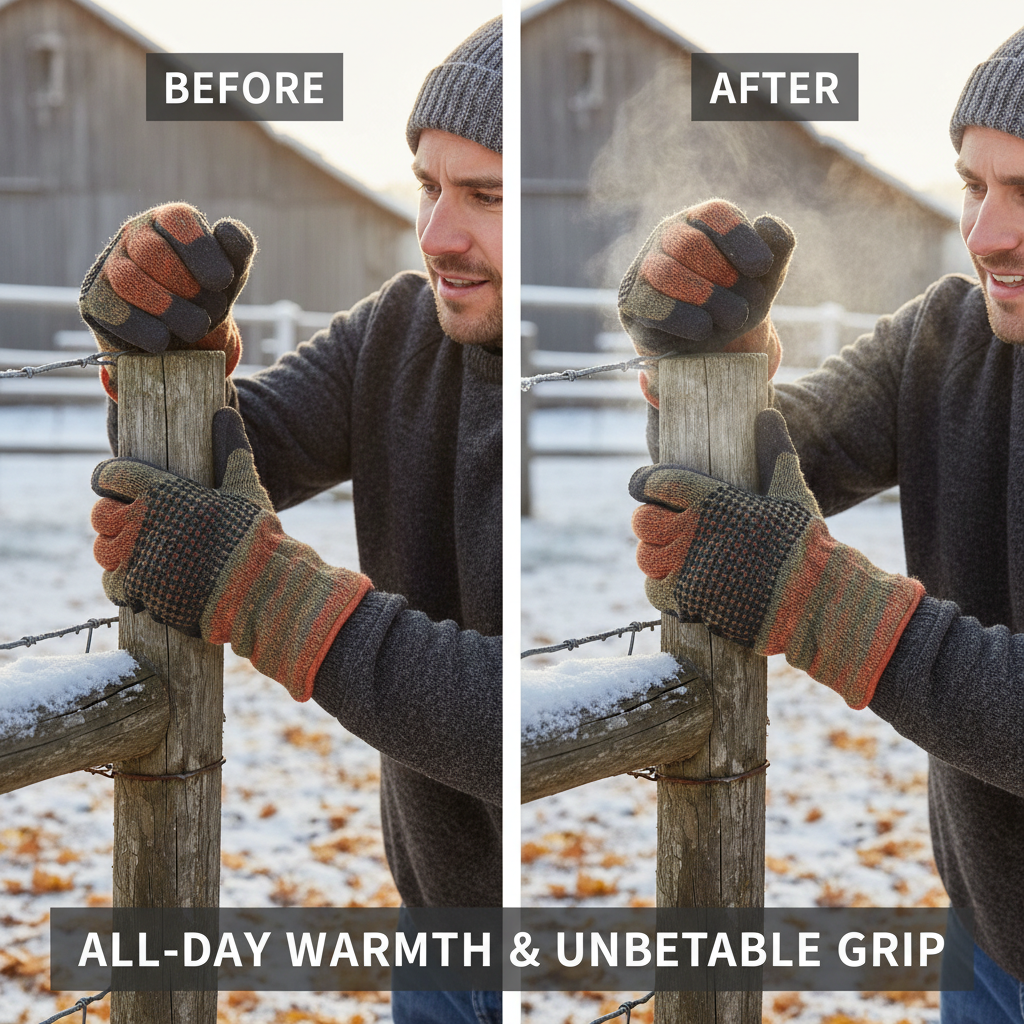
- Extended Work Periods: Workers can comfortably operate in colder conditions without rushing, improving productivity.
- Safety and Dignity: Protection against frostbite and exposure improves not only physical health but morale. Knowing your hands are safe is reassuring.
- Sustainability: Durable gloves cut waste — replacements are less frequent, and many brands now prioritize eco-friendly materials.
So yes, the value isn't just in warmth; it's in trust, innovation, and longer-term workforce resilience.
Future Trends & Innovations Shaping Site Thermal Gloves
We’re at an interesting juncture — sustainable manufacturing is rising, pushing vendors to use recycled polymers and biodegradable insulation. Digital integration is also creeping in: some gloves now embed conductive yarns enabling touchscreen functions even with thermal layers.
Smart gloves with temperature sensors or haptic feedback might sound sci-fi, but prototypes are already in the works, targeting industries where delicate manual dexterity under cold stress is mission-critical.
Meanwhile, international standards like ISO 15743:2008 for protective gloves against cold encourage uniform testing and improve consumer confidence worldwide.
Common Challenges and How to Address Them
Despite advances, site thermal gloves often face issues like bulkiness, reduced dexterity, or moisture build-up inside. The key is balancing insulation with ergonomic design — manufacturers often test materials iteratively to optimize fit and functionality.
For wet environments, a layered glove system — a waterproof shell combined with insulated liners — can be swapped out as conditions change. It sounds simple but can significantly extend usability.
FAQ: Common Questions About Site Thermal Gloves
Q1. How do I choose the right insulation level in thermal gloves?
A1. Consider the lowest temperature you expect at your site. Gloves are rated by grams of insulation—higher grams equal more warmth but less flexibility. Match insulation to job tasks to keep dexterity intact.
Q2. Can I use site thermal gloves for touchscreen devices?
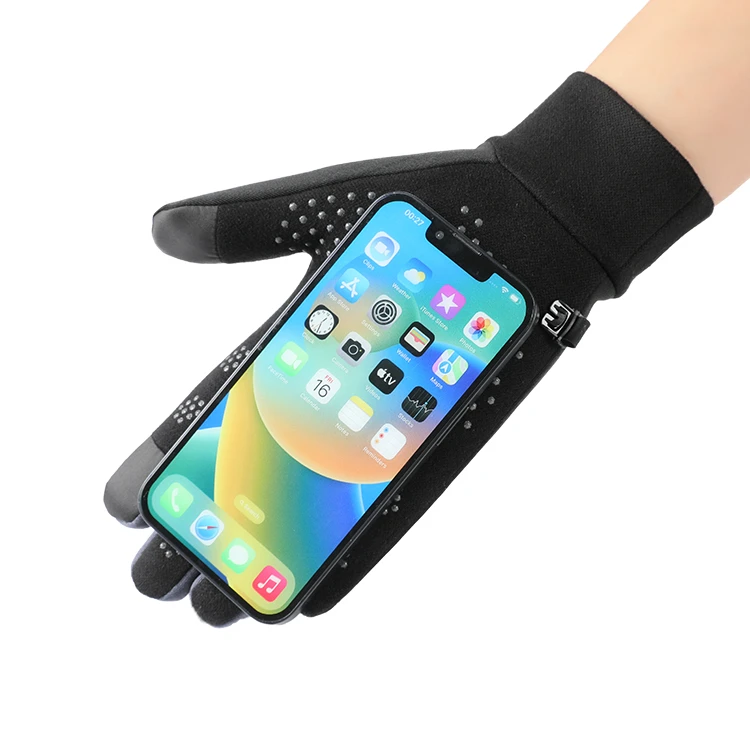
A2. Yes, some models incorporate conductive materials in fingertips, allowing use without removing gloves — a handy feature during cold-weather operations.
Q3. How often should thermal gloves be replaced?
A3. It depends on use and wear but generally every 1-2 years or sooner if insulation or waterproofing deteriorates. Regular inspection is key.
Q4. Are eco-friendly materials effective for thermal gloves?
A4. Absolutely. Advances in recycled insulating fibers and sustainable textile treatments provide warmth comparable to traditional materials with reduced environmental impact.
Q5. Can NGOs source site thermal gloves for disaster relief internationally?
A5. Yes, many vendors support international shipping and bulk orders. It’s advisable to work with certified suppliers familiar with humanitarian specifications.
Conclusion: Why Site Thermal Gloves Matter for the Long Haul
In real terms, site thermal gloves might seem like just another piece of PPE — but their impact on worker safety, productivity, and dignity in cold environments is profound. As global industries expand into more challenging climates and humanitarian demands grow, the right glove becomes a quiet hero.
If you’re responsible for workforce safety or outfitting teams for cold regions, digging deeper into quality thermal gloves is worth it. For a closer look at premium options and custom solutions, visit our website: site thermal gloves. Stay warm, stay safe out there!