Silk Thermal Liner Gloves: Superior Warmth and Sustainable Hand Protection
Silk Thermal Liner Gloves: The Unsung Heroes of Hand Protection
If you've ever struggled with chilly hands that lose dexterity the moment the temperature drops, silk thermal liner gloves might just be your new best friend. They’re this subtle marvel—thin, lightweight, yet incredibly effective at keeping your fingers warm without bulkiness. Globally, as industries and outdoor activities flourish even in cold climates, understanding and adopting such thermal solutions goes beyond comfort—it’s about safety, productivity, and even environmental mindfulness.
Introduction: Why Silk Thermal Liner Gloves Matter Globally
In a world where outdoor workforces from construction crews in Canada to farmers in Northern Europe are exposed to harsh cold, the challenge of maintaining hand dexterity while ensuring warmth is significant. According to the International Labour Organization (ILO), cold stress can reduce worker efficiency by up to 20%. Oddly enough, gloves are often either too thick, limiting fine motor skills, or too thin to provide real warmth. That’s where silk thermal liner gloves come in—a clever blend of natural insulation and flexibility.
Moreover, silk, unlike synthetic fibers, is biodegradable and a more sustainable textile option, which aligns with the global pivot towards green materials emphasized by the United Nations Environment Programme (UNEP). So these gloves aren’t just about warmth—they’re about smarter, eco-friendlier solutions for today's industries.
What Exactly Are Silk Thermal Liner Gloves?
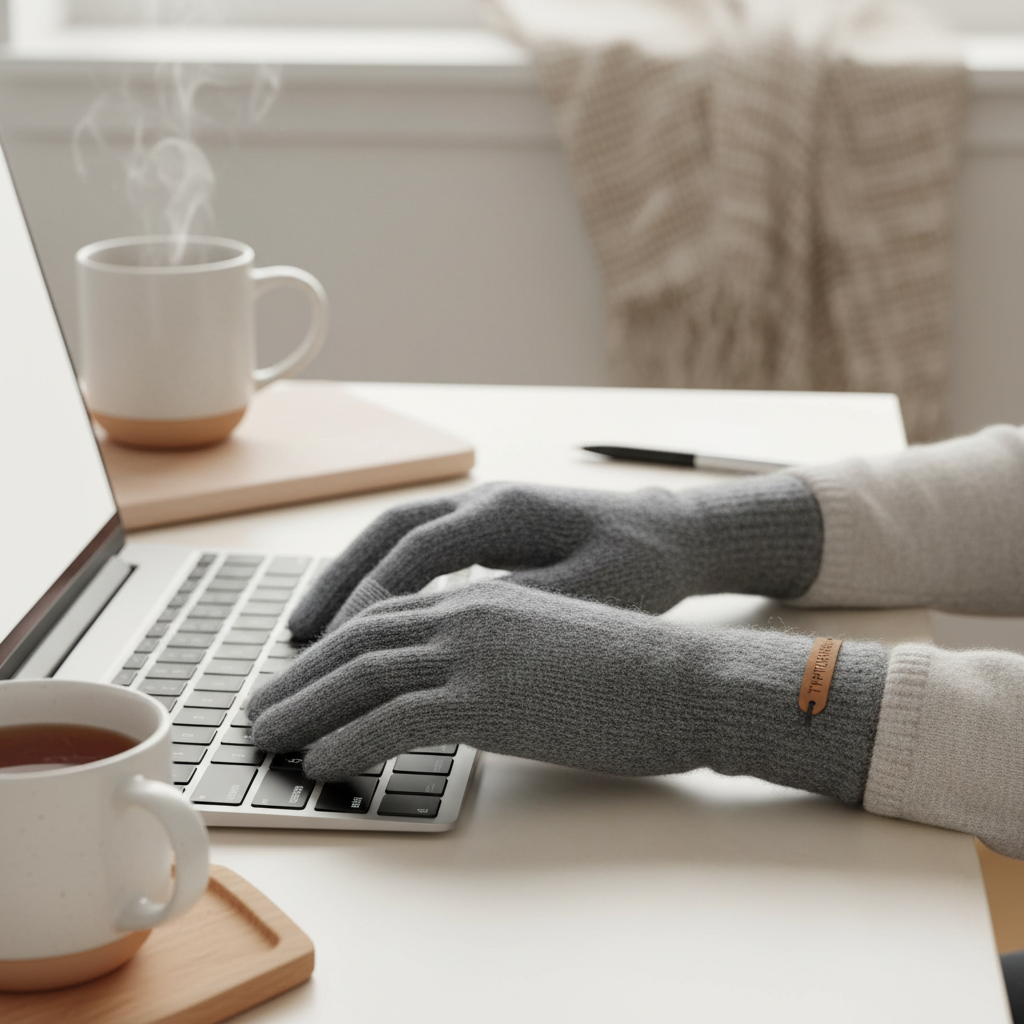
Simply put, silk thermal liner gloves are thin, under-layer gloves made from high-quality silk fibers designed to be worn underneath heavier gloves or on their own in mild cold conditions. Silk’s natural properties—its ability to trap air while remaining breathable—make it a stellar insulator. In a nutshell, these gloves permit warmth retention without sacrificing touch sensitivity, essential for many modern industries and humanitarian relief efforts alike.
Their connection to humanitarian needs might surprise you. In post-disaster relief zones, for example, where rapid response teams face freezing temperatures and need to handle delicate equipment, silk thermal liners allow them to work longer and safer.
Key Features of Silk Thermal Liner Gloves
1. Insulation Efficiency
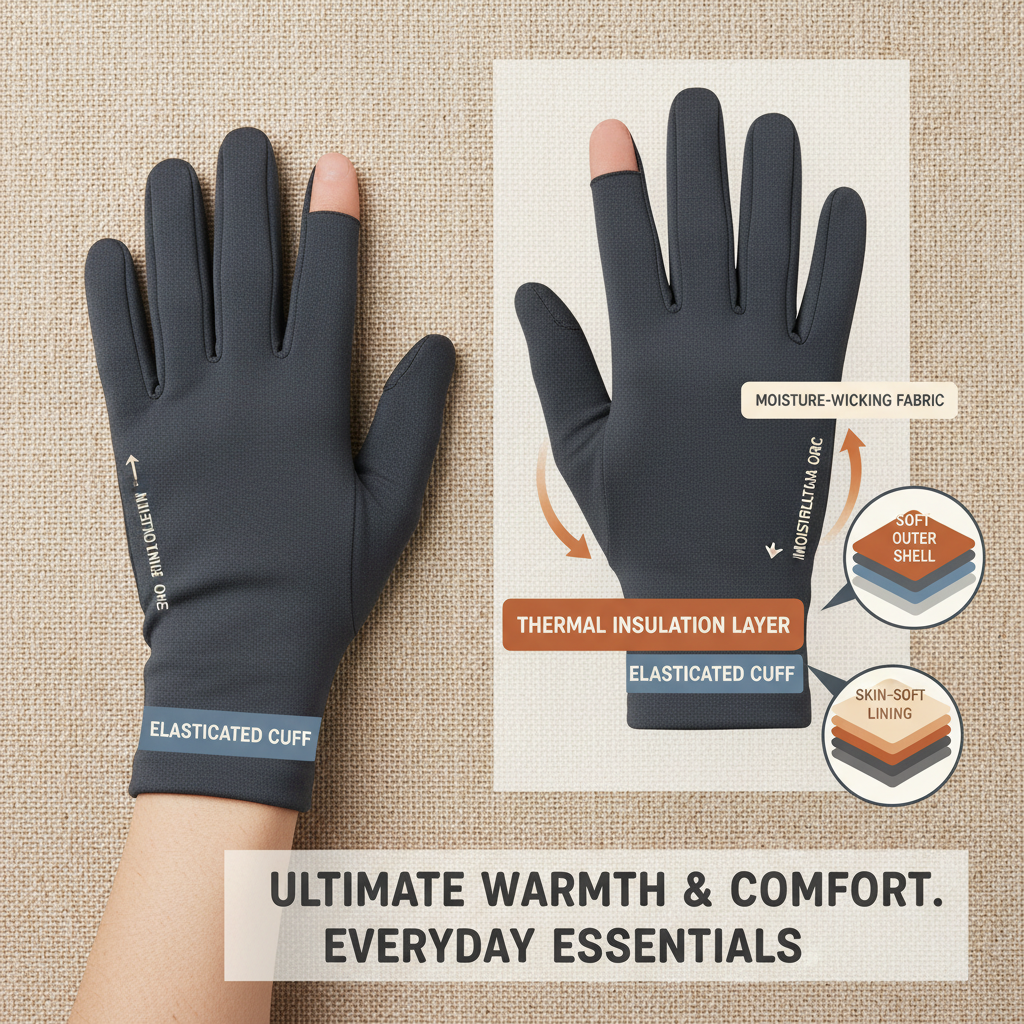
Silk fibers create a countless number of tiny air pockets, trapping warmth close to the skin. The thermal value is surprisingly high given the gloves’ featherweight feel, making them ideal for layering.
2. Breathability & Moisture Wicking
Unlike many synthetic liners, silk naturally wicks moisture away. So, sweaty palms don’t quickly turn cold and clammy—helping prevent frostbite and discomfort.
3. Comfort & Fit
The softness of silk conforms gently to the hand's shape. Wearing them feels like a second skin—a huge plus when dexterity matters.
4. Durability & Care
Though delicate to the touch, high-quality silk liners hold up surprisingly well with correct care. They aren’t for abrasive tasks but handle everyday wear gracefully.
5. Eco-Friendliness
Silk being a natural fiber supports sustainable production cycles and biodegradability. For industries aiming to cut down plastic waste, silk liners offer a thoughtful alternative.
Product Specifications
| Feature | Specification |
|---|---|
| Material | 100% mulberry silk |
| Weight | 15-20 grams per pair |
| Thermal Rating | Equivalent to 200 gsm fleece |
| Sizes | S, M, L, XL |
| Care | Hand wash cold, air dry recommended |
Comparing Top Vendors of Silk Thermal Liner Gloves
| Vendor | Material Quality | Price per Pair | Sustainability Certification |
|---|---|---|---|
| SilkWarm Inc. | Premium Mulberry Silk | $15-$20 | OEKO-TEX Standard 100 |
| EcoComfort Gear | Silk blend with recycled fibers | $12-$18 | Global Organic Textile Standard (GOTS) |
| ThermaSilk Works | Pure silk, handcrafted | $20-$25 | Fair Trade Certified |
Global Applications & Use Cases
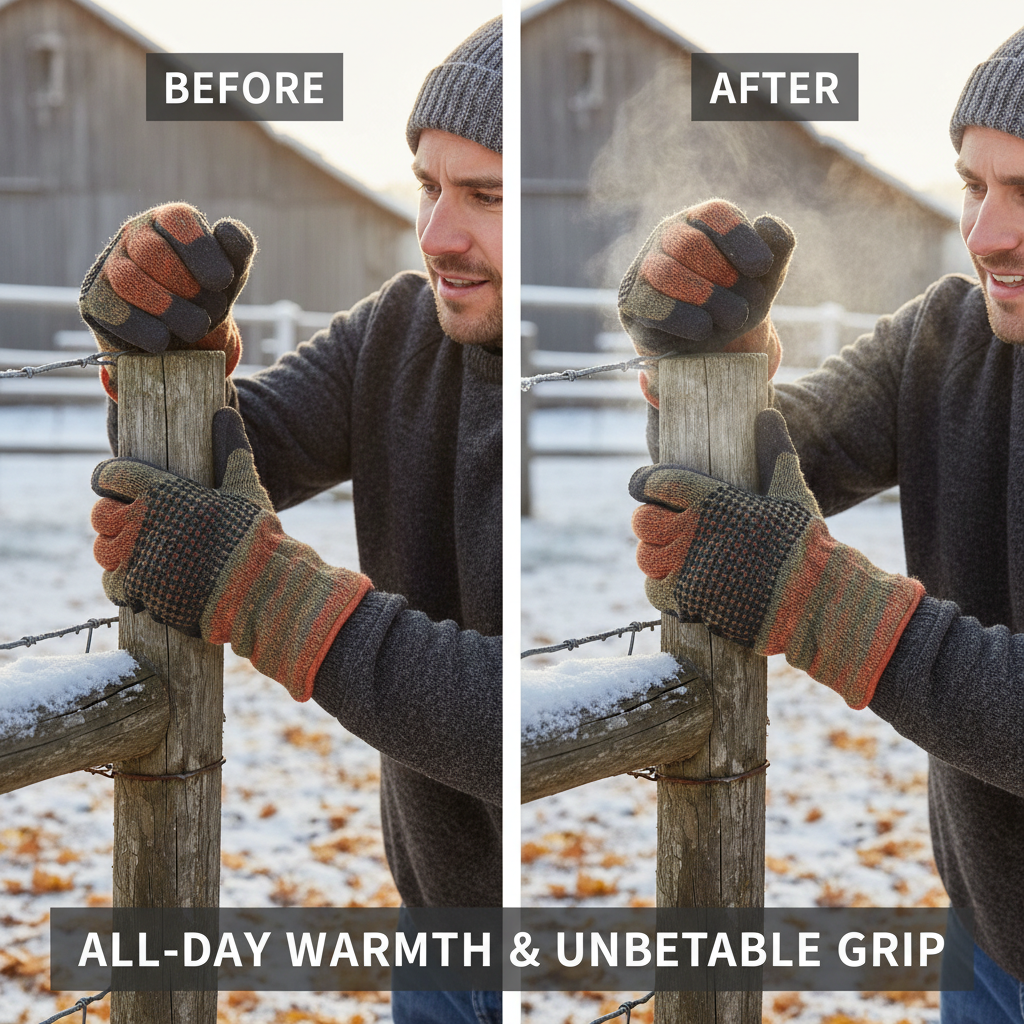
- Outdoor and Industrial Workforces: Construction workers, utility line technicians, and forestry personnel rely on silk thermal liner gloves to maintain hand function during cold periods.
- Humanitarian and Disaster Relief: NGOs use these liners under protective gloves when rapid dexterity and warmth are both crucial in freezing conditions.
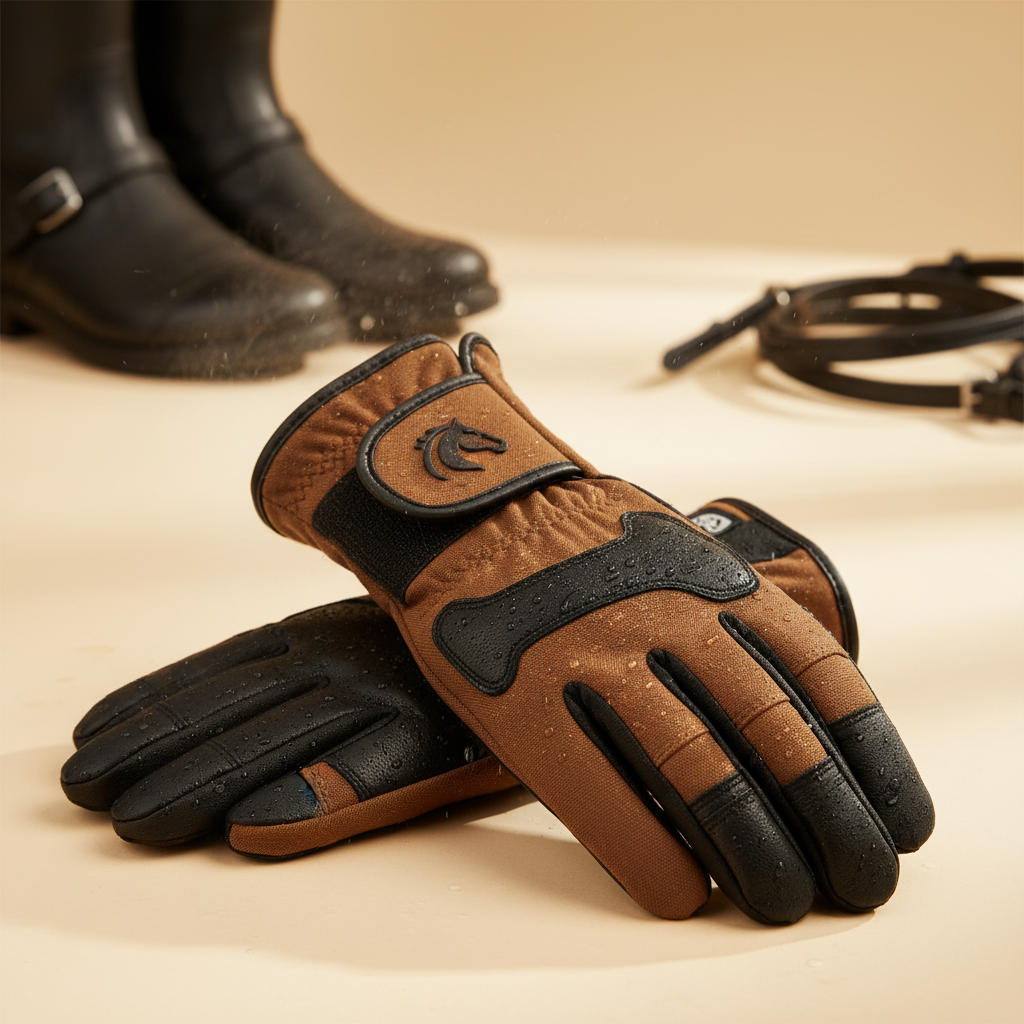
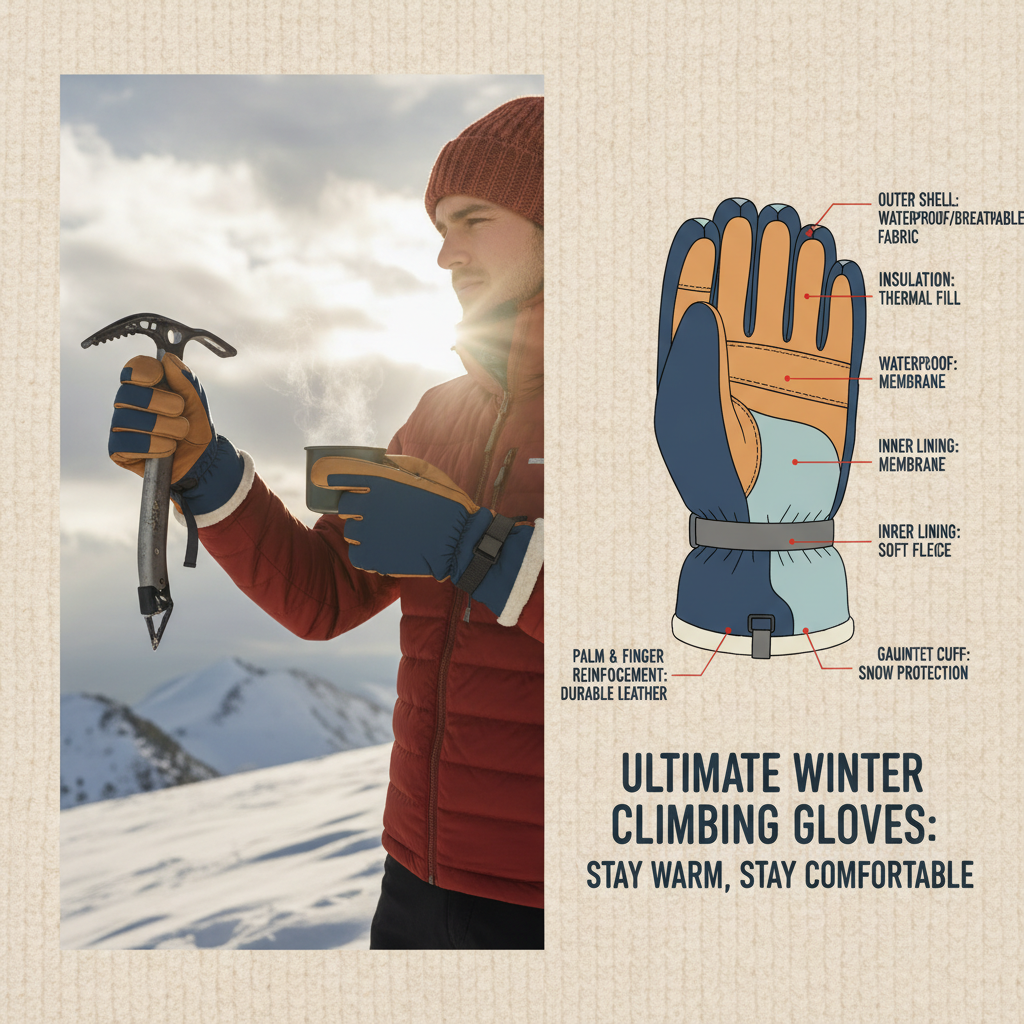
- Winter Sports and Recreational Activities: Skiers, climbers, and hikers appreciate the lightweight warmth for layering.
- Medical and Laboratory Settings: Sometimes these liners are worn beneath latex or nitrile gloves to reduce hand sweating and improve comfort during extended shifts.
Advantages & Long-Term Value
From a cold-weather survival standpoint, silk thermals are unbeatable for preserving manual dexterity. Their lightweight nature reduces hand fatigue—a big deal if you’re handling tools or equipment for hours. The environmental benefit isn’t trivial either: as companies and consumers become more climate-conscious, naturally sourced gloves reduce landfill and microplastic pollution.
Emotionally, wearing them feels effortless, almost luxurious. Workers report feeling safer, knowing their hands won’t go numb unexpectedly, which can be critical for confidence on job sites or in emergencies. Innovation here doesn’t just mean new gadgets—it’s a rethink of materials and care for both people and planet.
Future Trends & Innovations
Silk thermal liner gloves may soon include blends enhanced with graphene or phase-change materials to boost thermal regulation dynamically. Automation in silk production is making consistent quality gloves affordable at scale. On a policy level, tighter labor safety regulations across colder climates are encouraging employers to adopt better protective gear—including these liners.
Plus, sustainability initiatives encourage the use of biodegradable fibers, and enzyme-based washing solutions are being developed to prolong silk’s lifespan while minimizing environmental impact.
Challenges & Practical Solutions
Of course, silk’s delicate nature requires proper care—machine washing or abrasive use can degrade the fabric fast. Plus, these gloves alone don’t protect against cuts or chemical exposure, so they’re best paired with outer gloves tailored to specific hazards.
Innovative solutions include laminated blends or modular glove systems where silk liners disconnect quickly for washing or switching. Silk thermal liner gloves with reinforced fingertips are also emerging to address durability issues in tough work environments.
FAQ: Practical Questions About Silk Thermal Liner Gloves
- Q: How warm are silk thermal liner gloves compared to fleece? A: A good quality silk glove liner offers thermal insulation about equivalent to 200 gsm fleece, but with much less bulk. They excel in mild to moderate cold when layered properly.
- Q: Can I wear them alone or only as liners? A: You can wear silk thermal liner gloves solo in cool, dry conditions or underneath heavier gloves for intense cold or wet environments.
- Q: How do I wash and maintain silk liner gloves? A: Hand wash in cold water with mild detergent; avoid wringing or high heat drying to maintain integrity and softness.
- Q: Are these gloves environmentally friendly? A: Yes, being made from natural silk fibers, they’re biodegradable and come from sustainable sericulture practices.
- Q: Where can I buy high-quality silk thermal liner gloves? A: Visit our recommended suppliers or check out silk thermal liner gloves stock with verified quality and certifications.
Conclusion: Wrapping Up Warmth and Responsibility
In the end, silk thermal liner gloves are quietly revolutionizing how we approach hand protection in cold environments—not just through warmth, but by fostering sustainability, dexterity, and comfort. They represent a thoughtful choice for individuals and industries seeking better solutions without compromise. Whether you’re outfitting a winter workforce or stepping out for a crisp morning hike, these gloves make a subtle but profound difference.
Ready to experience the blend of warmth and elegance? Check out our full selection at https://www.personalcarescn.com today.
It’s funny how something as delicate as silk can offer such strong protection—it’s a bit of nature’s own engineering in your palm.