Comprehensive Guide to Thermal Wear Gloves for Cold-Climate Protection
Understanding Thermal Wear Gloves: A Global Perspective
If you’ve ever been caught in biting cold without a decent pair of gloves, you know how quickly chill can seep into your bones. Thermal wear gloves aren’t just ordinary mitts — they’re engineered to keep hands warm and functional in environments where freezing temperatures could otherwise hinder productivity and safety. Globally, with climate extremes becoming more unpredictable and outdoor occupations growing, these gloves play a crucial role—whether on Arctic oil rigs, in mountainous construction sites, or humanitarian relief missions in frostbitten regions. Knowing what makes thermal wear gloves tick doesn’t just satisfy curiosity; it helps industries and individuals choose the right gear that can literally protect livelihoods and fingers from outright frostbite.
The Global Context: Why Thermal Wear Gloves Matter Now More Than Ever
According to UN Climate Science Reports, extreme cold snaps and erratic weather events have seen notable upticks across the Northern Hemisphere. Workers in cold climates need reliable protective gear, and thermal wear gloves stand at the frontline of this defense. Approximately 15% of the global workforce is engaged in outdoor or cold weather work, per International Labour Organization data. Yet, a mismatch between glove performance and real-world demands can risk both human health and project success.
The challenge lies not just in warmth — but in durability, dexterity, and sustainability. Let’s dig deeper into what constitutes these gloves and why the buzz is justified.
What Exactly Are Thermal Wear Gloves?
In the simplest terms, thermal wear gloves are specialized hand coverings designed to provide insulation against cold temperatures while maintaining usability. But unlike typical winter gloves, these are carefully engineered with layers of insulating materials, moisture-wicking fabrics, and sometimes even smart fibers that adapt to temperature changes. Their connection to modern industry lies in safeguarding workers exposed to sub-zero conditions to maintain safety and efficiency.
In humanitarian contexts, thermal wear gloves can protect vulnerable populations during winter relief efforts, preserving dignity and health. So, they’re more than just apparel; they're frontline gear in cold zones.
Core Components That Define Thermal Wear Gloves
1. Insulation Materials
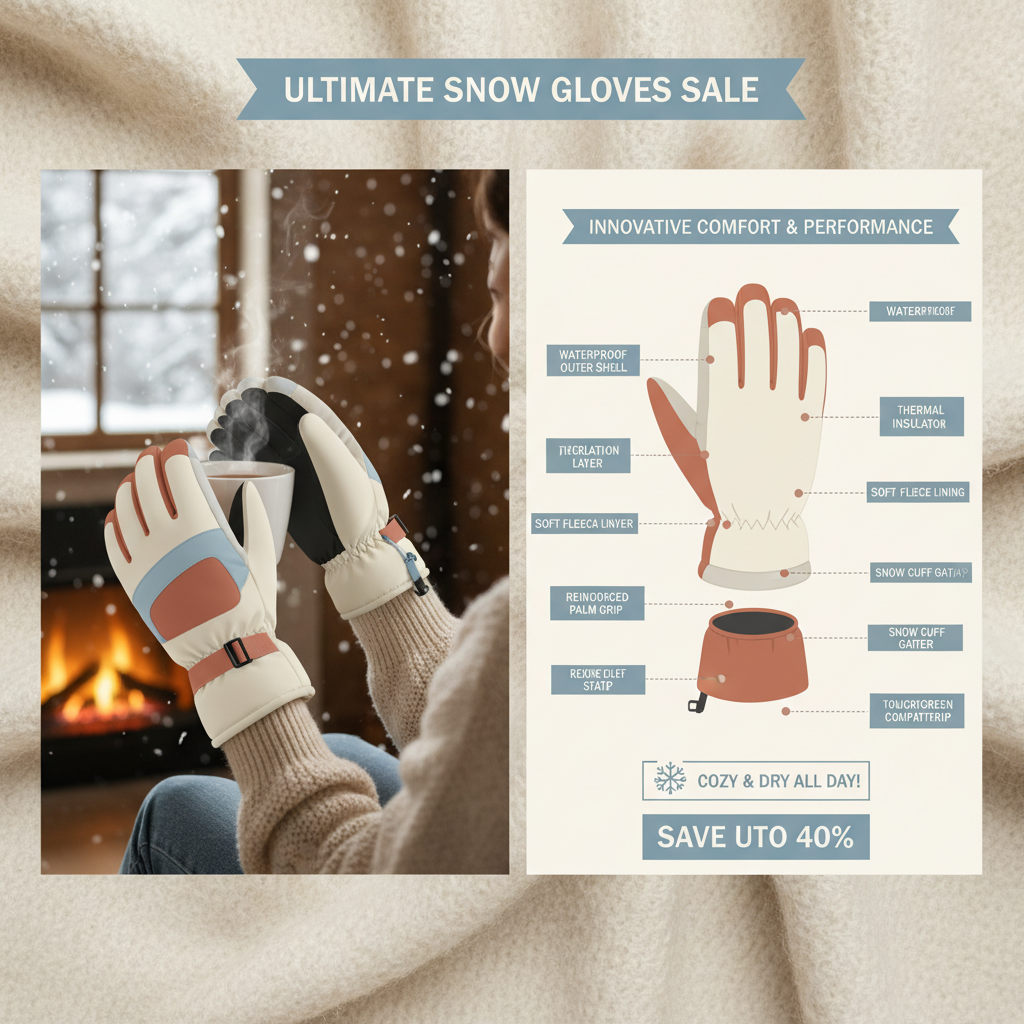
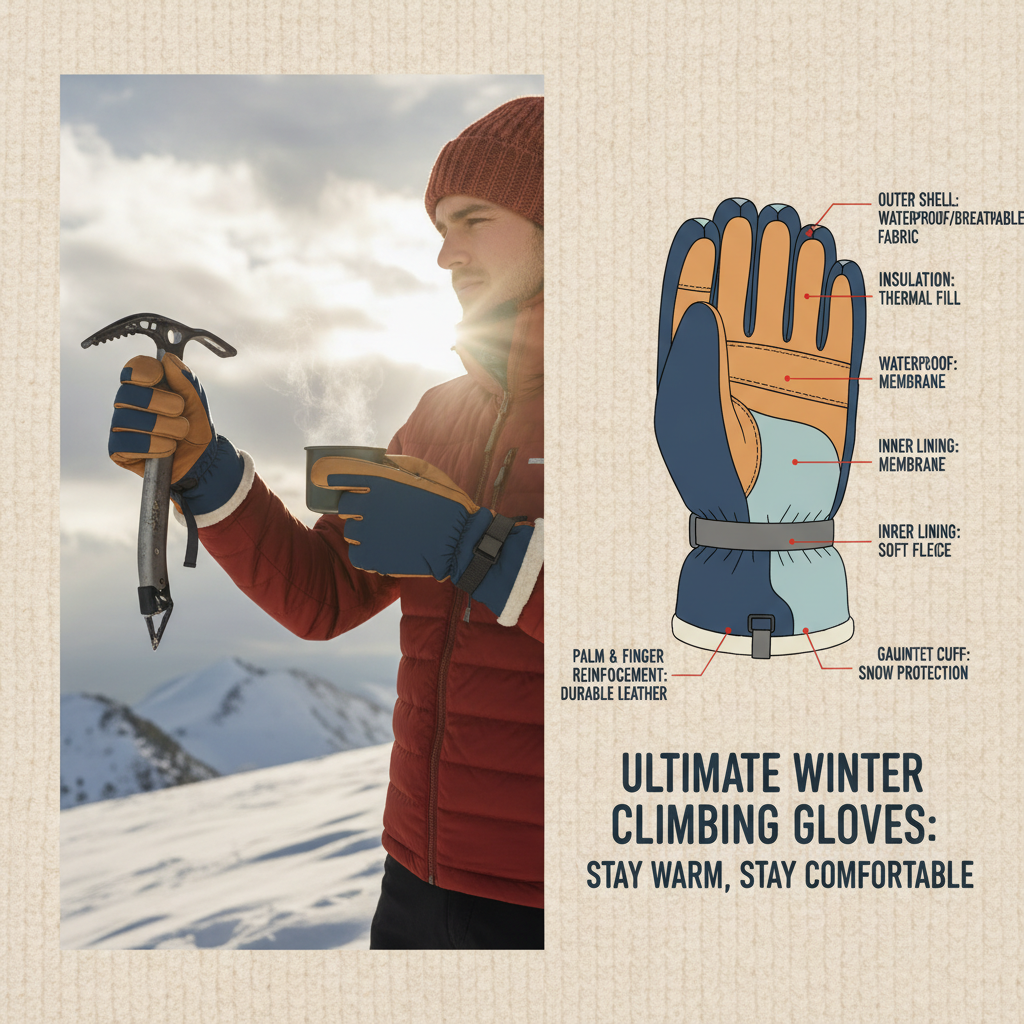
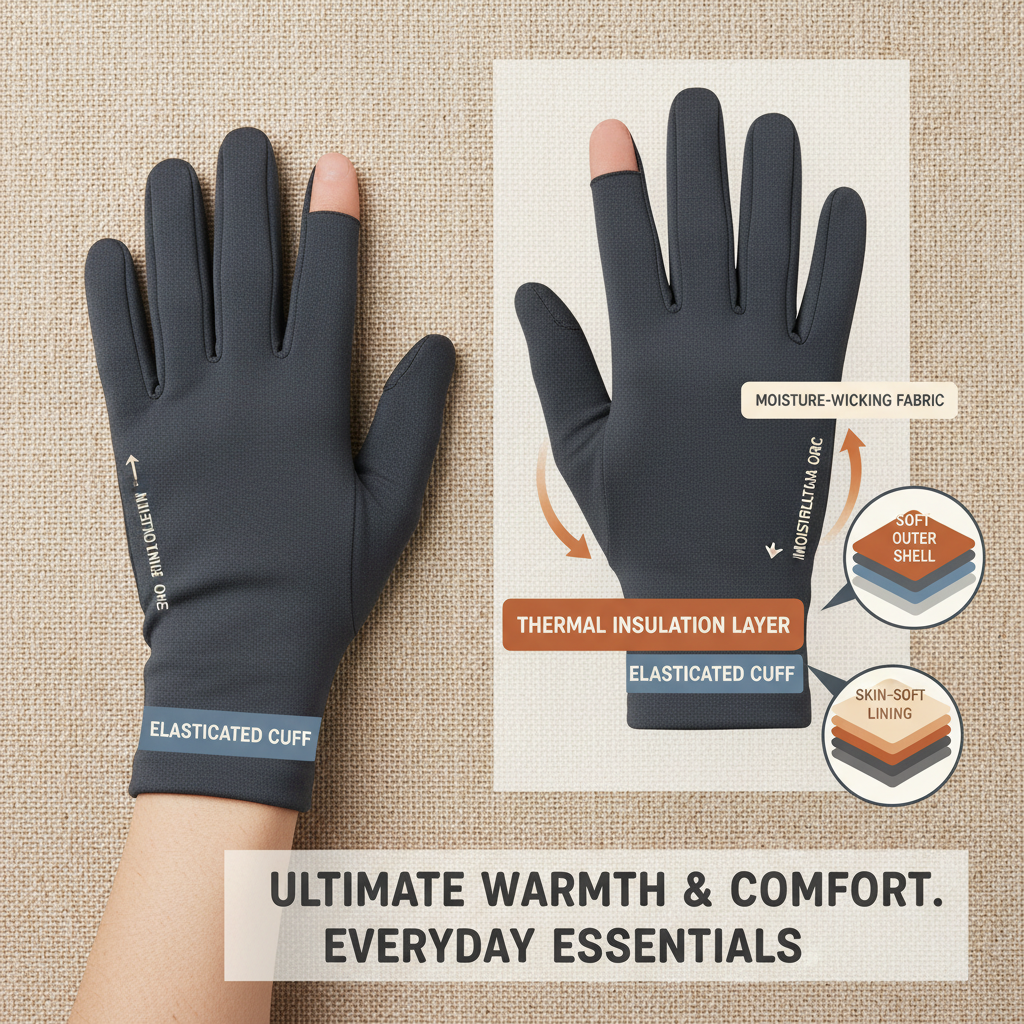
The heart of thermal gloves lies in their insulation. Materials like Thinsulate™, wool blends, or synthetic polyesters trap air to form a barrier against cold. Many engineers and users swear by multi-layer composites that balance warmth with breathability—so you’re not sweating inside your gloves, which ironically can make things colder.
2. Outer Shell and Water Resistance
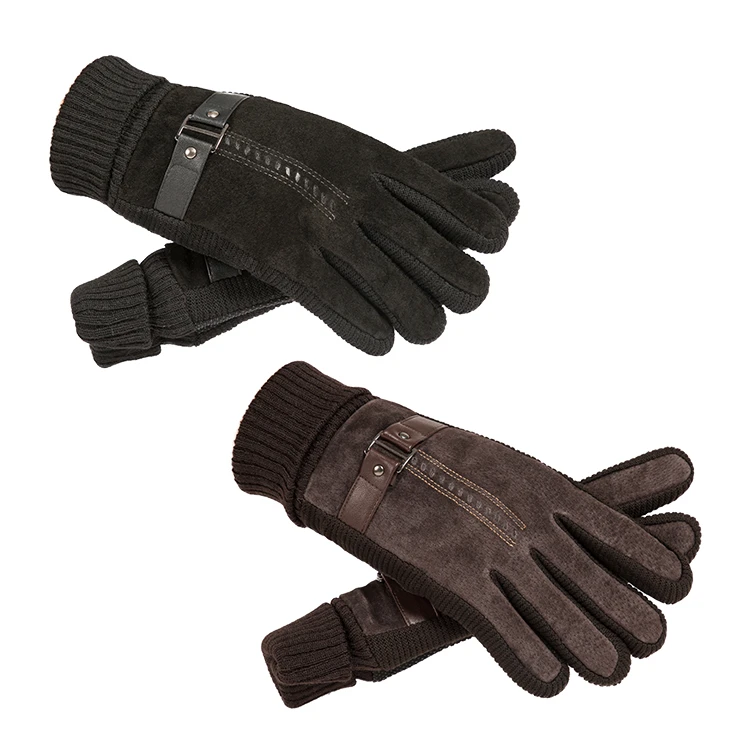
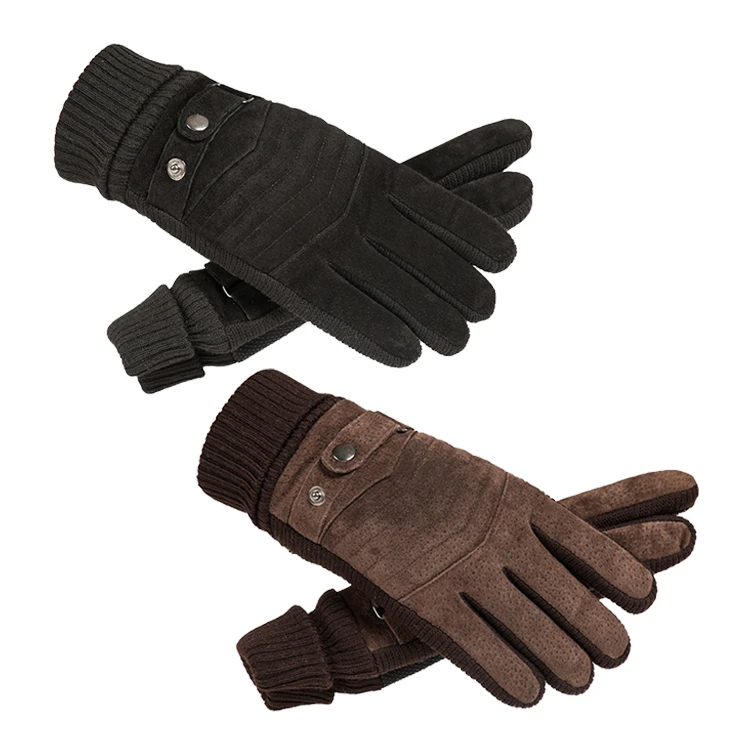
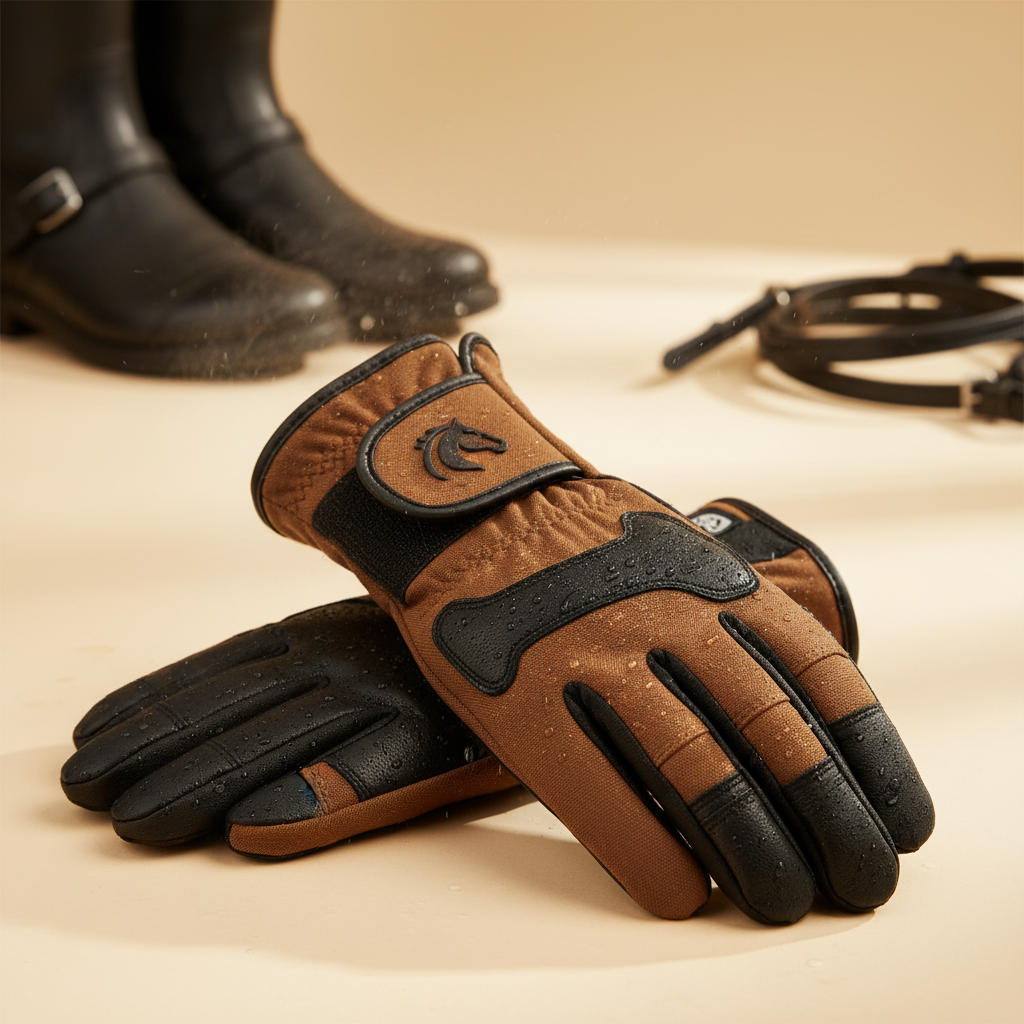
An important facet is the outer shell—commonly made from materials like nylon or leather treated with water-resistant coatings. This stops rain or snow from soaking through, which is critical in maintaining dry, warm hands.
3. Dexterity and Grip
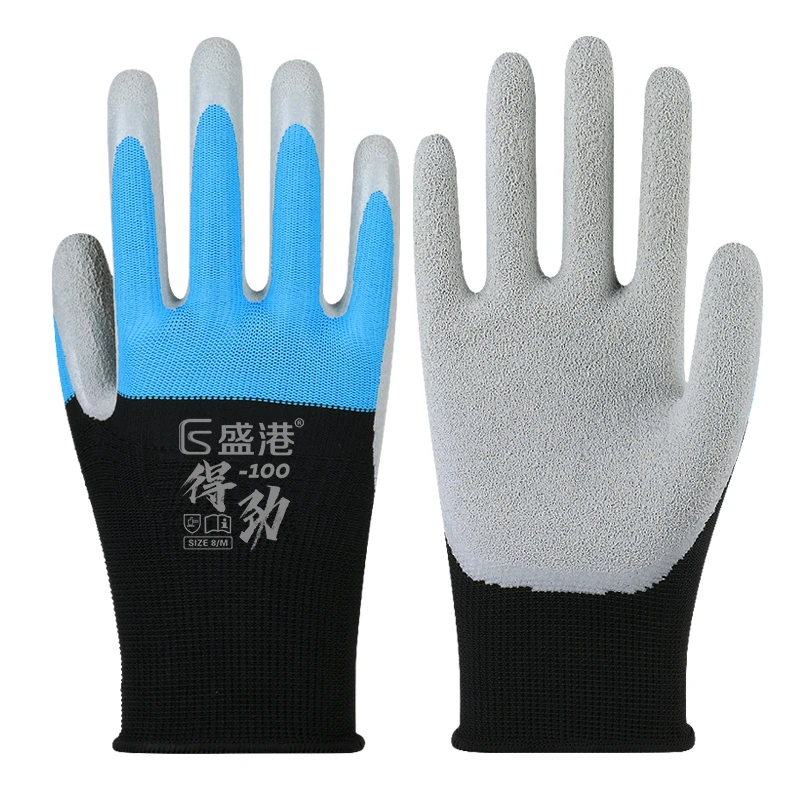
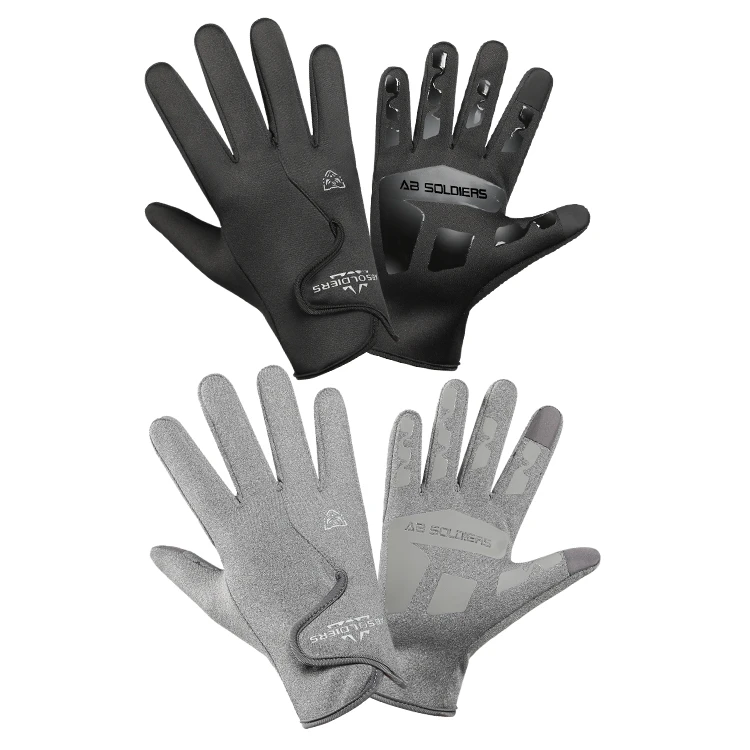
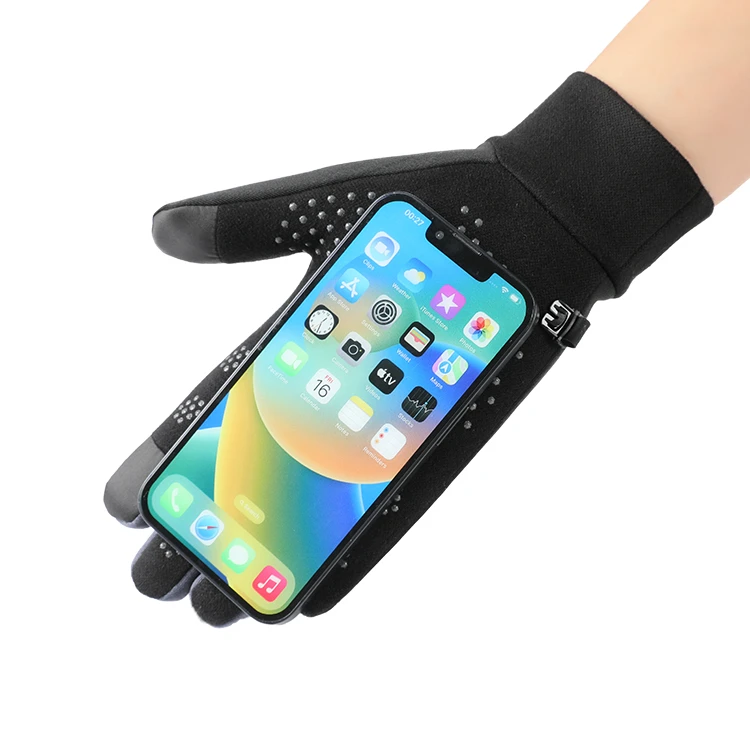
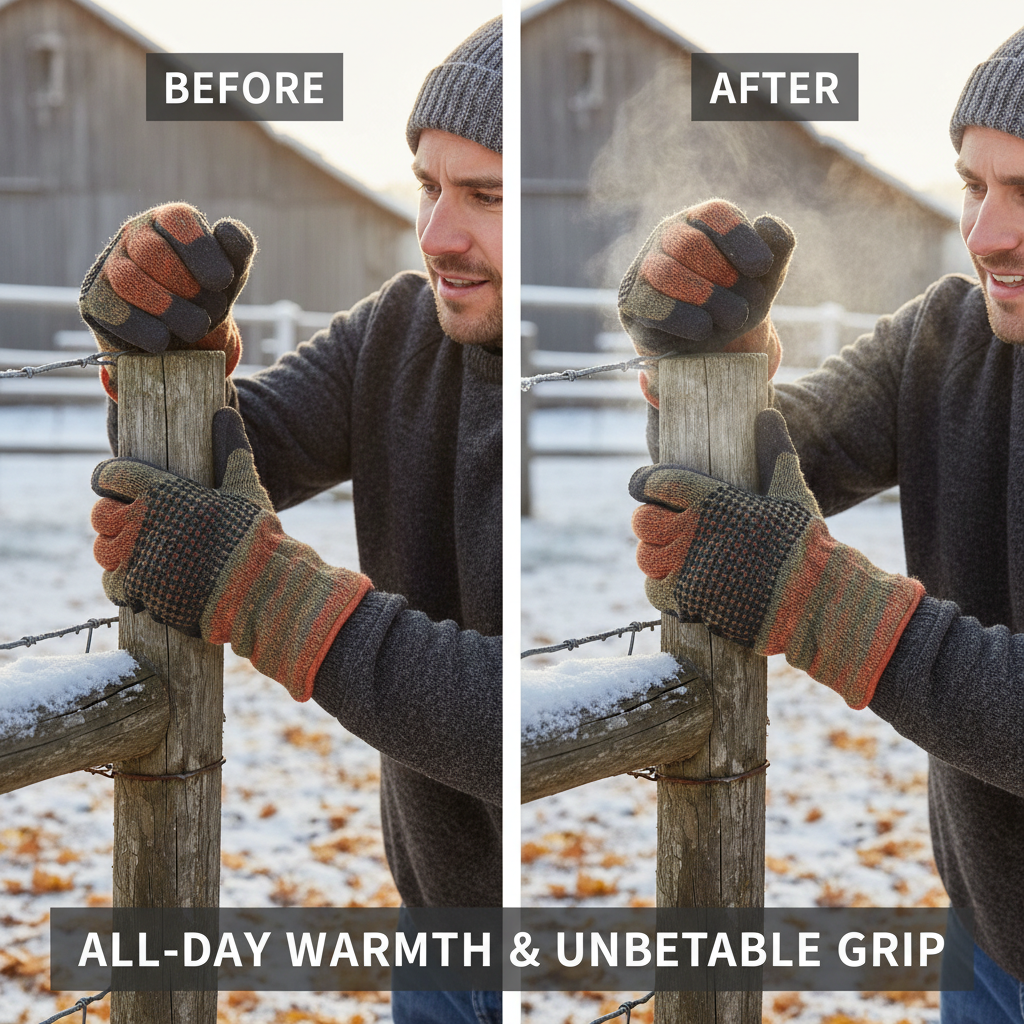
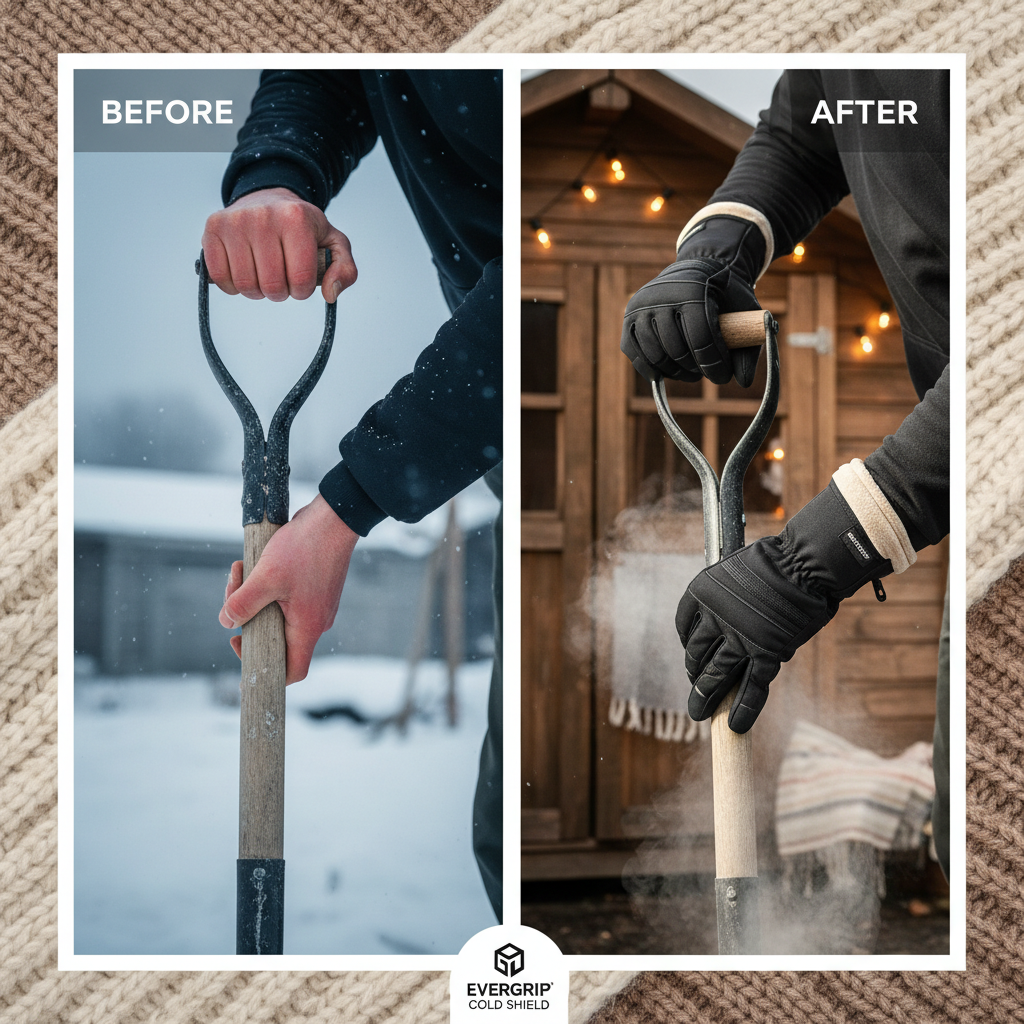
Thermal gloves aren’t just about warmth; they must allow users to manipulate tools, hold machinery, or operate touchscreen devices. This requires flexible yet robust materials on the fingers and palms—silicone grips or textured leather patches are common choices.
4. Durability and Abrasion Resistance
Work gloves endure rough treatment. Thermal wear gloves used in construction, logistics, or disaster relief must resist tears, punctures, and general wear and tear—without losing insulation or comfort. Reinforced stitching and high-quality synthetic fibers usually do the job.
5. Breathability and Moisture Management
Interesting point—while bulky insulation offers warmth, it can also cause sweat buildup. Breathable membranes like Gore-Tex help wick away moisture, preventing clamminess that can reduce warmth over time.
6. Fit and Sizing
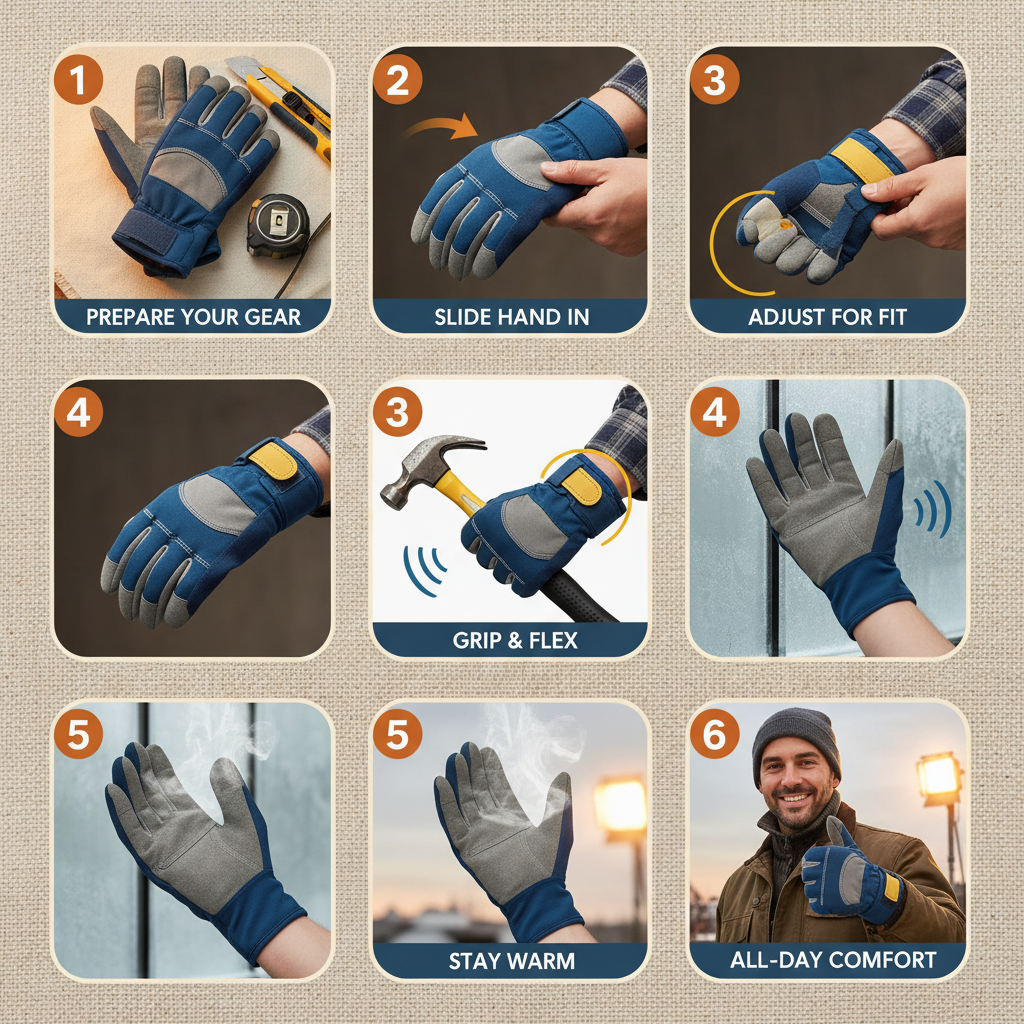
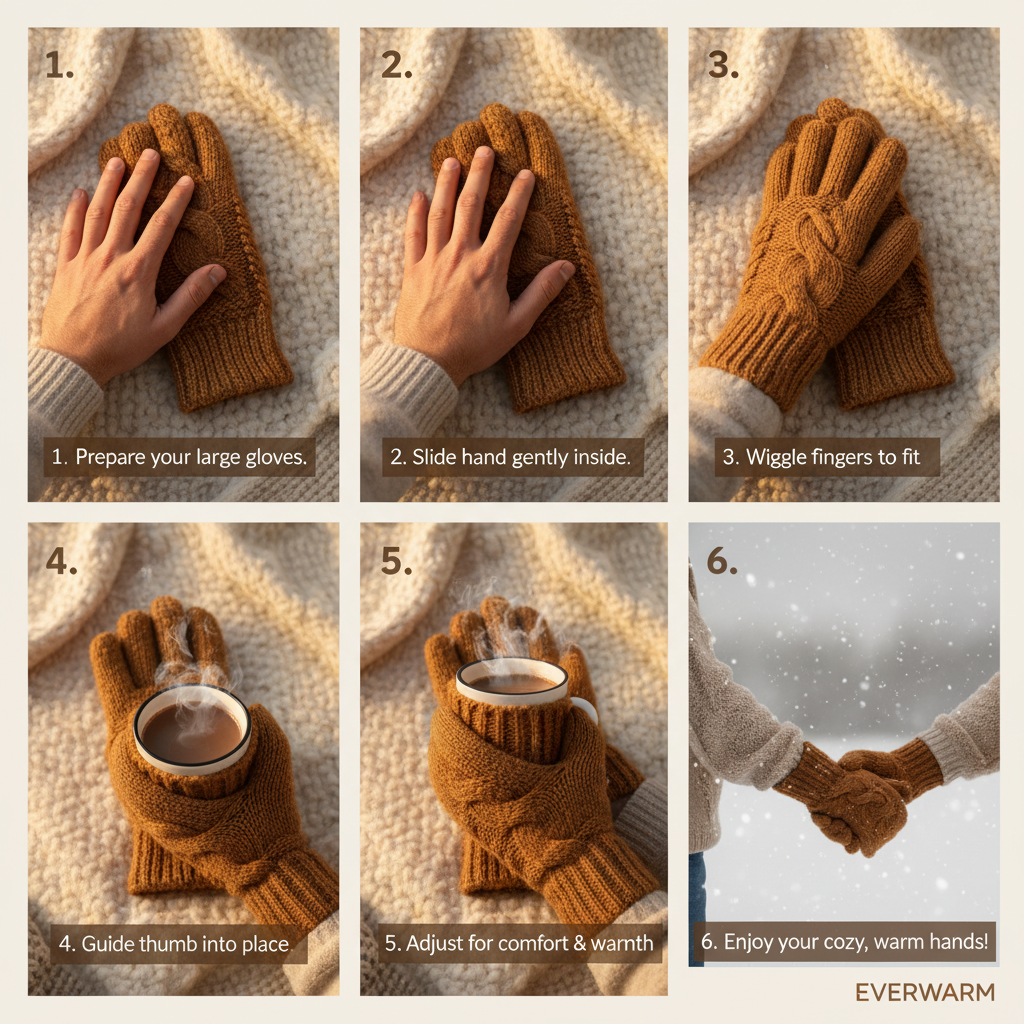
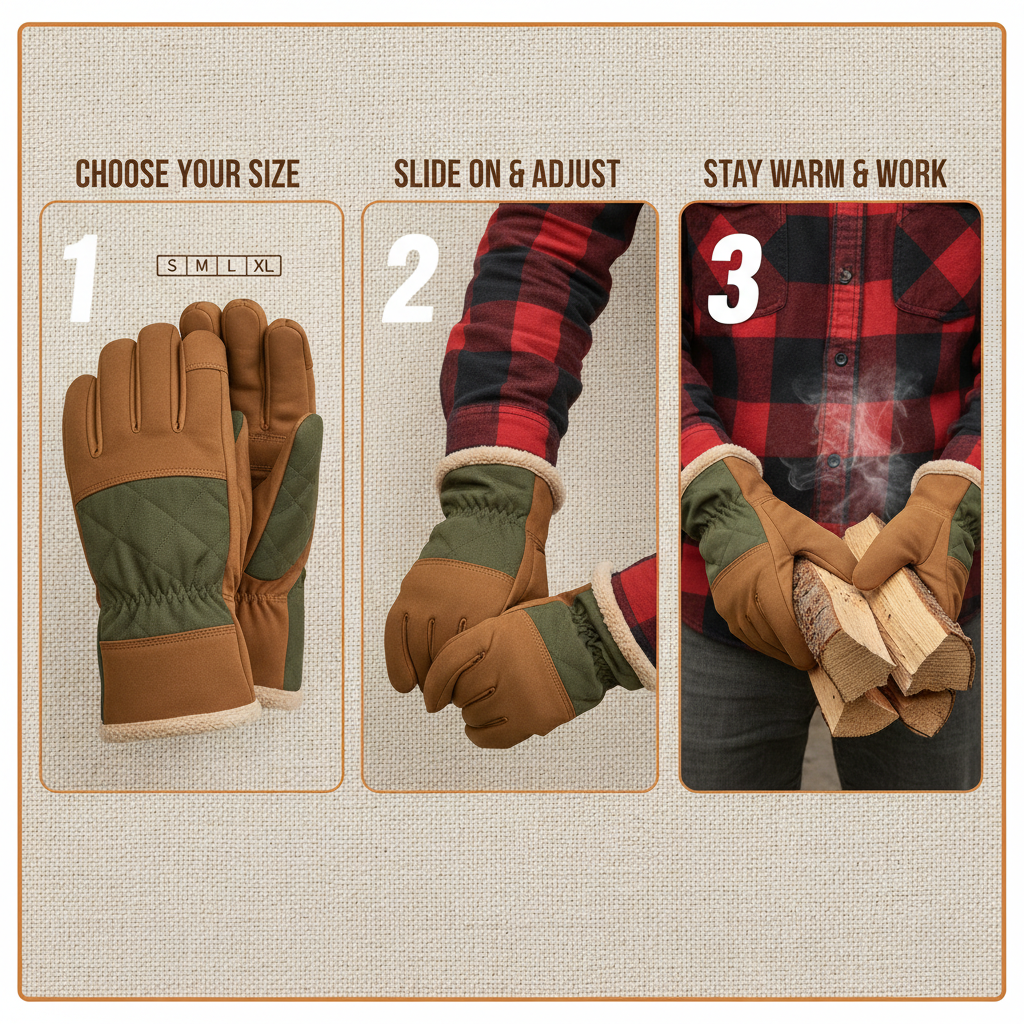
Oddly enough, a glove that’s too loose or tight can compromise thermal efficiency. Proper sizing ensures minimal heat loss and maximized comfort.
How Thermal Wear Gloves Are Applied Worldwide
Across industries and geographies, these gloves show their true worth. Let’s map a few use cases:
- Arctic and Alpine Workforces: In oil drilling, mining, or scientific research bases in cold climates like Canada, Russia, and Scandinavia, thermal gloves ensure hand function isn’t sacrificed to frost.
- Humanitarian Relief Efforts: NGOs providing winter aid to displaced populations in Central Asia or Eastern Europe rely heavily on thermal gear for health and comfort — these gloves are often the last line of defense against hypothermia.
- Outdoor Recreation and Sports: While not industrial, the winter sports sector fuels innovation with specialized gloves tailored to extreme cold and movement, some technologies trickling back to work gloves.
- Cold-Chain and Logistics: Workers loading refrigerated cargo or in cold storage warehouses are another group benefiting from advanced thermal gloves designed for grip and endurance.
Product Specification Table for a Typical Thermal Wear Glove
| Feature | Specification |
|---|---|
| Insulation | Thinsulate™ 40g |
| Outer Material | Water-resistant Nylon |
| Palm Grip | Textured Silicone Patches |
| Lining | Polyester Fleece |
| Breathability | Gore-Tex membrane |
| Sizes | S to XXL |
| Weight per Glove | 120g |
The Long-Term Benefits of Choosing the Right Thermal Gloves
On the surface, it’s about warmth. But the deeper impact is multifaceted:
- Cost Efficiency: High-quality thermal gloves reduce injury and downtime, saving money long-term. I’ve heard many operators say investing upfront pays off in fewer sick days.
- Sustainability: New eco-friendly materials and production techniques lower environmental footprints—something increasingly demanded by governments and consumers.
- Social Impact: Providing workers with reliable gloves boosts morale, enhances safety culture, and preserves dignity under harsh conditions.
- Reliability: Trustworthy gloves become an unspoken pact between the user and their environment — a tool you depend on when the cold bites hard.
What’s Next? Future Trends in Thermal Wear Gloves
We’re on the cusp of exciting innovations. For instance, heated gloves powered by rechargeable batteries were once gimmicks but are increasingly practical with better tech. Smart fabrics that adjust insulation on demand are no longer sci-fi but emerging realities.
There’s also a shift toward greener materials—think recycled polyester insulation or biodegradable components. Automation in production promises better sizing and fewer defects, personalizing protection like never before.
Facing Challenges and Smart Solutions
Despite advances, thermal gloves still face hurdles:
- Balancing Insulation vs Dexterity: Bulk often hampers fine motor skills. Solutions include hybrid materials and innovative cuts.
- Moisture Management: Overheating and sweating inside gloves remains a nagging problem; better breathability tech is continually refined.
- Affordability: Premium gloves can be costly—efforts to scale production and use more cost-effective materials help expand access.
Some experts suggest modular gloves with removable liners could be a game-changer, allowing users to adjust warmth on the fly.
Vendor Comparison: Leading Thermal Wear Gloves Providers
| Vendor | Specialty | Price Range | Sustainability | Warranty |
|---|---|---|---|---|
| ArcticGear Pro | Industrial-grade, battery heated options | $60–$120 | Uses recycled insulation | 2 years |
| ThermoFlex Tech | Lightweight, high dexterity, touchscreen compatible | $45–$90 | Carbon neutral manufacturing | 1 year |
| EcoCold Solutions | 100% biodegradable components | $50–$80 | Zero waste production | 1.5 years |
Frequently Asked Questions About Thermal Wear Gloves
Q1: How do I choose thermal wear gloves for extreme cold work sites?
Focus on insulation type (e.g. Thinsulate with at least 40g weight), water resistance, and dexterity features. Also, consider breathability if you're wearing gloves long hours. Trying different glove designs to find a perfect fit is recommended, especially in industrial settings.
Q2: Can thermal gloves be used with touchscreen devices?
Yes! Many modern thermal wear gloves include touchscreen-compatible finger pads, often on the index finger and thumb, allowing outdoor workers to operate smartphones and tablets without removing gloves, which helps maintain warmth.
Q3: Are battery-heated gloves safe and practical?
Battery-heated gloves have improved dramatically with lightweight, long-lasting lithium batteries and temperature controls. They're safe when used according to instructions but generally come at a higher price point. Ideal for extreme cold conditions or workers prone to poor circulation.
Q4: How should thermal gloves be maintained to last longer?
Keep gloves clean and dry by following manufacturer care guidelines — often gentle hand wash and air dry. Avoid wringing and store gloves in a cool, dry place. Proper care preserves both insulation and outer materials, extending glove lifespan.
Conclusion: Why Thermal Wear Gloves Are Worth the Investment
Thermal wear gloves bridge a simple necessity and a sophisticated technological solution, protecting people—sometimes in life-or-death conditions—against cold extremes. With innovations continuing and sustainability becoming integral, these gloves are shaping the future of protective wear. If you work outdoors or source gear for cold climates, remember: the right gloves represent more than warmth; they’re about safety, efficiency, and dignity.
Interested in exploring reliable thermal wear gloves for your needs? Check out our collection and detailed guides at thermal wear gloves.