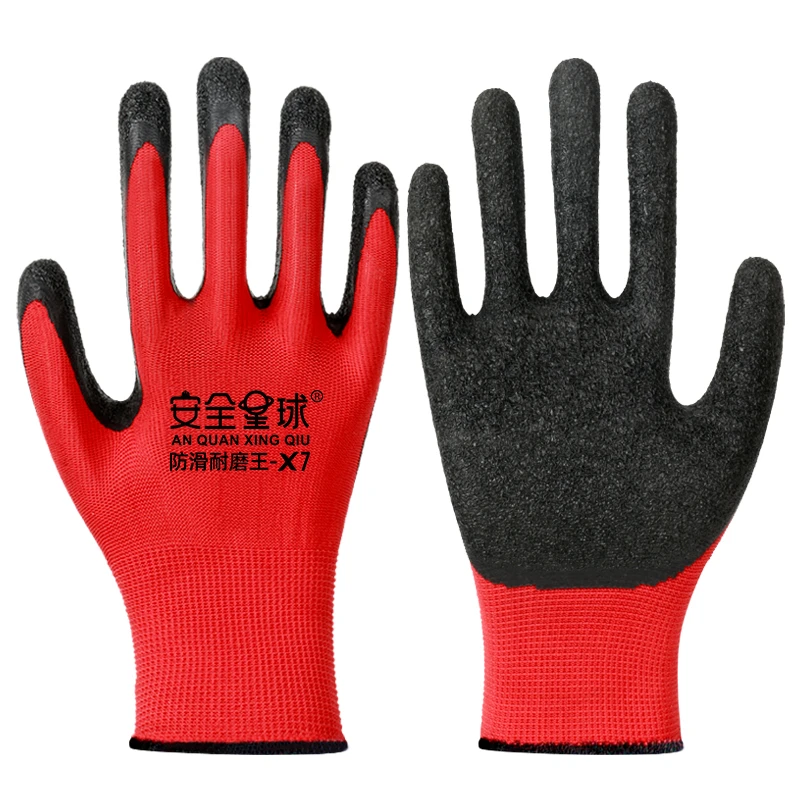
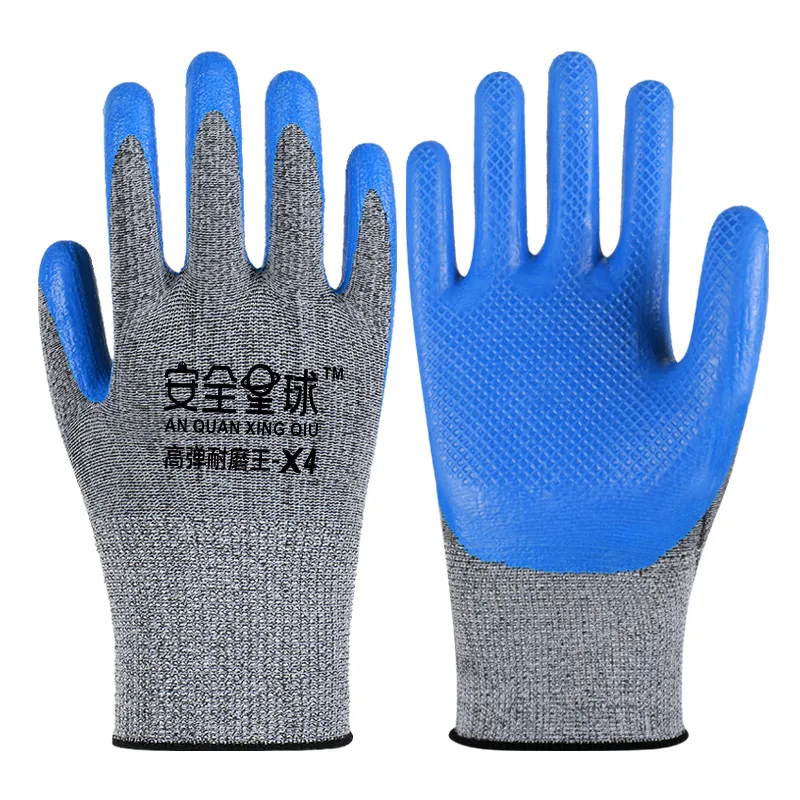
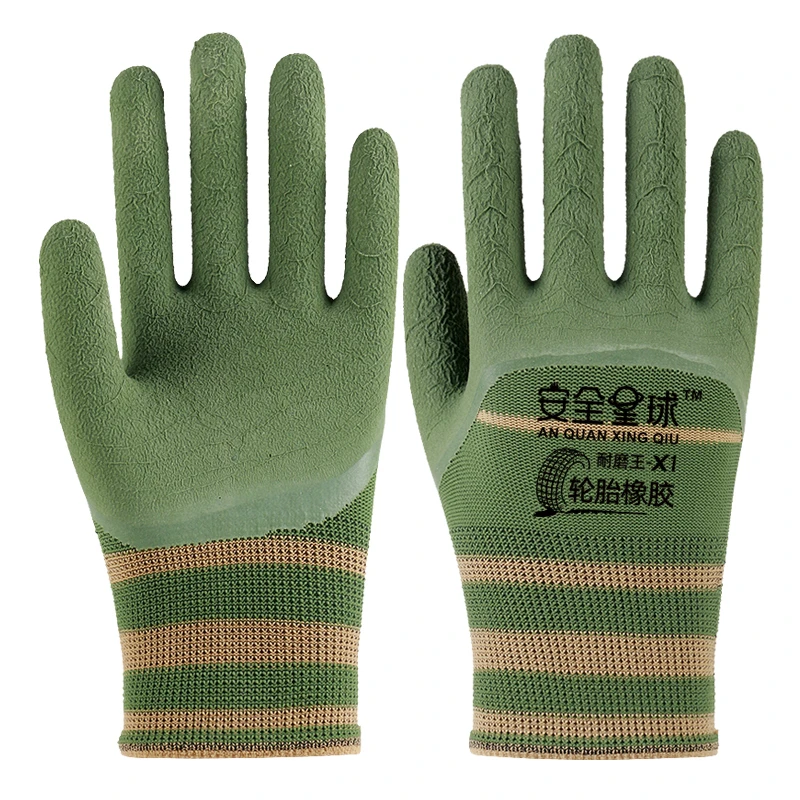
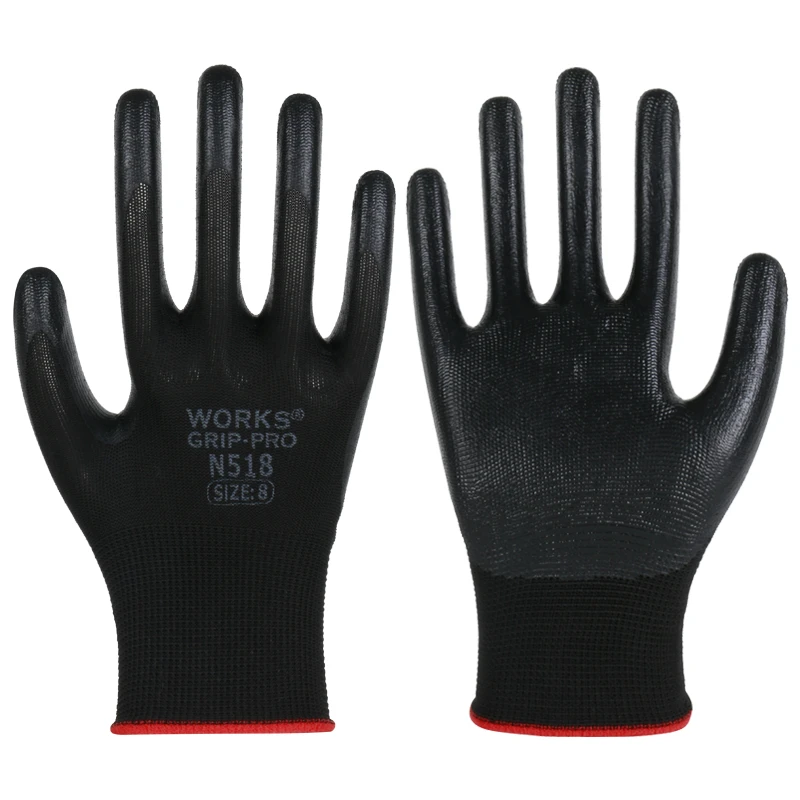
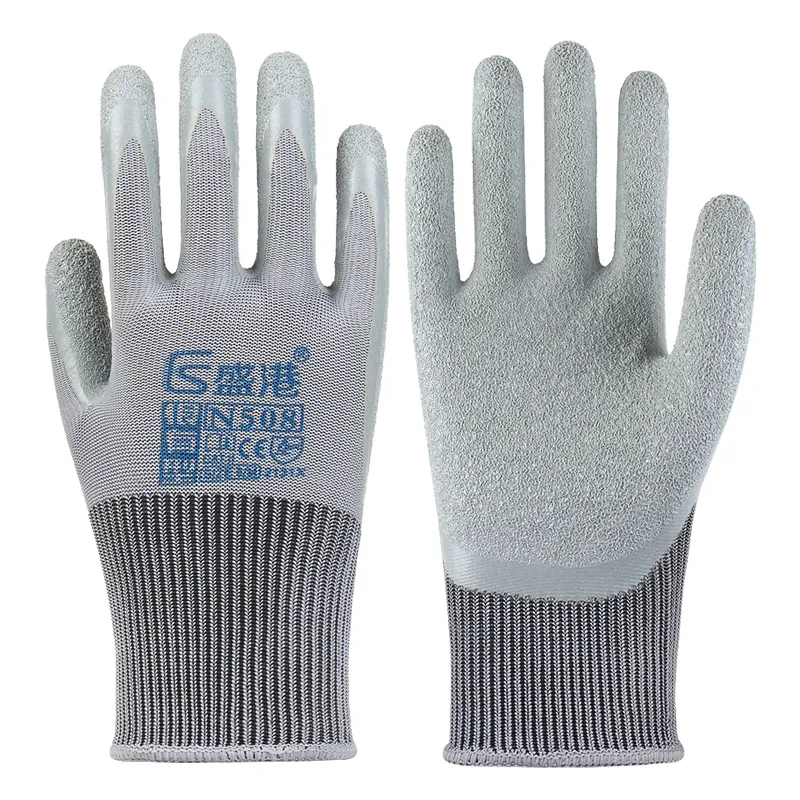
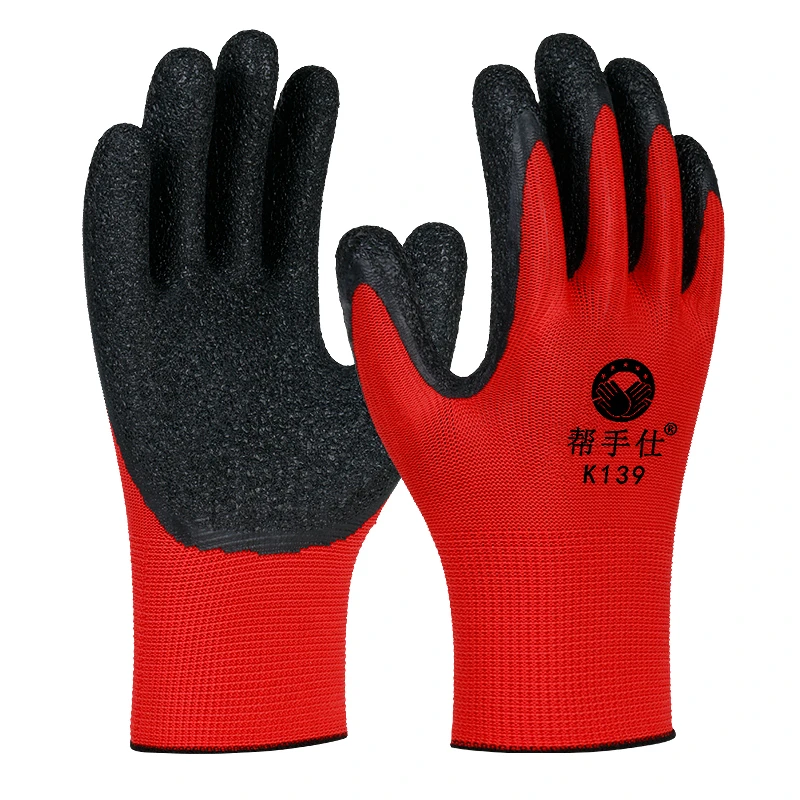
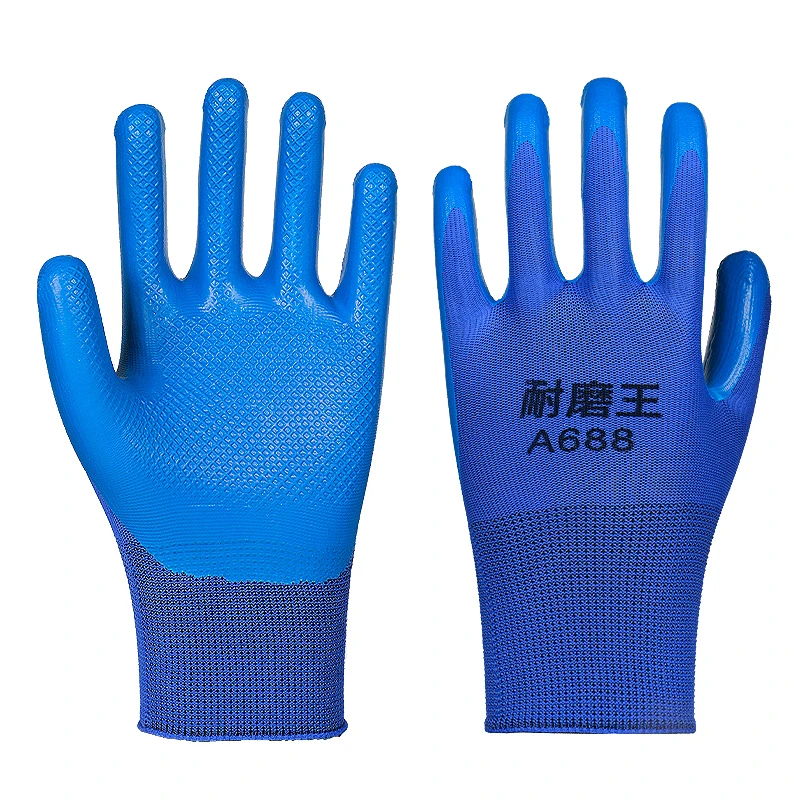
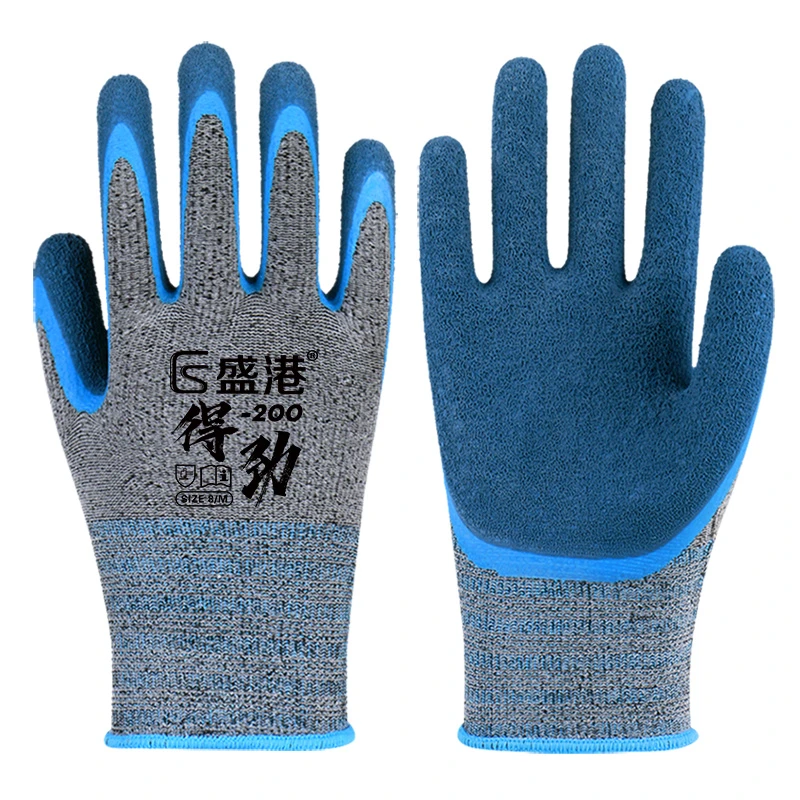
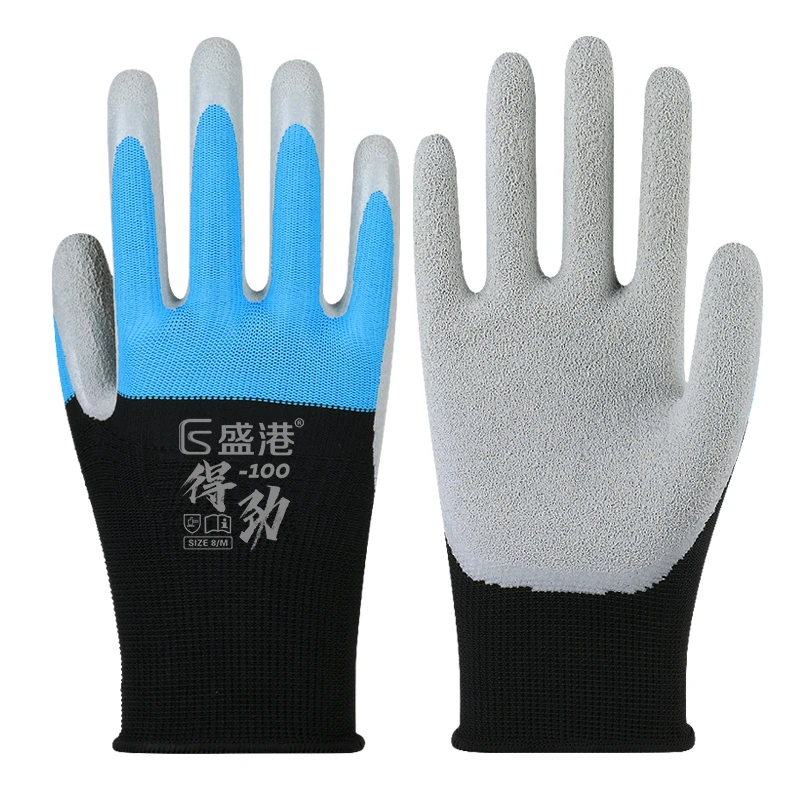
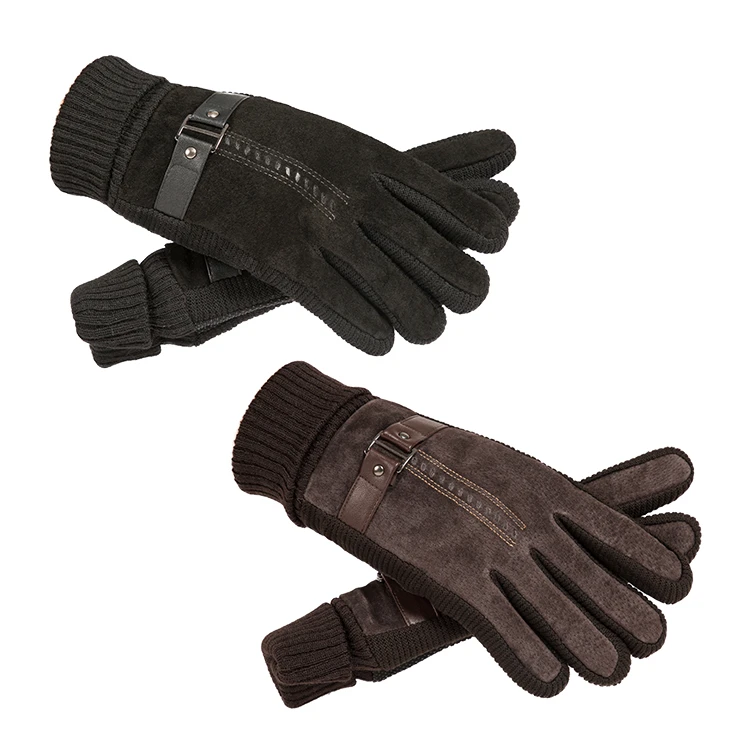
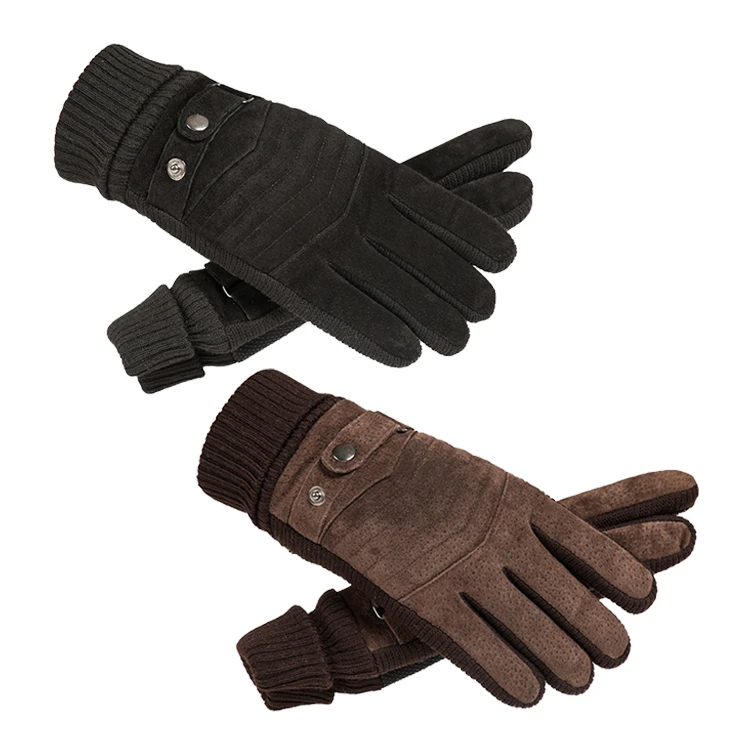
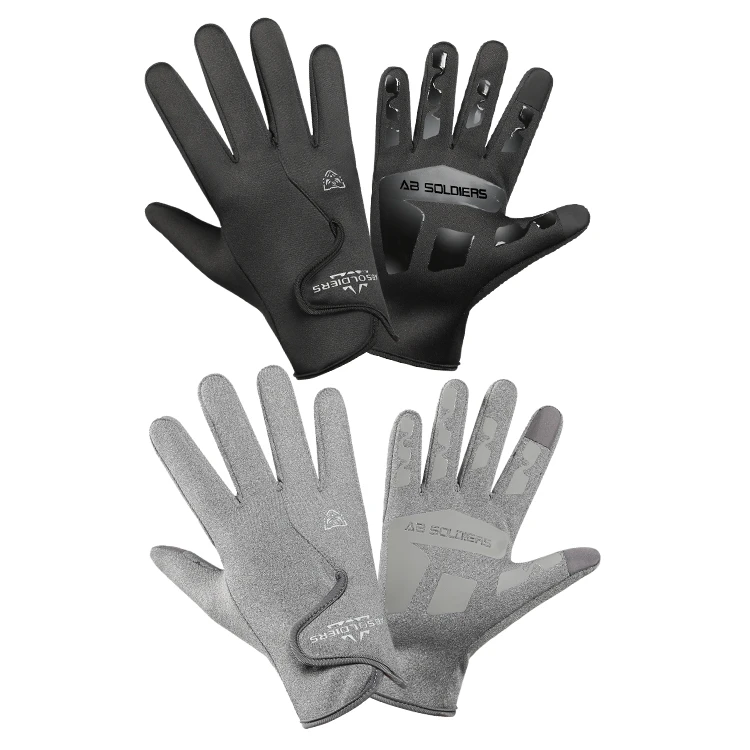
Thermal Waterproof Winter Gloves - Ultimate Protection for Cold, Wet Conditions
Why Thermal Waterproof Winter Gloves Matter in a Changing World
Thermal waterproof winter gloves may sound niche, but don't be fooled. In a global landscape marked by unpredictable weather shifts and a growing demand for outdoor workwear, these gloves stand as an essential piece of gear for workers, adventurers, and relief workers alike. Beyond just keeping hands warm, they protect anyone braving cold and wet environments, helping to prevent injuries and maintain productivity. Understanding what makes these gloves tick isn’t just about fashion or comfort—it’s about safety, resilience, and adaptability at a time when we really need them.
Mini takeaway: Thermal waterproof winter gloves are more than just accessories; they’re vital tools in a world facing harsher climates and rising demand for reliable protective wear.
The Global Context: Why Everyone Needs Thermal Waterproof Gloves Today
Cold weather industries, from construction to logistics, have been expanding globally. According to the International Labour Organization (ILO), millions work outdoors in extreme environments, ranging from the arctic zones of Scandinavia to the mountainous terrains of Nepal. And with thermal waterproof winter gloves, they're better equipped.
Rising winter health concerns also add urgency. The World Health Organization (WHO) notes that cold exposure accounts for tens of thousands of excess deaths annually worldwide, many preventable with proper gear. Sadly, countless workers still suffer from frostbite, hypothermia, or damp-related skin conditions. It’s more than a comfort issue. In sectors like disaster relief or oil rigging, failure to protect hands means downtime, accidents, or worse.
So the problem becomes clear: how do you balance thermal protection, waterproofing, dexterity, and durability — all in one glove? Enter thermal waterproof winter gloves designed to dodge these challenges.
Understanding Thermal Waterproof Winter Gloves
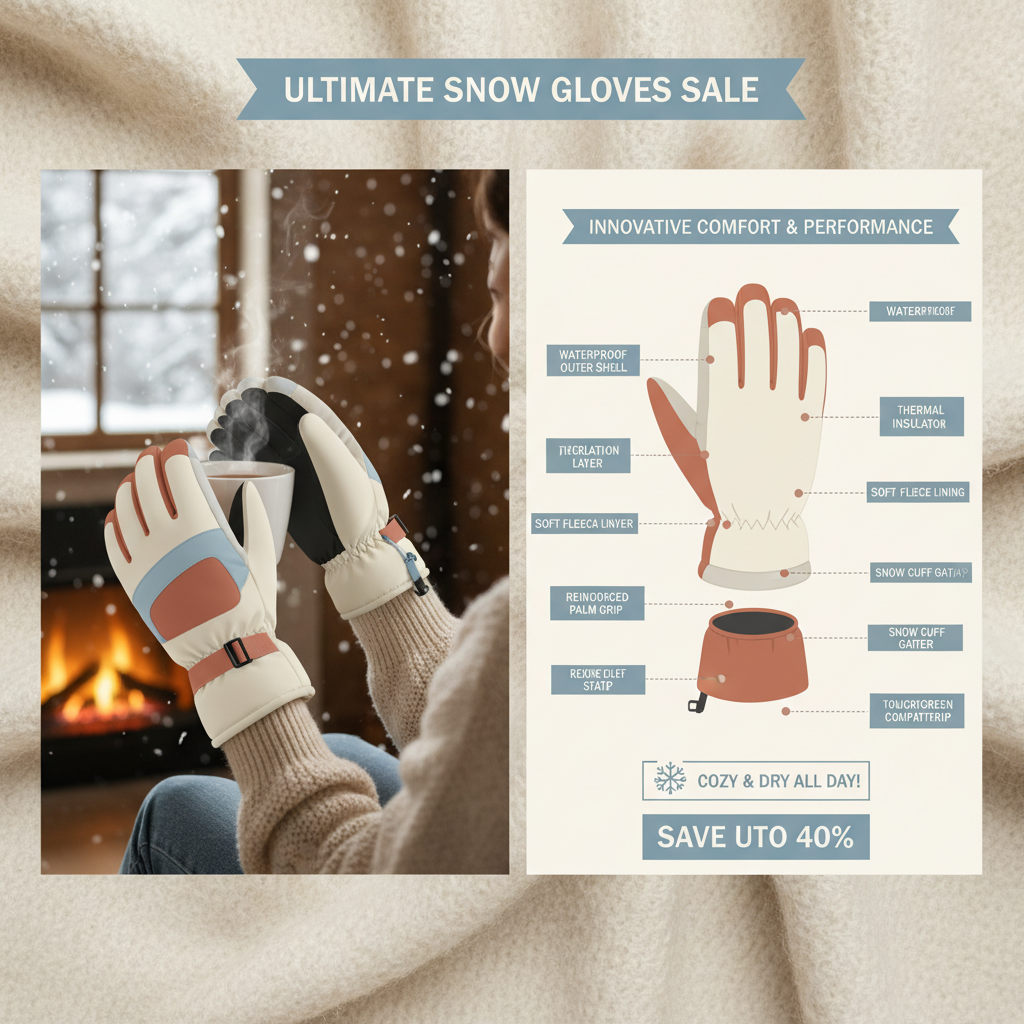
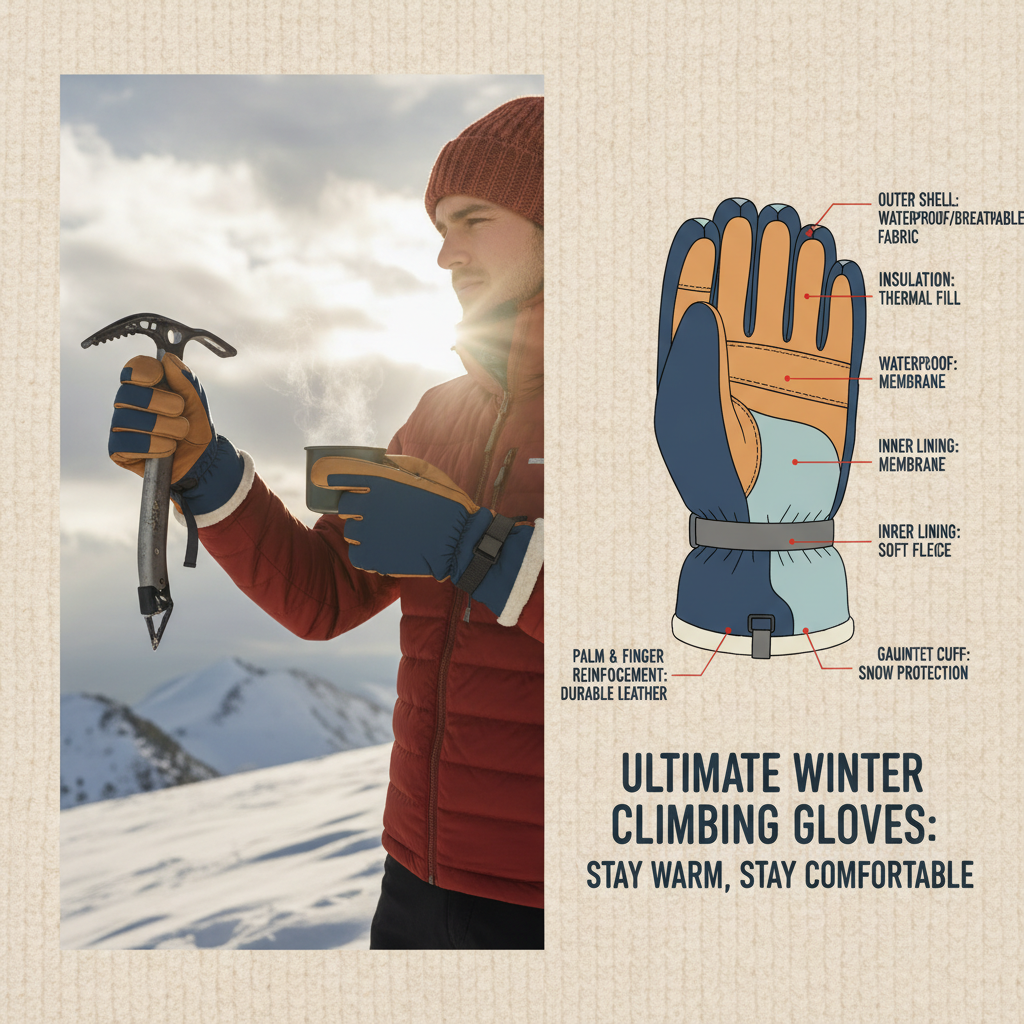
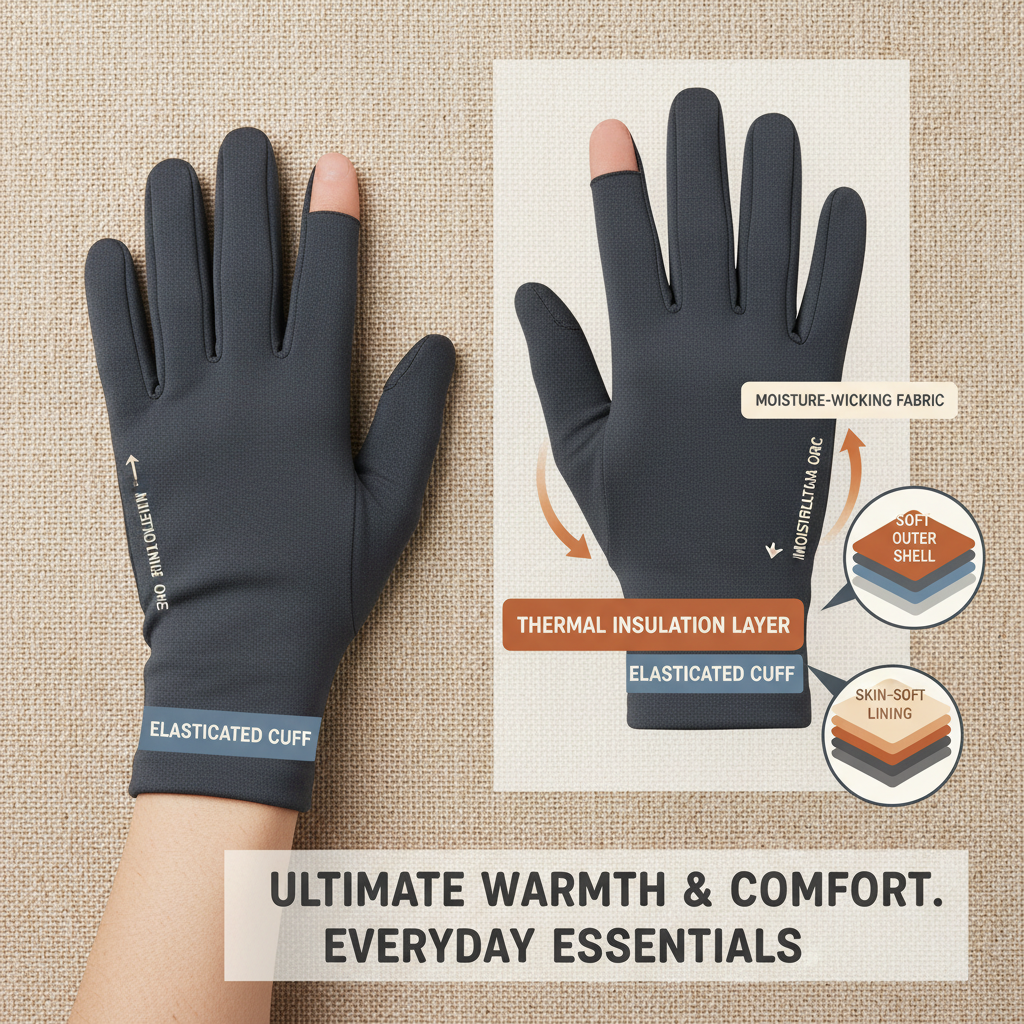
In simple terms, these gloves combine thermal insulation with a waterproof barrier. Think layers: thermal material like Thinsulate or fleece keeps warmth trapped inside, while the outer shell typically uses breathable membranes like Gore-Tex or proprietary fabrics that repel water but allow moisture out. Together, they shield hands against biting cold and wetness, without leaving users feeling clammy.
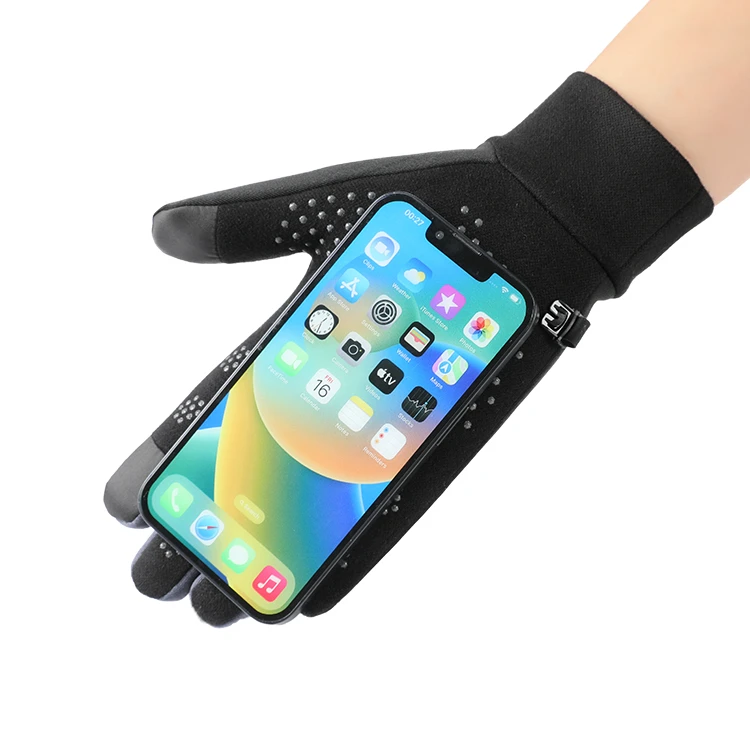
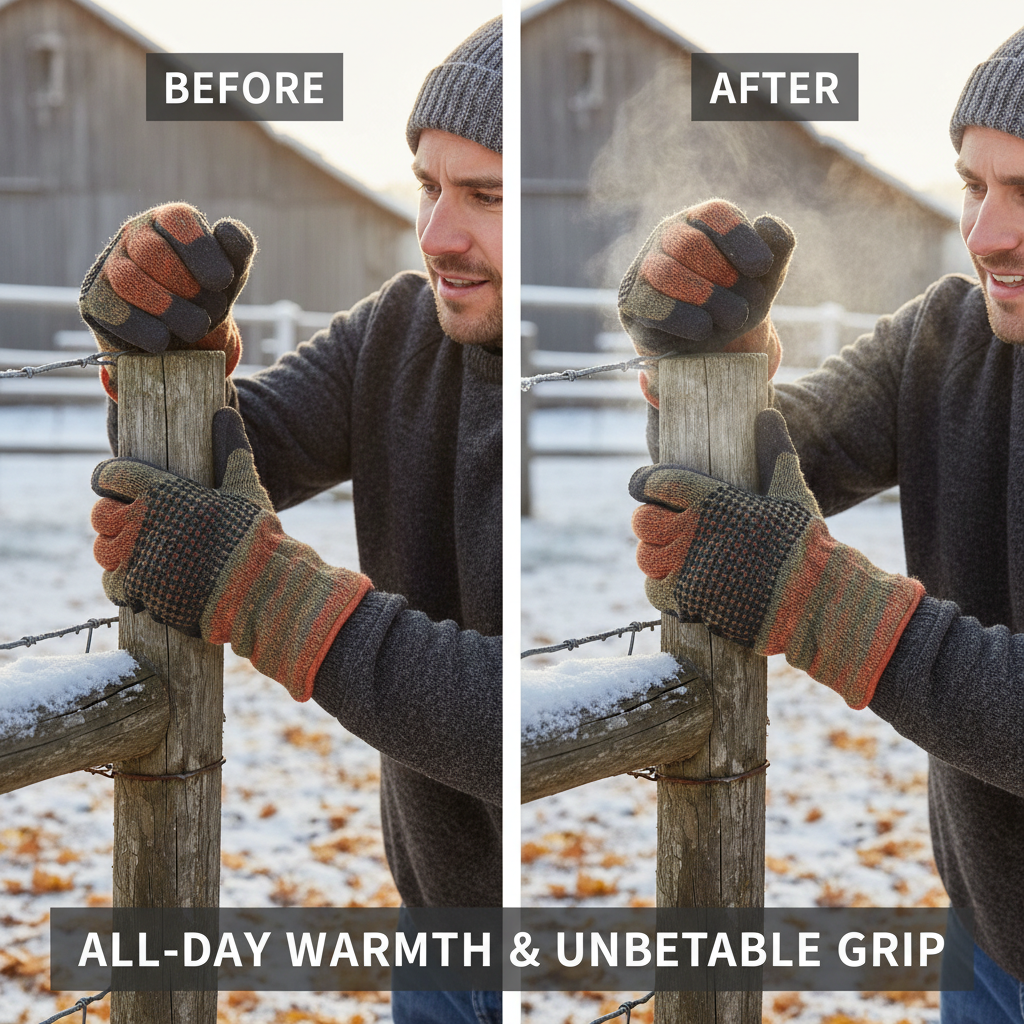
But it’s not just about layers. Modern thermal waterproof winter gloves often incorporate ergonomic design, touchscreen compatibility, and reinforced palms for grip. These features make them indispensable in industries demanding both warmth and functionality — from humanitarian aid in freezing zones to the everyday challenges of winter cyclists.
Core Components That Define Quality and Performance
1. Thermal Insulation
This is the heart of any winter glove. Common materials include synthetic fibers like Thinsulate (lightweight and efficient) and natural down (a bit bulkier but superbly warm). What’s interesting is how advancements in insulation now allow gloves to remain slim but deliver exceptional heat retention.
2. Waterproof Membranes
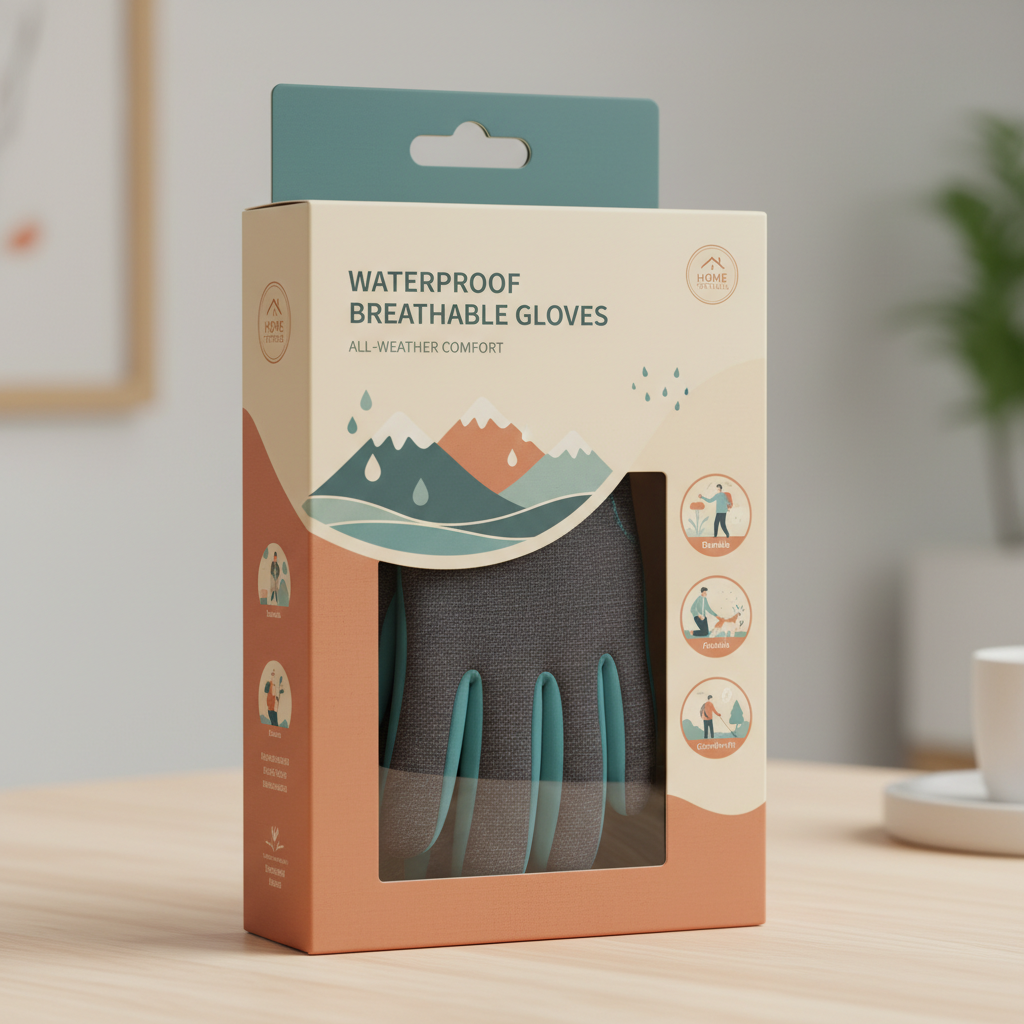
Waterproofing isn't just coating. Modern gloves feature multi-layer membranes that block water but vent sweat. Materials like Gore-Tex or eVent are industry standards. Their breathability often determines glove comfort in long-term use.
3. Durability and Grip
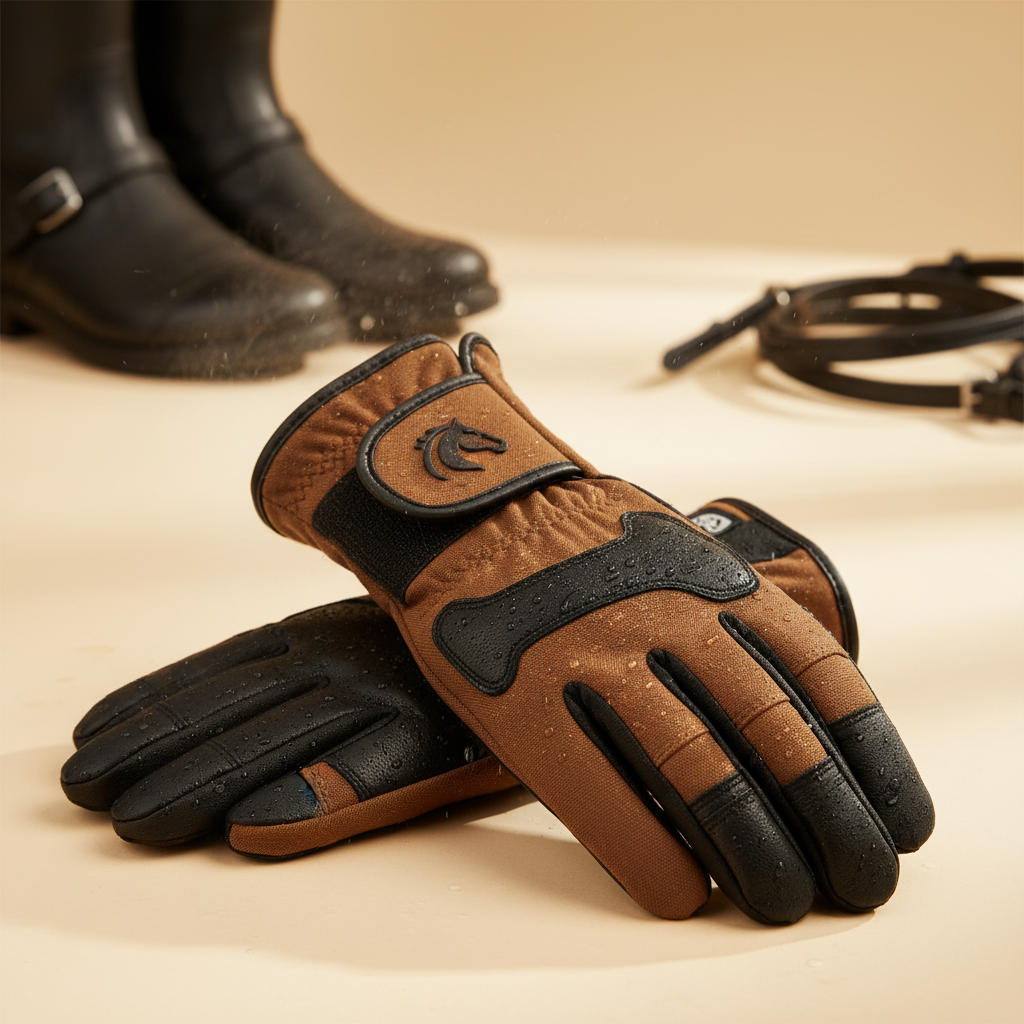
Whether reinforced leather, synthetic palms, or textured rubber, the grip component ensures the glove works as hard as its wearer. Gloves failing here often get discarded fast in industrial settings because slippery hands mean accidents.
4. Dexterity & Fit
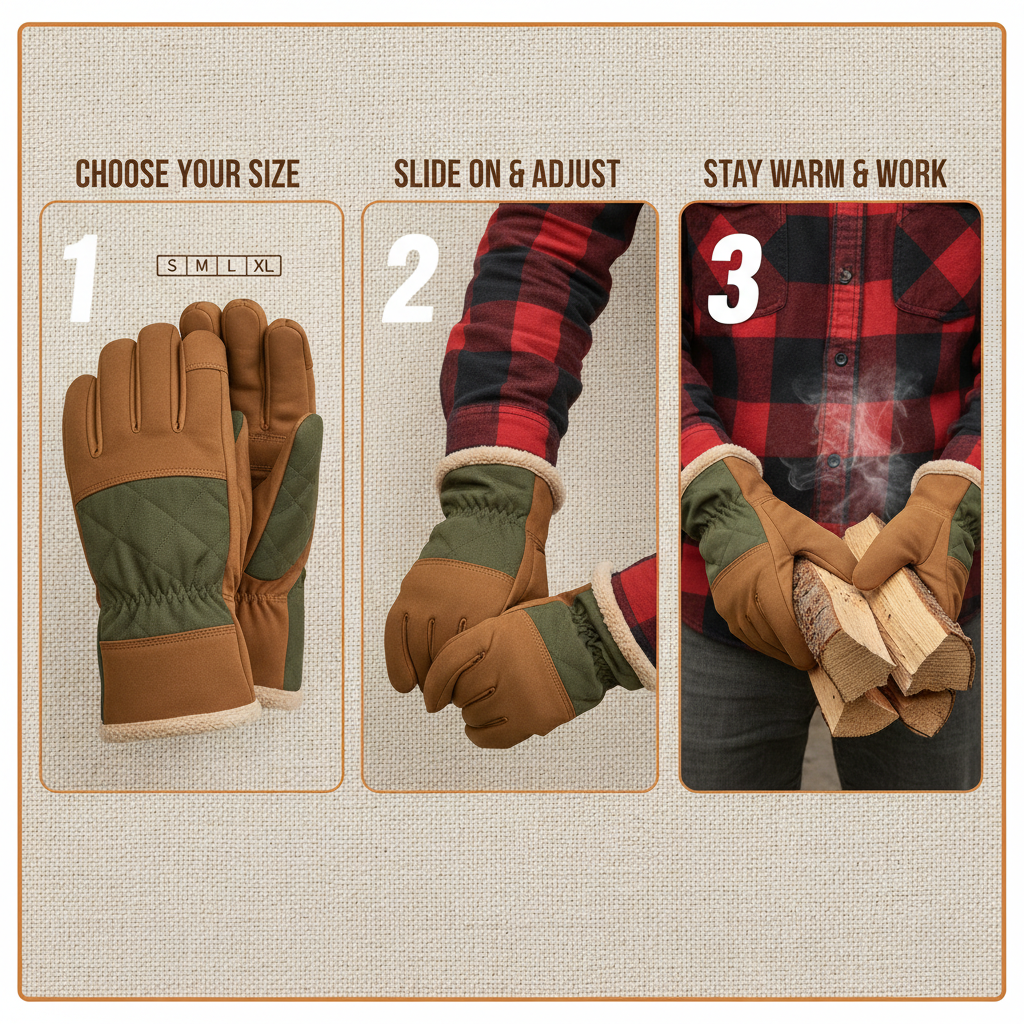
The "perfect fit" balances snugness for warmth with enough flexibility for fine motor control. Engineers often debate the “sweet spot” here — too loose and you lose heat, too tight and you lose mobility.
5. Additional Features
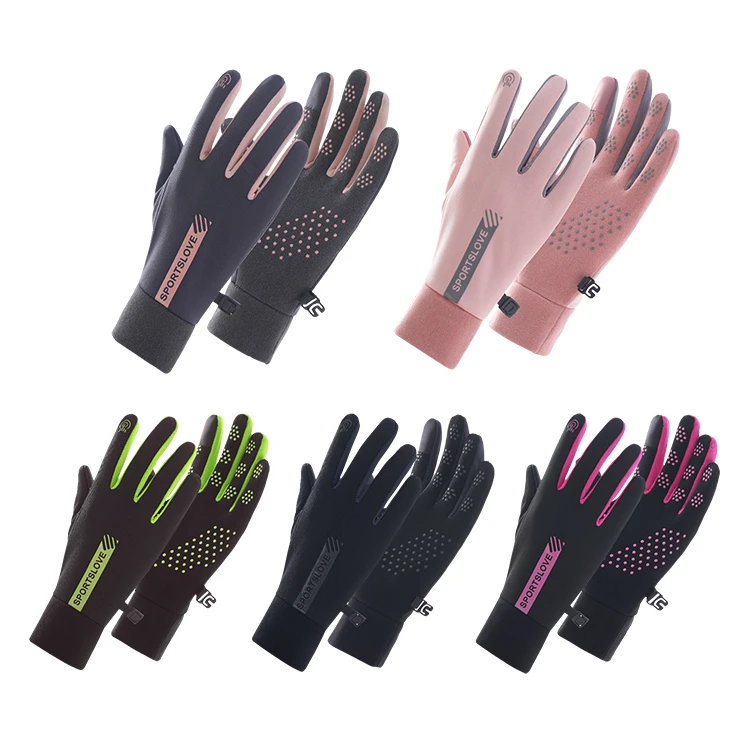
Think touchscreen compatibility, wrist cinches, or reflective strips for safety. While seemingly minor, these features often turn good gloves into lifelong companions.
Mini takeaway: These components aren’t optional extras. They combine to make thermal waterproof winter gloves reliable tools, especially in demanding environments.
Where Thermal Waterproof Winter Gloves Are Making a Global Impact
Let’s consider some scenarios:
- Post-disaster relief: In freezing regions, emergency crews rely on these gloves to handle equipment and care for victims without risking frostbite.
- Remote industrial zones: Oil fields in Siberia or mining sites in northern Canada use gloves that can handle extreme cold and treacherous wetness.
- Outdoor sports and recreation: Winter hikers, skiers, and fishermen demand gloves that balance warmth with grip and durability.
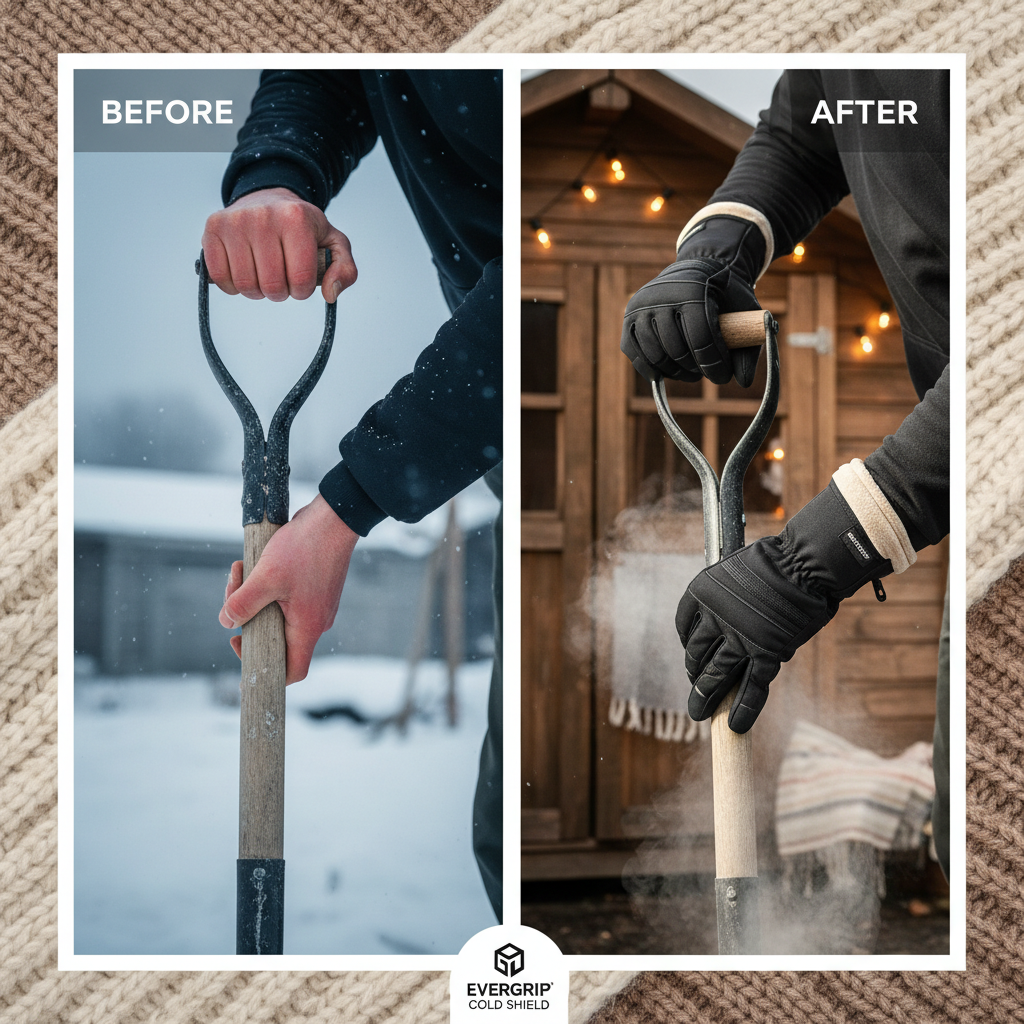
- Municipal workers: From snow plow operators in New York to maintenance teams in Scandinavia, gloves are crucial to daily safety and efficiency.
Regions facing harsher winters are increasingly prioritizing these gloves as investments rather than luxuries. NGOs and workplaces cite fewer injuries and reduced sick days after adopting better protective wear. It’s a win-win.
Product Specifications at a Glance
| Feature | Typical Range / Options | Notes |
|---|---|---|
| Thermal Insulation | Thinsulate (100-200g), Fleece Liner, Down | Higher grams = warmer but bulkier |
| Waterproof Membrane | Gore-Tex, eVent, Proprietary | Balance waterproofing with breathability |
| Material (Outer Layer) | Leather, Nylon, Polyurethane Coated | Impacts durability & grip |
| Palm Reinforcement | Kevlar, Rubberized Grip, Synthetic Leather | Improves safety & longevity |
| Additional Features | Touchscreen Tips, Wrist Straps, Reflective Elements | User convenience and safety |
How Leading Vendors Stack Up
| Vendor | Key Strength | Price Range | Popular Models |
|---|---|---|---|
| ArcticPro Gear | Top-tier insulation, extreme cold tested | $$$ (Premium) | SnowHawk 3000, Glacier Grip |
| FlexiGuard | High dexterity & touchscreen tech | $$ | ColdTouch Flex, HydroMax Lite |
| StormShield | Waterproofing focus, rugged durability | $$$ | AquaGrip Pro, IceBreaker |
| EcoWarm | Sustainable materials, eco-certified | $$ | GreenTherm 2.0, FrostFree |
Long-Term Advantages of Thermal Waterproof Winter Gloves
Investing in quality gloves isn't just short-term comfy fingers. It pays off with:
- Cost reduction: Fewer injuries, less sick leave, and durable materials mean wallets breathe easier.
- Sustainability: Gloves made with eco-friendly fabrics reduce environmental impact, aligning with green initiatives.
- Social impact: Better gear means workers feel cared for—boosting morale and trust.
- Reliability: Consistent protection leads to higher productivity and innovation freedom.
It's ironic sometimes how something as simple as a glove can change working conditions profoundly. The feeling of cold hands? It’s debilitating. These gloves change that basic human experience.
What's on the Horizon? Future Trends in Thermal Waterproof Gloves
Looking ahead, expect tighter integration of smart fabrics and wearable tech. Imagine gloves that monitor hand temperature or hydration and communicate warnings. Nanotechnology could bring ultra-thin yet warmer layering. Sustainability will remain a major focus, pushing biodegradable membranes and recycled insulation.
Digitization could transform supply chains too—customized gloves designed via 3D scans of hands for perfect fit, ordered online, shipped fast. A small change, perhaps, but huge for accessibility and comfort.
Common Challenges — And How Experts Tackle Them
- Compromising dexterity for warmth: Solutions include stretch knit panels and glove layering systems.
- Waterproof membranes trapping too much sweat: Ventilation zones and breathable fabrics help counteract.
- Long-term wear and tear: Reinforced stitching and modular palm replacement extend glove lifespans.
- Cost barriers for low-income users: NGOs work with brands to bring affordable versions to vulnerable populations.
FAQs About Thermal Waterproof Winter Gloves
What materials provide the best balance of warmth and waterproofing?
Synthetic insulation like Thinsulate combined with membranes such as Gore-Tex tend to offer the best all-around performance. They keep heat in, block water, and allow moisture out, preventing clamminess.
How do I know if a pair of thermal gloves will fit my needs?
Consider your primary activity. For intricate work, prioritize gloves with high dexterity and touchscreen capabilities. For extreme cold, focus on maximum insulation and waterproofing. Always check sizing charts and, if possible, try gloves on before purchase.
Can thermal waterproof winter gloves be used in wet yet mild conditions?
Absolutely. The waterproof layer protects against rain or snow, and insulation levels can be chosen accordingly. Some models offer removable liners for flexibility across temperatures.
Are eco-friendly thermal waterproof gloves as effective as traditional ones?
Many eco-certified gloves now match or exceed traditional counterparts in protection and durability, using recycled fabrics and biodegradable membranes. It’s a promising trend for sustainability-conscious buyers.
Wrapping Up: Stay Warm, Stay Safe
Thermal waterproof winter gloves aren’t just gear; they’re an investment in safety, comfort, and productivity. As climate patterns shift and work demands evolve, these gloves bridge the gap between vulnerability and readiness. Whether you're scaling snowy peaks, working on a chilly pipeline, or aiding communities in crisis, the right gloves make a difference.
Curious to explore the latest and most reliable models? Visit our site for a curated selection: thermal waterproof winter gloves.
References: