Comprehensive Guide to Waterproof Windproof Gloves – Features, Uses & Innovations
Waterproof Windproof Gloves: Essential Gear for Weathering the Elements
When it comes to staying comfortable and safe in harsh weather conditions, waterproof windproof gloves are surprisingly crucial. They’re not just about keeping fingers warm — they address a global challenge: protecting people’s hands from cold, moisture, and biting winds, especially in industries and environments where exposure can be dangerous. Understanding these gloves helps businesses, adventurers, and aid workers alike to select proper protective gear that enhances both safety and dexterity.
Global Context: Why Waterproof Windproof Gloves Matter
In a world where climate extremes are intensifying—from colder winters in northern latitudes to wet monsoons in Asia—protective clothing must keep up. The World Meteorological Organization reports an increasing number of cold wave warnings year over year, while regions like Northern Europe and North America see rising demand for durable gear. For industries like construction, offshore oil, or humanitarian relief, these gloves aren’t luxuries; they’re necessities preventing frostbite, loss of productivity, and even severe injuries.
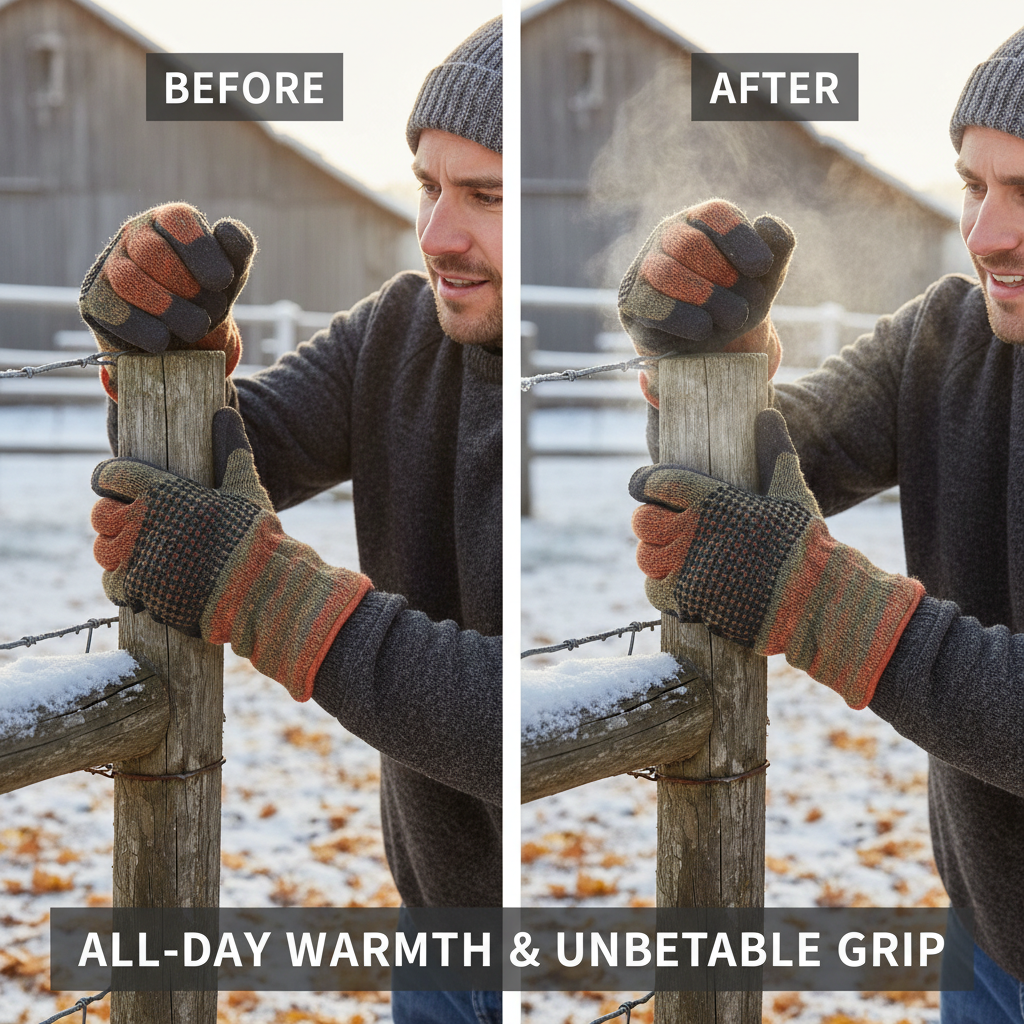
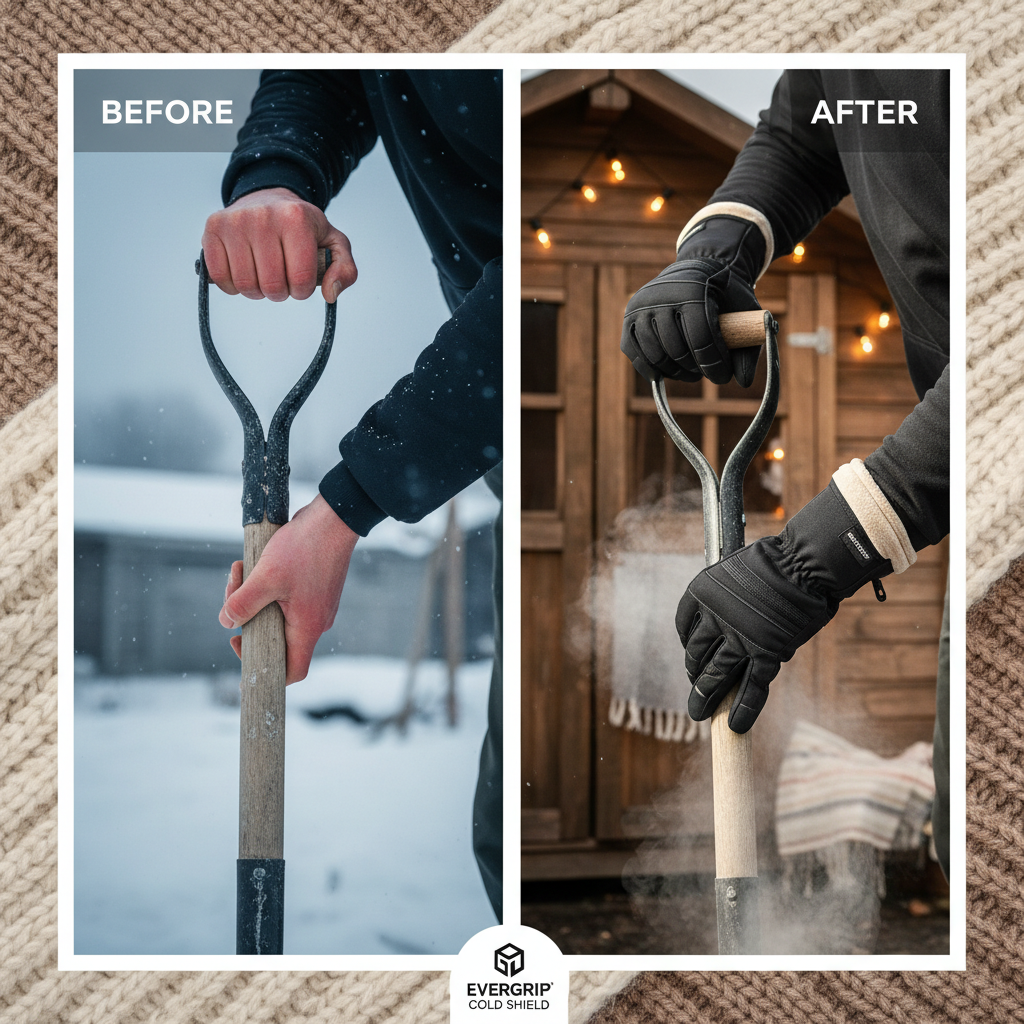
Consider outdoor workers who spend hours in freezing rain or wind: without proper mitts, their hands feel numb quickly, reducing grip and increasing accident risks. This is where waterproof windproof gloves make a notable difference.
What Exactly Are Waterproof Windproof Gloves?
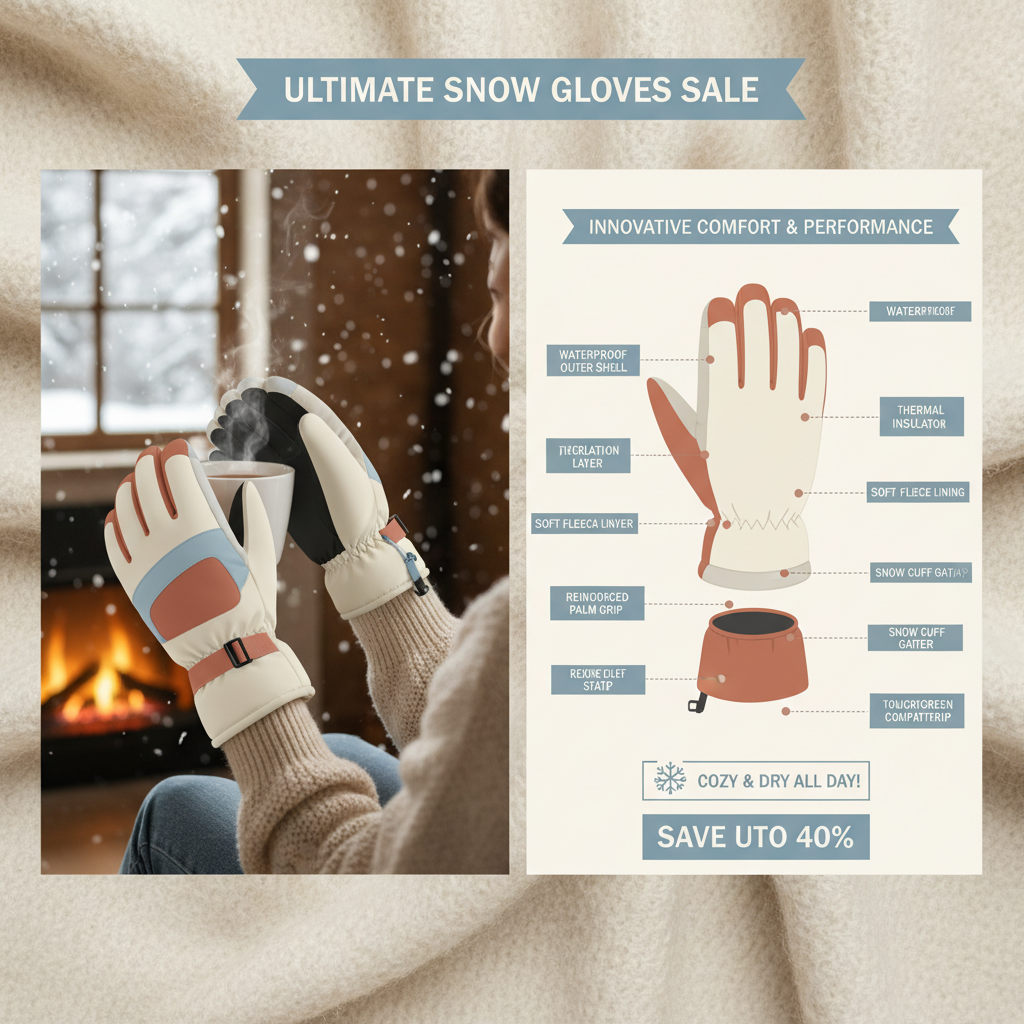
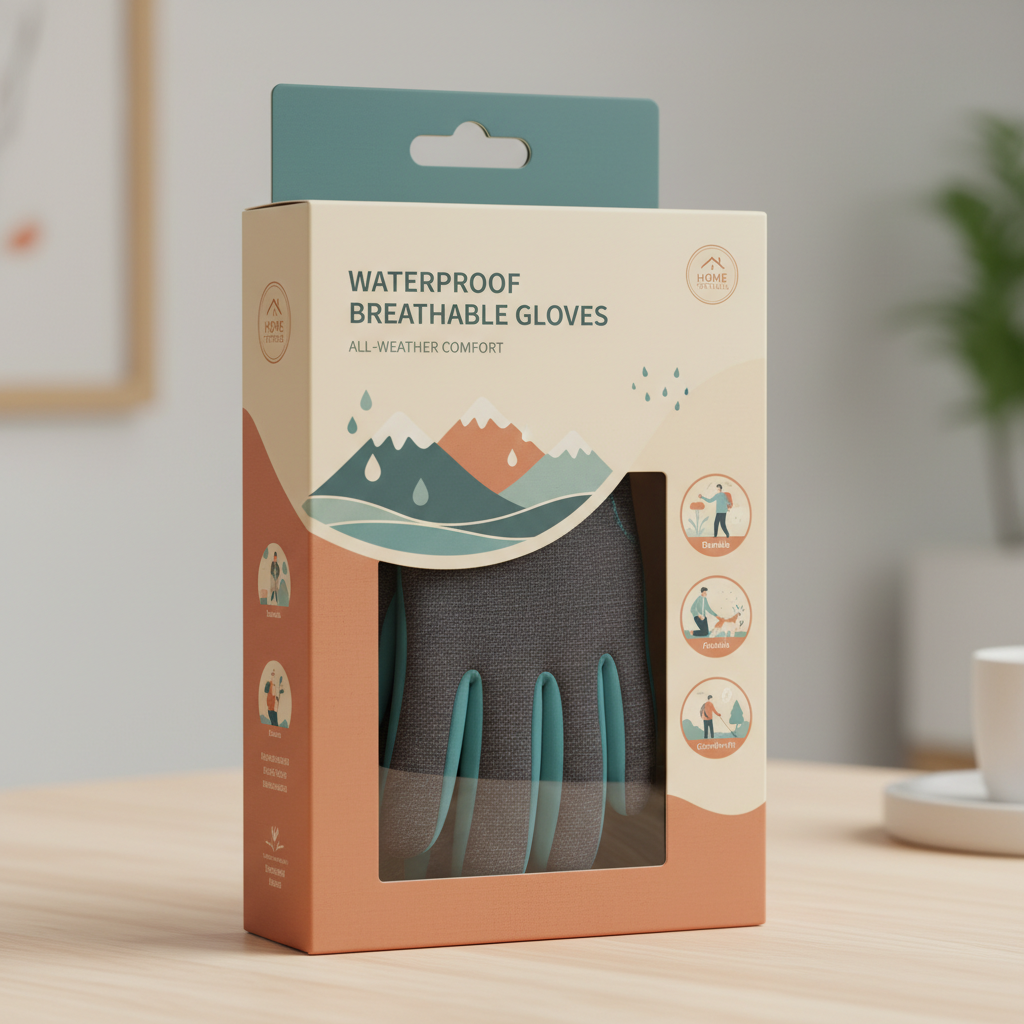
At their core, waterproof windproof gloves are hand coverings designed to keep out moisture and wind simultaneously, using special materials and construction. They often feature breathable membranes like Gore-Tex or proprietary laminates that block water and air but allow sweat vapor to escape, balancing comfort and protection. Beyond cold-weather hikers or skiers, these gloves fill a critical niche across modern industrial and humanitarian needs where exposure can lead to serious health problems.
Critical Features of Waterproof Windproof Gloves
Durability
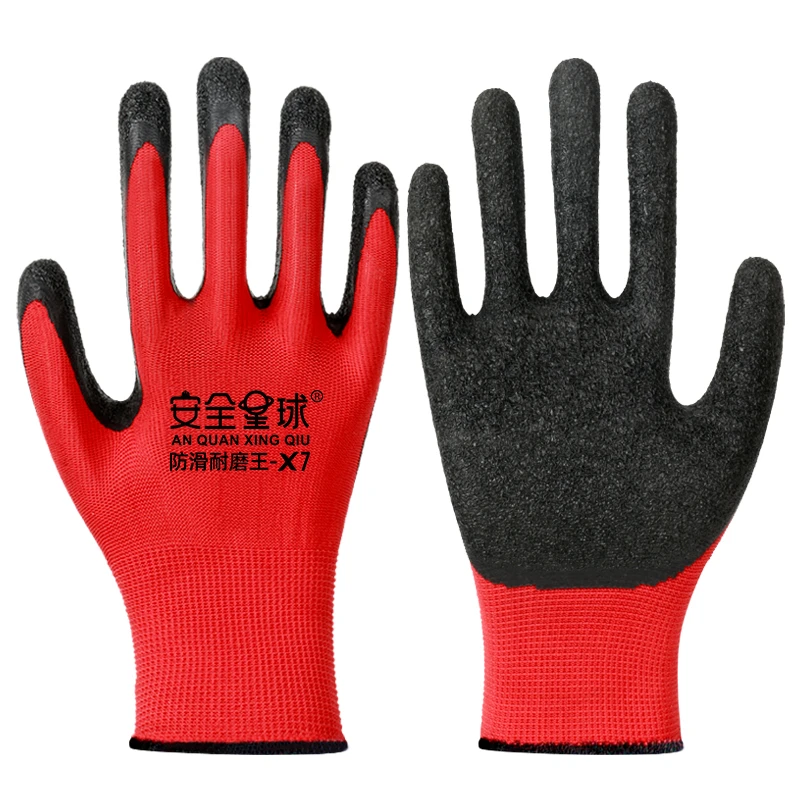
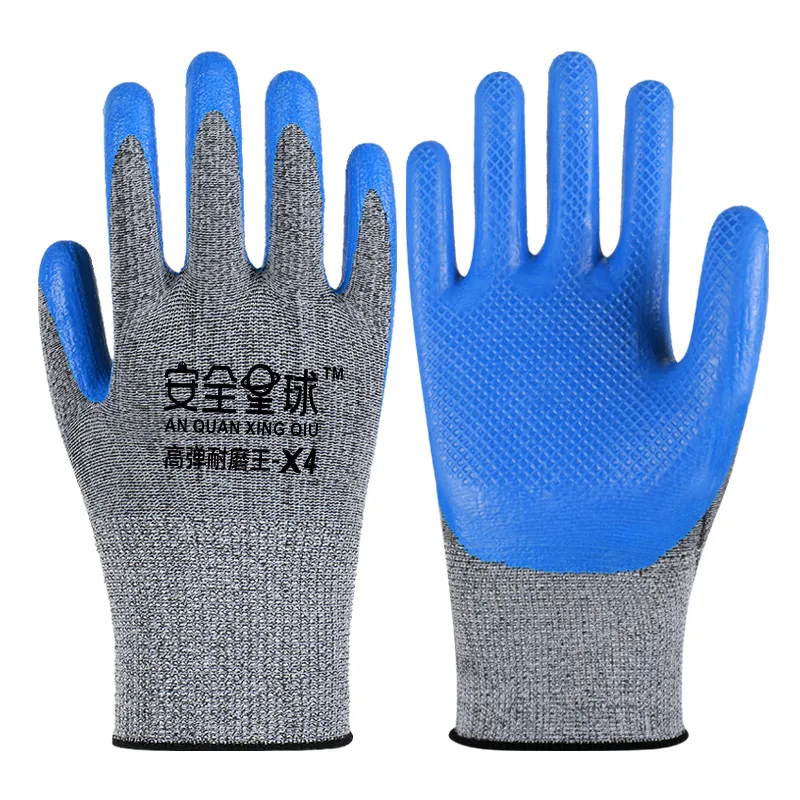
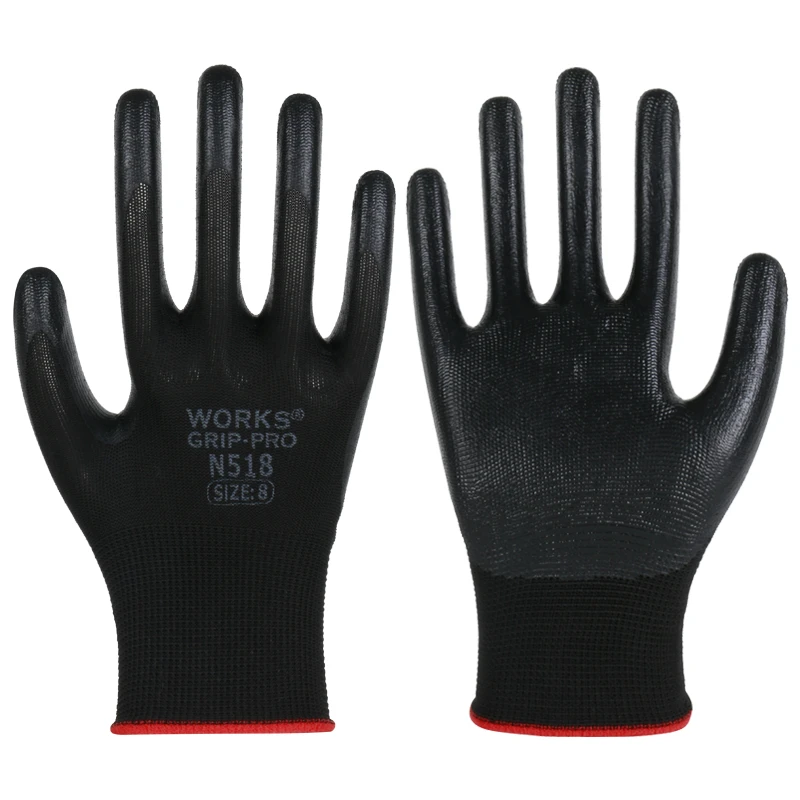
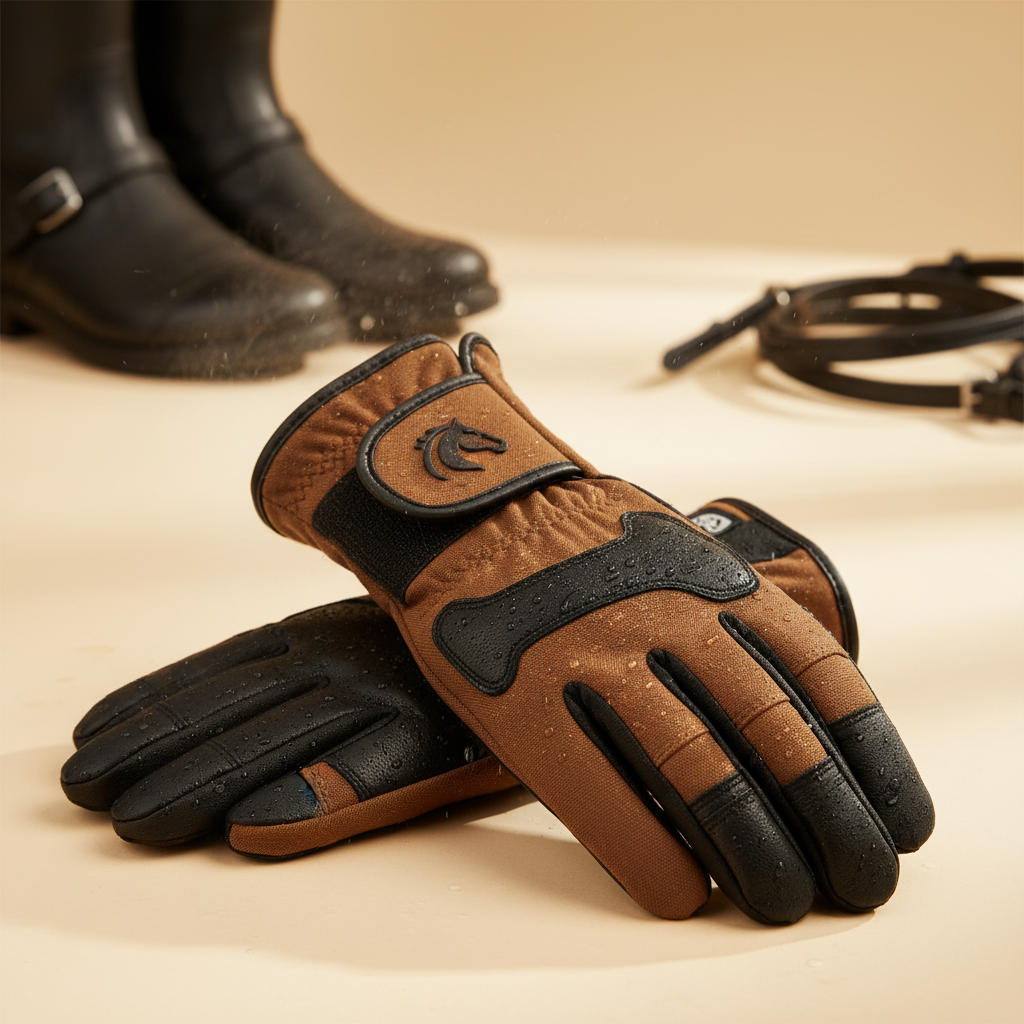
Building gloves that resist tearing and abrasion is vital. Many use reinforced palms with leather or synthetic overlays, since grip tools or rough surfaces can wear gloves quickly.
Waterproofing Technology
The magic lies in membranes or coatings that block water ingress while allowing breathability. Materials like Gore-Tex have led this space, but newer eco-friendly laminates are emerging.
Windproofing Ability
Wind disrupts the insulating air layer next to skin, rapidly dropping temperature. A tightly woven outer fabric combined with a wind-resistant membrane keeps that cold out.
Thermal Insulation
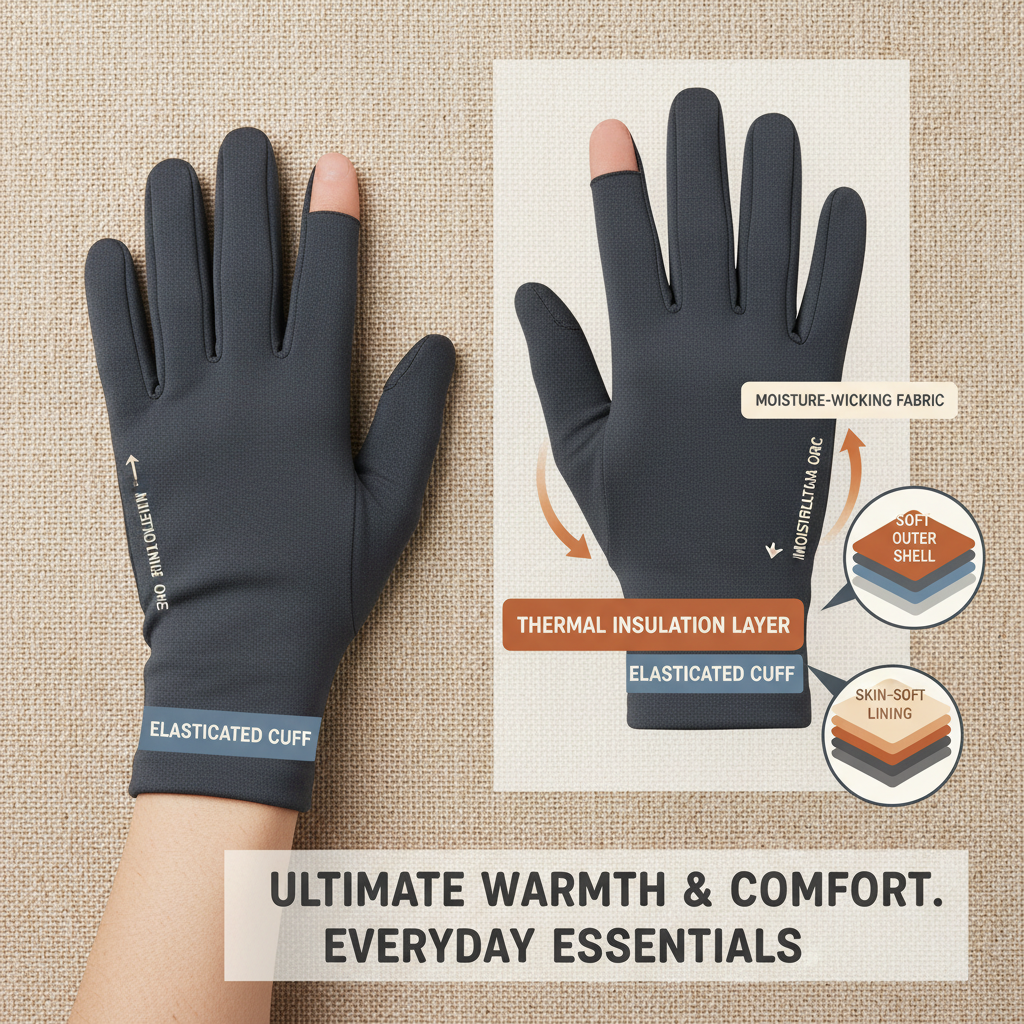
Many waterproof windproof gloves add insulation layers—synthetic or natural (e.g., Primaloft)—to retain heat without bulk, essential for dexterity.
Ergonomic Fit & Dexterity
No one wants bulky gloves limiting hand movement. The best models use articulated designs and stretch zones to enable precise grip and reduce fatigue.
Cost Efficiency
Premium gloves with advanced tech command a premium price, but rugged gloves that last multiple seasons often prove more economical long-term.
Waterproof Windproof Gloves in Global Use
Beyond recreational use in skiing or mountaineering, these gloves serve vital roles in:
- Industrial sectors: oil rigs, construction in cold climates, and outdoor logistics.
- Military and tactical operations: where environmental exposure is extreme.
- Humanitarian and disaster relief: such as cold zone emergency workers and volunteer responders in flood-prone areas.
- Agriculture and fisheries: in wet and windy coastal zones.
For example, aid groups operating in snowy regions of Eastern Europe rely heavily on durable waterproof windproof gloves to maintain operational capacity and avoid frostbite among staff.
Specs at a Glance: Typical Product Features
| Feature | Description |
|---|---|
| Waterproof Membrane | Gore-Tex or similar breathable laminate |
| Windproof Layer | Tightly woven nylon with PU coatings |
| Insulation | Primaloft synthetic fiberfill or fleece lining |
| Grip | Leather or synthetic reinforced palm |
| Closure | Velcro adjustable wrist strap |
Comparing Leading Vendors of Waterproof Windproof Gloves
| Brand | Material Technology | Price Range | Best Use Case |
|---|---|---|---|
| NorthFace | Gore-Tex membrane, Primaloft | $60-$110 | Outdoor recreation |
| Seirus Innovation | Stretch Therm Fleece, water-resistant shell | $40-$80 | Everyday winter wear |
| Mechanix Wear | Synthetic leather, wind-resistant fabrics | $25-$60 | Industrial and tactical |
Advantages & Long-Term Value
The benefits of investing in quality waterproof windproof gloves ripple beyond just warmth. They promote safety by preventing cold-related injuries, reduce downtime for outdoor workers, and improve morale—all subtle but vital in demanding jobs. Sustainability is increasingly relevant too, with manufacturers moving toward eco-friendly materials that last longer, reducing waste.
Emotionally, these gloves offer reassurance — the feeling of functional gear you can trust when elements turn harsh. That psychological comfort is, frankly, priceless during extended exposure.
Future Trends & Innovations
Looking ahead, expect more widespread adoption of bio-based waterproof membranes that balance performance and environment-friendliness. Integration of smart textiles equipped with temperature sensors or heating elements could revolutionize personal gear, especially for remote workers or responders who must monitor body condition continuously.
Digitally connected gloves that sync with wearable devices? Oddly enough, that’s closer than you might think.
Challenges & Solutions
Despite these advances, challenges remain. Maintaining breathability without compromising waterproofness is tricky. Some lower-end products still trap sweat, causing discomfort. Designers are experimenting with novel nano-coatings and multi-layer structures to address this.
Cost is another barrier. Quality gloves often come at a premium that small businesses may hesitate to commit to. Here, bulk purchasing and vendor partnerships can unlock better pricing without sacrificing performance.
FAQ: Waterproof Windproof Gloves
- Q: How do waterproof windproof gloves differ from regular winter gloves?
A: Unlike standard winter gloves, they have specialized membranes that block water and wind while allowing sweat vapor to escape, enhancing both dryness and warmth. - Q: Can I use these gloves for heavy-duty work?
A: Yes, many models incorporate durable reinforcements suited for construction or tactical use, but always check the glove’s abrasion ratings to match your task. - Q: How do I clean and maintain waterproof windproof gloves?
A: Most require gentle washing without harsh detergents to preserve membrane function; always follow manufacturer care instructions closely. - Q: Are there eco-friendly waterproof windproof gloves?
A: Absolutely, several brands now offer gloves made from recycled or bio-based materials focusing on sustainable production. - Q: What’s the best way to buy gloves if I represent a large organization?
A: Consider vendors offering bulk discounts and custom fittings; establishing a long-term supplier relationship can ensure consistent quality and service.
Conclusion
In real terms, waterproof windproof gloves are an investment not just in warmth, but in safety, productivity, and well-being across multiple sectors worldwide. Whether you’re outfitting outdoor workers, mountaineers, or disaster response teams, understanding their features and challenges ensures you choose gloves that truly perform when it counts. For more on selecting the right glove and exploring your options, visit our site: waterproof windproof gloves.
Stay warm, stay safe, and gear up smartly.
References: