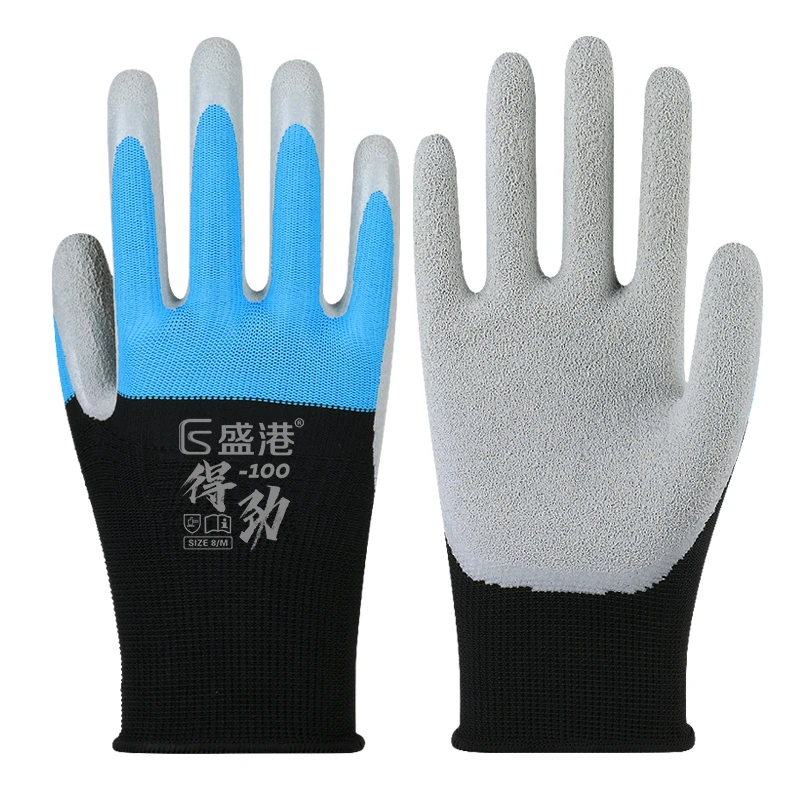
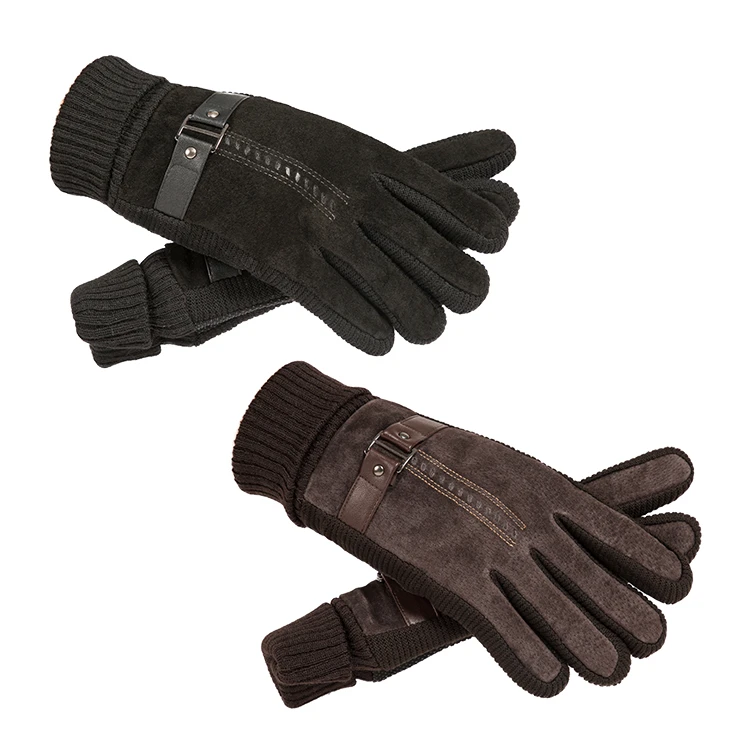
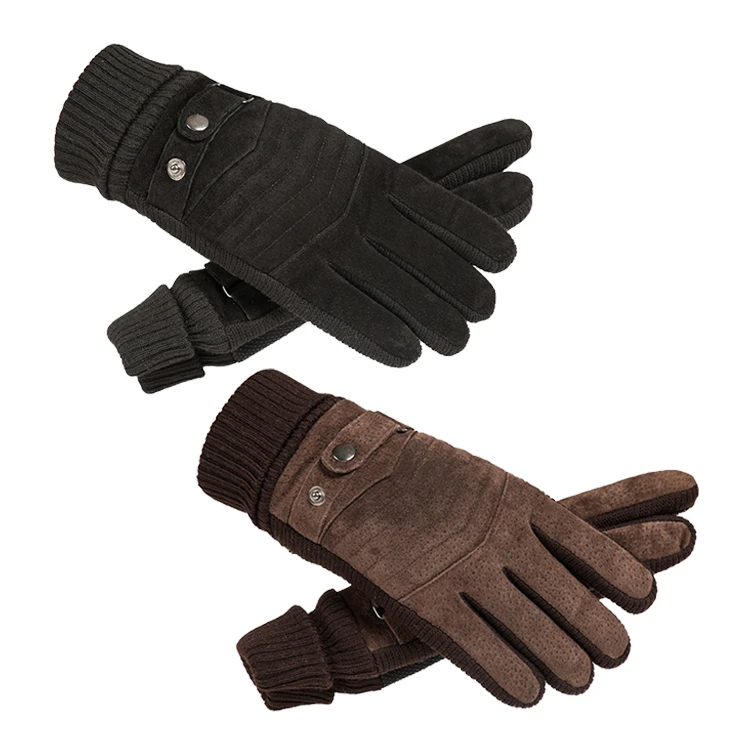
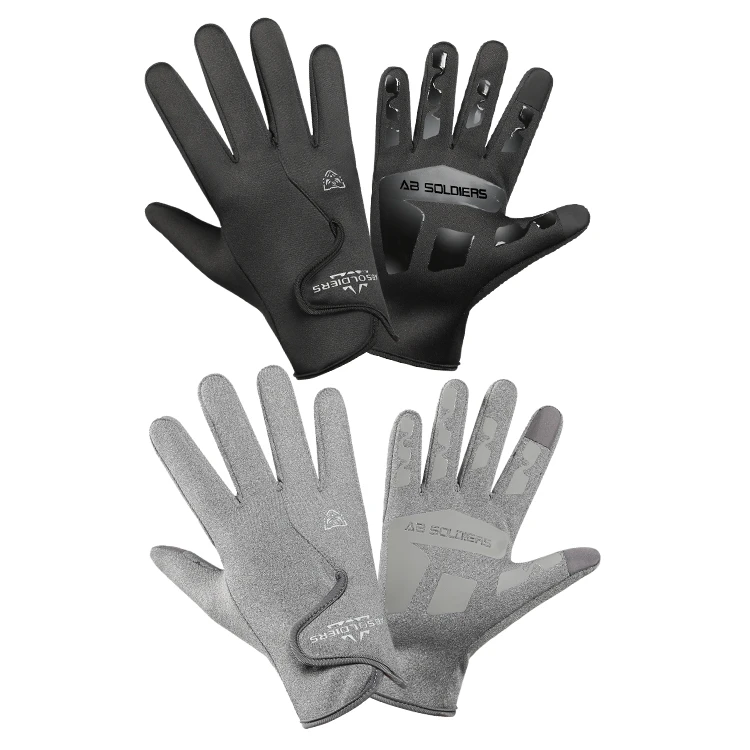
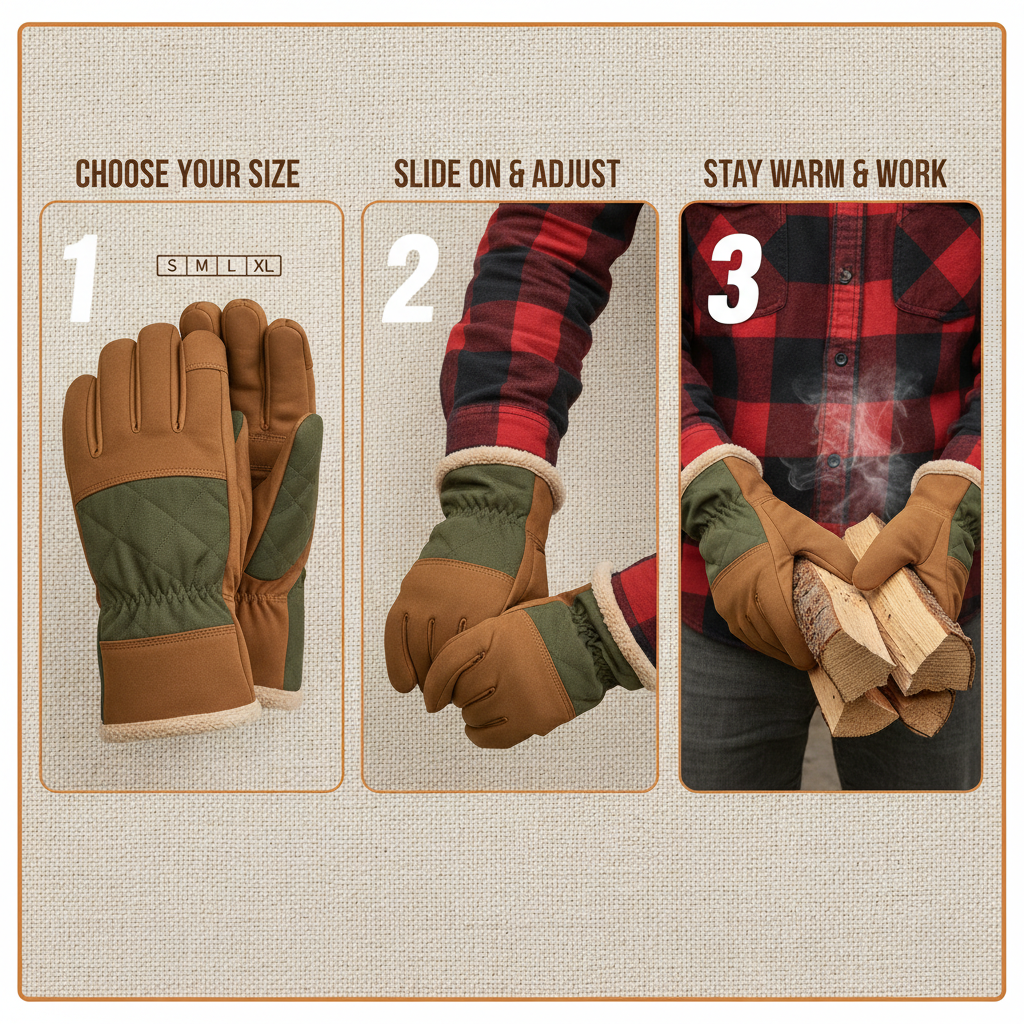
Comprehensive Guide to Waterproof Leather Gloves: Features, Benefits & Trends
Waterproof Leather Gloves: Essential Gear for Safety and Durability
When you think about gloves, you might picture simple hand protection — but waterproof leather gloves? They’re a whole different league. Globally, industries from construction to humanitarian aid rely on these gloves for a blend of toughness and weather resistance. Understanding why waterproof leather gloves matter isn't just about comfort; it’s about safety, productivity, and often dignity in challenging environments.
Global Context: Why Waterproof Leather Gloves Are So Vital
Across the world, especially in sectors like manufacturing, logistics, and disaster relief, workers face harsh elements daily. According to the International Labour Organization (ILO), hundreds of millions of workers worldwide perform manual tasks in wet or cold conditions, increasing injury risks and decreasing efficiency. Waterproof leather gloves provide a solution by combining traditional durability with water resistance, ensuring hands stay dry and protected. Oddly enough, even as synthetic gloves surge in popularity, leather still holds a vital place due to its natural strength and adaptability.
From harsh winters in Canada to monsoon-soaked factories in Southeast Asia, waterproof leather gloves are addressing a common challenge: how do you keep hands safe, dry, and dexterous in the face of moisture, dirt, and abrasion?
What Exactly Are Waterproof Leather Gloves?
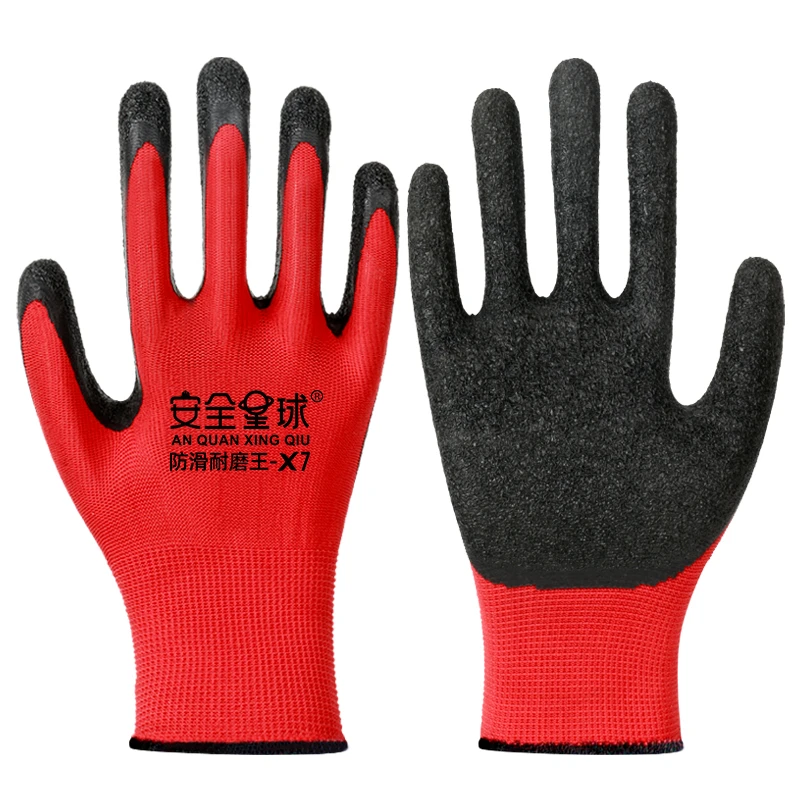
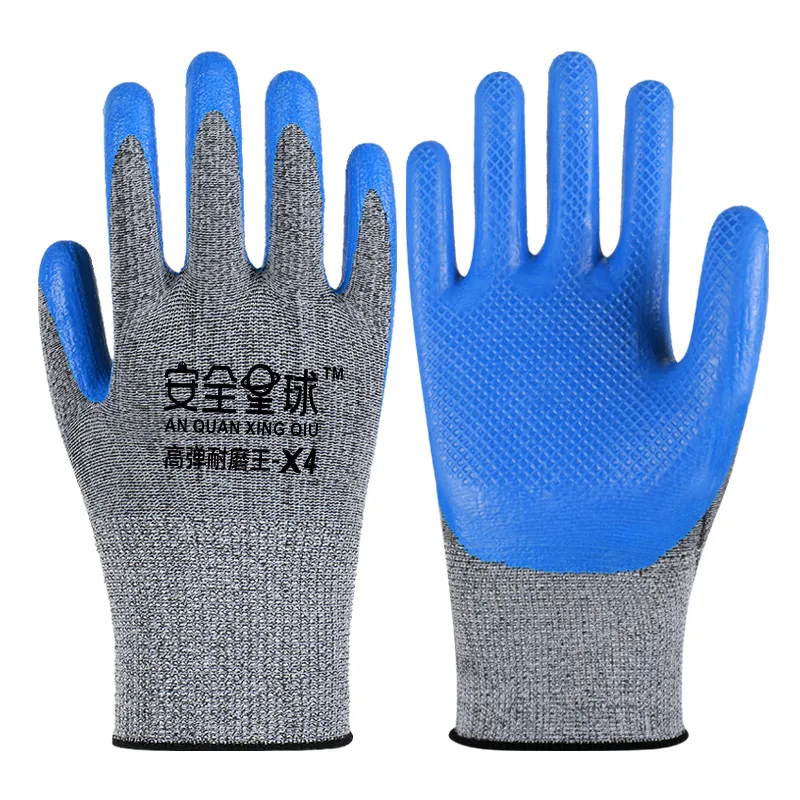
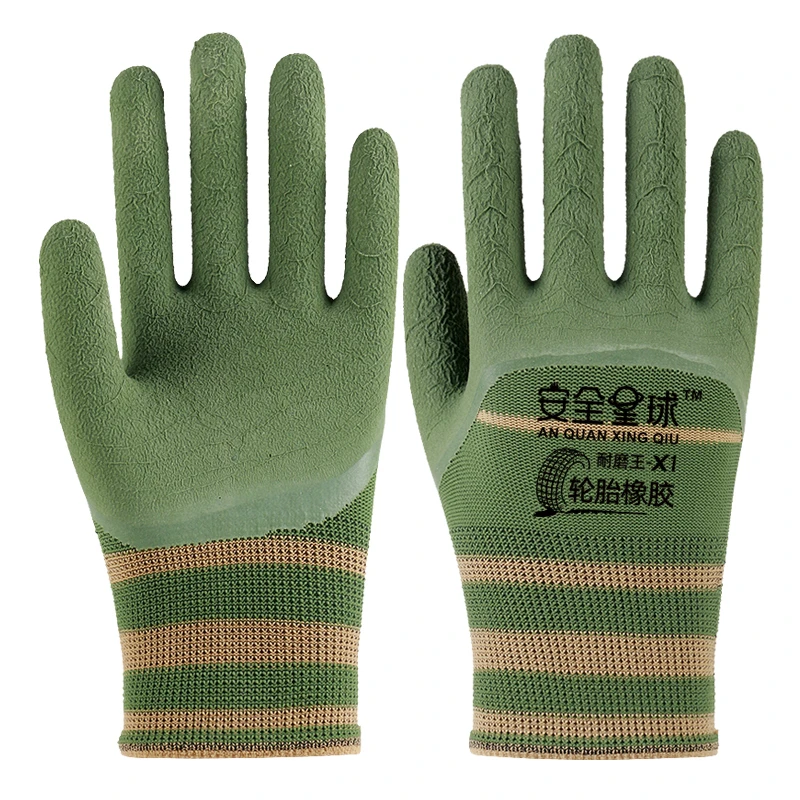
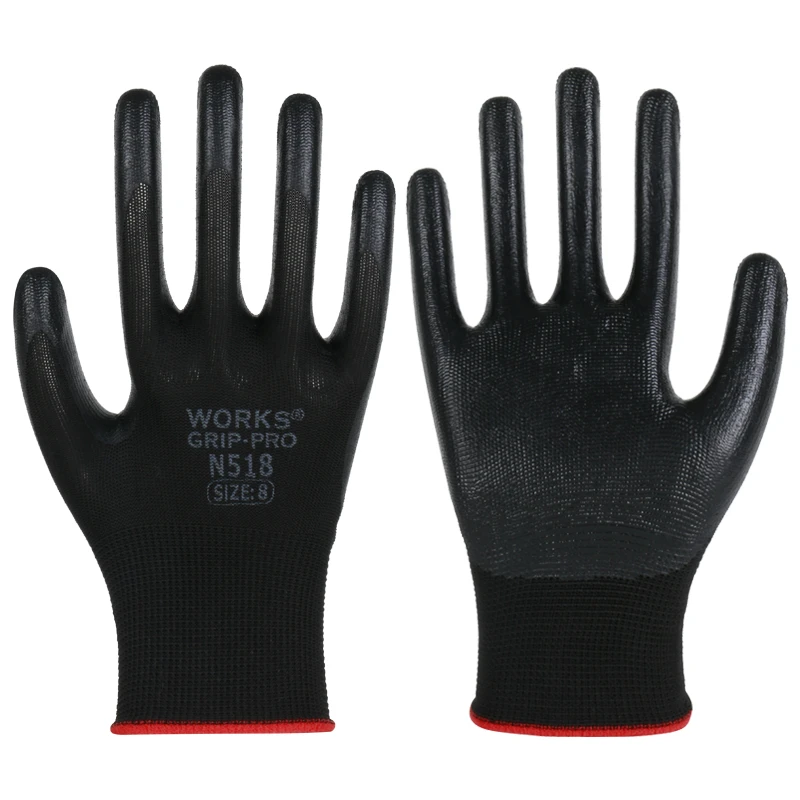
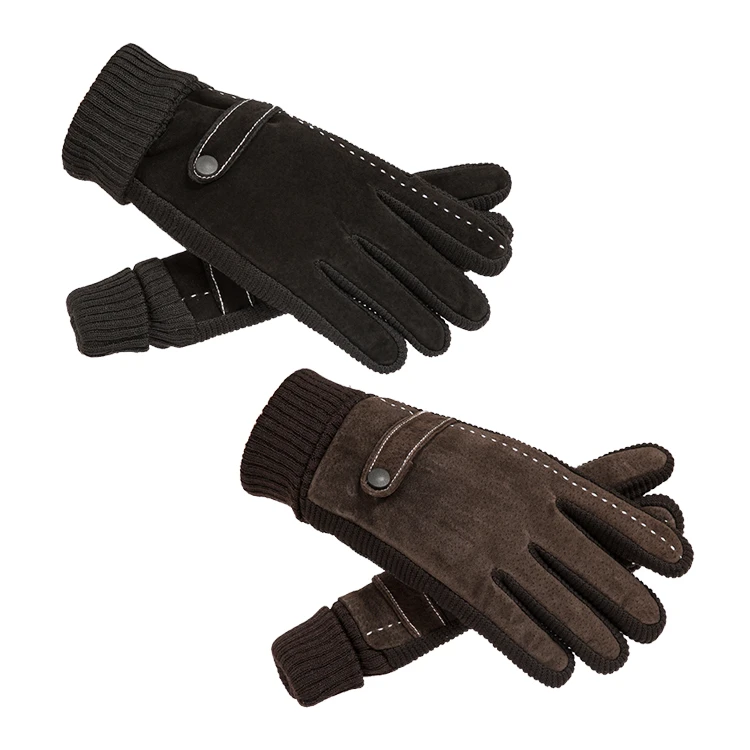
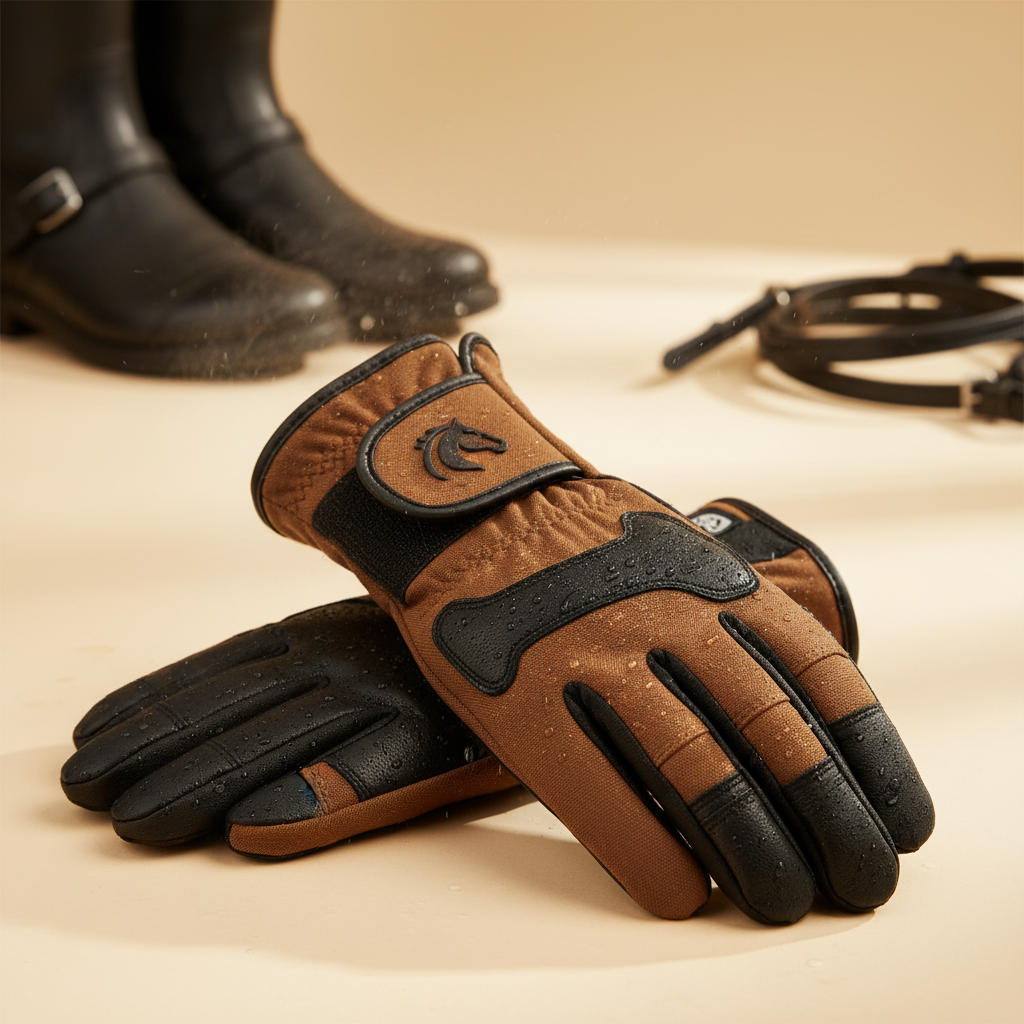
Simply put, waterproof leather gloves are gloves made from treated leather that prevent water penetration while retaining leather’s classic qualities — flexibility, abrasion resistance, and breathability. They are engineered either by applying waterproof membranes inside the glove (like Gore-Tex or proprietary laminates) or chemically treating the leather exterior to repel water. These gloves are staples not just in construction sites or workshops but in any scenario demanding reliable hand protection under wet conditions.
Key Features That Make Waterproof Leather Gloves Stand Out
- Durability: The backbone of any leather glove, durability ensures resistance to tearing and wear. Leather naturally adapts to rough surfaces better than many synthetics.
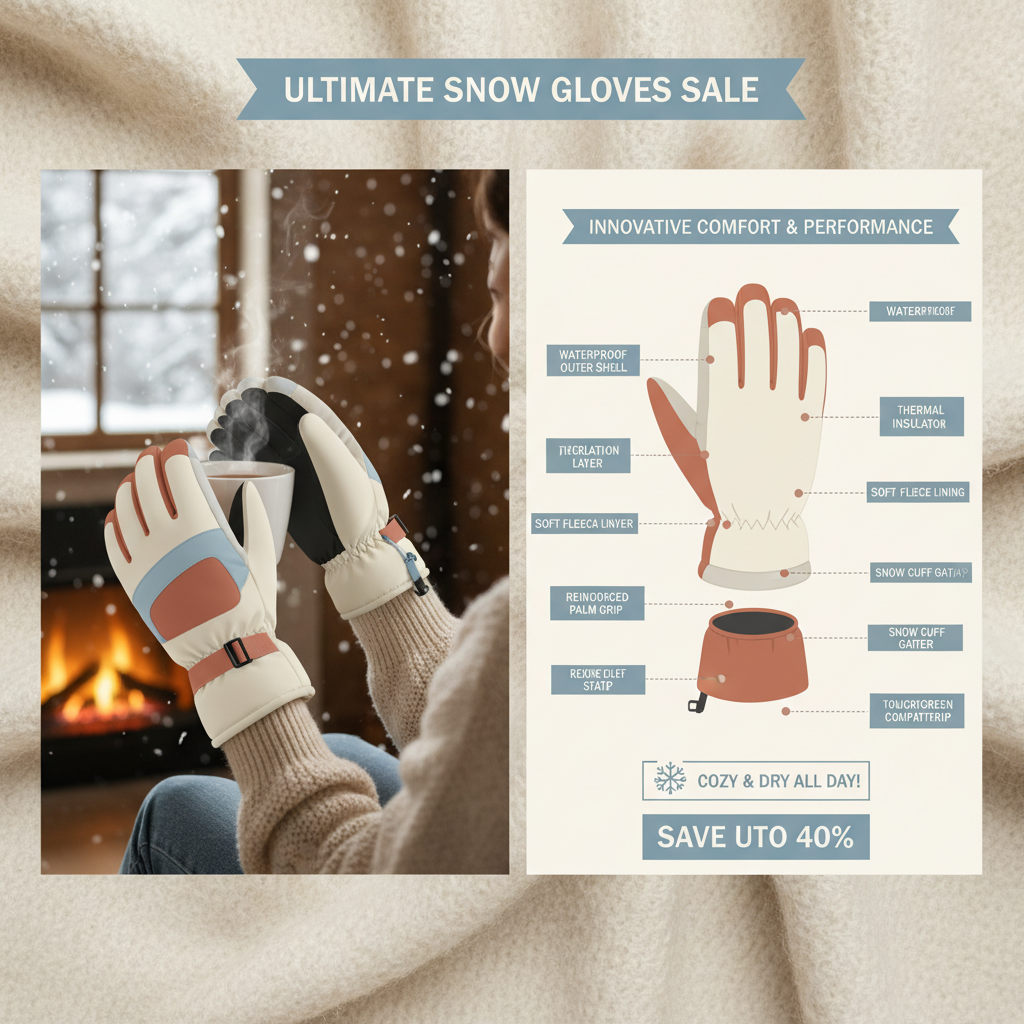
- Water Resistance: Waterproofing treatments and membranes seal out moisture, safeguarding hands from soaking and chills.
- Grip and Dexterity: Unlike thick rubber gloves, waterproof leather gloves often maintain fine motor control, which is critical in delicate tasks.
- Comfort and Breathability: Quality leather breathes, reducing sweat and irritation, unlike plastics that trap moisture inside.
- Thermal Insulation: Many gloves are insulated for warmth, important for cold climates or refrigerated environments.
Mini takeaway: Waterproof leather gloves cleverly balance toughness, comfort, and water resistance — making them indispensable in a range of industries.
Where Are Waterproof Leather Gloves Used Globally?
Industrially, they’re a staple across construction, utilities maintenance, and logistics chains in Europe, North America, and Asia. In post-disaster contexts—think flood relief in Bangladesh or wildfire recovery in Australia—workers need waterproof leather gloves to maintain safety and hygiene. Even specialized sectors like forestry and fishing rely heavily on them. Humanitarian NGOs increasingly provide these gloves in emergency kits to safeguard relief workers. Waterproof leather gloves simply provide reliability under unpredictable conditions.
Advantages and Long-Term Value of Waterproof Leather Gloves
In practical terms, these gloves reduce workplace injuries related to slips or waterproofing failures. That means fewer sick days, less downtime, and a happier workforce. Economically, durable gloves cut replacement costs. Environmentally, leather biodegrades far better than many synthetic options, a win for sustainable gear. And, on a human note, there’s something reassuring about gloves that “feel” natural and trustworthy, especially when you’re working long days outdoors.
Product Specification Table
| Feature | Typical Specs | Benefit |
|---|---|---|
| Material | Cowhide or Goatskin leather | High abrasion resistance |
| Waterproof Layer | Gore-Tex or PU laminate | Complete water blockage, breathable |
| Insulation | Thinsulate or wool lining | Thermal comfort in cold climates |
| Grip | Textured leather/palm reinforcement | Secure handling in wet conditions |
| Sizes | XS to XXL | Fits a wide variety of hands |
Vendor Comparison: Top Waterproof Leather Gloves Providers
| Brand | Waterproof Tech | Price Range | Special Features |
|---|---|---|---|
| Glovewerx | Gore-Tex membrane | $40–70 | Waterproof, breathable, reinforced palms |
| DryHand Leather Co. | PU coated leather | $25–50 | Affordable, strong water resistance, insulated options |
| ProGlove Solutions | Proprietary waterproof laminate | $55–80 | Extended thermal protection, customizable sizing |
Future Trends and Innovations
The waterproof leather glove market is quietly evolving. Innovations in sustainable tanning processes are reducing chemical waste, linking to larger industry moves toward eco-friendly leather [1]. Digital textile printing and laser cutting lead to better customization, while embedded sensors for hand health monitoring—though niche—are emerging, signaling potential leaps in industrial safety gear. Automation in production may soon lower costs, meaning wider access. Meanwhile, rising demand for greener building methods also supports gear with reduced environmental footprint.
Challenges & Solutions
Despite their robustness, waterproof leather gloves aren’t foolproof. Some environmental conditions—prolonged immersion or extreme abrasion—overwhelm waterproofing layers. Plus, price points sometimes limit adoption among smaller businesses or NGOs. The solution lies in ongoing R&D to enhance material longevity and lower costs, and in educating buyers about lifecycle value rather than upfront price. Some companies experiment with hybrid gloves—combining leather with innovative synthetics—to bridge gaps.
FAQ – Waterproof Leather Gloves
- Q: How do waterproof leather gloves differ from regular gloves?
A: Waterproof leather gloves have special membranes or coatings preventing water from soaking through, while still keeping hands breathable. Regular gloves often lack this protection, making them unsuitable for wet environments. - Q: Can these gloves be used in extreme cold?
A: Many models incorporate insulating linings such as Thinsulate, making them effective for cold weather work, though extreme arctic conditions might require specialty gloves. - Q: How should I clean waterproof leather gloves without damaging them?
A: Gently wipe with a damp cloth and use leather conditioner periodically. Avoid soaking or machine washing as it can impair waterproofing and leather integrity. - Q: Are waterproof leather gloves sustainable?
A: Yes, leather biodegrades better than most plastics, and sustainable tanning methods are on the rise. Choosing eco-certified brands can enhance sustainability. - Q: Where can I buy quality waterproof leather gloves?
A: Trusted industrial suppliers carry them, as do specialty online stores (for example, this trusted site offers a good selection).
Conclusion
Waterproof leather gloves aren’t just protective gear; they represent a fusion of tradition, innovation, and practical needs across the globe. Their ability to safeguard workers’ hands from moisture, abrasion, and cold while supporting dexterity makes them indispensable. As industries push toward greener, smarter workwear, these gloves are set to evolve but remain foundationally critical. For anyone dealing with wet, tough environments, investing in waterproof leather gloves is investing in safety and long-term reliability.
Curious to explore our wide selection of waterproof leather gloves? Visit our website to learn more and place an order.
In real terms, a good pair of waterproof leather gloves is just the kind of simple innovation that keeps hands safe and projects moving forward – weather no object.