Essential Guide to Good Winter Gloves: Warmth, Durability & Safety Explained
Understanding Good Winter Gloves: Essentials for Cold Weather Protection
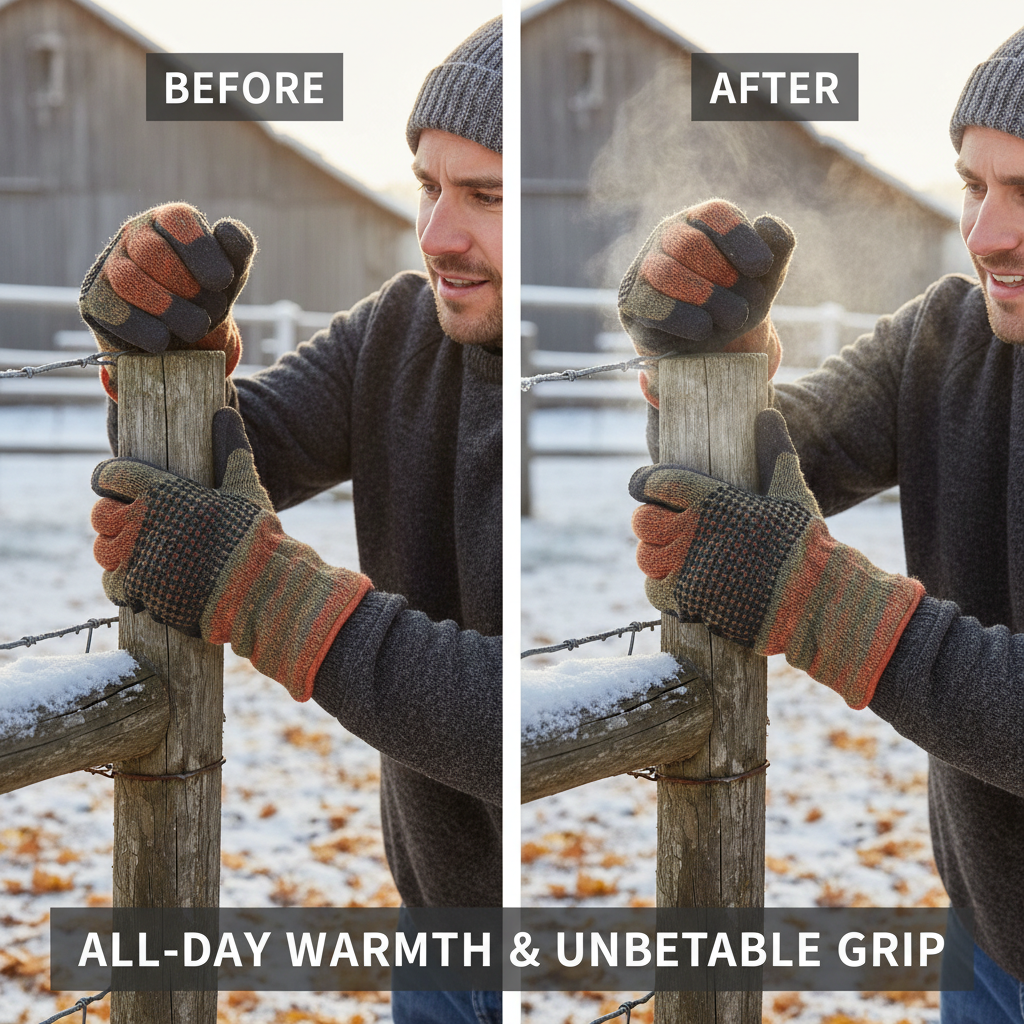
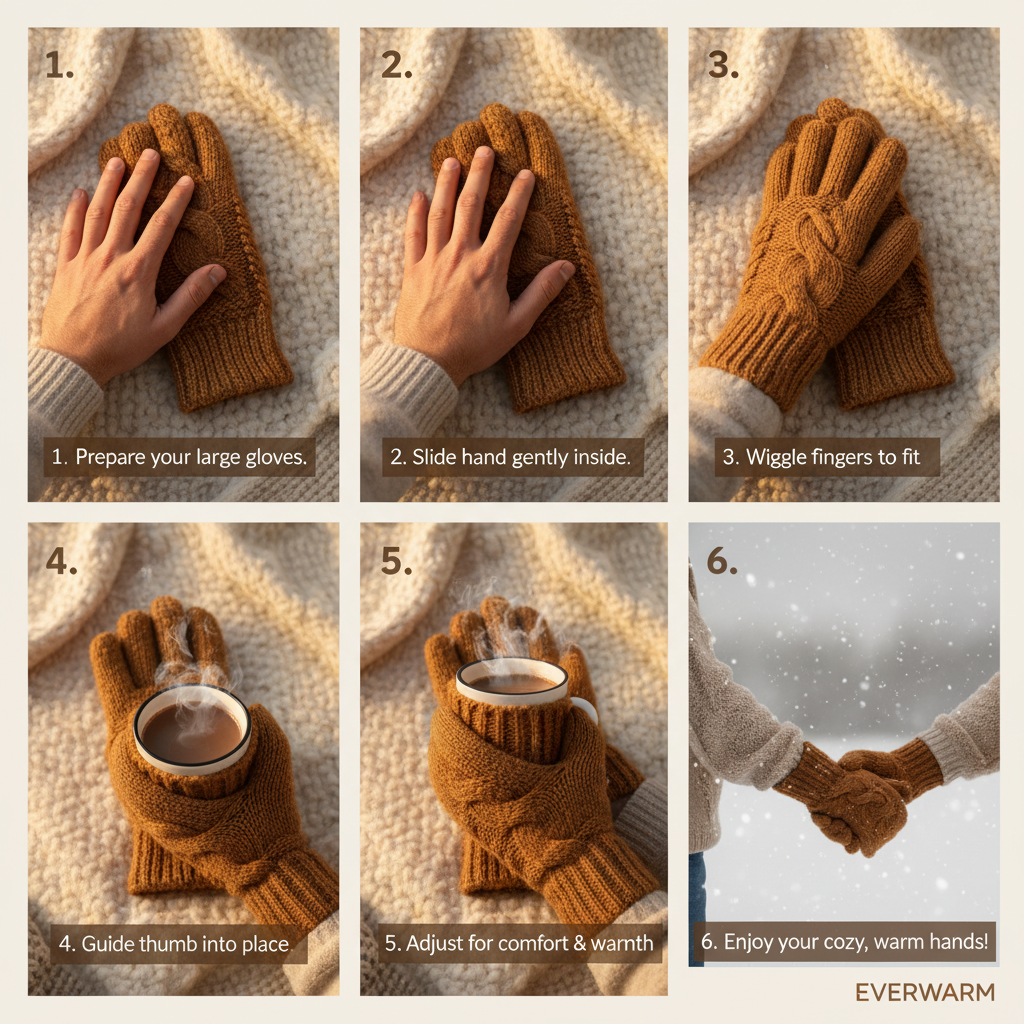
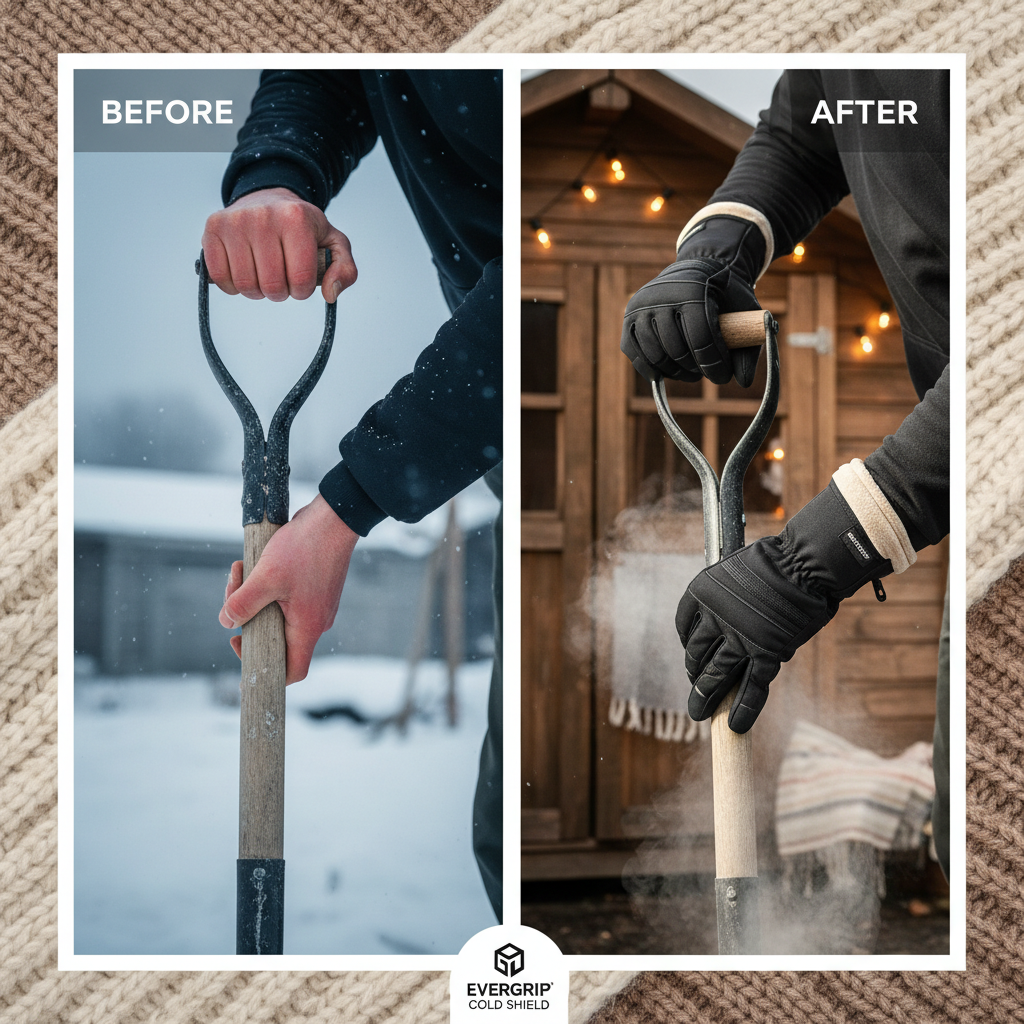
When winter bites, those who brave the cold quickly realize the importance of having good winter gloves. It’s not just about comfort — in many cases, it’s about safety, efficiency, and even dignity. Around the world, from urban workers in snowy cities to emergency responders in sub-zero zones, quality winter gloves can literally make or break a day. Oddly enough, despite seeming like a simple piece of apparel, the design and materials behind these gloves have become quite sophisticated — fueling industries, protecting lives, and advancing tech innovation. Whether you’re looking for basic protection or specialized gear for harsh environments, understanding what makes good winter gloves truly “good” can change your cold-weather experience.
Why Good Winter Gloves Matter Globally
Winter weather affects over 1 billion people worldwide, according to climate data collected by the United Nations and various meteorological organizations. Harsh cold conditions can result in hypothermia, frostbite, and reduced dexterity — challenges particularly acute for outdoor workers, military personnel, and vulnerable populations such as the homeless or displaced. The demand for reliable winter gloves spikes rapidly wherever winters are long and intense. Beyond personal comfort, these gloves support productivity when manual tasks become tricky due to numbness and cold. In places like Canada, Scandinavia, Russia, and even mountainous regions of South America and Asia, winter gloves aren’t just accessories—they’re essential tools.
What Are Good Winter Gloves? A Definition
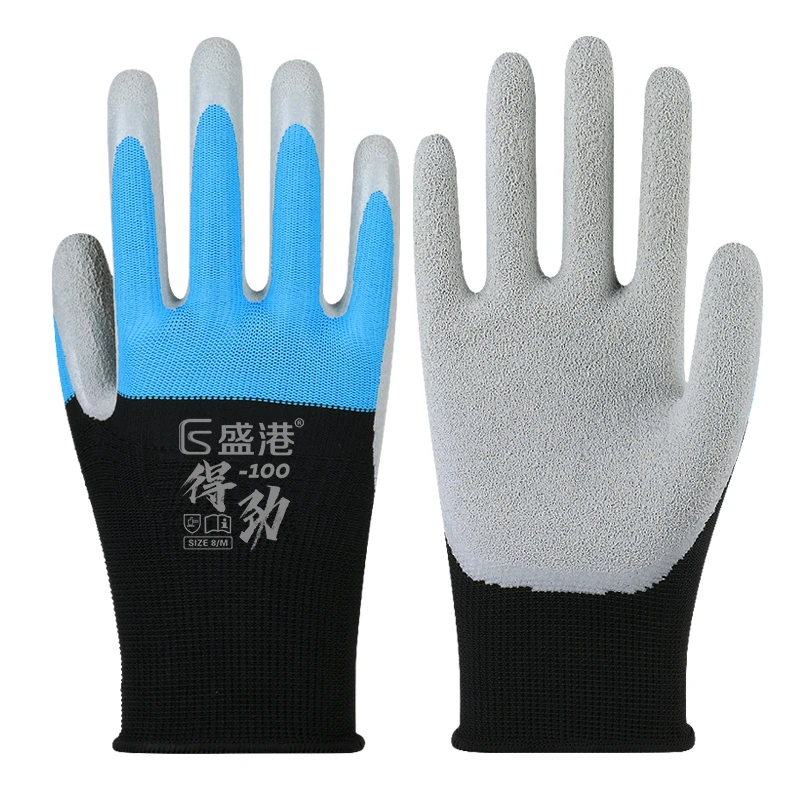
Simply put, good winter gloves are hand coverings designed to provide insulation against cold temperatures while allowing enough flexibility to perform everyday tasks comfortably. But it’s not just about warmth — it’s about the perfect balance of warmth, breathability, durability, and sometimes waterproofing. In humanitarian or industrial contexts, these gloves often have to meet strict safety standards for things like chemical resistance or fire retardance. You’ll find that good winter gloves play a surprisingly strategic role in modern industries — from construction sites in chilly climates to relief missions in frost-affected zones.
Key Components of Good Winter Gloves
1. Insulation
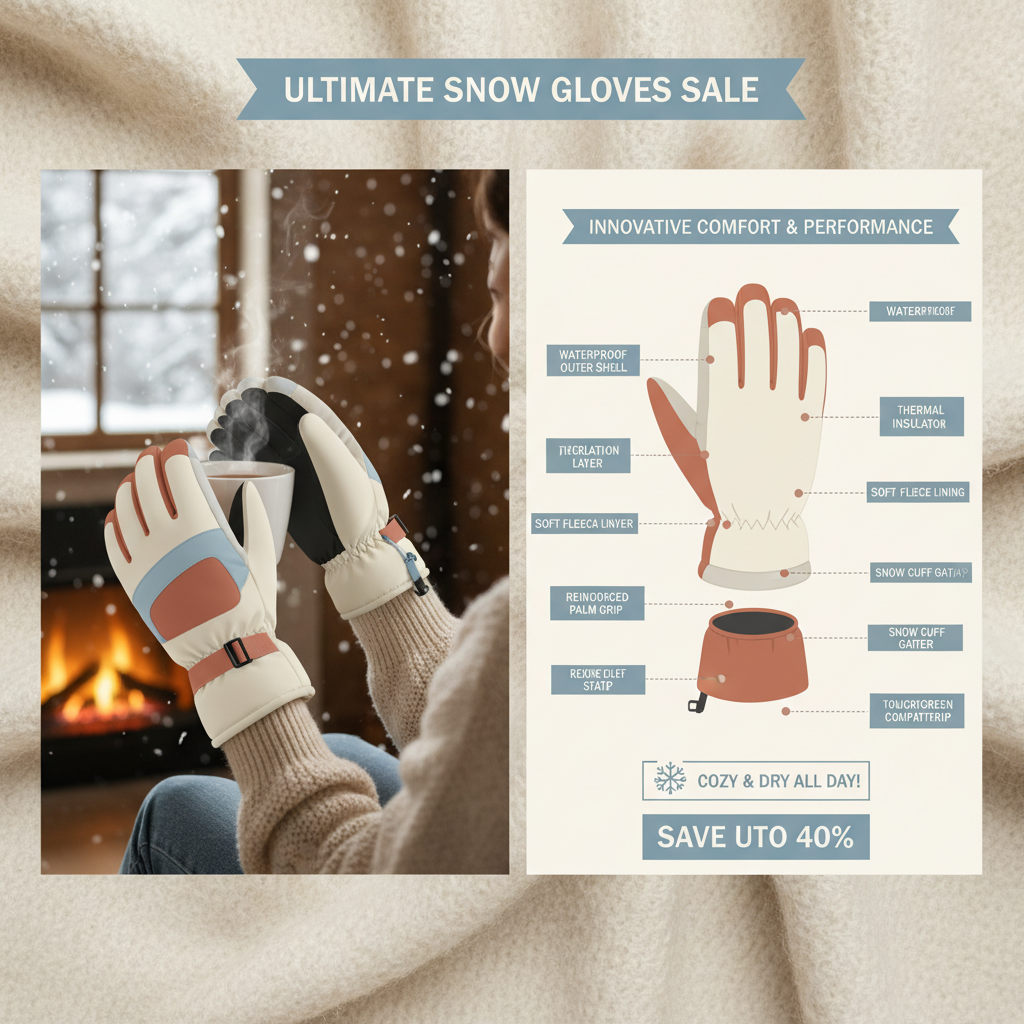
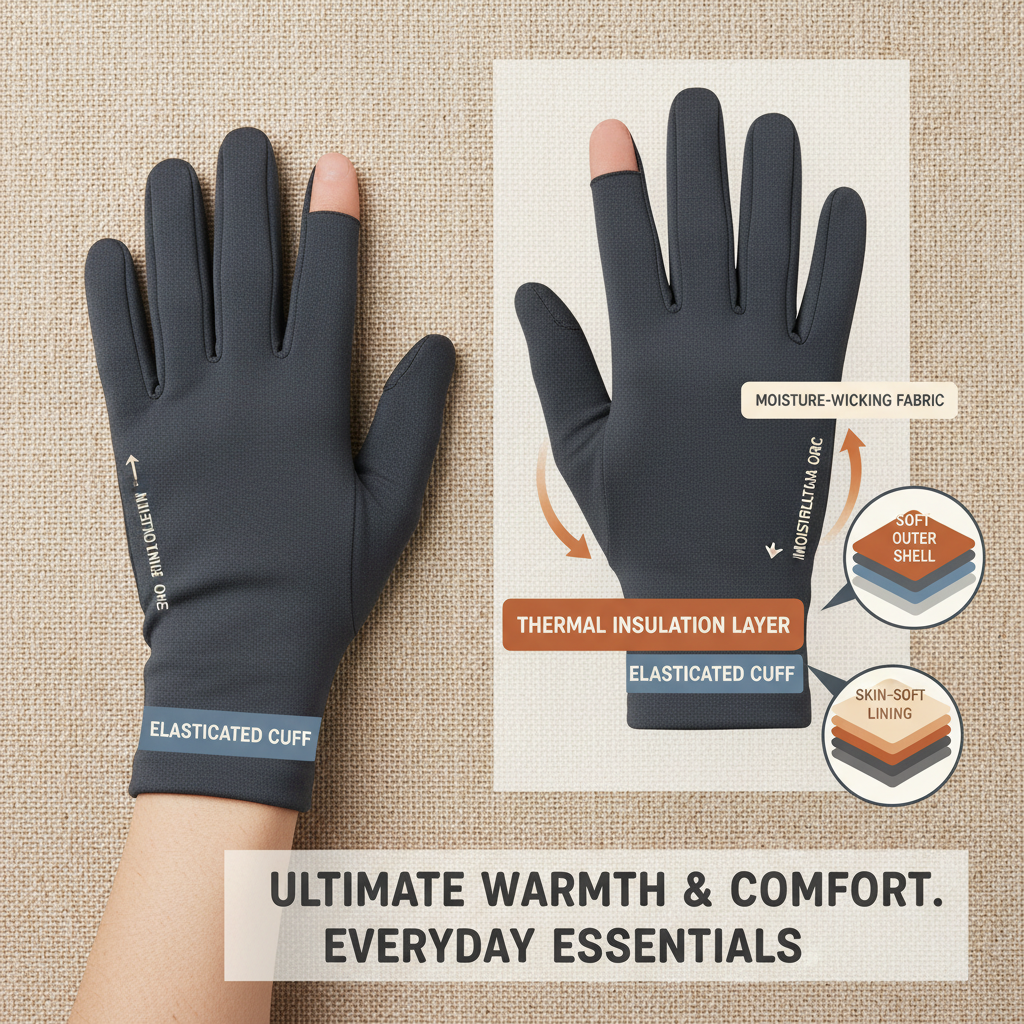
The heart of any cold-weather glove is its insulation material. Synthetic fibers like Thinsulate or natural goose down are popular because they trap heat effectively without excessive bulk. Some gloves use layered designs combining fleece and thermal liners for superior warmth.
2. Durability
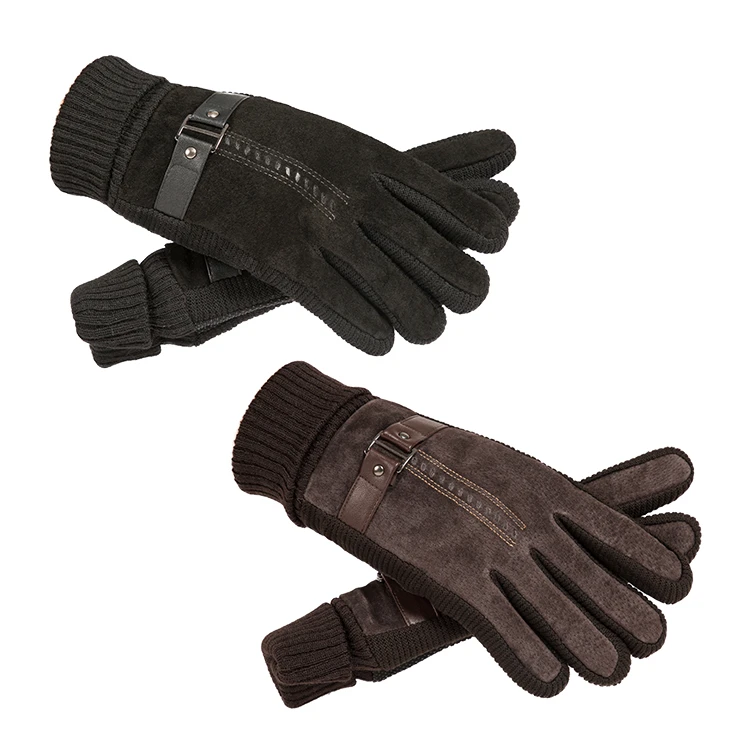
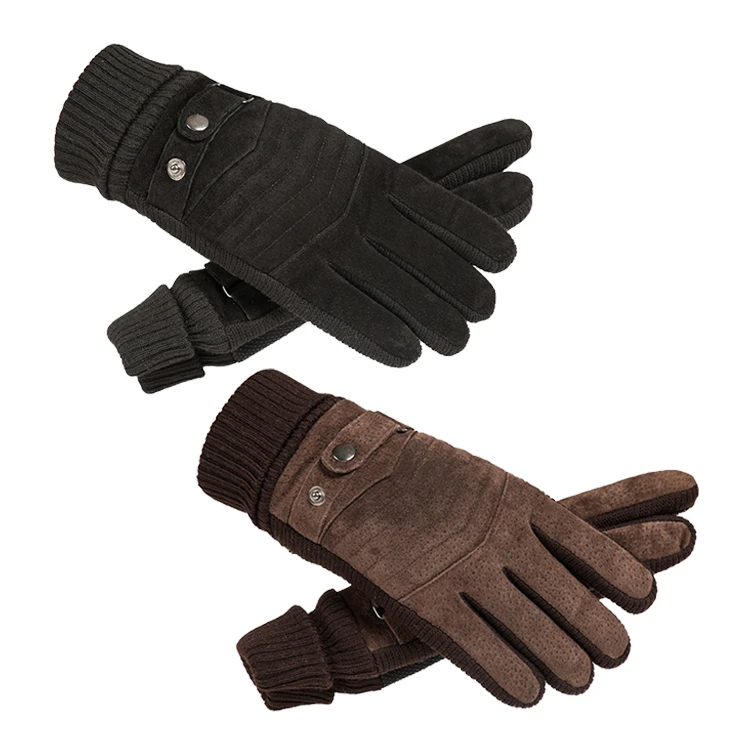
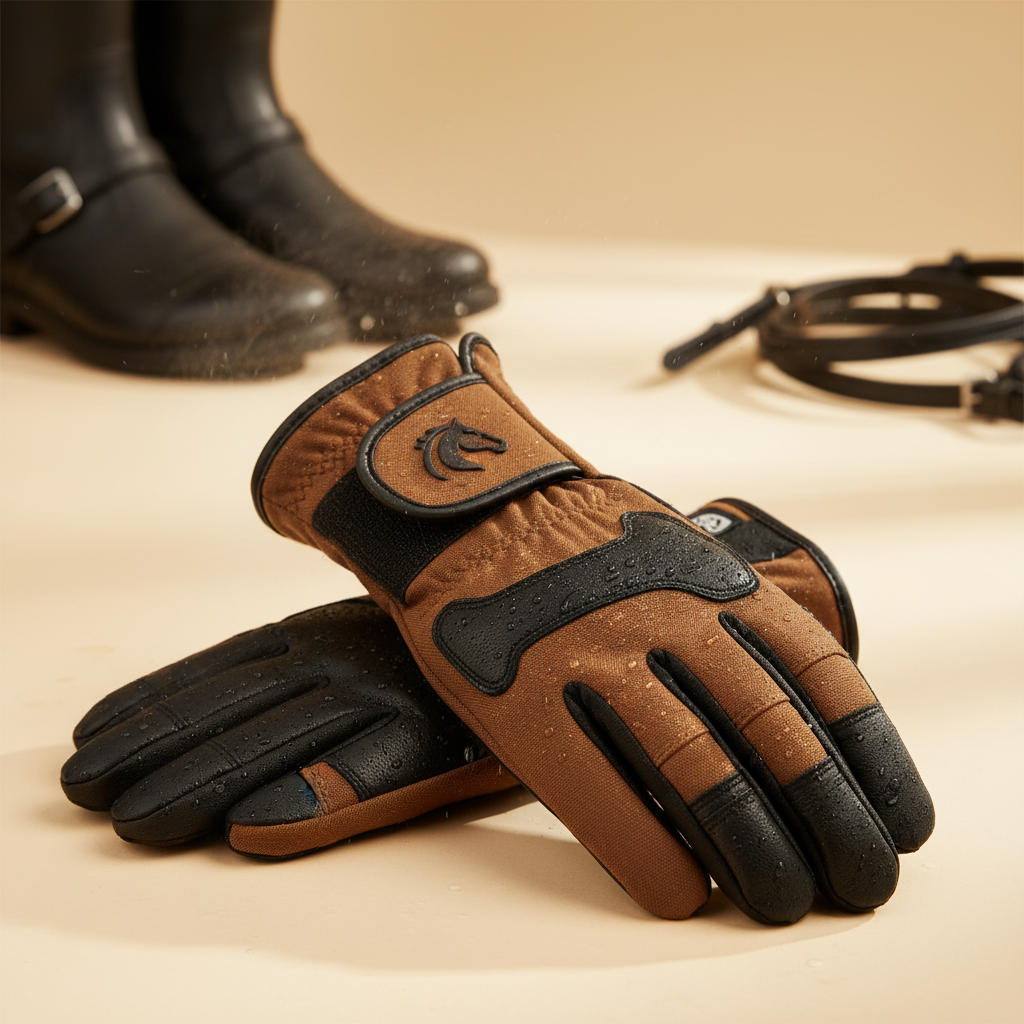
Good gloves must endure harsh wear and tear. Kevlar or leather reinforcements on palms and knuckles offer abrasion resistance — essential for industrial or outdoor professionals. Without durability, gloves may fail prematurely, increasing risks and costs.
3. Waterproofing & Breathability
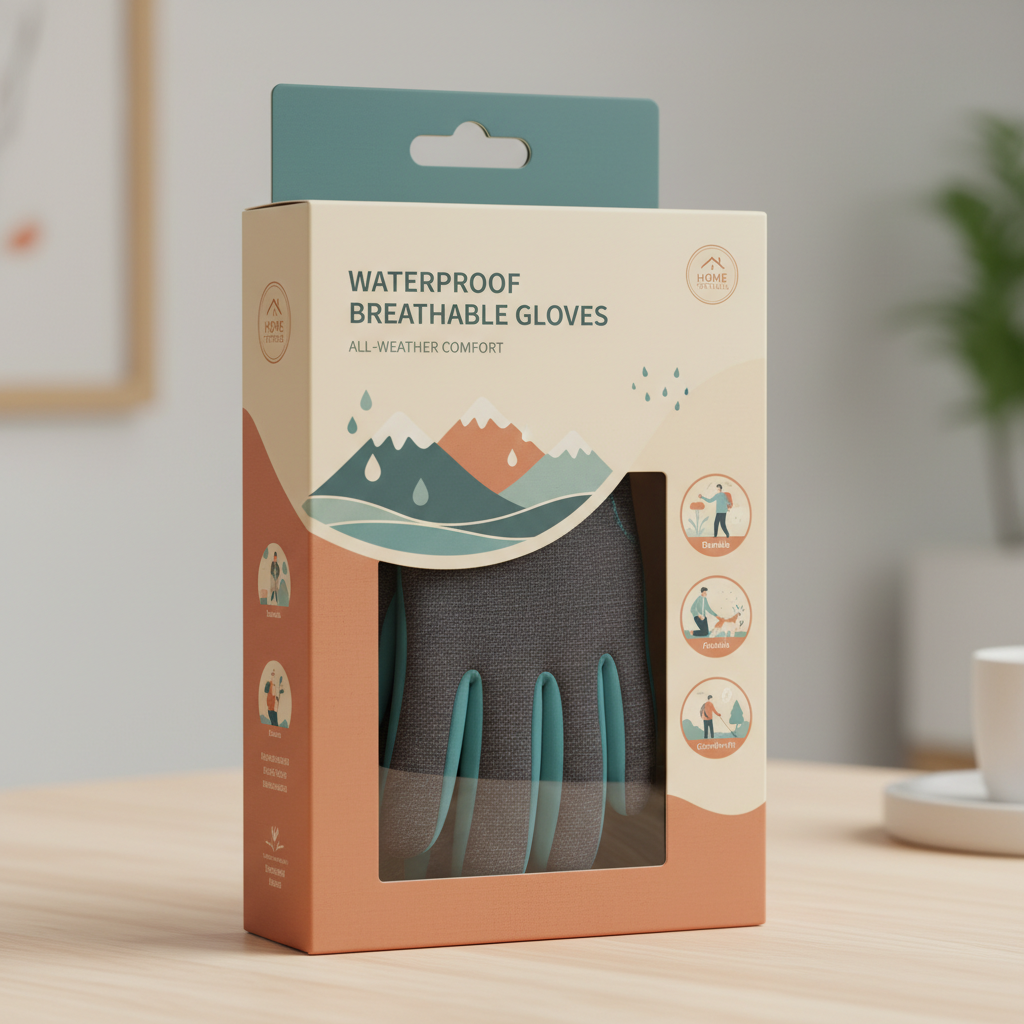
Staying dry is key. Waterproof membranes such as Gore-Tex block external moisture but let sweat escape, maintaining warmth and comfort. Breathability keeps hands dry inside, preventing clamminess and potential chafing.
4. Dexterity & Fit
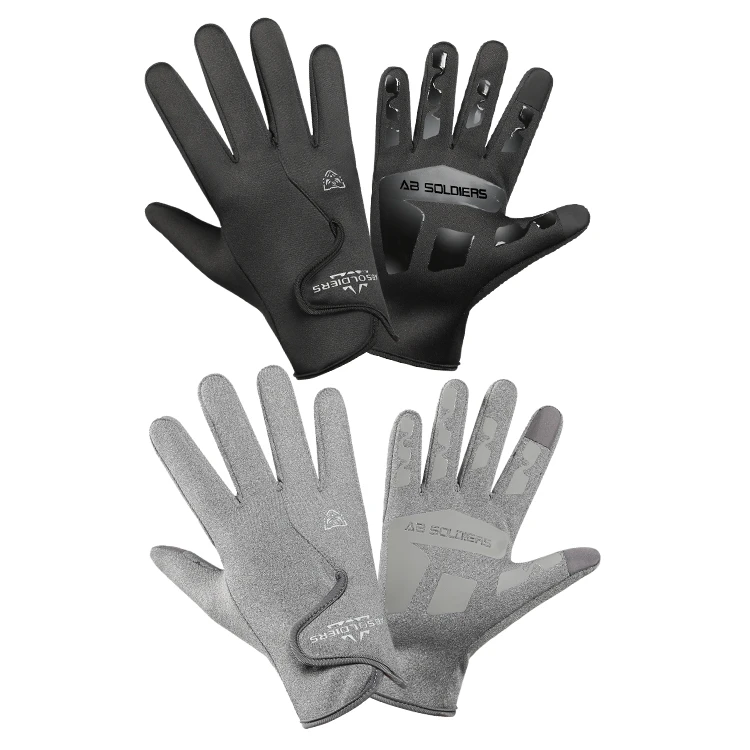
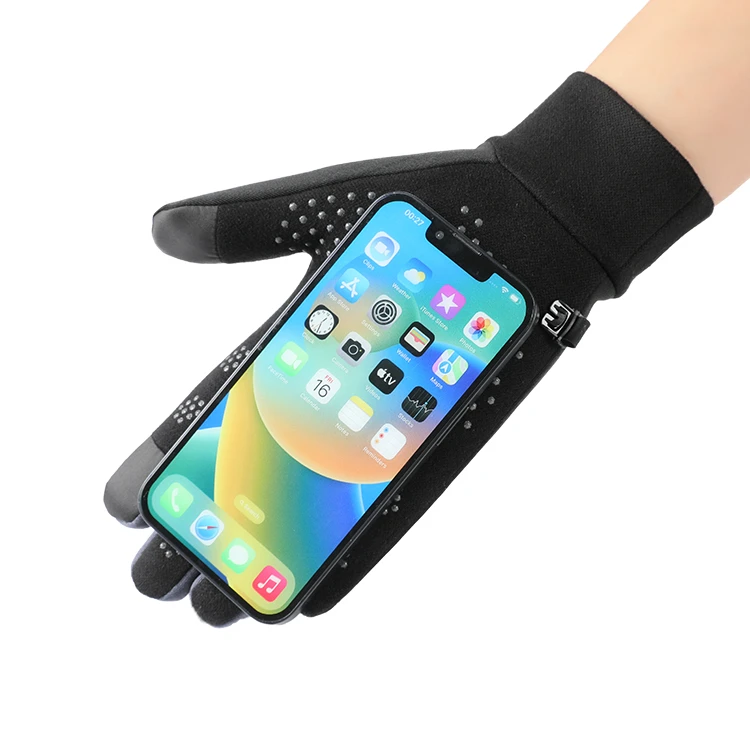
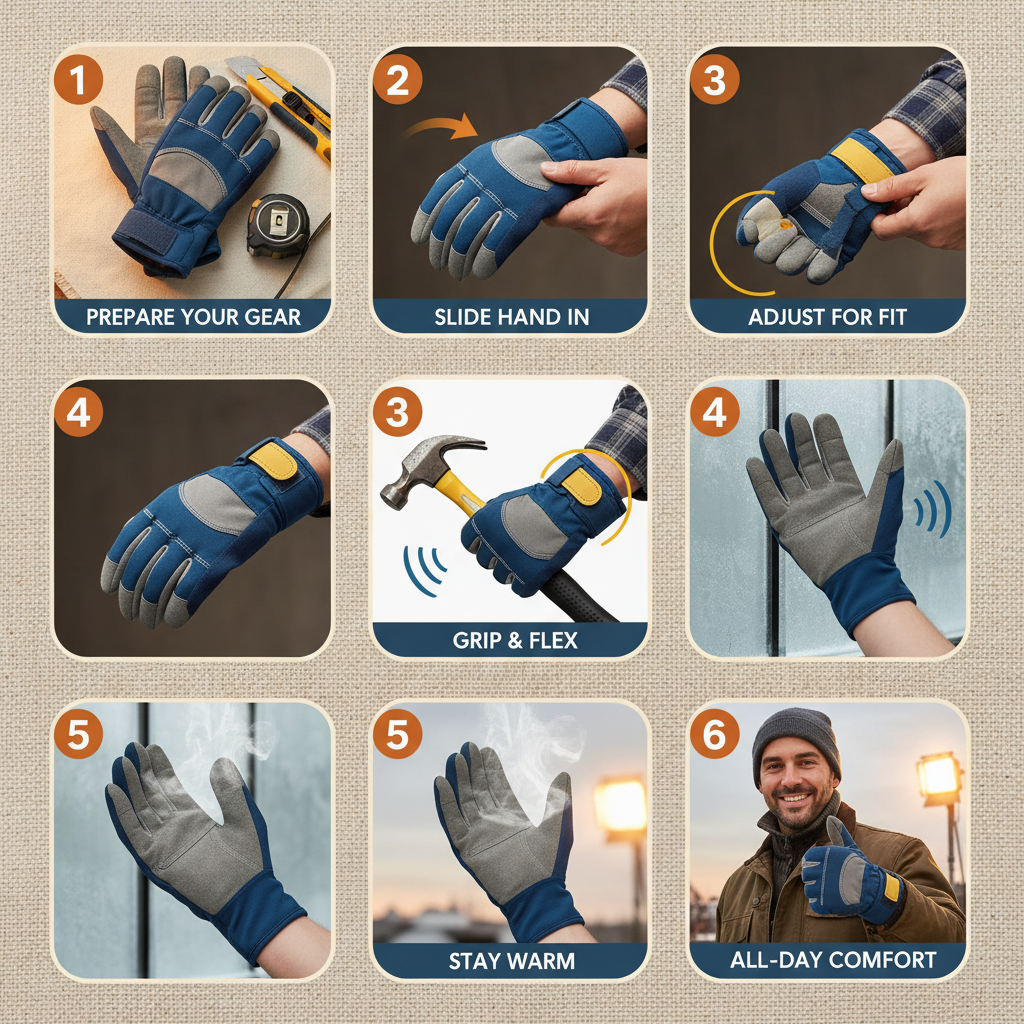
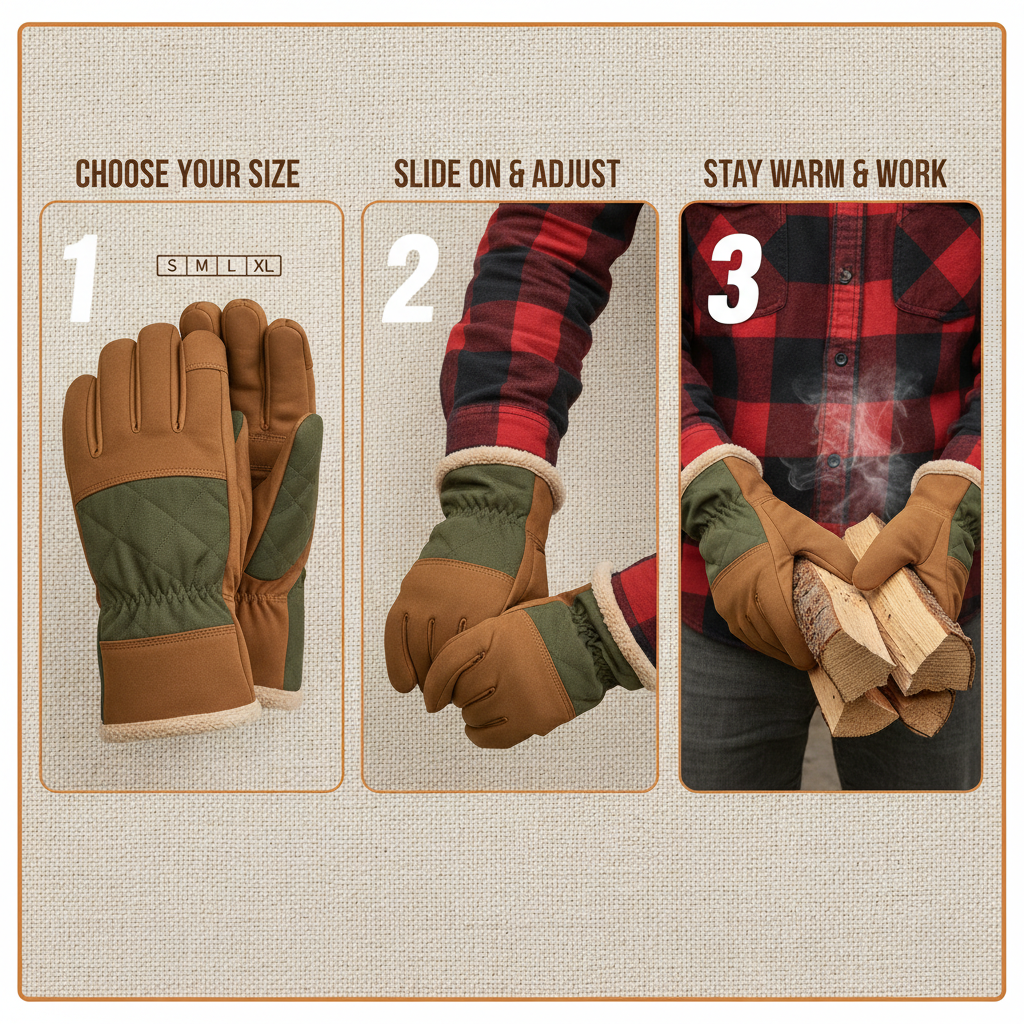
You’d be surprised how often gloves restrict movement. A good winter glove balances insulation with flexibility — tailored finger cuts and stretchable fabrics help maintain grip and tactile feeling. This is a must for anyone needing to handle tools or use touchscreen devices.
5. Safety Features
In some sectors, extra properties like flame resistance, chemical protection, or anti-static qualities are crucial. Good winter gloves adapt to these needs without sacrificing core warmth and comfort.
Mini Takeaway:
Warmth, durability, waterproofing, dexterity, and safety combine to form the backbone of good winter gloves. Each aspect plays a role in making these gloves more than just warm hand covers—they become essential gear.
Product Specification Table: Popular Good Winter Gloves
| Model | Insulation | Waterproofing | Material | Dexterity |
|---|---|---|---|---|
| ArcticFlex Pro | 3M Thinsulate 200g | Gore-Tex Membrane | Leather & Nylon blend | High |
| ThermaGuard XT | Goose Down 150g | HydroShield Coating | Suede & Polyester | Medium |
| TechGrip Touch | Synthetic fleece 180g | Water-repellent Finish | Stretch Nylon | Very High |
Where Good Winter Gloves Make a Difference Globally
In many remote industrial regions, like northern Scandinavia's mining sites or Siberian oil refineries, workers depend on gloves that can withstand brutal cold while allowing them to operate heavy machinery safely. Humanitarian organizations also distribute high-quality winter gloves to refugees or disaster-hit populations; for example, the UNHCR groups prioritize durable, insulated gloves during winter aid shipments to Eastern Europe and Central Asia. Even in everyday urban settings, postal workers and outdoor vendors count on gloves that offer protection without sacrificing dexterity.
For outdoor enthusiasts — skiers, hikers, and hunters — gloves that balance warmth and flexibility often spell the difference between a great trip and frostbite risks. Many governments legislate standards for winter gear, reflecting how essential these gloves have become across sectors.
Mini Takeaway:
The worldwide use of good winter gloves spans from industrial workplaces to humanitarian crises to recreational use, emphasizing their broad impact and importance.
Advantages and Long-Term Value of Good Winter Gloves
- Cost Savings: Quality gloves last longer, reducing frequent replacements.
- Sustainability: Many brands now use eco-friendly insulation, reducing environmental footprints.
- Safety: Prevent frostbite and injuries linked to cold weather exposure.
- Comfort & Confidence: Users maintain dexterity and warmth, improving performance and productivity.
- Social Impact: Providing reliable gloves enhances dignity and survival chances in vulnerable communities.
Future Trends and Innovations in Winter Glove Technology
Frankly, winter gloves are evolving thanks to innovations in material science and digital tech. Infusing gloves with conductive yarns enables touchscreen compatibility without removing them. Some gloves now incorporate smart sensors that monitor hand temperature and alert users about frost risks, a boon for safety.
Materials are also advancing: plant-based insulation alternatives challenge synthetic options, offering more sustainable yet effective cold protection. Automation and 3D knitting techniques promise tighter fits and better customization for diverse hand shapes.
Challenges and Expert Solutions
One frequent challenge is balancing warmth and dexterity — thicker gloves often mean clumsy fingers, affecting precision. Manufacturers address this by using multi-layer designs and stretch fabrics. Cost remains a barrier, especially for NGOs provisioning poor regions, but bulk manufacturing and innovation are driving prices down. Oddly enough, cold-induced moisture buildup inside gloves can degrade insulation — improved breathability membranes and wicking liners are practical fixes.
Vendor Comparison Table: Leading Winter Glove Suppliers
| Supplier | Specialization | Price Range | Sustainability | Global Reach |
|---|---|---|---|---|
| PolarGear Inc. | Industrial & Extreme Cold | $$$ | Moderate (Recycled materials) | North America, Europe |
| EcoComfort Gloves | Sustainable & Casual Use | $$ | High (Plant-based insulation) | Global (Online sales) |
| SafeHands Solutions | Safety & Protective Gear | $$$$ | Moderate | Worldwide |
FAQ: Frequently Asked Questions About Good Winter Gloves
- Q: What materials make the best winter gloves for extreme cold?
- A: Insulation like 3M Thinsulate or natural goose down combined with waterproof fabrics such as Gore-Tex perform best. Leather or Kevlar reinforcements help for durability without sacrificing warmth.
- Q: How can I maintain my winter gloves for longer use?
- A: Regular cleaning per manufacturer instructions, proper drying away from direct heat, and applying waterproofing sprays can extend glove life. Store gloves in a dry place to avoid mold.
- Q: Are sustainable winter gloves as effective as traditional ones?
- A: Yes, many sustainable gloves use innovative plant-based or recycled materials offering comparable warmth and durability, often with the bonus of lower environmental impact.
- Q: Can good winter gloves be touchscreen compatible?
- A: Many modern gloves integrate conductive yarns in the finger tips, enabling touchscreen use without removing gloves—ideal for outdoor workers and daily commuters.
Conclusion: Why Investing in Good Winter Gloves Pays Off
In real terms, good winter gloves are an investment in warmth, safety, and performance. Whether for an outdoor worker facing daily frost, a rescue volunteer in disaster zones, or simply a commuter on wintry mornings, quality gloves ensure hands stay functional and protected. As technologies advance, these gloves will only become smarter and more sustainable — benefiting more people worldwide.
Looking for reliable and tested options? Check out our full selection of good winter gloves designed to meet varied needs and budgets.
Winter readiness starts at your fingertips—keep them warm, keep them safe.
Referencing:
1. United Nations Climate Data – Effects of Winter Weather Globally
2. ISO Standards on Protective Gloves (ISO 21420)
3. Wikipedia - Winter Clothing