Essential Guide to Waterproof Gloves Thermal – Protection Meets Comfort
Understanding Waterproof Gloves Thermal: Why It Matters on a Global Scale
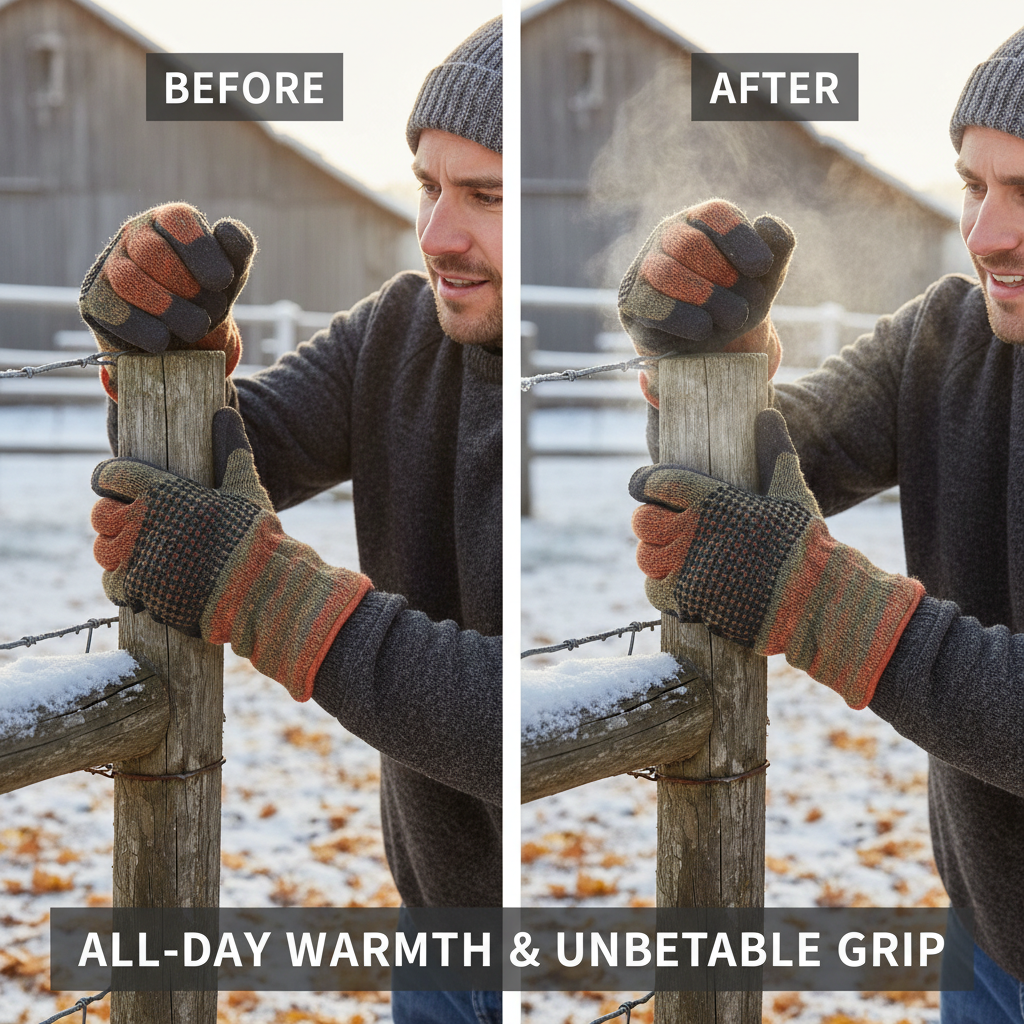
At first blush, waterproof gloves thermal might sound like just another niche product for adventurers and industrial workers. But in reality, these gloves play a surprisingly vital role across numerous sectors worldwide—from humanitarian aid in freezing climates to oil rig workers braving the North Sea chill. They’re not just about keeping hands dry and warm; they’re a frontline shield against environmental hazards, reducing injury and improving efficiency in tough conditions. With global climate patterns becoming increasingly unpredictable and cold-weather demands growing, understanding what waterproof thermal gloves bring to the table is key.
Global Context: Why Waterproof Thermal Gloves Have Become Essential
Here’s an interesting fact: the International Labour Organization estimates that over 700 million workers worldwide are exposed to harsh weather extremes on the job, including cold and wet environments (ILO, 2020). From the Arctic fisheries of Canada to the snowy mountain ranges supporting construction in the Alps, waterproof gloves thermal have become a go-to protective gear. Their relevance correlates closely with rising global concerns about occupational safety and climate resilience.
Still, a big challenge remains: conventional gloves either keep warm or stay waterproof—rarely both. This inefficiency led to increased incidents of frostbite and damp fingers, undermining both productivity and worker morale.
Mini takeaway: The need for gloves that combine insulation and water resistance isn't just a want—it's a global workplace safety imperative.
What Exactly Are Waterproof Gloves Thermal?
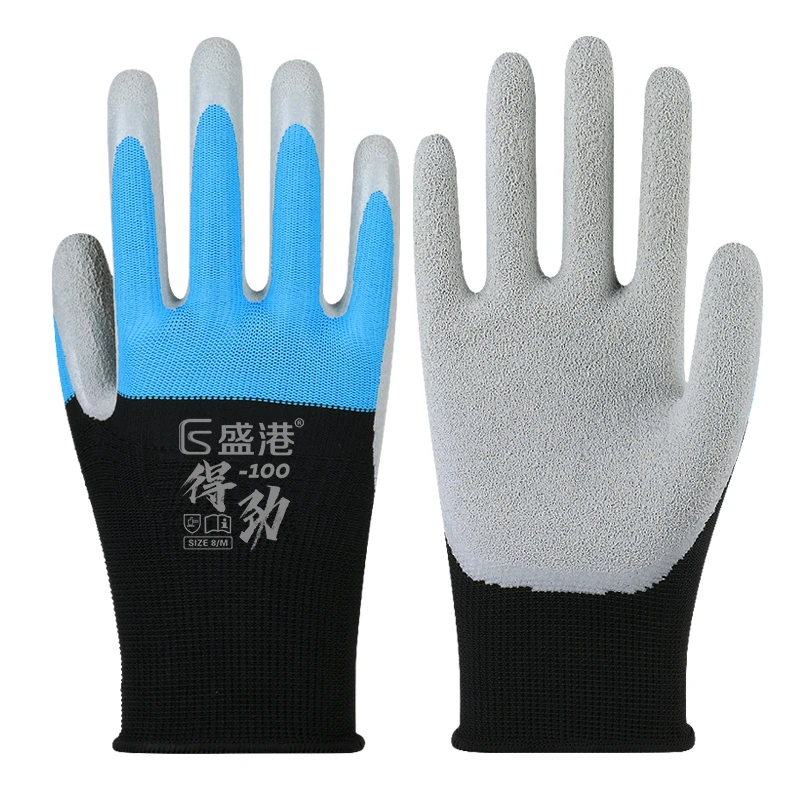
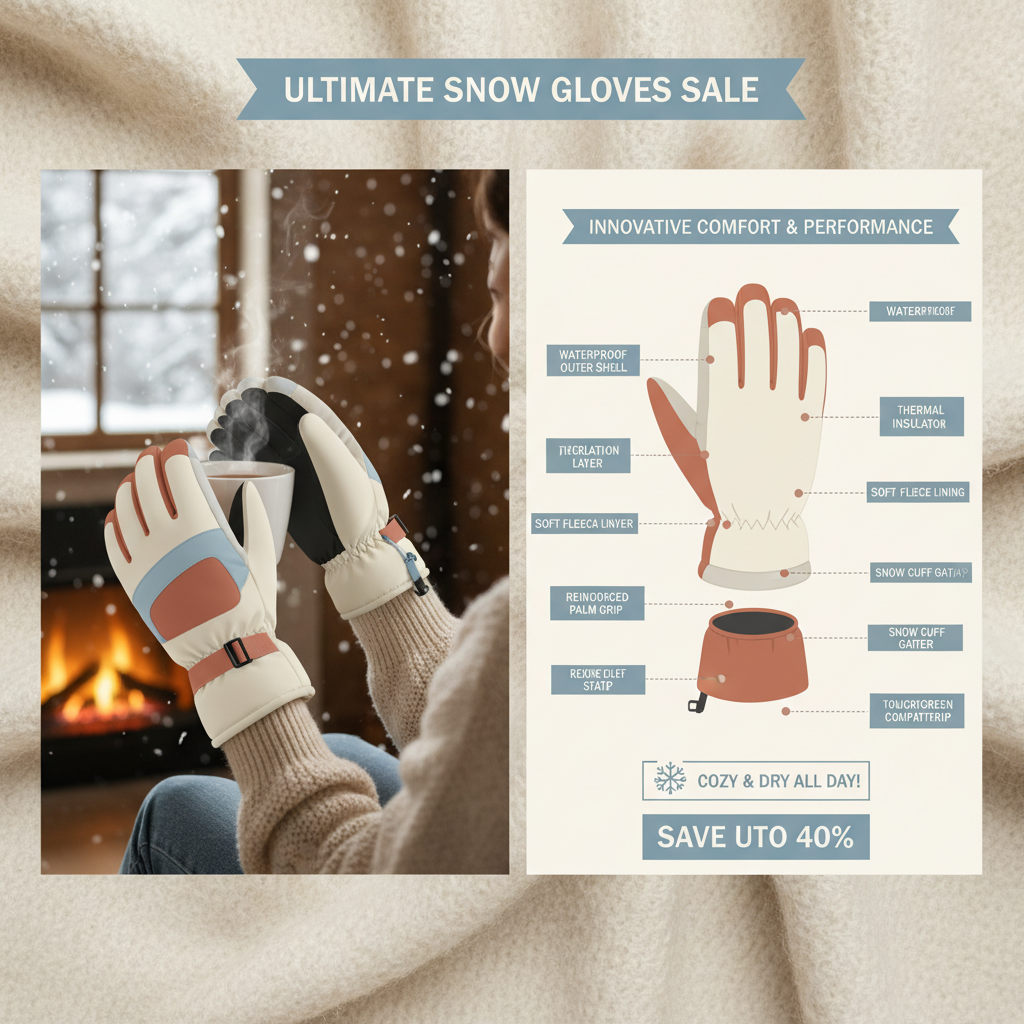
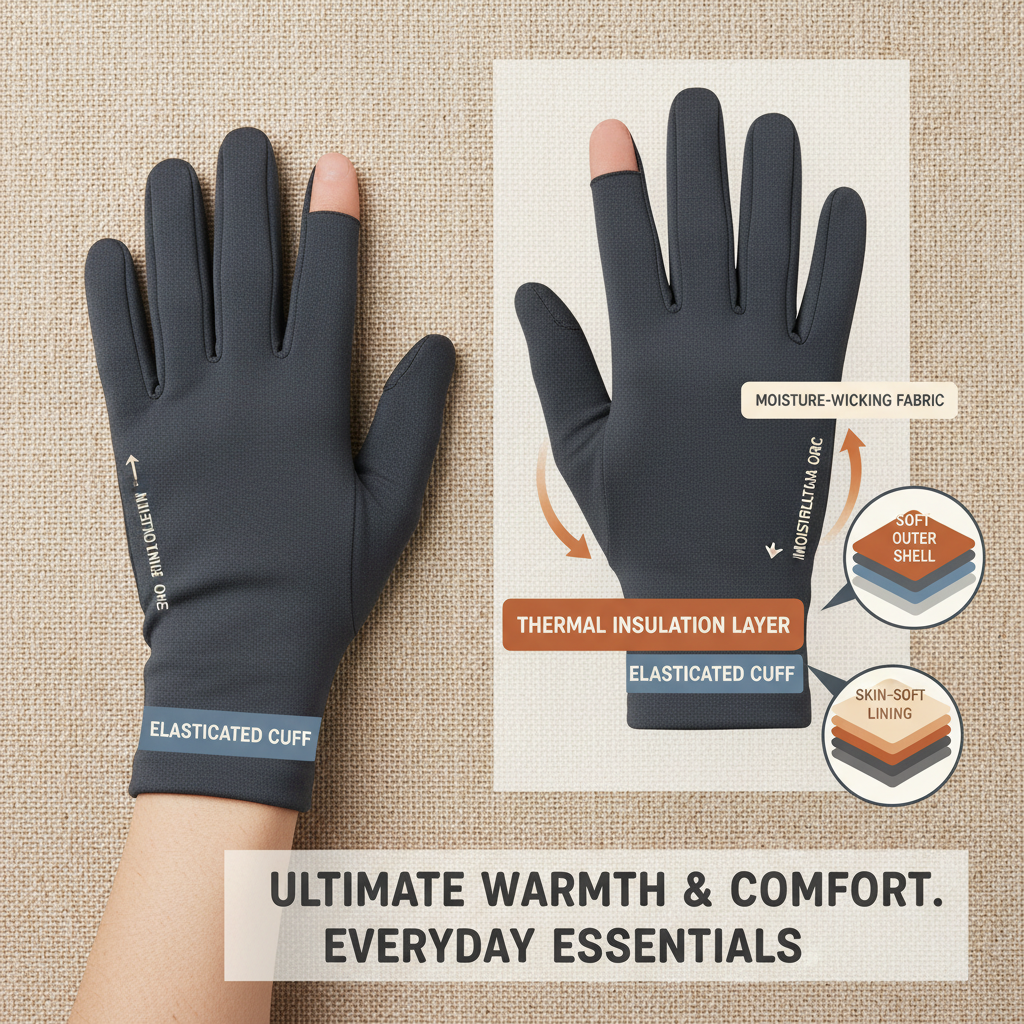
Simply put, waterproof gloves thermal are hand coverings designed to keep moisture out while maintaining internal warmth. Imagine a glove with a multi-layer system: a waterproof membrane on the outside, insulated padding in the middle, and a soft inner lining next to the skin. All these elements work in unison to ensure your hands don’t freeze or get soggy.
In industrial settings, this means workers can handle equipment without numb fingers compromising their grip. In humanitarian roles, especially disaster relief in cold zones, these gloves protect vulnerable populations and aid workers alike from the harsh elements while performing critical tasks.
Key Features Behind Effective Waterproof Thermal Gloves
1. Durability
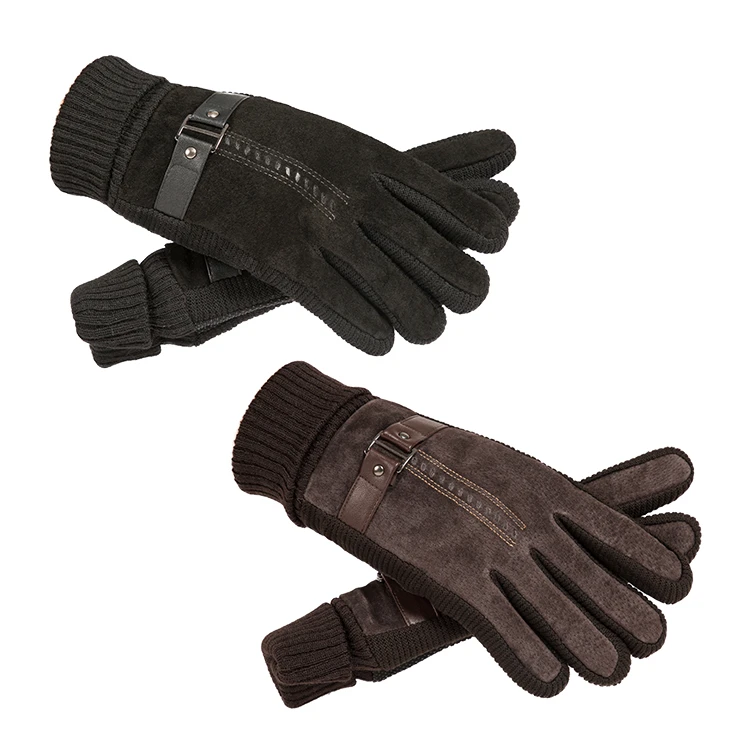
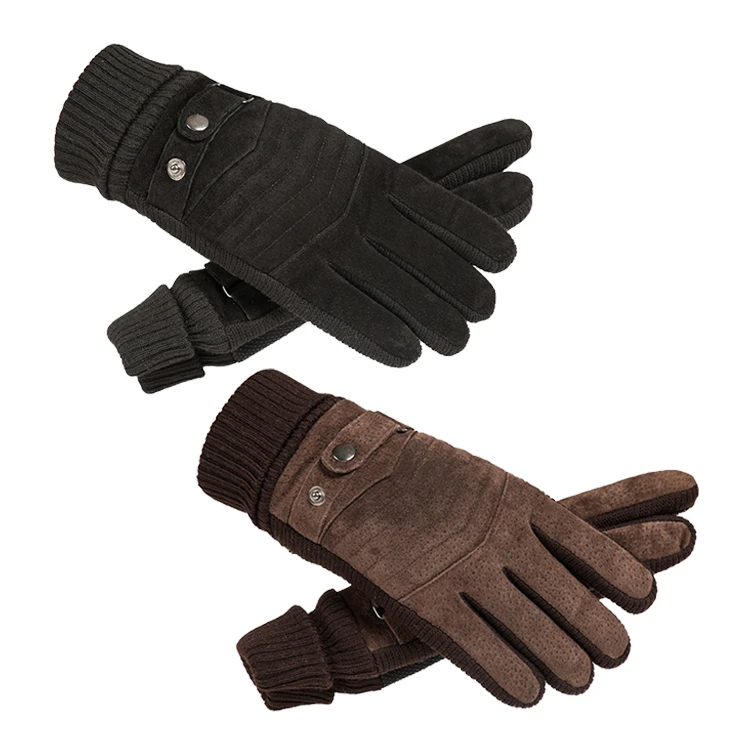
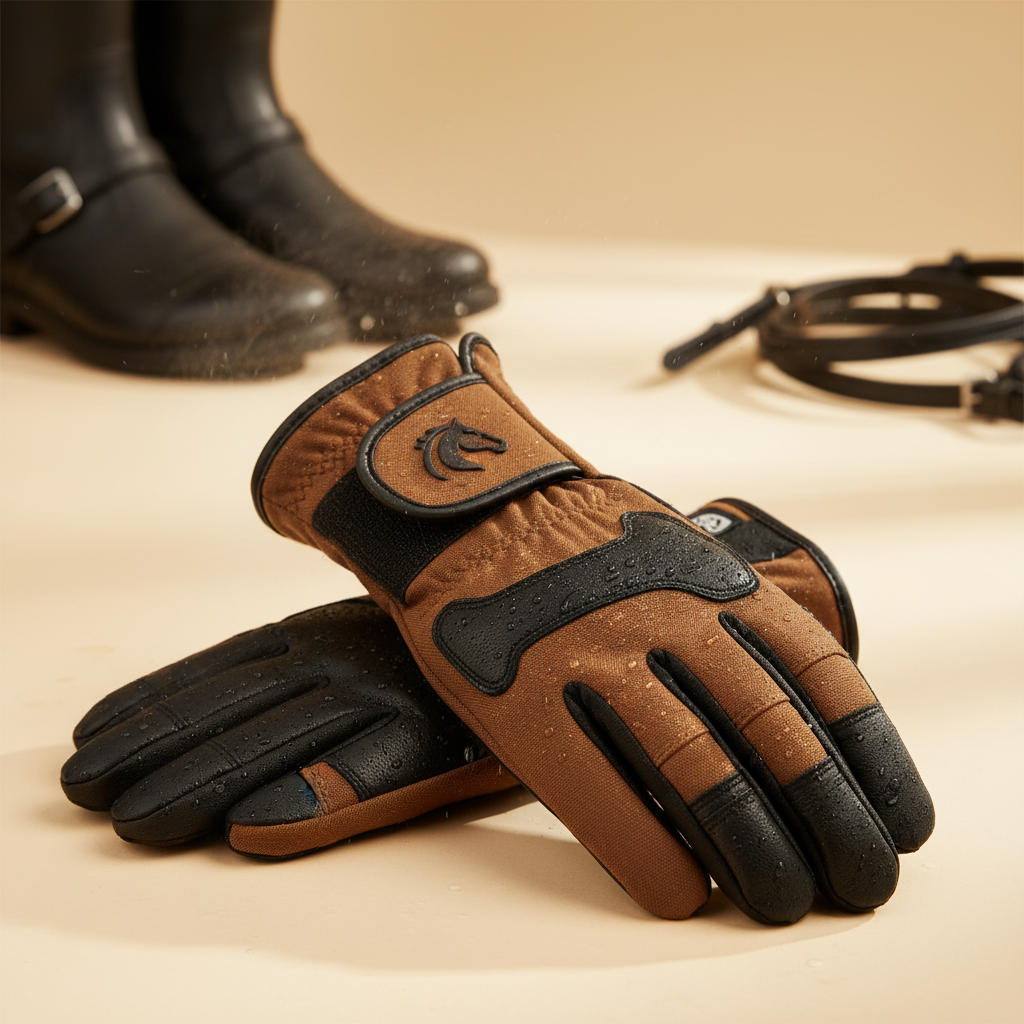
Gloves must withstand abrasion, cuts, and repeated flexing. Many thermal waterproof gloves combine materials like reinforced leather and ripstop nylon, balancing longevity with flexibility.
2. Insulation & Heat Retention
Insulation primarily comes from synthetic fabrics or natural fibers like Thinsulate or wool blends, retaining body heat without bulk. Oddly enough, some designs integrate phase-change materials, which modulate temperature dynamically.
3. Waterproof Membranes
A fine, breathable, waterproof layer—often Gore-Tex or similar technology—is essential. These membranes keep rain, snow, and slush out while allowing sweat vapor to escape, an ergonomic must especially during heavy activity.
4. Grip & Dexterity
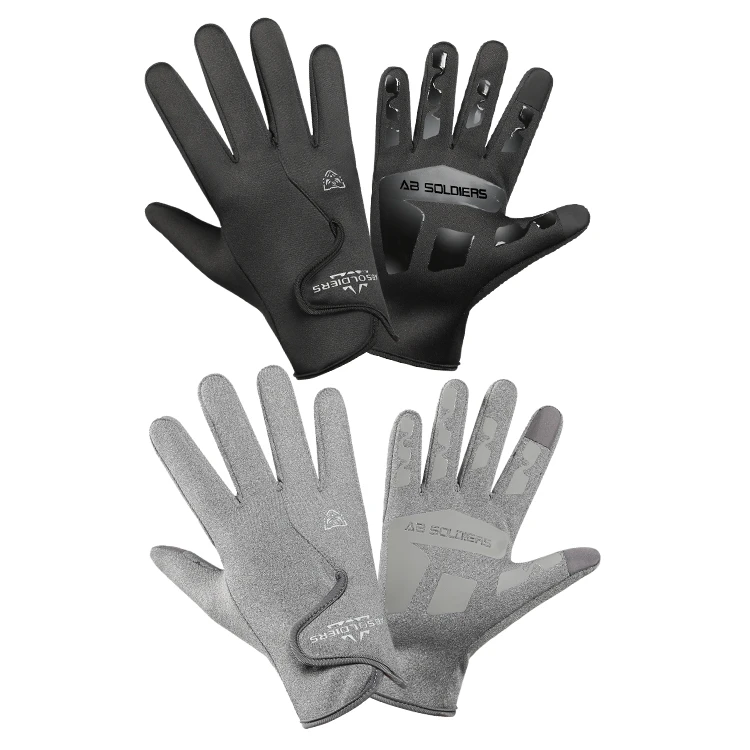
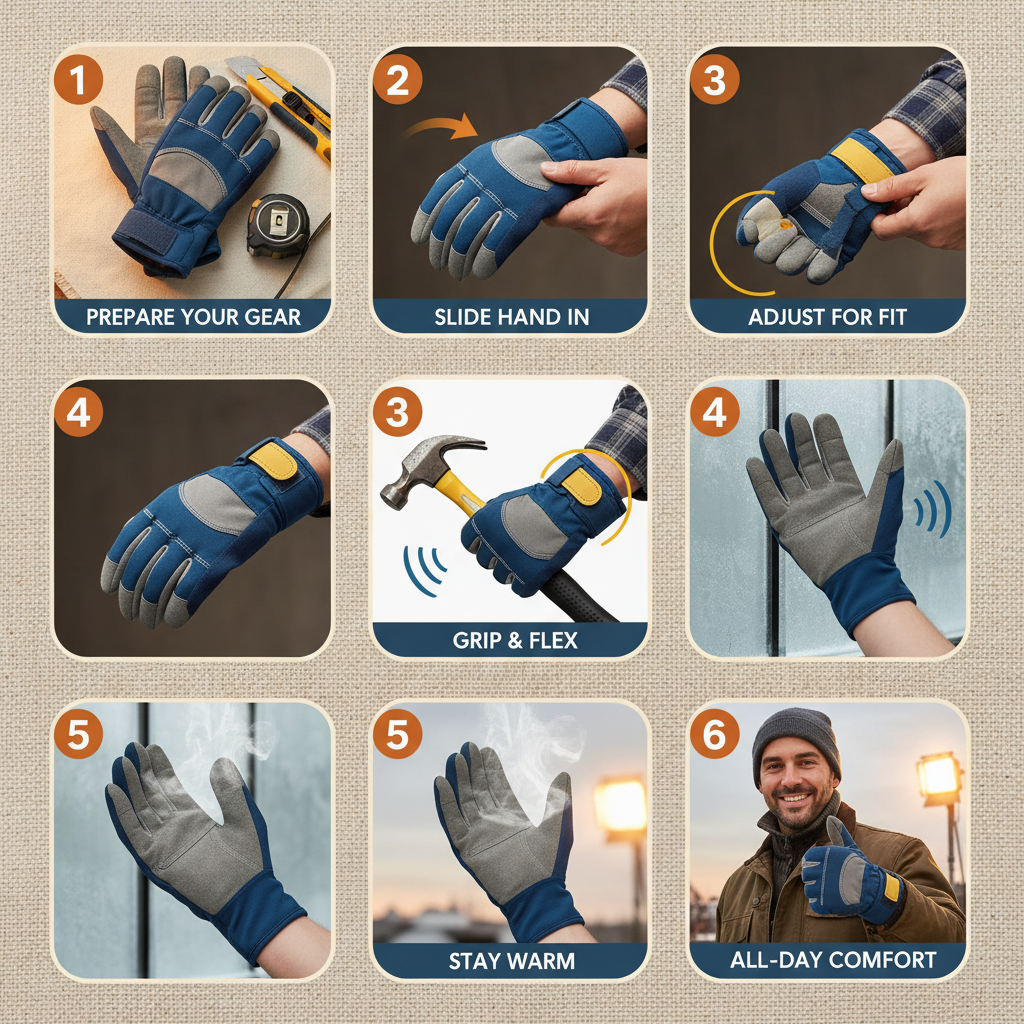
No one wants bulky gloves that turn fingers into clumsy clubs. Modern gloves incorporate textured palms or silicone grips to maximize control, which is crucial in industrial or rescue scenarios.
5. Comfort & Fit
Adjustable cuffs, stretch panels, and moisture-wicking linings round out the experience, often overlooked but important for prolonged wear.
| Specification | Details |
|---|---|
| Material | Waterproof nylon shell, Thinsulate insulation, fleece lining |
| Waterproofing Technology | Gore-Tex membrane |
| Temperature Range | -30°C to +10°C (-22°F to +50°F) |
| Palm Grip | Silicone-coated for enhanced dexterity |
| Sizes | XS to XXL |
| Weight | Approximately 120g per pair |
Mini takeaway: The perfect waterproof thermal glove balances protection, warmth, and functionality—not always easy, and why quality matters.
Global Applications and Real-World Scenarios
Where do these gloves get the most love? Quite literally all over. Take Scandinavia's winter fishing fleets—they need gloves that can survive the constant spray of water and near-freezing temps. Or think about emergency teams in northern Canada’s snowbound regions during rescue ops. Even postal workers delivering letters in the UK's damp winters swear by them. And on a humanitarian note, NGOs operating in mountainous Nepal or Southern Chile depend heavily on these gloves to keep volunteers safe and functional.
Industrial zones with chemical exposure or heavy machinery often require gloves with certifications for both waterproofing and thermal protection, underscoring their cross-sectoral appeal. I've noticed how some companies integrate these gloves within PPE kits globally, prioritizing them for their versatility.
Advantages and Lasting Value of Waterproof Thermal Gloves
- Cost-efficiency: They reduce injury-related downtime and healthcare costs.
- Sustainability: Brands increasingly use recycled materials and environmentally-friendly membranes.
- Safety & Trust: Workers wearing reliable gloves feel safer, improving productivity.
- Emotional impact: Keeping hands warm and dry boosts morale on harsh workdays.
Looking Ahead: Innovations In Waterproof Thermal Gloves
Technology doesn’t stand still, and neither do glove makers. The future is seeing gloves with embedded sensors that monitor hand temperature and humidity in real-time. Add to that innovations such as graphene-enhanced thermal layers offering ultra-thin warmth, and smarter waterproof membranes integrated with nano-coatings for superior breathability.
Environmental guidelines from ISO are pushing companies toward sustainability, making waterproof gloves thermal more eco-friendly without compromising performance. Automation in manufacturing is producing more consistent quality, too, which is good news for anyone who’s ever bought a dud pair.
Common Challenges & Practical Solutions
Waterproof thermal gloves aren’t magic. Sometimes bulk or limited dexterity can be a deal-breaker. Moreover, prolonged moisture inside the gloves from sweat is still tricky. That’s why careful layering inside the glove, high breathability, and proper sizing are crucial.
Experts recommend pairing gloves with liners or using specialized drying racks in workplaces. Plus, constant R&D efforts aim at fabric blends that handle sweat better while maintaining waterproof integrity.
| Vendor | Range | Materials & Tech | Price Range (USD) | Sustainability Focus |
|---|---|---|---|---|
| GloveTech Industries | Work & Outdoor | Gore-Tex, Thinsulate | 50 - 120 | Partially recycled fabrics |
| PolarWarm Solutions | Extreme Cold | Nano membranes, wool blends | 80 - 150 | Certified organic insulating materials |
| EcoGear Co. | Casual & Light Duty | Recycled synthetic fibers | 30 - 70 | High emphasis on sustainability |
FAQ: Your Questions About Waterproof Gloves Thermal
Q1: Can waterproof thermal gloves be used for touchscreen devices?
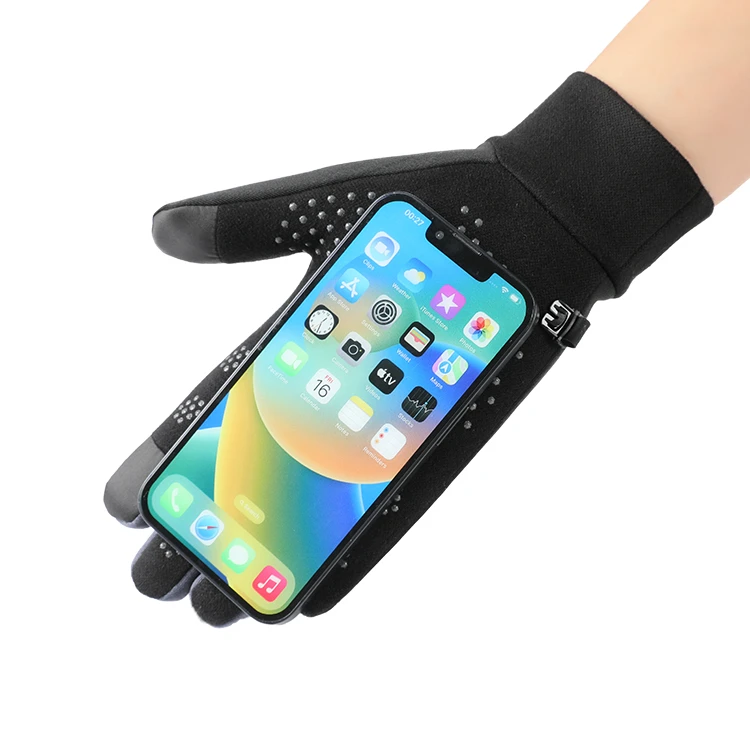
Yes, many modern waterproof gloves thermal include touchscreen-compatible fingertips. This is especially helpful for workers or outdoorspeople who need smartphone access without risking cold exposure.
Q2: How do these gloves handle sweat buildup during intense activities?
While the waterproof membrane repels external moisture, breathability is key to sweat management. High-quality gloves feature breathable fabrics and moisture-wicking linings that help reduce internal humid buildup. For heavy exertion, glove liners can further improve comfort.
Q3: Are waterproof thermal gloves suitable for all cold weather conditions?
They cover a wide temperature range but extreme, arctic conditions (below -40°C) might require specialized versions with additional insulation. Always check glove specs to match your environment.
Q4: How should I care for my waterproof thermal gloves to maintain their performance?
Most gloves require gentle washing with mild detergent and air drying, avoiding heat sources that degrade membranes or insulation. Regularly treating outer fabric with waterproofing sprays extends their lifespan.
Q5: Can waterproof gloves thermal be customized for different industries?
Absolutely. Many manufacturers offer tailored options such as added cut resistance, chemical protection, or enhanced grip coatings, depending on specific industrial or recreational needs.
Wrapping It Up: Why Waterproof Gloves Thermal Are Investments Worth Making
To sum it all up, investing in quality waterproof gloves thermal isn’t just a good idea—it’s a safety and productivity booster that pays dividends over the long run. Whether you're outfitting a global workforce, gearing up for a rugged expedition, or simply trying to keep those fingers nimble on chilly mornings, these gloves meet a distinct need. And in the grander scheme, they represent a smart fusion of technology, comfort, and global relevance.
So, if you’re looking to source top-notch waterproof gloves thermal, why not start today? Your hands will thank you.