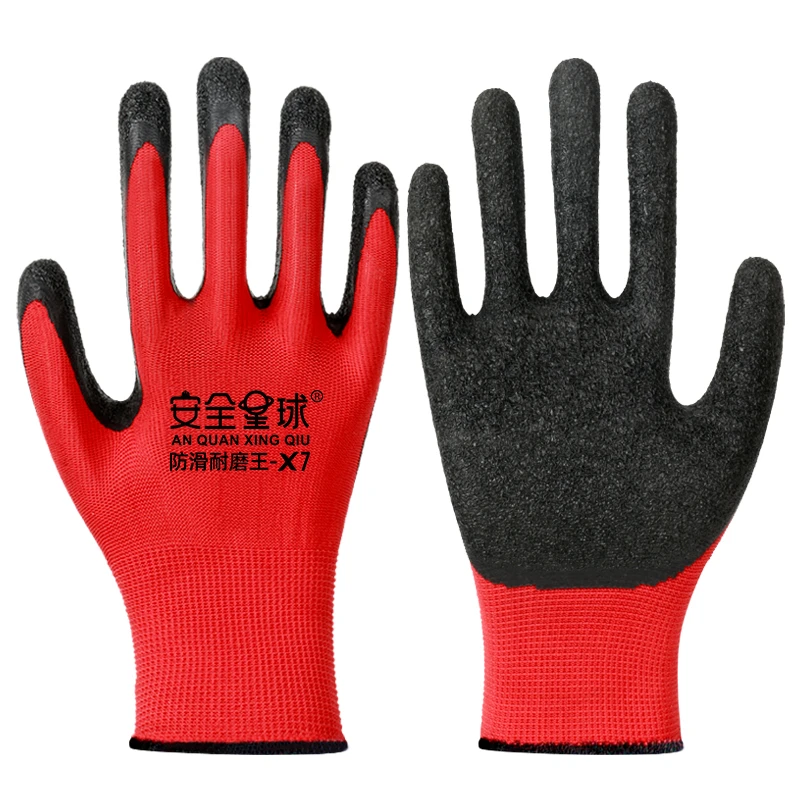
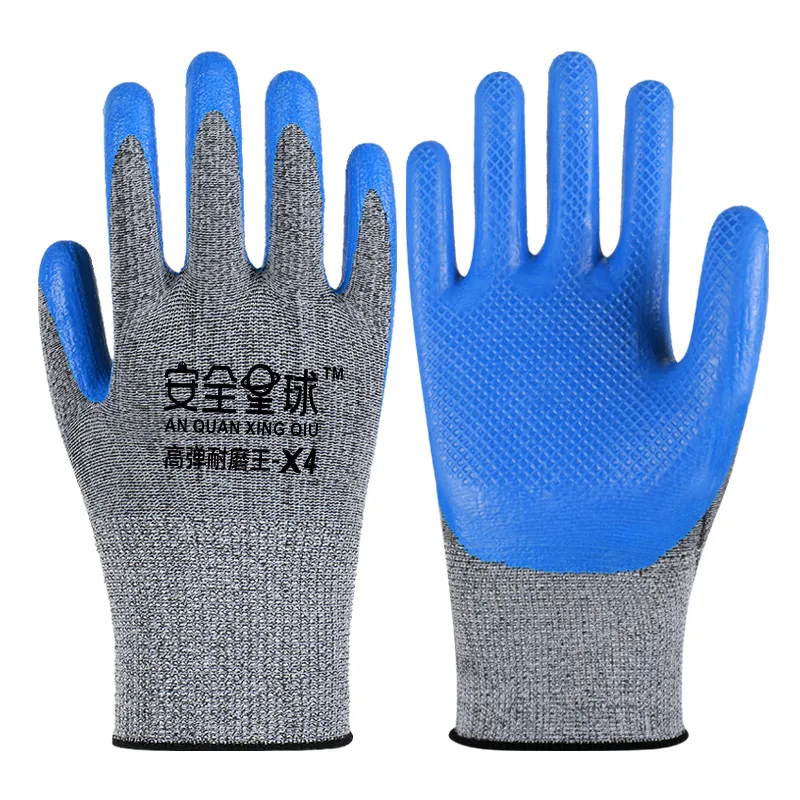
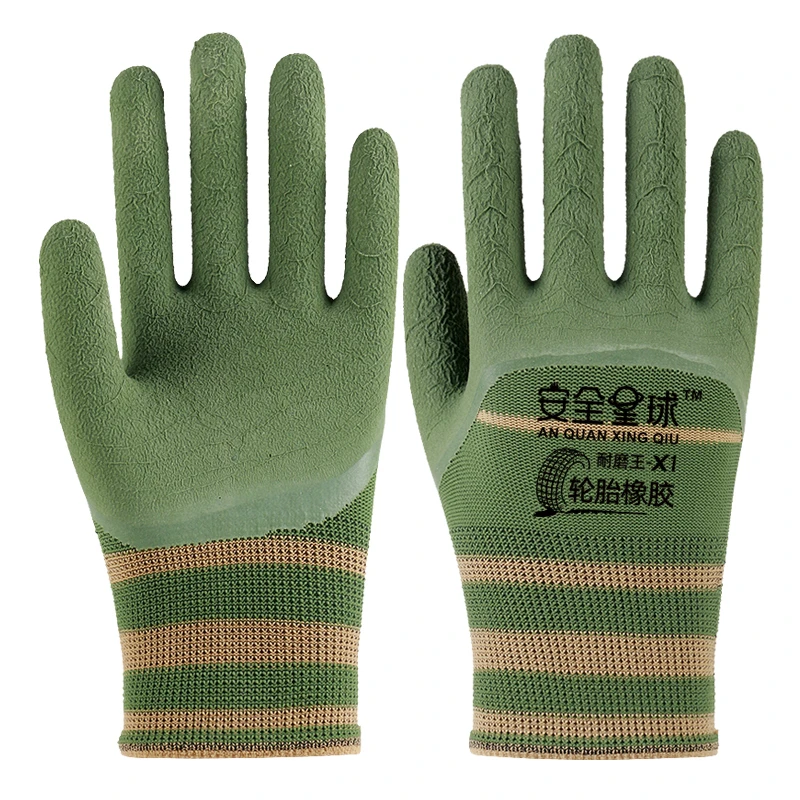
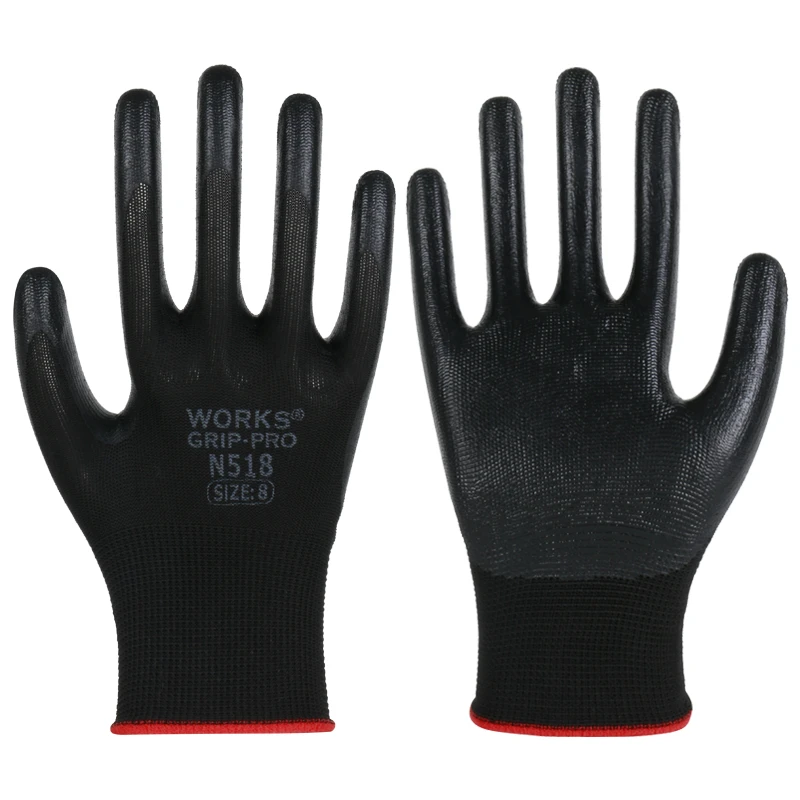
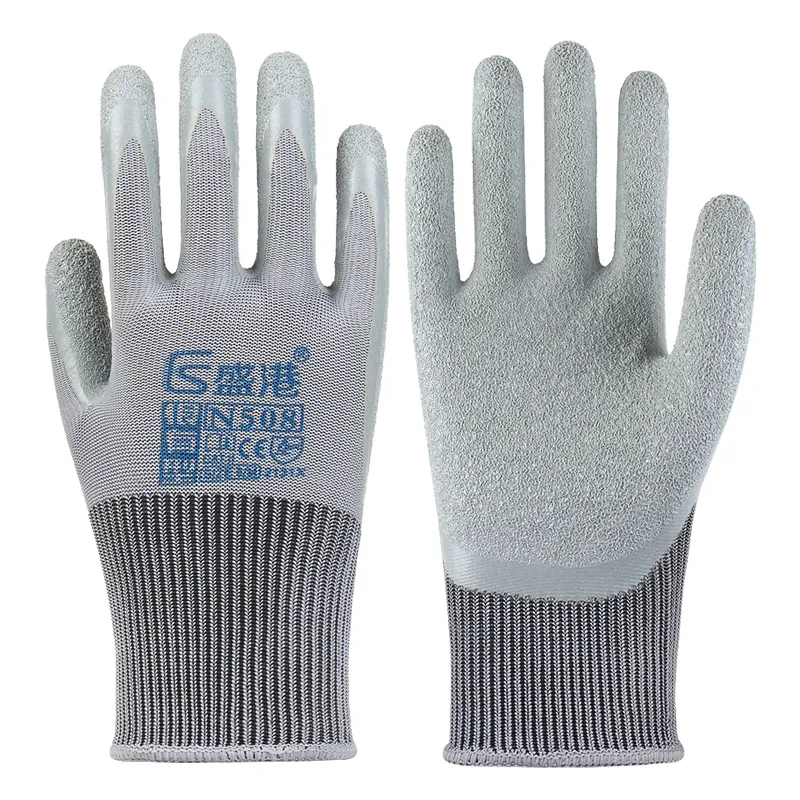
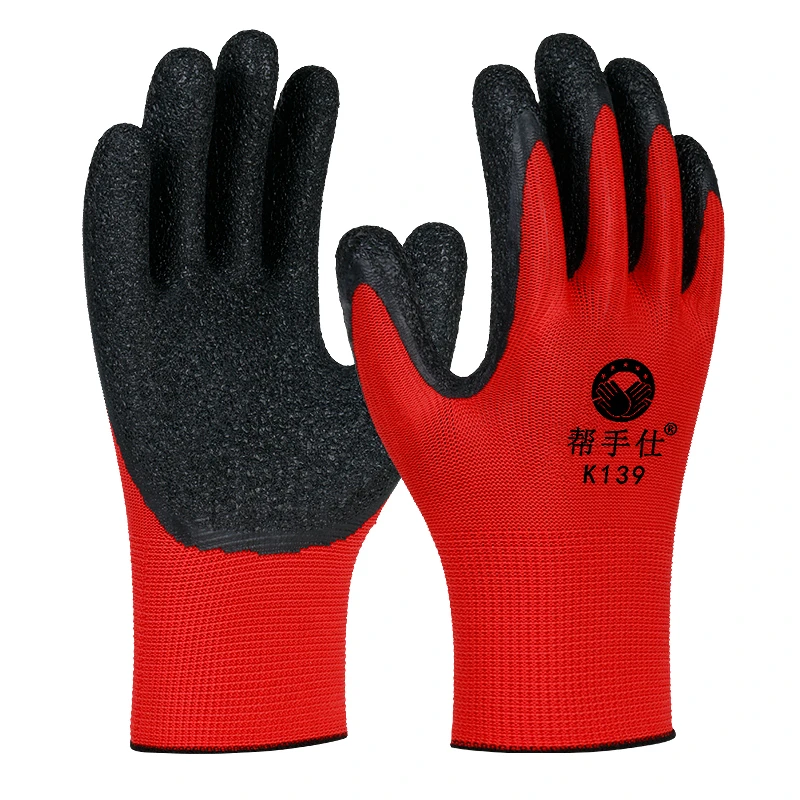
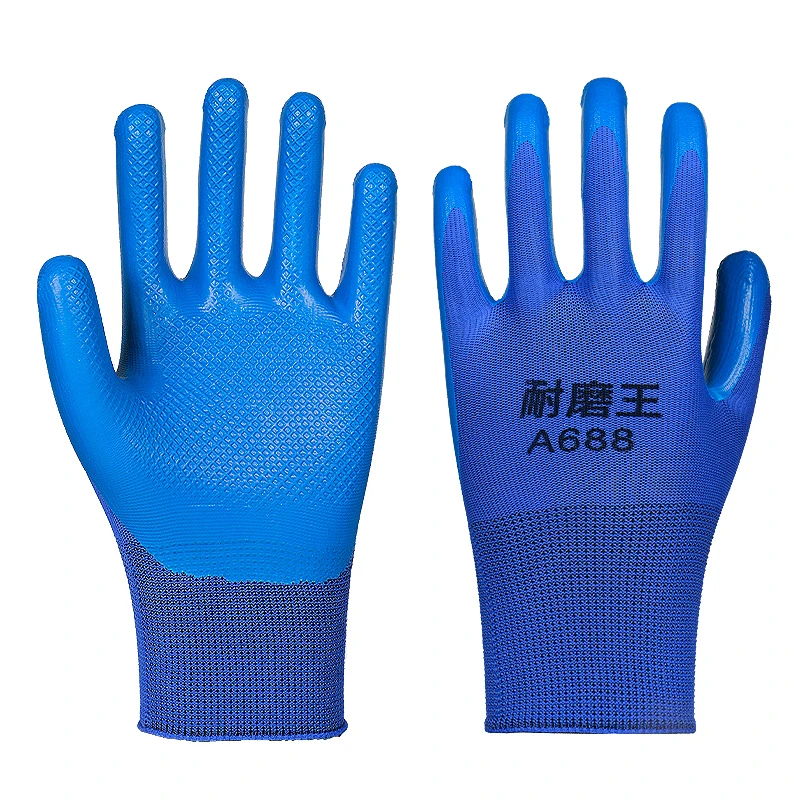
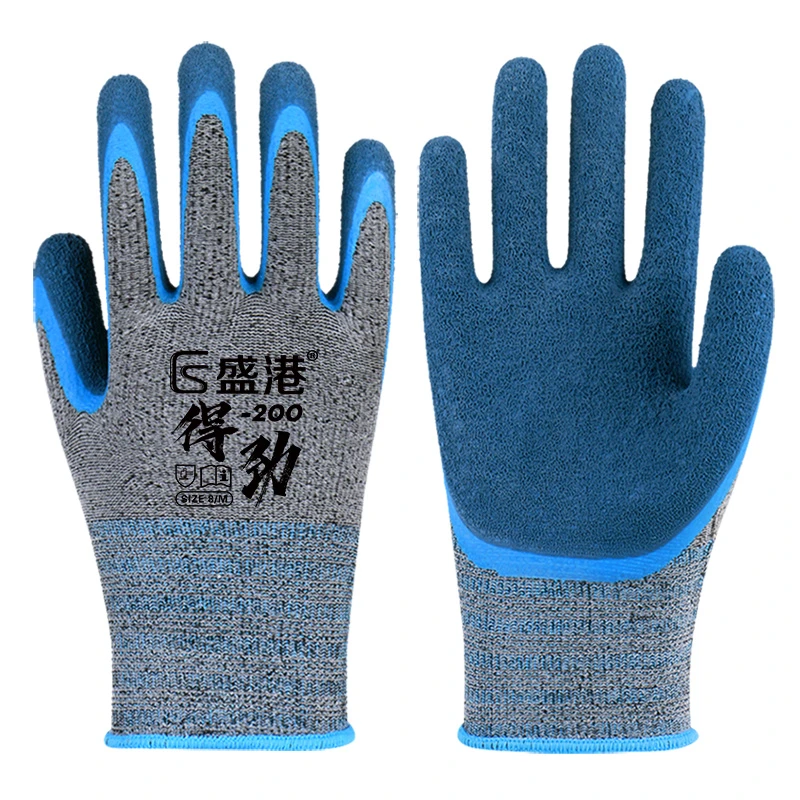
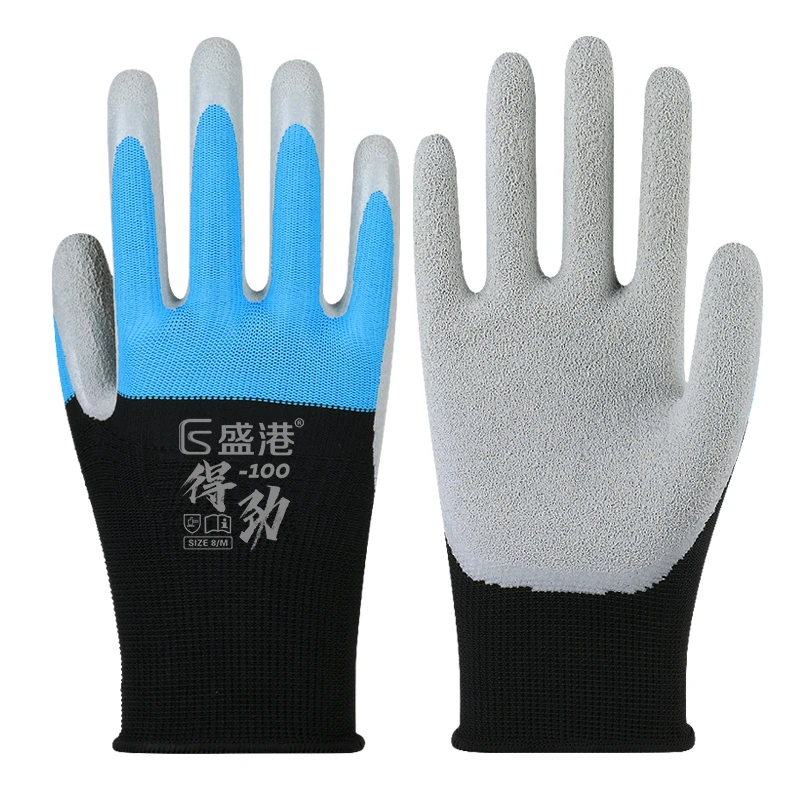
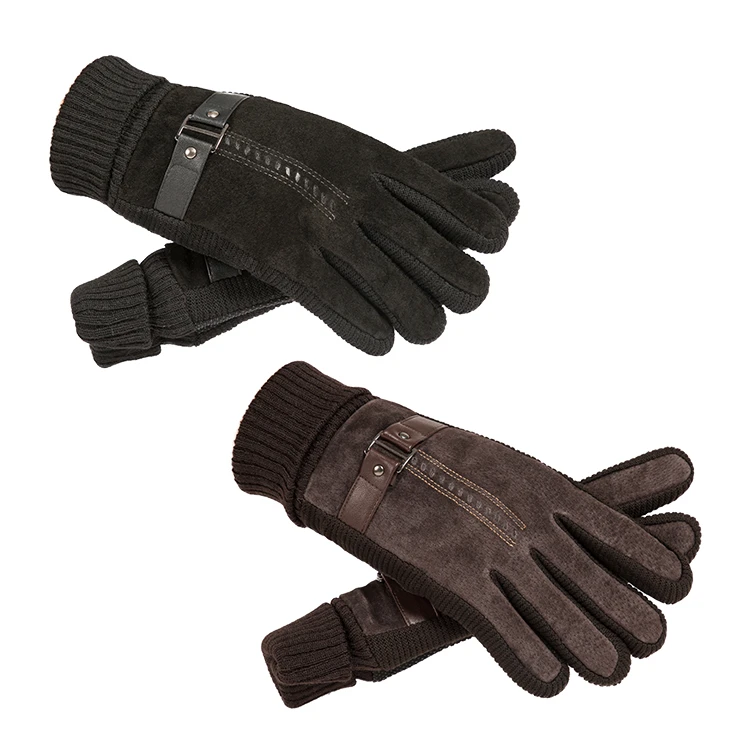
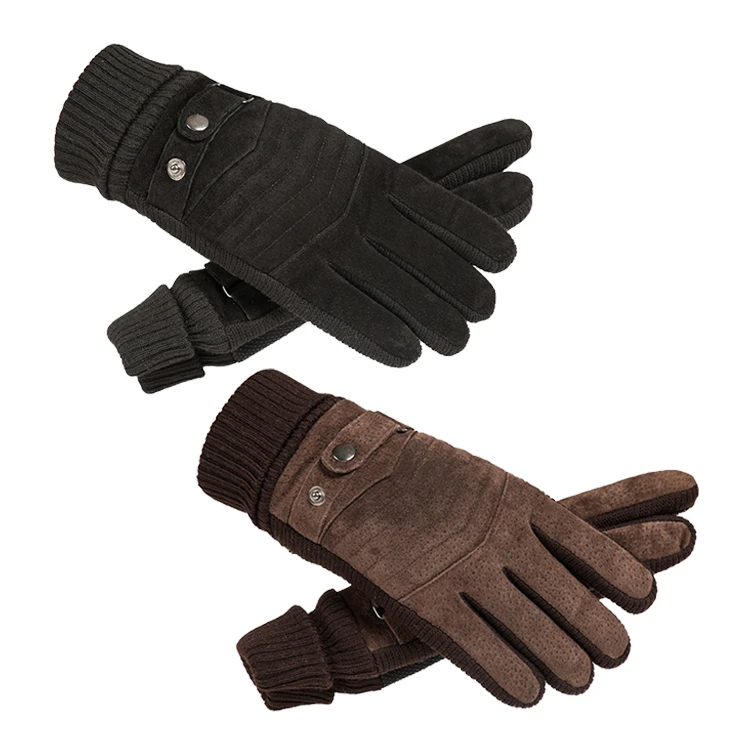
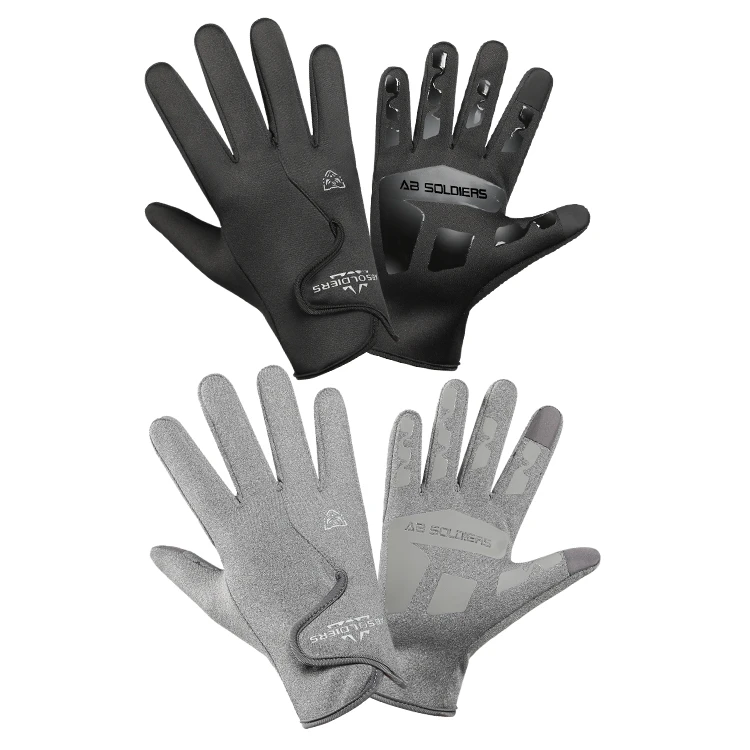
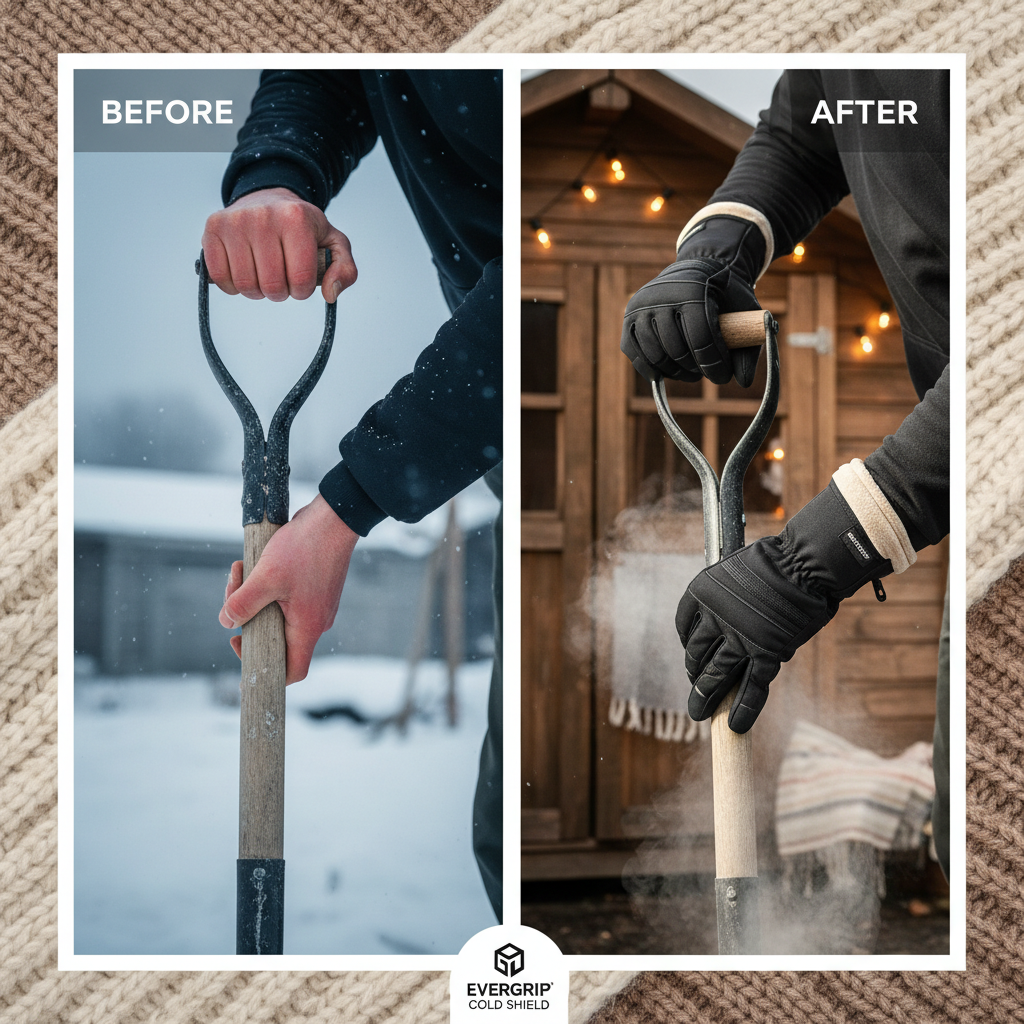
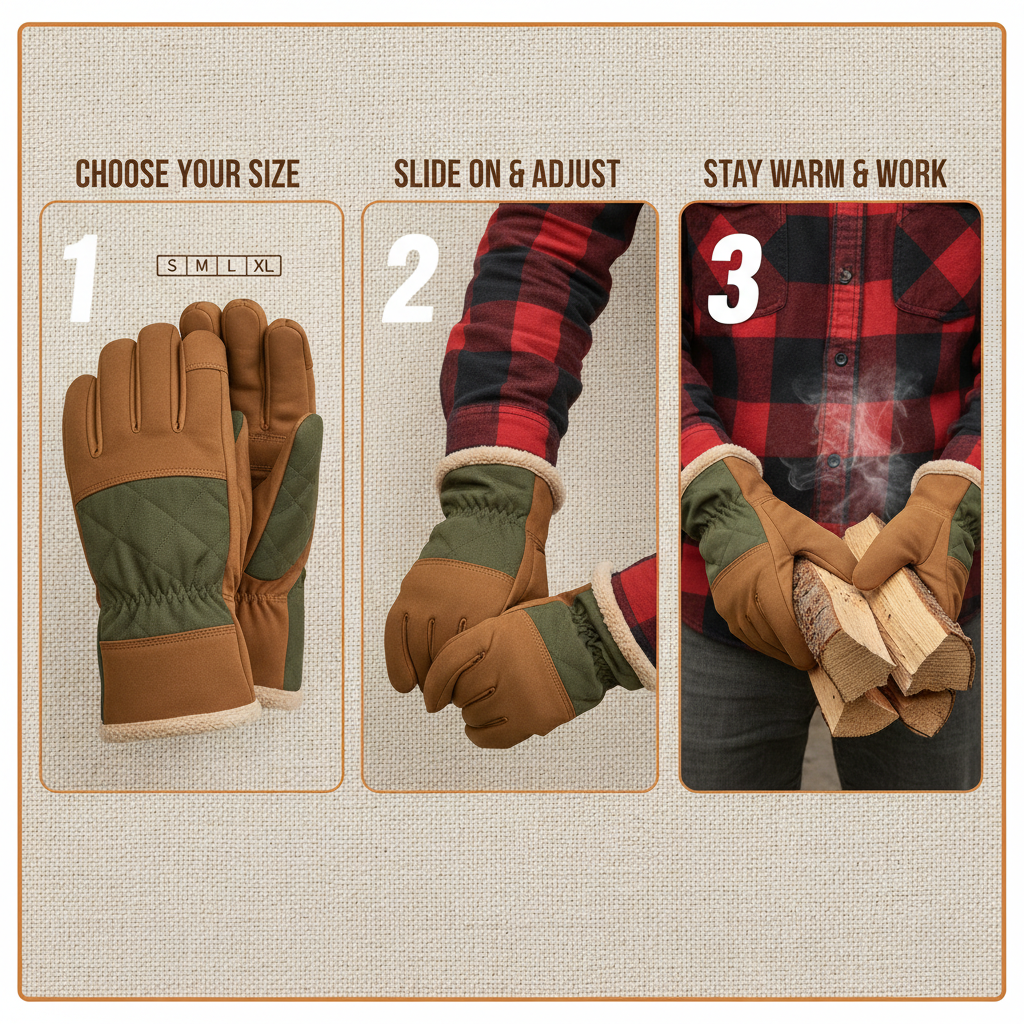
Waterproof and Thermal Work Gloves – Advanced Protection for Harsh Environments
What Are Waterproof and Thermal Work Gloves, and Why Do They Matter?
In a world that's constantly evolving — with industries expanding into colder climates and wetter environments — the humble work glove has transformed into a sophisticated piece of personal protective equipment. Waterproof and thermal work gloves aren’t just about keeping hands dry or warm anymore; they’re critical enablers of productivity, safety, and even dignity for workers facing harsh conditions globally. Understanding these gloves means understanding a layer of on-the-ground industrial safety that’s absolutely vital from Arctic oil rigs to tropical construction sites.
Why does this even matter on a global scale? Well, consider this: according to the International Organization for Standardization (ISO), workplace injuries from environmental exposure remain a persistent issue worldwide — and cold, wet hands are a surprisingly common root cause. Sweat, water intrusion, or freezing temperatures don’t just cause discomfort; they ramp up the risk of accidents by reducing grip strength, dexterity, and concentration. It’s a simple fix with outsized returns — which is exactly the kind of innovation the global workforce badly needs.
Global Landscape: The Rising Demand for Reliable Hand Protection
Heatwaves, storms, floods... climate change isn't just headlines; it’s shifting how industries operate. Construction firms in northern Europe, for example, have reported a 25% rise in delays caused by adverse weather in recent years (UN Climate Change Report, 2023). At the same time, the oil and gas sector in Alaska or Siberia can’t afford downtime because workers lose finger function to frostbite or wet gloves.
That’s where waterproof and thermal work gloves come in — not just a niche gear item, but a global necessity that addresses real operational challenges. The market for these gloves is roughly estimated at over $1.5 billion worldwide and growing steadily as industries demand smarter, more durable solutions.
Breaking Down Waterproof and Thermal Work Gloves
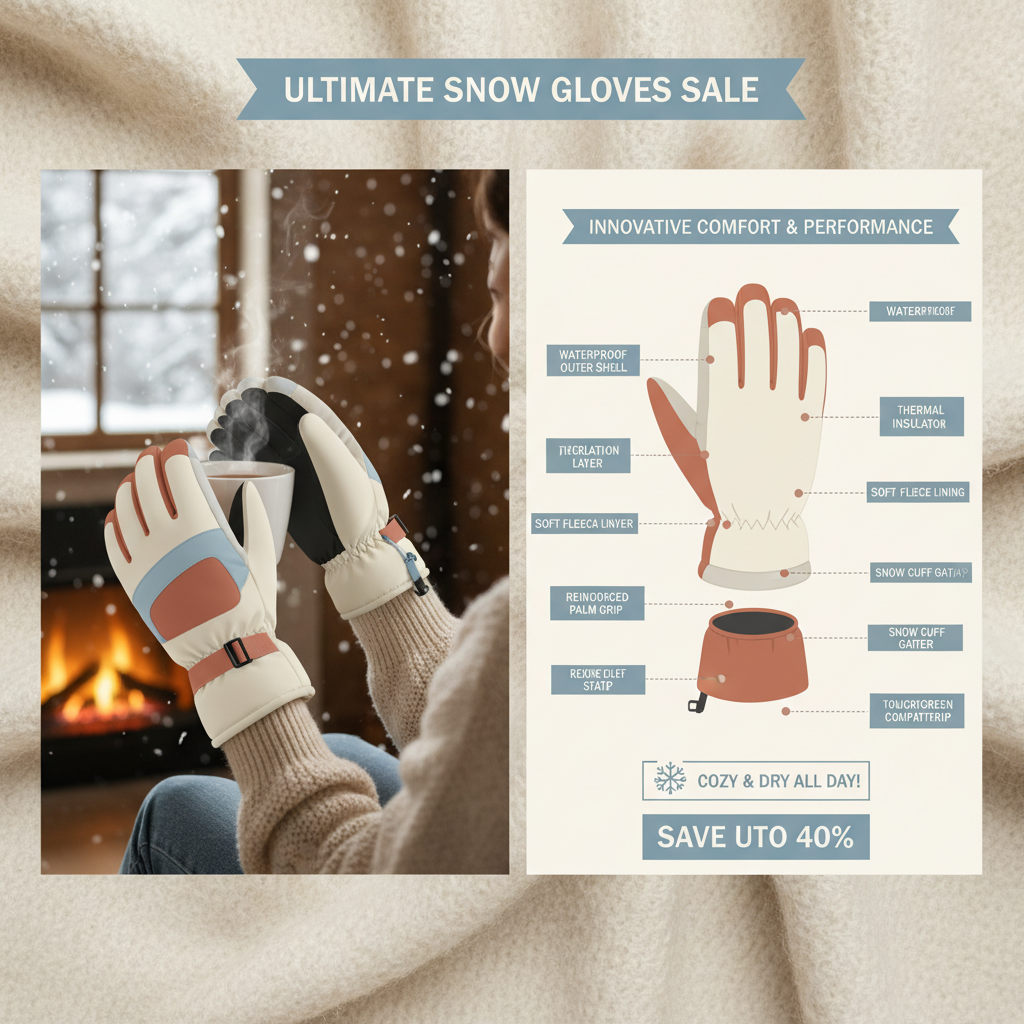
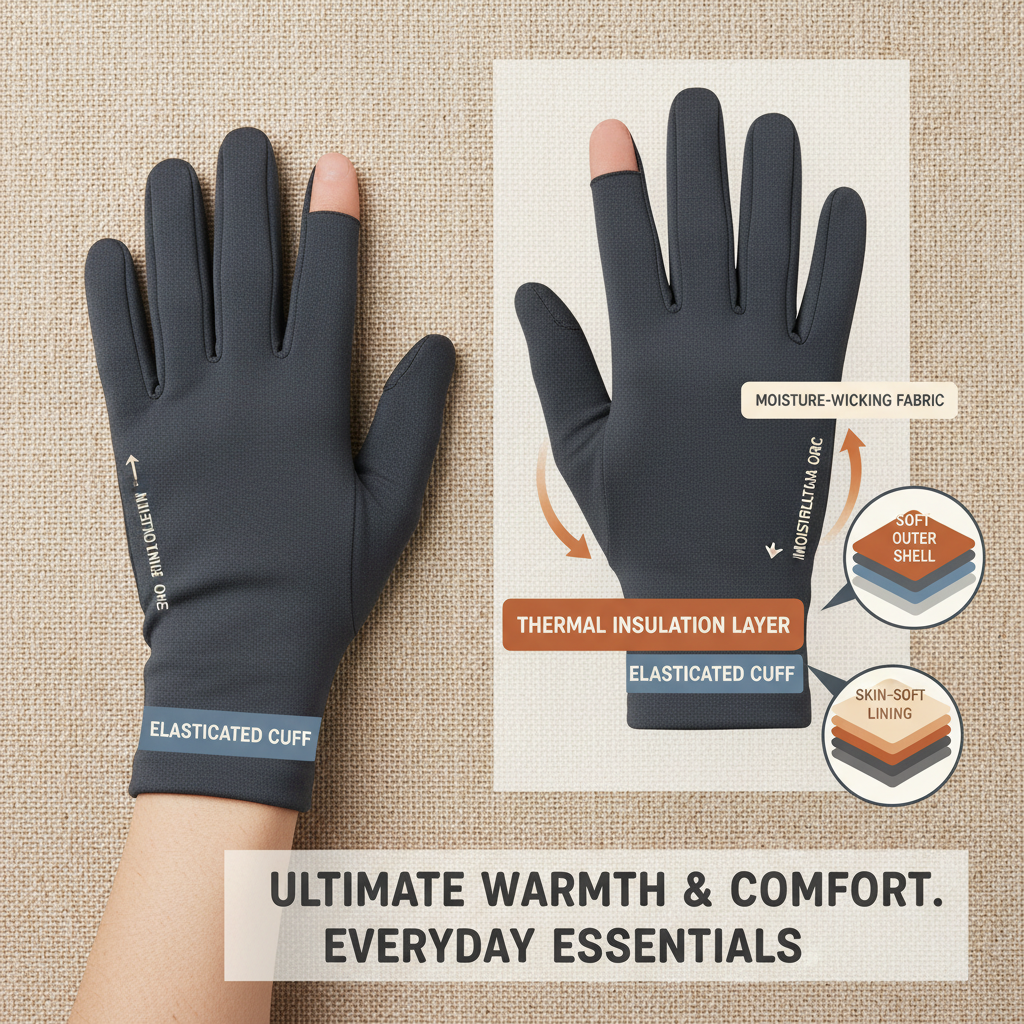
Simply put, waterproof and thermal work gloves are gloves designed specifically to keep your hands dry from liquid exposure while maintaining warmth in cold environments. They often incorporate multiple layers — including waterproof membranes, insulating foams, and abrasion-resistant outers — to create a barrier against both water and cold air.
These gloves are indispensable not only in industrial settings but also in humanitarian contexts: think rescue teams operating in flood zones or refugees in harsh winter conditions. It’s fascinating how something as “simple” as high-quality gloves can bridge the gap between risk and resilience in these critical scenarios.
Core Components of High-Performance Waterproof and Thermal Gloves
1. Waterproof Membrane Technology
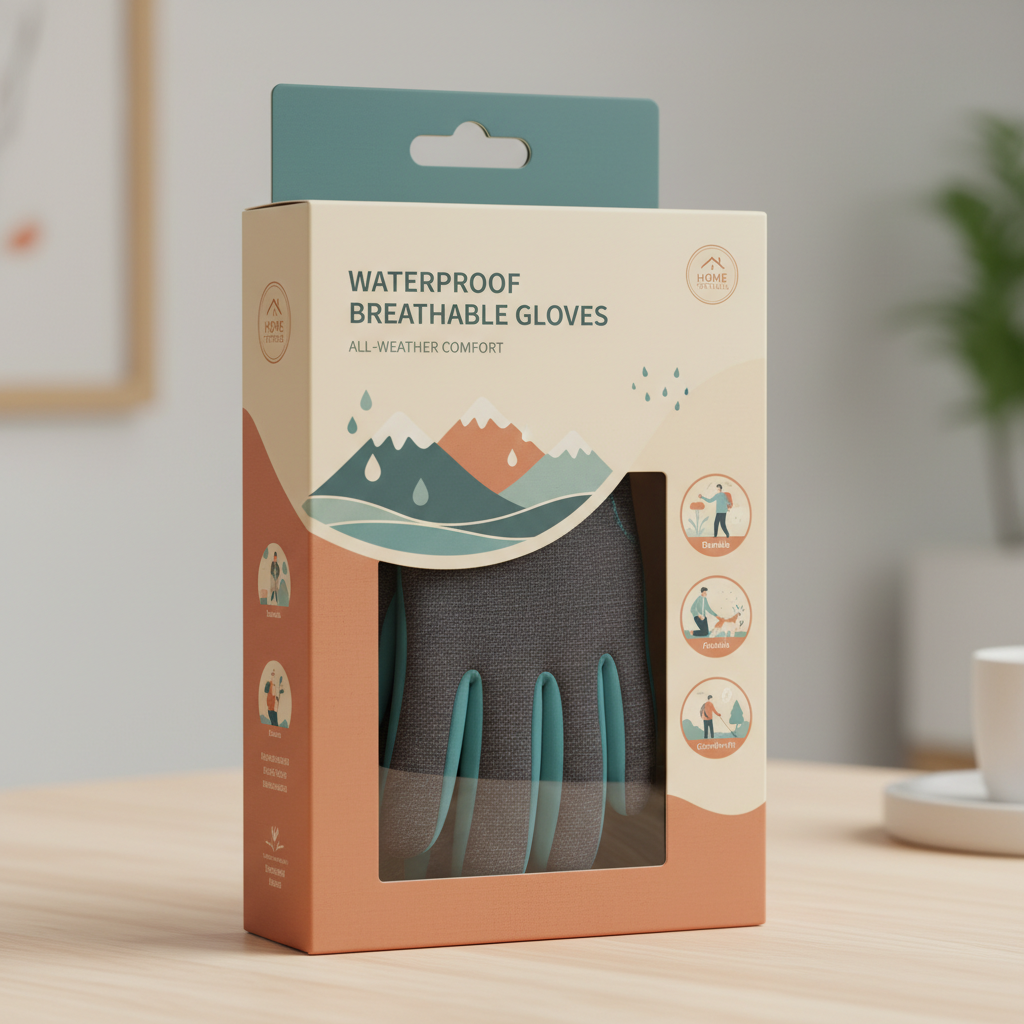
At the heart is usually a breathable, waterproof membrane—think Gore-Tex or proprietary fabrics—that prevents water ingress while allowing sweat vapor to escape. This balance is crucial because trapped sweat can chill the skin, defeating the purpose of thermal protection.
2. Insulation Materials
From Thinsulate to wool blends or even innovative aerogels, the insulating layer traps warmth generated by the body. The choice highly depends on the temperature range workers are exposed to. Oddly enough, sometimes less bulky insulation with smart layering beats thick, clumsy gloves.
3. Durability and Abrasion Resistance
Work gloves face tough abuse — tearing, scrapes, punctures. Synthetic leather, high-denier nylon, and reinforced palms prolong glove life. Engineers often say durability directly correlates with worker confidence, since nobody wants to worry about gear failing mid-shift.
4. Comfort and Dexterity
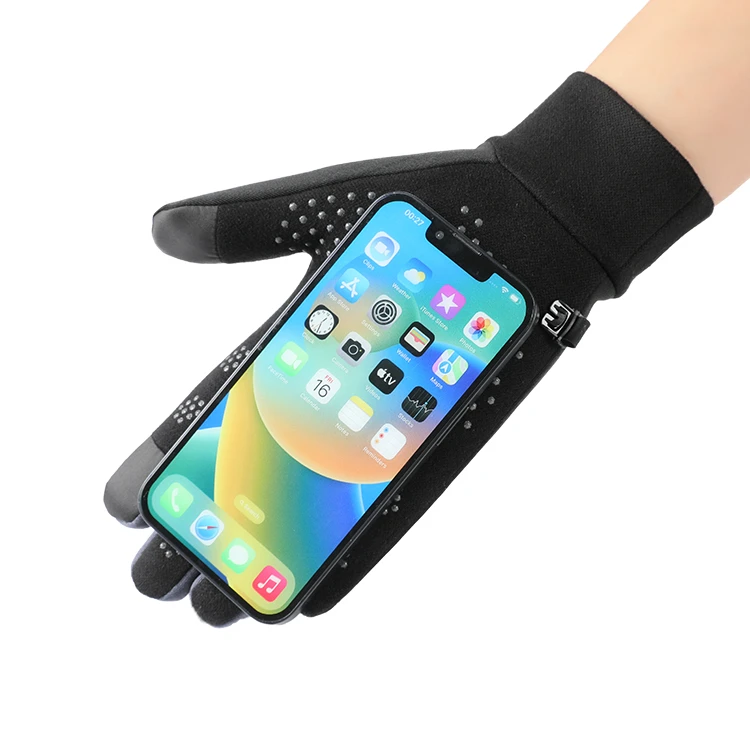
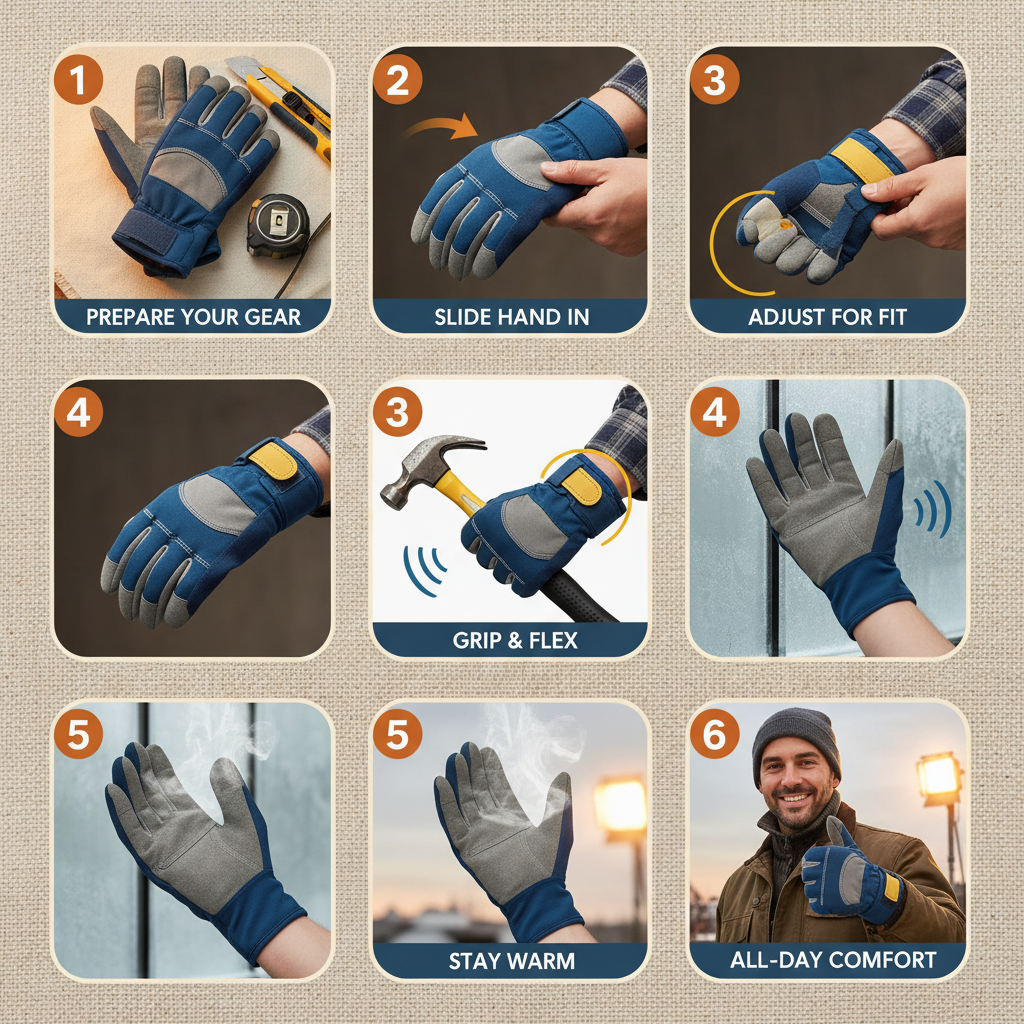
It might be tempting to make gloves bulky to improve warmth, but too much thickness kills dexterity. Modern gloves use flexible materials and smart cuts to enable gripping, tool handling, or touchscreen use without compromising warmth. That functionality is a game-changer for daily productivity.
5. Safety Certifications
Meeting industry standards (EN 511 for cold protection, EN 388 for mechanical risks) isn’t just paperwork. It’s a stamp of real-world reliability, crucial for procurement departments that can’t gamble on experimental gear.
Quick Takeaway:
- Waterproof and thermal gloves combine multi-layered tech for dry, warm hands.
- Insulation and membranes are balanced against dexterity and durability needs.
- Safety standards help distinguish reliable options from cheap copies.
Product Specification Table: Sample Waterproof and Thermal Work Gloves
| Feature | Specification | Benefit |
|---|---|---|
| Waterproof Membrane | 3-layer Gore-Tex insert | Blocks water, allows sweat to evaporate |
| Insulation | Thinsulate 200g | Warmth without bulk |
| Outer Material | Synthetic leather + nylon | Abrasion & tear resistance |
| Dexterity | Pre-curved fingers & stretch panels | Better tool handling |
| Certifications | EN 511 (cold), EN 388 (mechanical) | Verified protective standards |
Global Applications and Use Cases
You’ll find waterproof and thermal work gloves in serious fields. Here’s a quick sketch:
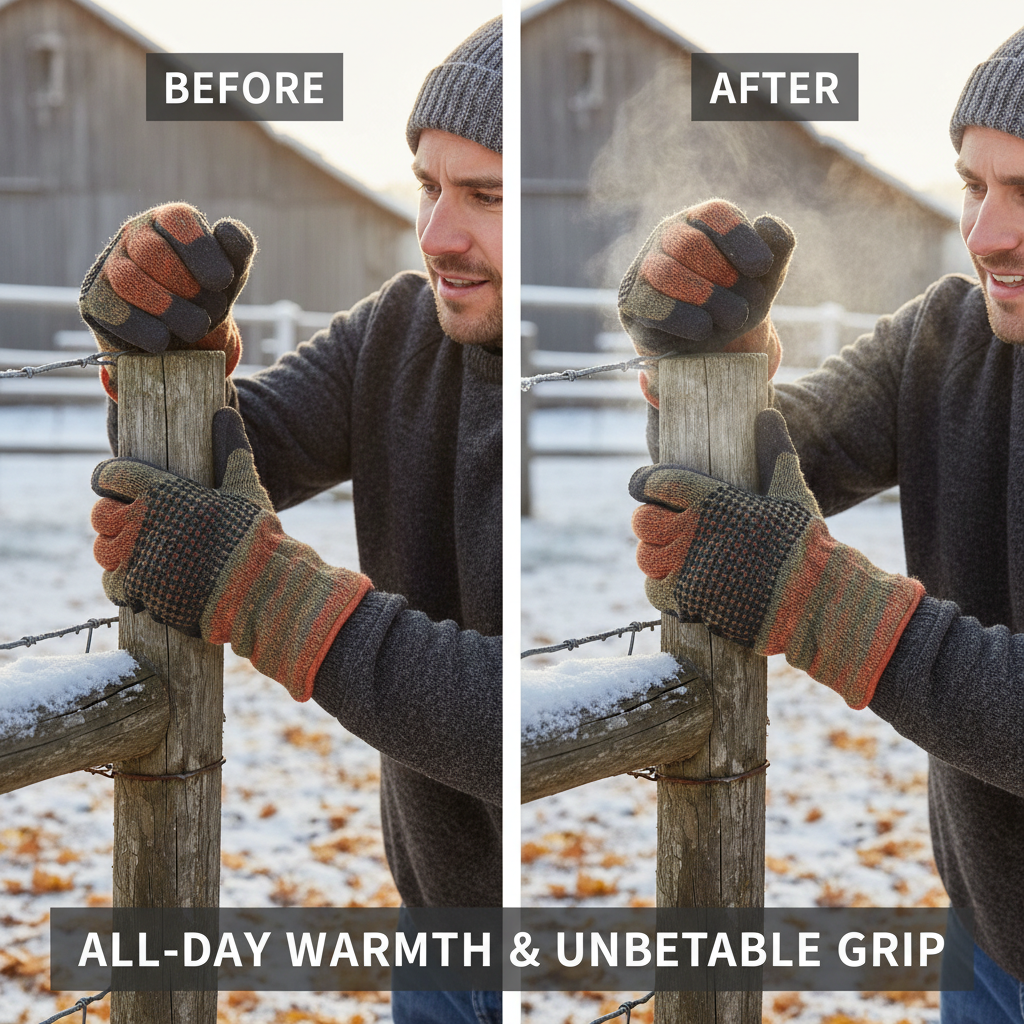
- Arctic Oil & Gas Extraction: Workers endure sub-zero temperatures and icy wind, where frostbite is a real threat. Insulated gloves with superior waterproofing let operators handle tools safely all day.
- Construction in Wet Climates: Northern Europe or Pacific Northwest jobsites deal with rain and chill. Gloves that keep hands dry and warm reduce downtime and accidents caused by numb fingers.
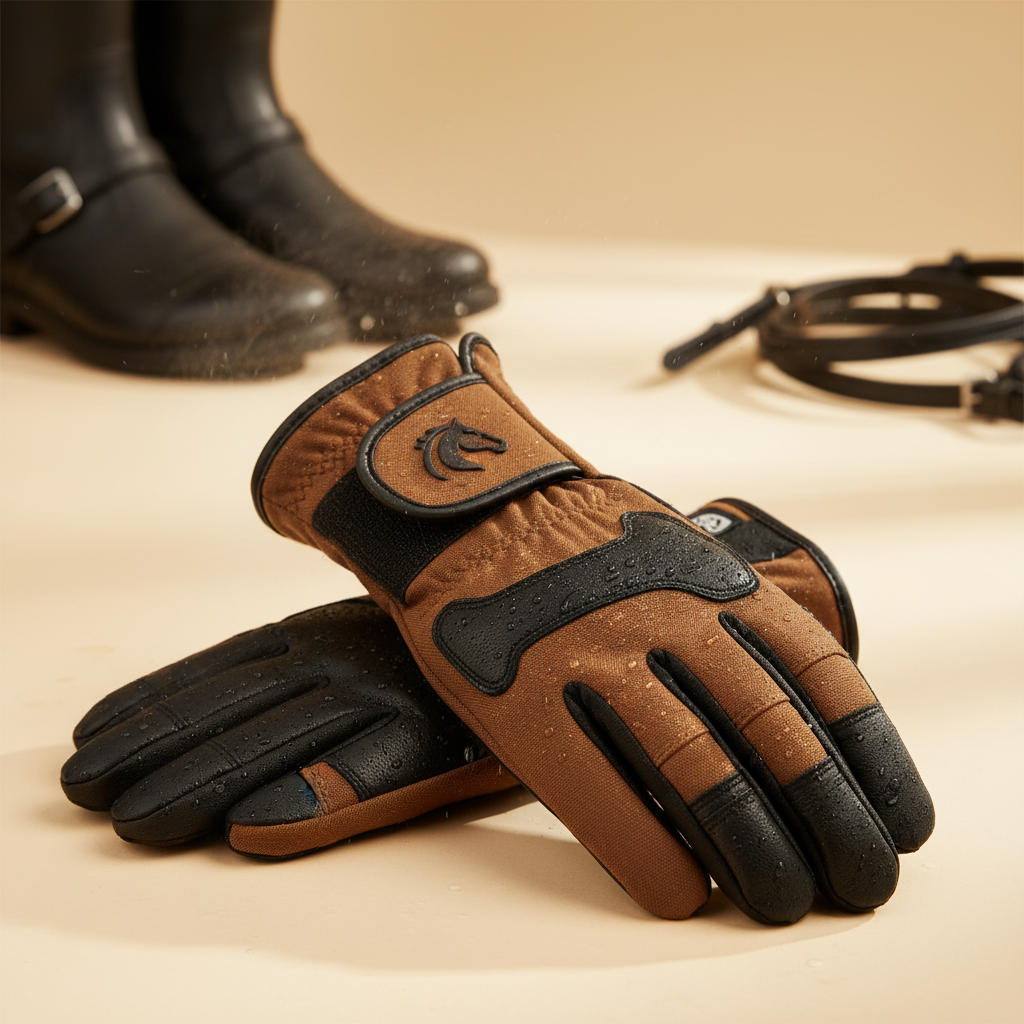
- Emergency and Rescue Teams: Flood relief workers or mountain rescue teams rely on gloves that maintain grip even when soaked, ensuring quick and safe response.
- Agricultural Operations: Farmers in colder seasons worldwide need protection against cold moisture from soil and weather, extending work hours through the shoulder seasons.
Oddly enough, small tweaks in glove tech can have outsized impacts on productivity and even worker morale. One mining operation in Canada reported a 15% drop in cold-related injuries after switching to higher-grade thermal waterproof gloves — a real-life endorsement that numbers sometimes miss.
Vendor Comparison Table: Popular Waterproof and Thermal Work Gloves
| Brand | Waterproof Tech | Insulation Type | Price Range | Best For |
|---|---|---|---|---|
| GloveCo Arctic Pro | Proprietary 4-layer membrane | Thinsulate 300g | $70–$90 | Extreme cold weather jobs |
| DryGrip Leather Plus | Gore-Tex | Synthetic foam layer | $55–$75 | Construction & general labor |
| RescueFlex XT | 3-layer breathable membrane | Wool blend | $65–$85 | Emergency services |
| ThermaDry Glove | Hydrophobic membrane | Aerogel insulation | $80–$110 | High tech industrial zones |
Advantages & Long-Term Benefits of These Gloves
When you invest in reliable waterproof and thermal gloves, you're not just protecting skin; you’re protecting livelihoods. The cost of decent gloves might seem high upfront but payoffs include fewer injury claims, longer work hours in tough conditions, and a workforce that trusts its tools.
There’s also a sustainability angle — durable gloves mean less waste, fewer replacements, and a smaller carbon footprint. And psychologically, providing reliable PPE sends a message of value and respect to workers, something that quietly improves morale.
Innovations on the Horizon
Frankly, the future of waterproof and thermal gloves is linked tightly to advances in material science and digital transformation:
- Graphene coatings: super-thin, incredibly strong, and thermally conductive coatings that boost both waterproofing and warmth.
- Smart gloves: integrated sensors that track temperature, humidity, and even hand movements to improve safety and productivity.
- Eco-friendly materials: biodegradable insulation or recycled membranes that ease environmental impact.
I suppose these could redefine what we consider “basic” PPE over the next decade, especially as industries move toward automation and green energy.
Challenges & How to Overcome Them
Despite leaps in technology, challenges persist. Gloves that are too warm can cause sweating, leading to discomfort. Also, balancing durability with flexibility is tricky in cold, abrasive settings. Sizing inconsistencies sometimes cause poor fit, hurting protection and dexterity.
Expert glove makers today recommend modular solutions — for example, combo layering systems or adjustable components — to tailor protection based on work phases. Also, rigorous field testing in target climates is non-negotiable before mass deployment.
FAQ: Waterproof and Thermal Work Gloves
- Q: How do I know if my gloves are truly waterproof and thermal?
- A: Look for third-party certifications like EN 511 for cold protection and brands using proven membranes like Gore-Tex. Check user reviews and test them under simulated work conditions if possible.
- Q: Can waterproof gloves cause my hands to sweat excessively?
- A: Yes. Breathability varies by membrane technology. High-quality membranes allow sweat vapor to escape, reducing condensation inside, but always choose gloves rated for your specific activity level.
- Q: Are these gloves suitable for touchscreen use?
- A: Some models include touchscreen-sensitive fingertips made with conductive fabric. It’s increasingly common as workers want to stay connected without exposing hands to cold.
- Q: How often should I replace waterproof and thermal work gloves?
- A: Replace gloves when exterior damage, loss of waterproofing, or insulation degradation appears. Typically, this can be every 1–3 years depending on use intensity.
- Q: Can NGOs easily source these gloves for disaster relief?
- A: Many manufacturers cater to humanitarian organizations and offer bulk pricing or specific models designed for rapid deployment. Websites like waterproof and thermal work gloves vendors can help guide on selection.
Conclusion: Staying Warm, Dry, and Safe Matters
At the end of the day, waterproof and thermal work gloves represent a crucial link in the safety chain across many industries and humanitarian fields. They bring technology, comfort, and peace of mind to those tackling some of the harshest environments on earth. For anyone managing workforce safety or sourcing protective gear, investing in these gloves is an investment in long-term resilience and performance.
For more detailed product info and to browse the latest innovations, visit our website — where reliable hand protection meets smart design.