Extreme Cold Work Gloves: Key Features, Uses & Global Importance for Safety
Extreme Cold Work Gloves: Essential Gear for Safety and Efficiency
In harsh, cold environments where temperatures plunge well below freezing, having the right hand protection isn’t just a comfort issue — it’s a critical safety measure. Extreme cold work gloves enable workers to maintain dexterity and warmth, ensuring both efficiency and health in industries ranging from oil rigs in the Arctic Circle to humanitarian relief operations in frigid mountain regions.
Globally, the demand for such specialized gloves is on the rise, thanks to expanding cold-climate industrialization and increasing awareness of occupational hazards in extreme weather. Understanding what makes these gloves reliable and how they’re evolving can help industries and workers alike.
Global Context: Why Extreme Cold Work Gloves Matter
According to the World Bank, about 20% of the world’s surface regularly endures temperatures below freezing, creating challenging work conditions for millions of people. Additionally, organizations like the International Labour Organization (ILO) stress the importance of personal protective equipment (PPE) for outdoor workers exposed to cold stress — an often overlooked yet serious occupational risk.
In these areas, frostbite, reduced manual dexterity, and cold-related injuries are common risks. This is especially relevant in sectors such as:
- Oil & gas exploration in polar regions
- Cold storage and food processing industries
- Transportation and logistics through winter routes
- Disaster relief efforts where harsh weather complicates rescue operations
Without proper hand protection, accidents, lost productivity, and long-term health problems rise sharply. So, the role of extreme cold work gloves as a frontline defense can’t be overstated.
What Exactly Are Extreme Cold Work Gloves?
In simple terms, extreme cold work gloves are specially designed gloves engineered to shield wearers from freezing conditions while allowing enough mobility to perform complex tasks. Unlike regular winter gloves or casual wear, these gloves combine insulation materials, weatherproof membranes, and ergonomic designs tailored for industrial use.
Often used in modern industry and humanitarian work—from drilling operations in Alaska to search and rescue in the Himalayas—they help maintain warmth without excessive bulk, enabling workers to operate tools, machinery, or handle delicate instruments.
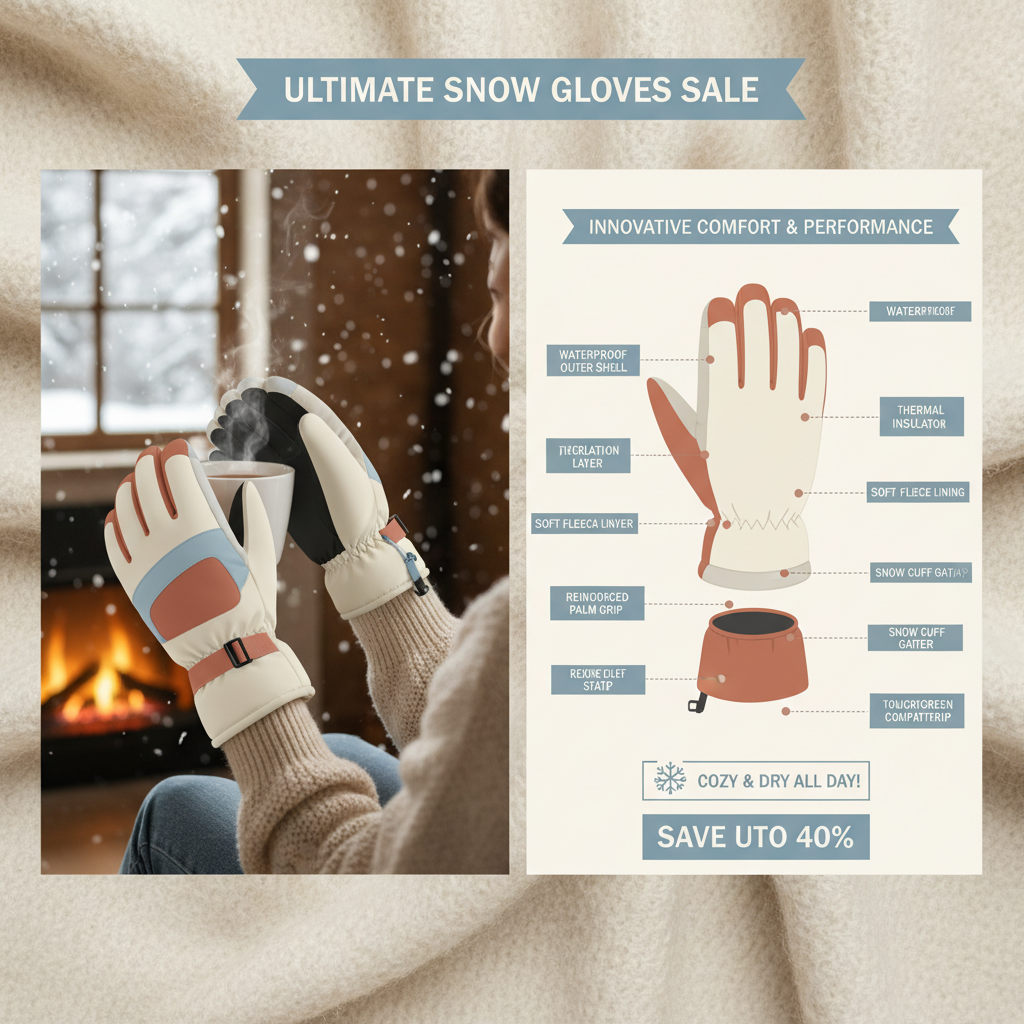
Core Components of Extreme Cold Work Gloves
1. Insulation
The single most important feature. Common materials include Thinsulate™, PrimaLoft®, and advanced wool blends that deliver warmth without sacrificing weight or dexterity.
2. Waterproofing and Wind Resistance
Outer shells typically include materials like Gore-Tex® or polyurethane coatings that block moisture and wind chill — two of the biggest enemies in cold conditions.
3. Durability and Abrasion Resistance
High-friction zones and palms often feature reinforced leather or synthetic overlays, allowing gloves to withstand rough industrial use without wear or loss of protection.
4. Grip and Tactility
Textured palms and fingers ensure the gloves provide enough 'feel' for precise tasks, while still protecting from sharp objects or freezing metal surfaces.
5. Adjustable Fit and Comfort
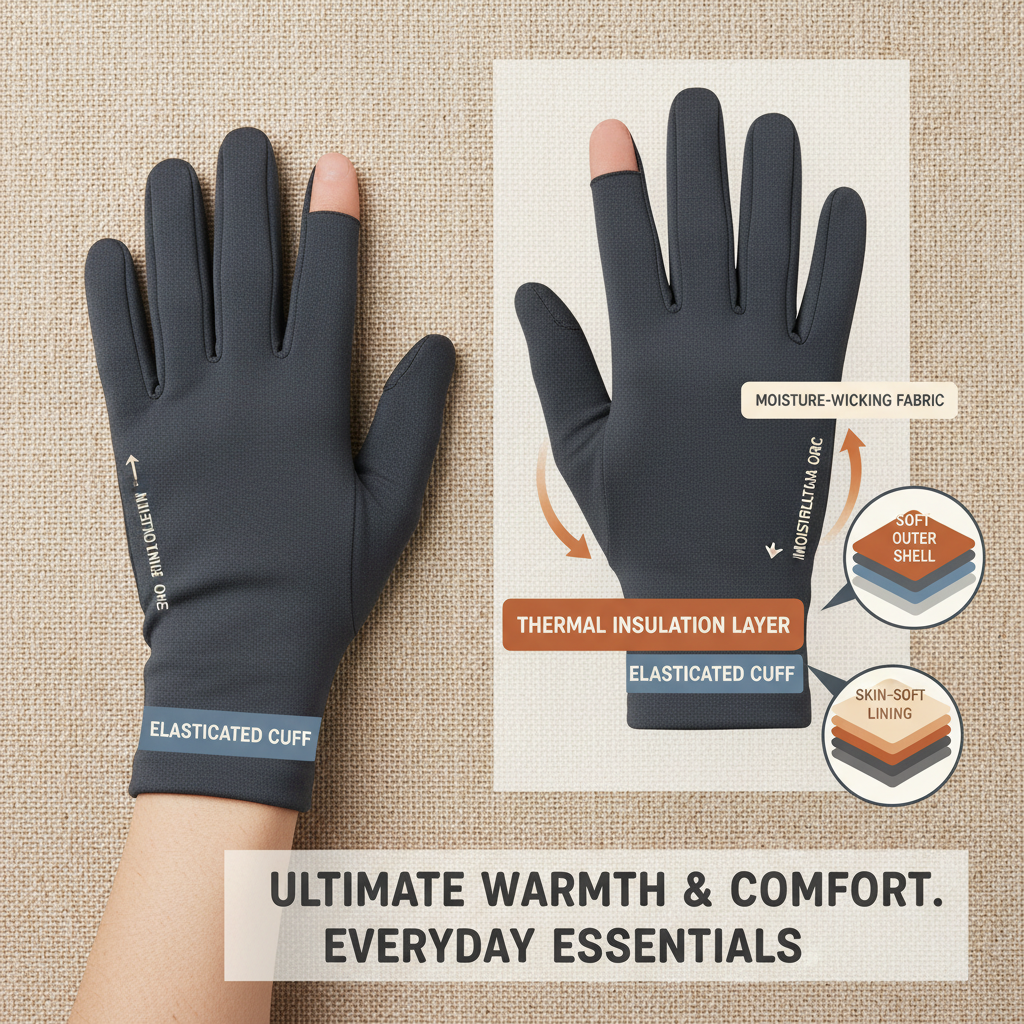
Wrist straps, elastic cuffs, and ergonomic shaping keep cold air out and warmth in, while allowing extended wear without discomfort.
Real-World Applications of Extreme Cold Work Gloves
Extreme cold work gloves are deployed worldwide. For example:
- In Siberian oil fields, workers face temperatures as low as −50°C. Here, these gloves prevent cold-induced loss of grip and nerve damage.
- In Antarctic research stations, scientists rely on them to handle sensitive instruments without resorting to removing gloves for delicate operations.
- Post-disaster relief teams deploying tents and supplies in snowy mountainous regions use these gloves to maintain manual dexterity while working long shifts.
- The cold storage and logistics sectors in Europe and North America see significant use — gloves ensuring workers can manage pallets, operate forklifts, and perform sorting tasks efficiently.
Oddly enough, while the technology seems niche, its reach is broad and growing.
Advantages & Long-Term Value of Investing in Quality Cold Work Gloves
- Health and Safety: Proper insulation reduces risks of frostbite and prolonged cold exposure.
- Productivity: Workers maintain dexterity, reducing errors and downtime.
- Cost-Effectiveness: Durable gloves mean fewer replacements and reduced medical claims.
- Emotional Confidence: Workers feel protected, which builds trust and morale.
- Sustainability: Many brands now focus on eco-friendly materials and production practices.
Product Specification Table: Sample Extreme Cold Work Glove
| Specification | Details |
|---|---|
| Insulation Material | Thinsulate™ 400g |
| Outer Shell | Waterproof Gore-Tex® membrane |
| Palm Coating | Textured synthetic leather |
| Temperature Range | -40°C to -10°C |
| Weight | 350 grams per pair |
| Certification | ISO 10819 for anti-vibration gloves |
Comparing Major Vendors of Extreme Cold Work Gloves
| Vendor | Price Range (USD) | Key Features | Customer Rating |
|---|---|---|---|
| ArcticGuard | $50-$80 | Thinsulate insulation, waterproof, reinforced palms | 4.5/5 |
| FrostTec | $60-$90 | PrimaLoft lining, touchscreen compatible, durable grip | 4.7/5 |
| PolarSafe | $55-$85 | Waterproof membrane, ergonomic design, abrasion resistance | 4.3/5 |
Future Trends & Innovations
Experts agree the future of extreme cold work gloves is leaning towards smarter, multifunctional gear. There’s growing use of phase-change materials that help regulate temperature dynamically, and lightweight battery-heated gloves equipped with rechargeable systems.
Additionally, sustainability initiatives push for biodegradable insulation and recycled materials. Digital transformation means enhanced monitoring through connected gloves that can track hand temperature and wear factors to prevent accidents.
Common Challenges and Practical Solutions
One big hurdle is balancing protection with dexterity — bulky gloves keep hands warm but often reduce fine movement. Manufacturers continue working with thinner insulation materials and ergonomic patterns to solve this.
Another issue is moisture buildup inside gloves, which can ironically increase cold risk. Breathable membranes help — though sometimes at a price premium.
Finally, high costs can deter some smaller operations, but modular glove systems with replaceable liners offer a cost-efficient alternative.
FAQs about Extreme Cold Work Gloves
Q: What temperature range can extreme cold work gloves handle?
A: Many gloves are certified for use in temperatures as low as -40°C, although some specialized models can handle even colder extremes. Selection depends on the specific work environment.
Q: Can these gloves be used for touchscreen devices?
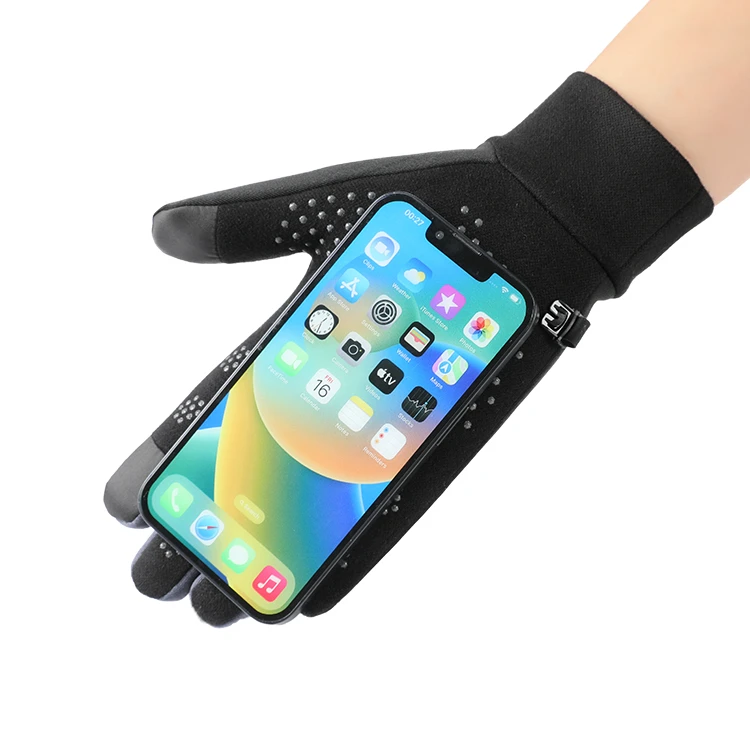
A: Some modern gloves integrate touchscreen-compatible finger pads, but not all. It’s best to verify specifications if this feature is important for your work.
Q: How often should I replace my cold work gloves?
A: Replacement frequency depends on usage and wear. Typically, if the insulation compresses, shell cracks, or water leaks through, it’s time for new gloves to ensure safety.
Q: Are there eco-friendly options available?
A: Yes, the latest models increasingly include recycled insulation and biodegradable fabrics without compromising performance. Look for products labeled sustainable or green-certified.
Conclusion: Why Investing in Extreme Cold Work Gloves Pays Off
To sum up, extreme cold work gloves are a vital piece of protective equipment for anyone operating in subzero conditions. They safeguard health, improve operational efficiency, and foster worker confidence. With continuing advances in materials and technology, these gloves are only getting better and more accessible.
If you want to explore a range of high-quality extreme cold work gloves designed for demanding climates, I encourage you to visit our website for expertly curated options and detailed specifications.
Stay warm, stay safe out there!
Quick takeaway: Extreme cold work gloves are no longer just bulky winter gear but carefully engineered tools enabling safety and productivity in the world’s coldest workplaces.