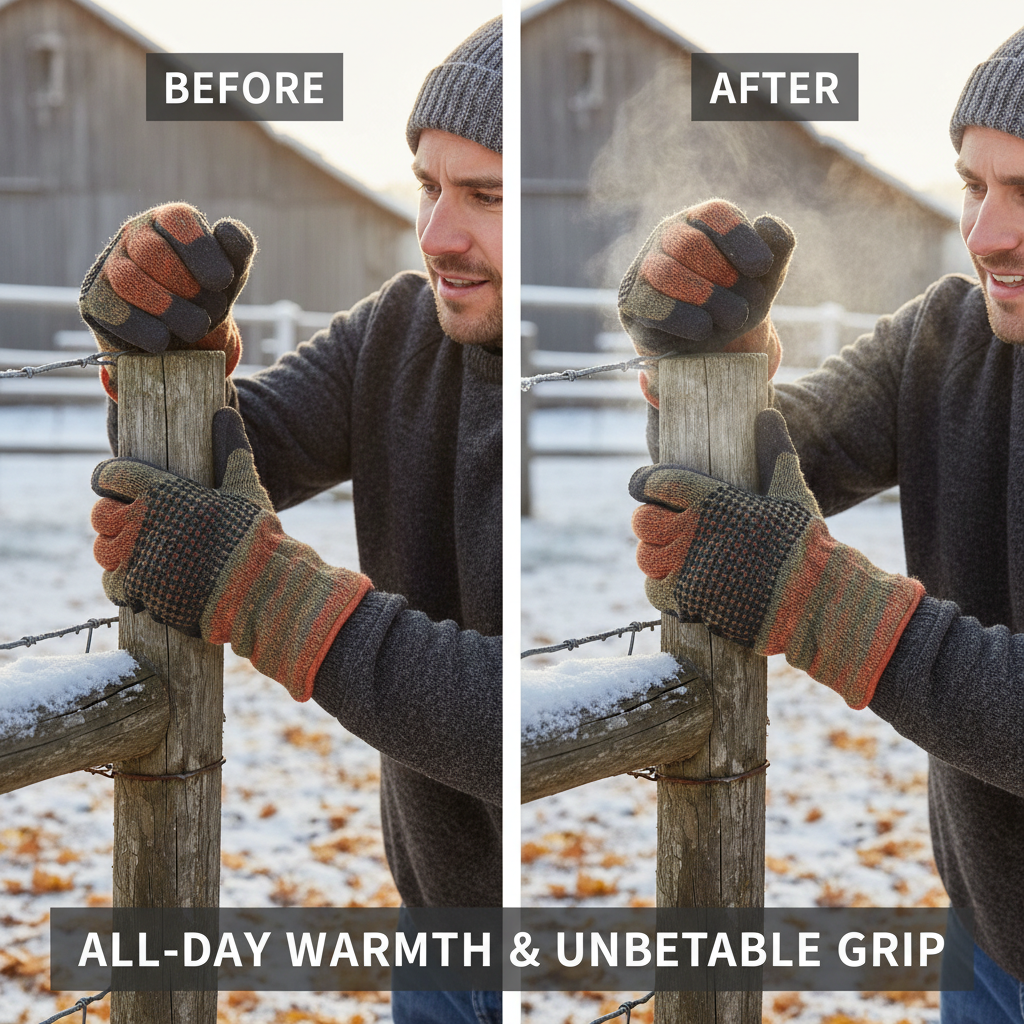
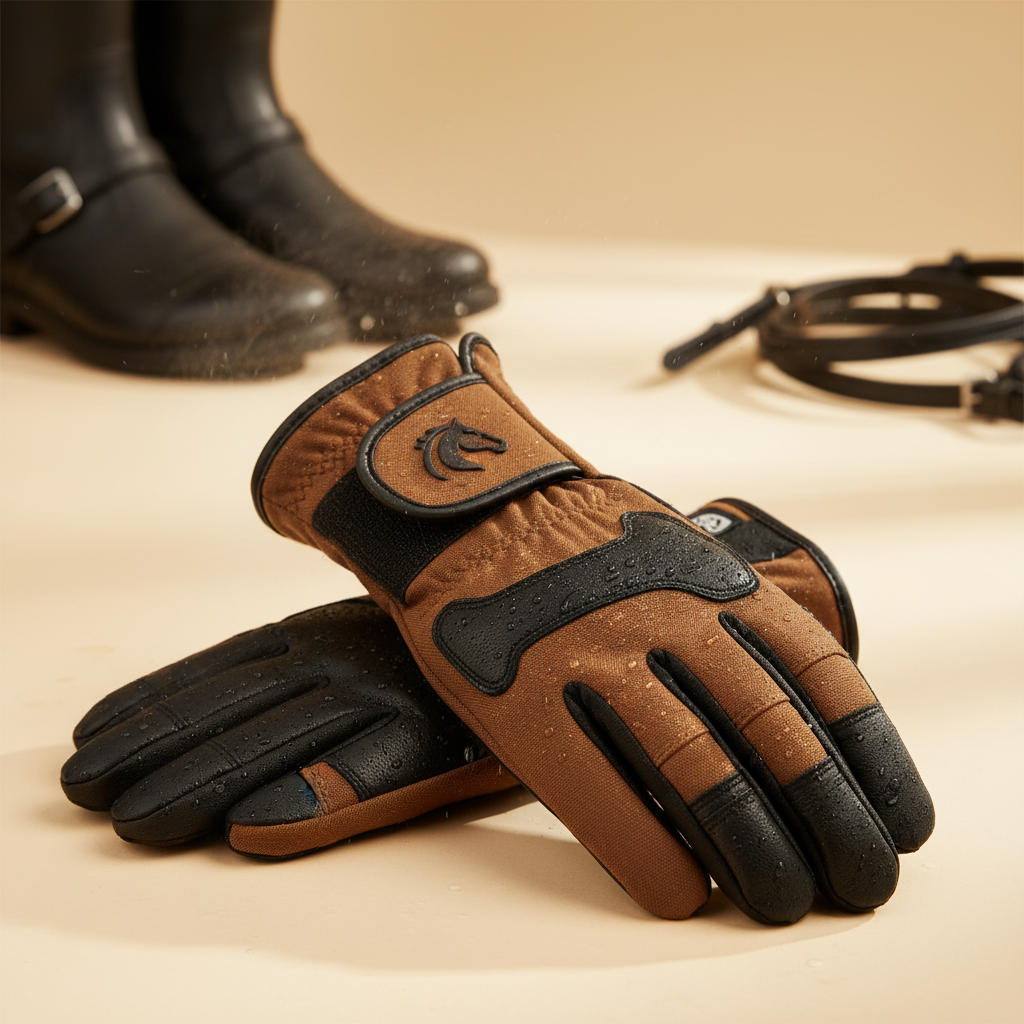
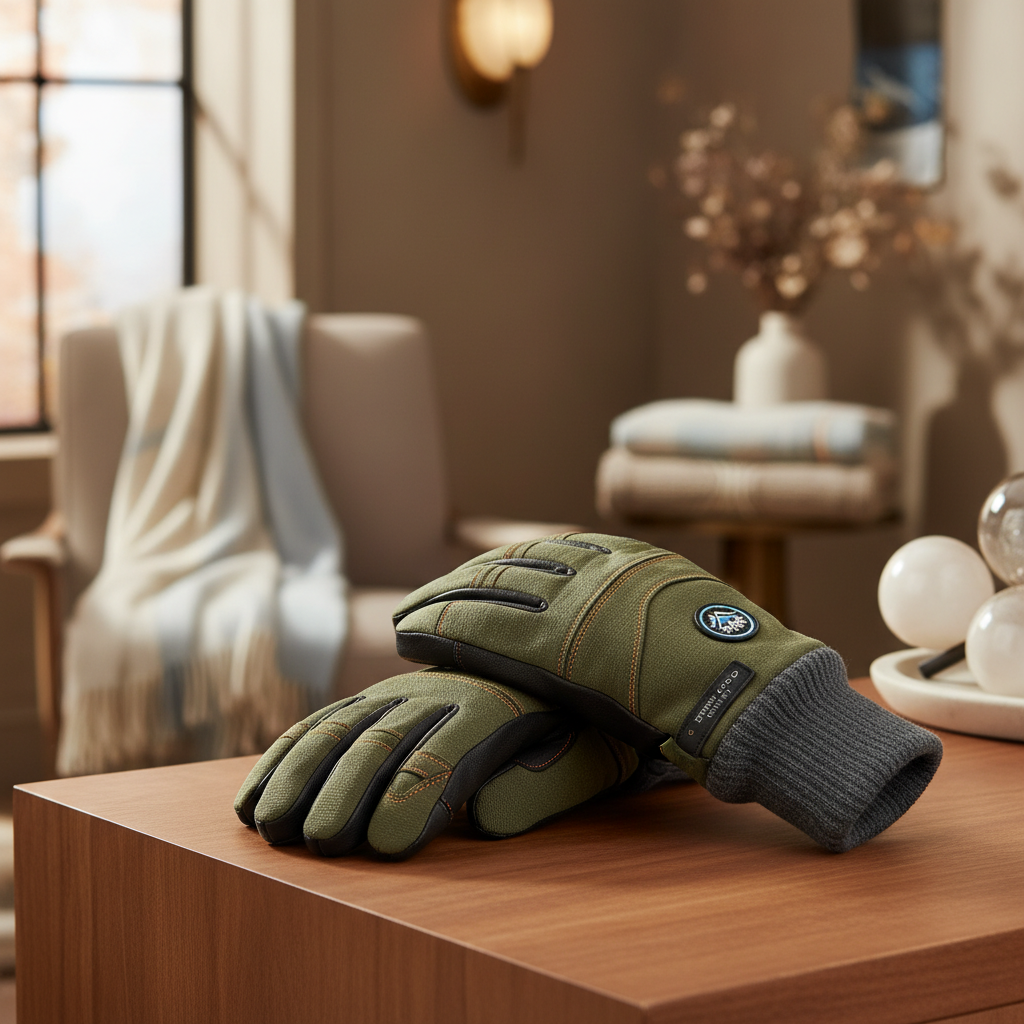
Warm Tactical Gloves: Ultimate Protection & Dexterity in Extreme Cold
Understanding Warm Tactical Gloves: Essential Gear for Safety and Comfort
Warm tactical gloves might not be the first thing that springs to mind when thinking about high-stakes or cold-weather industries, but oddly enough, their role is increasingly critical across military, law enforcement, and industrial sectors worldwide. In simple terms, these gloves protect users from harsh environments while preserving dexterity—a tough balance to strike but absolutely vital. As countries face more extreme weather patterns and operational challenges in remote zones, understanding these gloves is more than just fashion talk; it’s about safety, performance, and even humanitarian impact.
Global Context: Why Warm Tactical Gloves Matter More Than Ever
According to the World Meteorological Organization, extreme cold-weather events have become notably frequent over the past decade, affecting millions of outdoor workers and emergency responders globally. For tactical units deployed in Arctic regions or mountainous terrain, the stakes are high: frostbite, loss of hand function, or simply failing to grip critical equipment can compromise entire operations. Plus, modern missions often demand precision tools use in freezing conditions—like when diffusing explosives or performing rescue tasks.
Warm tactical gloves address these challenges by providing thermal insulation while maintaining manual agility. From military units in Canada and Scandinavia to humanitarian groups in the Himalayas, these gloves enable effective responses in environments that would otherwise disable or endanger personnel.
What Exactly Are Warm Tactical Gloves?
At their core, warm tactical gloves are specialized gloves designed to protect hands from cold temperatures without sacrificing the sensitivity and range of movement necessary for complex tasks. Unlike normal winter gloves, their design considers the rigors of tactical use—whether handling weapons, tools, or electronic devices outdoors.
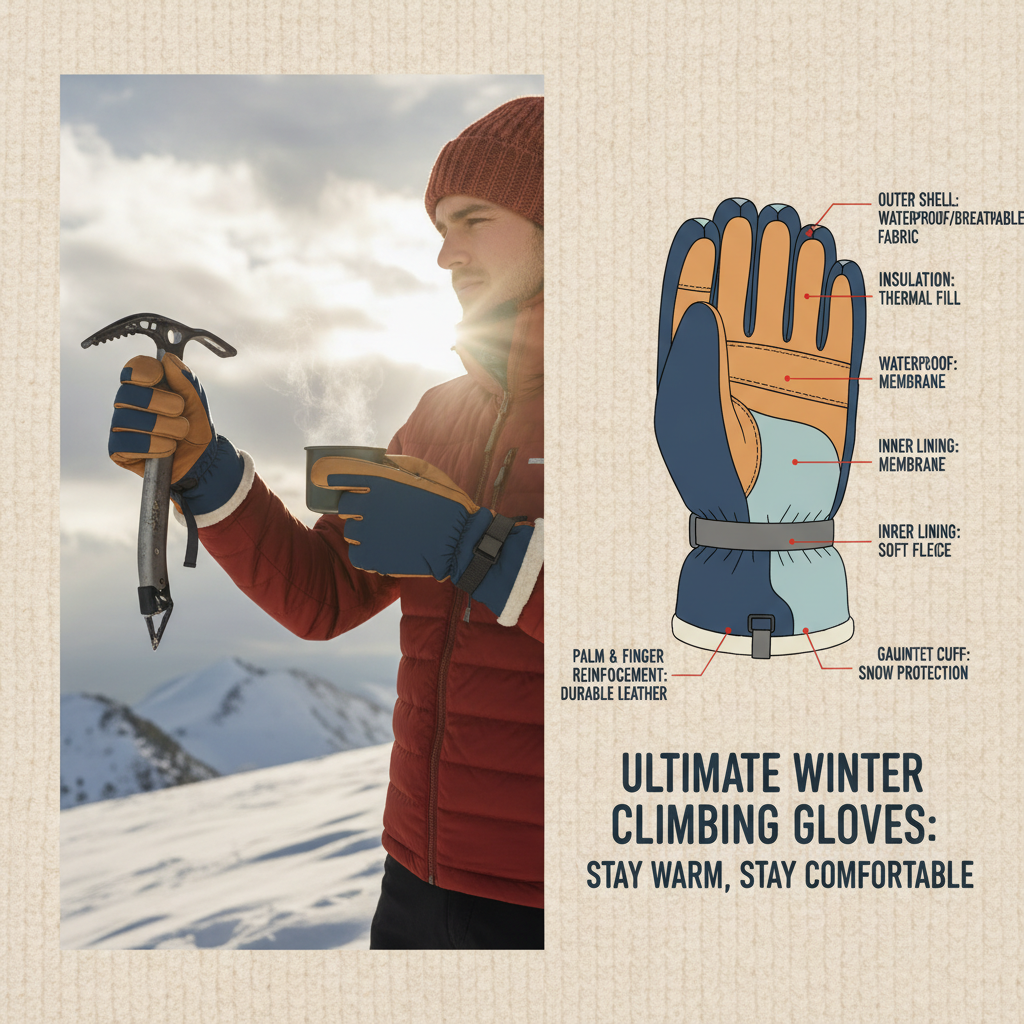
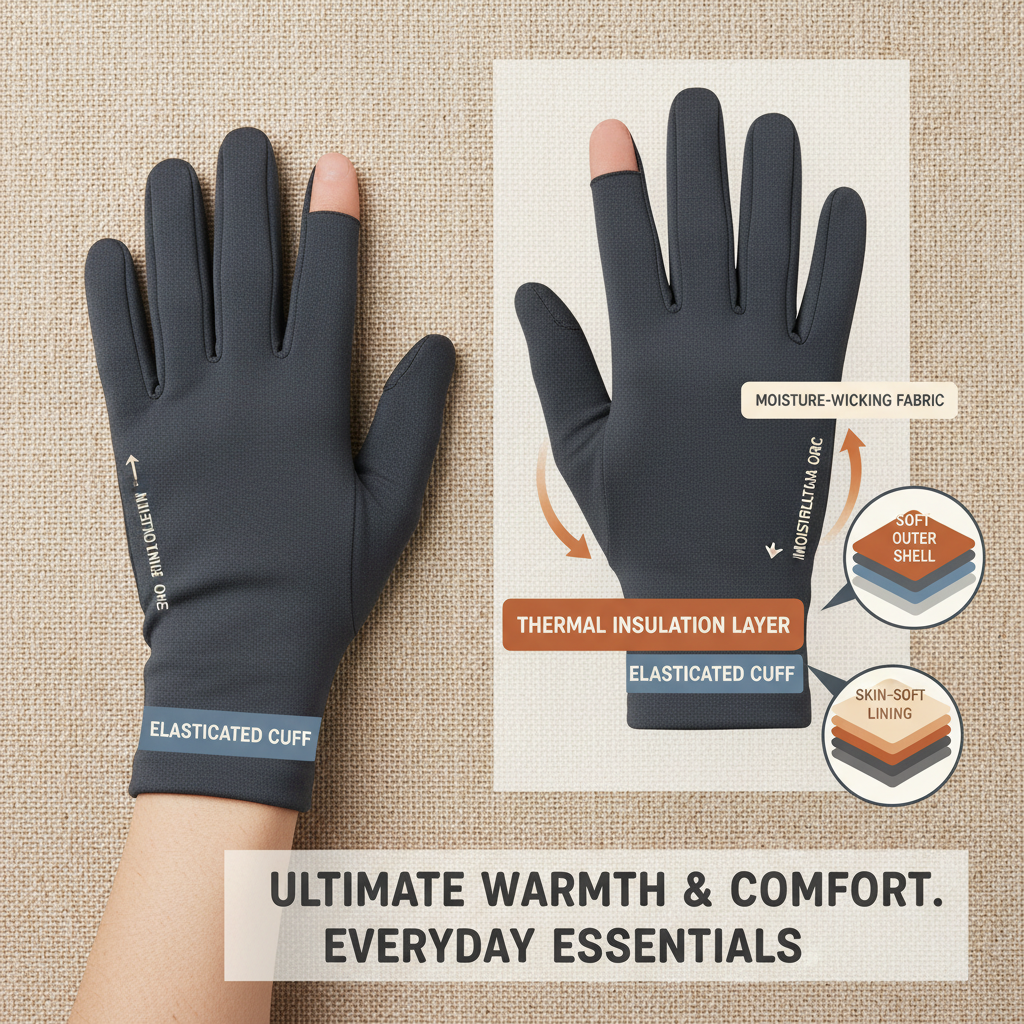
These gloves usually feature layered insulation, water resistance, reinforced knuckles for impact protection, and materials allowing touchscreen compatibility. Their relevance extends from the battlefield to civilian rescue teams and industrial safety outfits, all requiring both warmth and utility.
Key Features of Warm Tactical Gloves
Durability
These gloves often incorporate materials like Kevlar or reinforced leather patches where abrasion or impact risk is high. Durability isn’t just about lasting long—it’s about ensuring protection under repeated stress. For example, a tactical operator rappelling down a cliff can’t risk glove failure midway.
Thermal Insulation
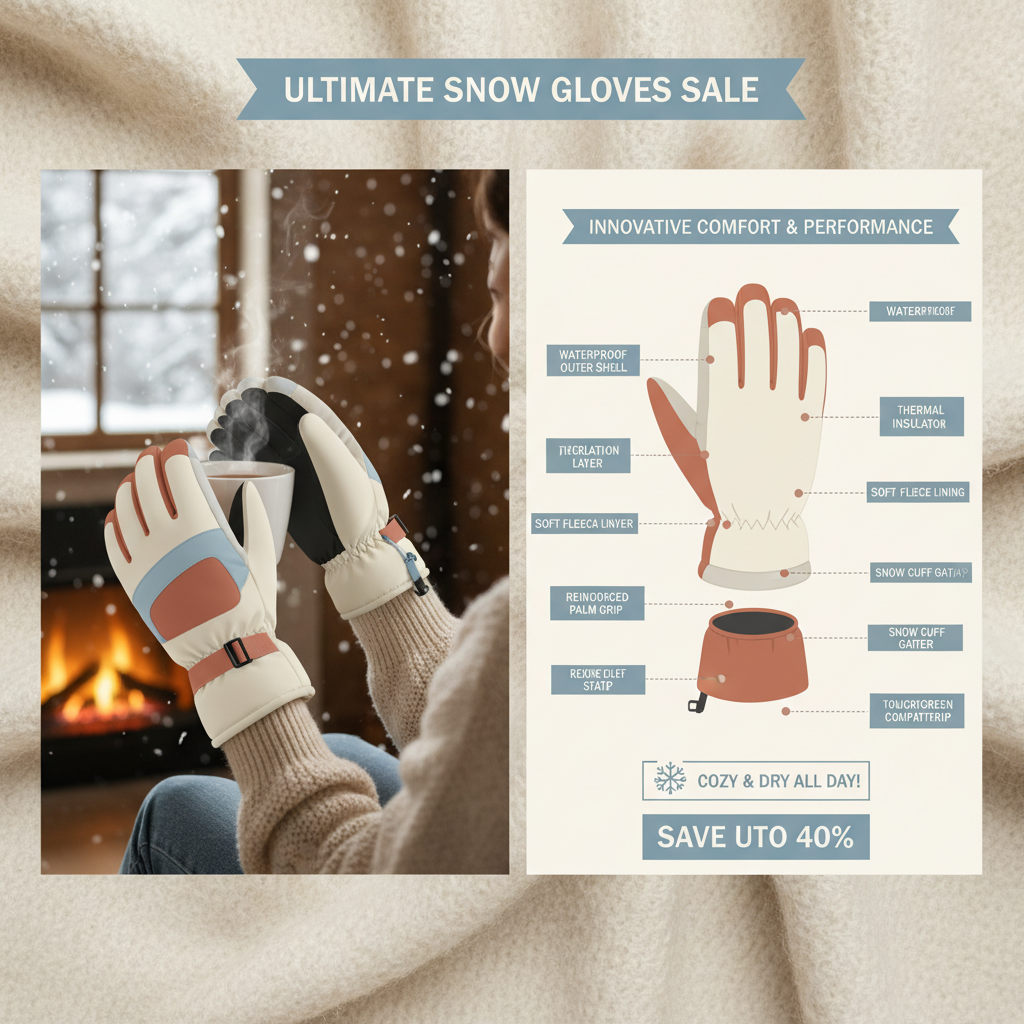
Effective insulation materials such as Thinsulate™, PrimaLoft®, or layered fleece keep hands warm without bulk. This is critical because bulky gloves tend to reduce finger dexterity, which might delay or even jeopardize time-sensitive tasks.
Water and Wind Resistance
The gloves must shield hands against wet and windy conditions which can rapidly lower skin temperature. Most warm tactical gloves have some form of waterproof membrane, often breathable to prevent moisture buildup inside.
Grip and Tactility
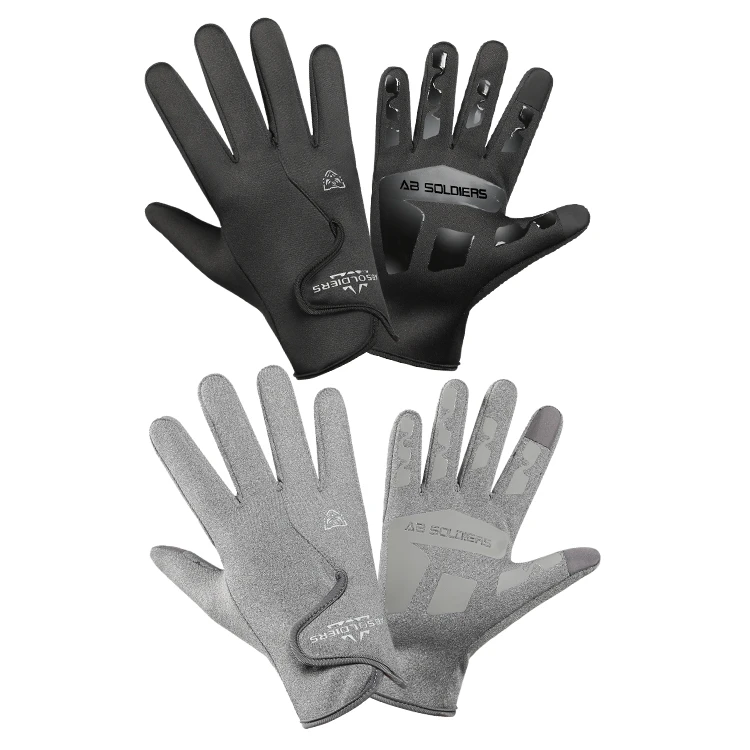
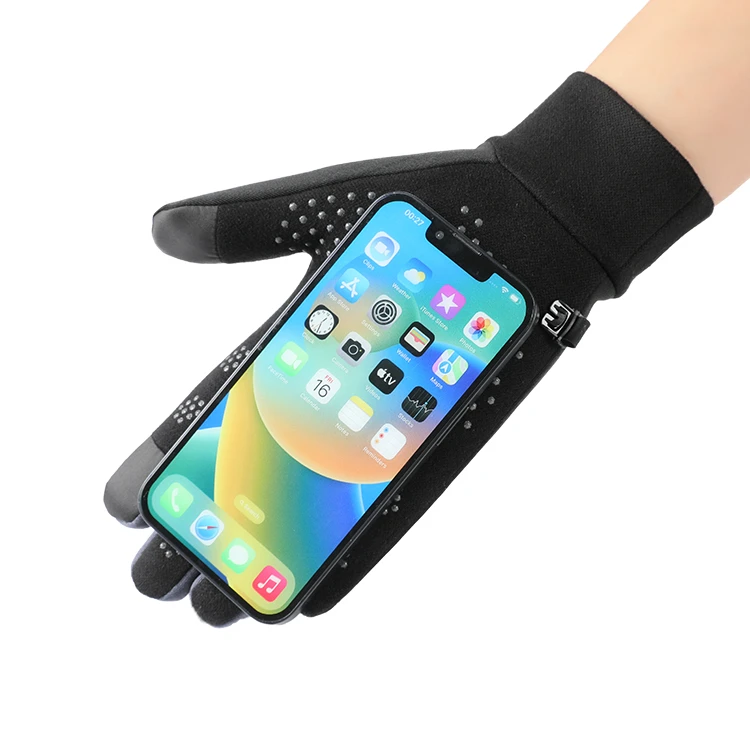
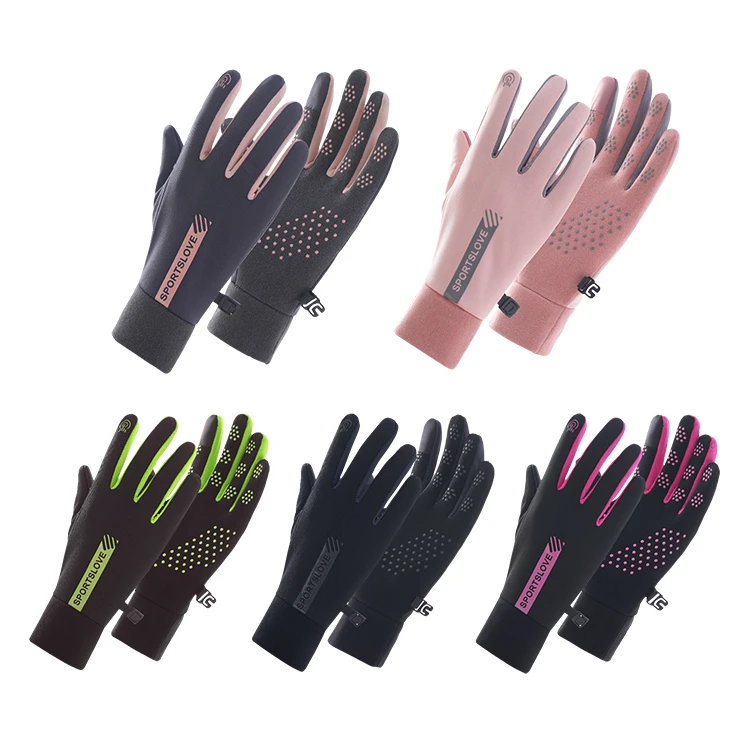
Palm and fingertip textures (like silicone dots or rubberized surfaces) enhance grip on weapons, tools, or ropes—even when wet. Remarkably, some models offer touchscreen functionality, which is vital for modern operators using digital devices without removing their gloves.
Comfort and Fit
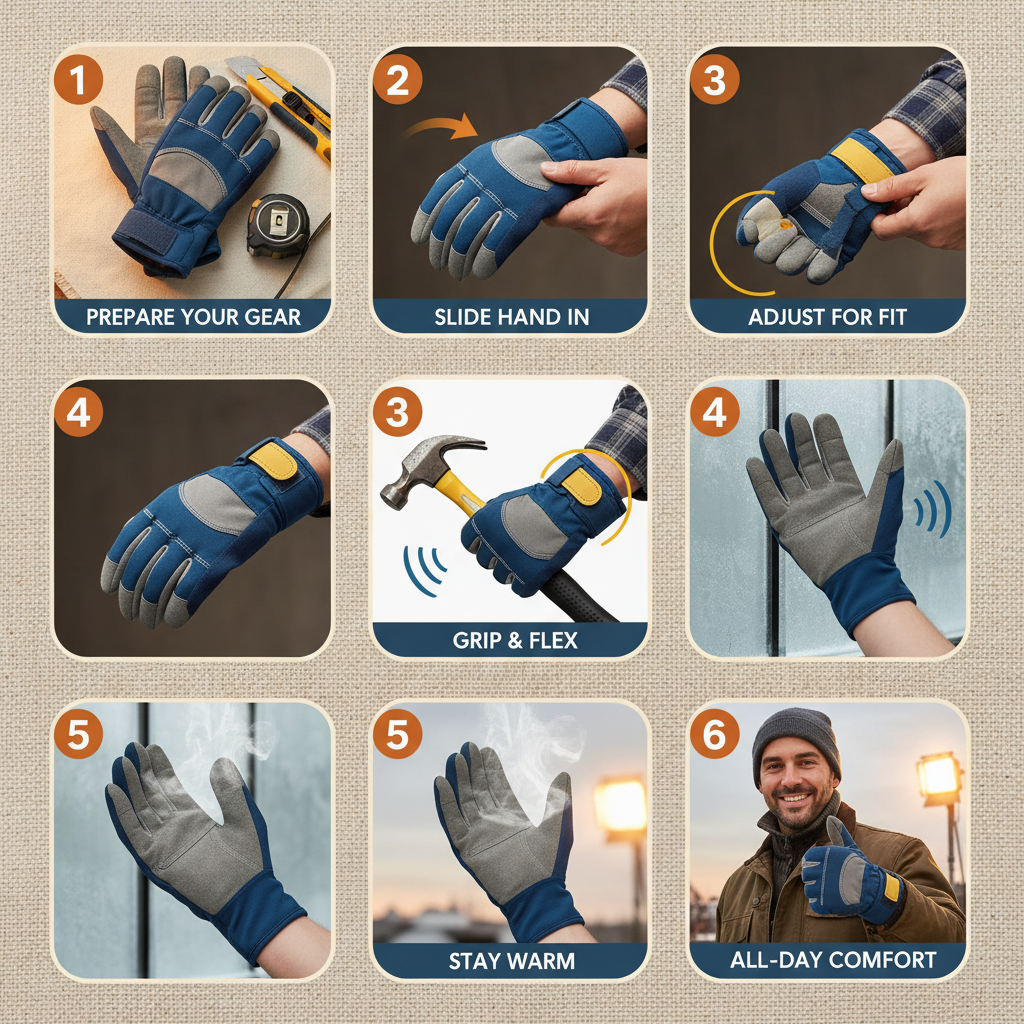
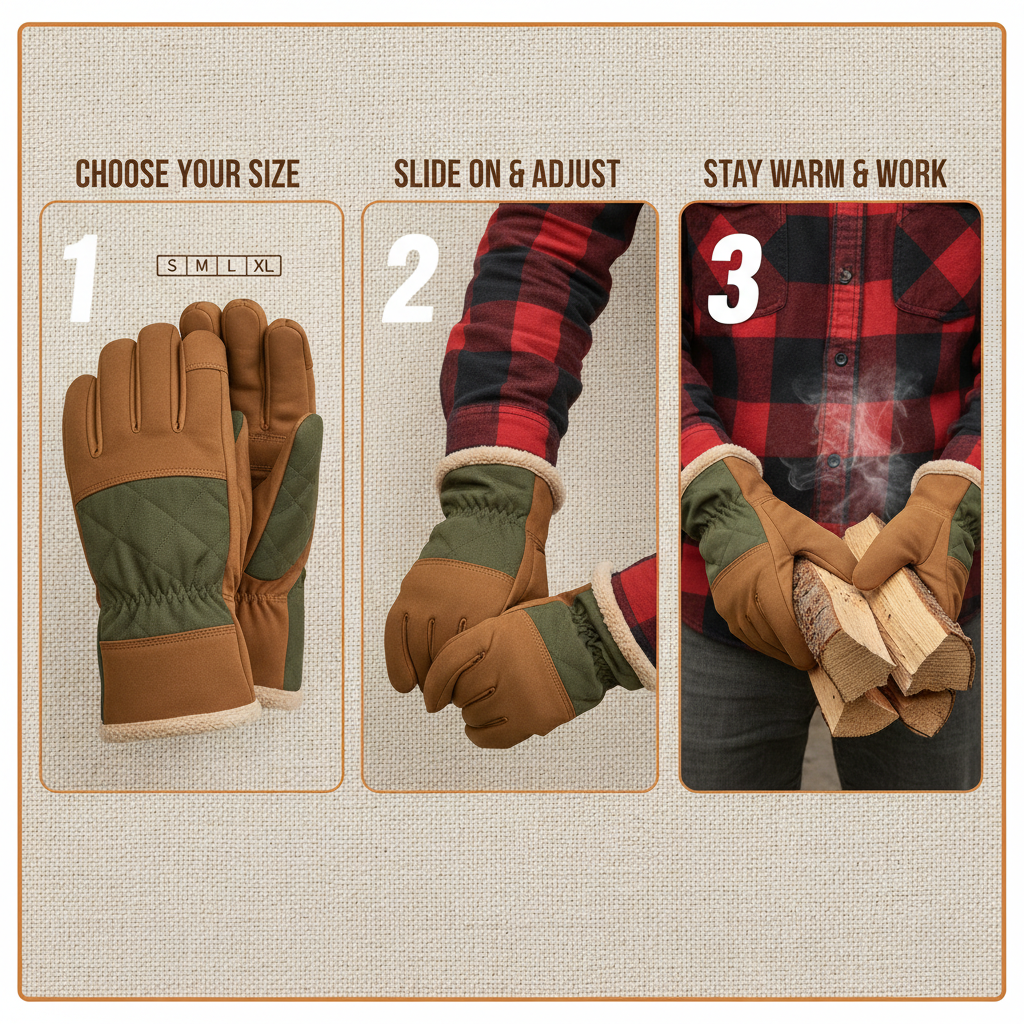
A snug but flexible fit means gloves don’t hinder fast reactions or contribute to hand fatigue during long deployments. Adjustable wrist closures and stretch fabrics often feature prominently.
Product Specifications of a Standard Warm Tactical Glove
| Feature | Specification |
|---|---|
| Material | Kevlar + Polyester + Leather Reinforcements |
| Insulation | 3M Thinsulate Ultra Fine Fibers |
| Water Resistance | Gore-Tex Membrane |
| Touchscreen Compatibility | Yes, on index and thumb fingers |
| Weight | Approx. 180 grams per pair |
| Sizes | S to XXL |
Mini takeaway: Warm tactical gloves uniquely blend advanced materials and design to offer resilience, warmth, and dexterity all in one.
Who Benefits? Global Applications
- Military & Law Enforcement: Operating in cold-weather theaters or border controls where both protection and quick response are vital.
- Search and Rescue Teams: Working in mountainous or arctic terrains to save lives in extreme weather.
- Industrial Workers: In energy extraction (oil and gas in cold climates), construction, or forestry where cold exposure is routine.
- Humanitarian Organizations: Deploying in disaster zones with harsh conditions, like after avalanches or severe storms.
For instance, NGOs working in the Himalayas report enhanced operational efficiency and fewer cold-related injuries among staff equipped with warm tactical gloves. Oddly enough, these gloves help maintain dignity and trust—simple warmth in brutal conditions makes a bigger psychological difference than it seems.
Vendor Comparison: Popular Warm Tactical Gloves
| Brand | Thermal Rating | Weight (g) | Waterproof | Touchscreen | Price (USD) |
|---|---|---|---|---|---|
| ColdStrike Pro | -30°C | 190 | Yes | Yes | 150 |
| Arctic Tactical | -25°C | 180 | Yes | No | 130 |
| TacShield Extreme | -35°C | 200 | Yes | Yes | 180 |
Advantages Beyond Warmth
It’s easy to pigeonhole warm tactical gloves as just “cold weather gear,” but they provide benefits that ripple through safety culture and operational efficiency. For one, investing in high-quality gloves reduces costly injury downtime. Workers report increased confidence tackling outdoor challenges, which, frankly, can translate to improved team morale.
Then there’s sustainability—many manufacturers now prioritize eco-friendly fabrics or processes, which matter as organizations aim for greener procurement (ISO 14001 standards are increasingly common). Plus, the gloves’ durability means less frequent replacements, cutting waste and long-term costs.
Looking Ahead: Innovations on the Horizon
Interestingly, smart textiles are entering this space. I’ve come across prototypes featuring embedded heating elements powered by lightweight batteries, adjustable moisture wicking, and even biometric finger sensors. With digital transformation sweeping industries, these gloves might soon feed data back to command centers, monitoring everything from user vitals to equipment status.
On the materials front, developments in synthetic insulators (bio-based or graphene-enhanced fabrics) promise warmer but thinner gloves—improving dexterity even further. As climate unpredictability grows, so does the demand for versatile and adaptive gear.
Challenges and Expert Solutions
Warm tactical gloves aren’t without their hurdles. For instance, balancing insulation and flexibility remains tricky; too thick, and nimbleness suffers, too thin, and warmth falters. Sizing issues can also impair effectiveness; ill-fitting gloves cause discomfort and reduce grip safety.
Experts often recommend field testing multiple models under operational conditions to find the best fit and performance. Also, training users on proper glove maintenance extends lifespan and performance dramatically. Oddly enough, cold injuries precipitated by damp gloves still occur often, so educating teams about moisture control is crucial.
FAQs about Warm Tactical Gloves
- Q: How do warm tactical gloves differ from regular winter gloves?
A: Tactical gloves integrate impact resistance, enhanced grip, and often touchscreen capability, tailored for demanding operational use—not just insulation.
- Q: Can warm tactical gloves be used in wet environments?
A: Yes, most models feature waterproof membranes like Gore-Tex, but breathability and drying times vary, so check specs carefully.
- Q: What’s the typical lifespan of warm tactical gloves in field use?
A: With proper care, gloves can last 1–3 years depending on intensity of use and materials, but replacement is advised at signs of wear affecting safety.
- Q: Are there environmentally friendly options available?
A: Increasingly so; some brands use recycled fabrics and greener manufacturing processes aligned with ISO 14001 environmental standards.
- Q: How important is glove fit?
A: Very. Proper fit ensures warmth retention and operational dexterity; sizes vary by brand so trying before buying is ideal.
Conclusion
Warm tactical gloves fulfill a unique and growing niche: delivering essential protection and comfort in harsh conditions without sacrificing agility. For sectors operating on the frontline of cold weather challenges—from defense to disaster relief—such gloves are more than accessories. They are tools that enhance safety, trust, and ultimately mission success. If you’re looking to equip your team with the best in this field, start by exploring warm tactical gloves from reliable vendors and understand how they can make a difference in the real world.
In the cold, it’s often the small things—like well-made gloves—that quietly make the greatest difference.
References:
1. World Meteorological Organization (WMO)
2. Tactical Gloves - Wikipedia
3. ISO 14001 Environmental Management