Heated Snowboard Gloves: Essential Warmth and Innovation for Winter Sports
Understanding Heated Snowboard Gloves and Why They Matter
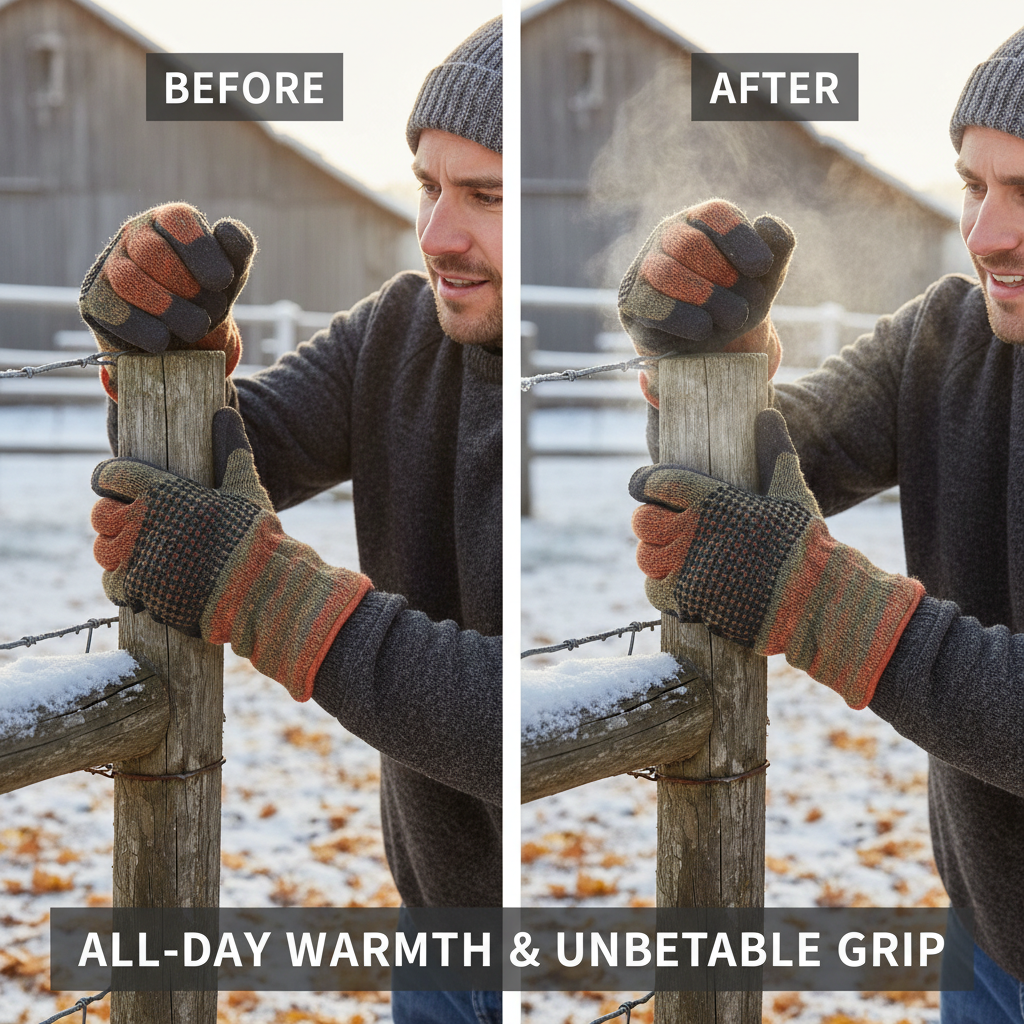
Heated snowboard gloves have evolved from a niche luxury into an essential tool for winter sports enthusiasts around the globe. As temperatures drop and wind chill intensifies on snowy slopes, gloves equipped with heating elements provide warmth that standard insulated gloves simply can’t match. This isn’t just a comfort feature—it can be crucial for safety, extending time spent outdoors and preventing frostbite in extreme conditions. Whether you're an occasional snowboarder or a dedicated pro, understanding these gloves opens up new possibilities for fun and endurance on the slopes.
Introduction: Global Context and Growing Relevance
Winter sports participation has grown significantly worldwide, with an estimated 30 million snowboarders globally as of 2023, according to industry reports. As resorts in North America, Europe, and Asia welcome more visitors, demand for advanced winter gear—like heated snowboard gloves—is soaring. The heated snowboard gloves market reflects a broader shift towards smart activewear that integrates technology for comfort and functionality.
Besides recreational use, colder regions with extended winter months face occupational challenges where finger dexterity and warmth are crucial—think rescue workers, mountain guides, or outdoor industrial laborers. Standard gloves often fall short under such conditions, creating a real risk of cold injury. Heated gloves, therefore, address a global challenge: maintaining hand warmth efficiently in extreme cold while preserving mobility.
What Are Heated Snowboard Gloves?
At their core, heated snowboard gloves are insulated gloves embedded with electric heating elements powered by rechargeable batteries. They combine traditional thermal materials with flexible wires or carbon fiber heating pads strategically placed to warm the fingers and palms. The user can often adjust the heat level via buttons or even smartphone apps, tailoring warmth to activity and weather conditions.
These gloves represent a blend of outdoor apparel and wearable technology, a small but clear example of how modern industries are integrating electronics into everyday gear for enhanced function. Humanitarian sectors sometimes adopt them in cold-weather aid scenarios, underscoring their broader humanitarian and industrial importance.
Key Components of Heated Snowboard Gloves
1. Heating Elements
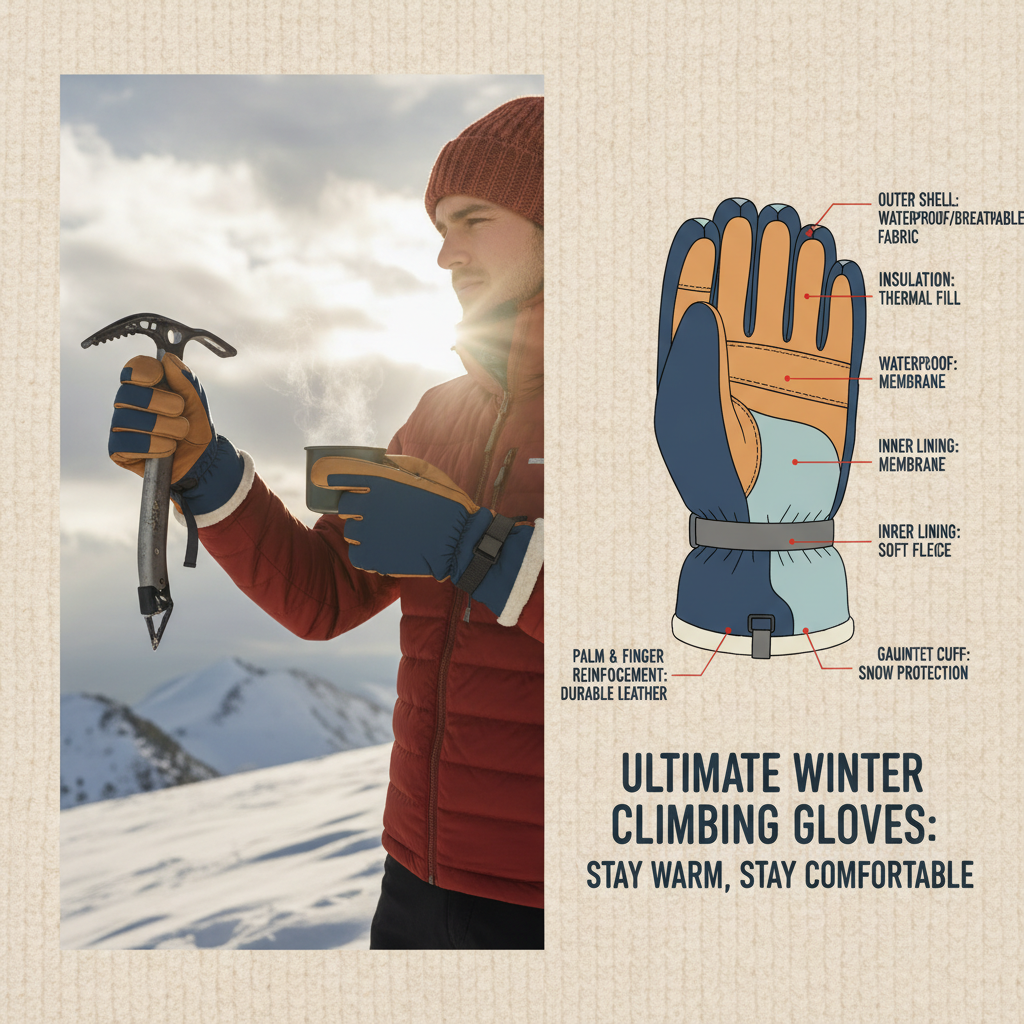
Most gloves utilize thin carbon fiber panels or insulated heating wires. Carbon fiber is preferred for its lightweight, flexible, and even heat distribution properties, which help avoid hotspots that could reduce comfort or damage the glove.
2. Battery and Power Management
The energy source is typically a rechargeable lithium-ion battery, ranging from 2000 to 5000 mAh in capacity. Battery life is crucial, often balancing warmth duration with weight—the heavier the battery, the bulkier the glove. Smart power management systems help optimize heat without quickly draining the battery.
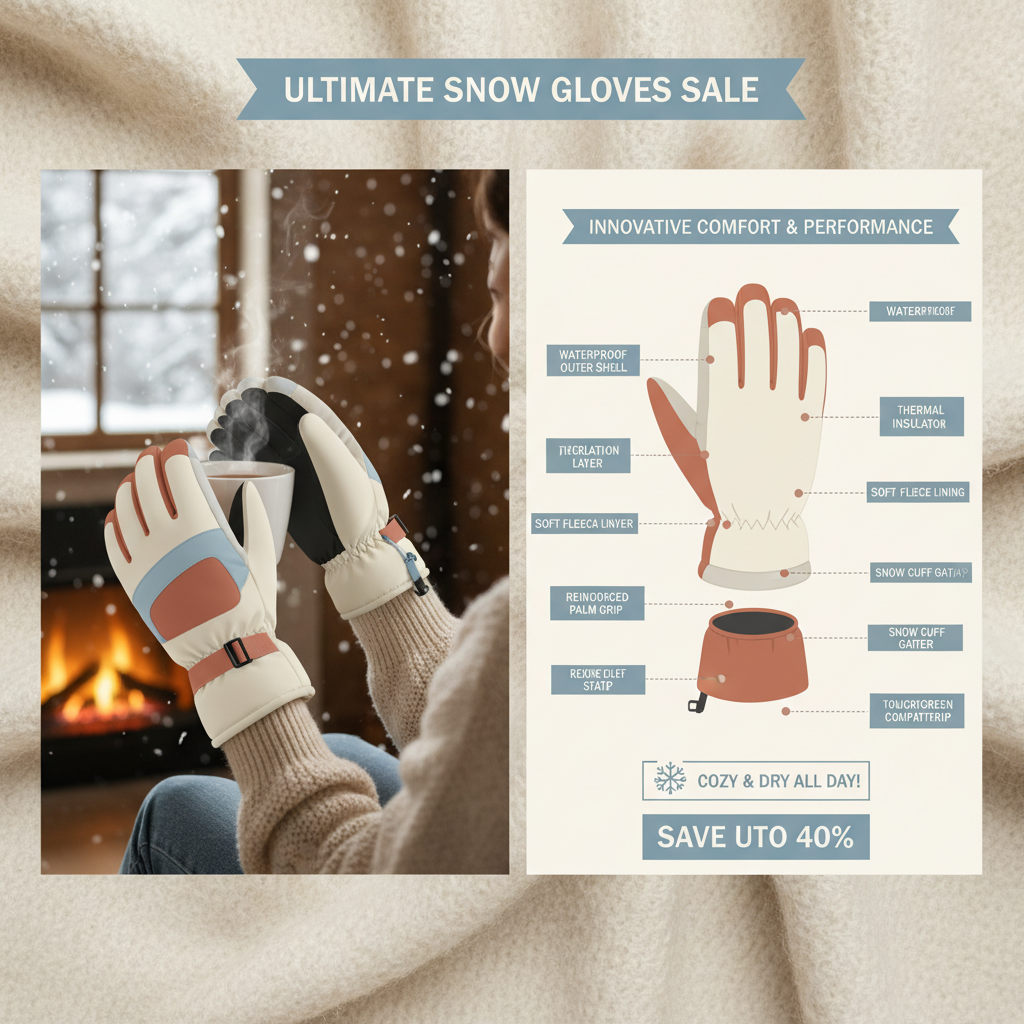
3. Insulation and Waterproofing
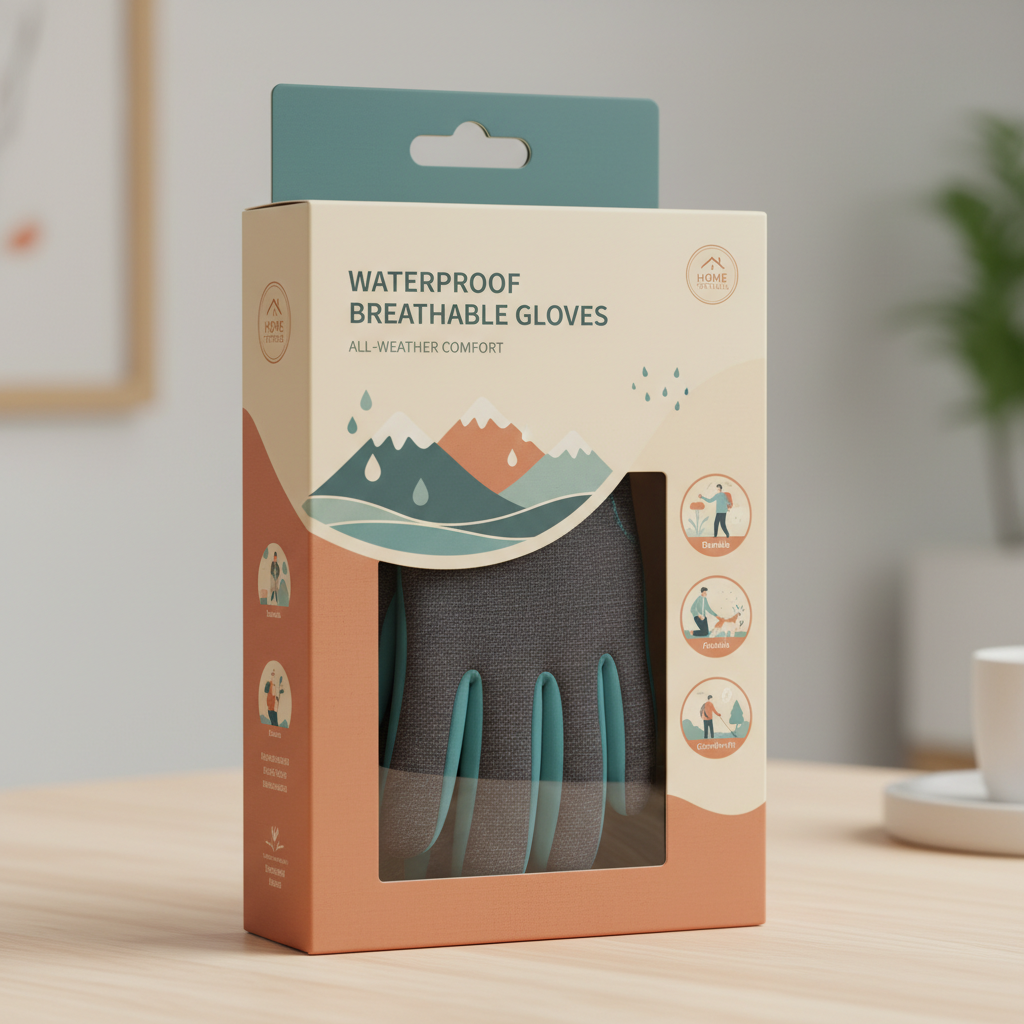
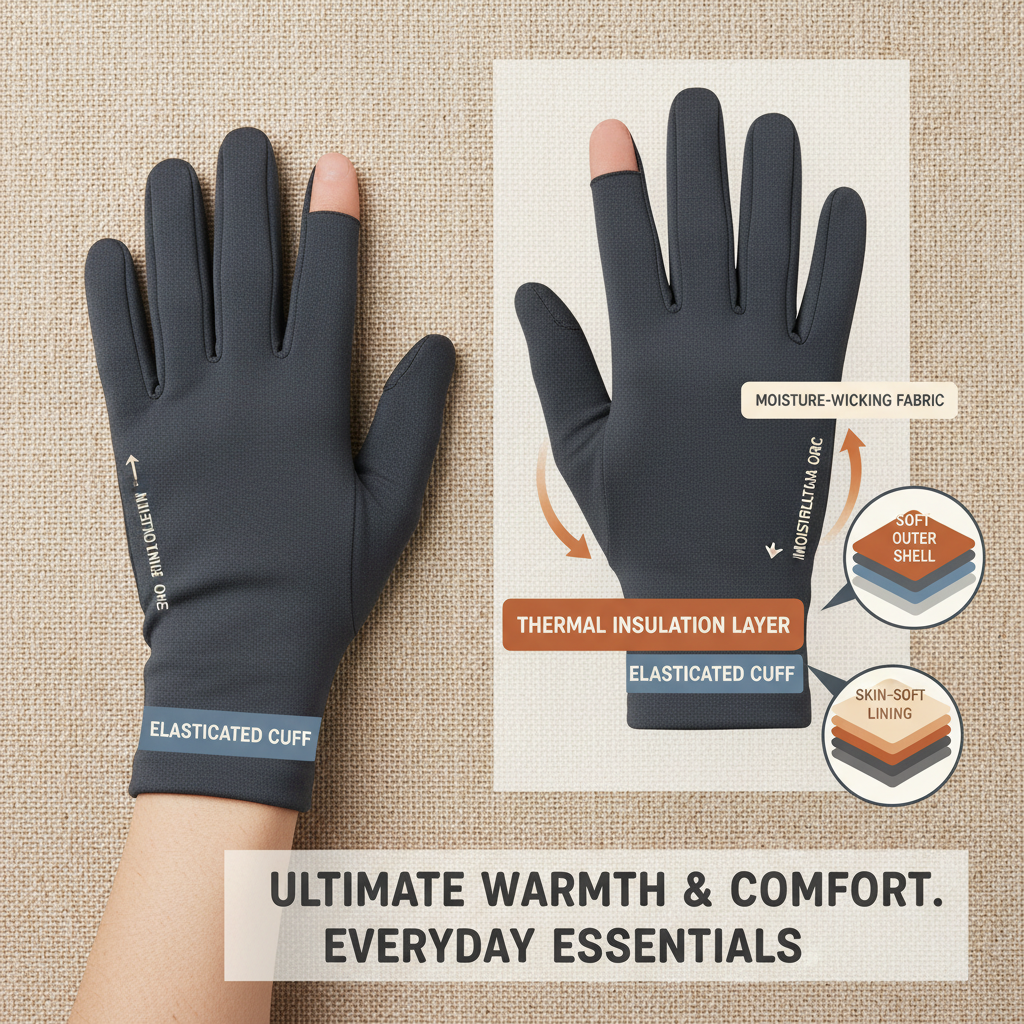
High-quality synthetic insulation like Thinsulate or PrimaLoft often layers the gloves, combined with waterproof membranes such as Gore-Tex to keep moisture out. This ensures warmth retention and dryness in snowy environments.
4. Control Interface
Some gloves feature simple buttons on the cuff; others have Bluetooth interfaces for smartphone control. Adjustable settings allow users to pick low, medium, or high heat, or even schedule heating patterns depending on environmental data.
5. Fit and Dexterity
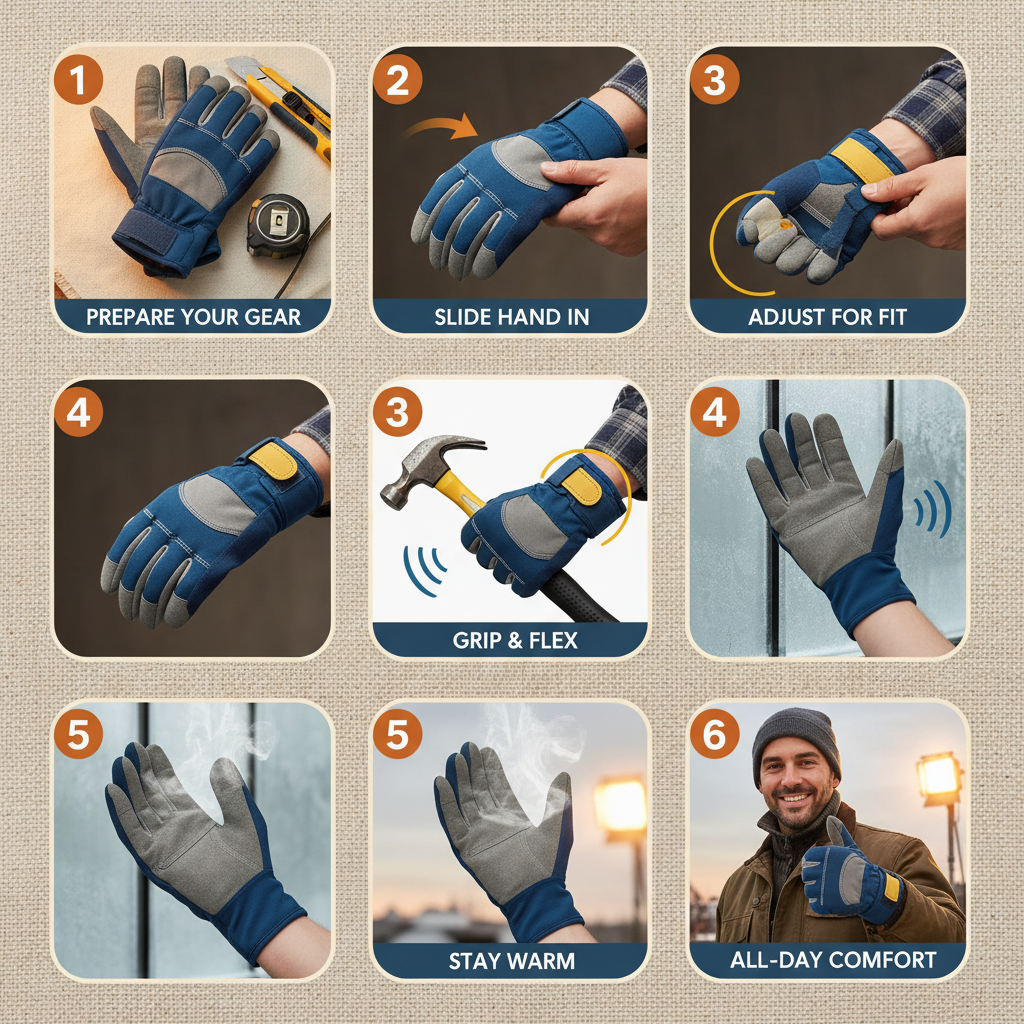
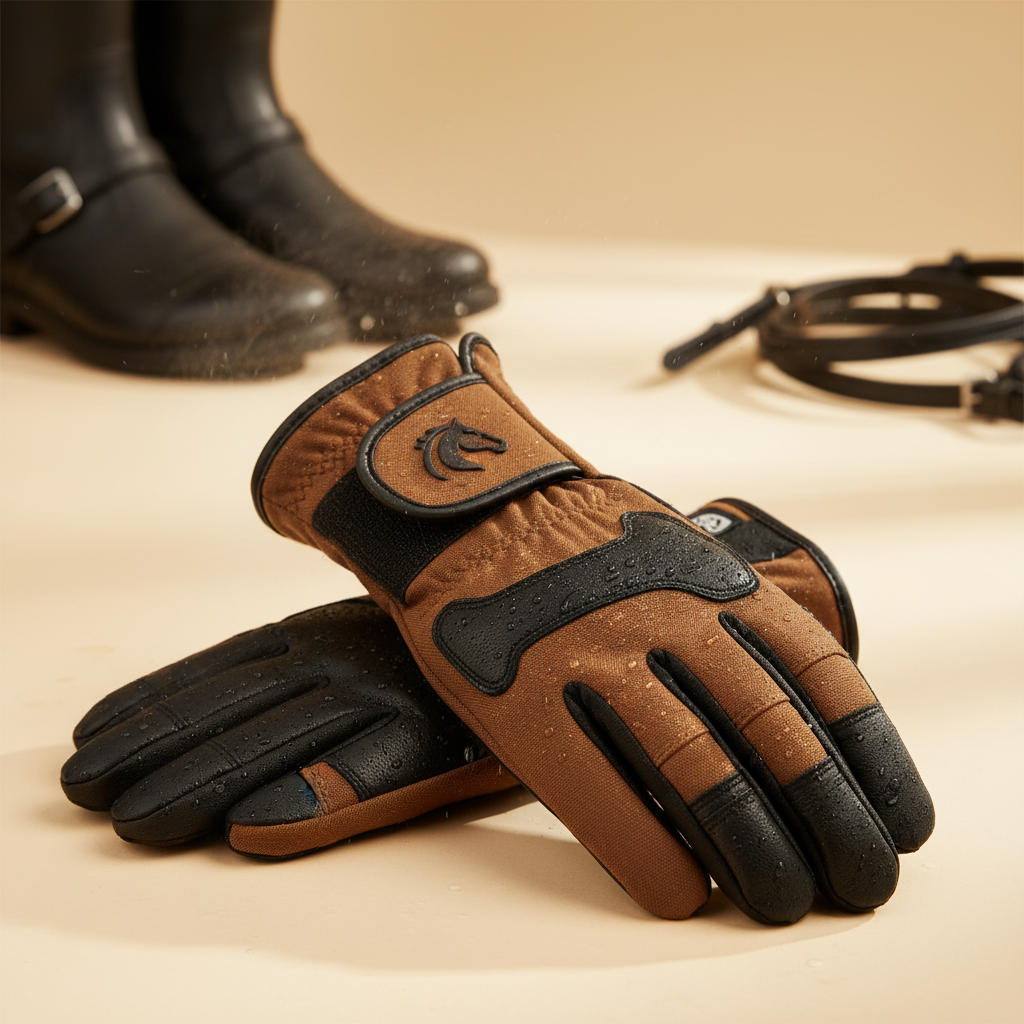
Fine motor control remains essential, particularly for snowboarders adjusting gear. Heated snowboard gloves strive to balance enough insulation and heating without excessive bulkiness, allowing easy gripping and flexibility.
Heated Snowboard Gloves at a Glance: Product Spec Table
| Feature | Typical Spec |
|---|---|
| Battery Life | 4–8 hours (adjustable heat settings) |
| Battery Type | Rechargeable lithium-ion, 3.7V 3000 mAh |
| Heating Elements | Carbon fiber/Insulated wires |
| Waterproof Rating | IPX6 or Gore-Tex membranes |
| Weight | 200–400 grams per pair (varies by model) |
| Control | Button or Bluetooth app control |
Global Applications and Use Cases
Heated snowboard gloves find their prime use on winter sports terrains, including ski resorts throughout the Alps, Rockies, and Japan’s northern regions. They enable longer sessions by combating cold stress on hands, which is a common limitation for snowboarders. Beyond sports, search-and-rescue teams in mountainous regions such as the Himalayas or Scandinavian countries rely on these gloves to maintain hand function during operations in sub-zero temperatures.
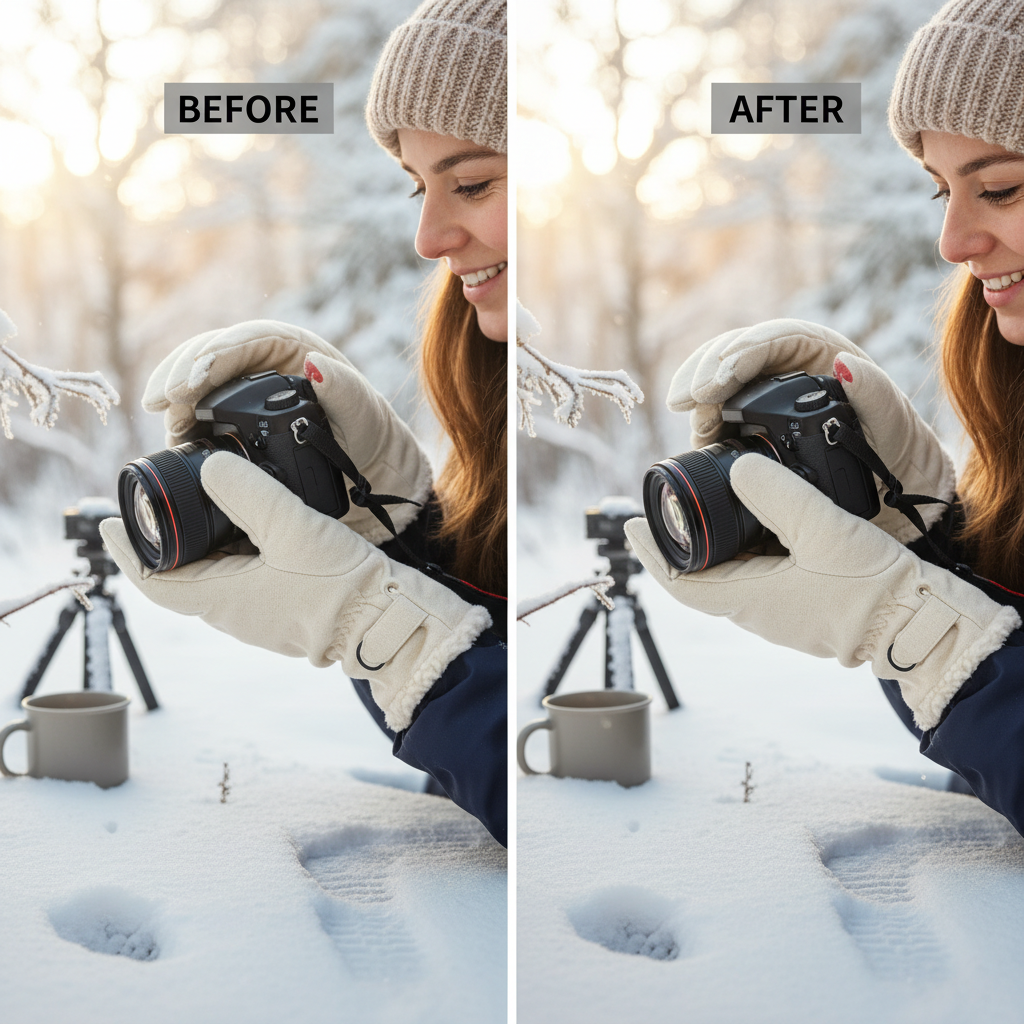
Industrial workers in Arctic oil fields or wind farms also increasingly adopt heated gloves to ensure safety and productivity. Oddly enough, heated gloves also help casual users like photographers and wildlife observers to retain dexterity without bulky layering. Humanitarian organizations sometimes supply them to vulnerable populations in cold climates — highlighting their wide societal impact.
Vendor Comparison Table: Popular Heated Snowboard Glove Brands
| Brand | Battery Life | Waterproof Rating | Price Range | Smart Controls |
|---|---|---|---|---|
| ThermoGlove X | 6 hours | Gore-Tex | $150–$200 | Manual button only |
| PolarHeat Pro | 8 hours | IPX6 | $220–$270 | Bluetooth app |
| SnowLux Elite | 5 hours | Water-resistant fabric | $130–$180 | Manual button |
Advantages and Long-Term Value
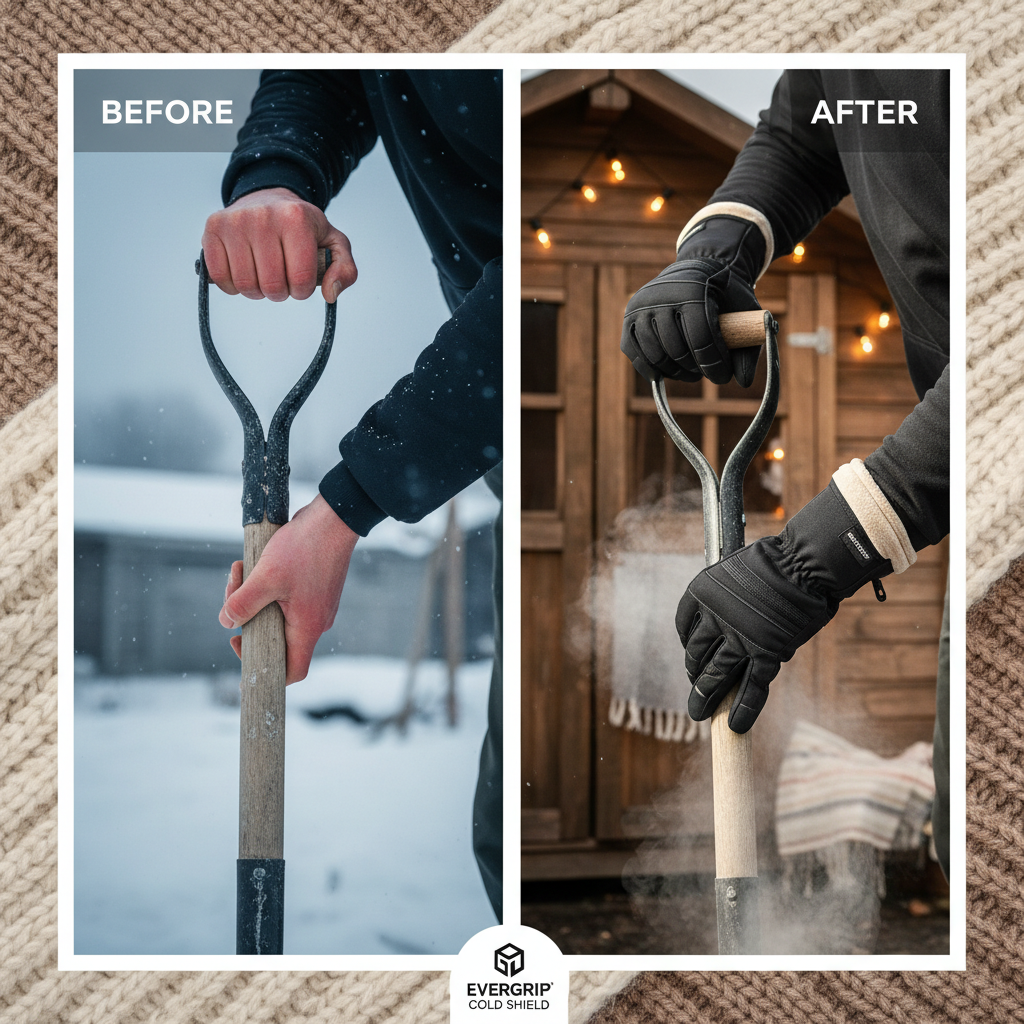
Using heated snowboard gloves offers more than temperature control; they bring peace of mind, trust in your gear, and even dignity—because cold hands can be literally painful and frustrating. In real terms, they reduce incidents of frostbite and cold-related injuries, which are costly and dangerous.
Financially, they extend the usability season of winter gear and can prevent downtime during work or sport. From a sustainability standpoint, they minimize the need for multiple layers or replacement gloves by providing effective warmth that lasts hours, which means less textile waste over time.
Future Trends and Innovations
Moving forward, expect advances in battery tech—like solid-state batteries—that promise lighter packs and longer heat duration. Integration of solar charging fabrics is also on the horizon, albeit niche currently. Artificial intelligence and app integration might allow gloves to adjust temperature automatically based on biometric data or external weather changes.
Materials development will continue focusing on eco-friendly insulation and waterproofing, aligned with global efforts around sustainability and reducing carbon footprints in sportswear manufacturing.
Challenges and Their Solutions
Common hurdles include battery weight and bulk, limited heat duration in extreme cold, and potential waterproofing failures due to wiring. Manufacturers tackle these by refining heating elements, using lightweight composites, and improving sealants. User feedback encourages better ergonomics to maintain dexterity and comfort.
FAQ: Common Questions About Heated Snowboard Gloves
- Q: How long do heated snowboard gloves typically last on a single charge?
A: Most heated gloves run between 4 to 8 hours depending on the heat setting. Higher heat levels drain batteries faster. Users should check their glove specs for exact durations. - Q: Can I wash heated gloves safely?
A: Usually, gloves require the battery to be removed before washing. Many manufacturers provide specific instructions. Machine washing is often discouraged to protect heating elements. - Q: Are heated snowboard gloves heavy or bulky?
A: Modern designs focus on minimizing bulk; typical pairs weigh 200–400 grams. While slightly heavier than non-heated gloves, they remain flexible. - Q: What is the difference between glove and mitten heating?
A: Mittens generally retain heat better but reduce finger mobility. Heated gloves optimize warmth with finger dexterity — ideal for activities requiring grip.
Conclusion
Heated snowboard gloves have become a smart investment for anyone serious about winter activity or working in cold proficiencies. Their ability to keep hands warm safely and flexibly, combined with evolving tech, means they’re here to stay. Curious? Check out the latest heated snowboard gloves to experience warmth that keeps pace with your adventures.
Takeaway: As winter gear evolves, heating technology transforms how we brave the cold—balancing comfort, safety, and innovation.