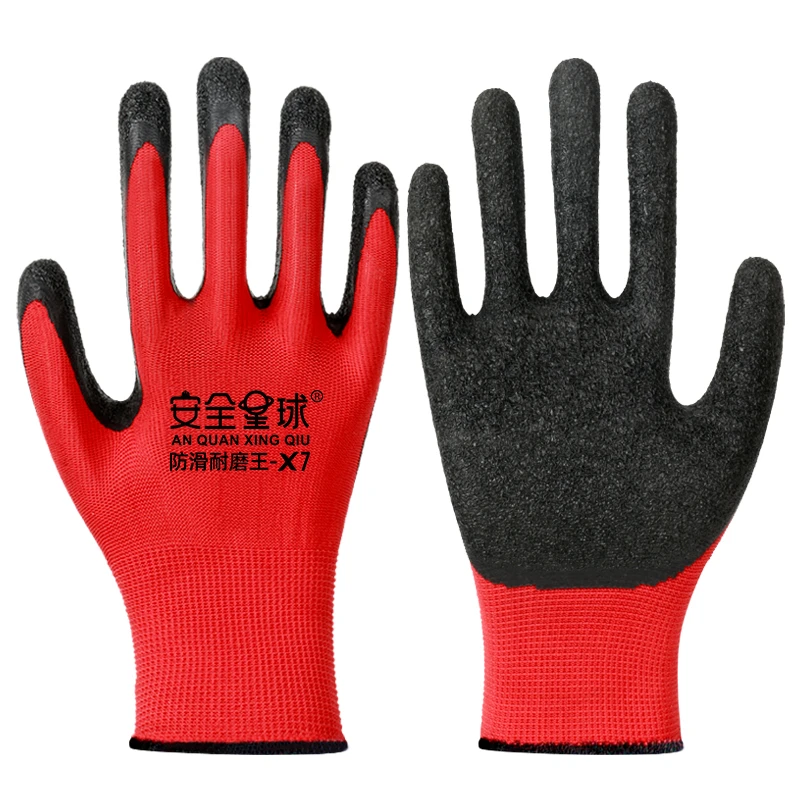
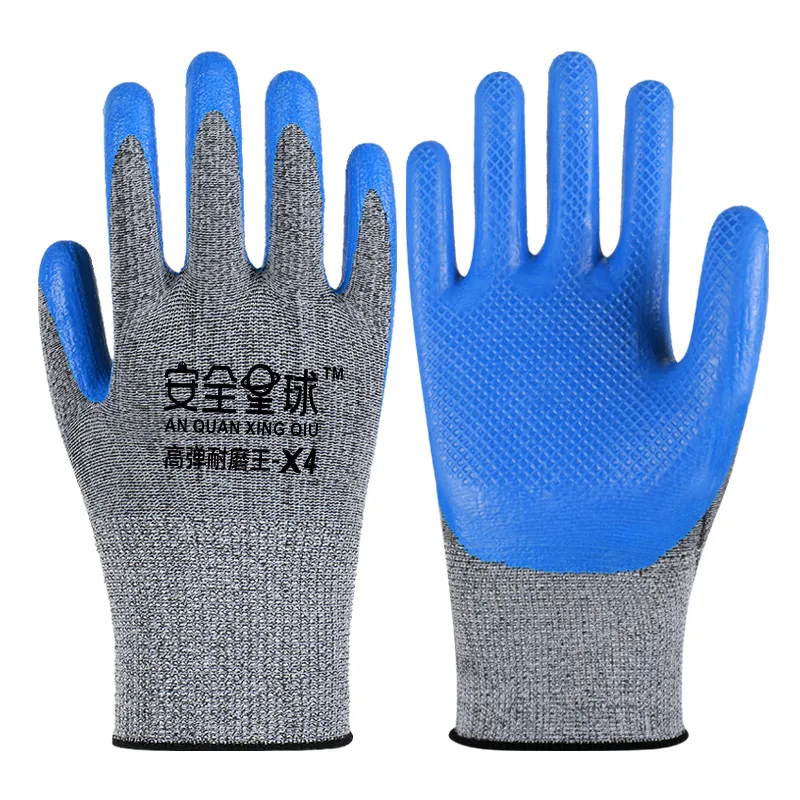
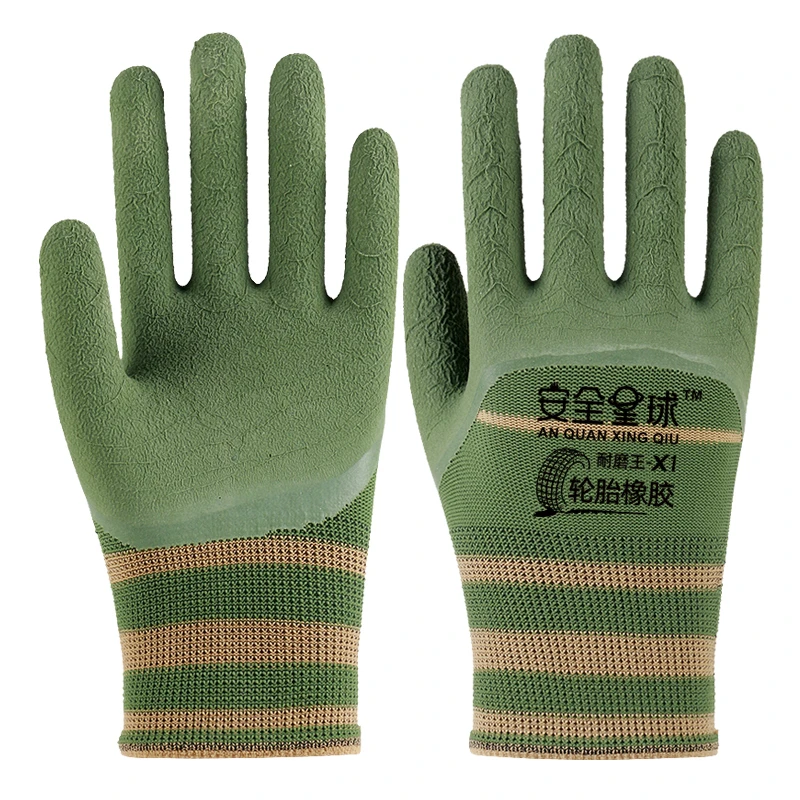
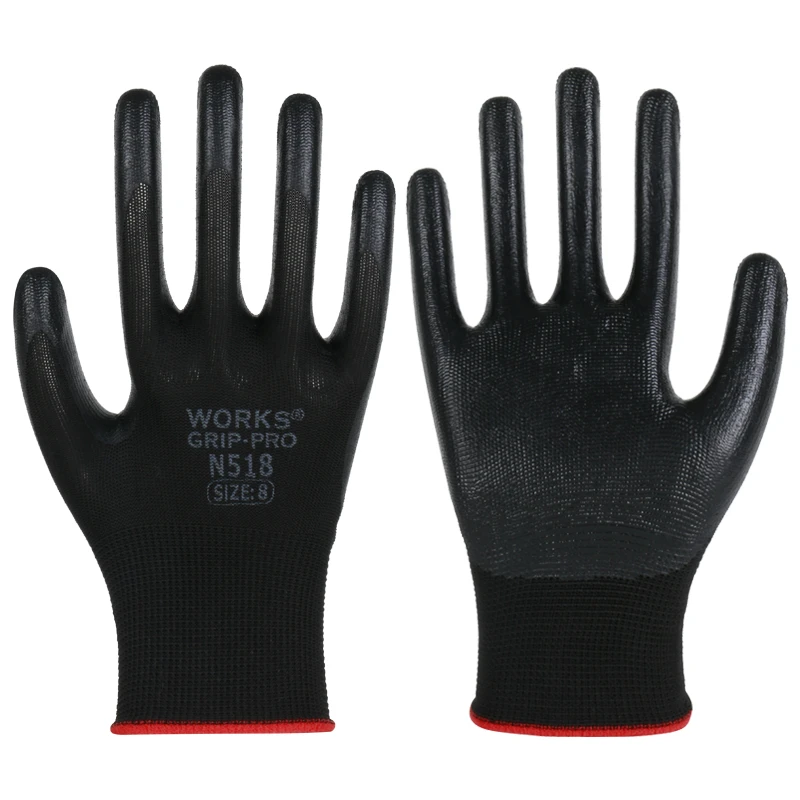
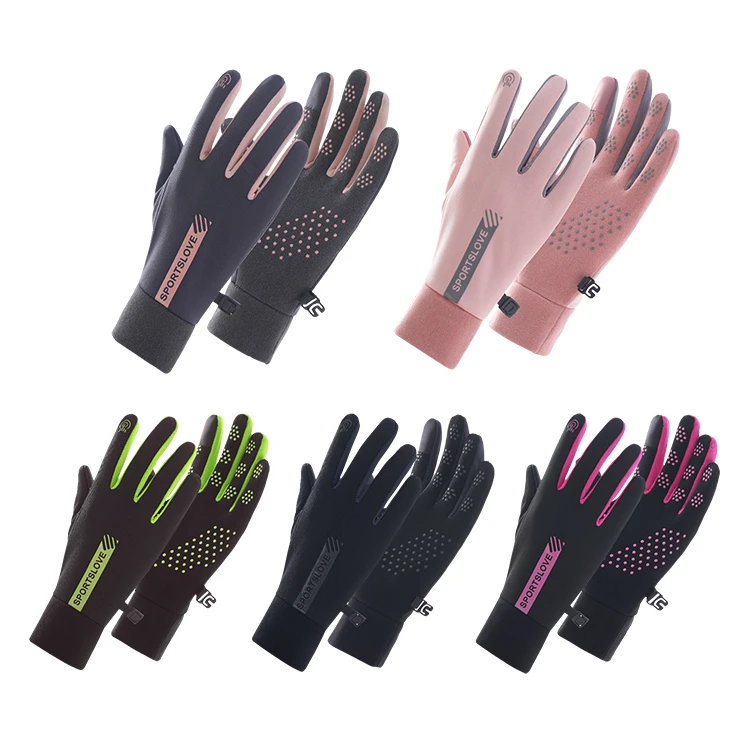
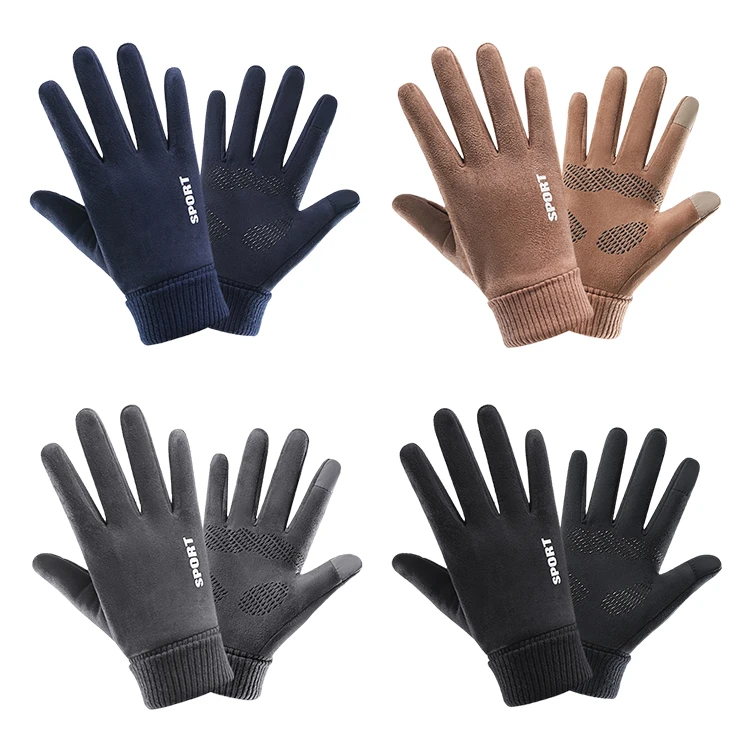
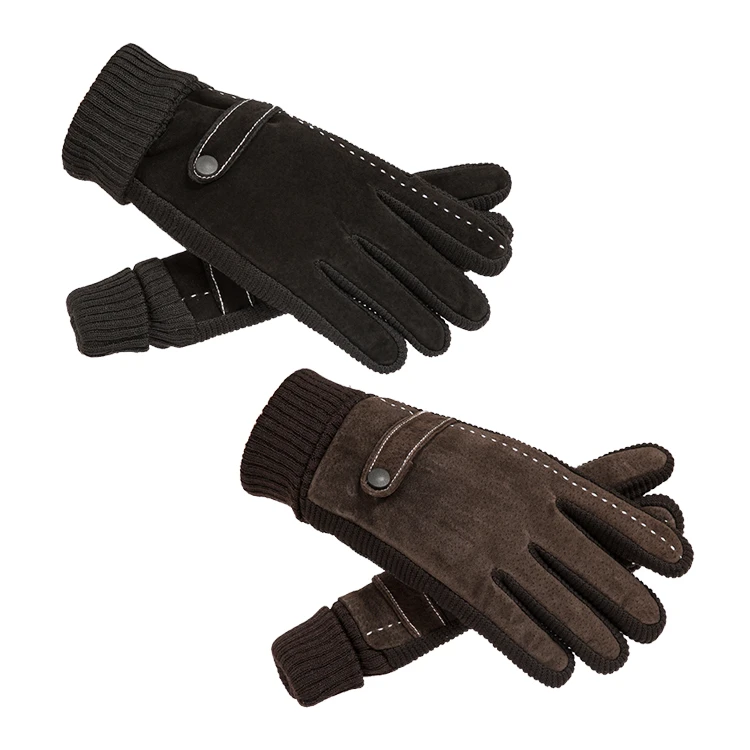
Heavy Duty Winter Work Gloves: Ultimate Protection for Cold-Weather Work
Heavy Duty Winter Work Gloves: Essential Gear for Cold-Weather Safety
If you’ve ever worked outside when the mercury plummets and winds howl, you know how vital proper hand protection becomes. Heavy duty winter work gloves aren’t just bulky accessories—they’re critical for preventing injury, maintaining dexterity, and boosting productivity in brutal cold conditions worldwide. Understanding these gloves means unlocking better safety standards and smarter purchase decisions in industries ranging from construction to disaster relief.
Oddly enough, despite their importance, many underestimate how much technology and material innovation go into making these gloves effective against biting cold, moisture, and mechanical risks.
Global Context: Why Heavy Duty Winter Work Gloves Matter
In 2023, the International Labour Organization estimated over 120 million workers worldwide endure extreme cold conditions during their work hours—think Scandinavia’s logging camps, Canada’s oil fields, or mountainous infrastructure projects in the Alps. UN studies show that frostbite and hand injuries can cause long-term disability and significant economic loss.
Meanwhile, climate change makes winter conditions more unpredictable with sudden cold snaps affecting workers who may not have had adequate gear. Heavy duty winter work gloves directly address these challenges by combining insulation with rugged durability to keep workers both safe and effective under pressure.
Mini takeaway: Heavy duty winter gloves are an unsung hero in global occupational safety, especially under harsh and changing weather conditions.
What Exactly Are Heavy Duty Winter Work Gloves?
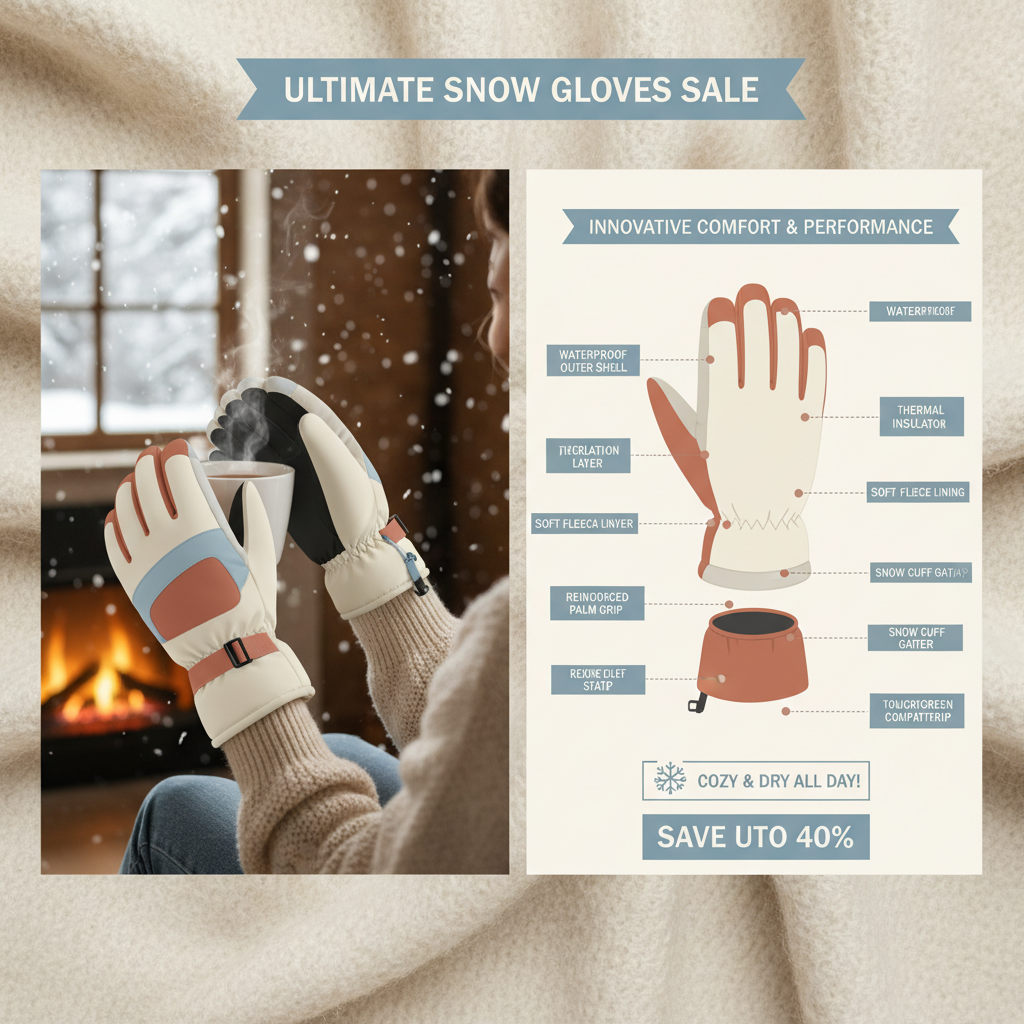
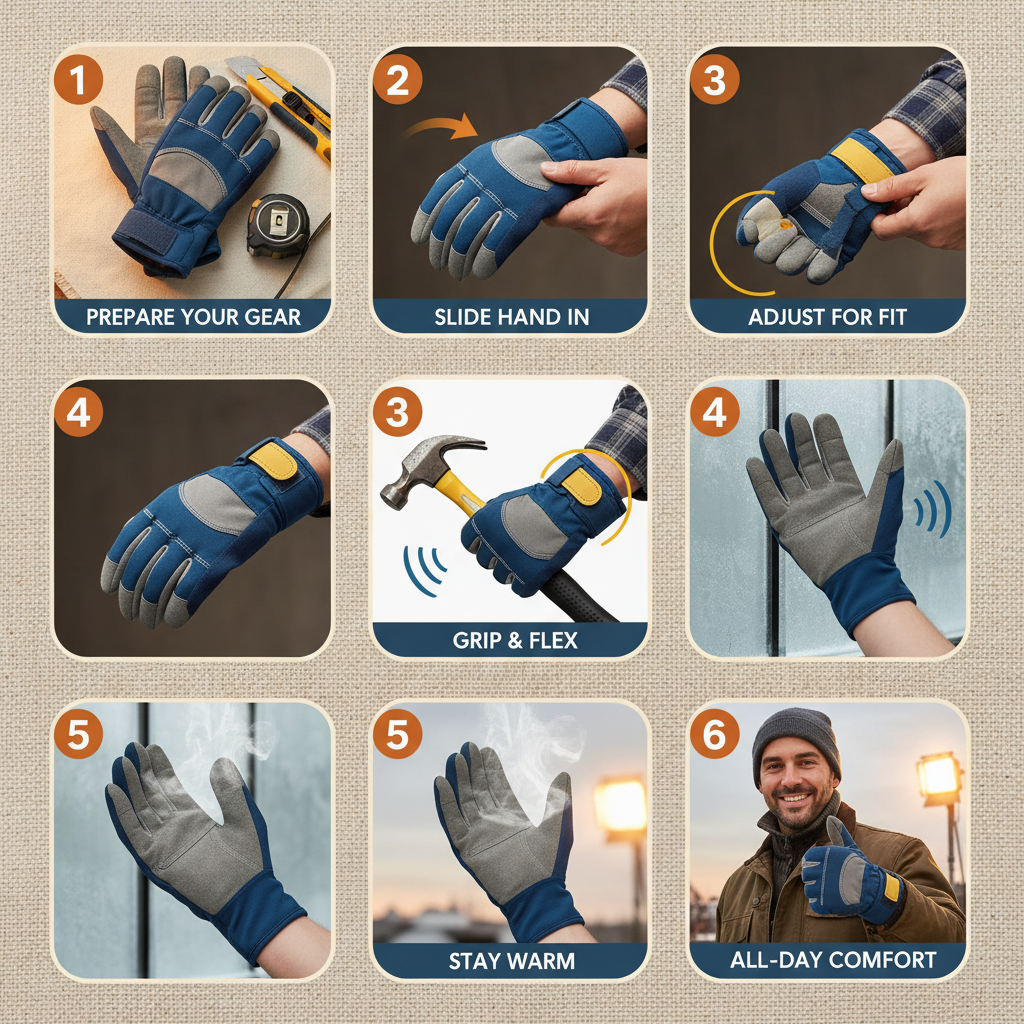
Simply put, these gloves are specialized handwear designed to protect against extreme cold while performing physically demanding tasks. They often combine layers of insulation, windproof and waterproof membranes, and abrasion-resistant outer materials.
They serve as a critical bridge between human ability and the hostile environment, enabling construction crews, emergency responders, and outdoor workers to maintain precision and strength without risking frostbite or injuries.
- Thermal insulation materials like Thinsulate or shearling
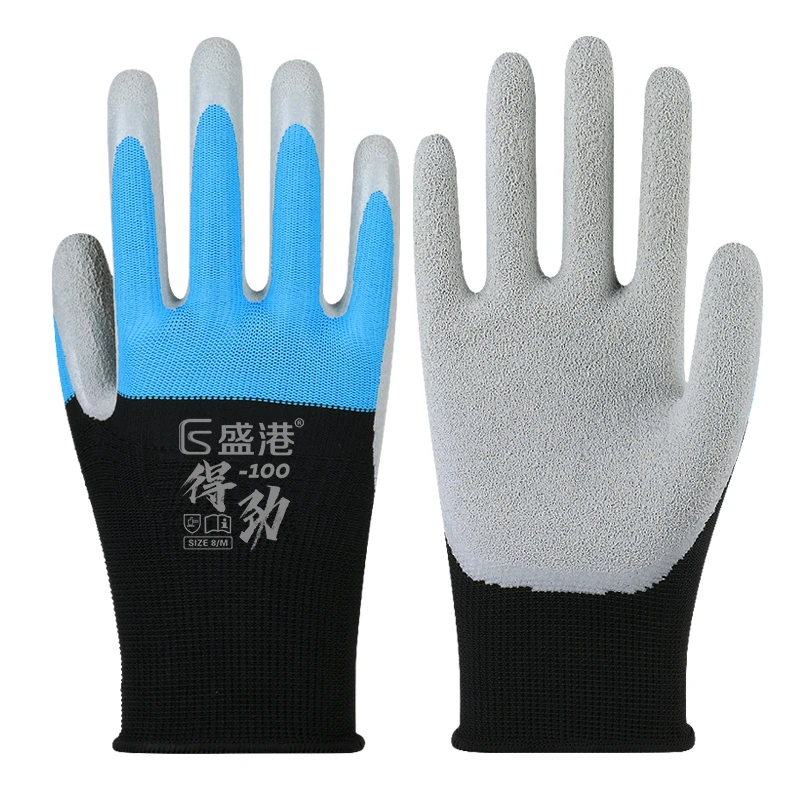
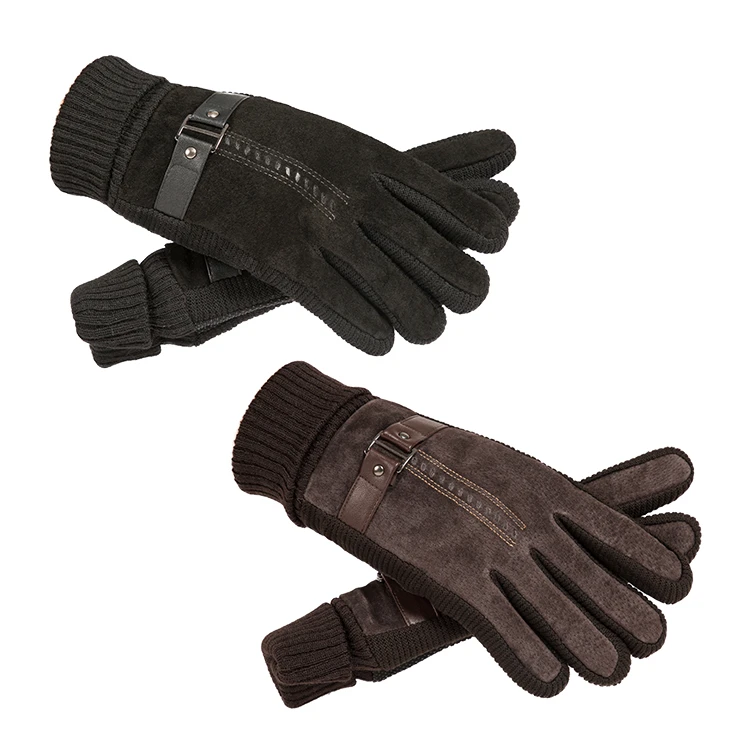
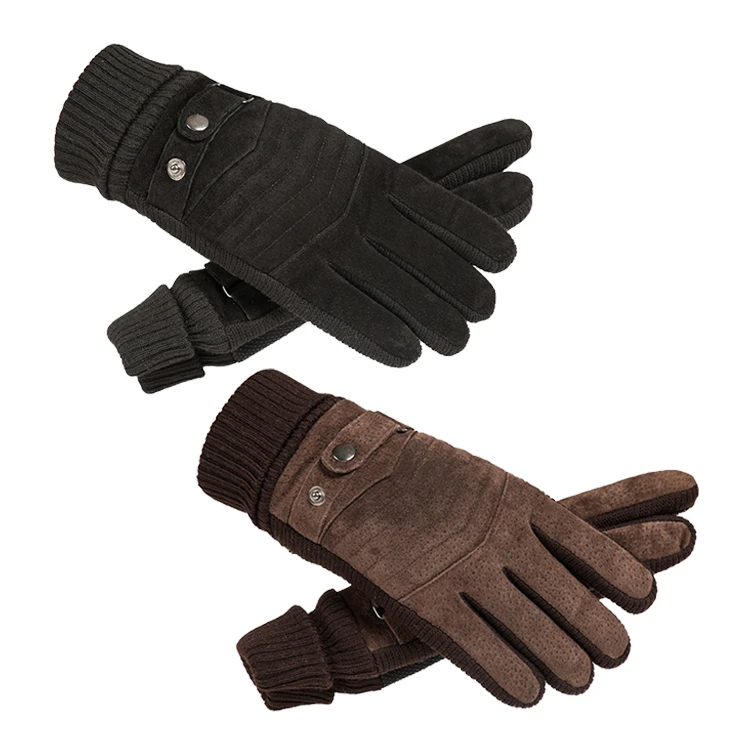
- Robust outer shells made from leather, synthetic blends, or PVC coatings
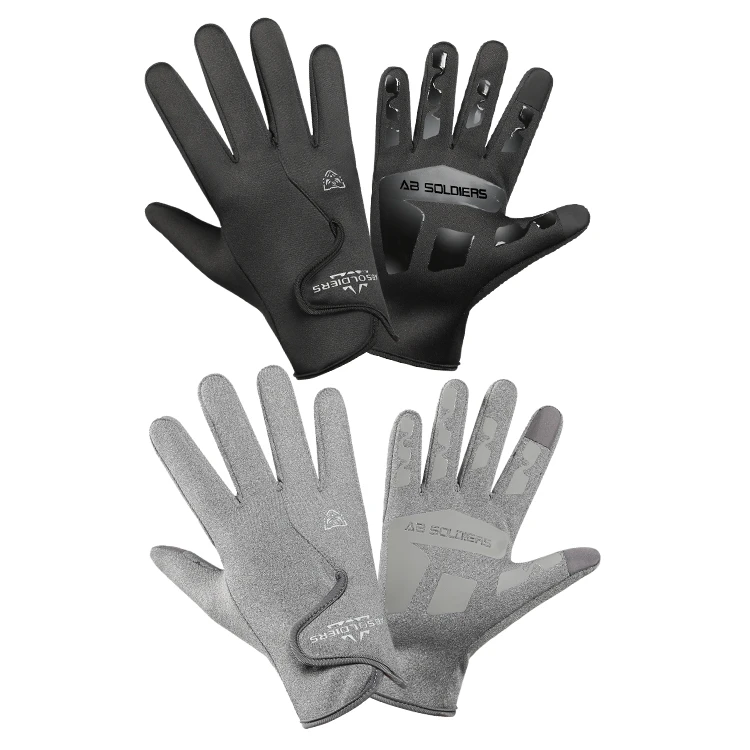
- Reinforced palms and fingertips for grip and abrasion resistance
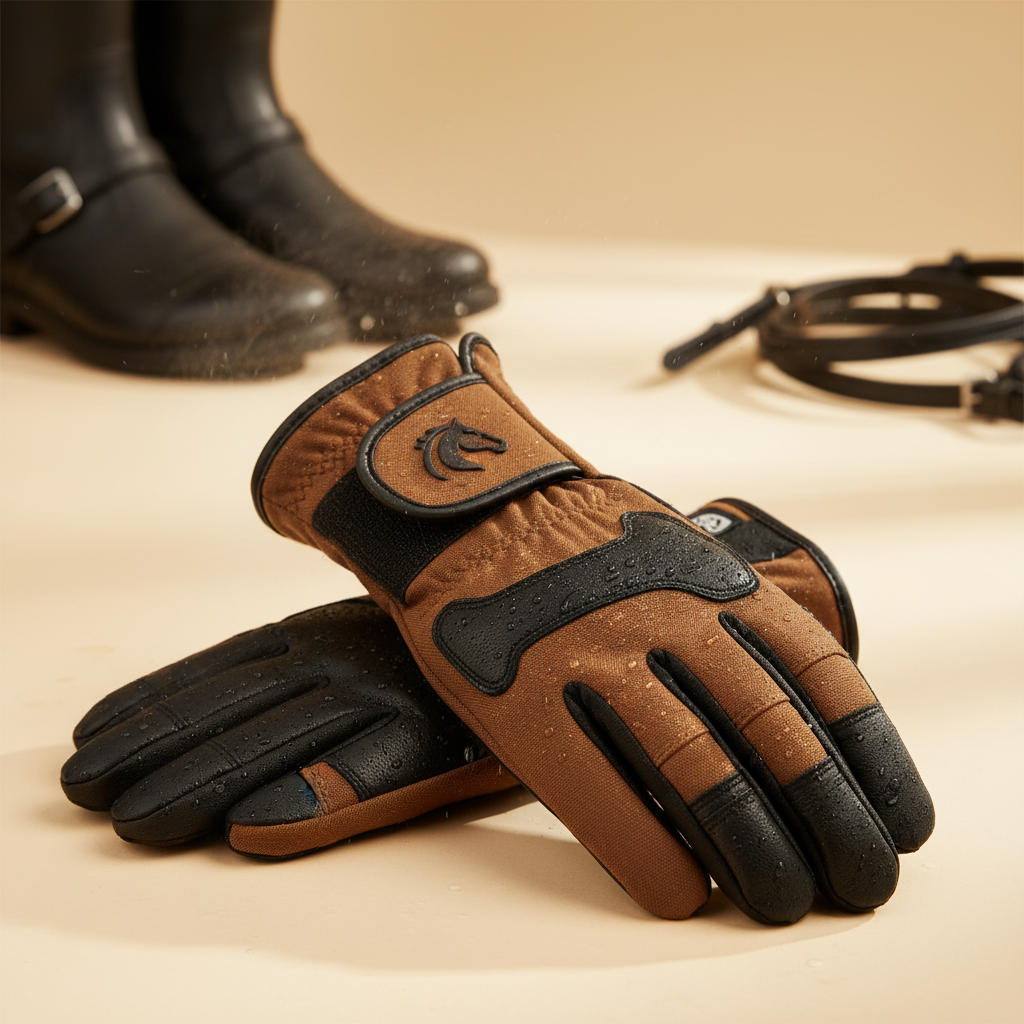
- Waterproof liners to keep moisture out
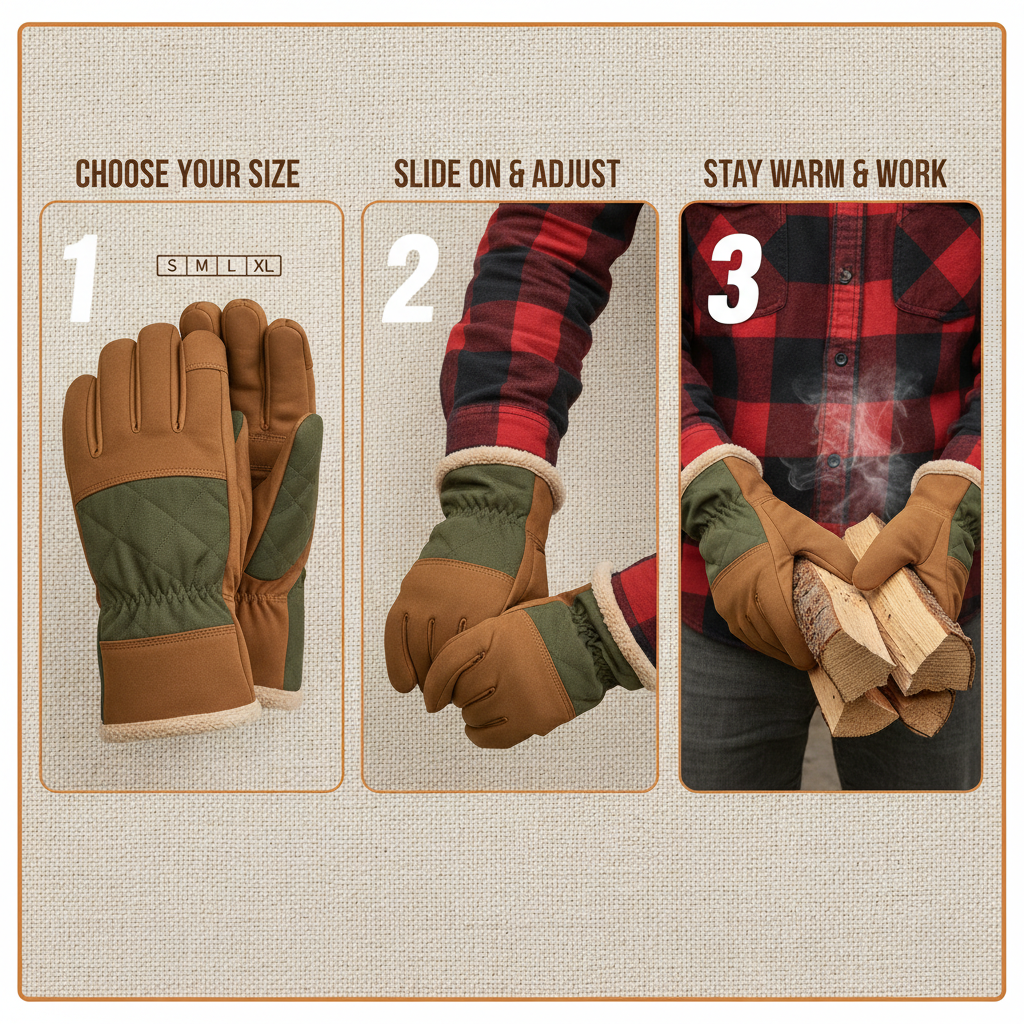
- Adjustable cuffs to seal out cold air
Key Factors That Define Heavy Duty Winter Work Gloves
1. Durability
These gloves are frequently exposed to rough surfaces, sharp tools, and repetitive abrasion. Durable leather or reinforced synthetic materials ensure they don’t wear out quickly, especially in industrial apps.
2. Thermal Insulation
Good insulation is critical. Materials like Thinsulate trap heat without bulk, while some gloves also incorporate heat-reflective linings. You want warmth without sacrificing dexterity—no huge mittens here.
3. Waterproofing & Breathability
Keeping hands dry is half the battle. Waterproof membranes like Gore-Tex or proprietary tech are common, but quality gloves balance moisture barrier with breathability to prevent sweat buildup inside.
4. Grip and Dexterity
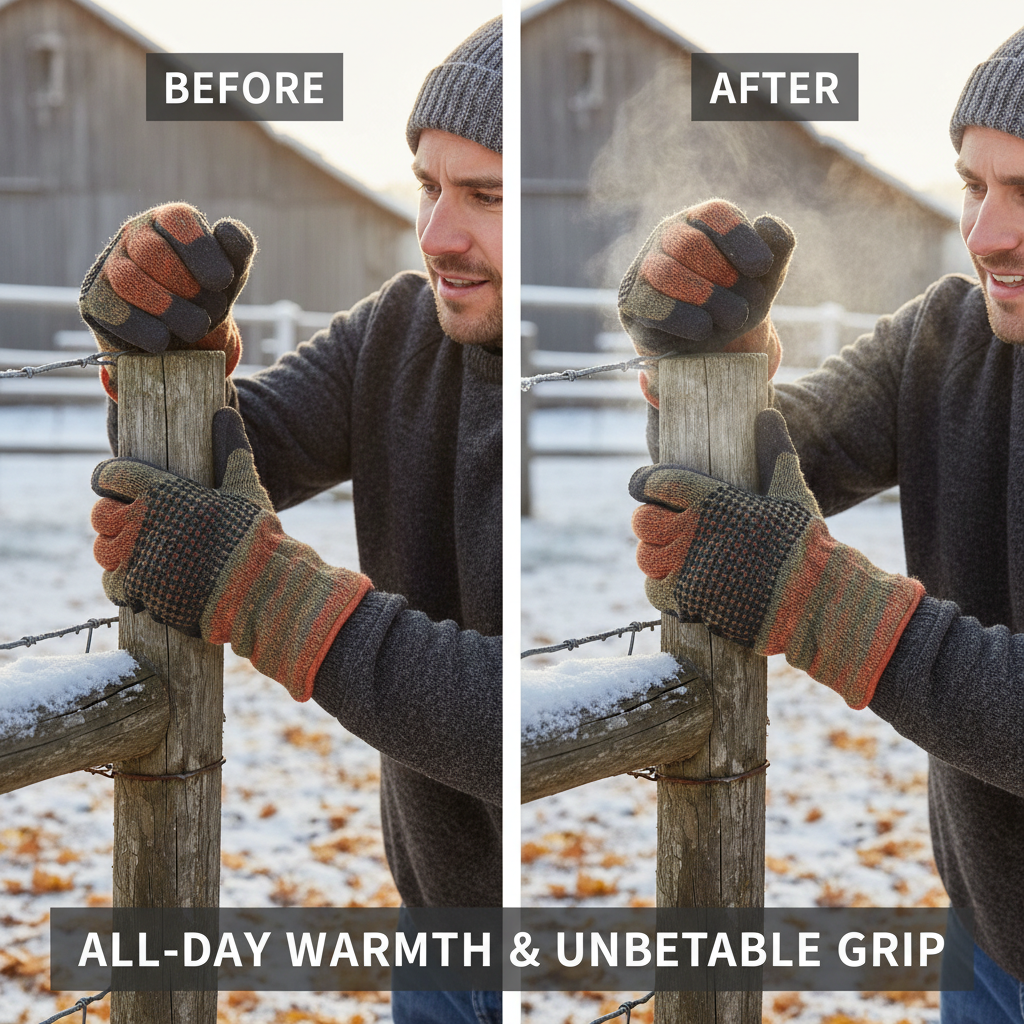
Many workers need to operate tools or machinery, so gloves can’t be too bulky. Textured palm inserts or silicone patches improve grip on slippery surfaces.
5. Cost Efficiency
While premium gloves might carry a higher upfront price, their lifespan and protective features often reduce overall costs by preventing injuries and replacement cycles.
Mini takeaway: A perfect pair balances warmth, protection, and usability—durability alone isn’t enough.
Product Specifications: Typical Heavy Duty Winter Work Gloves
| Feature | Specification |
|---|---|
| Material | Goatskin Leather with Synthetic Reinforcements |
| Insulation | Thinsulate 40g + Fleece Lining |
| Waterproof Membrane | Gore-Tex Insert |
| Grip | Silicone-Textured Palm |
| Size Range | S to XL |
| Weight | Approx. 250g per pair |
Global Applications & Use Cases of Heavy Duty Winter Work Gloves
From Arctic oil rigs to alpine rescue teams, heavy duty winter work gloves save hands—and jobs. Governments and NGOs equipped disaster relief workers with these gloves during harsh aftermaths of blizzards in Central Asia. Canadian forestry companies rely on them in sub-zero winters to protect loggers from cuts and frostbite.
Also, infrastructure projects in mountain regions of Europe equip crews with thermal gloves that offer flexibility and waterproofing for long hours outdoors.
Oddly enough, even urban utility workers in cold climates now consider glove technology a necessity rather than a luxury.
Mini takeaway: These gloves traverse industries and continents, proving indispensable in any cold, hands-on work scenario.
Advantages and Long-Term Value
- Cost-effectiveness: Reduces injury-related downtime and expensive medical care.
- Social impact: Ensures dignity and safety, fostering worker morale.
- Environmental sustainability: Durable materials lower waste over time.
- Reliability: Trustworthy protection in unpredictable weather.
It’s more than just physical warmth—it’s emotional assurance and professional confidence wrapped into one pair of gloves.
Future Trends & Innovations
Material science advances promise thinner, smarter thermal layers that adapt to temperature changes dynamically. Some prototypes include sensors monitoring temperature or hand health, linked to smartphones for real-time alerts. Sustainability initiatives encourage biodegradable or recycled fibers to reduce environmental impact.
Also, with automation rising, glove designs adapt for human-robot collaboration, mixing protection with fine motor control.
Challenges & Solutions
Cold-weather gloves often struggle balancing insulation vs dexterity. Overly thick gloves hamper delicate tasks; thin gloves sacrifice warmth. Manufacturers address this via layered systems and stretch materials. Additionally, moisture buildup inside gloves can cause discomfort—venting and wick fabrics help, but no design is perfect yet.
Cost remains a barrier in some markets, but as awareness of safety grows, so does investment.
Vendor Comparison: Top Heavy Duty Winter Work Gloves Brands
| Brand | Insulation | Waterproof | Grip | Price Range |
|---|---|---|---|---|
| ArcticShield Pro | Thinsulate 60g | Yes, Gore-Tex | Silicone Palm | $$$ |
| FrostGuard Xtreme | 3M Thinsulate 40g | Yes, Proprietary Membrane | Textured Synthetic | $$ |
| GlacierForce | Thermal Wool Blend | Water-Resistant Only | Leather Palm | $ |
FAQ: Frequently Asked Questions About Heavy Duty Winter Work Gloves
- Q: How do I choose the right insulation level for winter gloves?
- A: Consider the typical temperature range and activity level. Heavier insulation (like 60g Thinsulate) suits extremely low temps and low-activity tasks; lighter insulation balances warmth and dexterity when frequent hand use is needed.
- Q: Can heavy duty winter work gloves be re-waterproofed after use?
- Yes. Many brands recommend reapplying durable water repellent (DWR) sprays periodically to maintain waterproof capability. Check manufacturer instructions for compatible products.
- Q: Are heavy duty winter gloves suitable for wet environments?
- Absolutely. Gloves with waterproof membranes like Gore-Tex prevent water penetration while allowing breathability—ideal for snowy, icy, or wet conditions.
- Q: How can I maintain glove dexterity without sacrificing warmth?
- Look for gloves that use advanced insulation materials combined with ergonomic designs. Some models incorporate stretch panels or segmented fingertips for better movement without bulk.
- Q: Where can I purchase certified heavy duty winter work gloves?
- Authorized distributors and specialized safety suppliers online offer certified gloves compliant with standards like EN 511 for cold protection. For trusted options, visit heavy duty winter work gloves.
Conclusion
Heavy duty winter work gloves stand as essential tools, bridging human vulnerability to cold with the need for rugged, reliable hand protection. Their careful balance of durability, insulation, waterproofing, and dexterity serves industries worldwide—saving hands and livelihoods alike. If you work in cold environments or manage teams exposed to winter hazards, investing in quality gloves isn’t optional; it’s critical.
I invite you to explore options and learn more on our site at heavy duty winter work gloves. Your hands—and your bottom line—will thank you.
Reflecting on these gloves, I find it fascinating how something seemingly simple can embody so much innovation and care. They’re subtle heroes in the colder corners of commerce and aid.