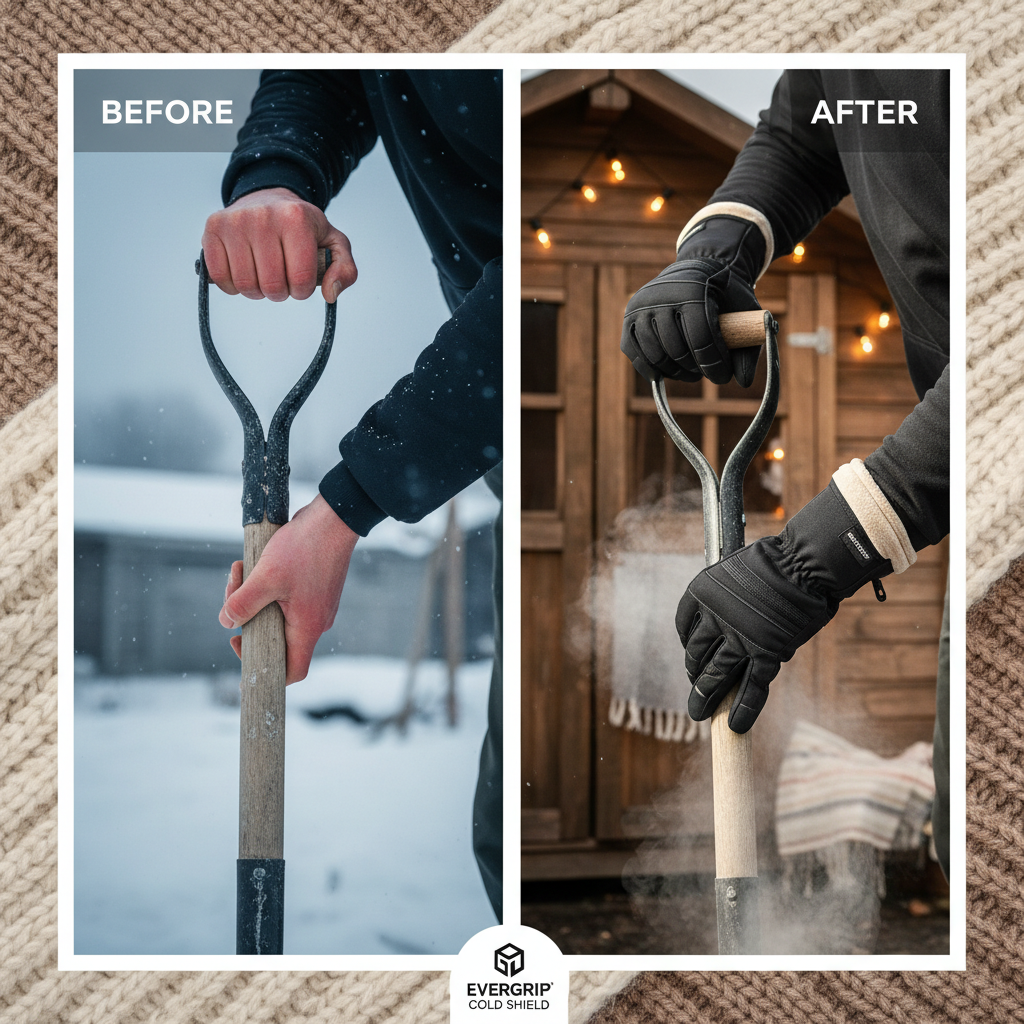
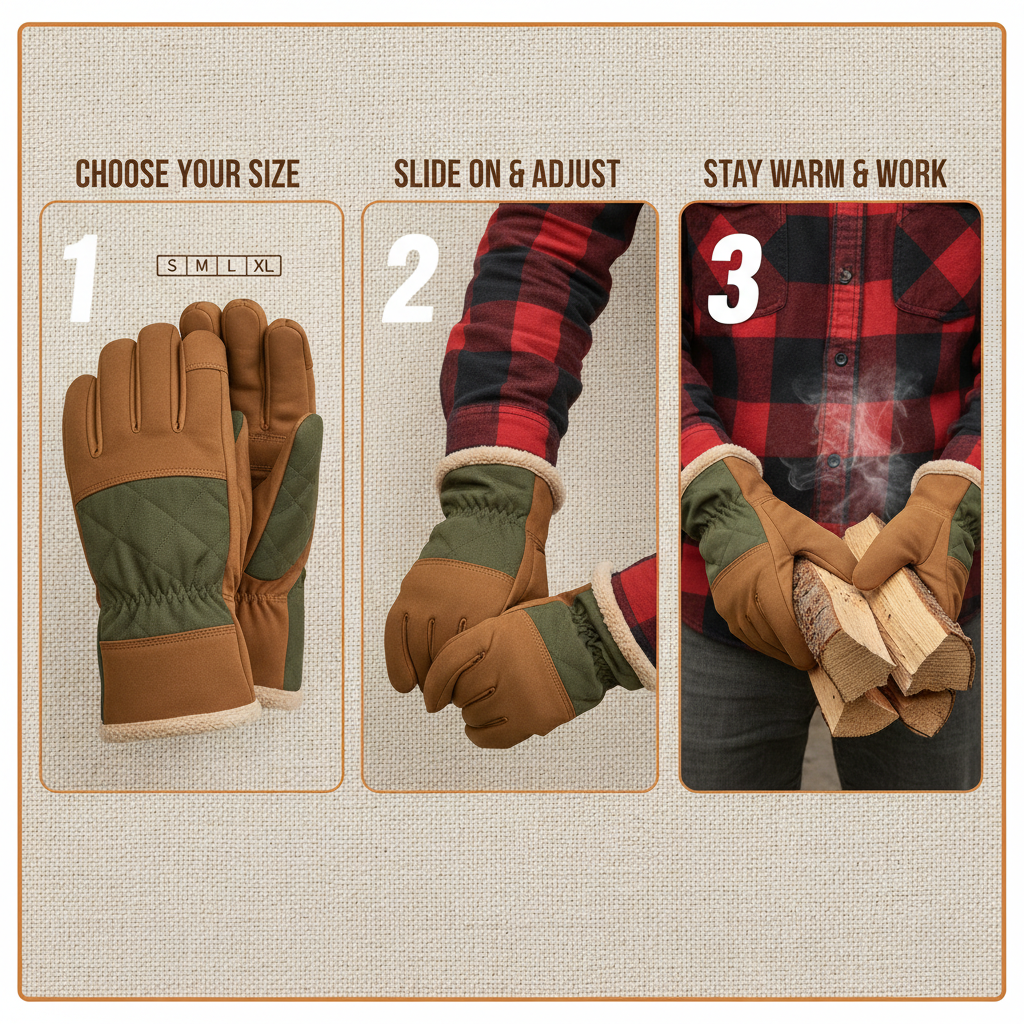
Super Warm Thin Gloves – Lightweight Insulation for Cold Weather Comfort and Performance
Super Warm Thin Gloves: The Perfect Balance of Warmth and Dexterity
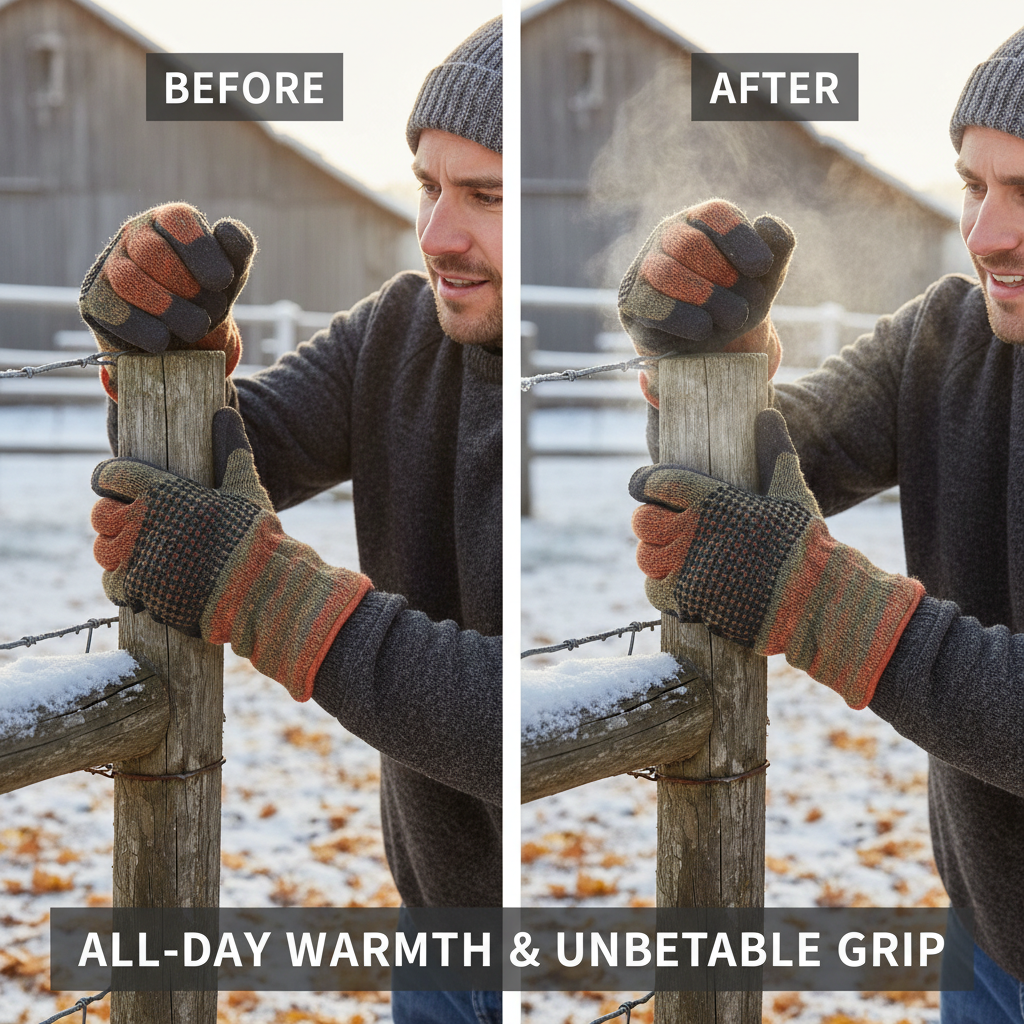
When we hear “gloves,” the immediate image might be bulky, stiff winter mittens or leathery work gloves that protect but limit your fingers’ freedom. But the rising demand across industries and climates for super warm thin gloves is changing that notion. These gloves combine warmth and lightweight design in ways that tackle both global challenges and everyday needs — especially in sectors where both comfort and protection are indispensable.
In a rapidly warming yet paradoxically chillier world, especially for vulnerable groups in high-altitude or cold regions, having gloves that provide maximum heat without bulk is crucial. Oddly enough, thin doesn’t mean fragile here—it means innovation, sustainability, and utility converged.
Global Context: Why Super Warm Thin Gloves Matter
According to data from organizations like the United Nations Framework Convention on Climate Change, weather extremes are increasing globally. Workers and humanitarian teams in cold zones — think Siberia, the Himalayas, or even urban winter climates — need gloves that allow nimble hand movements but keep frostbite away. Industrial sectors such as logistics, healthcare, and technical assembly increasingly report productivity losses due to inadequate handwear (ISO reports from 2023 emphasize ergonomics as a key factor in cold work environments).
That’s the problem super warm thin gloves address: how to stay warm and functional while maintaining tactile sensitivity and a slim profile, all without sacrificing durability.
What Are Super Warm Thin Gloves?
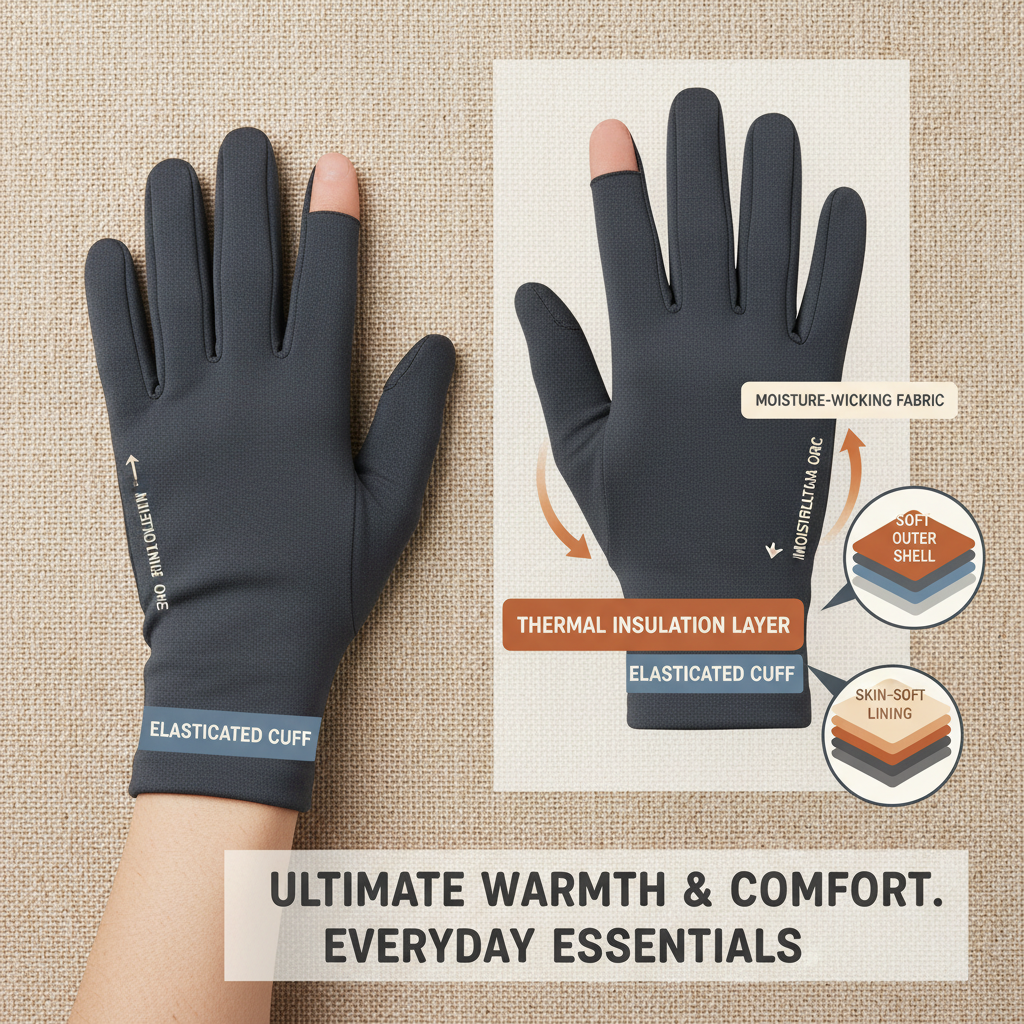
Simply put, super warm thin gloves are hand coverings engineered from advanced insulating materials and smart fabric technology designed to maximize heat retention with minimal thickness. They’re made to be lightweight, flexible, and breathable while protecting against cold and often wind or moisture.
You might find these gloves integrated with materials such as Thinsulate™, merino wool blends, fleece linings, or even graphene-infused textiles. Their design philosophy is rooted in modern industry needs where precision, agility, and temperature control must co-exist — think tactile-sensitive assembly line workers, outdoor sports enthusiasts, or emergency responders in freezing environments.
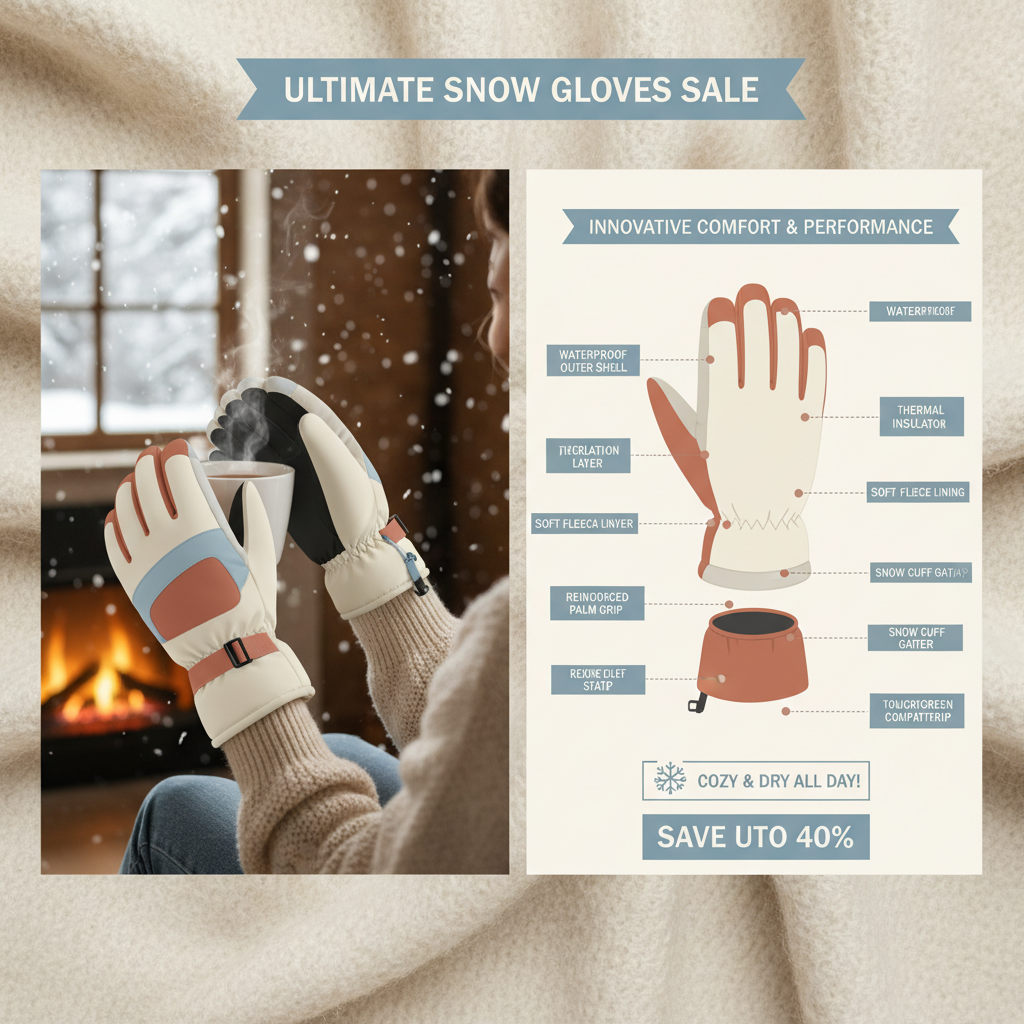
Core Components of Super Warm Thin Gloves
1. Durability
Although thin, the gloves must withstand daily wear, friction, and exposure to elements. Durable stitching and reinforced fingertips are common.
2. Thermal Insulation
The true star. Materials like Thinsulate or PrimaLoft are popular for their heat-trapping yet breathable qualities.
3. Dexterity and Fit
Thin gloves mean better finger sensitivity. Ergonomic cuts tailored to hand shape improve comfort and reduce fatigue.
4. Moisture Management
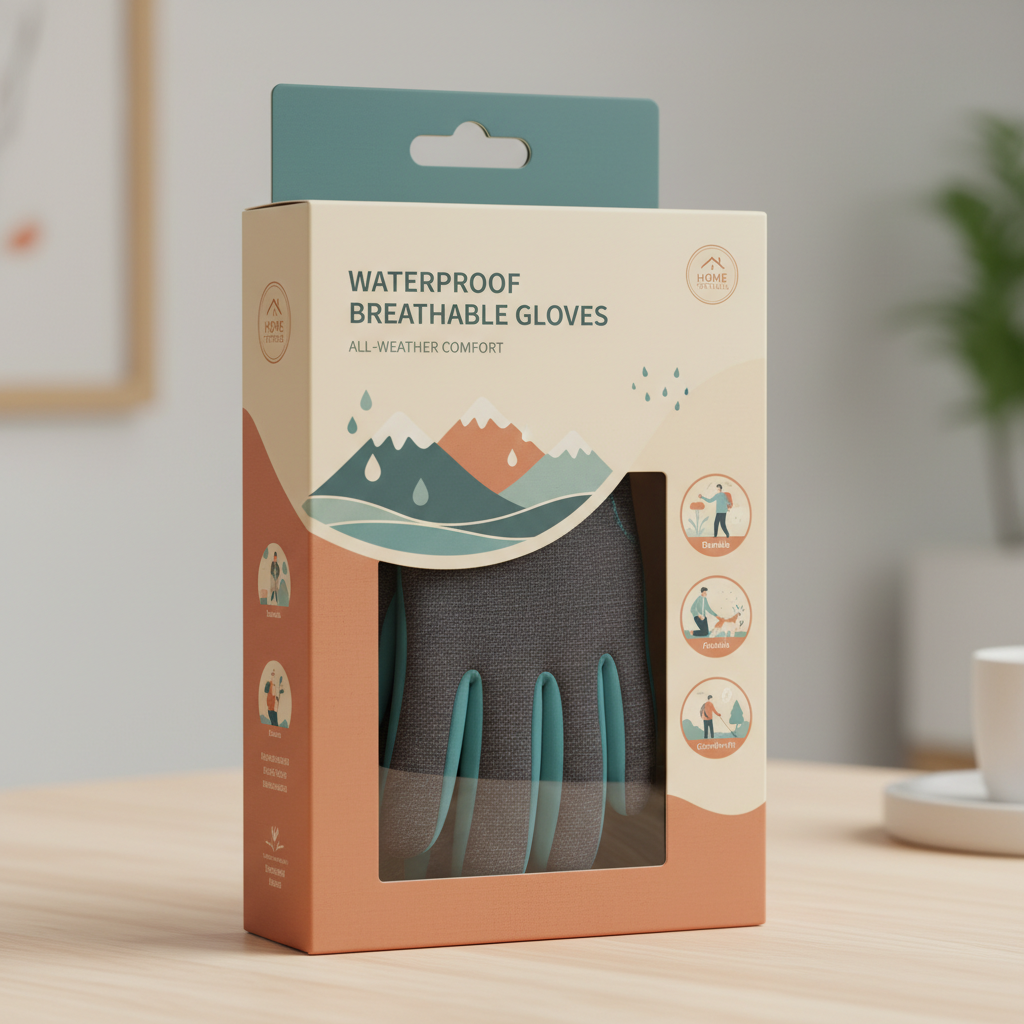
Breathable fabrics wick sweat away, preventing chilling. A waterproof or windproof outer layer sometimes complements the insulating core.
5. Sustainability
Many brands now prioritize recyclable or biodegradable fabrics, responding to increased consumer demand for eco-friendly gear.
Typical Product Specifications
| Specification | Details |
|---|---|
| Material | Thinsulate™ or Merino Wool Blend |
| Thickness | 3–5 mm |
| Weight | 30–50 grams per pair |
| Thermal Rating | Up to -20°C (-4°F) in typical use |
| Water Resistance | Yes, with hydrophobic coating |
Mini takeaway: The secret of super warm thin gloves lies in cutting-edge fabrics that don’t bulk up but still keep hands toasty even in harsh conditions.
Real Marketplace: Comparing Leading Vendors
| Brand | Material | Price Range (USD) | Key Feature |
|---|---|---|---|
| ThermexPro | Thinsulate + Polyester | $25–35 | Touchscreen compatibility |
| EcoWarm | Recycled Merino Wool | $30–45 | Biodegradable & sustainable |
| GlovTek | Graphene-infused fabric | $40–60 | Superior heat distribution |
Global Applications & Use Cases
In post-disaster relief operations, especially in frigid zones like post-earthquake Nepal or northern Canada, workers rely on gloves that let them manipulate tools, medical instruments, and communications devices without removing protection. Similarly, remote industrial zones—from oil rigs in the North Sea to wind farms in Patagonia—demand super warm thin gloves due to the balance between protection and manual precision.
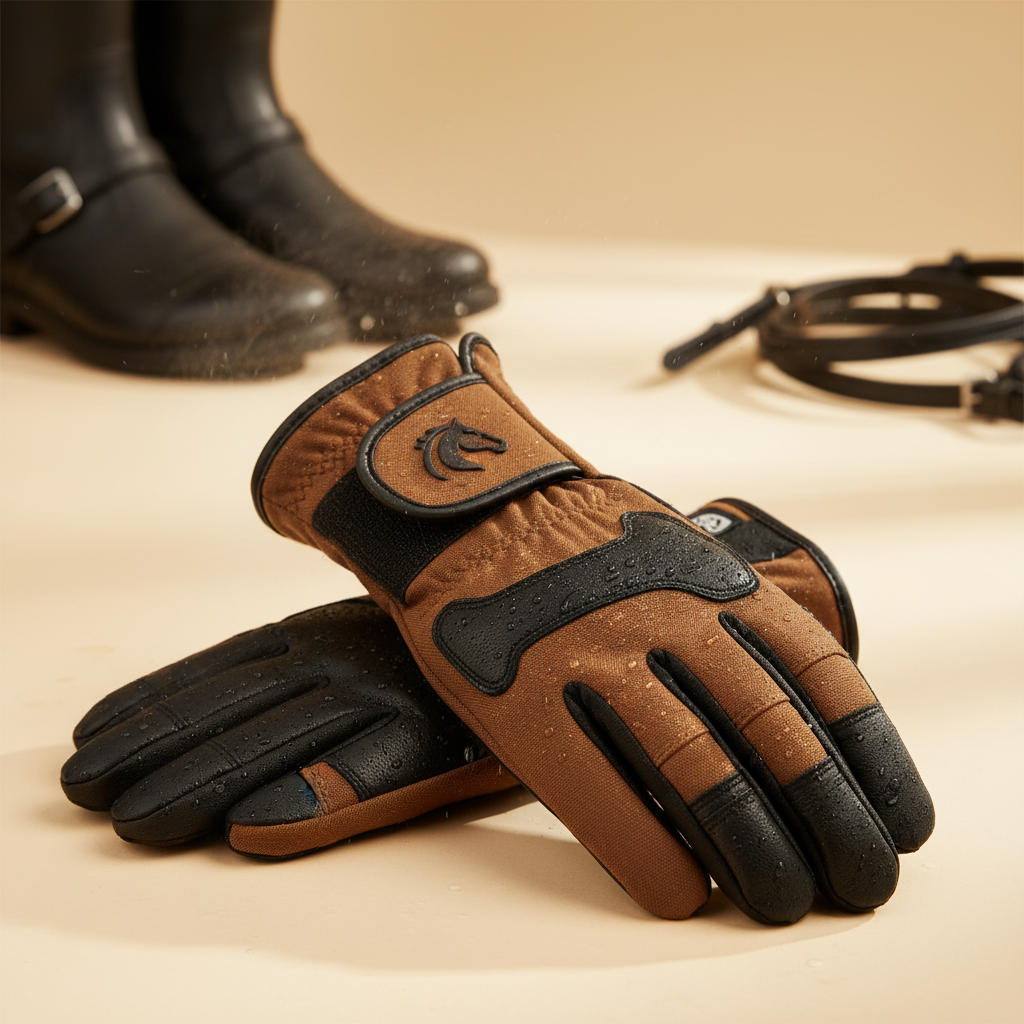
Outdoor sports, too, lean heavily on these gloves. Climbers, runners, and cyclists operating in early mornings or winter find them indispensable, because awkward bulky gloves would hamper performance and safety. Even healthcare workers in cold conditions or cleanroom environments benefit, as these gloves can provide warmth without contamination risks.
Advantages & Long-Term Value
- Cost Efficiency: More durable gloves reduce replacement frequency and labor downtime.
- Sustainability: Many brands adopt eco-conscious materials, reducing plastic waste and carbon footprint.
- Social Impact: Protects the most vulnerable workforce groups from cold-related health risks.
- Trust & Safety: Enables workers to keep both hands protected and task-ready, reducing accidents.
There’s also an emotional comfort in knowing your gear won’t fail in harsh moments. My colleague once said, “it feels like a warm handshake you never want to let go”—a simple reminder that comfort and performance go hand in hand.
Future Trends & Innovations
We’re seeing smart textiles that self-regulate temperature, powered by micro-heaters or phase-change materials. Graphene’s rise in wearable tech is noteworthy for its lightness and heat retention. Meanwhile, ongoing digital transformation in supply chains is optimizing glove deployment where urgently needed. Plus, stronger global policies on sustainability mean bio-fabrication—a.k.a. lab-grown wool—could shape future glove manufacturing. The win-win game is making gloves thinner, warmer, greener.
Challenges & Solutions
Even the best super warm thin gloves currently face limits with prolonged wet exposure. While hydrophobic coatings help, total waterproofing without losing breathability is tough. Also, sizing for maximum dexterity means sizing options must be broad to fit individual hand shapes perfectly. Manufacturers tackle these by blending pipelined R&D with real-world feedback loops, sometimes deploying limited edition runs to test innovations rapidly.
Frequently Asked Questions About Super Warm Thin Gloves
- Q: How thin can warm gloves realistically be without sacrificing insulation?
- Modern insulating materials like Thinsulate allow gloves just 3–5 mm thick to keep hands warm down to -20°C in most cases, balancing insulation with flexibility.
- Q: Are super warm thin gloves suitable for touchscreen use?
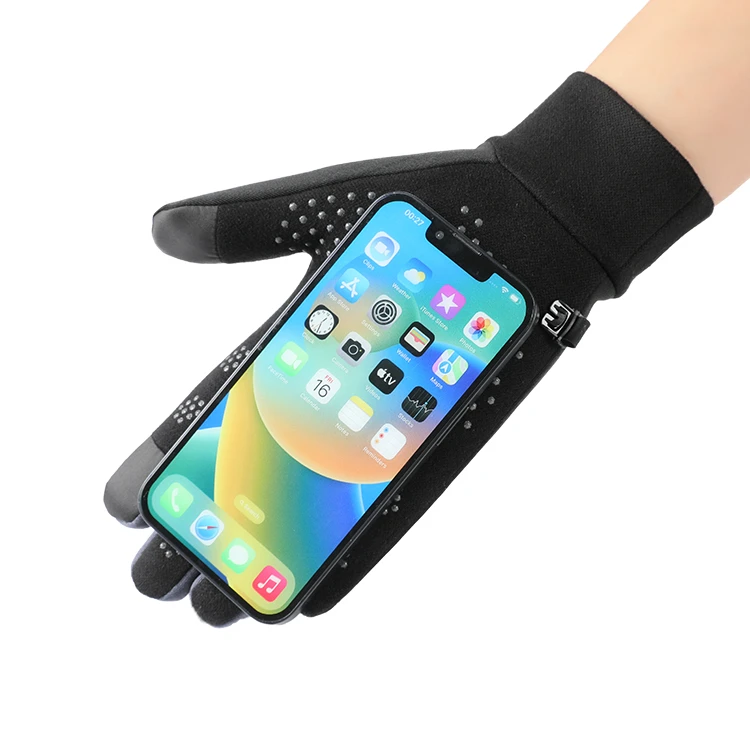
- Many brands now integrate conductive fabrics on fingertips enabling touchscreen compatibility, so you need not remove gloves in freezing weather.
- Q: Can these gloves be used in wet or snowy environments?
- Yes, if equipped with water-resistant coatings or outer shells. However, prolonged water exposure still challenges breathability and warmth retention.
- Q: What industries benefit most from super warm thin gloves?
- Industrial assembly, emergency response, outdoor sports, logistics in cold climates, and healthcare during cold seasons are prime sectors.
- Q: How can I buy high-quality super warm thin gloves?
- Look for vendors who specify material technologies, provide sizing charts, and ideally offer eco-conscious products like those discussed above or visit super warm thin gloves for curated selections.
Conclusion
The long-term benefits of investing in super warm thin gloves aren’t just personal comfort or immediate safety but extended productivity, sustainability, and dignity in cold-work environments worldwide. Whether you’re scaling a mountain or operating machinery in a chilly warehouse, the right glove makes a tangible difference. For anyone in need of this perfect union of warmth and flexibility, exploring reliable suppliers and innovative materials is the next best step.
Visit our website: https://www.personalcarescn.com to learn more and browse the latest super warm thin gloves.
Final thought: It’s remarkable how something as simple as gloves can combine advanced science, practical needs, and human warmth — literally and figuratively.