The Essential Guide to Super Warm Lightweight Gloves: Comfort Meets Performance
Understanding Super Warm Lightweight Gloves: Essential Gear for Cold Climates
When winter bites deep, or you find yourself working outdoors in freezing conditions, having the right gloves is more than just comfort — it's a necessity. Super warm lightweight gloves have emerged as a game changer in this arena, combining insulation with minimal bulk. Globally, their importance scales beyond casual wear to industries, humanitarian relief, and even military operations where hand dexterity in cold weather is critical. Knowing why these gloves matter helps industries and individuals alike stay warm, safe, and efficient.
Global Context: Why Super Warm Lightweight Gloves Matter Worldwide
Cold weather extremes affect millions, from Northern Europe to Siberia, and high-altitude regions worldwide. According to the World Health Organization, cold-related illnesses cause significant health burdens globally. The need for reliable cold-weather gear has thus continued to rise. Super warm lightweight gloves are designed to address the challenge of keeping hands protected without hindering mobility — crucial in many professions, from rescue teams in Arctic expeditions to construction workers in frigid zones.
Oddly enough, while bulky gloves used to be the standard for warmth, the trend is shifting dramatically towards gloves that balance warmth with lightness and dexterity. This evolution reflects broader technological advancements in materials and manufacturing.
Defining Super Warm Lightweight Gloves
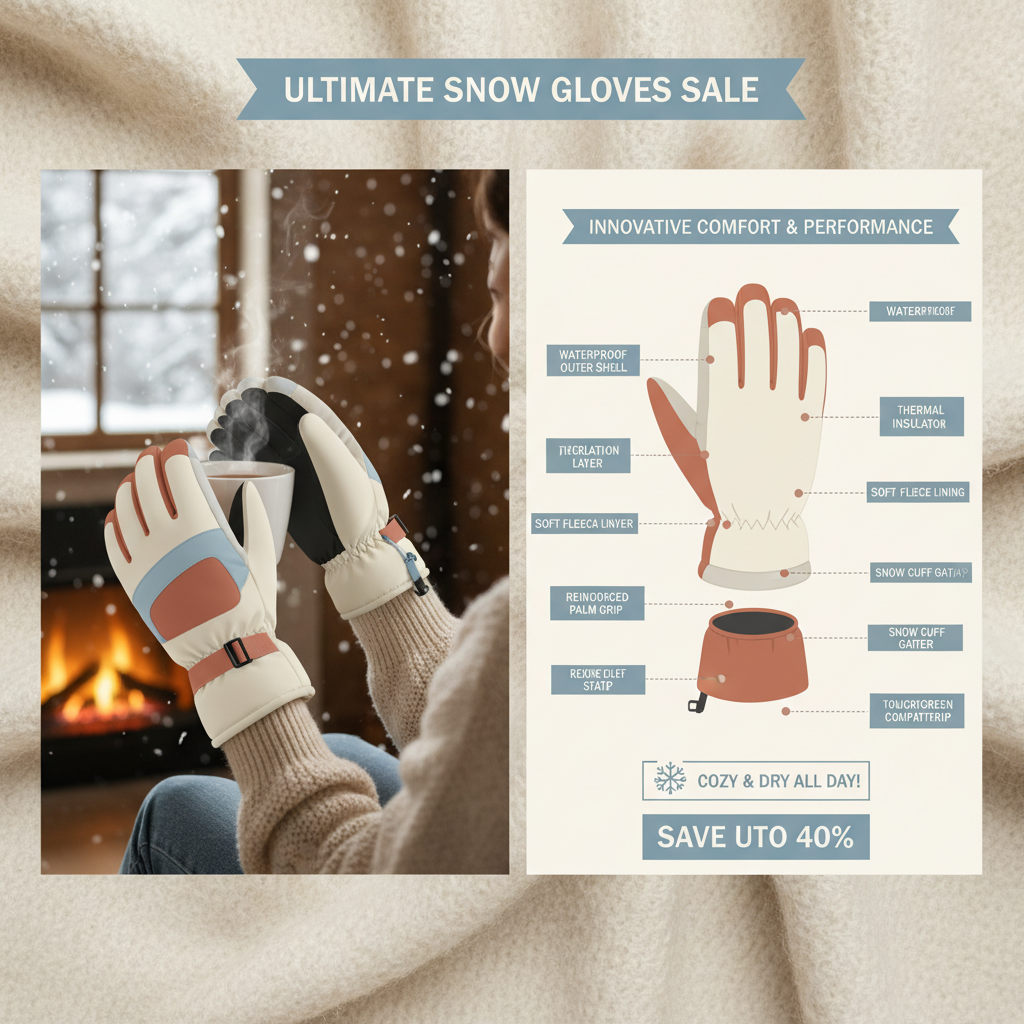
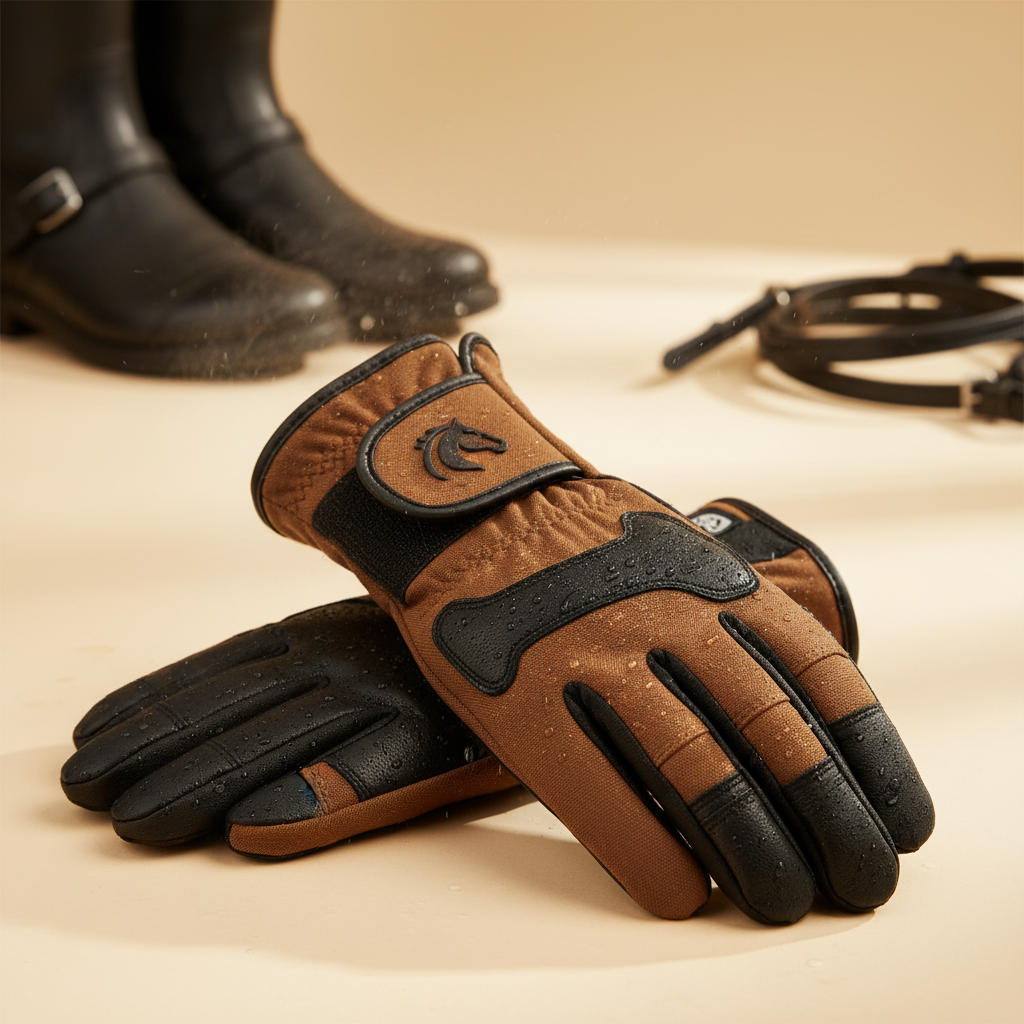
At their core, super warm lightweight gloves are hand coverings that provide exceptional insulation against cold temperatures while being remarkably light and flexible. Unlike traditional gloves that might rely solely on thick layers, these gloves blend advanced synthetics, natural fibers, and often incorporate specialized insulation like PrimaLoft® or Thinsulate™. They are quintessential in settings where both warmth and finger agility are needed, bridging the gap between protection and performance.
From a humanitarian perspective, think about relief workers in post-disaster cold zones who need to manage delicate equipment yet remain shielded from frostbite. These gloves directly answer that call.
Key Factors Making These Gloves Stand Out
1. Thermal Insulation
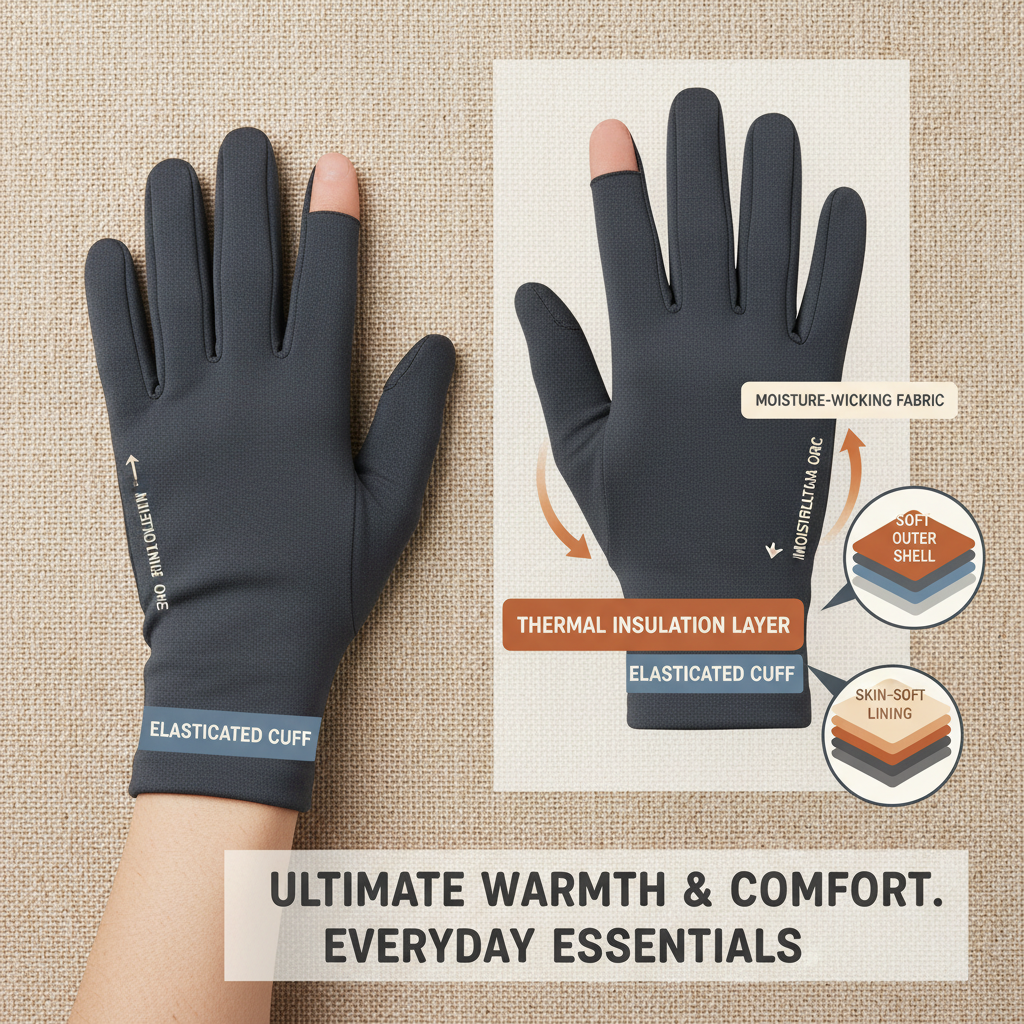
Insulation is the prime feature — using innovative fibrous materials that trap body heat efficiently. Unlike traditional wool, modern insulations also handle moisture better, keeping hands warm even when damp.
2. Weight & Bulk
Reducing weight without compromising warmth is a big challenge. These gloves achieve this through ultrathin insulation and lightweight shells, which is essential for prolonged wear without fatigue.
3. Dexterity & Grip
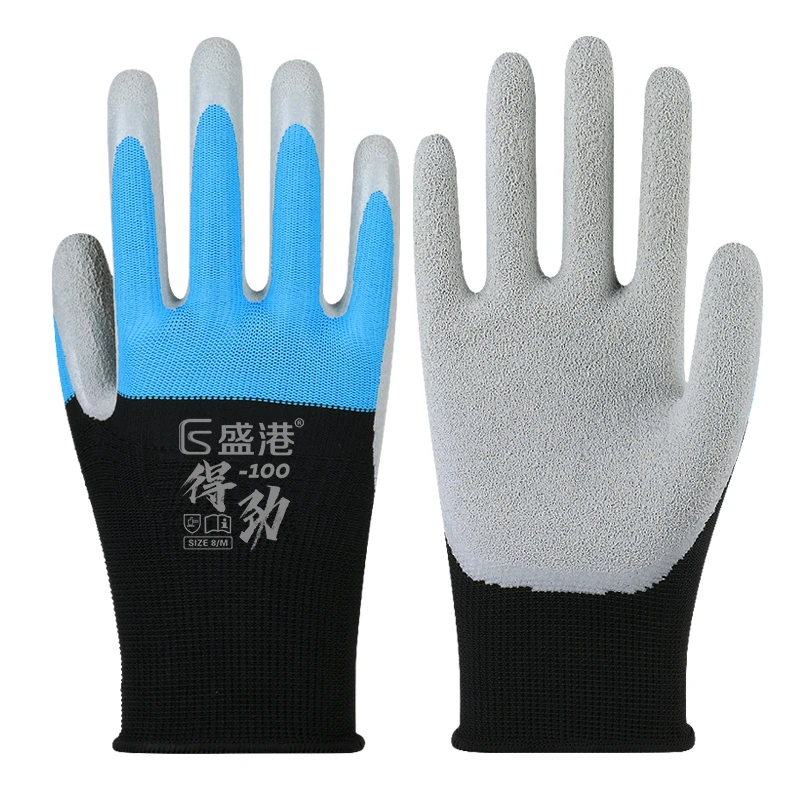
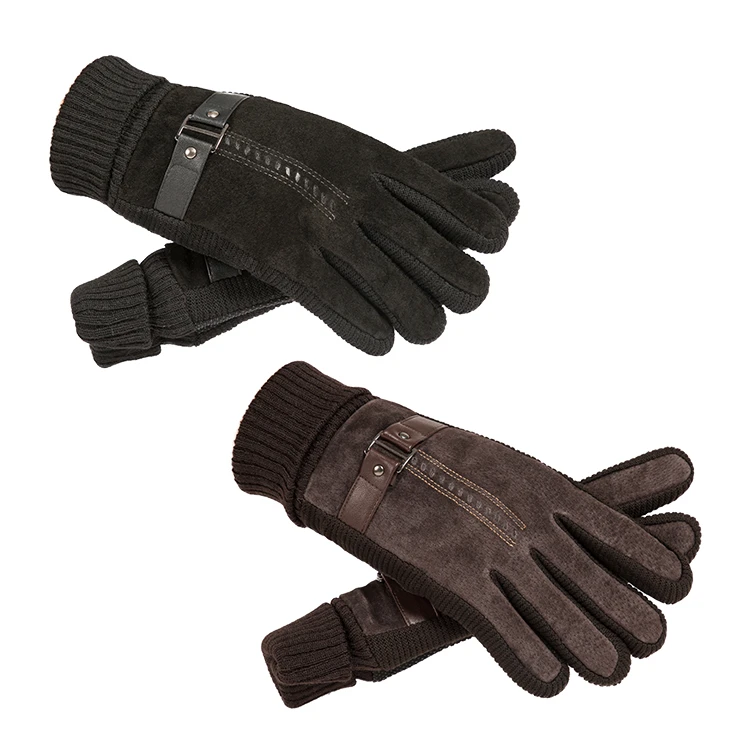
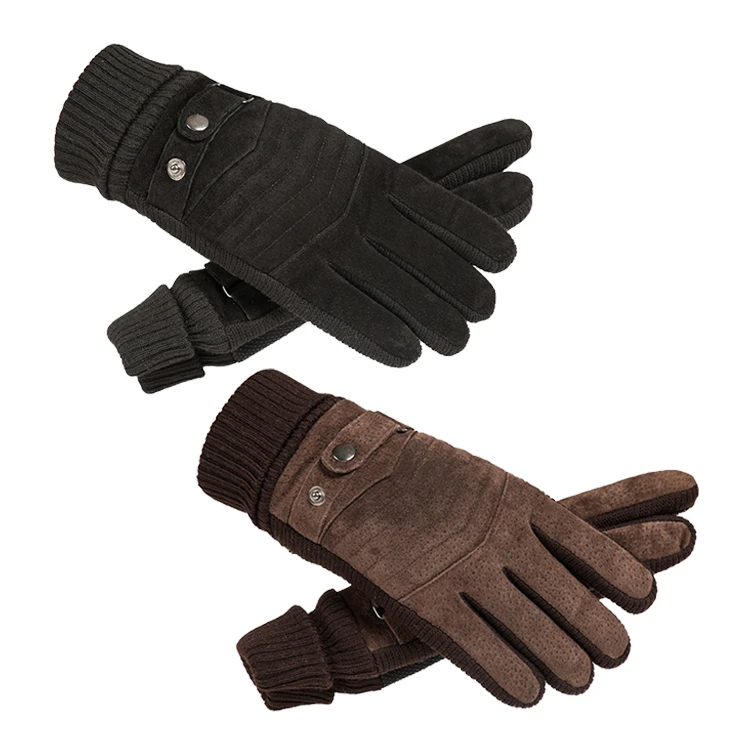
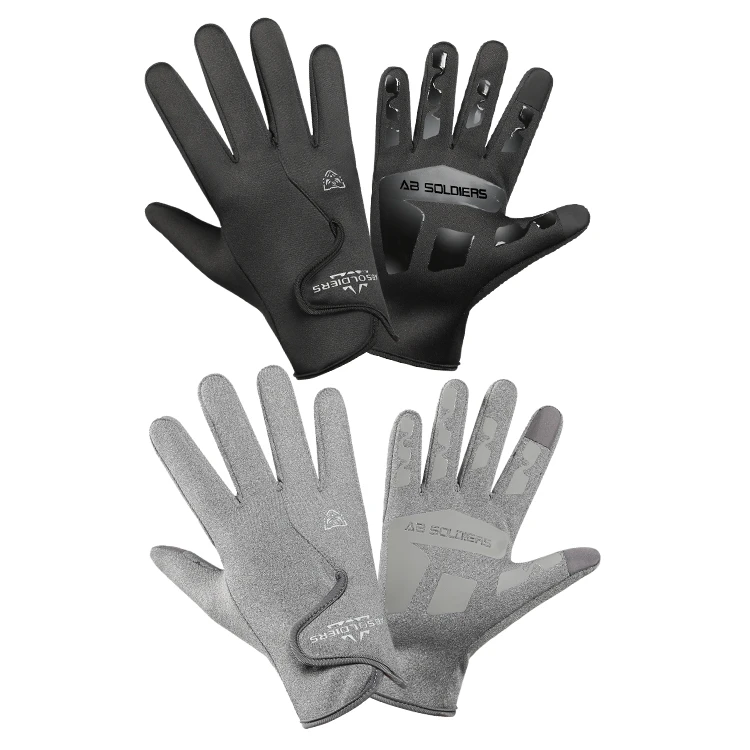
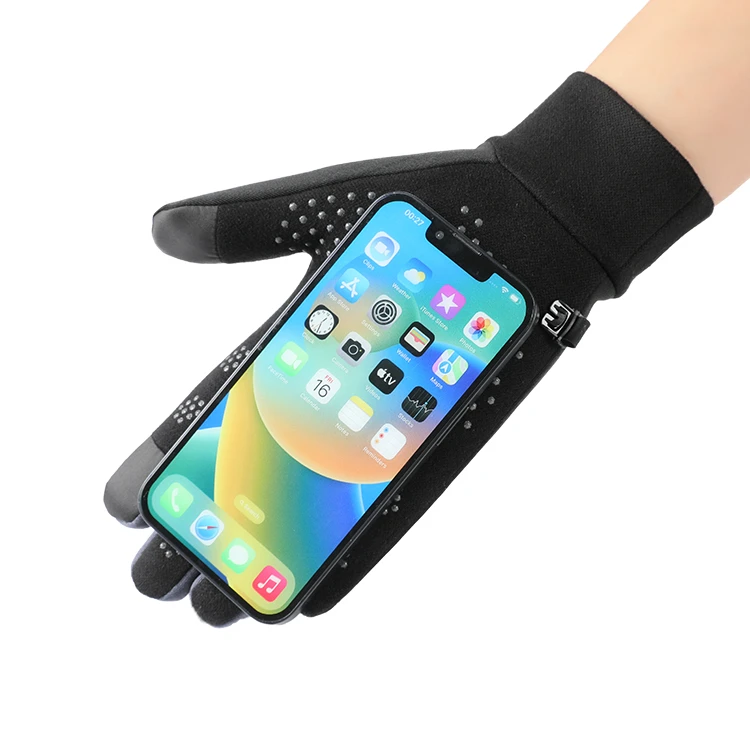
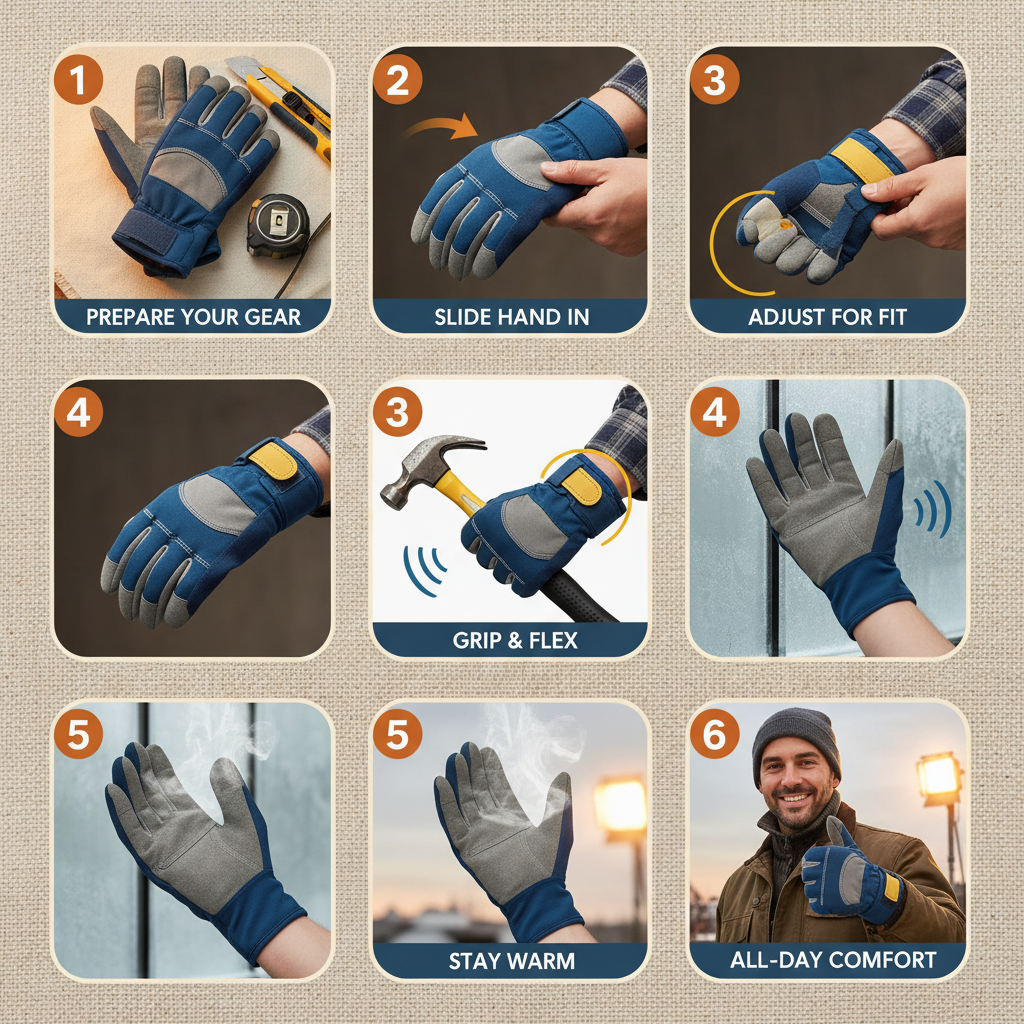
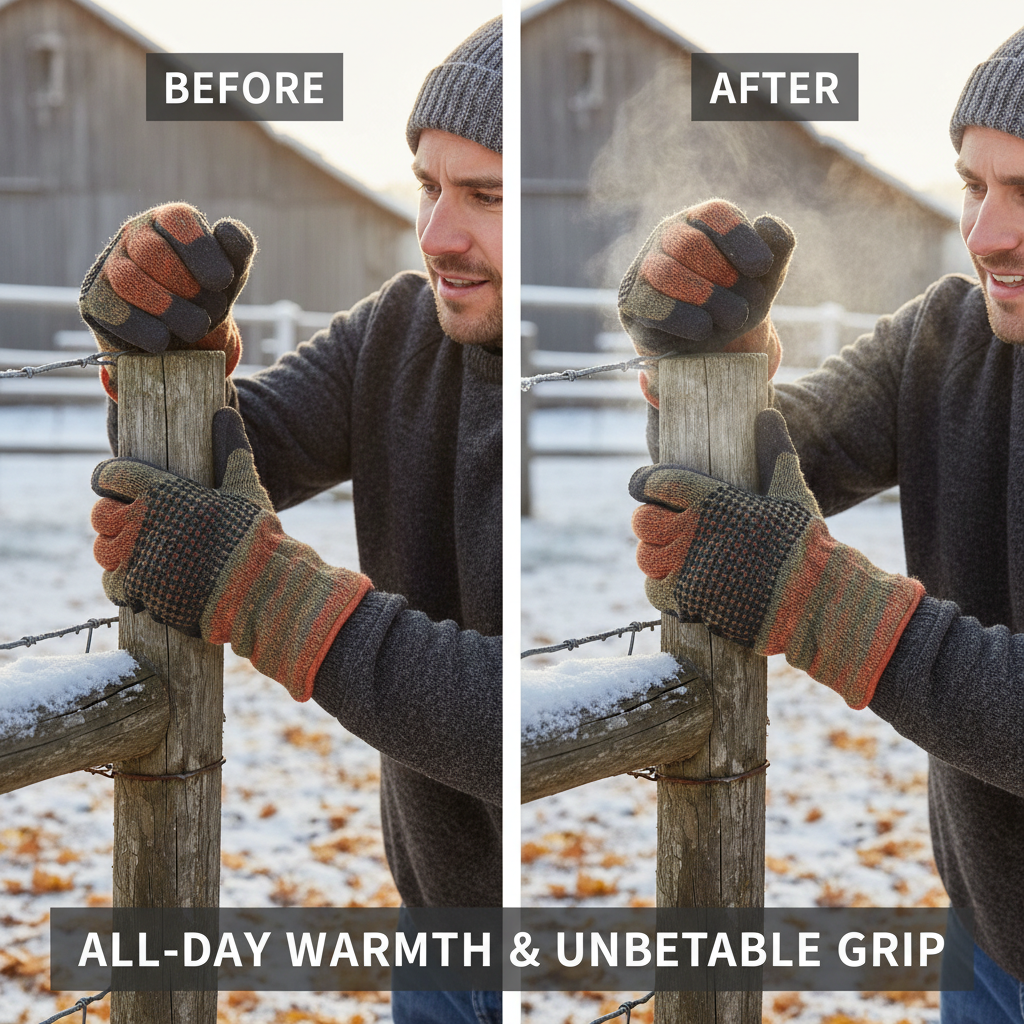
Good gloves must allow finger movement and grip, especially for tasks like operating machinery or using touchscreens. Materials like goatskin leather, silicone patches, or specialized fabrics maintain grip while preserving warmth.
4. Durability
Depending on use, gloves must resist abrasion and tearing — from outdoor sports to industrial labor. Reinforced palms and tight stitching extend lifespan.
5. Breathability & Moisture Management
Warmth alone isn’t enough; gloves need to wick sweat away to avoid dampness which chills. Advanced glove designs balance heat retention and breathability.
6. Environmental Sustainability
With the rise of eco-conscious consumers, many manufacturers use recycled materials or eco-friendly treatments, contributing to sustainability goals.
Product Specifications at a Glance
| Specification | Details |
|---|---|
| Insulation Material | PrimaLoft® Gold 60g |
| Outer Shell | Windproof ripstop nylon |
| Weight | 120 grams (medium size) |
| Water Resistance | DWR (Durable Water Repellent) finish |
| Palm Grip | Silicone textured decals |
| Temperature Range | -15°C to 5°C (5°F to 41°F) |
Global Applications and Real-World Use Cases
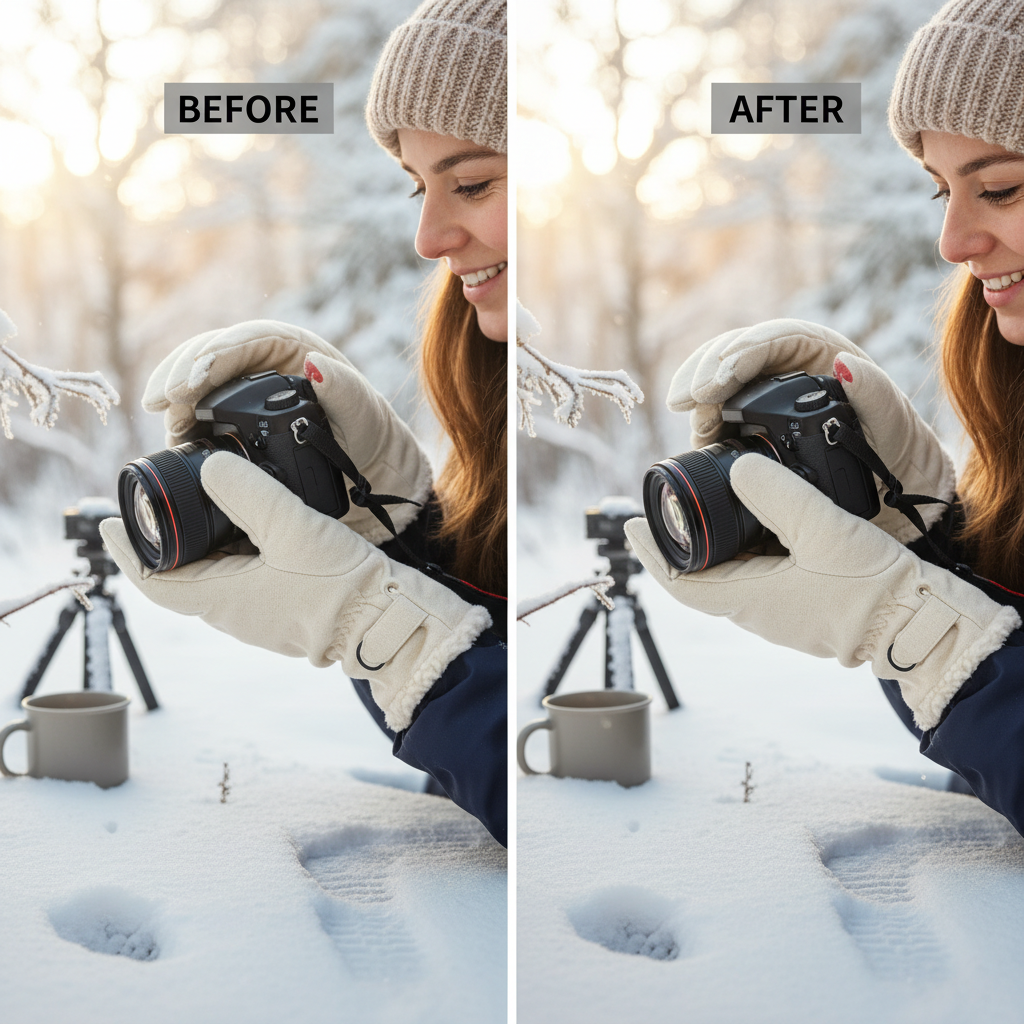
Super warm lightweight gloves find diverse applications worldwide. In remote industrial zones, workers depend on gloves that don’t hinder machine operation but protect from harsh cold. Arctic research stations use them for fieldwork under extreme conditions. Disaster relief teams in places like Northern Canada or Eastern Europe rely on them to maintain hand function while keeping warm during long aid missions. Even outdoor athletes, such as skiers and climbers, prefer this combination of warmth and nimbleness.
One particular story comes from a humanitarian NGO working in the mountainous Eastern Himalayas. The gloves enabled their teams to distribute vital supplies in subzero temperatures without slowing down. It’s fascinating how small gear choices have large-scale impact.
Comparing Leading Gloves Vendors
| Vendor | Temperature Range | Weight | Price per Pair | Sustainability |
|---|---|---|---|---|
| FrostGuard Co. | -20°C to 0°C | 130g | $60 | Recycled shell |
| ColdTrack Systems | -15°C to 5°C | 120g | $55 | Certified biodegradable |
| PolarEdge Gear | -10°C to 10°C | 115g | $50 | PFC-free water repellent |
Advantages and Long-Term Value of These Gloves
Clearly, the tangible benefits go beyond basic warmth. Cost-wise, investing in super warm lightweight gloves means less frequent replacement due to enhanced durability. From a sustainability angle, modern gloves increasingly feature eco-friendly materials and manufacturing, appealing to the growing green-conscious market.
On a social level, reliable gloves foster safety and dignity, especially for workers whose livelihoods depend on their hands. Emotionally, the trust in gear that doesn’t fail under stress builds confidence. It’s innovation meeting real human needs — a rather profound blend, if you ask me.
Future Trends: What’s Next for Super Warm Lightweight Gloves?
Technologies in insulation and materials continue to evolve rapidly. For instance, graphene-enhanced fabrics promise better heat retention with even lighter weight. Automation in production allows custom fits tailored to hand shapes, optimizing comfort and performance. Sustainability remains a strong theme, with more brands pioneering recyclable and biodegradable glove components.
Plus, integration with digital interfaces (like touchscreen compatibility) is increasingly standard, merging functionality with warmth — a must-have in digital-first industries and remote workstations alike.
Challenges & Practical Solutions
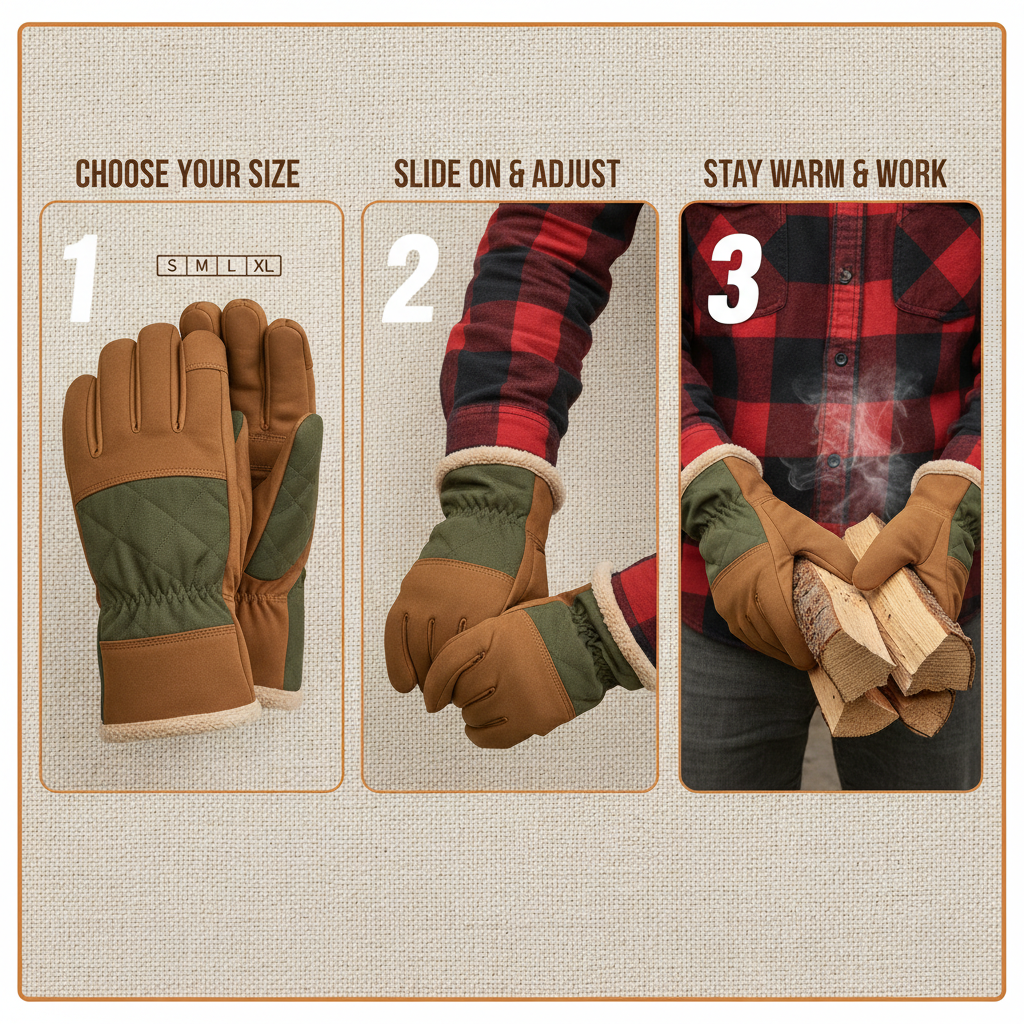
Despite advances, challenges remain. Cost can be a barrier — high-tech gloves often carry premium prices. Sizing is also tricky; an ill-fitting glove compromises warmth and usability. Moisture management under active use sometimes still lags behind expectations in extreme cold.
Experts recommend layering with thin liner gloves for modulated warmth and moisture control. Also, user education on proper glove care extends life and performance. Manufacturers actively explore hybrid materials to balance breathability and insulation better.
Frequently Asked Questions About Super Warm Lightweight Gloves
-
Q: What materials provide the best insulation in lightweight gloves?
A: Synthetic insulations like PrimaLoft® and Thinsulate™ are top choices due to their warmth-to-weight ratio and moisture resistance. Natural fibers like merino wool also add comfort but sometimes lack durability. -
Q: Are super warm lightweight gloves suitable for extreme cold below -20°C?
A: They can be, but it's important to ensure they have sufficient insulation thickness or pair them with liners. Gloves designed for extreme temperatures often use denser insulation or integrate heating elements. -
Q: How do I maintain warmth when using touchscreen devices with gloves?
A: Look for gloves with conductive fabric on fingertips designed for touchscreen use. Otherwise, specialized gloves or glovetips help operate devices without removing gloves and losing heat. -
Q: Can these gloves be used in wet snowy conditions?
A: Many super warm gloves feature water-resistant outer shells treated with Durable Water Repellent (DWR) coatings, offering protection against snow and light moisture, though prolonged wetness may require fully waterproof gloves. -
Q: What features make gloves environmentally friendly?
A: Use of recycled or biodegradable materials, PFC-free water repellents, and low-impact dyeing processes all contribute to reducing environmental footprint.
Conclusion
Ultimately, super warm lightweight gloves represent a critical fusion between functionality and comfort, meeting diverse global needs from extreme industry to everyday winter use. Their innovative materials, thoughtful design, and increasing sustainability credentials make them an indispensable part of modern cold-weather gear. Whether you’re working in a remote industrial camp, part of a relief team, or just an outdoors enthusiast, investing in the right pair pays off in warmth, safety, and performance.
Curious to find the perfect pair? Visit our website: https://www.personalcarescn.com to explore our top recommendations in super warm lightweight gloves.
Mini takeaway: Super warm lightweight gloves are no longer just bulky winter accessories; they are precision-engineered essentials tailored for today’s demanding environments.
References: