Thermal Base Layer Gloves: Essential Cold Weather Protection & Industry Insights
Understanding Thermal Base Layer Gloves: Essential Gear for Cold Environments
Imagine stepping outside in freezing temperatures without proper hand protection. Your fingers stiffen, dexterity fades, and discomfort quickly sets in. That's where thermal base layer gloves become indispensable — not just for outdoor enthusiasts but for workers and aid agencies worldwide. These gloves provide a vital first layer of insulation and moisture management, keys to maintaining hand warmth and function. Globally, as climate patterns grow unpredictable and industries push into colder zones, knowing about thermal base layer gloves—and choosing the right type—has never mattered more.
Global Importance of Thermal Base Layer Gloves
Colder climates affect nearly one-third of the global population, creating significant challenges for people working, playing, or surviving outdoors. According to the United Nations Climate Change reports, extreme weather events, including severe freezes, are increasing in frequency. Workers in northern Europe, Canada, Russia, and mountainous regions rely heavily on gear that keeps extremities warm to prevent frostbite and maintain productivity.
Industries ranging from construction and energy to disaster relief often deploy thermal base layer gloves as a fundamental component of personal protective equipment (PPE). Yet despite their ubiquity, many overlook the technical nuance behind these gloves, which impacts everything from comfort to safety.
Defining Thermal Base Layer Gloves
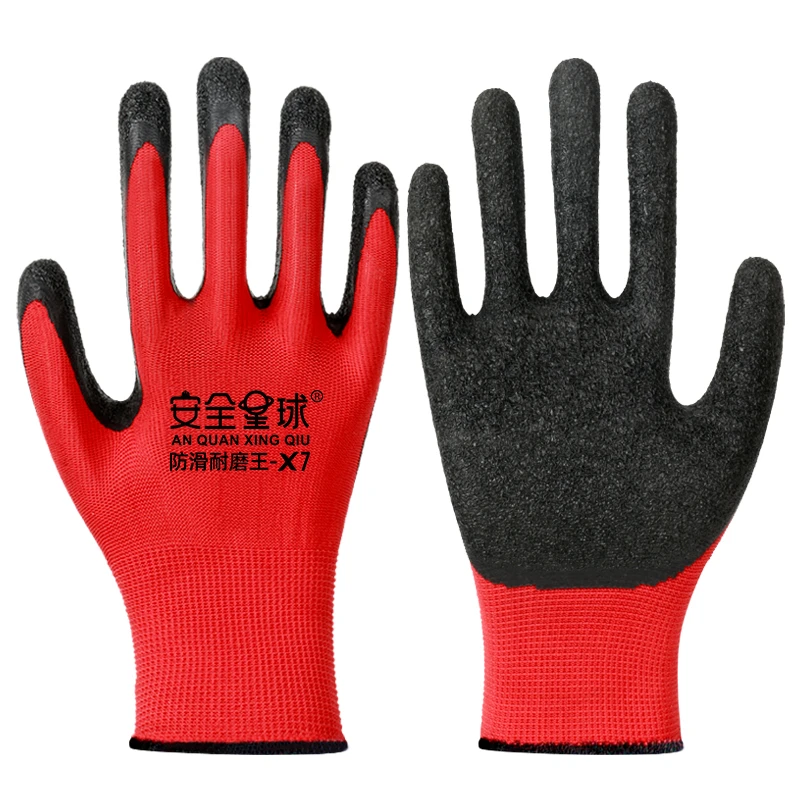
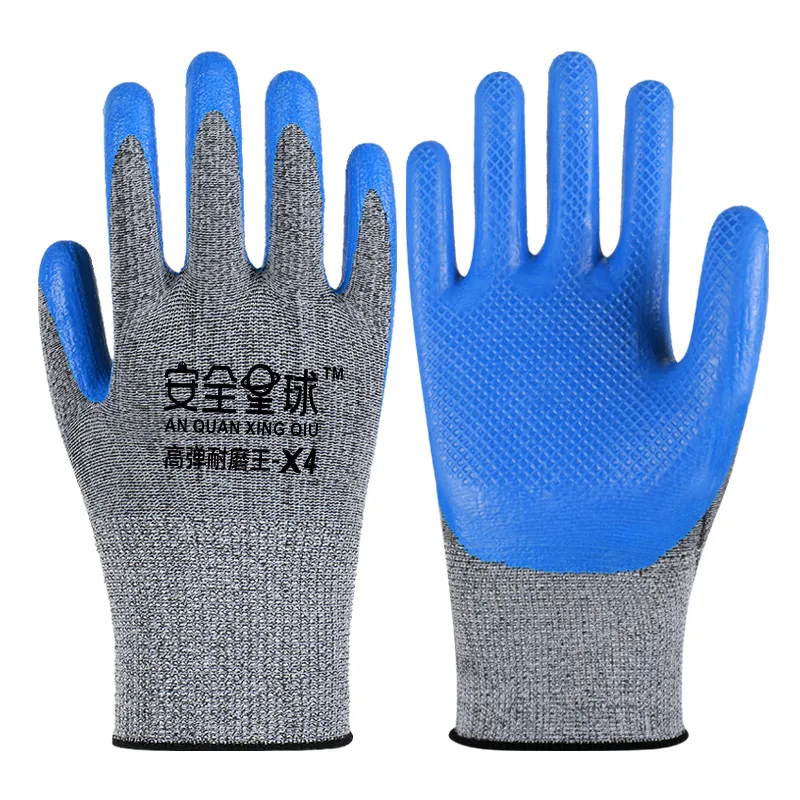
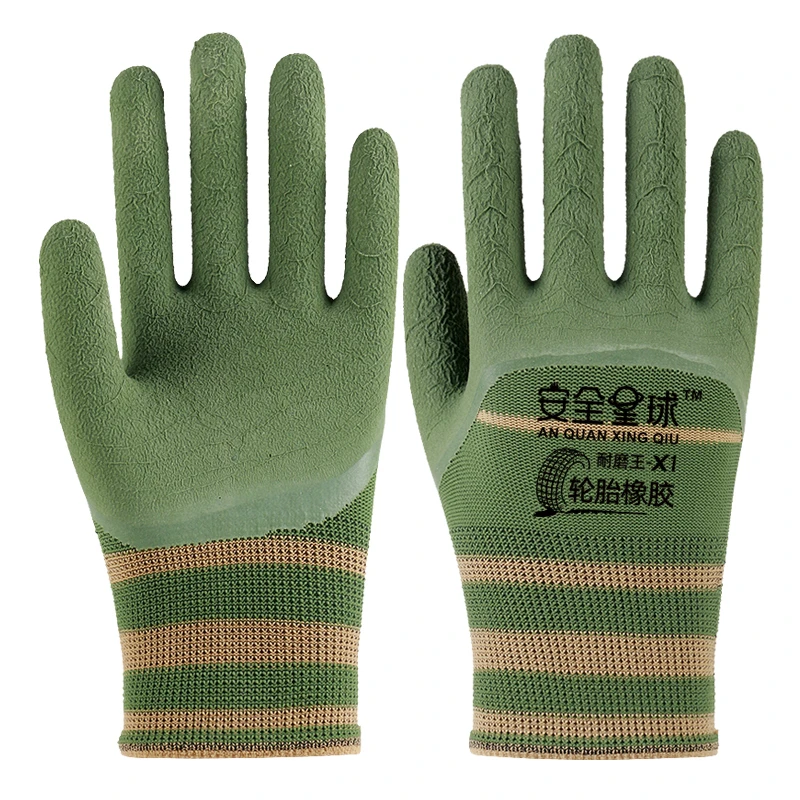
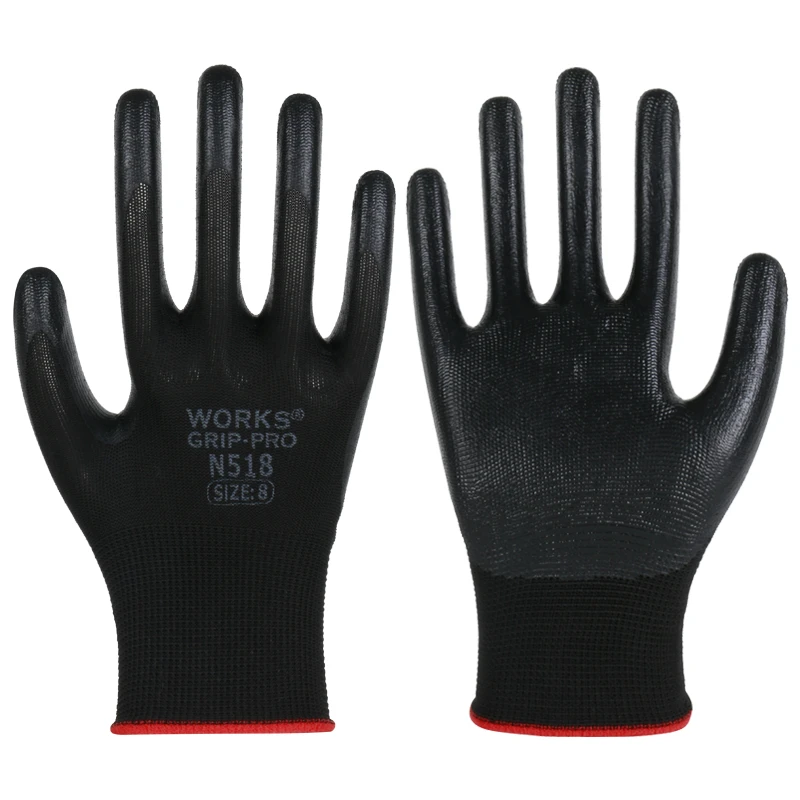
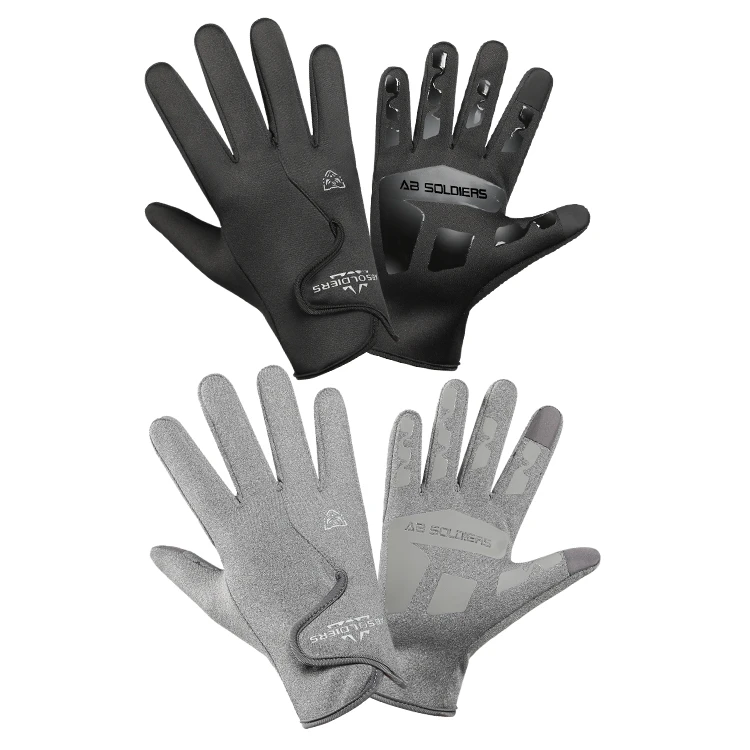
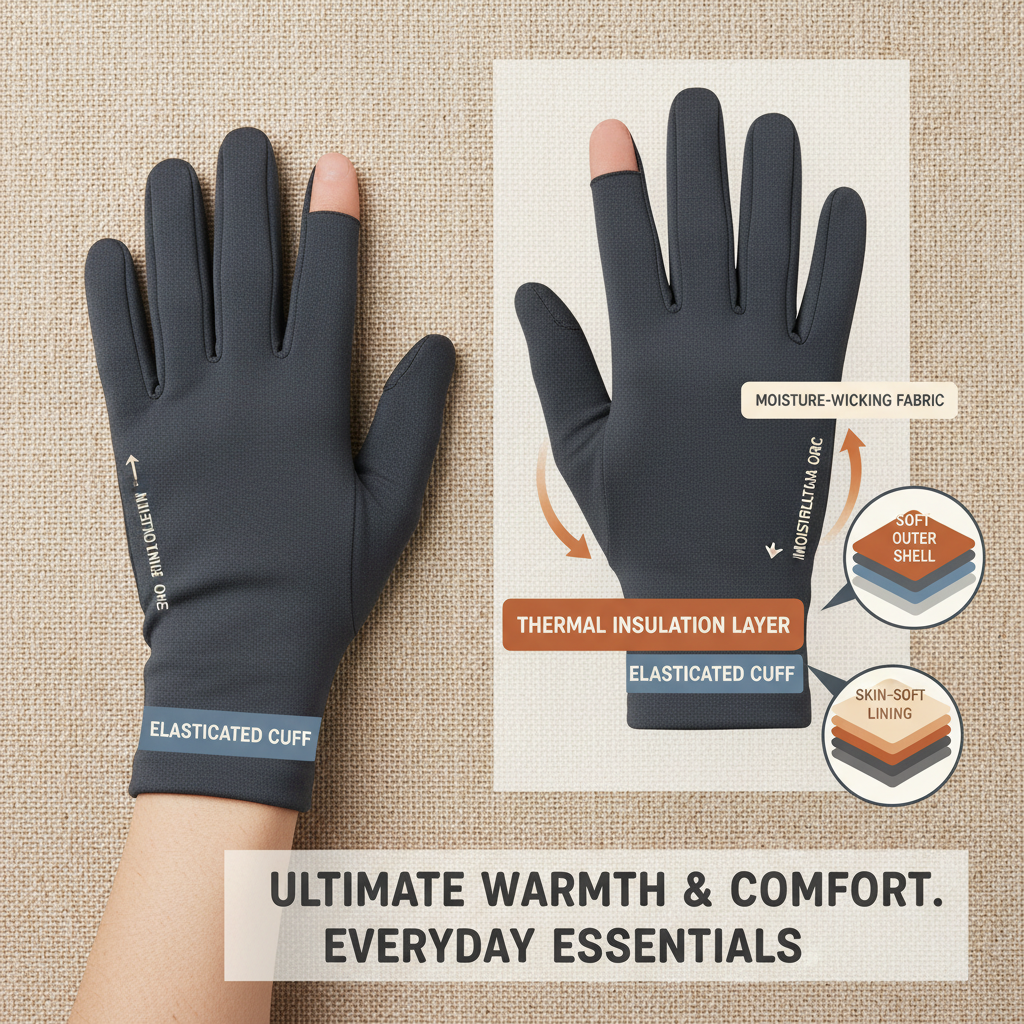
At their core, thermal base layer gloves are lightweight gloves worn directly against the skin, designed to trap body heat and wick away moisture before layering heavier gloves on top. Think of them as a thermal foundation—similar to wearing a base layer shirt under a jacket.
They use specialized fibers—often synthetic blends like polyester, polypropylene, or natural fibers such as merino wool—to create a microclimate around your hands. In humanitarian settings or extreme industrial zones, these gloves can be the difference between comfort and dangerous cold exposure.
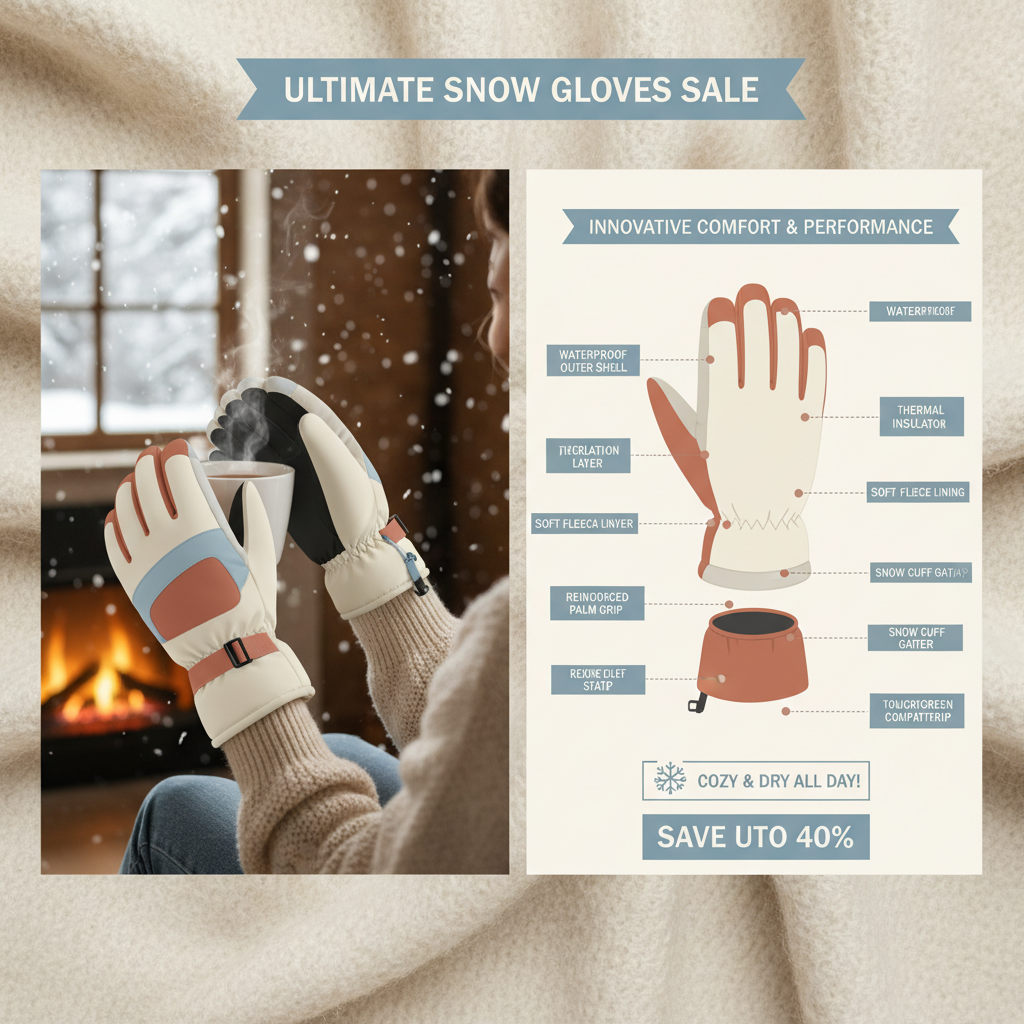
Key Components and Features of Thermal Base Layer Gloves
1. Fabric Technology
The fabric choices matter a lot. Merino wool is renowned for its natural insulation and ability to manage sweat, while synthetics like polypropylene excel at moisture wicking and durability. Often, manufacturers blend fibers to optimize warmth and breathability.
2. Fit and Comfort
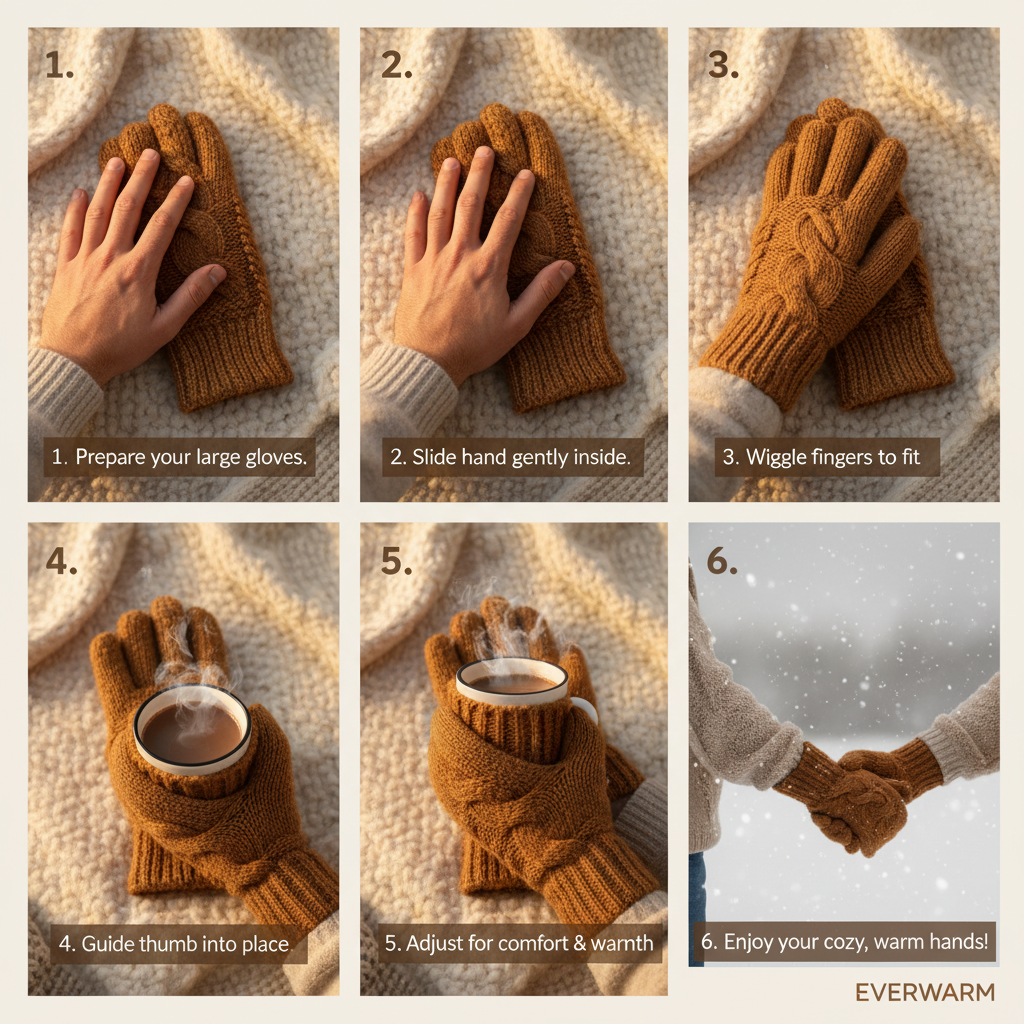
Because these gloves are worn under another layer, a snug but flexible fit prevents bunching and preserves hand mobility. Some designs incorporate stretch panels or ergonomic shaping.
3. Moisture Management
One of the biggest practical challenges with gloves is sweat accumulation, which paradoxically makes hands colder. Thermal base layer gloves aim to wick moisture away swiftly to keep skin dry.
4. Durability and Breathability
While lightweight, quality gloves balance breathability with durability. Depending on the application, some offer reinforced palms or fingers for extra abrasion resistance.
5. Antimicrobial Properties
Because the gloves stay close to the skin, some incorporate antimicrobial treatments to reduce odor and bacteria buildup during extended use.
Thermal Base Layer Gloves in Global Use Cases
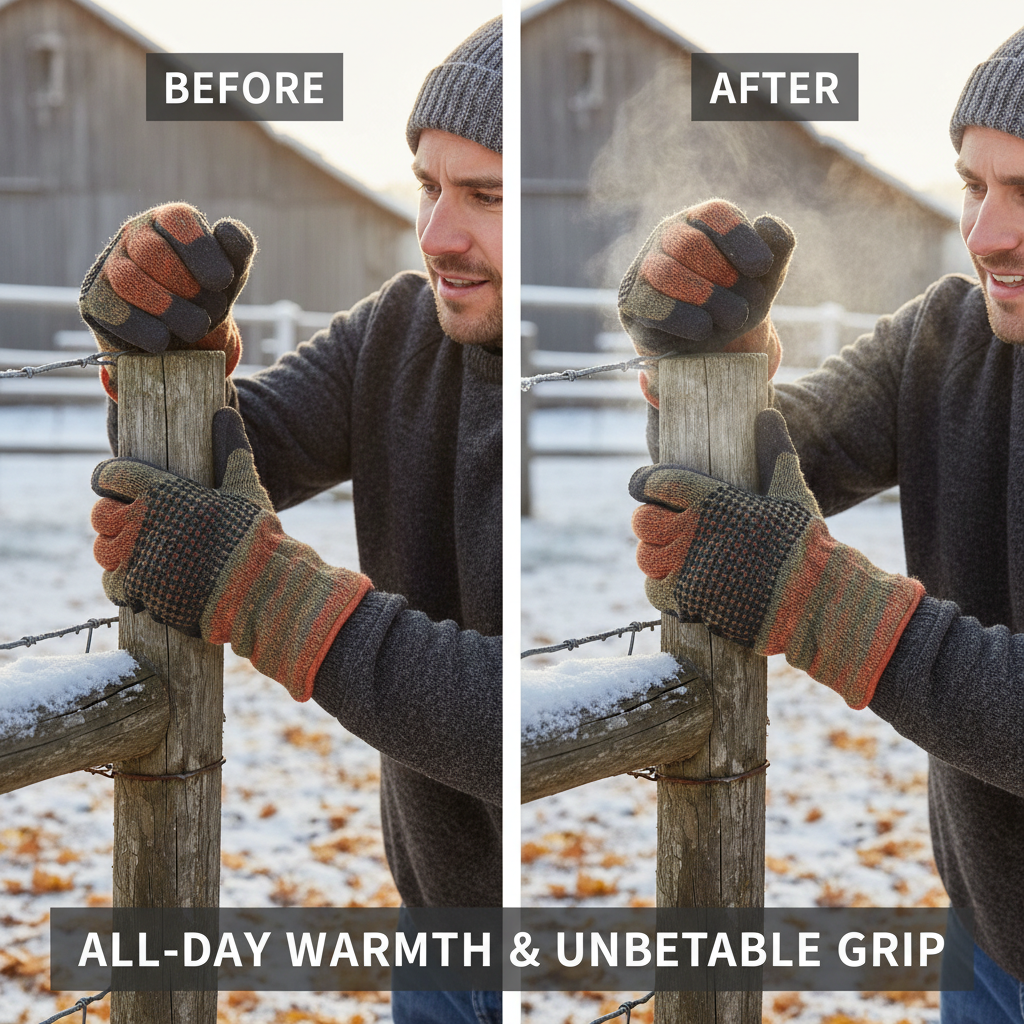
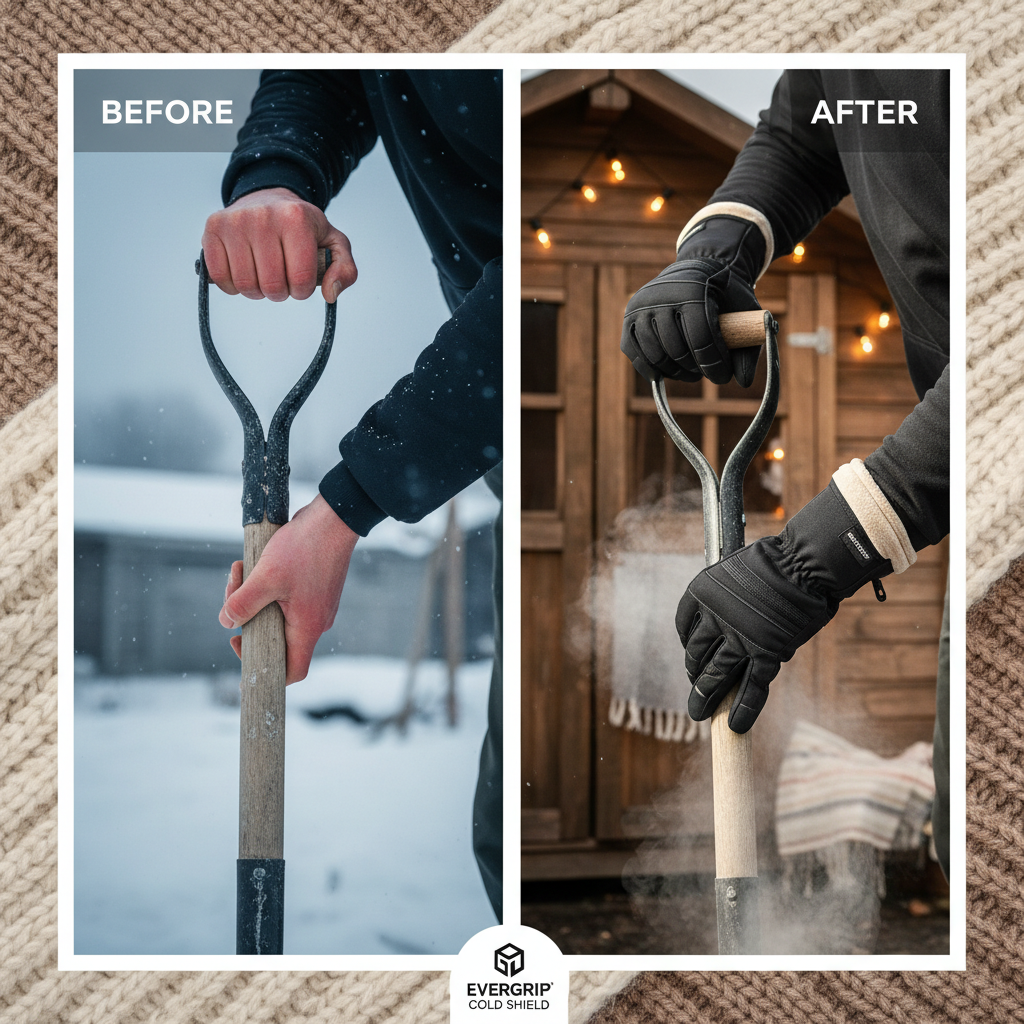
- Outdoor Workers: Utility crews in Scandinavia often layer thermal gloves beneath heavy-duty insulated gloves for prolonged cold exposure.
- Disaster Relief: After events like the 2010 Haiti earthquake, relief workers in makeshift camps used thermal base hand layers to prevent cold-related injury during nights and rainy seasons.
- Military and Tactical: Armed forces operating in high-altitude regions find these gloves critical to maintaining dexterity while protecting against extreme weather.
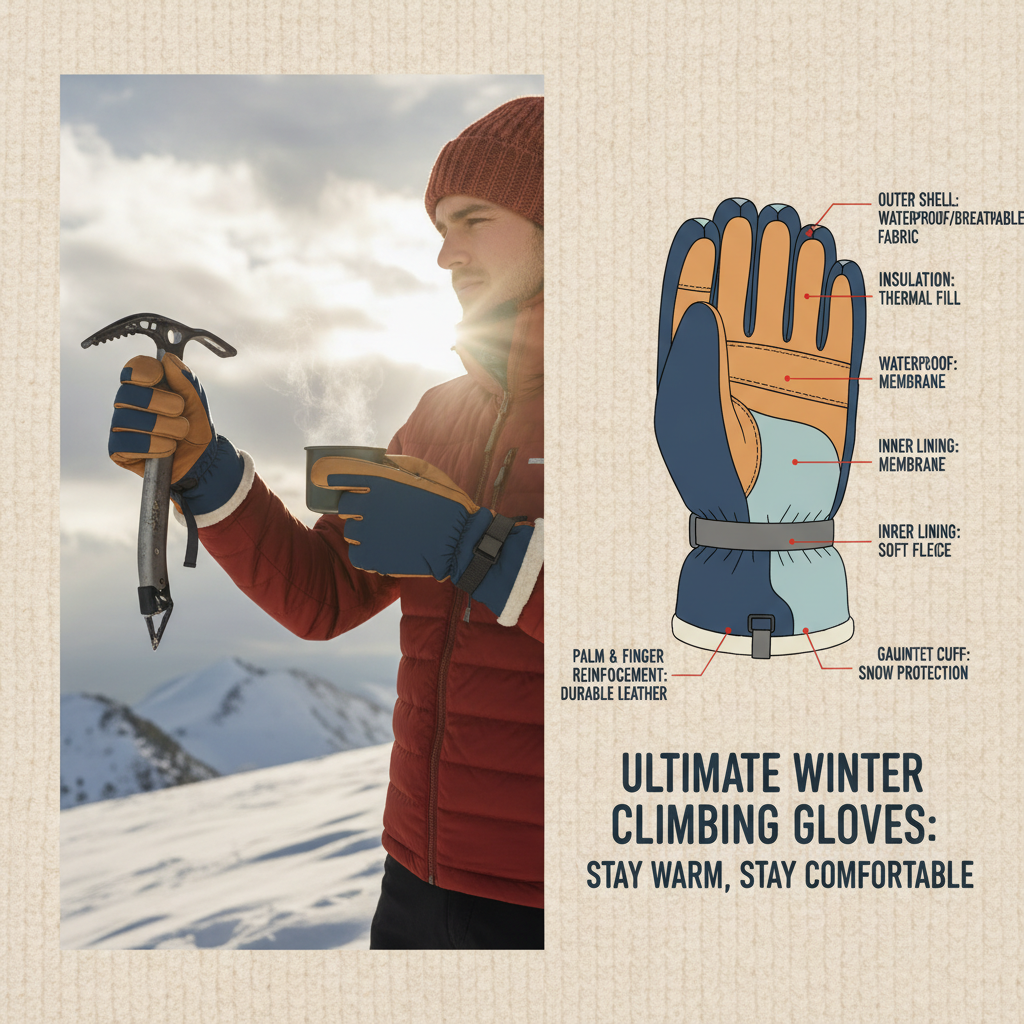
- Winter Sports: Skiers and climbers typically wear thermal base gloves under waterproof shell gloves for optimum warmth and moisture control.
Mini Takeaway
Thermal base layer gloves operate quietly behind the scenes but are essential in countless professional and recreational cold-weather scenarios globally.
Advantages & Long-Term Value of Thermal Base Layer Gloves
From a cost perspective, these gloves extend the life and comfort of outer gloves by preserving warmth inside. They reduce the risk of cold injuries, boosts safety compliance, and ease cold-related stress.
There’s an emotional value too. Keeping hands warm empowers users to work longer, keeps kids on playgrounds safer, and lets adventurers embrace the cold instead of fearing it. Trustworthy thermal gloves are a small but powerful innovation in personal comfort and protection.
| Specification | Feature |
|---|---|
| Material | Merino Wool / Polypropylene Blend |
| Weight | Lightweight (25-40 g) |
| Moisture Management | High wicking and fast drying |
| Antimicrobial | Silver ion treatment |
| Sizing | XS to XL |
Future Trends and Innovations
The future of thermal base layer gloves looks quite promising because manufacturers are experimenting with smart textiles. Think conductive fibers that heat up electronically or sensors tracking temperature and moisture to adjust insulation dynamically.
Sustainability is another dimension—brands increasingly use recycled fibers and greener dyes, aligning with global moves toward reducing textile waste and pollution. Automation in glove manufacturing is creating more precise fits and reducing waste from offcuts.
Challenges & Practical Solutions
One persistent issue is balancing durability with thinness. Some scenario demands ultra-lightweight gloves, but they tend to wear quickly. Improving fiber blends and coating techniques could help mitigate this. Also, sizing variations among brands sometimes confuse buyers, so standardized measuring guides are key.
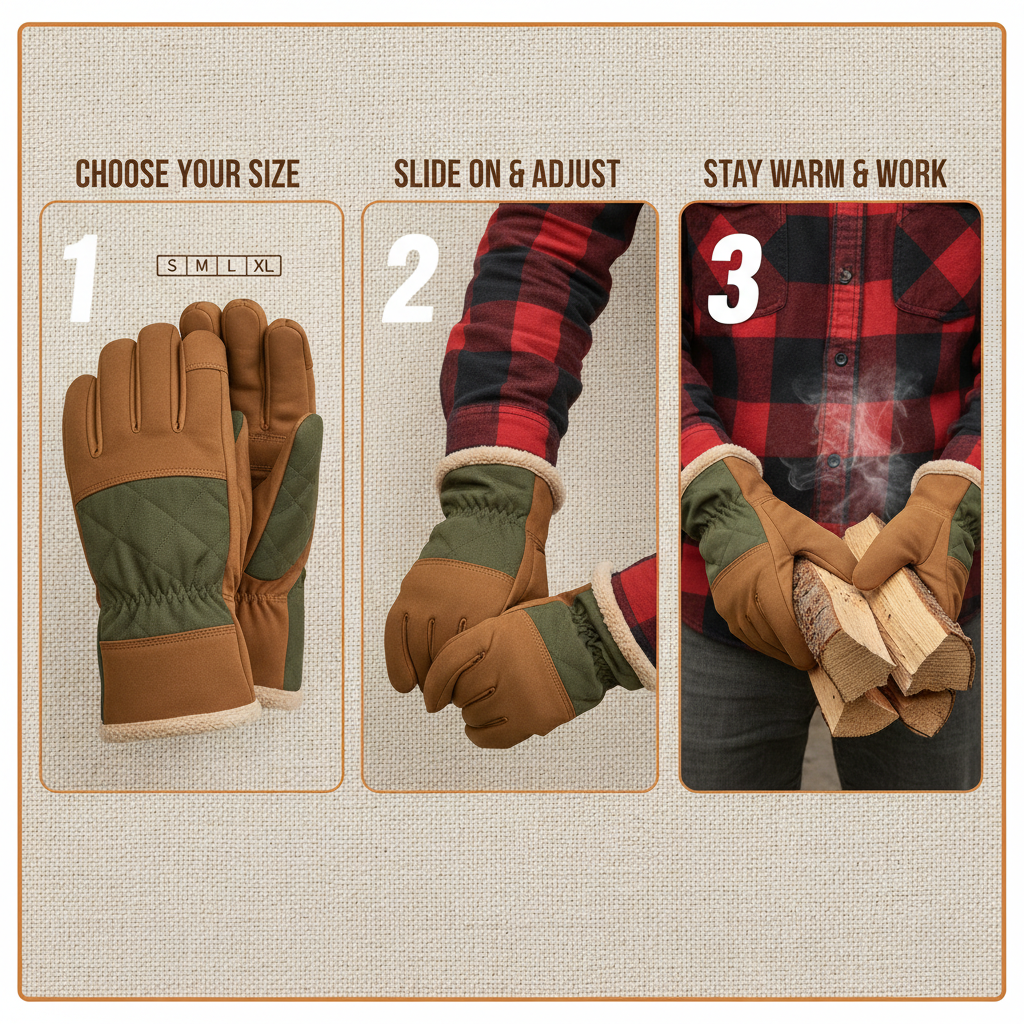
For users facing intense physical work, layering strategies exist: thermal base layer gloves underneath protective shells or windproof mitts, acting as a modular system rather than a one-size-fits-all.
| Brand | Material | Fit Options | Price Range (USD) |
|---|---|---|---|
| ThermoFlex | Merino Wool Blend | XS–XL | $25–$40 |
| ColdGuard | Polypropylene & Silver Ion | S–XXL | $18–$35 |
| Arctic Shield | Merino / Synthetic Blend | M–XL | $30–$50 |
FAQ: Common Questions About Thermal Base Layer Gloves
Q: How do thermal base layer gloves differ from insulated gloves?
A: Thermal base layer gloves are thin, moisture-wicking layers worn directly on the skin to keep hands dry and retain warmth, often under insulated outer gloves which provide bulkier warmth and wind protection.
Q: Can I wear thermal base layer gloves alone in cold weather?
A: It depends on the temperature and activity. In mildly cold conditions or during high exertion, they might suffice, but generally, they’re designed as a base layer to complement warmer gloves.
Q: Are there sustainable options for thermal base layer gloves?
A: Yes. Increasingly, brands use recycled polyester, organic merino wool, and sustainable production methods to reduce environmental impact.
Q: How should I care for my thermal base layer gloves to prolong their life?
A: Follow manufacturer washing instructions, usually gentle machine wash or hand wash with mild detergents, and avoid fabric softeners that reduce performance. Dry flat and avoid heat dryers.
Q: What makes a good fit for thermal base layer gloves?
A: They should feel snug without restricting movement, preventing bunching when layering. Many brands offer size charts—measuring hand circumference and length helps ensure a precise fit.
Conclusion: Why Invest in Thermal Base Layer Gloves?
In real terms, thermal base layer gloves might seem straightforward, but their impact on hand health and comfort is profound. From Arctic explorations to everyday cold snaps, they form an invisible shield against the chill. Embracing quality gloves means better productivity, safety, and even joy in cold environments.
Interested in exploring superior options? Check out our full range of trusted, tested thermal base layer gloves at thermal base layer gloves. Don’t let the cold slow you down.
Reflecting on the Journey
Sometimes, the simplest things—like a base layer glove—carry the heaviest responsibilities. It’s a subtle marvel of textile engineering and human ingenuity that quietly safeguards countless hands worldwide. Oddly enough, reviewing these gloves reminds me of how much goes unnoticed in everyday gear, yet each layer tells a story of care, science, and adaptation.