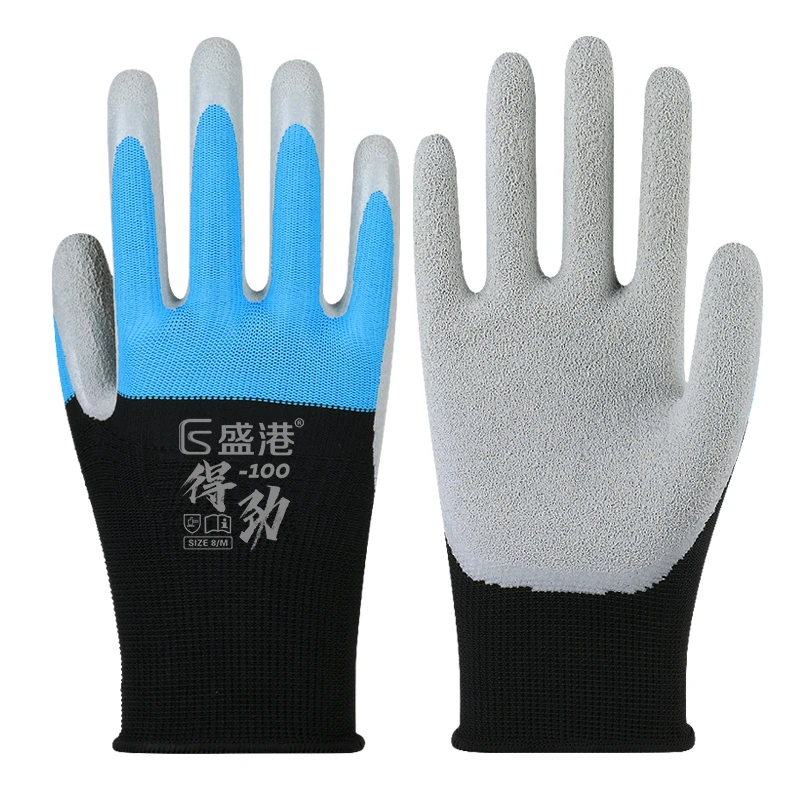
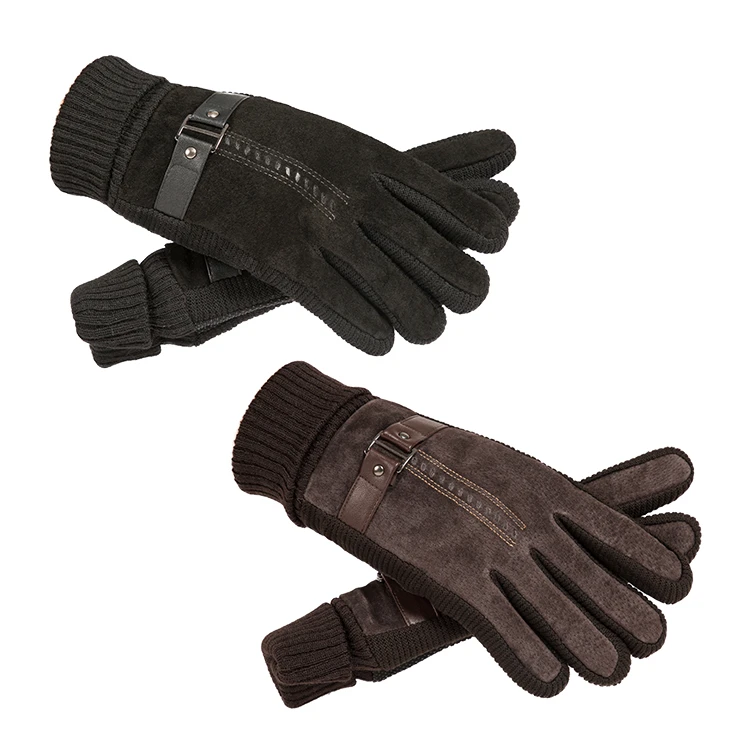
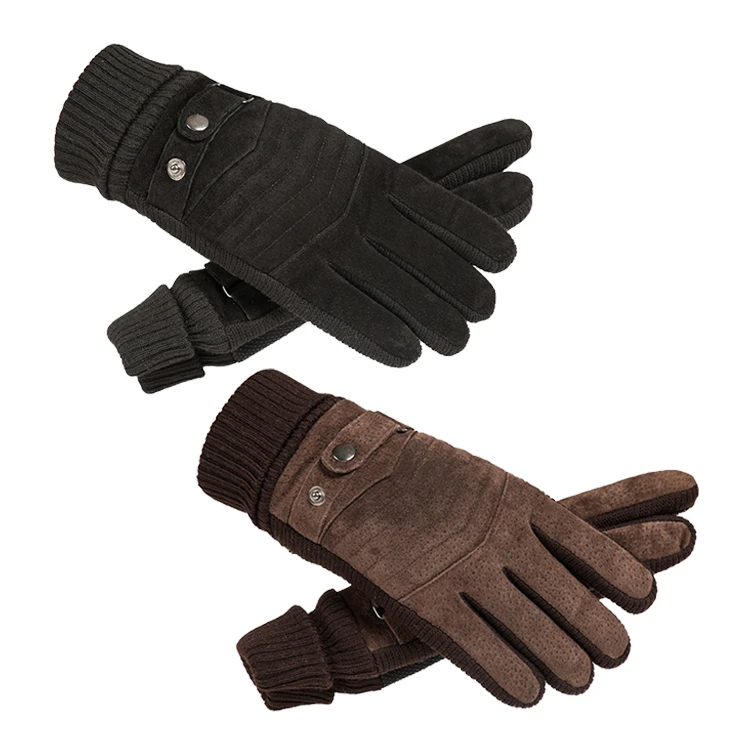
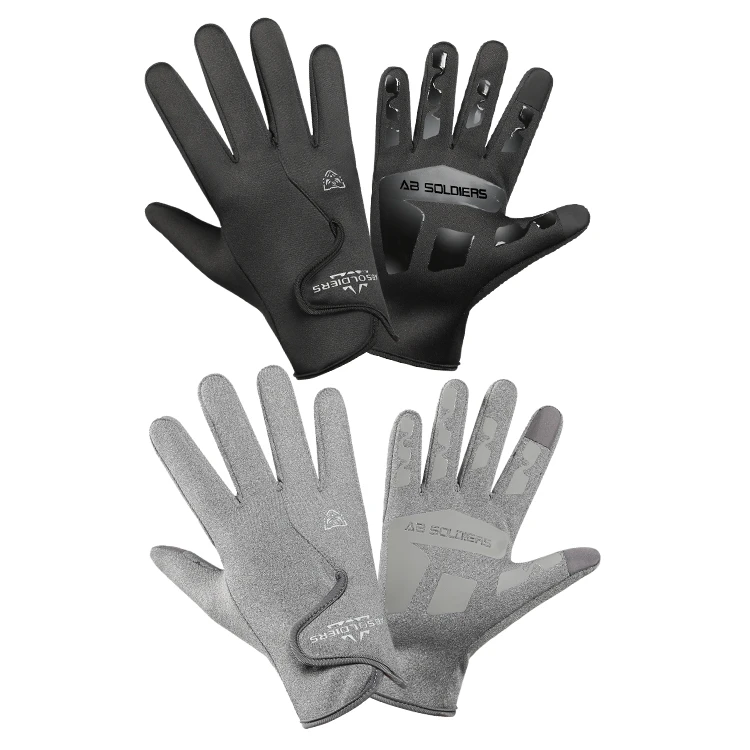
Thermal Builders Gloves: Essential Safety Gear for Cold-Weather Construction
Thermal Builders Gloves: The Unsung Hero in Construction Safety
Thermal builders gloves might not be the flashiest gear on a construction site, but they certainly rank among the most crucial. In today’s varied climates and growing safety standards, understanding what makes these gloves special—and why they matter globally—is more important than ever. From preventing frostbite in icy conditions to offering protection during winter renovations, thermal gloves combine warmth with safety, improving worker productivity and comfort. Today, we’re diving deep into this hands-on topic to uncover what makes thermal builders gloves essential, especially as global construction booms and regulations tighten.
Global Context: Why Thermal Builders Gloves Matter
Construction and outdoor building projects span the globe, from the chilly urban clusters of Canada to the mountain villages of Nepal. According to the International Labour Organization (ILO), more than 2 million workers die yearly from occupational accidents, many related to cold exposure or hand injuries that could be prevented with proper gear. Thermal builders gloves specifically address hazards like frostbite, reduced dexterity from cold, and abrasions from rough surfaces. Frankly, their importance is only growing as extreme weather events rise due to climate change, prompting better personal protective equipment (PPE) standards worldwide.
Considering that the global construction market is expected to reach over $15 trillion by 2030 (McKinsey report), and work in colder climates is increasing, the demand and relevance keep climbing. Yet, many workers still end up using inadequate gloves, risking both safety and efficiency. So, thermal builders gloves fill a vital safety and compliance gap, making life easier for workers—and employers alike.
Defining Thermal Builders Gloves
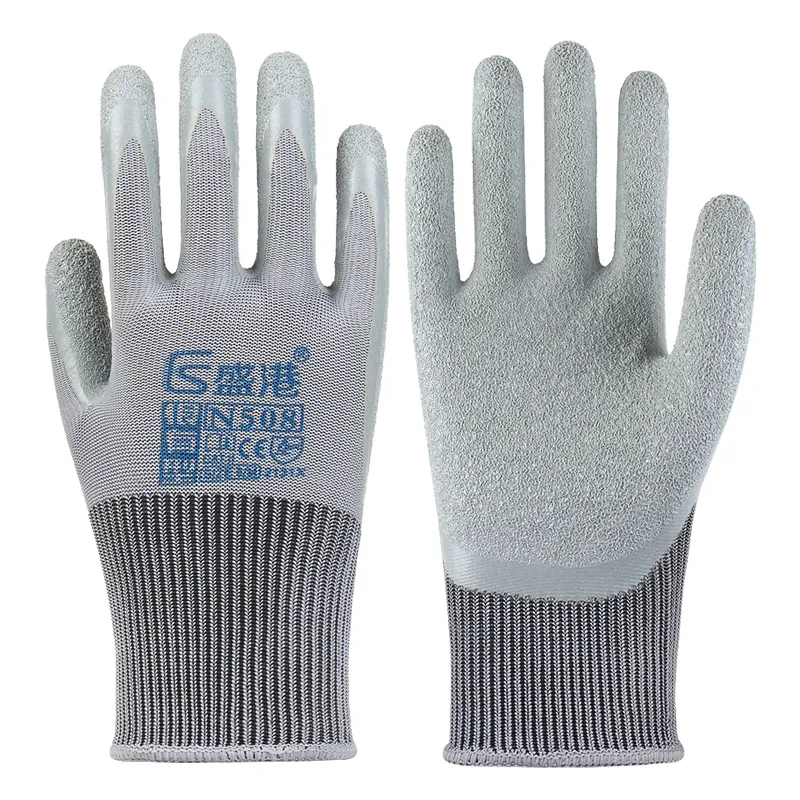
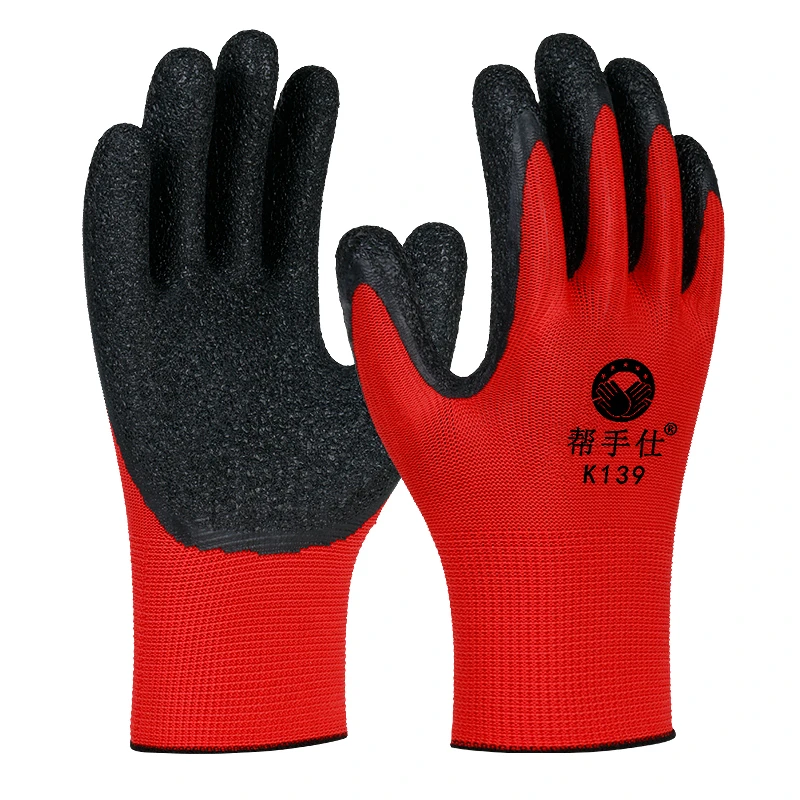
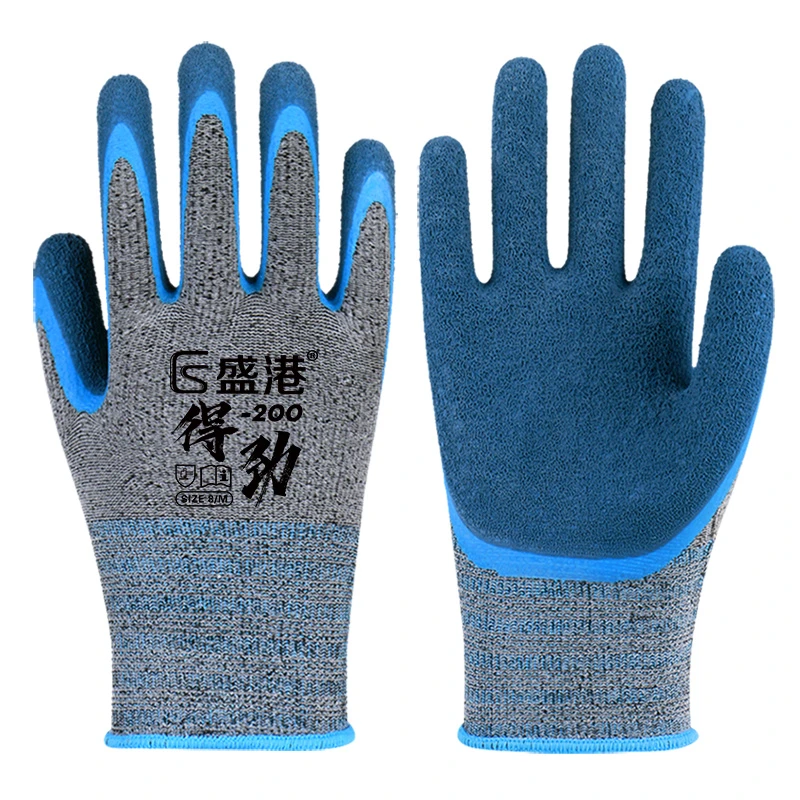
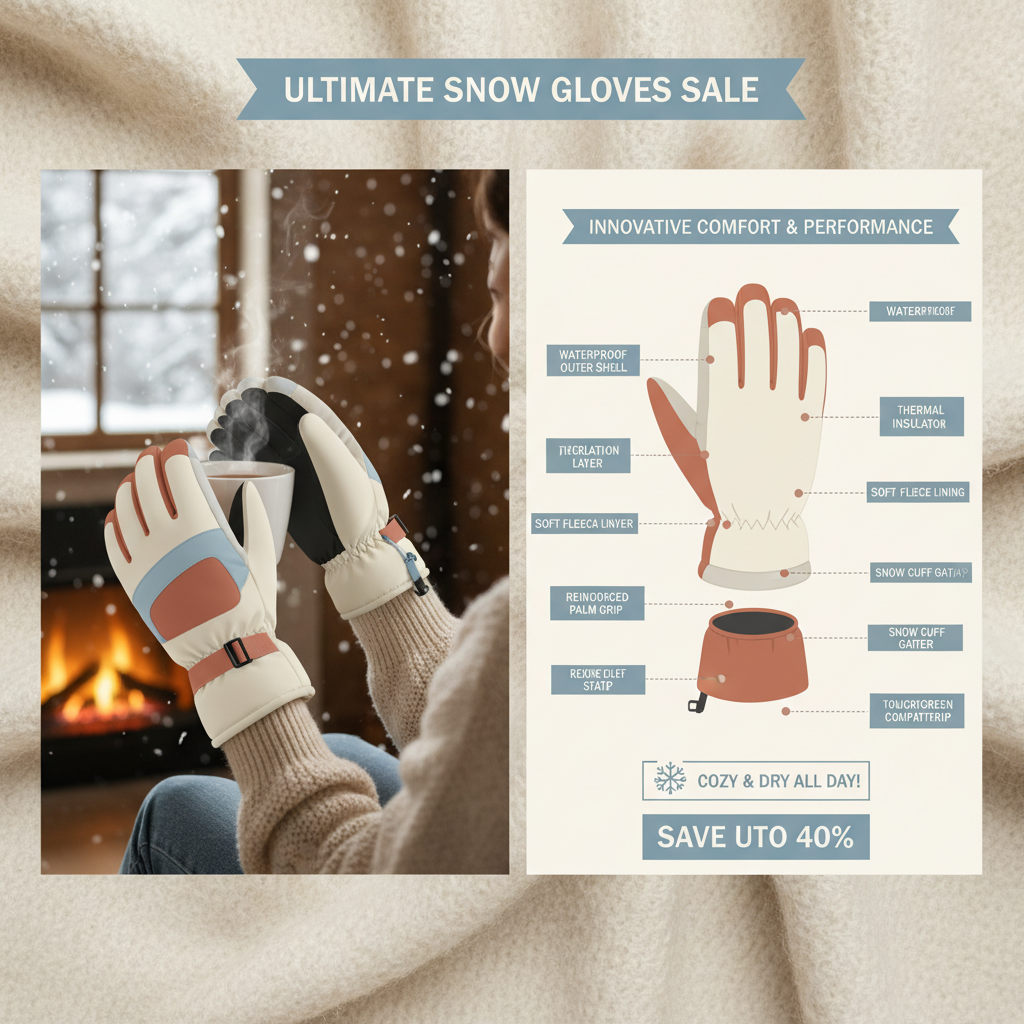
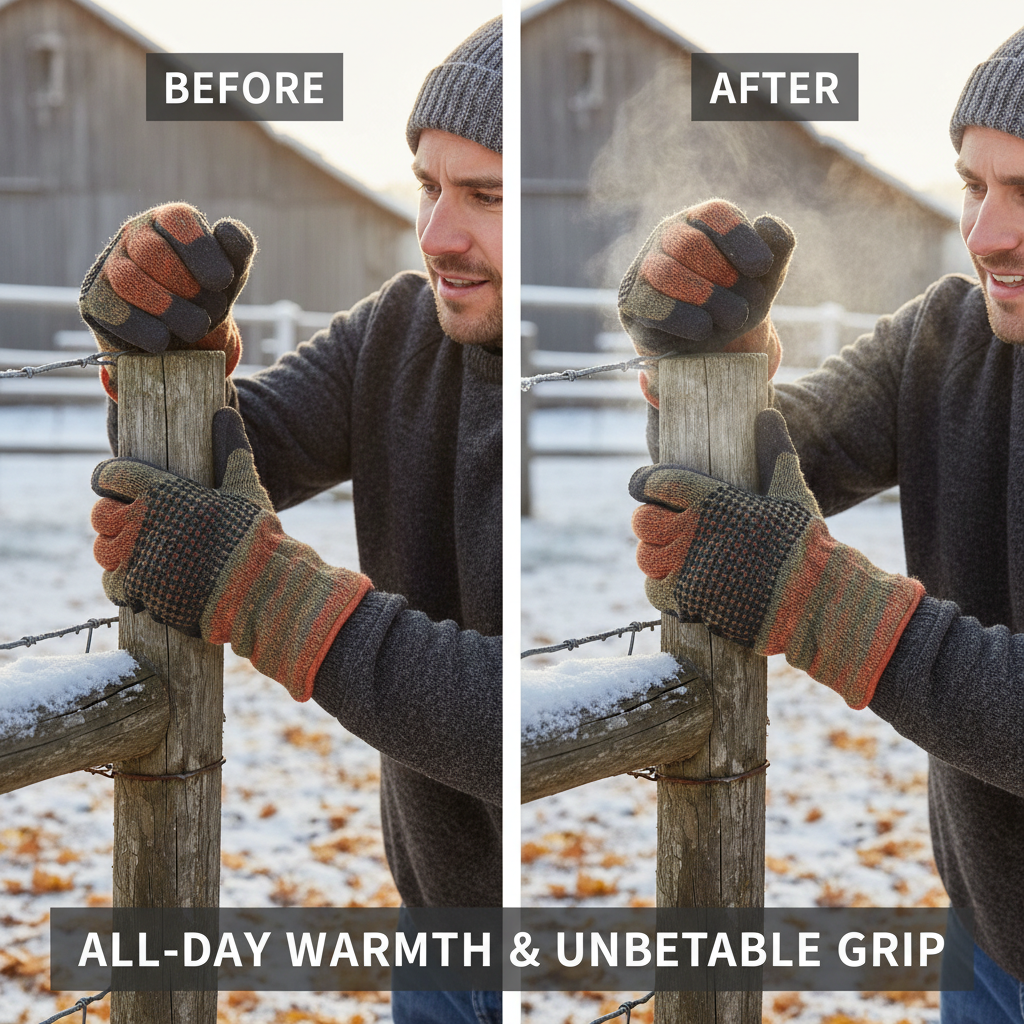
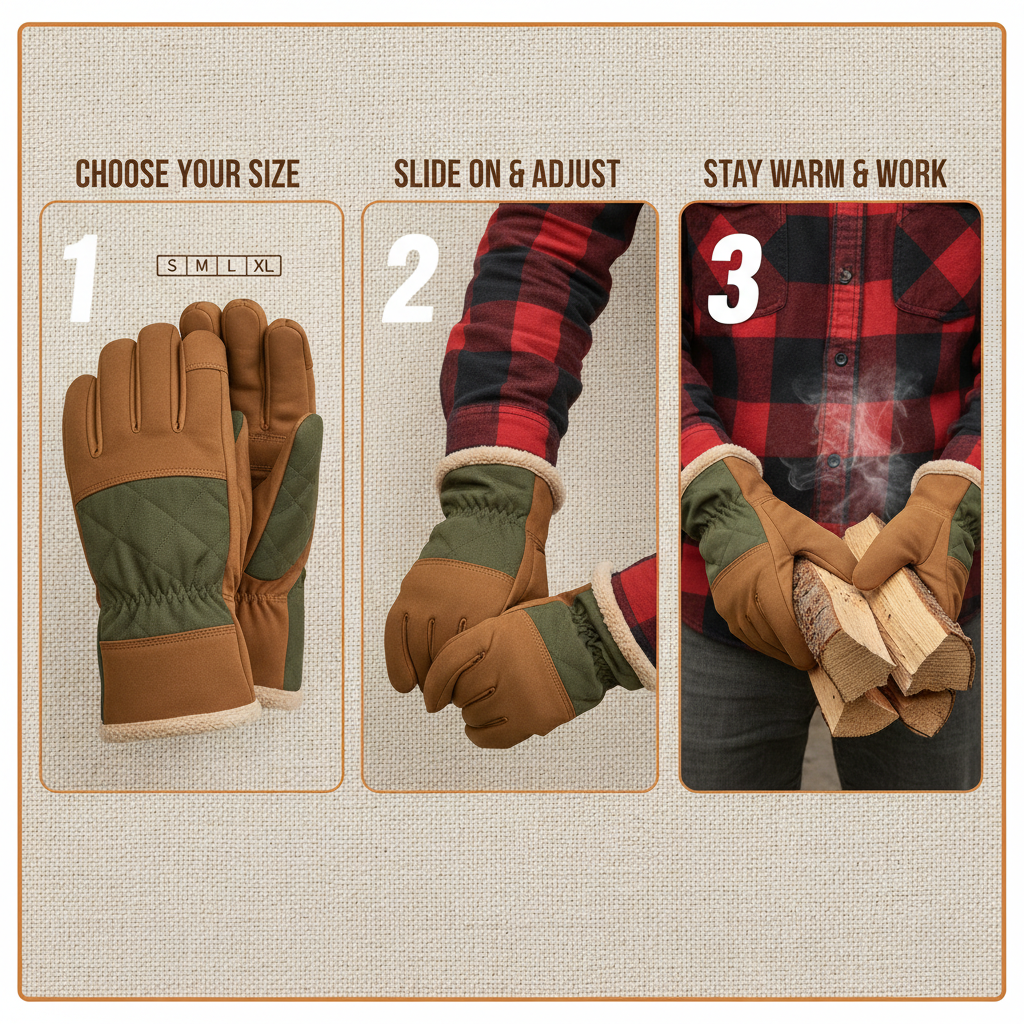
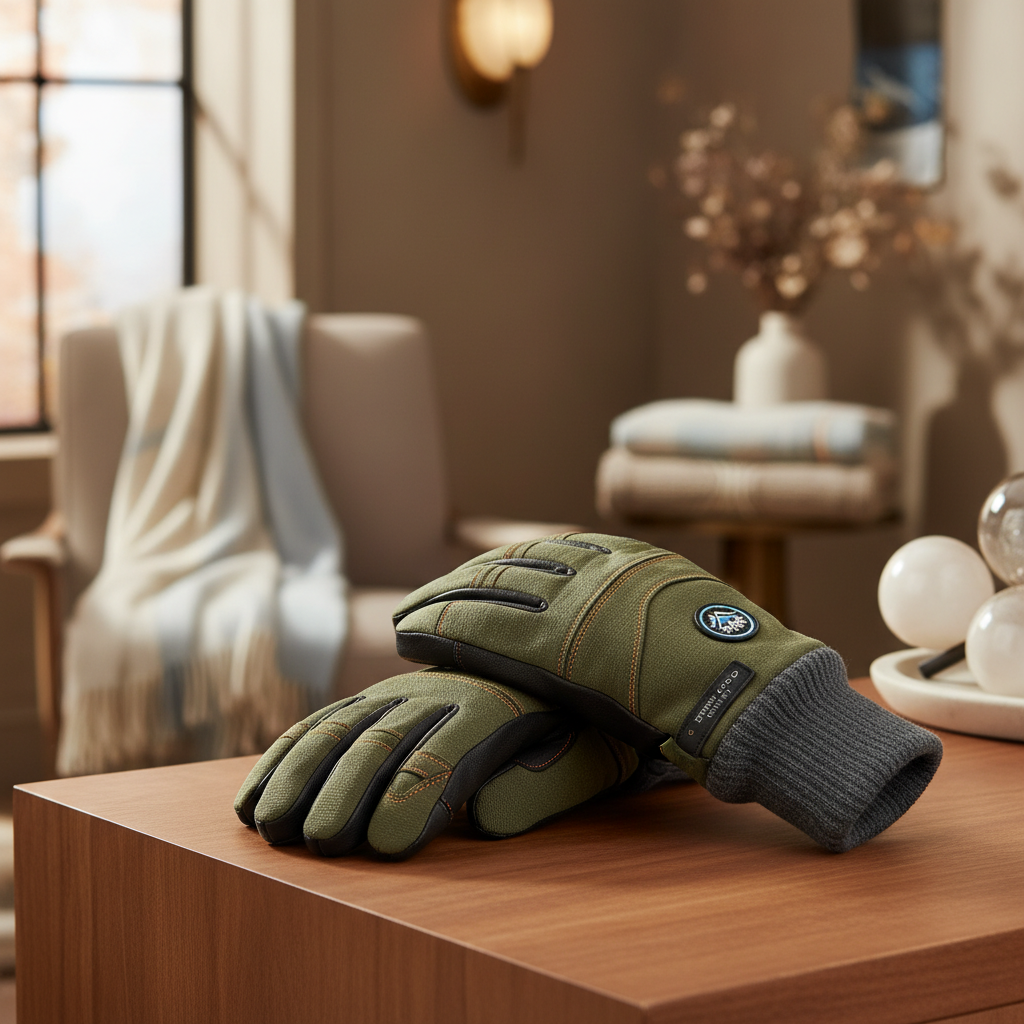
Simply put, thermal builders gloves are specialized handwear designed to protect construction workers’ hands from cold temperatures without sacrificing grip or mobility. They’re typically insulated, often with materials like Thinsulate or fleece linings, and constructed with durable outer layers such as leather, synthetic fabrics, or rubber to resist cuts and abrasions. These gloves are more than just warm—they’re engineered to meet the practical, heavy-duty demands of builders and outdoor trades.
In essence, thermal builders gloves link modern construction safety with comfort technology—helping workers maintain hand functionality and reduce injury risks in challenging conditions. Humanitarians and NGOs aiding in cold-weather disaster zones also turn to these gloves to sustain relief workers’ efficiency and well-being.
Core Features of Thermal Builders Gloves
1. Insulation Quality
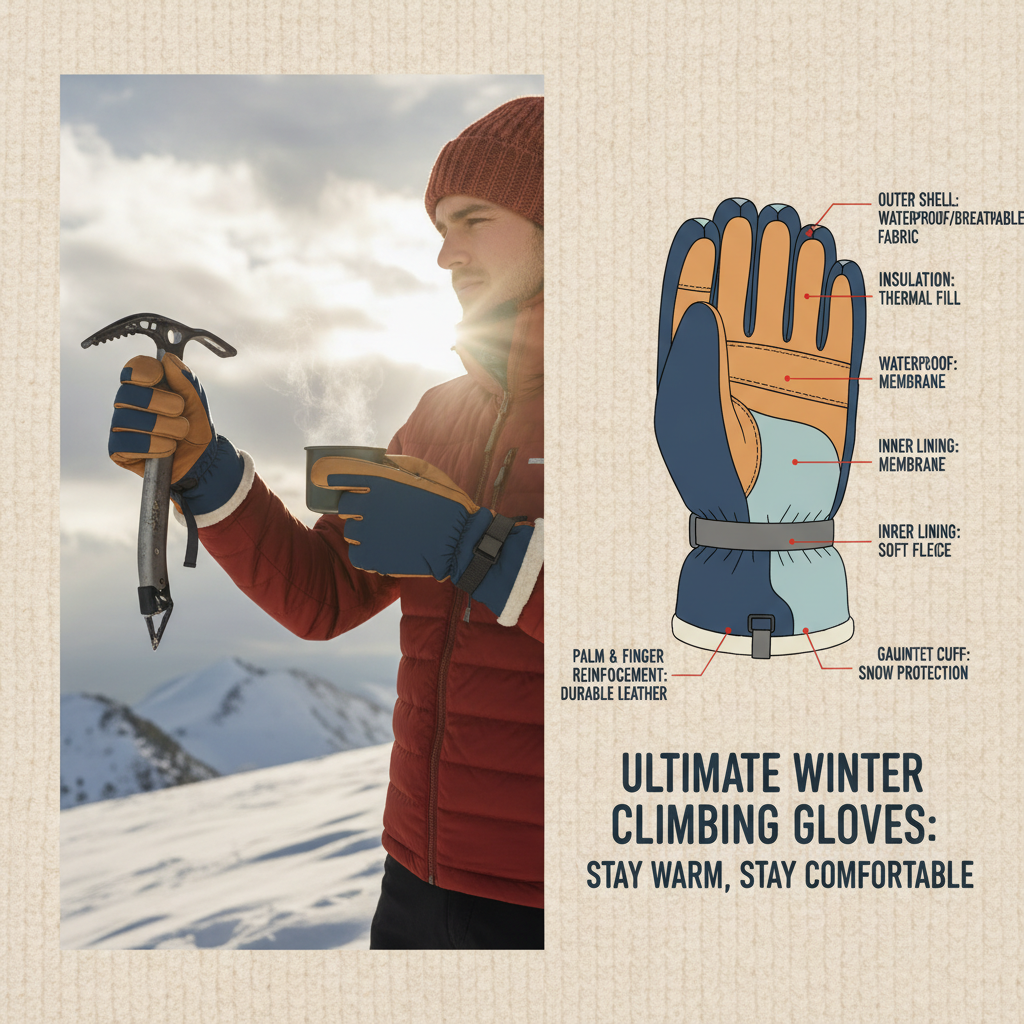
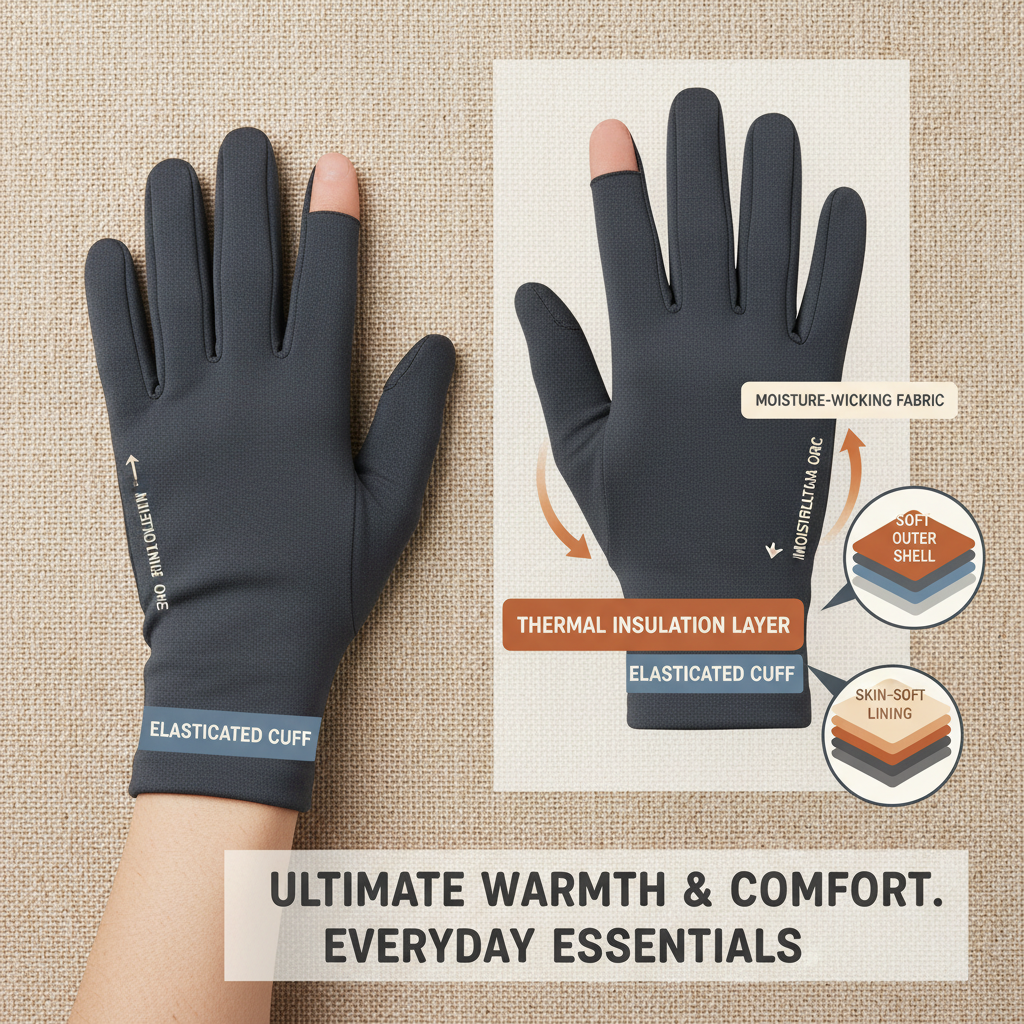
The heart of thermal gloves is their insulation. Materials like Thinsulate, Primaloft, or wool blends provide warmth by trapping heat close to the skin. The insulation must balance thickness and flexibility—a thick glove might keep you warm but hinder precision.
2. Durability and Material Strength
Builder gloves endure constant abrasion, cuts, and punctures. Often leather backs paired with reinforced palms and fingertips are standard. Some incorporate Kevlar or similar fibers for extra cut resistance. The outer layers must endure harsh environments without wear-through.
3. Grip and Dexterity
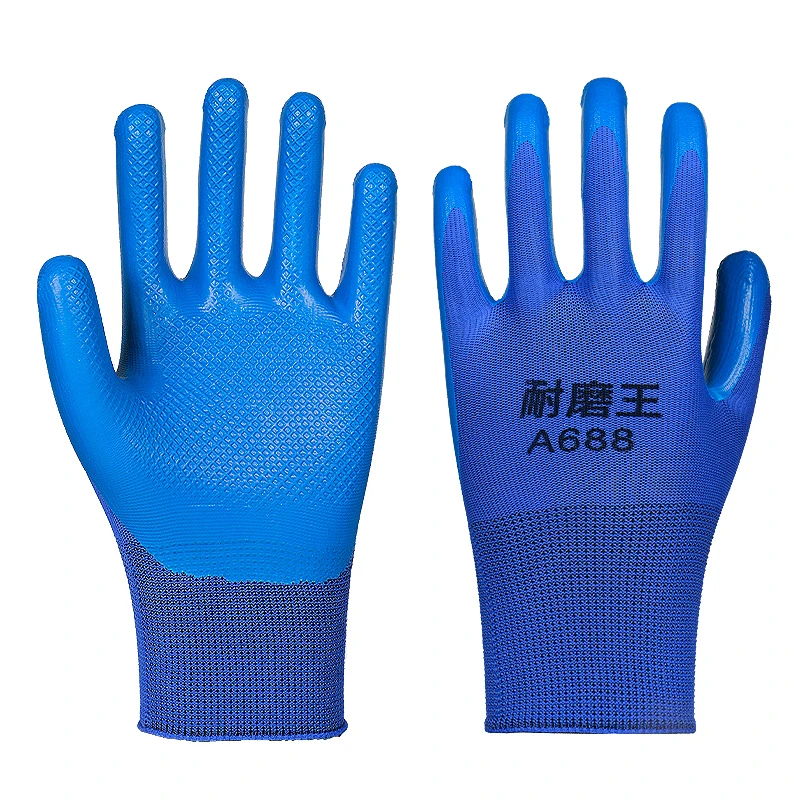
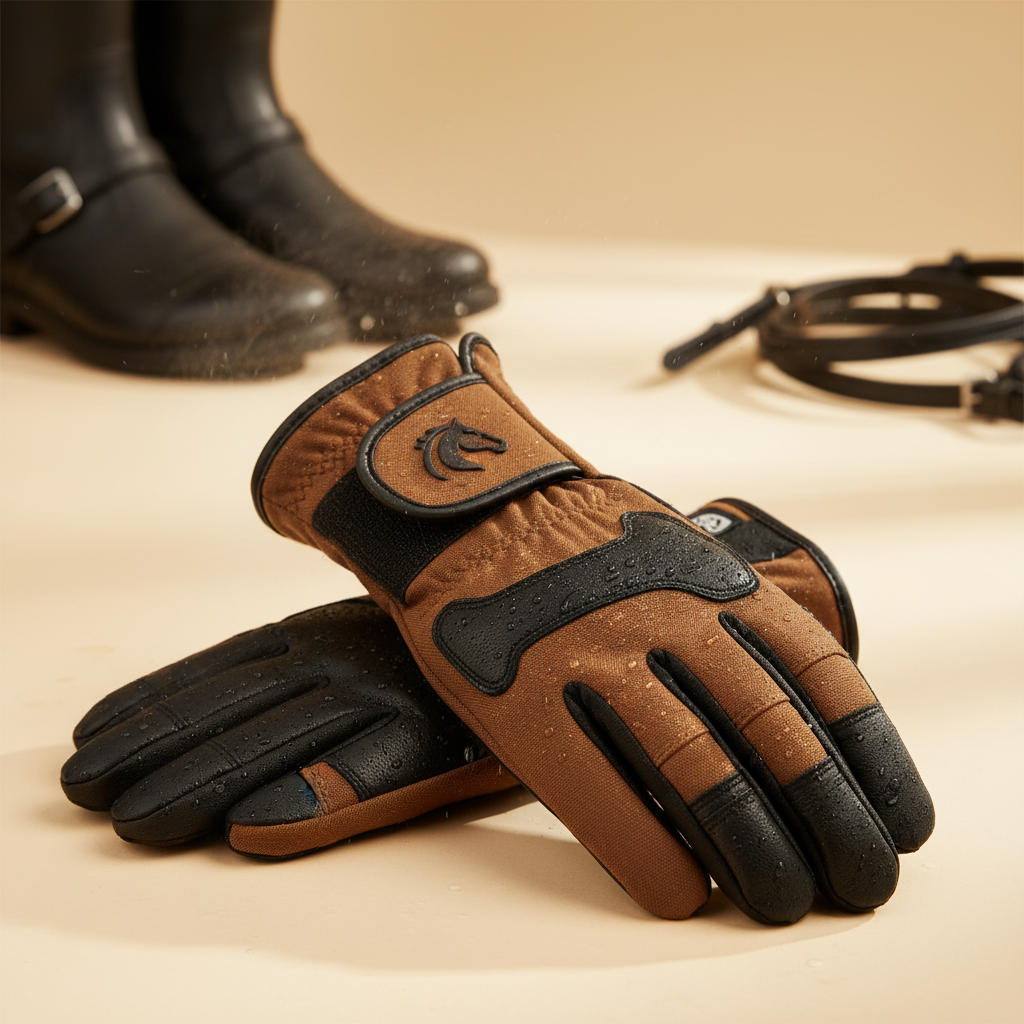
While warmth is critical, so is grip. Gloves often feature silicone or rubberized textures on palms and fingers. This enables manipulating tools and materials securely, even in wet or icy conditions—a subtle but vital consideration.
4. Waterproofing and Breathability
Many builders face snow, freezing rain, or splashes. Waterproof membranes like laminated breathable layers keep hands dry without causing sweat buildup—since moisture inside the glove can be just as dangerous as outside cold.
5. Sizing and Comfort Fit
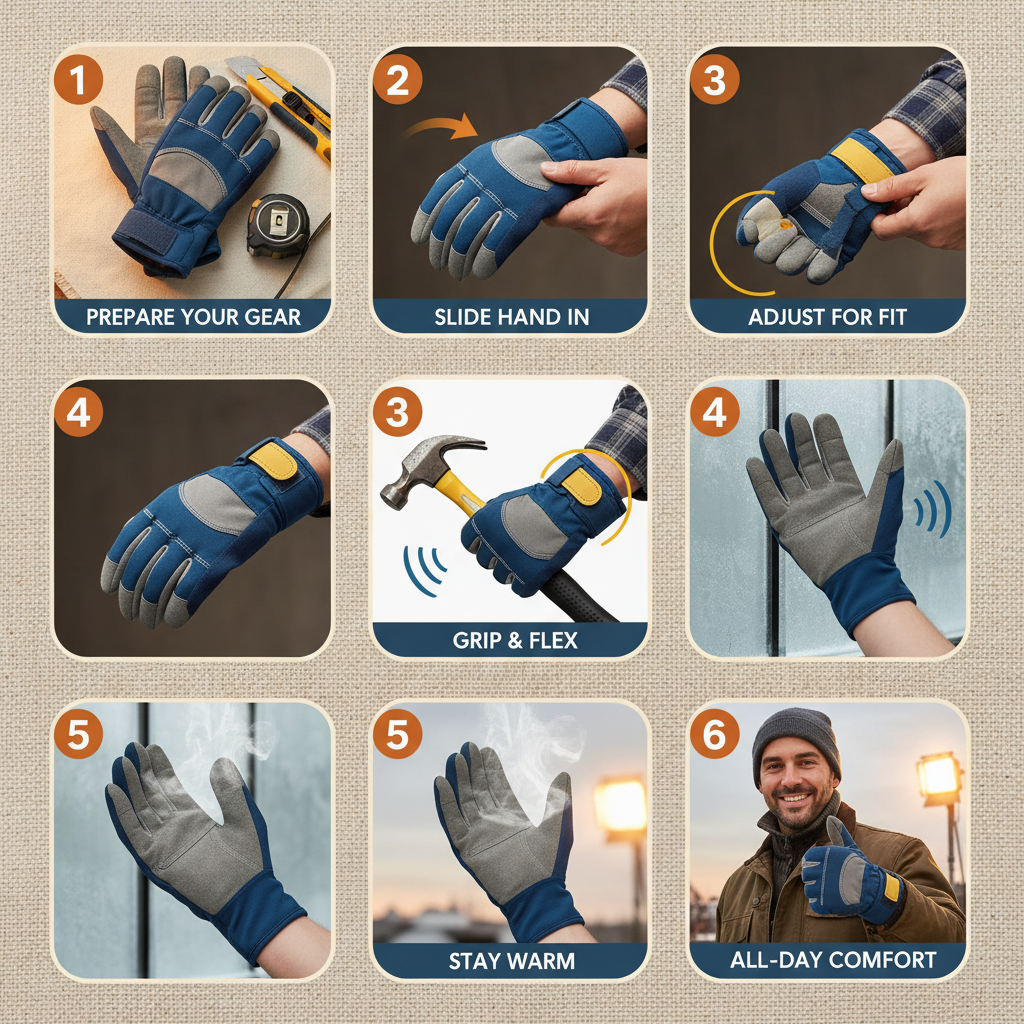
Fit affects both safety and productivity. Gloves must not be too tight to cut circulation or too loose to reduce control or snag. Adjustable cuffs and ergonomic designs play an important role here.
Global Applications & Use Cases
Thermal gloves find use practically anywhere harsh climates meet construction needs. For example:
- Canada and Scandinavia: Winter infrastructure projects rely heavily on well-insulated gloves to keep hands operational for long hours in subzero temps.
- Mountainous regions: In the Alps or Himalayas, thermal gloves are essential for builders working on roads, water pipelines, or hillside homes.
- Disaster Response: NGOs operating after cold-weather disasters or refugee shelter setups need reliable gloves for their workers—preventing cold injury helps sustain relief operations.
- Industrial Sites: Cold-storage warehouses and outdoor facilities also benefit; thermal gloves improve safety compliance and reduce injury claims.
In short, wherever cold meets construction, thermal builders gloves prove indispensable.
Advantages & Long-Term Value
Investing in quality thermal gloves pays dividends in various ways:
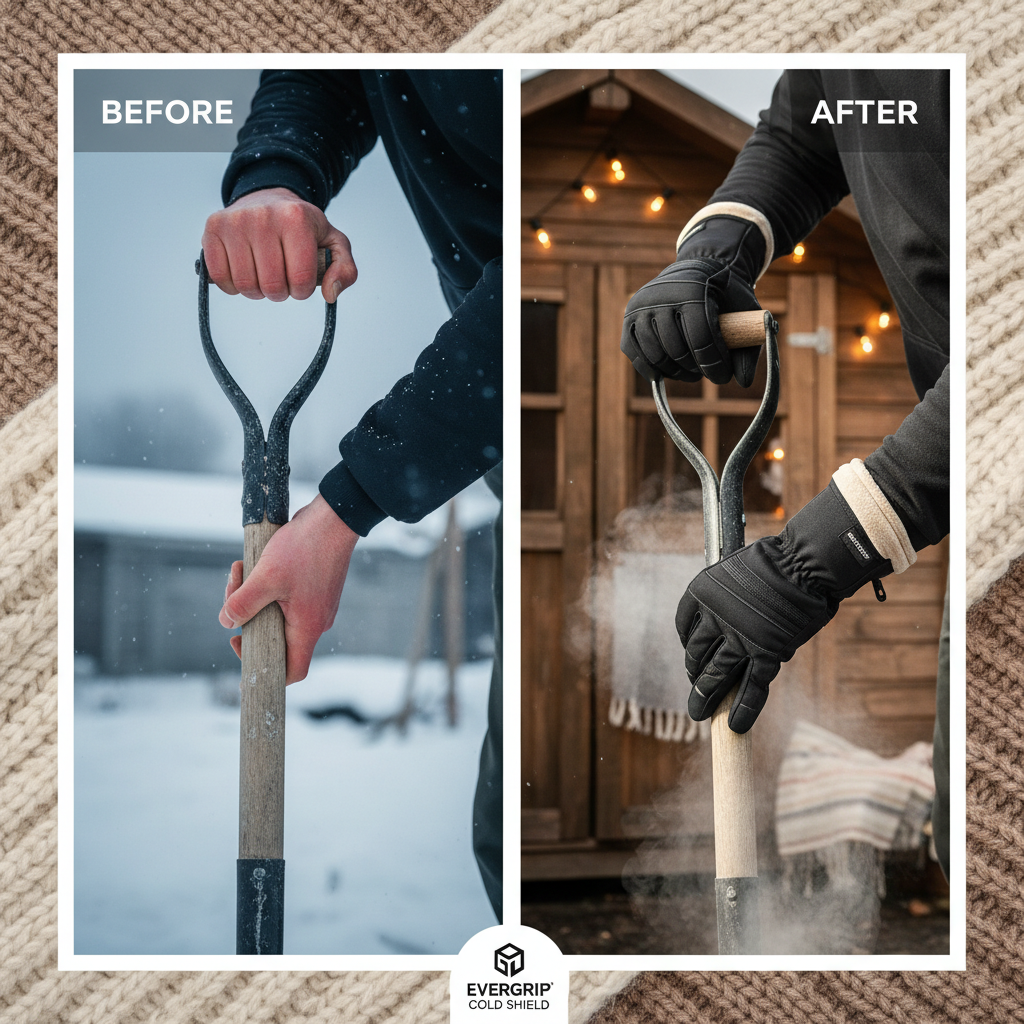
- Safety and Injury Prevention: Proper insulation prevents frostbite and cold-related injuries, reducing worker downtime.
- Enhanced Productivity: Warm hands maintain dexterity and reduce task fatigue.
- Cost Efficiency: Durable gloves reduce need for frequent replacements.
- Worker Dignity and Comfort: Feeling protected boosts morale; this often goes undervalued.
On a bigger scale, manufacturers and employers benefit from reduced insurance costs and heightened compliance with international safety standards such as ISO 12402 or EN 511 for cold protection gloves.
Future Trends & Innovations
The thermal builders gloves market is evolving, blending technology and sustainability. Here’s what’s on the horizon:
- Smart Materials: Phase-change materials that adapt insulation dynamically based on temperature fluctuations.
- Eco-Friendly Fabrics: Recycled fibers and biodegradable coatings reduce environmental footprint.
- Enhanced Grip Technologies: Nano-coatings and textured micro-patterns for superior control.
- Integration with Wearables: Sensors embedded in gloves to monitor hand temperature and circulation for health diagnostics.
These innovations promise not just warmed hands but smarter, greener safety solutions aligned with Industry 4.0 and sustainability goals.
Challenges & Solutions
Despite advances, thermal builders gloves face hurdles:
- Balancing Warmth and Dexterity: Overly insulated gloves can reduce fine motor control, frustrating users.
- Cost Barriers: High-tech gloves sometimes price out smaller firms or NGOs.
- Durability in Harsh Environments: Wear and tear from chemicals or rough materials erodes lifespan fast.
Experts suggest modular glove systems—layered liners combined with interchangeable outer shells—as a clever path ahead. Plus, encouraging collaborative design between workers and manufacturers helps tailor gloves for real-world conditions.
Product Specifications: Popular Thermal Gloves Comparison
| Feature | Glove A | Glove B | Glove C |
|---|---|---|---|
| Insulation | Thinsulate 200g | Wool Blend + Fleece | Primaloft Synthetic |
| Outer Material | Leather Palm | Synthetic Nylon | Waterproof Polyester |
| Grip | Rubberized Palm | Textured Palm | Silicone Dots |
| Waterproof | No | Yes | Yes |
| Price | $25 | $35 | $40 |
Vendor Comparison
| Vendor | Range of Thermal Gloves | Custom Options | Sustainability Policies | Price Range |
|---|---|---|---|---|
| GloveTech Co. | 10+ models | Yes, sizes & insulation | Recycled materials focus | $$ |
| SafetyWear Ltd. | 5 models | Limited | ISO 14001 certified | $-$$ |
| WorkerGuard | 8 models | Yes, custom logos | Sustainable packaging | $$$ |
Frequently Asked Questions About Thermal Builders Gloves
- Q: How do I choose the right thermal gloves for extremely cold environments?
- A: Look for gloves with proven insulation like Thinsulate 200g or higher, combined with waterproof and breathable materials. Fit is crucial, too, so ensure removable liners or adjustable cuffs are present to customize warmth and dexterity.
- Q: Can thermal gloves be used year-round in moderate climates?
- A: Generally, thermal gloves are designed for cold conditions; using them in warm weather could cause discomfort. Instead, select gloves with lighter insulation or hybrid models designed for seasonal fluctuations.
- Q: Are waterproof thermal gloves more expensive?
- A: Usually, yes—adding waterproof membranes and breathable layers adds cost. However, the extended glove lifespan and enhanced protection often justify the investment.
- Q: How do I properly maintain thermal builders gloves?
- A: Clean according to manufacturer instructions—usually spot cleaning or gentle hand washing. Avoid heat drying as it can degrade insulation. Store them dry and flat to retain shape and performance.
- Q: Where can I purchase certified thermal building gloves for large projects?
- Look for vendors with ISO or EN certifications and bulk order capabilities. Our recommended suppliers provide certified options suited for construction needs. For convenience, visit thermal builders gloves to explore trusted sources.
Conclusion
Thermal builders gloves are a subtle but vital piece of gear that keeps construction workers safe, comfortable, and productive in cold settings worldwide. From their core materials to future innovations, these gloves underscore the intersection of safety, comfort, and technology in modern industry. If you want to ensure your workforce’s hands stay warm and protected—while staying compliant with global safety standards—exploring the right thermal glove options is an excellent place to start.
For more information or to explore a wide range of proven thermal builders gloves, I invite you to visit our website: thermal builders gloves.
It’s funny how a pair of gloves can tell the story of human ingenuity meeting daily toil, isn’t it?
Takeaway:
Choosing thermal gloves isn’t just about warmth—it’s about blending safety, comfort, and durability for real-world building challenges.