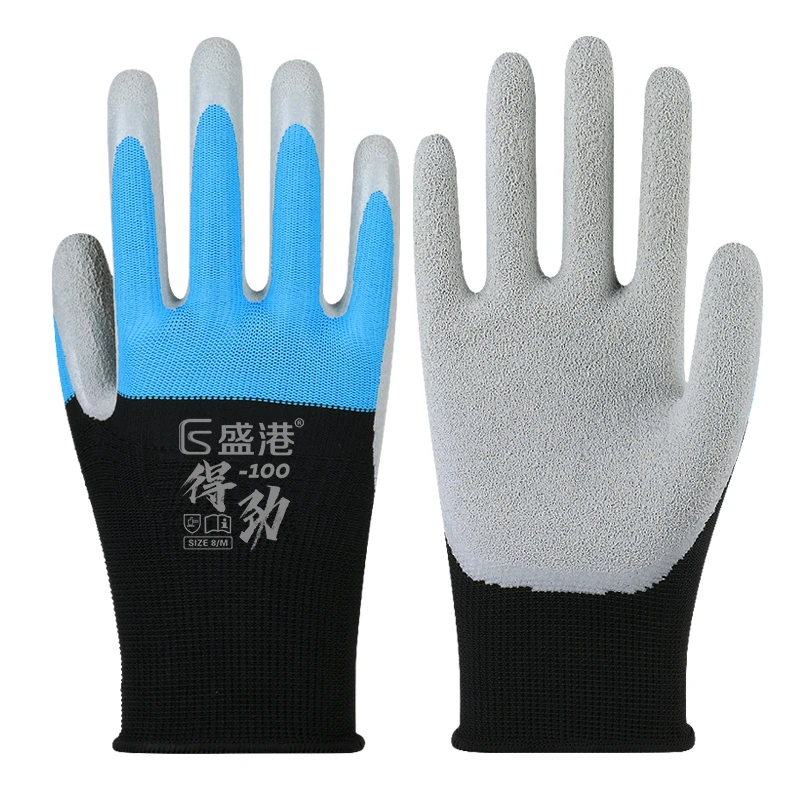
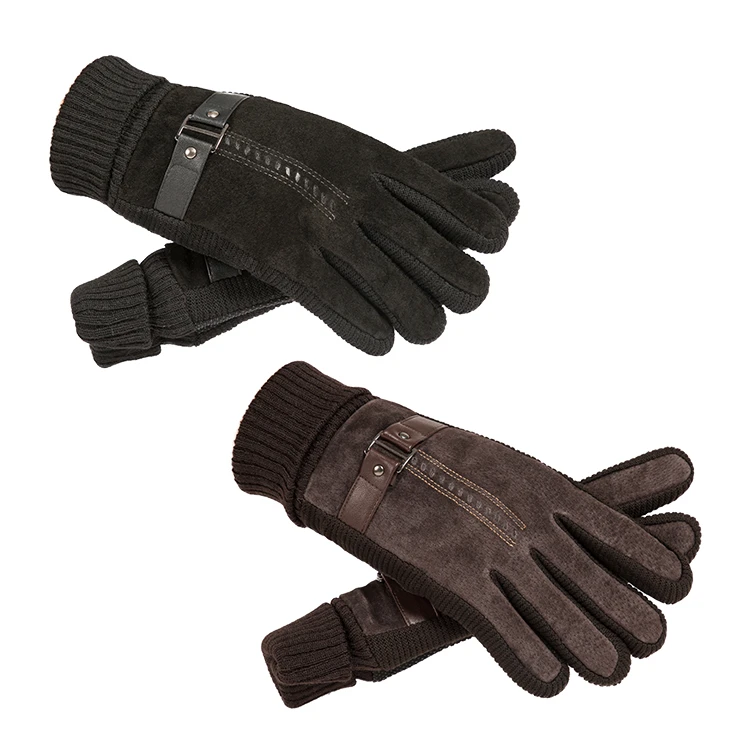
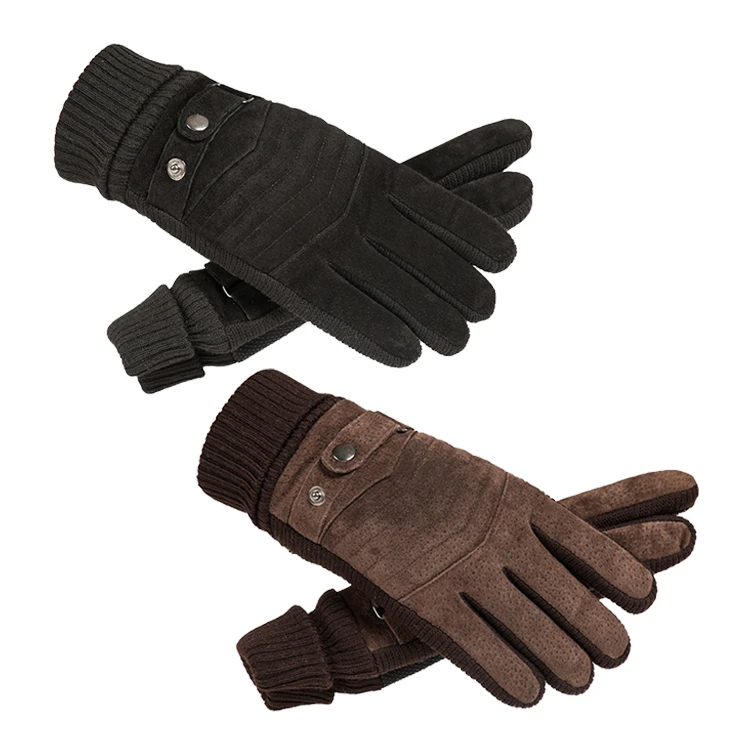
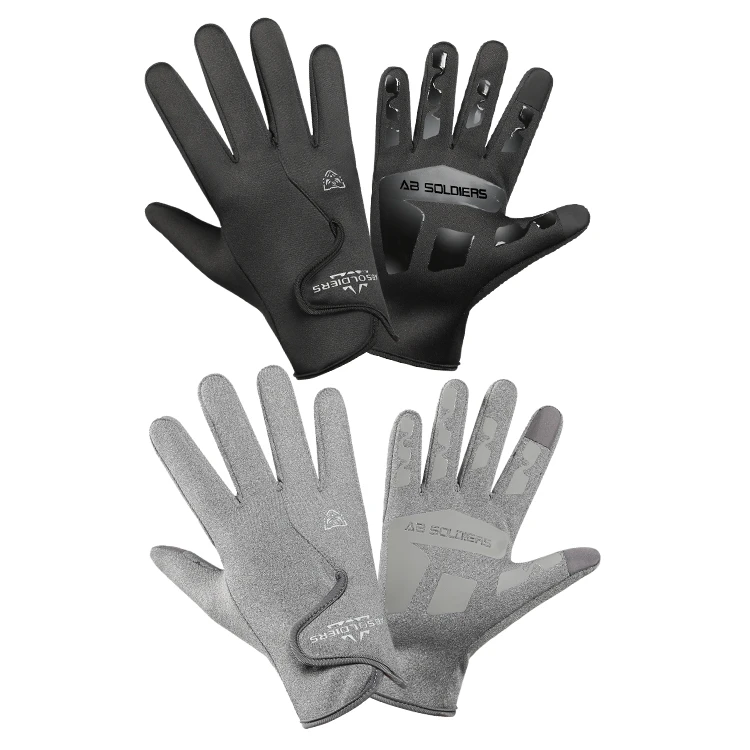
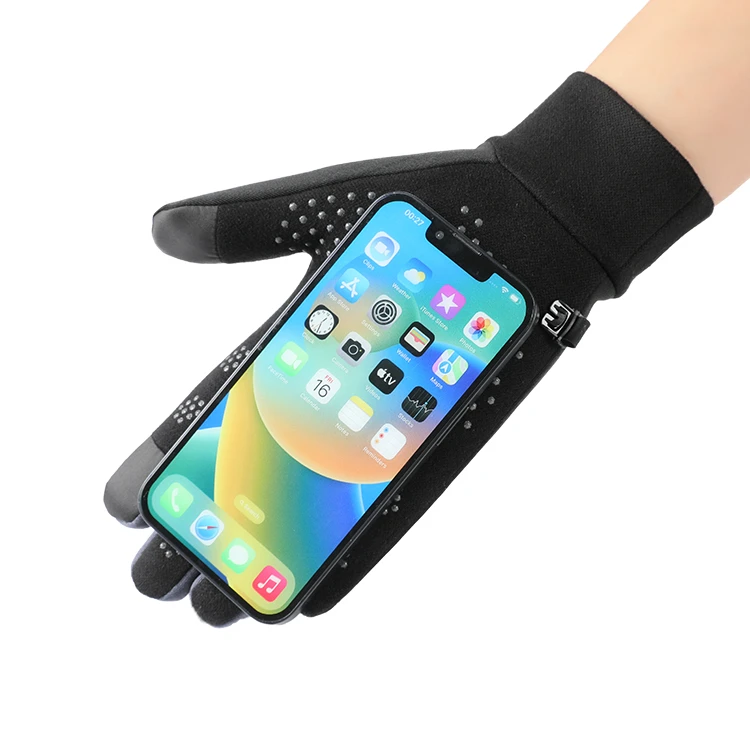
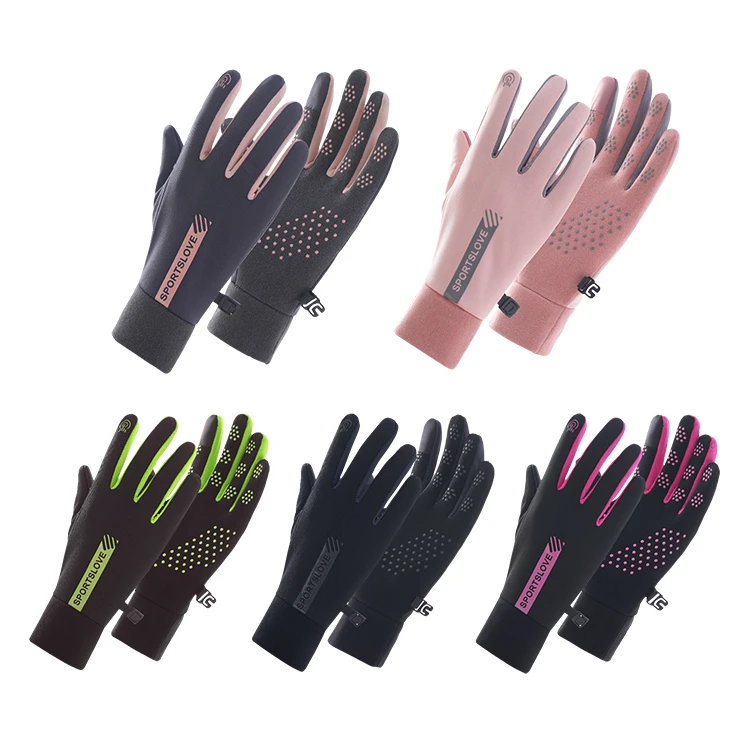
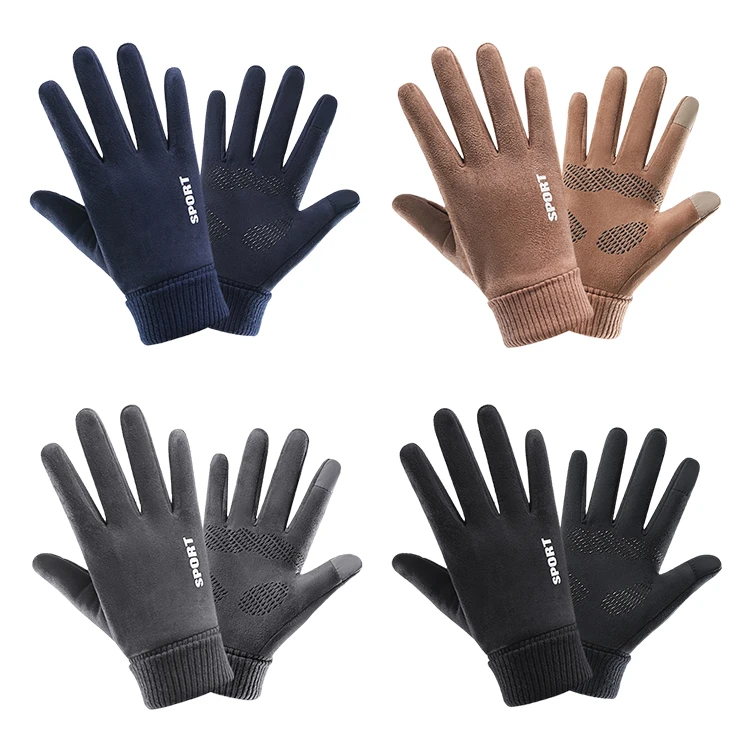
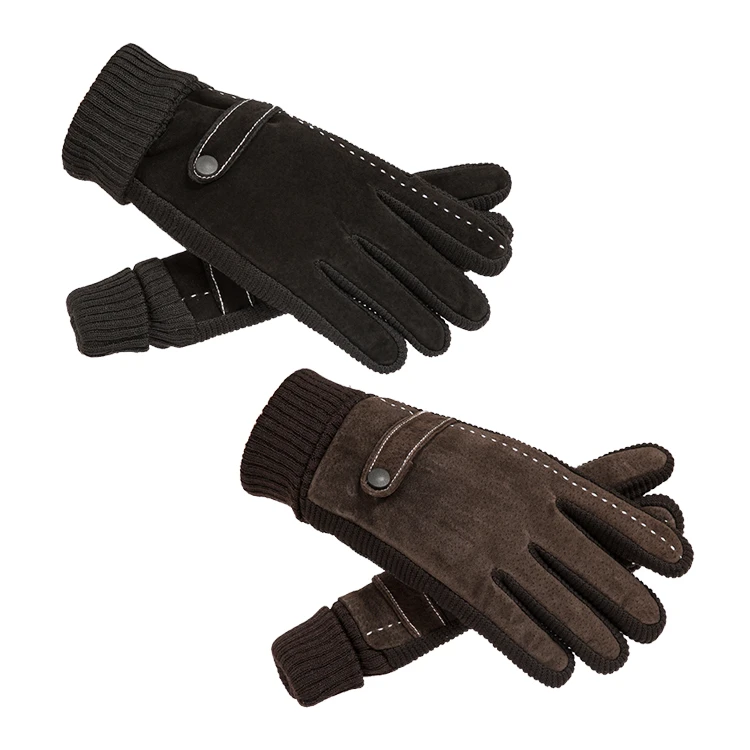
Thermal Gloves for Extreme Cold: Essential Protection for Harsh Climates
Understanding Thermal Gloves for Extreme Cold: Essential Gear for Harsh Environments
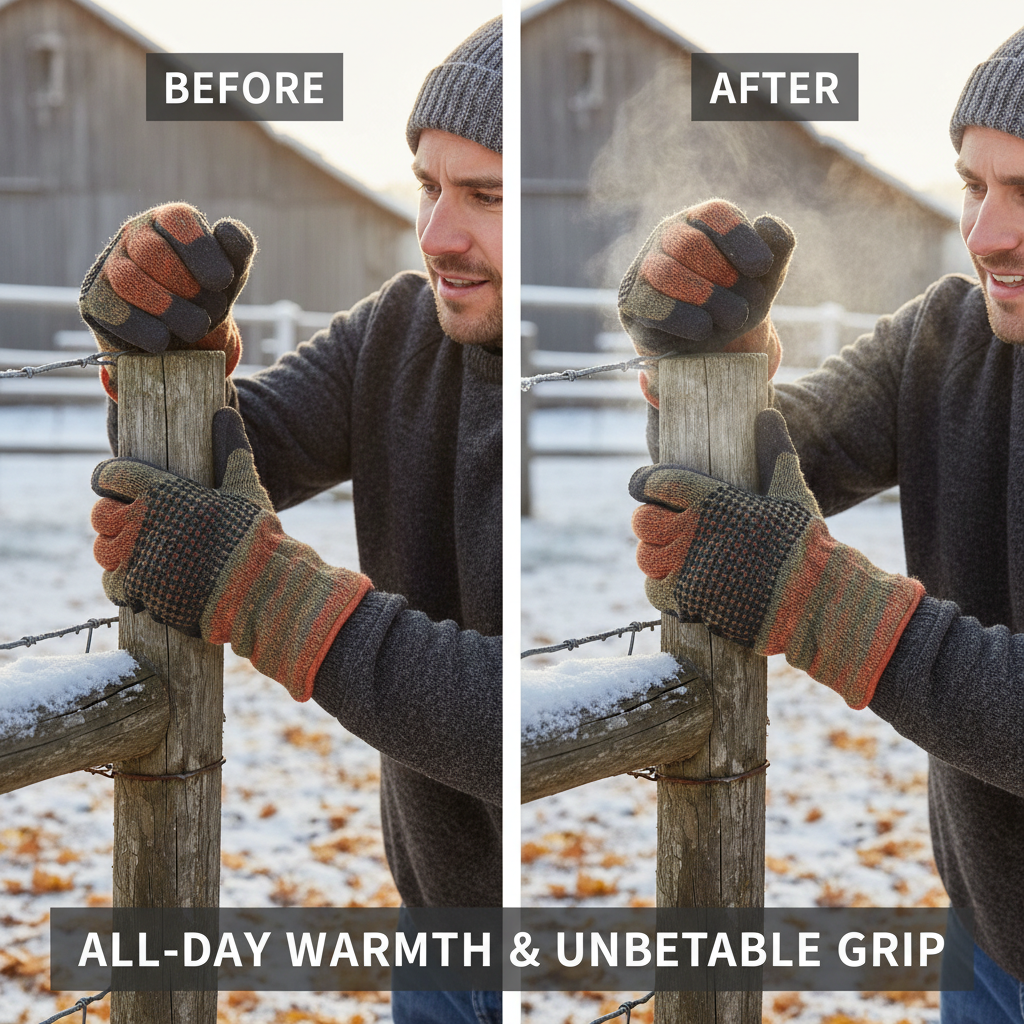
When temperatures plunge below freezing, whether you’re working in Siberia’s tundra or trekking through Antarctica, your hands bear the brunt of the cold. Thermal gloves for extreme cold aren't just a luxury—they’re essential gear for safety, productivity, and health. In an increasingly unpredictable climate, understanding how these gloves work and their wider global applications is crucial for industries, humanitarian efforts, and everyday users alike.
Why Thermal Gloves for Extreme Cold Matter Globally
According to the World Meteorological Organization, the planet’s cold regions are seeing more extreme weather cycles, often impacting infrastructure and worker safety. Cold stress is a recognized occupational hazard by the International Labour Organization (ILO), contributing to reduced dexterity, frostbite, and hypothermia risk. Thermal gloves designed specifically for extreme cold offer reliable protection that can literally save lives and improve work efficiency in harsh settings.
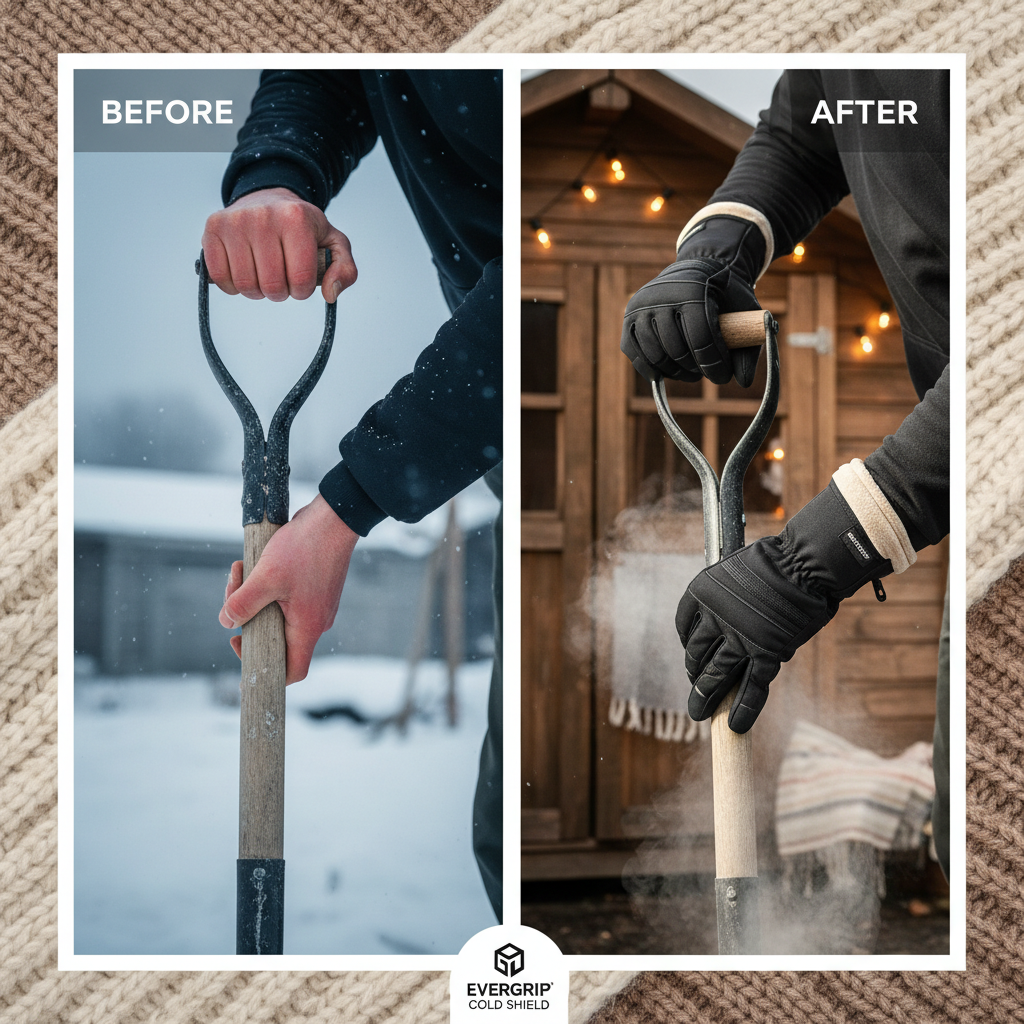
Imagine trying to perform delicate tasks when your fingers are numb or worse—when frostbite is looming. That’s why better hand protection isn’t just about comfort, it’s about operational continuity in sectors like energy, logistics, military, and humanitarian relief.
Defining Thermal Gloves for Extreme Cold
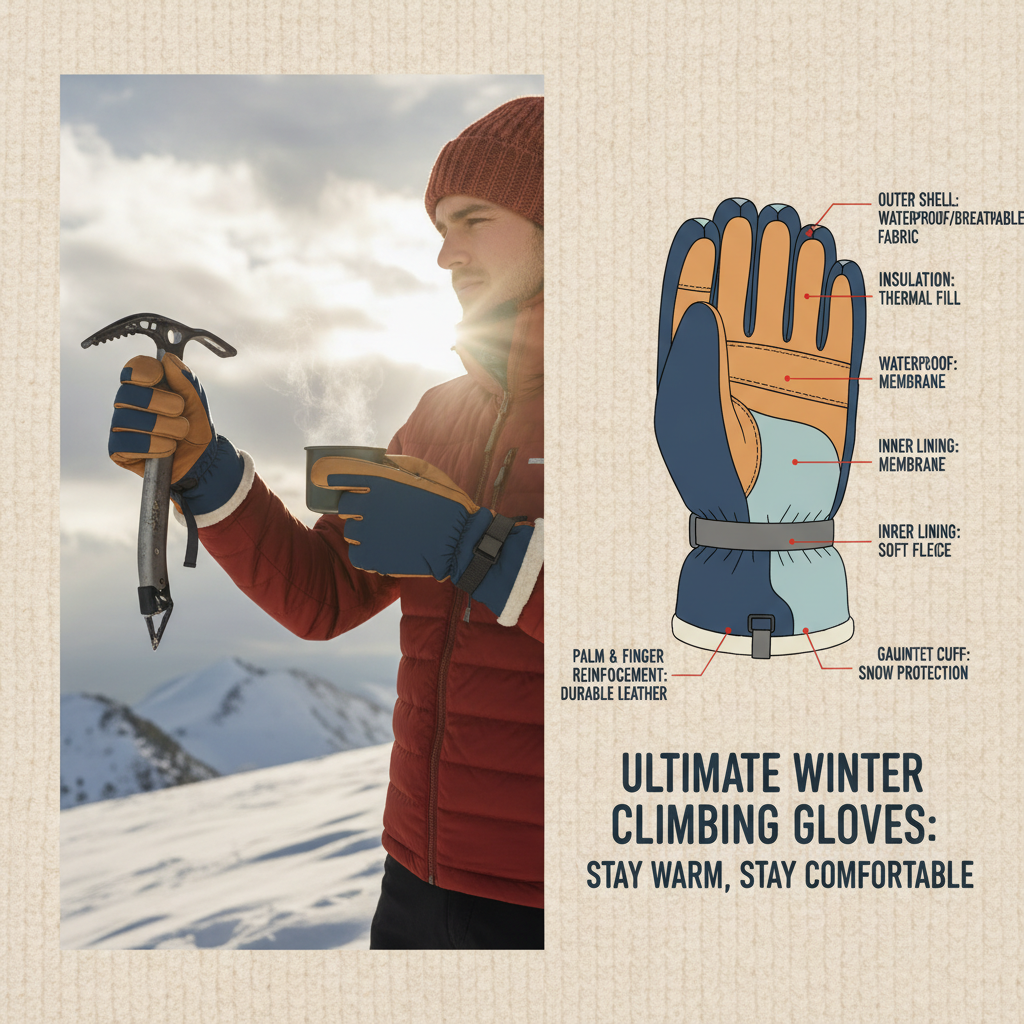
Put simply, thermal gloves for extreme cold are specially engineered gloves that combine insulation, moisture resistance, and dexterity to keep hands warm and dry under frigid conditions, often below -20°C (-4°F). Unlike regular gloves, these use advanced materials and layering systems, such as Thinsulate, Gore-Tex membranes, synthetic insulators, or even natural down, to trap heat while repelling moisture and wind.
They are vital where outdoor work meets cold stress—from Arctic researchers conducting experiments to humanitarian workers assisting displaced populations in freezing climates. In fact, organizations like the UN employ such gloves when they’re undertaking cold weather relief operations because protecting extremities is crucial to sustaining fieldwork in hostile environments.
Key Components of High-Performance Thermal Gloves
1. Insulation
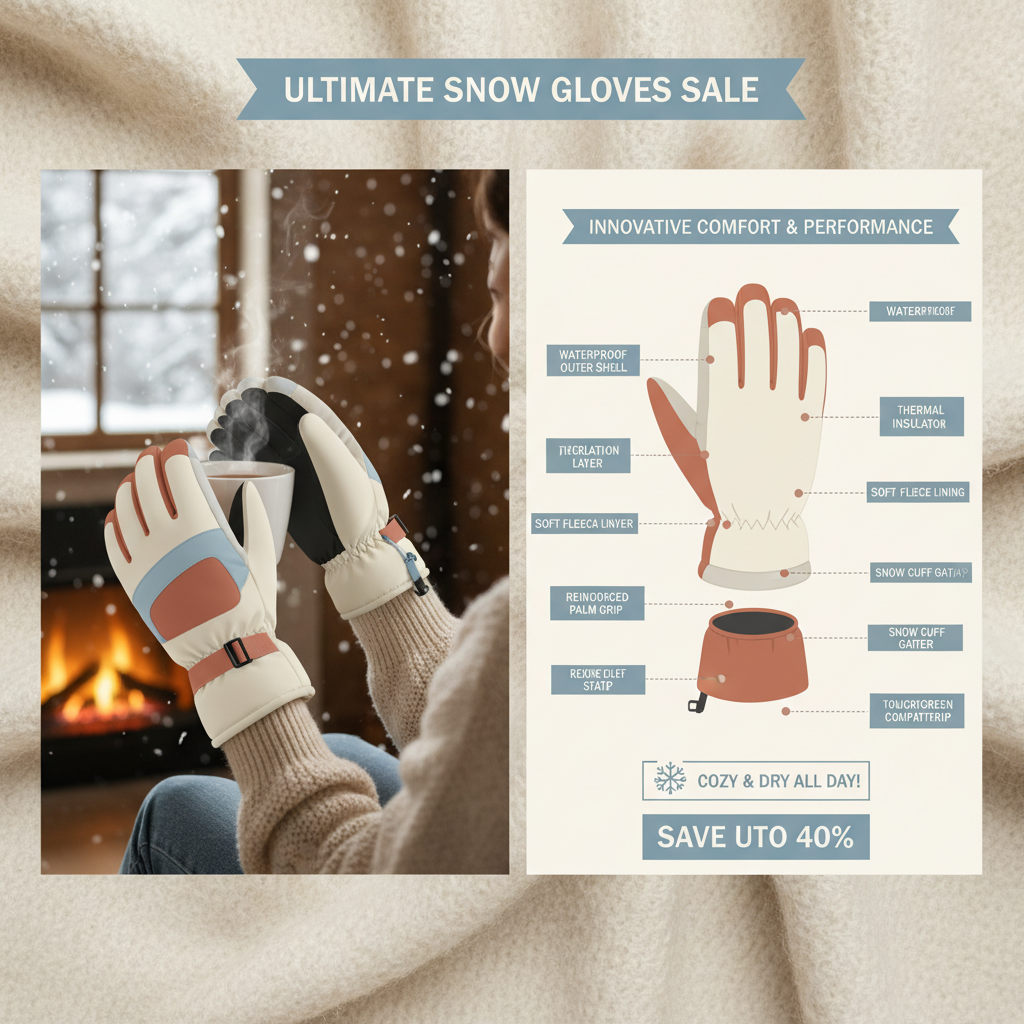
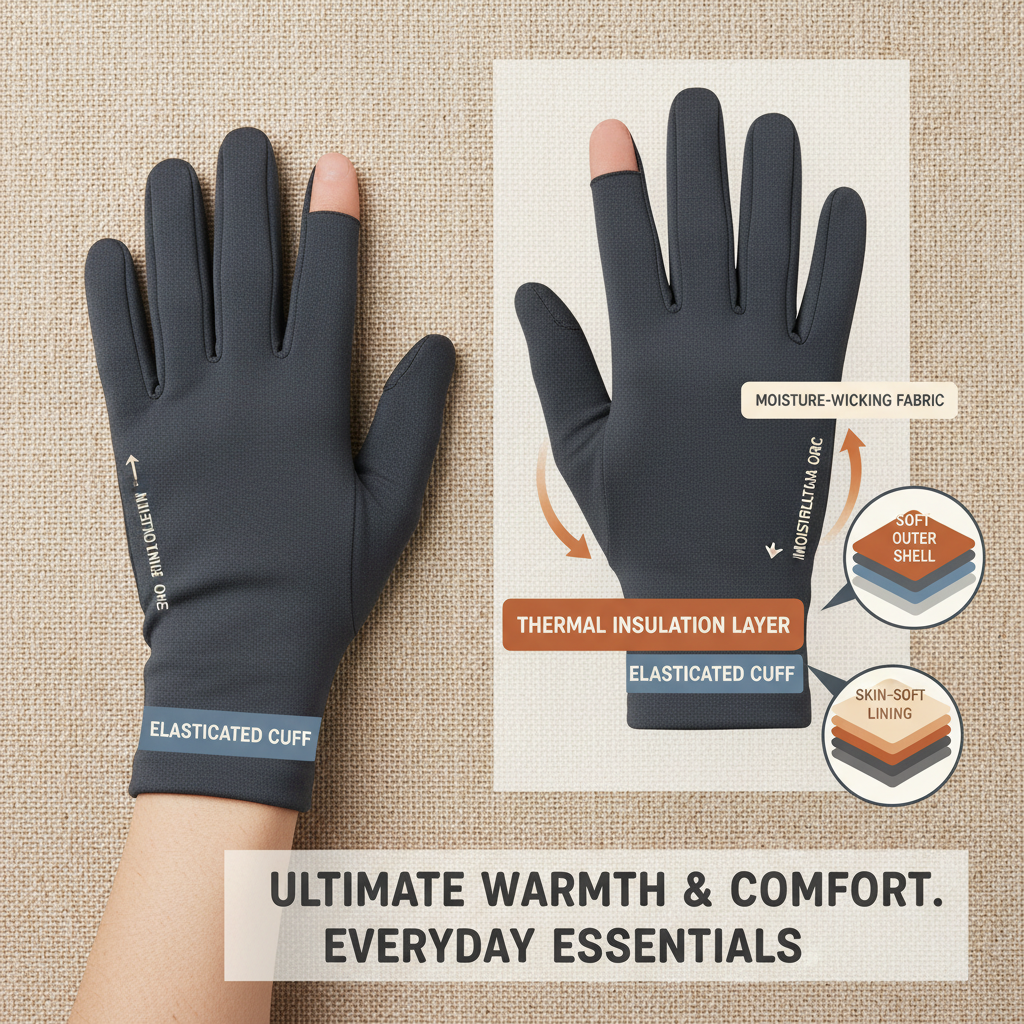
This is the heart of thermal gloves. Materials such as Thinsulate or PrimaLoft insulate by trapping warm air close to the skin without bulk, allowing good flexibility. Natural options like goose down provide cozy warmth but tend to be less water-resistant.
2. Waterproof and Breathable Shell
To keep hands dry, the outer layer often features membranes like Gore-Tex or PU coatings that repel water but allow sweat vapor to escape. This prevents the chilling effect of dampness inside gloves.
3. Windproofing
Wind can quickly wick away heat from your hands. Effective gloves have a windproof barrier that limits heat loss, especially critical in very windy cold zones.
4. Dexterity and Grip
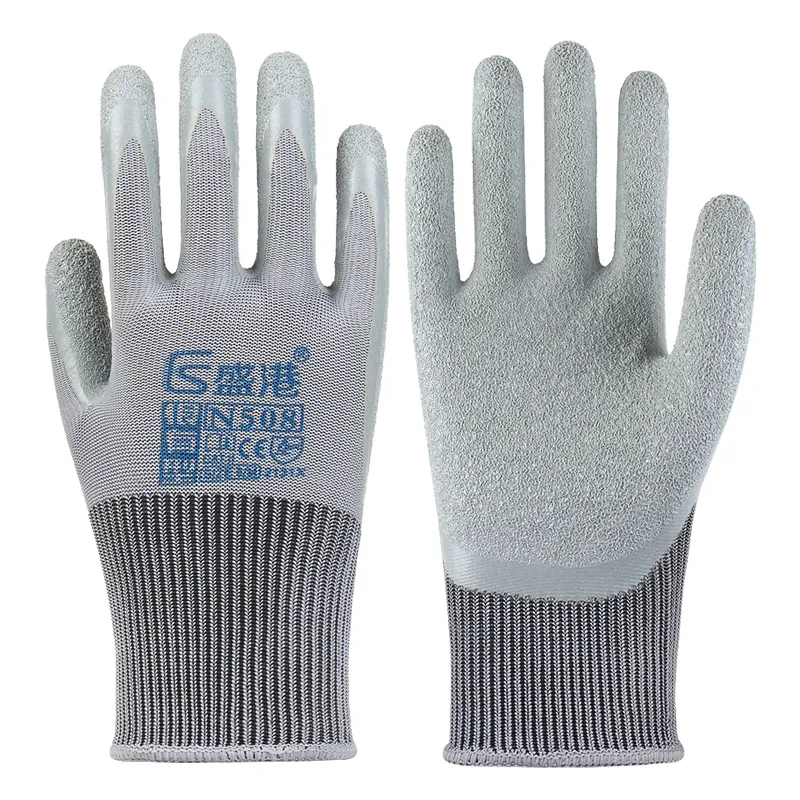
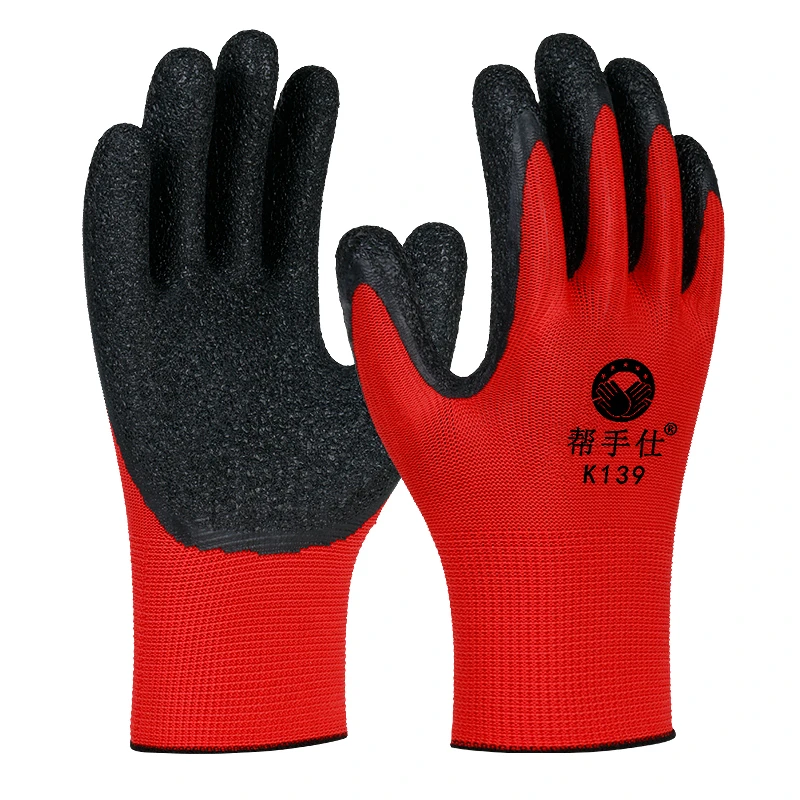
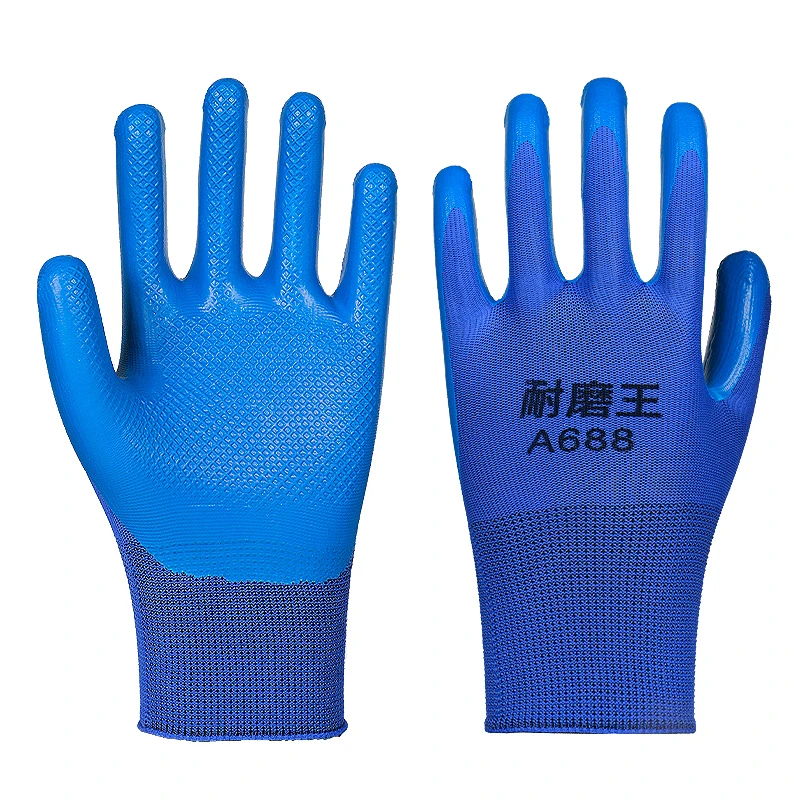
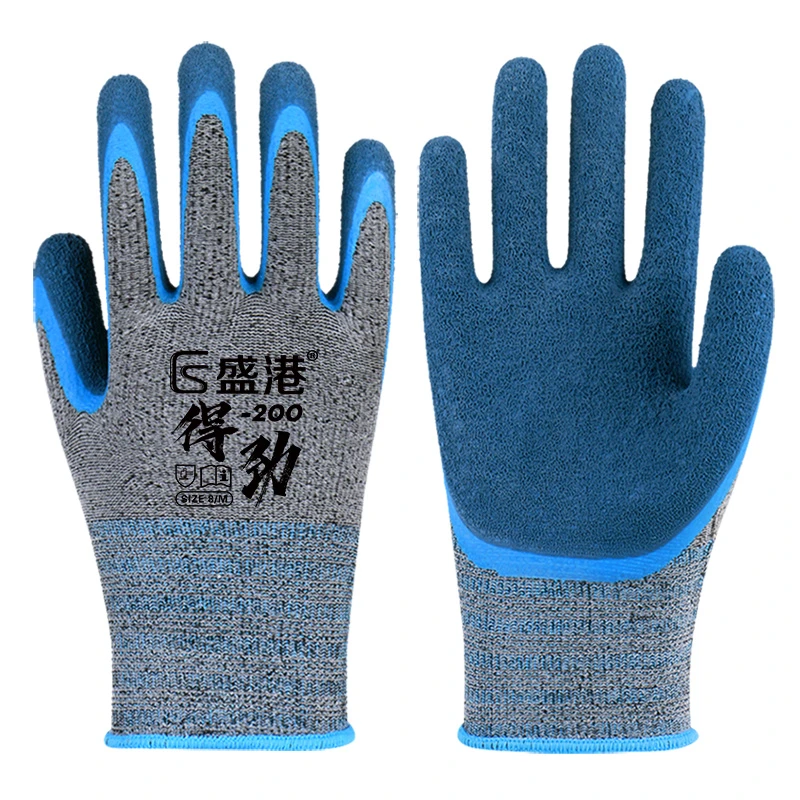
While bulkiness can be a natural byproduct of insulation, manufacturers optimize for dexterity by using ergonomic designs and textured palms (like silicone or rubberized grips) so users can hold tools or equipment securely.
5. Durability
In industrial or military use, gloves must endure abrasion, tearing, and repeated moisture exposure. Reinforced stitching and wear-resistant materials improve lifespan.
Thermal Gloves for Extreme Cold: Product Specifications
| Feature | Description |
|---|---|
| Insulation Material | Thinsulate 40g/m² |
| Outer Shell | Gore-Tex membrane + Nylon |
| Water Resistance | > 10,000 mm H2O pressure |
| Dexterity Rating | Level 4 (EN 388 standard) |
| Operating Temperature Range | -40°C to 0°C |
Global Applications and Real-World Use Cases
Thermal gloves for extreme cold play vital roles across various extreme professions and geographies. In Canada’s oil sands, workers wear them to prevent frostbite during long outdoor shifts. Antarctic research stations rely on these gloves to protect scientists handling sensitive instruments outside heated labs. Post-disaster relief operations in cold regions depend on reliable hand protection to maintain efficiency and safety in distribution efforts. Even high-altitude mountaineers and military personnel depend on these gloves to preserve functionality under brutal conditions.
Industries as diverse as transportation logistics, construction, and renewable energy all leverage these gloves because unprotected hands can shut down operations faster than many other hazards.
Comparing Leading Thermal Glove Vendors
| Brand | Insulation Type | Waterproof Membrane | Price Range |
|---|---|---|---|
| FrostTech Pro | PrimaLoft Gold | Gore-Tex XCR | $120-$150 |
| GlovGuard Arctic | Thinsulate 40g/m² | HydroGuard PU | $80-$110 |
| PolarShield XT | Goose Down + Synthetic Blend | Water-resistant nylon | $130-$170 |
Advantages and Long-Term Value of Thermal Gloves for Extreme Cold
- Health Protection: Prevent cold injuries such as frostbite and hypothermia, which can lead to long-term disability.
- Operational Continuity: Keeps workers functional and reduces downtime caused by cold stress.
- Cost Savings: Durable gloves reduce replacement frequency, and fewer cold-related injuries reduce healthcare costs.
- Social Impact: Emergency aid workers and military personnel maintain dignity and effectiveness in cold conditions.
- Innovation: New materials enhance comfort and environmental sustainability, supporting greener manufacturing.
Emerging Trends and Future Innovations
The future of thermal gloves involves smart textiles with integrated sensors that monitor temperature and circulation, providing real-time feedback to users and supervisors. Manufacturers are increasingly turning to eco-friendly insulation alternatives—a nod to sustainability goals outlined by ISO standards like ISO 14001. Digital production methods and robotic stitching improve durability and precision. Oddly enough, the rise of thermal gloves for extreme cold parallels technological advances in outdoor apparel, making it an exciting field for innovation.
Challenges in Thermal Glove Technology & Solutions
One persistent problem has been balancing insulation with dexterity; bulkier gloves offer warmth but hinder fine motor skills. Innovations like thinner, layered insulation or hybrid gloves with removable liners help, but there’s still a trade-off. Another concern is cost—high-end gloves can be pricey, which limits access for some markets. Solutions involve scalable production and subsidies for humanitarian use. Ongoing R&D to improve breathability while maintaining waterproofing also addresses user comfort concerns.
FAQ: Frequently Asked Questions About Thermal Gloves for Extreme Cold
Q1: How do thermal gloves differ from regular winter gloves?
A1: Thermal gloves are designed specifically to withstand extremely low temperatures by using specialized insulation materials and waterproof membranes. They focus on maximum warmth, moisture management, and durability, which regular winter gloves often lack.
Q2: Can thermal gloves be used for activities like skiing or mountaineering?
A2: Absolutely. Many thermal gloves offer the insulation and dexterity needed for outdoor sports in cold climates. Look for gloves with breathable but waterproof shells to handle snow and moisture.
Q3: What maintenance do thermal gloves require?
A3: Most thermal gloves should be hand-washed or cleaned per manufacturer instructions to maintain insulation and waterproof coatings. Avoid dryers and harsh detergents that can damage membranes.
Q4: Are there gloves suitable for both cold and wet conditions?
A4: Yes, gloves with membranes like Gore-Tex provide a waterproof yet breathable barrier, suitable for snowy or rainy cold environments.
Q5: How do I choose the right size?
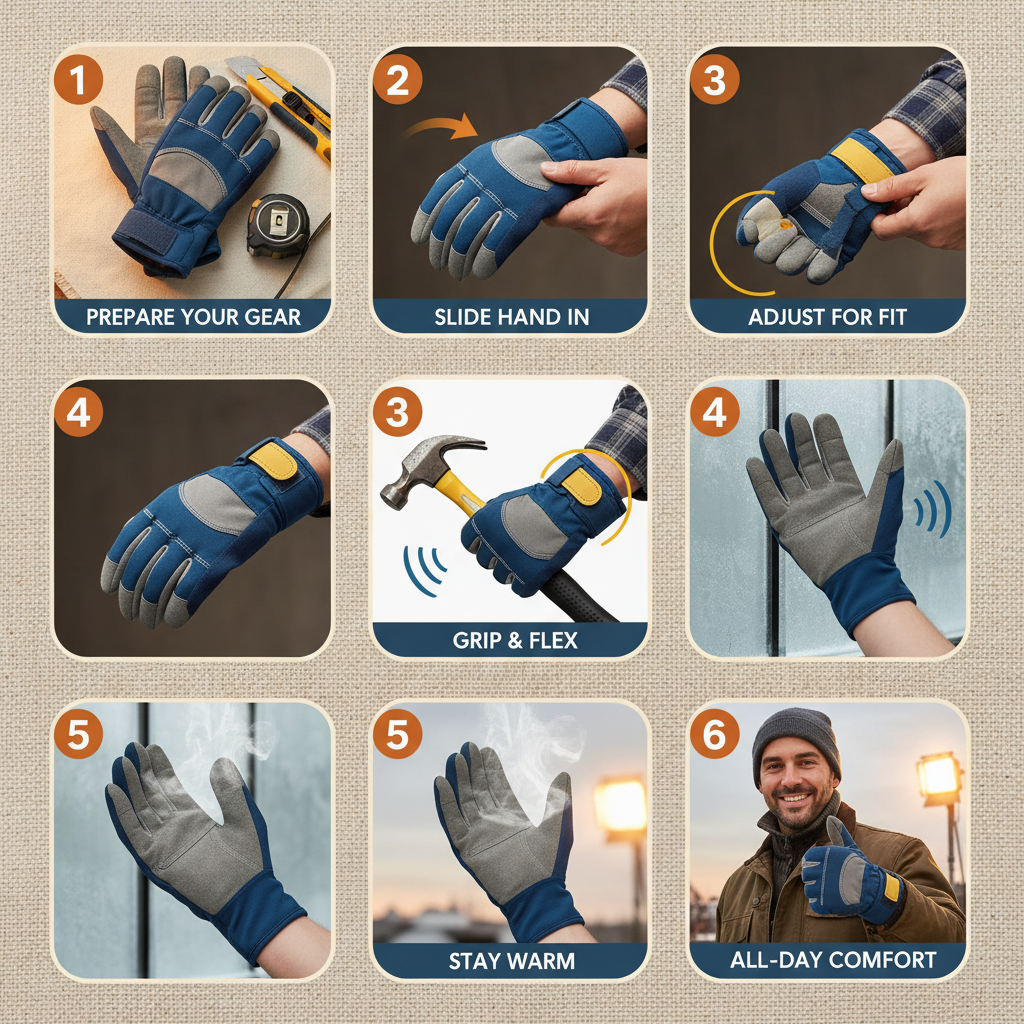
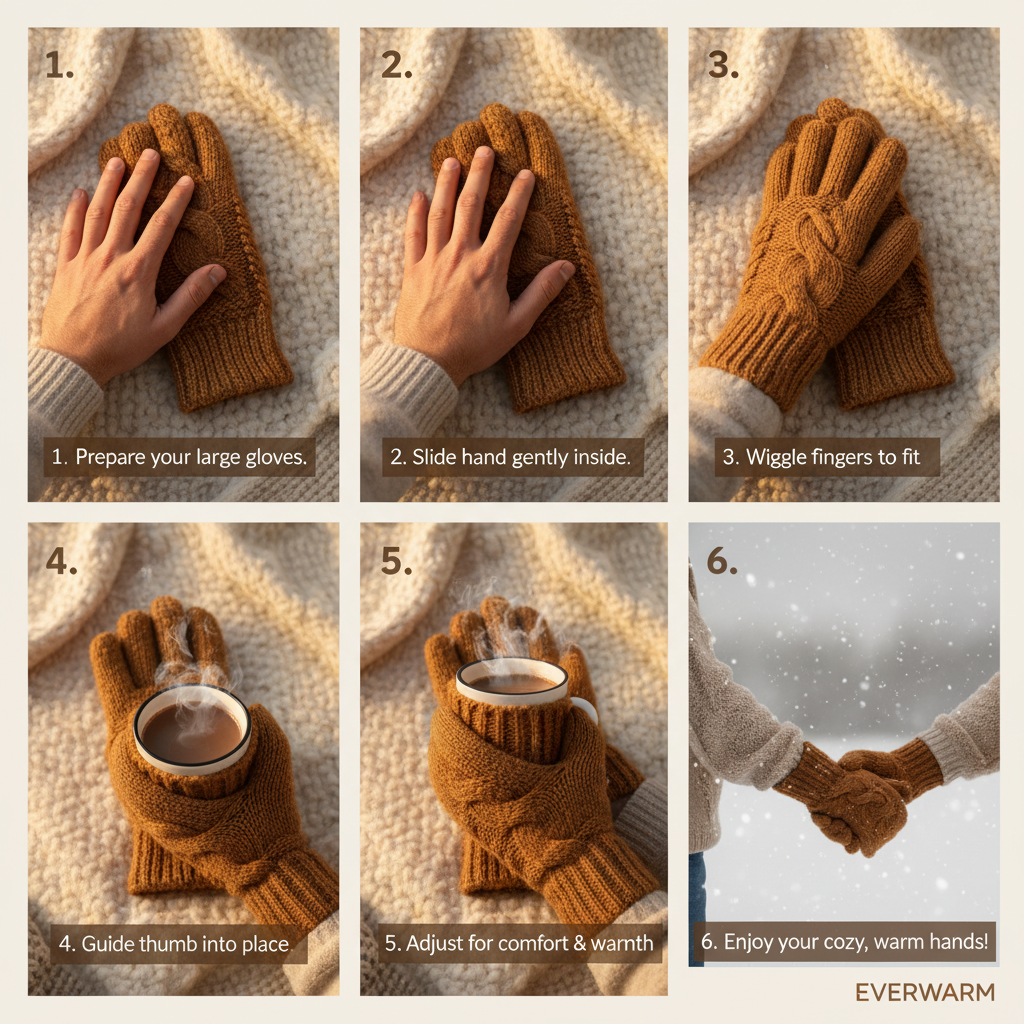
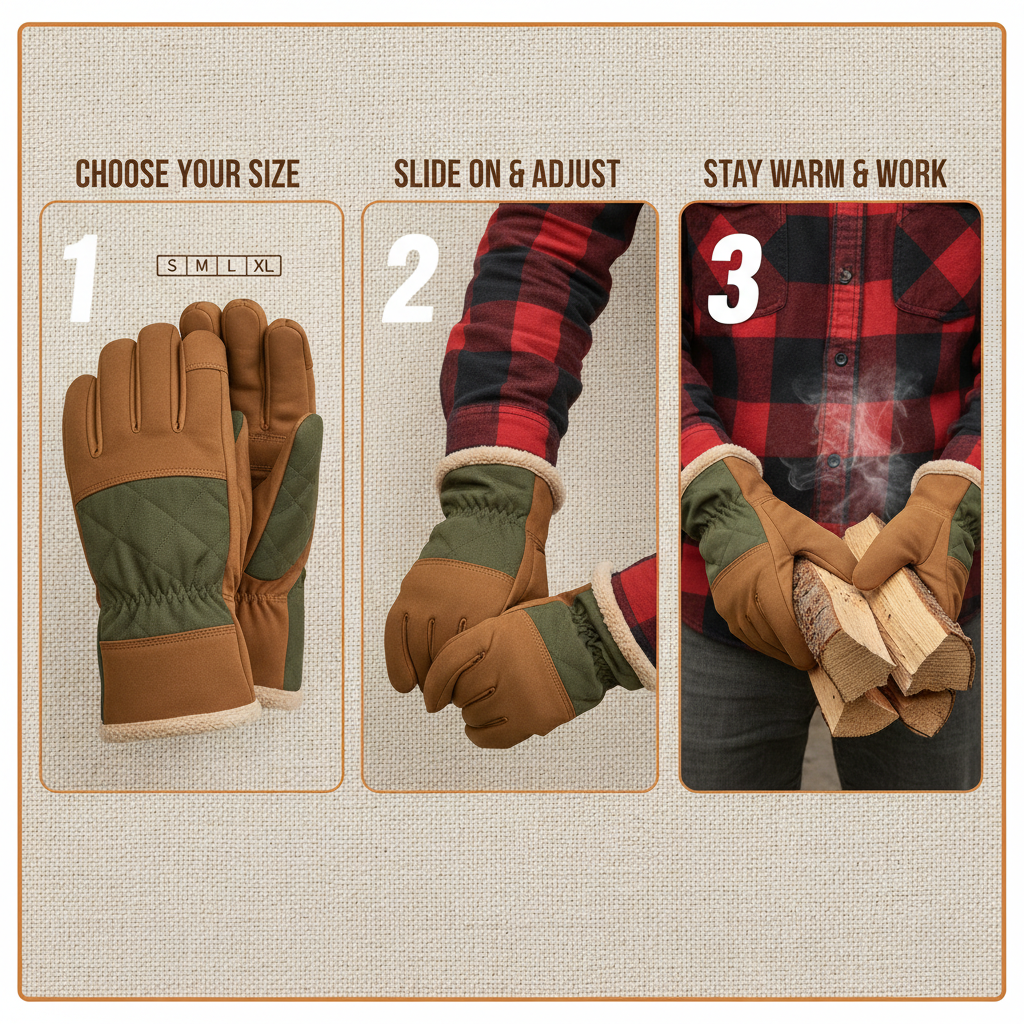
A5: Proper fit is crucial for warmth and dexterity. Measure your hand circumference around the widest part (excluding thumb), and check size charts from manufacturers.
Conclusion: Stay Warm, Stay Ready
Thermal gloves for extreme cold are more than bulky accessories—they’re critical tools safeguarding health, enhancing performance, and enabling vital tasks across the globe. From industrial sites to disaster relief zones, their role cannot be overstated. For anyone venturing into freezing environments, investing in quality thermal gloves for extreme cold means investing in safety and success.
Want to explore the latest in thermal glove technology or find options tailored to your needs? Visit our website: personalcarescn.com for expert advice and product catalogs that help you brave the cold with confidence.
Oddly enough, your hands might just thank you one icy morning when everything else feels frozen stiff.