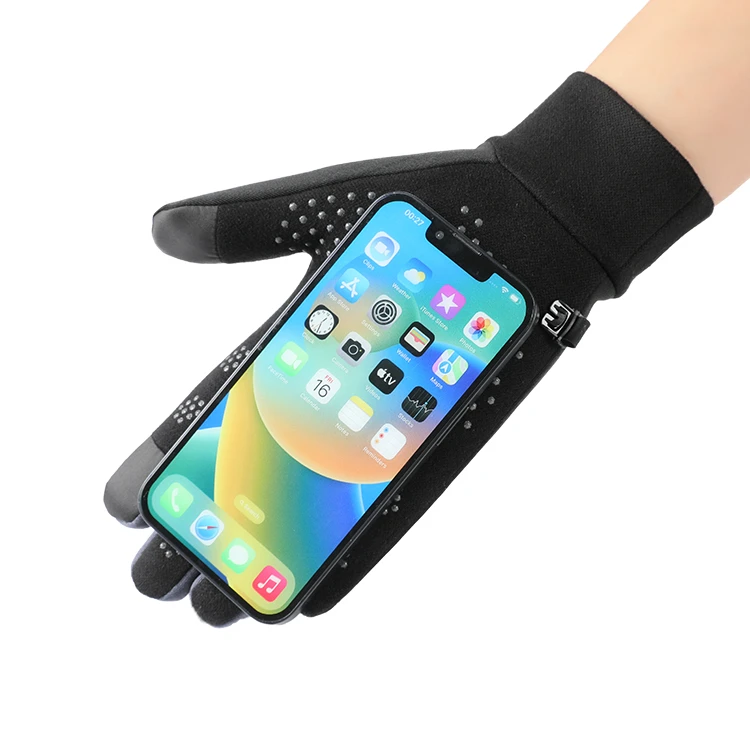
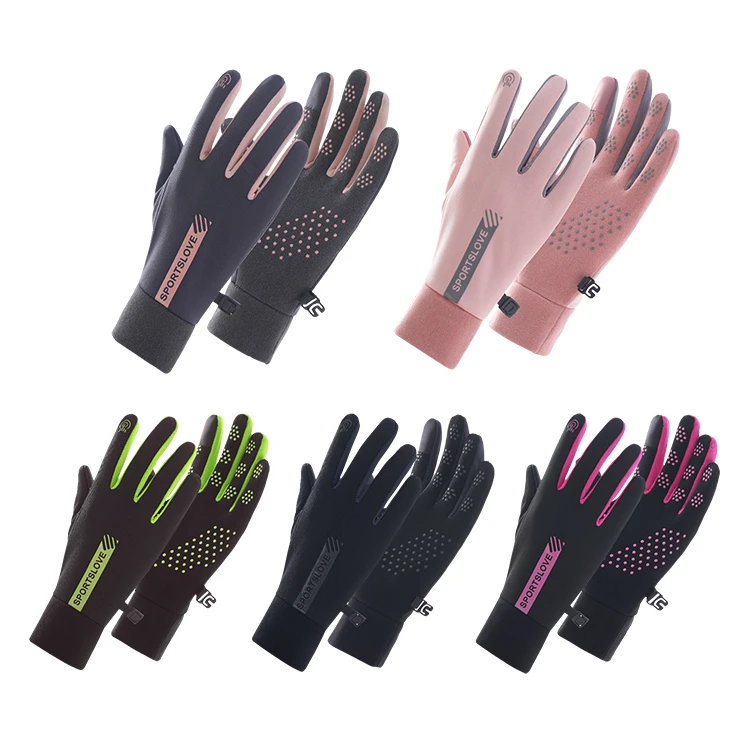
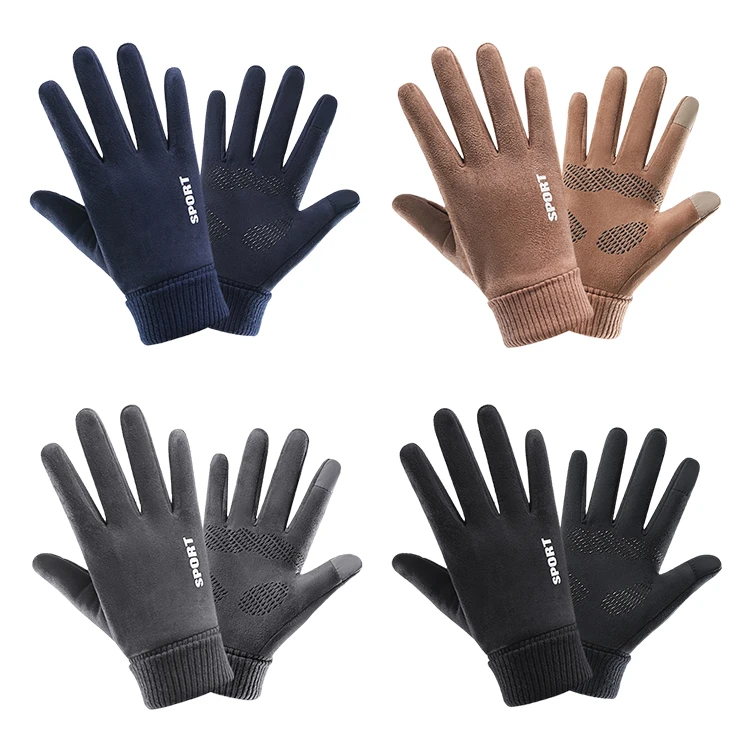
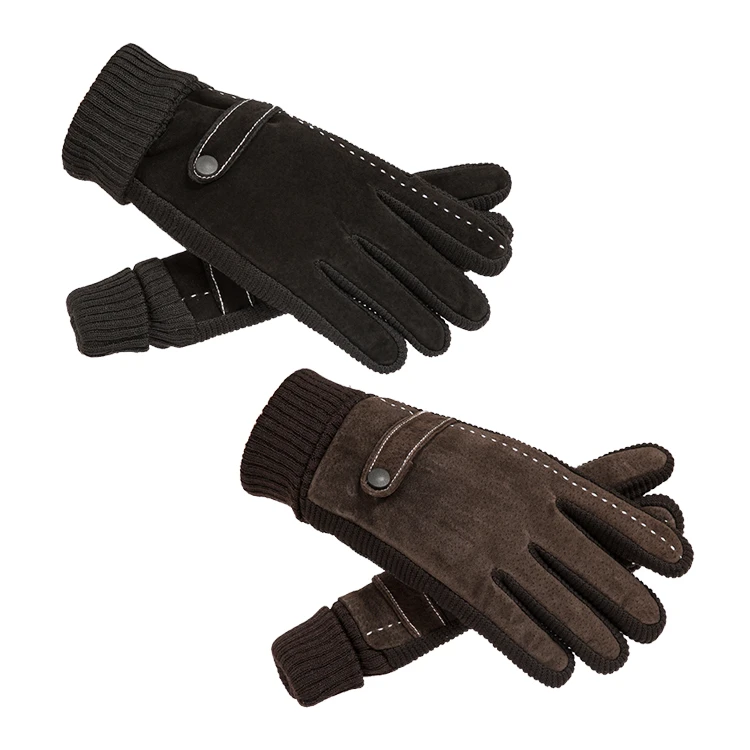
Thermal Gloves for Freezer Work: Essential Protection in Cold Environments
Understanding Thermal Gloves for Freezer Work: Essential Gear for Cold Environments
Thermal gloves for freezer work—sounds niche, but they’re vital in countless industries and environments worldwide. Whether you’re handling frozen foods in a massive cold storage warehouse or working in arctic research labs, the right gloves are not just a comfort—they’re a safety necessity. Globally, as cold chain logistics grow and extreme temperature jobs increase, understanding the key benefits and applications of these gloves becomes critical.
Global Context: Why Thermal Gloves for Freezer Work Matter
According to the International Labor Organization (ILO), millions work in low-temperature environments where maintaining dexterity without frostbite is a daily challenge. The cold storage industry alone is expected to expand by over 5% annually worldwide, driven by global food demand and pharmaceutical logistics (ILO). Thermal gloves specifically designed for freezer work address these challenges by protecting workers from extreme cold while enabling precise tasks. The problem? Ordinary gloves fail under extreme frost conditions, leading to accidents, lost productivity, and health risks.
Mini takeaway: Thermal gloves for freezer work are not just protective gear—they are vital for occupational safety and efficiency worldwide.
What Exactly Are Thermal Gloves for Freezer Work?
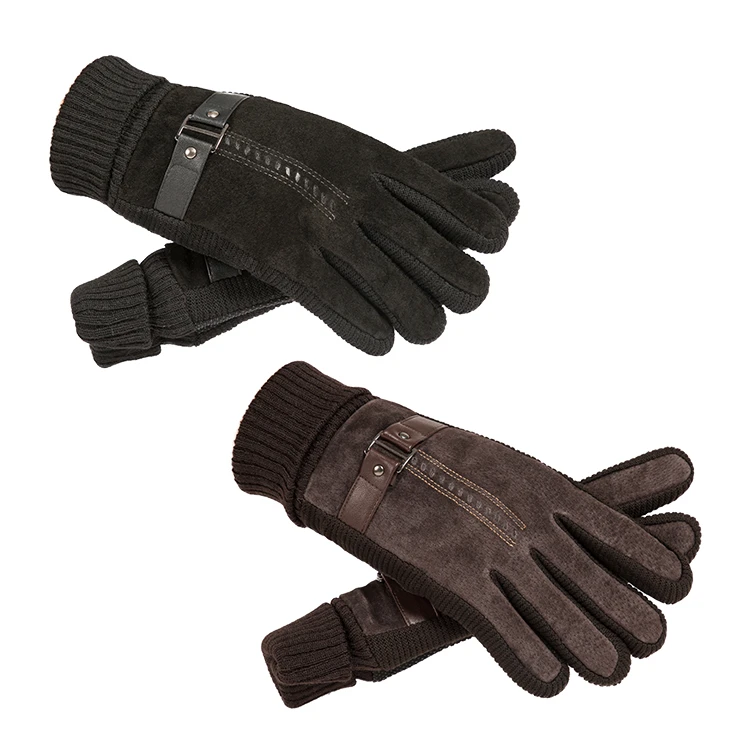
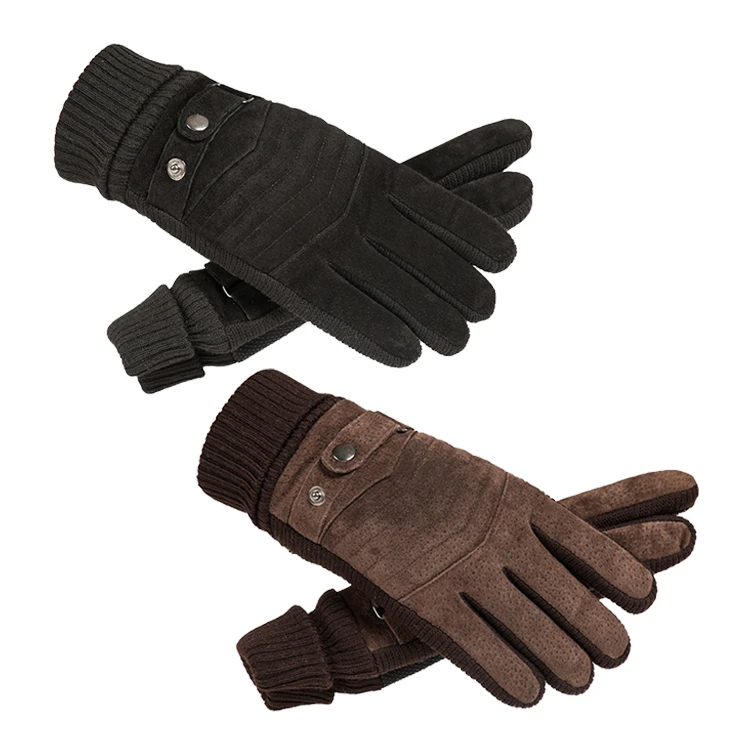
Put simply, thermal gloves for freezer work are insulated hand coverings engineered to withstand subzero temperatures—often below -30°C (-22°F)—without losing flexibility. Unlike typical gloves, they balance warmth, waterproofing, and grip. They connect deeply with industries like cold storage, food processing, pharmaceuticals, and even humanitarian operations like disaster relief where safe handling of frozen goods is necessary.
Key Factors in Thermal Gloves for Freezer Work
1. Insulation Material
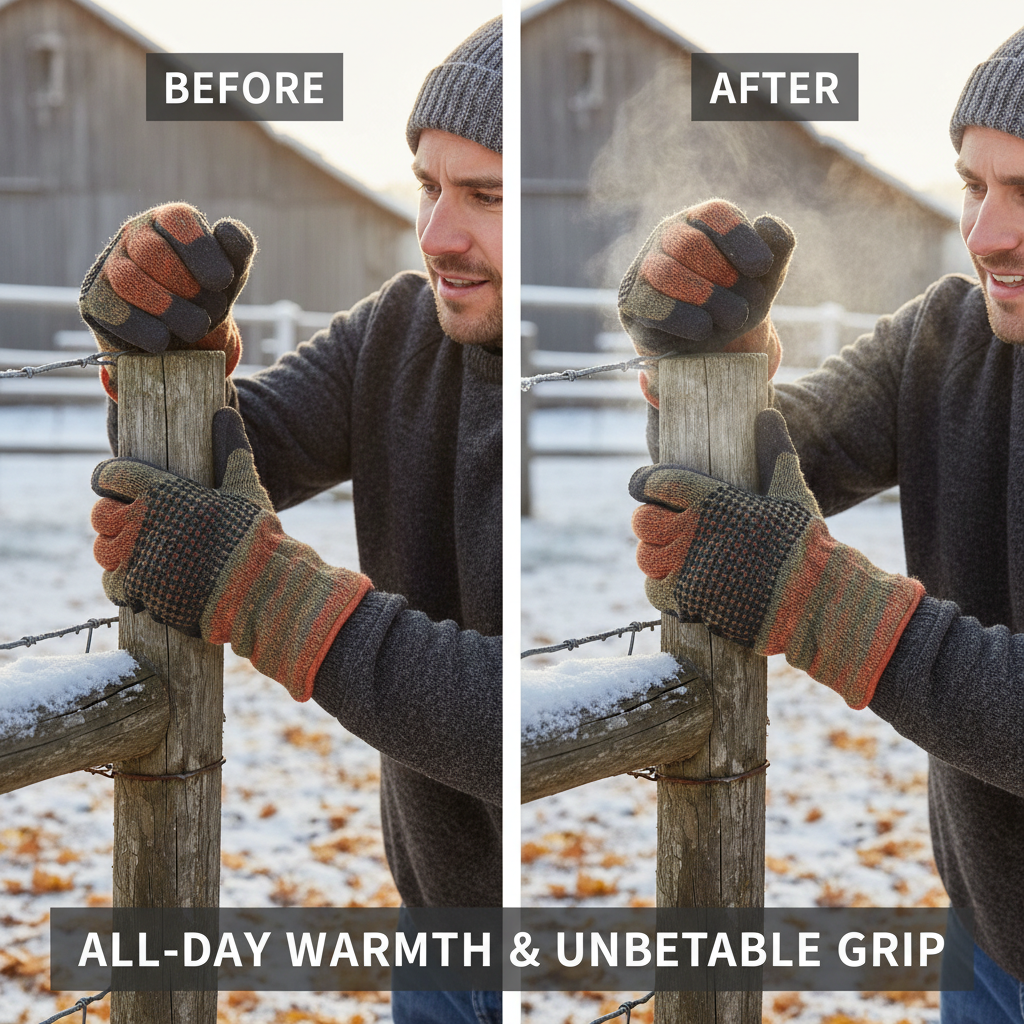
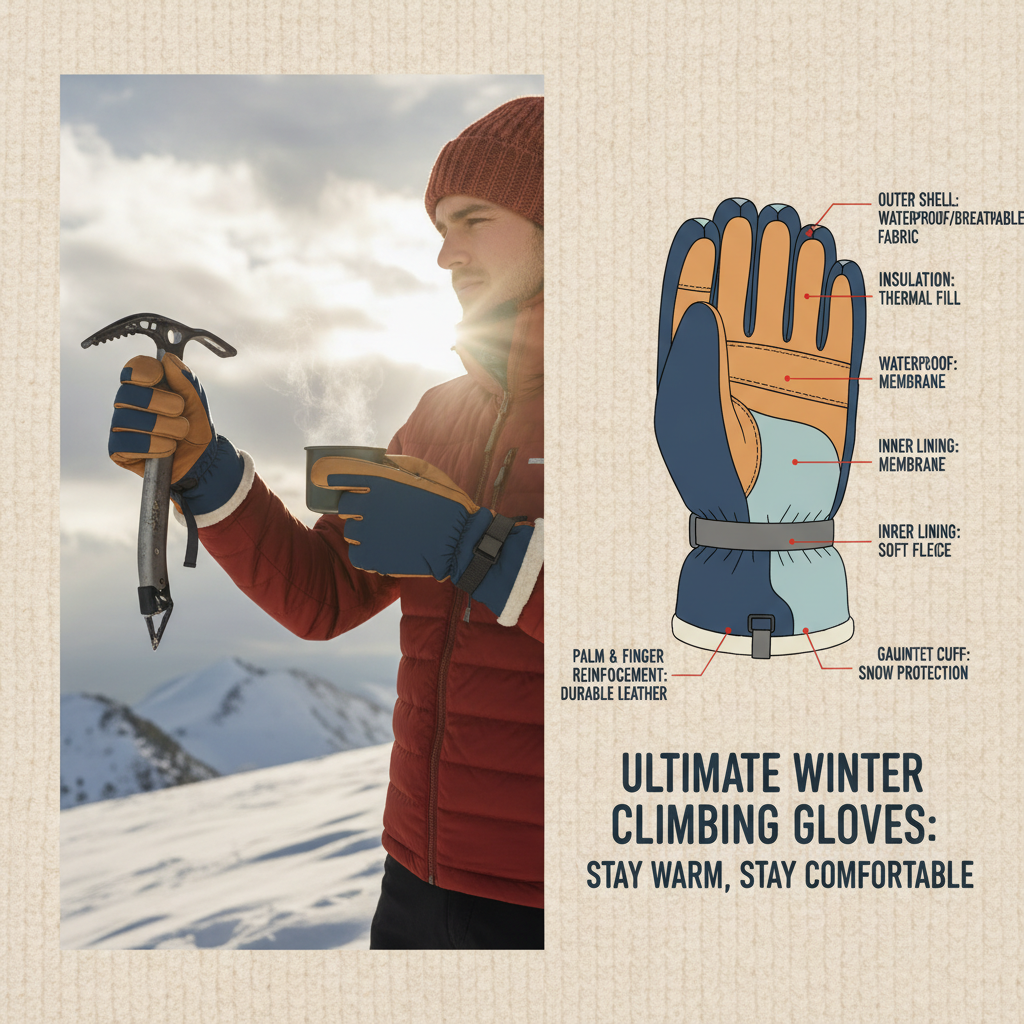
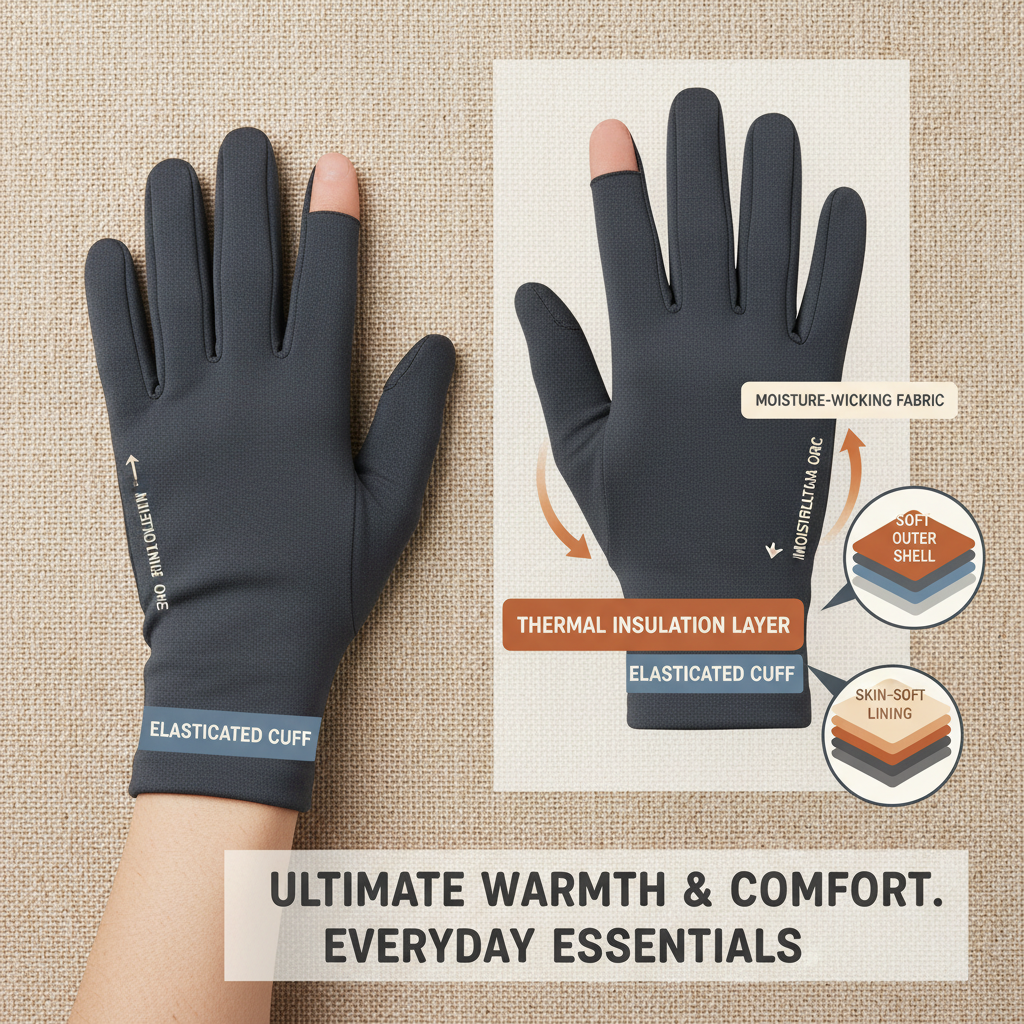
High-performance gloves often use Thinsulate™, neoprene, or specialized microfiber linings that trap heat while remaining thin enough for dexterity. The insulation’s quality dictates how long someone can work comfortably in freezing temps.
2. Waterproofing & Breathability
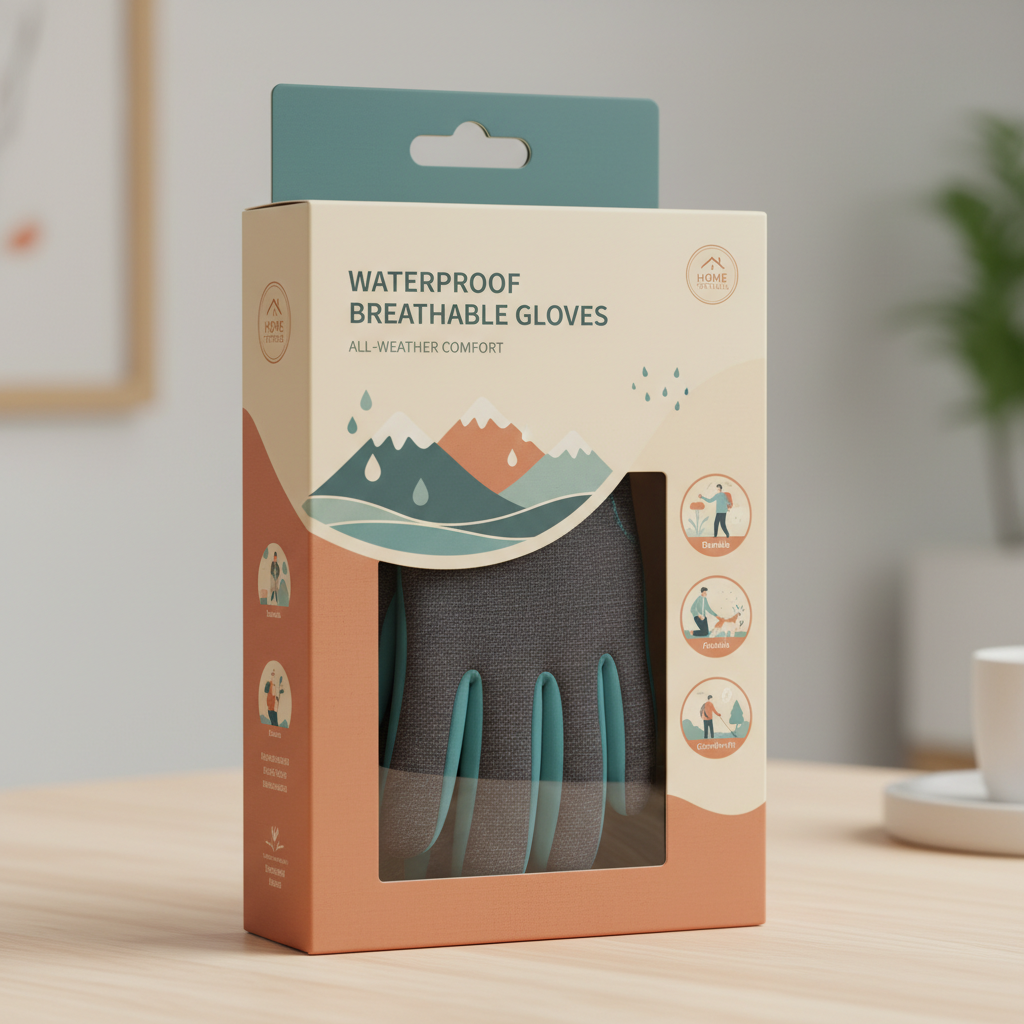
Many thermal gloves feature laminated membranes like Gore-Tex® to prevent moisture ingress while letting sweat escape, so hands don’t overheat or become clammy.
3. Durability & Abrasion Resistance
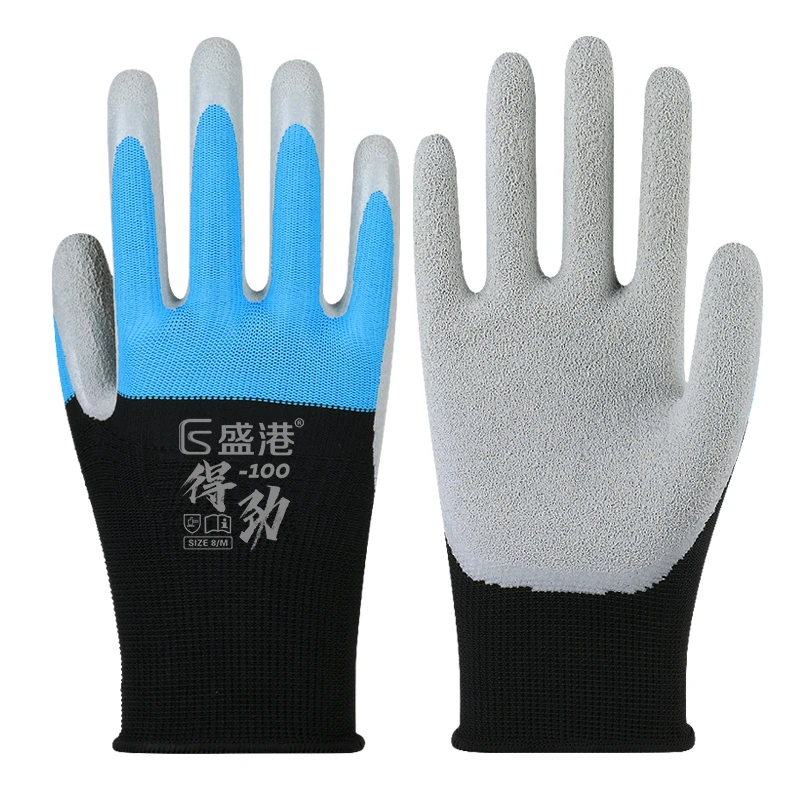
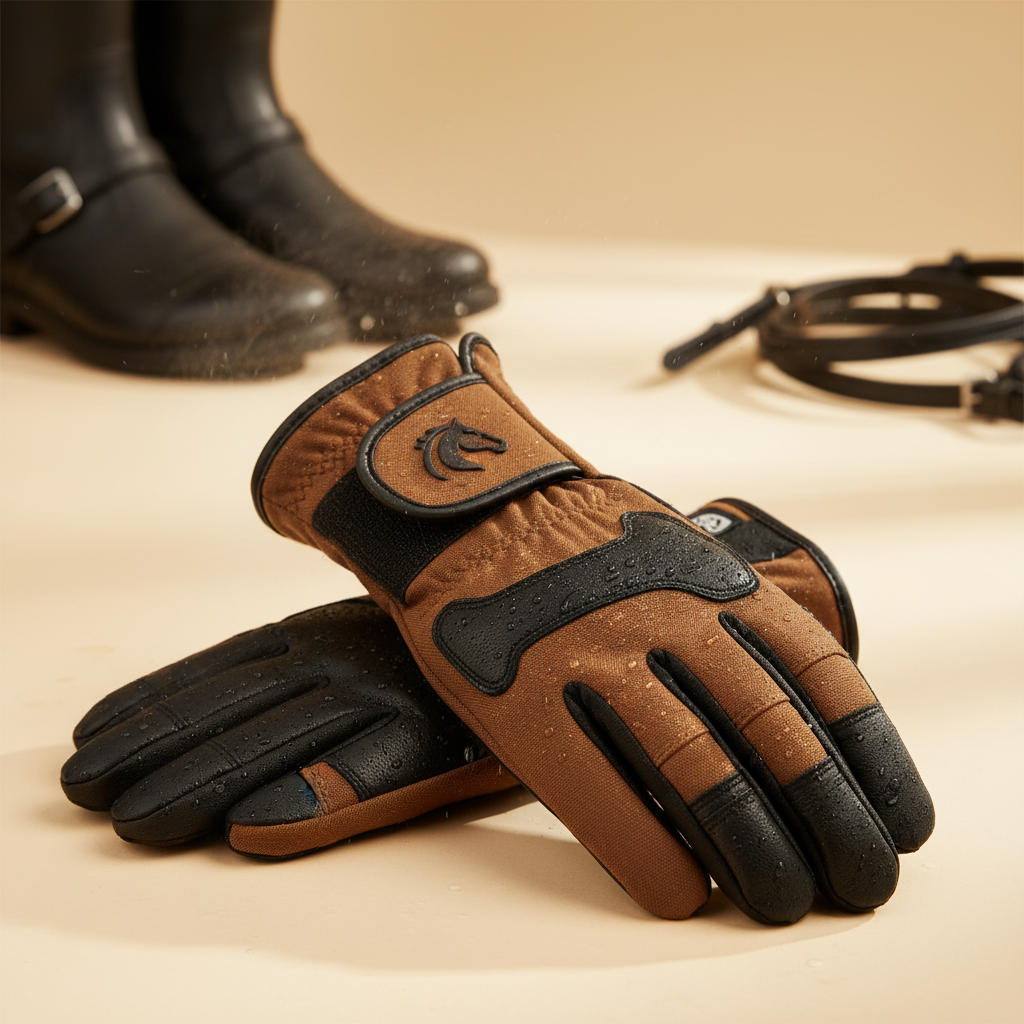
Glove palms and fingertips frequently incorporate synthetic leather or silicone coatings to withstand repeated handling of sharp frozen packages or metal shelving.
4. Grip & Dexterity
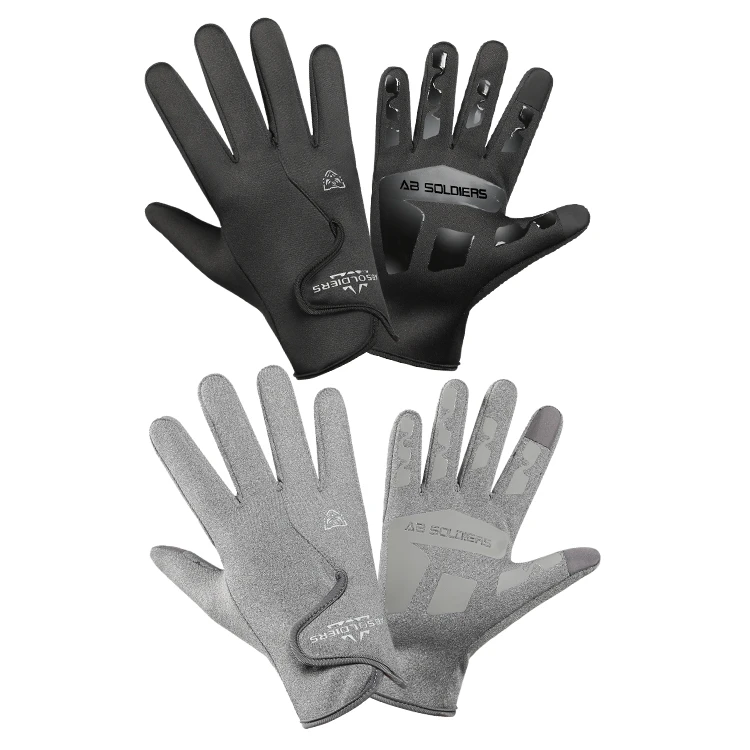
In freezer work, slippage can cause accidents. Textured rubberized grips improve handling, while glove design preserves finger mobility—a fine balance that companies continually optimize.
5. Size & Fit Options
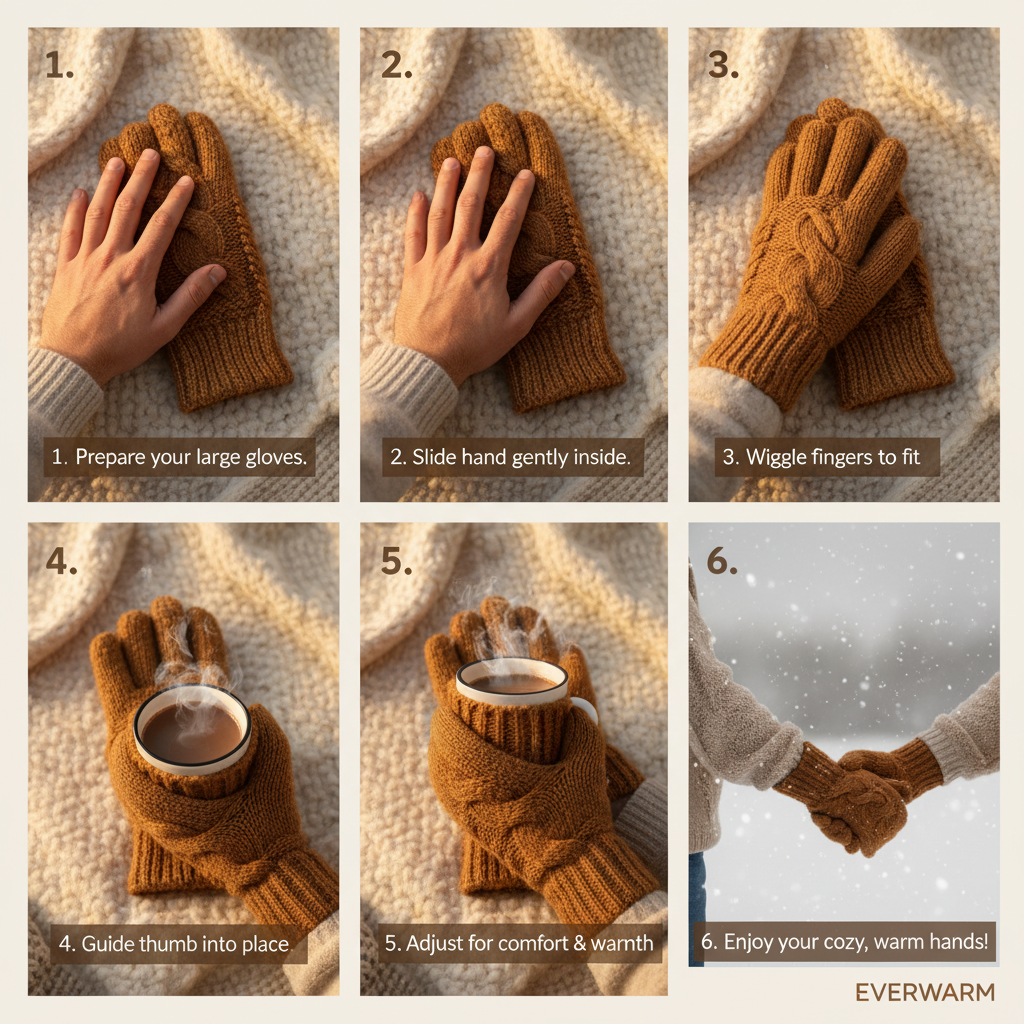
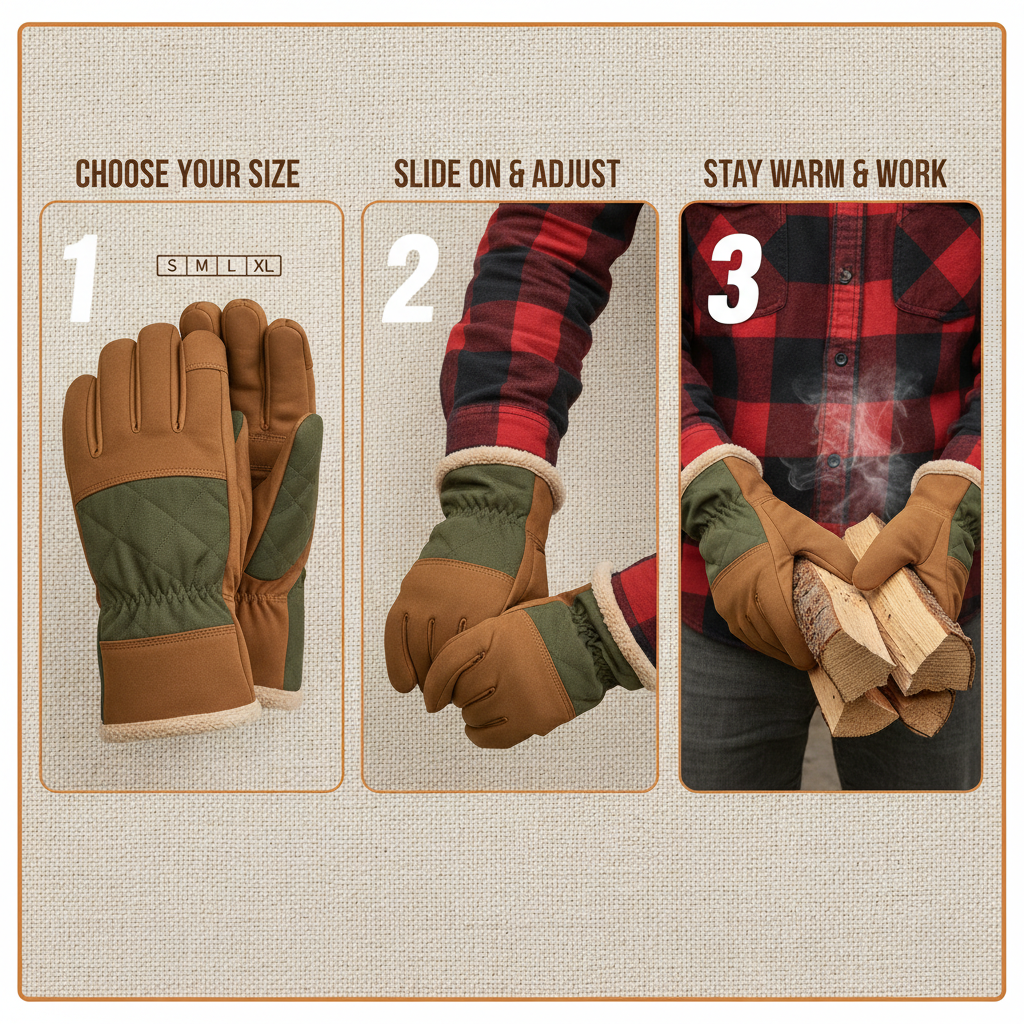
Too tight, and circulation drops; too loose, and warmth escapes. Brands offer multiple sizes to ensure comfortable wear, essential for performance and safety.
Product Specifications at a Glance
| Feature | Specification | Remarks |
|---|---|---|
| Temperature Range | -30°C to -60°C | Suitable for deep freezer zones |
| Insulation | Thinsulate™ Microfiber 40g | Light but warm |
| Waterproof Membrane | Gore-Tex® Insert | Keeps hands dry |
| Grip Surface | Silicone pattern | Enhances handling |
| Sizes | XS – XXL | Fits various hand sizes |
Global Applications & Use Cases
Thermal gloves for freezer work find their homes in diverse settings:
- Food cold storage plants: Workers packaging frozen meat and vegetables rely heavily on gloves that can handle frequent cold exposure and wet conditions.
- Pharmaceutical logistics: Vaccines and medicines often need ultra-cold transport; gloves ensure handlers don’t compromise product integrity or their own safety.
- Industrial fishing fleets: Crews working on icy decks require gloves that stand up to water and freezing spray while allowing grip on slippery nets and gear.
- Humanitarian relief in cold climates: In disaster zones, volunteers often need thermal gloves when distributing frozen rations or handling medical supplies.
In remote Arctic research stations or Antarctic bases, thermal gloves drastically reduce frostbite risks during equipment maintenance outdoors.
Mini takeaway: From global food supply chains to humanitarian efforts, quality thermal gloves for freezer work protect hands whenever cold threatens human capability.
Advantages and Long-Term Value
What’s often overlooked is how these gloves contribute to more than just physical warmth. They foster safety, reducing workplace injuries and costly downtime. Efficient thermal gloves also improve worker confidence—nothing slows productivity like numb fingers fumbling packaging.
Environmentally, many brands now pursue sustainable materials, reducing plastic reliance or adopting recyclable insulation. Socially, proper hand protection preserves worker dignity and health, an ethical imperative in labor standards.
Emerging Trends & Innovations
The future here feels pretty exciting. Manufacturers are experimenting with graphene-infused fabrics—yeah, the same “miracle material” in tech—to boost thermal retention without bulk. Integration of smart sensors to monitor hand temperature and circulation is also being tested, especially in hazardous industrial contexts, improving real-time safety oversight.
Additionally, there’s a notable green push: companies are developing thermal gloves leveraging biodegradable membranes or recycled fibers. Digital commerce expands availability of specialized gloves globally, which is crucial for smaller businesses and NGOs sourcing protective gear.
Challenges & Solutions
Yet, these gloves aren’t perfect. Waterproofing often clashes with breathability—too much insulation can hamper hand movement, and sizing issues remain common. And let’s face it, the price point can be steep for some smaller enterprises.
Innovative strap designs and modular liners help address fit and warmth control. Advances in nanotechnology coatings promise improved waterproofing without weight gain. Experts recommend trialing samples from multiple vendors for workplace-specific needs—no one-size-fits-all here!
Vendor Comparison: Top Thermal Gloves for Freezer Work
| Brand | Temperature Rating | Materials | Price Range | Best For |
|---|---|---|---|---|
| PolarGuard Pro | -60°C | Thinsulate™, Gore-Tex® | $$$ | Industrial Freezers |
| ArcticFlex Thermal | -40°C | Neoprene & Silicone Grip | $$ | Pharmaceutical Handling |
| FreezePro Lite | -30°C | Polyester Microfiber | $ | Light Freezer Use |
FAQ: Frequently Asked Questions About Thermal Gloves for Freezer Work
- Q: How long can thermal gloves protect your hands in freezing environments?
- A: Protection duration depends on glove insulation and activity level. High-quality thermal gloves can enable safe work for several hours below -30°C, but periodic breaks to warm hands are recommended.
- Q: Can thermal gloves be washed regularly?
- A: Yes, but instructions vary. Most thermal gloves should be hand-washed with mild detergent to preserve insulation and waterproof membranes. Machine washing may reduce durability.
- Q: Are there thermal gloves suitable for wet freezer environments?
- A: Absolutely. Gloves with Gore-Tex® or similar waterproof membranes are designed for wet conditions, preventing moisture from chilling your hands.
- Q: How to choose the right thermal gloves for a particular freezer work application?
- A: Consider temperature exposure, dexterity needs, moisture level, and fit. Testing gloves in real tasks helps identify the best match; many vendors offer samples.
Conclusion: Why Thermal Gloves for Freezer Work Are a Smart Investment
Investing in quality thermal gloves for freezer work means more than just warmth. It translates to safety, productivity, and, frankly, keeping the workforce healthy and effective in one of the harshest occupational environments. Whether you’re upgrading your warehouse gear or equipping field teams in cold regions, choosing the right gloves is worth the effort and cost.
Ready to explore your options? Visit our website at https://www.personalcarescn.com for the latest in thermal gloves and freezer work protection solutions.
Oddly enough, the right gloves can truly change how you handle cold—worth every degree of protection.
References