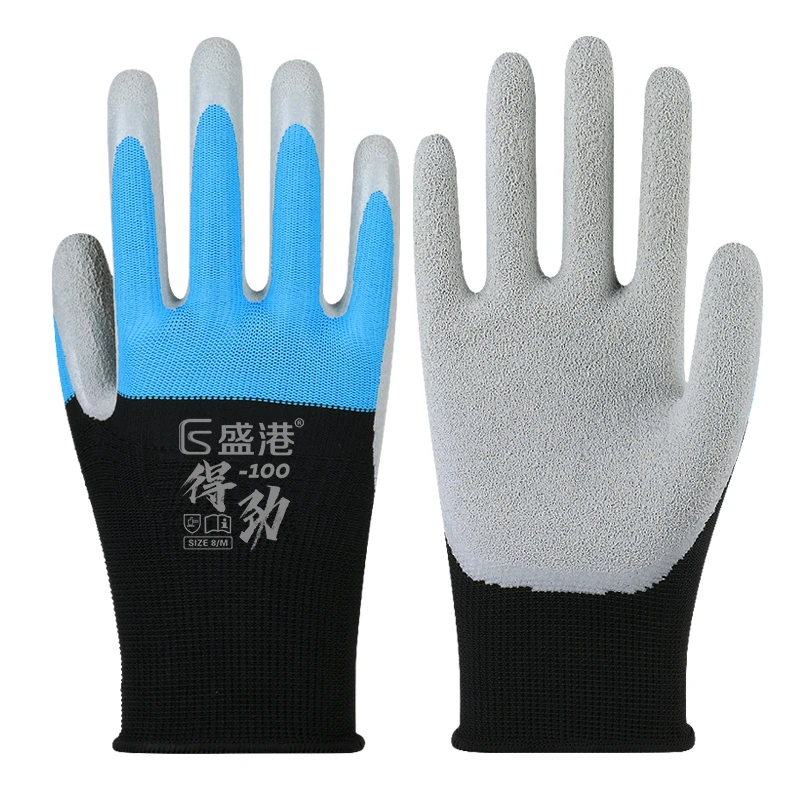
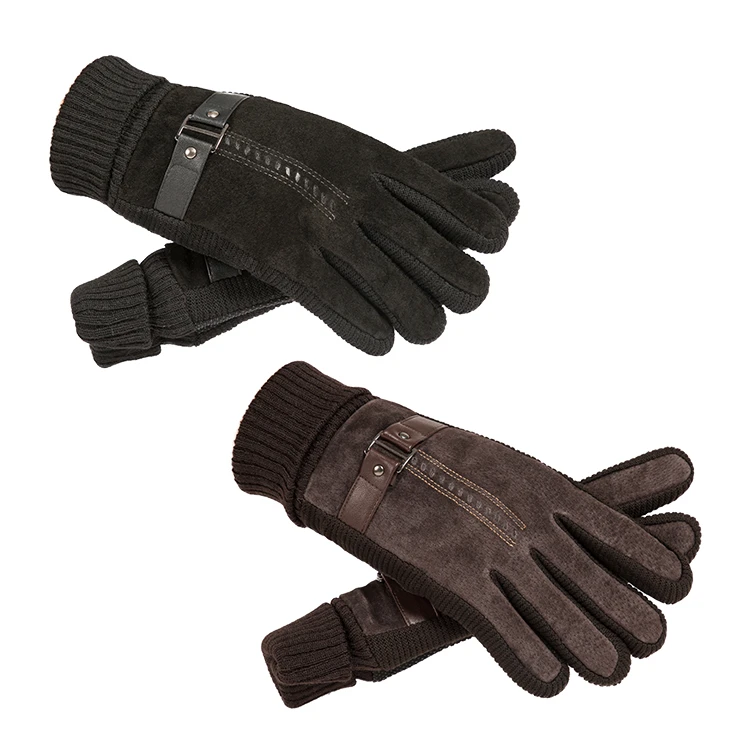
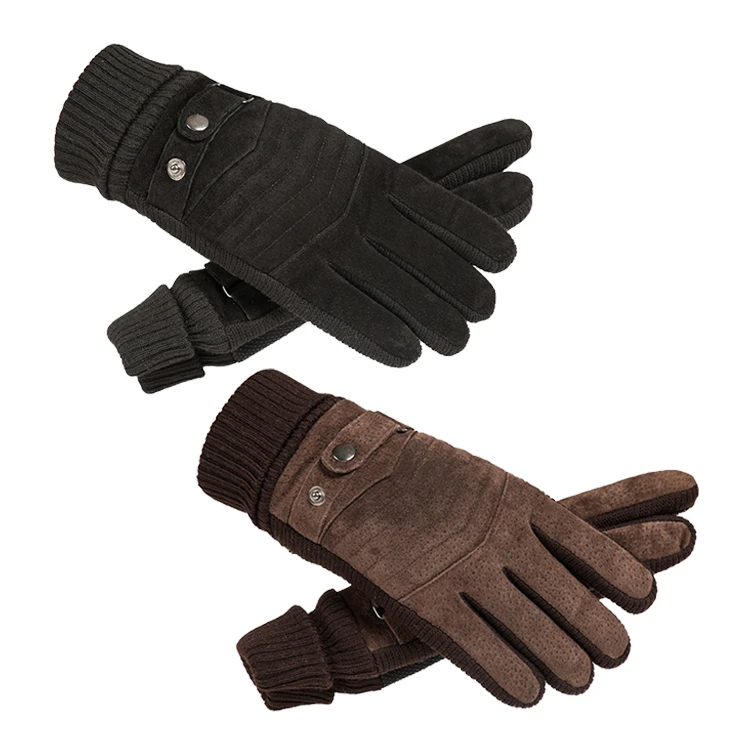
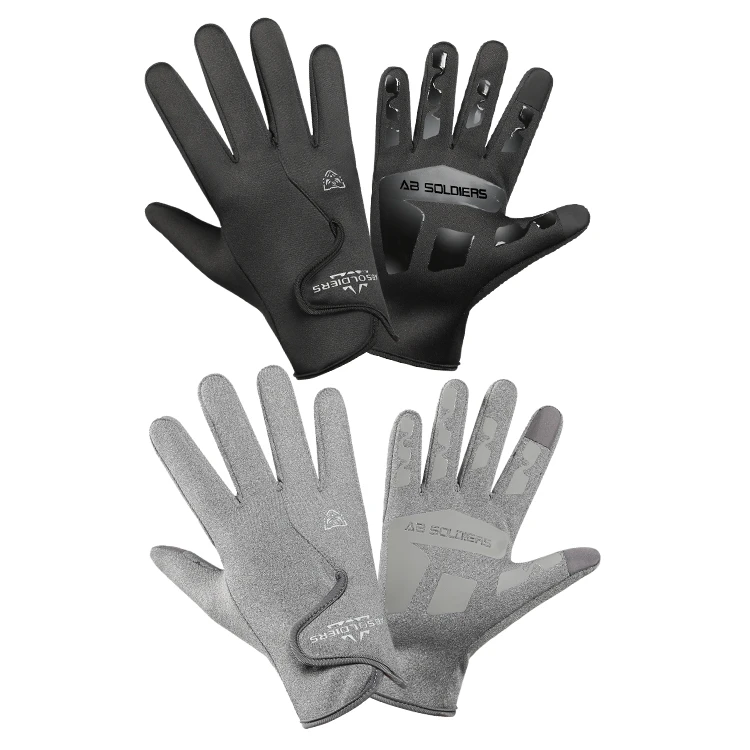
Thermal Gloves for Running – Staying Warm and Agile in Every Season
Thermal Gloves for Running: Staying Warm on the Move
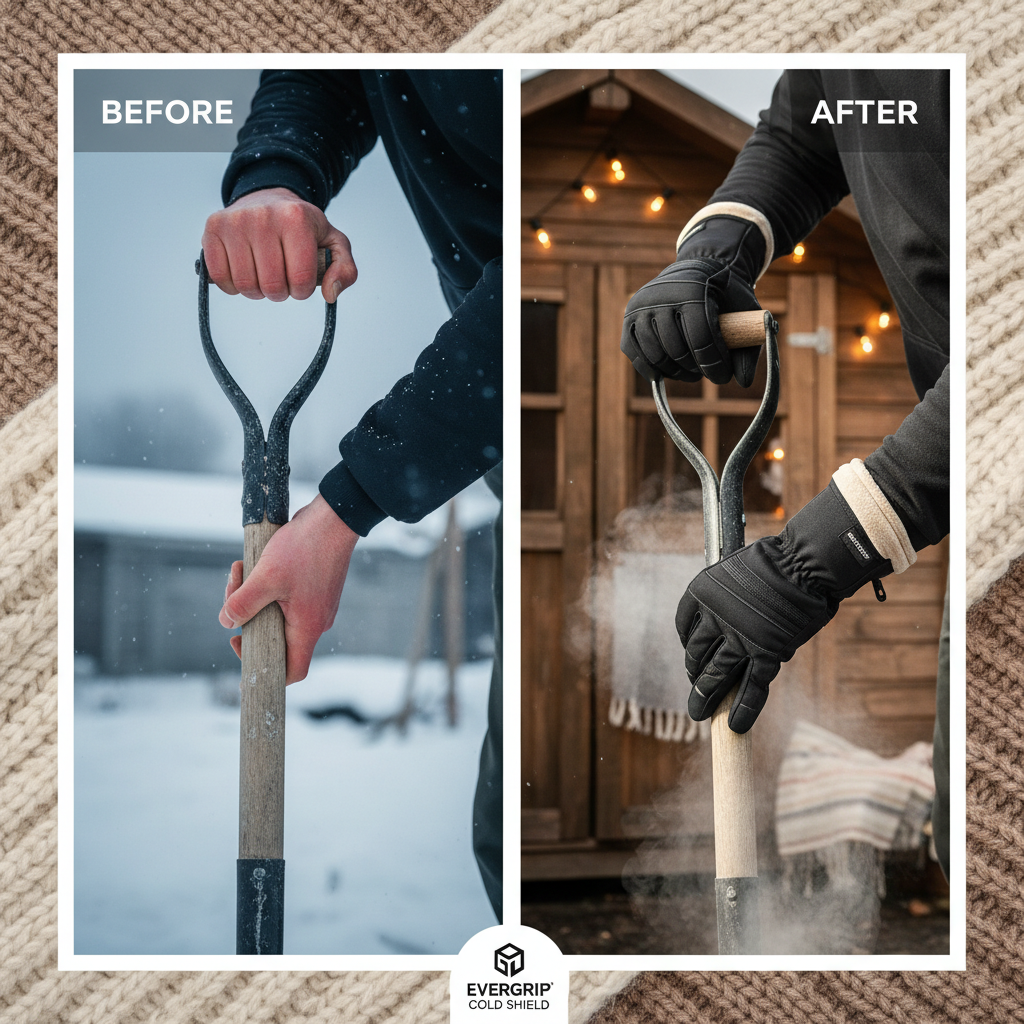
When winter mornings beckon and temperatures dip, a good pair of thermal gloves for running isn’t just a luxury—it’s a near-essentials. For runners everywhere, these gloves protect from cold stress, preserve dexterity, and sometimes even enhance performance. Looking beyond personal comfort, this topic touches on global trends around outdoor fitness, climate adaptation, and even advancements in wearable tech. After all, running isn’t just a pastime anymore; it’s an industry with millions globally, increasingly pushing gear technology to new limits.
Why Thermal Gloves Matter Globally
Running is popular worldwide—roughly 743 million people participated in global running events in 2019 according to Statista. And with colder regions like Northern Europe, Canada, and parts of Asia seeing a rise in winter running participation, thermal gloves for running have become an important gear element to enable the activity comfortably and safely. Cold weather can impair performance and increase injury risk, so the right gloves play a critical role.
Interestingly, climate change is also shifting running seasons and conditions, which means runners need adaptable gear that balances warmth, moisture control, and breathability. Hence, the increasing significance of thermal gloves that can meet these multifaceted needs.
What Exactly Are Thermal Gloves for Running?
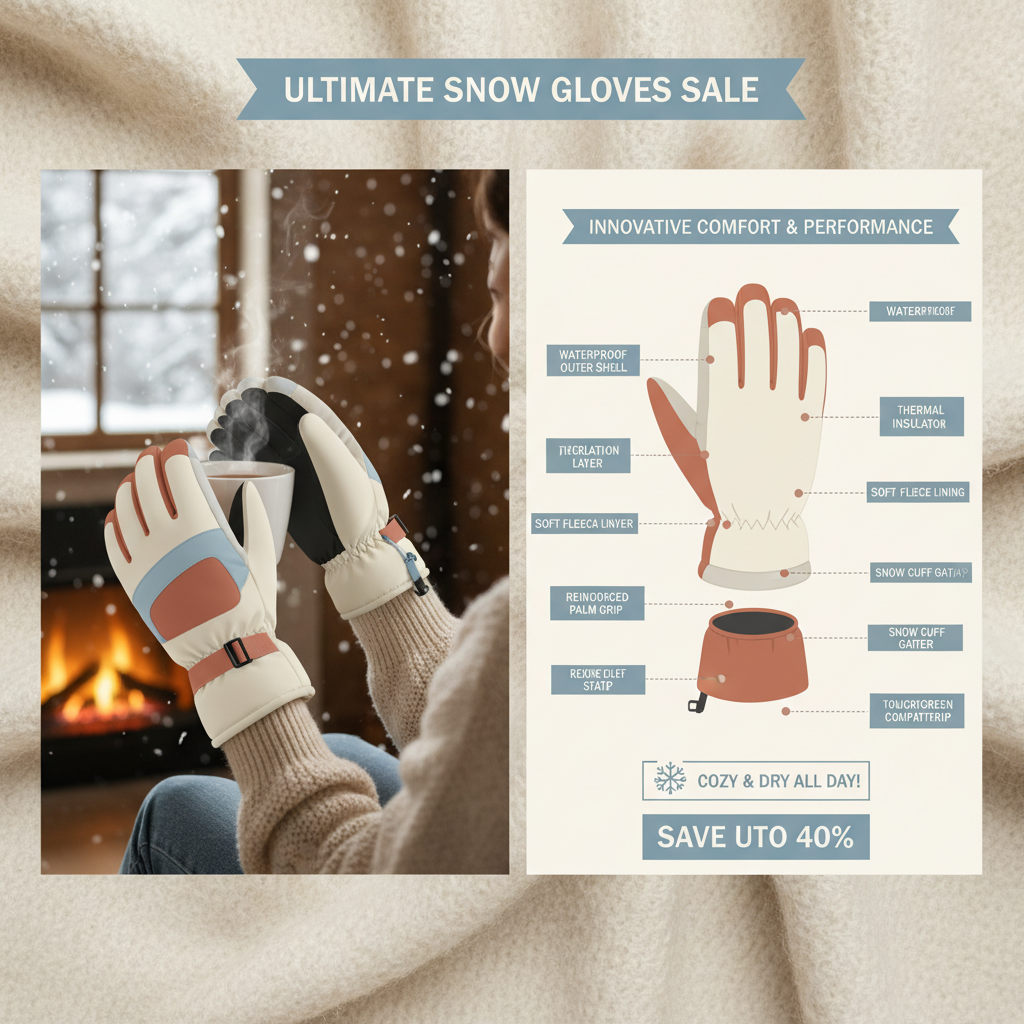
Simply put, thermal gloves for running are specialized gloves designed to retain heat while allowing for movement and moisture management. Unlike generic winter gloves, these combine insulation with features tailored to runners: lightweight fabrics, stretchability, sometimes touchscreen compatibility, and sweat-wicking layers. They bridge personal comfort with performance, making outdoor runs practical and even enjoyable during cold spells.
In a broader sense, these gloves also intersect with industries producing smart textiles and adaptive wearables. They’re an example of how outdoor sports gear is evolving through material science and user-focused design, impacting how humans interact with challenging environments.
Key Factors When Choosing Thermal Gloves for Running
1. Insulation & Warmth
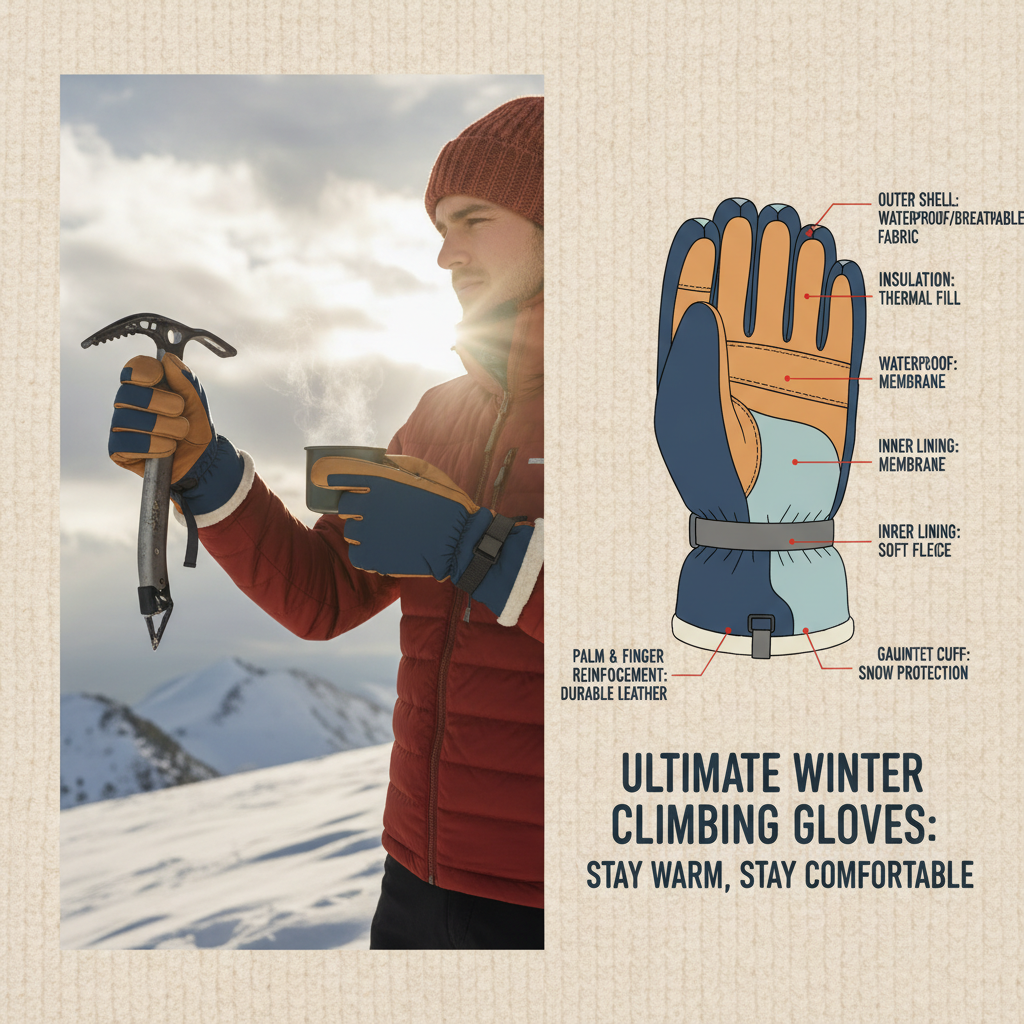
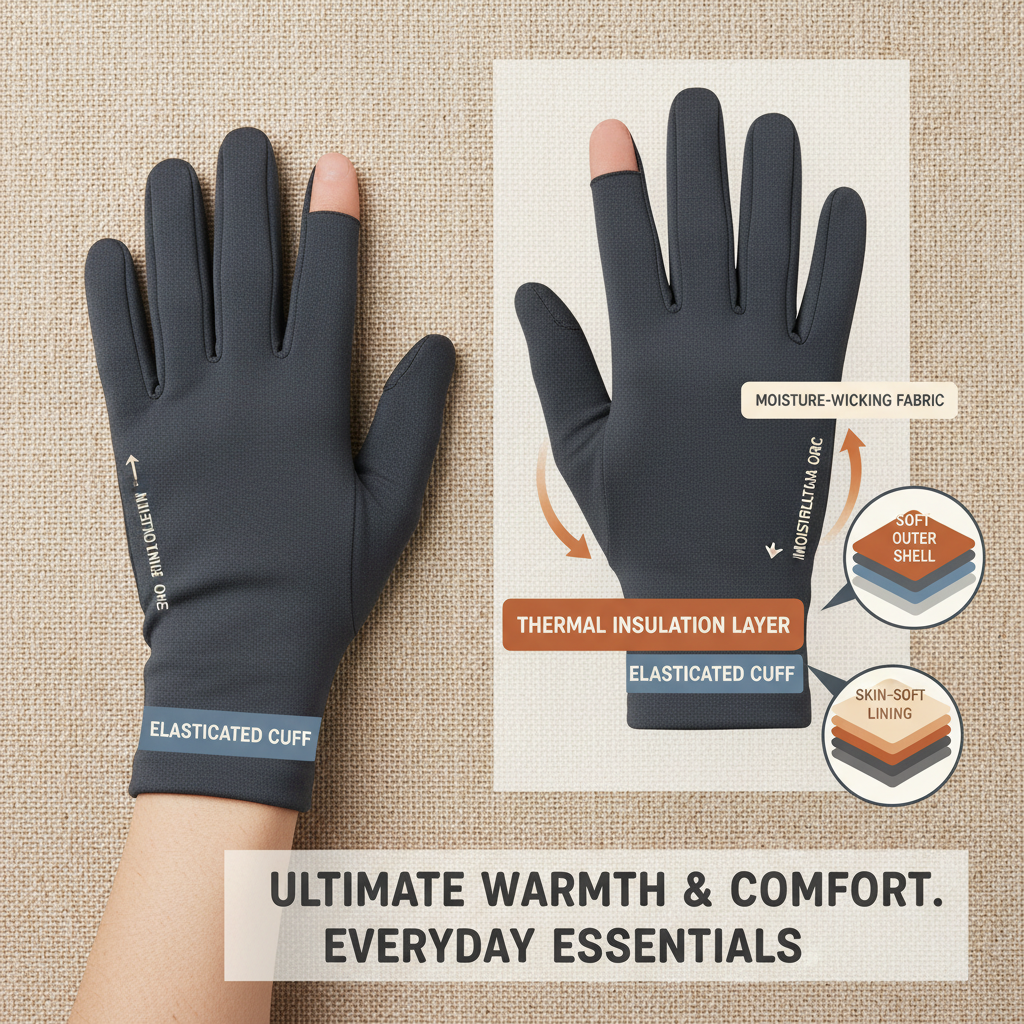
The foundation of any thermal glove is how well it insulates. Materials like fleece, Merino wool blends, or synthetic fibers trap body heat without bulkiness. For runners, the balance is tricky—too warm, and sweat accumulates; too light, and fingers get cold.
2. Breathability & Moisture Management
Oddly enough, breathability is as important as insulation. Running generates sweat; trapping moisture inside gloves leads to chilling once you stop. Advanced gloves integrate breathable membranes or moisture-wicking inner linings to keep hands dry and comfy.
3. Flexibility & Fit
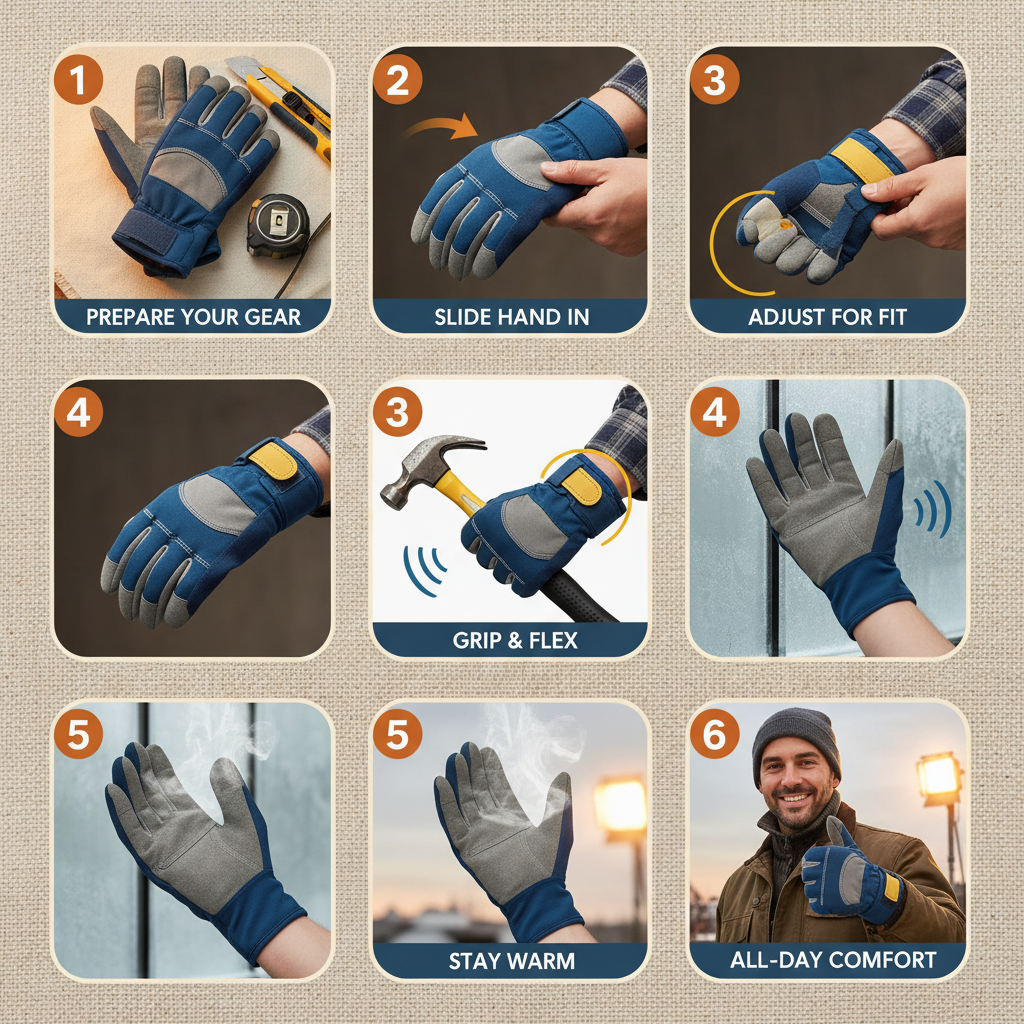
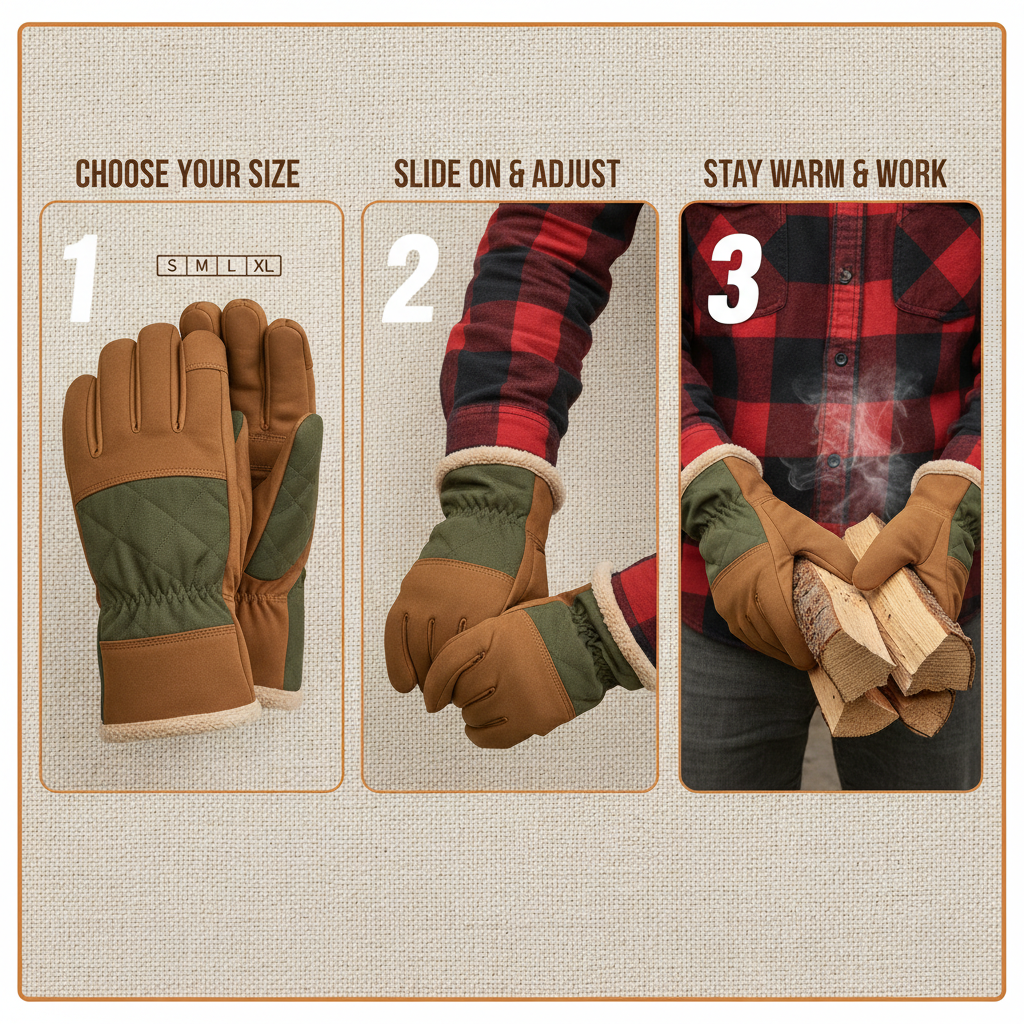
Runners need full range of motion and tactile responsiveness—no bulky mittens. Look for stretch fabrics or ergonomic cuts that follow natural hand movements. Proper fit also means gloves stay snug without restricting blood flow.
4. Additional Features
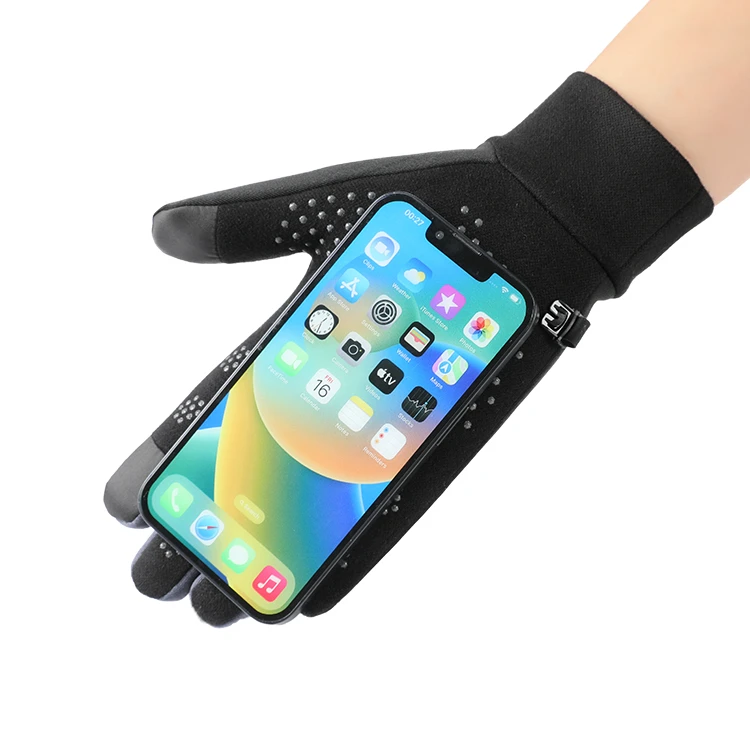
- Touchscreen compatibility for smartphone use
- Reflective elements for visibility in low light
- Durable palms or grip zones for trail running or navigation
Popular Thermal Gloves for Running – Product Specs Snapshot
| Model | Material | Weight | Touchscreen | Water-Resistant |
|---|---|---|---|---|
| Runner’s Edge Thermal Plus | Polyester & Wool Blend | 80 g | Yes | Yes |
| FrostGuard Ultra Lite | Fleece Lined Nylon | 65 g | No | Yes |
| GlideCool HeatLock | Synthetic Insulation + Lycra | 75 g | Yes | No |
Global Applications & Use Cases
Thermal gloves for running find use not just among casual joggers but professionals, rescue teams, and even military personnel in cold climates. For example:
- Post-Disaster Relief: Workers navigating harsh winter conditions in relief operations rely on thermal gloves to maintain functionality and warmth.
- Cold-Climate Urban Runners: In cities like Stockholm or Boston, runners wear thermal gloves year-round during brisk fall and winter runs to avoid frostbite or muscle stiffness.
- Trail and Adventure Runners: In mountainous or remote areas such as the Rockies or Andes, thermal gloves protect against sudden cold snaps and wind chill.
Industries linked to outdoor work or transport, from forestry to logistics in northern latitudes, increasingly adopt thermal gloves designed for active users.
Vendor Comparison for Popular Thermal Gloves
| Brand | Price Range | Warranty | Sustainability Efforts | Distribution |
|---|---|---|---|---|
| Runner’s Edge | $35 - $50 | 2 years | Uses recycled fabrics | Global online & retail |
| FrostGuard | $25 - $40 | 1 year | Limited eco initiatives | North America & Europe |
| GlideCool | $40 - $60 | 3 years | Certified organic materials | Worldwide specialty stores |
Advantages & Long-Term Value
Thermal gloves for running don’t just stop cold weather woes—they offer several clear benefits:
- Safety: Avoid frostbite and maintain grip, reducing injury risk.
- Comfort & Performance: Keeping hands warm and dry supports overall endurance and enjoyment.
- Sustainability: Many brands now incorporate recycled fibers or organic materials, aligning with eco-conscious consumer values.
- Social Impact: Better gear encourages outdoor activity even in harsh climates, supporting mental and physical health on a larger scale.
Emotionally, there’s a certain peace of mind knowing your hands are protected against nature’s cold bite; logically, investing in quality gloves can extend your outdoor activity months longer each year.
Future Trends & Innovations in Thermal Gloves
What’s next? I suppose we’ll see more smart gloves integrating sensors to monitor hand temperature or pulse rates, combined with materials that adjust insulation dynamically to external conditions—heat when it’s cold, cool when you exert too much energy.
Additionally, sustainability will drive new material innovations—bio-based fabrics with low carbon footprints replacing purely synthetic fibers. Automation in manufacturing could improve customization, tailoring glove fit to exact hand measurements from 3D scans.
Challenges & Solutions
Challenges include balancing warmth without bulk, maintaining touchscreen functionality without extra layers, and preventing moisture buildup which can be tricky in intense runs.
Some innovators are experimenting with graphene-infused fabrics for better heat retention and conductivity, and vent designs that open in high-exertion phases to improve breathability. Additionally, educating consumers on layering and glove care improves glove efficacy and longevity.
FAQ: Frequently Asked Questions About Thermal Gloves for Running
- Q: Are thermal gloves for running better than regular winter gloves?
- A: Yes, specifically because they’re designed to balance insulation, breathability, and flexibility to accommodate the active motion and sweating typical of running. Regular winter gloves tend to be bulkier and less moisture-adaptive.
- Q: Can I use thermal gloves for running in wet conditions?
- A: Many thermal gloves now offer water-resistance or waterproofing, but they vary by model. If you expect rain or snow, look for gloves explicitly labeled as water-resistant to keep your hands dry.
- Q: How often should I replace my running gloves?
- A: It depends on frequency and conditions, but generally every 1-2 years. Signs to replace include thinning fabric, reduced insulation, or loss of elasticity affecting fit.
- Q: Do thermal gloves affect my grip while running?
- A: Quality pairs feature textured palms or grip zones specifically to maintain secure handling of gear, water bottles, or phones during runs.
Conclusion
In the grand scheme, thermal gloves for running are an understated hero of cold-weather fitness. They blend science and design to keep hands warm, dry, and agile—ensuring running stays safe, comfortable, and enjoyable regardless of chill or challenge. If you want to elevate your cold weather runs, it’s high time to invest in a solid pair.
Ready to find your perfect thermal glove? Visit https://www.personalcarescn.com for the latest products, expert advice, and reviews.
Takeaway: The right thermal gloves keep you running stronger and safer through seasons, combining comfort, tech, and sustainability.
References:
1. Statista, Global Running Event Participation (2019).
2. World Health Organization, Physical Activity Guidelines.
3. ISO 13688:2013 Protective Clothing - General Requirements.