Thermal Inner Gloves for Skiing – Your Essential Guide to Warmth and Performance
What Are Thermal Inner Gloves for Skiing and Why They Matter Globally
If you’ve ever experienced numb fingers while skiing, you know how painful it can become — almost unbearable. Thermal inner gloves for skiing are specialized liners designed to keep your hands comfortably warm beneath your outer gloves or mittens. But beyond just comfort, they’re vital gear for maintaining finger dexterity and safety on cold mountain slopes worldwide. And with skiing becoming a massive winter industry—welcome to millions of enthusiasts across Europe, North America, and even Asia—understanding these gloves matters not only to athletes but also to humanitarian aid workers in cold climates, winter industrial workers, and outdoor adventurers.
Globally, extreme cold exposure is a health risk recognized by organizations like the WHO and ISO, which recommend proper thermal clothing to prevent frostbite and hypothermia. Thermal inner gloves for skiing are a nifty solution addressing this challenge by combining insulation with moisture management—key for long hours outdoors.
Thermal Inner Gloves for Skiing: A Quick Definition
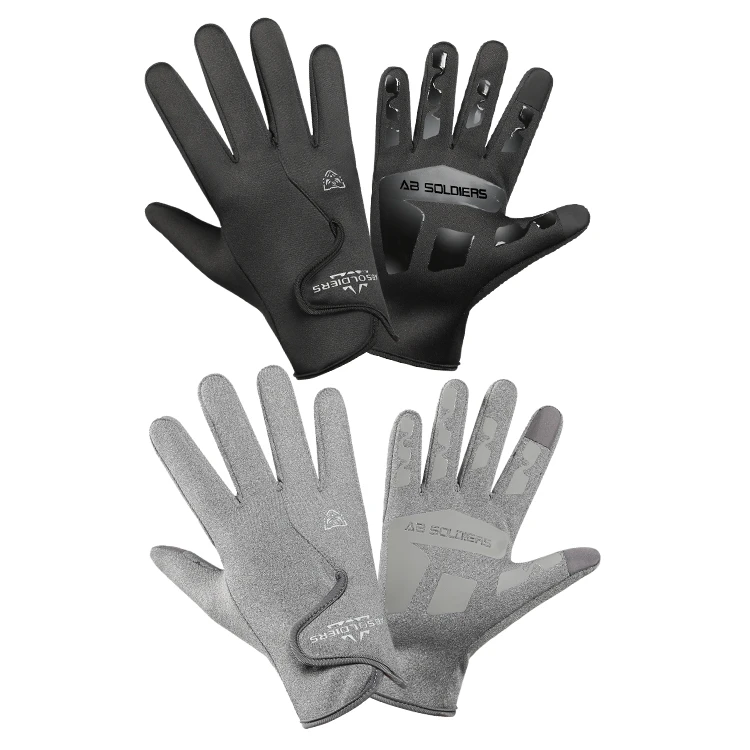
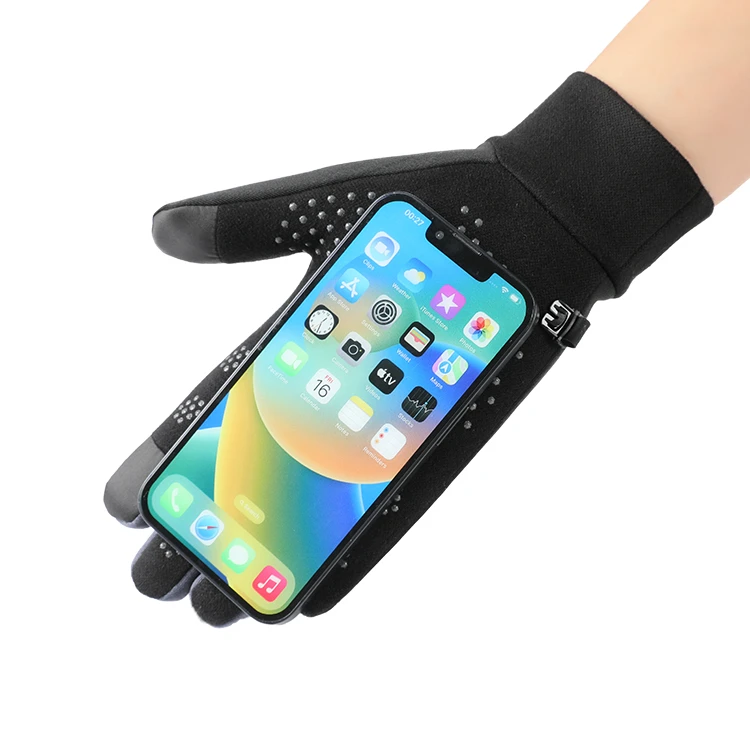
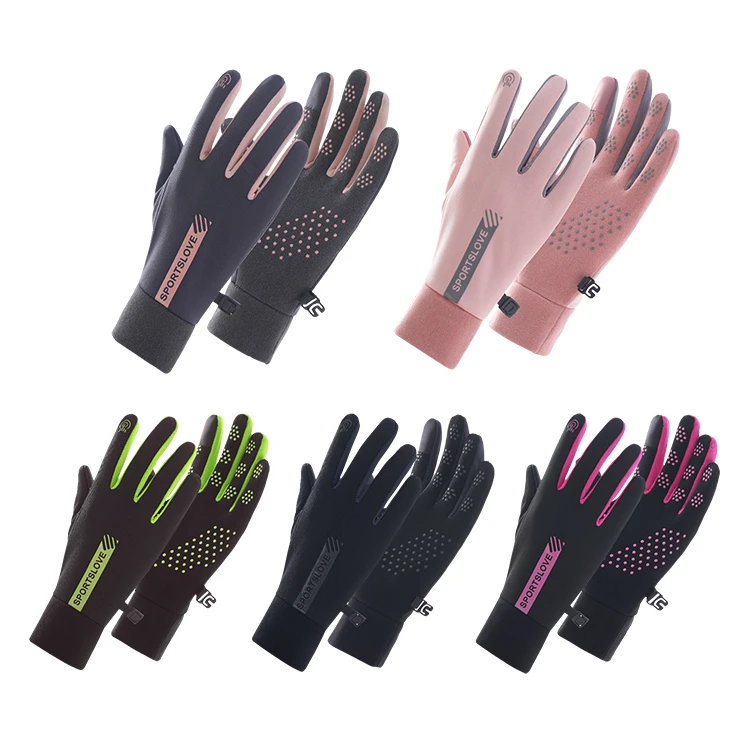
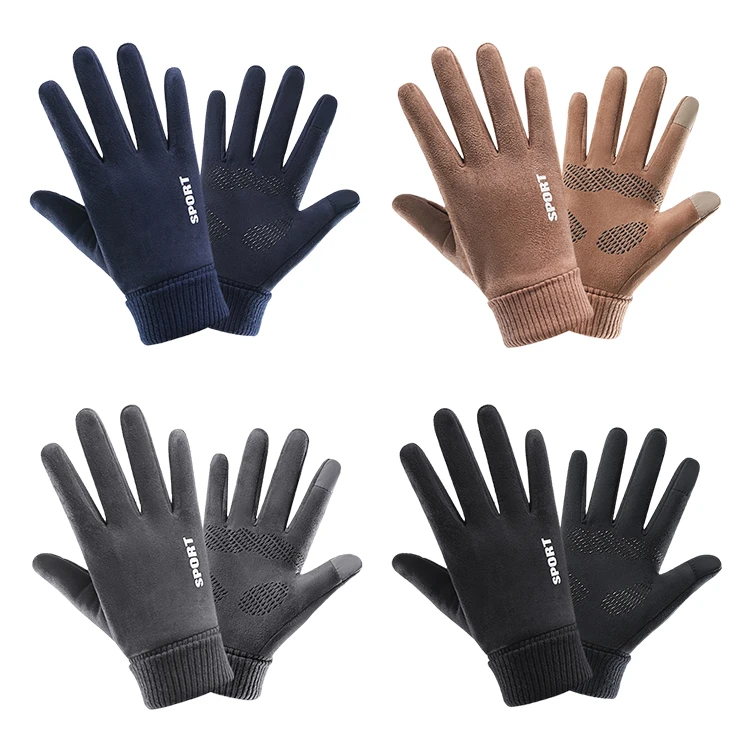
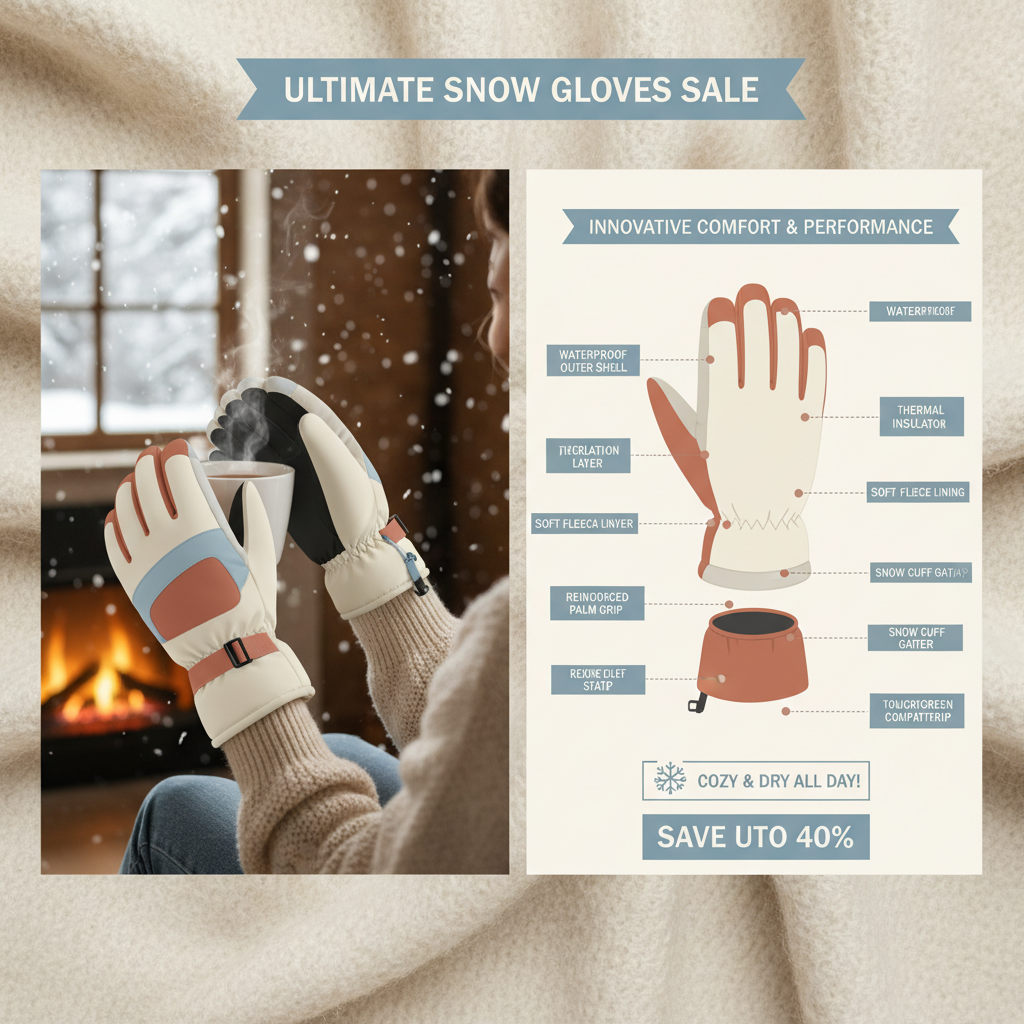
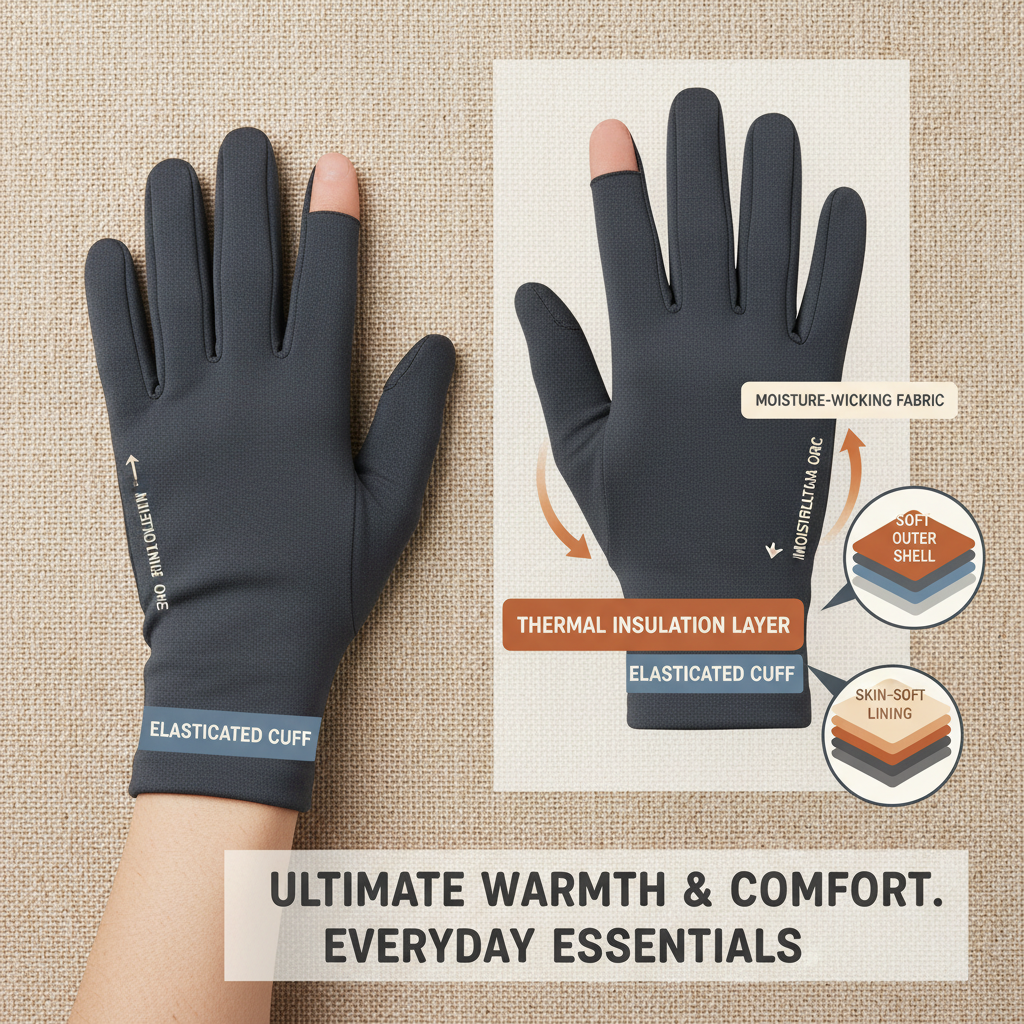
So, what makes a glove "thermal inner" in the context of skiing? Simply put: these gloves are thin, insulating liners worn underneath your main ski gloves. Usually made from high-tech fibers like merino wool, fleece, or advanced synthetic blends, they trap body heat close to the skin while wicking sweat away. Unlike bulky outer gloves, thermal inners focus on layering, allowing easy hand movement and added warmth without sacrificing grip.
Industrially, they sit at the intersection of textile innovation and practical outdoor gear. They not only enhance performance but also serve emergency and humanitarian needs—think frostbite prevention for workers building winter relief shelters in remote northern areas.
Core Aspects to Consider When Choosing Thermal Inner Gloves
1. Material Technology
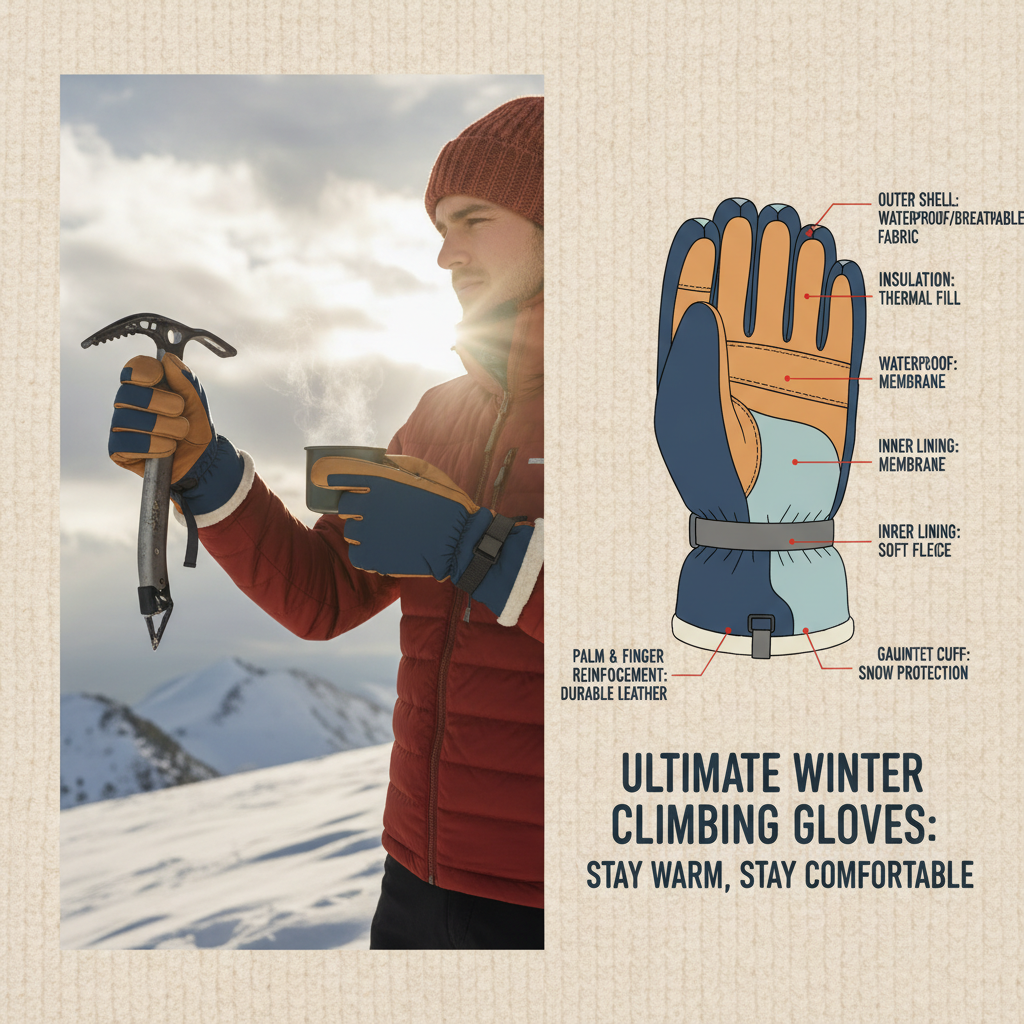
The warmth and breathability largely depend on the fabric. Merino wool is favored for its natural odor resistance and loft, whereas synthetic fibers like Thinsulate provide lightweight insulation. Many gloves blend materials for moisture control and thermal efficiency — a delicate balance.
2. Durability & Wear Resistance
Since these liners are worn under heavy-duty ski gloves, they face friction and repeated use. Select gloves with reinforced fingertips and resilient fabric to prevent thinning, especially if you’re skiing intense slopes or working long hours outdoors.
3. Fit and Layering Comfort
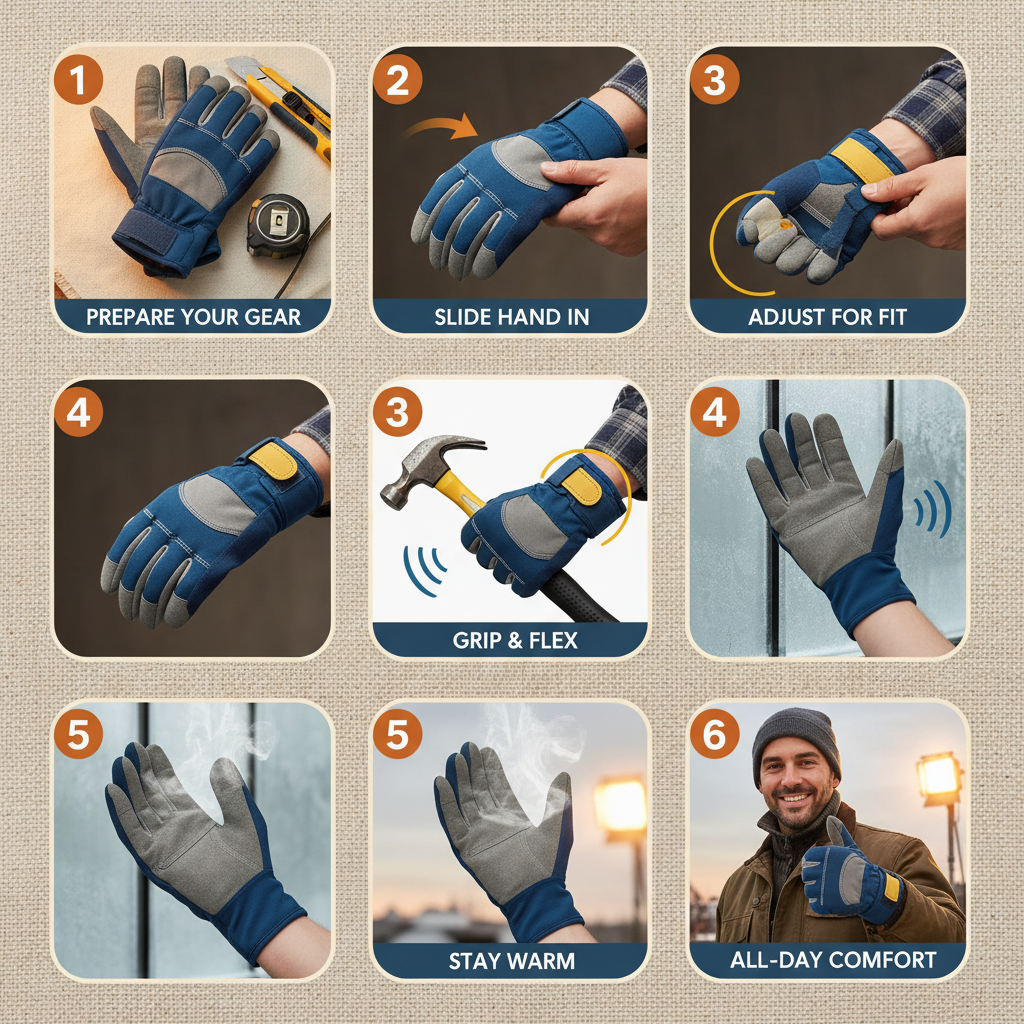
Glove fit is critical. Too bulky, and they restrict motion, too loose and they fail to trap heat. The best thermal inner gloves conform snugly yet flexibly, enabling you to layer them inside your main glove effortlessly.
4. Moisture Management
Cold hands often get sweaty, which ironically chills you faster. Quality thermal liners wick moisture away from your skin—keeping hands dry and warm. This is key in preventing cold-related injuries.
5. Thermal Efficiency Ratings
Some brands provide measurements (like Clo values) indicating insulation strength. Knowing this helps pick the right glove for your environment, whether it’s -5°C or -30°C slopes.
Mini Takeaway: When shopping, weigh these factors carefully—material blend, fit, and moisture control often dictate your comfort more than just price tag.
Global Applications: Where Thermal Inner Gloves Make a Difference
Thermal inner gloves for skiing are used far beyond ski resorts. In Scandinavia and Canada, construction workers on freezing worksites rely on them. The U.S. National Weather Service emphasizes thermal handwear for search-and-rescue teams operating in tundra conditions. International NGOs often equip field workers in cold disaster zones like the mountainous regions of Nepal or refugee camps in winter-prone areas with thermal liners to maintain hand function and prevent frost injuries.
Interestingly, in high-altitude scientific research stations—like those in the Arctic or Andes—thermal inner gloves are a frontline defense to sustain normal hand movements in subzero labs and terrains.
Product Specification Table: Typical Thermal Inner Gloves for Skiing
| Feature | Example Spec | Benefit |
|---|---|---|
| Material | Merino Wool / Polyester Blend | Warmth + Moisture Wicking |
| Insulation Rating | Clo 0.3 (~5°C Effective Warmth) | Suitable for moderately cold conditions |
| Weight | 40 grams per pair | Light and slim for layering |
| Fit | Snug with 4-Way Stretch | Movement-friendly inside bulky gloves |
| Durability Features | Reinforced fingertips and palm | Resistance to wear and abrasion |
Comparing Top Vendors of Thermal Inner Gloves
| Brand | Material | Price Range | Unique Selling Point |
|---|---|---|---|
| FrostShield | Merino Wool Blend | $25 - $40 | Eco-conscious materials & natural warmth |
| GloveTech Pro | Thinsulate Synthetic | $30 - $45 | High thermal efficiency with slim profile |
| ArcticGlove Liners | Polyester Fleece Composite | $15 - $28 | Budget-friendly with moisture-wicking core |
| Summit Layers | Merino & Nylon Hybrid | $40 - $55 | Advanced durability and odor control |
Why Choose Thermal Inner Gloves? The Big Benefits
There’s more to these gloves than just warmth. Logically, warmer hands reduce injury risk, but emotionally, they boost your confidence to push harder on the slopes or work longer shifts. Socially, they empower workers in cold regions, supporting better health and productivity.
In sustainability terms, good thermal inners often last for years and use eco-friendlier materials, cutting down on fast fashion’s waste. Their efficient moisture control also means less fungal infection risk—practical and unseen health benefits.
Emerging Trends in Thermal Inner Gloves for Skiing
Looking ahead, the future gleams with promise. Some companies incorporate phase-change materials that absorb and release heat dynamically, adapting to body temperature fluctuations. Others experiment with graphene-infused fibers to increase durability and thermal conductivity. Digitally, "smart gloves" with temperature sensors and heating elements are slowly entering the market, although they still lag on cost-effectiveness.
Green certifications and supply chain transparency are becoming premium expectations, pushing brands to source ethically and minimize emissions. It feels like thermal inner gloves are on the cusp of innovation that blends tech with tradition.
Common Challenges and How to Overcome Them
Sometimes, the gloves just don’t deliver as expected. Overheating can be as bad as freezing, especially when layering. Choosing a liner that’s too thick or not breathable ruins the purpose. Another issue: sizing can differ wildly between brands, frustrating many buyers. Plus, budget constraints often force compromises on material quality.
Pro tip: test gloves in-store layered with your outer gloves if possible. Also, many vendors now provide precise size charts and customer support for product exchanges. Innovations in adjustable liners and hybrid fabrics help ease these problems.
FAQ: Your Thermal Inner Glove Questions Answered
- Q: Can thermal inner gloves be worn alone?
A: Typically, they’re designed as liners and are too thin to offer full protection alone. For casual cold exposure, they might work, but on slopes, layering with outer gloves is best. - Q: How often should I replace thermal inner gloves?
A: With regular use, expect 1–2 seasons. Watch for thinning fabric or loss of stretch, which means it’s time for a new pair. - Q: Are there eco-friendly thermal glove options?
A: Yes, many brands now offer gloves made from organic merino wool or recycled polyester with certifications like OEKO-TEX, ensuring less environmental impact. - Q: How do I wash thermal inner gloves without damaging them?
A: Follow the care label, usually hand wash or gentle machine cycle with mild detergent, and air dry. Avoid heat that shrinks natural fibers. - Q: Do thermal liners fit all outer ski gloves?
A: Most are designed slim enough to fit standard ski gloves, but if your outer gloves are extremely tight, test before investing.
Wrapping Up: Why Thermal Inner Gloves Are a Winter Essential
Honestly, good thermal inner gloves for skiing are like the secret weapon many skiers and outdoor workers don’t talk about enough. They’re lightweight, affordable, and a surprisingly powerful factor in comfort and safety. For anyone crafting a winter gear kit, these liners deserve top billing.
If you want to explore a curated selection of thermal inner gloves that balance technology, comfort, and value, thermal inner gloves for skiing are well worth a look today. Trust me — once you find the perfect pair, those cold fingers won’t be a problem anymore.