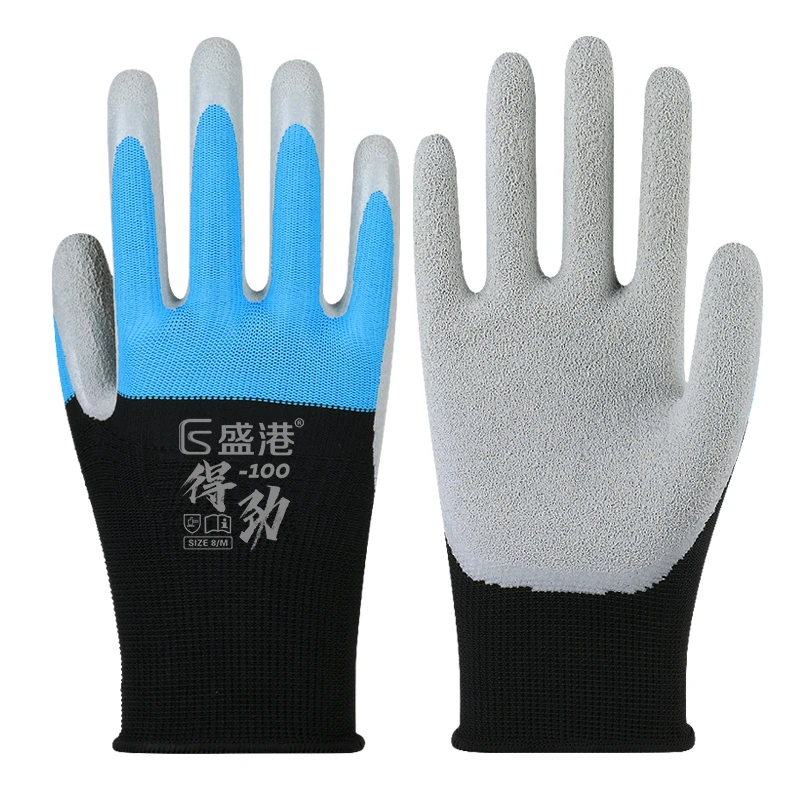
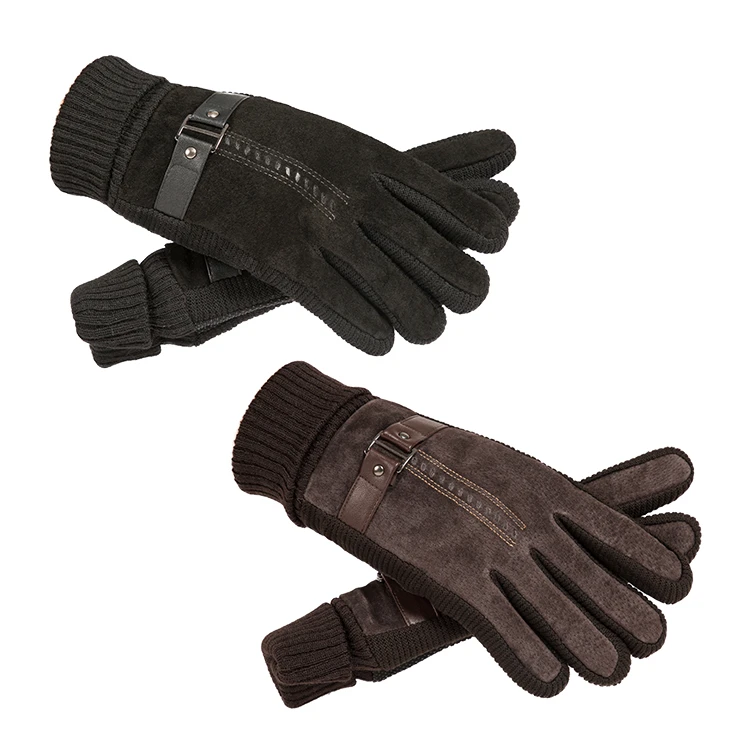
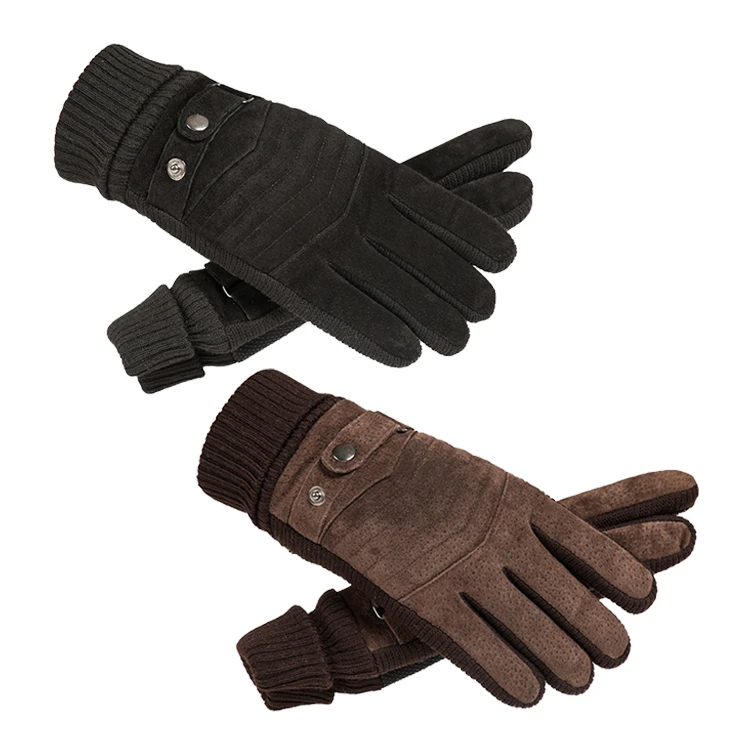
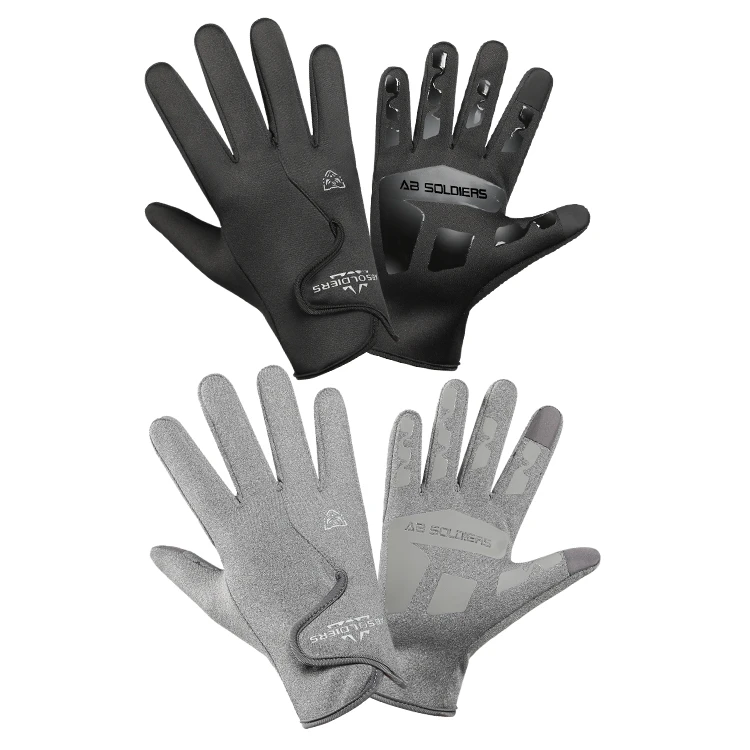
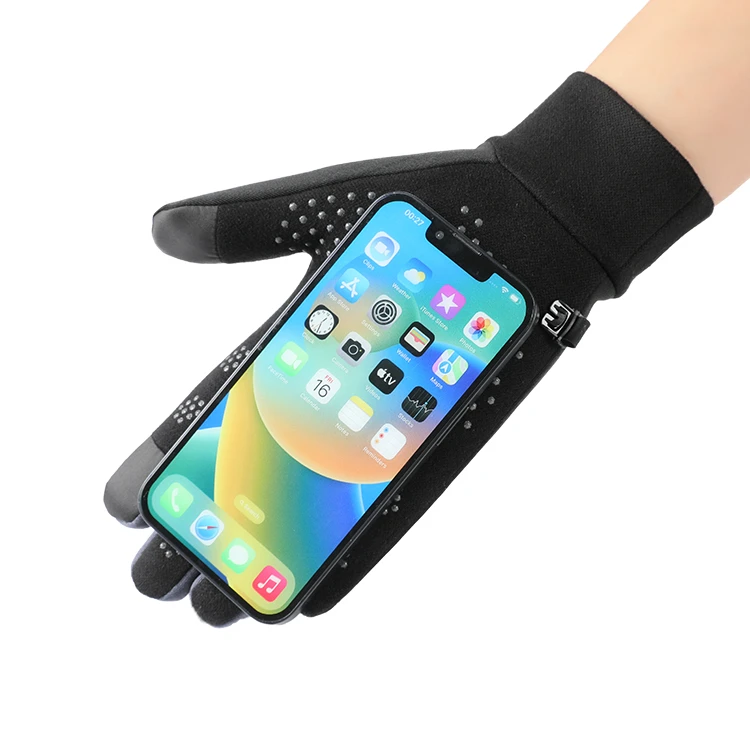
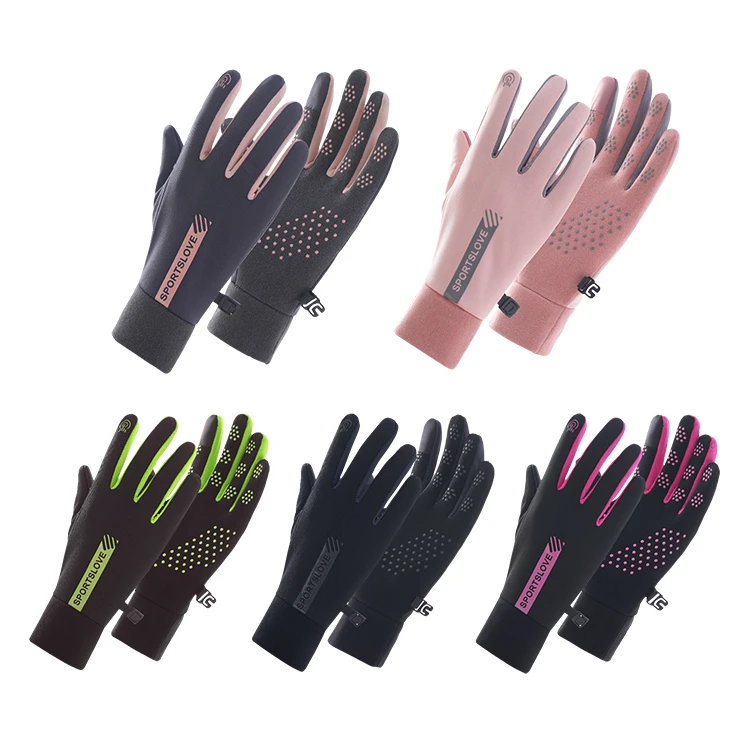
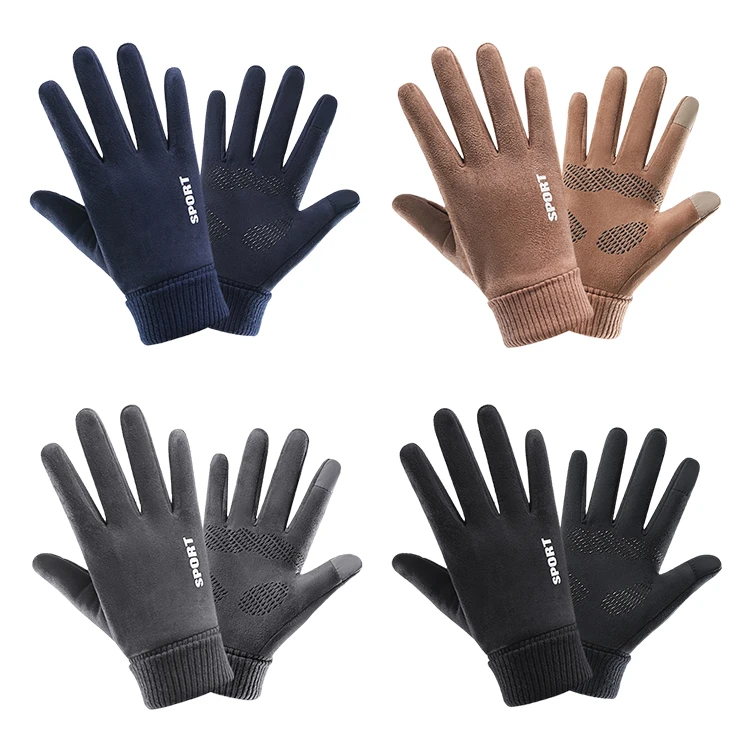
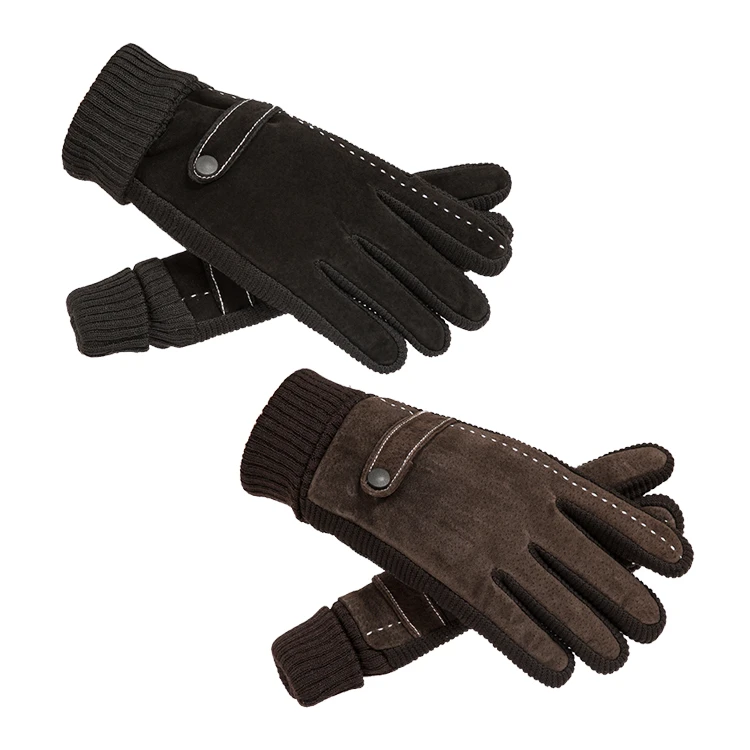
Thermal Leather Work Gloves – Durable Cold Protection for Industrial & Relief Work
Thermal Leather Work Gloves: Essential Protection for Cold Environments
When you think about work gloves, images of rough leather and heavy-duty seams probably come to mind. But thermal leather work gloves aren’t just any old gloves; they’re part of a specialized breed designed to shield hands from harsh cold while maintaining the durability leather offers. Globally, industries and workers face increasingly demanding environments where protection against cold is crucial—not simply for comfort, but for safety and productivity. And understanding the nuances of these gloves can mean the difference between a productive shift and chilling injury.
Let’s face it: gloves are an often-overlooked piece of protective gear, yet thermal gloves make a huge difference in extreme conditions. From construction in Siberia to humanitarian aid in the Arctic, knowing what sets thermal leather work gloves apart is key—for suppliers, workers, and safety experts alike.
Global Context: Why Thermal Leather Work Gloves Matter in Today’s Workforce
Across industries worldwide, the need for thermal protective gear is on the rise. According to the International Labour Organization (ILO), approximately 2.3 million people die annually from occupational accidents or diseases, with cold stress being an underrated contributor to work-related incidents in chilly climates. With global trade routes crossing frigid zones and climate variability leading to cooler working temps even in historically mild regions, reliable hand protection is more vital than ever.
Thermal leather gloves play a significant role in reducing cold injuries — frostbite, numbness, loss of dexterity — which negatively affect worker performance and safety compliance.
Industries like oil and gas, forestry, shipping, and emergency services rely heavily on these gloves. The challenge they help address? Sustaining operational capability without sacrificing hand safety in environments far below comfortable temperatures.
What Are Thermal Leather Work Gloves, Exactly?
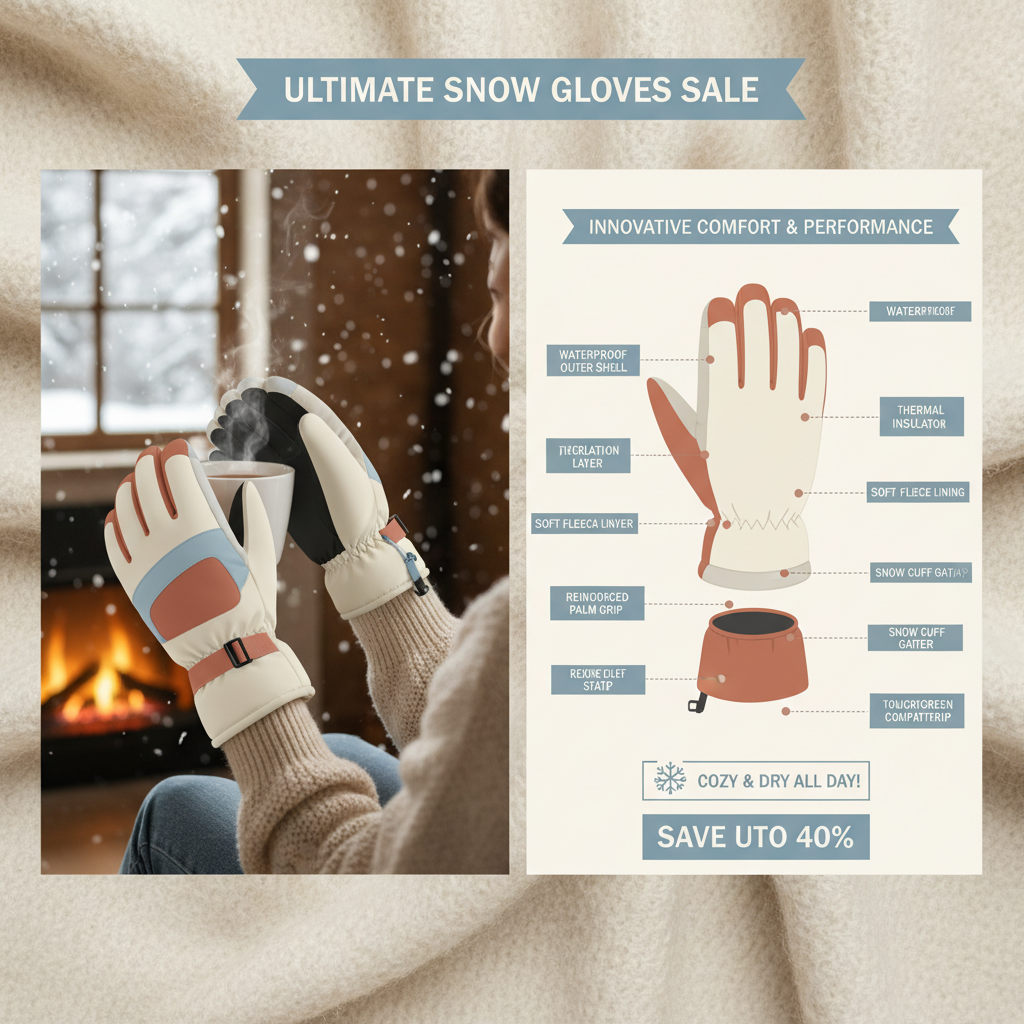
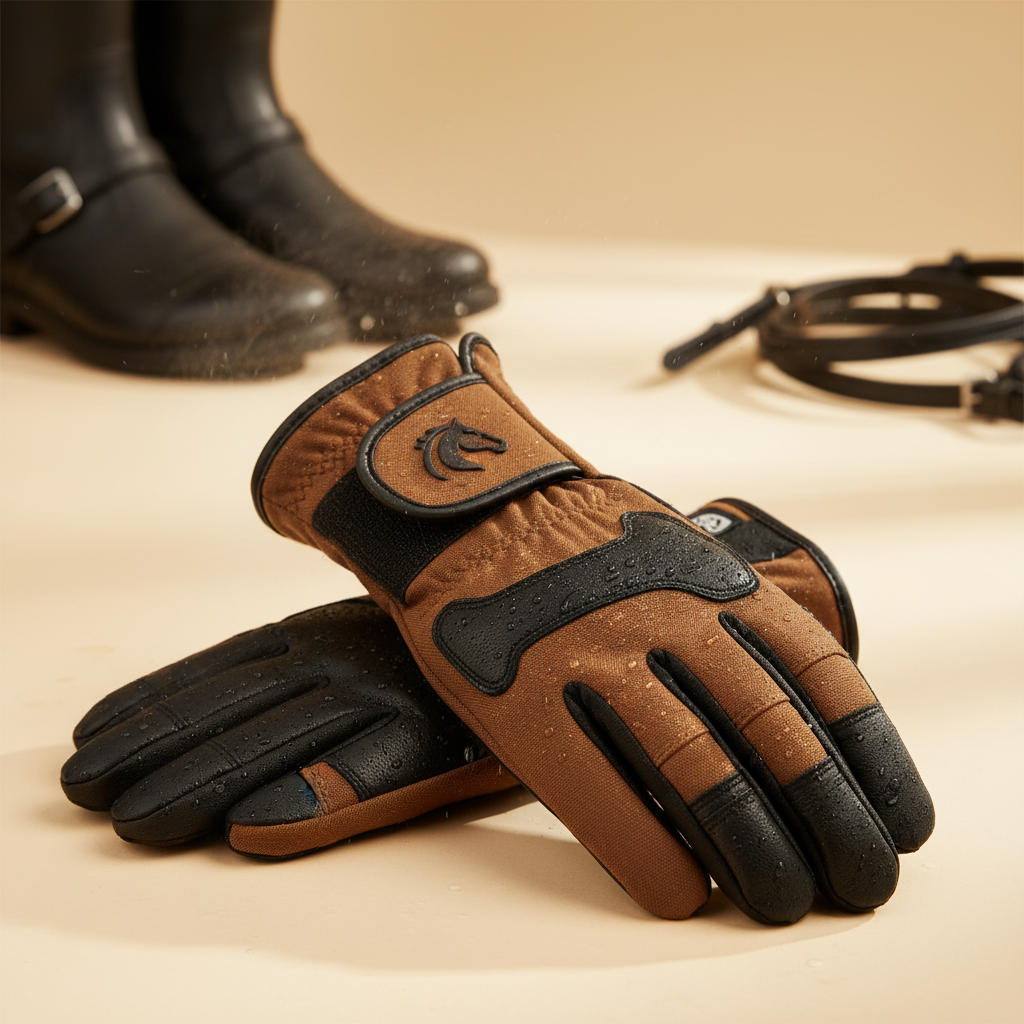
Put simply, thermal leather work gloves combine the ruggedness of leather with integrated insulation layers designed to trap heat. Unlike standard leather gloves, the thermal variants often line up with specialized materials—like Thinsulate™, fleece, or wool—to provide warmth without bulk.
They’re engineered to preserve hand dexterity so that workers can handle tools and delicate procedures while staying protected. Whether it’s a miner chipping ice or a volunteer sorting supplies in cold storage, these gloves meet the practical need for warmth and durability.
Mini takeaway:
- Thermal leather work gloves = protection + warmth + flexibility
- Key for industries operating in freezing climates or refrigerated spaces
Key Factors That Make Thermal Leather Work Gloves Truly Effective
1. Durability
Leather naturally offers resistance against abrasions, cuts, and general wear, increasing glove lifespan. In cold environments, materials become brittle, but quality leather paired with robust stitching can endure harsh conditions without failing.
2. Insulation Quality
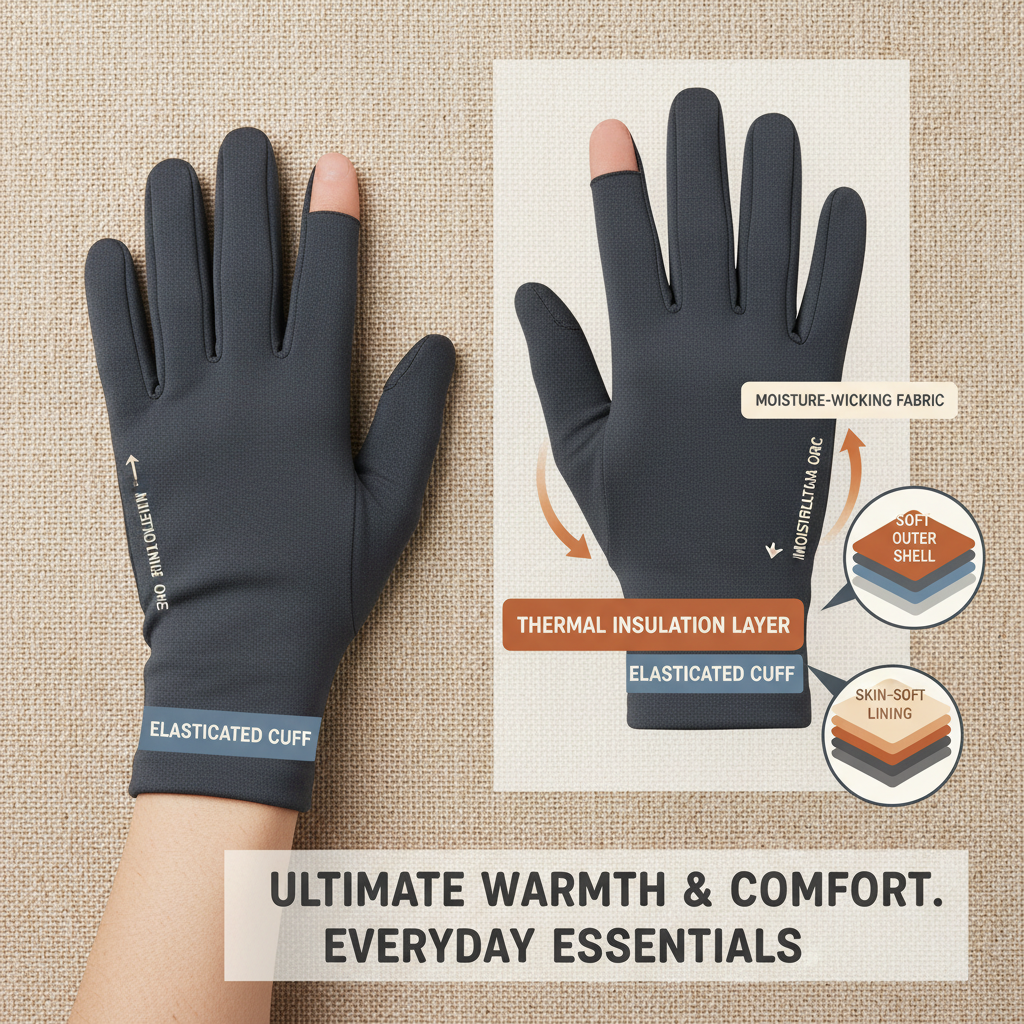
From synthetic fibers like Thinsulate™ to natural wool blends, the glove’s inner lining is the heartbeat of thermal performance. The challenge is balancing warmth with slimness—bulkiness reduces hand precision.
3. Water and Wind Resistance
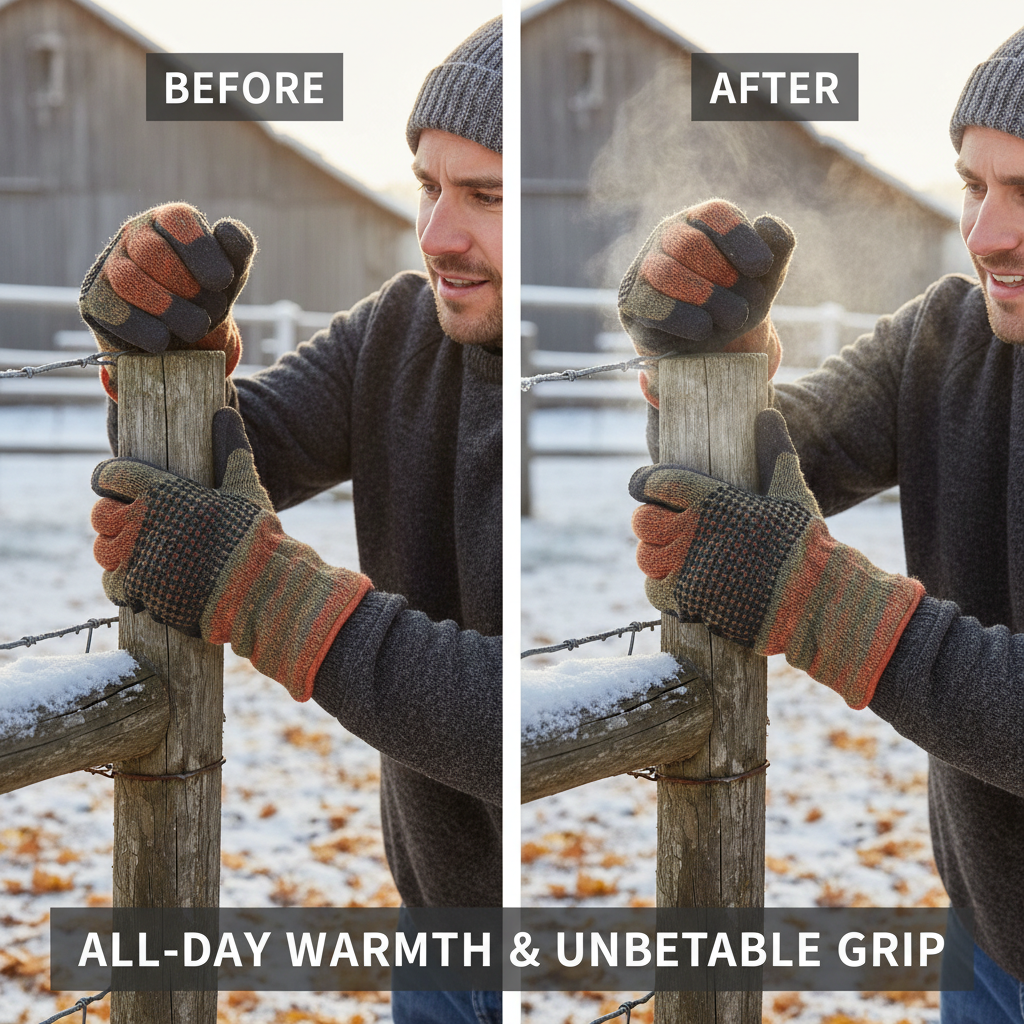
Cold days often come with moisture or wind chill. Many thermal gloves integrate treatments or barriers to repel water and block wind, preventing heat loss and keeping hands dry. This water resistance, combined with thermal lining, is a game changer.
4. Dexterity and Fit
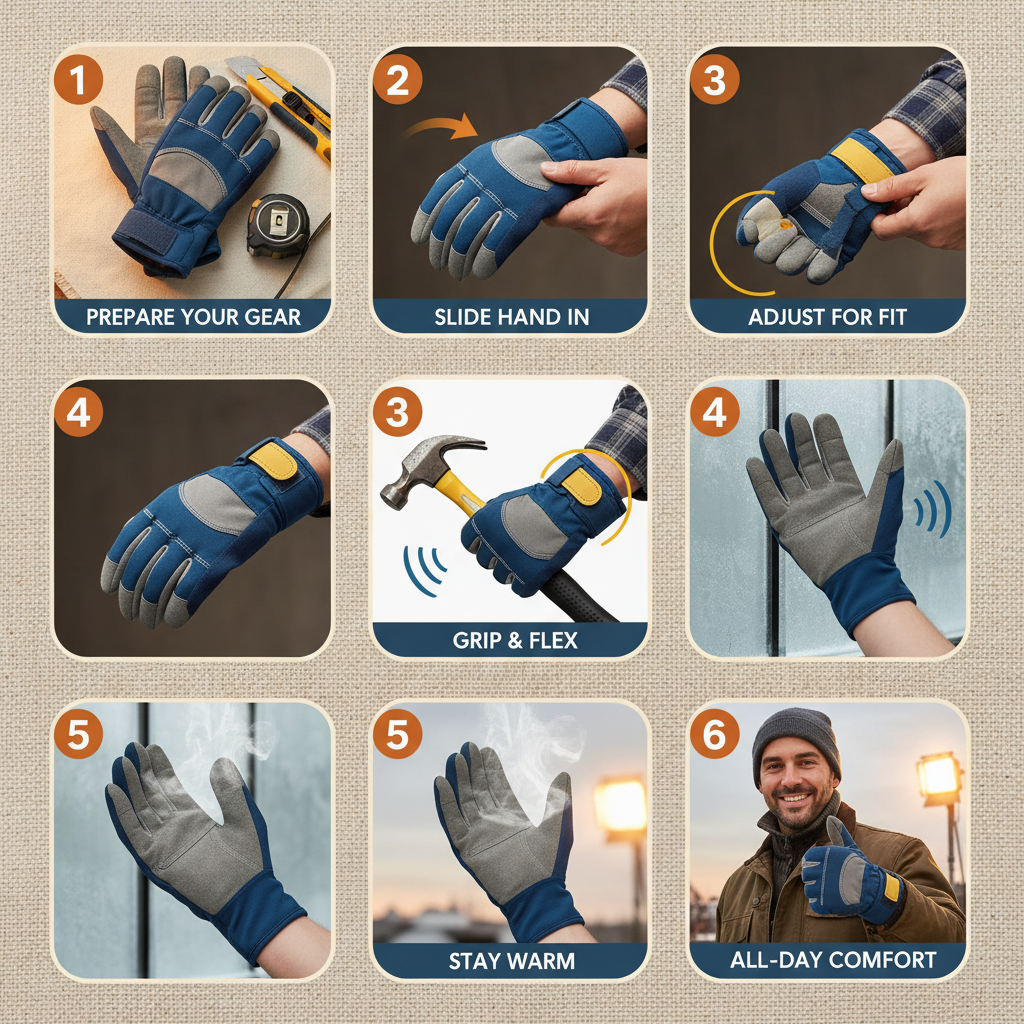
If gloves are too thick or poorly fitted, users struggle with button presses, tool handling, or typing. The best thermal leather gloves offer ergonomic design, sometimes with pre-curved fingers or adjustable cuffs to ensure hands don’t tire.
5. Breathability
Oddly enough, some level of breathability is necessary to avoid sweat buildup, which ironically causes chilling once the skin cools. Quality gloves balance warmth and airflow.
Mini takeaway:
- Comfort and protection are not opposite goals but intertwined necessities.
- A well-designed thermal leather glove can extend working hours and improve safety.
Real-World Applications of Thermal Leather Work Gloves
You’ll find these gloves in arenas as diverse as:
- Post-disaster relief operations: Humanitarian workers sorting through rubble in subzero temps need reliable hand protection.
- Remote industrial zones: Oil rigs in Alaska, logging camps in Canada, or mining sites in Scandinavia face extreme cold and rough terrain.
- Cold chain logistics: Workers handling refrigerated containers or frozen goods benefit from the anti-slip and insulation properties.
- Winter construction projects: From roadwork to bridge repair, thermal gloves help maintain hand function amidst freezing weather and hazardous surroundings.
One notable example: a Scandinavian forestry company reported that using thermal leather gloves reduced hand injury claims by nearly 40% over one winter season — a mix of better insulation and improved grip was key here.
Advantages & Long-Term Value of Thermal Leather Work Gloves
Truth be told, investing in quality thermal leather gloves yields dividends. Here’s why:
- Cost efficiency: Durable gloves reduce frequency of replacement, saving money over time.
- Sustainability: Leather is biodegradable and some suppliers offer vegetable-tanned options, reducing environmental impact.
- Worker safety and trust: Comfortable, functional gloves increase compliance with PPE use, reducing accidents.
- Social impact: Protecting hands upholds worker dignity, fostering morale when conditions are harsh.
- Reliability: High-quality gloves maintain insulation even after repeated wear and washing.
Emotionally, there’s something reassuring about slipping on a glove that fits like a second skin but also forms a reliable barrier against nature’s bite.
Looking Forward: Future Innovations in Thermal Leather Work Gloves
The glove market isn’t standing still. Here are some trends on the horizon:
- Eco-conscious materials: From lab-grown leather alternatives to recycled insulation fibers, sustainability will continue to rise.
- Smart gloves: Embedded sensors for temperature regulation or hazard detection are entering the scene.
- Nanotechnology coatings: Enhanced water and wind resistance without added weight.
- Customization: 3D scanning to tailor glove fit and optimize thermal zones is becoming more accessible.
For industries expanding into colder frontiers or automating cold chain logistics, these innovations promise smarter, safer hand protection.
Common Challenges and Practical Solutions
Despite their strengths, thermal leather gloves face some issues:
- Moisture management: Sweaty hands inside gloves can lead to rapid cooling if not ventilated well.
- Cost barriers: High-quality materials can price out smaller companies or NGOs.
- Sizing difficulties: Poor fit reduces usability, leading to glove abandonment.
Solutions? Ventilated liners, modular glove systems (inner thermal glove + outer leather shell), and bulk purchasing agreements are common fixes. NGOs focusing on aid also collaborate with manufacturers for donations or discounted kits.
Product Specification Table: Example Thermal Leather Work Glove Model
| Feature | Specification | Benefit |
|---|---|---|
| Outer Material | Full-grain cowhide leather | Tough, abrasion-resistant |
| Insulation | 3M Thinsulate™ 160g lining | Lightweight thermal retention |
| Water Resistance | Polyurethane coating on leather | Repels water without sacrificing breathability |
| Closure | Adjustable Velcro wrist strap | Secures fit, blocks cold air entry |
| Sizes Available | S to XXL | Fits broad user base comfortably |
Vendor Comparison: Leading Thermal Leather Work Glove Brands
| Brand | Insulation Type | Waterproofing | Price Range (USD) | Special Features |
|---|---|---|---|---|
| ArcticGear Pro | Thinsulate™ 200g | Waterproof leather & membrane | 60-75 | Touchscreen compatible fingertips |
| NordicGrip | Wool fleece lined | Water repellent treated leather | 40-55 | Reinforced palms |
| ThermaWork XT | Synthetic insulation blend | Polyurethane-coated leather | 50-65 | Extended cuff for wind protection |
Frequently Asked Questions About Thermal Leather Work Gloves
Q1: How do thermal leather gloves maintain dexterity despite the insulation?
Most thermal leather gloves use thin yet efficient insulation materials like Thinsulate™, which provide warmth without thickening the glove excessively. Additionally, ergonomic designs, pre-curved fingers, and stretch panels enhance fit and flexibility, so users retain good hand movement even in cold conditions.
Q2: Are these gloves suitable for wet conditions?
While leather naturally resists some moisture, many thermal gloves have waterproof or water-resistant coatings that repel light rain, snow, or splashes. However, they’re not usually fully waterproof for prolonged immersion. It’s best to check product specs or use waterproof overgloves if working in heavy wet environments.
Q3: How do I properly care for my thermal leather gloves?
Keep them dry and clean them with a damp cloth; avoid harsh soaps or soaking. Occasional application of leather conditioner preserves suppleness. Store in a dry place away from heat sources to prevent cracking. Proper care extends their life and thermal performance.
Q4: Can these gloves be customized for specific industry needs?
Absolutely! Many manufacturers offer customization such as reinforced palms, touchscreen tips, logo printing, or different insulation weights. Bulk orders often come with tailored sizing and functional tweaks depending on client requirements.
Conclusion & Next Steps
Overall, thermal leather work gloves weave together durability, warmth, and practicality to meet a growing global need for hand protection in cold climates. Their presence across industries—from disaster relief to heavy industry—speaks volumes about their utility and impact on safety.
It’s worth remembering that buying the right glove is a balance of factors: environment, task, budget, and fit. For anyone working in or supplying cold-weather gear, thermal leather work gloves remain an indispensable part of the PPE toolkit.
Ready to upgrade your cold-weather hand protection? Visit our website: https://www.personalcarescn.com to explore full glove ranges and custom options.
Quick takeaway
Stay warm, work smart, and invest in gloves that truly understand your cold challenges. It’s not just protection—it’s comfort, safety, and trust.