Dec 01,2025

Thermal Resistant Gloves – Essential Safety Gear for High-Temperature Work

Why Thermal Resistant Gloves Matter More Than Ever

Thermal resistant gloves—at first glance—might seem like just another piece of personal protective equipment. But in today’s world, where extreme temperatures are encountered daily in industries and disaster zones alike, these gloves are truly unsung heroes. Whether you're welding machinery parts, handling molten metals, or providing relief in harsh environments, understanding thermal resistant gloves is crucial—not just for safety, but also for efficiency and sustainability. And as global industrial demands soar and climate unpredictability grows, their role becomes even more significant.

A Global Look: Thermal Resistant Gloves in Context

Globally, industries like manufacturing, construction, oil and gas, and emergency services rely on thermal resistant gloves to maintain workforce safety. According to the International Labour Organization (ILO), work-related injuries from burns and heat exposure still account for a significant share of occupational hazards worldwide. In fact, ISO standards like ISO 13997 govern how these gloves should be tested to ensure protection against high temperatures. Meanwhile, data from the World Bank highlights increased industrial activity in emerging economies, which inevitably raises demand for effective thermal protection. Yet, a recurring challenge remains: how to combine durability with comfort, affordability, and adaptability for diverse working environments?

What Exactly Are Thermal Resistant Gloves?

Put simply, thermal resistant gloves are specialized gloves designed to protect hands from high temperatures and heat-related injuries. They’re made from heat-insulating materials that either block or dissipate heat to prevent burns or discomfort. This can mean resisting direct flame exposure, holding a hot pipe for a few seconds, or working near molten substances. Beyond industrial factories, they play a huge role in humanitarian efforts—think wildfire firefighting or disaster relief—where temperature extremes are a critical factor for safety. It’s amazing how the right glove can preserve not only skin but also productivity and morale.

Core Characteristics of Thermal Resistant Gloves

Durability

Durability isn’t just a buzzword here. Thermal resistant gloves have to withstand repeated exposure to intense heat, abrasion, and chemical contact. High-performance materials like Kevlar, Nomex, and specially treated leather stretch the lifespan while retaining their protective qualities. Engineers often say a glove that crumbles after a few uses isn’t worth the risk—so durability factors heavily into design.

Heat Resistance

Obviously, the main point: how well does the glove protect against heat? Gloves are tested against specific temperature ranges and exposure times—measured in seconds to minutes—the more extreme, the more specialized the glove. For example, gloves used in foundries might resist continuous exposure up to 300°C, whereas gloves for high-heat welding might withstand brief spikes near 600°C.

Comfort and Dexterity

This one’s tricky. Thermal resistant gloves tend to be thick, which can limit fine motor skills. But advances in materials and ergonomic design are making a difference. Many modern gloves include breathable membranes and flexible joints allowing wearers to perform delicate work without sacrificing safety.

Cost Efficiency

It might feel like a low priority when safety is on the line, but cost matters—especially for industries working on tight budgets or NGOs operating in developing countries. That’s why vendors strive to offer gloves that balance protection with affordability, sometimes sacrificing a bit of maximum heat tolerance for accessibility.

Real-World Applications Across the Globe

Thermal resistant gloves find homes in diverse sectors worldwide:

  • Manufacturing & Heavy Industry: Workers handling molten metals, glass, or hot machinery in Asia and Europe use gloves designed for minute precision and long-term exposure.
  • Firefighting and Disaster Relief: NGOs in wildfire-prone areas of Australia and the U.S. equip responders with gloves that resist sudden flame bursts.
  • Energy Sector: Oil rigs in the Middle East and geothermal plants in Iceland require gloves that protect against high heat yet perform reliably in tough conditions.
  • Food Processing: In cold and hot processing environments, thermal resistant gloves protect workers from temperature shifts while supporting hygiene standards.

In remote industrial zones, thermal gloves double as essential tools for survival and efficiency.

Mini Takeaway:

If you think thermal resistant gloves are niche, think again. Their ubiquity ranges from factory floors to firelines, making them essential gear worldwide.

Thermal Resistant Gloves At a Glance: Product Specifications

Specification Typical Range/Example Notes
Heat Resistance TempUp to 600°CDepends on glove model and industry
Material CompositionKevlar, Nomex, Leather, Silicone, AramidOften layered for max protection
Weight150–350 grams per pairVaries with thickness & lining
Dexterity RatingLevel 3–5 (ISO 21420)Higher is better for delicate work
CertificationISO 13997, EN 407Safety certification standards

Vendor Comparison: Choosing the Right Thermal Resistant Gloves

Feature GlovePro Industries HeatSafe Solutions FireGuard Co.
Max Heat Resistance550°C600°C500°C
MaterialKevlar + LeatherNomex + SiliconeAramid Fiber
Dexterity Level435
CertificationEN 407, ISO 13997ISO 13997EN 407
Approximate Cost (USD)$45/pair$52/pair$40/pair

The Advantages and Long-Term Value of Investing in Thermal Resistant Gloves

Investing in quality thermal resistant gloves pays off in more than one way. From a financial perspective, preventing injuries leads to fewer sick days, lower insurance claims, and higher morale among workers. On a sustainability front, many gloves today focus on eco-friendly materials and recyclable components—helping companies meet their environmental goals. Then there’s the emotional peace of mind: knowing that your hands—your ability to work and create—are protected, frankly, means everything for a craftsman or first responder. Innovation in this field isn’t just about tech specs; it’s about preserving safety, dignity, and the human element.

Peering Into the Future: Innovations in Thermal Resistant Gloves

The next-gen thermal resistant gloves aren’t just thicker. Innovations involve integrating smart textiles that sense temperature changes, delivering “real-time” alerts to workers. Material science is introducing graphene and nanotechnology layers capable of resisting higher temperatures while remaining ultralight. Another exciting trend is sustainability-focused design, where biodegradable and recycled fibers enter production streams. With Industry 4.0 and digital transformation, gloves connected to wearables could soon inform supervisors about exposure levels—reducing risk dramatically. It’s a thrilling intersection of heat protection and technology.

Overcoming Challenges: What Holds Back Thermal Resistant Gloves?

Despite growth, some challenges persist. For one, balancing heat resistance with dexterity remains tough. Overbuilding gloves makes them clunky; under-building compromises safety. Also, cost barriers can limit accessibility in low-income regions where they’re needed most. Supply chain disruptions occasionally affect availability, especially for rare materials like Kevlar. However, innovative manufacturers and NGOs collaborate to develop modular glove designs and low-cost alternatives that don't sacrifice safety standards. It feels like the industry is aware and moving forward — slowly but surely.

Frequently Asked Questions About Thermal Resistant Gloves

Q: How do thermal resistant gloves differ from regular work gloves?
A: Thermal resistant gloves are engineered specifically to withstand high temperatures and protect hands from burns, unlike regular gloves that mainly guard against cuts or abrasions. They use specialized insulating materials and undergo rigorous heat-resistance testing (ISO 13997, EN 407).
Q: Can thermal resistant gloves be used for both high heat and cold environments?
A: Some thermal gloves do double duty, offering insulation from heat and cold. However, most thermal resistant gloves prioritize heat protection and may not be optimal in extreme cold. Specialized cold-weather gloves may be better if frostbite risk is the main concern.
Q: How often should thermal resistant gloves be replaced?
A: It depends on usage, but generally gloves showing wear, thinning, or damage should be replaced immediately. Many industries recommend cyclical replacement every 6–12 months for active workers, or sooner if exposed to extreme heat regularly.
Q: Are all thermal resistant gloves certified?
A: No, certification varies by manufacturer and region. Look for gloves tested under recognized standards like ISO 13997 or EN 407 to ensure reliable protection.

Wrapping It Up: Why Thermal Resistant Gloves Are a Smart Long-Term Choice

Choosing the right thermal resistant gloves means more than just ticking a PPE box—it’s about investing in safety, productivity, and peace of mind. As industries grow and global climate challenges become more volatile, these gloves stand as quiet sentinels protecting hands and livelihoods. For anyone working with or around heat, it’s worth paying attention to specifications, material advances, and vendor reputations—because, after all, your hands deserve the best.

To explore a wide range of top-grade thermal resistant gloves, tailored to your needs, visit thermal resistant gloves.
References & Further Reading

  1. ISO 13997 - Protective gloves against heat
  2. International Labour Organization: Safety Standards
  3. World Bank – Industry Overview and Trends
Upsell Products
Upsell News
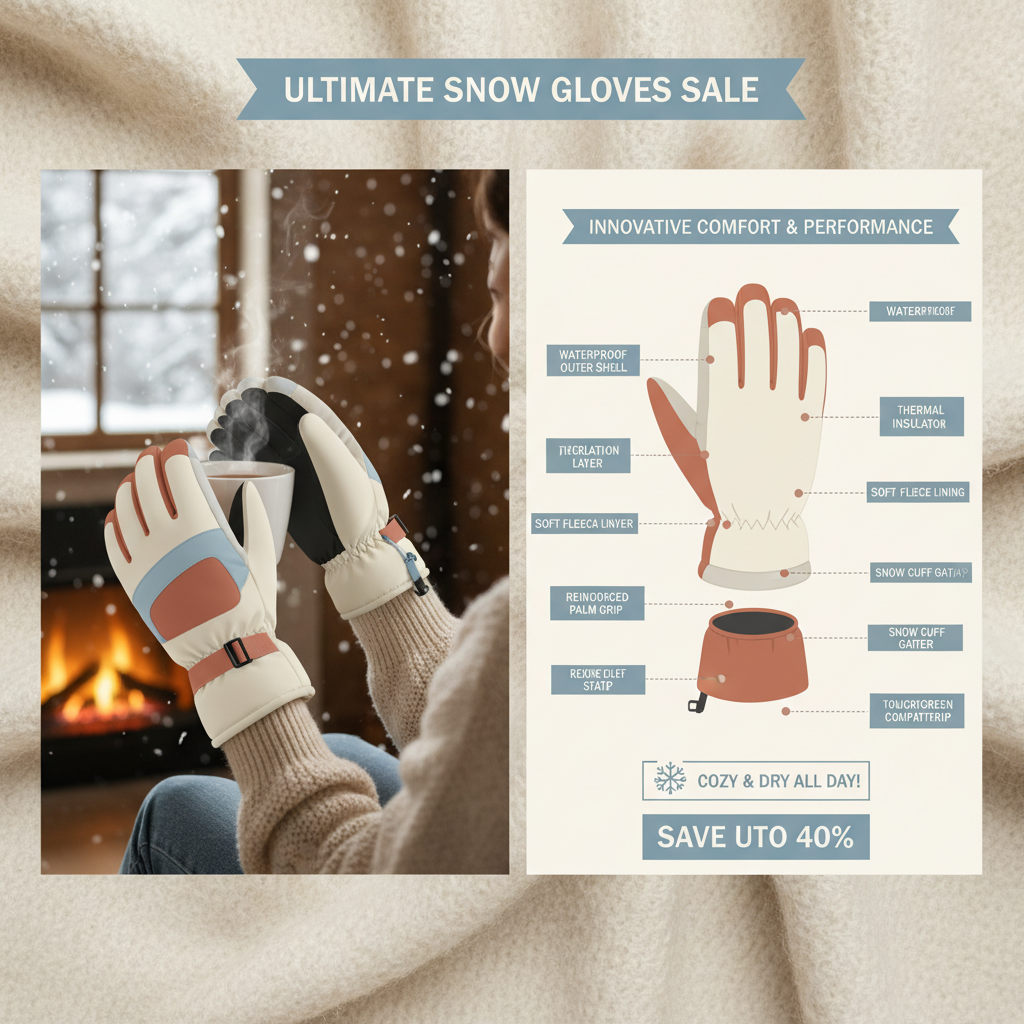
Find the Perfect Snow Gloves Sale for Warmth and Winter Protection
Mar 31,2026
Find the Perfect Snow Gloves Sale for Warmth and Winter Protection
As the temperatures drop and the snow begins to fall, having a reliable pair of snow gloves is essential. Whether you’re hitting the slopes, building a snowman, or simply braving the winter elements, quality gloves keep your hands warm, dry, and protected. This article provides a comprehensive guide to finding the best snow gloves for your needs, exploring features, materials, and what to look for during a snow gloves sale. We'll help you find the perfect pair to enjoy all winter has to offer.
Essential Guide to Selecting Durable Cold Weather Construction Gloves
Mar 28,2026
Essential Guide to Selecting Durable Cold Weather Construction Gloves
Working outdoors in cold temperatures demands specialized protection, and your hands are particularly vulnerable. Selecting the right cold weather construction gloves is crucial for maintaining dexterity, warmth, and safety. This article explores the key features, materials, and considerations for choosing gloves that can withstand harsh conditions. We'll guide you through understanding insulation, waterproofing, and durability to ensure you make the best investment for your needs.
Comprehensive Guide to Selecting the Best Gloves for Shoveling Snow
Mar 26,2026
Comprehensive Guide to Selecting the Best Gloves for Shoveling Snow
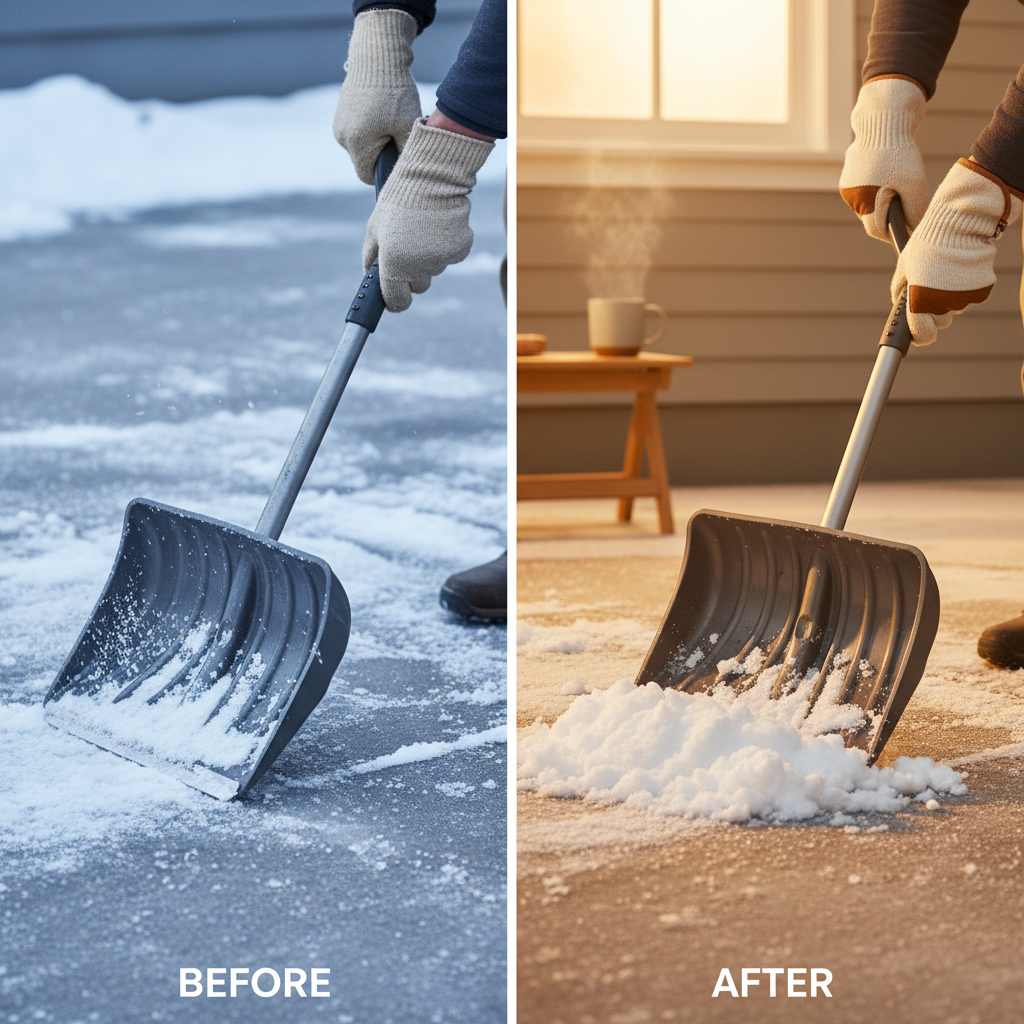
Shoveling snow is a strenuous activity that can expose your hands to freezing temperatures and increase the risk of injury. Selecting the right gloves for shoveling snow is crucial for maintaining warmth, comfort, and safety. This article provides a detailed overview of the features to look for, different types of gloves available, and how to choose the best pair for your needs. Protecting your hands ensures you can tackle winter weather without discomfort or risk of injury. We'll explore everything from insulation types to wrist closures, helping you find the perfect fit. When choosing gloves for shoveling snow, several key features should be prioritized. Waterproof or water-resistant materials are essential to prevent your hands from getting wet and cold. Insulation is crucial for maintaining warmth, with options ranging from fleece to synthetic materials like Thinsulate™. A snug fit is important for dexterity and control, while a secure wrist closure helps to keep snow and cold air out.
Essential Guide to Cold Weather Photography Gloves for Optimal Performance
Mar 24,2026
Essential Guide to Cold Weather Photography Gloves for Optimal Performance
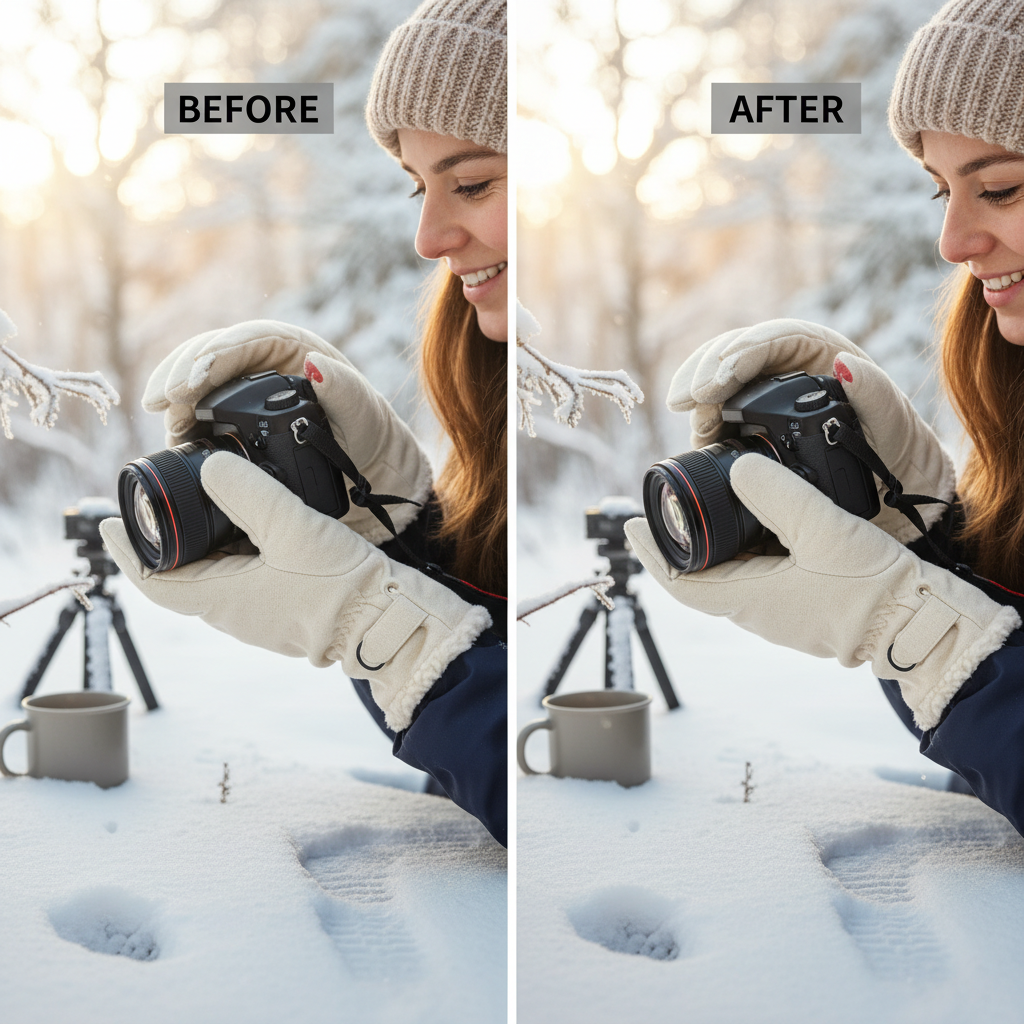
Capturing stunning images in freezing temperatures requires dedication, skill, and the right gear. One often overlooked but crucial piece of equipment is a quality pair of cold weather photography gloves. Protecting your hands from the cold isn't just about comfort; it's about maintaining dexterity and the ability to operate your camera effectively. This article will guide you through the key considerations when selecting the best gloves for your photographic adventures, ensuring your hands stay warm and functional, even in the most challenging conditions. Proper hand protection can make the difference between capturing incredible shots and being forced to cut your shoot short. Regular winter gloves often lack the precision needed for camera operation. Bulky designs hinder your ability to adjust settings, press shutter buttons, and maintain a firm grip on your equipment. Cold weather photography gloves are specifically designed to balance warmth with dexterity. They feature thinner, more tactile materials in key areas, often with touchscreen compatibility, allowing you to control your camera without removing them. This minimizes heat loss and prevents frostbite, ensuring you can continue shooting comfortably for longer periods.

Essential Guide to Warm Work Gloves with Grip for Enhanced Safety and Productivity
Mar 21,2026
Essential Guide to Warm Work Gloves with Grip for Enhanced Safety and Productivity
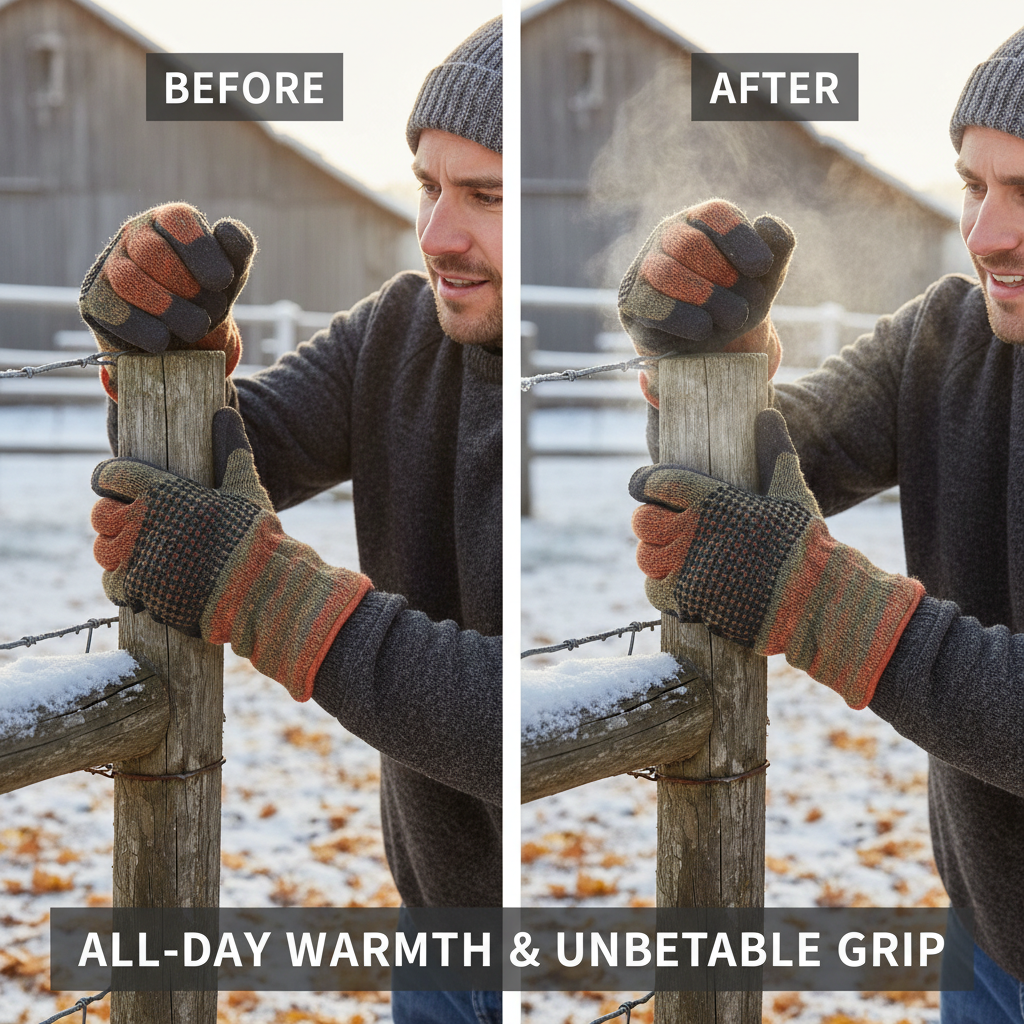
When working in cold environments, maintaining dexterity and a secure grip is paramount. Warm work gloves with grip are essential for a wide range of industries, from construction and warehousing to landscaping and agriculture. This article will explore the key features, benefits, and types of warm work gloves with grip available, helping you choose the perfect pair for your needs. Investing in the right gloves can significantly improve safety, comfort, and productivity. The combination of warmth and grip is crucial for preventing accidents and ensuring efficiency. Cold hands become numb and clumsy, reducing dexterity and increasing the risk of dropping tools or losing control of materials. A good grip allows you to handle objects securely, even in wet or oily conditions. Warm work gloves with grip provide the necessary insulation to keep your hands warm and the traction to maintain a firm hold, enhancing both safety and performance.
Comprehensive Guide to Choosing Waterproof Horse Riding Gloves for Optimal Safety
Mar 19,2026
Comprehensive Guide to Choosing Waterproof Horse Riding Gloves for Optimal Safety
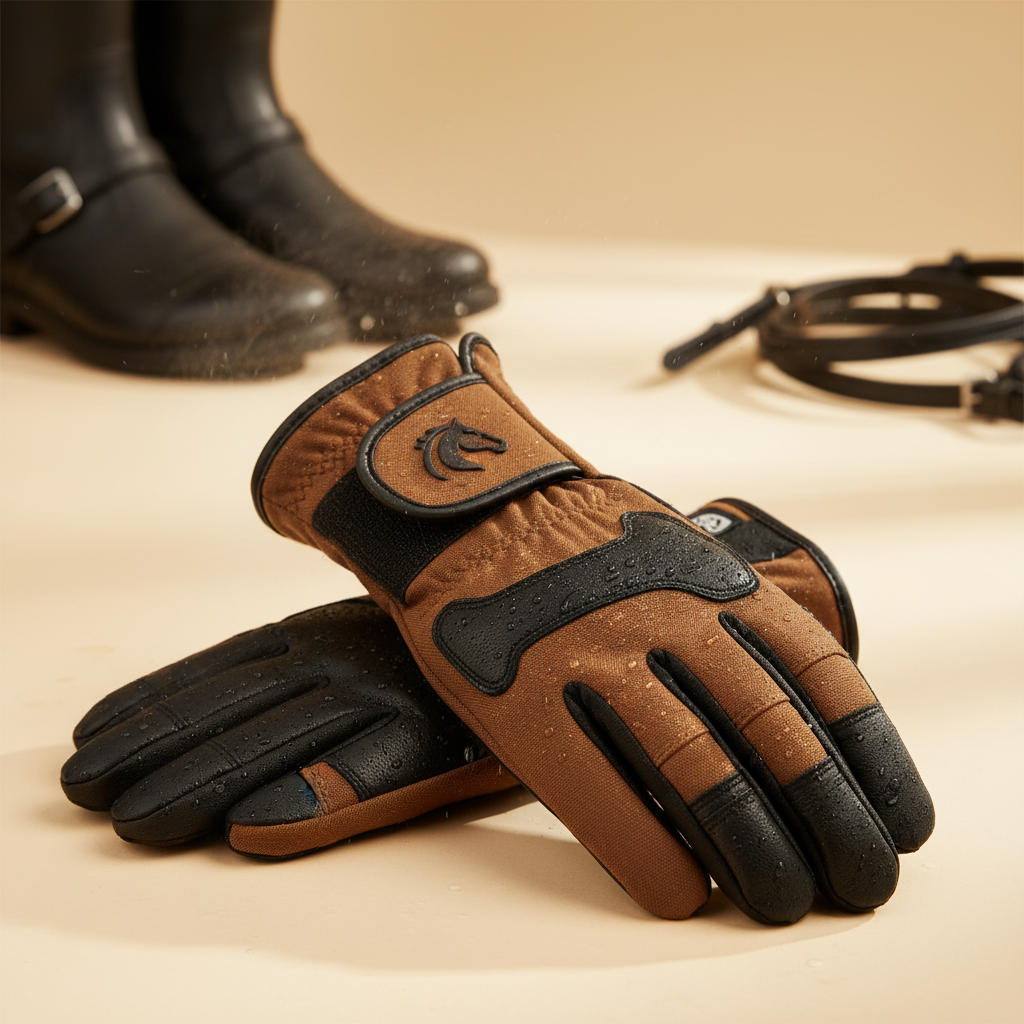
Horse riding is a thrilling activity, but it demands careful consideration of safety. One often overlooked, yet crucial, element of equestrian gear is a quality pair of gloves. Specifically, waterproof horse riding gloves offer unparalleled protection and comfort in varying weather conditions. This article will explore the benefits of waterproof gloves, key features to look for, and how to choose the perfect pair for your riding needs. Investing in the right gloves can significantly enhance your grip, protect your hands from the elements, and ultimately improve your overall riding experience. Riding often involves exposure to the elements, and wet hands can compromise both grip and control. Waterproof gloves prevent moisture from soaking through, maintaining a secure hold on the reins, even in rainy conditions. This is not only about comfort; it's about safety. A slippery grip can lead to dropped reins and potentially dangerous situations. Beyond rain, waterproof gloves provide a barrier against mud, snow, and cold temperatures, keeping your hands warm and protected during colder months.
Essential Guide to Waterproof Breathable Gloves for Work and Outdoor Adventures
Mar 17,2026
Essential Guide to Waterproof Breathable Gloves for Work and Outdoor Adventures
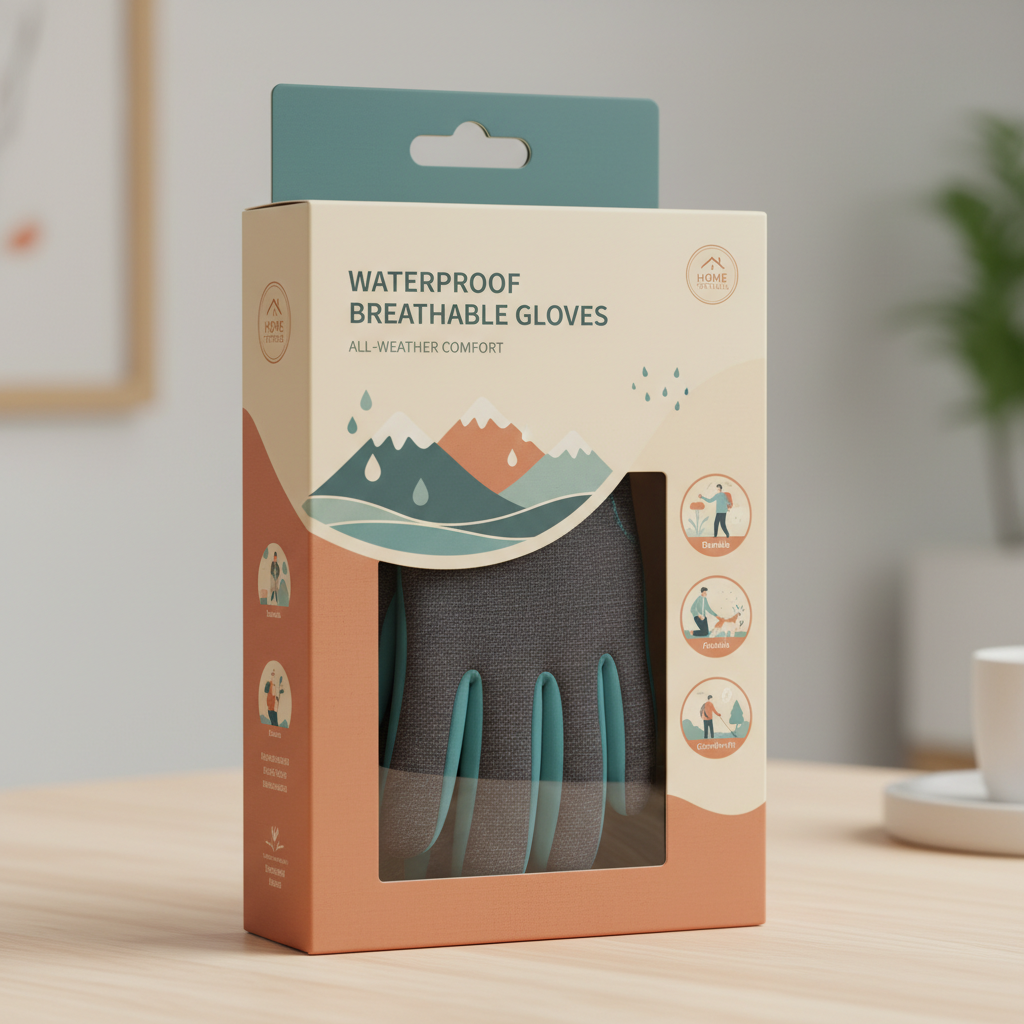
When facing challenging environments, having the right hand protection is crucial. Waterproof breathable gloves offer a superior solution for maintaining dexterity, comfort, and protection in wet and demanding conditions. This article will explore the benefits, features, and applications of these essential gloves, helping you make an informed decision for your specific needs. From industrial work to outdoor adventures, understanding the technology behind these gloves is key to staying safe and productive. The core of a quality waterproof breathable glove lies in its membrane technology. These gloves typically utilize a membrane, such as Gore-Tex or similar materials, with billions of microscopic pores. These pores are small enough to block water droplets from entering the glove, yet large enough to allow water vapor (sweat) to escape. This prevents your hands from becoming clammy and cold, maintaining comfort even during strenuous activity.
Comprehensive Guide to Selecting the Best Fully Waterproof Gloves for Safety and Performance
Mar 14,2026
Comprehensive Guide to Selecting the Best Fully Waterproof Gloves for Safety and Performance
In numerous industries, protecting hands from the elements and hazards is crucial. Fully waterproof gloves are an essential part of any safety protocol, offering not just protection, but also enhanced comfort and dexterity. From construction and agriculture to healthcare and cleaning, selecting the right gloves can dramatically improve worker safety and efficiency. This article dives into the benefits of waterproof gloves, different materials, key features to consider, and how to choose the perfect pair for your specific needs. Understanding these factors is vital for ensuring optimal hand protection and preventing workplace injuries. Waterproof gloves offer superior protection against a wider range of hazards. They prevent the absorption of chemicals, oils, and solvents, safeguarding the skin from irritation and potential health risks. Furthermore, they maintain a consistent level of grip, even in wet or slippery conditions, increasing safety and productivity. Cold environments can lead to frostbite and reduced dexterity, but waterproof gloves, especially those with insulation, prevent heat loss and keep hands warm and functional.
Find Comfort and Efficiency with Thin Warm Gloves for Typing
Mar 12,2026
Find Comfort and Efficiency with Thin Warm Gloves for Typing
Typing for extended periods, especially in cooler environments, can be uncomfortable and even lead to decreased productivity. Finding the right gloves can make all the difference. Thin warm gloves for typing provide the perfect balance of warmth and dexterity, allowing you to maintain comfort and efficiency. This article explores the benefits, features to look for, and top options for keeping your hands warm while you work. Discover how the right pair of gloves can transform your typing experience and boost your overall comfort. Unlike bulky winter gloves, thin warm gloves are specifically designed for tasks requiring fine motor skills. They provide insulation without sacrificing dexterity. This is critical for typing, where accuracy and speed depend on the ability to move your fingers freely. These gloves often utilize materials like merino wool, cashmere, or thermal microfiber, offering excellent warmth-to-weight ratios. Beyond typing, they’re ideal for other precise tasks like using a mouse, drawing on a tablet, or working with small components. Keeping your hands warm also improves circulation, reducing fatigue and preventing stiffness.
Comprehensive Guide to Selecting the Best Winter Climbing Gloves for Your Needs
Mar 11,2026
Comprehensive Guide to Selecting the Best Winter Climbing Gloves for Your Needs
When facing the challenges of winter climbing, having the right gear is crucial for safety and performance. Among the most important pieces of equipment are your winter climbing gloves. These gloves protect your hands from extreme cold, wind, and moisture, while still allowing for the dexterity needed for technical maneuvers. This article will delve into the key features to look for, different types of gloves available, and factors to consider when making your selection. Ensuring your hands stay warm and functional is paramount for a successful and safe climb. Exposure to extreme cold can quickly lead to frostbite and hypothermia, severely impacting your ability to climb safely. Winter climbing gloves are designed to combat these risks by providing insulation, windproofing, and waterproofing. However, insulation isn’t the only consideration. Climbing requires precise hand movements for gripping, belaying, and managing ropes. Therefore, gloves must strike a balance between warmth and dexterity.
Find the Perfect Gloves That Warm Your Hands for Ultimate Comfort and Protection
Mar 10,2026
Find the Perfect Gloves That Warm Your Hands for Ultimate Comfort and Protection
Cold hands can significantly impact productivity and comfort, especially when working outdoors or in refrigerated environments. Finding the right gloves that warm your hands is crucial. This article delves into the various types, technologies, and features available, helping you choose the best option for your needs. We'll explore the benefits of heated gloves, insulated gloves, and materials that maximize warmth and dexterity. Keeping your hands warm isn't just about comfort; it's about safety and efficiency. The market offers diverse options for gloves that warm your hands, catering to varying levels of cold exposure and activity. Heated gloves utilize battery-powered heating elements to provide consistent warmth, ideal for extreme cold or prolonged outdoor exposure. Insulated gloves rely on materials like fleece, Thinsulate, or down to trap body heat. Waterproof and windproof features are essential for protecting against the elements. Consider your specific use case – are you skiing, working in a freezer, or simply needing extra warmth during your commute?
Choosing the Right Thermal Under Gloves for Hand Protection and Comfort
Mar 09,2026
Choosing the Right Thermal Under Gloves for Hand Protection and Comfort
When working in cold environments, maintaining dexterity and warmth in your hands is crucial. Thermal under gloves provide an essential layer of protection, enhancing the performance of your outer gloves and keeping your hands comfortable and safe. This article will explore the benefits of thermal under gloves, different materials, key features to look for, and how to choose the right pair for your needs. Investing in quality thermal under gloves can significantly improve productivity and reduce the risk of cold-related injuries. Thermal under gloves act as a base layer, trapping heat close to your skin and wicking away moisture. This is particularly important because wet hands lose heat much faster than dry ones. They improve the insulation of your outer gloves, allowing you to work comfortably in colder temperatures for longer periods. Furthermore, they add a layer of comfort, preventing chafing and irritation from your outer gloves. Whether you're engaged in outdoor work, winter sports, or simply need extra warmth, thermal under gloves are a valuable addition to your cold-weather gear.
Finding Comfortable Winter Gloves for Big Hands A Comprehensive Guide
Mar 08,2026
Finding Comfortable Winter Gloves for Big Hands A Comprehensive Guide
Having large hands can make finding comfortable and functional winter gloves a real challenge. Many gloves simply don't accommodate larger hand sizes, leading to discomfort, restricted movement, and reduced dexterity. This article will guide you through the key considerations when selecting winter gloves for big hands, covering materials, features, sizing, and recommendations to ensure you stay warm and protected all winter long. We'll explore what to look for to maintain both warmth and usability. Before you start shopping, it's crucial to accurately measure your hand. Circumference is key - measure around the widest part of your palm (excluding your thumb). Compare this measurement to the glove manufacturer's size chart. However, with larger hands, don't rely solely on the chart. Read reviews specifically from people with similar hand sizes. Look for gloves described as "generously sized" or designed for larger hands. A good fit allows for some movement but isn’t so loose that it compromises dexterity or warmth.
Essential Guide to Cold Weather Waterproof Work Gloves for Optimal Hand Protection
Mar 07,2026
Essential Guide to Cold Weather Waterproof Work Gloves for Optimal Hand Protection
When temperatures plummet and conditions turn harsh, having the right pair of cold weather waterproof work gloves is essential for safety, comfort, and productivity. Whether you're working in construction, landscaping, or any outdoor profession, protecting your hands from the elements is paramount. This article will explore the features to look for, the benefits of waterproof protection, and how to choose gloves that meet your specific needs. Investing in quality gloves can significantly reduce the risk of hand injuries and keep you working efficiently, even in the coldest and wettest conditions. When selecting cold weather waterproof work gloves, several key features should be considered. Insulation is crucial for maintaining warmth; look for materials like Thinsulate™ or fleece lining. Waterproof membranes, such as those made with Gore-Tex or similar technologies, prevent water from penetrating the glove. Durability is also important, so choose gloves made from robust materials like leather or reinforced synthetic fabrics.
Choosing the Right Warm Outdoor Work Gloves for Optimal Hand Protection
Mar 06,2026
Choosing the Right Warm Outdoor Work Gloves for Optimal Hand Protection
Working outdoors in cold weather demands reliable hand protection. Selecting the right warm outdoor work gloves is crucial for maintaining dexterity, comfort, and safety. This article will guide you through the key considerations when choosing gloves, covering materials, features, and applications. Protecting your hands from the elements isn’t just about comfort; it’s about maintaining productivity and preventing injuries. Let’s explore how to find the perfect gloves for your needs. The material of your work gloves is a primary factor determining their warmth, durability, and suitability for specific tasks. Common materials include leather, nitrile, neoprene, and various synthetic blends. Leather offers excellent durability and a natural feel, but requires maintenance. Nitrile provides good abrasion resistance and grip, while neoprene offers superior water resistance. Synthetic blends often balance cost, performance, and comfort.
Essential Guide to Choosing Extreme Cold Weather Gloves with Dexterity
Mar 05,2026
Essential Guide to Choosing Extreme Cold Weather Gloves with Dexterity
When facing harsh winter conditions, maintaining both warmth and the ability to perform tasks requiring fine motor skills is crucial. Extreme cold weather gloves with dexterity are specifically engineered to provide this balance. These gloves aren't just about keeping your hands warm; they're about ensuring you can continue working effectively and safely in freezing temperatures. This article will explore the key features, materials, applications, and considerations when selecting the best gloves for your needs. Understanding the nuances of these specialized gloves is vital for professionals and outdoor enthusiasts alike. Personal Care SCN offers a comprehensive range of solutions for all your protective gear needs.
For More Details Pls Contact Us
Thank you for your interest in our gloves! We offer high-quality, durable, and comfortable gloves with fast delivery and competitive prices. For any questions or customization, feel free to contact us. We look forward to working with you!

If you are interested in our products, you can choose to leave your information here, and we will be in touch with you shortly.