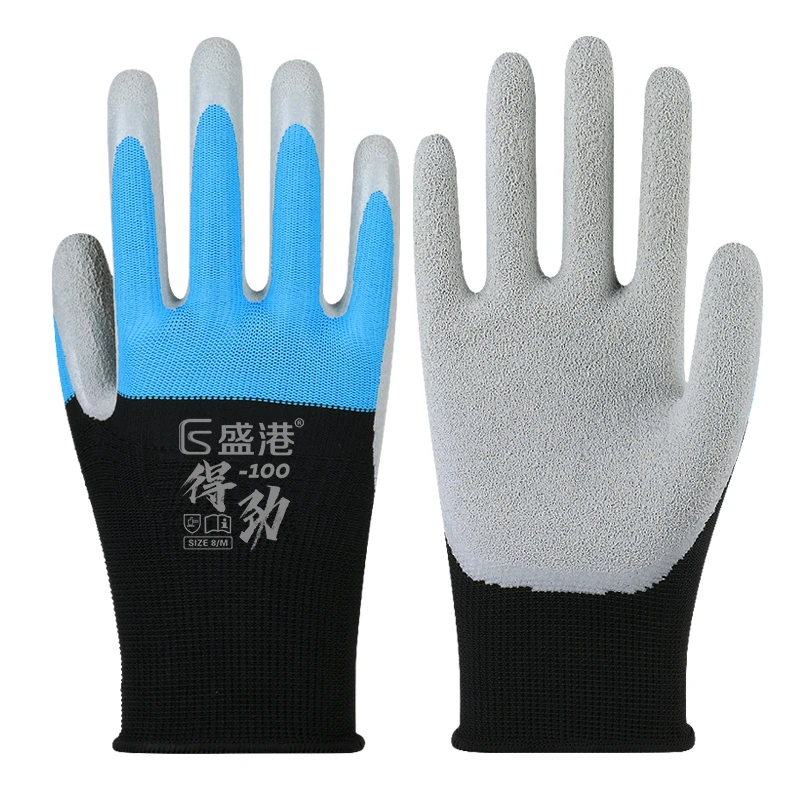
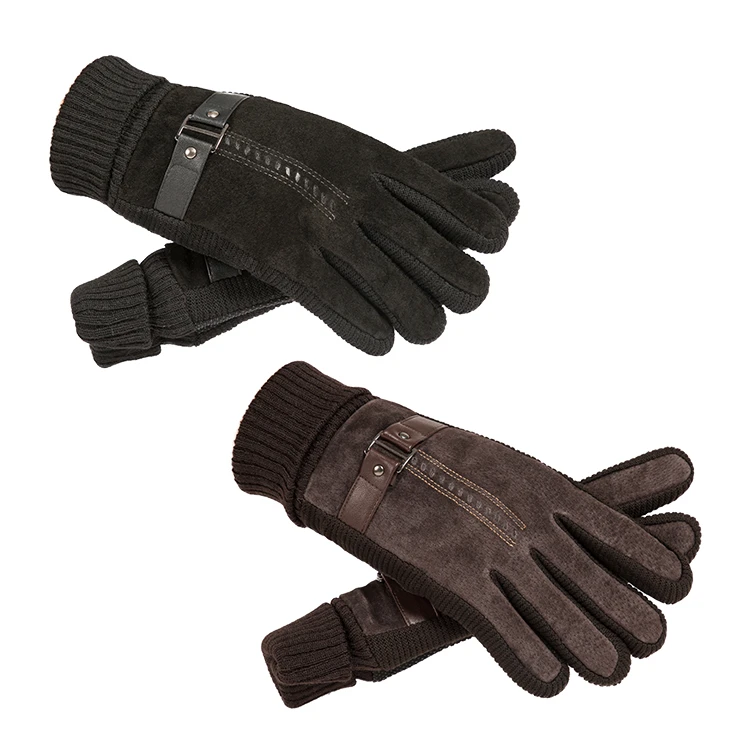
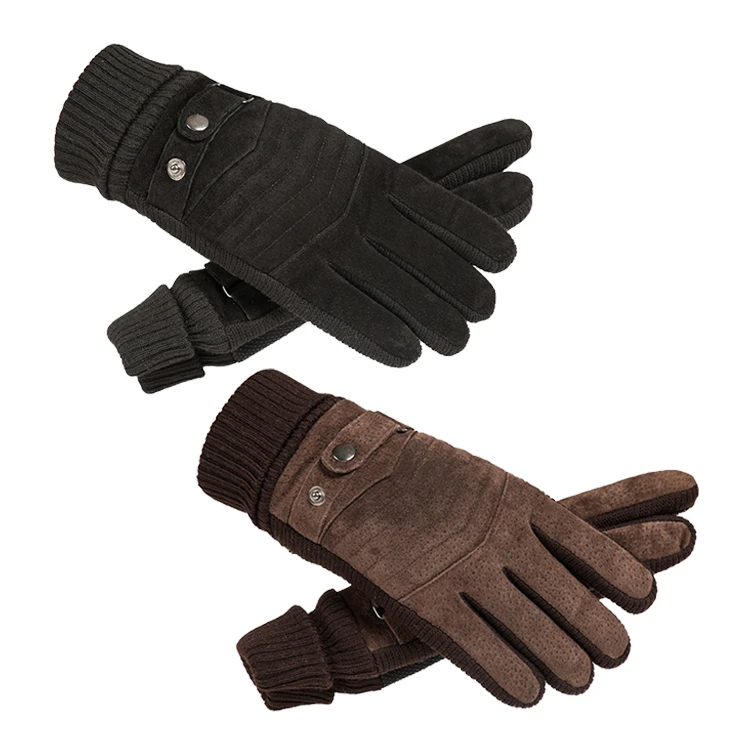
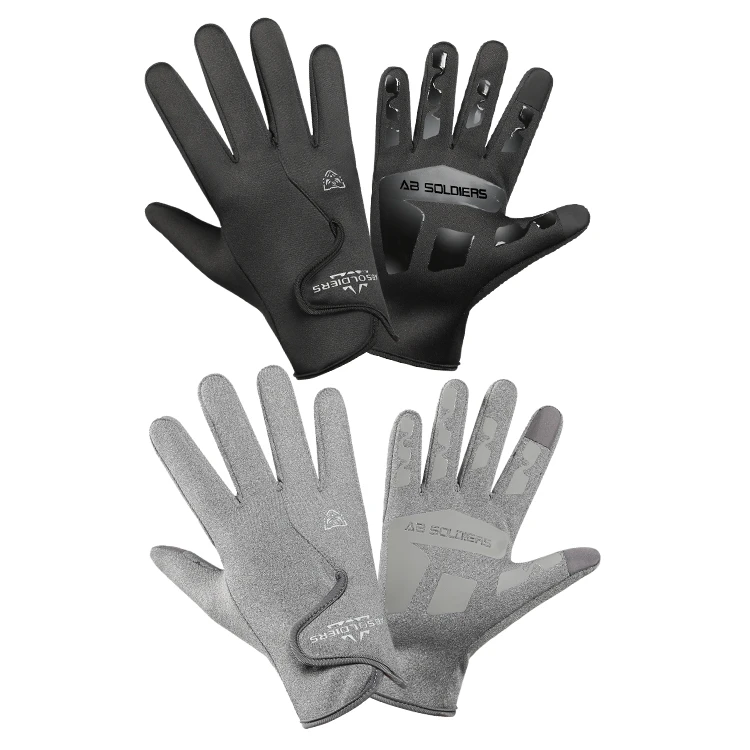
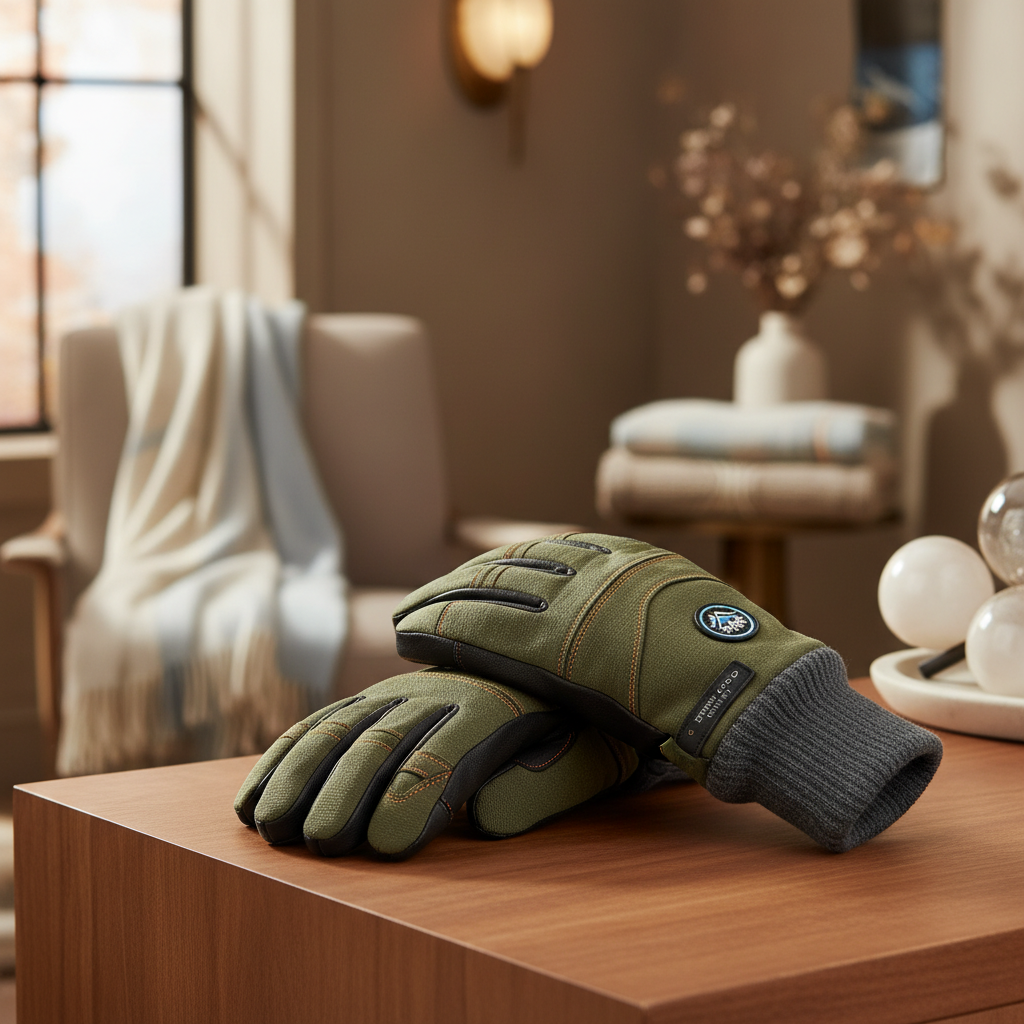
Thermal Outdoor Gloves – Durable and Warm Hand Protection for Cold Climates
Thermal Outdoor Gloves: The Unsung Heroes of Cold-Weather Protection
If you’ve ever spent a chilly morning fumbling to open a zipper or struggled with numb fingers during a winter hike, you’ll appreciate the simple genius behind thermal outdoor gloves. These gloves do more than just warm your hands—they’re a crucial piece of gear that plays a surprising role globally, from humanitarian aid to industrial safety. Understanding what makes them tick is not only practical but essential in today’s changing climate and increasingly mobile workforce.
Why Thermal Outdoor Gloves Matter Globally
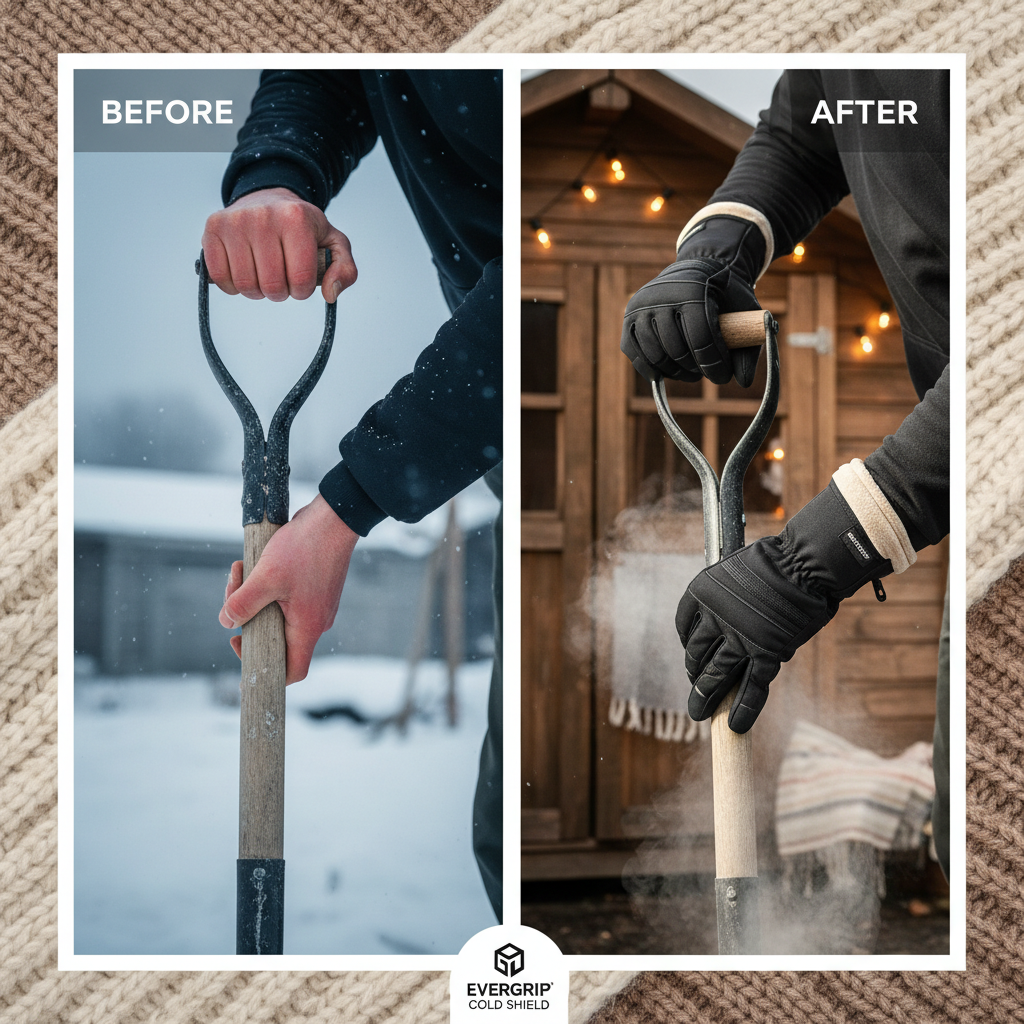
According to the World Health Organization and various labor studies, cold exposure is a significant occupational hazard, contributing to reduced dexterity, increased workplace injuries, and even hypothermia. In extreme weather zones—whether the Arctic or mountainous regions—thermal outdoor gloves are vital for safety and productivity.
What’s more, the demand for reliable, insulated hand protection is climbing steadily. The International Labour Organization estimates that over 20 million outdoor workers globally are exposed to cold stress annually. So, the stakes aren’t just about comfort—they’re about survival, efficiency, and dignity.
Mini takeaway: Thermal outdoor gloves are more than a seasonal novelty; they’re a key element in occupational health and humanitarian response worldwide.
What Exactly Are Thermal Outdoor Gloves?
In simple terms, thermal outdoor gloves are specialized handwear designed to provide insulation against cold temperatures, often combined with weather-resistant materials like Gore-Tex or Thinsulate. They’re engineered to trap heat, wick moisture, and allow flexible finger movement.
Their relevance spans far beyond casual winter wear. Industries like construction, logistics, emergency response, and even military operations rely on these gloves to maintain hand function in freezing conditions. Plus, humanitarian agencies use them in disaster relief situations where cold weather can compound already dire circumstances.
Key Features That Define Quality Thermal Outdoor Gloves
Insulation Technology
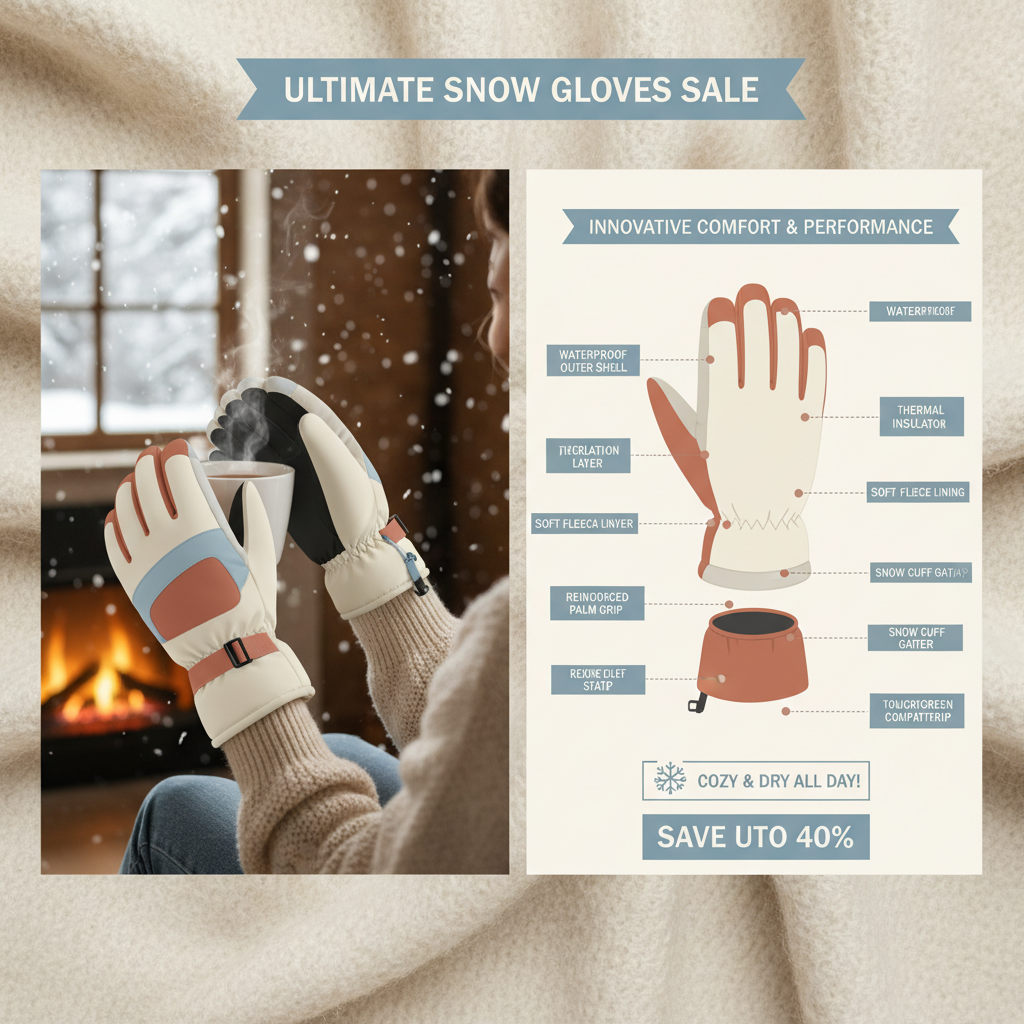
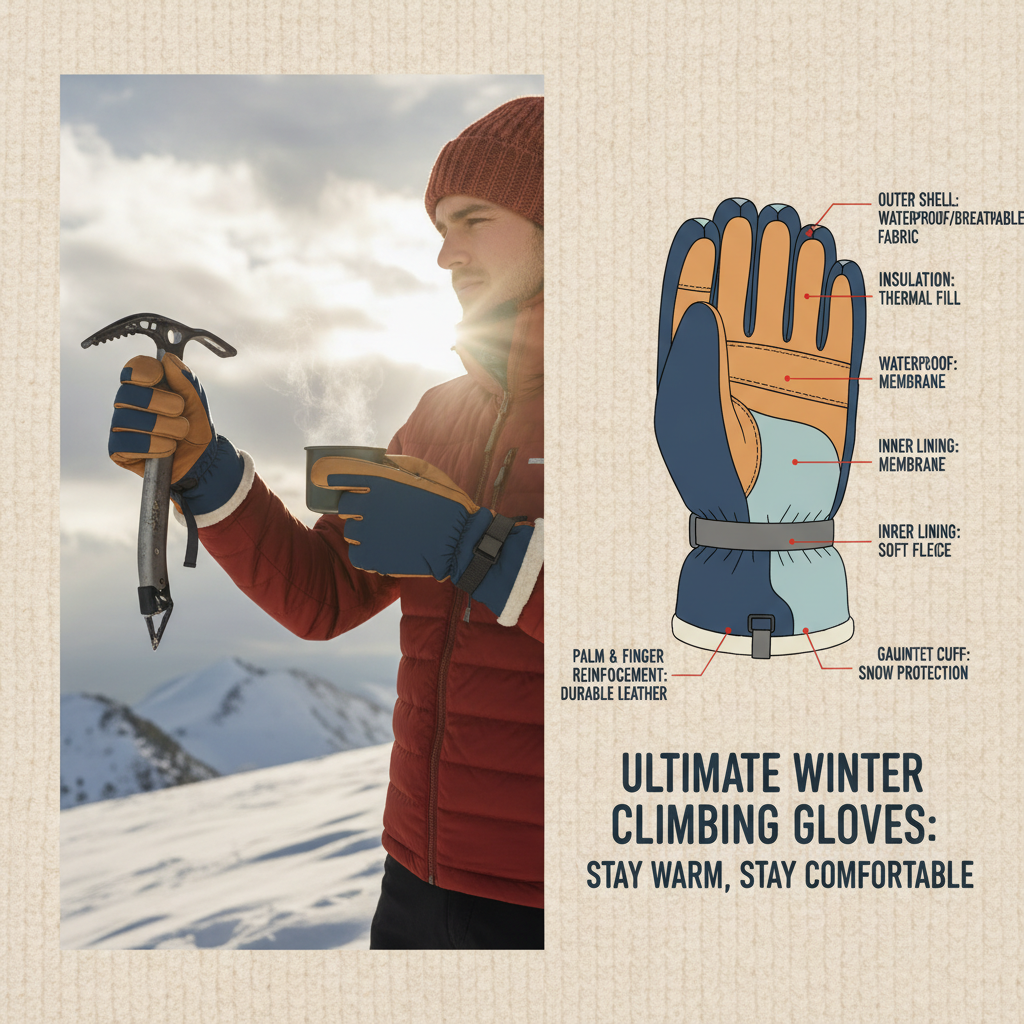
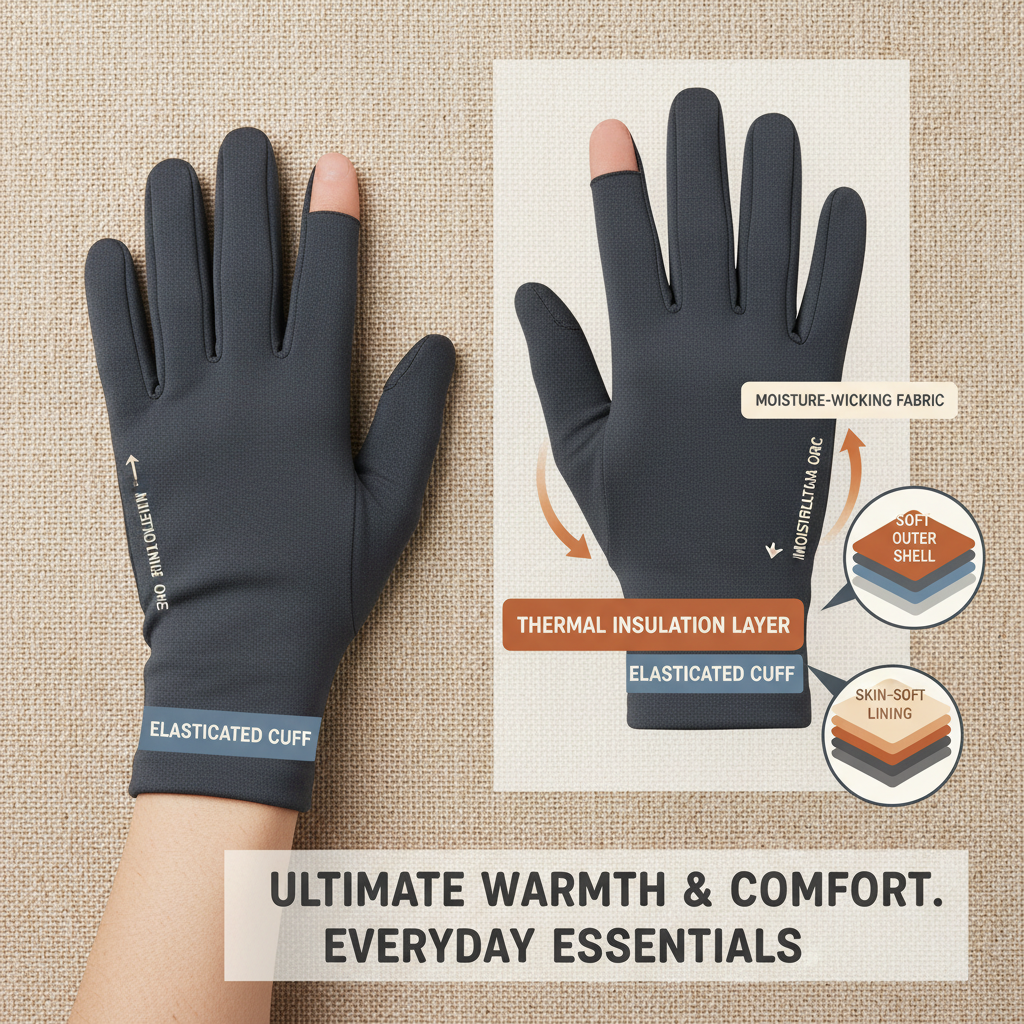
The core of any good thermal outdoor glove is its insulation layer. Materials such as down, Thinsulate, or PrimaLoft are common—each balancing warmth, weight, and compression differently. Many manufacturers now blend synthetic insulation for moisture resistance, which is critical since wet gloves lose heat fast.
Water and Wind Resistance
Cold hands are often the result of wind chill or dampness. That’s why many high-end thermal gloves incorporate waterproof membranes or coatings. This aspect drastically improves comfort and safety when working outdoors in snow, sleet, or rain.
Durability and Grip
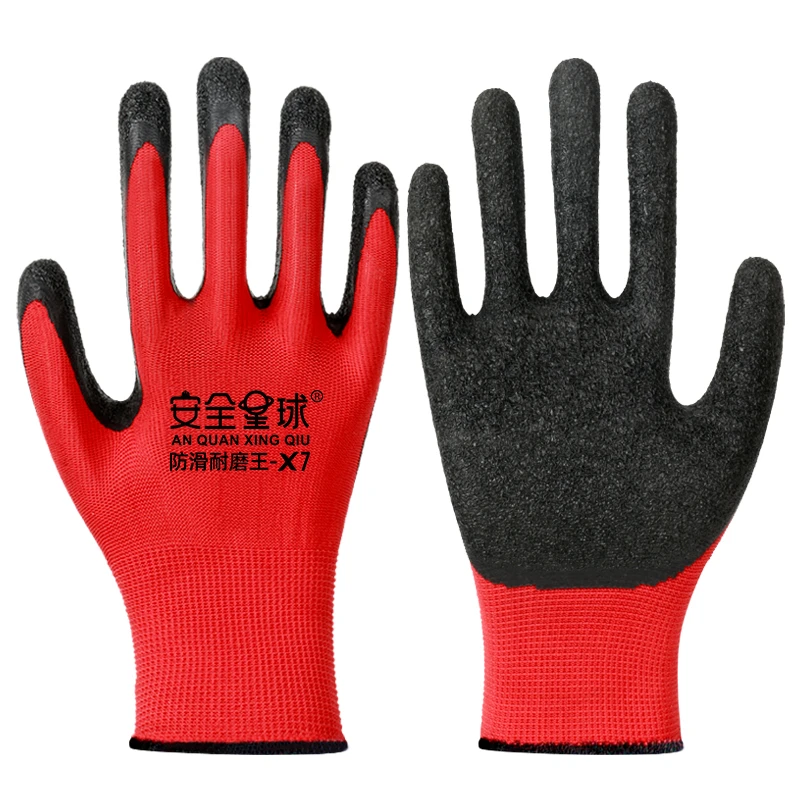
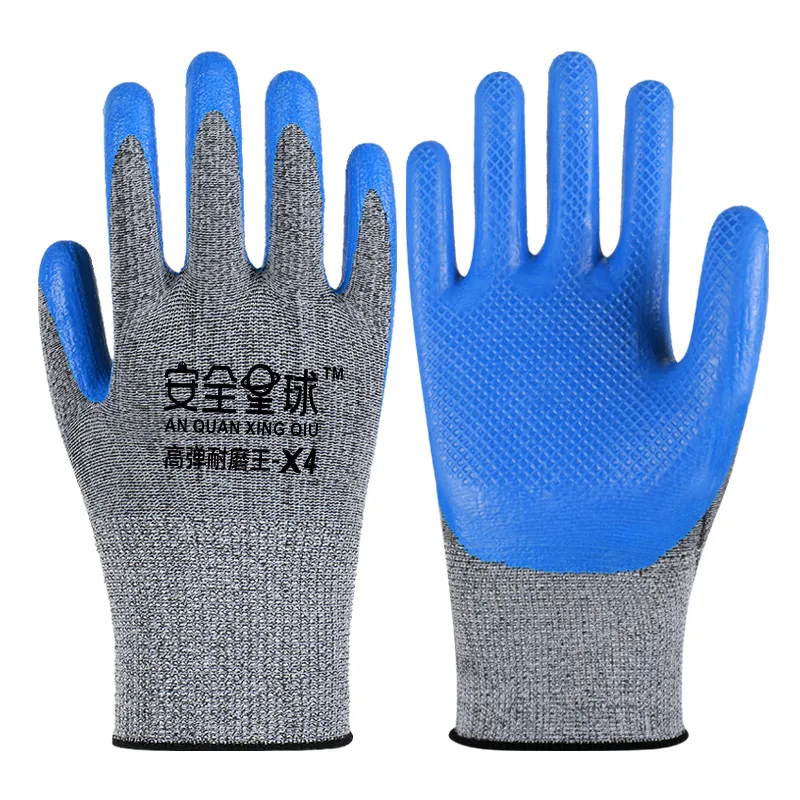
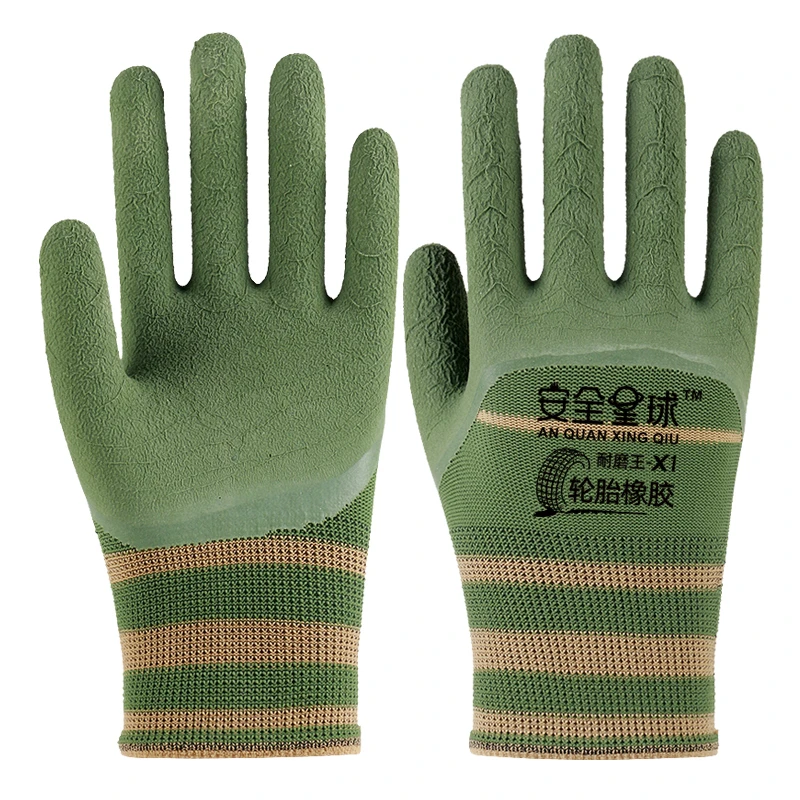
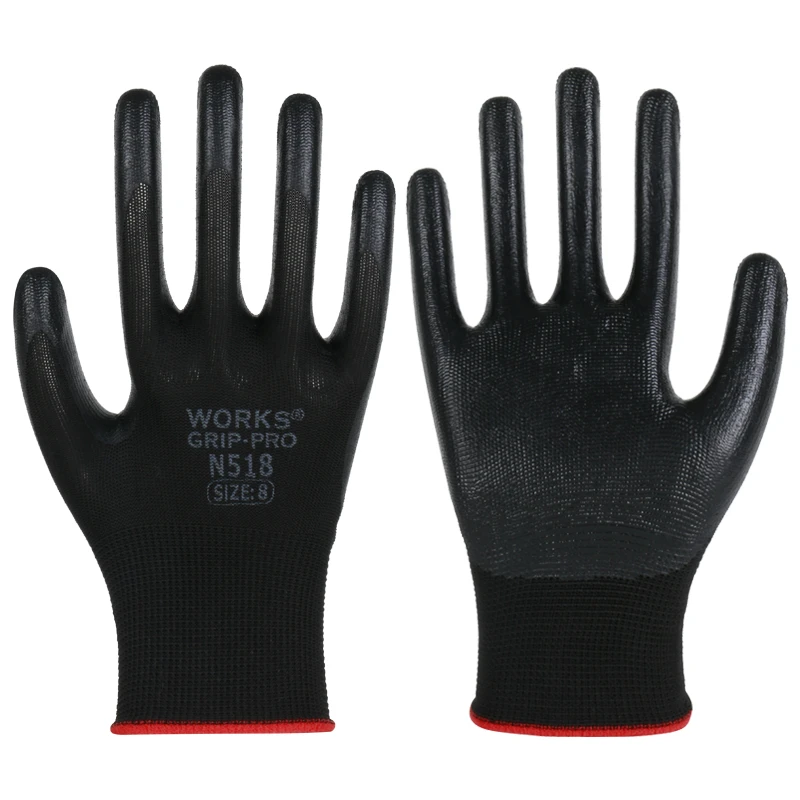
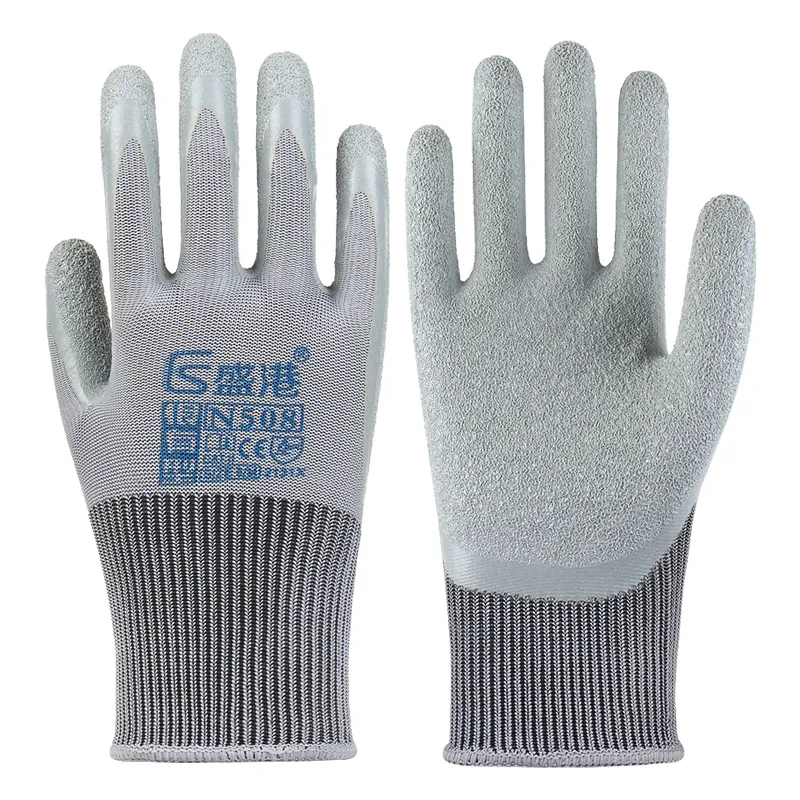
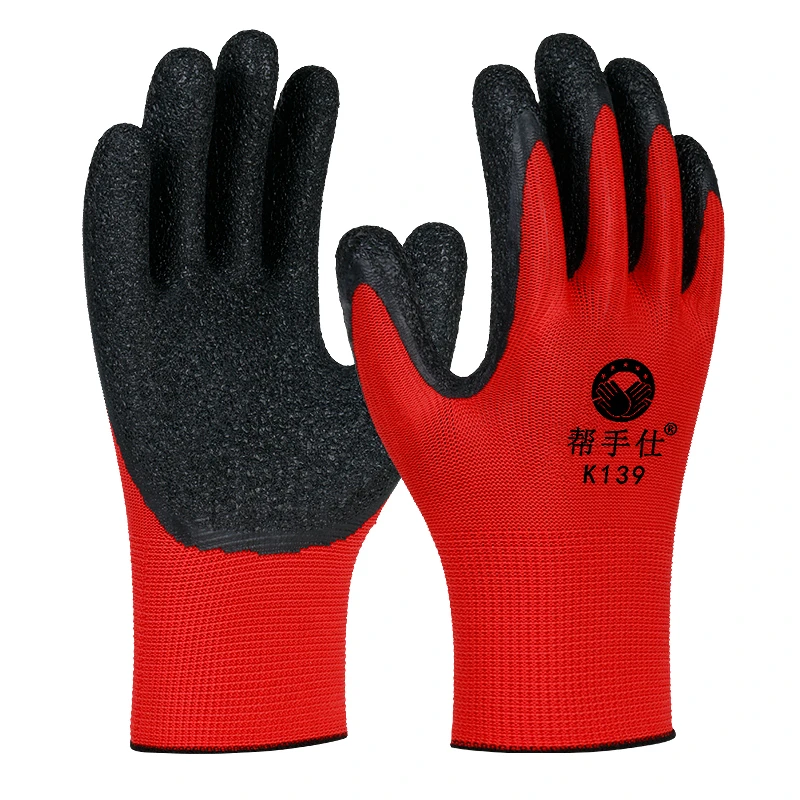
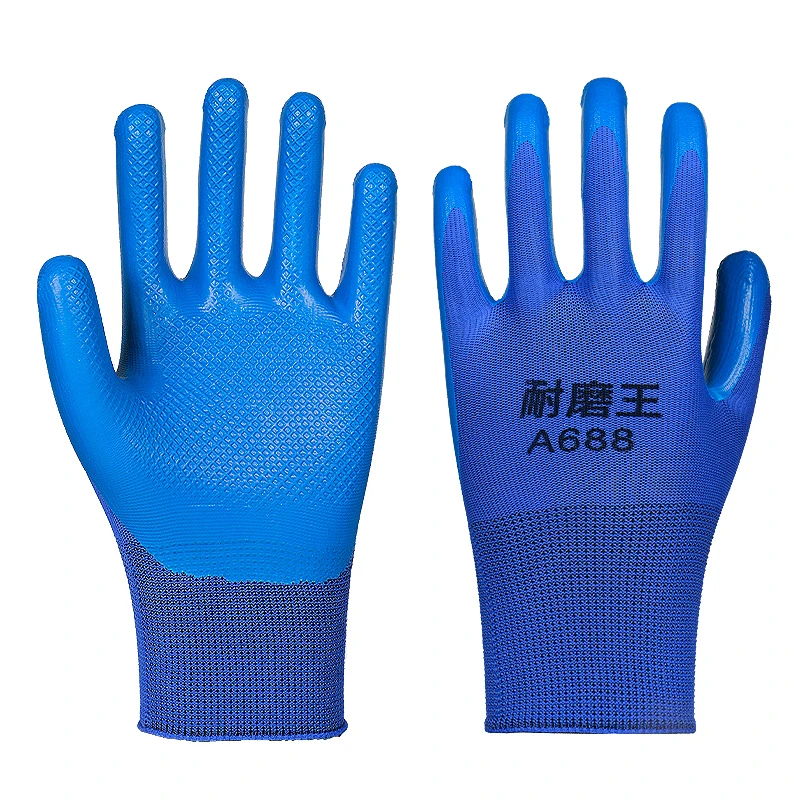
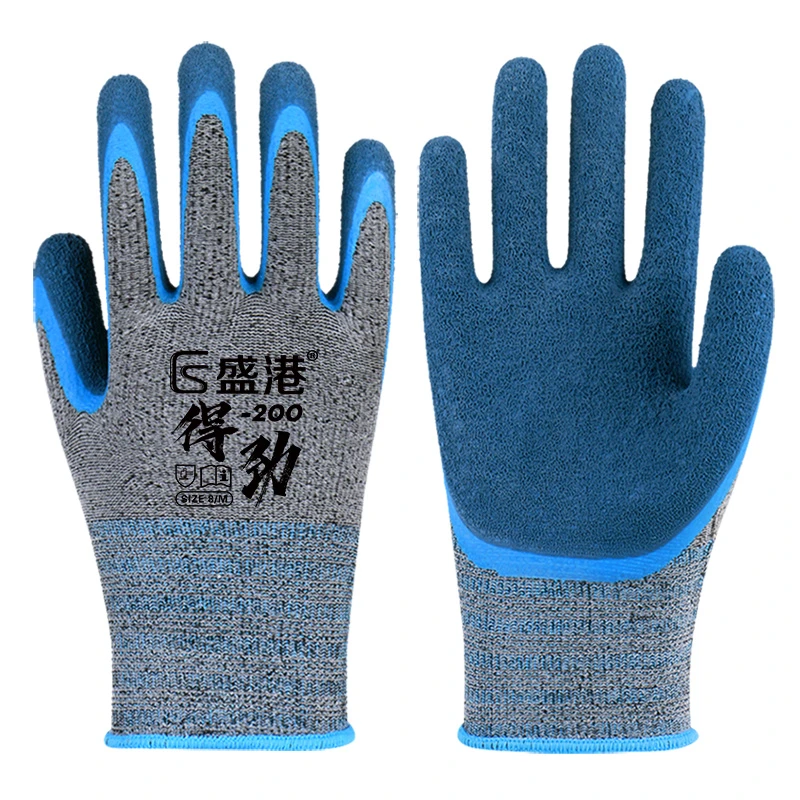
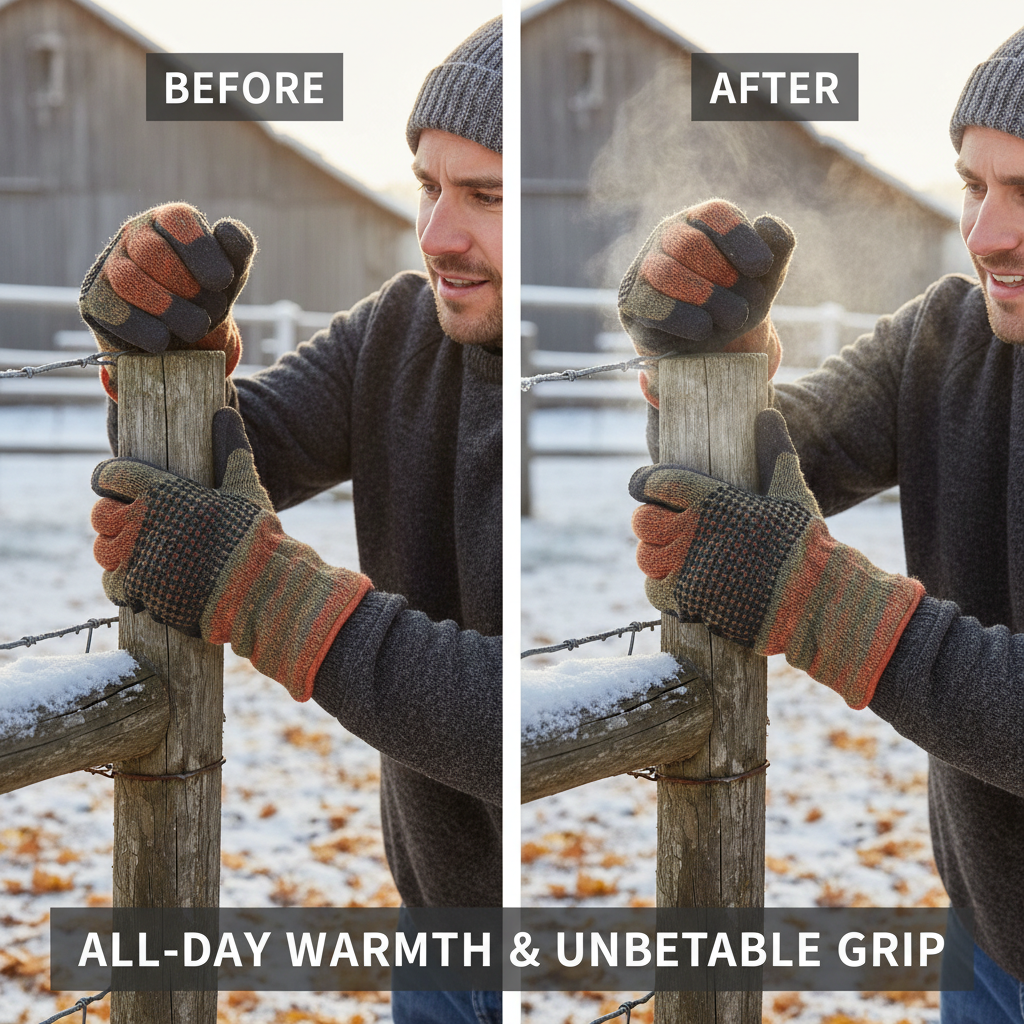
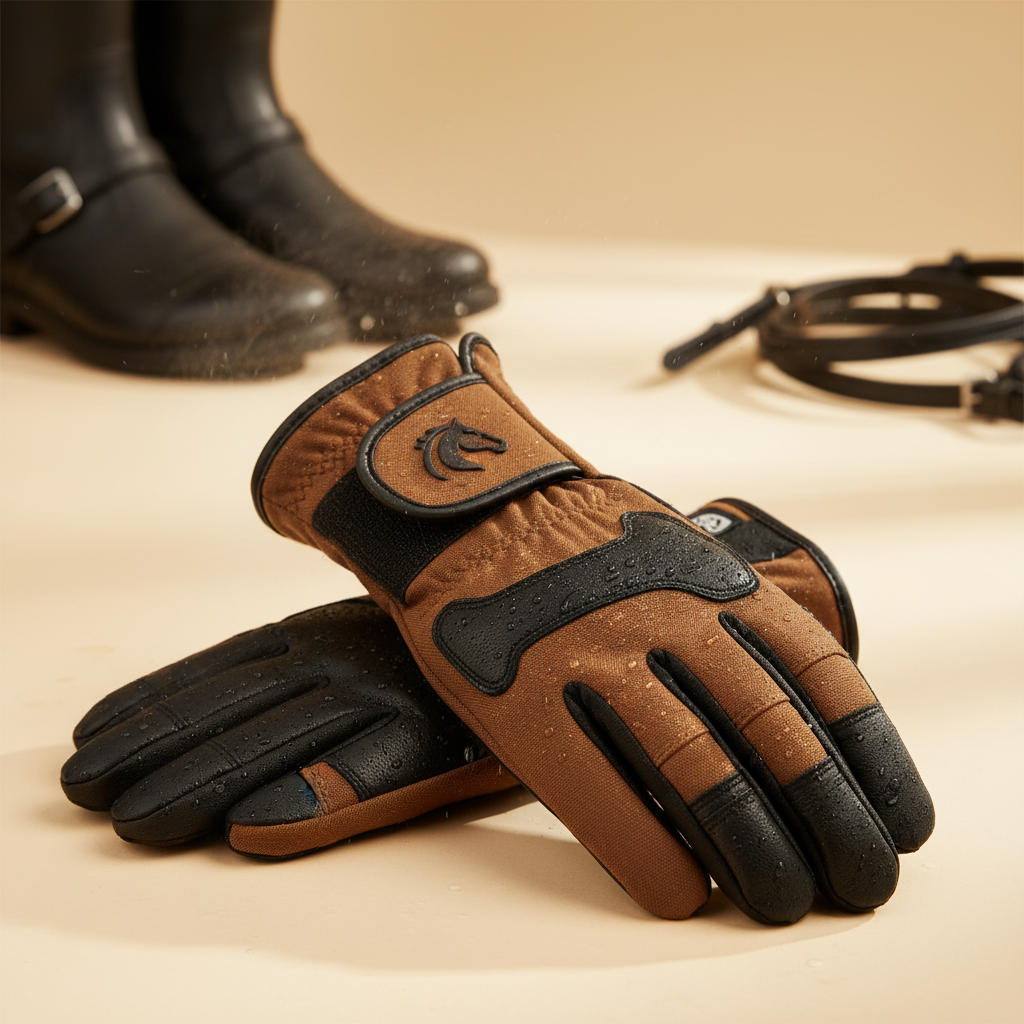
Heavy-duty synthetic leathers, reinforced palms, and anti-slip treatments are essential. Gloves that tear or lose grip can cause accidents or premature replacement. Depending on the use—be it industrial or recreational—the durability specs matter a lot.
Fit and Dexterity
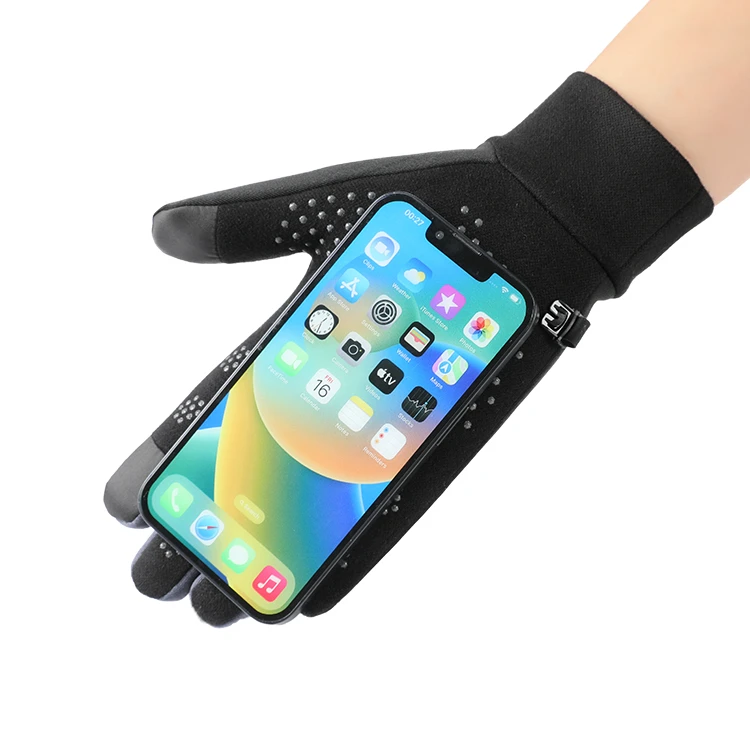
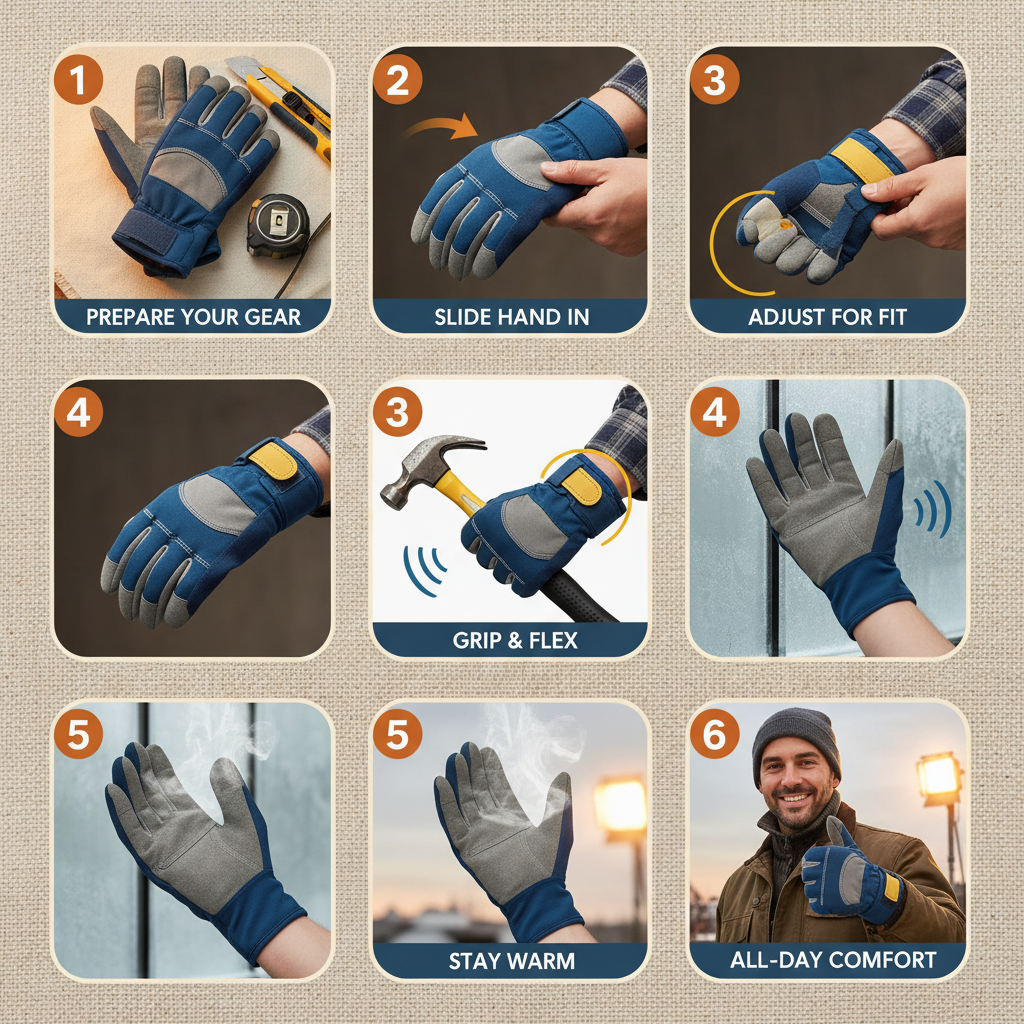
It may surprise some, but even thermal gloves can offer finger sensitivity for handling tools, touchscreens, or other delicate tasks. Innovative designs use stretch fabrics or articulated fingers to strike the balance between insulation and manual dexterity.
Ventilation and Moisture Management
No one wants sweaty hands trapped in insulating layers. Modern gloves often include breathable membranes or moisture-wicking liners that keep hands dry and comfortable over long periods.
| Feature | Specification | Benefit |
|---|---|---|
| Insulation | Thinsulate 3M, 150g | Warmth without bulk |
| Outer Material | Waterproof nylon with PU coating | Wind & water resistant |
| Lining | Moisture-wicking polyester | Keeps hands dry |
| Grip | Silicone palm print | Enhanced tool handling |
| Dexterity Level | High (can operate touchscreen) | Practical for multi-tasks |
Mini takeaway: Choosing thermal gloves is not a one-size-fits-all deal; it’s about matching insulation, resistance, and dexterity to your needs.
Where and How Thermal Outdoor Gloves Make a Difference
The real proof is in the diverse places thermal outdoor gloves shine. Think about:
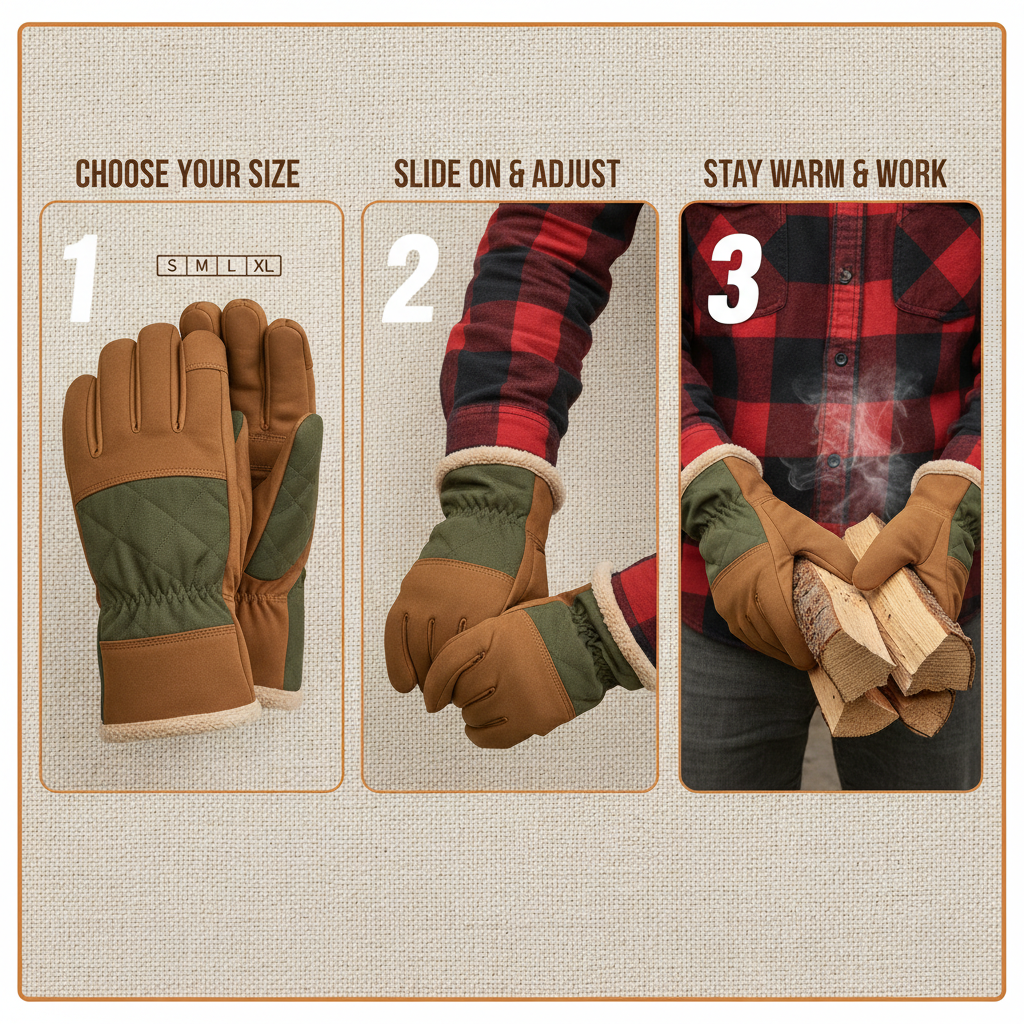
- Industrial workers in cold storage warehouses or outdoor construction sites survive the brutal wind chill thanks to these gloves.
- Search and rescue teams operating in mountainous or snowy areas rely on gloves that balance warmth and grip for critical operations.
- Humanitarian relief workers distributing aid in freezing conditions of northern Europe or Siberia find thermal gloves indispensable.
- Outdoor enthusiasts — from hikers to hunters — depend on these gloves to stay safe and connected to their environment.
Oddly enough, even some high-tech sectors like drone operation in cold environments require thermal gloves designed for touchscreen use without sacrificing heat retention.
Vendor Comparison at a Glance
| Brand | Insulation Type | Waterproofing | Special Features | Price Range |
|---|---|---|---|---|
| ArcticShield Pro | PrimaLoft Gold | Fully Waterproof Gore-Tex | Touchscreen compatible, reinforced palms | $$$ |
| ThermoGrip Max | 3M Thinsulate 200g | Water-resistant PU Coating | Silicone grip, moisture wicking liner | $$ |
| EcoCold Guard | Recycled synthetic fill | Waterproof membrane (PFC-free) | Sustainable materials, ergonomic design | $$$ |
The Long-Term Advantages of Using Thermal Outdoor Gloves
There’s more to these gloves than meets the eye. Beyond immediate warmth, the long-term advantages include:
- Health & safety: Protecting against frostbite and cold injuries lowers healthcare costs and workplace downtime.
- Economic value: Durable gloves reduce frequent replacements, saving money.
- Environmental impact: New sustainable materials reduce carbon footprints, a vital consideration as industries embrace green policies.
- Dignity & morale: Workers and volunteers feel cared for, fueling motivation and trust.
So, it’s not just about keeping gloves on your hands. It’s about bolstering resilience in harsh environments, protecting livelihoods, and yes—comfort, which is oddly important.
Emerging Trends and Innovations in Thermal Gloves
Innovations keep coming. For instance, manufacturers are exploring phase-change materials that adapt insulation dynamically or embedding smart sensors to monitor temperature and circulation. Plus, biodegradable or PFC-free waterproofing reflects a broader environmental responsibility.
Oddly, automation and AI don’t seem to be overtaking this niche just yet—good gloves require a human touch in design. But digital customization, like 3D hand scans for bespoke fits, is pushing the boundaries.
Challenges and How the Industry Is Overcoming Them
Thermal outdoor gloves face hurdles like balancing dexterity and insulation, keeping prices affordable, and ensuring wide availability—especially in remote communities or disaster zones. Manufacturers tackle these through modular designs with removable liners, cost-efficient synthetic fills, and partnerships with NGOs for wider distribution.
Also, testing standards such as the ISO 21420 for protective gloves ensure performance consistency—a mark many professional buyers look for.
FAQs About Thermal Outdoor Gloves
Q1: How do I choose thermal outdoor gloves for extreme cold?
A1: Look for gloves with high-quality insulation like Thinsulate 200g or PrimaLoft Gold, waterproof membranes, and a snug but flexible fit. Make sure they allow good grip and touchscreen use if needed. Check user reviews and certifications for temperature ratings.
Q2: Can thermal gloves be used in wet weather?
A2: Absolutely! Many models feature waterproof membranes or coatings. However, avoid gloves that retain moisture inside, as wet insulation loses effectiveness quickly. Ventilated or moisture-wicking liners help keep your hands dry.
Q3: Are there eco-friendly thermal outdoor gloves available?
A3: Yes, some brands use recycled materials and PFC-free waterproofing to reduce environmental impact. These options tend to cost a bit more but support sustainability without sacrificing warmth or durability.
Q4: How often should I replace my thermal gloves?
A4: Depending on usage, gloves last anywhere from 1 to 3 years. Regular signs like thinning insulation, loss of waterproofing, or worn grip areas signal it’s time to upgrade to maintain safety and comfort.
In Conclusion: Why Thermal Outdoor Gloves Are Worth the Investment
Whether you’re scaling icy peaks, working construction in sub-zero temps, or responding to emergencies, thermal outdoor gloves aren’t just accessories—they’re essential tools. They protect health, boost efficiency, and even uplift morale.
If you want to explore top-quality thermal outdoor gloves tailored for your needs, feel free to visit our website to browse the latest innovations and trusted brands. Seriously, your hands will thank you: thermal outdoor gloves.
References: