Thermal Safety Gloves: Essential Protection for Extreme Temperatures
Why Thermal Safety Gloves Deserve Your Attention in Today’s World
If you’ve ever worked near heat sources—say, in manufacturing, firefighting, or even specialized cooking—you know that protecting your hands isn’t just a comfort thing. It’s safety. Thermal safety gloves aren’t just chilly-weather accessories; they’re an essential line of defense against burns, frostbite, and extreme temperature hazards. Globally, millions of workers rely on these gloves, and understanding them is key not just for compliance, but for genuine safety and efficiency. It’s like investing in peace-of-mind that’s literally hands-on.
The Global Pulse: Why Thermal Safety Gloves Matter More Than Ever
Thermal safety gloves are integral to industries that contribute billions to the global economy — from steel production to food processing, energy, and emergency services. According to the International Labour Organization (ILO), thermal injuries remain among the top causes of occupational harm worldwide. Meanwhile, the UN’s climate reports hint that workers increasingly face extreme temperature conditions, making proper gear more critical than ever. Oddly enough, despite the obvious need, thermal protection can be overlooked in some regions, where cheap but inadequate gloves lead to injury and lost productivity.
Thermal safety gloves bridge this gap, tackling the twin challenges of hazard mitigation and worker comfort. Without them, industries risk both human and financial losses—sometimes devastating.
What Are Thermal Safety Gloves, Really? Defining the Shield
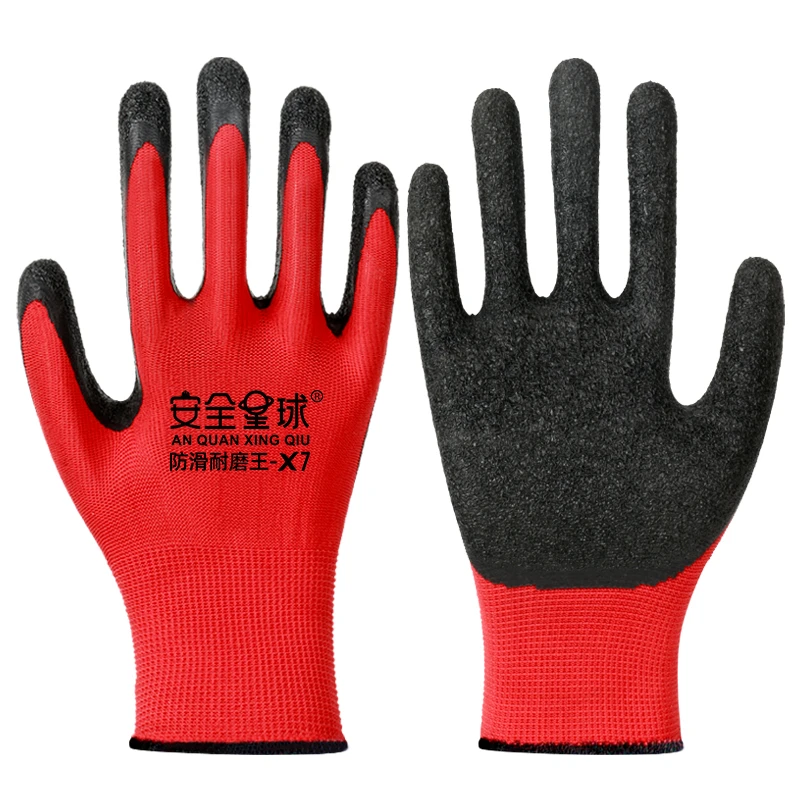
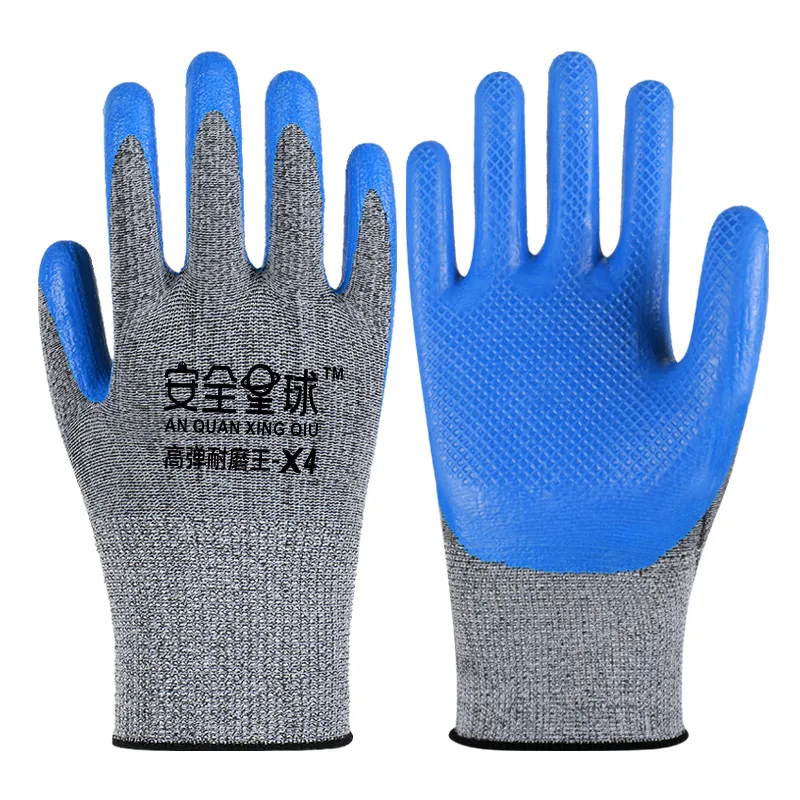
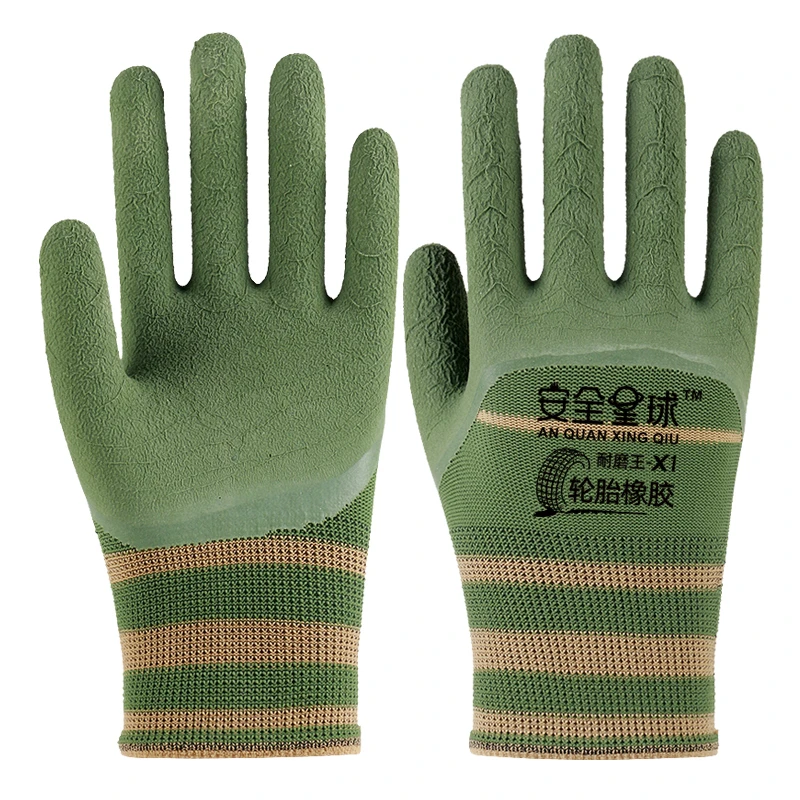
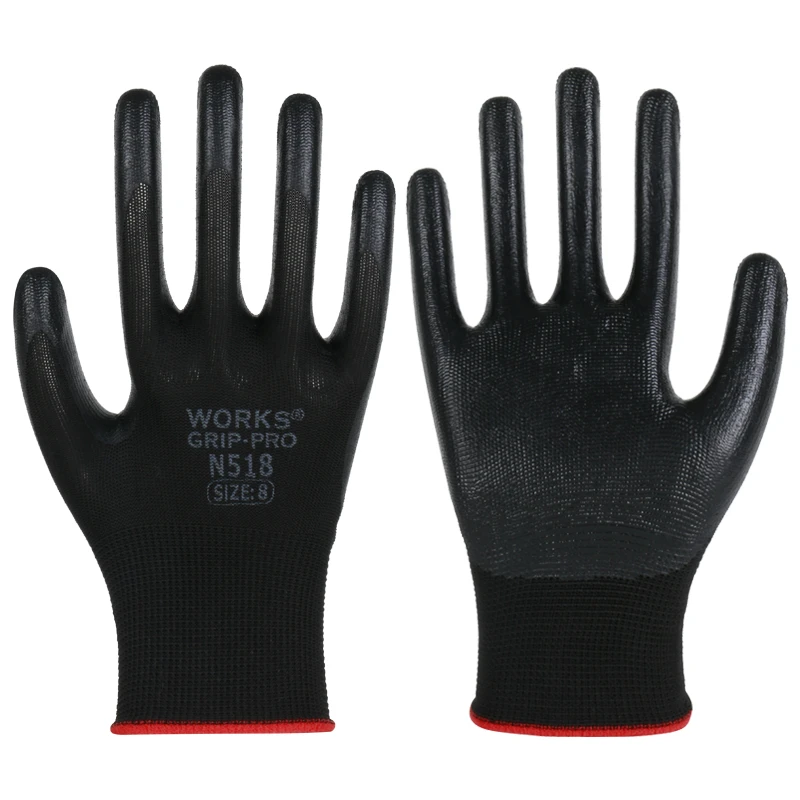
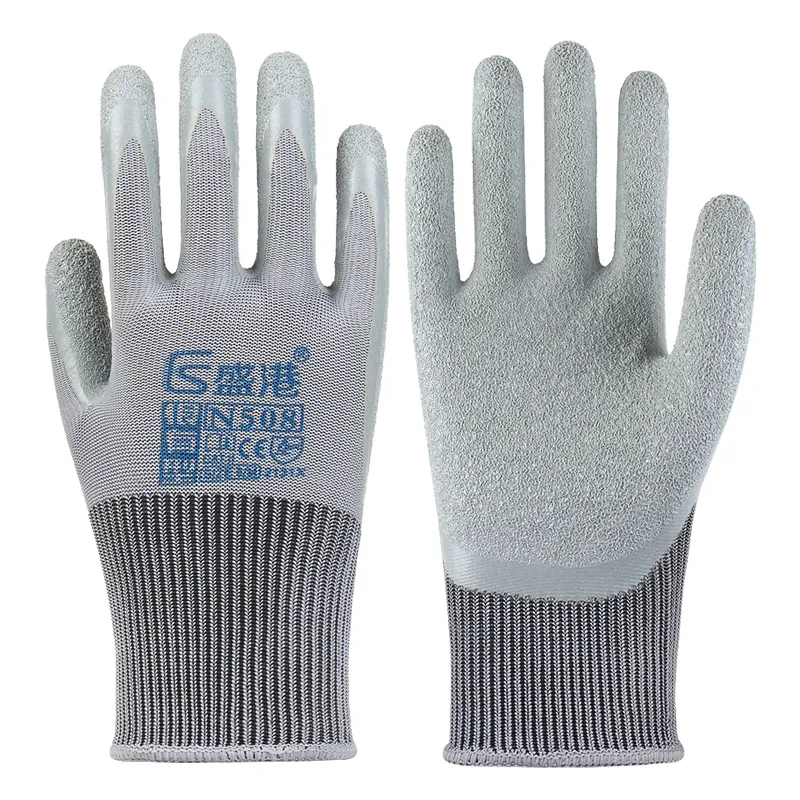
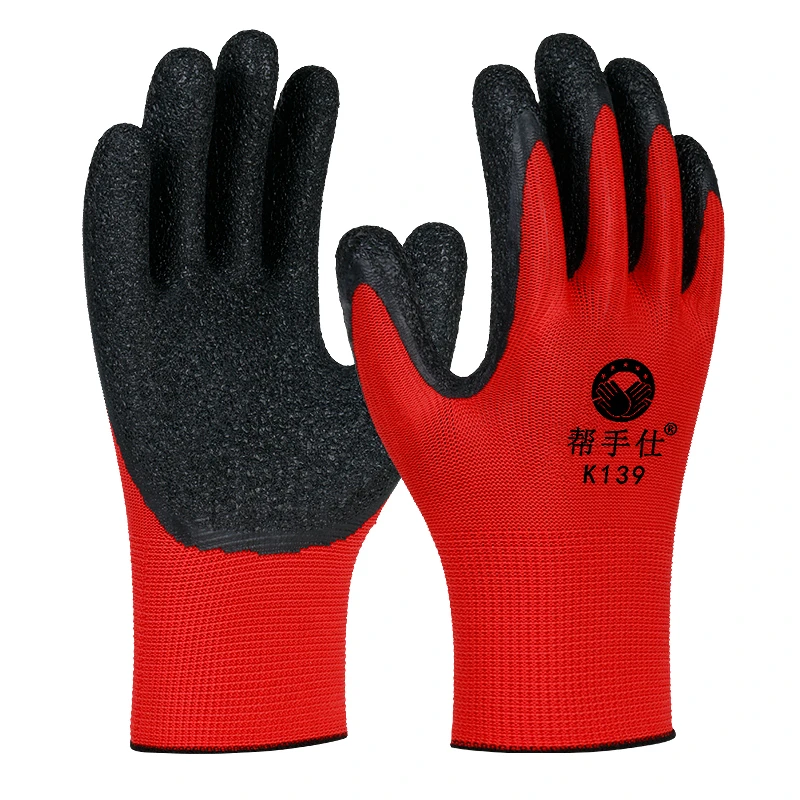
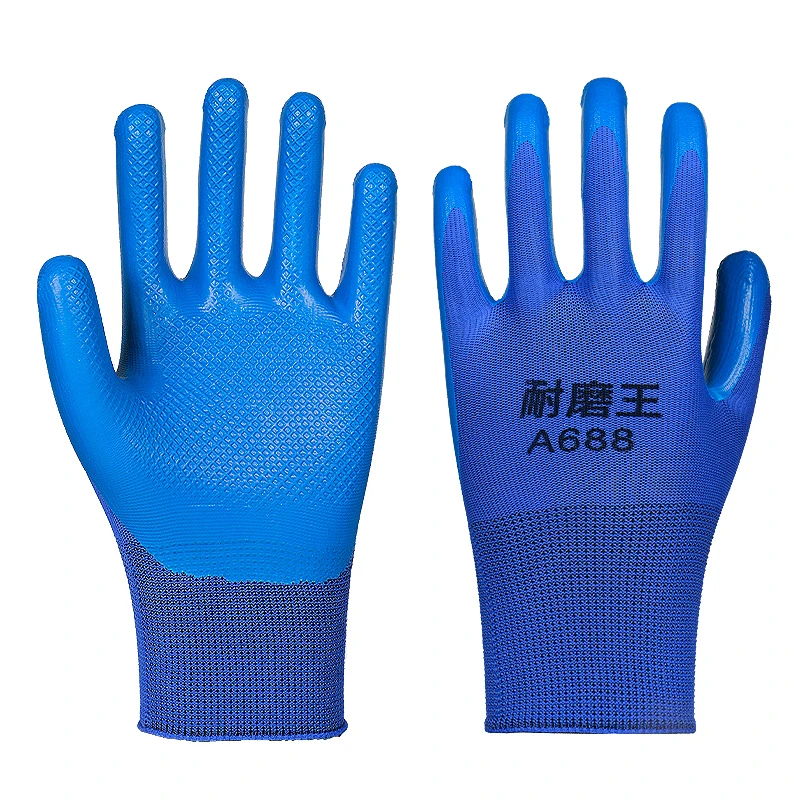
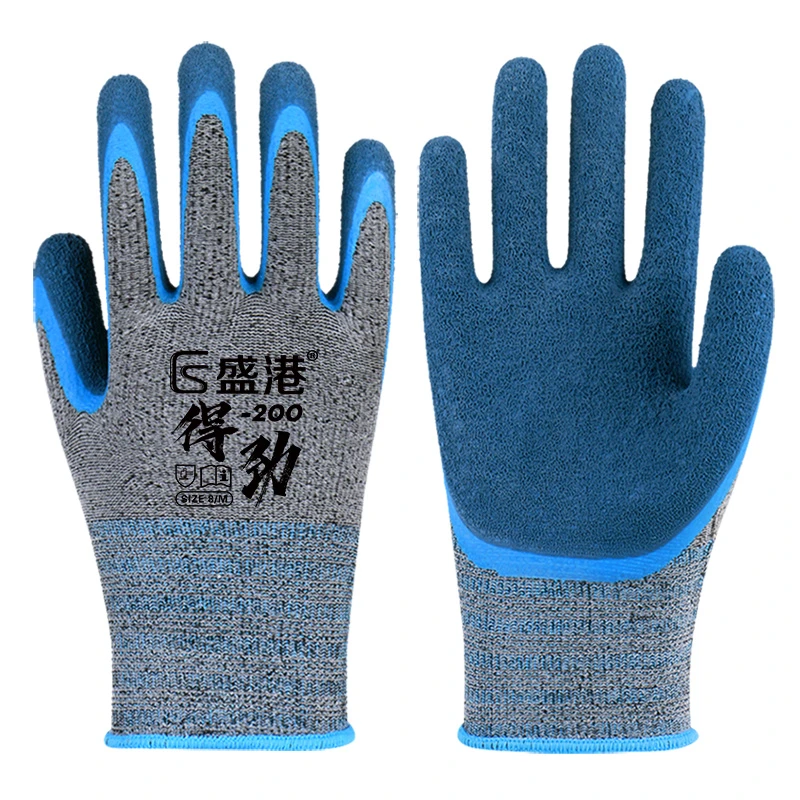
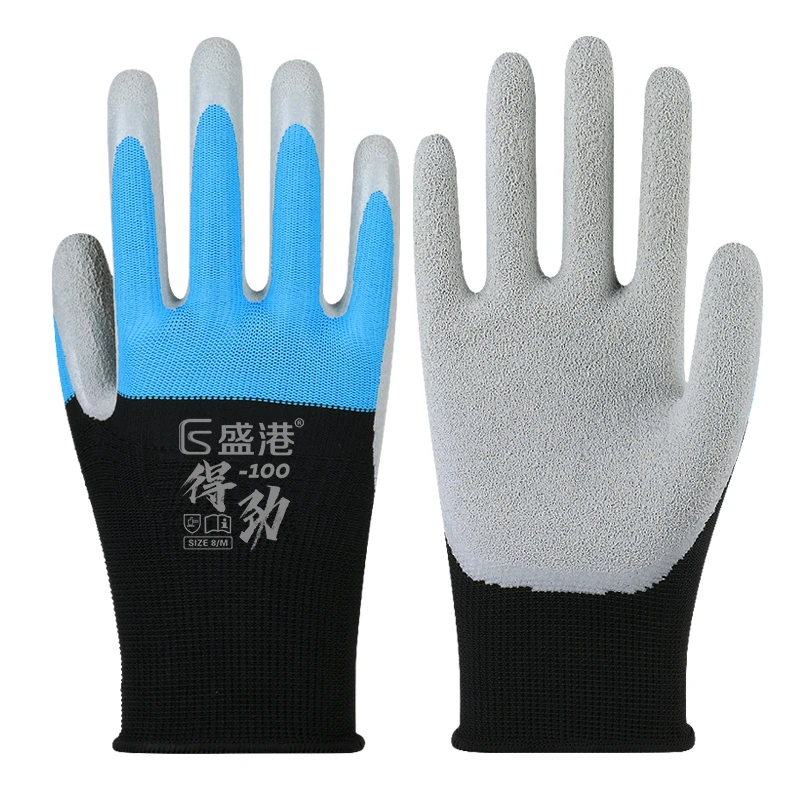
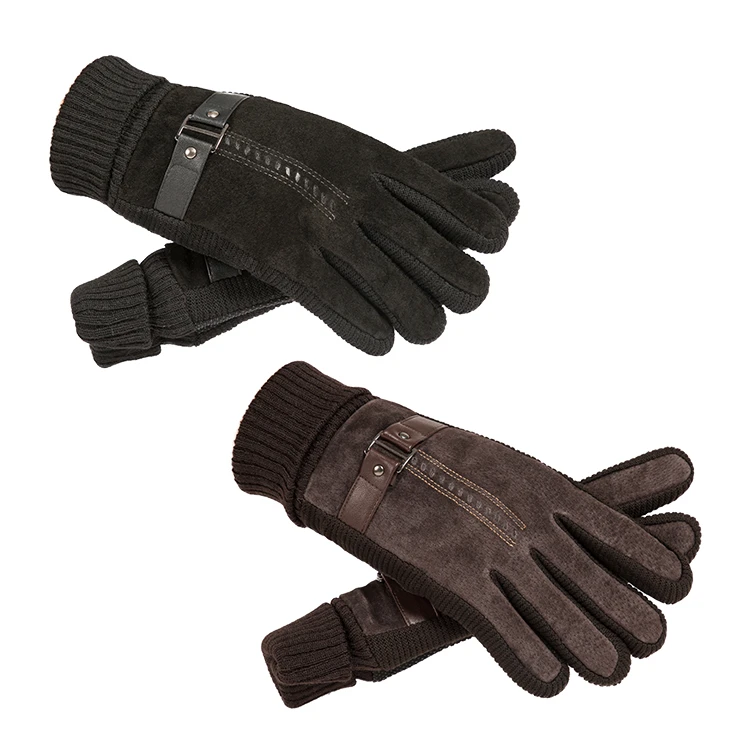
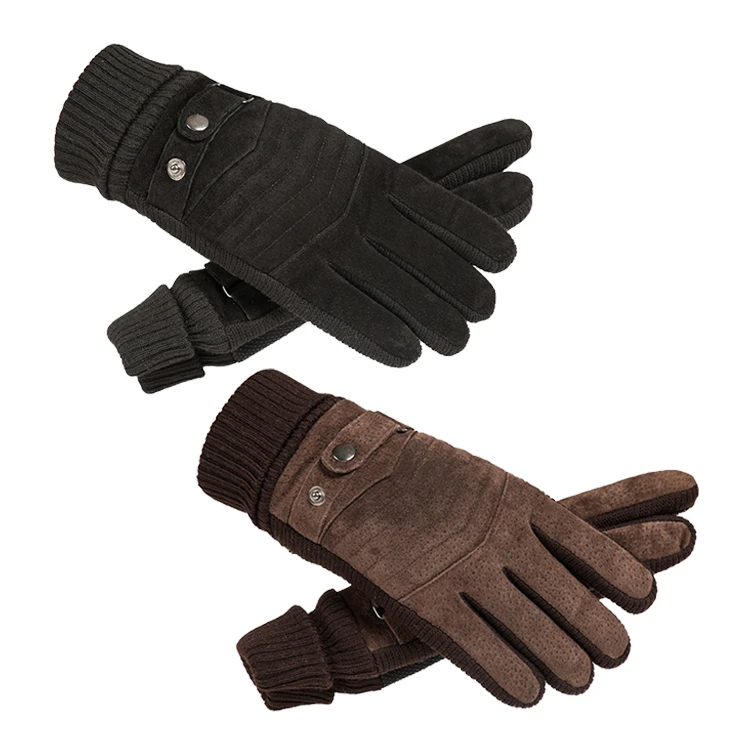
Simply put, thermal safety gloves are specialized hand coverings designed to shield the wearer from extreme temperatures—both hot and cold. Unlike regular gloves, these feature multiple layers of insulation, heat-resistant outer shells, and sometimes cooling gels or reflective materials. They aren’t just bulky mittens; modern designs balance protection with dexterity, so workers can grip tools or instruments without fumbling.
In humanitarian contexts, such as disaster relief in freezing zones or wildfires, thermal gloves become lifesavers—literally. They ensure responders can work longer, safer, and with more reliability. That practicality is why many agencies now prioritize these gloves in their emergency kits.
Core Components That Make Thermal Safety Gloves Tick
1. Durability: Built for the Long Haul
It’s one thing to resist heat; it’s another to last through daily wear. Quality thermal safety gloves use materials like Kevlar, Nomex, or aluminized fabrics, which avoid degradation despite rough treatment. Durability means they don’t tear or lose insulation quality prematurely—crucial in industries where glove replacement isn’t just costly, but operationally disruptive.
2. Thermal Insulation Efficiency
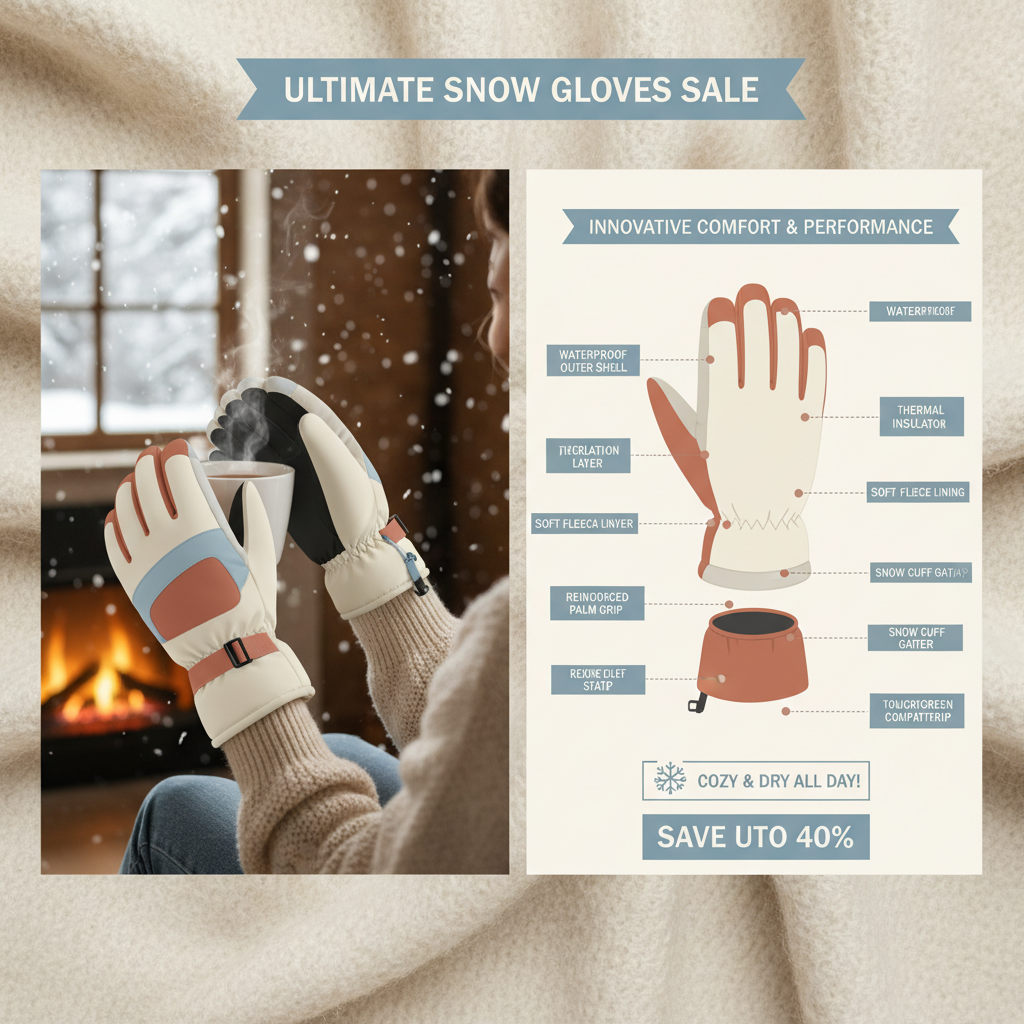
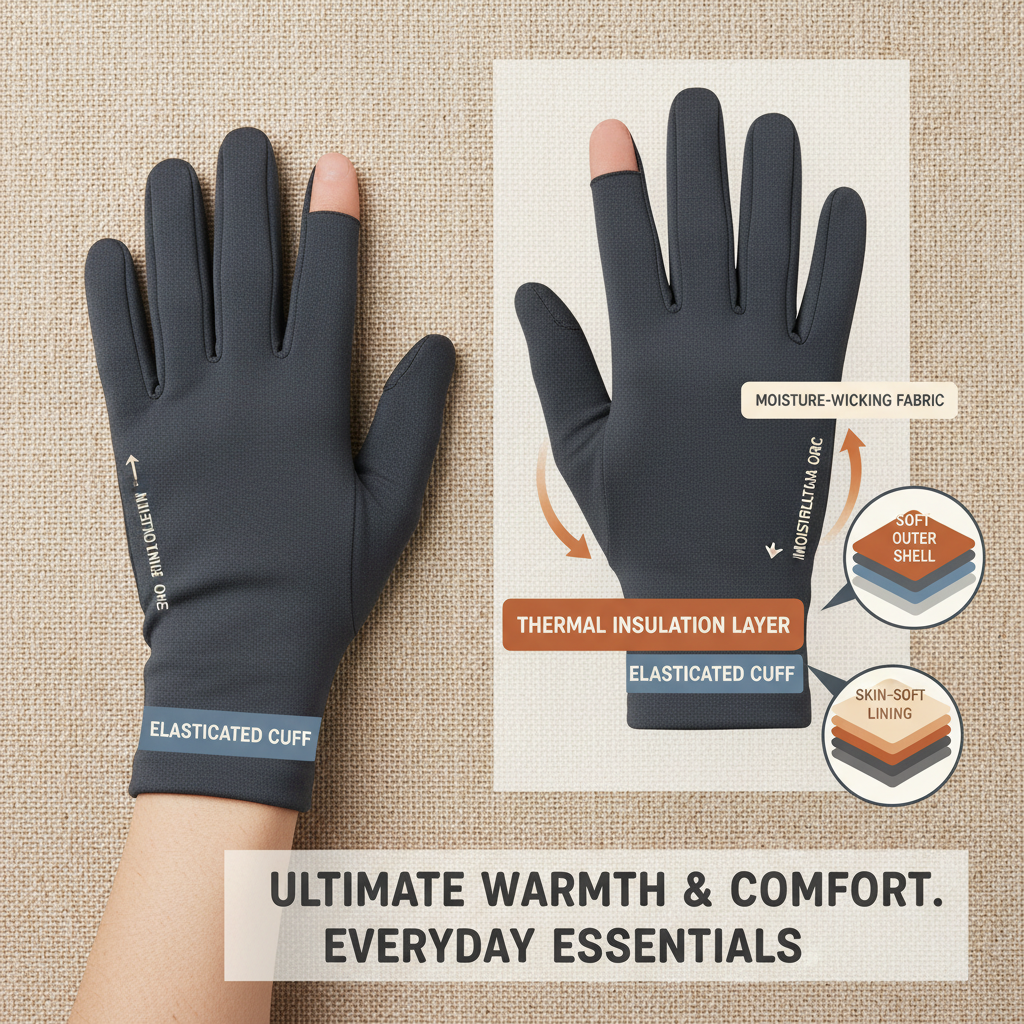
Good gloves balance insulation without becoming stifling. Advanced layers trap air or use specialized foams that maintain warmth (or cold resistance) while keeping hands nimble. Many gloves meet or exceed ISO thermal standards, reassuring users that the hand protection won’t let them down when the heat—or cold—rises.
3. Dexterity & Grip
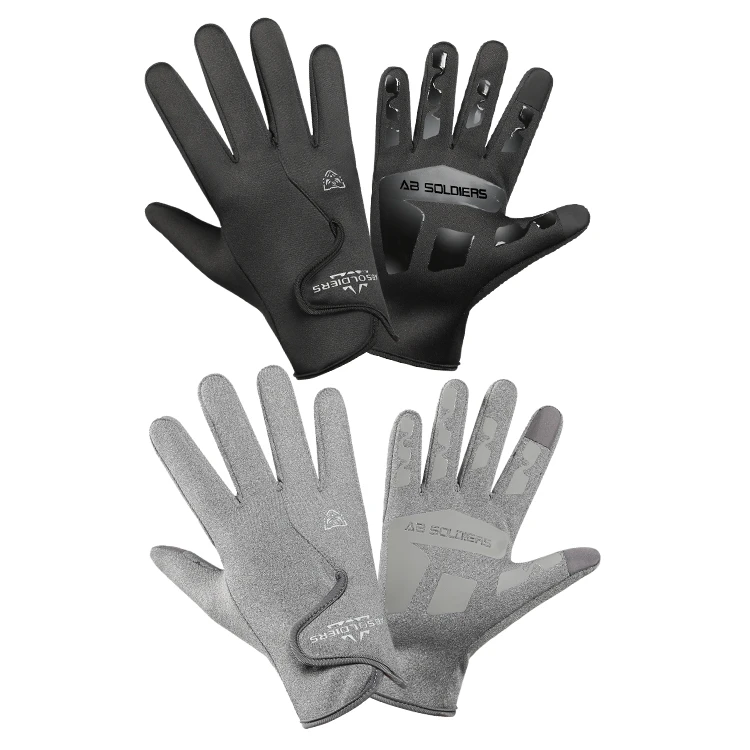
Frankly, some gloves are so bulky that working while wearing them feels like trying to type with oven mitts. Thankfully, many thermal safety gloves feature textured palms and pre-curved fingers, allowing precise handling. This is a game changer in industries like electrical or mechanical where precision and safety are intertwined.
4. Breathability and Moisture Management
One paradox with thermal gloves: overheating the hand can cause sweating, which ironically makes gloves less effective and uncomfortable. Ventilated designs or moisture-wicking liners combat this, preserving comfort and safety—even if you’re inside a hot kiln or freezing cold environment.
5. Compliance & Certification
Last but far from least: regulatory compliance is essential. Whether it’s ISO 17492 standards for heat protection gloves or OSHA guidelines, knowing your gloves check these boxes matters. It’s both legal protection and something that should ease your mind.
Mini Takeaway: Thermal safety gloves aren’t one-size-fits-all. Their core features blend survival with functionality, making them essential across sectors that face temperature hazards.
How Thermal Safety Gloves Make a Difference Around the World
From the Siberian oilfields to Australian wildfire zones, thermal safety gloves are everywhere. For example, in Northern Canada’s resource extraction projects, workers face frigid outdoor temps, making insulated gloves a must-have. Meanwhile, European foundries require heat-resistant gloves that protect workers near molten metal without sacrificing manual control.
NGOs responding to wildfires or volcanic eruptions often include thermal safety gloves in their kits as standard aid gear. The gloves help protect hands against burns and temperature shock while enabling dextrous, fast relief efforts. Oddly enough, some developing regions with harsh climate conditions still face challenges in sourcing reliable gloves — highlighting a giant market opportunity.
Thermal Safety Gloves: Tangible Benefits and Lasting Value
- Economic Value: Fewer injuries mean lower insurance claims and absenteeism.
- Durability equals sustainability: Less frequent replacement, lower waste.
- Human factor: Wearing reliable gloves boosts worker confidence, reducing accidents.
- Innovation fosters trust: Modern gloves prove manufacturers’ commitment to worker welfare.
On a more emotional note, these gloves uphold dignity—allowing workers to perform their tasks without fear. And let’s face it, knowing your hands are well-protected lets you work smarter, not just harder.
What’s Next? Trends Point to Smarter, Greener Thermal Safety Gloves
Material science is moving fast, with graphene and aerogel-based gloves promising ultra-lightweight insulation. Digital sensors that monitor hand temperature and wear conditions are gradually integrating into gloves, offering real-time feedback. From a policy standpoint, stricter safety regulations and green manufacturing processes push the industry toward more sustainable and user-focused products.
Perhaps most exciting is how automation and Industry 4.0 impact glove customization. Imagine personalized gloves printed or fitted perfectly based on hand scans—oddly futuristic but not far off.
Challenges & How Experts Tackle Them
One practical issue: thermal gloves balance protection and dexterity, but improving both simultaneously is tricky. Some gloves sacrifice flexibility for strong insulation or vice versa. Plus, costs can be prohibitive for smaller companies or NGOs.
Experts recommend modular glove systems: inner liners for comfort and outer shells for extreme heat. Also, innovative materials reduce weight and increase lifespan. Plus, bulk purchasing through partnerships helps reduce costs—another reason to explore credible vendors.
Thermal Safety Gloves FAQ
- Q: How do I know which thermal glove suits my industry?
A: Start by assessing the temperature ranges and hazards you face. Check certifications like ISO 17492 for heat resistance or ASTM standards. Consult suppliers and request samples for fit and dexterity tests. Industry-specific forums and sites offer valuable peer reviews. - Q: Are thermal safety gloves reusable or disposable?
A: Most professional thermal gloves are reusable, designed to last months or even years depending on use. Some liners or covers might be disposable for hygiene, but the main glove usually isn’t. - Q: Can I wear thermal gloves for both hot and cold environments?
A: Generally, gloves are specialized, but some models offer dual thermal protection. Confirm the glove’s temperature rating before switching environments—mixing uses can reduce effectiveness. - Q: How should I maintain and clean thermal safety gloves?
A: Follow manufacturer instructions. Usually, avoid machine washing; instead, spot clean with mild soap. Proper drying is critical to avoid material degradation.
Product Specification Table: A Snapshot of Leading Thermal Safety Gloves
| Feature | Brand A ProGuard | Brand B HeatShield | Brand C FrostSafe |
|---|---|---|---|
| Material | Kevlar & Nomex Blend | Aluminized Fabric & Leather | INSUL-foam with Waterproof Membrane |
| Max Temperature Resistance | 350°C / 662°F | 500°C / 932°F | -50°C / -58°F |
| Dexterity Score (1-10) | 7 | 6 | 8 |
| Water Resistance | Moderate | Low | High |
| Certification | ISO 17492 & EN 407 | EN 407 & ANSI/ISEA 105 | EN 511 & EN 388 |
Comparing Vendors: What Sets The Market Leaders Apart?
| Vendor | Product Range | Customization Options | Price (USD) | Lead Time |
|---|---|---|---|---|
| ThermoGuard Co. | Wide (Cold & Heat) | Hand size & branding | 35–85 per pair | 2–3 weeks |
| SafeHeat Solutions | Heat only (up to 500°C) | Material & liners | 50–120 per pair | 3–4 weeks |
| ArcticGlove | Cold protection focus | Custom fits & waterproofing | 40–90 per pair | 1–2 weeks |
Wrapping Up: Why Thermal Safety Gloves Are Worth The Investment
At the end of the day, thermal safety gloves are more than just protective gear. They represent a commitment to safety, quality, and innovation across diverse fields. Whether you’re a factory manager, field engineer, or humanitarian worker, the right glove can be the difference between injury and productivity—or even life and death.
Visit our website: https://www.personalcarescn.com to discover premium thermal safety gloves tailored to your unique needs. Because your hands deserve the best defense—always.