Thermal Site Gloves – Essential Cold Weather Protection for Industry | PersonalCareSCN
Thermal Site Gloves: Why They Matter in Today's Industry and Beyond
Whether you work in construction, disaster relief, or just keeping your hands safe in chilly environments, thermal site gloves are quietly essential. These specialized gloves protect against cold while maintaining dexterity—something so crucial it’s almost taken for granted in many industries. Globally, cold injuries cost billions annually, and thermal site gloves are a frontline defense. Understanding their benefits means safer workers, more efficient procedures, and less downtime. So, if you haven’t given them much thought before, this is a good time to start.
Global Relevance of Thermal Site Gloves in Industry
The International Labour Organization estimates that cold exposure leads to increased injury risk and reduced productivity. Across cold regions from Scandinavia to Siberia, and even in temperate zones during winter construction seasons, thermal site gloves are vital. The World Bank notes global infrastructure projects are moving into harsher climates due to resource availability—and thus PPE like thermal gloves must evolve accordingly.
Moreover, humanitarian agencies operating in cold disaster zones rely on durable, insulated gloves for volunteer safety. The challenge? Designing gloves that balance warmth without sacrificing touch sensitivity. Too bulky, and you lose grip; too light, and protection suffers.
What Exactly Are Thermal Site Gloves?
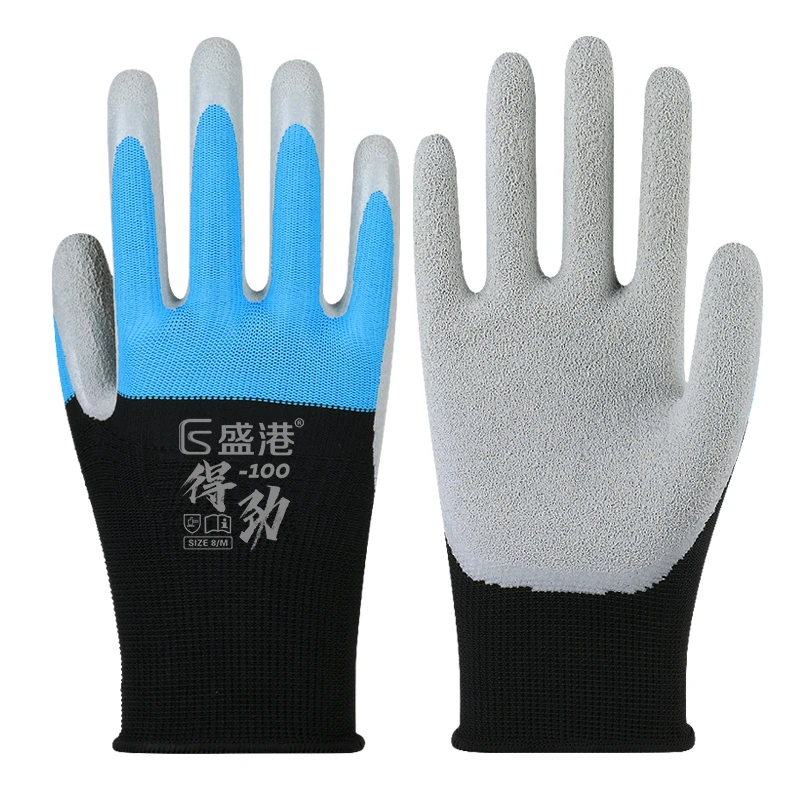
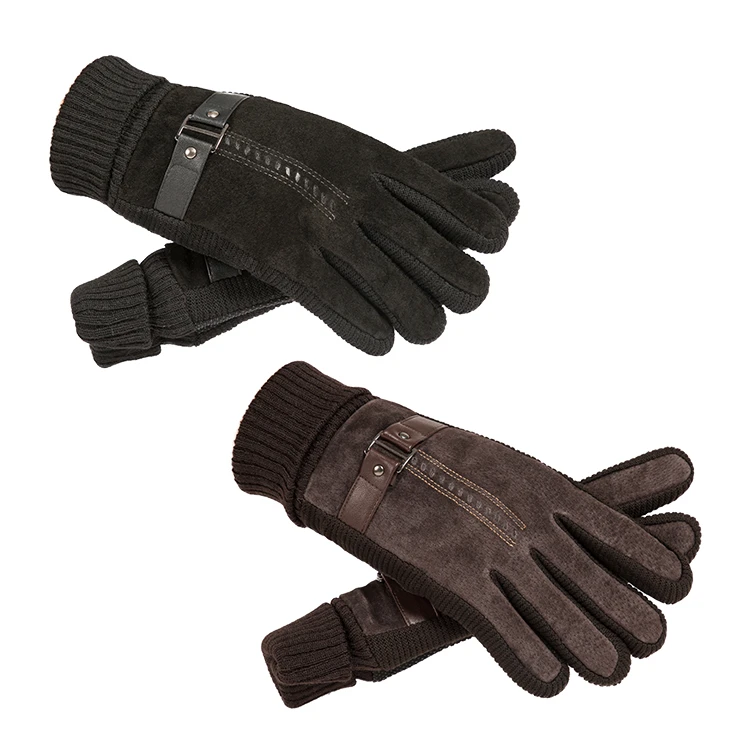
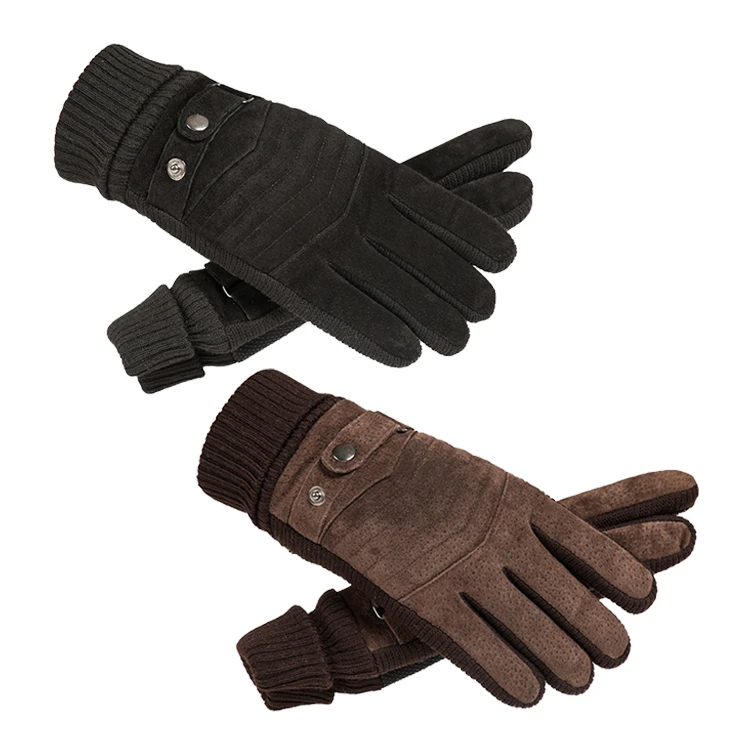
At their core, thermal site gloves are protective hand coverings designed to provide insulation from cold temperatures while maintaining functionality. They combine materials like thermal fleece, Thinsulate™, or advanced synthetic fibers that trap heat but still allow dexterity for manual tasks.
In industry terms, thermal gloves are part of the Personal Protective Equipment (PPE) family, tailored for workers who must maintain hand precision in cold conditions. Outside industry, they’re vital for aid workers, military personnel, and even outdoor enthusiasts.
How They Connect to Modern Needs
With industries increasingly pushing north or into colder zones due to climate or resource demands, workers' safety needs are changing rapidly. Thermal gloves solve a surprisingly complex problem: keeping hands warm but nimble enough to handle tools, gadgets, and sensitive equipment—sometimes in subzero temps.
Key Features That Make Thermal Site Gloves Reliable
1. Insulation Efficiency
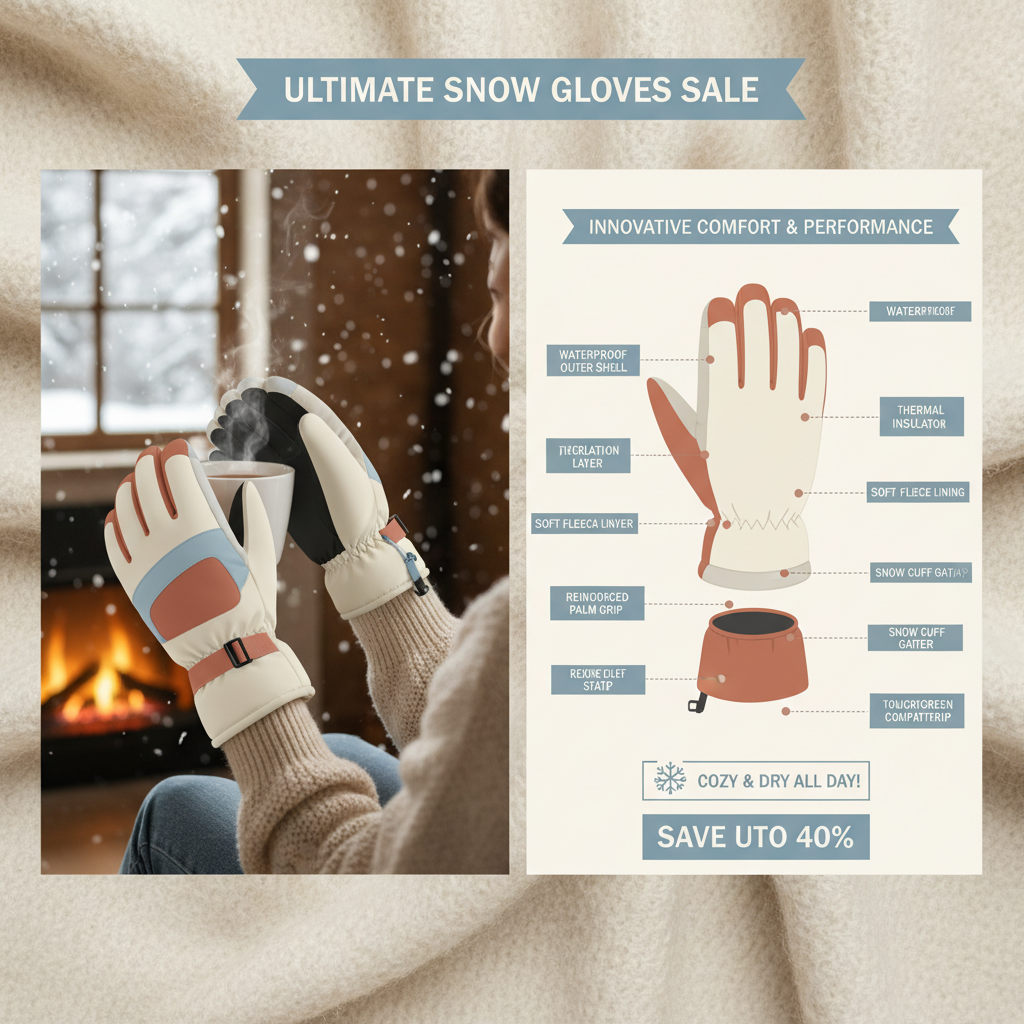
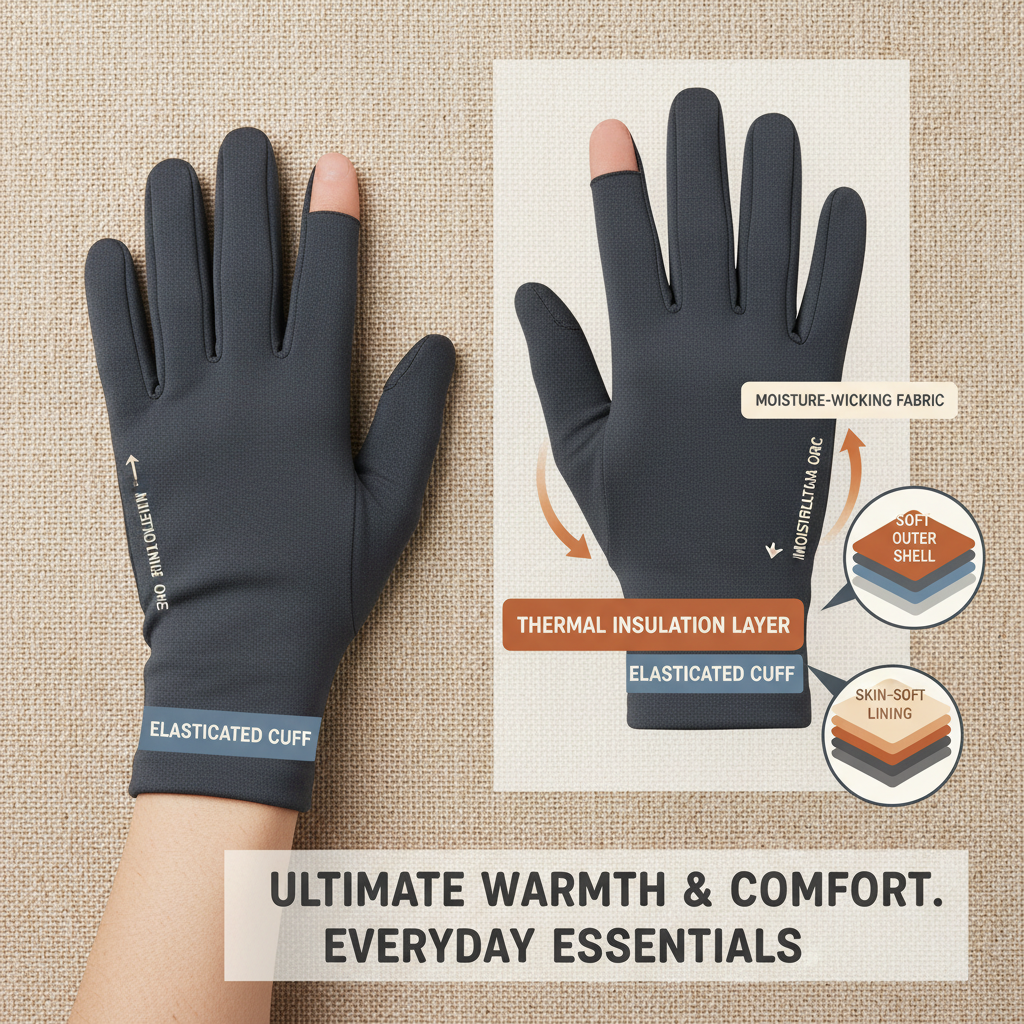
The core function is keeping hands warm. Most gloves use layered insulation like Thinsulate to trap air, creating a barrier from cold.
2. Grip and Dexterity
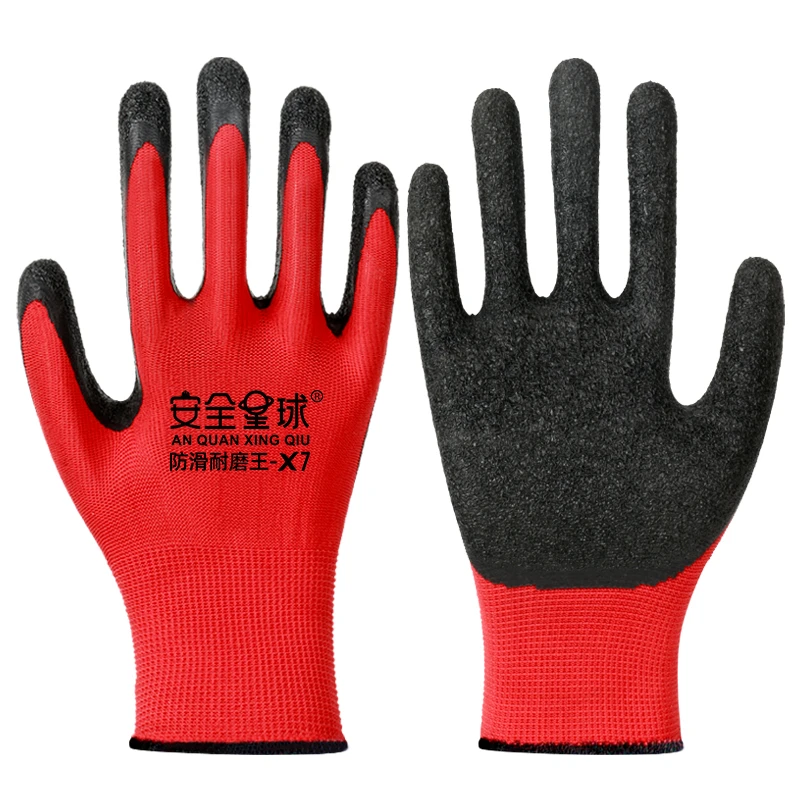
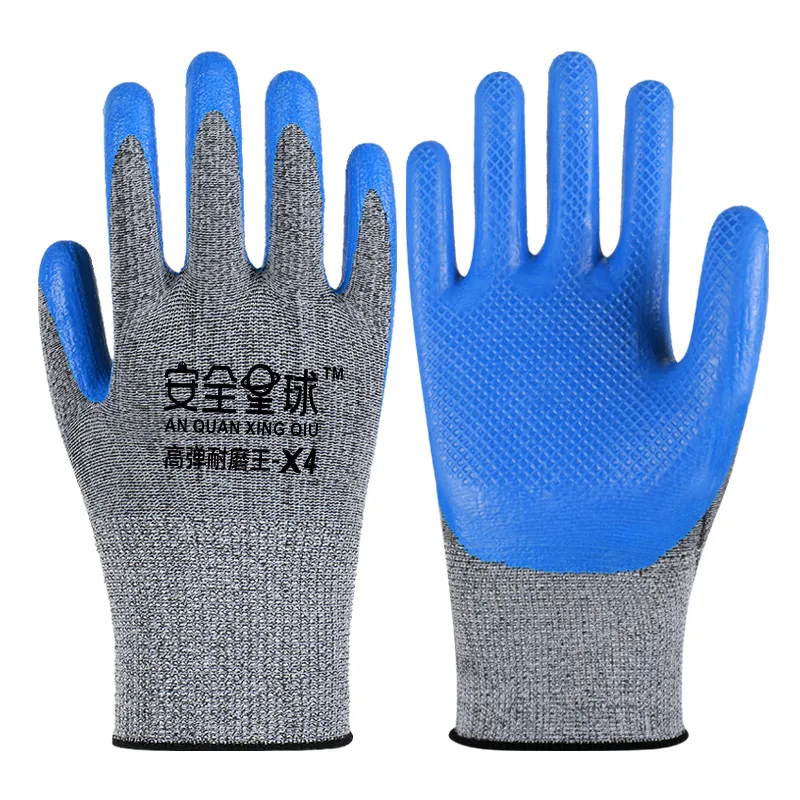
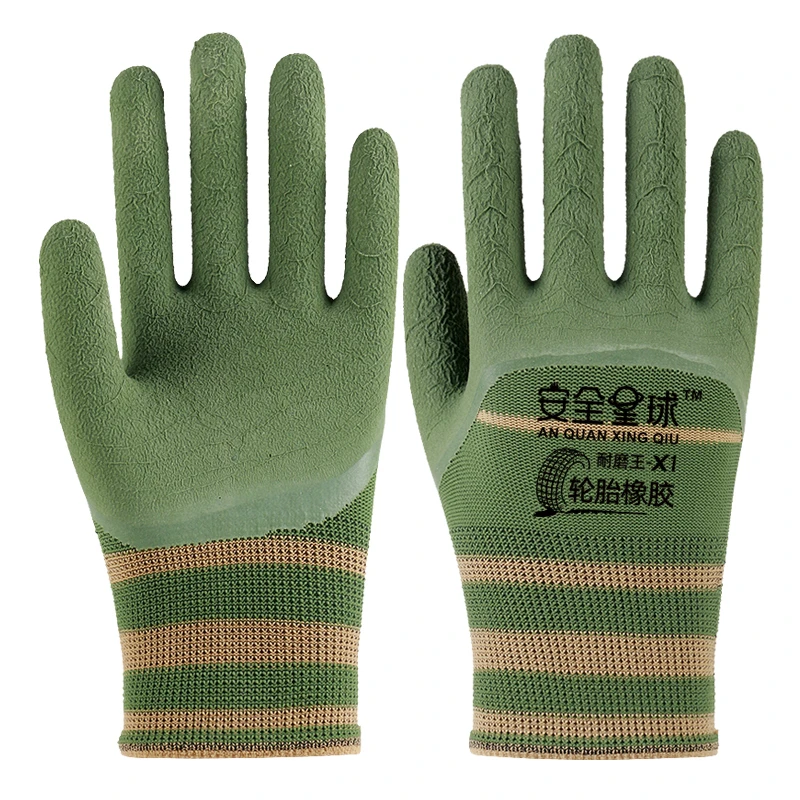
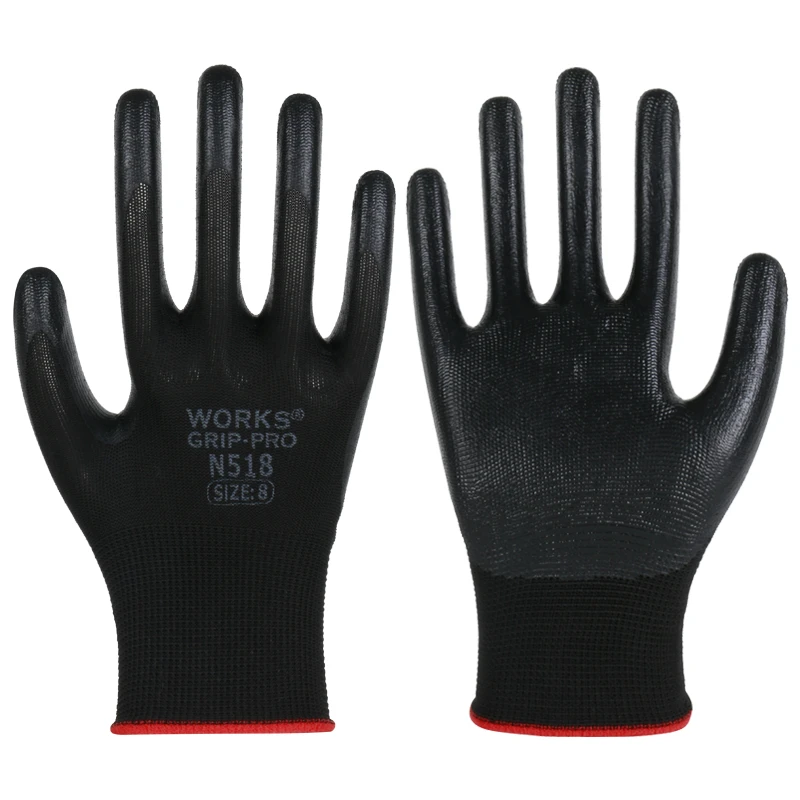
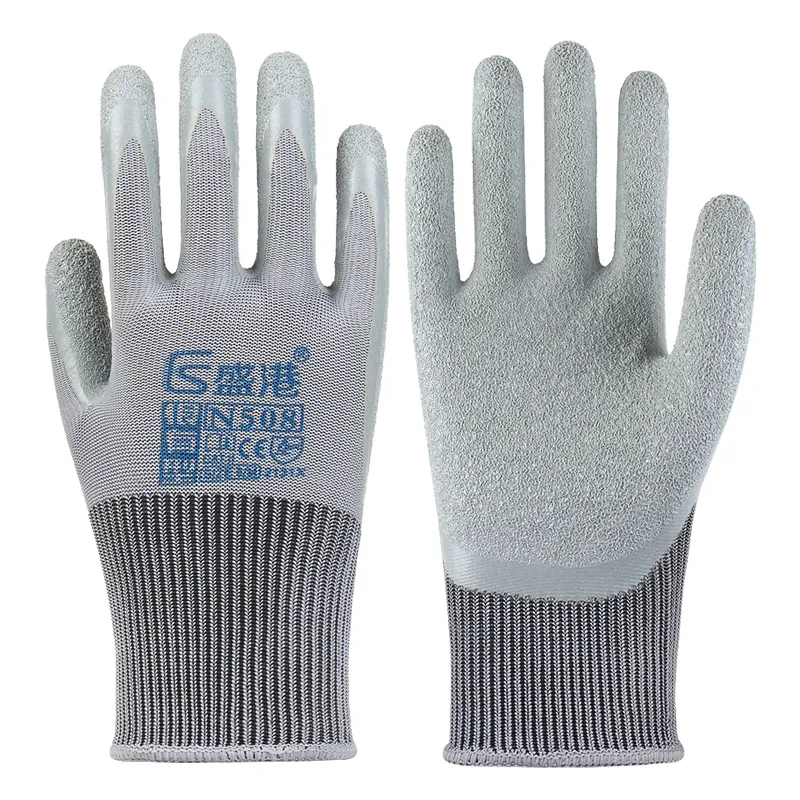
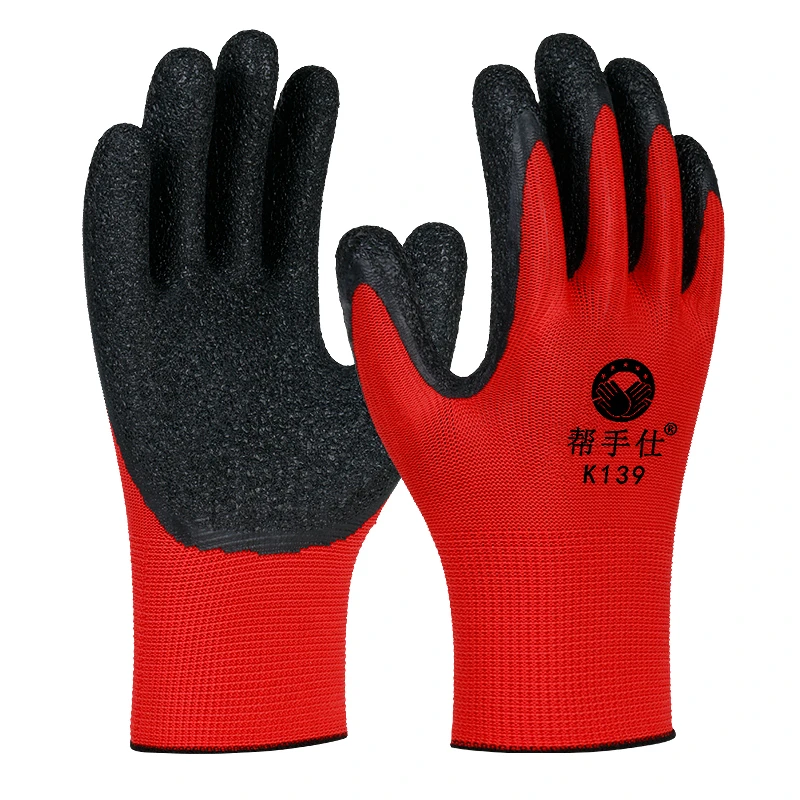
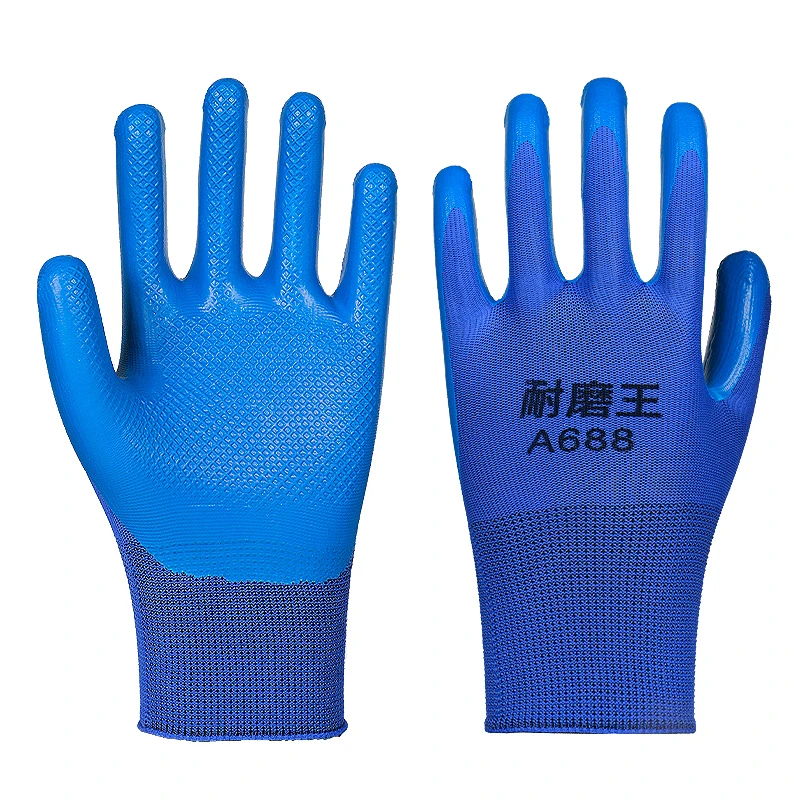
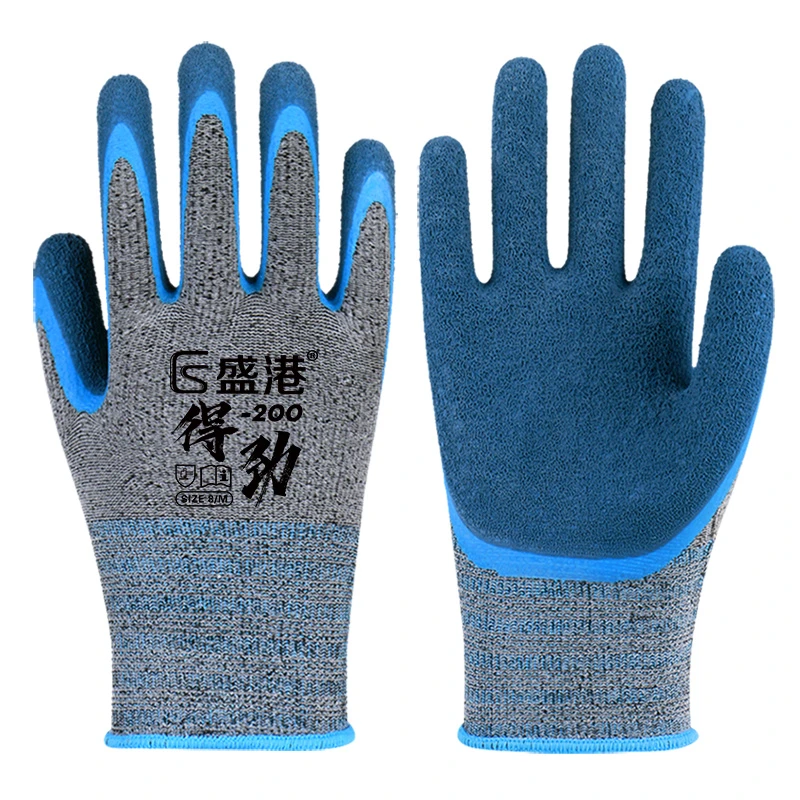
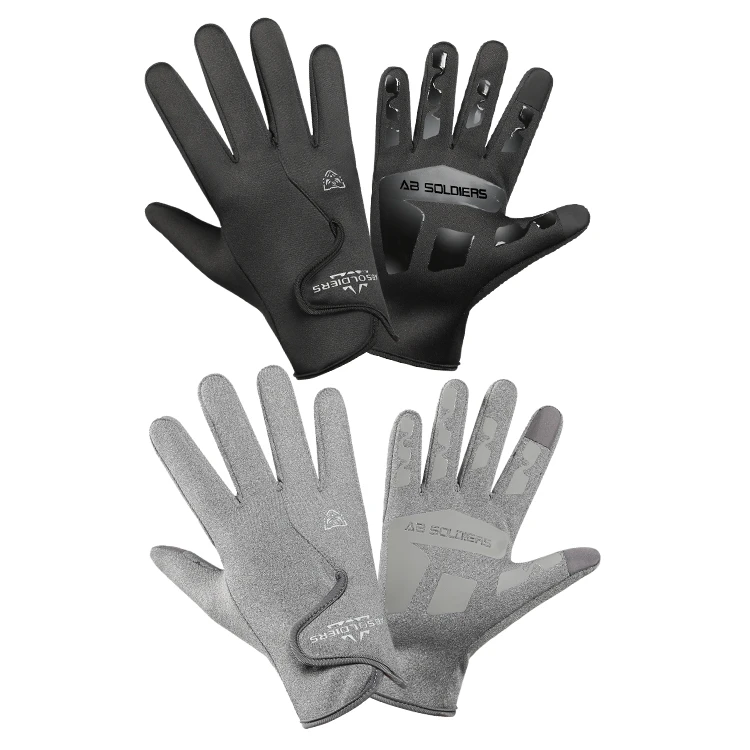
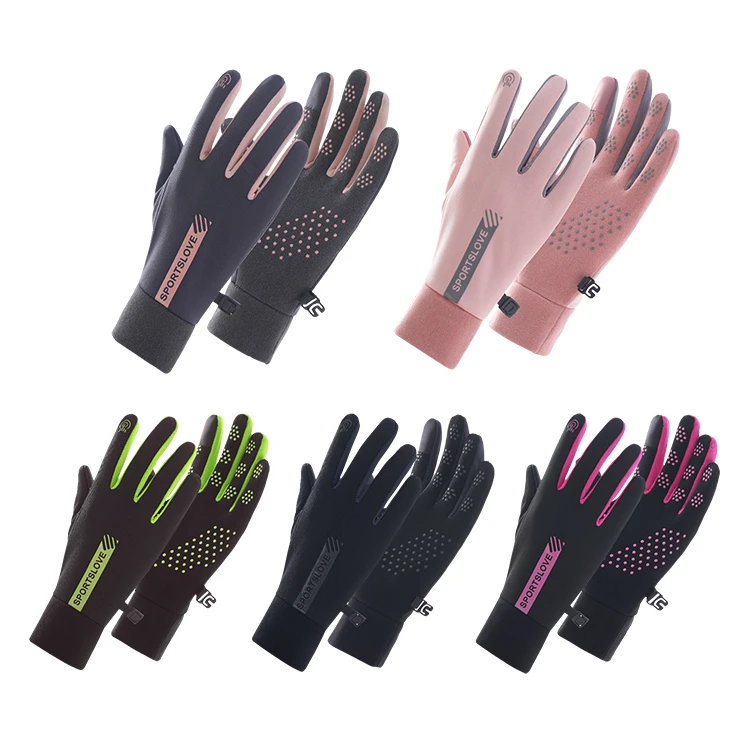
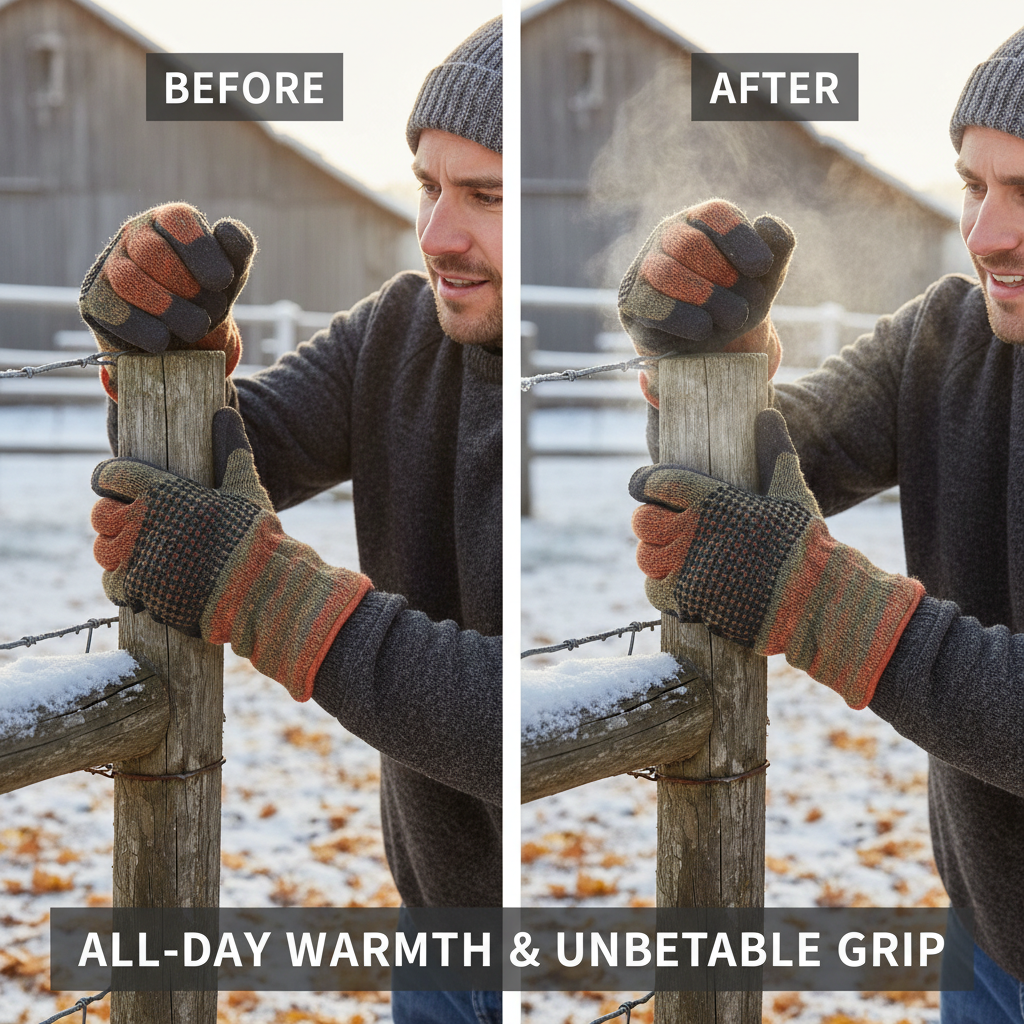
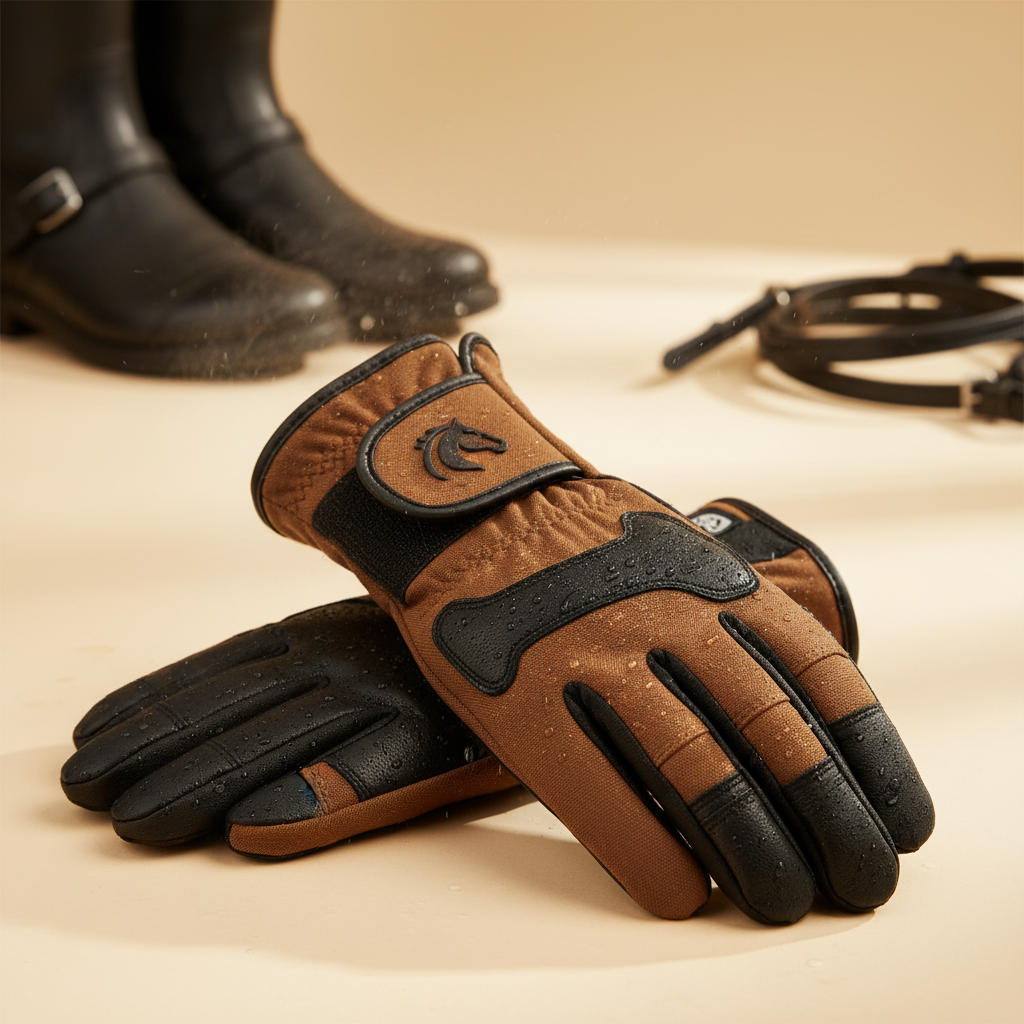
Oddly enough, warmth can mean clumsiness, so designers use textured palms and flexible fabrics to restore grip. Some even integrate silicone coatings or rubberized palms.
3. Durability
Industrial gloves take quite a beating—abrasion resistance, cut protection, and water resistance are common demands, especially on construction or industrial sites.
4. Breathability and Moisture Management
Tiny sweat glands mean hands can get clammy. High-end thermal gloves use breathable membranes to regulate moisture, avoiding uncomfortable dampness.
5. Fit and Comfort
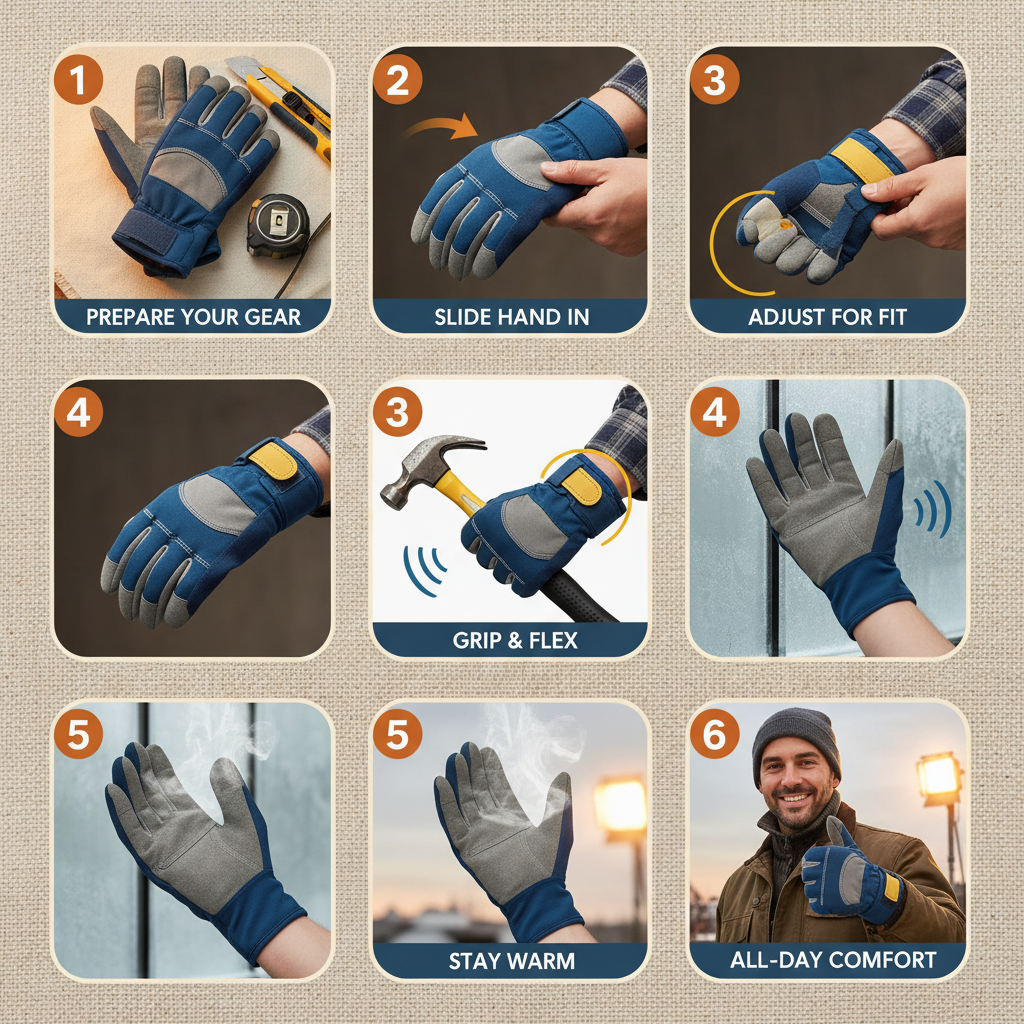
Gloves must fit snugly but without restricting movement. Adjustable cuffs and ergonomic designs help reduce fatigue during long shifts.
Thermal Site Gloves in Action Around the World
From northern Europe’s wind turbine technicians braving icy heights to humanitarian aid workers distributing supplies after Himalayan avalanches, thermal site gloves are everywhere. In Canada’s oilfields, where temperatures regularly dip below -30°C, gloves are lifesavers preventing frostbite during long outdoor shifts.
Even disaster relief NGOs count on these gloves to protect volunteers moving through snow-covered rubble post-earthquake. The demands can vary greatly—sometimes waterproofing is top priority, other times, cut resistance.
| Specification | Typical Value/Feature |
|---|---|
| Insulation Material | Thinsulate™ or synthetic fleece |
| Grip Enhancement | Silicone or rubberized palms |
| Water Resistance | Membranes with Hydrophobic Coating |
| Cut and Abrasion Protection | Kevlar overlays or reinforced palms |
| Cuff Style | Adjustable Velcro or elastic |
Why Choose Quality Thermal Gloves? The Long-Term Advantages
Hand injuries slow down projects, hurt morale, and rack up medical bills. Thermal site gloves reduce cold stress and injury risk, protecting both the worker’s health and company’s bottom line. They ensure comfort, which odd as it sounds, increases focus and reduces mistakes.
There’s also a psychological factor: workers feel valued and cared for when properly equipped—this fosters trust and loyalty. Plus, quality gloves often last longer, cutting replacement costs in the long run.
Where Thermal Site Gloves Are Heading: Future Trends
Technological advances hint at gloves knitted with "smart" fibers measuring hand temperature in real time, or self-heating properties powered by flexible batteries. Sustainability is also on everyone’s mind; expect more gloves made from recycled or bio-based fibers.
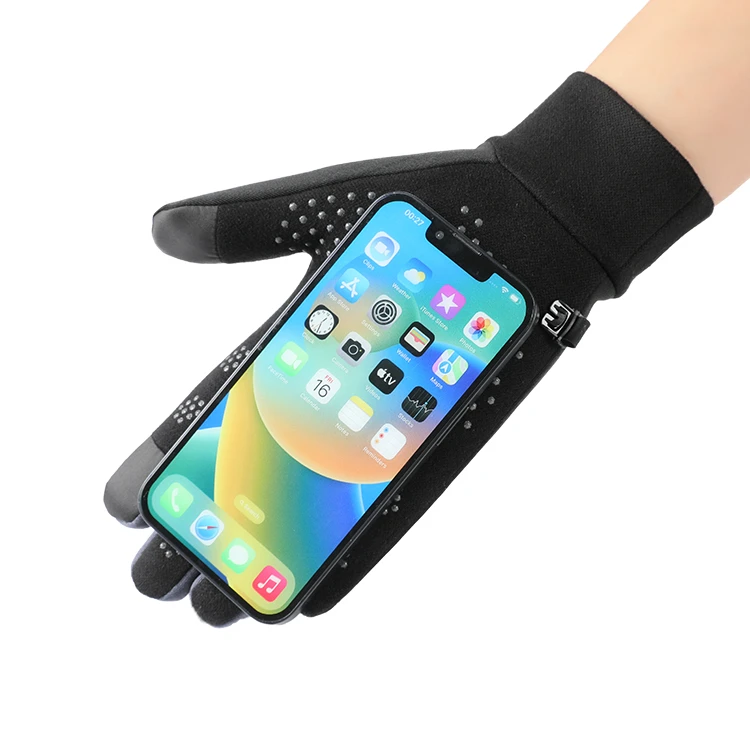
Automation and digital transformation impact glove design, too. For example, gloves compatible with touchscreen devices are becoming standard in cold industries. It’s exciting to watch how these evolve alongside smart workwear systems designed to monitor health and safety remotely.
Common Challenges and Practical Solutions
Of course, no product is perfect. One big issue is balancing warmth with tactile sensitivity—too much insulation often means clunky gloves. Manufacturers are experimenting with thinner insulation and novel materials, but cost is a big factor.
Another challenge: maintaining grip on slick surfaces. Innovation like advanced palm coatings or grip patterning can help but may wear out quickly, necessitating better testing and material science.
Vendor Comparison for Thermal Site Gloves
| Vendor | Insulation Type | Water Resistance | Grip Technology | Price Range |
|---|---|---|---|---|
| GloveCo | Thinsulate™ | High (Hydrophobic Membrane) | Silicone Coating | $$$ |
| ArcticHands | Synthetic Fleece | Moderate | Rubberized Palm | $$ |
| ThermoSafe | Kevlar Reinforced | Waterproof Shell | Patterned Palm Grip | $$$$ |
FAQs About Thermal Site Gloves
Q: Can thermal site gloves be used year-round in all climates?
A: While primarily designed for cold environments, some models with lighter insulation can be used in cooler seasons or shaded industrial sites. However, in hot climates, thermal gloves may cause overheating.
Q: How do I choose the right size for thermal gloves?
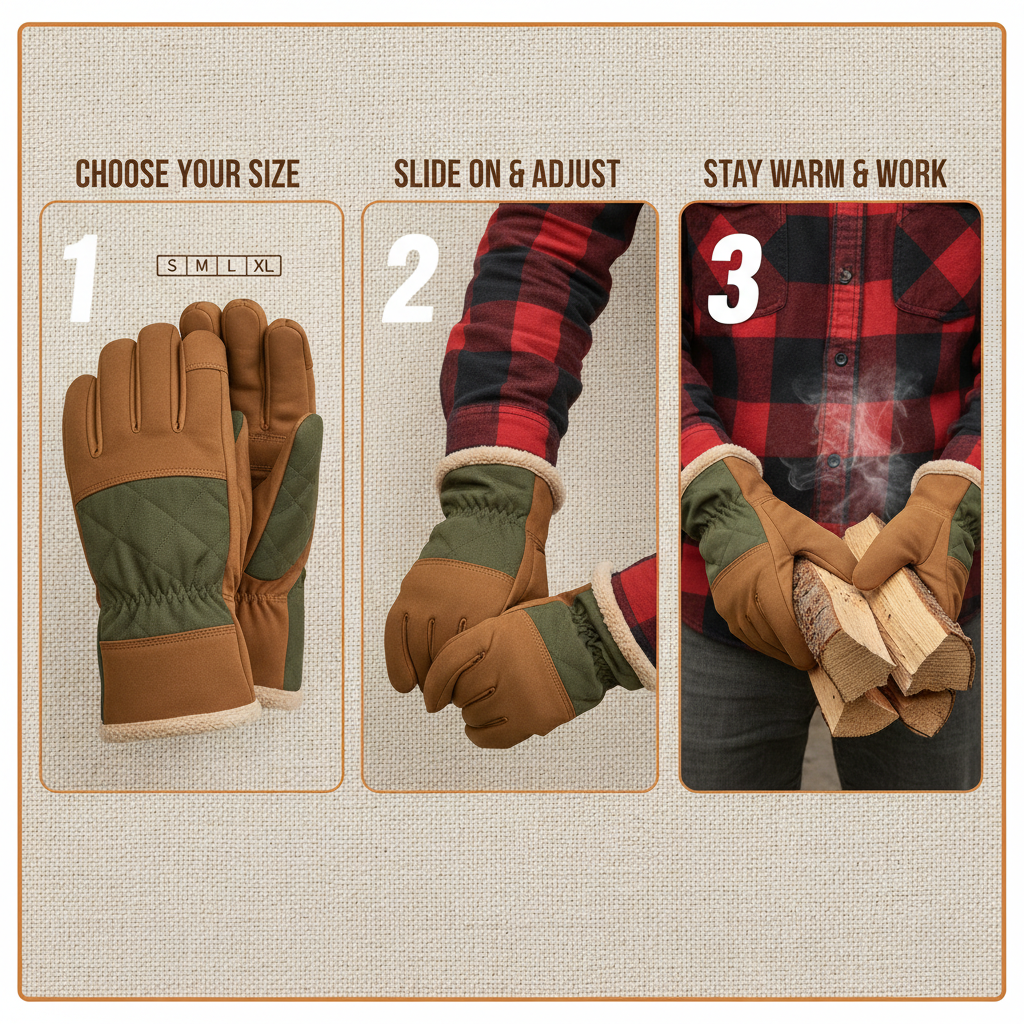
A: Proper sizing is crucial for dexterity and warmth. Measure your hand width and length, and refer to vendor sizing charts. A snug but not tight fit is ideal to maintain insulation performance.
Q: Are thermal gloves compatible with touchscreen devices?
A: Many modern thermal site gloves incorporate touchscreen-friendly fingertips, allowing use of smartphones and tablets without removing the gloves.
Q: What maintenance do thermal gloves require?
A: Regular cleaning as per manufacturer instructions preserves materials and grip coatings. Avoid high heat drying, which can degrade insulation layers.
Conclusion: The Long-Term Value of Thermal Site Gloves
All in all, thermal site gloves are more than a simple accessory. They represent a critical investment in worker safety, operational efficiency, and adaptability in today’s expanding industrial landscape. With evolving materials and smart features, these gloves are set to become even more indispensable. For anyone managing cold-weather operations, the right thermal gloves aren’t just nice to have — they’re essential.
Ready to explore the best thermal site gloves for your needs? Visit our website: thermal site gloves and discover options tailored to your industry's toughest challenges.