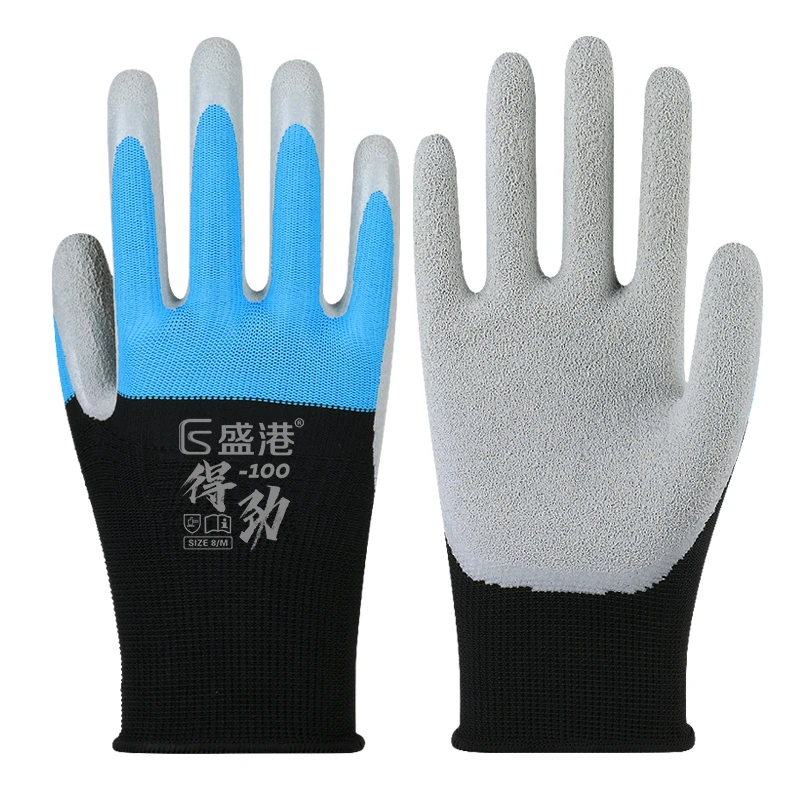
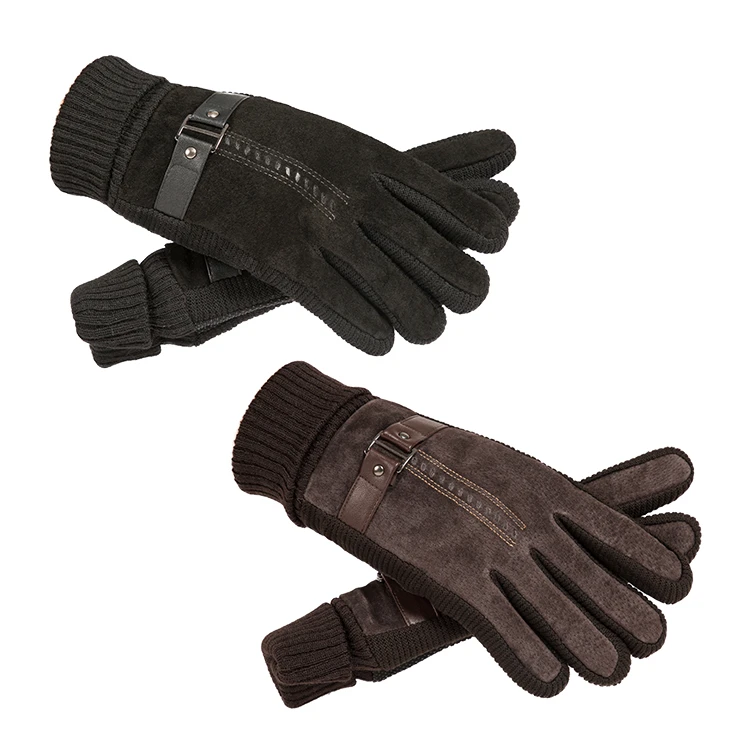
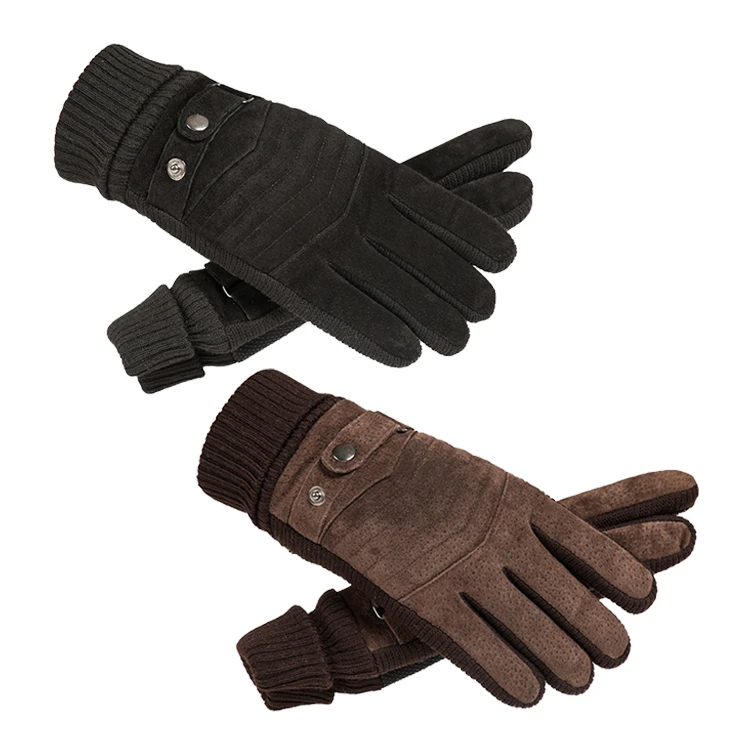
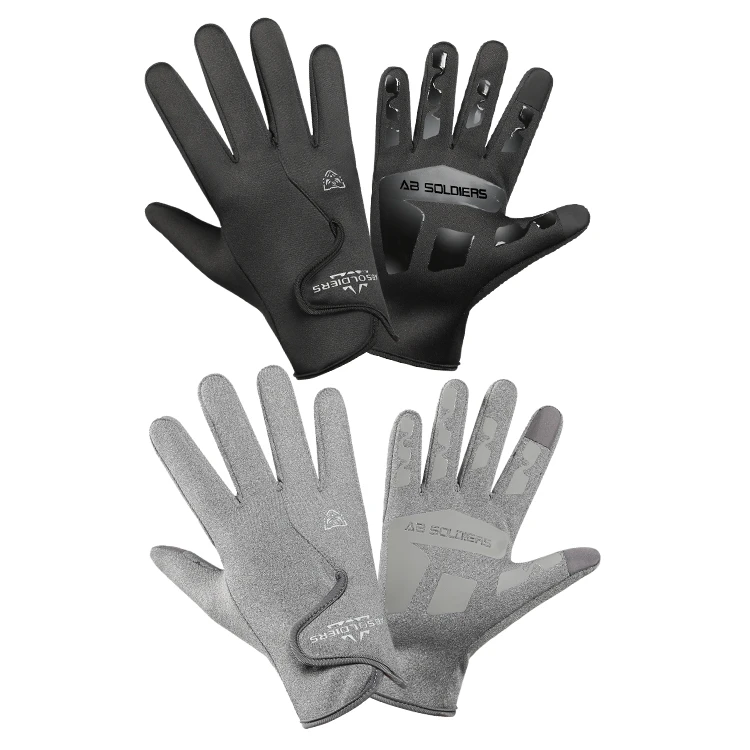
Thermal Wrist Warmers: The Essential Guide to Comfort & Protection
The Warmth Revolution: Understanding Thermal Wrist Warmers in Today's World
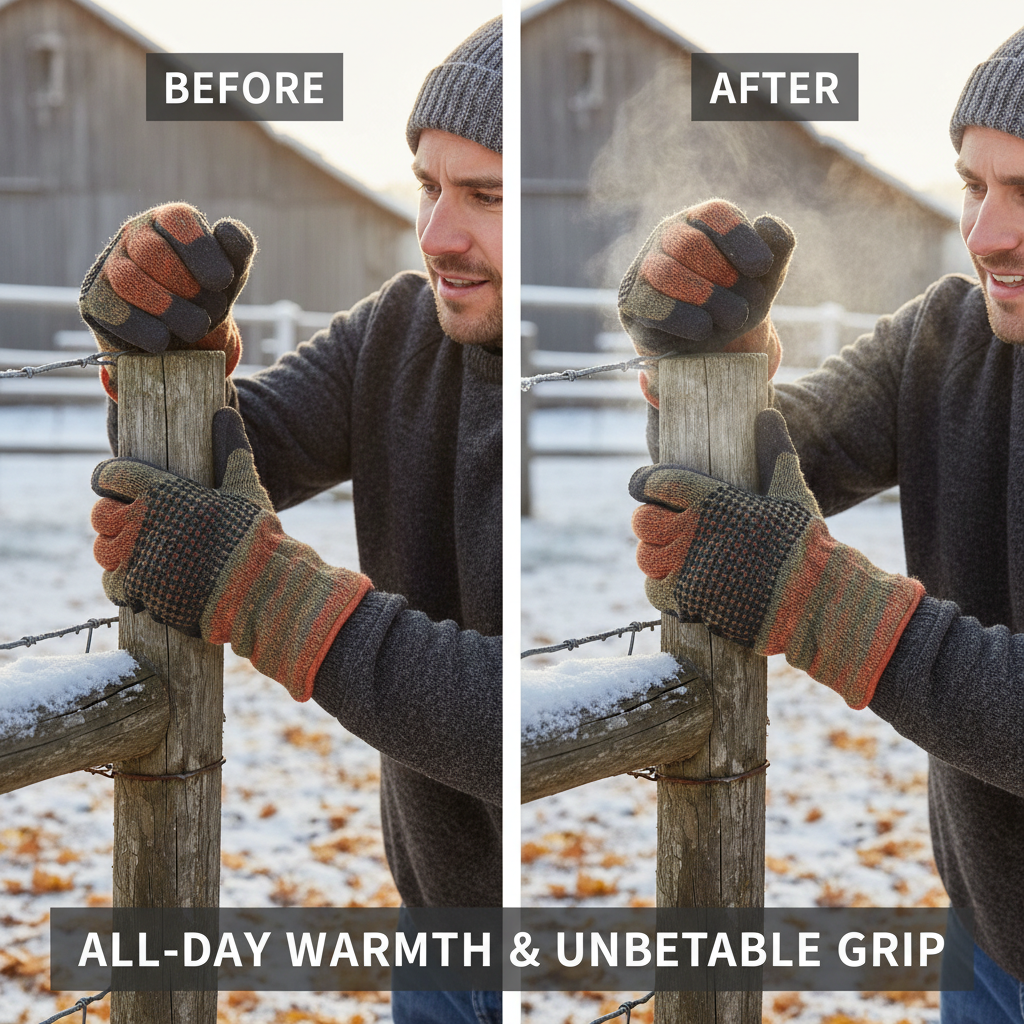
As winters bite harder, and outdoor workers brave the chill, thermal wrist warmers quietly step up as unsung heroes. They aren’t just fashion statements or simple gloves — rather, they represent an intersection of comfort, technology, and practical warmth that serves millions worldwide. Whether you're involved in humanitarian operations in harsh climates or just someone prone to icy wrists from typing all day, knowing about thermal wrist warmers matters more than you might think.
Frankly, it’s easy to overlook their global significance. But warming the extremities can prevent not just discomfort but cold-related injuries, enhancing productivity, health, and overall well-being — critical in regions that endure long winters or unpredictable weather.
Why Thermal Wrist Warmers Matter Globally
Globally, cold exposure costs billions in lost work hours and health care. The ISO talks about thermal protection as a basic occupational health issue. Roughly 13% of the world’s population lives in regions with harsh winters (World Bank, 2022). Outdoor workers, elderly populations, and vulnerable groups suffer disproportionately.
Thermal wrist warmers address a simple but vital challenge — keeping wrists, an often-overlooked body part, warm enough to maintain circulation and dexterity. This small product helps solve problems ranging from frostbite risk to decreased hand function — all globally relevant issues.
What Exactly Are Thermal Wrist Warmers?
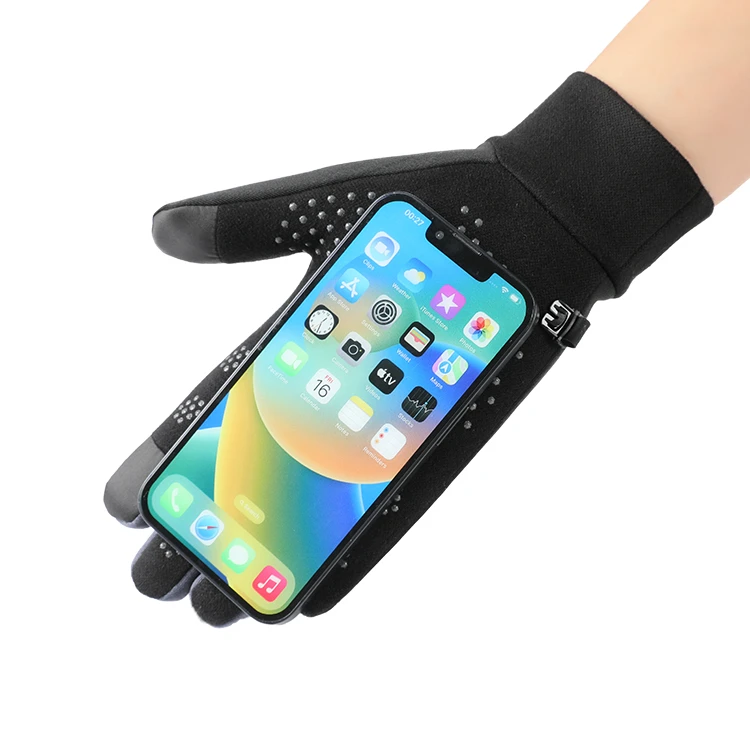
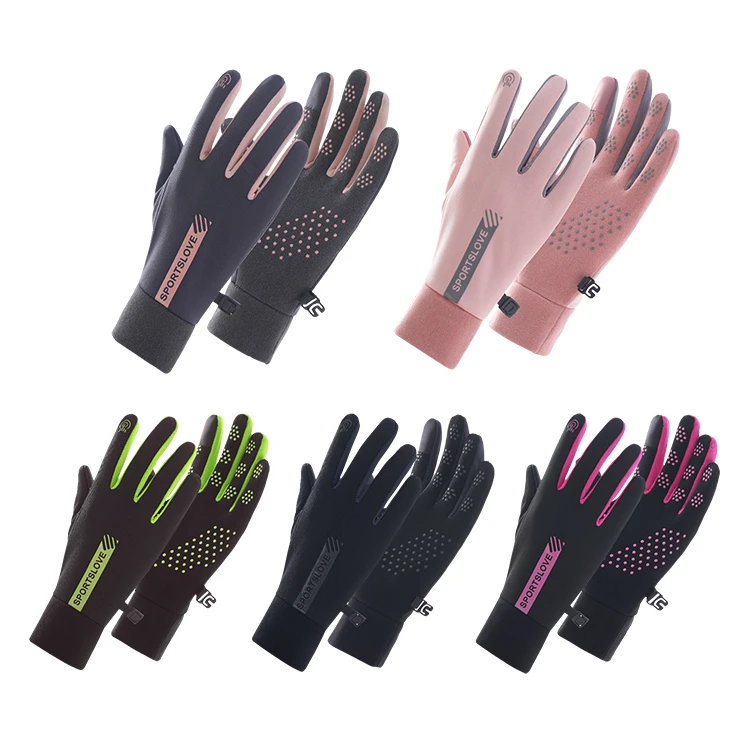
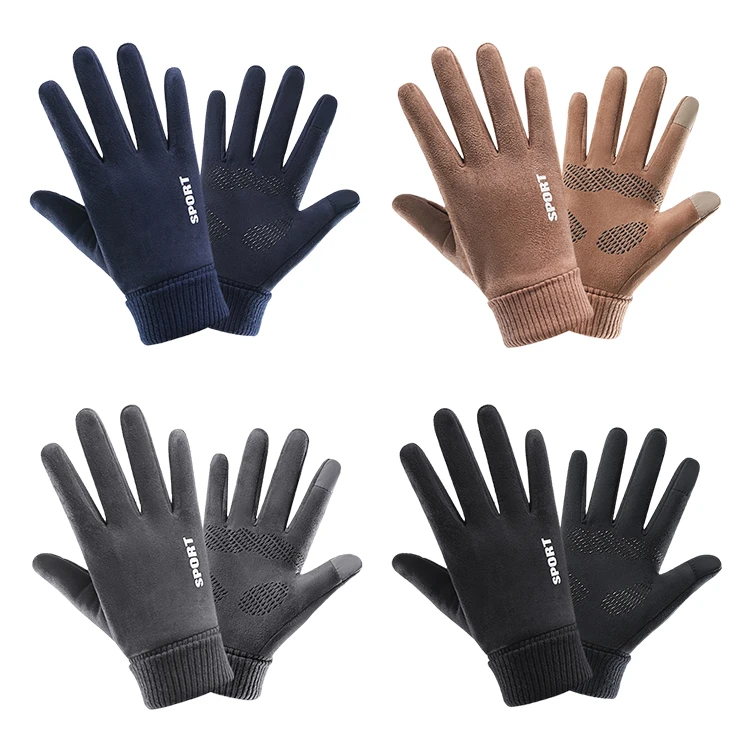
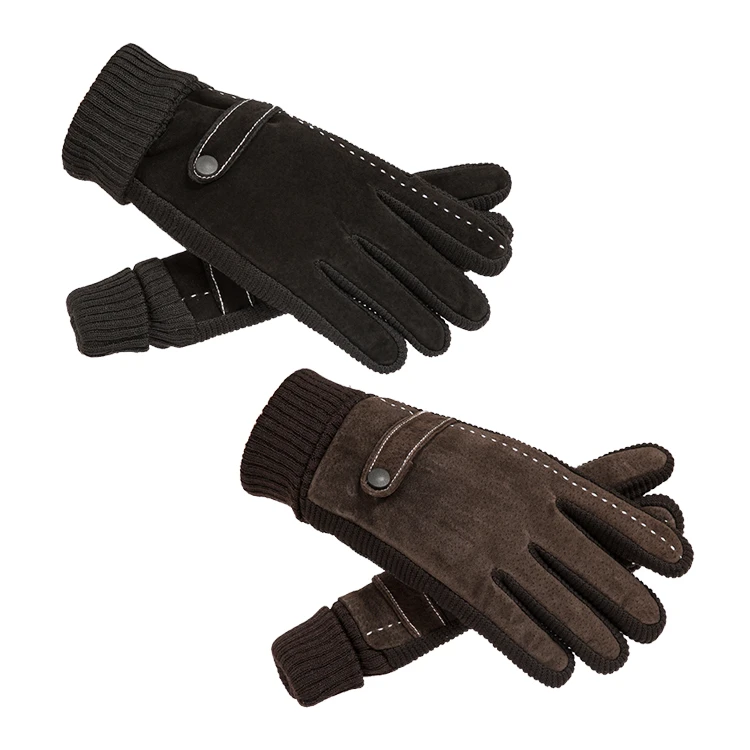
Simply put, thermal wrist warmers are fabric coverings designed to insulate and warm the wrist area. Unlike full gloves, they focus heat retention around the vulnerable wrist joint, supporting blood flow to the hands without restricting finger movement. They're made from materials like wool, fleece, or advanced synthetics equipped with thermal-reflective properties.
In industrial settings, thermal wrist warmers are essential. For example, field engineers in Alaska or humanitarian responders in the Arctic Circle rely on them during extended outdoor missions. Oddly enough, they have also become popular among city dwellers who face sudden drops in temperature while commuting or simply working in chilly offices.
Core Features That Make Thermal Wrist Warmers Practical
1. Insulation Efficiency
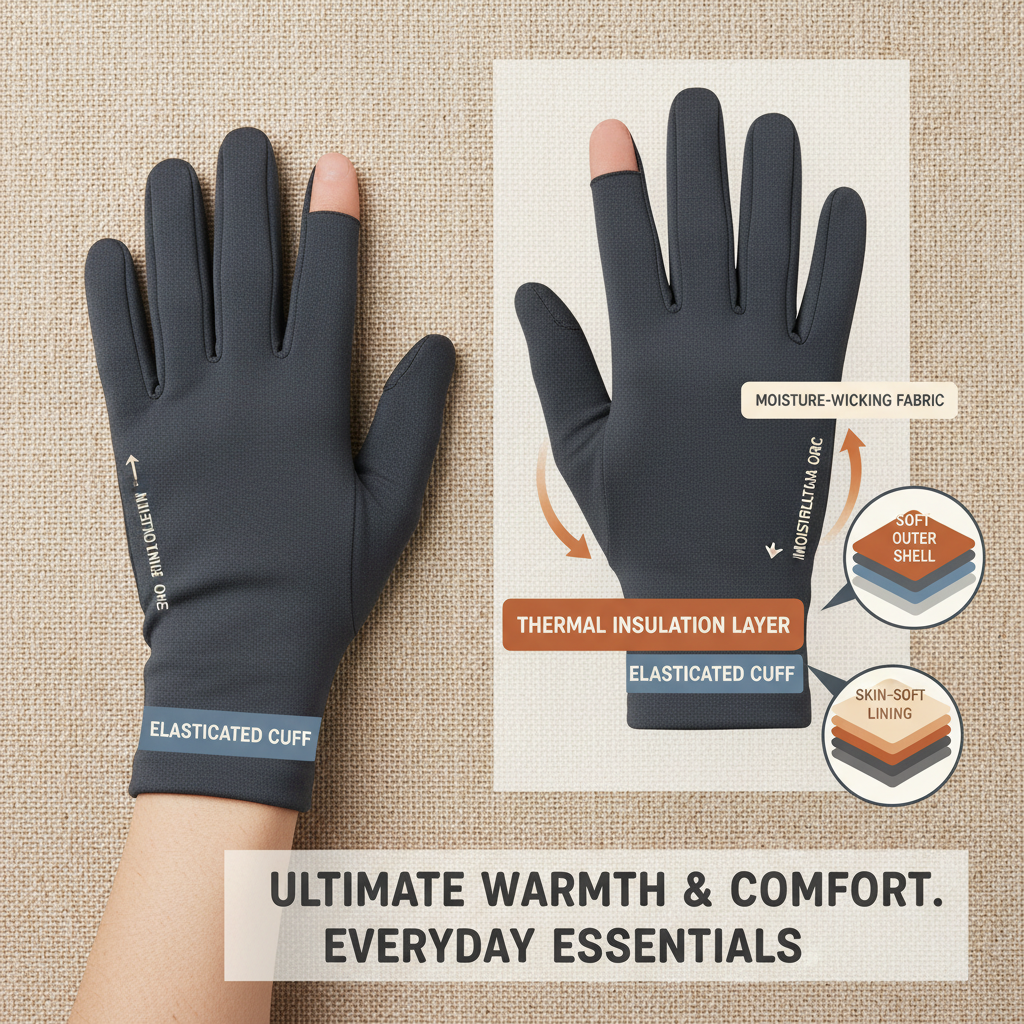
Thermal wrist warmers typically use multi-layer fabrics to trap body heat. High-tech models fold in heat-reflective coatings or phase-change materials. This insulation power is what defines their effectiveness — simply covering the wrist doesn’t cut it.
2. Comfort & Flexibility
Because wrists need to flex — typing, driving, working with tools — these warmers avoid stiffness. Materials like spandex blends allow stretchiness, ensuring you don’t feel constricted.
3. Durability
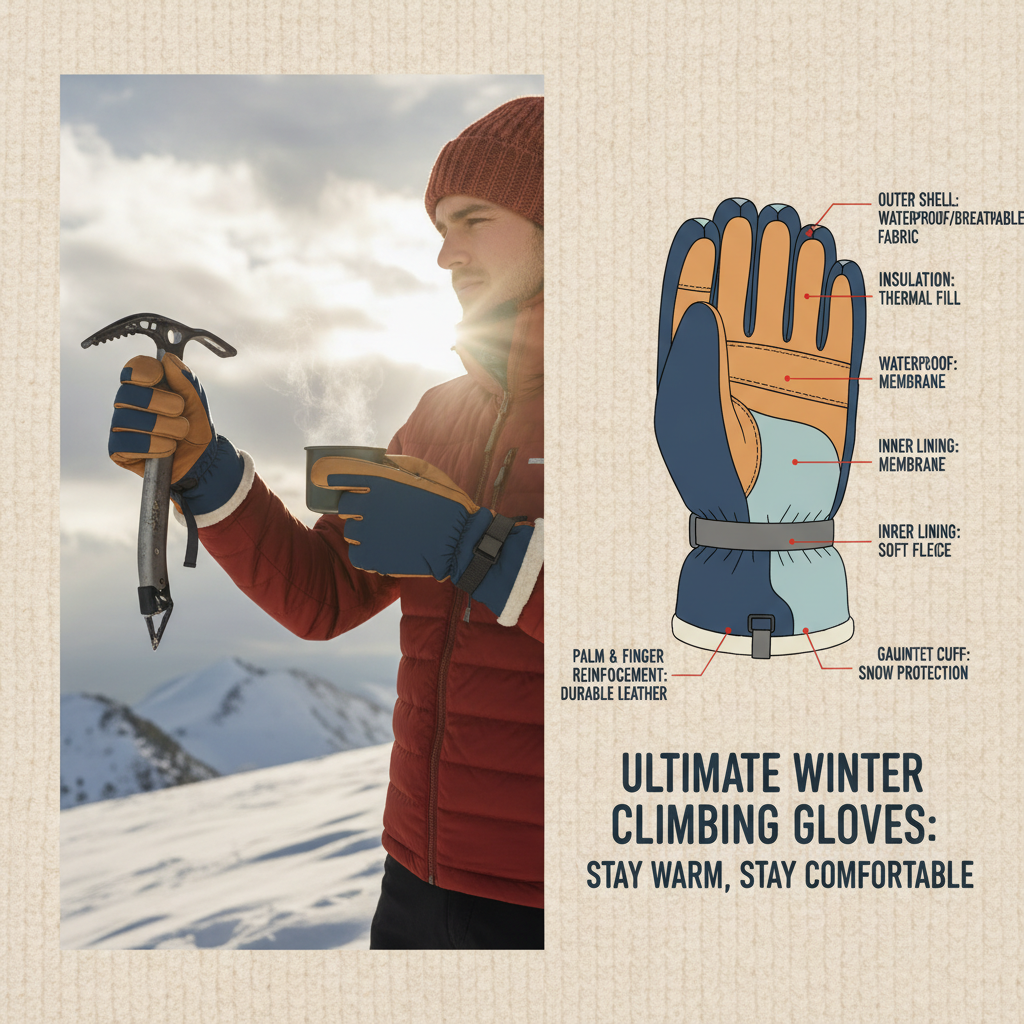
Many wearers need them for work through tough conditions. Good wrist warmers endure repeated washing and rough outdoor use. Durability often comes from reinforced stitching and abrasion-resistant fabrics.
4. Breathability
It may sound contradictory, but breathability prevents overheating and sweat buildup. Moisture-wicking capabilities help maintain comfort over long hours.
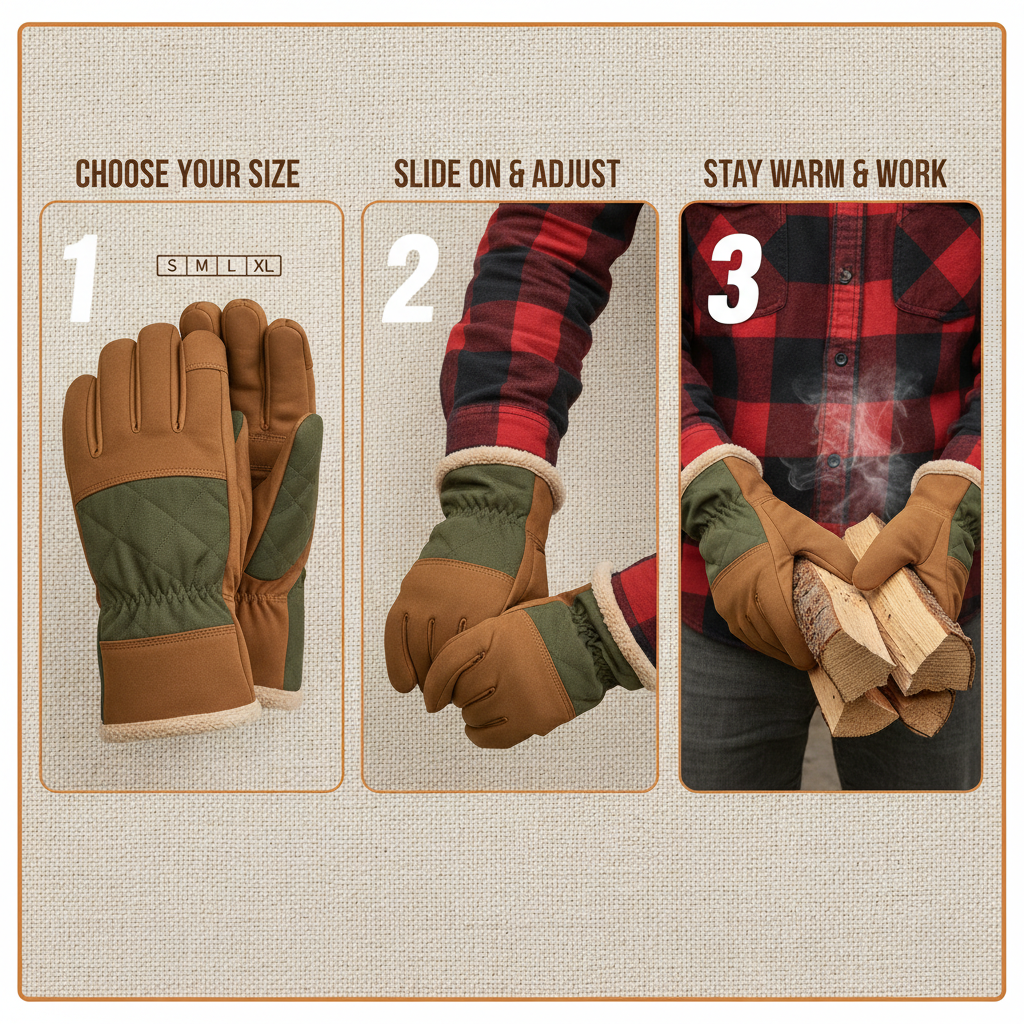
5. Ease of Use
Slip-on designs are standard, but some models also add adjustable closures or even battery-powered heating elements for extreme cold zones.
Mini Takeaway:
Thermal wrist warmers are deceptively specialized. They combine targeted insulation, flexibility, durability, and moisture management — essential factors making them practical for many users worldwide.
Real-World Applications of Thermal Wrist Warmers
So, where do these nifty accessories actually find their place?
- Industrial Zones: In remote areas such as Siberia’s oil fields or Canada’s logging camps, workers use thermal wrist warmers as critical PPE (personal protective equipment).
- Disaster Relief: Field medics and aid workers in cold zones often wear them to maintain hand dexterity during urgent tasks.
- Sports & Outdoors: Winter runners, cyclists, and hikers depend on wrist warmers to preserve warmth and mobility.
- Urban Commuters & Office Workers: Folks spending hours in chilly environments or drafts find them convenient and less cumbersome than gloves.
For instance, a relief NGO in Northern Scandinavia reported a 20% drop in cold-related complaints among workers after introducing thermal wrist warmers into their standard kit — a reminder of such small comforts’ big impact.
The Tangible Benefits of Thermal Wrist Warmers
Logically, the advantages boil down to health, usability, and economics:
- Cost-effective warmth: They’re cheaper than heavy-duty gloves and can be layered easily.
- Enhanced safety: Keeping wrists warm prevents non-freezing cold injuries like chilblains.
- Sustainability: New eco-friendly materials reduce environmental footprint.
- Emotional comfort: Knowing your hands won’t go numb feels reassuring — especially during long shifts outdoors.
So they’re not just practical, but also socially empowering — enabling users to work longer, safer, and with more confidence.
Product Specification Table: Common Thermal Wrist Warmers
| Feature | Standard Model A | Premium Model B | Heated Model C |
|---|---|---|---|
| Material | Fleece & Acrylic | Merino Wool Blend | Synthetic + Carbon Fiber Heating |
| Insulation Type | Passive | Thermal Reflective Layer | Battery powered |
| Stretchiness | Moderate | High | Moderate |
| Weight | 40 g | 50 g | 75 g |
| Care | Machine Wash | Hand Wash | Detachable Battery |
| Price Range | $8–15 | $25–35 | $80–120 |
Comparing Popular Vendors of Thermal Wrist Warmers
| Vendor | Product Range | Price | Sustainability Focus | Warranty |
|---|---|---|---|---|
| WarmWrist Co. | Basic to Premium | $$ | Moderate - recycled fibers | 1 year |
| ThermoFlex | Advanced heated models | $$$ | High - renewable energy for production | 2 years |
| EcoWarmth | Eco-friendly lines only | $$ | Very high - organic cotton & bamboo | 1 year |
Future Innovations in Thermal Wrist Warmers
Looking ahead, thermal wrist warmers won’t just be fabrics wrapped around wrists. The advent of smart textiles, integrating sensors that monitor temperature or circulatory health, could turn wrist warmers into personal health devices. Automation in manufacturing and biodegradable materials combine sustainability with function. Meanwhile, advances in phase-change technology offer dynamic warmth — cooling down when too hot, warming up when too cold.
Initiatives emphasizing green energy in production lines lower carbon footprints — a priority for manufacturers aware consumers demand eco-friendly solutions. Scandinavian countries, for example, emphasize these sustainable standards, setting a global example.
Common Challenges and Clever Solutions
Despite all this promise, thermal wrist warmers face some challenges:
- Limited coverage: They warm wrists well but can’t replace full gloves in extreme cold.
- Moisture build-up: Poor materials can trap sweat, causing discomfort.
- Battery dependency: For heated models, batteries add weight and may fail in extreme cold.
Innovations focus on layering thermal wrist warmers under gloves, using wicking fabrics, and developing longer-lasting, cold-resistant batteries. Users often combine wrist warmers with other thermal gear for best results.
FAQs About Thermal Wrist Warmers
- Q: How do thermal wrist warmers differ from regular gloves?
- A: They specifically insulate wrists without covering the fingers, preserving dexterity and allowing better wrist circulation. Perfect for those needing warmth but not full hand coverage.
- Q: Can I wear thermal wrist warmers under my regular gloves?
- A: Absolutely. Many users layer them beneath gloves or mittens to add an extra heat barrier, especially in very cold climates.
- Q: Are heated thermal wrist warmers safe for long use?
- A: Yes, provided they’re used as instructed. Most have temperature controls and safety cutoffs. They’re ideal for intermittent use during outdoor work or leisure.
- Q: What materials are best for thermal wrist warmers?
- A: Wool blends, fleece, and materials with thermal-reflective coatings offer good warmth and flexibility. Breathable synthetics help manage moisture.
- Q: Where can I buy reliable thermal wrist warmers?
- A: Multiple vendors offer them, but look for trusted brands with sustainability commitments. For a broad selection, check out thermal wrist warmers options and detailed reviews.
Wrapping It Up: Keeping Warm, Staying Productive
Thermal wrist warmers, in their subtle elegance, remind us how small design improvements can lead to major real-life impacts. From chilly arctic fields to city offices, they keep wrists cozy, maintain circulation, and enhance comfort.
Whether you're an industrial worker, a humanitarian responder, or just a cold-natured human, investing in good thermal wrist warmers is a smart, sustainable choice. Curious? Visit our website for a comprehensive range and insights: thermal wrist warmers.