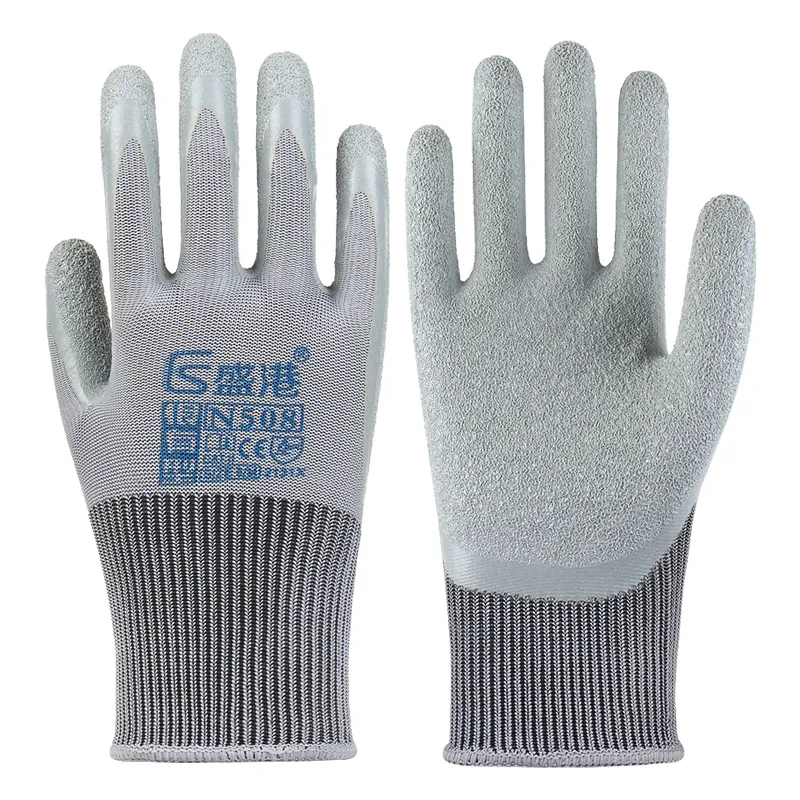
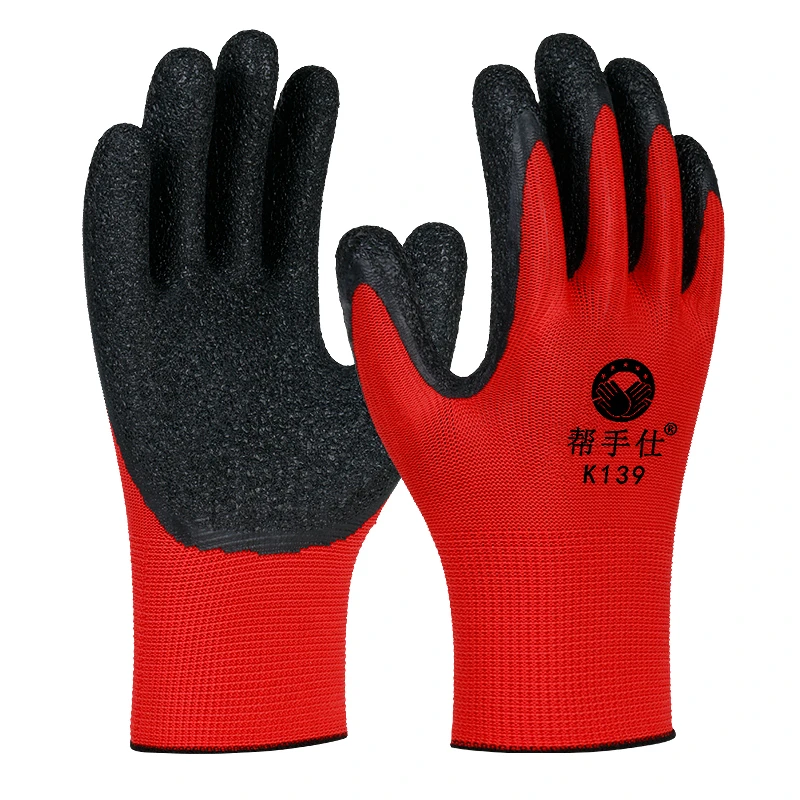
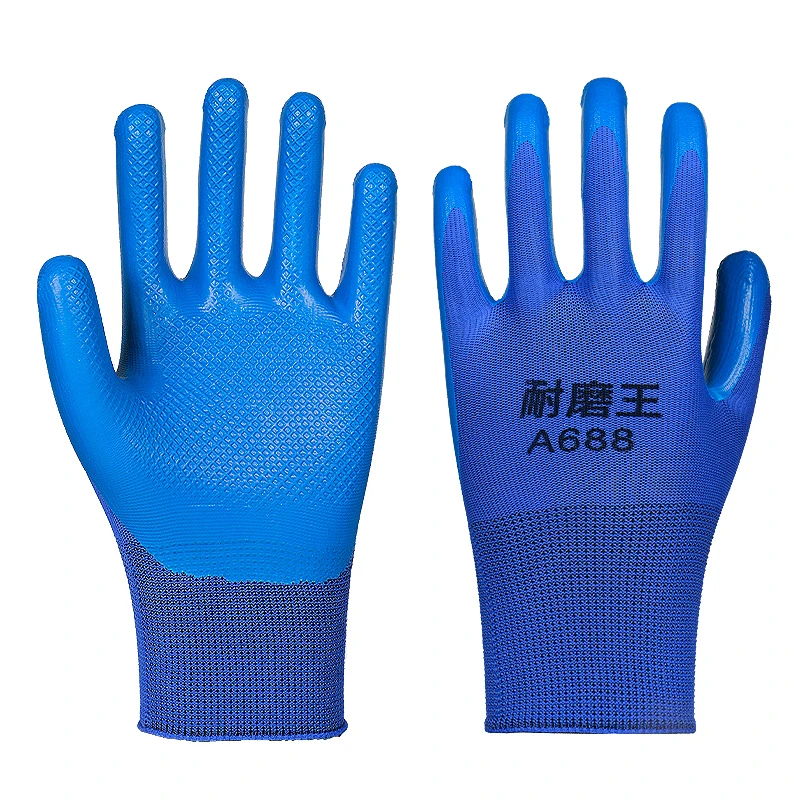
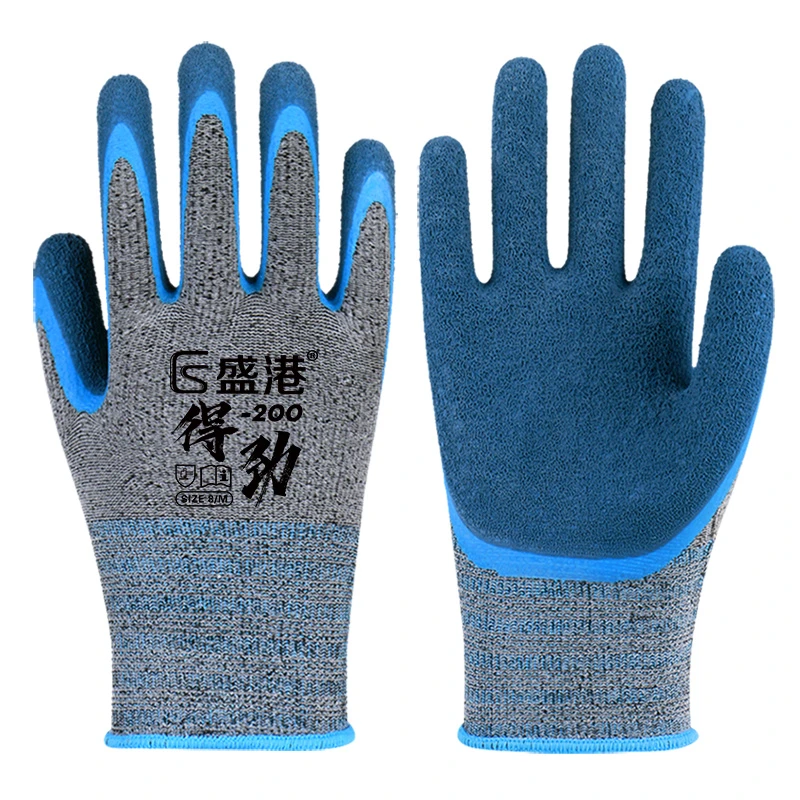
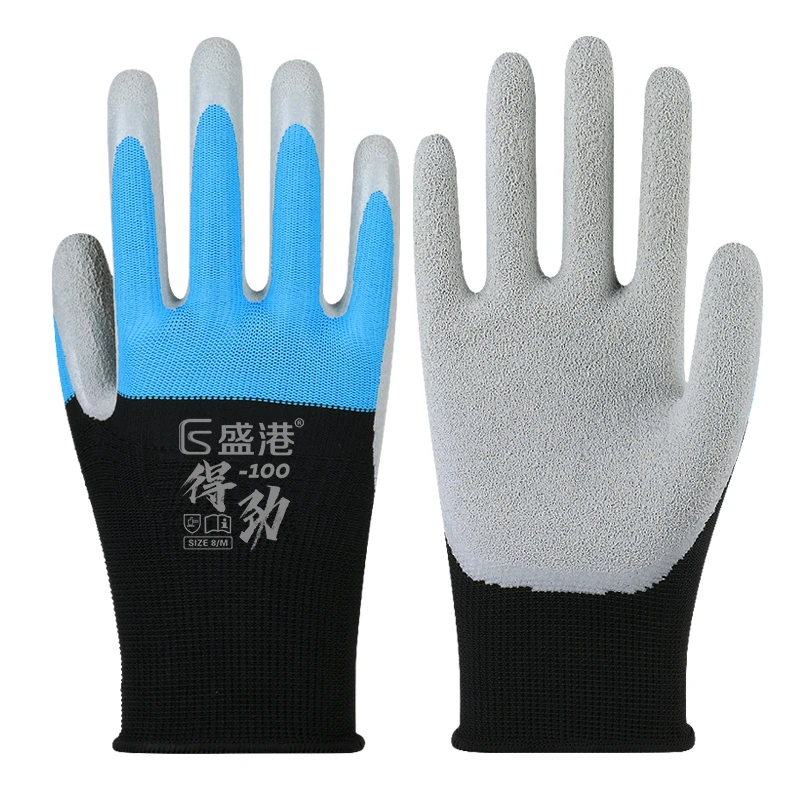
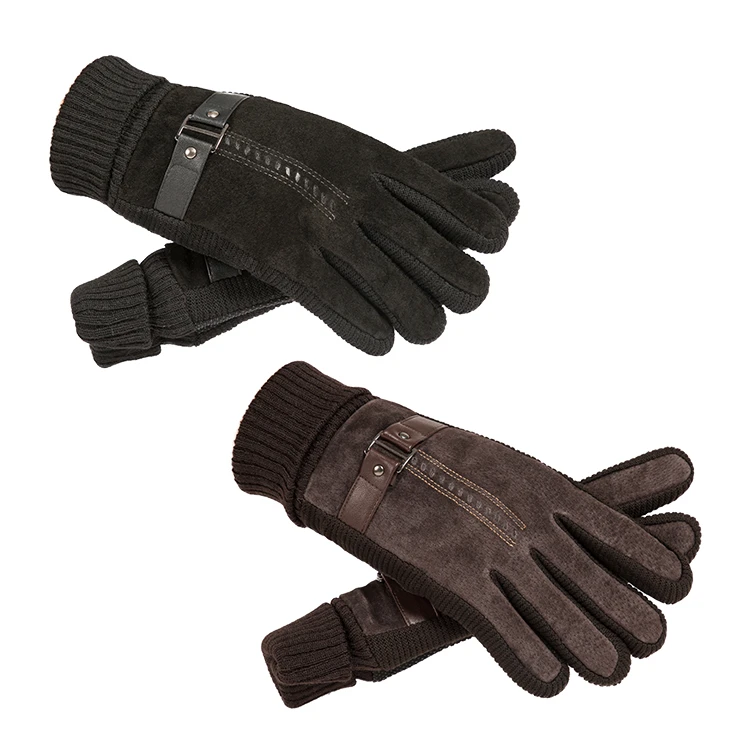
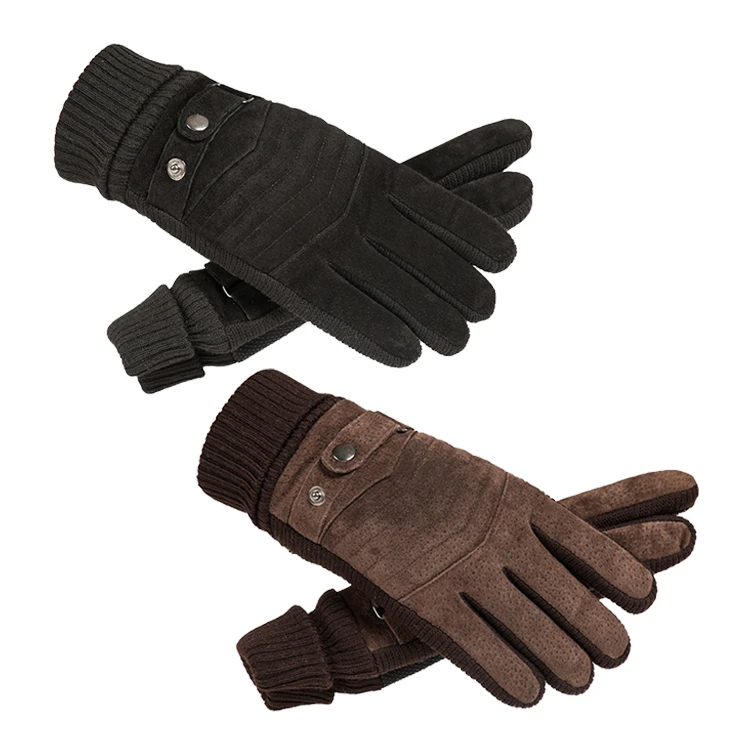
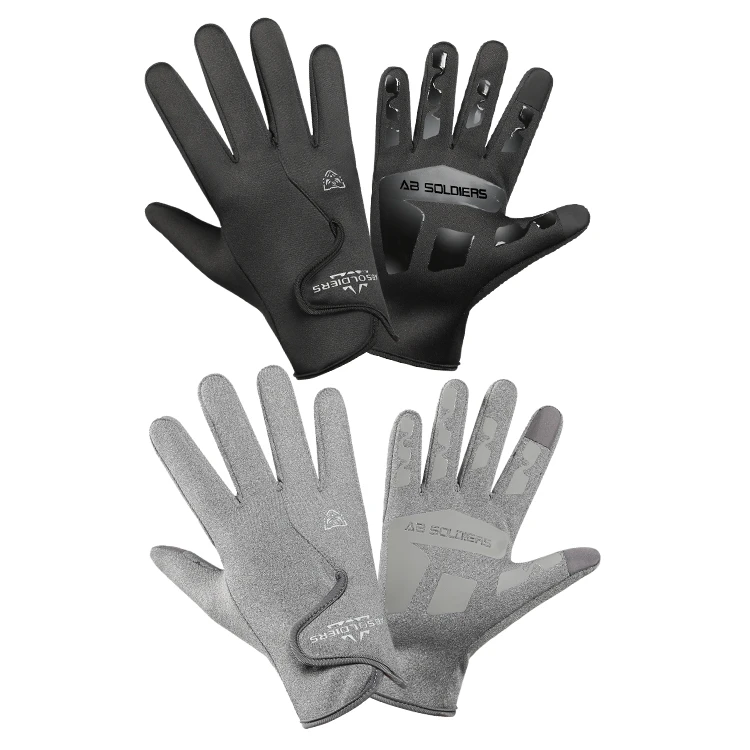
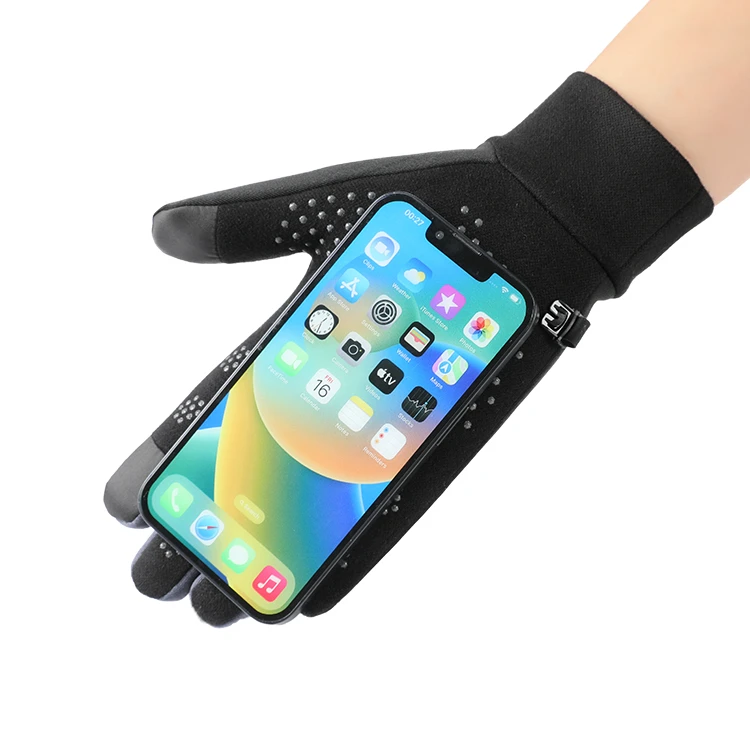
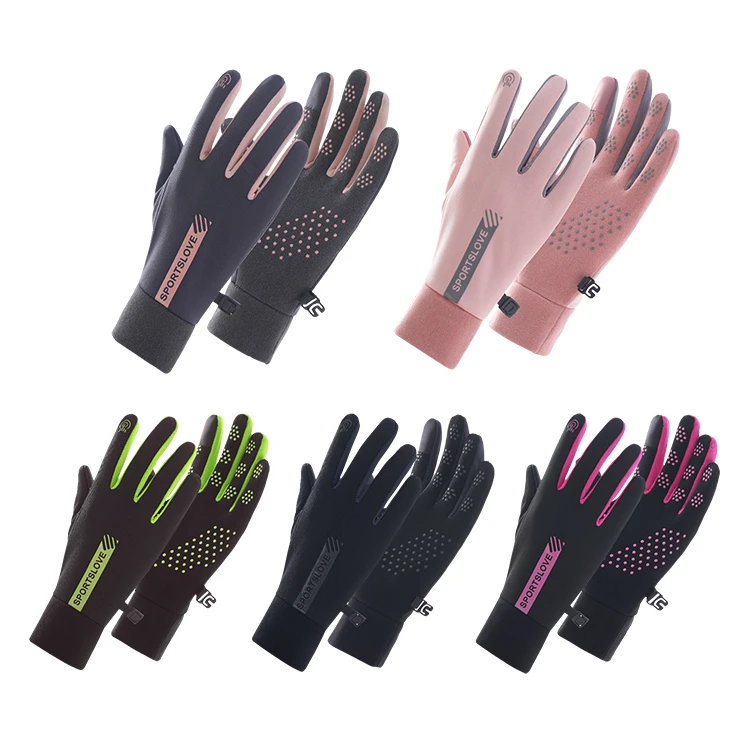
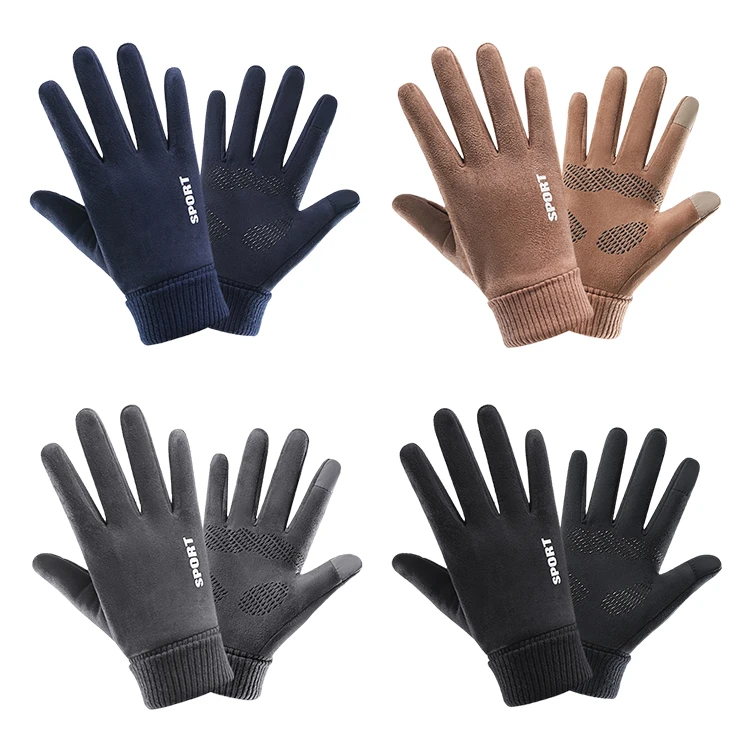
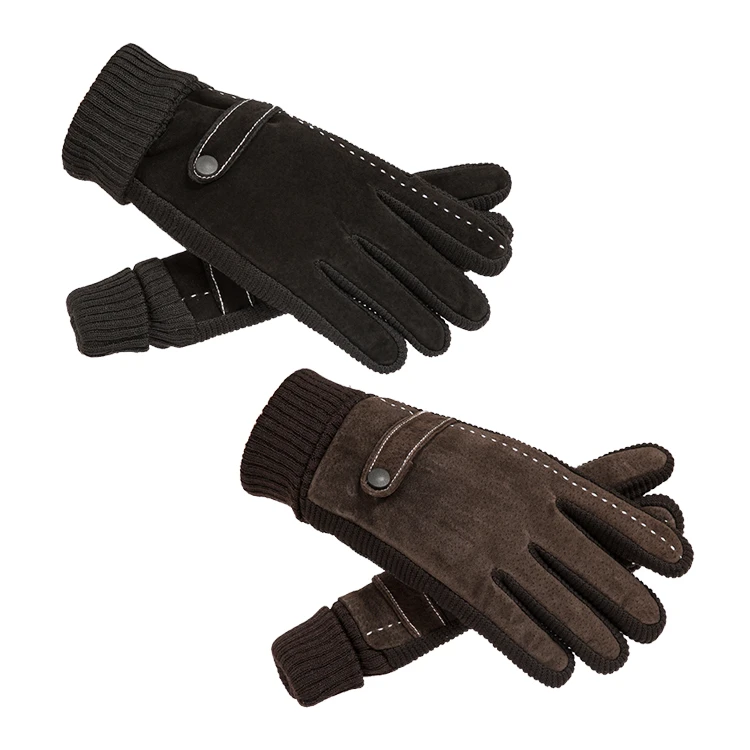
Thermal Yard Gloves: Essential Cold-Weather Protection for Outdoor Workers
Making Sense of Thermal Yard Gloves: Why They Matter More Than Ever
At first glance, thermal yard gloves might just appear as another piece of protective gear. But here’s the thing — in a world with increasingly unpredictable climates and growing industrial demands, these gloves represent a much-needed answer to safety and efficiency challenges across many sectors. Whether you're pruning a backyard or working in freezing outdoor warehouses, understanding thermal yard gloves’ role globally isn't just practical, it’s essential.
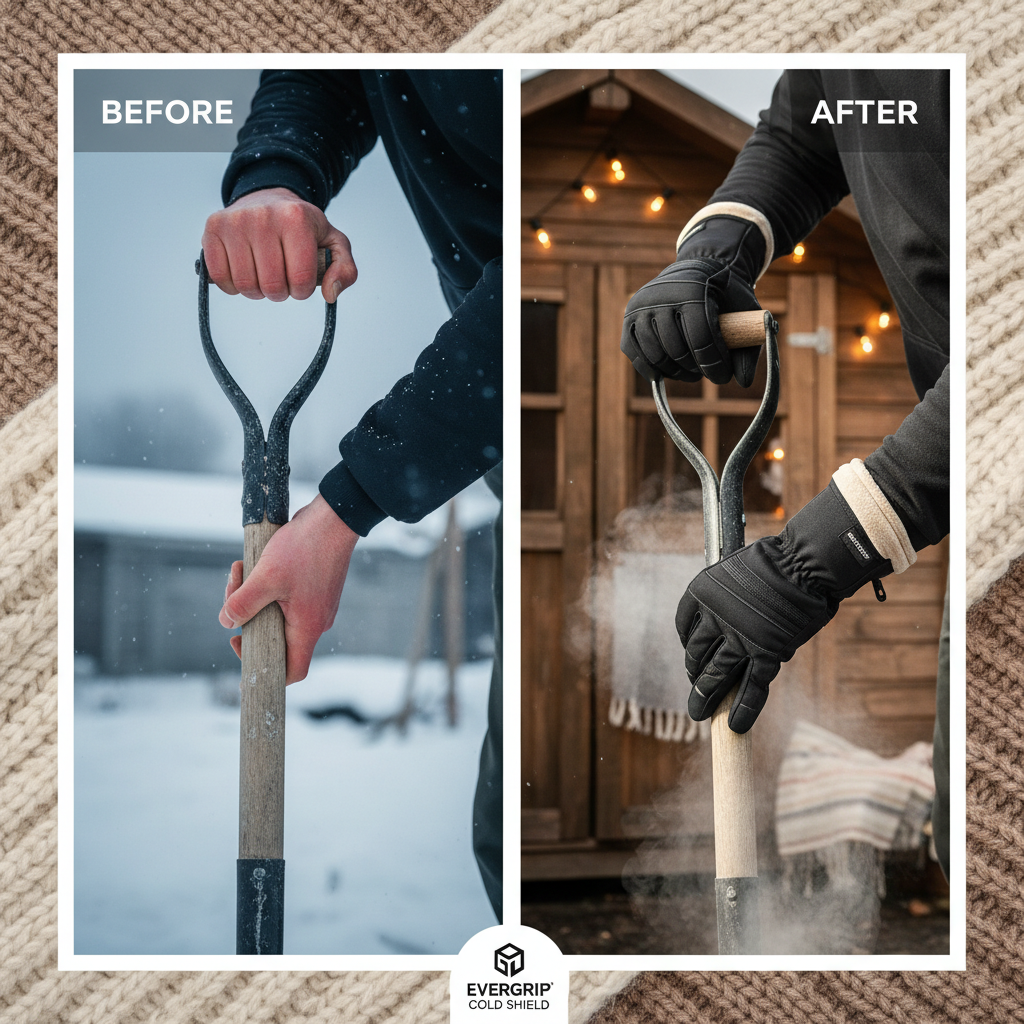
Globally, workers exposed to cold environments face increased injury risks, productivity drops, and health hazards. According to the International Labour Organization (ILO), cold stress can reduce productivity by up to 20% in extreme cases. Thermal yard gloves offer a simple but effective solution — keeping hands warm, dexterous, and safe — thus improving worker comfort and output. Plus, with rising outdoor jobs in agriculture, construction, and logistics, having quality thermal gloves isn't just a nice-to-have; it’s a workplace necessity.
What Exactly Are Thermal Yard Gloves? A Clear Definition
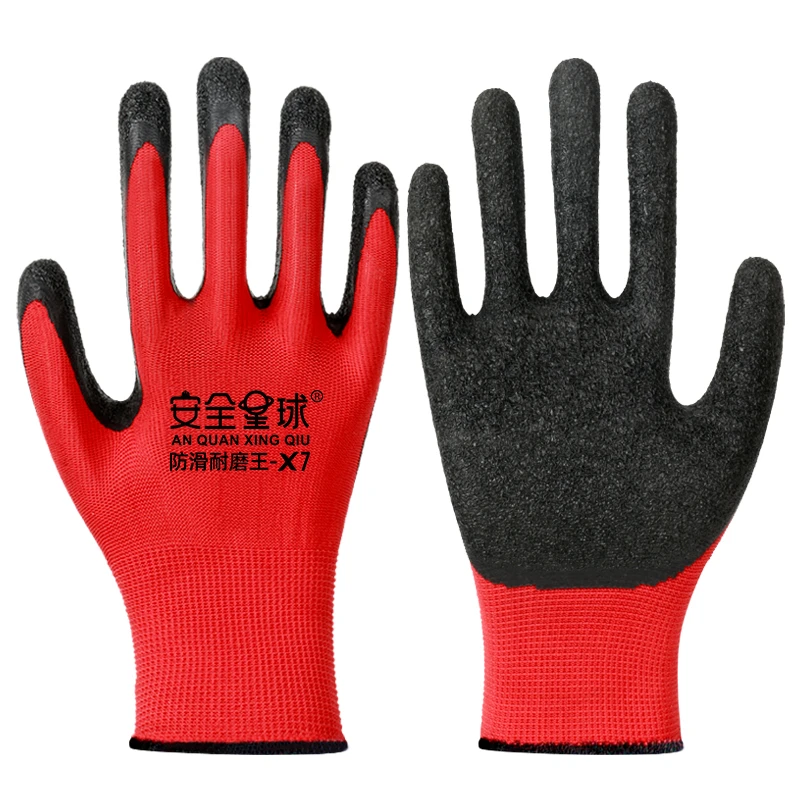
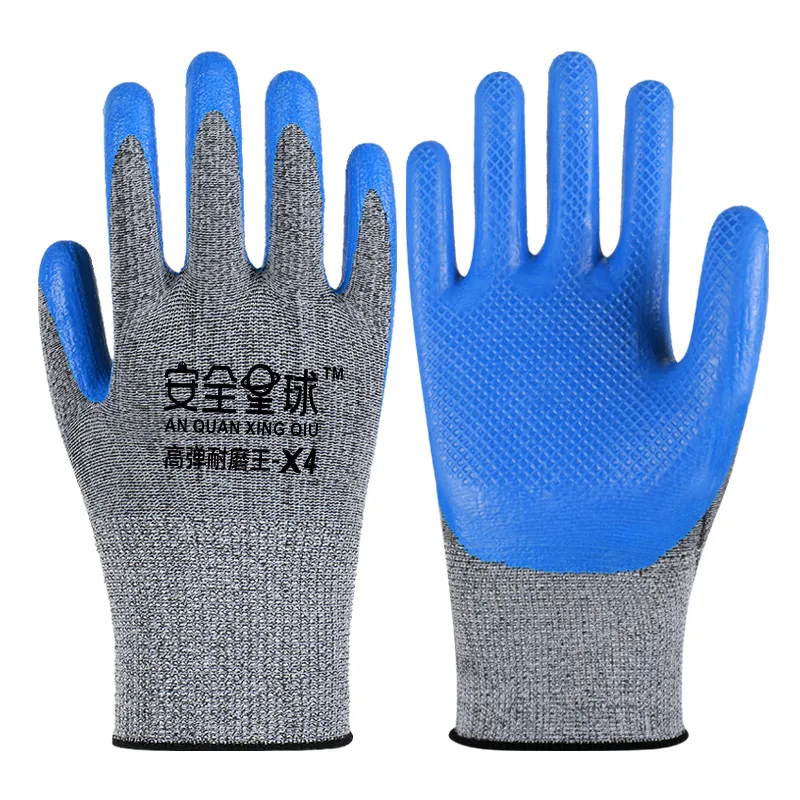
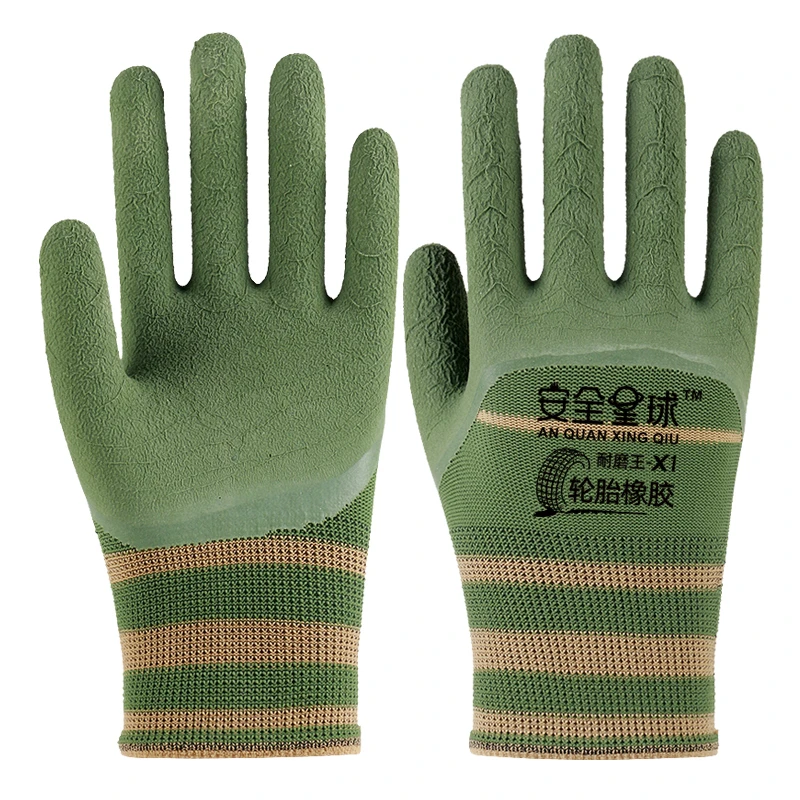
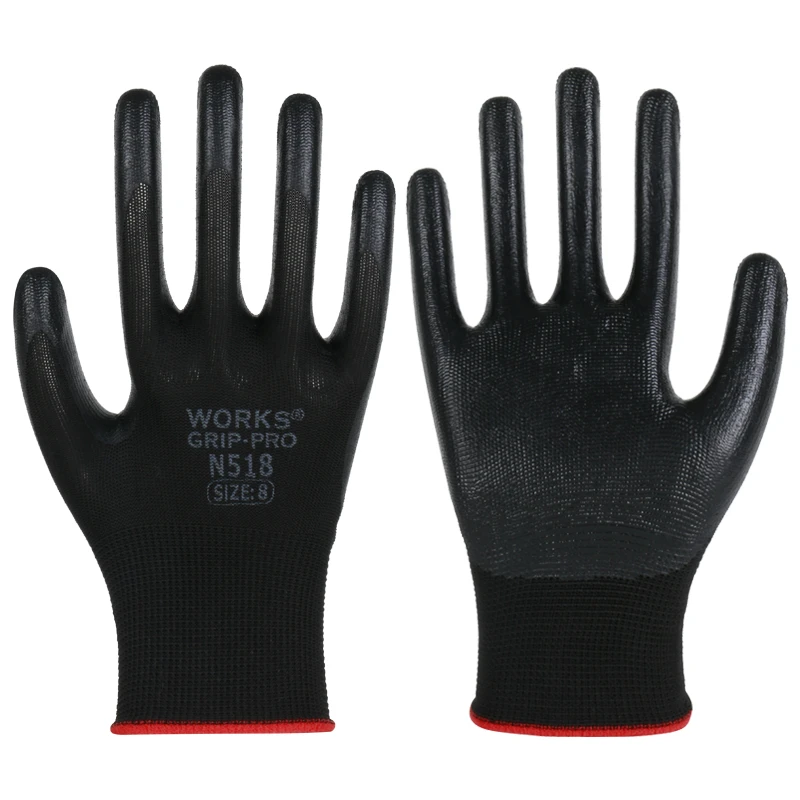
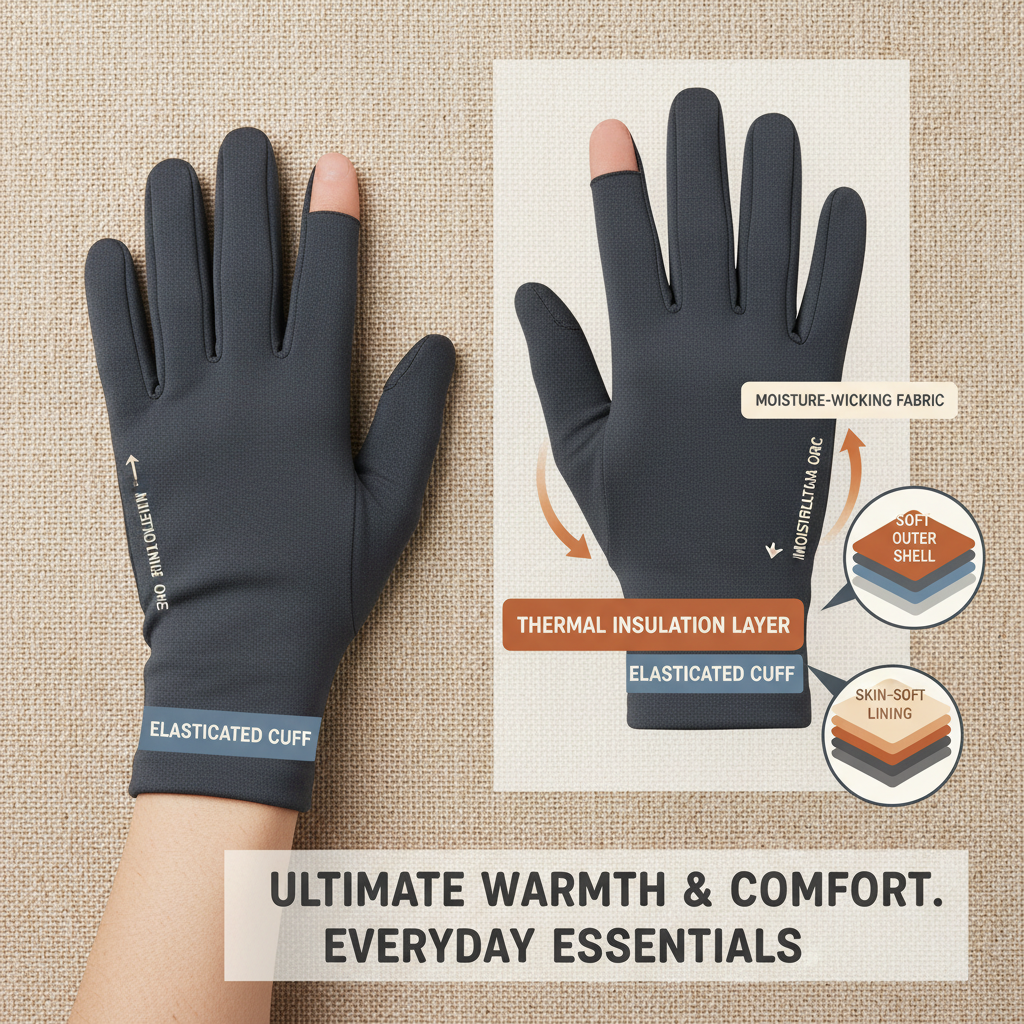
Put simply, thermal yard gloves are specialized hand coverings designed to offer insulation against cold while maintaining flexibility. They typically feature multi-layered fabrics — often with insulating materials like Thinsulate™ or wool blends — combined with durable outer shells to resist wear and tear.
Crucially, these gloves bridge the gap between basic hand protection and cold-weather insulation, making them ideal for people handling garden tools, outdoor equipment, or performing manual labor in chilly conditions. Think of them as your hands’ personal heater and armor rolled into one.
In modern industry, thermal yard gloves support everything from logistics hubs in Canada to post-disaster relief efforts in Northern Europe, helping workers safely perform their tasks regardless of temperature swings.
Core Components and What Makes Thermal Yard Gloves Tick
1. Durability and Material Strength
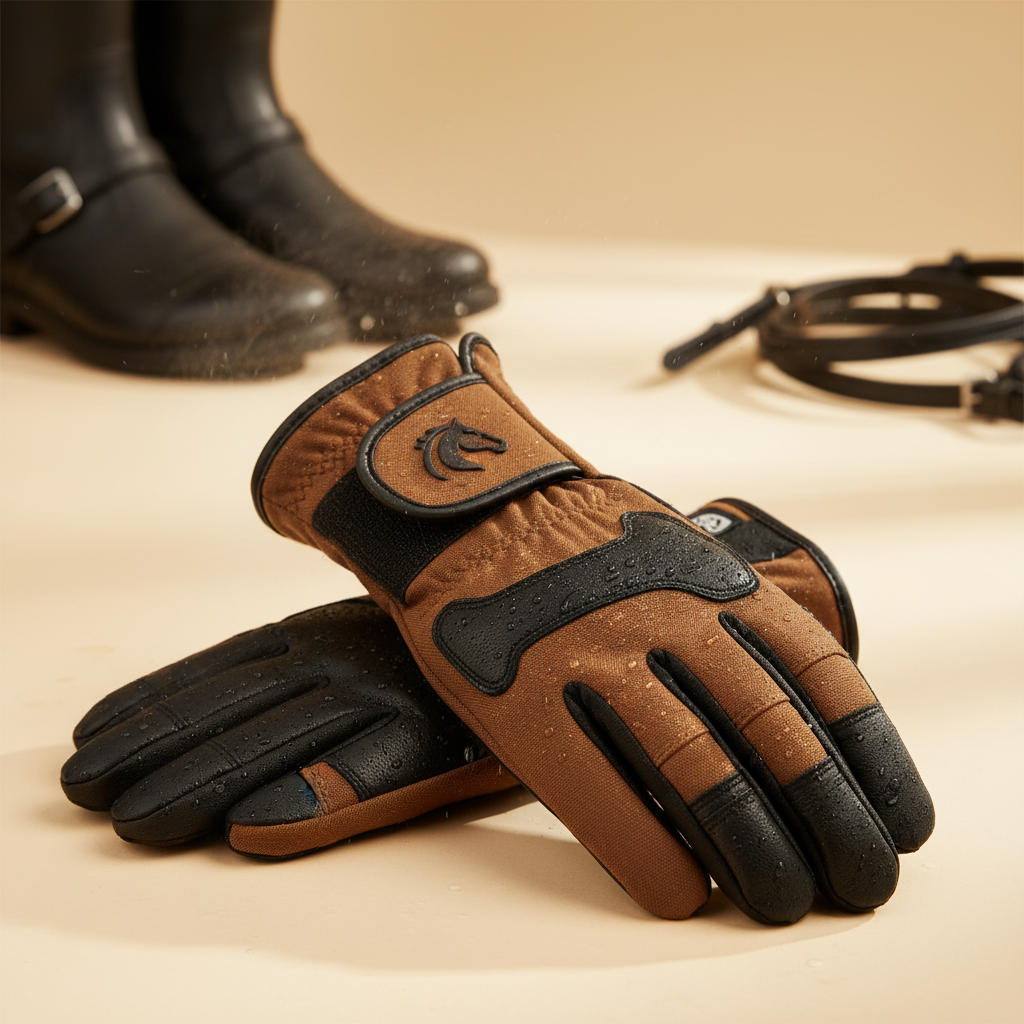
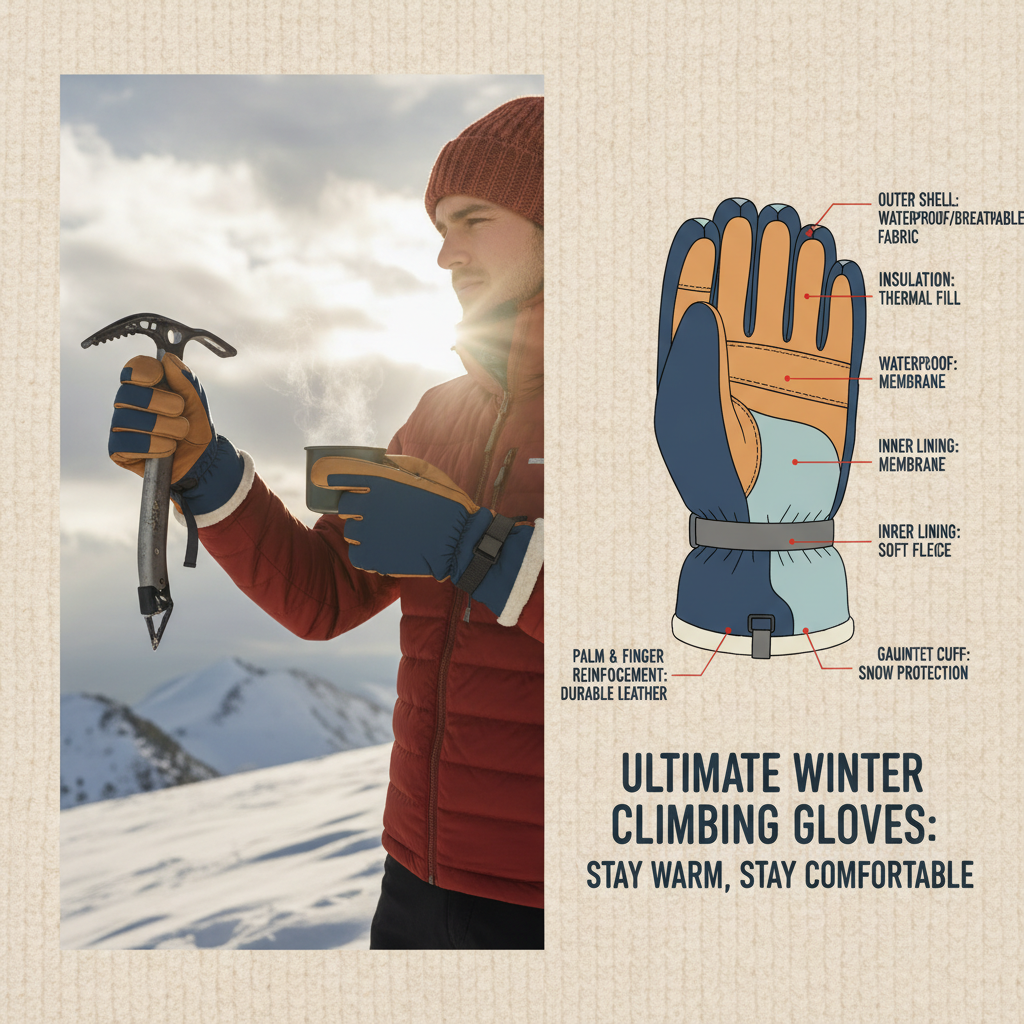
Most thermal yard gloves feature abrasion-resistant outer layers made of synthetic leather or reinforced fabrics. The goal? To withstand thorny bushes in yards or rough machinery parts in warehouses without wearing down quickly.
2. Insulation Quality
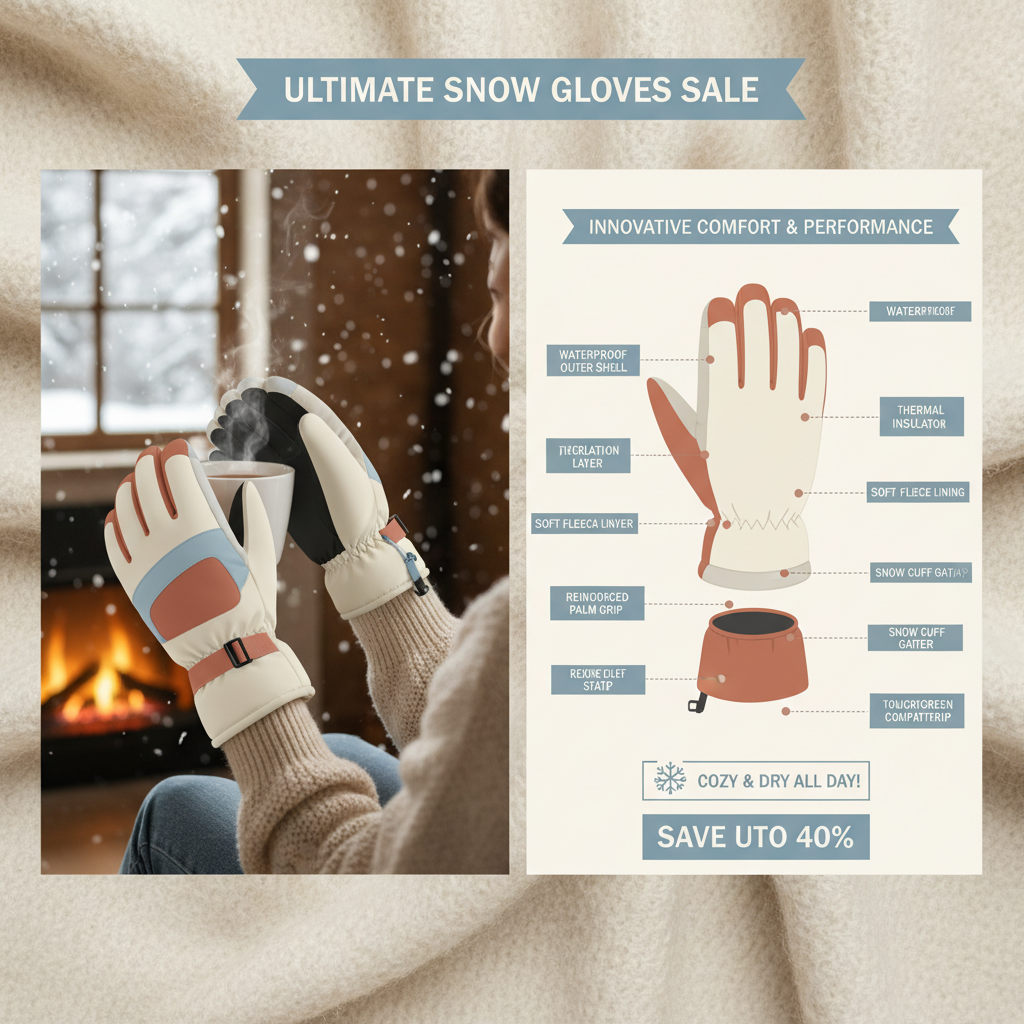
The secret sauce is the insulation. Materials like Thinsulate™, fleece liners, or wool blends trap heat efficiently yet remain relatively thin, so dexterity isn’t sacrificed. It’s a delicate balance, really — too bulky, and you lose grip; too thin, and your fingers freeze.
3. Water and Wind Resistance
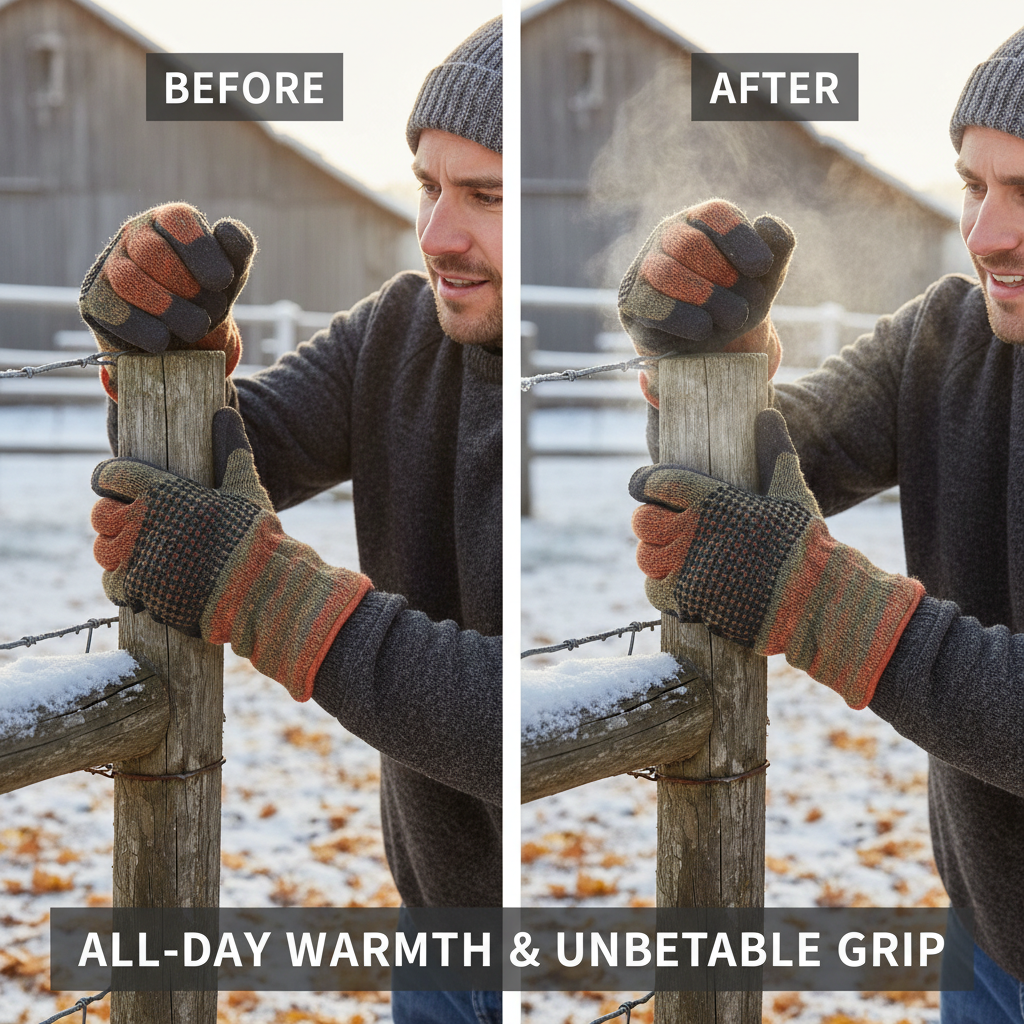
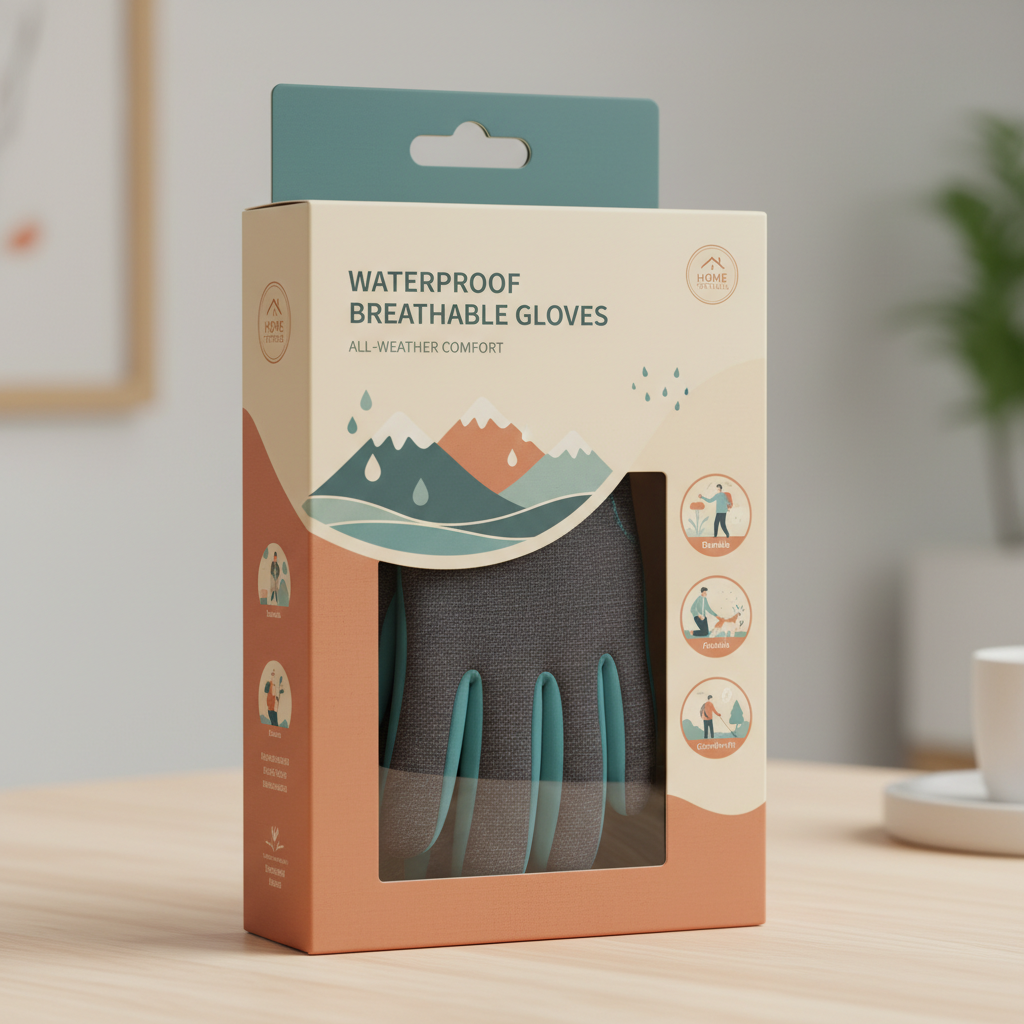
Many gloves incorporate waterproof coatings or membranes, making sure moisture and wind don’t pierce that cozy warmth inside. For yard workers, this means handling snowy branches or damp wood without numb fingers.
4. Fit and Flexibility
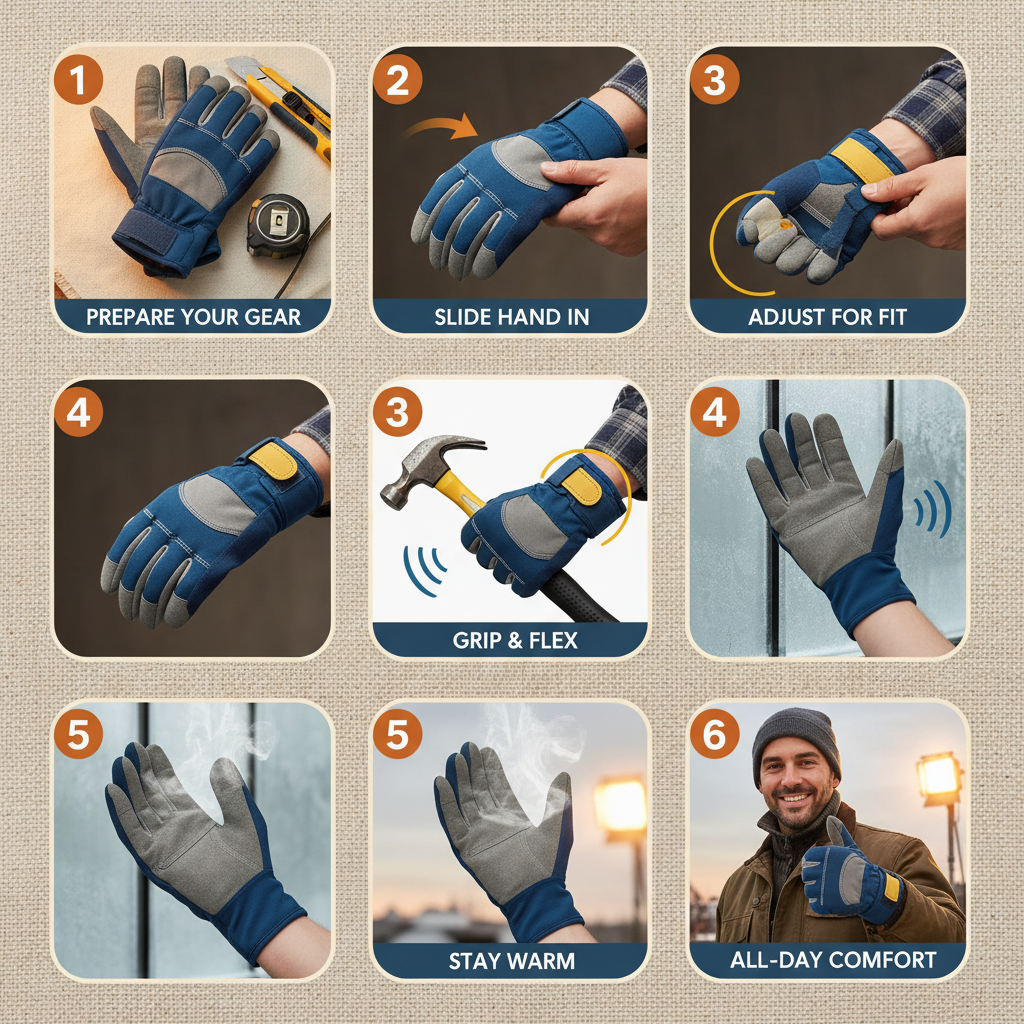
Oddly enough, fit is king. Without a snug but comfortable fit, thermal gloves either restrict movement or let cold air sneak in. Some brands add stretch fabrics in the knuckles or palms for enhanced flexibility, vital when you’re clipping, gripping, or drilling outdoors.
5. Breathability and Moisture Management
No one wants sweaty hands in winter, as trapped moisture cools your skin and leads to chills. Quality gloves feature breathable fabrics promoting airflow to keep hands dry — a subtle feature that makes a massive difference during all-day use.
Where Thermal Yard Gloves Really Make a Difference Worldwide
Thermal yard gloves shine in several sectors and regions:
- Agriculture in Northern Europe & Canada: Workers pruning and harvesting in cold seasons rely heavily on gloves that protect without impeding tasks.
- Outdoor Construction in the Northern US & Russia: Gloves must withstand rough materials plus freezing wind and snow.
- Disaster Relief Efforts: In areas like Scandinavia, emergency teams use thermal gloves for extended outdoor operations post-disaster, often under extreme cold.
- Logistics and Warehousing: Facilities with cold storage areas or open yards in Asia-Pacific require gloves that support dexterity and warmth for inventory staff.
Take the example of a post-winter storm cleanup crew in Norway — many reported fewer frostbite incidents after switching to thermal yard gloves from regular cotton ones, a strikingly simple intervention with big safety benefits.
A Handy Specification Table for Thermal Yard Gloves
| Specification | Typical Value |
|---|---|
| Material (Outer Layer) | Synthetic leather / reinforced nylon |
| Insulation | Thinsulate™ 40g or fleece liner |
| Water Resistance | Yes (waterproof membrane or coating) |
| Temperature Rating | -20°C to 5°C |
| Grip | Textured palms for enhanced handling |
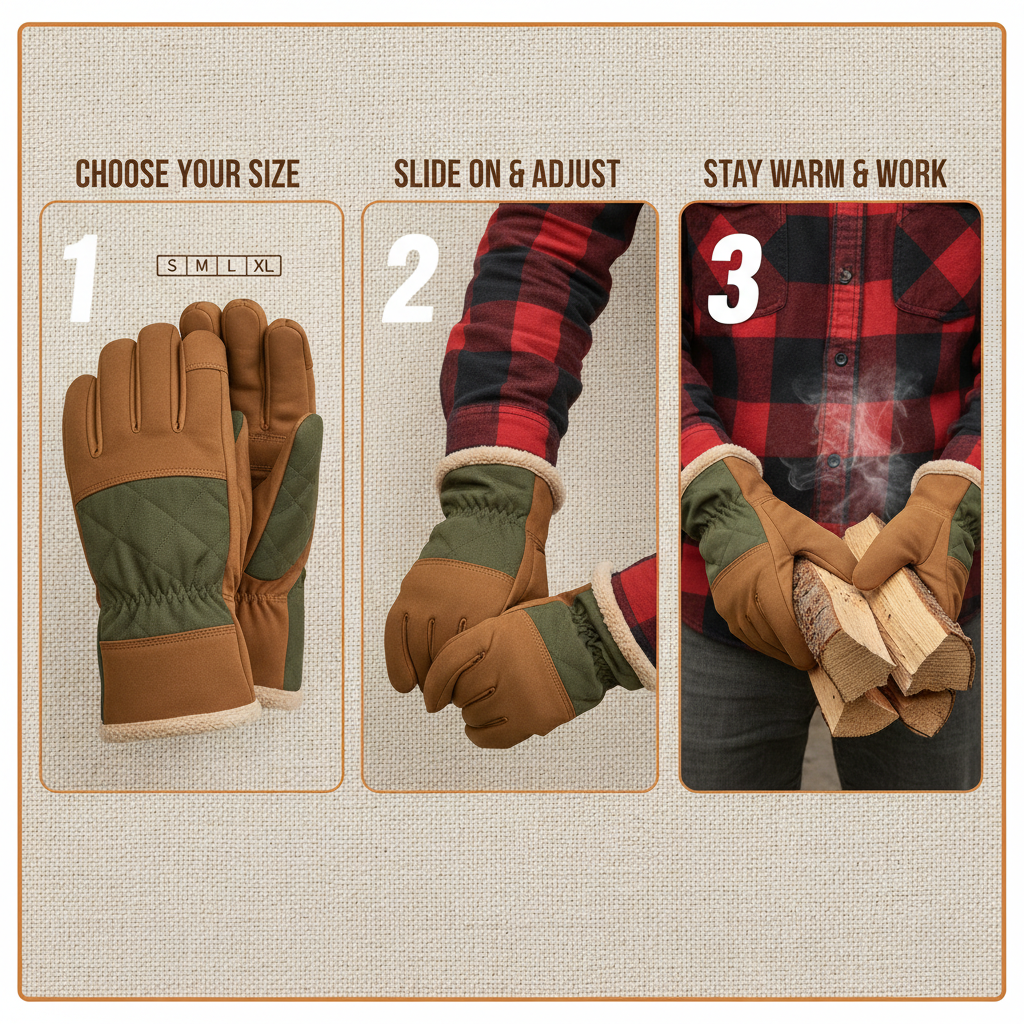
| Sizes | S, M, L, XL |
Comparing Top Thermal Yard Glove Vendors
| Brand | Durability | Warmth Rating | Price Range | Key Feature |
|---|---|---|---|---|
| ArcticGrip | High | -25°C | $$$ | Advanced waterproof membrane |
| ThermoYard Pro | Moderate | -15°C | $$ | Flexible fleece liner |
| ColdGuard | High | -20°C | $$$ | Microfiber insulation with grip enhancement |
| EcoYardWool | Moderate | -10°C | $ | Natural wool with eco-friendly dyes |
Advantages & Long-Term Value of Thermal Yard Gloves
Why invest in thermal yard gloves? Aside from obvious cold protection, these gloves contribute to:
- Cost Efficiency: Reduced injuries and frostbite lower medical expenses and down-time.
- Sustainability: Some brands now use eco-friendly materials, decreasing environmental footprint.
- Workplace Safety: Compliant with many international safety standards (ISO 17249 for protective gloves).
- Morale Boost: Knowing their hands are protected helps workers feel valued and safer.
In fact, many teams report better workflow and fewer missed days during winter seasons once outfitted with reliable thermal gloves.
Emerging Trends & Innovations on the Horizon
Technology in thermal yard gloves is evolving. Here’s what to watch for:
- Smart Textiles: Gloves with built-in sensors monitoring hand temperature and usage patterns.
- Advanced Eco-friendly Materials: Bio-based fibers reducing plastic reliance.
- Better Grip Technologies: Nano-coatings improving wet and cold grip.
- Customization & 3D Knitting: Gloves tailored for specific shapes or work demands.
Such innovations could bring a new era of personalized, high-tech protection — comforting for outdoor workers, a sort of “smart warmth” for the modern day.
Facing Challenges and Upscaling Solutions
No product is perfect, and thermal yard gloves face a few obstacles. The biggest is balancing insulation and dexterity. Thicker gloves are warm but clumsy; thinner options risk cold exposure. Sourcing sustainable materials at scale without pushing prices too high is another challenge companies wrestle with.
Experts suggest modular glove options – layered systems where workers add or remove liners as needed — and cross-industry partnerships to innovate eco-friendly composites. There’s also an emphasis on proper sizing education to avoid ill-fitting gloves that compromise warmth.
FAQ: Your Questions About Thermal Yard Gloves
Q1: What makes thermal yard gloves better than regular work gloves?
A1: Thermal yard gloves offer specialized insulation that retains heat without bulk, plus weather-resistant features, unlike regular gloves which may not protect well against cold or moisture.
Q2: Can thermal yard gloves be used in wet conditions?
A2: Many models feature waterproof membranes or coatings, making them suitable for snowy or damp environments. However, always check product specs for water resistance ratings.
Q3: How do I choose the right size for thermal gloves?
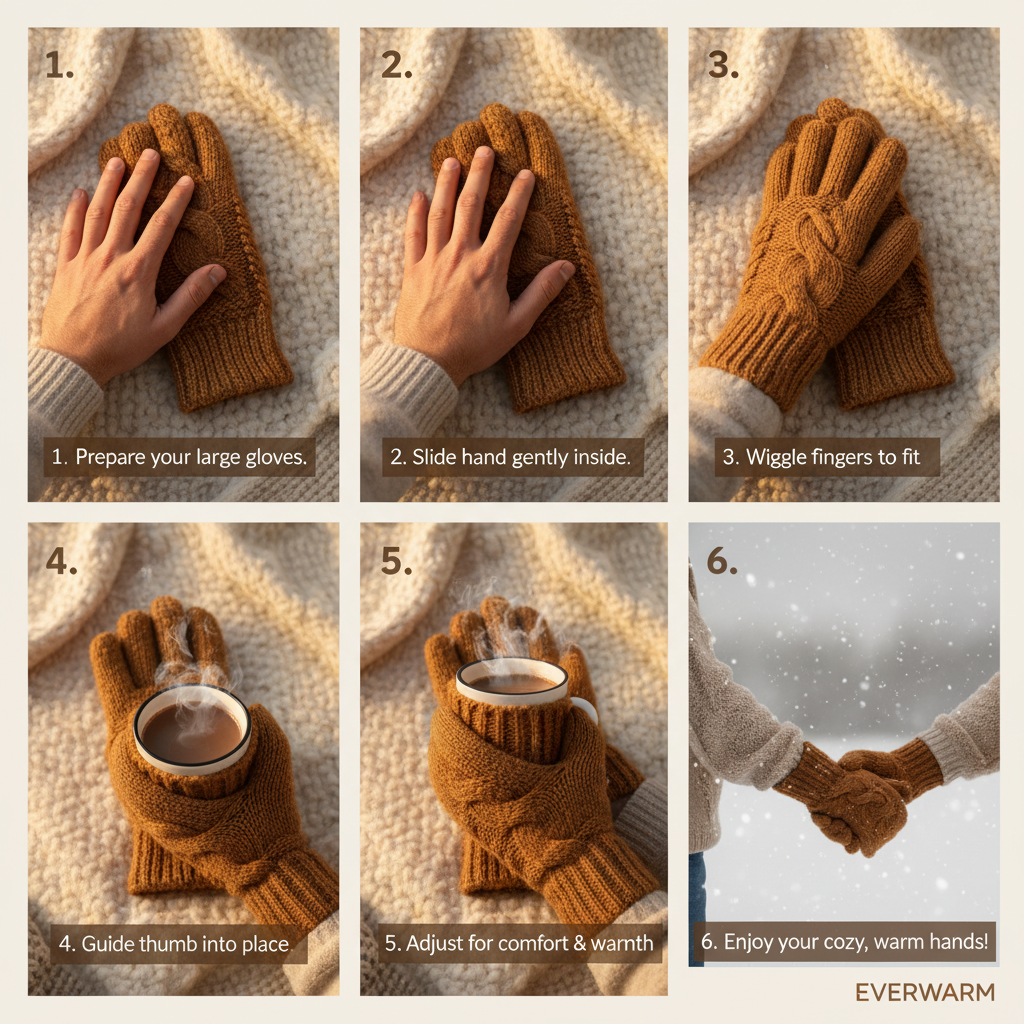
A3: Proper fit is crucial. Measure your hand circumference and length, and refer to manufacturer sizing charts. A snug but not tight fit maintains warmth and dexterity.
Q4: Are there eco-friendly thermal yard glove options?
A4: Yes, some brands use natural fibers like wool and bio-based dyes. The industry is increasingly focusing on sustainability without sacrificing performance.
Q5: How long do thermal yard gloves usually last?
A5: With regular use and proper care, expect 1-3 years. Durability varies by material quality, use intensity, and maintenance.
Wrapping Up: Why Thermal Yard Gloves Are a Smart Investment
All told, thermal yard gloves are more than just handy accessories — they’re a frontline defense against cold stress, injury, and lost productivity. Investing in quality gloves means supporting worker safety, boosting morale, and enhancing long-term operational efficiency.
If you're considering an upgrade for winter safety gear, it's definitely time to check out our collection of thermal yard gloves — durable, warm, and designed with real-world needs in mind.