Comprehensive Guide to Selecting the Best Winter Safety Gloves for Workplace Protection
Choosing the Right Winter Safety Gloves
As winter approaches, ensuring workplace safety takes on added importance. Cold temperatures and harsh conditions demand reliable protection for hands. Selecting the correct winter safety gloves is crucial to prevent injuries, maintain dexterity, and boost worker productivity. This article will guide you through the key considerations when choosing gloves for winter work, covering materials, features, and specific applications. Proper hand protection isn’t just about comfort; it’s an investment in a safe and efficient workforce.
Understanding the Importance of Winter Safety Gloves
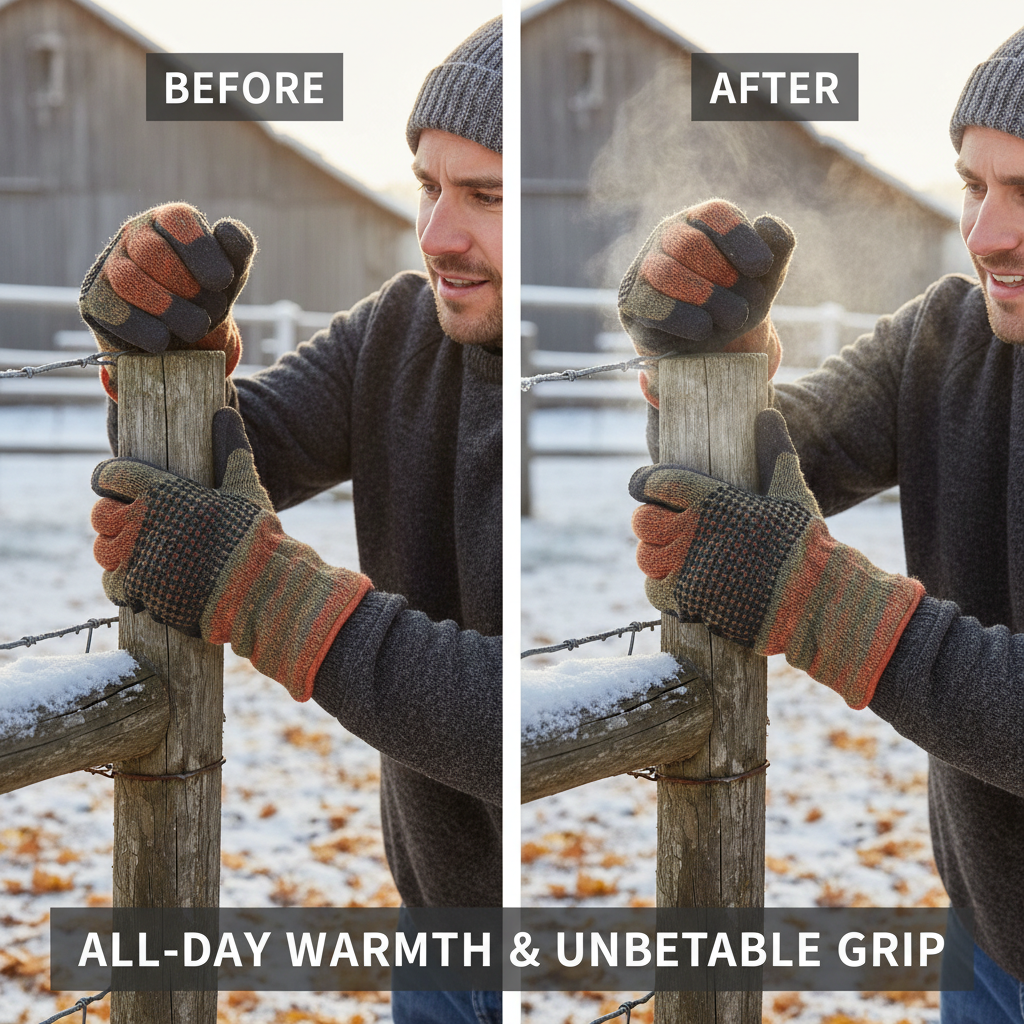
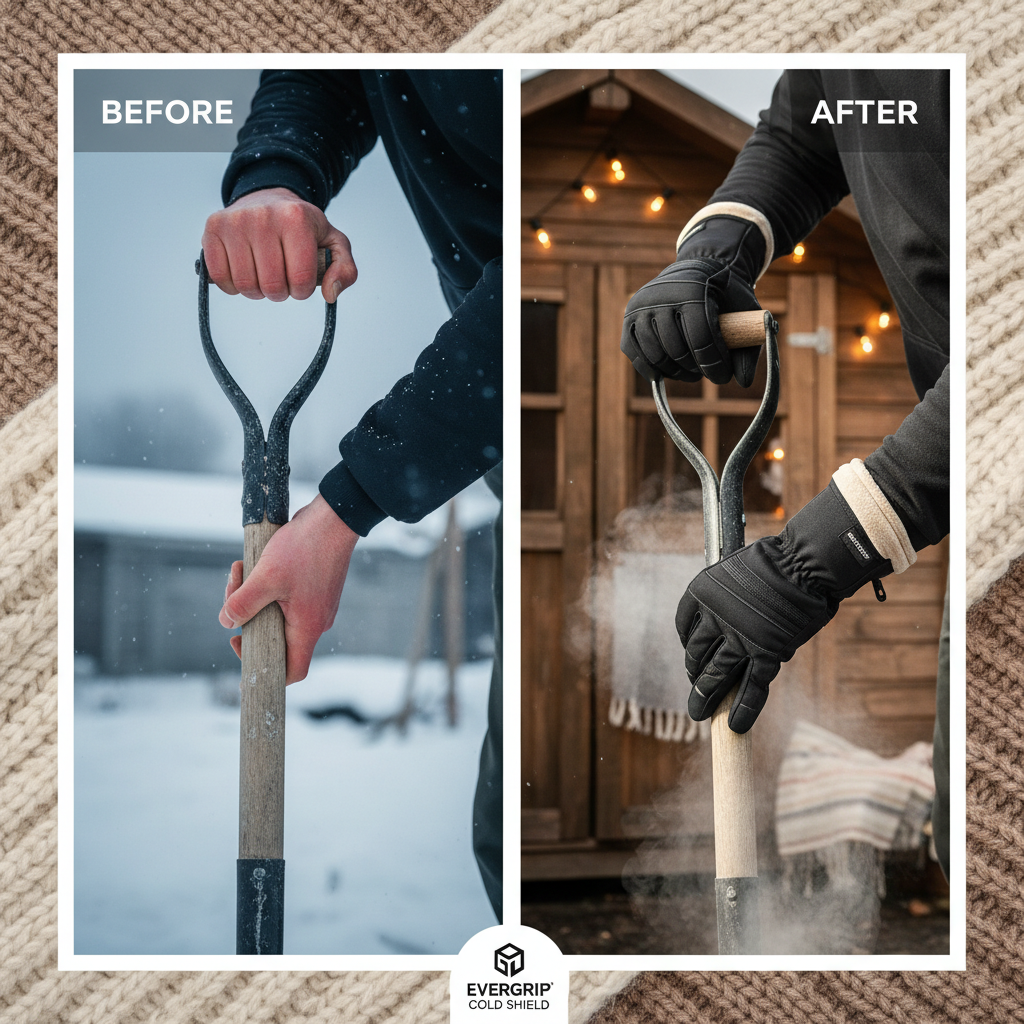
Winter work environments present unique hazards. Exposure to cold temperatures can lead to frostbite, hypothermia, and reduced dexterity. Wet conditions exacerbate these risks, making it difficult to maintain a secure grip and increasing the likelihood of slips and falls. Choosing gloves with the appropriate insulation, waterproofing, and grip is vital. Moreover, different jobs require different levels of protection. A construction worker needs different gloves than a warehouse employee handling frozen goods. Investing in quality winter safety gloves isn't just a safety measure; it's a productivity enhancer.
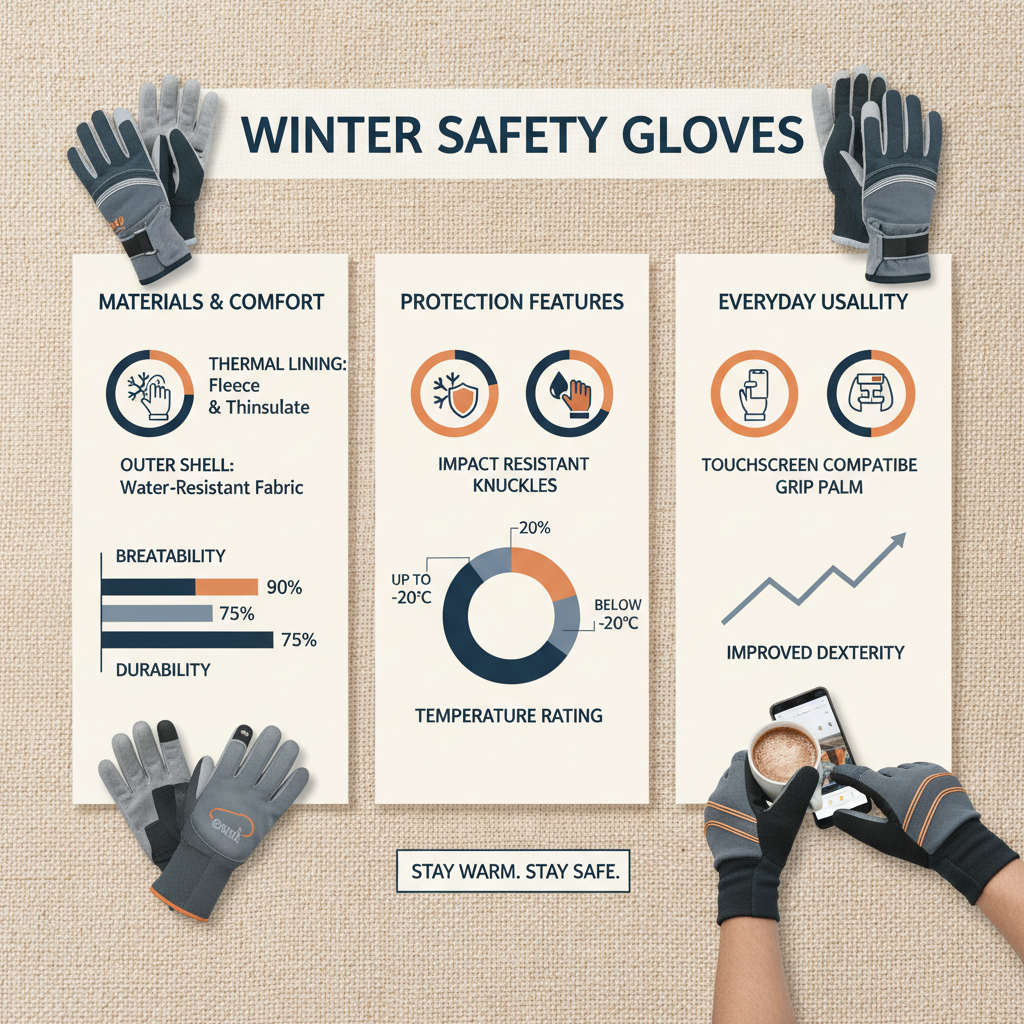
Key Considerations: Insulation levels, waterproof capabilities, grip strength, dexterity, and durability are all essential factors when selecting winter safety gloves.
Materials: A Deep Dive into Glove Construction
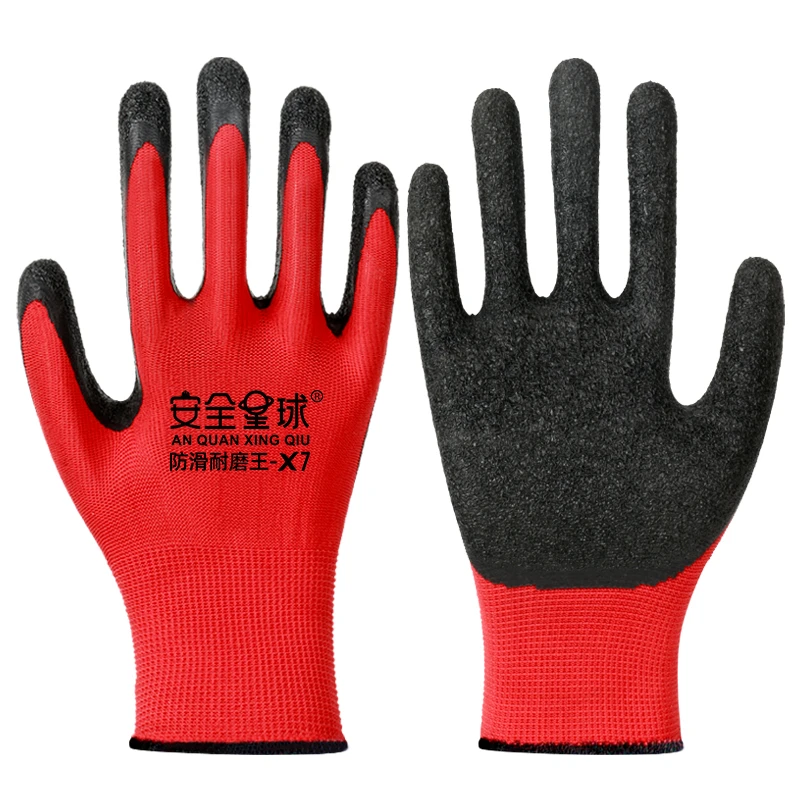
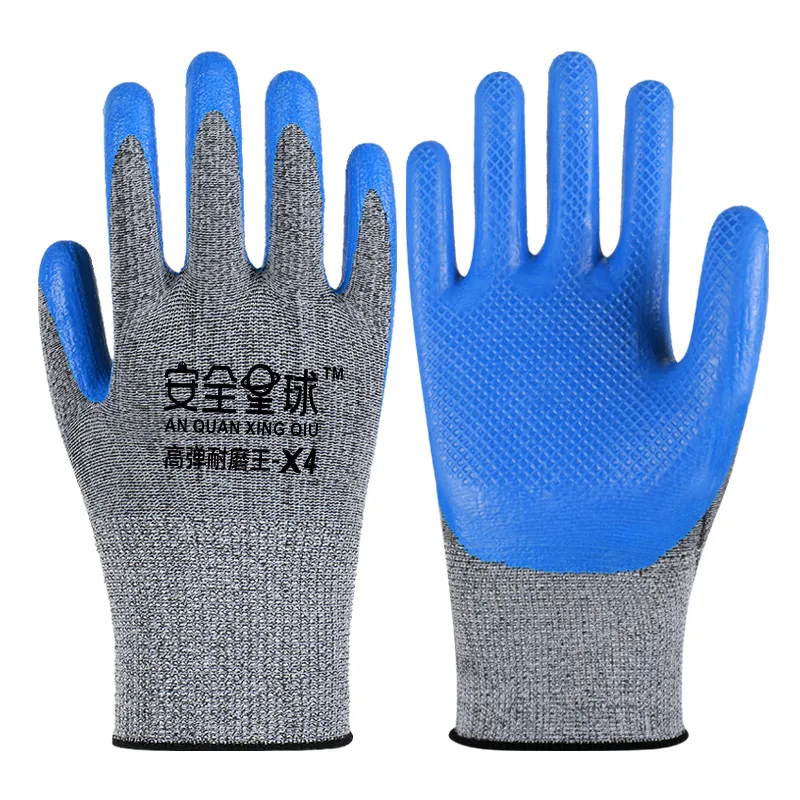
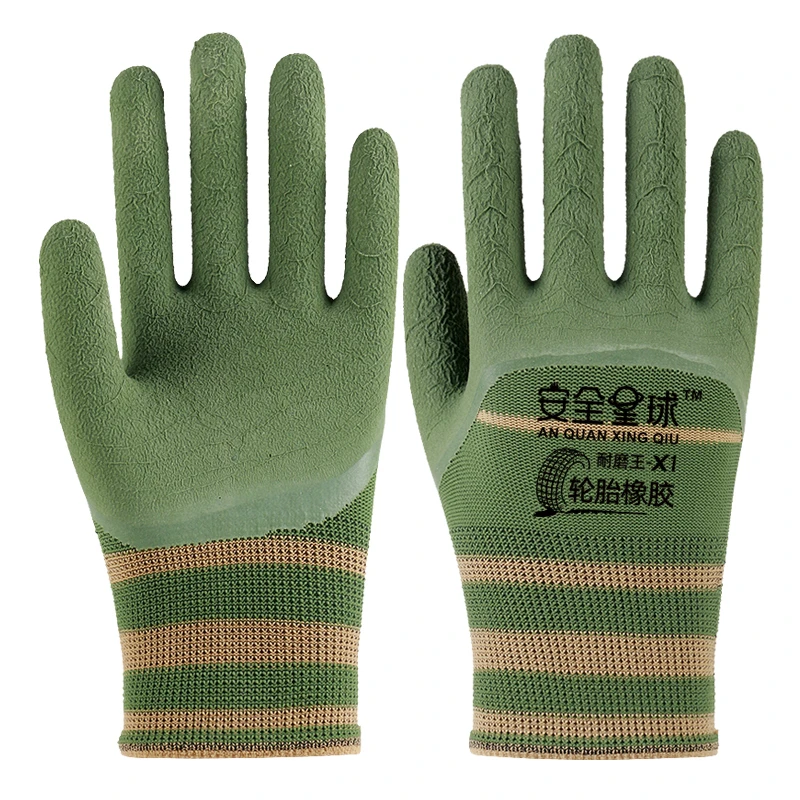
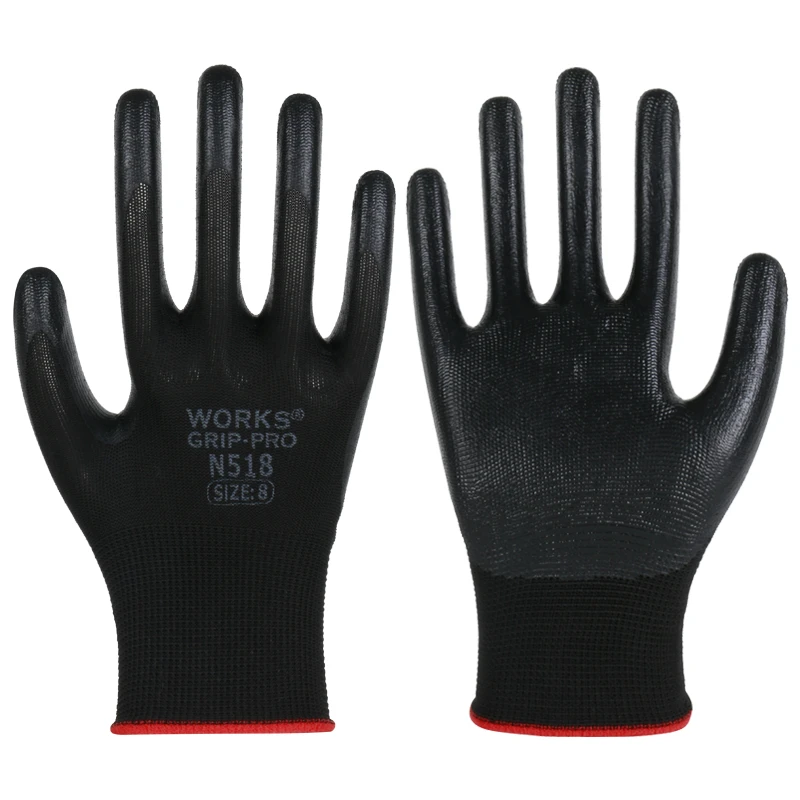
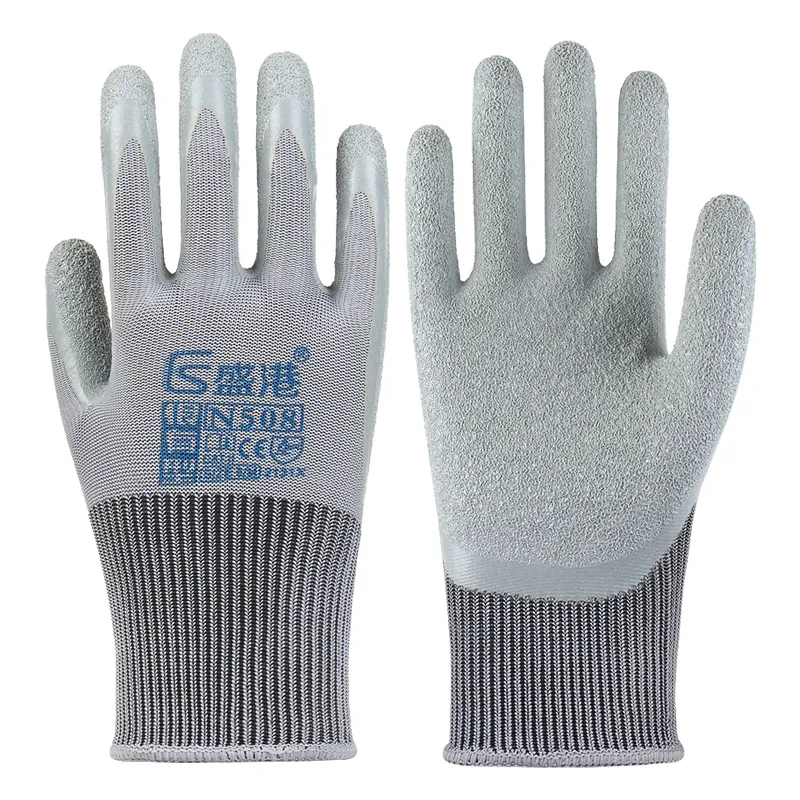
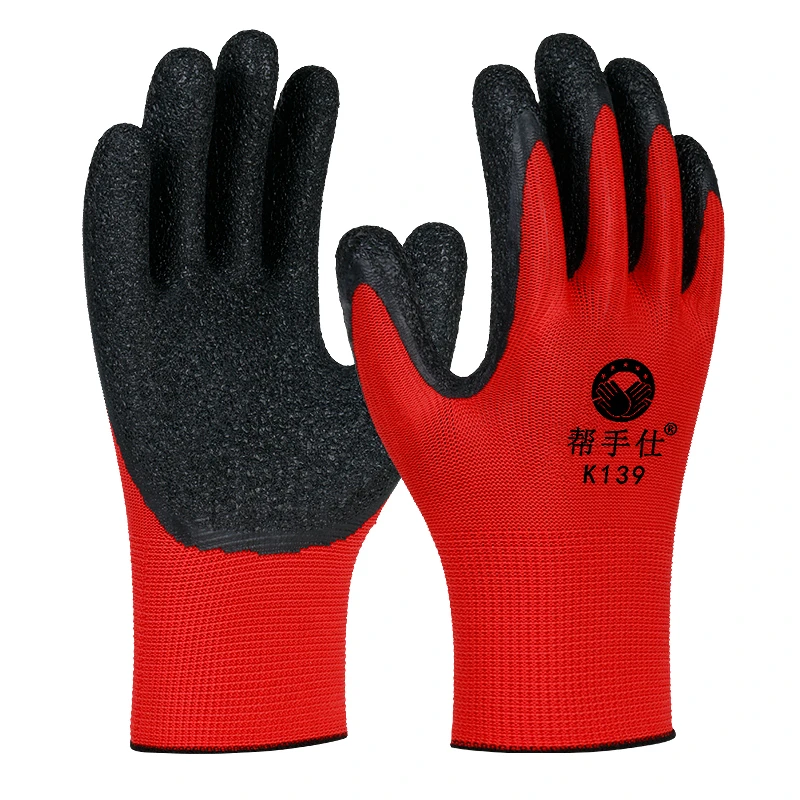
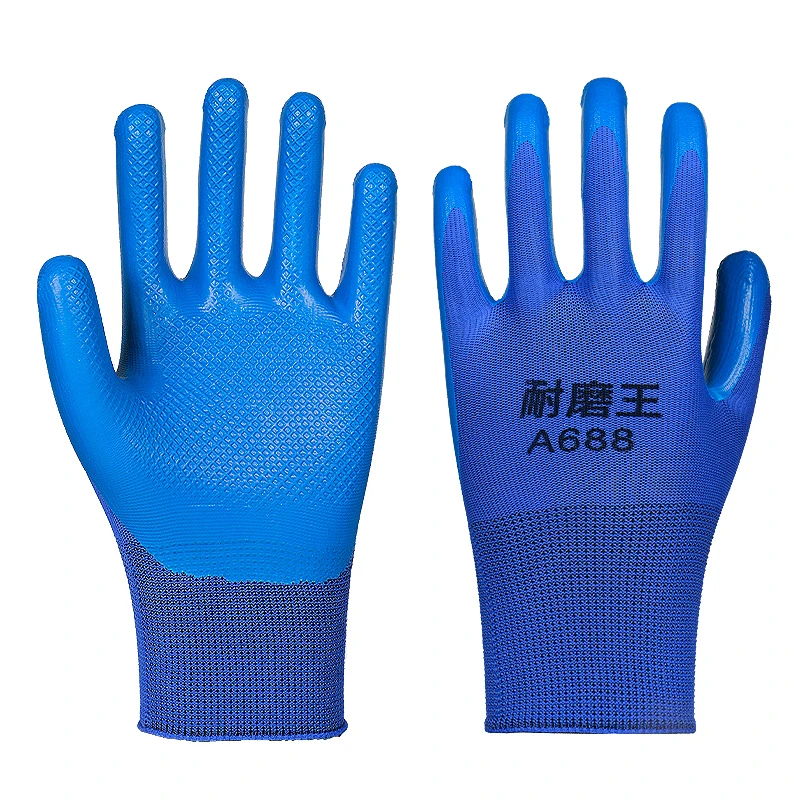
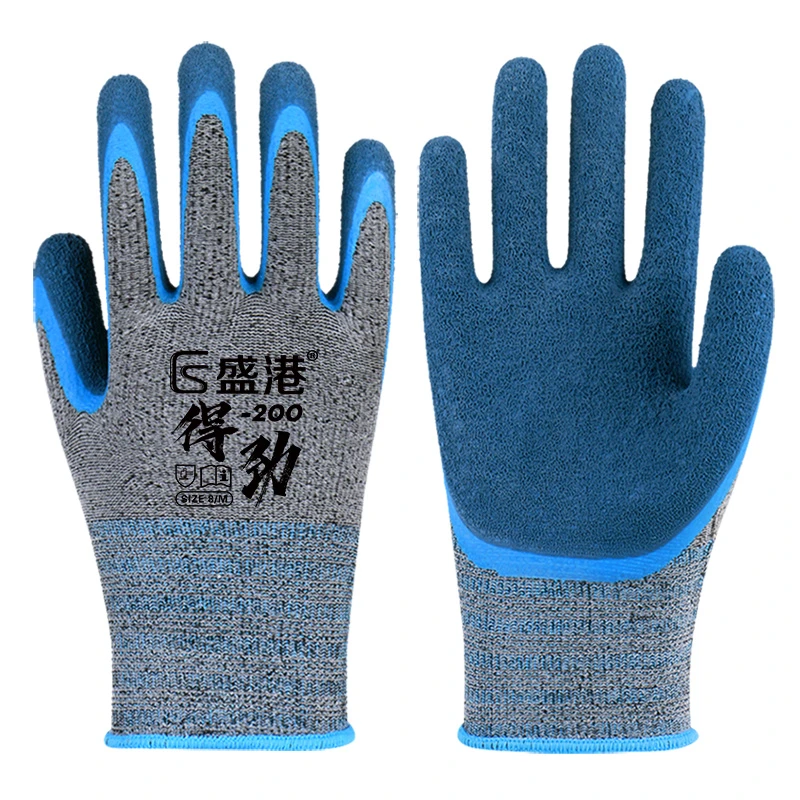
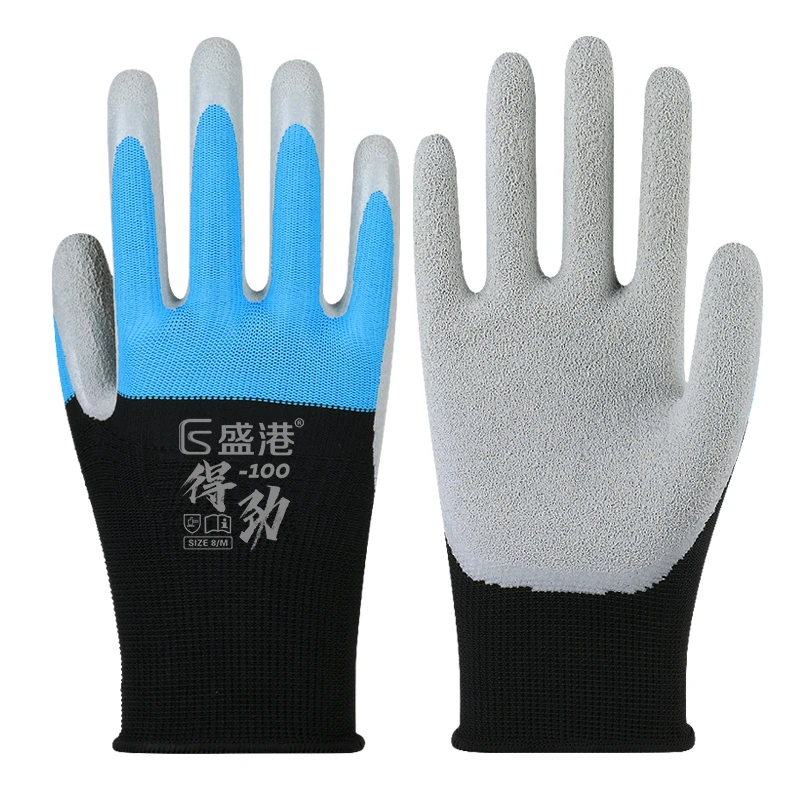
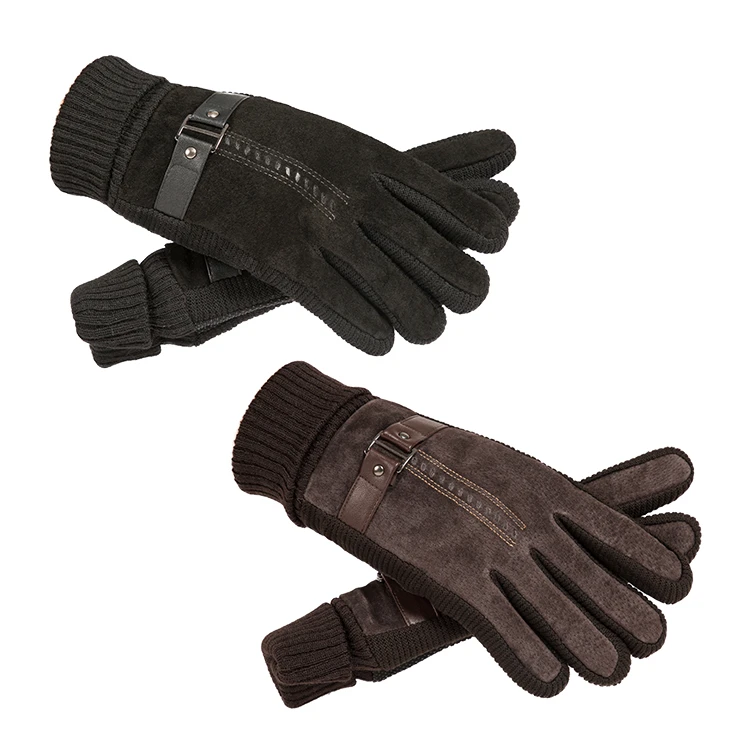
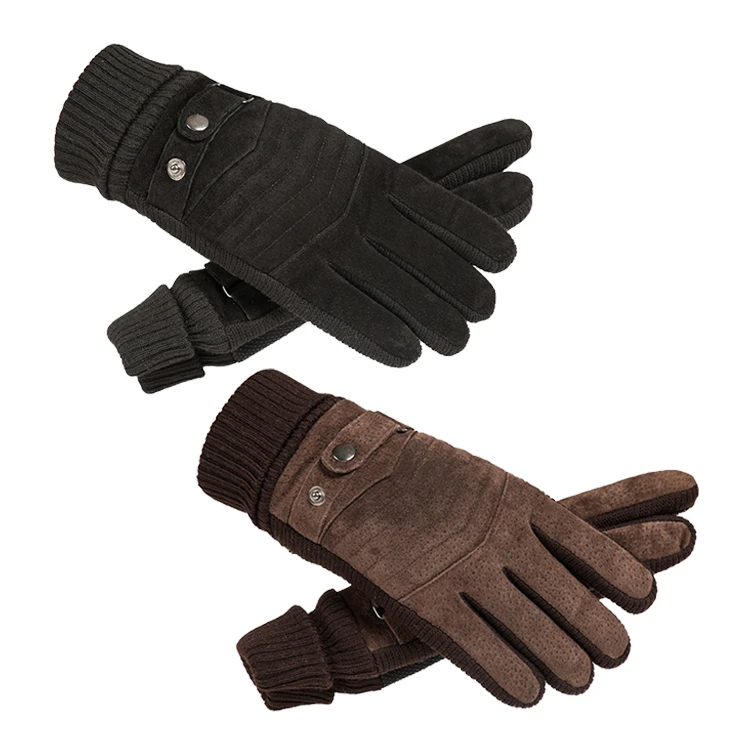
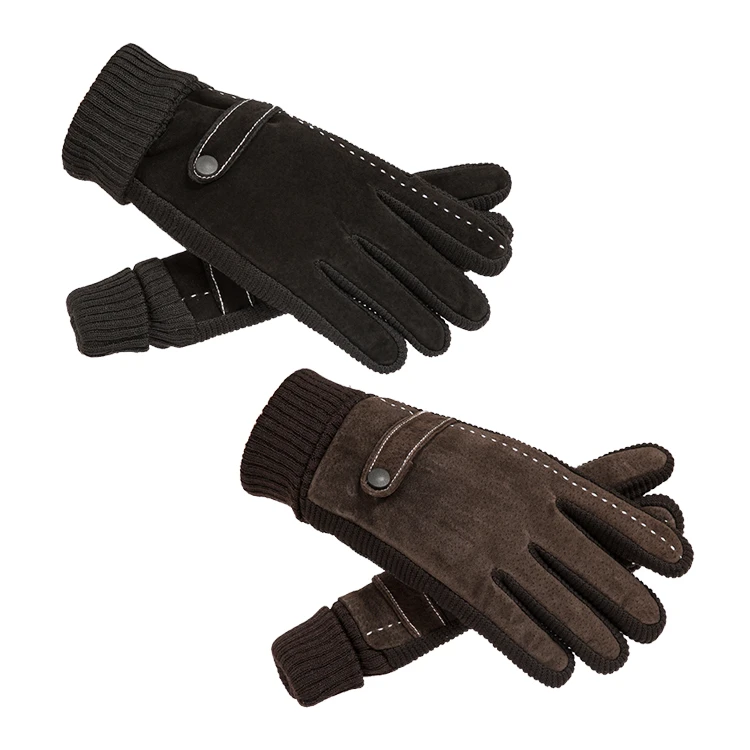
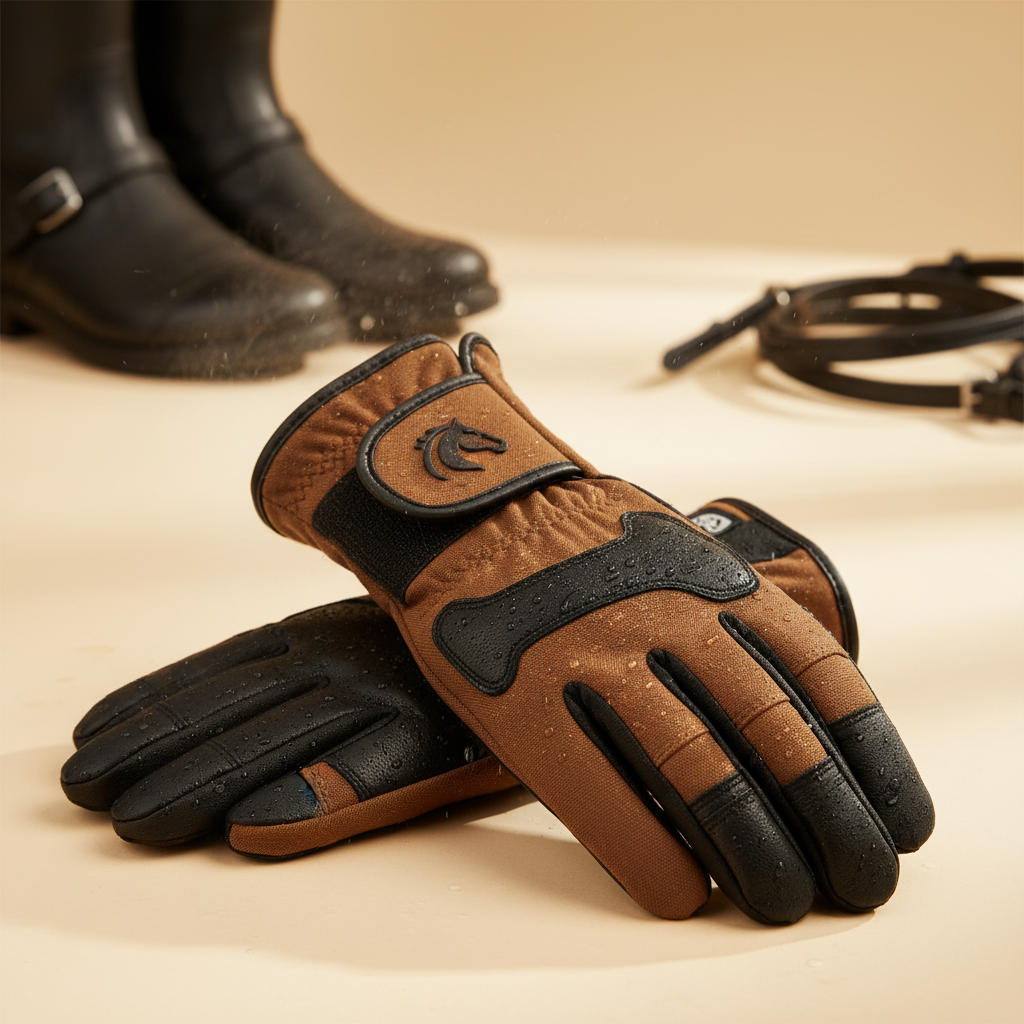
The material composition of a glove significantly impacts its performance. Common materials include leather, nitrile, neoprene, and various synthetic blends. Leather gloves offer excellent durability and grip but may lose dexterity when wet. Nitrile provides good abrasion resistance and chemical protection. Neoprene excels in waterproofing and insulation. Synthetic blends often combine the benefits of multiple materials, offering a balance of protection and comfort. Consider the specific hazards of the work environment when choosing the material. For example, a glove used in a chemical handling operation will need a different material than a glove used for general construction work. Personal Care SCN provides a range of gloves made with different materials.
Material Comparison:
• Leather: Durable, good grip, less effective when wet.
• Nitrile: Abrasion resistant, chemical protection.
• Neoprene: Waterproof, excellent insulation.
• Synthetic Blends: Balanced protection and comfort.
Key Features to Look for in Winter Safety Gloves
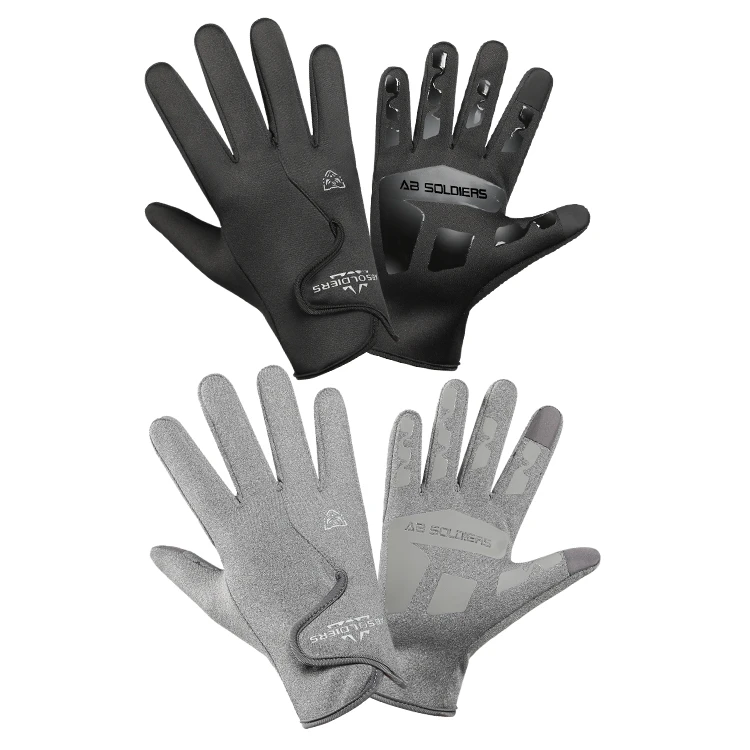
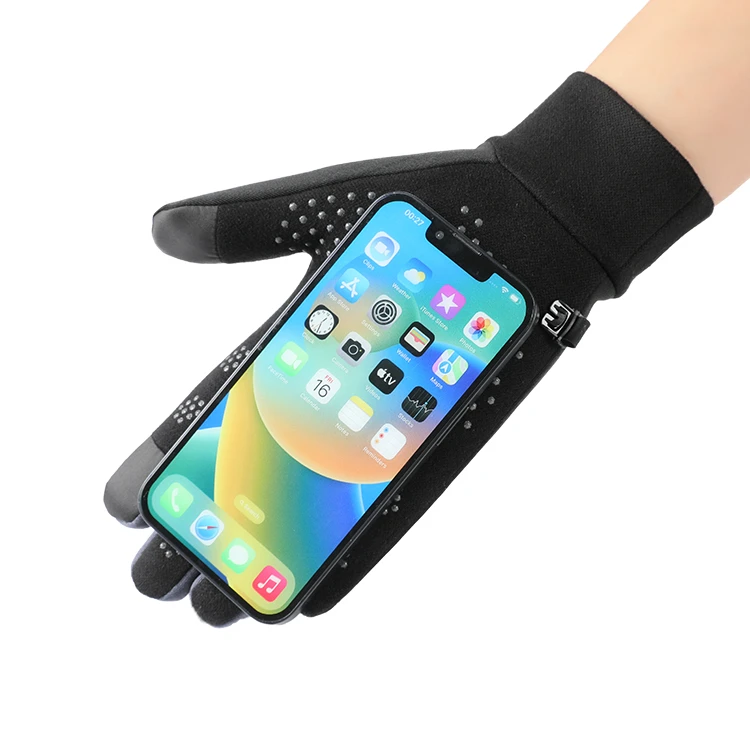
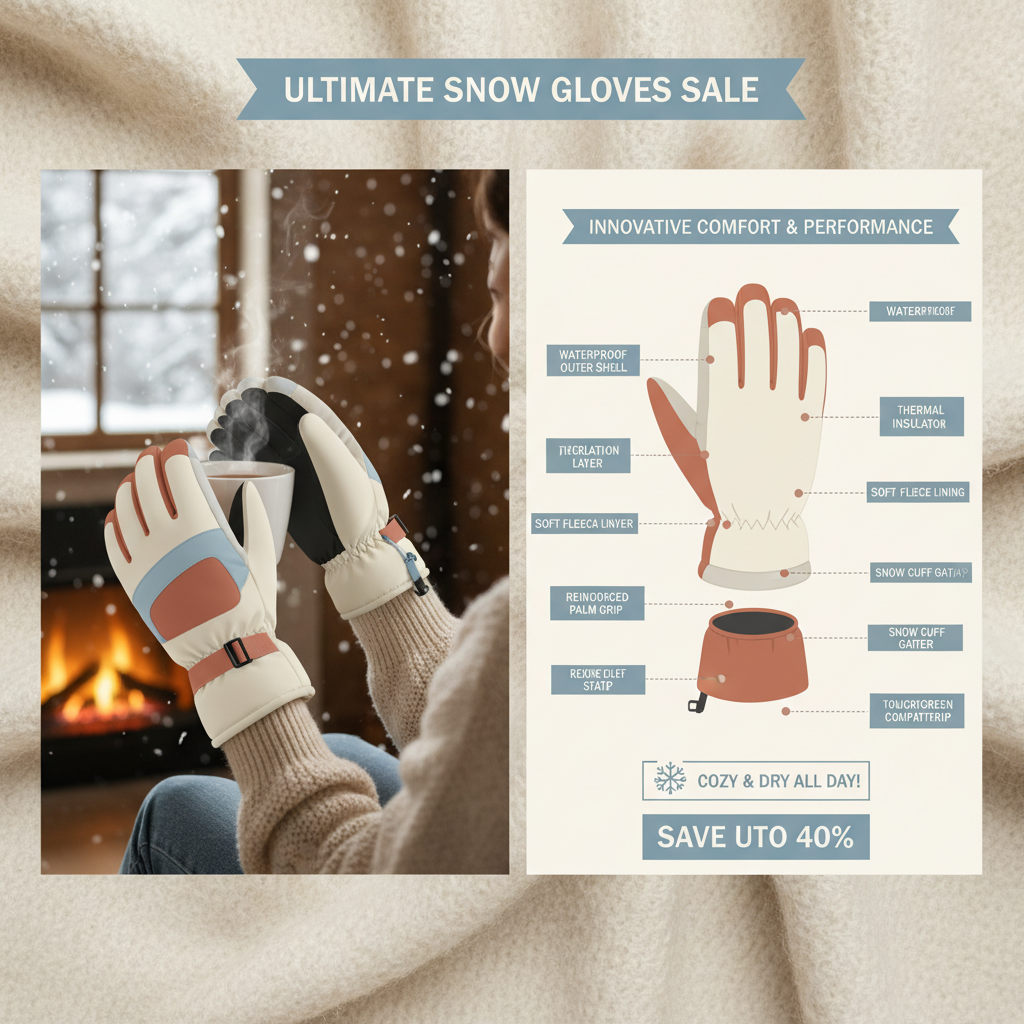
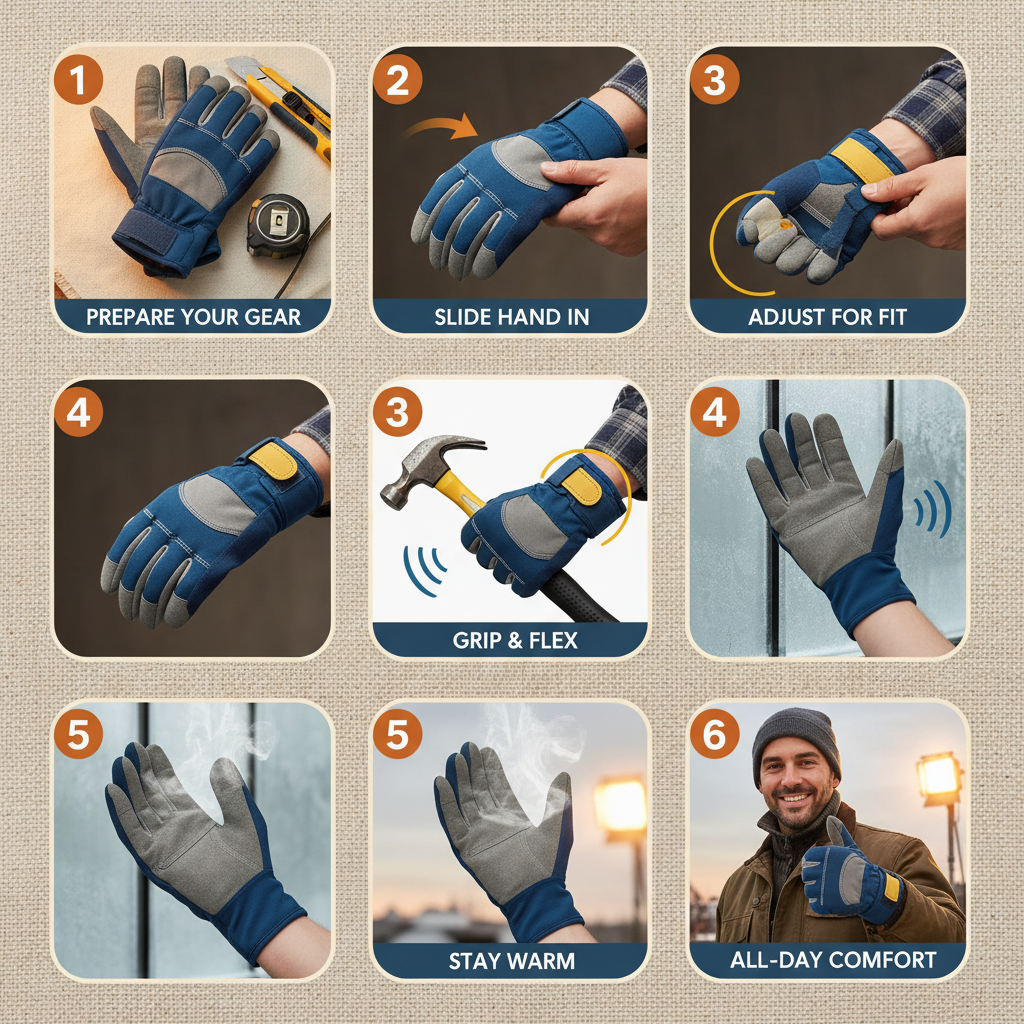
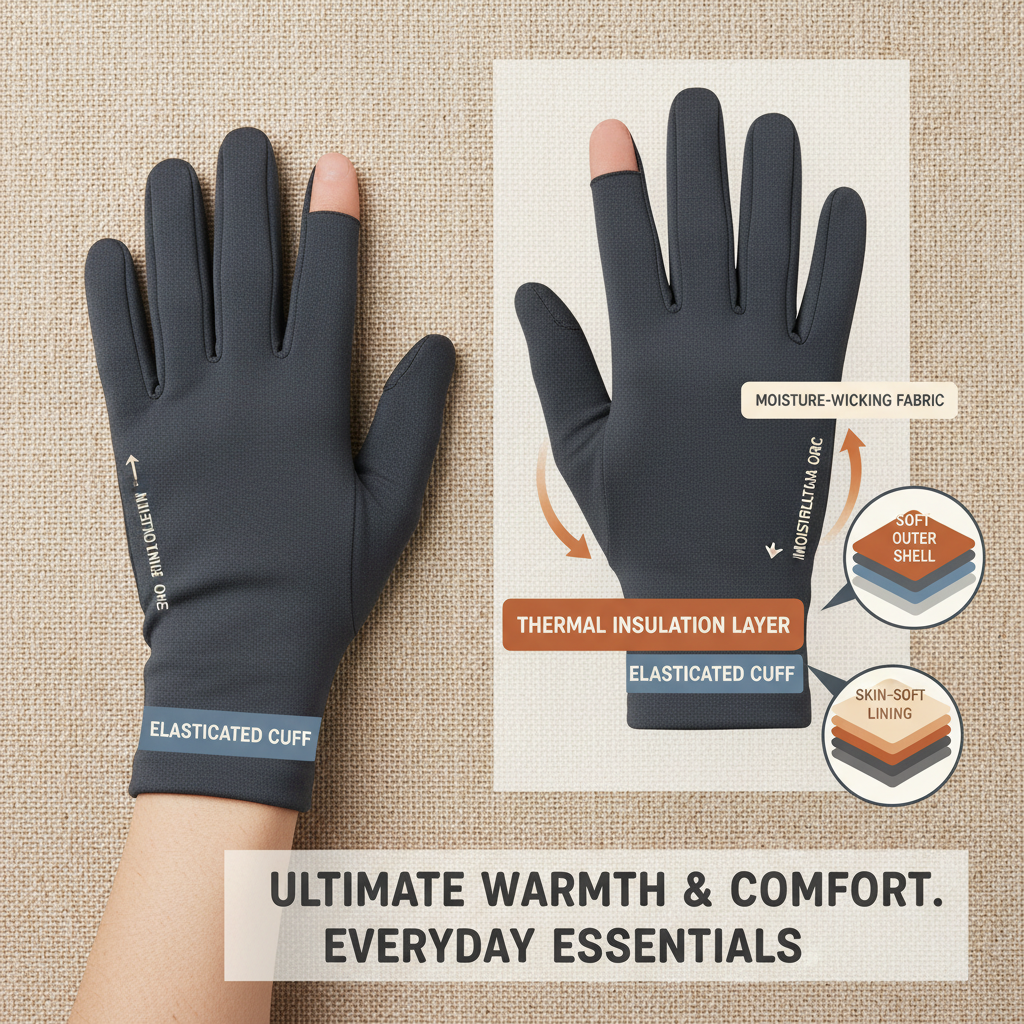
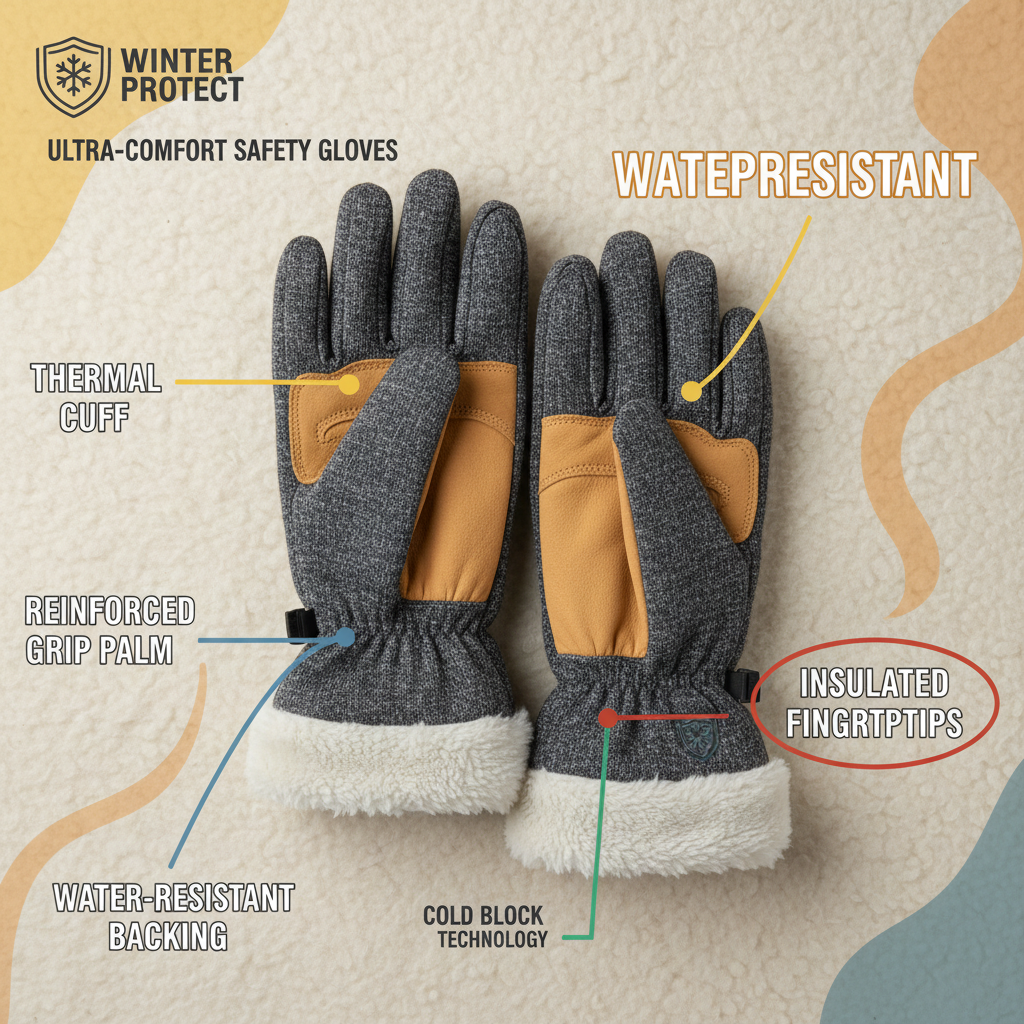
Beyond the material, several features enhance a glove's effectiveness in winter conditions. Insulation, measured in grams, indicates the glove’s ability to retain heat. Waterproof membranes prevent moisture from penetrating the glove. Reinforced palms and fingers improve durability and grip. Long cuffs provide extra protection against snow and cold air. Consider features like touchscreen compatibility for ease of use with mobile devices.
Choosing Gloves for Specific Industries
The optimal glove selection varies depending on the industry and specific job tasks. Construction workers require durable gloves with reinforced palms and waterproof protection. Warehouse employees handling frozen goods need excellent insulation and a secure grip. Outdoor maintenance workers may prioritize waterproof and windproof gloves with long cuffs. Personal Care SCN offers specialized gloves for various industries, ensuring the right protection for every application.
Proper Care and Maintenance of Winter Safety Gloves
To maximize the lifespan and effectiveness of your winter safety gloves, proper care is essential. Regularly inspect gloves for tears, punctures, or wear and tear. Clean gloves with mild soap and water after each use. Avoid harsh chemicals or abrasive cleaners. Store gloves in a dry, well-ventilated area. Following these simple guidelines will ensure your gloves provide reliable protection throughout the winter season.
Conclusion: Protecting Your Workforce This Winter
Investing in the right winter safety gloves is a proactive step towards ensuring a safe and productive work environment. By considering factors like material, features, and industry-specific needs, you can select gloves that provide optimal protection against the elements. Remember, prioritizing hand safety is not only a legal requirement but also a demonstration of your commitment to your employees' well-being.
Frequently Asked Questions (FAQs)
What insulation level is best for extremely cold temperatures?
For extremely cold temperatures (below -10°C/14°F), gloves with an insulation level of 200 grams or higher are recommended. Higher insulation levels provide greater heat retention and protect against frostbite. Consider layering gloves for added warmth in severely cold conditions. Materials like Thinsulate or PrimaLoft are excellent choices for high-performance insulation.
How do I test a glove's waterproof capabilities?
While manufacturers often specify waterproof ratings, you can perform a simple test. Lightly spray the glove with water and observe if the water beads up and rolls off, or if it soaks into the material. Waterproof gloves will exhibit beading, indicating the waterproof membrane is functioning correctly. However, note that even waterproof gloves may become saturated after prolonged exposure to heavy rain or snow.
What are the benefits of touchscreen-compatible gloves?
Touchscreen-compatible gloves feature conductive material on the fingertips, allowing you to operate smartphones and tablets without removing your gloves. This is particularly useful for workers who need to access information or communicate while wearing gloves, enhancing efficiency and reducing exposure to cold temperatures. They improve productivity by eliminating the need to repeatedly remove gloves.
How often should winter safety gloves be replaced?
The frequency of replacement depends on usage and wear. Generally, gloves should be replaced if they show signs of damage such as tears, punctures, or significant wear on the palms. Even without visible damage, gloves should be replaced at least annually, or more frequently if used in harsh conditions. Regularly inspect gloves and replace them proactively to ensure continued protection.