Jan 24,2026
Winter Work Gloves: Keep Your Team Safe & Productive
Choosing the Right Winter Work Gloves
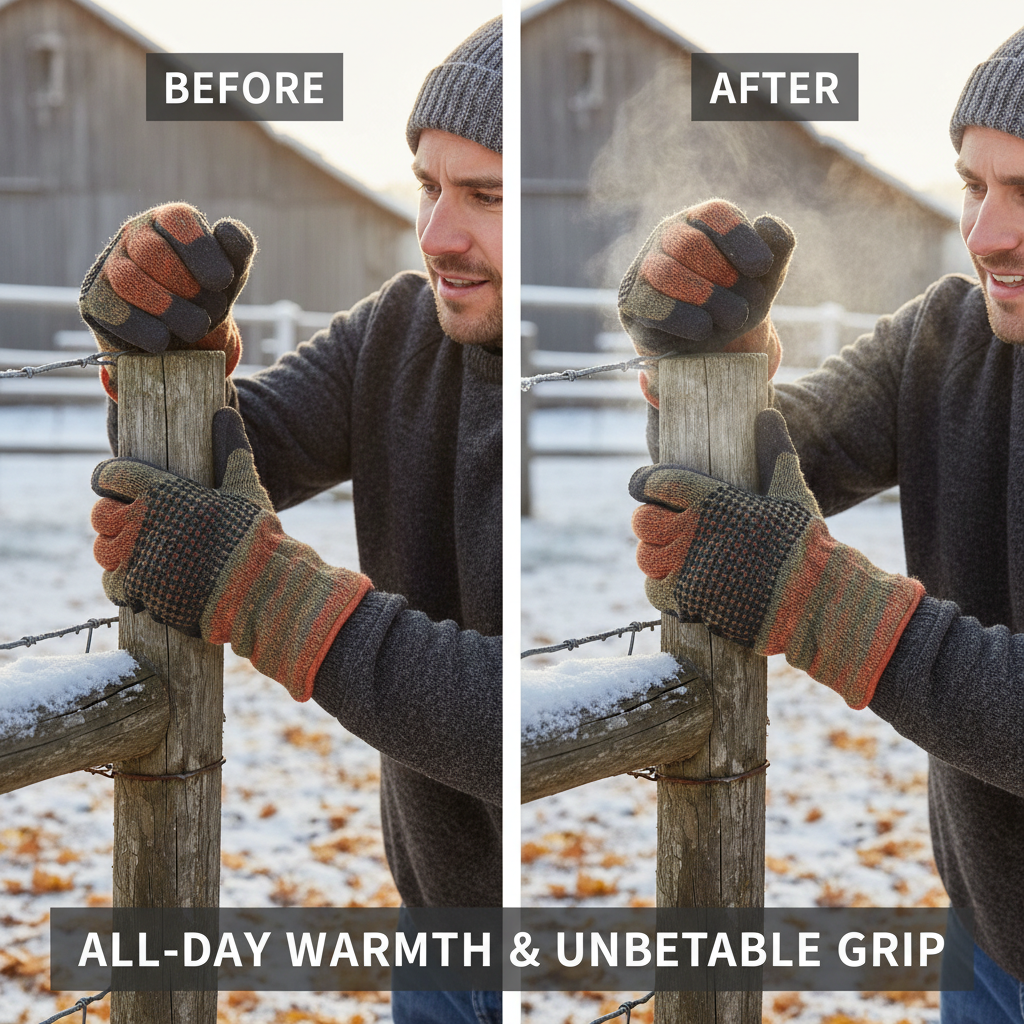
You know, I’ve spent a lot of time in industrial settings – plants, construction sites, even some pretty remote pipeline work. And one thing always comes up in winter: hands. Specifically, keeping them warm, dry, and functional. It's easy to underestimate how quickly cold impacts productivity, safety… frankly, morale. We’ve all seen guys trying to manipulate small parts with bulky, frozen fingers – it just doesn’t work. This isn’t about comfort, though that matters. It's about maintaining dexterity and protecting against injuries when it’s below freezing. There’s a surprisingly wide range out there, and finding the right pair is often overlooked. A cheap pair of gloves might seem like a good idea up front, but in the long run, they can actually cost more in lost time and potential accidents.Understanding Glove Construction & Materials
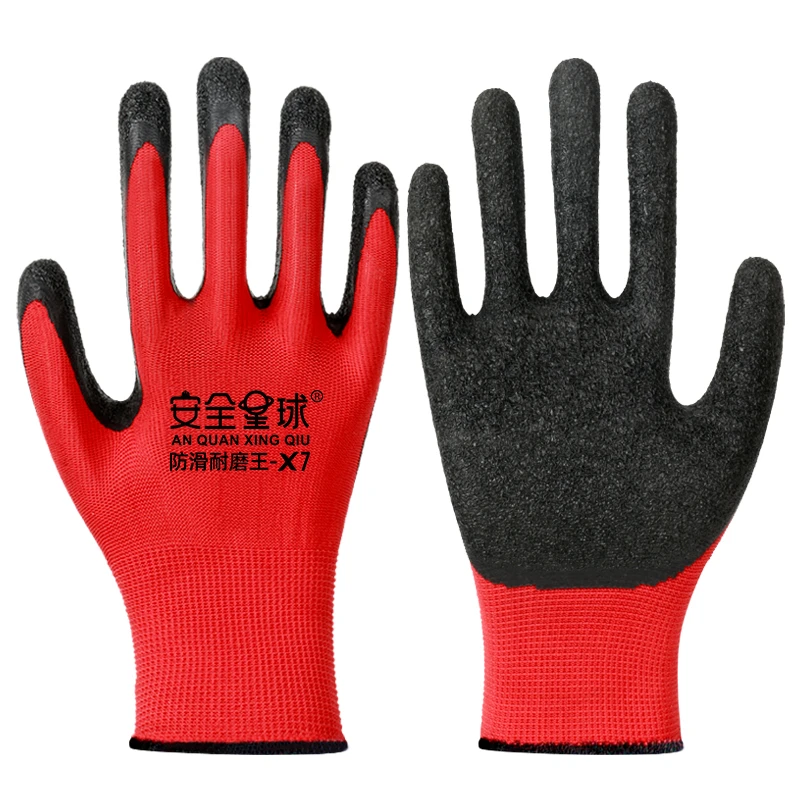
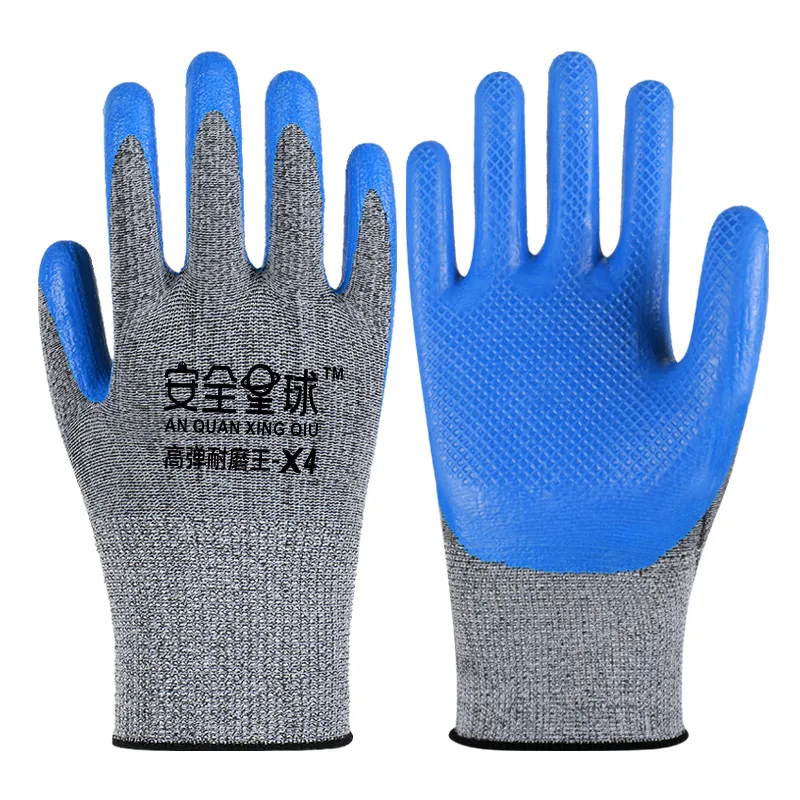
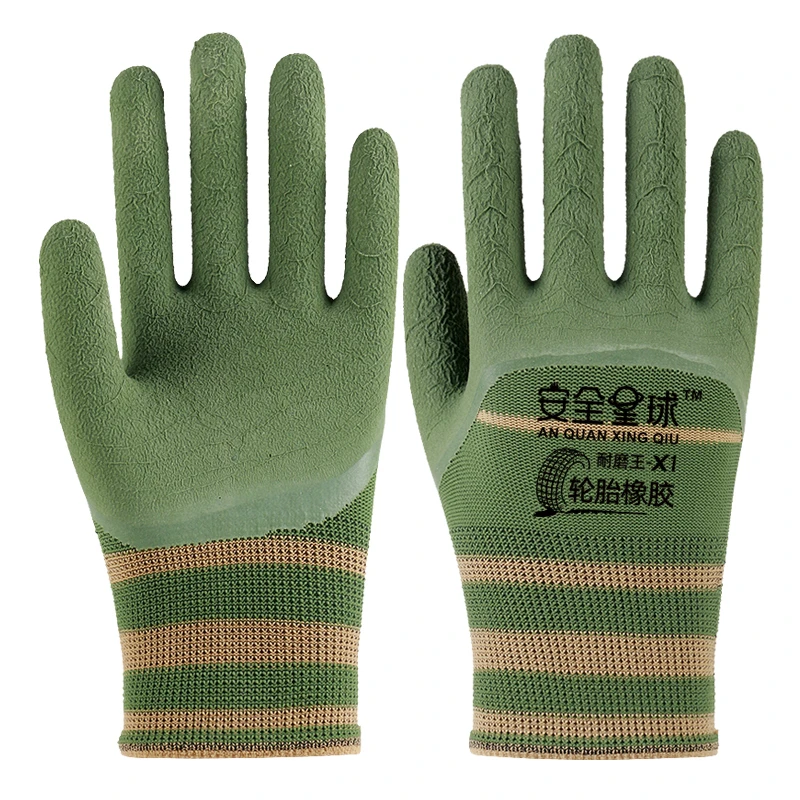
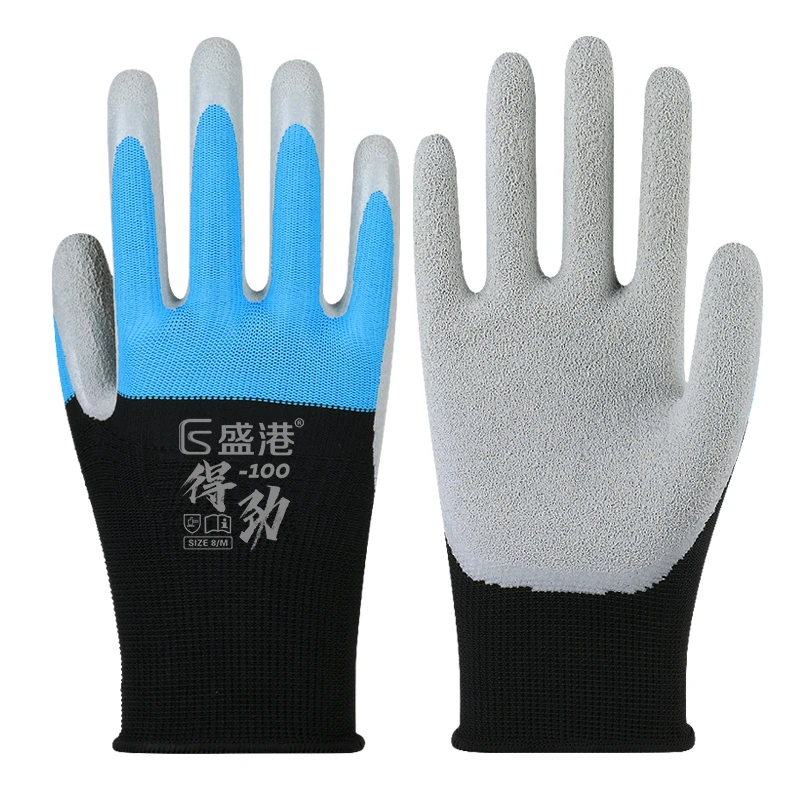
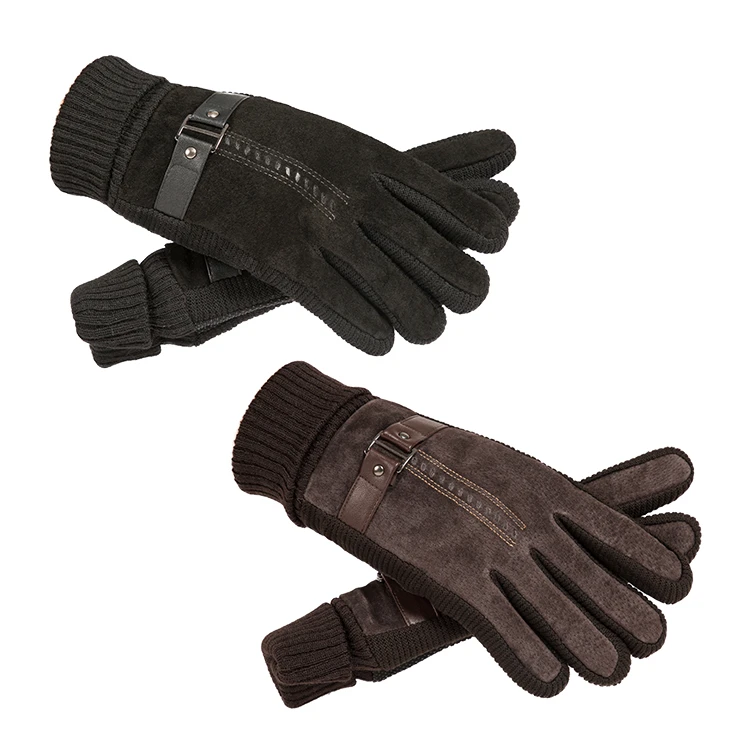
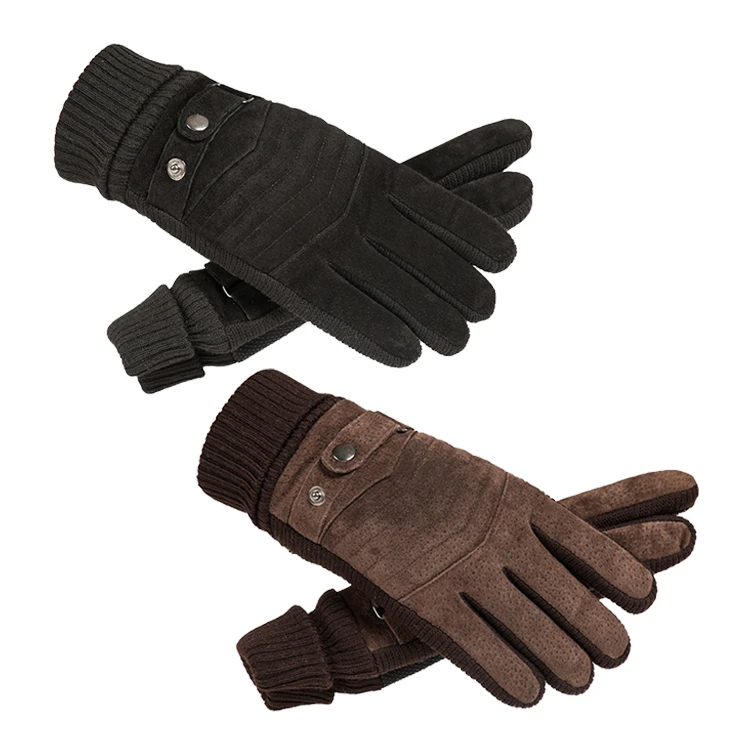
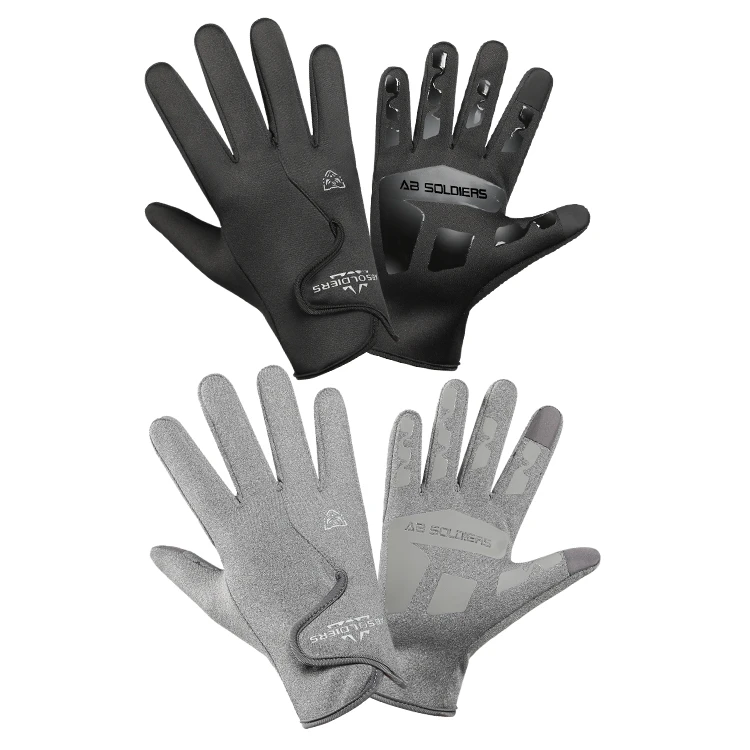
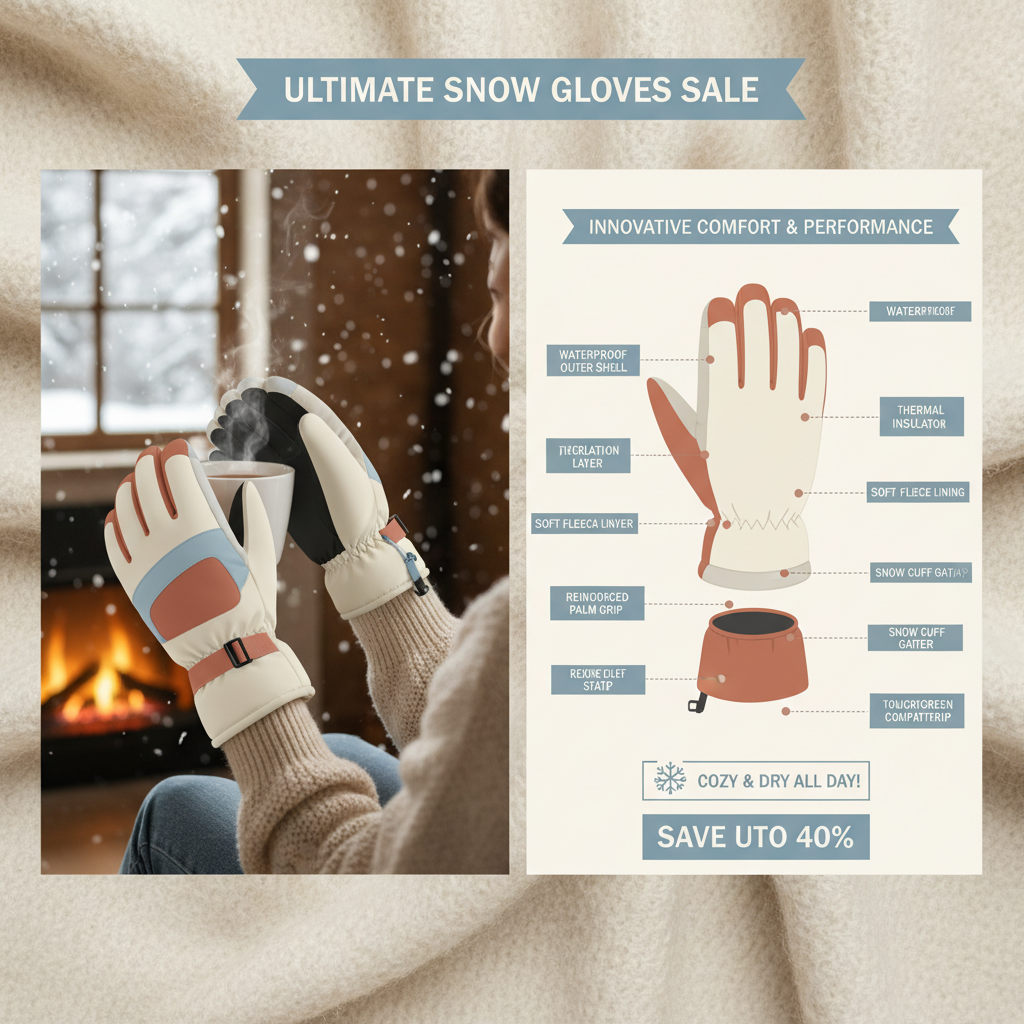
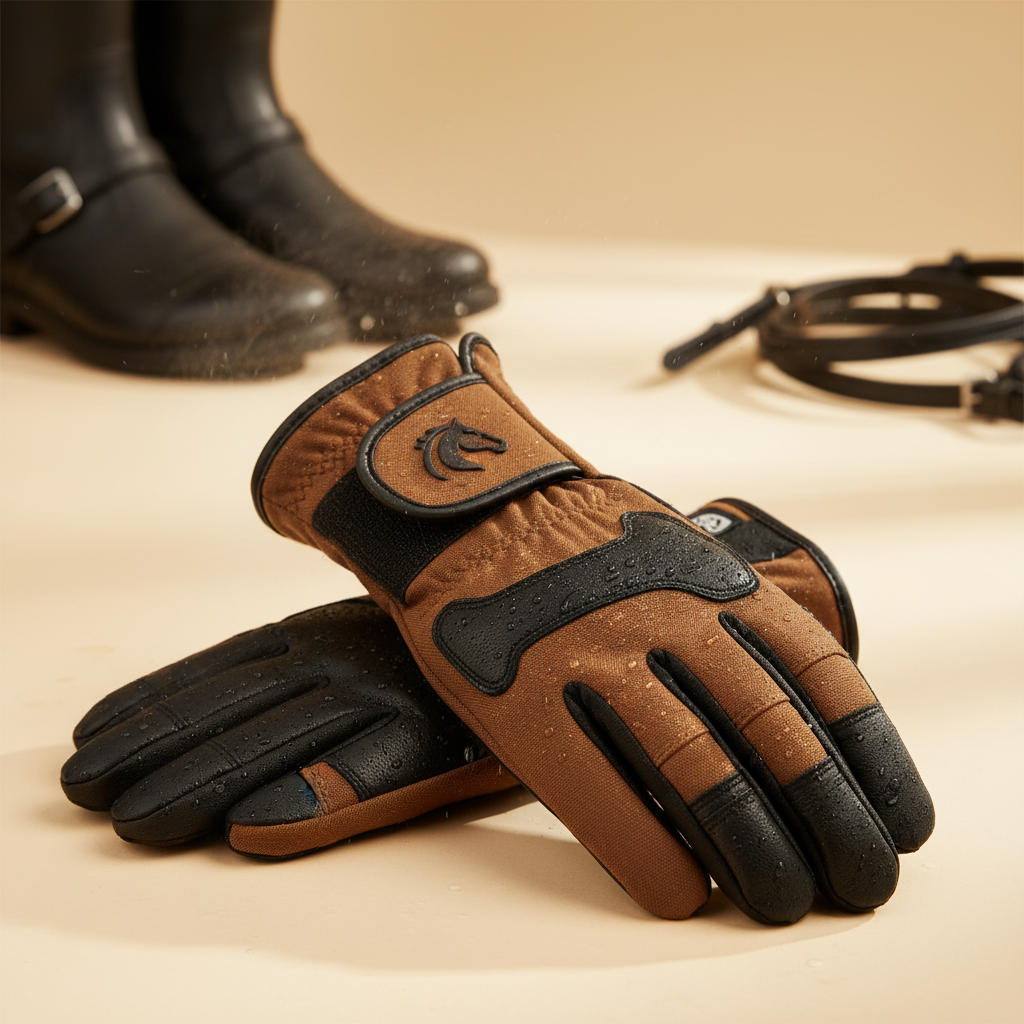
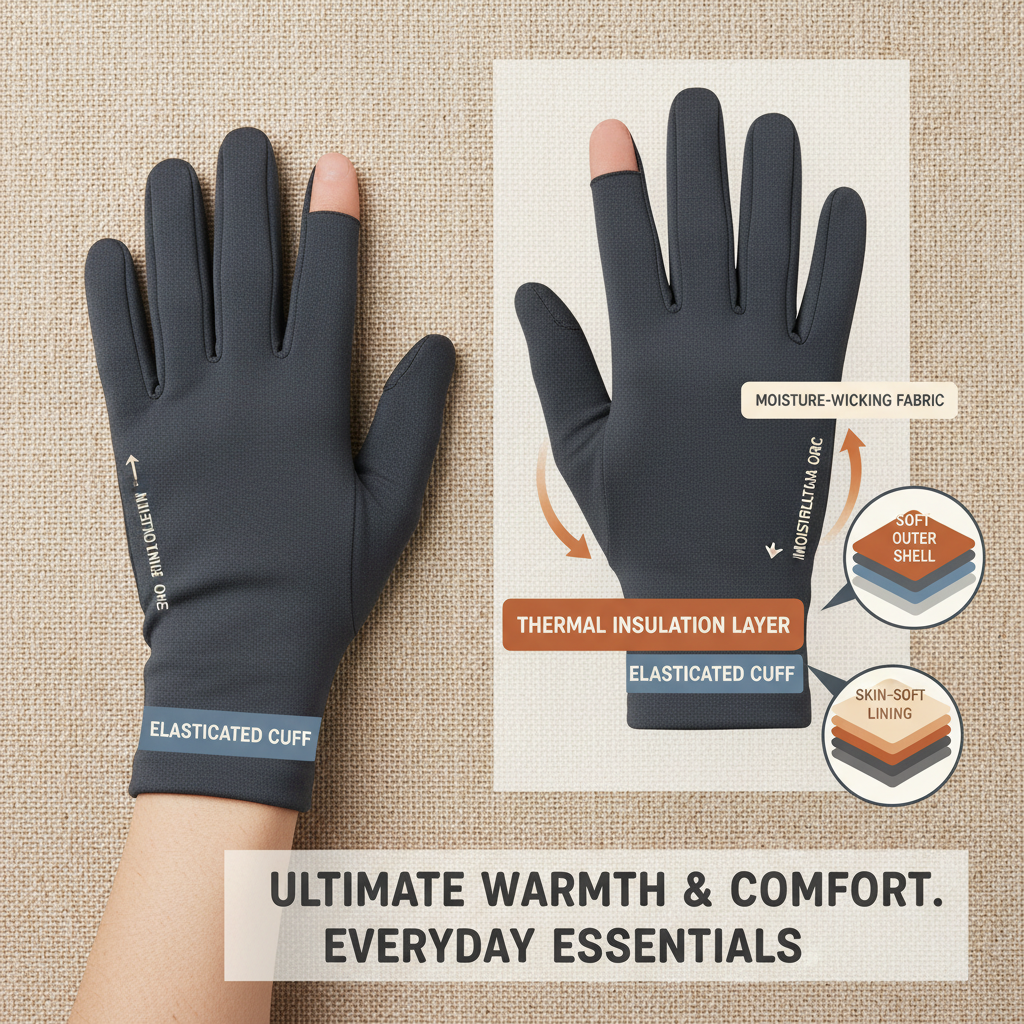
So, what makes a good winter work glove? It starts with the layers. You’ve got your outer shell – often a durable nylon or reinforced polyester. That needs to be waterproof, or at least highly water-resistant. Then comes the insulation. Here's where things get interesting. Thinsulate is a classic, and still very effective. But you see more and more gloves using synthetic fills now, offering similar warmth with better breathability. Oddly enough, breathability is critical. Sweaty hands get cold faster. I suppose it’s counterintuitive, but true. The liner is important too – typically a fleece or a moisture-wicking fabric. A good liner makes all the difference when taking the gloves on and off repeatedly.| Specification | Value | Details |
|---|---|---|
| Outer Shell Material | Nylon/Polyester Blend | Water-resistant, Durable |
| Insulation | 3M Thinsulate (100g) | Provides warmth in cold conditions |
| Liner Material | Moisture-Wicking Fleece | Keeps hands dry and comfortable |
| Reinforcements | Synthetic Leather Palm | Enhanced grip and durability |
Vendor Landscape & Performance
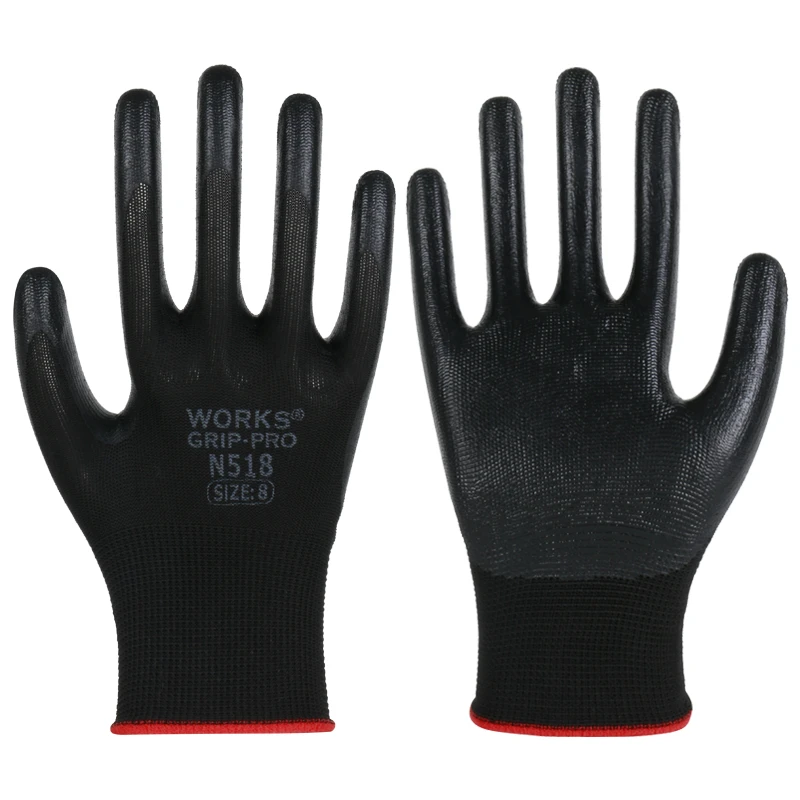
Now, a quick look at some of the players. There's a lot of competition, which is good for us. You've got the big names like Honeywell, Carhartt, and Mechanix Wear, but also several smaller, specialized manufacturers. Many engineers I've spoken with really appreciate the dexterity offered by Mechanix Wear's gloves, even their winterized models. However, some have found the durability isn’t quite as high as Carhartt’s, which are built like tanks, you know? Honeywell tends to offer a good balance of both, but can be a bit pricier. There’s also Personal Care SCN here offering specialized industrial hand protection. It really comes down to the specific application and budget. We had a client—a food processing plant—who needed gloves that could withstand repeated washdowns. They went with a coated nitrile glove from a smaller vendor, and it solved their problem perfectly.| Vendor | Price Range (per pair) | Durability | Dexterity |
|---|---|---|---|
| Honeywell | $25 - $60 | High | Good |
| Carhartt | $20 - $45 | Very High | Average |
| Mechanix Wear | $15 - $35 | Good | Excellent |
| Personal Care SCN | $18 - $40 | Variable | Good |
Final Thoughts
Choosing work gloves isn't glamorous, but it’s undeniably important. Don’t just grab the cheapest option; think about the specific tasks, the environment, and the long-term cost of keeping your team safe and productive.
References:
- Industry durability reports, HKaiseal 2023
- Maintenance strategies for conveyor equipment, Journal of Manufacturing 2022
- Personal project insights & engineer interviews 2018–2023