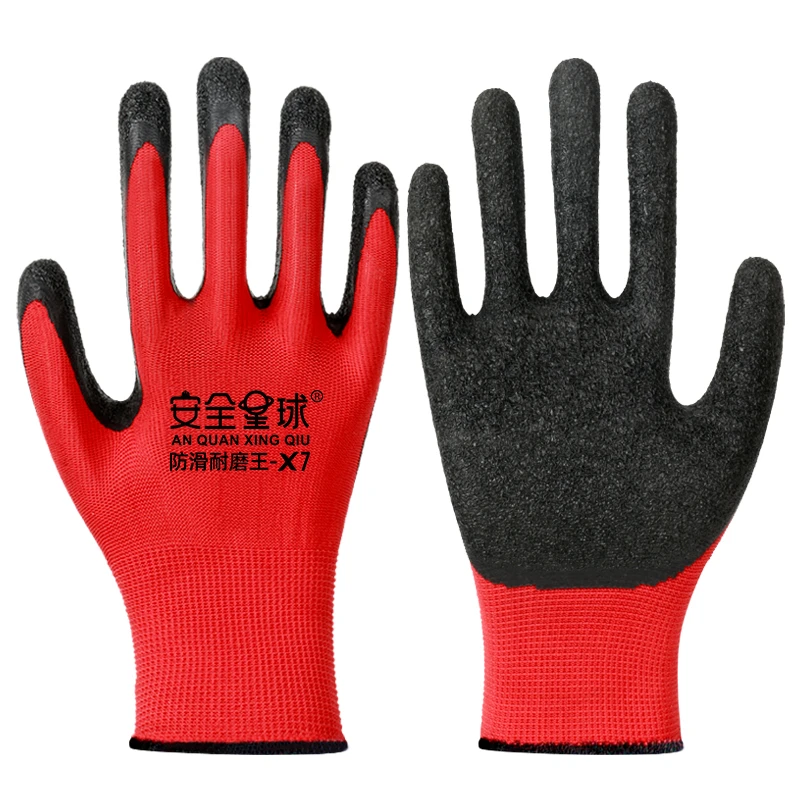
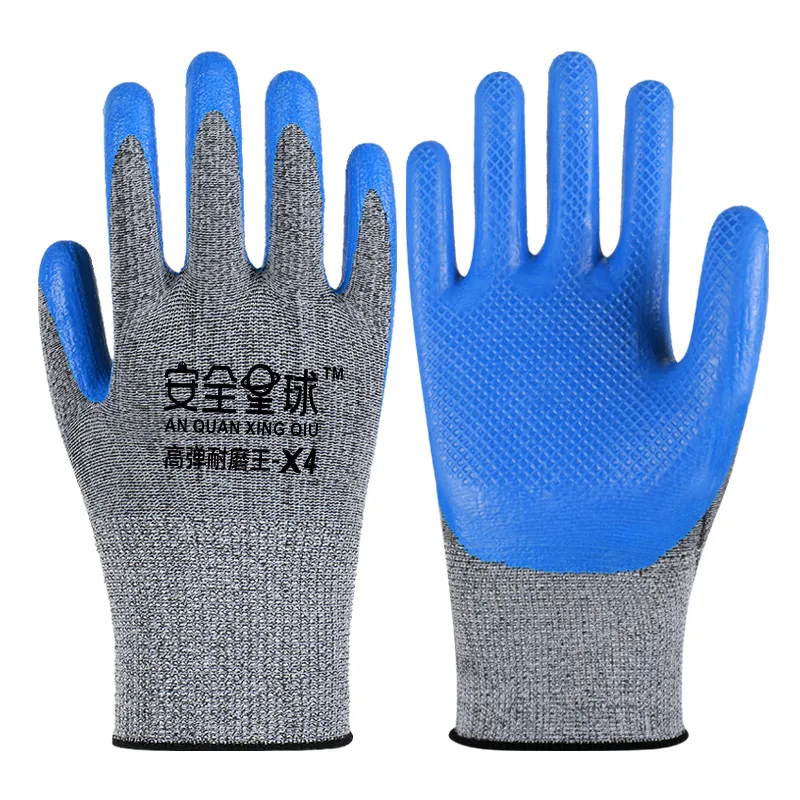
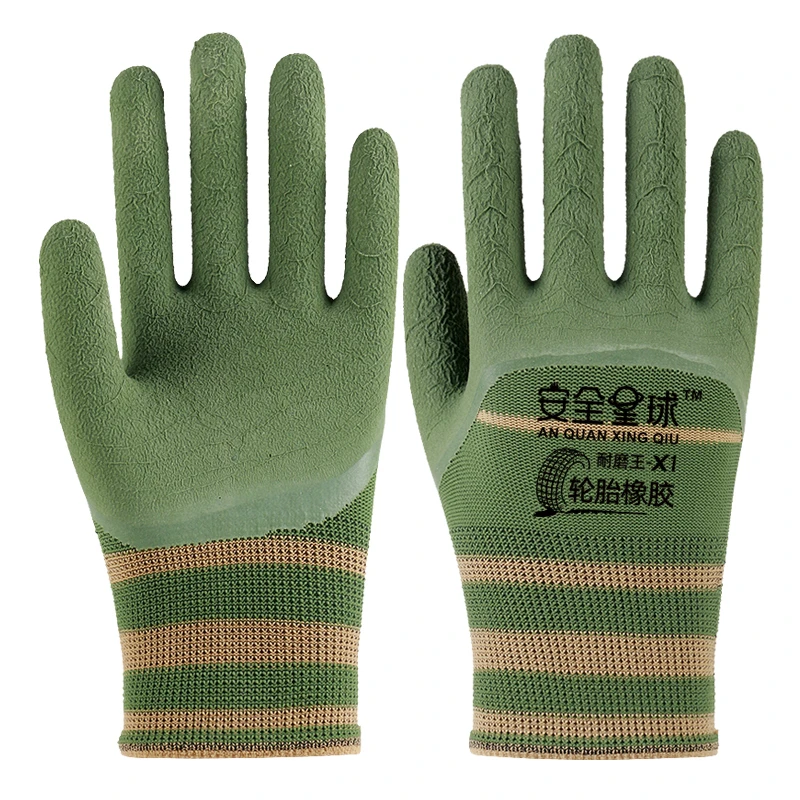
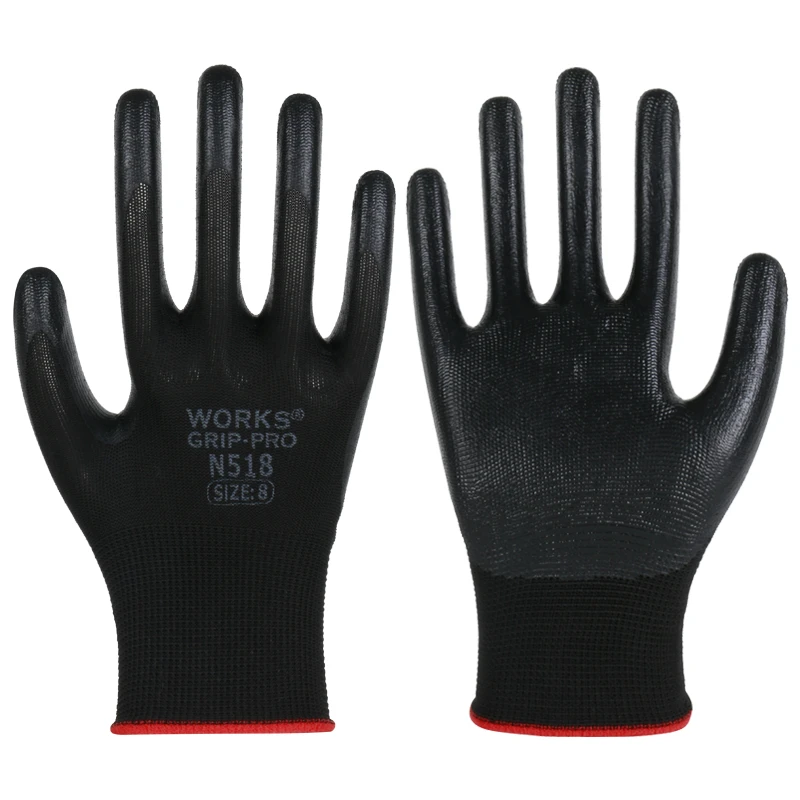
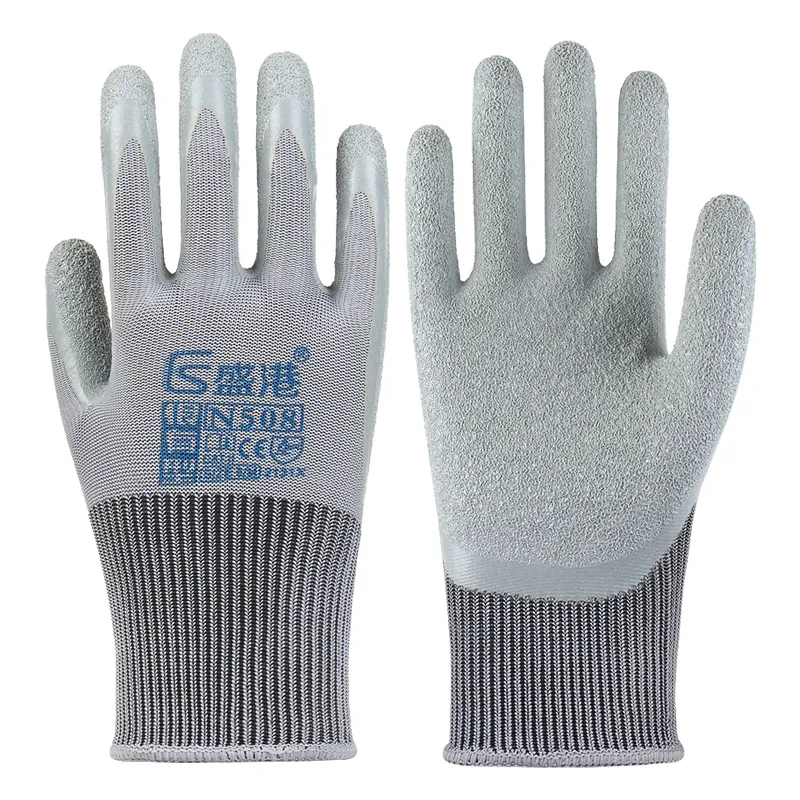
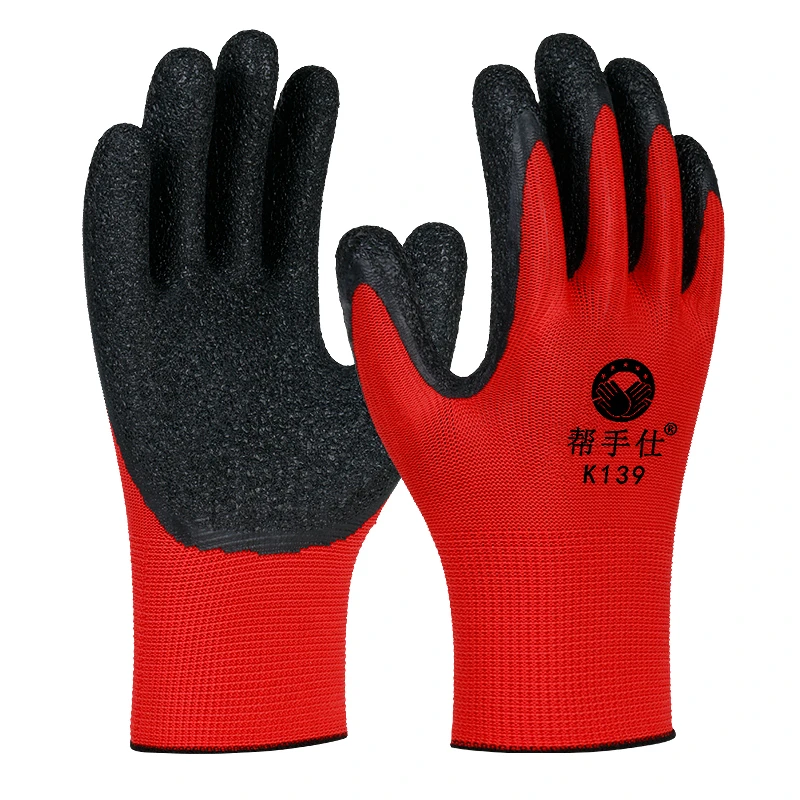
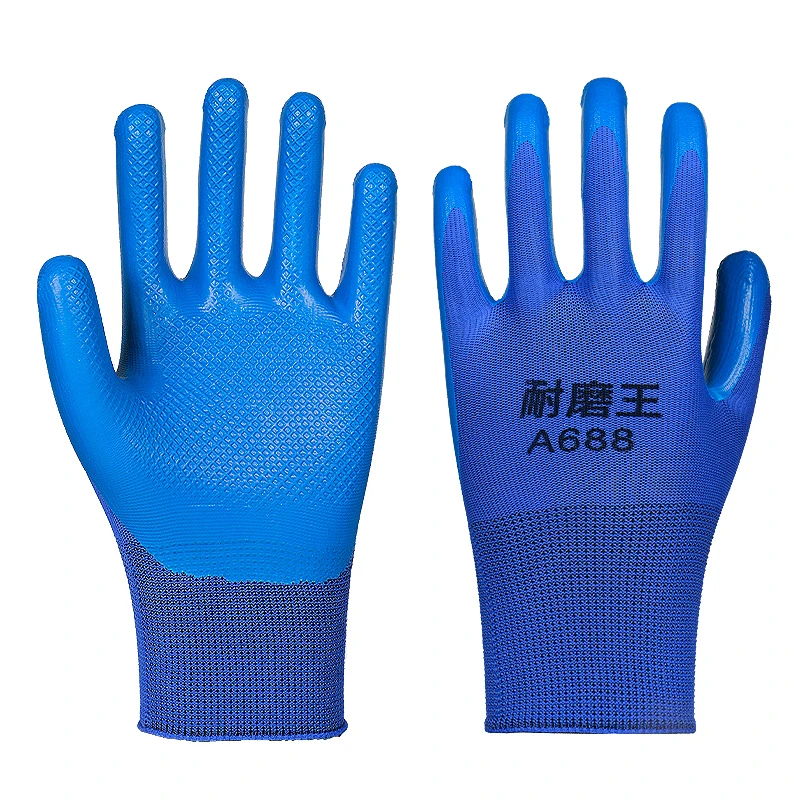
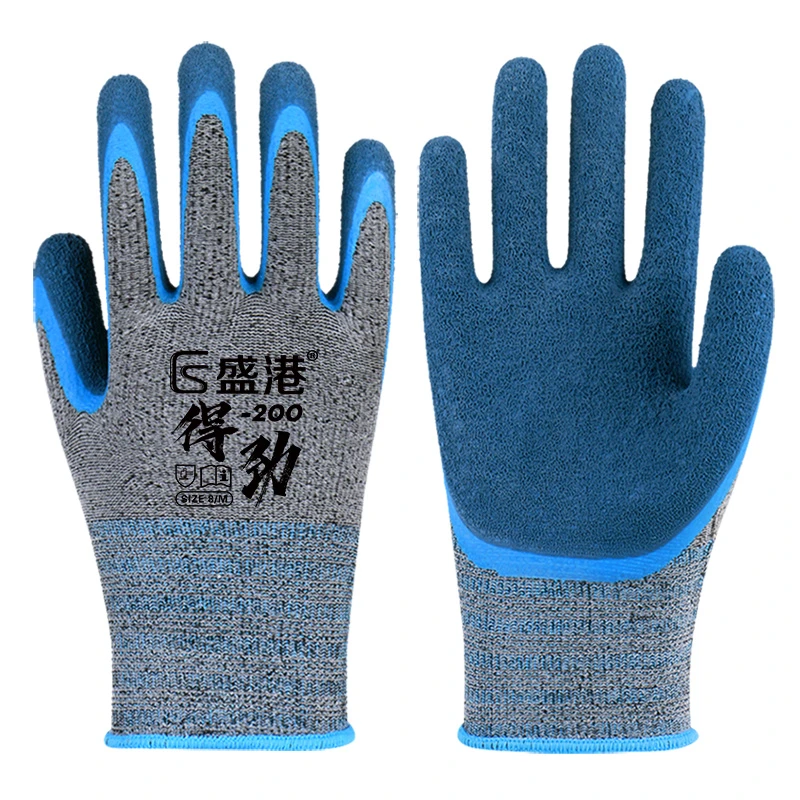
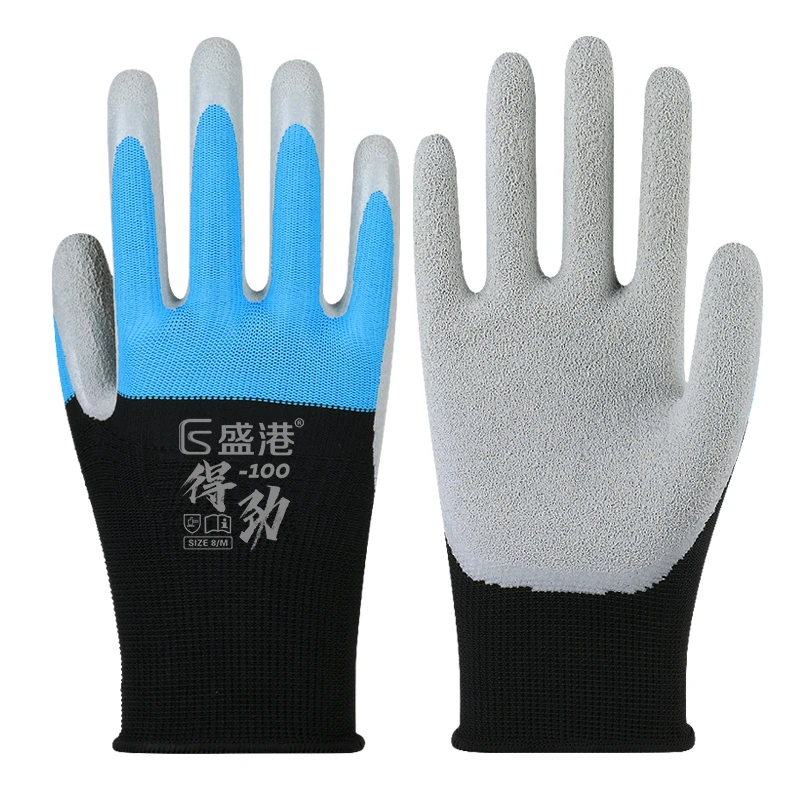
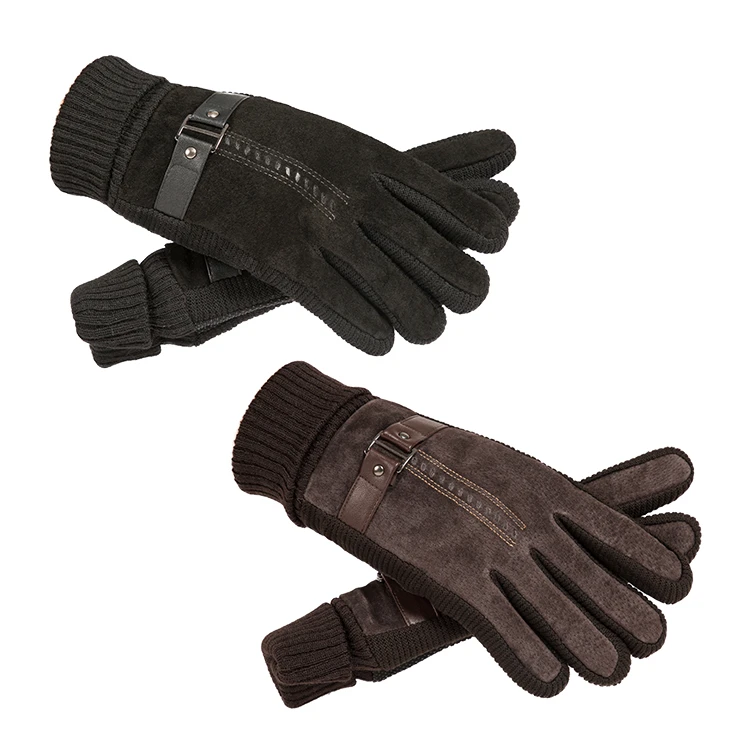
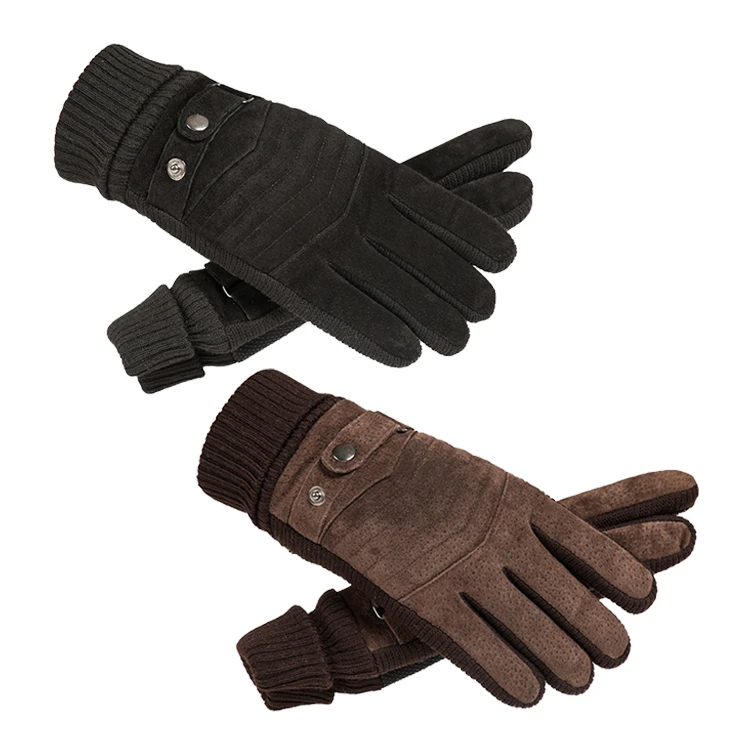
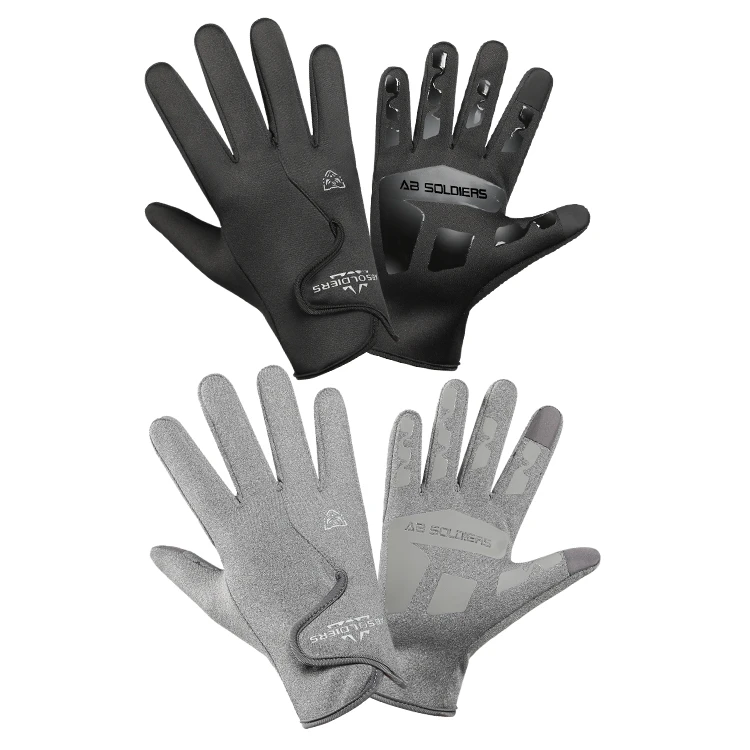
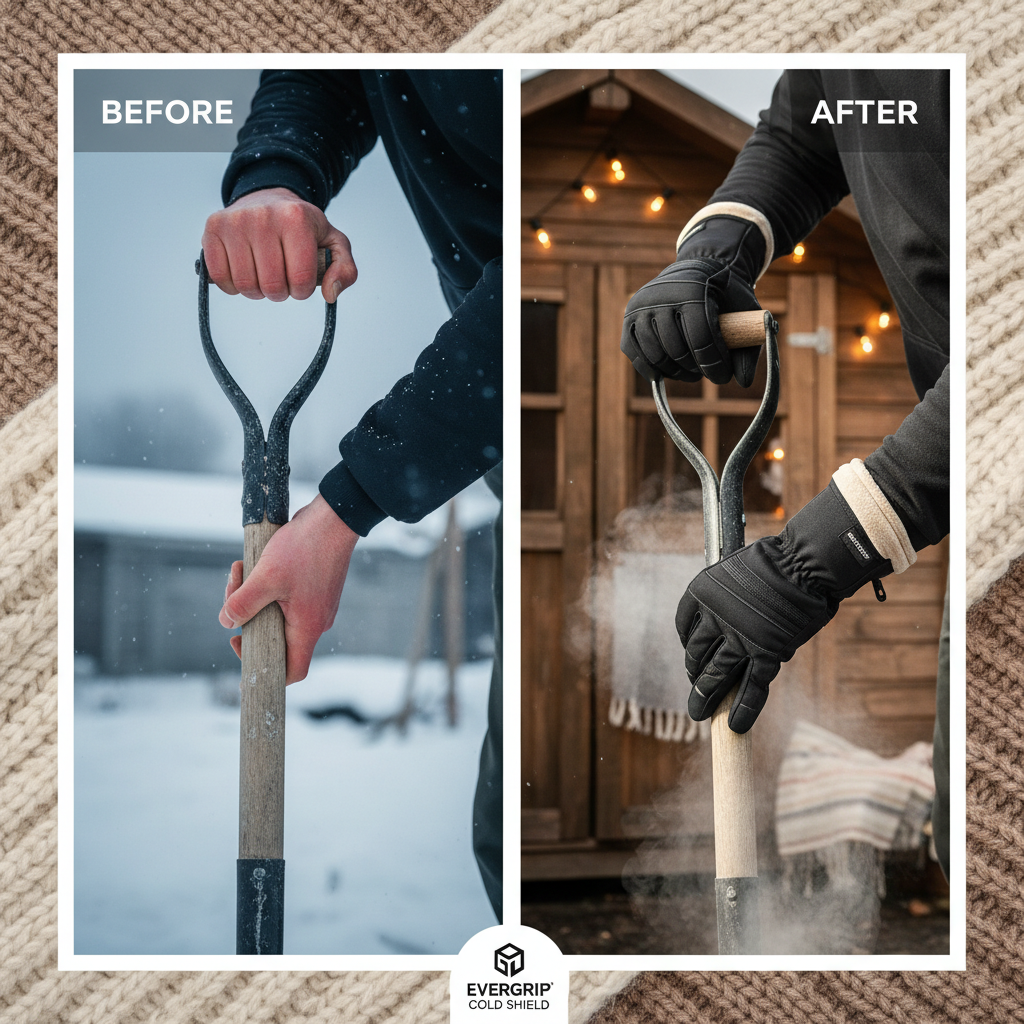
Thermal Lightweight Gloves | Warmth Meets Dexterity for Cold Weather Work
Thermal Lightweight Gloves: Keeping Hands Safe Without Weighing You Down
When you think about protective gloves, especially in cold environments, it’s easy to imagine bulky and clumsy gear. But thermal lightweight gloves flip that idea on its head—delivering warmth, dexterity, and comfort with minimal weight. This relatively niche product category has become surprisingly important on a global scale, especially as outdoor industries, humanitarian relief efforts, and even everyday consumers seek smarter ways to stay protected against cold without sacrificing mobility.
Understanding thermal lightweight gloves isn’t just about staying cozy—it’s about combining technology, materials science, and practical design to address real challenges. These gloves have endless applications, from powering through Arctic logistics to supporting search-and-rescue teams in disaster zones. Knowing their benefits and use cases matters globally because it touches on safety, productivity, and even sustainability.
Why Thermal Lightweight Gloves Matter Globally
The global demand for protective clothing is growing steadily. According to the International Labour Organization (ILO), over 2.78 million workers die annually due to workplace hazards—including cold-related injuries. Meanwhile, climate studies (like those from the UN Environment Programme) show colder extremes are hitting more regions unpredictably, pushing the need for adaptable protection gear.
Thermal lightweight gloves answer several critical challenges. Heavy gloves make tasks awkward, reducing productivity and sometimes forcing workers to remove gloves and expose their skin. Traditional thick gloves also amplify fatigue and reduce tactile feedback—dangerous in high-precision or hazardous environments.
This whole situation creates a pretty clear problem: how do you keep hands warm without sacrificing the ability to work efficiently?
What Exactly Are Thermal Lightweight Gloves?
In plain words, thermal lightweight gloves are gloves designed to offer insulation against cold temperatures while weighing far less than traditional thermal gloves. Their secret lies in smart materials—think advanced insulative fabrics, fine synthetic fibers, or even cutting-edge aerogels for extreme cold. They also allow for better breathability and moisture management compared to bulky wool or leather counterparts.
These gloves are a bit of a bridge between comfort and function. You find them increasingly in industries like warehousing, outdoor sports, emergency response, and humanitarian relief. They’re also essential for people working in regions with freezing conditions but requiring nimble hand movements, like electronic technicians on cold sites or logistics workers handling complex equipment.
Key Features That Define Them
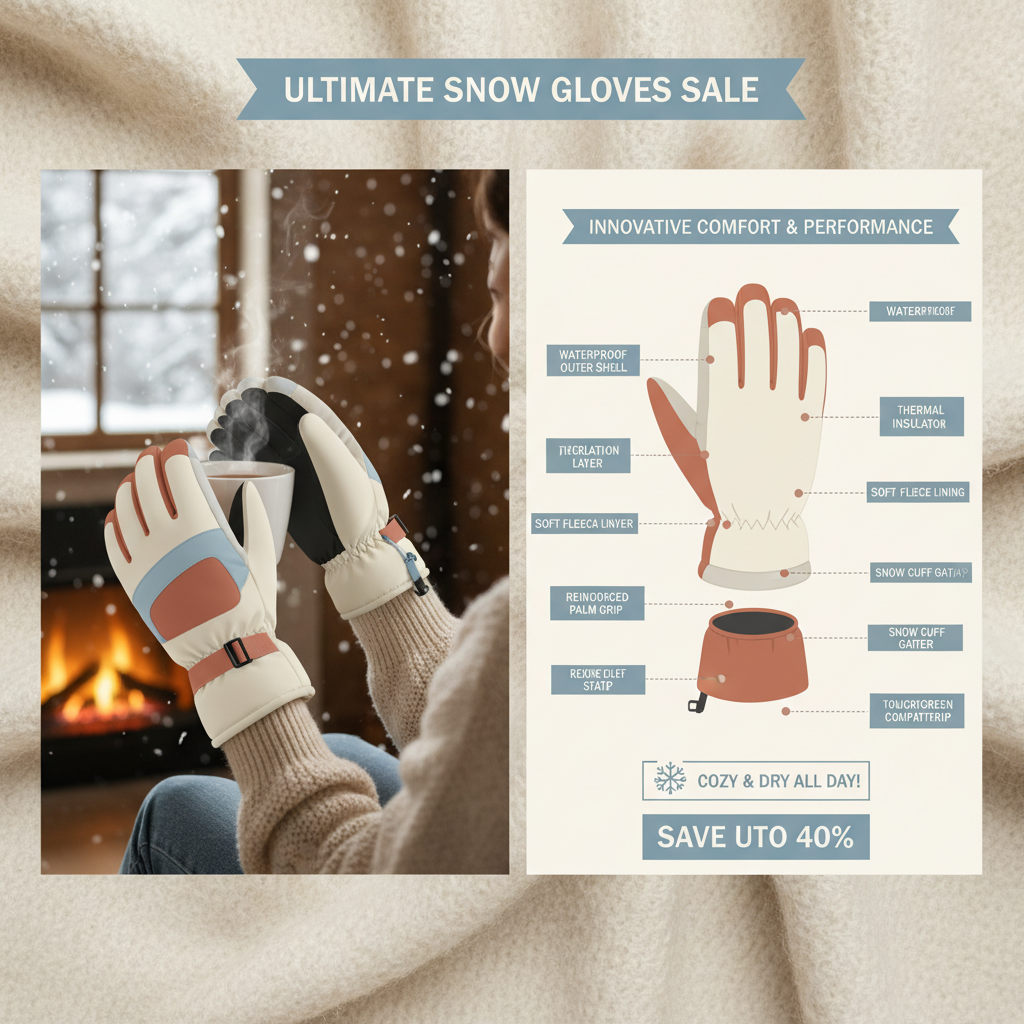
- Lightweight materials: Typically polyesters, polypropylene blends, or specialty fabrics that trap heat efficiently.
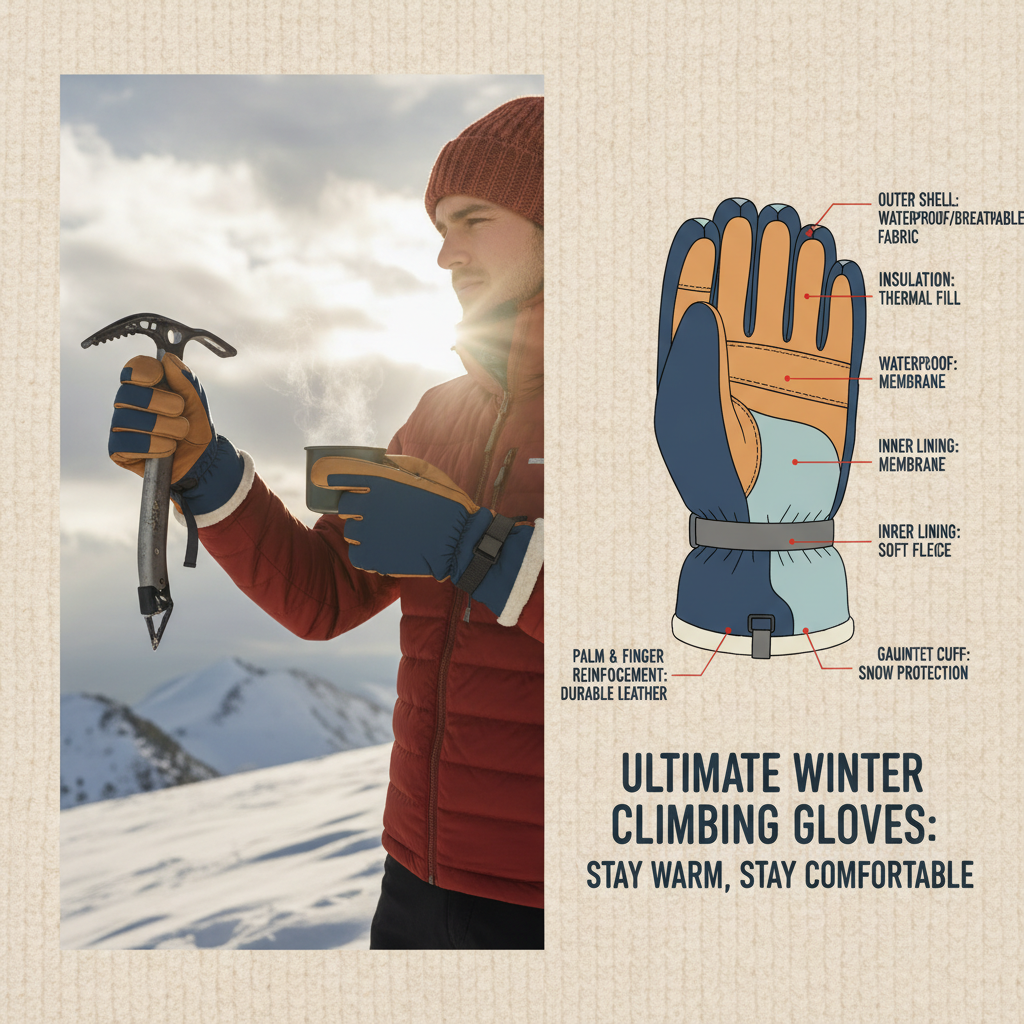
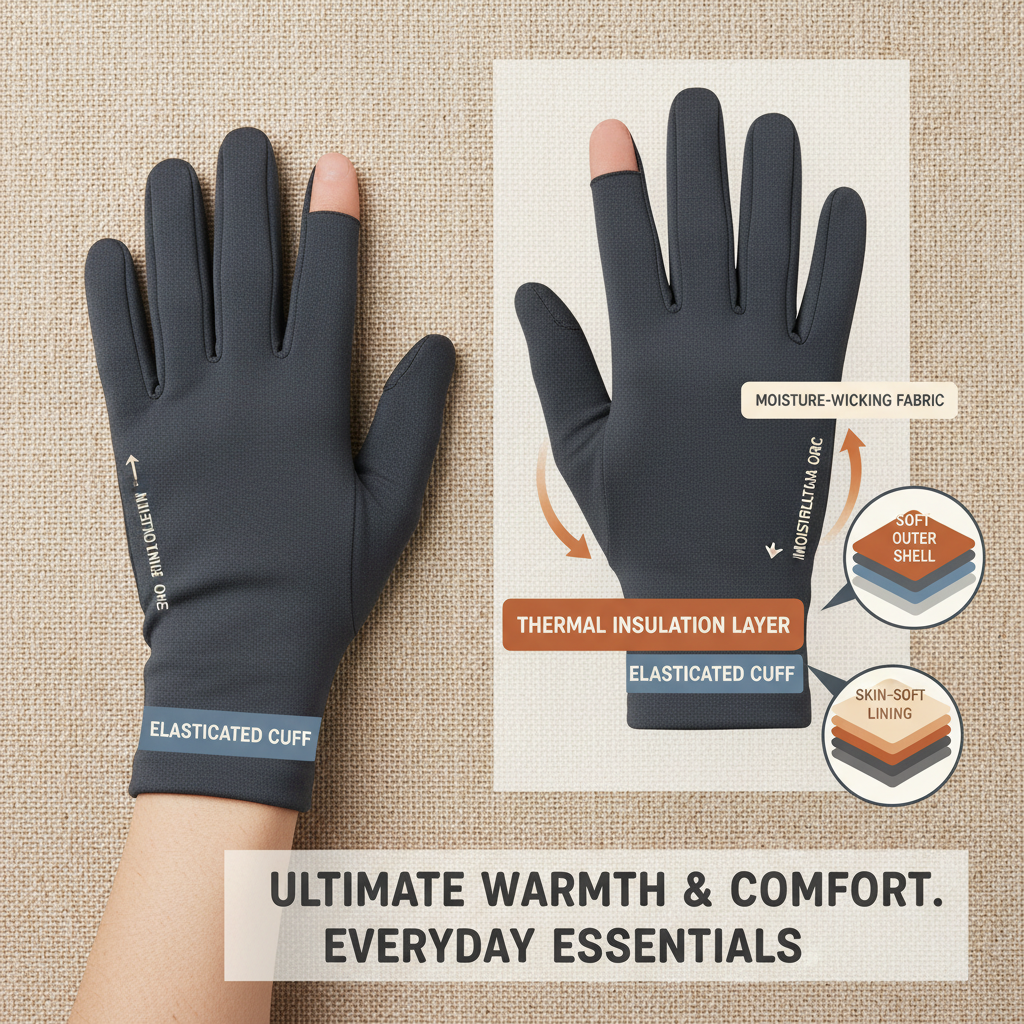
- Thermal insulation: Usually multi-layered design combining thin insulation layers with wind-resistant shells.
- Breathability & moisture control: Reducing sweat buildup that can cool hands.
- Ergonomic fit: Designed for dexterity and fine motor control.
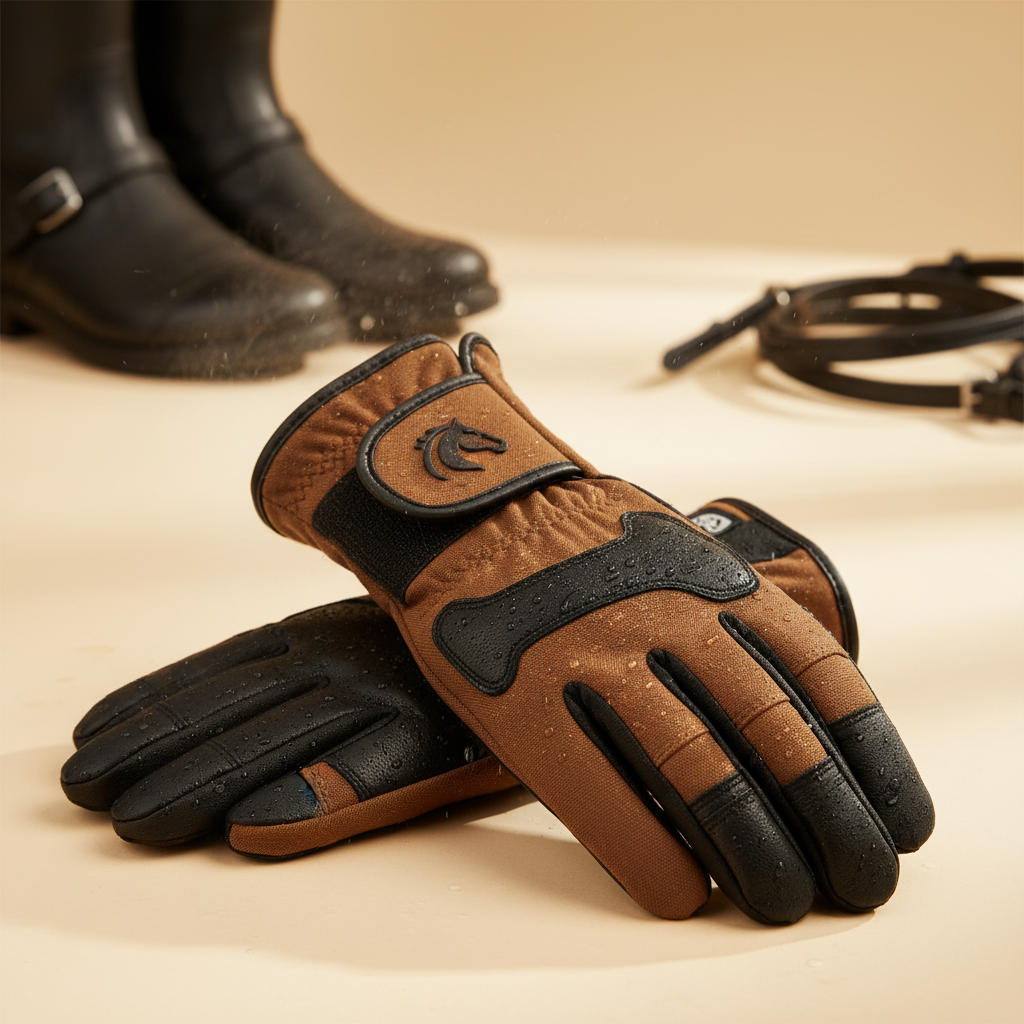
- Durability: Reinforced fingertips or palms for wear resistance in tough environments.
Mini takeaway:
If you appreciate the balance of warmth and agility, thermal lightweight gloves reveal the magic of modern materials and thoughtful design working together to make cold-weather tasks safer, easier, and frankly, a lot more comfortable.
Core Components of Thermal Lightweight Gloves
1. Material Technology
The core of any thermal glove is its insulation. Today, synthetic fibers like Thinsulate™, PrimaLoft®, and aerogels help keep weight down without sacrificing warmth. Many companies use multilayer laminates combining soft shells with thermal cores.
2. Design & Fit
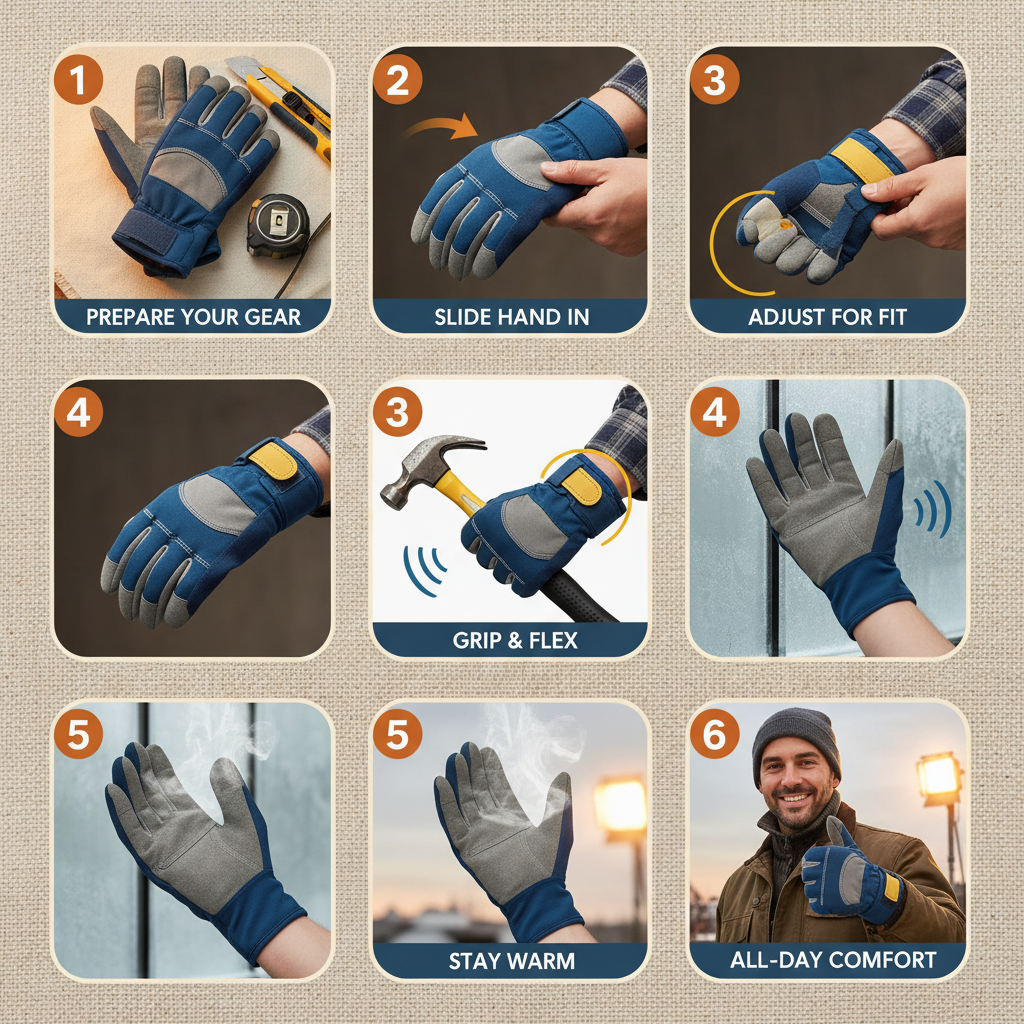
Gloves must contour to the hand for flexibility. Features like pre-curved fingers, stretch panels, and adjustable cuffs matter quite a bit. It’s surprising how much less hand strain occurs with well-fitted gloves during prolonged wear.
3. Breathability
Sweat can be a nemesis in cold weather—dampness chills you quickly. Therefore, these gloves integrate moisture-wicking linings and vented fabric areas to keep hands dry and warm.
4. Durability & Protection
Work gloves get banged around. Reinforced areas like palms and fingertips add longevity. Some thermal lightweight gloves sneak in mild cut or abrasion resistance without bulk.
5. Cost Efficiency
While advanced gloves can be pricier upfront, many industries find that their durability and multi-season use reduce total cost of ownership. Maintenance and replaceability also factor in.
Mini takeaway:
Durability and design go hand in hand here—no point having ultra-light gloves that fail too soon or lack comfort. The trick is smart engineering meeting real-world wear.
Global Applications & Real-World Use Cases
Thermal lightweight gloves have found a versatile place worldwide:
- Humanitarian Relief: Post-disaster relief teams in cold climates use them to speed up aid distribution while protecting hands from frostbite—especially critical in Arctic or mountainous zones.
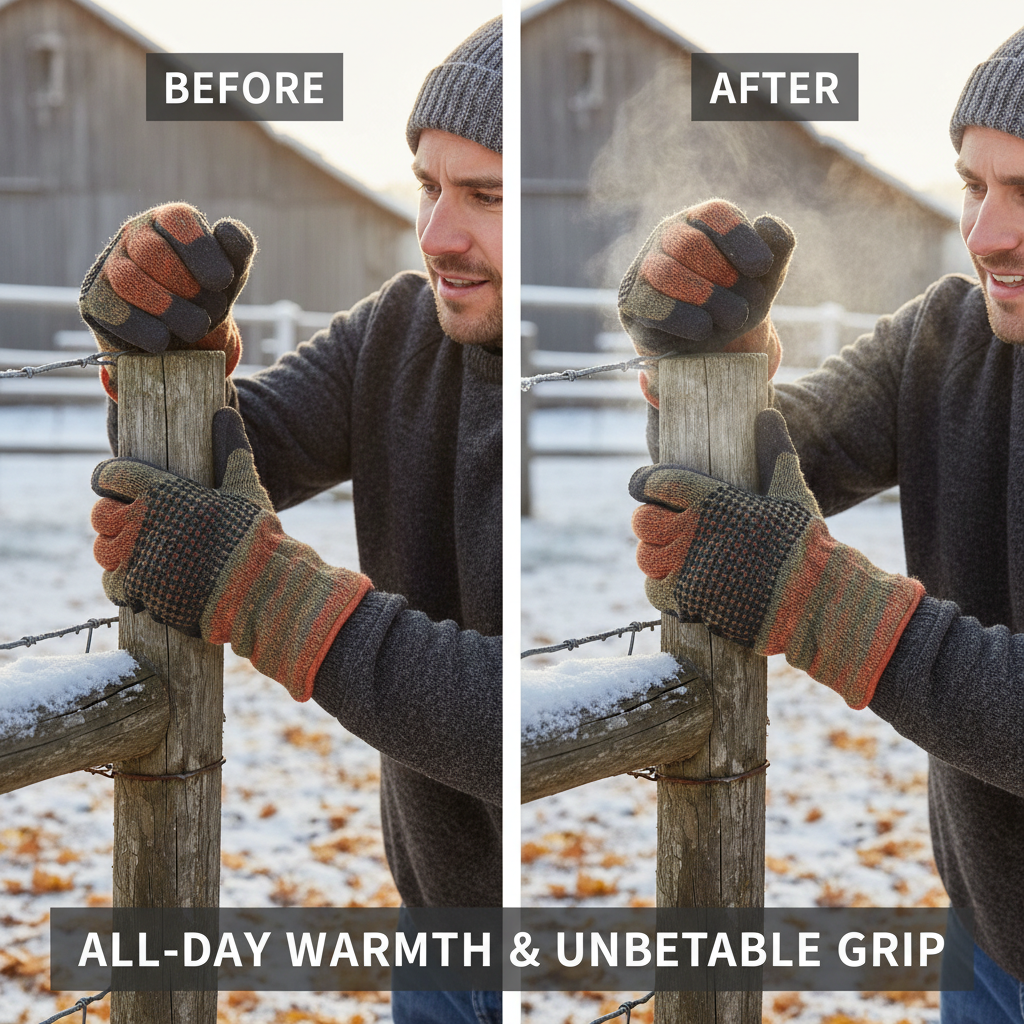
- Industrial Workforces: Warehouses, cold-storage logistics hubs, and outdoor construction sites in regions like Scandinavia, Canada, and Russia rely on them to help reduce cold stress incidents.
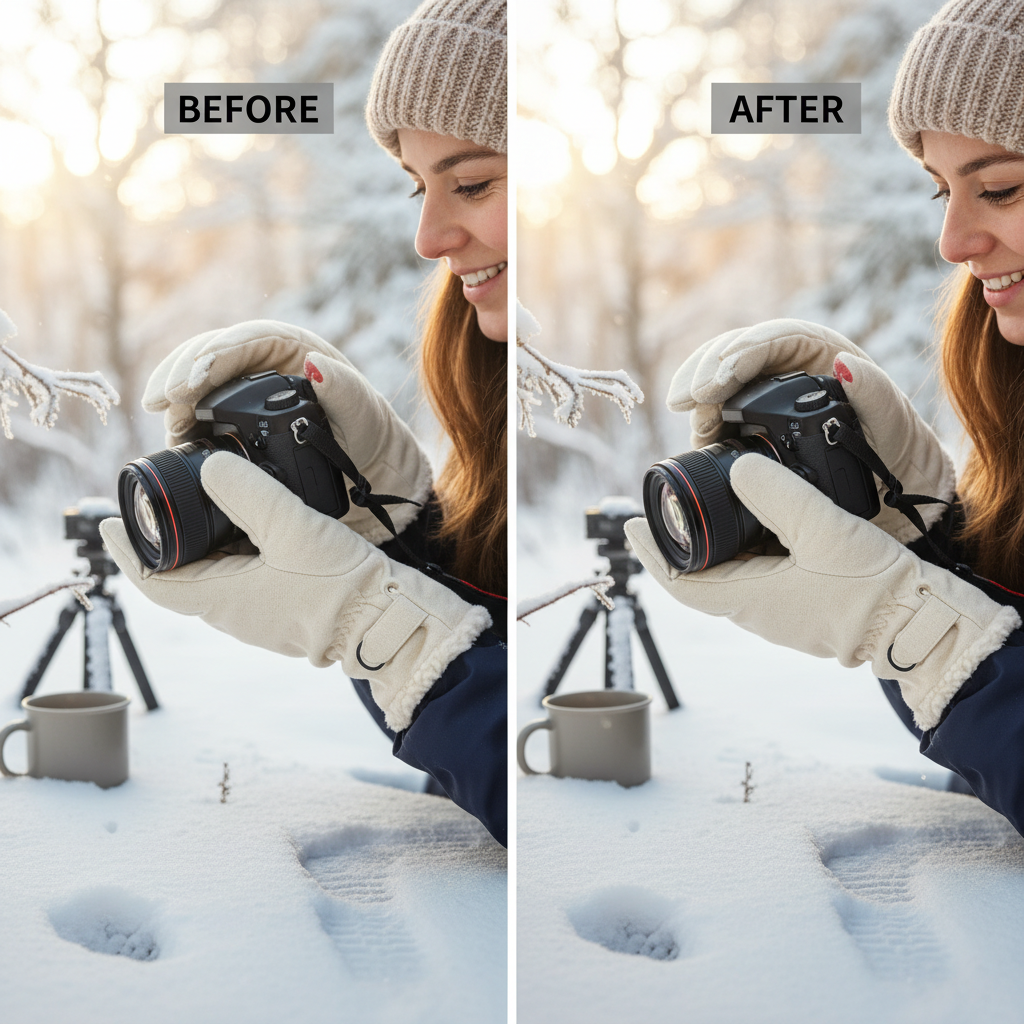
- Outdoor Sports & Recreation: Skiers, cyclists, and hikers favor thermal lightweight gloves for combining warmth and dexterity.
- Military & Security: Specialized versions enable soldiers or border guards to operate firearms or communication gear without removing gloves.
Even some urban commuters rely on stylish thermal lightweight gloves to keep warm yet nimble on touchscreen devices.
Mini takeaway:
The reach of thermal lightweight gloves is surprisingly broad and crosses both heavy-duty and casual categories.
Advantages & Long-Term Value of Thermal Lightweight Gloves
Here’s where things get interesting. Beyond just stopping cold, these gloves:
- Enhance safety: Cold-induced injuries drop in workplaces using thermal lightweight gloves extensively.
- Boost productivity: Workers keep gloves on longer, completing tasks without fumbling.
- Improve comfort: Low weight and good fit reduce fatigue, raising morale and reducing sick days.
- Sustainability aspects: Many newer gloves use recyclable materials or have designs that extend product life.
- Social impact: In humanitarian scenarios, reliable gloves help maintain dignity by preventing injury and frostbite among vulnerable populations.
It’s that rare combo: gloves that deliver emotional reassurance alongside real technical advantages.
Looking Ahead: Innovations & Trends Shaping Thermal Lightweight Gloves
The next few years will bring some fascinating progress:
- Smart textiles: Gloves with embedded sensors to monitor temperature or hand movements.
- Eco-friendly fabrics: Biodegradable insulations or recycled fibers becoming mainstream.
- Integration with digital devices: Improved touchscreen compatibility without losing insulation.
- Customization: 3D scanning for personalized fit to reduce strain.
- Policy drives: Increased workplace safety regulations pushing adoption globally.
Oddly enough, the blend of tech and sustainability feels like the natural evolution here.
Challenges & Practical Solutions
Despite the benefits, there are hurdles:
- Cost vs. accessibility: High-tech gloves can be expensive upfront—restraining access in developing areas.
- Durability in extremes: Some materials degrade faster in prolonged exposure to wet or abrasive environments.
- Fit complexities: One size rarely fits all; improper sizing reduces effectiveness.
Experts recommend modular designs with replaceable liners, education on proper use, and partnerships with NGOs to subsidize costs. Also, continuous R&D into affordable yet resilient materials.
Product Specification Table: Sample Thermal Lightweight Glove Model
| Specification | Detail |
|---|---|
| Material | Polyester outer, PrimaLoft® insulation layer |
| Weight | 120 grams per pair |
| Temperature Rating | -10°C to 5°C (active use) |
| Features | Touchscreen compatible fingertips, water-resistant shell |
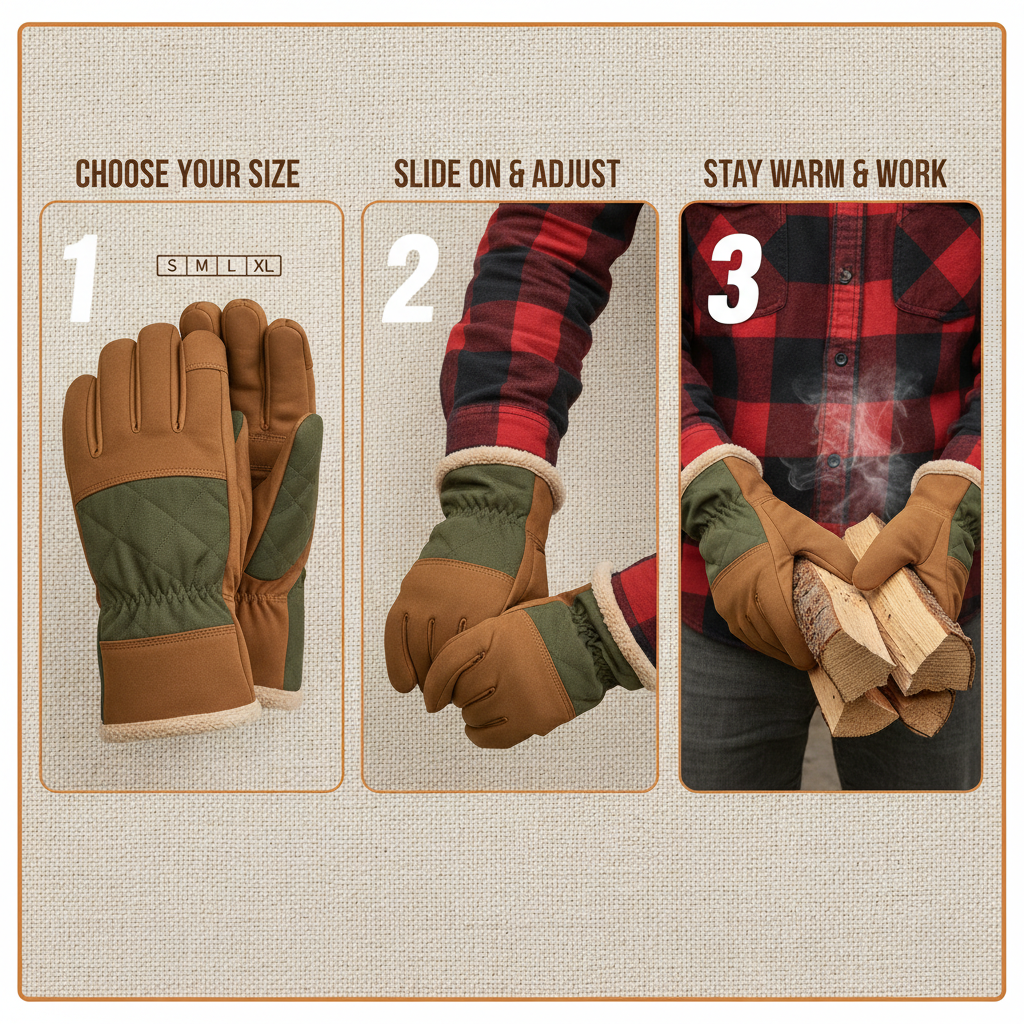
| Sizes Available | S, M, L, XL |
| Price Range | $35 - $50 (wholesale) |
Vendor Comparison Table
| Vendor | Price Range | Material | Unique Selling Point | Lead Time |
|---|---|---|---|---|
| ColdTech Gloves Co. | $30-$45 | Thinsulate™ & Nylon Shell | Lightweight, touchscreen friendly | 2-3 weeks |
| ArcticPro Gear | $40-$60 | PrimaLoft® with Water-Resistant Membrane | Highly durable, multi-season use | 3-4 weeks |
| EcoWarm Solutions | $35-$50 | Recycled Polyester & Bio-insulation | Sustainable, lightweight design | 2-3 weeks |
Frequently Asked Questions About Thermal Lightweight Gloves
Q1: How warm can thermal lightweight gloves keep your hands?
A1: Thermal lightweight gloves usually keep hands comfortable in temperatures ranging from around -10°C to 5°C, depending on activity level and glove construction. For extreme cold, layering or specialized gloves are recommended.
Q2: Are these gloves suitable for touchscreen devices?
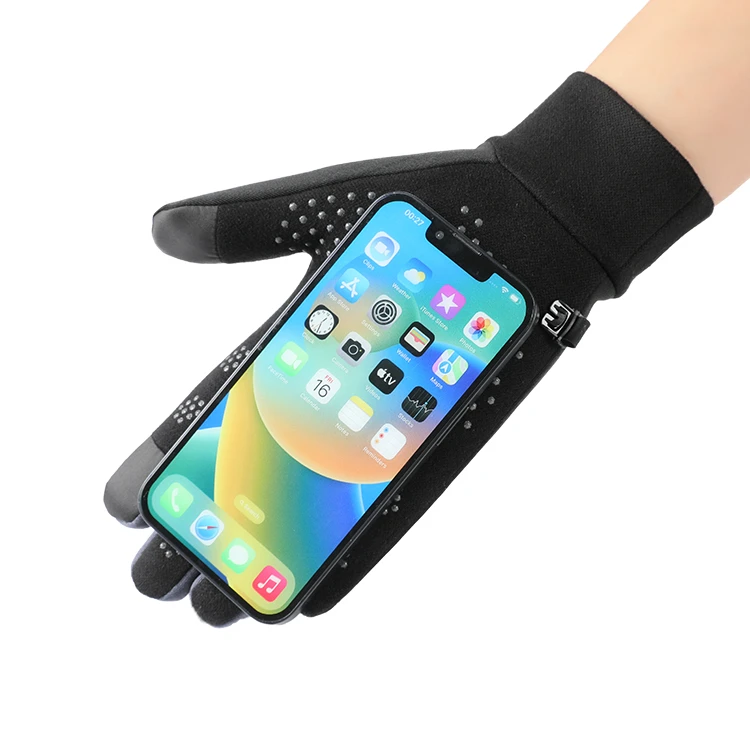
A2: Most thermal lightweight gloves now include touchscreen-compatible fingertips made from conductive materials, allowing users to operate phones and tablets without removing them—very useful in cold outdoor work.
Q3: Can thermal lightweight gloves be used in wet conditions?
A3: Many models feature water-resistant or water-repellent shells that handle light moisture but are not fully waterproof. For consistently wet conditions, gloves with dedicated waterproof membranes are better.
Q4: How durable are thermal lightweight gloves for industrial use?
A4: High-quality thermal lightweight gloves often incorporate reinforced palms and abrasion-resistant fibers. While not as tough as heavy-duty gloves, they offer a good balance for tasks requiring both protection and dexterity.
Q5: Are these gloves eco-friendly?
A5: The eco-friendliness varies by brand. Some use recycled or biodegradable materials, while others prioritize longevity to reduce waste. It’s always good to check vendor specs or seek certifications.
Final Thoughts & Where to Learn More
Thermal lightweight gloves might seem like a small piece of gear, but if you’ve ever had to work or live in cold conditions, you know how critical that balance of warmth and maneuverability is. Across industries and regions, these gloves help protect, empower, and sometimes just make life a little less miserable. I’d say their long-term value is clear—not just in keeping hands warm, but in keeping people safer and more capable.
If you want to explore some high-quality options or learn more about innovative designs, check out our site and see a lineup that shows just how far these smart gloves have come: thermal lightweight gloves.