Thermal Lined Leather Gloves: Durable, Warm, and Essential Protective Gear
Why Thermal Lined Leather Gloves Matter in Today’s World
At first glance, thermal lined leather gloves might seem like a niche product, mainly for cold weather or rugged outdoor tasks. But their global significance reaches far beyond just keeping hands warm. In a world where industries are stretching into ever-harsher environments — from arctic oil fields to high-altitude wind farms — these gloves are critical for safety, productivity, and even dignity. Understanding their role touches on themes of worker protection, sustainable materials, and evolving industrial standards worldwide.
Here’s the gist: the right thermal lined gloves can mean fewer injuries, better efficiency, and less environmental waste. Sounds simple, but the underlying technology, material science, and design finesse involved are pretty impressive.
Global Context: Where and Why Thermal Lined Leather Gloves Are Essential
According to the International Labour Organization (ILO), thousands of workplace hand injuries occur daily worldwide, many preventable with proper protective gear. In colder climates, frostbite and cold stress add another layer of risk, causing not only discomfort but long-term health issues. Thermal lined leather gloves have emerged as a crucial solution, blending insulation with durable protection.
Plus, the World Bank’s data on industrial expansion into remote zones — say Northern Canada, Russia, or Scandinavian countries — shows an increasing need for cold-resistant hand gear. It’s not just industry; humanitarian efforts in harsh climates rely on these gloves to safeguard volunteers and workers alike. They address a clear challenge: how to protect human hands without sacrificing dexterity or comfort.
What Exactly Are Thermal Lined Leather Gloves?
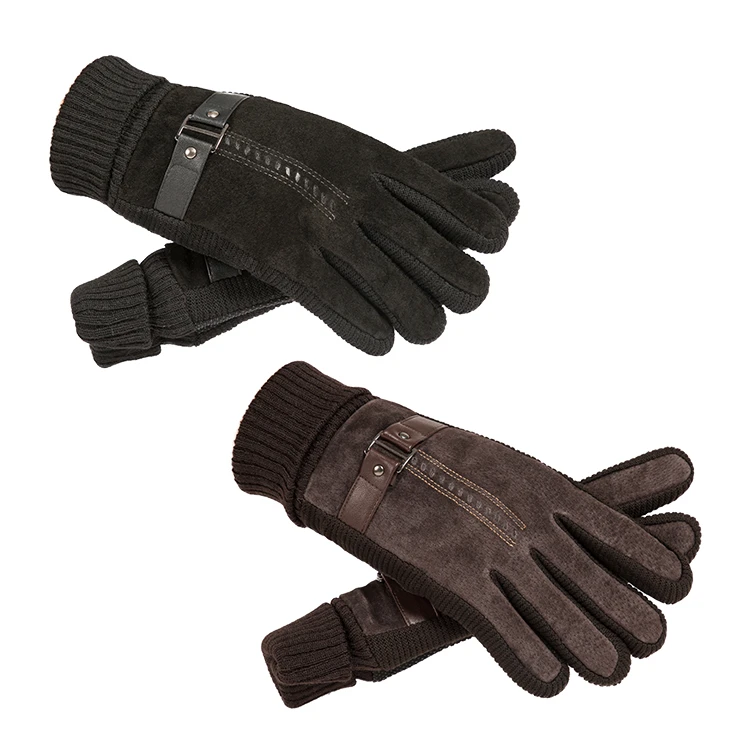
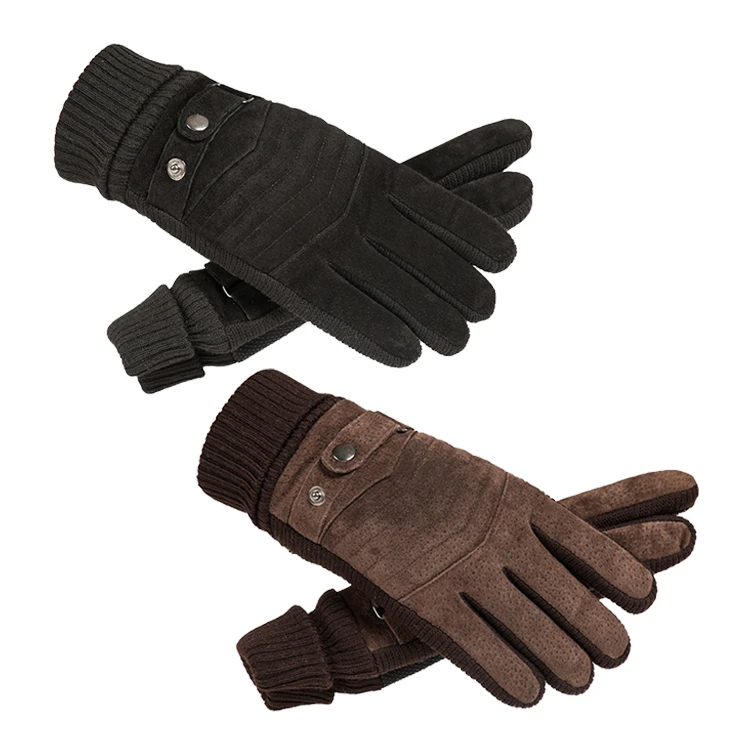
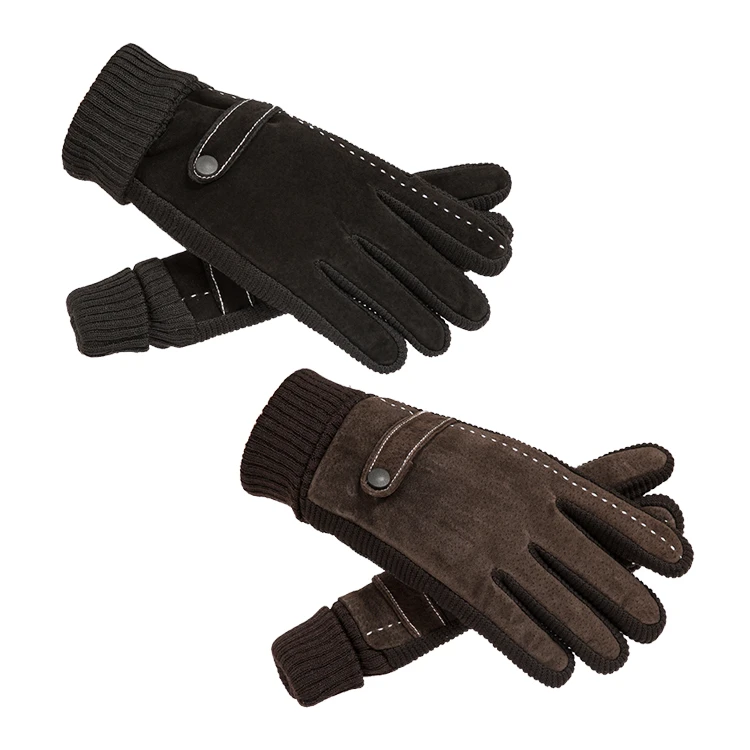
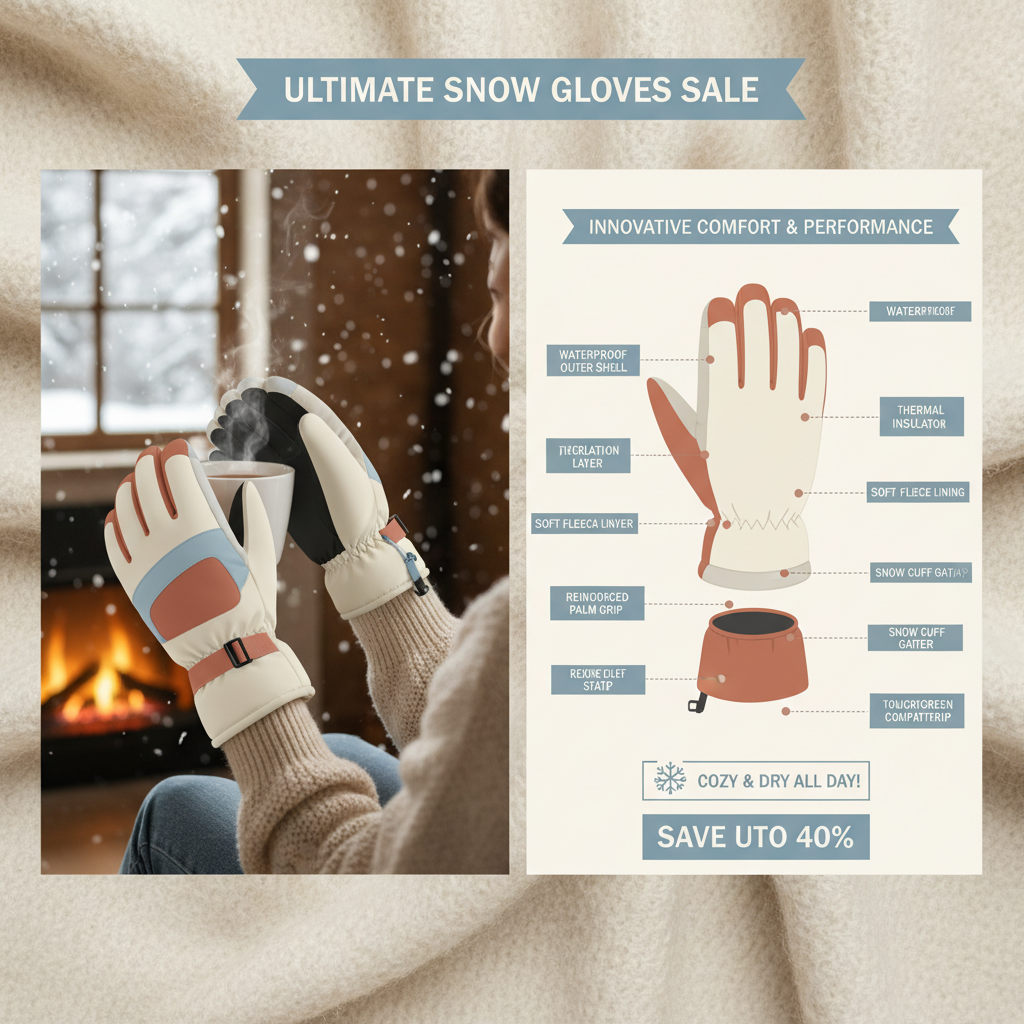
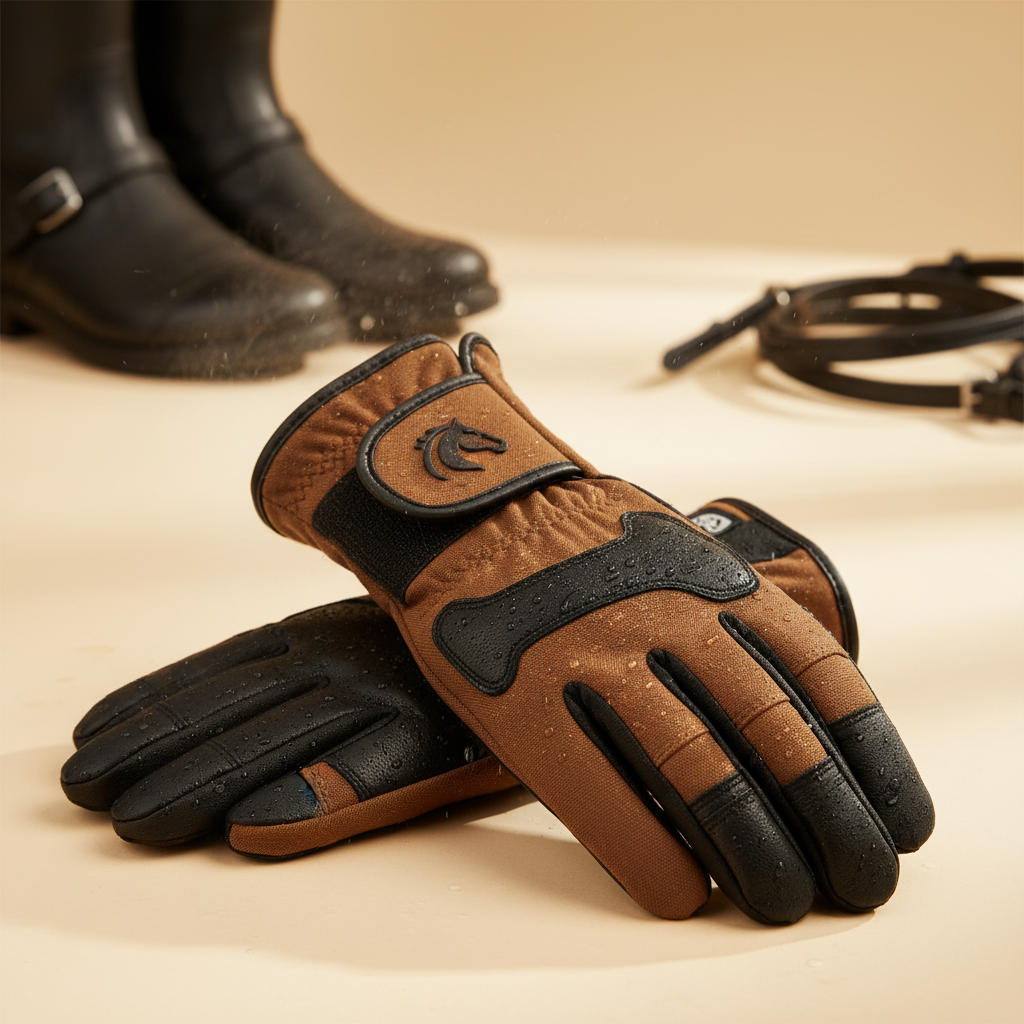
Simply put, these are gloves made from leather, often cowhide or goatskin, with an insulating lining — think Thinsulate, fleece, or wool blends — to keep your hands warm while offering the toughness of leather. Unlike basic gloves or mittens, thermal lined leather gloves provide a balanced combo of insulation, breathability, and resistance to abrasions, cuts, and water.
They’ve become a staple across multiple fields, from construction sites to humanitarian relief camps. The modern twist? Manufacturers now integrate advanced materials for better heat retention and lighter weight — so you’re not lugging bulky gloves that make work harder.
Core Features that Define Quality Thermal Lined Leather Gloves
1. Durability
High-grade leather is naturally tough, but the real magic is in the tanning and finishing processes. Durable leather resists tears and punctures — critical when handling rough materials or tools. For instance, chrome-tanned leather tends to be more flexible, while vegetable-tanned leather offers eco-friendly appeal but sometimes less water resistance.
2. Thermal Insulation
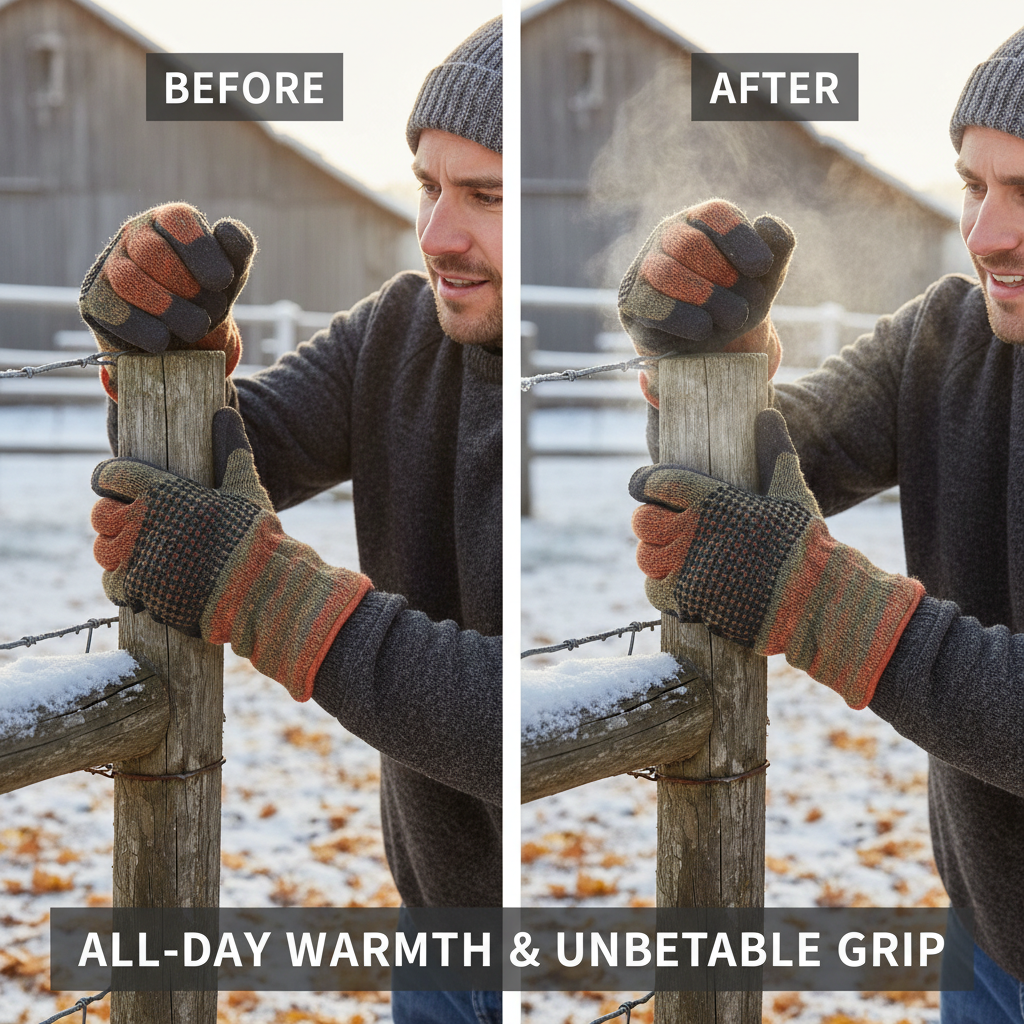
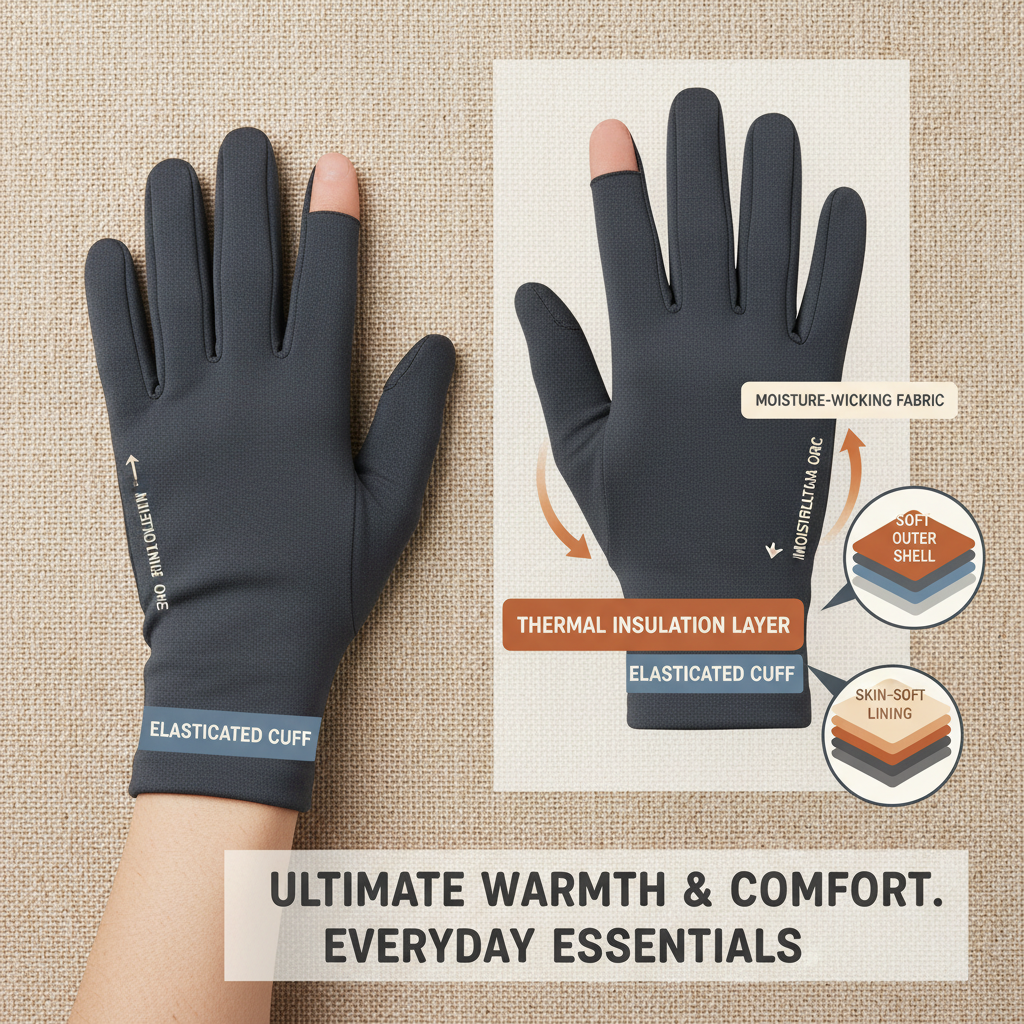
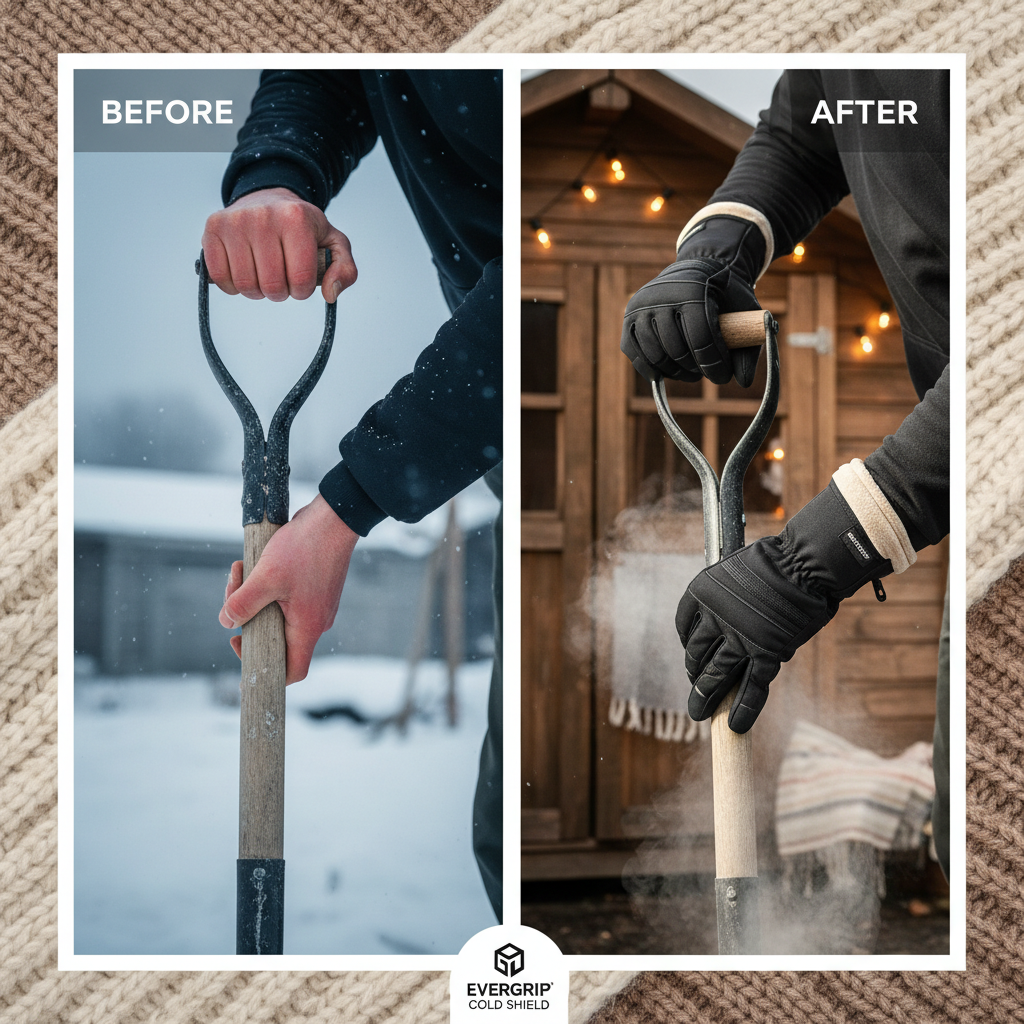
The lining matters. A good insulating layer retains body heat while allowing moisture to escape — yes, your hands sweat, even in cold weather! Materials like Thinsulate trap warmth without bulk, which is why many workers prefer them for long shifts outdoors.
3. Dexterity & Fit
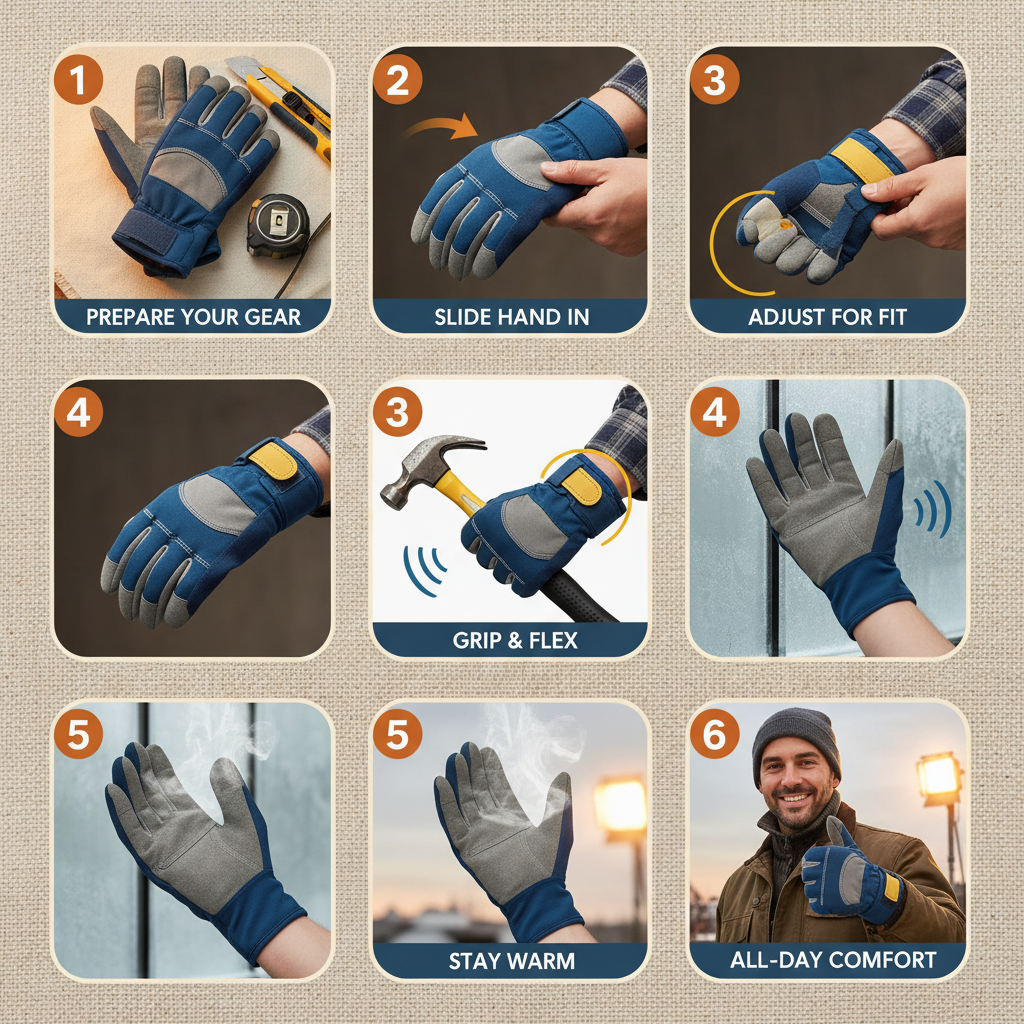
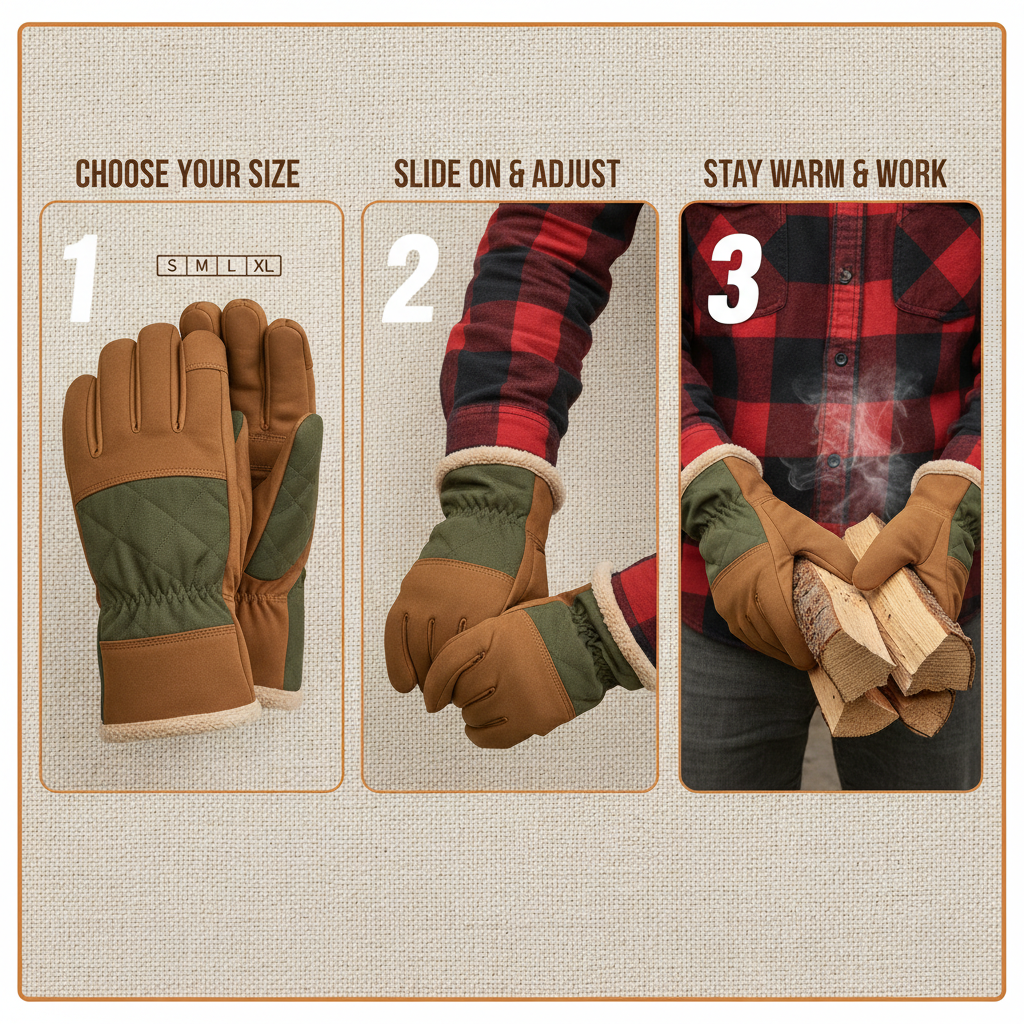
Oddly enough, the best gloves feel like a second skin. Too tight, and circulation drops; too loose, and you lose grip and control. Fine stitching and adjustable closures play their part here.
4. Water & Wind Resistance
Leather’s natural water resistance can be boosted with treatments, vital for wet or windy environments. After all, cold and wet hands can be a recipe for disasters on the job site.
5. Safety Standards Compliance
Many thermal lined leather gloves now meet standards such as ISO 13997 for cut resistance or EN 511 for cold insulation. This ensures you’re not just buying a “nice glove” — you’re investing in certified protection.
Mini Takeaway
In case you skipped ahead: the best thermal lined gloves marry durability, warmth, comfort, and safety standards. Pick any one of those away, and you risk underperformance or injury.
Where Are Thermal Lined Leather Gloves Used Around the World?
From Siberian oil rigs to Canadian logging camps, these gloves are everywhere cold and tough meet. For example:
- Construction & Heavy Industry: Workers dealing with steel, concrete, and machinery benefit from sturdy gloves insulating against cold metal and rough surfaces.
- Humanitarian Aid: During winter relief missions in mountainous Nepal or disaster zones in Eastern Europe, volunteers trust thermal lined gloves to keep fingers nimble yet warm.
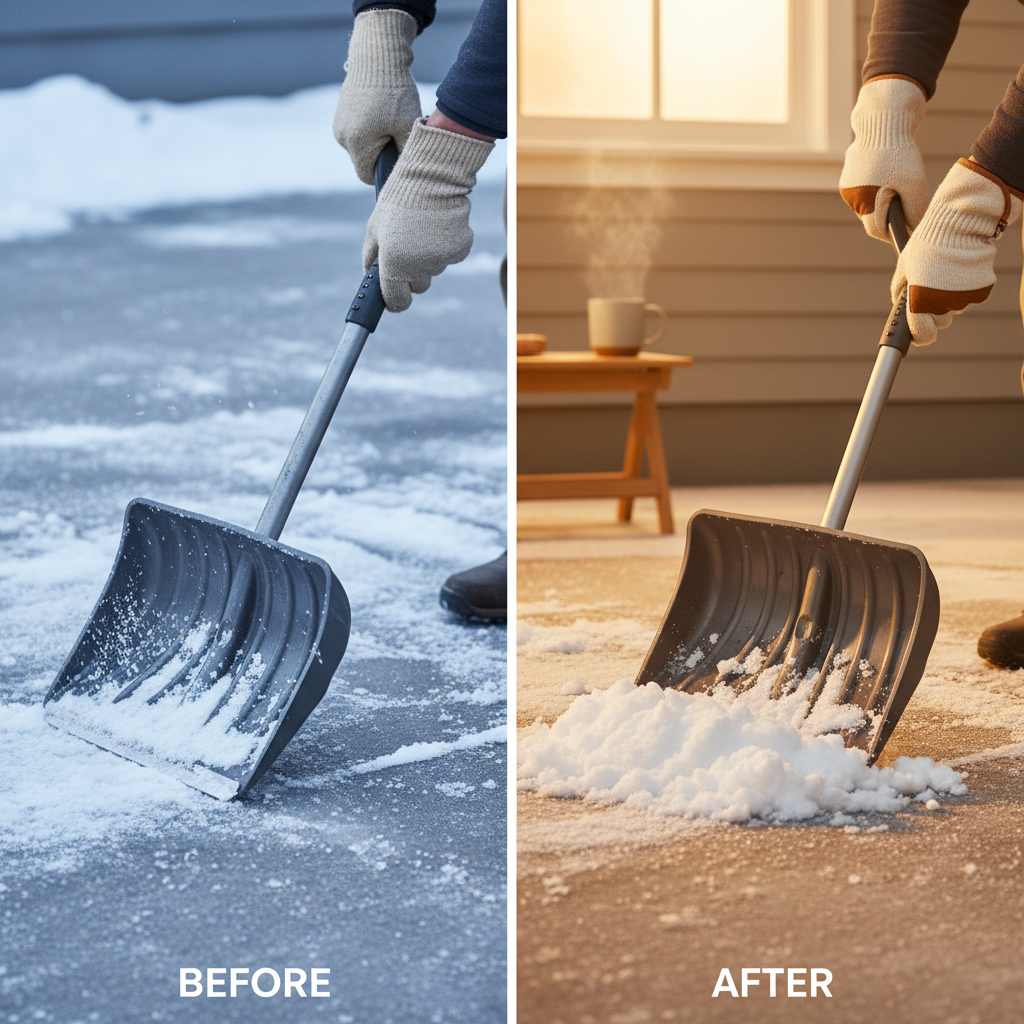
- Transport & Logistics: Dockworkers handling frozen cargo or delivery drivers navigating icy roads find these gloves essential.
- Outdoor Sports & Recreation: Beyond work, hunters, forestry workers, and hikers choose them for their blend of warmth and protection.
One notable example: after the 2015 Nepal earthquake, relief teams praised thermal lined leather gloves as lifesavers during difficult terrain work — cold hands meant slow progress, but these gloves kept things moving efficiently.
Benefits You’ll Actually Notice in Real Life
- Cost Efficiency: Durable gloves reduce frequent replacements, saving money over time despite a higher initial cost.
- Sustainability: Choosing leather with eco-conscious tanning and biodegradable linings reduces environmental footprint.
- Safety & Comfort: Proper insulation prevents frostbite and enhances morale, which is often an overlooked factor for worker well-being.
- Trust & Innovation: Advances in materials mean that what once felt bulky and awkward can now be lightweight and almost elegant.
Thermal Lined Leather Gloves: A Quick Product Specification Table
| Specification | Typical Range/Feature |
|---|---|
| Leather Type | Cowhide / Goatskin |
| Lining Material | Thinsulate / Fleece / Wool Blend |
| Insulation Rating | -20°C to 0°C (varies by model) |
| Water Resistance | Natural + Wax or Silicone treatments |
| Safety Standards | ISO 13997, EN 511 |
| Closure Type | Velcro / Elastic / Snap Button |
Comparing Top Vendors of Thermal Lined Leather Gloves
| Vendor | Pricing | Material Quality | Special Features | Global Reach |
|---|---|---|---|---|
| Glovify | $$ | Premium goatskin, Thinsulate | Waterproof membranes | North America, Europe |
| LeatherTech Co. | $$$ | Vegetable-tanned leather, wool lining | Eco-certified, biodegradable lining | Europe, Asia |
| SafeHands Inc. | $ | Standard cowhide, fleece lining | Basic safety compliance | Global |
Looking Ahead: Trends and Innovations in Thermal Lined Leather Gloves
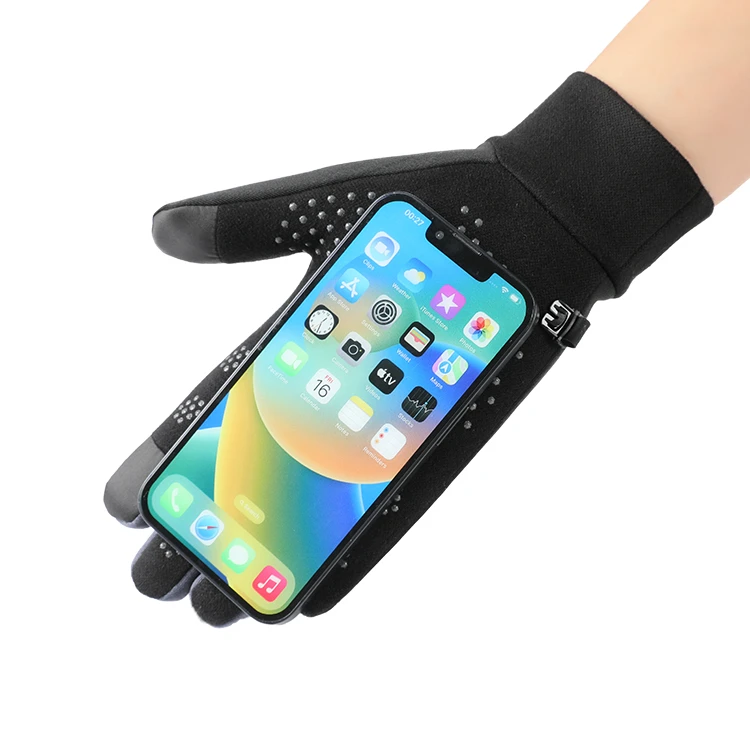
Manufacturers are leaning into sustainability — blended linings from recycled materials, chrome-free tanning, and even plant-based “leathers.” This shift aligns with ISO standards increasingly requiring greener manufacturing. Meanwhile, digital tech is creeping in: touchscreen-compatible gloves allow field workers to use mobile devices without exposing their hands to the cold.
Some brands are experimenting with integrated sensors to monitor hand temperature or even detect hazardous chemicals, a step toward smart safety gear. Automation in production means better fit customization, reducing waste and improving comfort.
What Challenges Do Thermal Lined Leather Gloves Face — and How to Tackle Them?
Common issues? Well, leather requires upkeep; water exposure can eventually degrade it despite treatments. Also, balancing warmth with dexterity is a tricky trade-off. Too much bulk, and gloves hamper productivity; too little, and you risk frostbite.
Experts recommend regular waterproofing, proper storage, and choosing gloves designed specifically for intended tasks. Some new materials promise greater durability without sacrificing flexibility, but cost remains a hurdle.
FAQ: Your Top Questions On Thermal Lined Leather Gloves, Answered
- Q: Are thermal lined leather gloves suitable for handling chemicals?
- A: Generally, leather gloves provide abrasion resistance but not chemical protection. For chemical handling, specialized gloves with nitrile or neoprene layers are advisable, though thermal lined versions can offer cold resistance in combination.
- Q: How do I properly maintain my thermal lined leather gloves?
- A: Keep them dry, use a leather conditioner periodically, and store them in a ventilated area away from direct heat. Avoid machine washing; spot cleaning is preferred to maintain both the leather and thermal lining.
- Q: Can these gloves be customized to specific industrial standards?
- A: Yes, many vendors offer customization to meet different cut, puncture, or heat resistance standards based on your sector’s needs.
- Q: What makes thermal lined leather gloves better than synthetic insulated gloves?
- A: The leather offers superior abrasion resistance and longevity compared to many synthetics, while the thermal lining keeps hands warm without adding as much bulk or sweating. Plus, leather tends to mold over time, improving fit and comfort.
Wrapping It Up: Why Thermal Lined Leather Gloves Are Worth Your Attention
Thermal lined leather gloves sit at a fascinating crossroads of safety, comfort, and sustainability. They’re not just about warmth — they protect livelihoods, boost productivity, and even support humanitarian missions. If you’re looking for durable, trustworthy gloves that combine old-school craftsmanship with new-age materials, these gloves are hard to beat.
Interested in exploring top-quality options? Visit our website: thermal lined leather gloves for more details, specs, and vendor partnerships.
Sometimes, it’s the gear you barely notice that ends up doing the heaviest lifting — and these gloves fit that role pretty perfectly.