Thermal Max Gloves: Advanced Cold Weather Protection for Industry & Rescue
Understanding Thermal Max Gloves: Keeping Hands Safe and Warm Worldwide
It might seem straightforward—gloves that keep your hands warm—but thermal max gloves are much more than just winter accessories. In a world increasingly conscious about safety, efficiency, and environmental challenges, understanding these specialized gloves matters quite a bit. Whether it’s workers battling freezing conditions, frontline rescue teams, or even industrial operators handling sensitive materials, the right gloves can make or break the job. Today, we dive into what thermal max gloves are, why they’re globally relevant, and how they’re changing the game in numerous industries.
The Global Context: Why Thermal Max Gloves Matter Now More Than Ever
The United Nations reports that extreme weather events are becoming more frequent, with over 400 disasters annually worldwide as of recent years. Cold weather-related injuries and occupational accidents rise steeply in certain regions, especially across industrial zones in Northern Europe, North America, and parts of Asia. Thermal max gloves respond to these challenges by offering superior protection while enabling dexterity—something traditional gloves often sacrifice.
According to ISO standards (ISO 21420), hand protection must balance comfort, protection, and usability in various working conditions. Thermal max gloves attempt to hit that sweet spot with innovative materials and construction techniques. Frankly, if you’re involved in fishing, construction, cold storage, or humanitarian aid, these gloves are becoming essential gear rather than just optional wear.
Mini takeaway: As climate change intensifies and cold-related work hazards rise, the demand and innovation behind thermal max gloves grow—making them an important piece of personal protective equipment globally.
What Exactly Are Thermal Max Gloves?
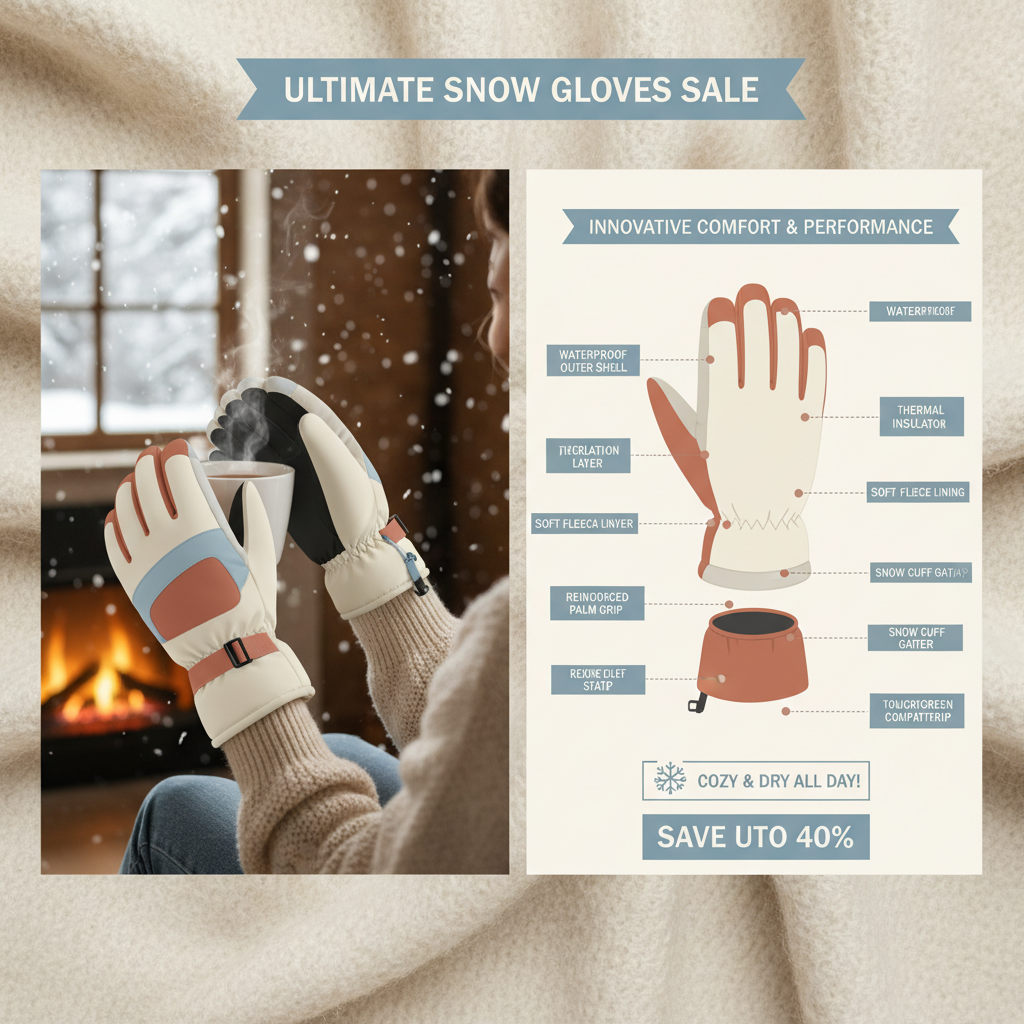
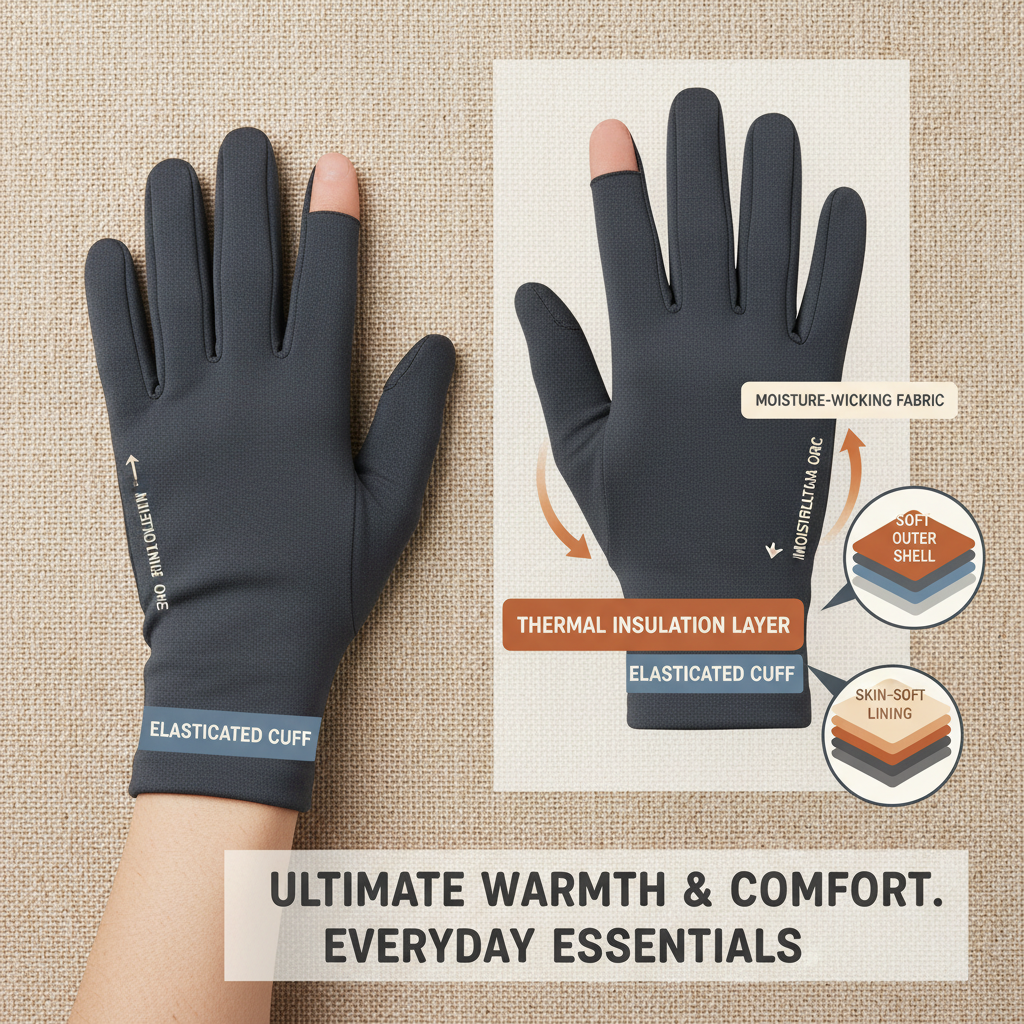
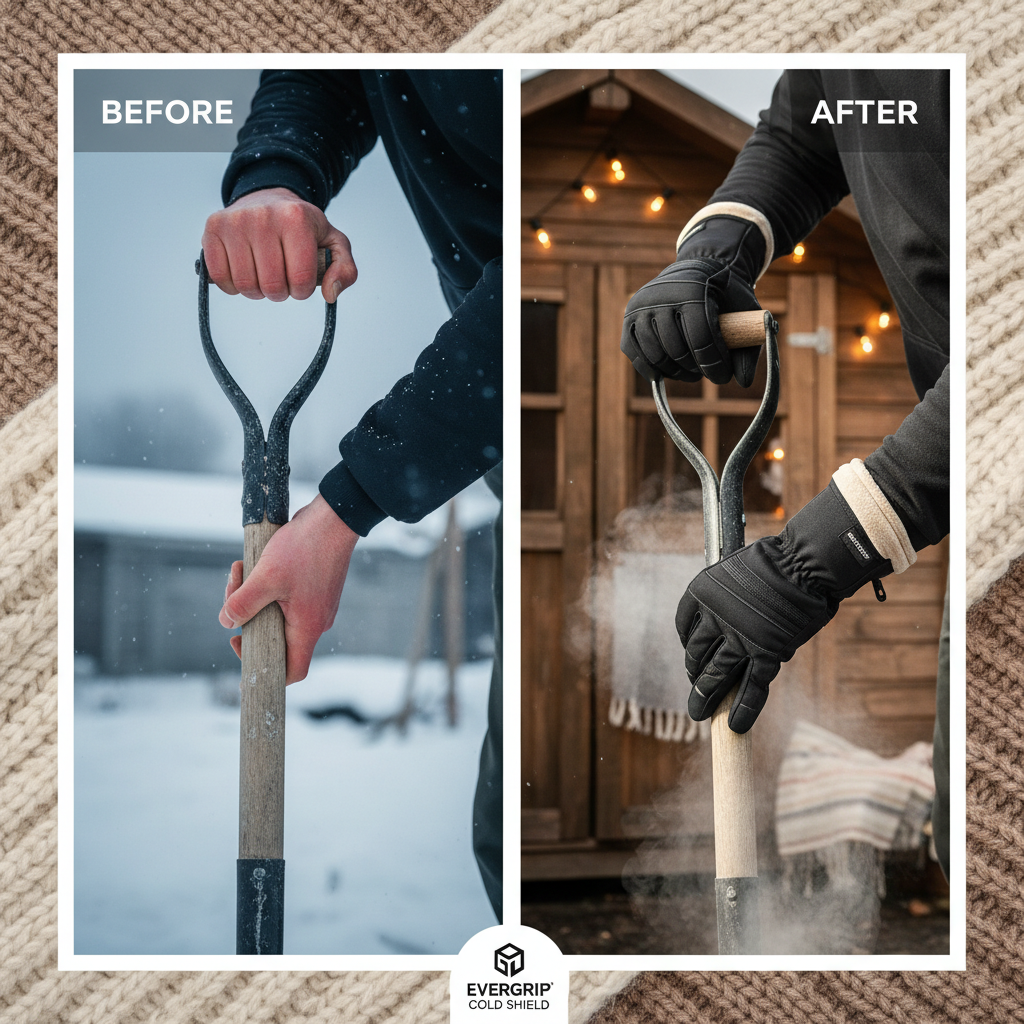
In simple terms, thermal max gloves are high-performance hand coverings designed to provide excellent insulation against cold while maintaining flexibility and grip. They typically combine multi-layered insulation, waterproofing, and breathable fabrics, often integrating advanced technologies such as Thinsulate™ or aerogel-infused liners. You could say they’re at the intersection of comfort, safety, and industrial efficiency.
Industries relying on these gloves include cold chain logistics, emergency medical services, and outdoor construction. They’re also invaluable in humanitarian operations like post-disaster relief, where workers face extreme cold without compromising dexterity or safety.
Core Components That Define Quality in Thermal Max Gloves
1. Insulation Efficiency
At its core, insulation is what separates thermal max gloves from regular work gloves. Materials such as synthetic microfibers, wool blends, or hollow fibers trap warmth effectively while being lightweight. Insulation here isn’t just for warmth; it supports prolonged wear in freezing environments—think subzero temperatures encountered by arctic researchers or high-altitude workers.
2. Durability and Abrasion Resistance
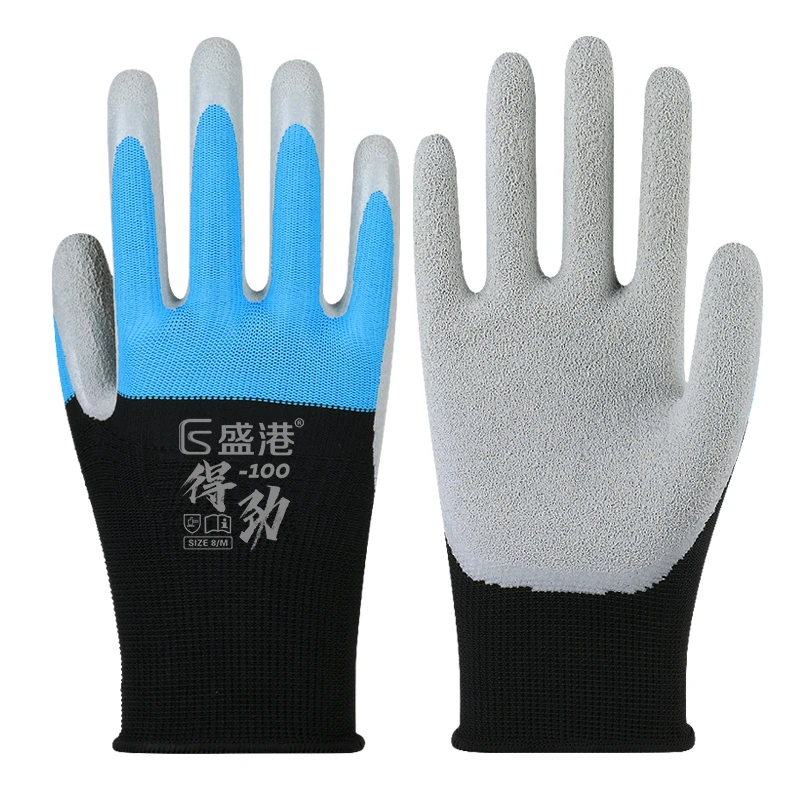
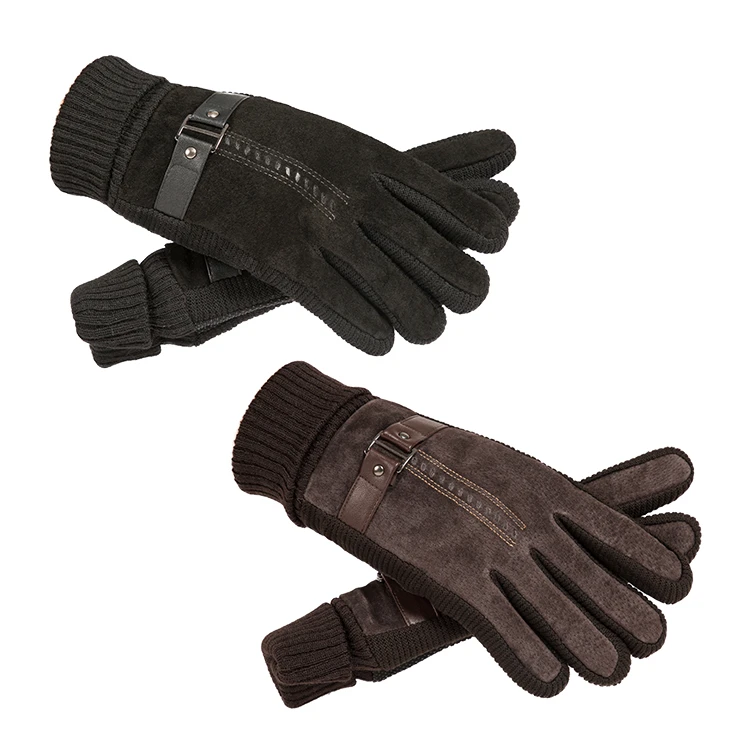
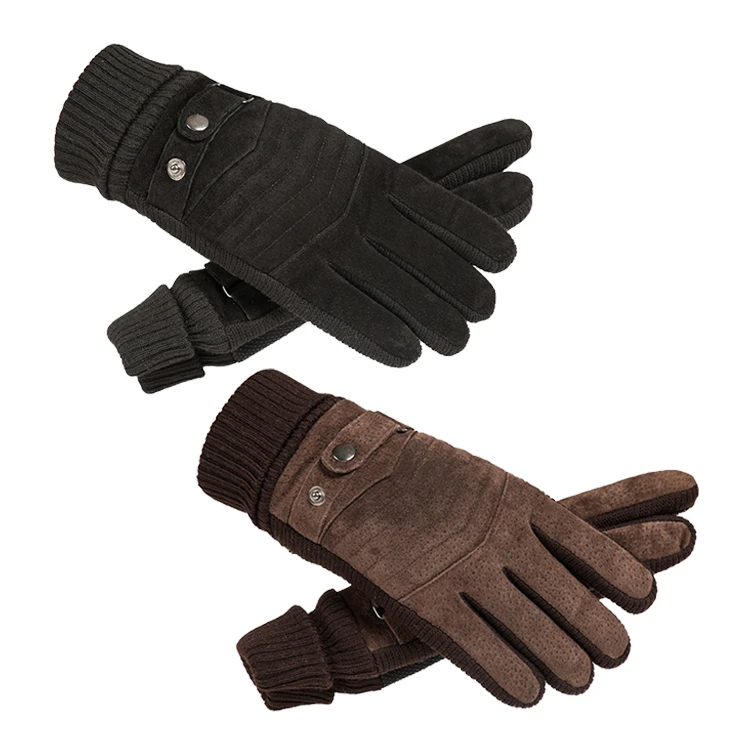
These gloves face rigorous use—handling rough tools, heavy equipment, or abrasive surfaces. Premium gloves feature reinforced palms, often with leather or synthetic polymer reinforcements. Engineers often comment that abrasion resistance combined with insulation tackles the toughest part of daily wear. Thermal max gloves that wear out fast under pressure aren’t worth the investment.
3. Waterproofing and Breathability
Cold environments can be wet too—icy rain, snow, or humid conditions. Waterproof membranes inside these gloves keep hands dry but also allow moisture vapor to escape. This balance prevents sweat build-up, which would otherwise cool the skin dangerously. It’s a delicate balance that good gloves manage well.
4. Grip and Dexterity
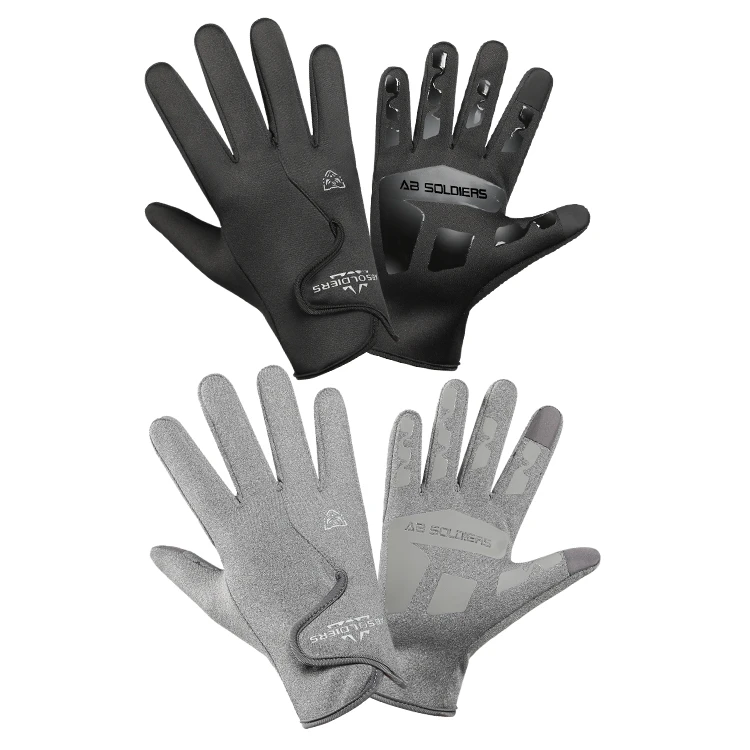
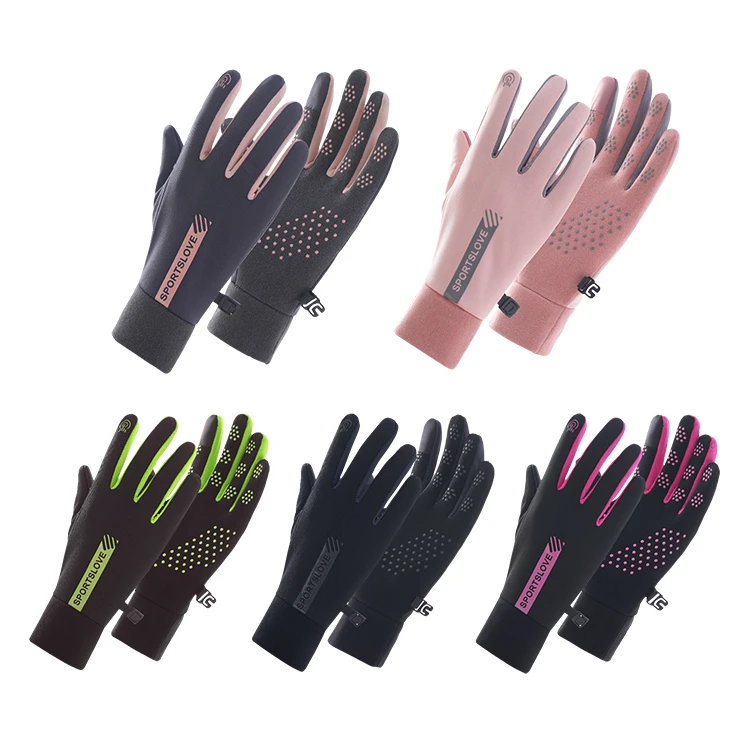
One of the trickier aspects is maintaining tactile sensitivity and grip strength without bulk. Many manufacturers embed silicone prints on fingers and palms to enhance grip. Thermal gloves that are too thick often reduce manual precision—something a crane operator or paramedic can’t afford to compromise.
5. Cost Efficiency
While prices vary, gloves combining all these elements tend to be an investment—but one that translates to better safety and fewer replacements due to wear. Some models prioritize eco-friendly materials too, which impacts cost but appeals to a growing sustainability-conscious market.
Mini takeaway: The best thermal max gloves strike a smart balance—warmth, toughness, waterproofing, and usability—tailored to specific industries and climates.
Global Applications: Who’s Actually Using Thermal Max Gloves?
- Industrial workers in Scandinavia and Canada use them extensively during winter construction and oil platform maintenance.
- Emergency responders deploy these gloves in cold-weather disaster zones, like snowed-in mountain rescue missions or flood relief in chilly regions.
- Outdoor sports and fishing industries rely on thermal max gloves to keep hands dexterous in wet/freezing water conditions.
- Cold chain logistics companies benefit as drivers and warehouse staff handle perishable goods in subzero warehouses worldwide.
For example, the International Federation of Red Cross and Red Crescent Societies recently standardized thermal gloves in its disaster response kits to reduce frostbite risks during winter floods in Eastern Europe—a smart move with on-ground feedback confirming fewer cold injuries.
Specification Table: Typical Thermal Max Gloves Features
| Feature | Specification / Description |
|---|---|
| Insulation Material | Thinsulate™ 40g or aerogel-infused lining |
| Outer Shell | Waterproof polyurethane-coated nylon |
| Palm Reinforcement | Synthetic leather with silicone grip dots |
| Water Resistance | > 8000 mm hydrostatic pressure |
| Breathability | 5000 g/m²/24 hrs moisture vapor transmission |
| Operating Temperature Range | -40°C to +10°C |
Vendor Comparison: Thermal Max Gloves Market Leaders
| Brand | Price Range (USD) | Best For | Material Highlight | Special Feature |
|---|---|---|---|---|
| GlovePro Extreme | $45 - $60 | Industrial, Arctic Conditions | Aerogel composite lining | Reinforced touchscreen fingertips |
| NorthWick Arctic Shield | $35 - $50 | Emergency Response | Thinsulate™ 3M insulation | Adjustable wrist cinch |
| EcoMax Thermal | $28 - $40 | Sustainability-focused users | Recycled polyester insulation | Biodegradable outer shell |
The Advantages and Long-Term Value of Thermal Max Gloves
On a purely practical level, these gloves reduce cold-related injuries, boost worker productivity, and prolong work duration in extreme conditions. Cost savings over time come from durability and reduced downtime rather than just initial price. In humanitarian crisis zones, warmed and protected hands help maintain morale and save lives—safety, dignity, and innovation rolled into one accessory.
The emotional side isn’t trivial either—workers consistently report feeling more confident and less fatigued, translating into safer, more focused workflows. Organizations incorporating thermal max gloves into their PPE programs often see fewer insurance claims and greater employee trust.
What’s Next? Trends and Innovations in Thermal Max Gloves
Looking ahead, manufacturers are integrating smart technologies—think sensors that monitor hand temperature or moisture levels and adapt insulation dynamically. Eco-conscious materials like bio-based polymers are on the rise, reducing environmental footprints, which aligns with global pushes for greener industry (ISO 14001 and related frameworks).
Automation in manufacturing and digital customization (3D hand scans for perfect fits) also play a role in next-gen thermal gloves. It’s an evolving story where comfort meets tech meets sustainability.
Facing Challenges: Solutions for Thermal Max Gloves Today
Common challenges include balancing bulk vs. dexterity, price accessibility for smaller outfits, and standardizing quality. Some LOW-cost gloves sacrifice breathability, leading to sweaty hands that paradoxically feel colder.
Addressing this, some companies now offer modular glove systems where liners can be swapped or upgraded—offering flexibility and longevity. Bulk purchasing and government subsidies in cold regions also improve access for vulnerable workers.
FAQ: Frequently Asked Questions About Thermal Max Gloves
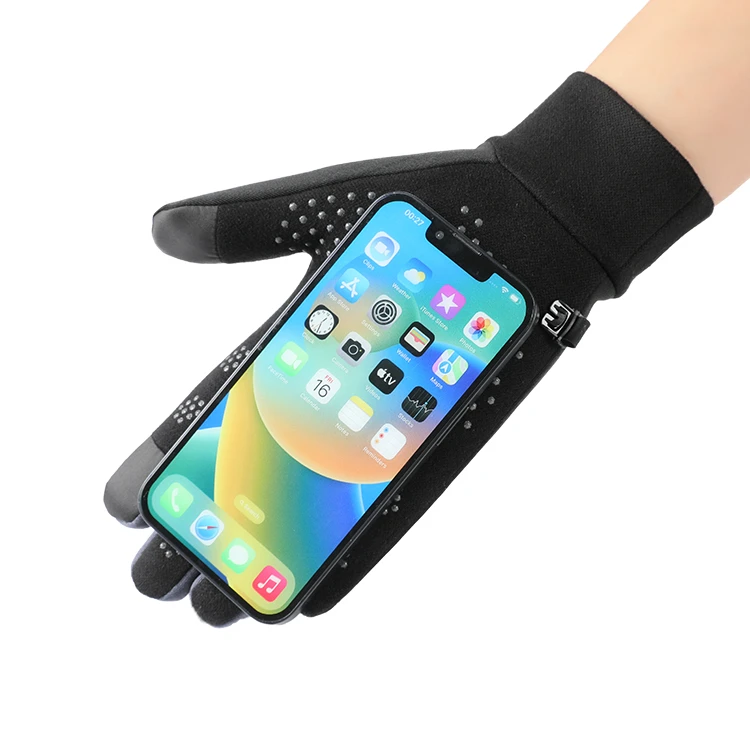
- Q: Can thermal max gloves be used for touchscreen devices?
- A: Yes, many models now incorporate touchscreen-compatible fingertips, enabling users to operate smartphones or tablets without removing their gloves.
- Q: How do I choose the right glove thickness for extreme cold?
- A: It depends on your activity. For heavy manual work, a thinner insulated glove with high dexterity is preferable; for static tasks in freezing weather, thicker insulated gloves offer more warmth.
- Q: Are thermal max gloves waterproof?
- A: Most premium models offer waterproof membranes while maintaining breathability, ensuring dry hands without sweat accumulation during prolonged use.
- Q: Can I wash thermal max gloves at home?
- A: Usually, yes, but it's recommended to follow manufacturer instructions closely to avoid damaging insulation or waterproof layers.
- Q: Where can I buy reliable thermal max gloves?
- A: Trusted PPE vendors, specialized industrial suppliers, and authorized online stores like thermal max gloves distributors are good places to start.
Wrapping Up: Why Thermal Max Gloves Should Be Your Next Investment
In the long haul, investing in quality thermal max gloves means better protection, increased efficiency, and peace of mind across many cold-weather applications. Whether escaping frostbite on a chip platform or keeping hands nimble in chilly warehouses, these gloves combine technological craftsmanship with battlefield-tested durability.
Don’t just take my word for it—explore options yourself. Visit our website for detailed product lines, expert advice, and the latest innovations at https://www.personalcarescn.com. Your hands will thank you.