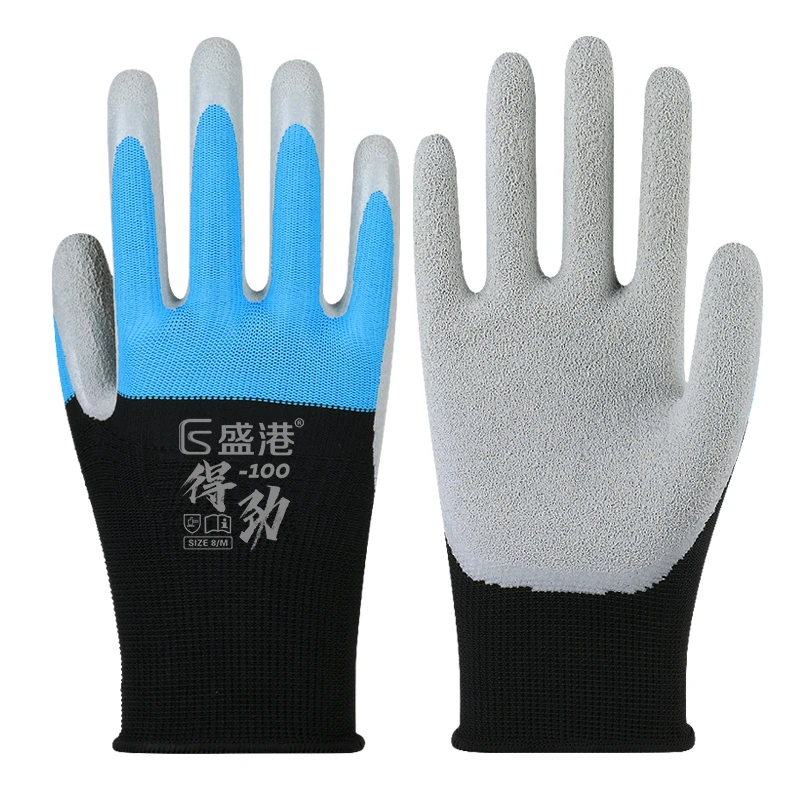
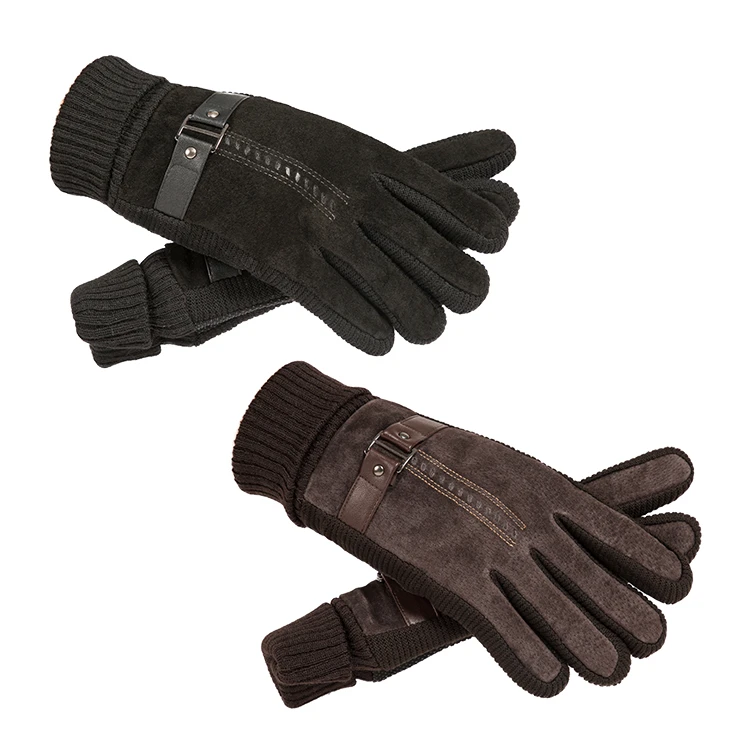
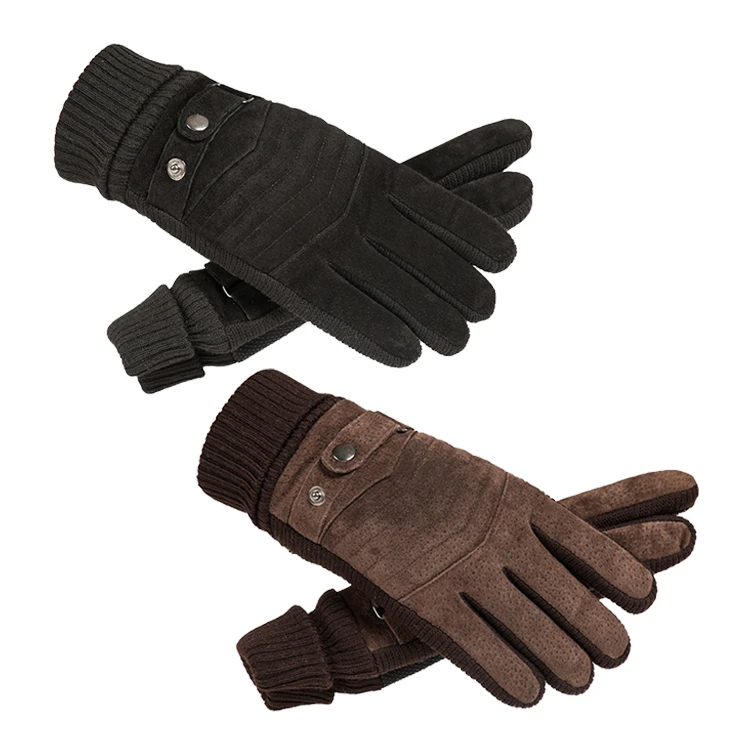
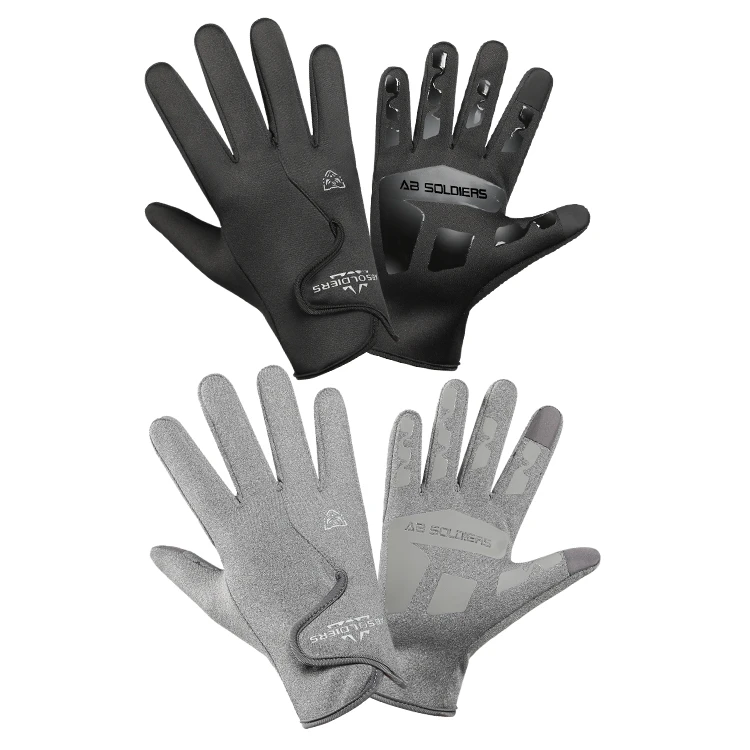
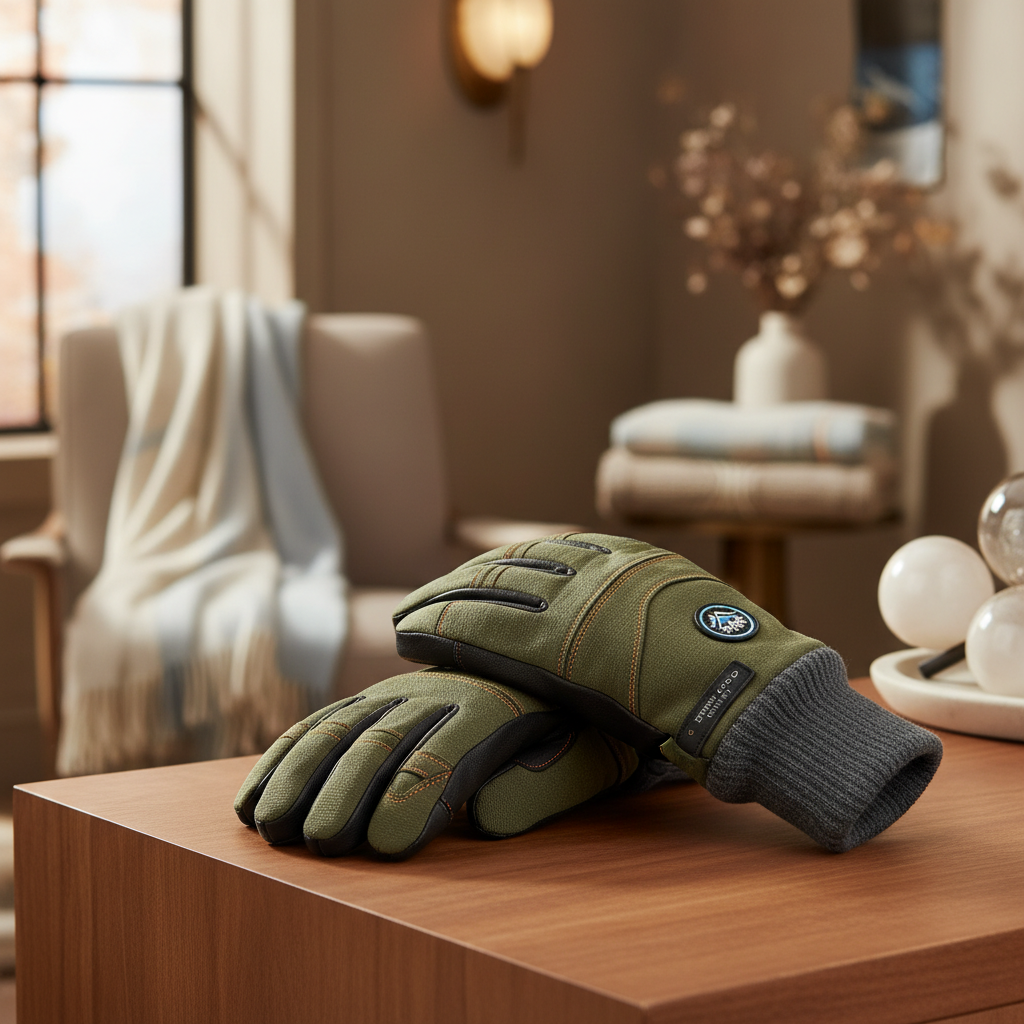
Thermal Military Gloves: Essential Cold Weather Gear for Military & Relief Operations
Thermal Military Gloves: Why They Matter on a Global Scale
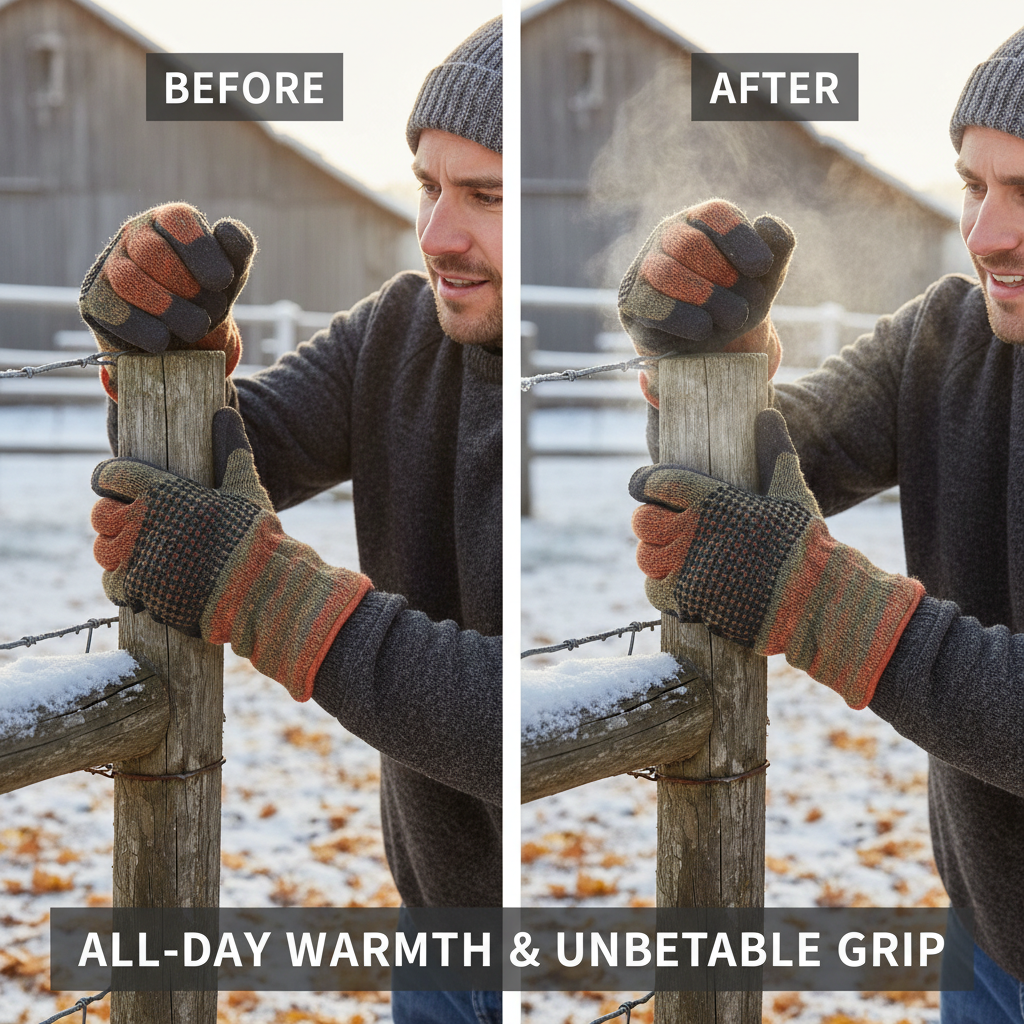
If you've ever wondered how soldiers and first responders keep their hands warm and operational in freezing environments, the answer lies partly in thermal military gloves. These aren’t just any gloves—they’re specialized gear designed to provide warmth, dexterity, and protection under some of the harshest conditions on earth. Globally, with military operations extending into Arctic regions, high-altitude terrains, and extreme cold weather zones, understanding this gear becomes critical. Not only does it safeguard personnel, but it also enhances mission effectiveness.
In fact, cold exposure remains one of the most significant threats to outdoor military operations and humanitarian efforts alike. According to the International Organization for Standardization (ISO), appropriate thermal protective clothing can reduce cold injury risk by up to 70%. Thermal gloves form an essential part of this ensemble, making their role both practical and humanitarian.
Understanding Thermal Military Gloves: What Are They?
At a basic level, thermal military gloves are insulated hand coverings designed explicitly for military personnel and operatives working in cold environments. But they're more than thick mitts. Modern designs incorporate materials that balance warmth with finger mobility, so soldiers can use weapons, tools, or communication devices efficiently without fumbling.
With the rise of humanitarian crises in cold regions, including refugee camps at altitude and polar expedition groups, these gloves have shifted slightly from purely combat gear to vital protection for relief workers and explorers. So, these gloves serve as both a frontline asset and a humanitarian lifeline.
Key Components of Thermal Military Gloves
1. Insulation & Thermal Retention
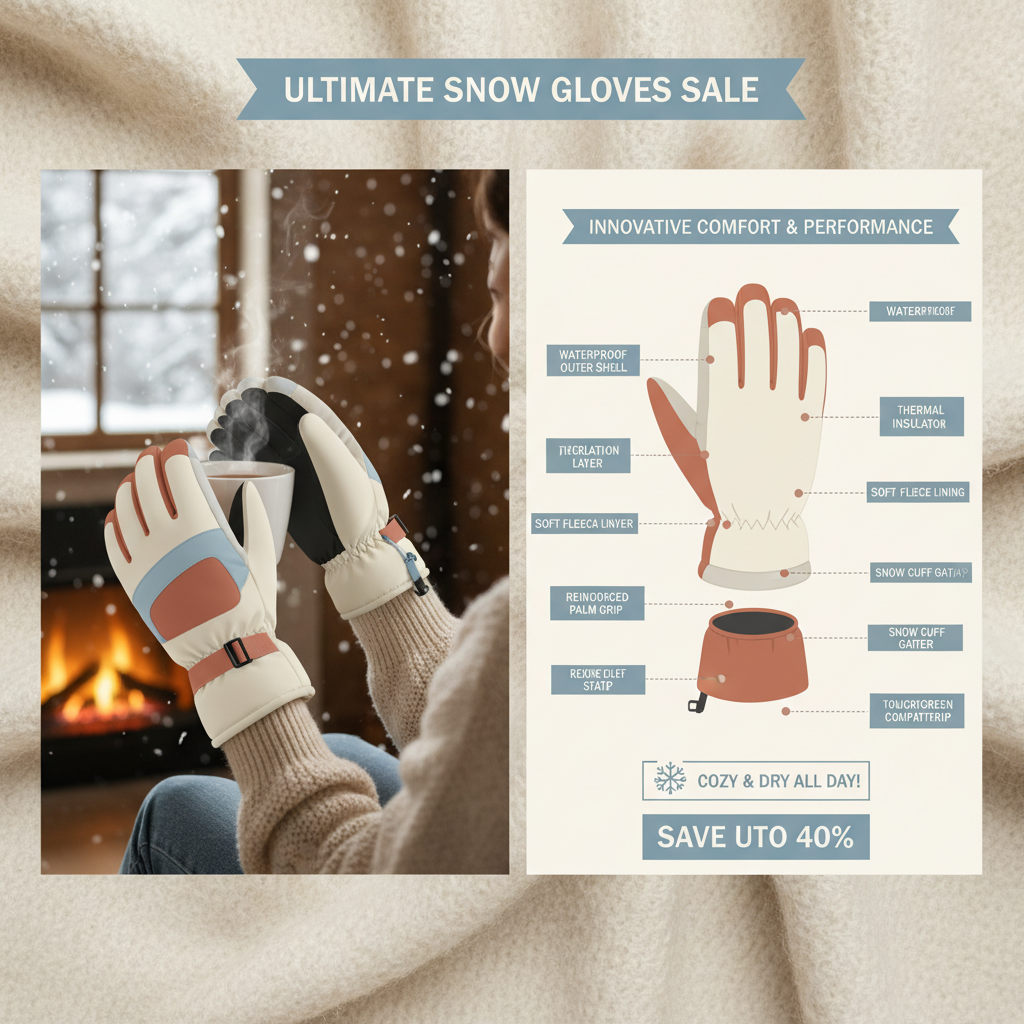
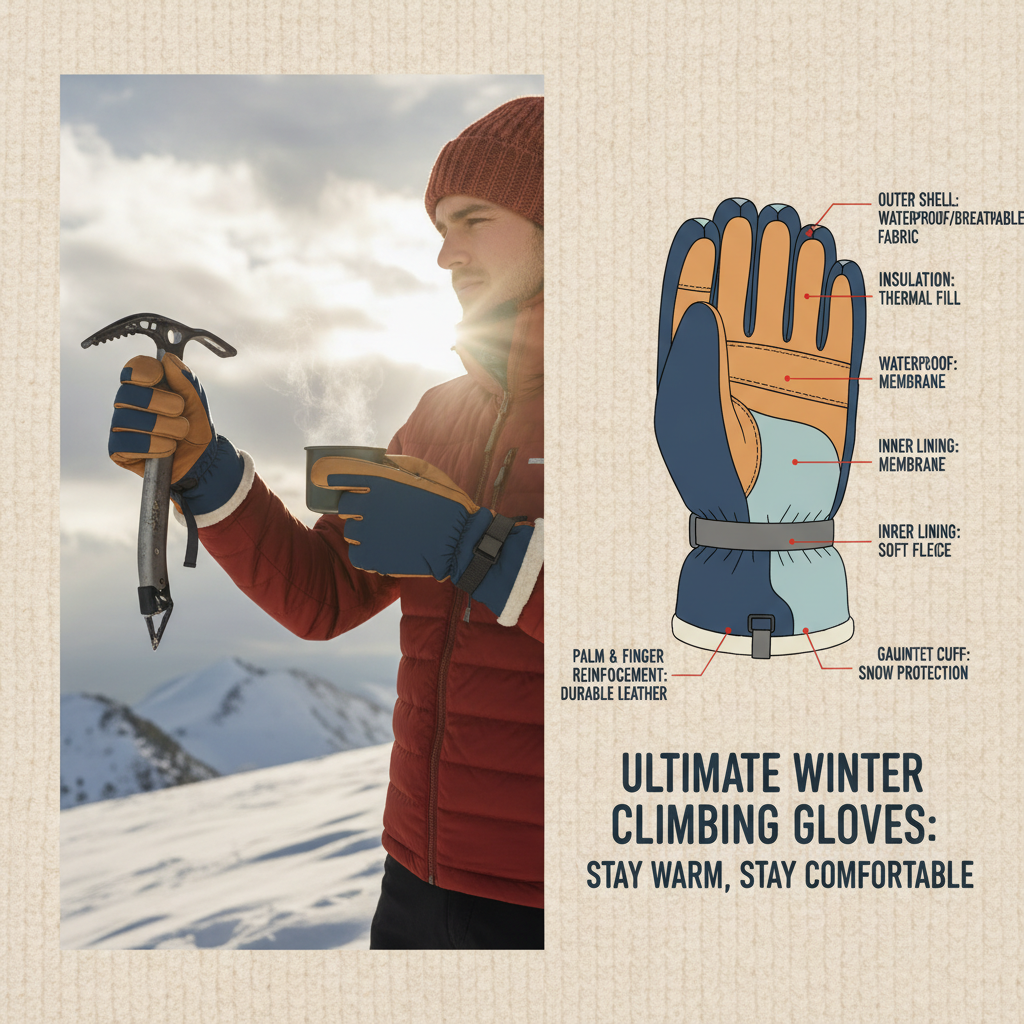
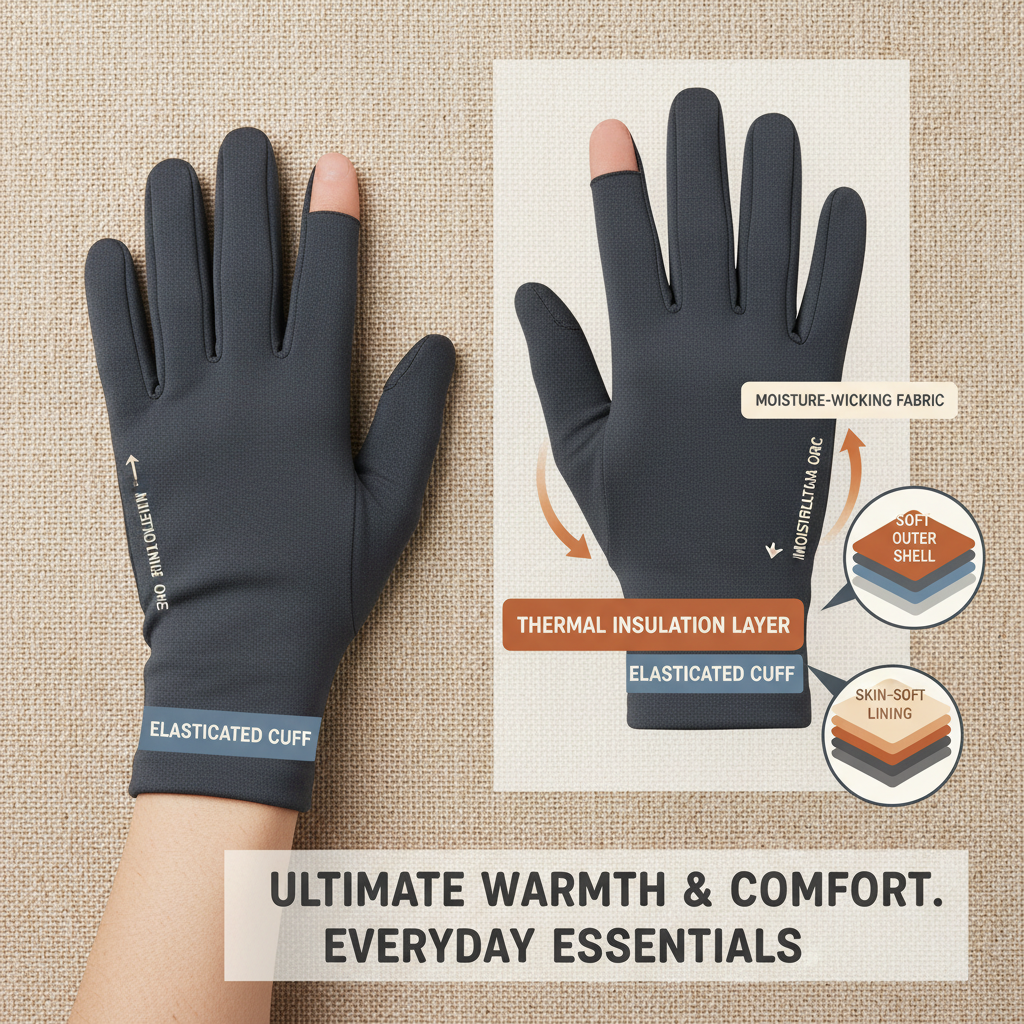
Insulation typically comes from advanced synthetic fibers like Thinsulate™ or PrimaLoft® — materials engineered to trap body heat while remaining lightweight. Many gloves also incorporate fleece or wool layers directly touching the skin for comfort.
2. Waterproofing & Breathability
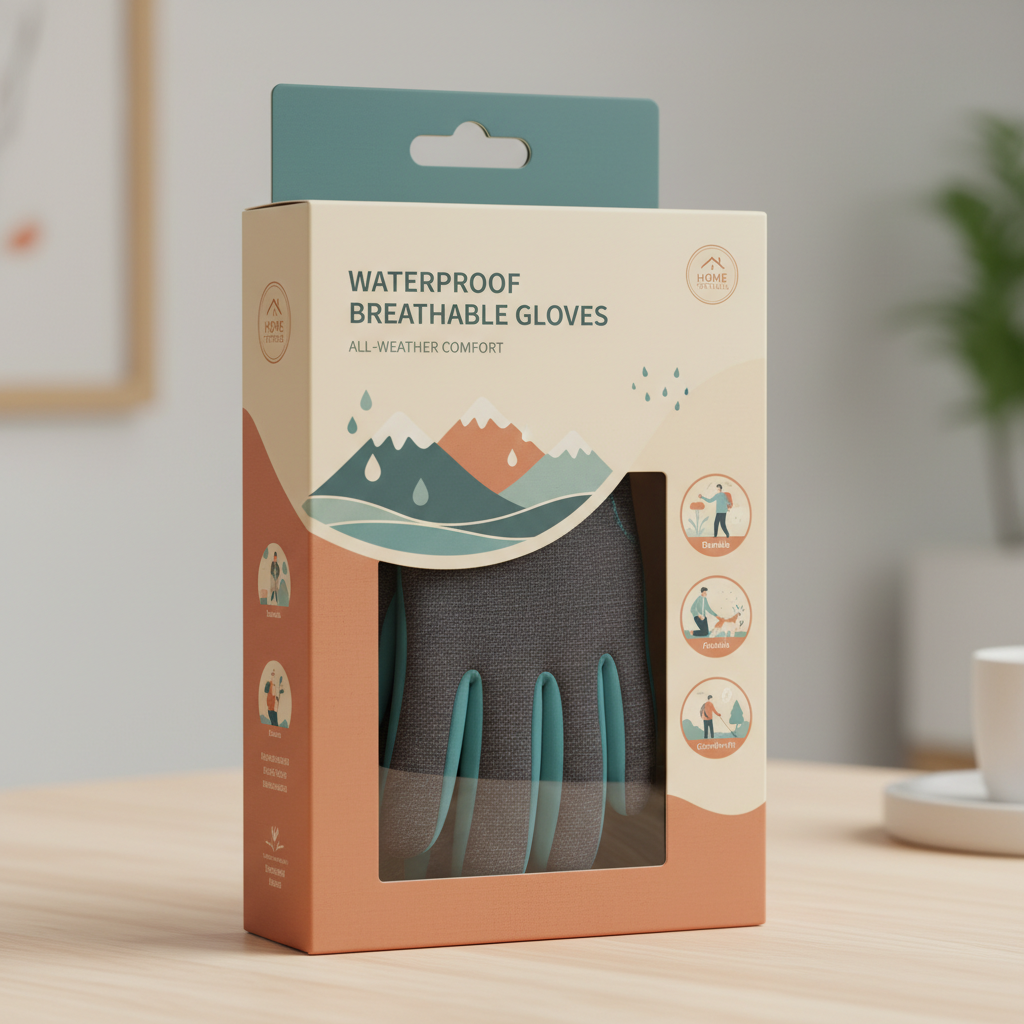
They combine waterproof membranes such as Gore-Tex® with breathable fabrics to keep moisture out but allow sweat to evaporate, preventing that dreaded clammy feeling. This is key because damp hands lose heat rapidly.
3. Durability & Toughness
A robust outer shell made of leather or synthetic composites resists abrasions, cuts, and punctures in rough environments. Salient for military work, where every piece often faces harsh handling and rough terrain.
4. Tactile Sensitivity & Grip
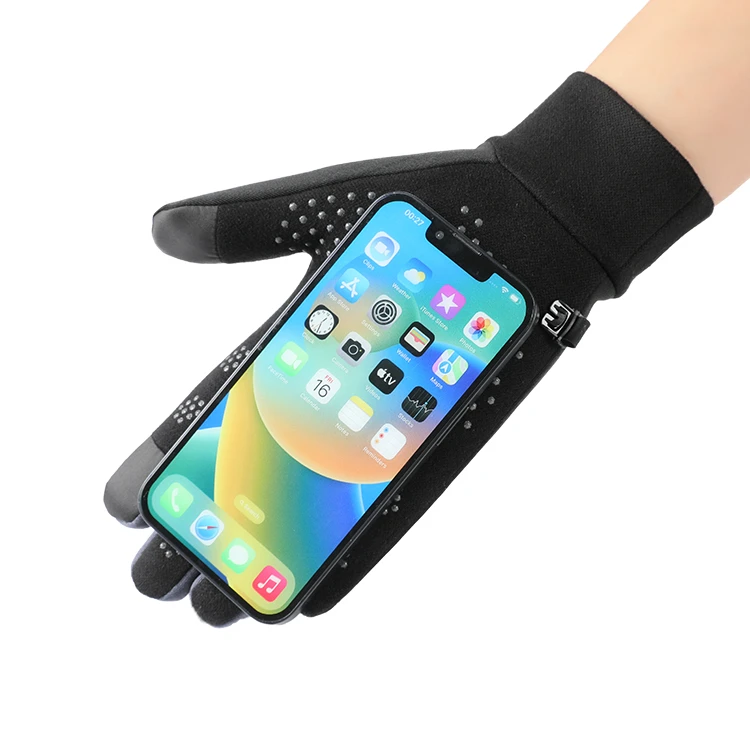
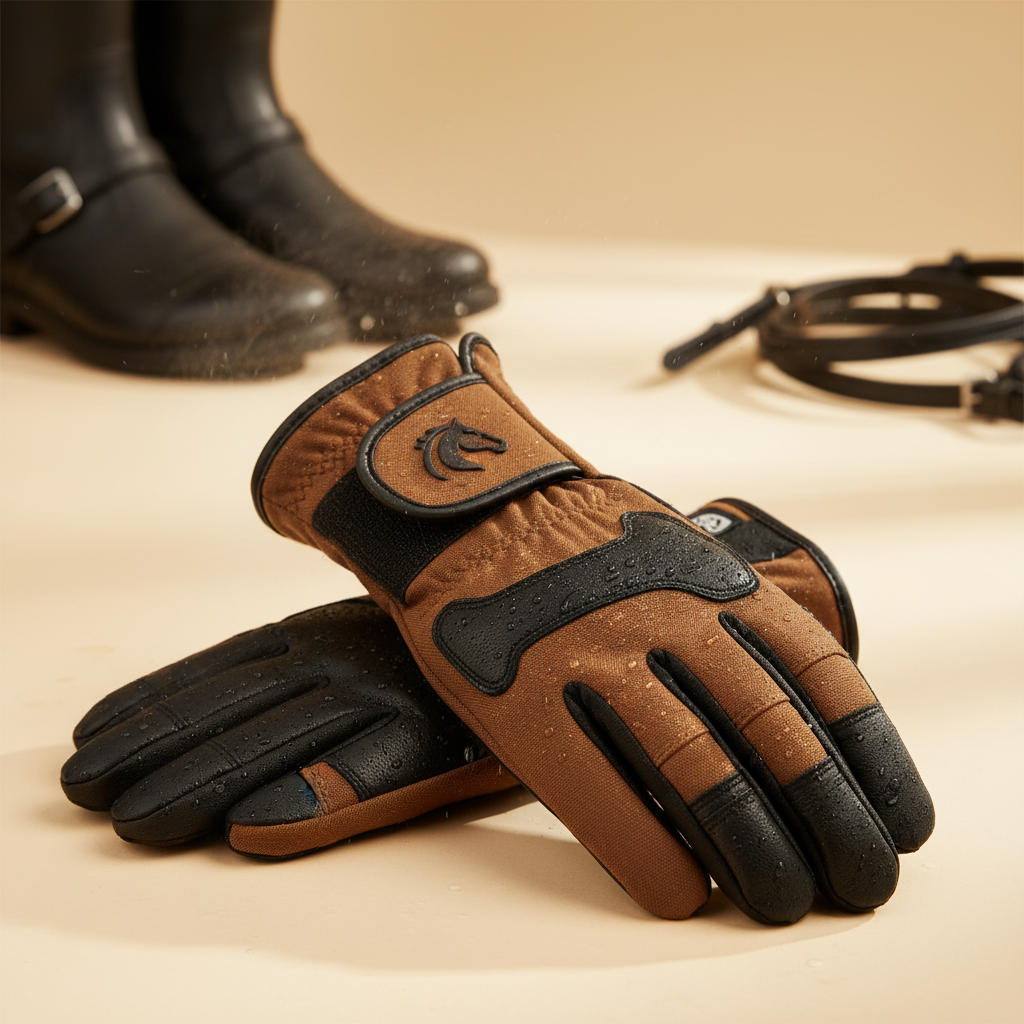
Unlike bulky civilian winter gloves, thermal military gloves feature textured palms and fingertips crafted for a dependable grip on weapons, tools, or equipment. Many models include touchscreen-compatible fingertips—a modern necessity.
5. Comfort & Fit
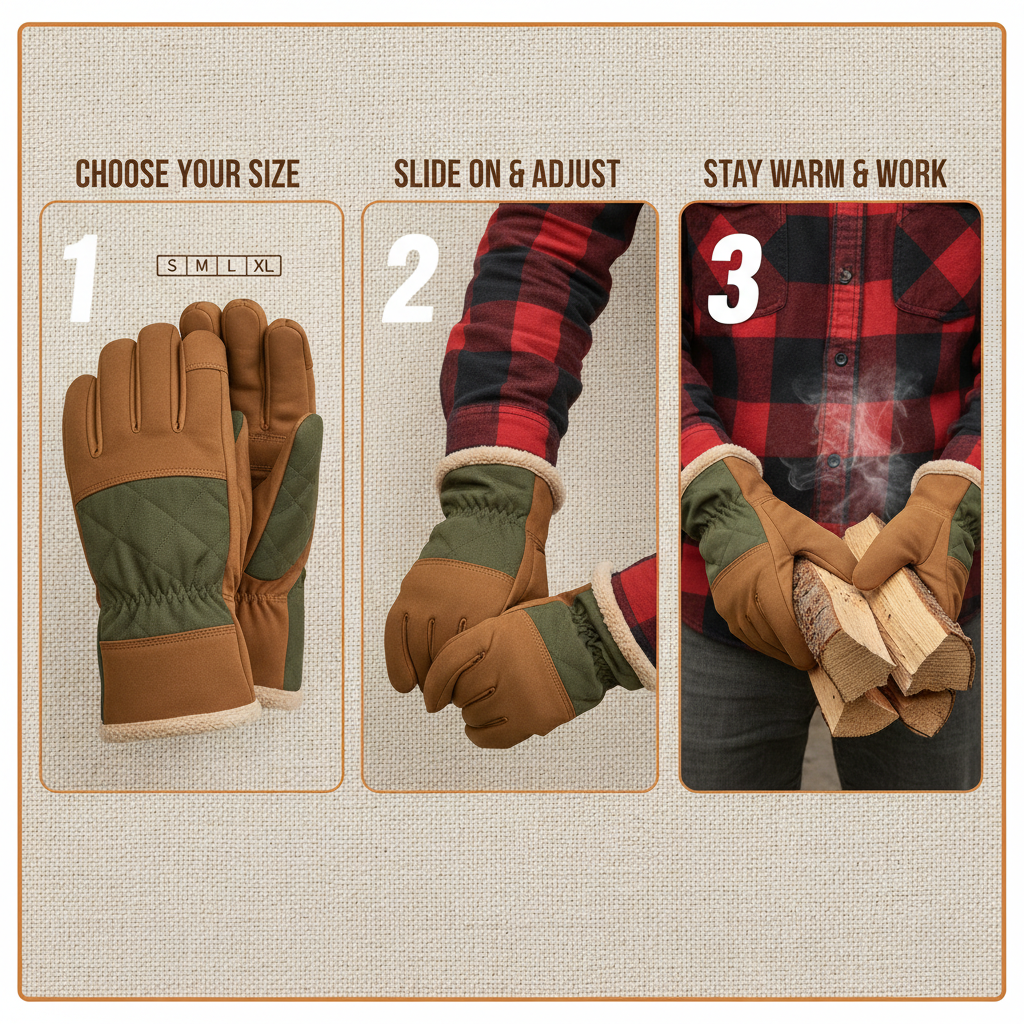
The magic happens in the fit: snug enough to trap warmth but not so tight that circulation slows. Adjustable wrist closures and articulated finger designs are common to ensure this balance.
Where and How Thermal Military Gloves Are Used Globally
Cold weather gloves for military use don’t just belong in textbooks — they see action worldwide. For example:
- Arctic and Subarctic Regions: NATO forces and peacekeepers operating in Nordic countries rely on these gloves to survive temperatures that can plunge below -40°C.
- High-Altitude Military Operations: Mountain battalions in places like the Himalayas depend on gloves that provide warmth without bulk, enabling soldier dexterity when it truly counts.
- Disaster Relief Missions: Humanitarian agencies in regions affected by winter storms or glacier melt zones often equip teams with thermal gloves to maintain manual tasks during extended outdoor exposure.
- Industrial Zones: Remote oil rigs and mining sites experience cold snaps, creating a crossover demand for gloves that combine military-grade protection with industrial durability.
One noteworthy application was during the 2022 winter relief effort in Central Asia, where rescue teams credited thermal gloves with preventing frostbite in temperatures below -30°C while allowing seamless radio communication and medical care.
Practical Specifications of a Typical Thermal Military Glove
| Feature | Specification | Benefit |
|---|---|---|
| Insulation | Thinsulate™ 40g/m² | Retains heat without bulk |
| Membrane | Gore-Tex® Waterproof/Breathable | Keeps hands dry & comfortable |
| Outer Material | Split leather & nylon composite | Durable & abrasion-resistant |
| Grip | Textured silicone pattern | Secure weapon & tool handling |
| Weight | Approx. 200g per pair | Lightweight, reduces fatigue |
Vendor Comparison: Who Makes the Cut?
| Brand | Material Quality | Waterproof Level | Price Range (USD) | Special Features |
|---|---|---|---|---|
| ArcticShield | Premium leather & Thinsulate™ | Gore-Tex® certified | $120-$150 | Reinforced knuckles, touchscreen tips |
| ColdGuard Pro | Synthetic composites | Water repellent (not fully waterproof) | $80-$110 | Ergonomic grip, adjustable strap |
| ThermoTacX | Hybrid wool & nylon | Gore-Tex® with membrane venting | $100-$140 | Touchscreen capability, anti-slip palm |
Advantages and Long-Term Value of Thermal Military Gloves
Besides the obvious warmth factor, these gloves carry some less obvious but powerful benefits:
- Operational Reliability: Trust in your gear is non-negotiable for troops. Gloves that fail cost lives and missions.
- Sustainability: Many manufacturers now emphasize durable materials and repairability, reducing waste.
- Safety and Dignity: Keeping hands frostbite-free plays a huge role in morale and functional capacity.
- Cost Efficiency: High-quality gloves might have a higher upfront price but save money by needing replacement less often.
Oddly enough, some soldiers have reported it feeling almost like a security blanket, a tactile comfort during stressful operations. That human factor sometimes slips through the cracks in purely technical discussions.
Emerging Trends and Innovations to Watch
With advances in materials science, expect to see gloves incorporating nano-insulation technology that packs more warmth in thinner layers. Integration of wearable tech, such as built-in heating elements powered by compact batteries, is another frontier.
Environmental concerns see some brands moving toward biodegradable or recycled materials without compromising protection. Digital transformation means more gloves are tested using thermal imaging and sensor feedback for real-time performance data—talk about next-gen gear.
Challenges and Industry Solutions
Of course, no gear is perfect. Some common challenges include:
- Bulk vs. Dexterity: More insulation usually means reduced finger mobility—a real headache in combat scenarios.
- Cost vs. Accessibility: High-end gloves don’t always reach smaller NGOs or light infantry units due to budget constraints.
- Durability in Humid Cold: Many gloves struggle with wet freezing conditions—like fog or sleet—that rapidly reduce thermal retention.
Experts suggest modular designs with removable liners and waterproof shells could solve many concerns. Enhanced supply chains and partnerships with manufacturers help widen access. Plus, user education on proper care extends lifespan dramatically.
FAQ: Your Top Questions About Thermal Military Gloves
- 1. How do thermal military gloves differ from civilian winter gloves?
- Thermal military gloves prioritize a balance between warmth, durability, and tactile sensitivity critical for weapon handling and communication equipment, features often absent in civilian gloves.
- 2. Can these gloves handle wet and icy conditions effectively?
- Most top-tier gloves use waterproof breathable membranes like Gore-Tex® to keep moisture out while allowing sweat to escape, but prolonged wet exposure can still reduce insulation effectiveness.
- 3. Are thermal military gloves suitable for non-military humanitarian workers?
- Absolutely. Many relief organizations use these gloves for cold-weather aid efforts, valuing their durability and warmth in harsh environments.
- 4. How long do thermal military gloves typically last in the field?
- With proper care, high-quality gloves can last several years. However, usage intensity and environment dramatically affect longevity.
- 5. Can I find thermal military gloves with touchscreen capability?
- Yes, many modern designs include conductive fingertips allowing use of smartphones or radios without removing your gloves.
Conclusion: Warm Hands, Sharp Missions
Thermal military gloves might not be the flashiest gear in a soldier’s kit, but their impact is profound. They protect, empower, and enable critical operations in freezing conditions, turning an often-overlooked accessory into a life-saving piece of equipment. Whether for battlefields, disaster zones, or remote industrial sites, investing in quality thermal gloves ensures hands stay warm—and missions stay on track.
To explore a variety of trusted thermal military gloves that blend innovation with reliability, feel free to visit our website: thermal military gloves. Your hands will thank you.